Reading comprehension Math Worksheets for 6-Year-Olds - Page 2
46 filtered results
-
From - To
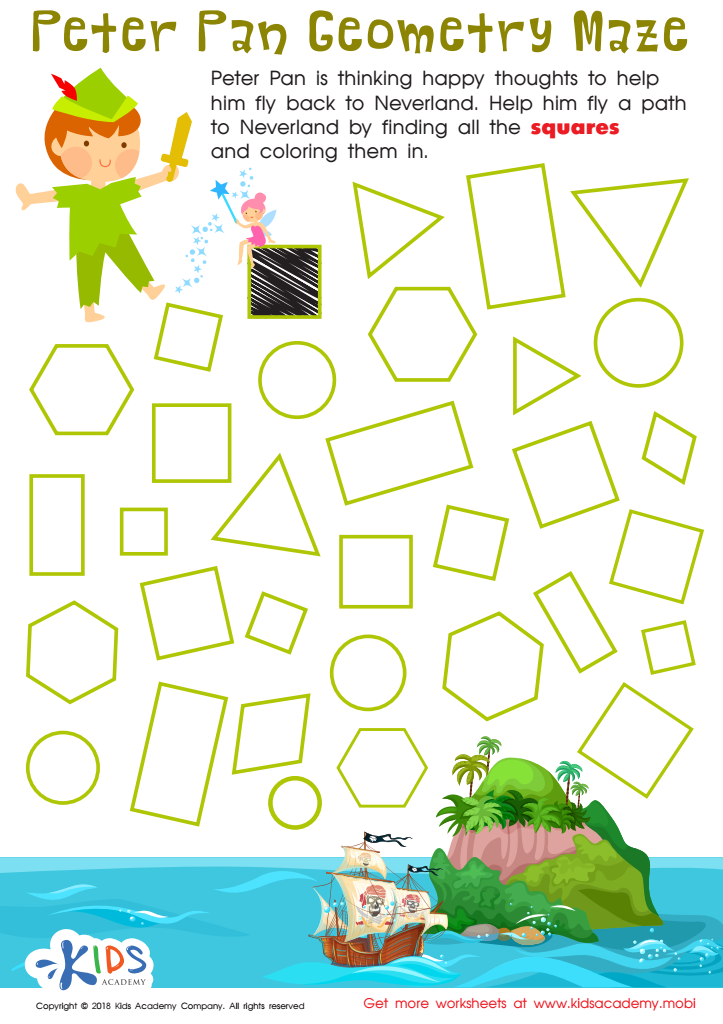
Peter Pan Worksheet
 Assign to My Students
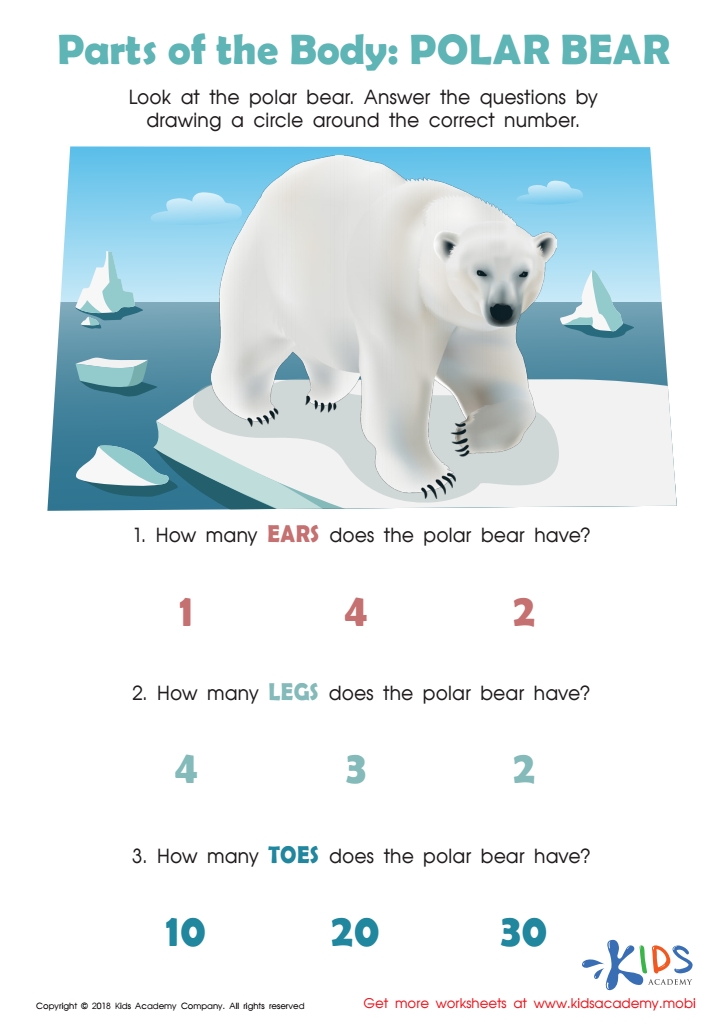
Parts of the Body: Polar Body Worksheet
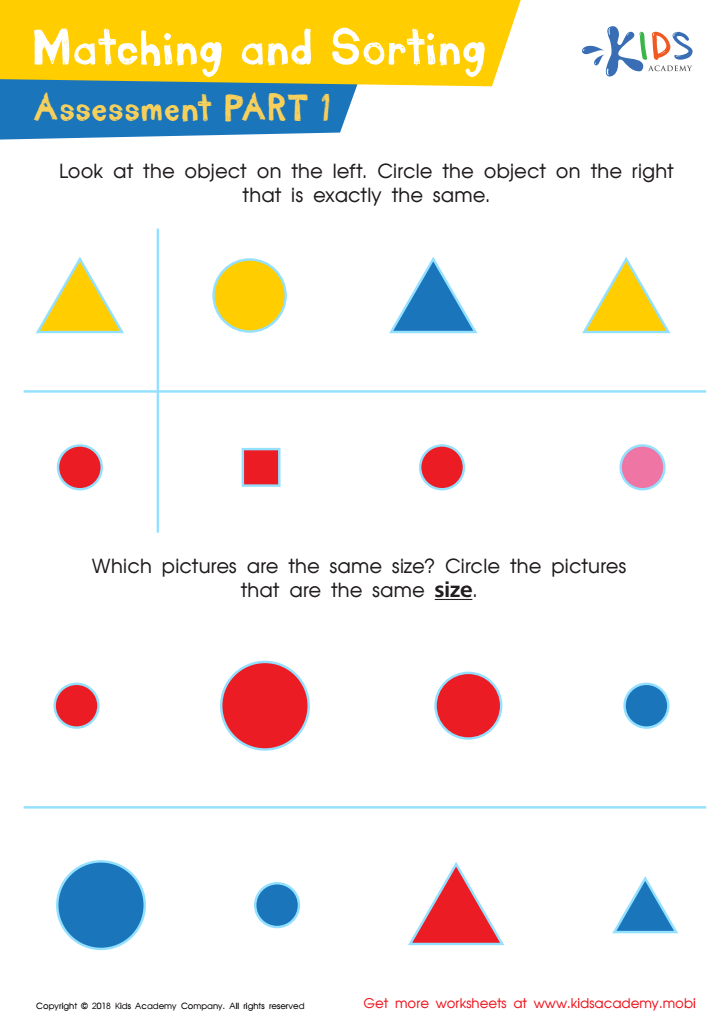
Matching and Sorting for Kindergarten: Assessment 1 Worksheet
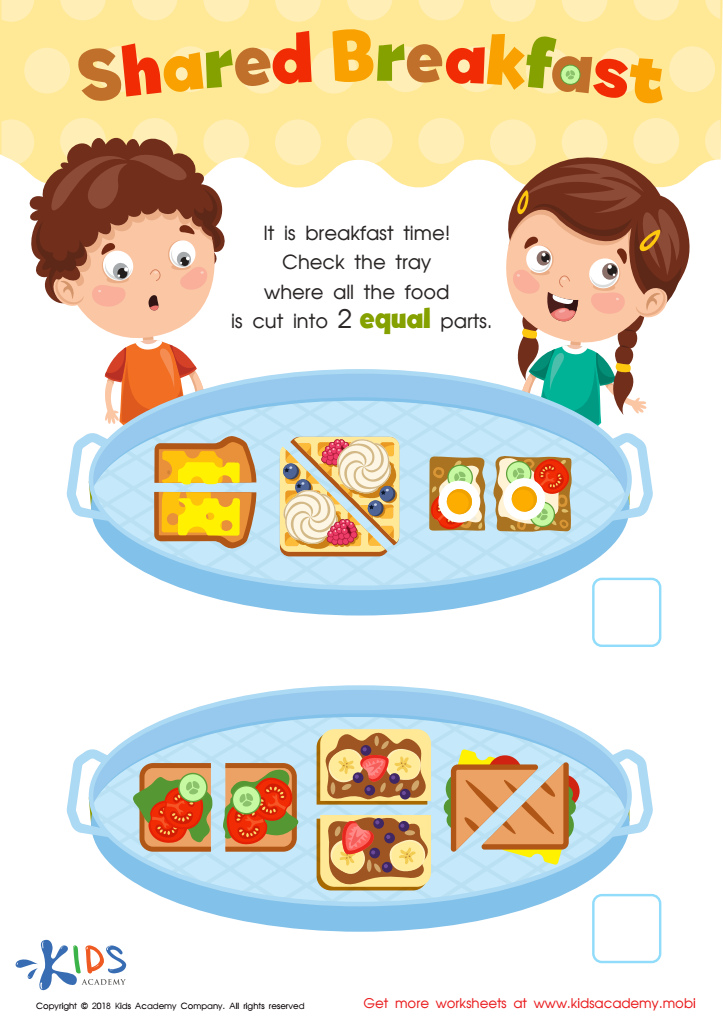
Shared Breakfast Worksheet
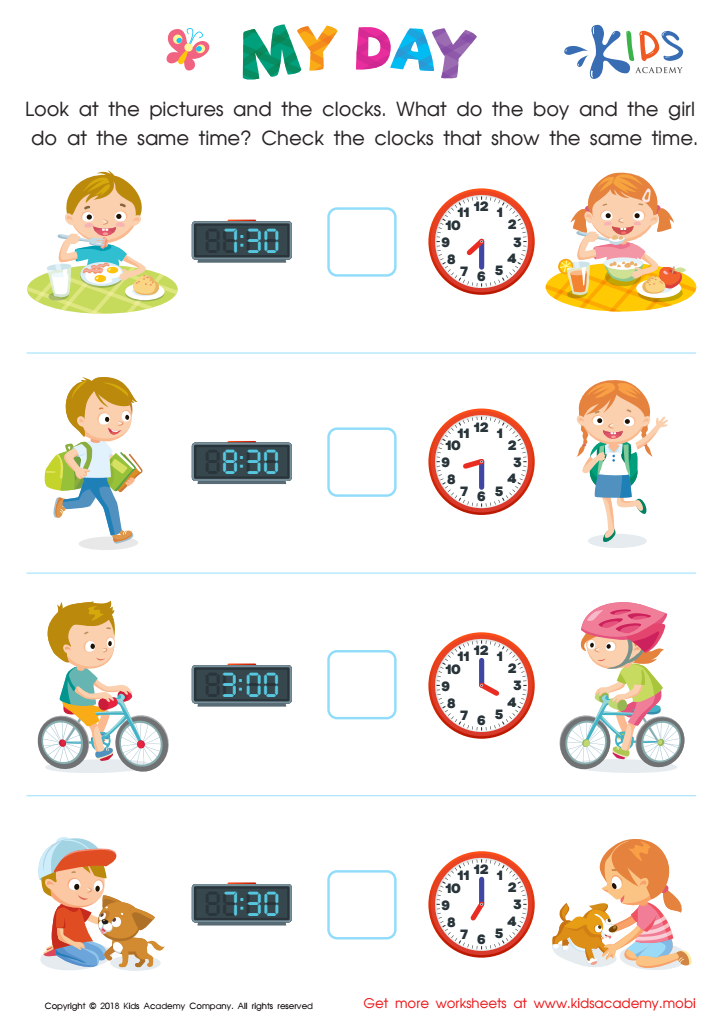
My Day Worksheet
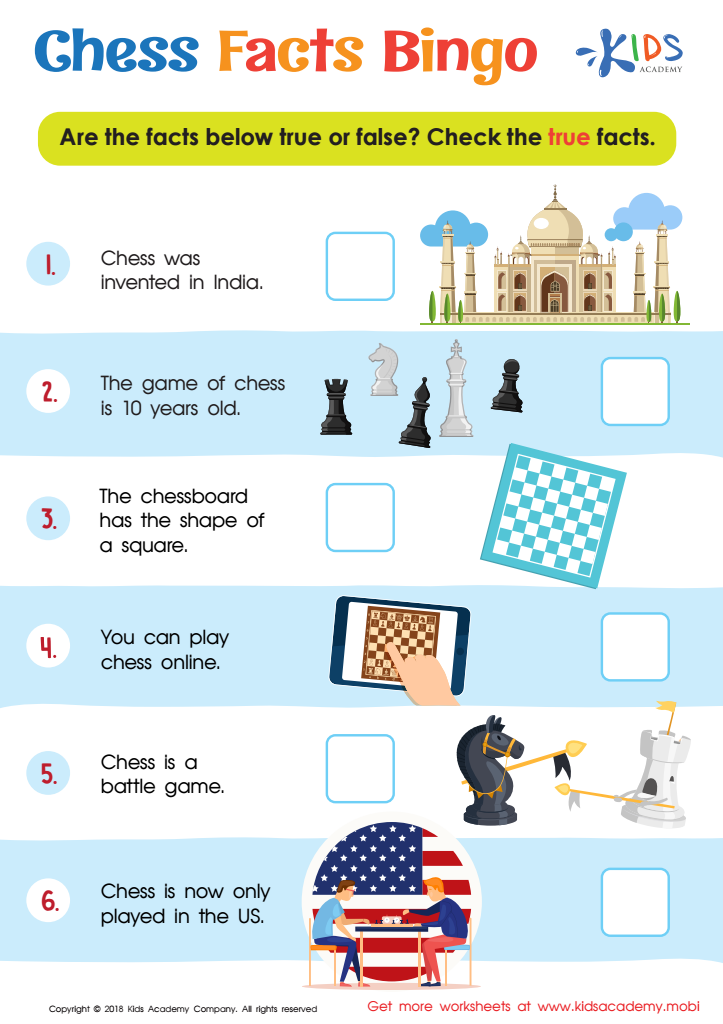
Chess Facts Bingo Worksheet
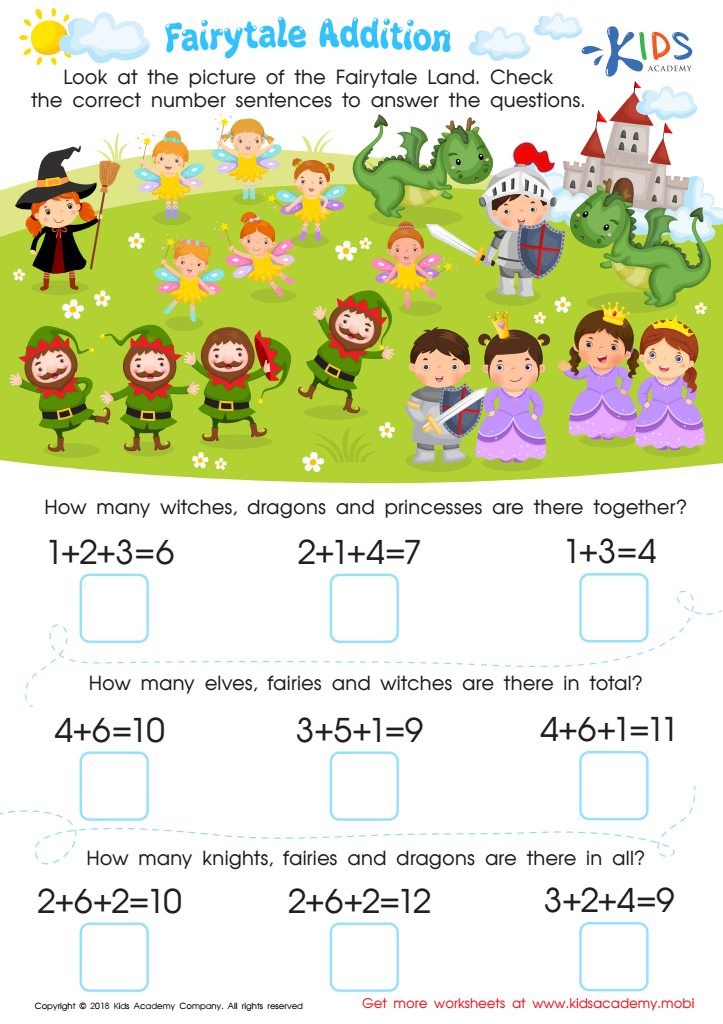
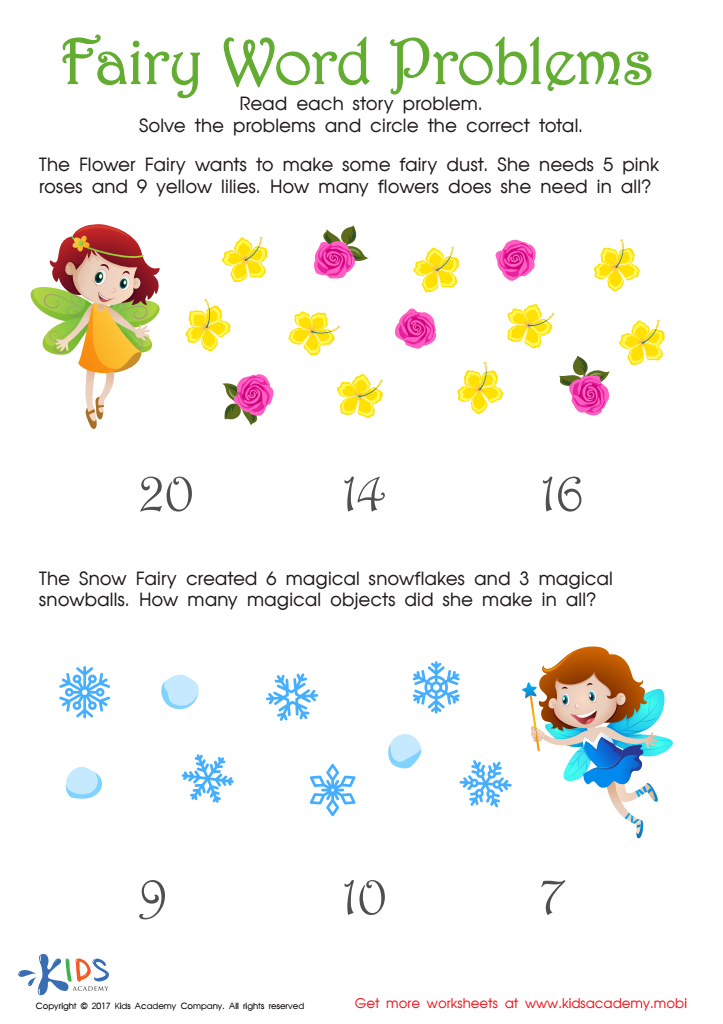
Fairytale Addition Worksheet
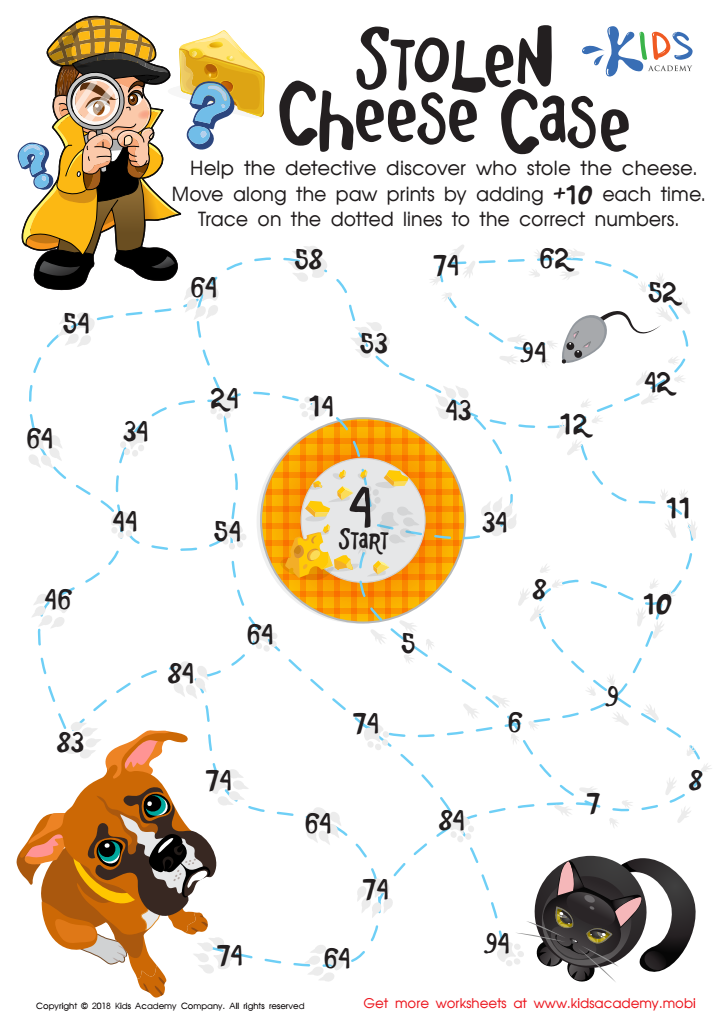
Stolen Cheese Case Maze Worksheet
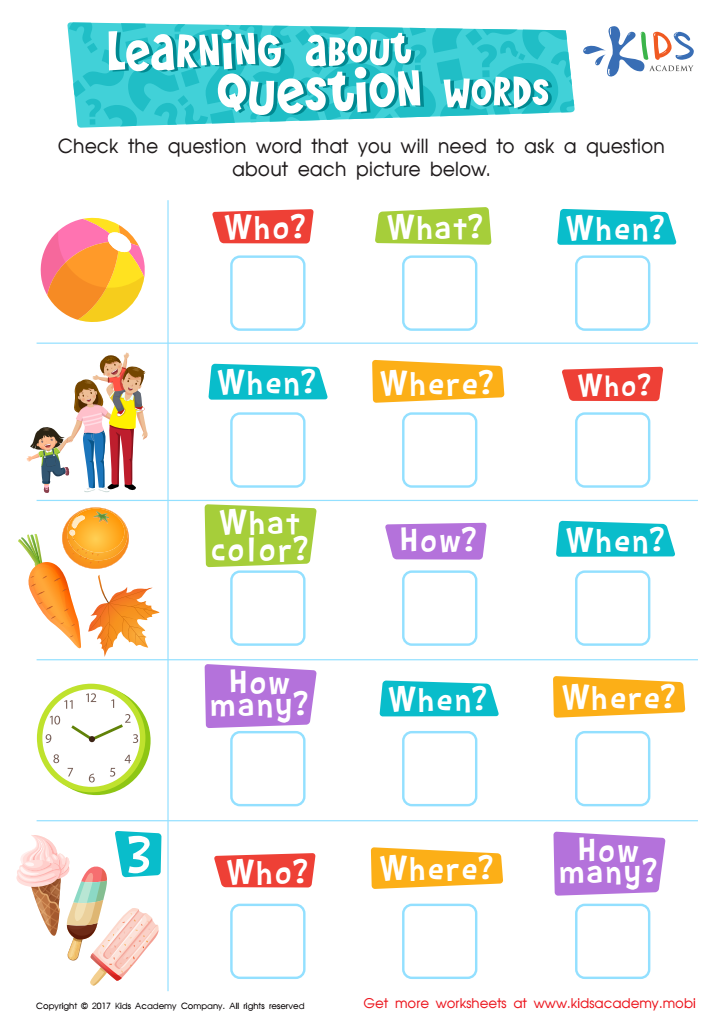
Learning about Question Words Worksheet
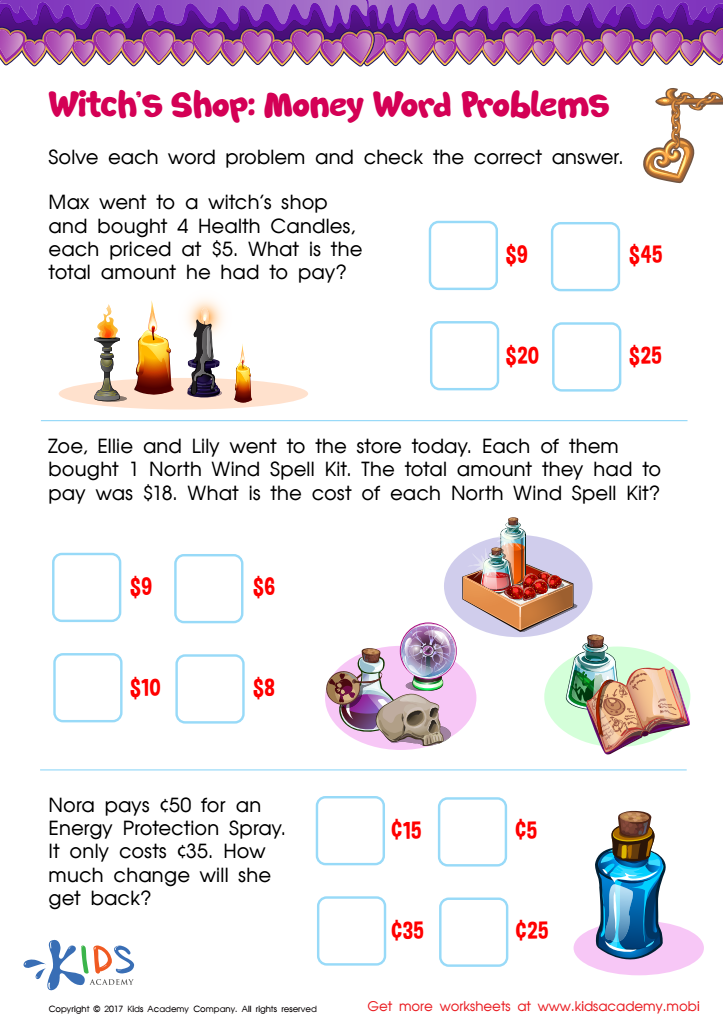
Money Word Problems Printable
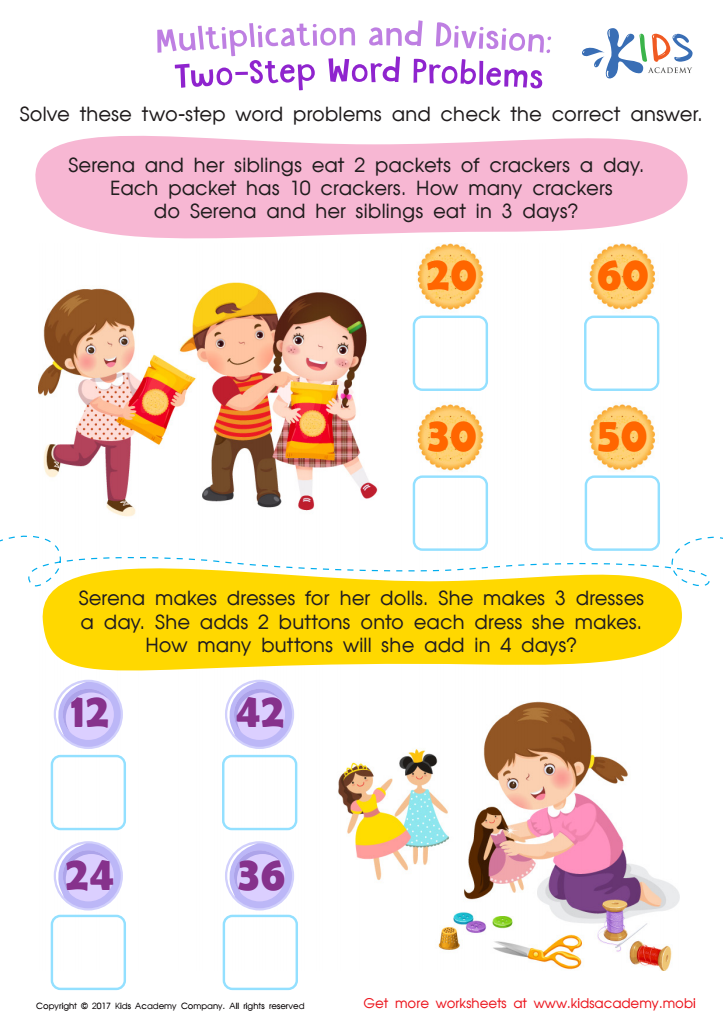
Two Step Word Problems Worksheet
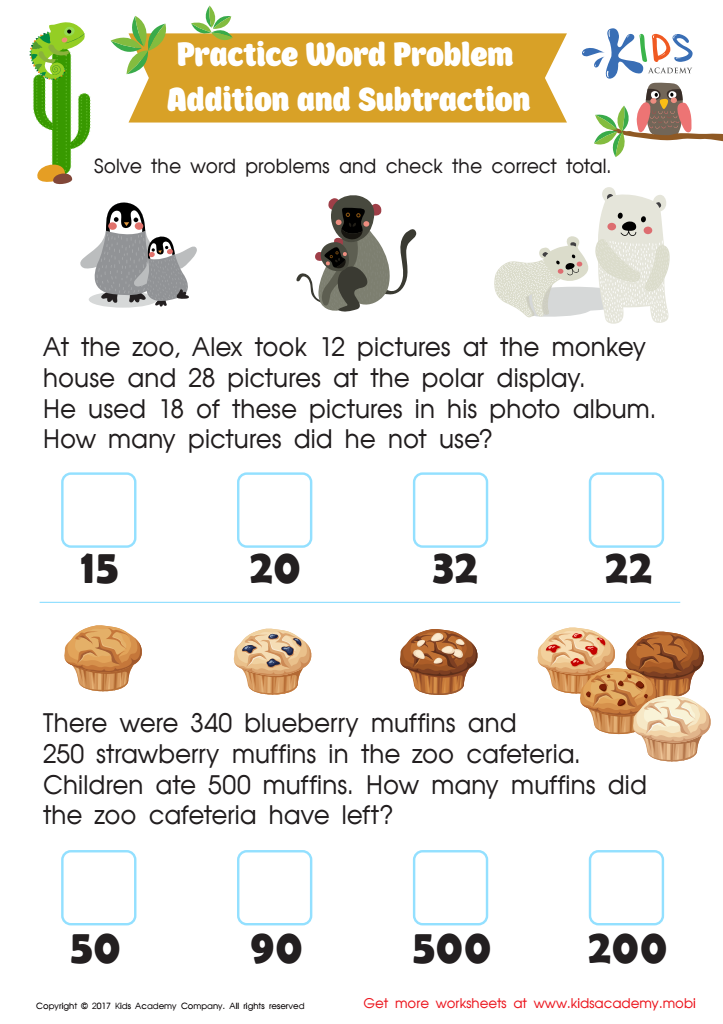
Addition and Subtraction: Word Problems Worksheet
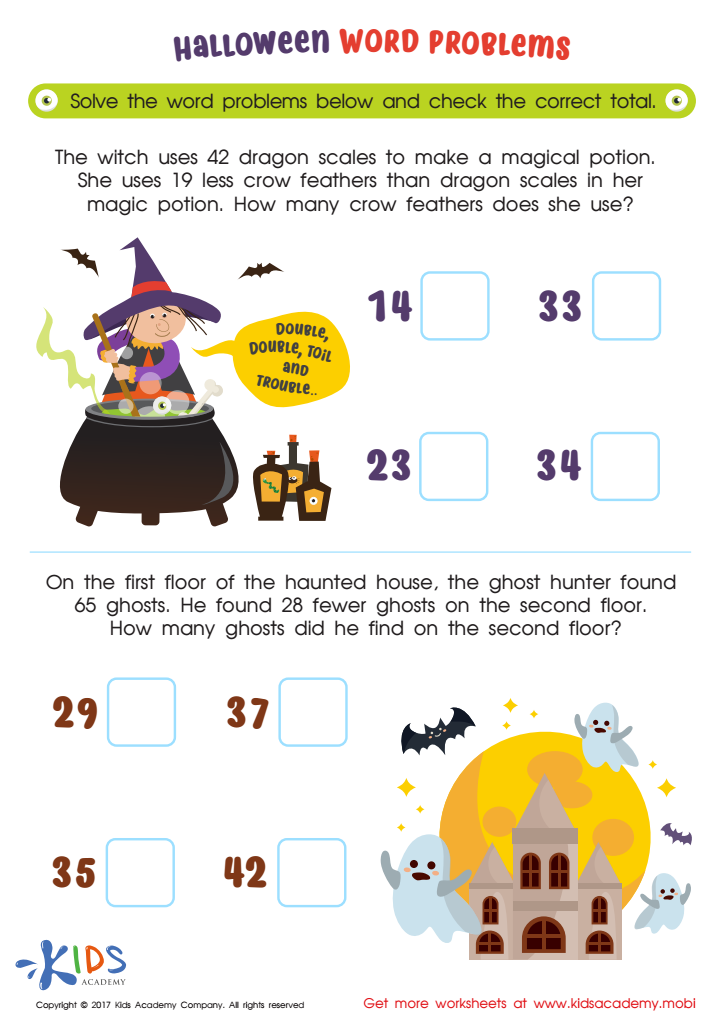
Halloween Word Problems Printable
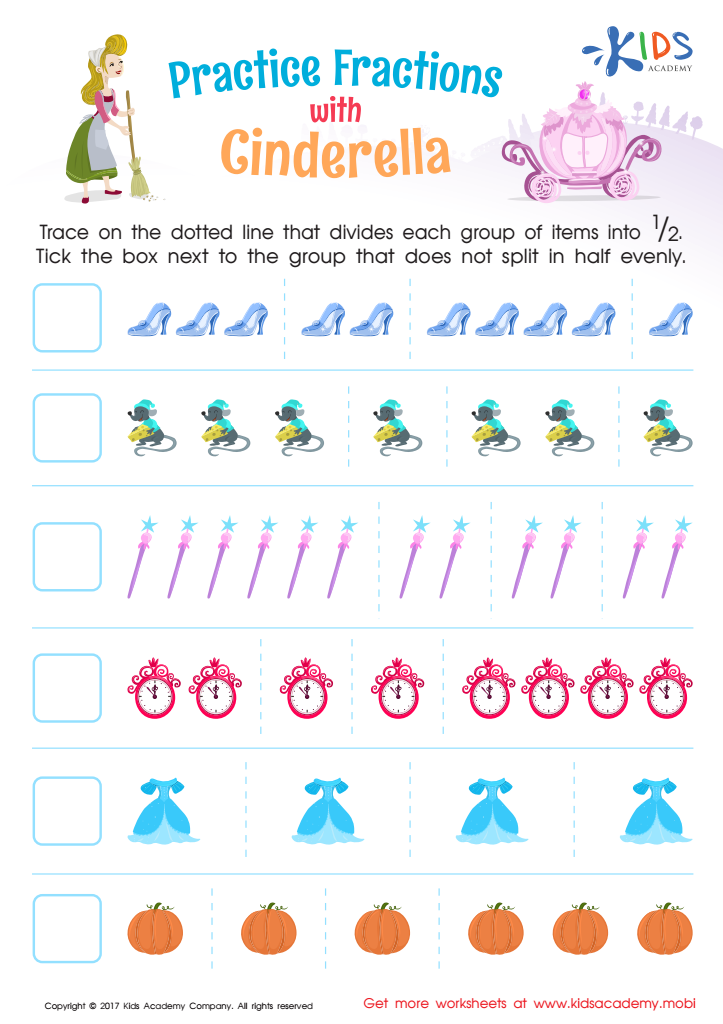
Fractions: Cinderella Printable
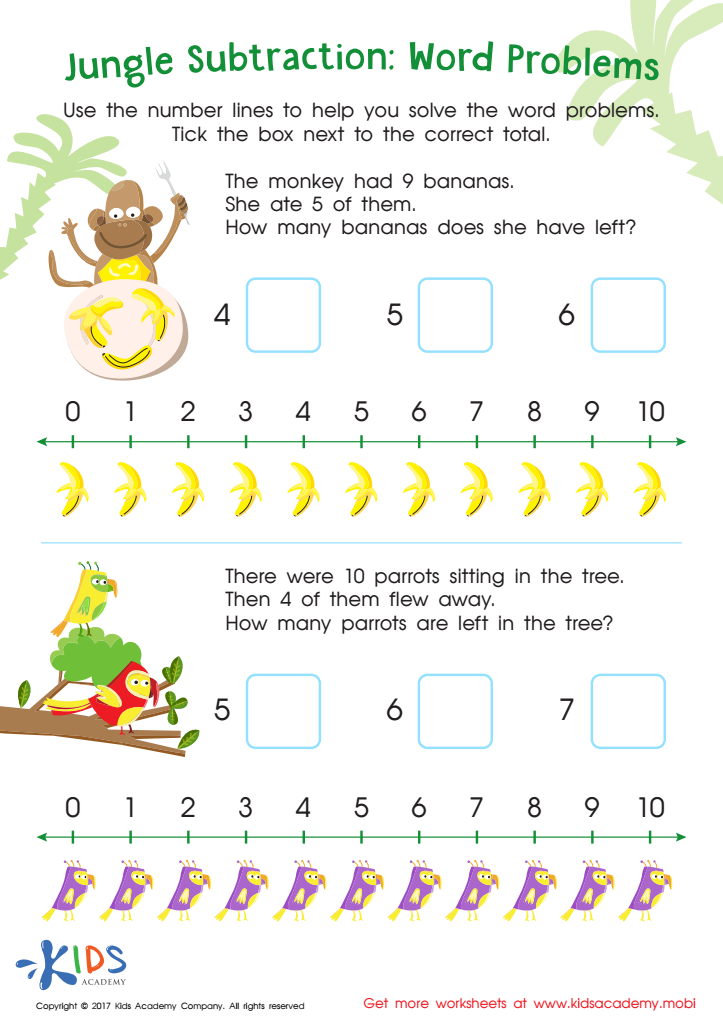
Jungle Subtraction Word Problems Substraction Worksheet
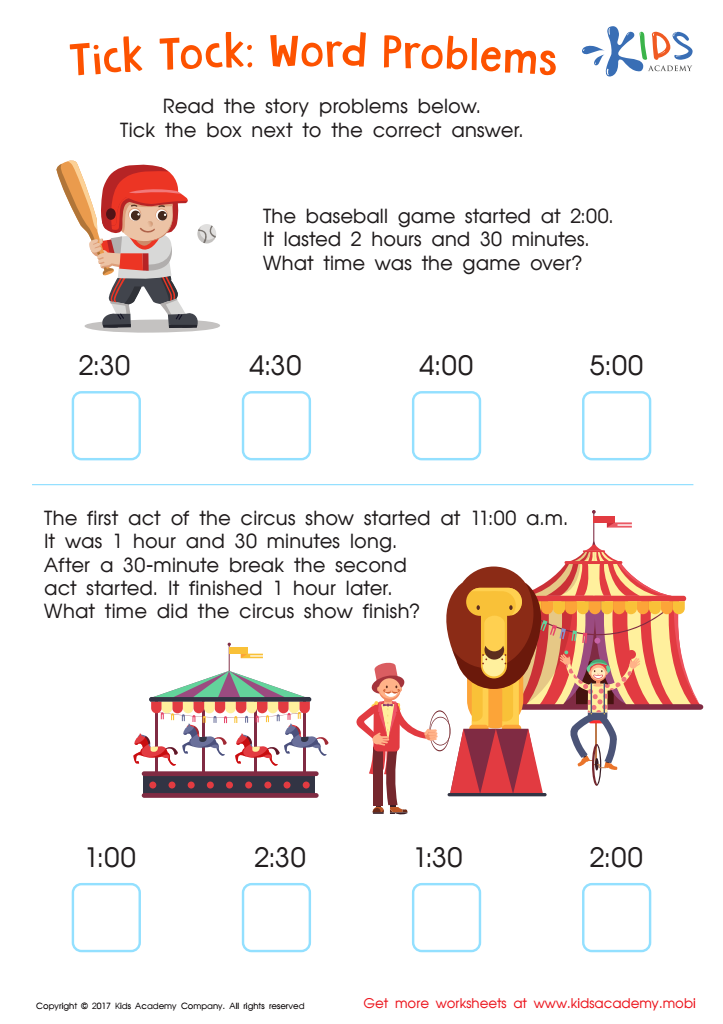
Tick Tock Word Problems Time Worksheet
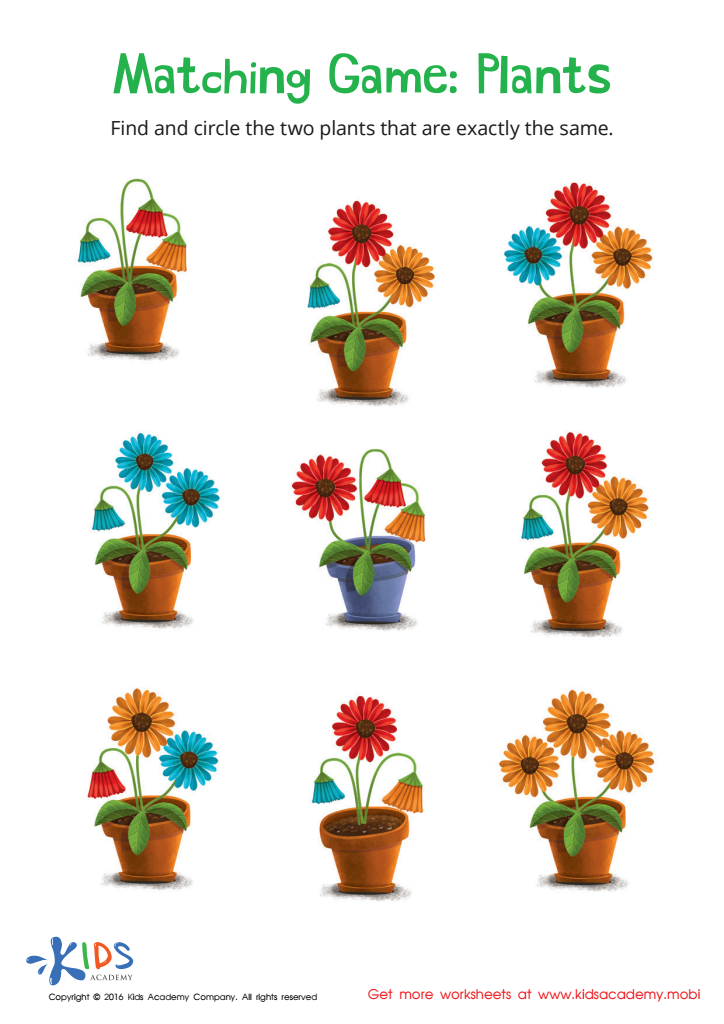
Matching: Plants Worksheet
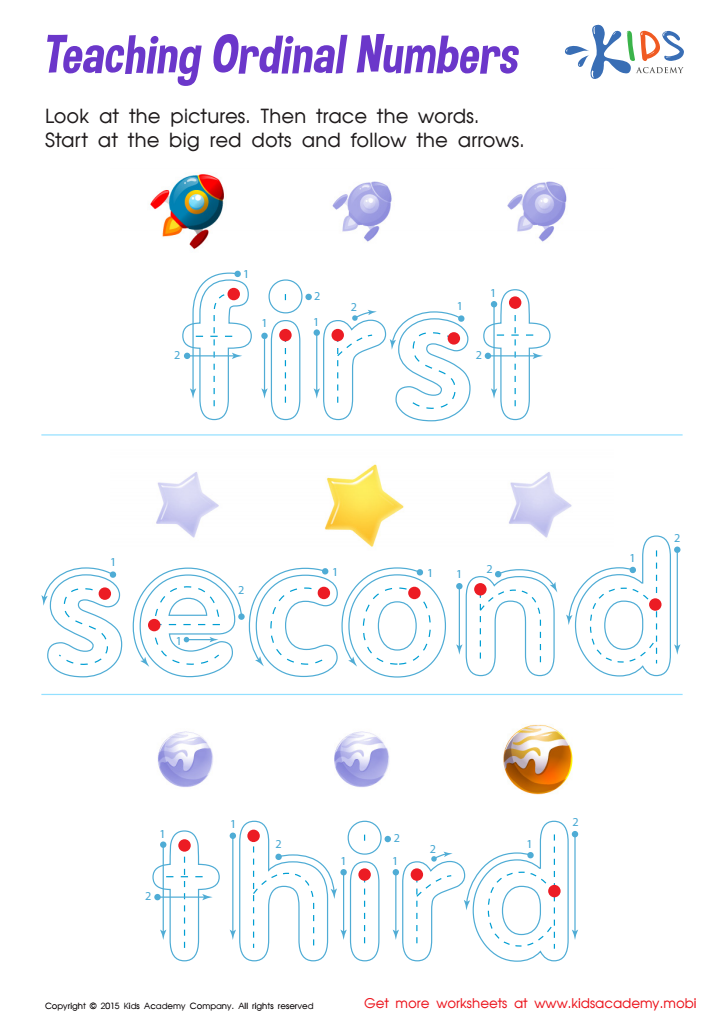
Ordinal Numbers: Teaching Ordinal Numbers Printable
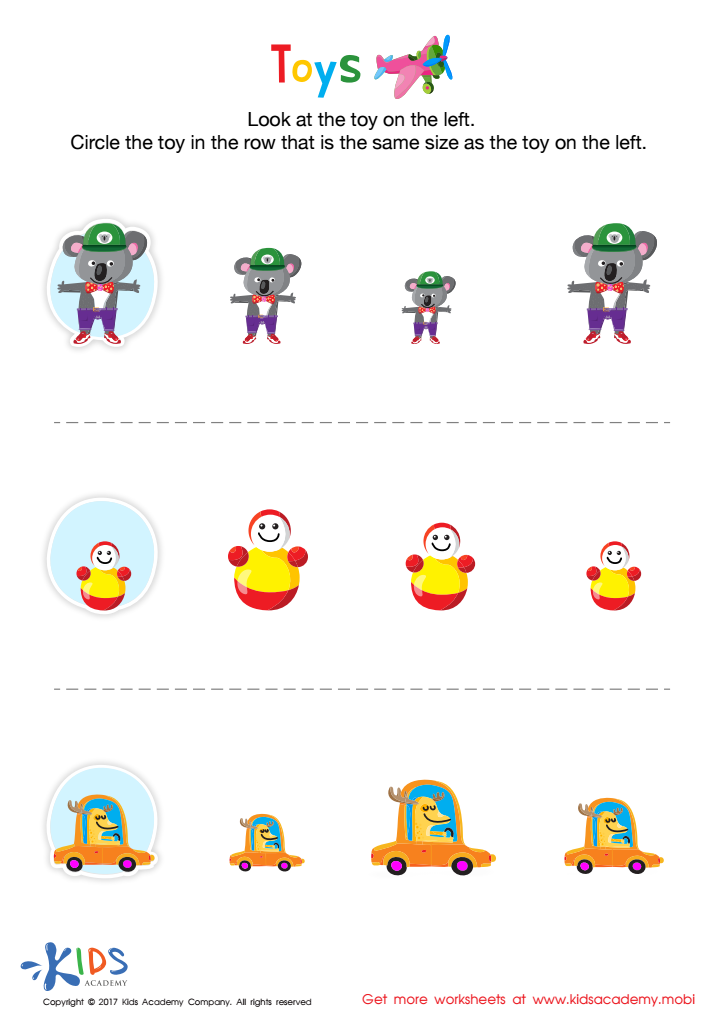
Matching: Classifying Toys by Size Worksheet


.jpg)





Developing reading comprehension and mathematical skills in 6-year-olds is critical for laying a strong educational foundation. At this age, children are at a prime stage of cognitive development where they are learning to process and understand the world around them.
Reading comprehension enables children to make sense of written language, a skill essential for all future learning. When children understand what they read, they're able to follow instructions, acquire new knowledge, and build a robust vocabulary. Furthermore, strong reading comprehension skills foster a love for reading that benefits emotional and cognitive development, positively influencing their academic performance in all subjects.
Mathematical skills, on the other hand, teach children about patterns, numbers, and logical reasoning. Early math helps children understand spatial relationships, measurement, and sequencing, which are critical for problem-solving and critical thinking. Introducing math concepts in real-world contexts makes learning relevant and engaging, building a positive attitude towards the subject.
Moreover, integrating reading comprehension with math enriches both fields. Story problems and integrating literature with math themes help students understand mathematical concepts contextually.
In essence, prioritizing these foundational skills ensures that children are well-equipped to navigate more complex academic challenges, leading to a lifelong journey of learning and curiosity. This integrated educational approach reinforces interdisciplinary thinking and fosters a classroom environment where core competencies are interwoven, supporting each child's holistic growth and development.








