Comparing Numbers Worksheets for Ages 7-9 - Page 2
42 filtered results
-
From - To
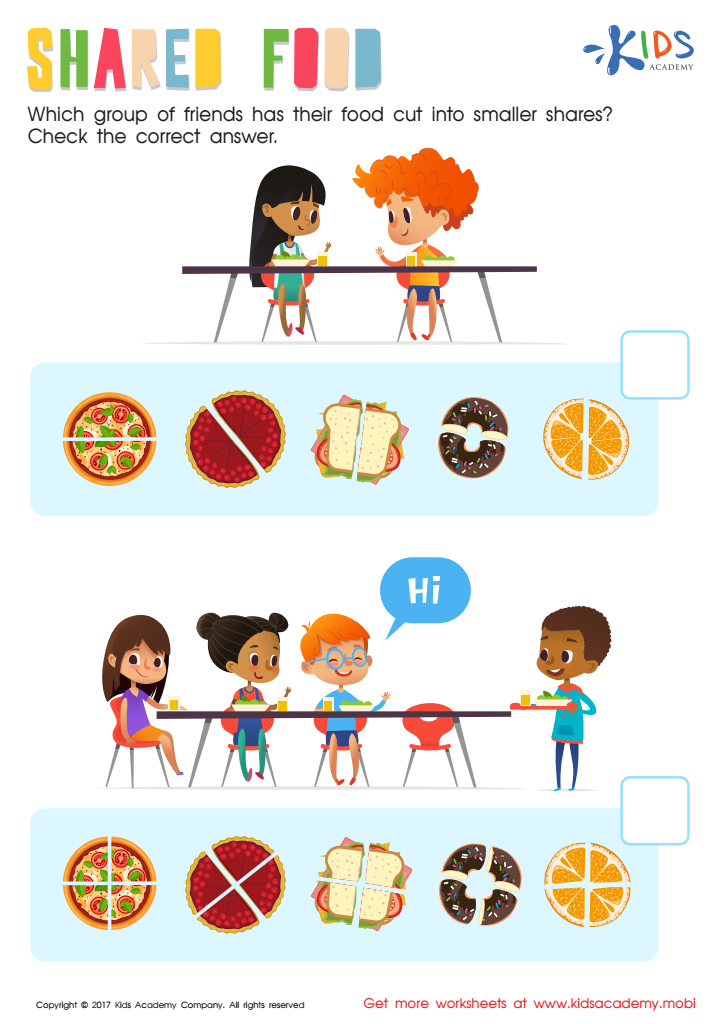
Shared Food Worksheet
 Assign to My Students
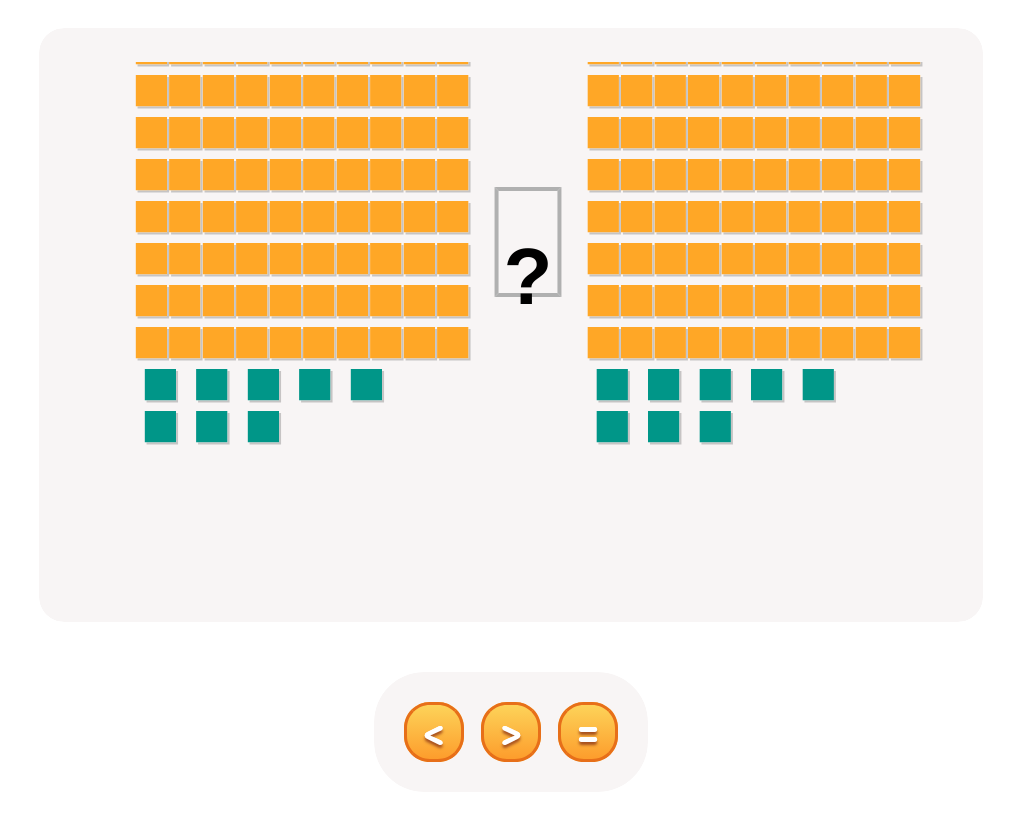

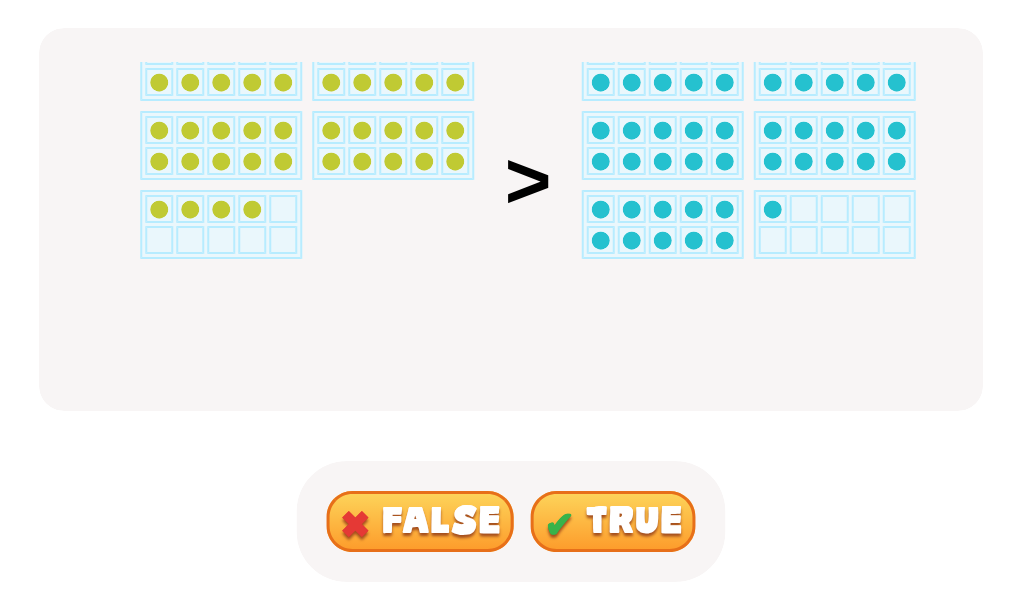
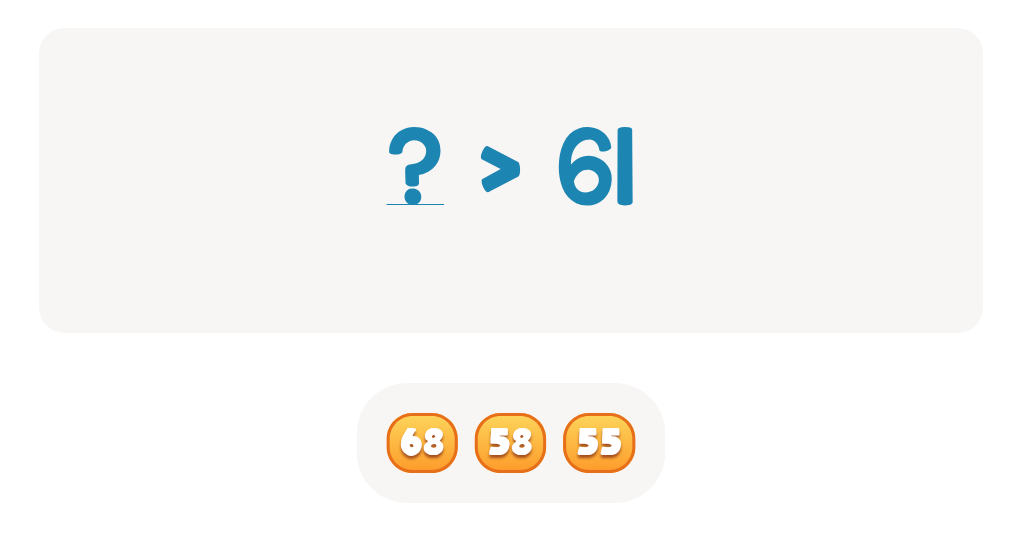
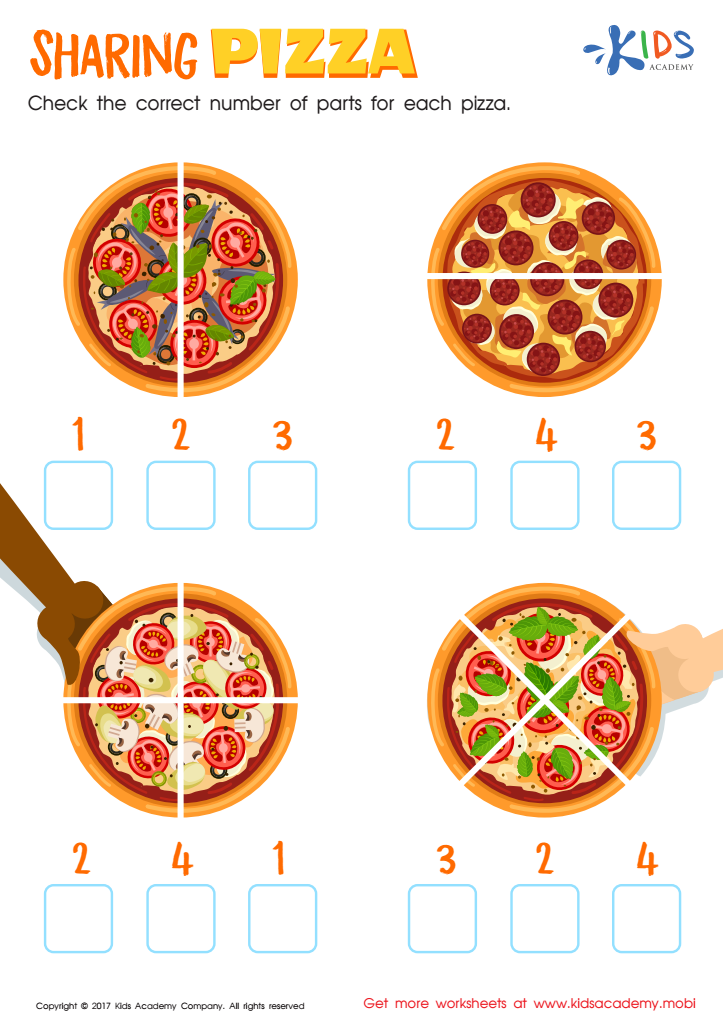
Sharing Pizza Worksheet
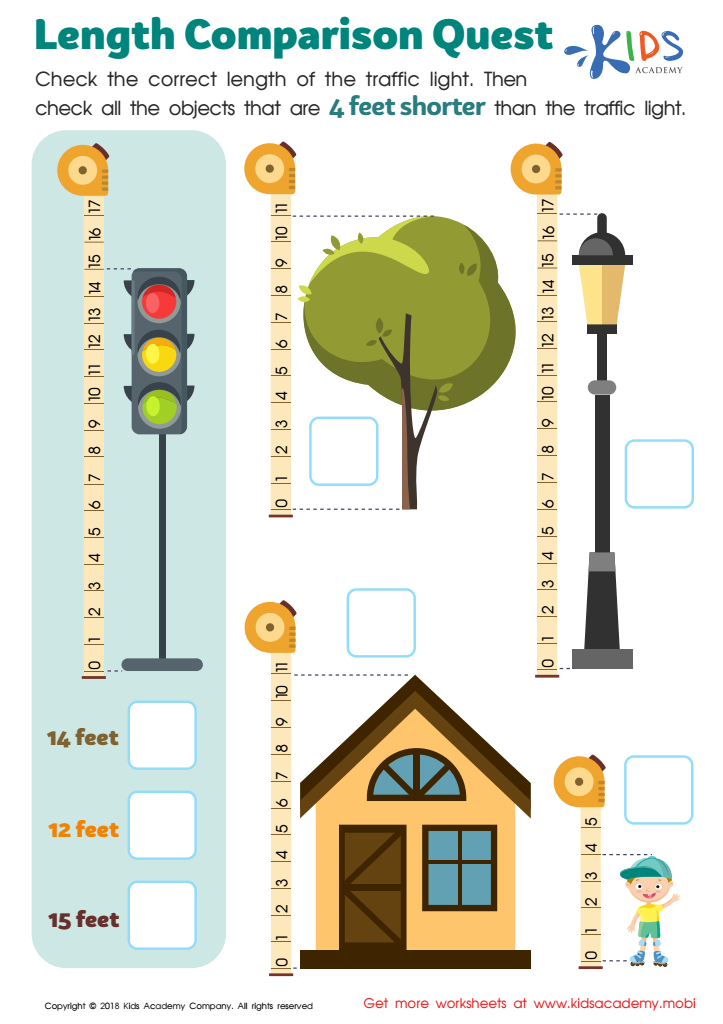
Length Comparison Quest Worksheet
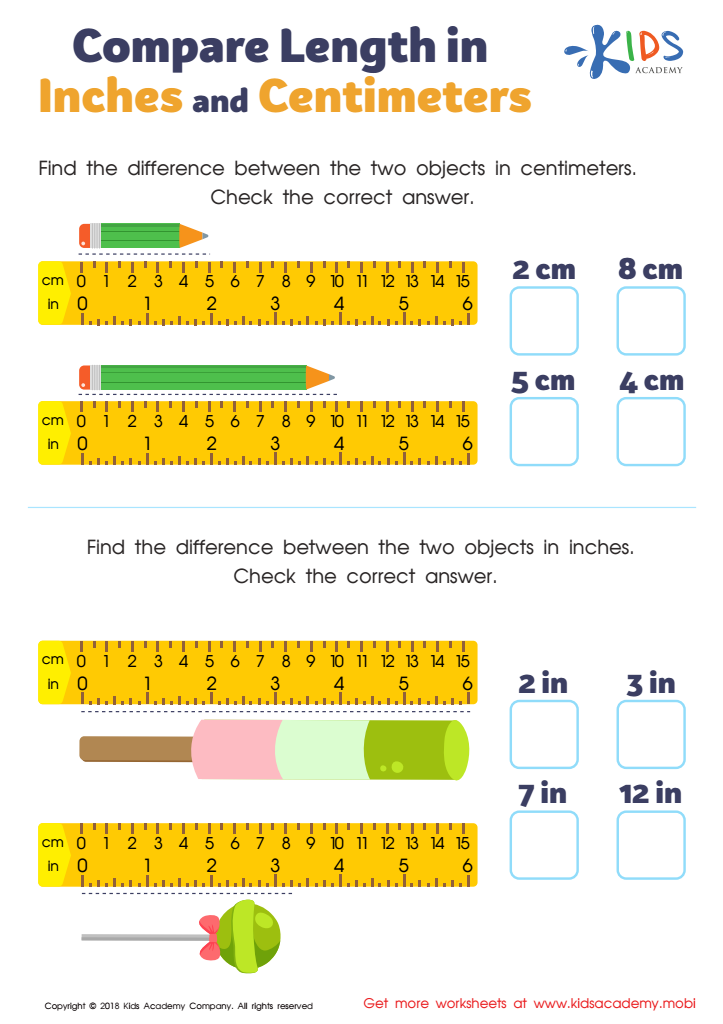
Compare Length in Inches and Centimeters Worksheet
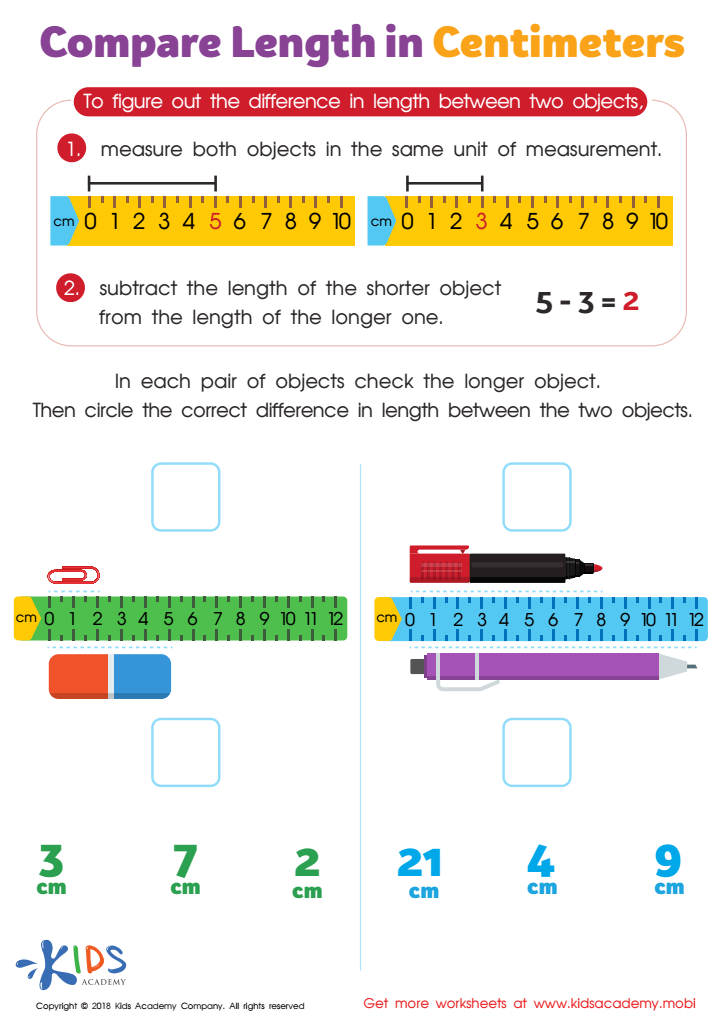
Compare Length in Centimeters Worksheet
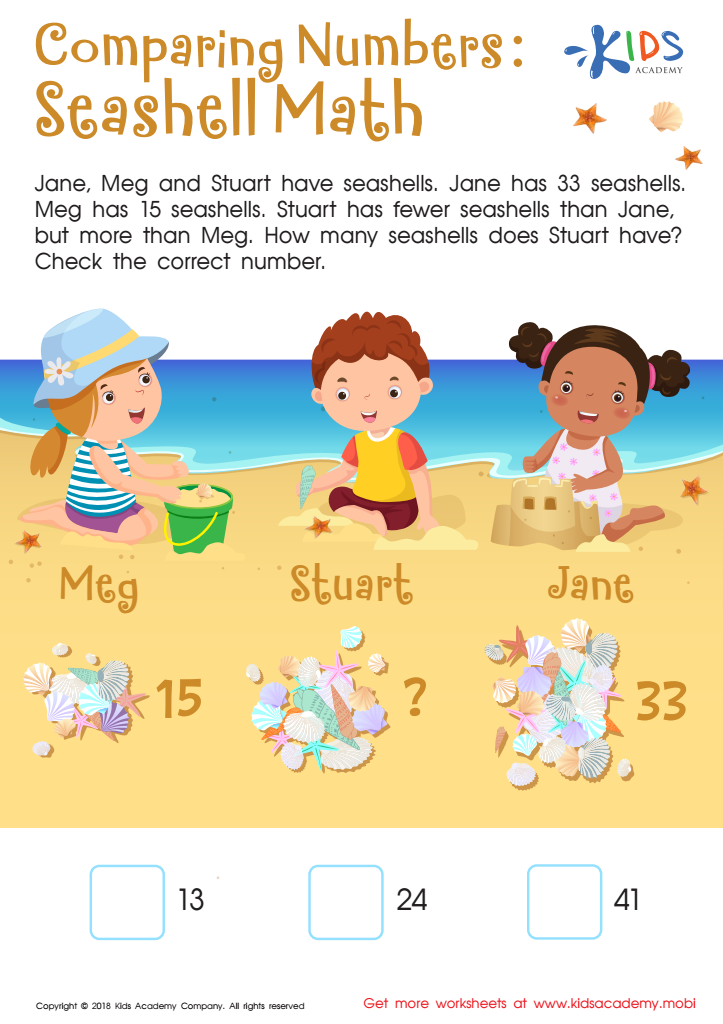
Seashell Collectors Worksheet
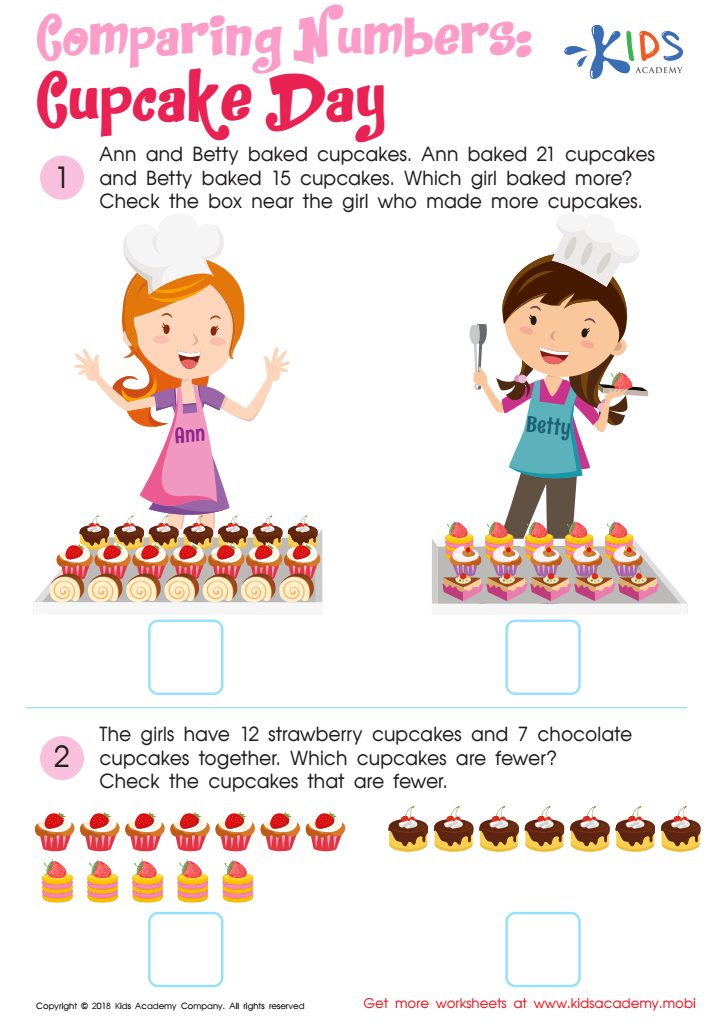
Cupcake Day Worksheet
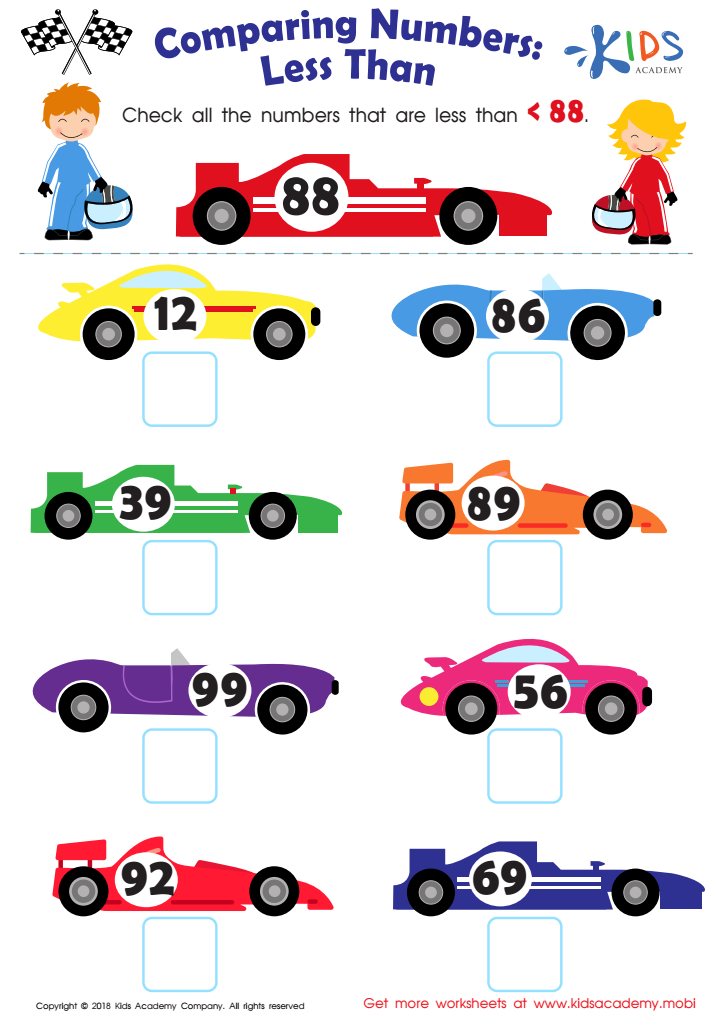
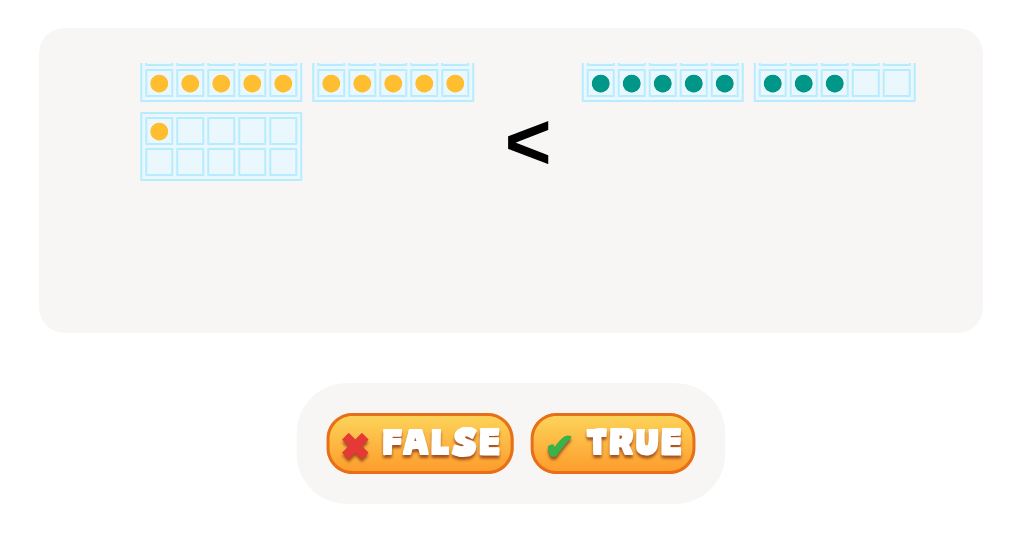
Less Than Worksheet
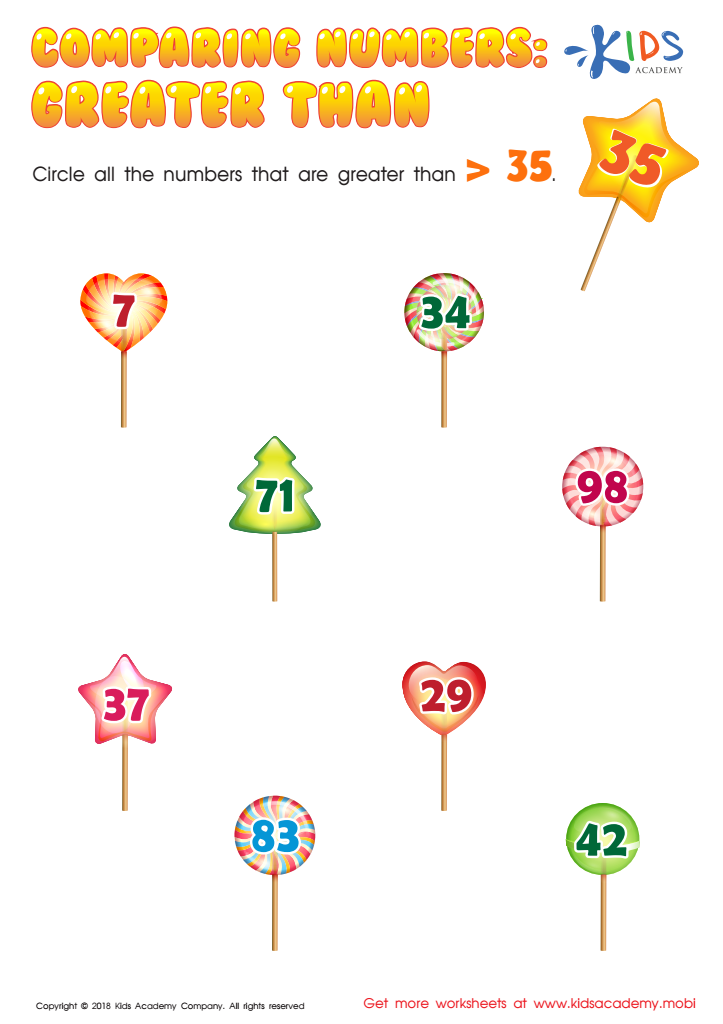
Greater Than Worksheet
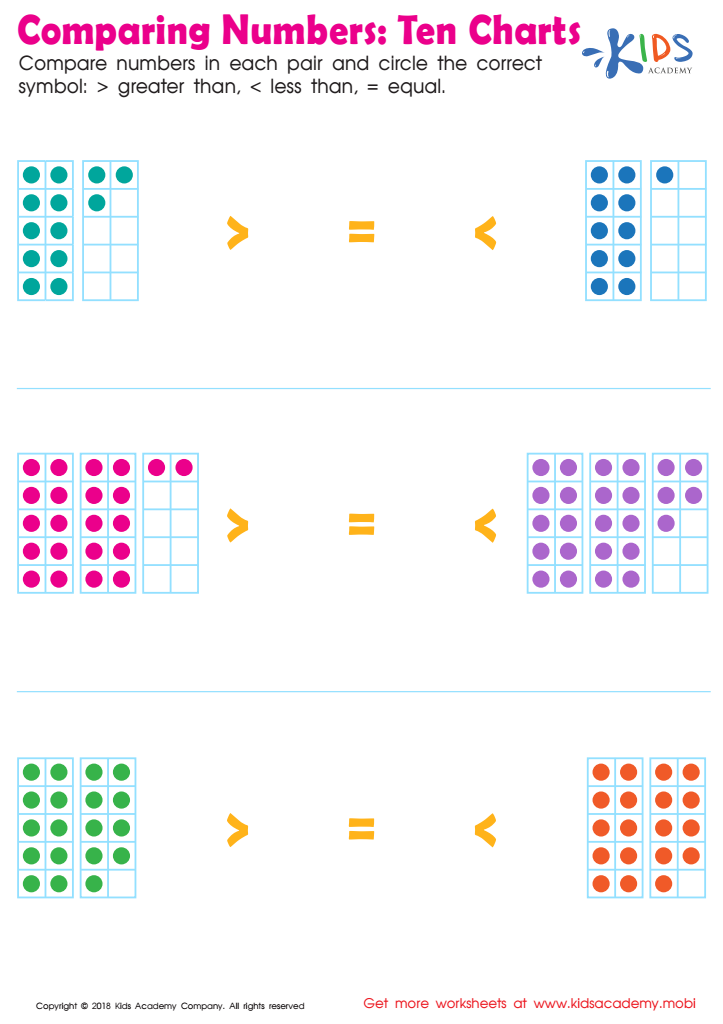
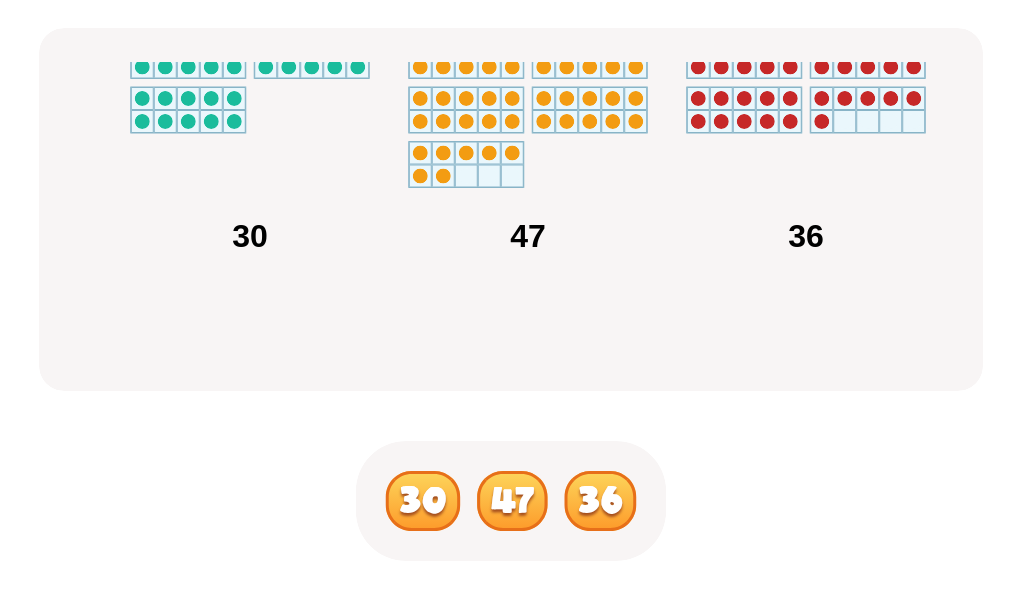
Ten Charts Worksheet
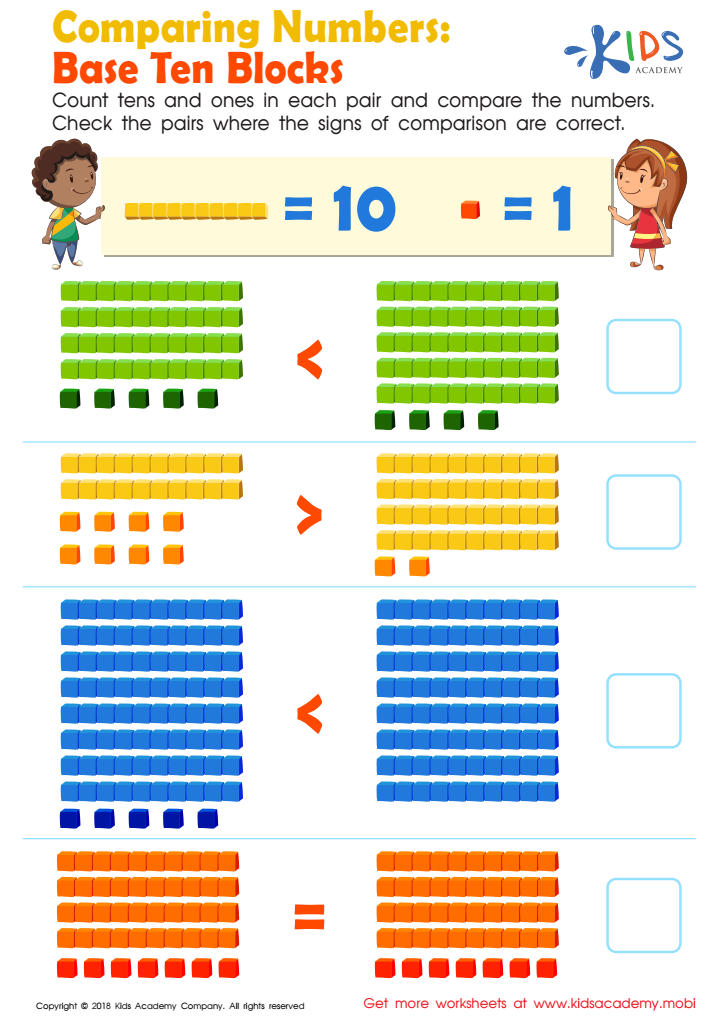
Comparing Numbers: Base Ten Blocks Worksheet
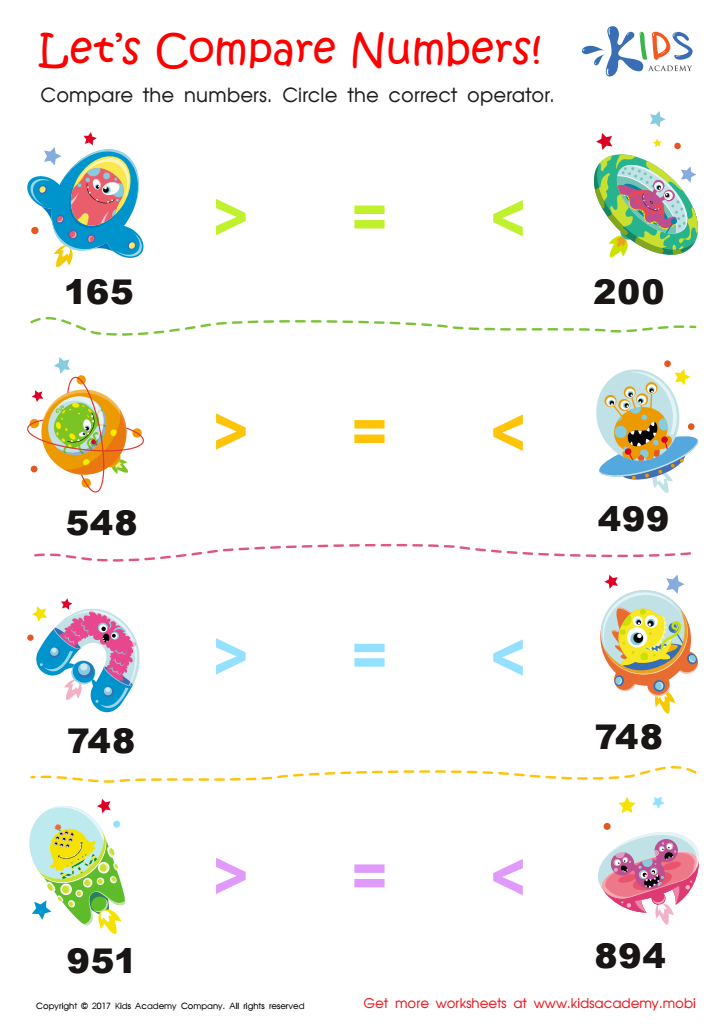
Comparing Numbers Worksheet for 2nd Grade
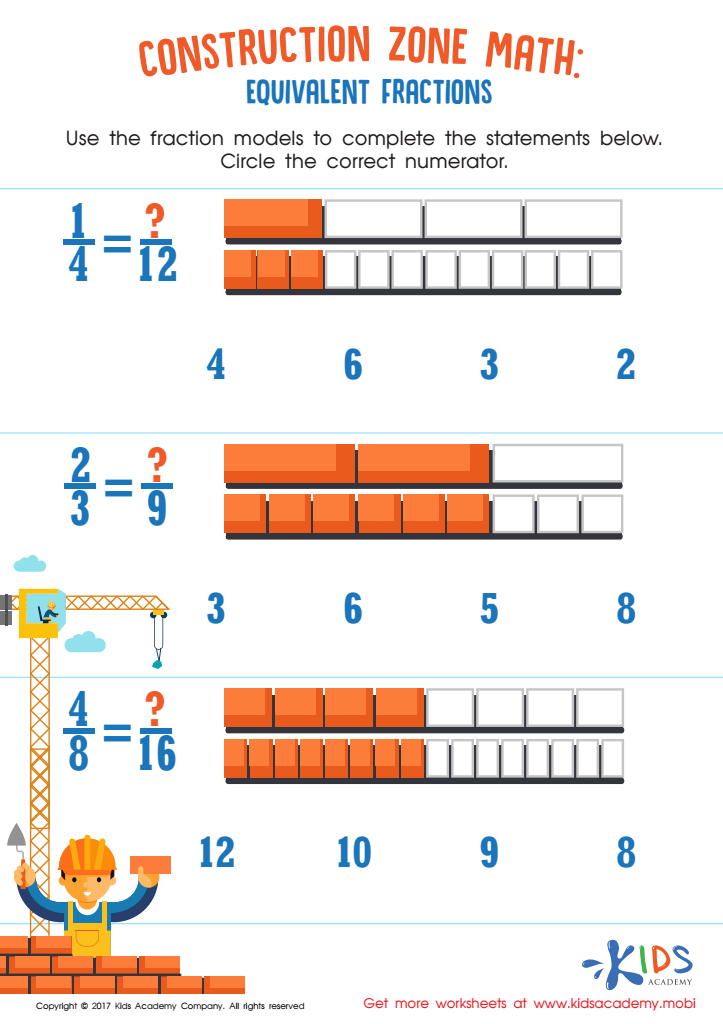
Equivalent Fractions Worksheet
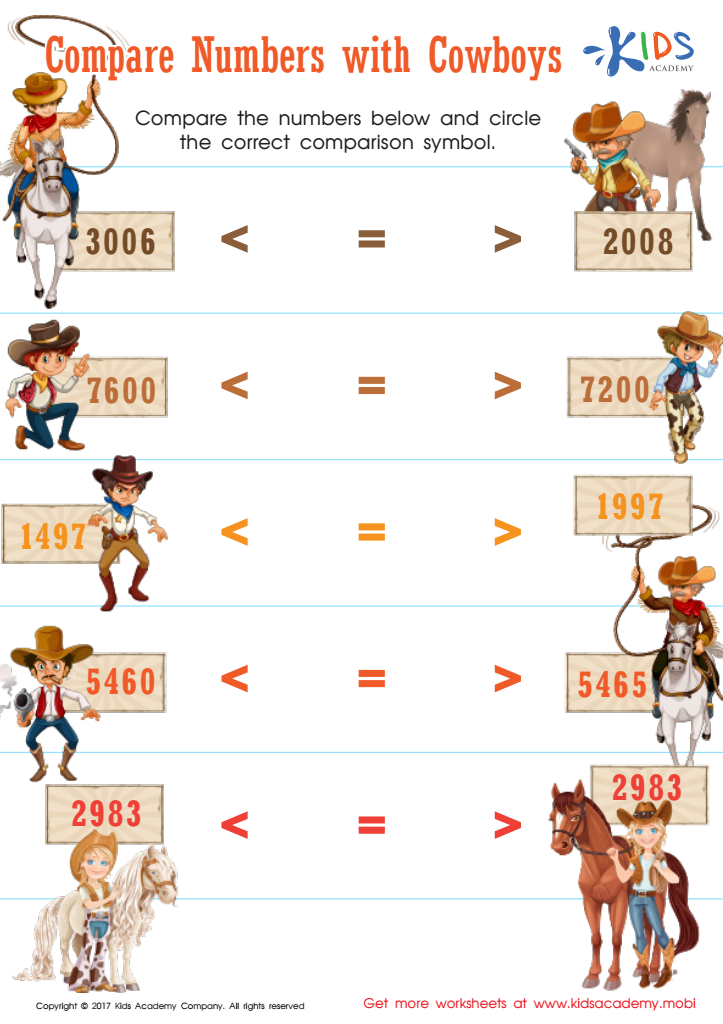
Compare Numbers Worksheet for 3rd Grade
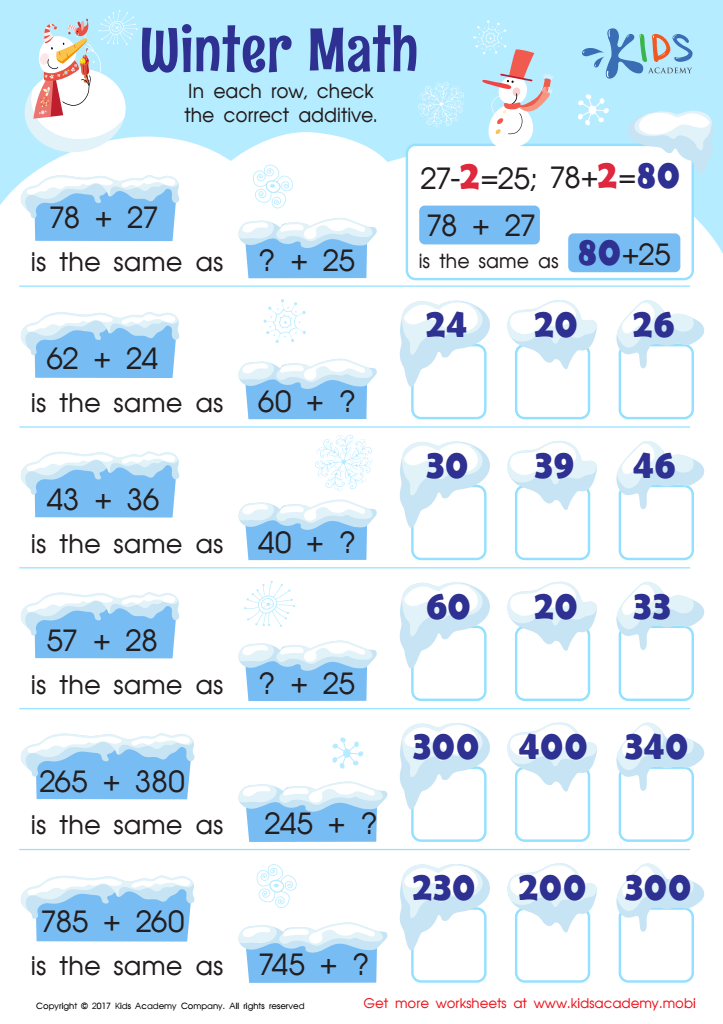
Free Addition Worksheet
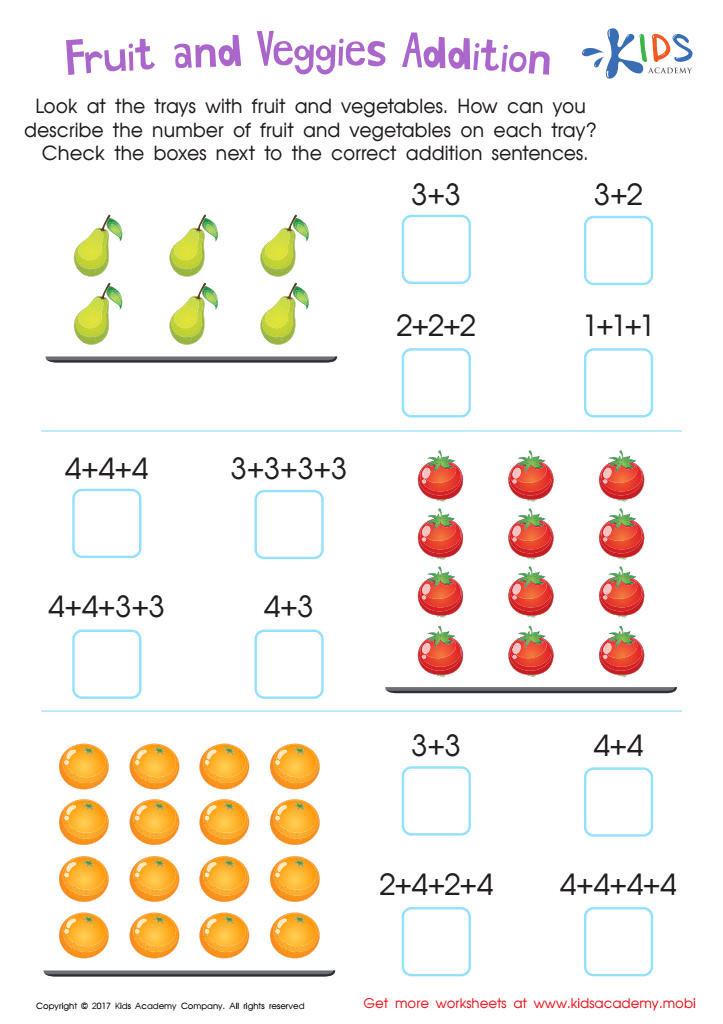
Fruit and Veggies Worksheet
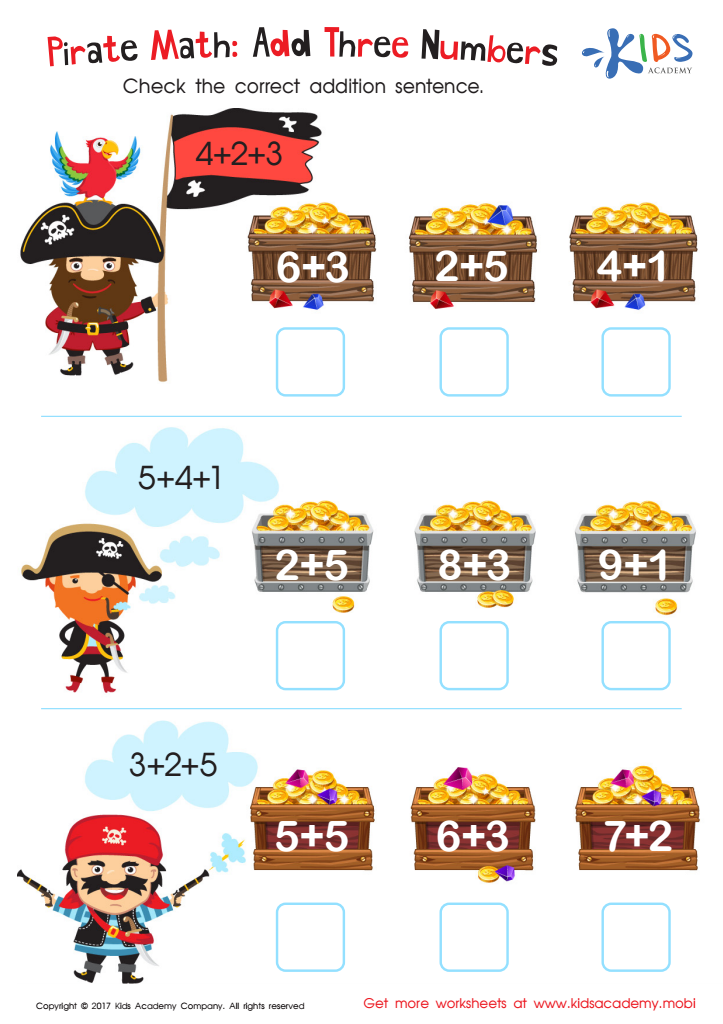
Pirate Math Printable
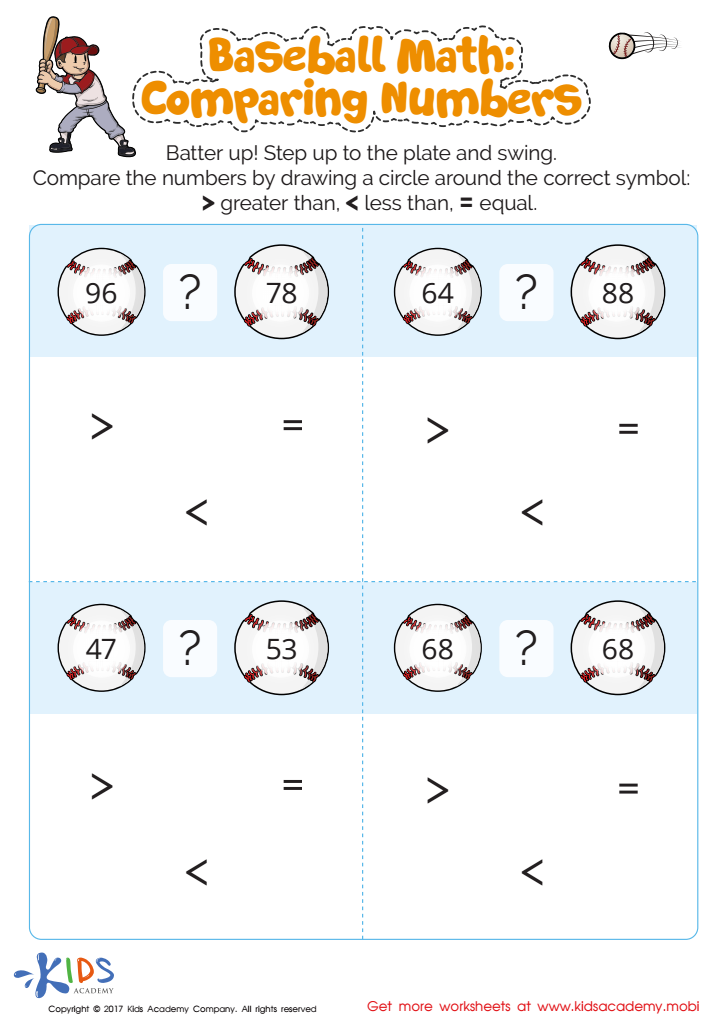
Compare Numbers Printable








Comparing numbers for children aged 7-9 is fundamental, as it lays a foundation for their overall math comprehension and critical thinking skills. At this developmental stage, children are transitioning from basic arithmetic to more complex mathematical concepts. Comparing numbers helps them understand order, value, and spatial relationships, which are crucial for tackling higher-level math topics like multiplication, division, fractions, and algebra.
For teachers and parents, fostering a child's ability to compare numbers enhances their ability to solve real-world problems. Skills developed in this area improve logical reasoning and decision-making abilities, both vital in everyday life situations. Moreover, understanding number relationships is critical for subjects beyond math, such as science and social studies.
Engaging in such exercises promotes academic confidence, encouraging children to persevere through mathematical challenges. It also allows adults to identify and address gaps in understanding early on, providing timely support before misconceptions solidify. Comparing numbers isn't just about recognizing which is larger or smaller; it's about developing a child's ease with numbers, setting them on a path of continued success and enthusiasm for learning. Therefore, investing time and resources in teaching this fundamental skill reaps long-term educational and practical benefits.








