Filters

53 filtered results

Clear all filters
Favorites
With answer key
Interactive

53 filtered results

Difficulty Level

Grade


Check out this FREE Trial Lesson on Animals for age 7-9!

Animal Habitats

Favorites
With answer key
Interactive
  • 7-9
  • Interactive
  • Animals
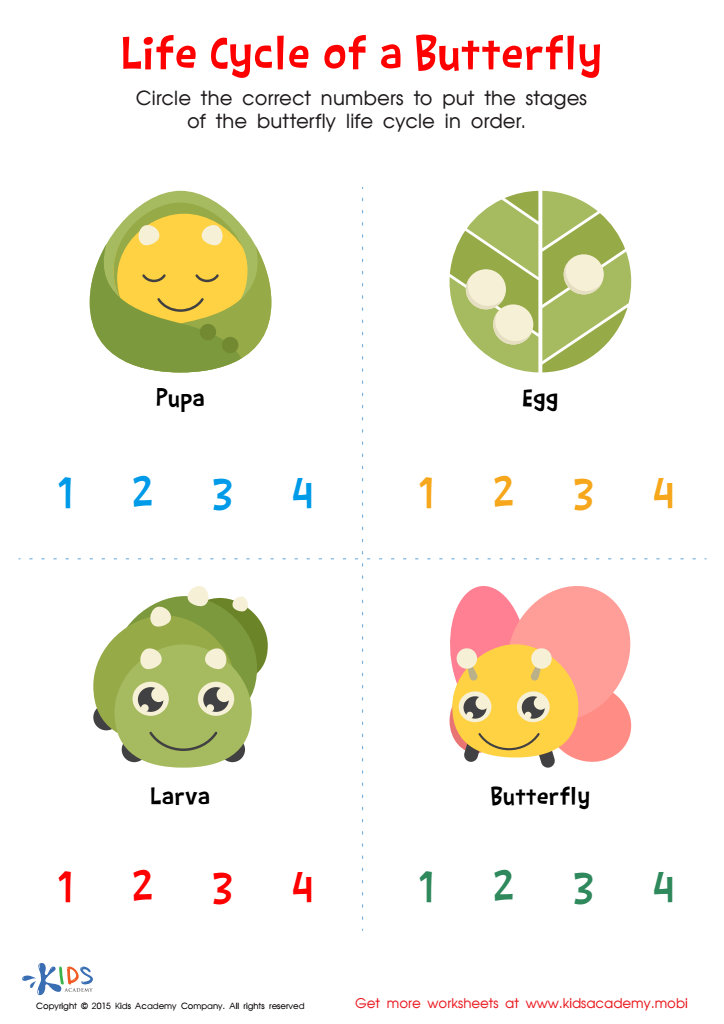
Butterfly Life Cycle Printable Worksheet

Life Cycle of Butterfly Printable

Kids and grownups alike marvel at the beauty of butterflies. With this printable worksheet, kids can review the life cycle of these favorite insects and strengthen cognitive and problem solving skills. From egg to butterfly, kids will order the stages and use the best strategy to solve it. Guide them as they work and they'll learn multiple skills.
Life Cycle of Butterfly Printable
Worksheet
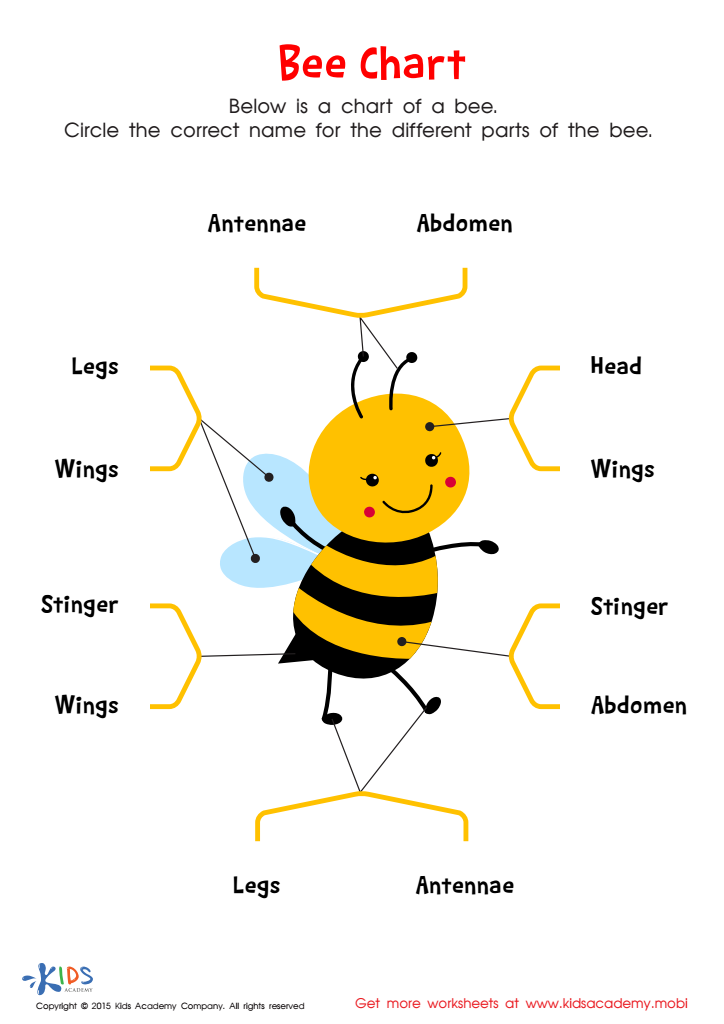
Delightful Bee Anatomy Worksheet

Bee Chart Worksheet

Bee Chart Worksheet
Worksheet
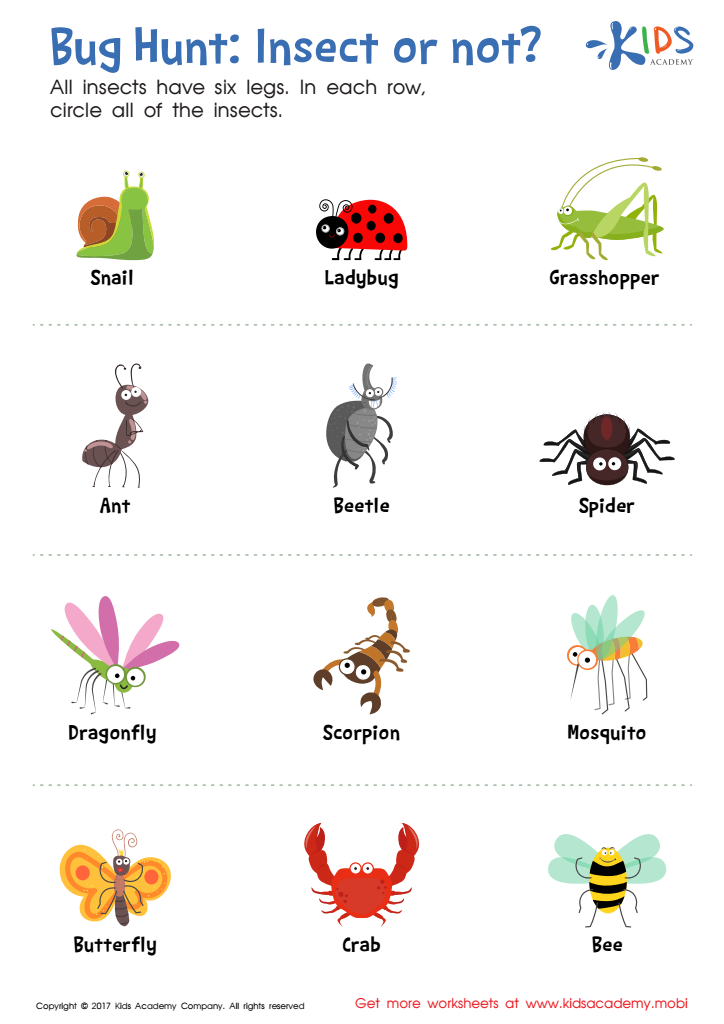
Bug Hunt: Insect or Not

Insect or Not? Worksheet

Try the “Bug Hunt: Insect or Not?” worksheet today!
Insect or Not? Worksheet
Worksheet
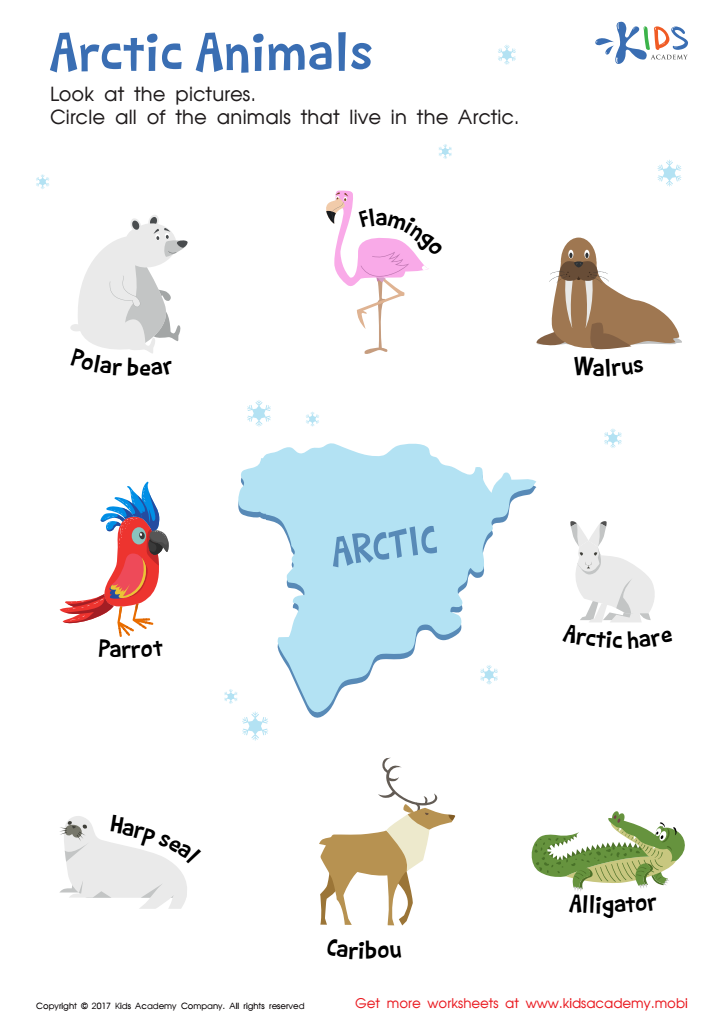
Arctic Animals Worksheet

Arctic Animals Worksheet

Kids love animals and this worksheet is a great way to teach them where they live. It reinforces classification skills and introduces new animals, like the Arctic hare. Use it to discuss the Arctic climate and how these animals live, then ask your child where other animals live to keep the conversation going.
Arctic Animals Worksheet
Worksheet
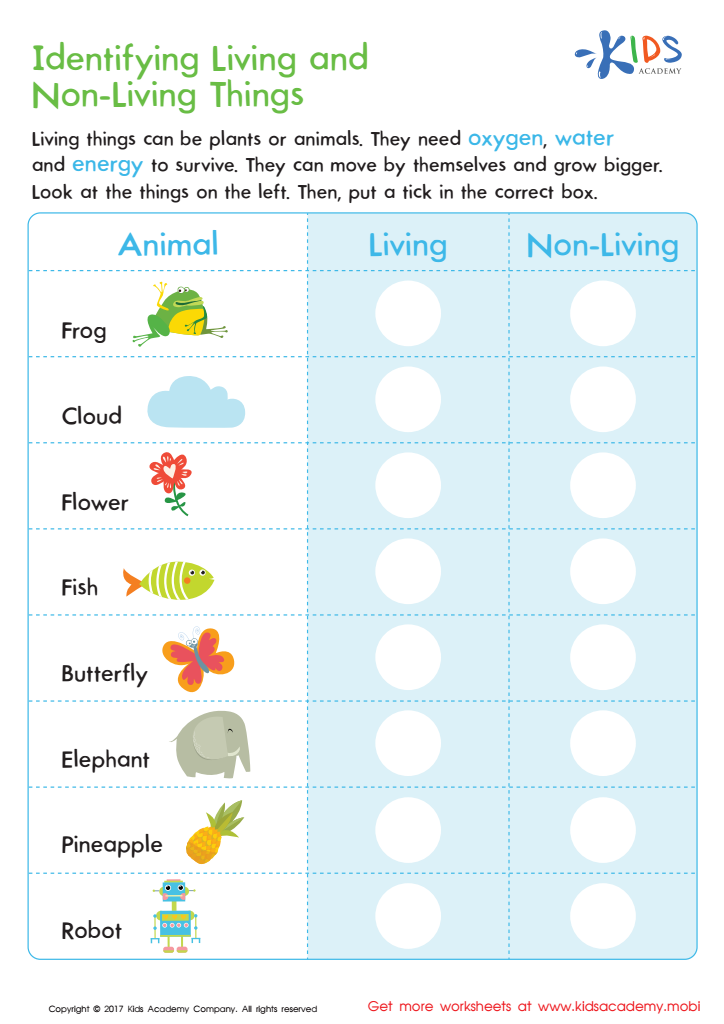
Living and Non-living Worksheet

Identifying Living or Non–living Worksheet

Help your child learn to sort and categorize in a new way! Teach them to classify things as living or non-living using this worksheet. It's the perfect way to build their scientific understanding, and to have some learning fun! Print this worksheet and watch them discover the world of science!
Identifying Living or Non–living Worksheet

Worksheet


... 2 3

Parents and teachers should care about animals because understanding them can significantly benefit children's development and learning. First, animals can spark curiosity and foster a love for nature. Children aged 7-9 are naturally inquisitive, and learning about animals encourages their exploration of the world around them. This promotes critical thinking as they ask questions and seek answers about various species, habitats, and ecosystems.

Moreover, animals teach valuable life lessons. By observing how animals interact with their environment and each other, children can learn empathy, compassion, and responsibility. Caring for pets or engaging in animal-related activities helps children understand the importance of compassion and how their actions can impact others.

Additionally, incorporating animal studies into lessons allows for cross-curricular connections. Science lessons on habitats, math through counting animals, or storytelling involving animals can enhance a child's educational experience in a fun, engaging way.

Ultimately, promoting an understanding of animals nurtures respectful attitude toward all living beings, fosters environmental stewardship, and can spark lifelong interests. By nurturing this connection, parents and teachers help shape well-rounded and empathetic individuals who appreciate and protect the world around them.