Easy Nursery Rhymes Worksheets for Ages 3-9
4 filtered results
-
From - To
Discover our "Easy Nursery Rhymes Worksheets" designed for children ages 3 to 9! These engaging worksheets help young learners enhance their literacy skills while enjoying the rhythm and melody of classic nursery rhymes. Each activity fosters creativity and comprehension, including tracing, coloring, and matching exercises that captivate little minds. Perfect for home or classroom use, our printable worksheets provide a fun way to introduce valuable language concepts. Encourage a love for learning through these delightful resources that inspire exploration and imagination. Visit us to access a range of worksheets that make learning nursery rhymes enjoyable and educational!
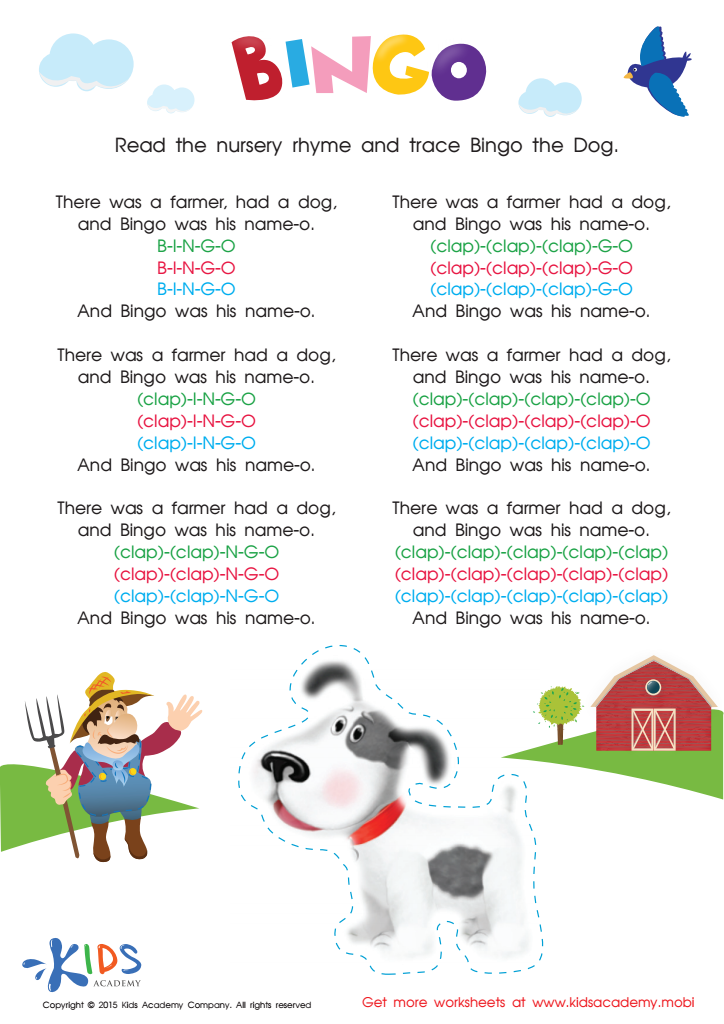
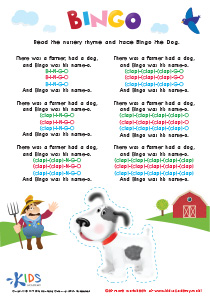
Nursery Rhymes: The Bingo Song Worksheet
 Assign to My Students
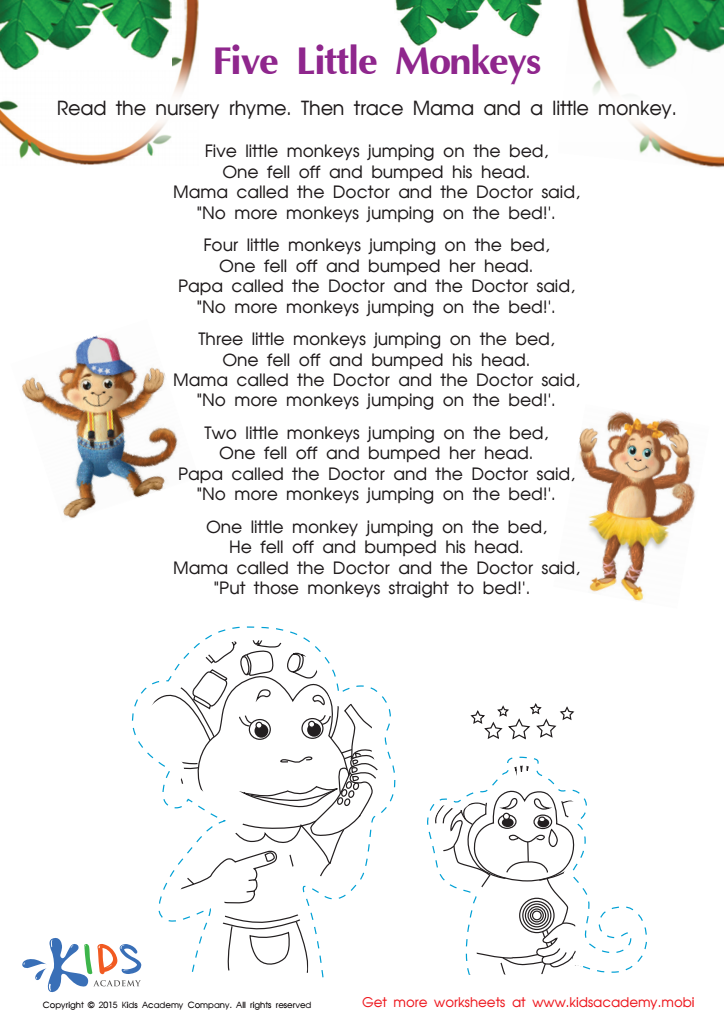
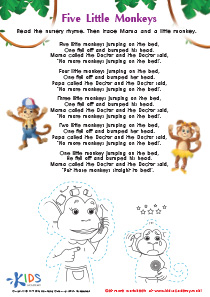
The Five Little Monkeys Nursery Rhyme Worksheet
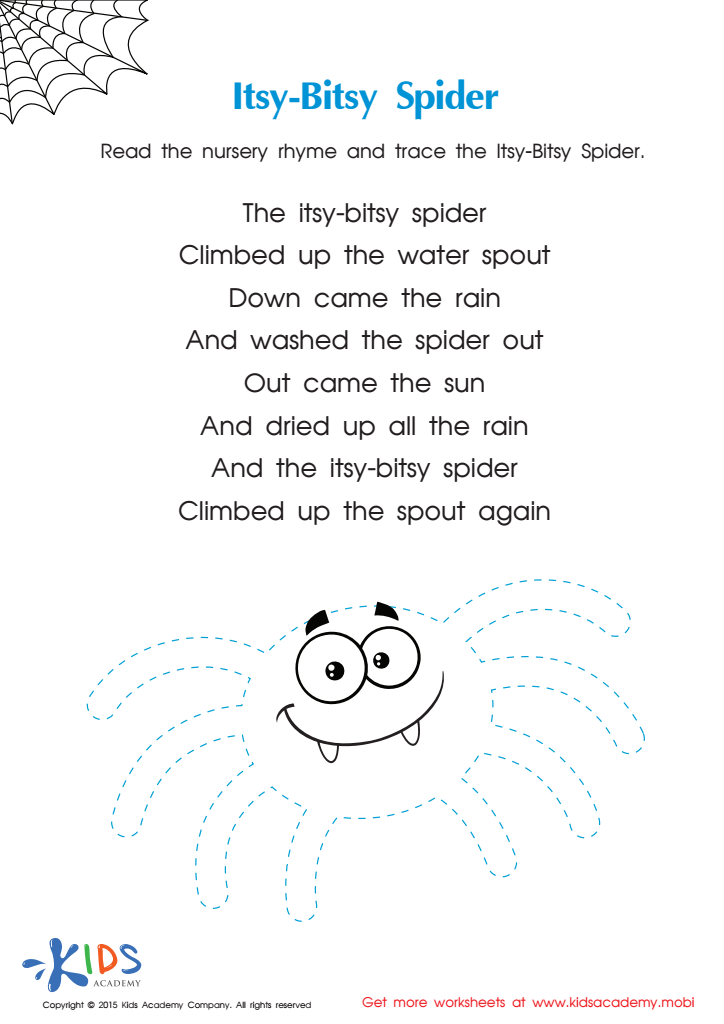
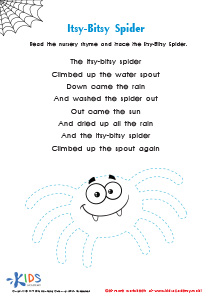
Itsy Bitsy Spider Nursery Rhyme PDF Worksheet
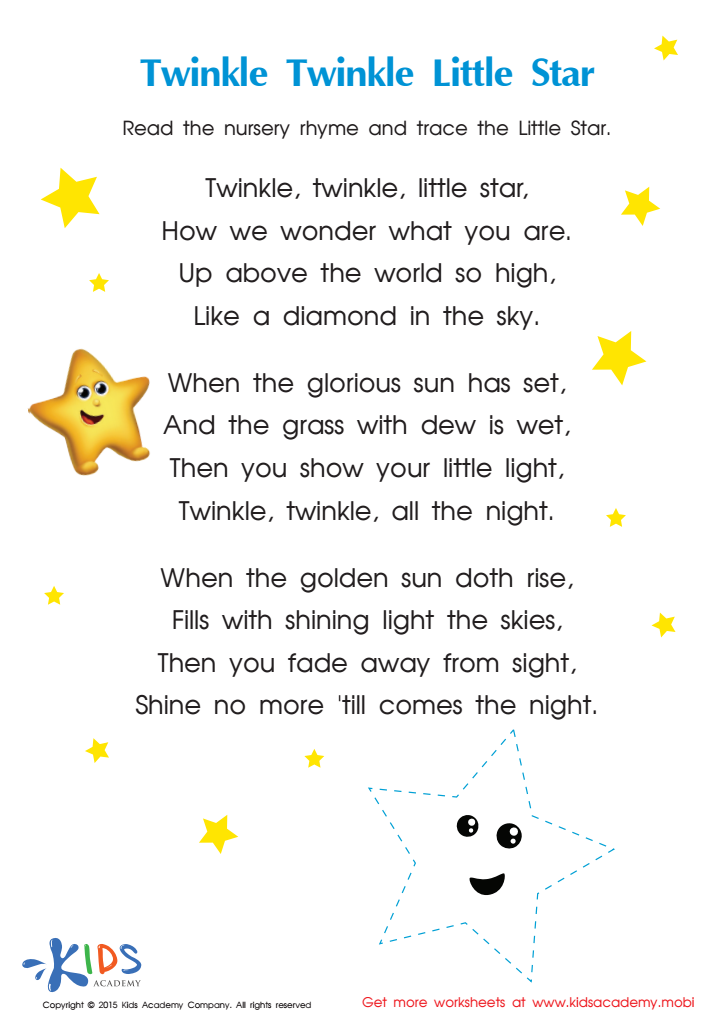
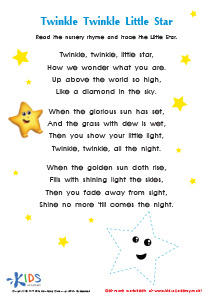
Nursery Rhymes: Twinkle Little Star Worksheet








Easy nursery rhymes are essential for children aged 3-9 as they play a crucial role in early childhood development. These simple yet engaging verses help foster language skills by enhancing vocabulary, pronunciation, and rhythm. As children memorize and recite nursery rhymes, they develop phonemic awareness, an important precursor to reading proficiency.
Additionally, nursery rhymes promote cognitive development. They introduce concepts such as counting, storytelling, and even emotions, helping children make sense of the world around them. Rhymes also support memory retention and sequential thinking, as children learn to recall the lyrics and structure.
From a social perspective, nursery rhymes create bonding experiences for parents and teachers. Sharing these moments fosters emotional connections, promoting a supportive learning atmosphere. Furthermore, they enhance listening skills and encourage interaction, whether through singing, clapping, or creative actions.
Finally, nursery rhymes are culturally significant, often passing down traditions and values. By introducing children to these timeless verses, parents and teachers ensure they remain connected to their cultural heritage while embracing the joy of learning. In summation, easy nursery rhymes serve multiple developmental dimensions, making them a vital tool in any early educational setting.