Easy Geometry Worksheets for Ages 5-7 - Page 2
40 filtered results
-
From - To
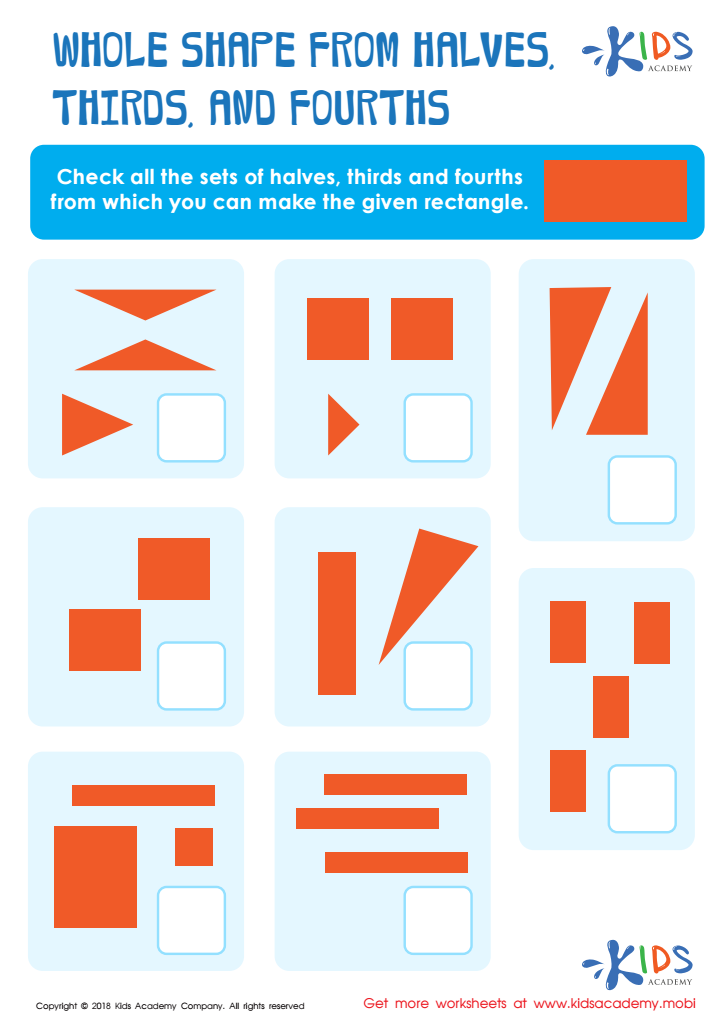
Whole Shape from Halves, Thirds and Fourths Worksheet
 Assign to My Students











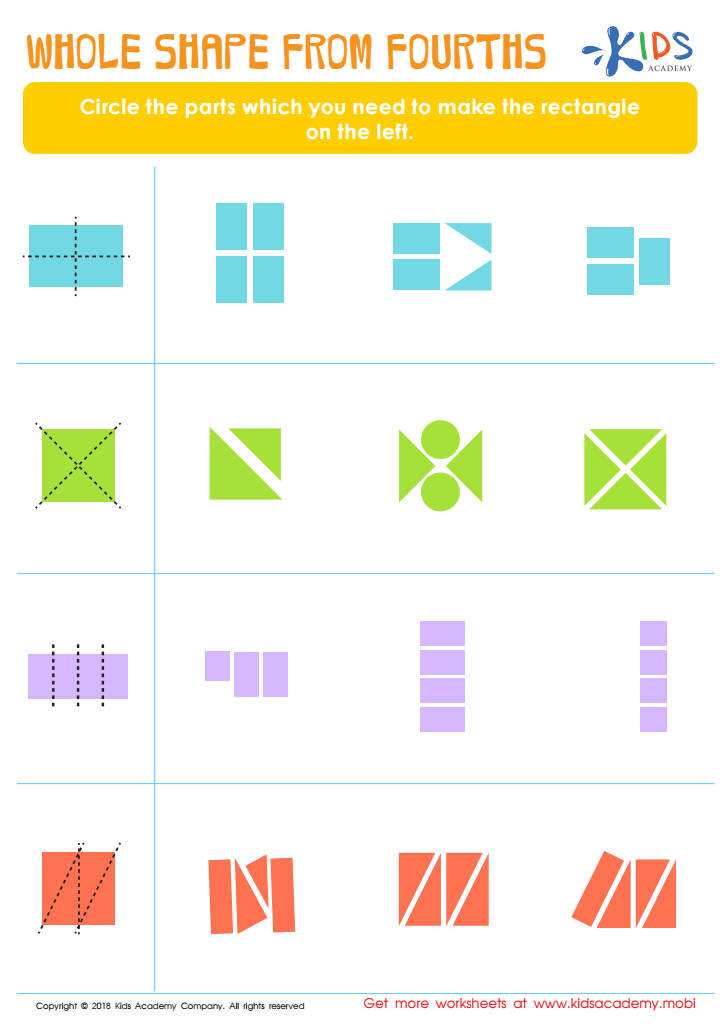
Whole Shape from Fourths Worksheet
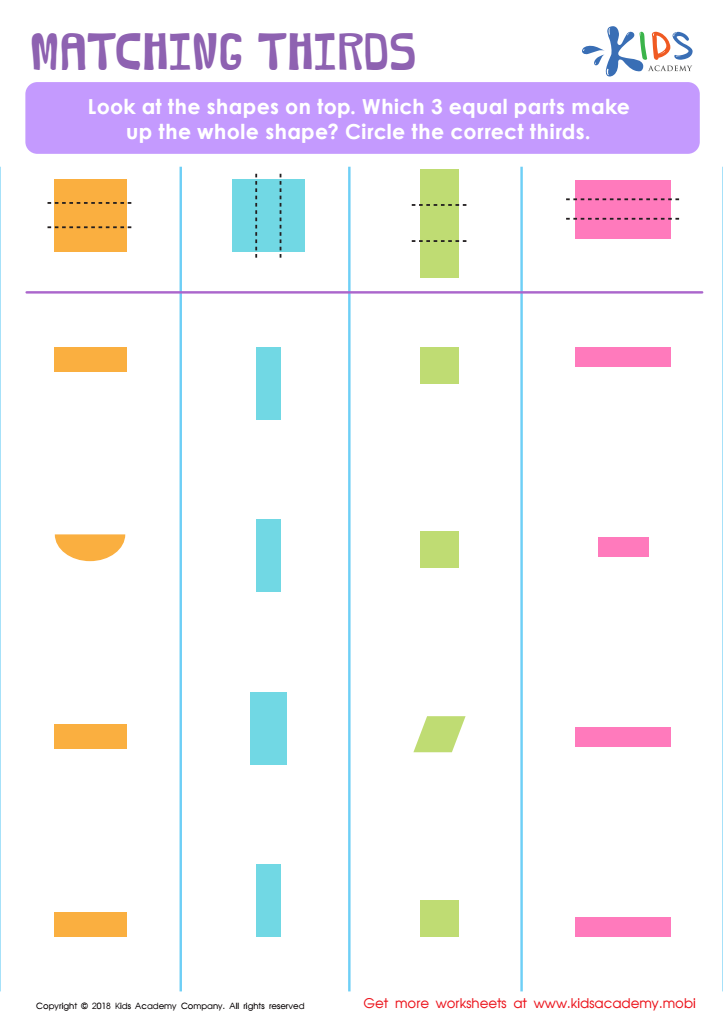
Matching Thirds Worksheet
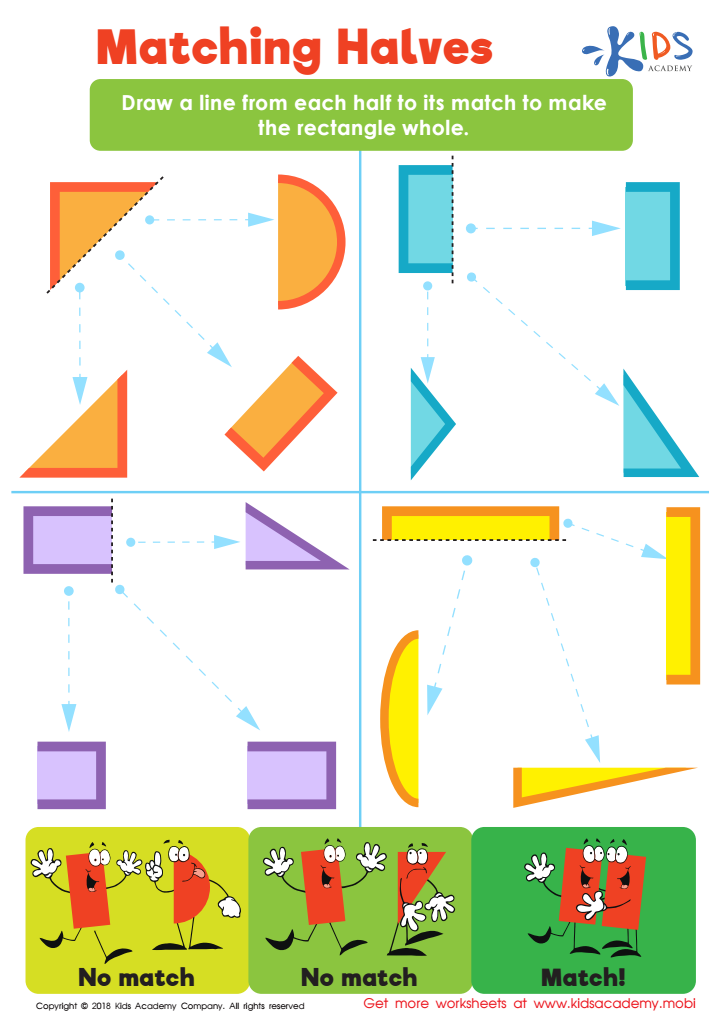
Matching Halves Worksheet
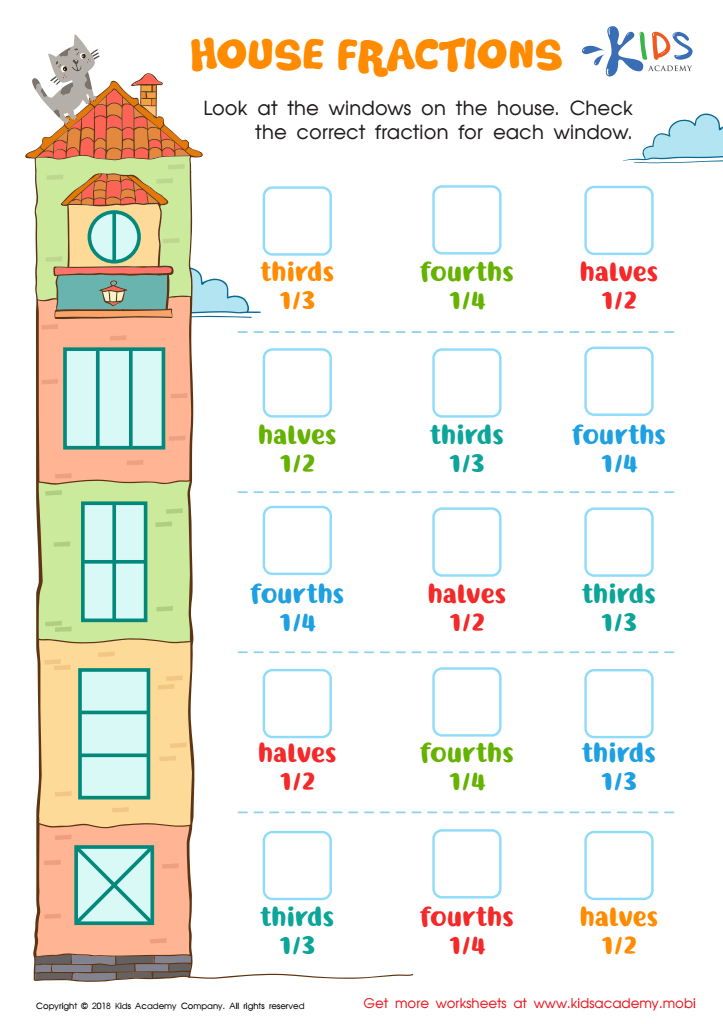
House Fractions Worksheet
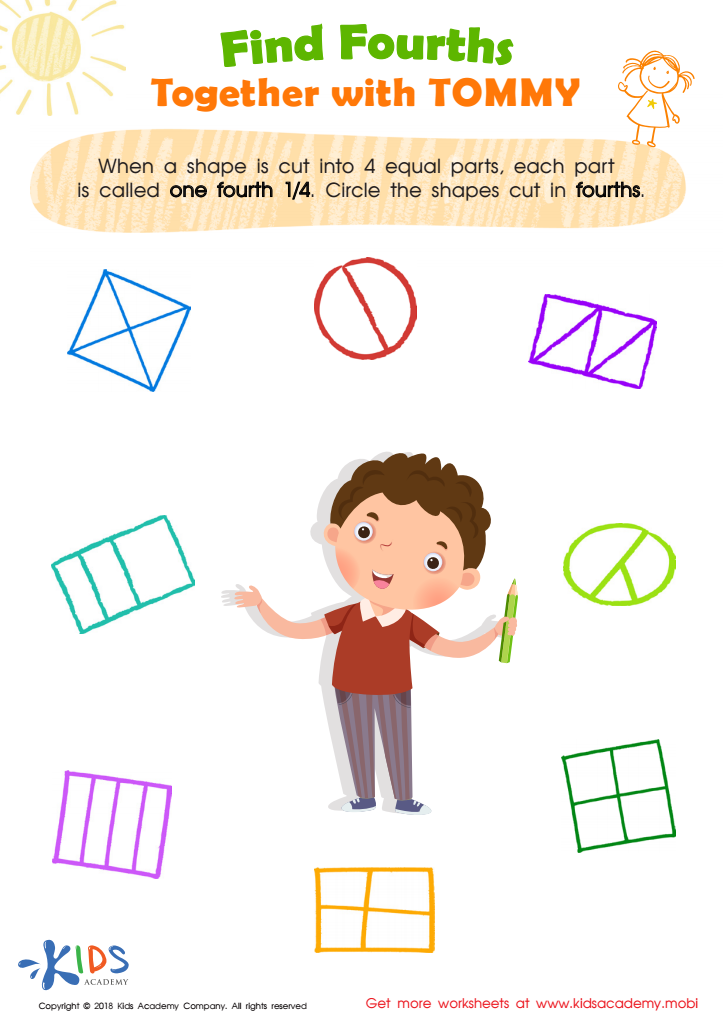
Find Fourths Together with Tommy Worksheet
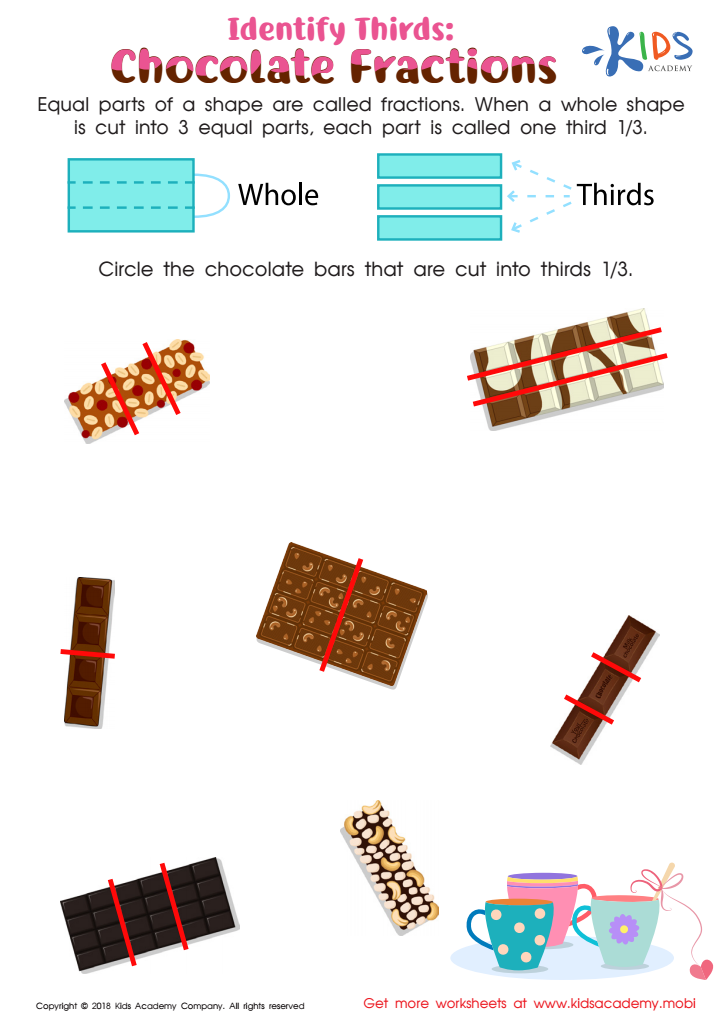
Identify Thirds: Chocolate Fractions Worksheet
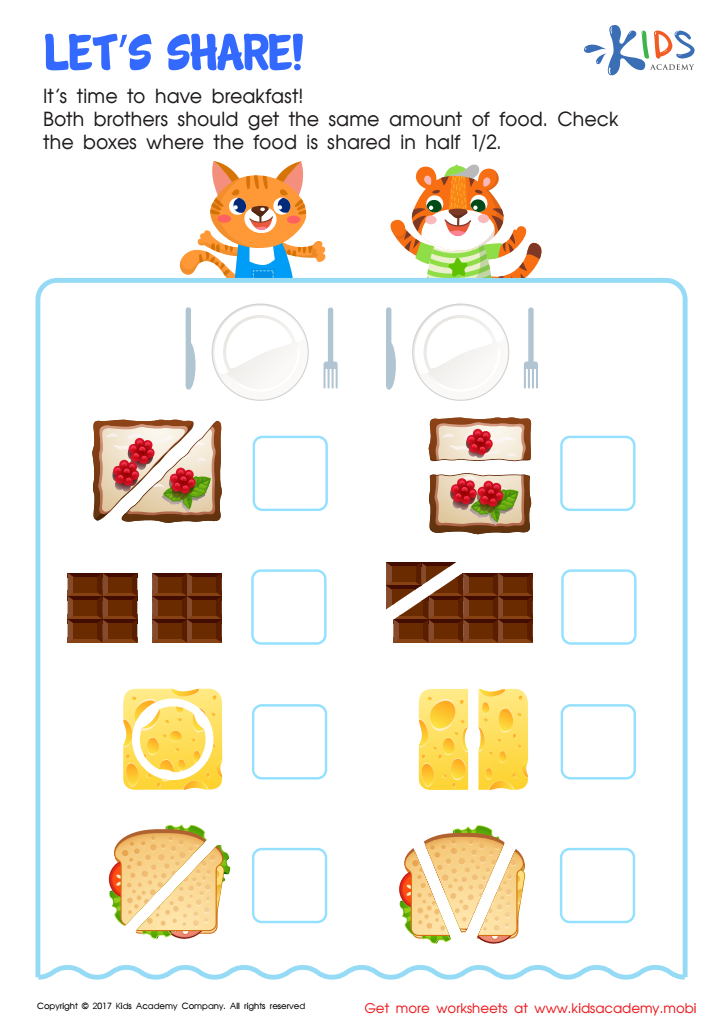
Let's Share Worksheet
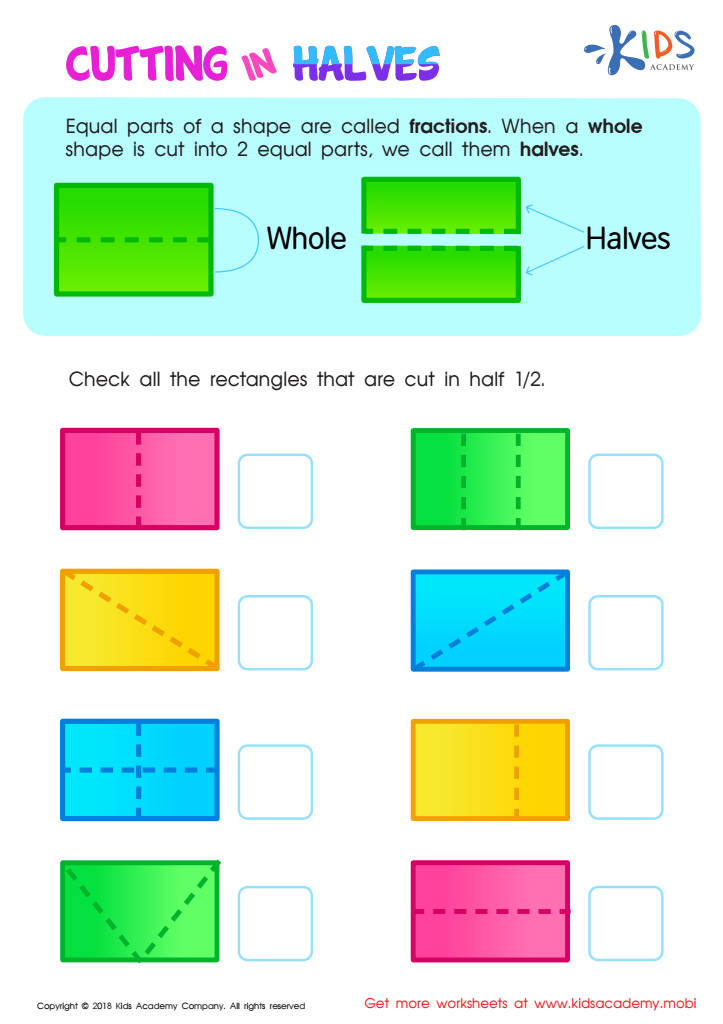
Cutting in Halves Worksheet
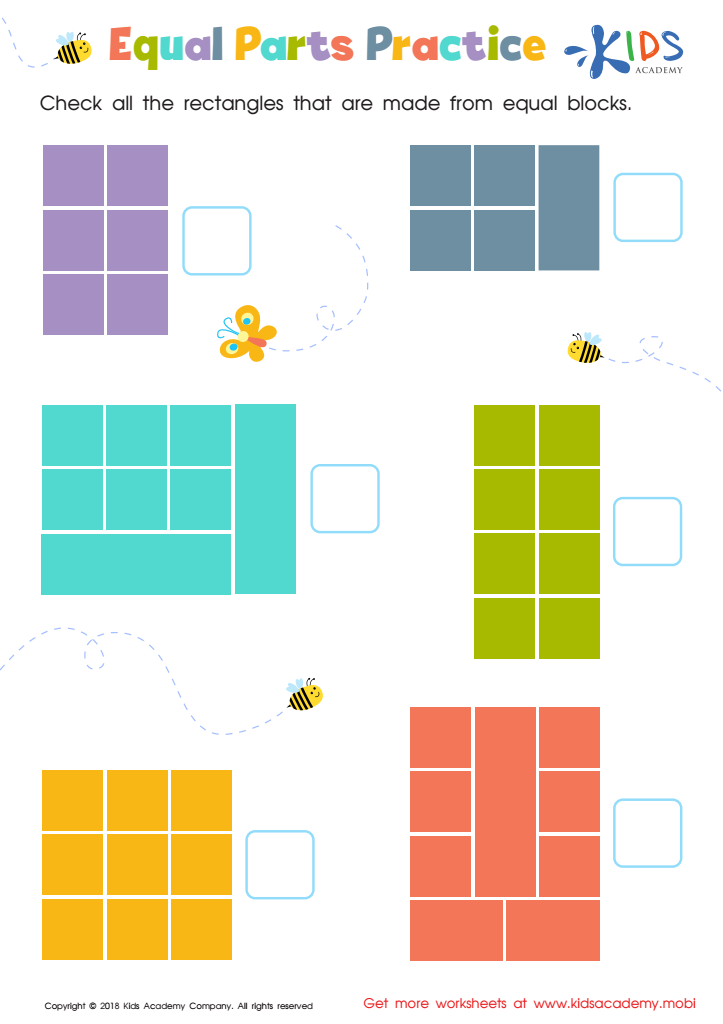
Equal Parts Practice Worksheet
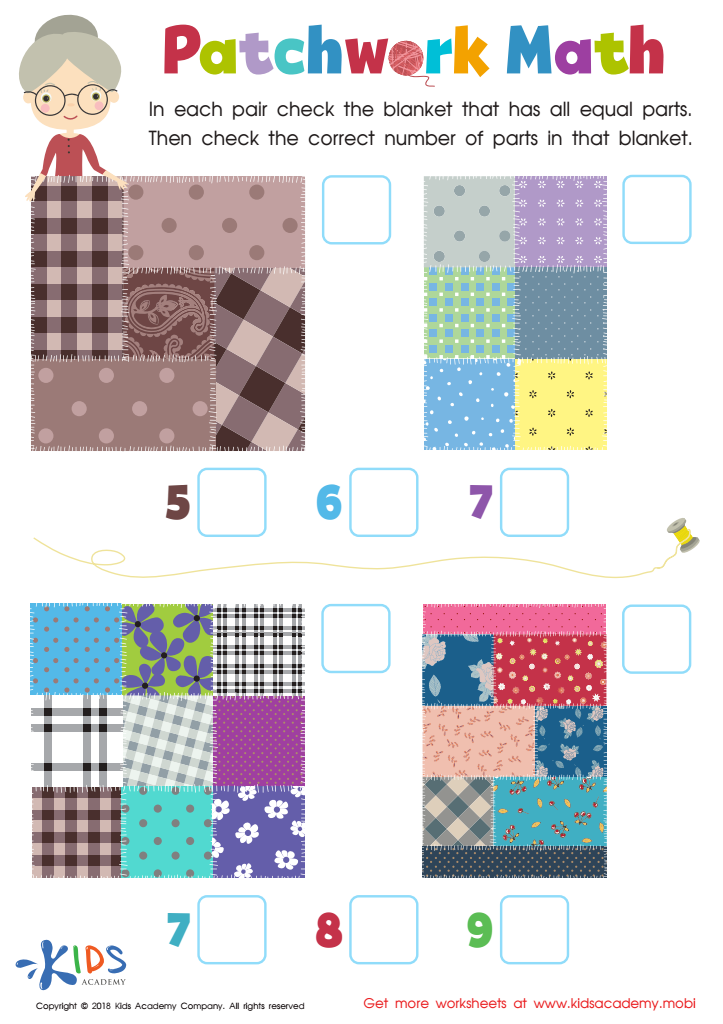
Patchwork Math Worksheet
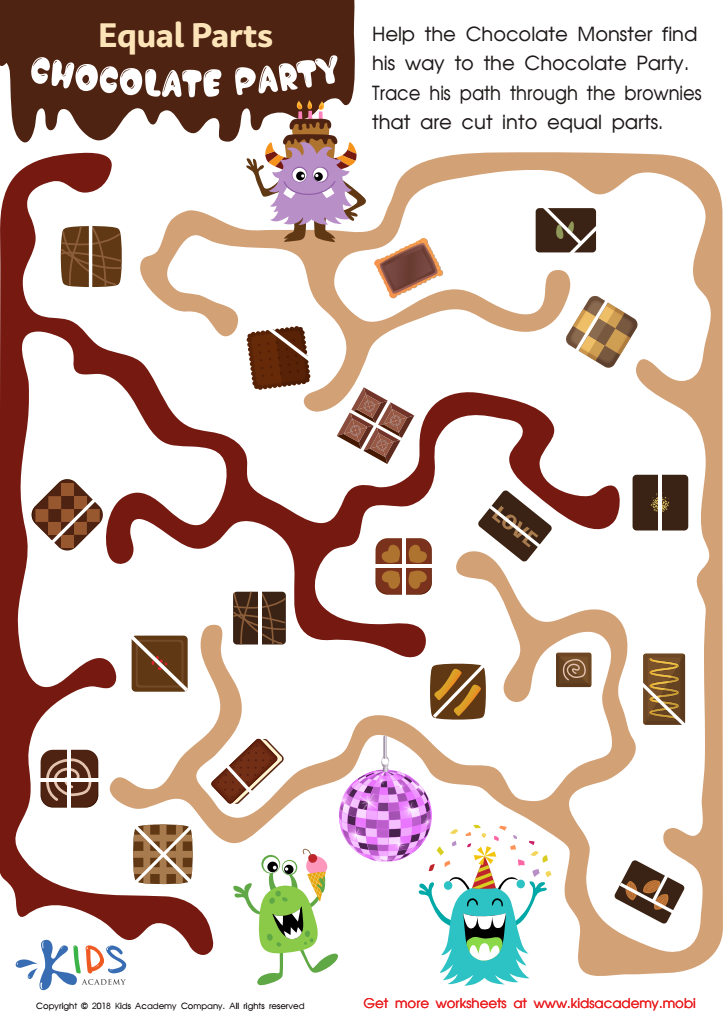
Equal Parts: Chocolate Party Worksheet
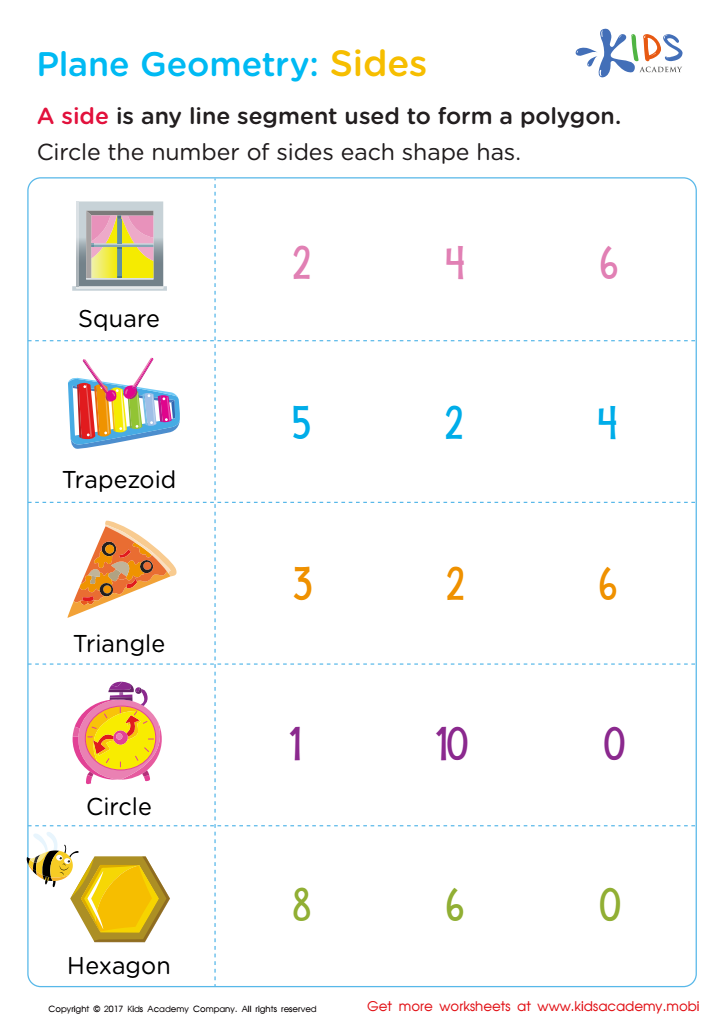
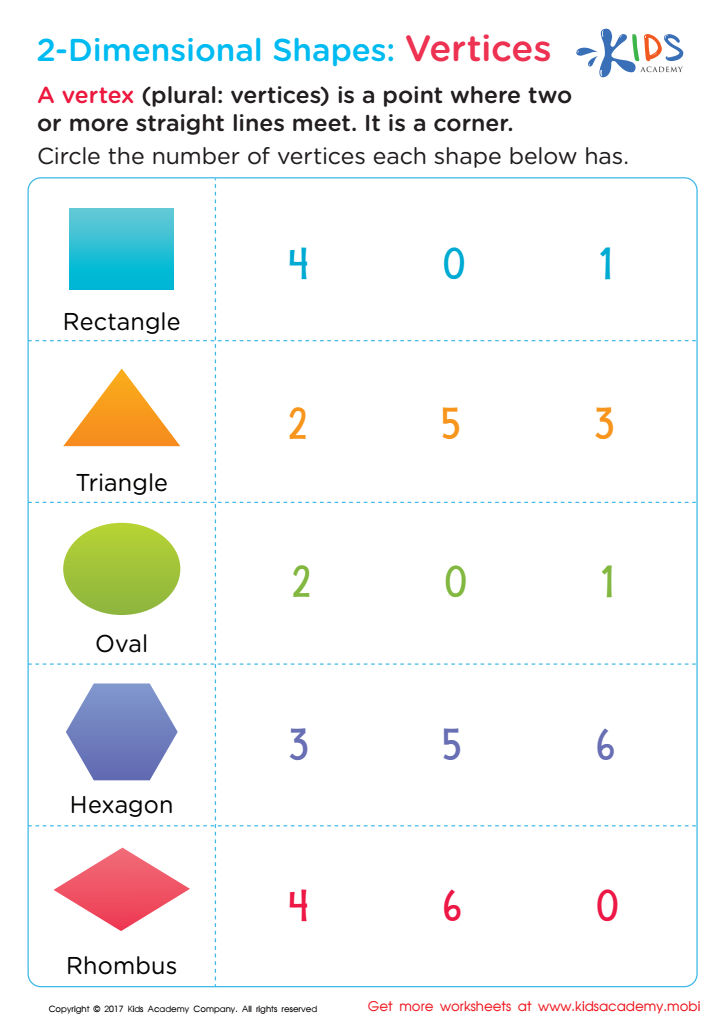
Two–Dimensional Shapes: Vertices Printable
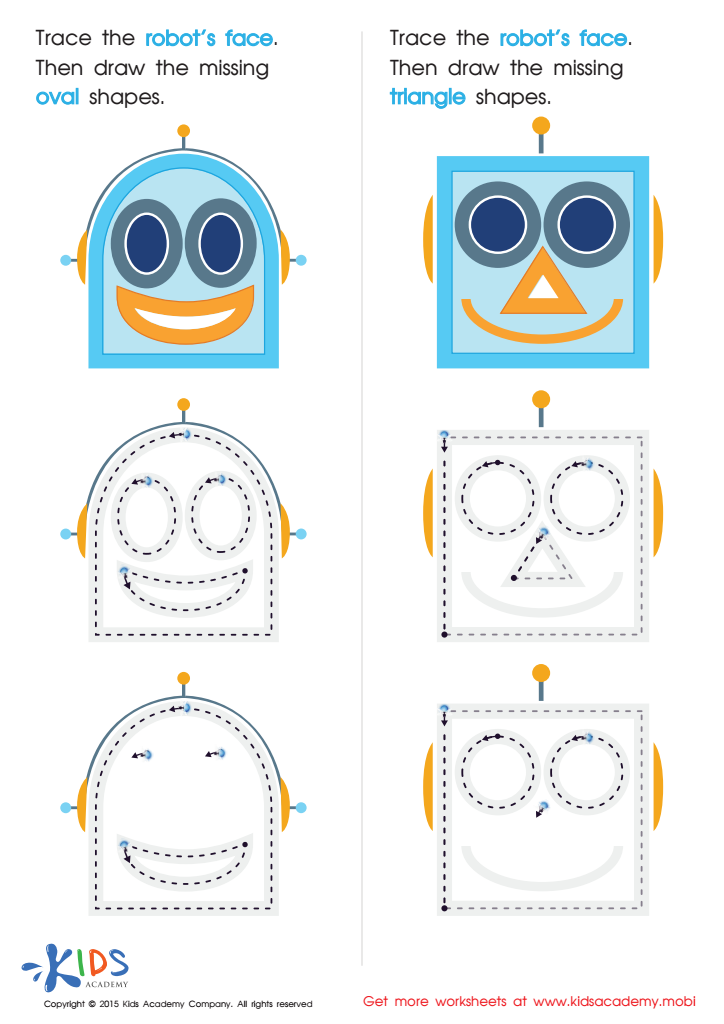
Drawing Ovals And Triangles with Fun Printable
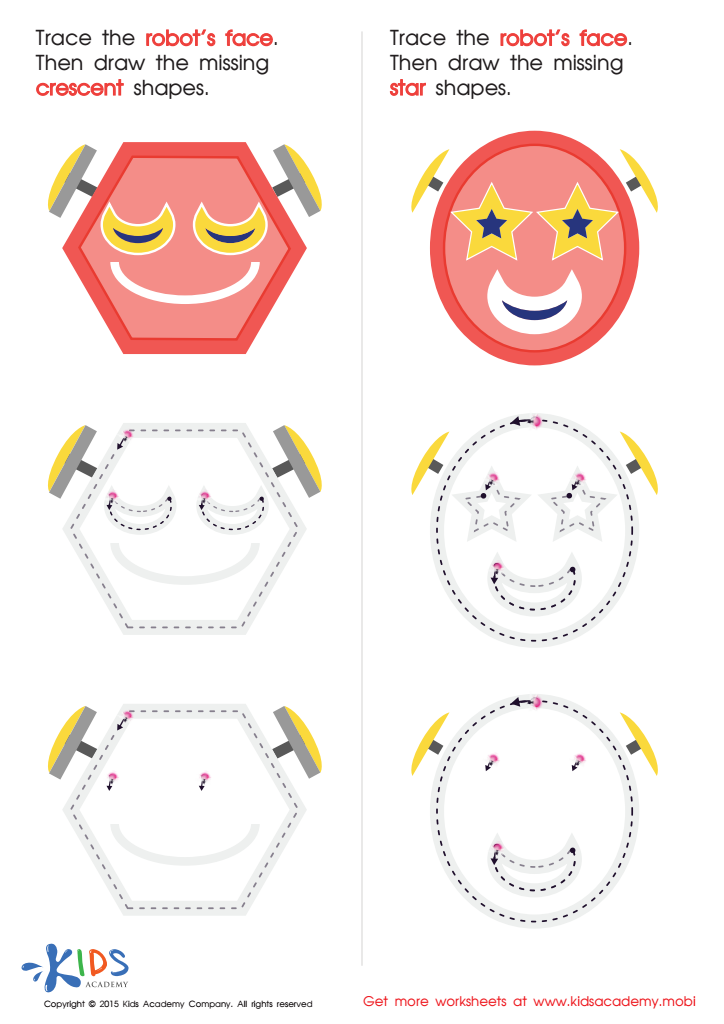
Composing a Robot's Face of Crescents And Stars Worksheet








Parents and teachers should prioritize "Easy Geometry" for children ages 5-7 because a strong foundation in geometry enhances spatial awareness, problem-solving skills, and critical thinking. At this early age, children are naturally curious, and engaging them with simple geometric concepts helps cultivate that curiosity into structured learning. Introducing shapes, patterns, and basic spatial relationships promotes cognitive development and lays the groundwork for future math skills.
Additionally, geometry encourages creativity and expression, as children can explore design and symmetry through hands-on activities. It also supports language development through the introduction of specific vocabulary associated with shapes and spatial reasoning. By using engaging materials and interactive activities, parents and teachers can foster a positive attitude toward math that lasts a lifetime.
Furthermore, understanding geometric concepts is essential for practical daily tasks and future academic success. Early exposure to geometry helps establish relationships with numbers, measurements, and patterns, making later math topics less intimidating. In a world increasingly driven by technology and design, these skills are more important than ever. By focusing on Easy Geometry during these formative years, adults play a critical role in equipping children with essential skills necessary for their academic journey and everyday life.








