Extra Challenge Matching Worksheets for Ages 3-7
28 filtered results
-
From - To
Our "Extra Challenge Matching Worksheets for Ages 3-7" are meticulously designed to provide young learners with an engaging, educational experience that will enhance their cognitive skills. These worksheets focus on boosting your child’s ability to recognize patterns, understand relationships, and improve problem-solving capabilities. Perfectly calibrated for children ages 3 to 7, these activities are both challenging and fun, offering a diverse array of matching exercises involving colors, shapes, numbers, and more. Ensure your child's early learning journey is both enriching and enjoyable with these thoughtfully crafted printable worksheets. Explore now for a smarter, sharper start to learning!
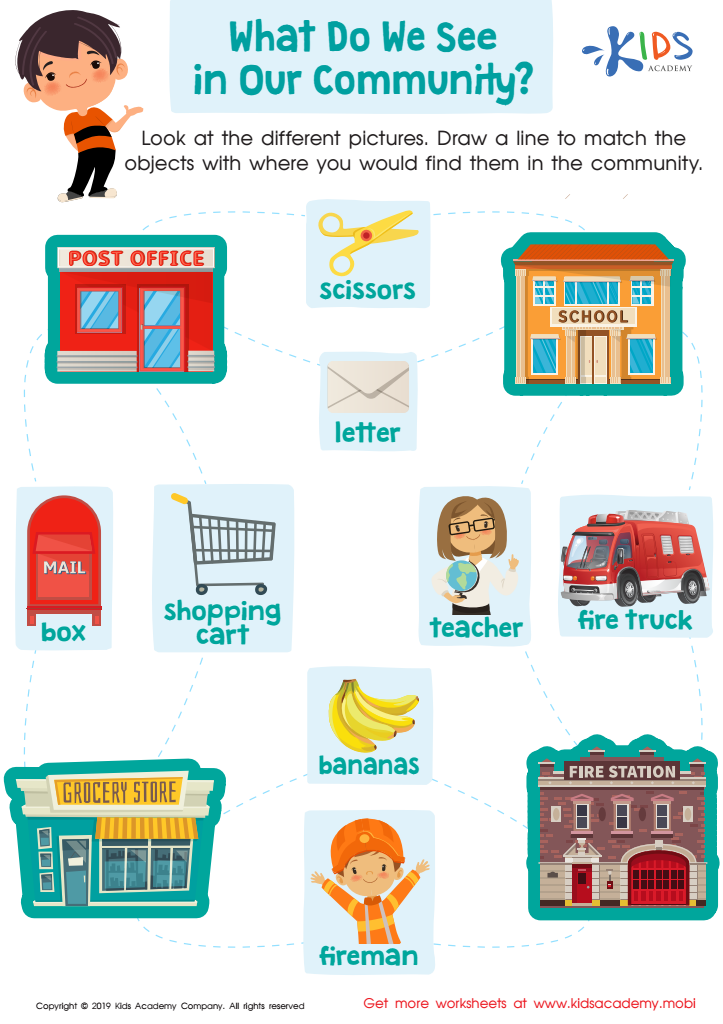
What Do We See in our Community? Worksheet
 Assign to My Students
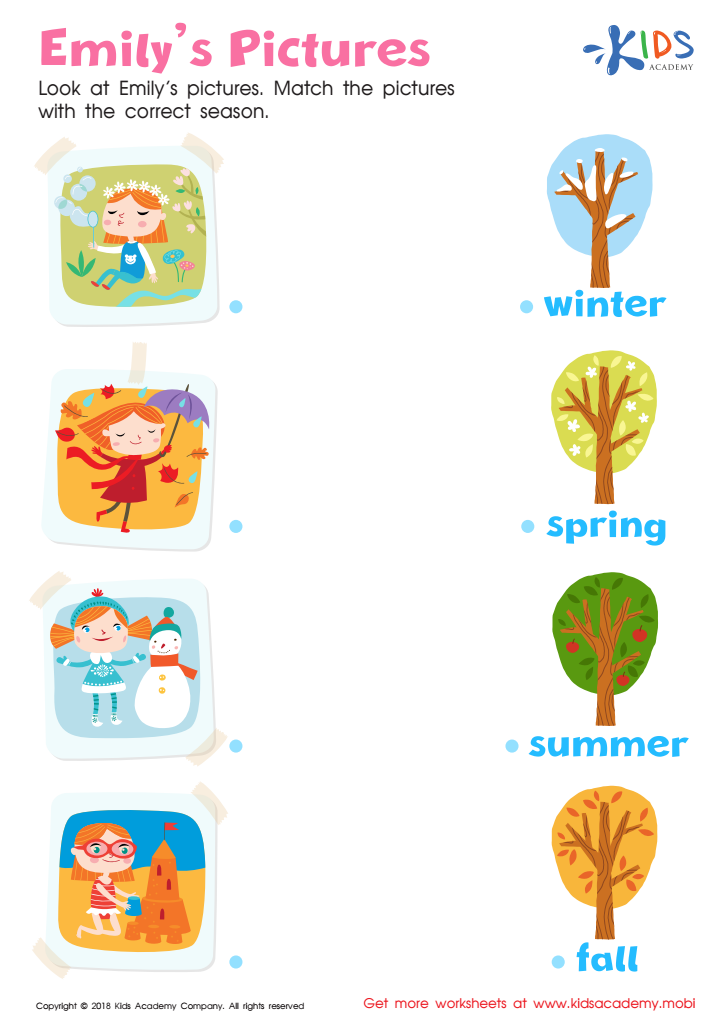
Emily's Pictures Worksheet
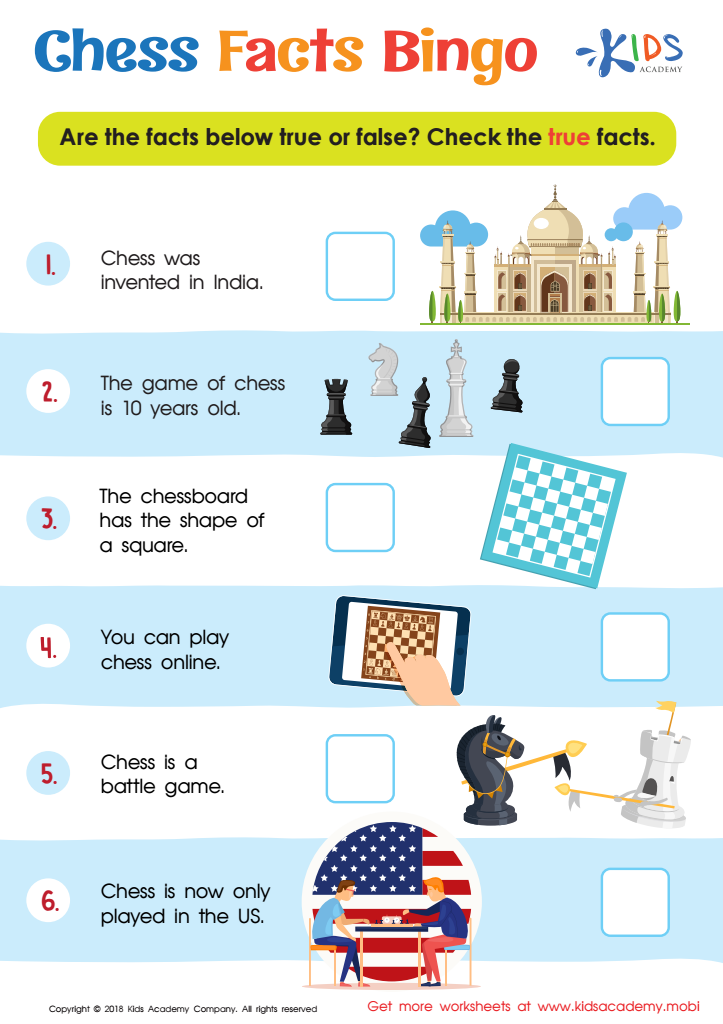
Chess Facts Bingo Worksheet
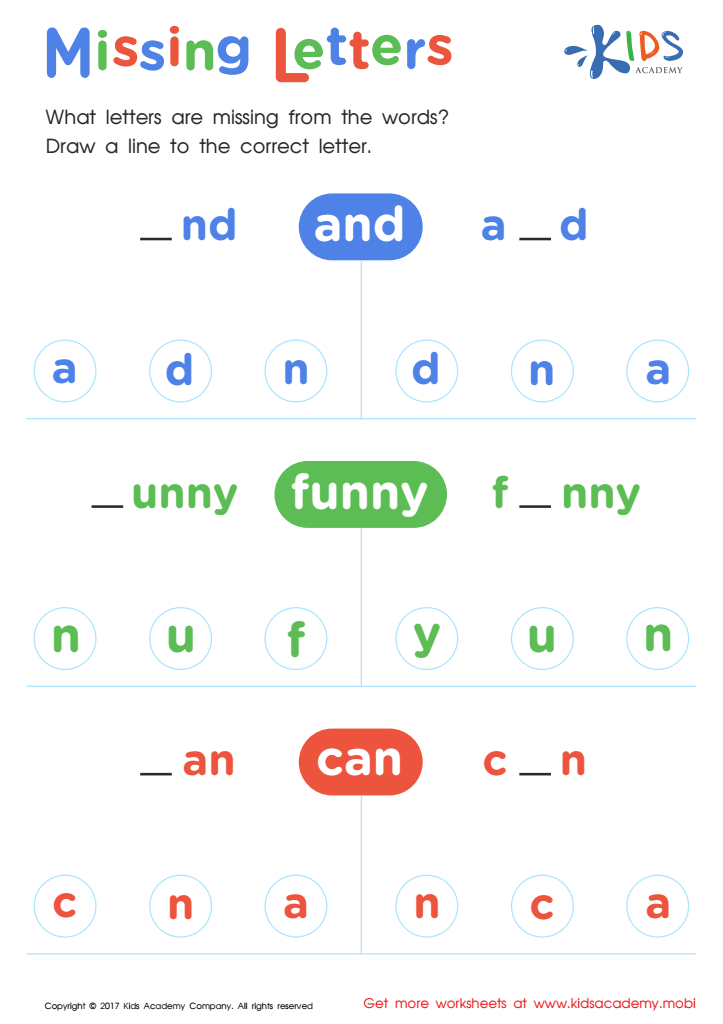
Missing Letters Worksheet
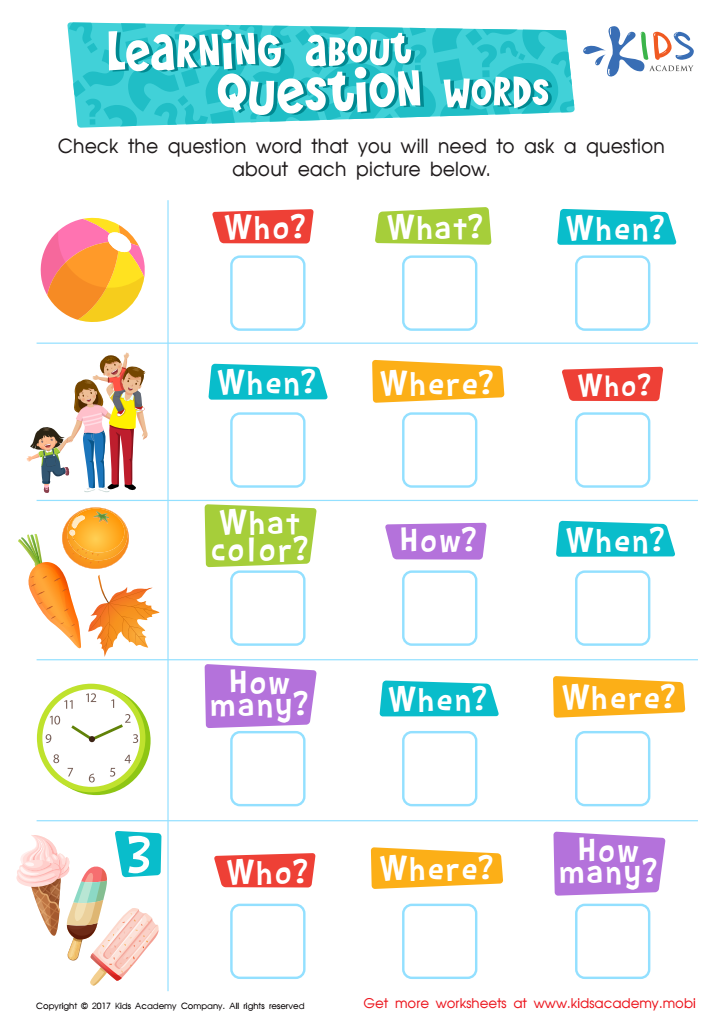
Learning about Question Words Worksheet
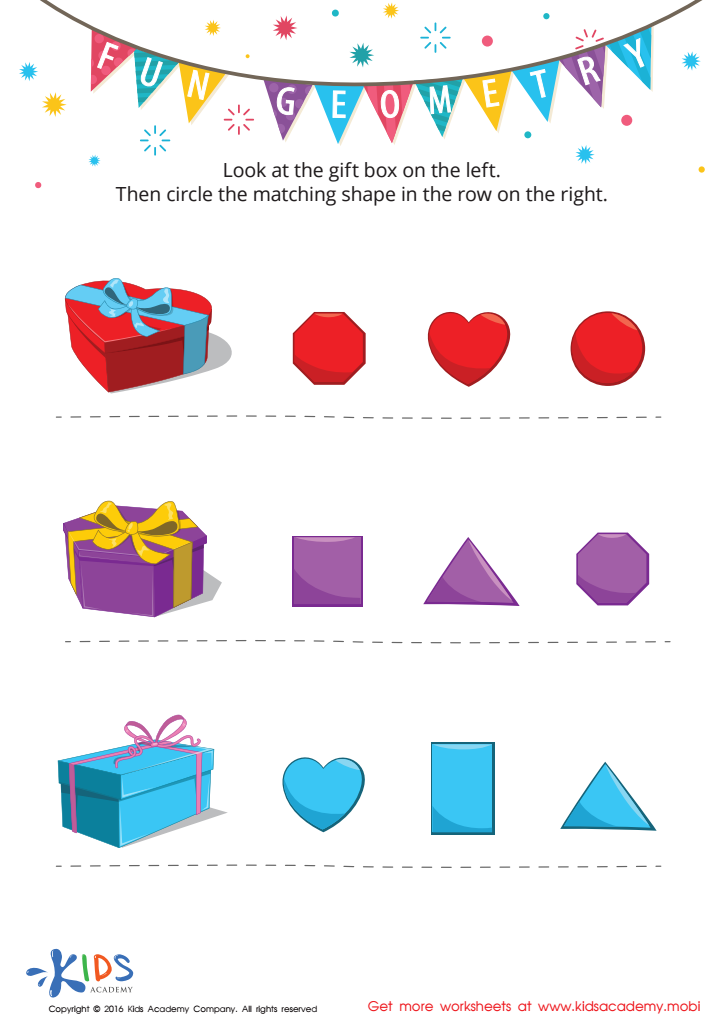
Fun Geometry Worksheet
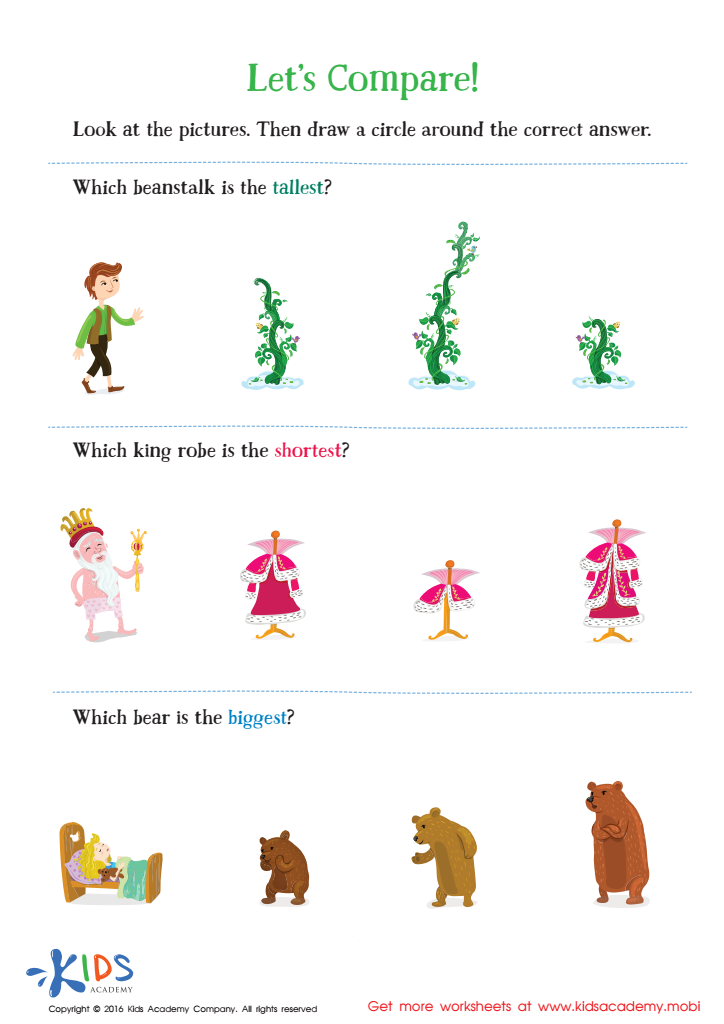
Fairy Tale Worksheet: Let's Compare
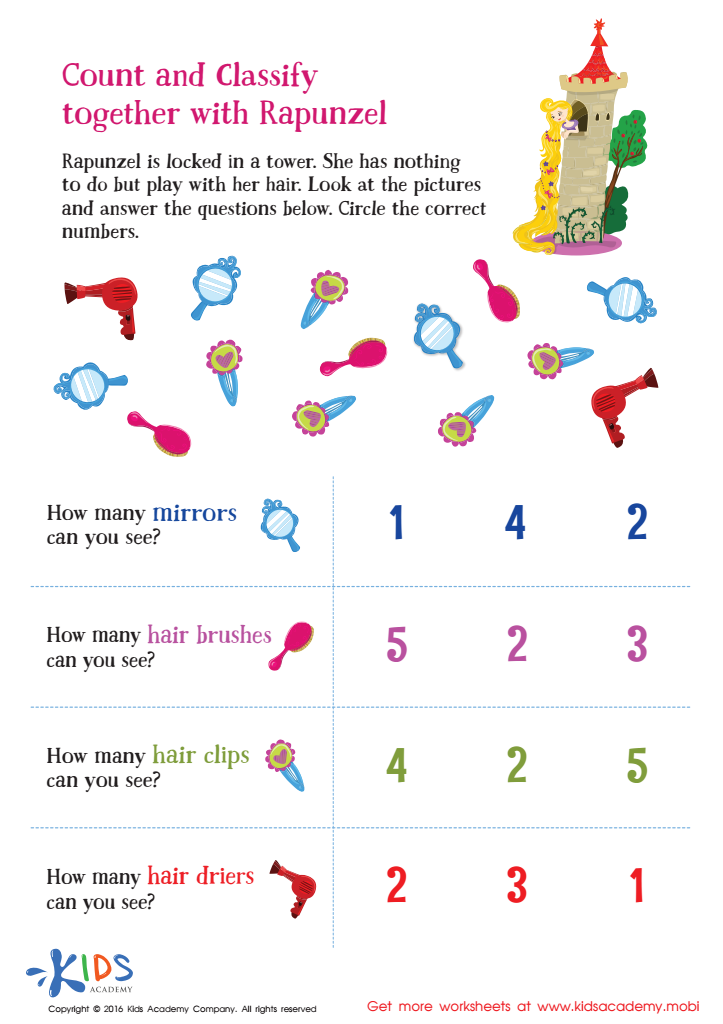
Fairy Tale Worksheet: Count and Classify with Rapunzel
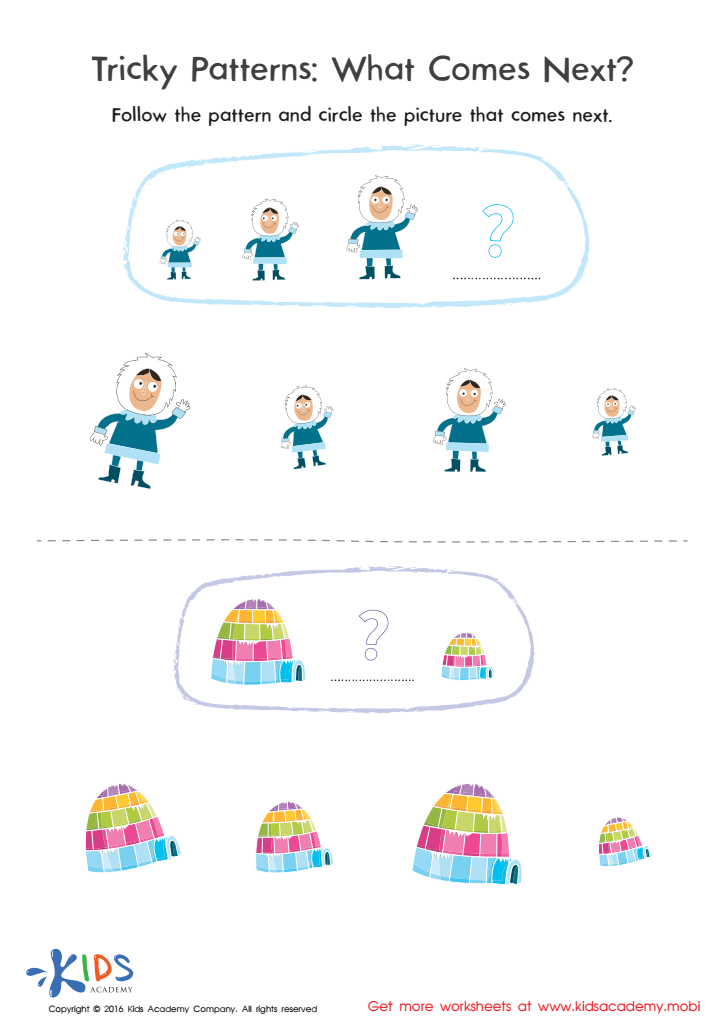
Tricky Patterns Size Worksheet
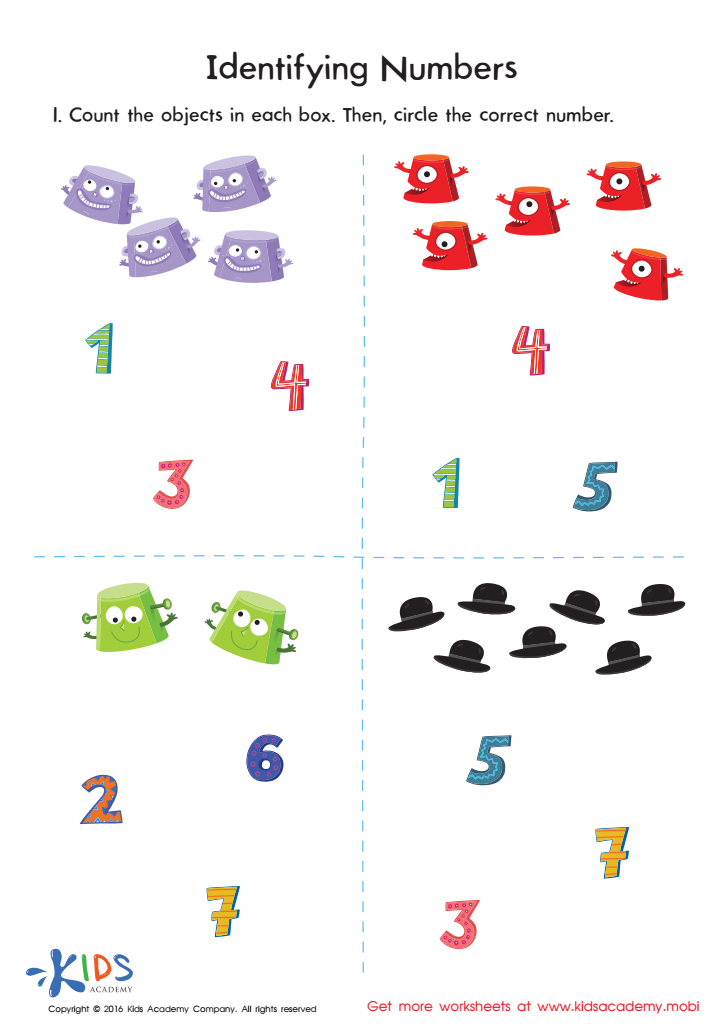
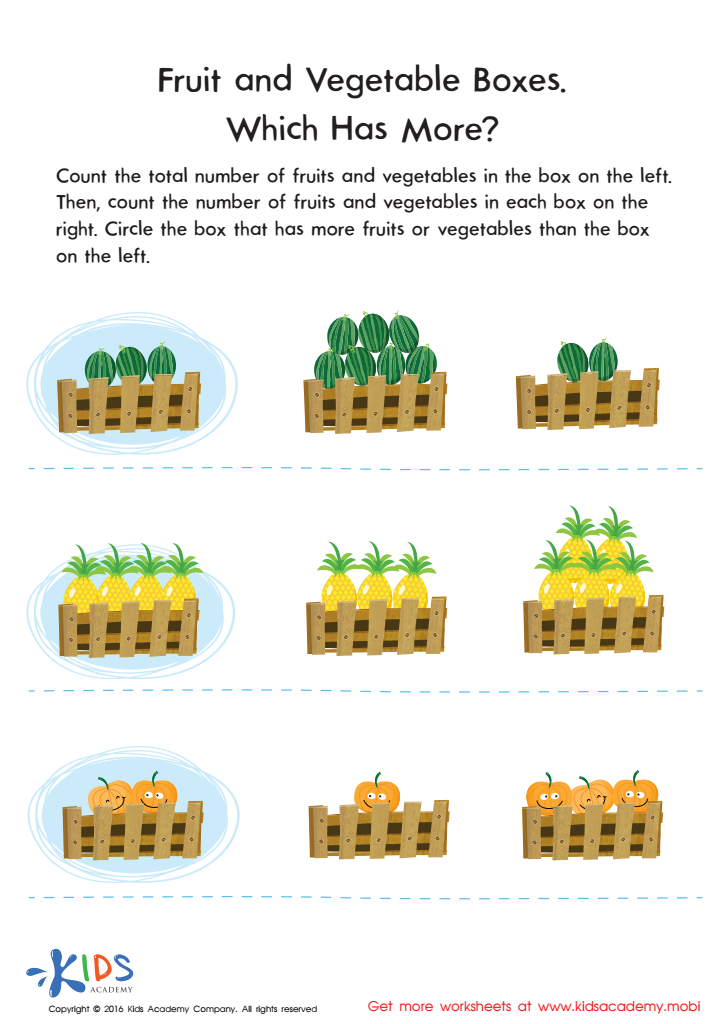
Which Has More? Size Worksheet
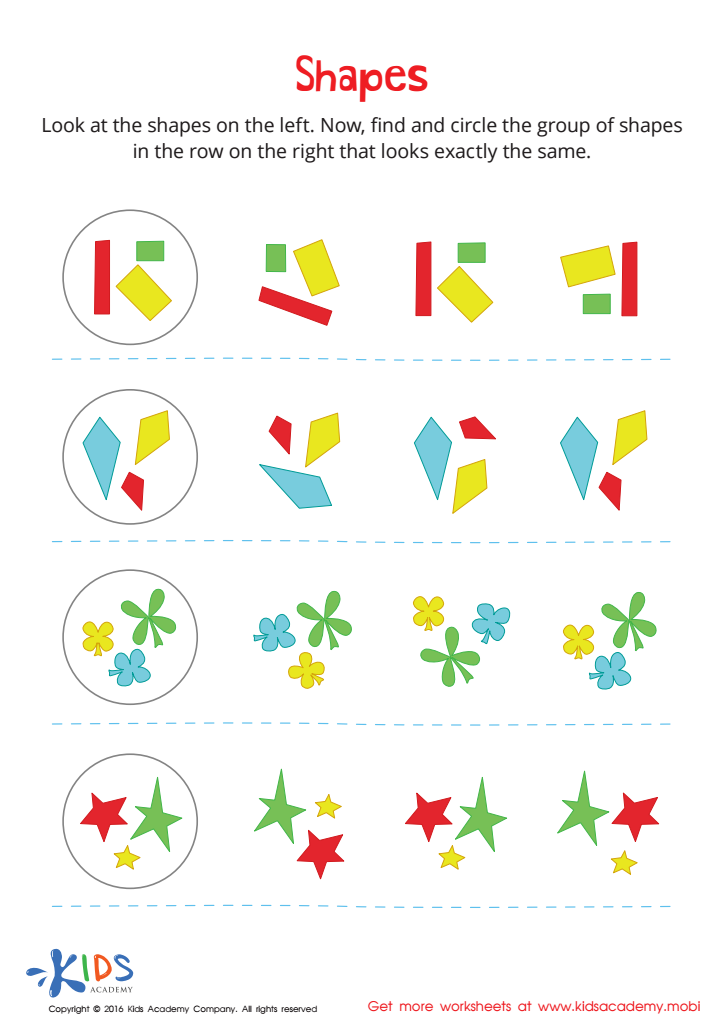
Shapes Worksheet
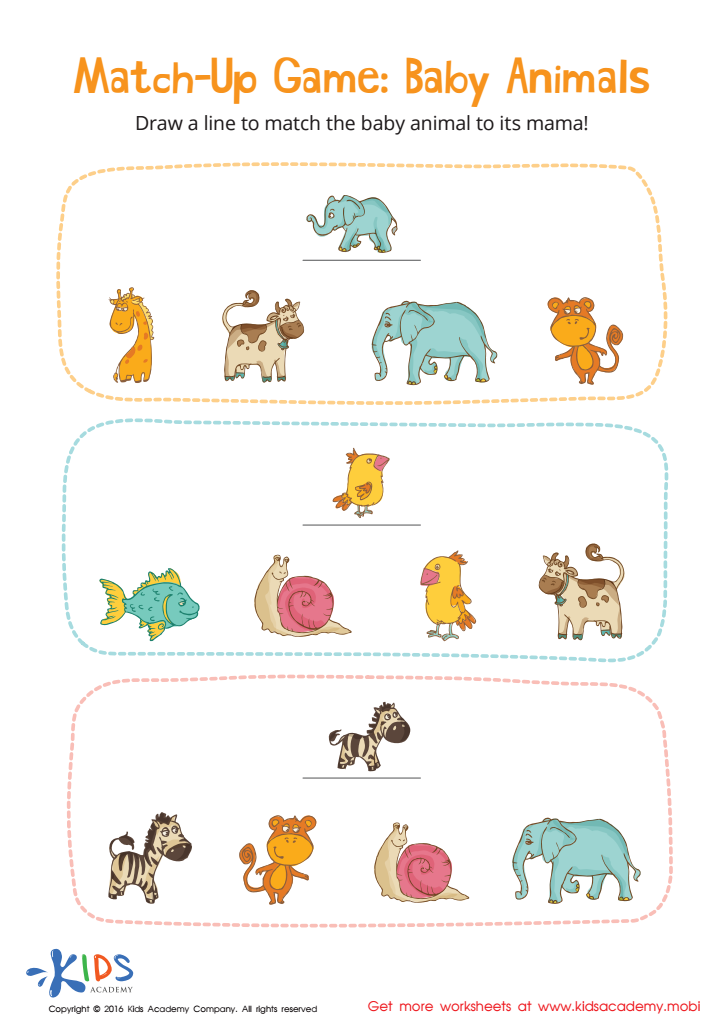
Baby Animals Match-Up Worksheet
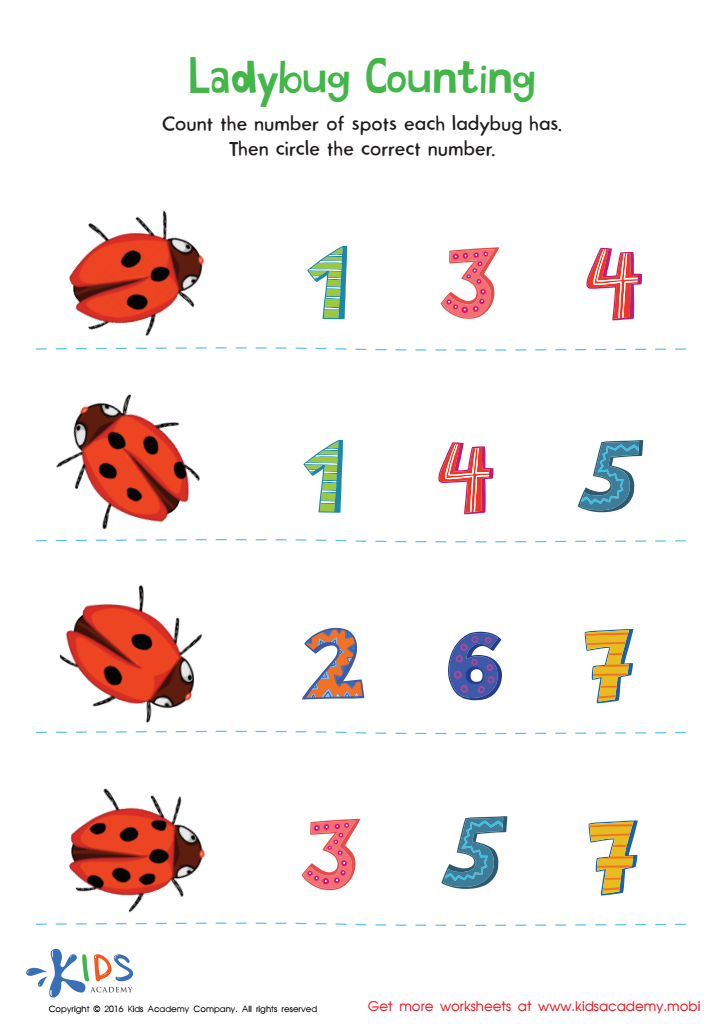
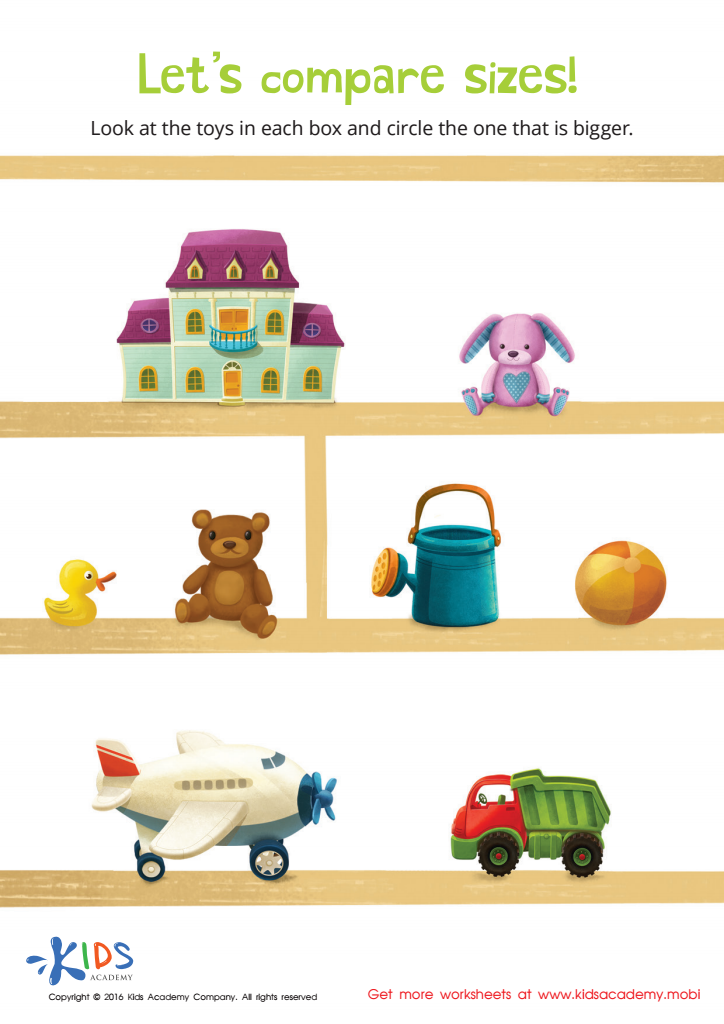
Classifying by Size Sorting Worksheet
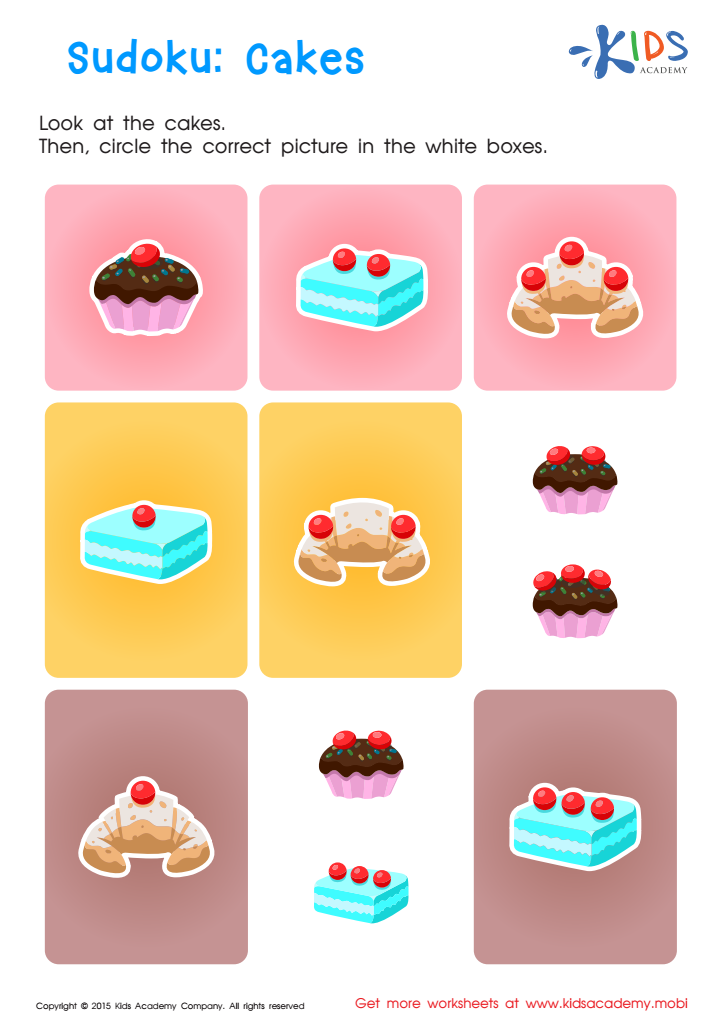
Sudoku Worksheet
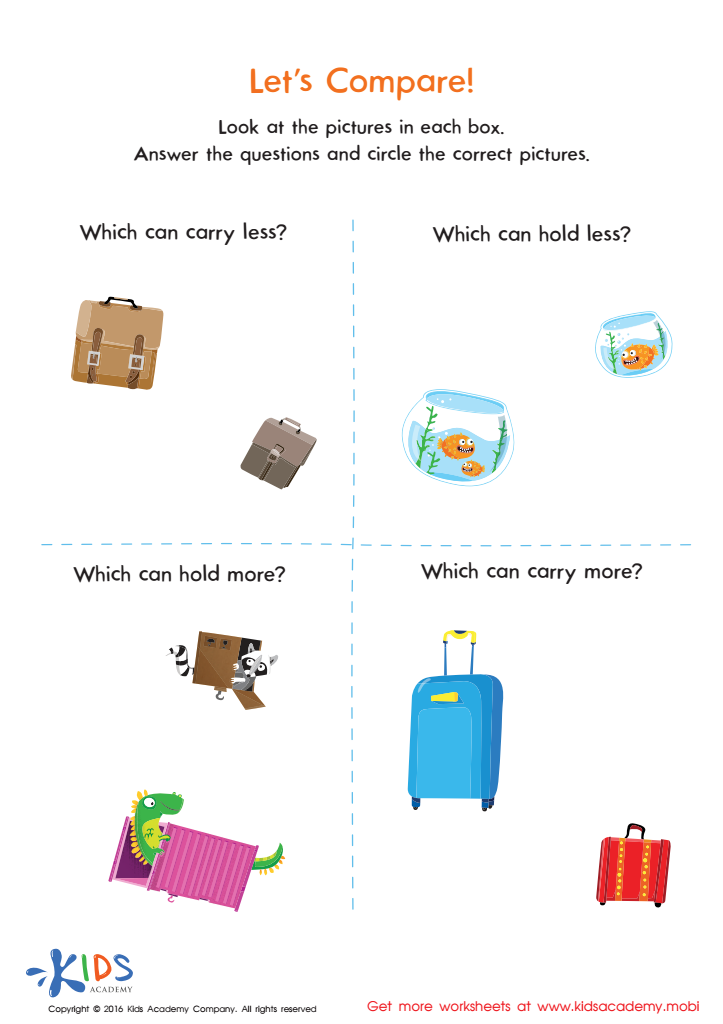
Let's Compare Worksheet: Big or Small
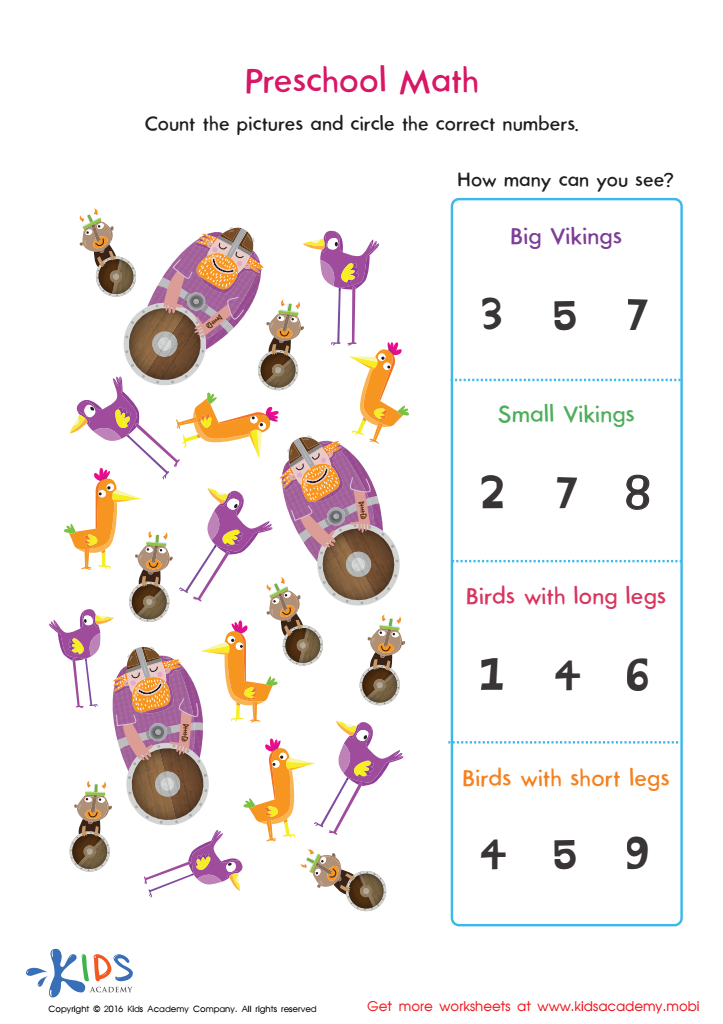
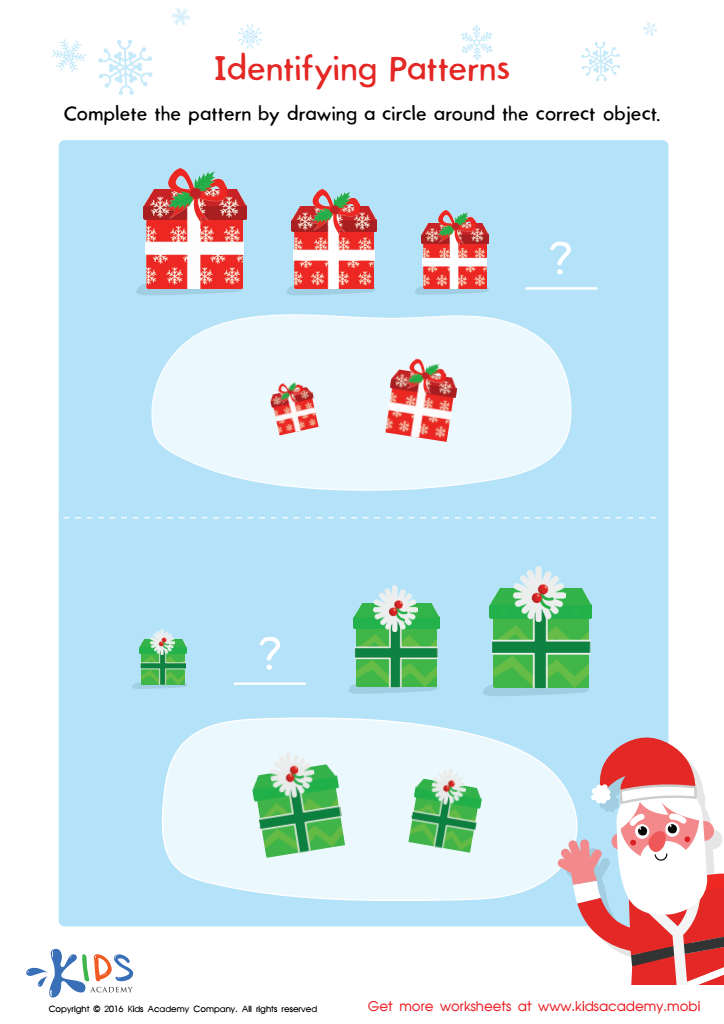
Identifying Patterns Worksheet
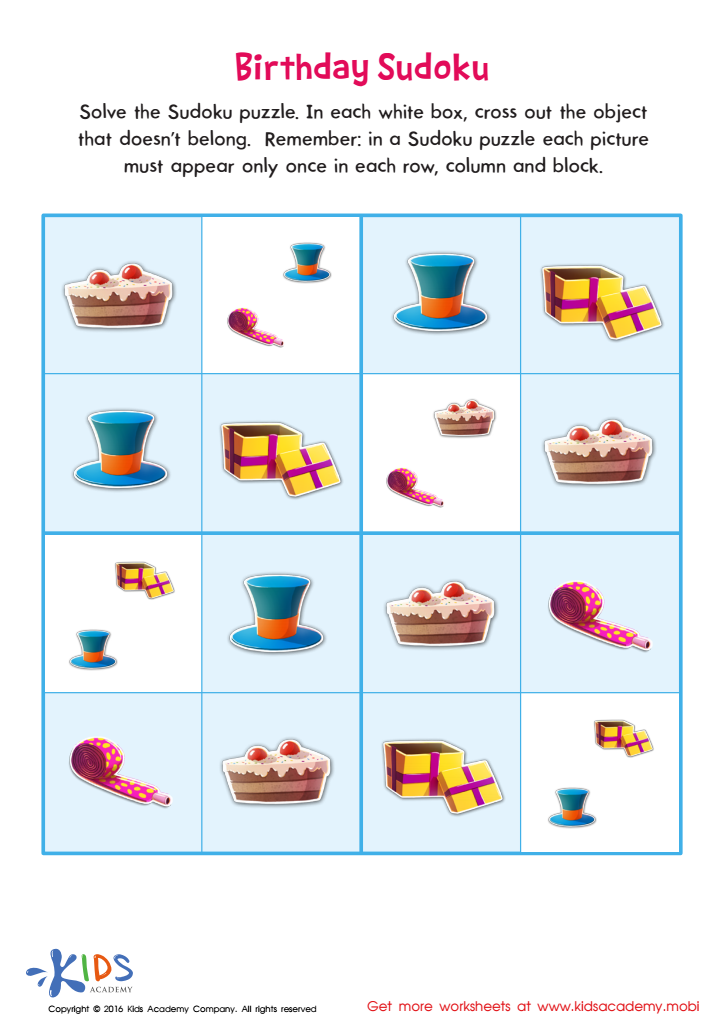
Birthday Sudoku Sorting Worksheet
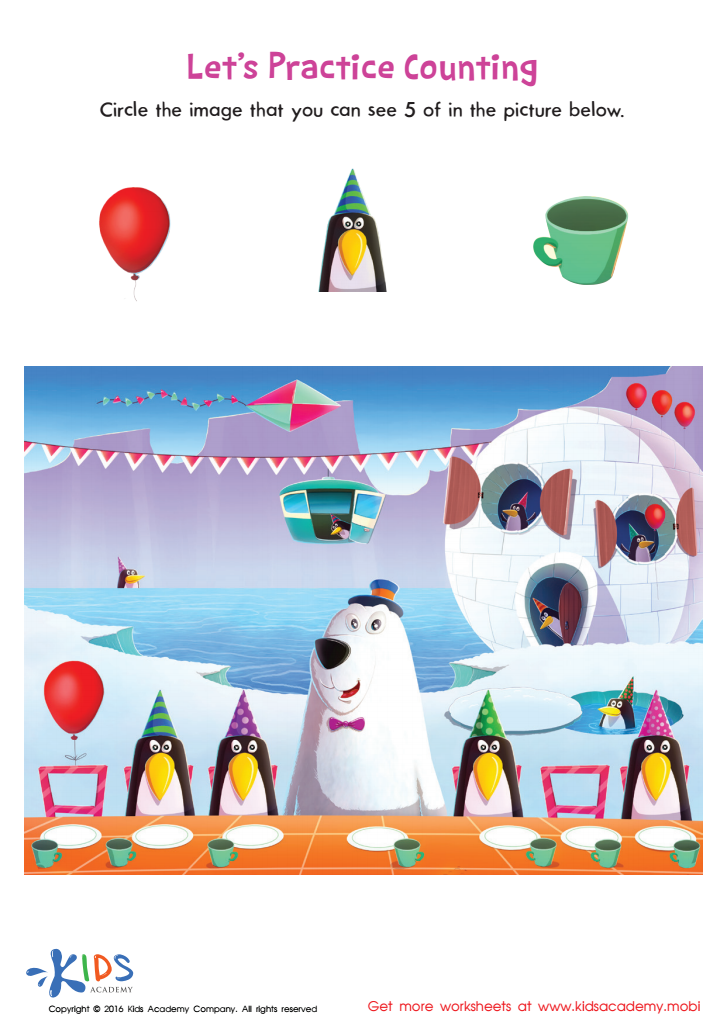
Counting Worksheet: Let's Practice Counting
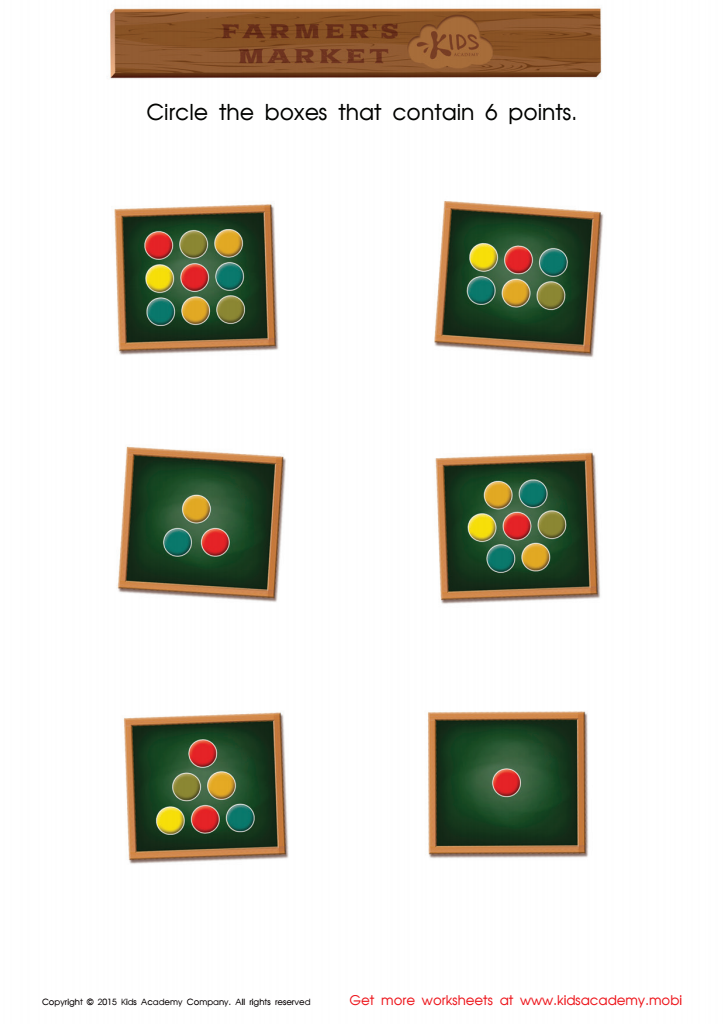
Count and Match Points 6 Math Worksheet
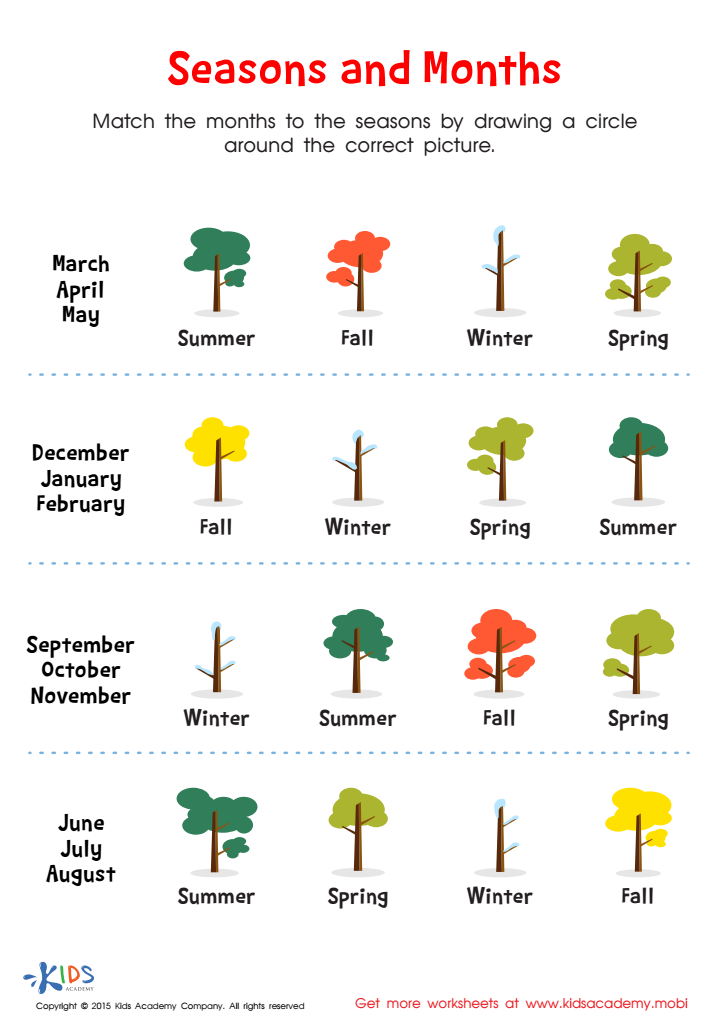
Seasons and Months Worksheet
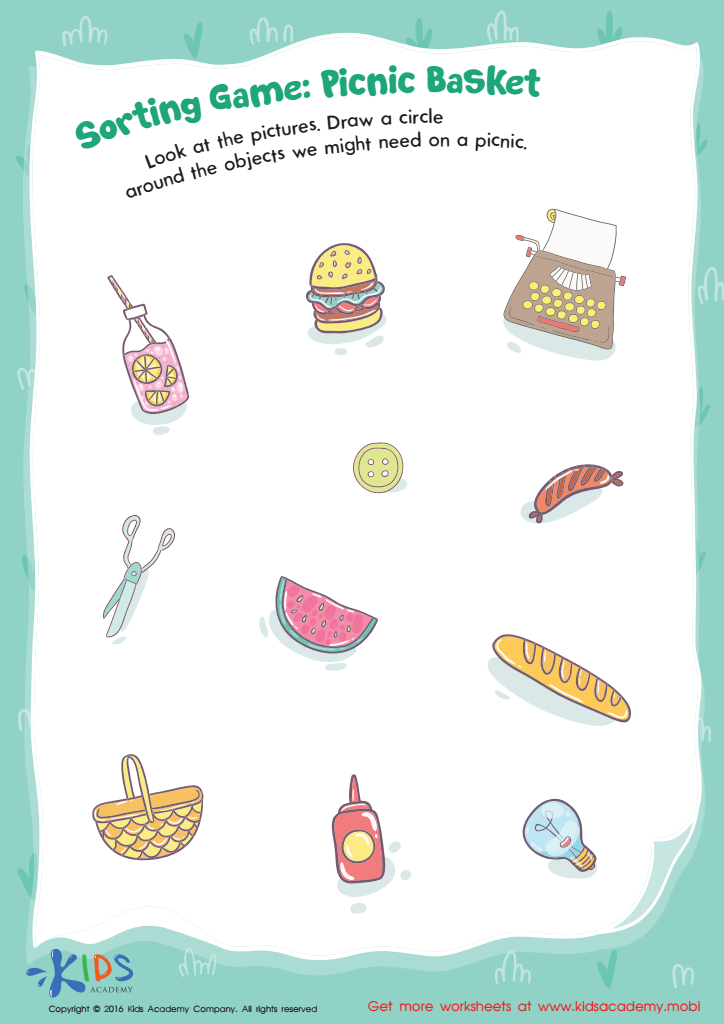
Picnic Basket Sorting Worksheet







Parents and teachers should care about Extra Challenge Matching activities for children ages 3-7 because these tasks significantly contribute to a child's cognitive and developmental growth. At this formative age, children’s brains are highly receptive to learning, and matching games can enhance their memory, attention to detail, and problem-solving skills. These activities require children to identify similarities and differences, which in turn refines their observational skills and visual discrimination.
Moreover, matching exercises can foster foundational math and reading skills by helping children recognize patterns, categorize objects, and develop one-to-one correspondence. This is crucial for learning numbers and letters as well as understanding basic mathematical concepts. Extra Challenge Matching exercises also encourage perseverance and concentration, as children find enjoyment in progressively more challenging tasks.
Socially, these activities can serve as an engaging and cooperative learning experience when done in pairs or groups, promoting teamwork, communication, and sharing. Additionally, the enjoyment and sense of achievement from successfully completing matching games help boost children's self-esteem and motivation to learn. Thus, Extra Challenge Matching offers a playful yet powerful opportunity for early learners to holistically develop essential cognitive, academic, and social skills, making it a worthwhile focus for parents and teachers alike.