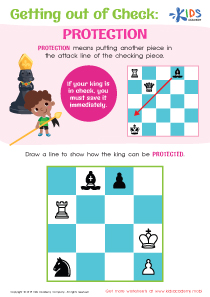
Extra Challenge Chess Worksheets for Ages 4-6 - Page 2
37 filtered results
-
From - To
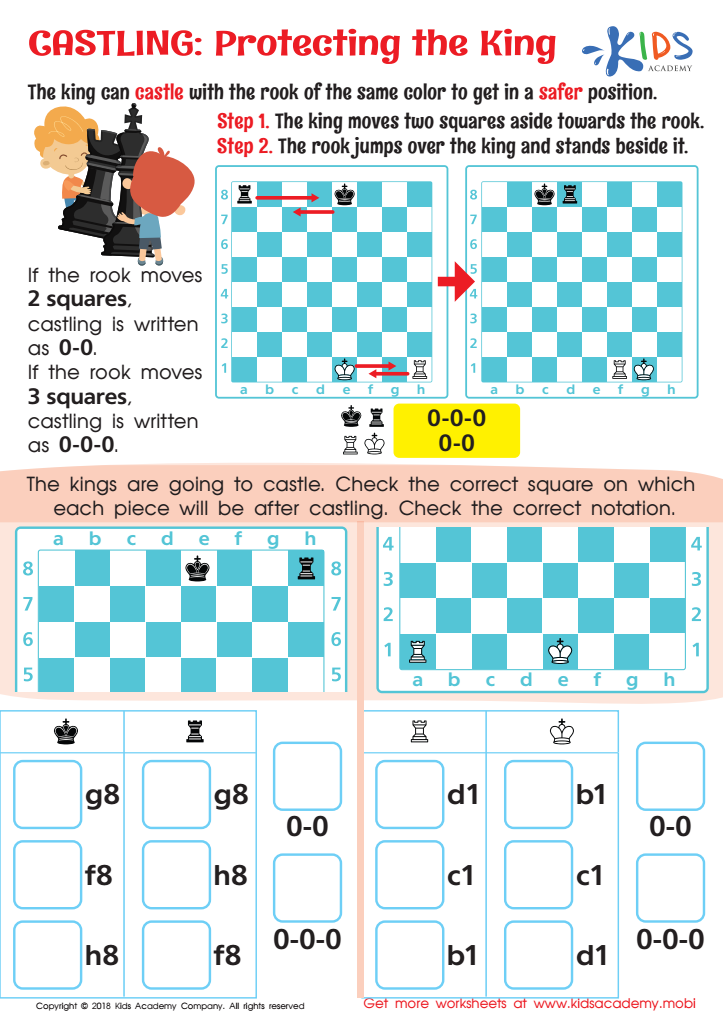
Castling: Protecting the King Worksheet
 Assign to My Students
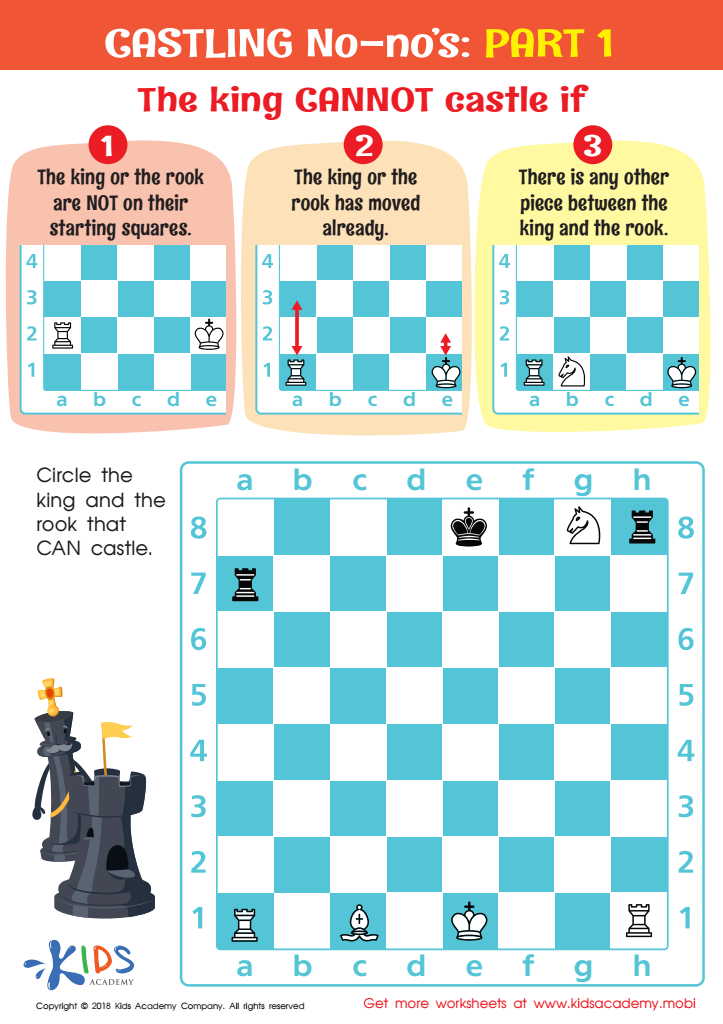
Castling No–no's: Part 1 Worksheet
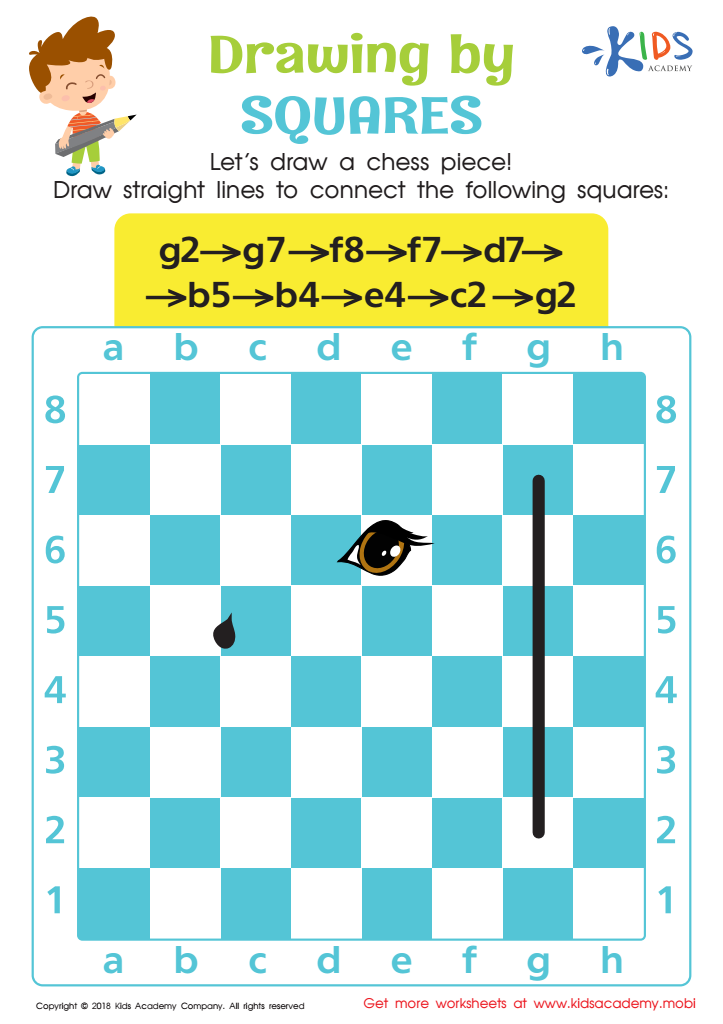
Drawing by Squares Worksheet
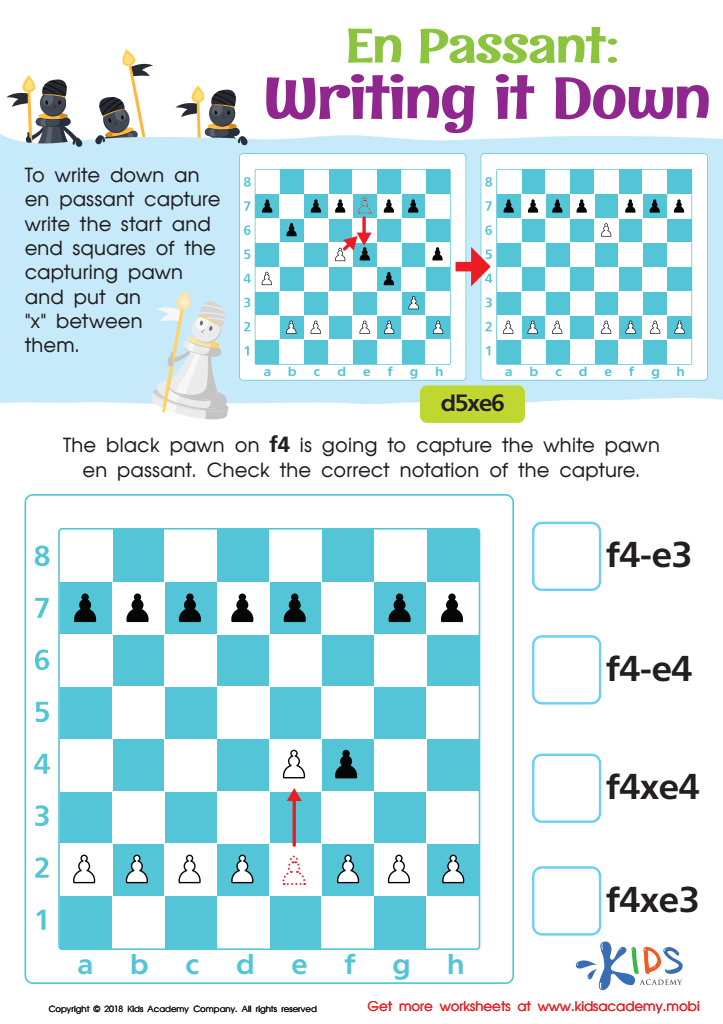
En Passant: Writing it Down Worksheet
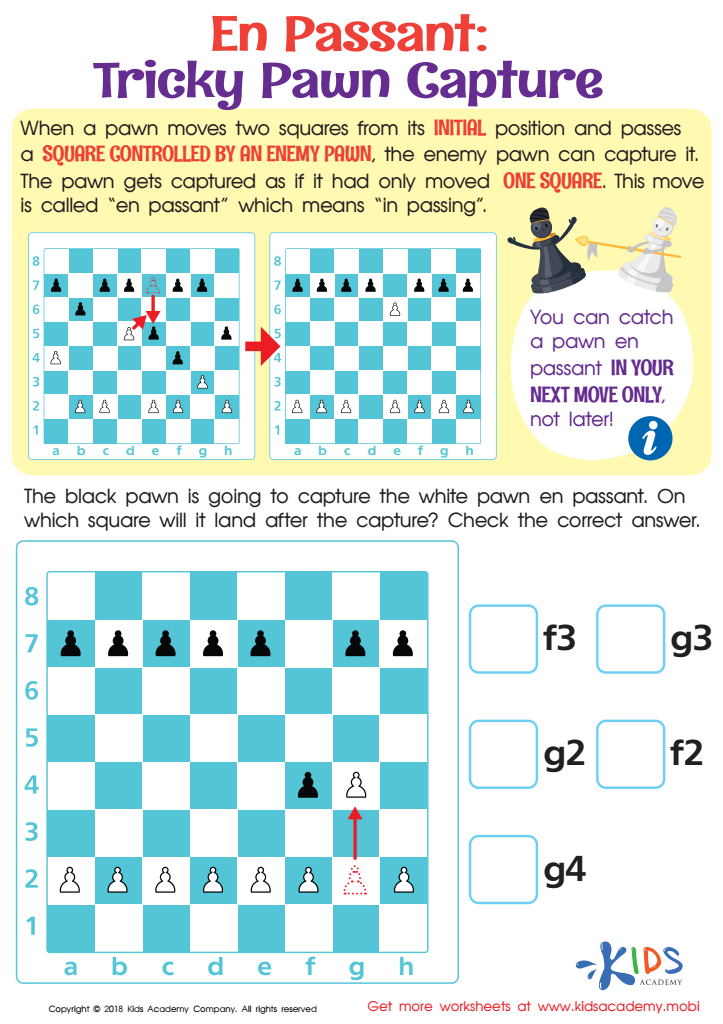
En Passant: Tricky Pawn Capture Worksheet
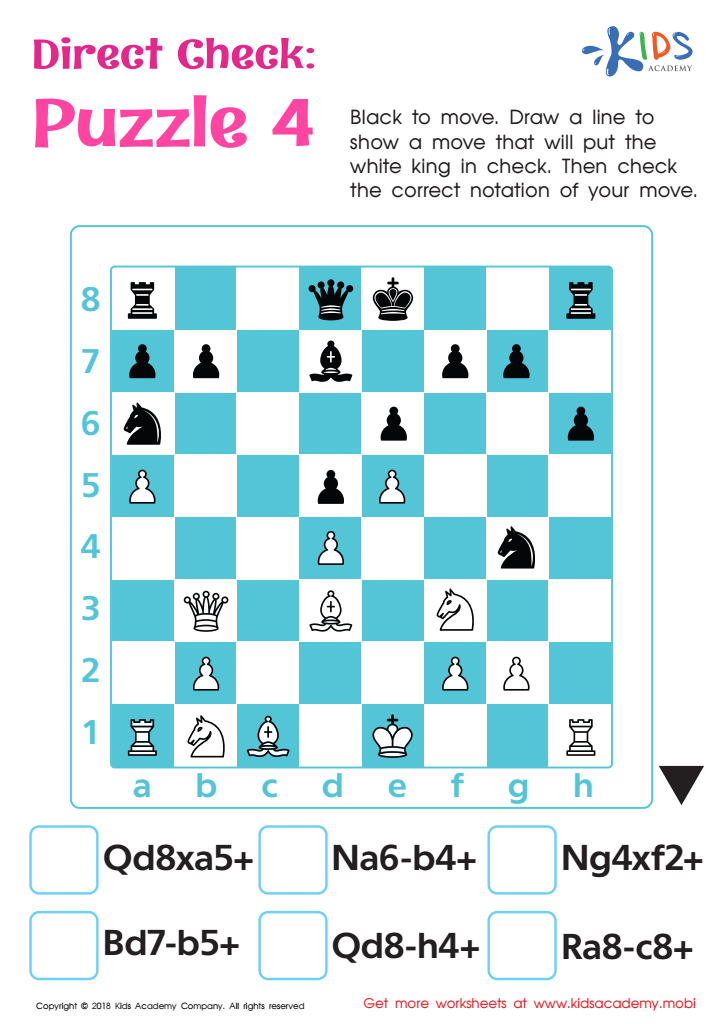
Direct Check: Puzzle 4 Worksheet
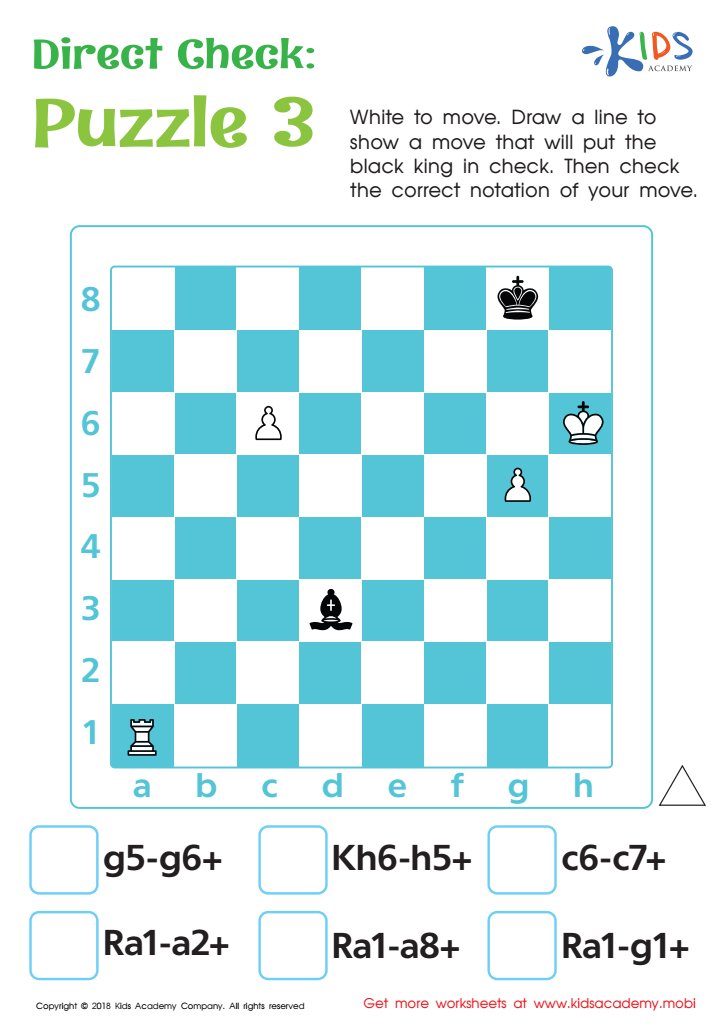
Direct Check: Puzzle 3 Worksheet
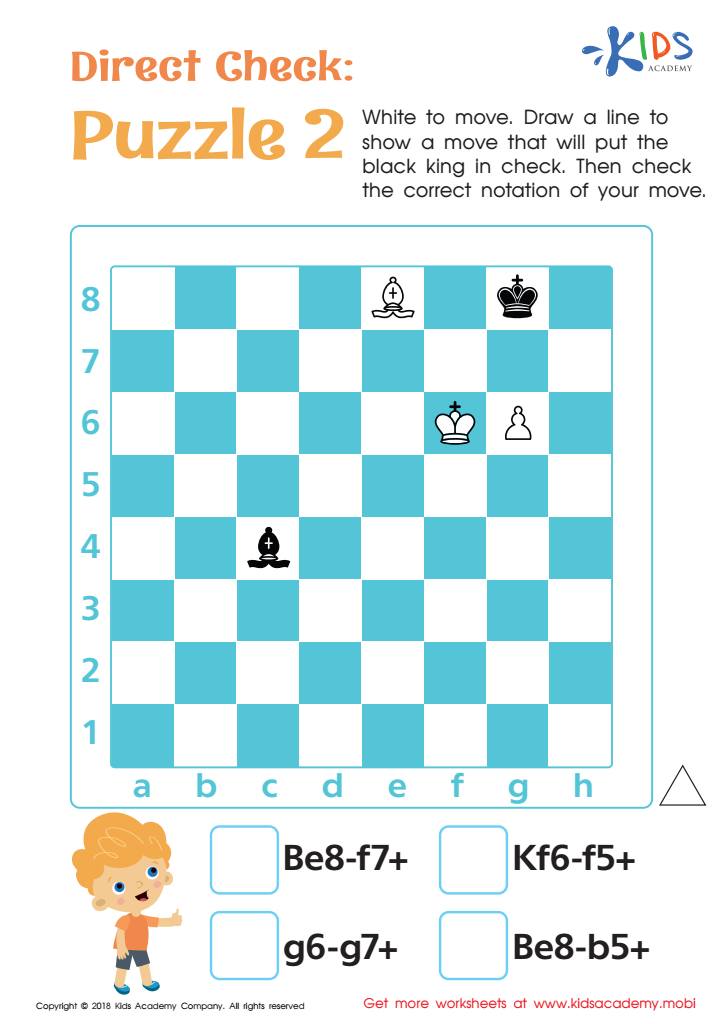
Direct Check: Puzzle 2 Worksheet
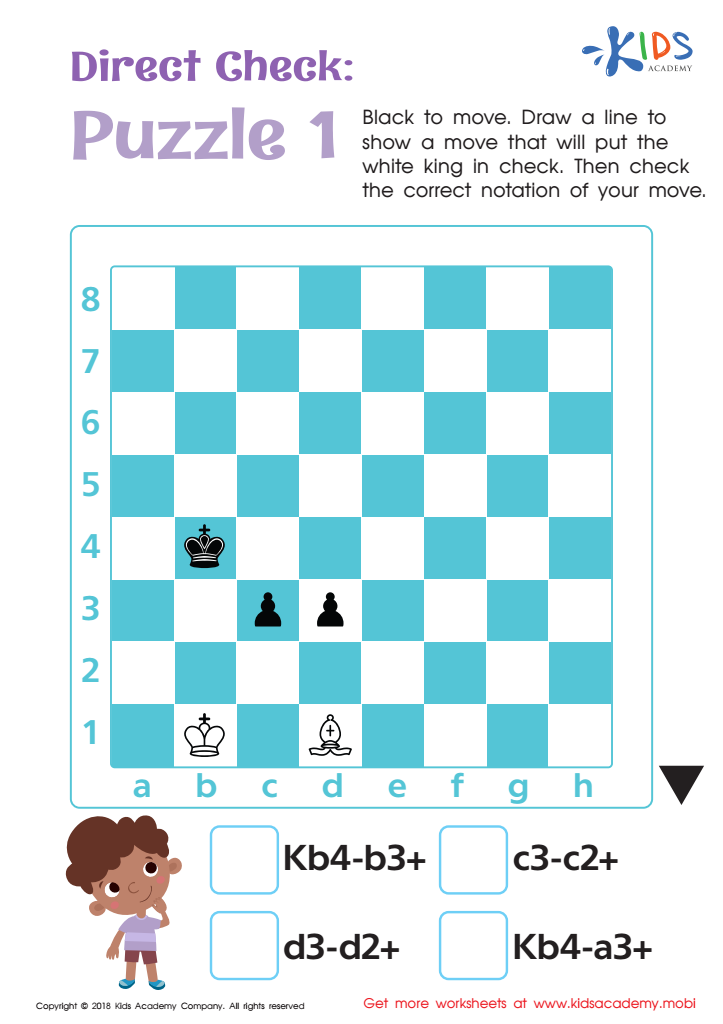
Direct Check: Puzzle 1 Worksheet
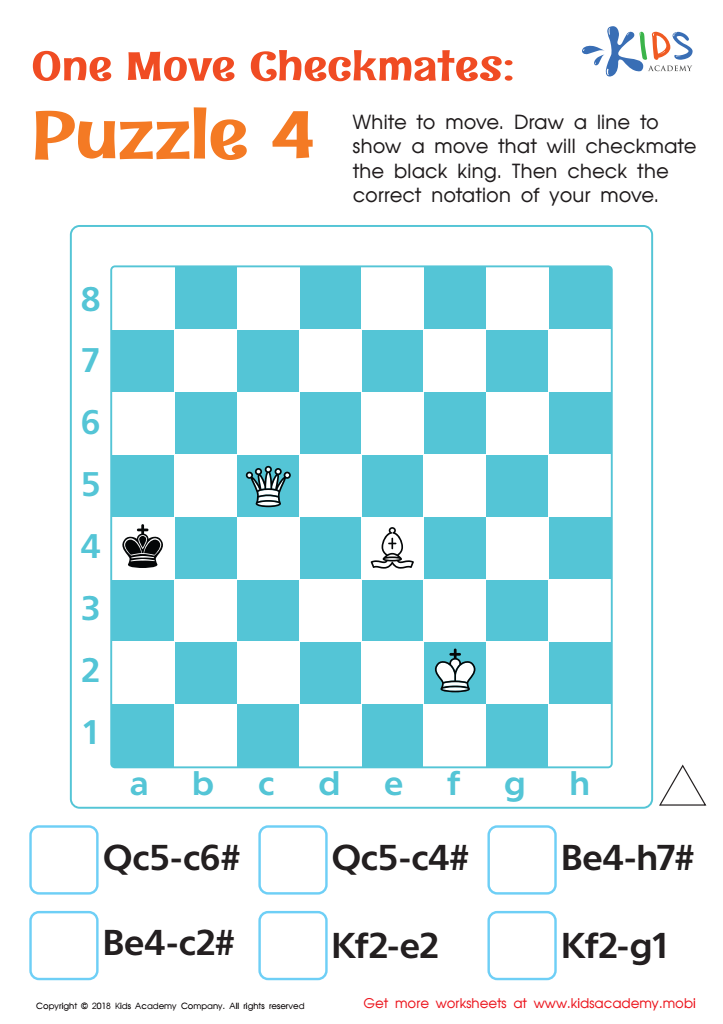
One Move Checkmates: Puzzle 4 Worksheet
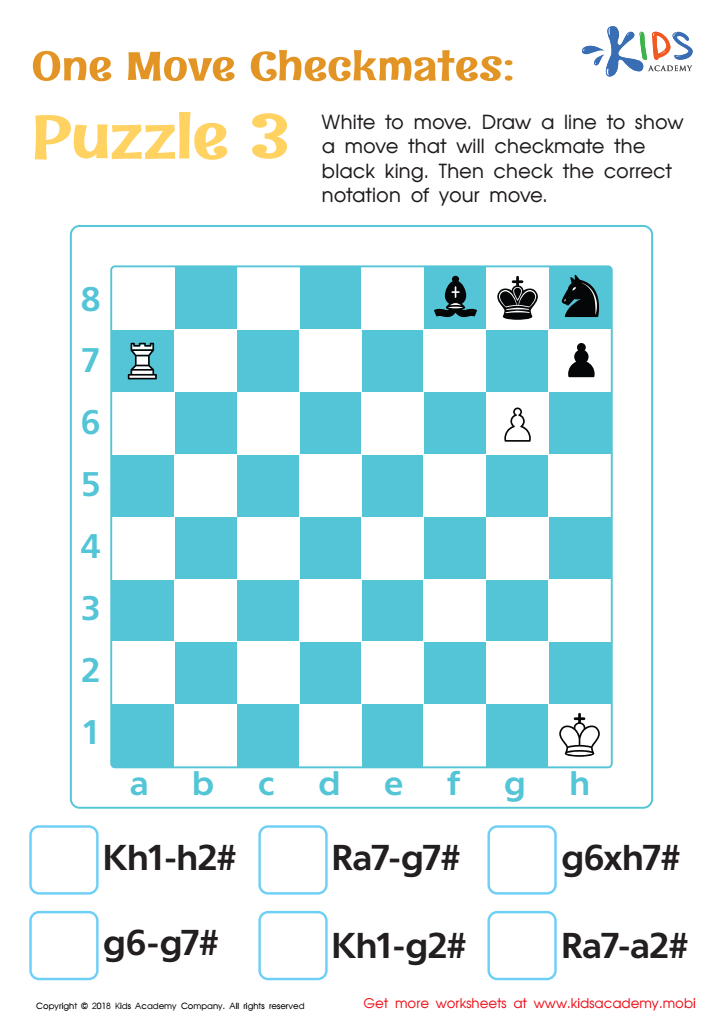
One Move Checkmates: Puzzle 3 Worksheet
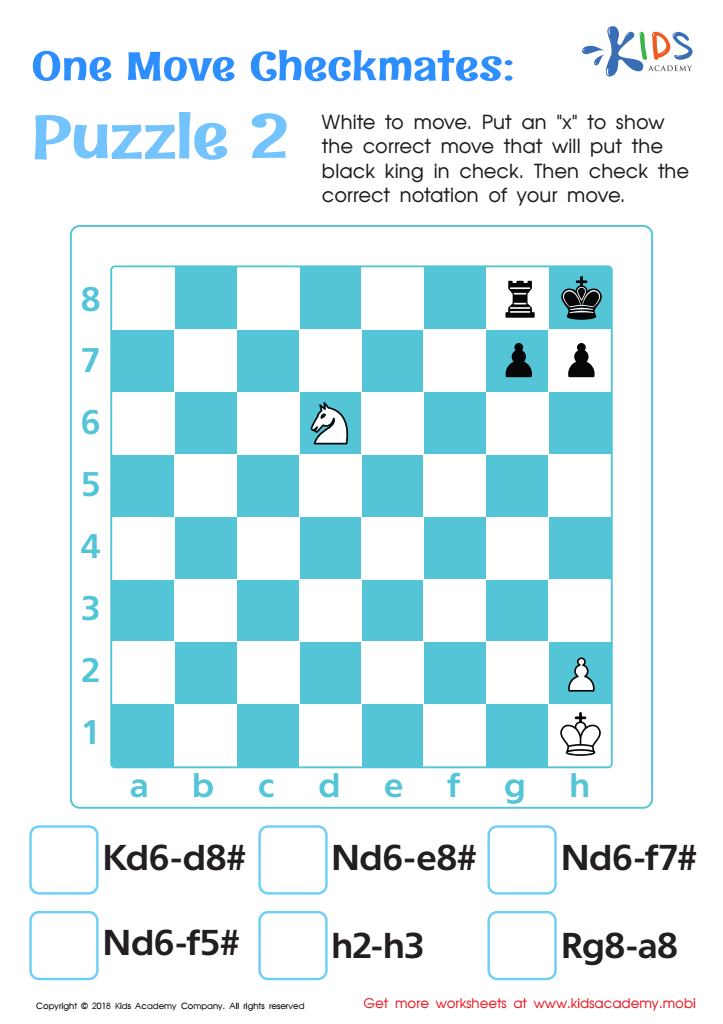
One Move Checkmates: Puzzle 2 Worksheet
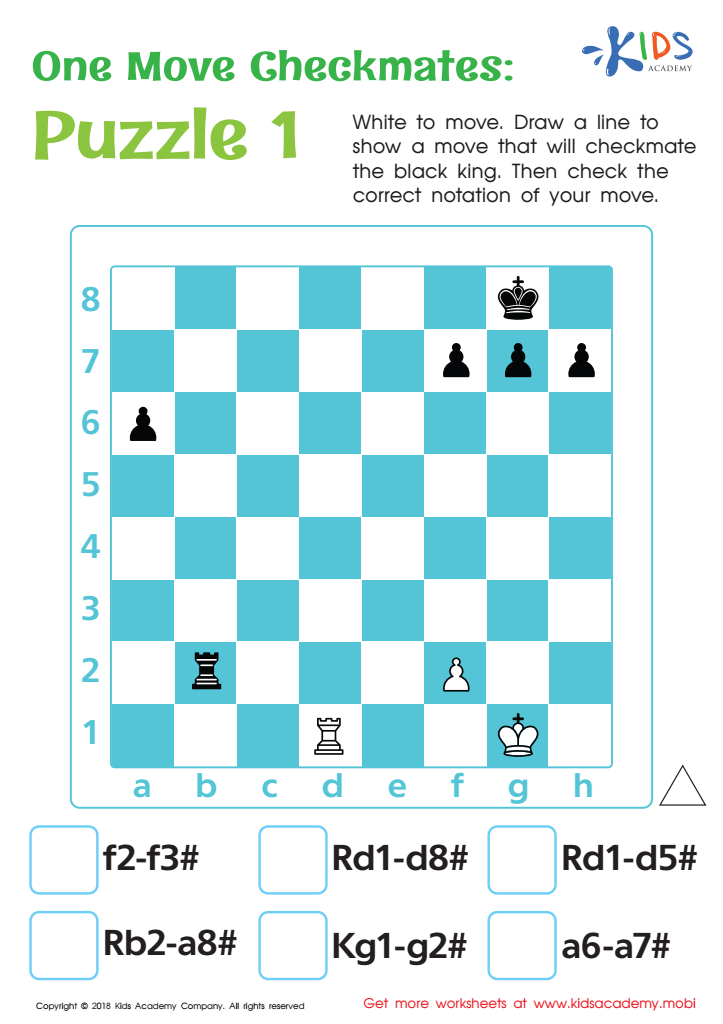
One Move Checkmates: Puzzle 1 Worksheet







Extra Challenge Chess for Ages 4-6 is crucial for early childhood development, offering a multitude of educational benefits that parents and teachers should appreciate. Chess enhances cognitive skills by challenging young minds to think critically and strategically. At this formative stage, children learn to analyze situations, make decisions, and anticipate consequences—skills that are transferable beyond the chessboard and into academic subjects and daily life.
Furthermore, engaging in chess fosters patience and concentration. As children learn to focus on the game, they develop the ability to sustain attention over longer periods, which can positively impact their performance in school. Additionally, the social aspect of chess helps children build vital interpersonal skills through collaborative play, teaching them about teamwork, respect for opponents, and sportsmanship.
Extra Challenge Chess also incorporates creativity and problem-solving, encouraging children to devise various strategies and adapt to evolving game scenarios. Parents and teachers should embrace this stimulating and enjoyable activity as a means of enrichment that lays a solid foundation in critical thinking and emotional intelligence. By nurturing these skills early on, children are better equipped for future academic challenges, cultivating a lifelong love for learning in an engaging manner.