Extra Challenge Worksheets for Ages 4-9 - Page 13
507 filtered results
-
From - To

Capitalizing Titles Worksheet
 Assign to My Students
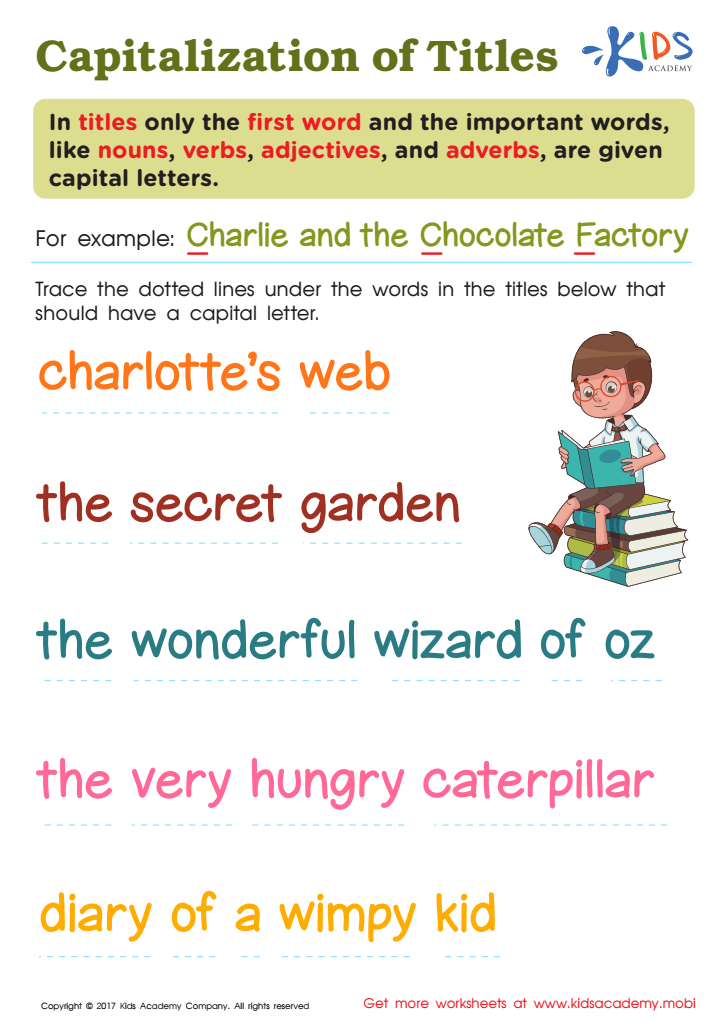
Capitalization of Titles Worksheet
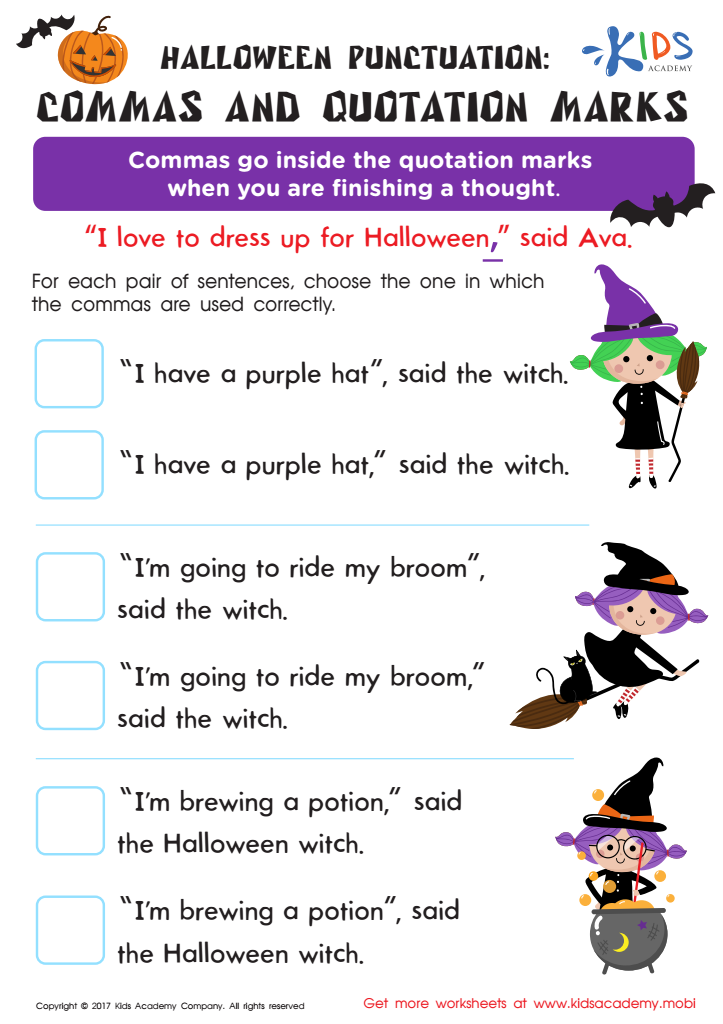
Commas and Quotation Marks Worksheet
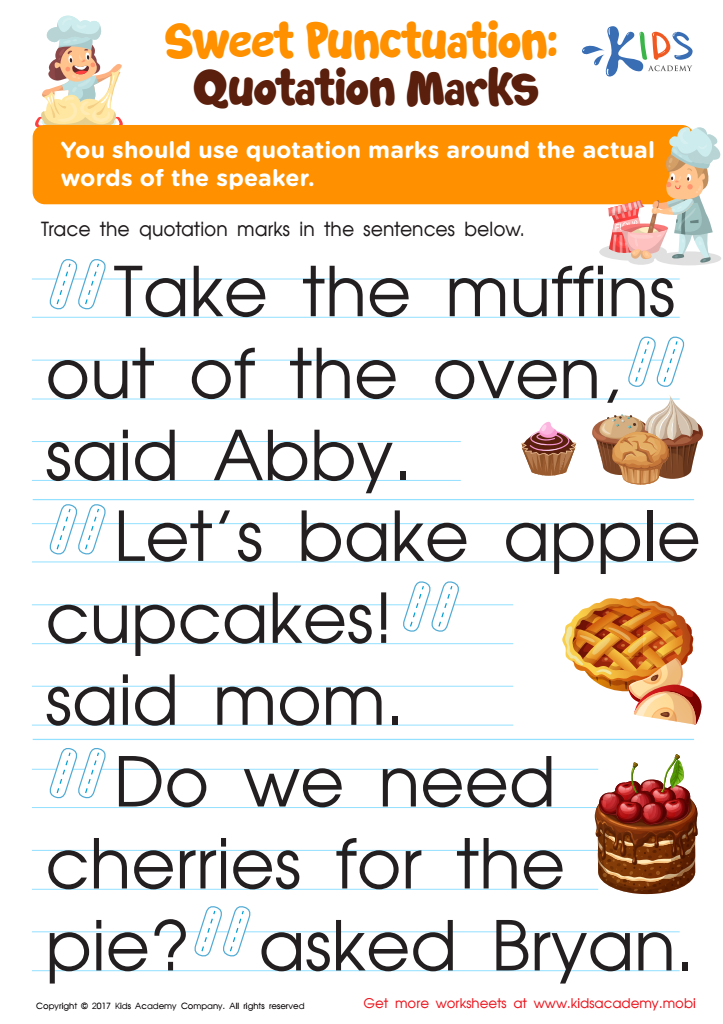
Quotation Marks Worksheet
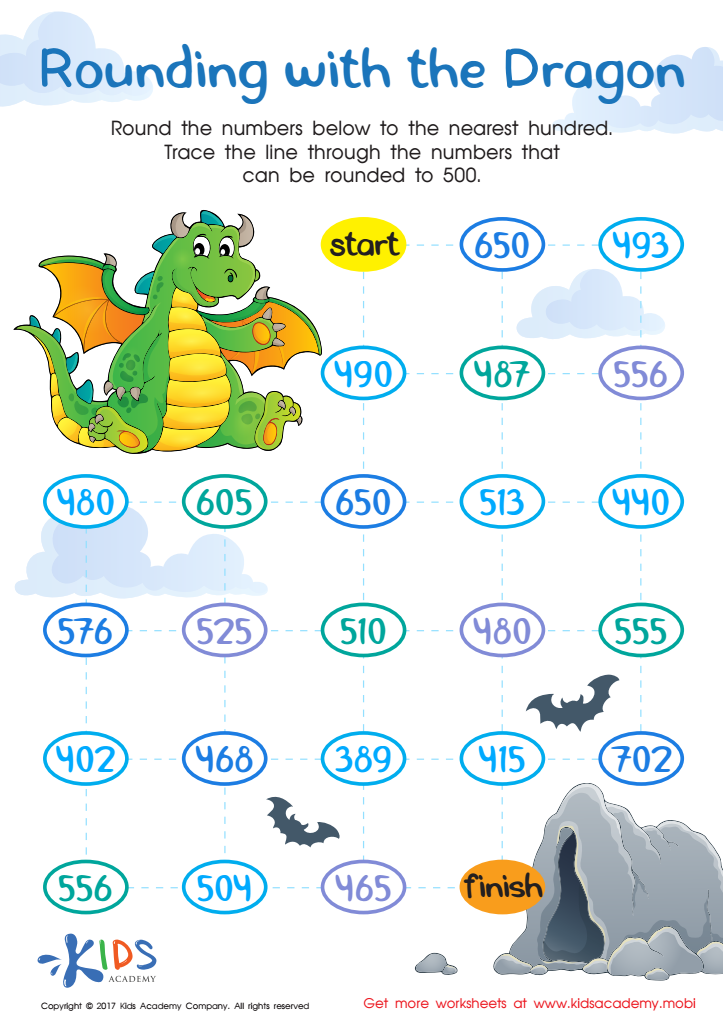
Rounding to the Nearest Hundred Worksheet

Compare Numbers Worksheet for 3rd Grade
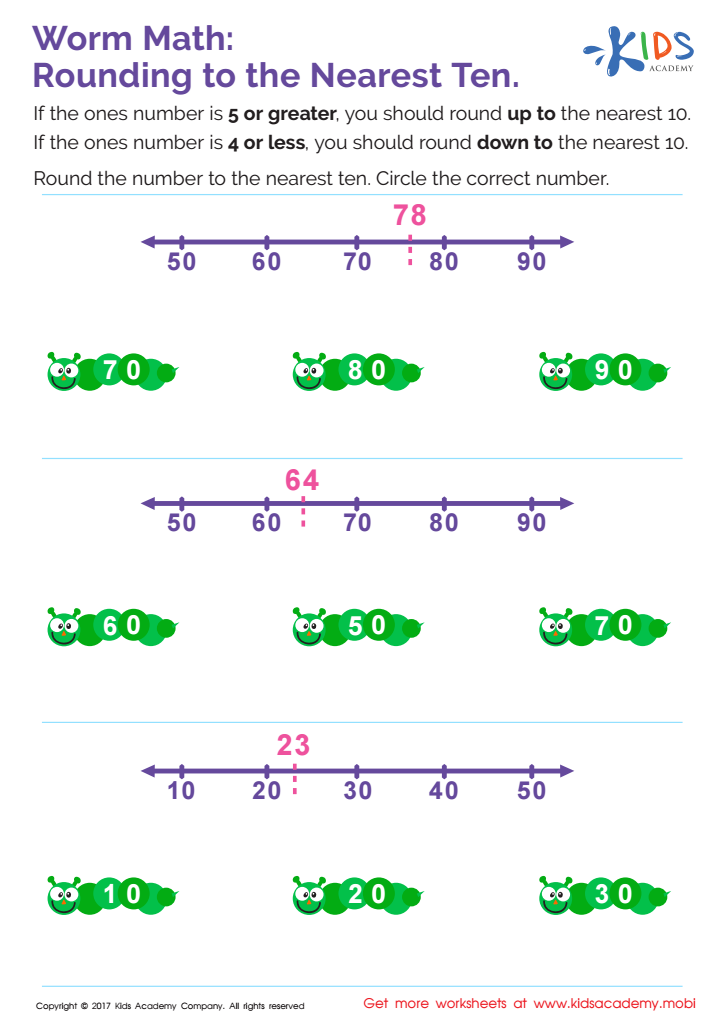
Rounding to the Nearest Ten Worksheet
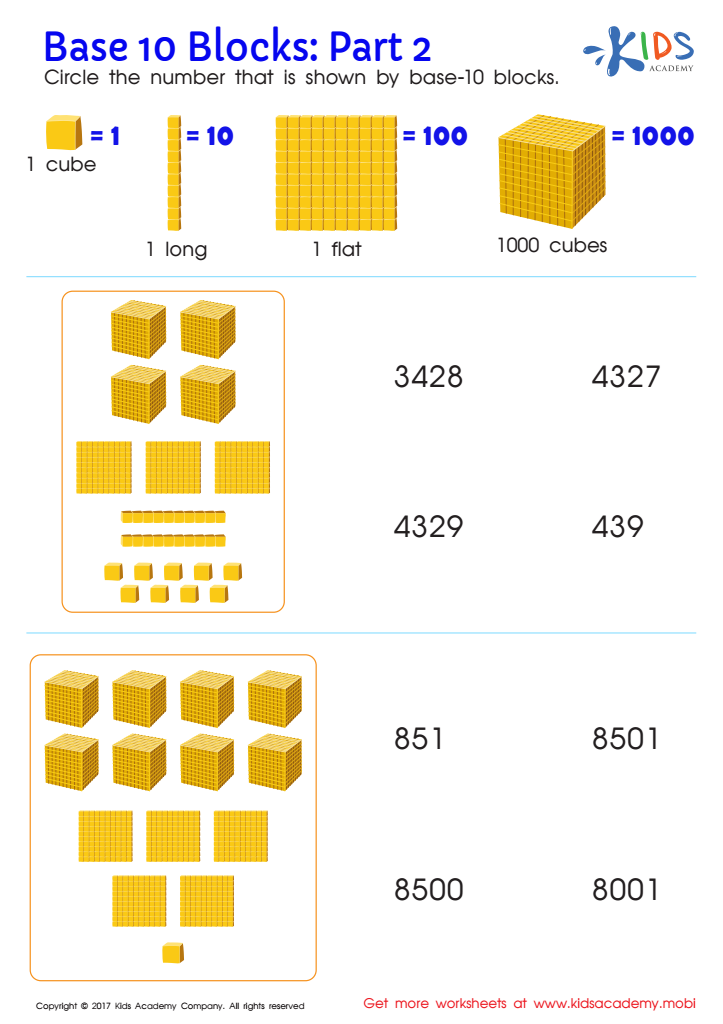
Place Value Worksheet: Thousands
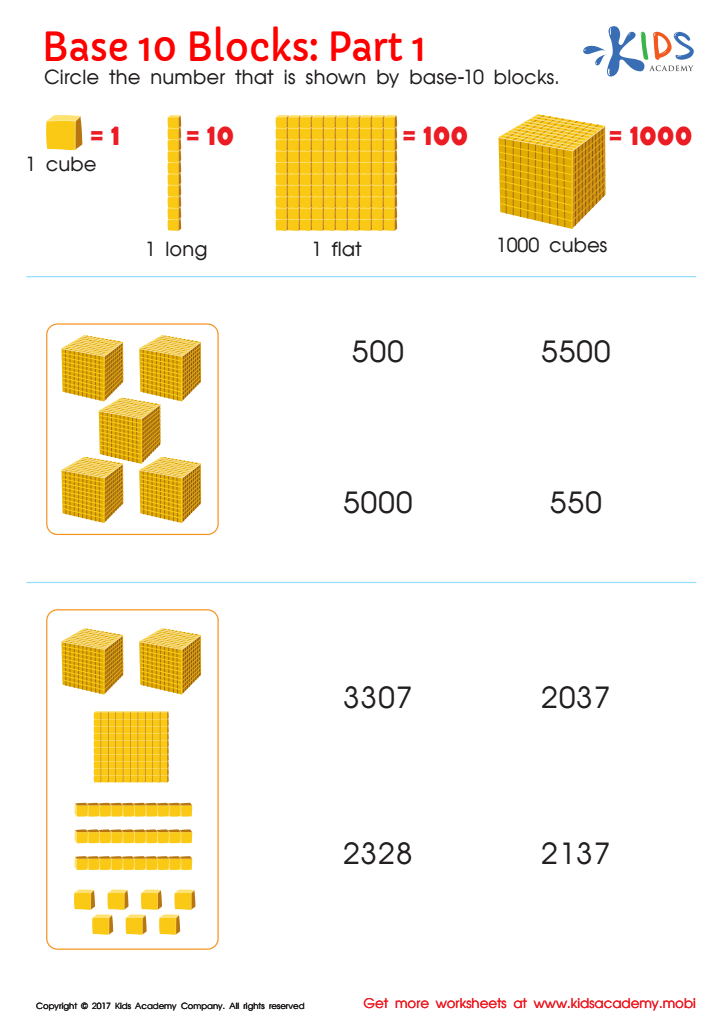
Place Value Thousands Worksheet
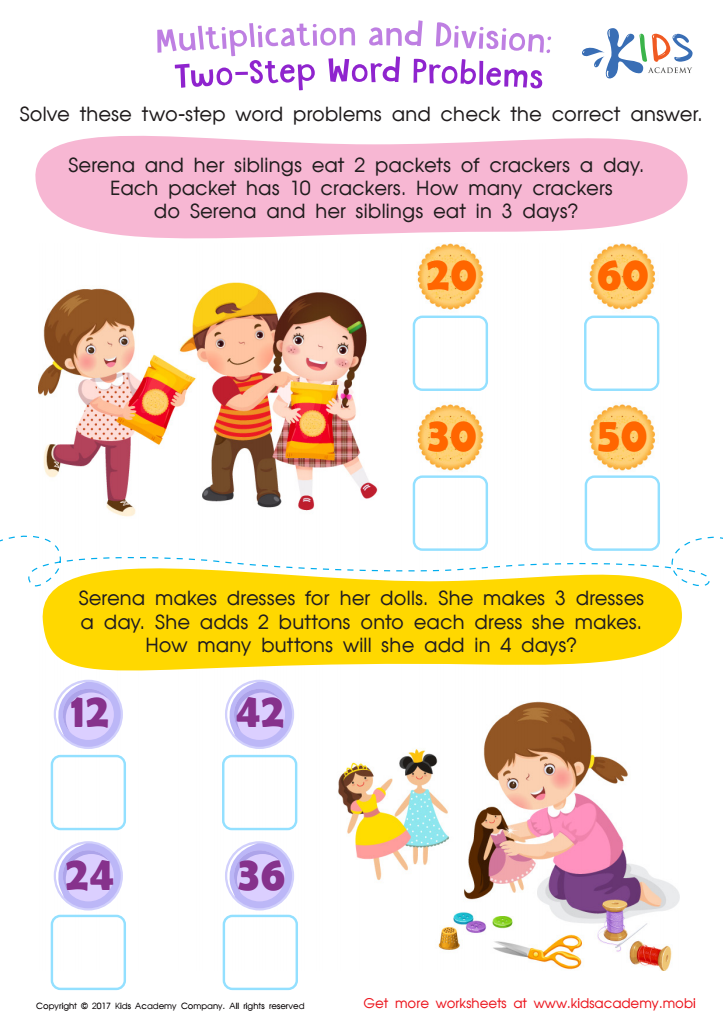
Two Step Word Problems Worksheet
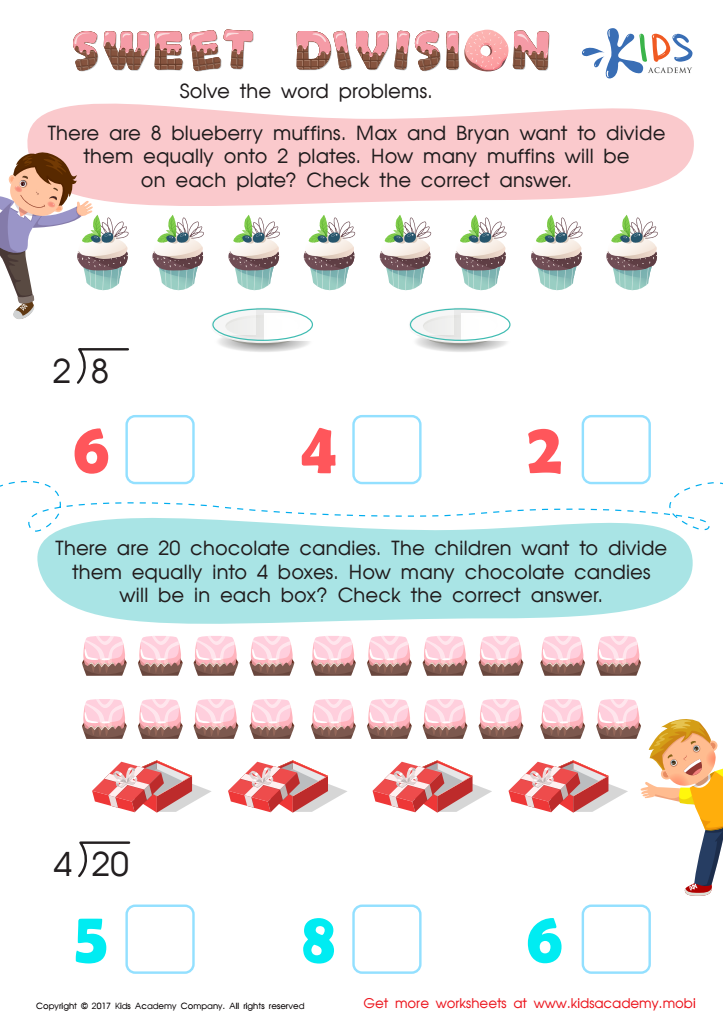
Division Word Problems Worksheet
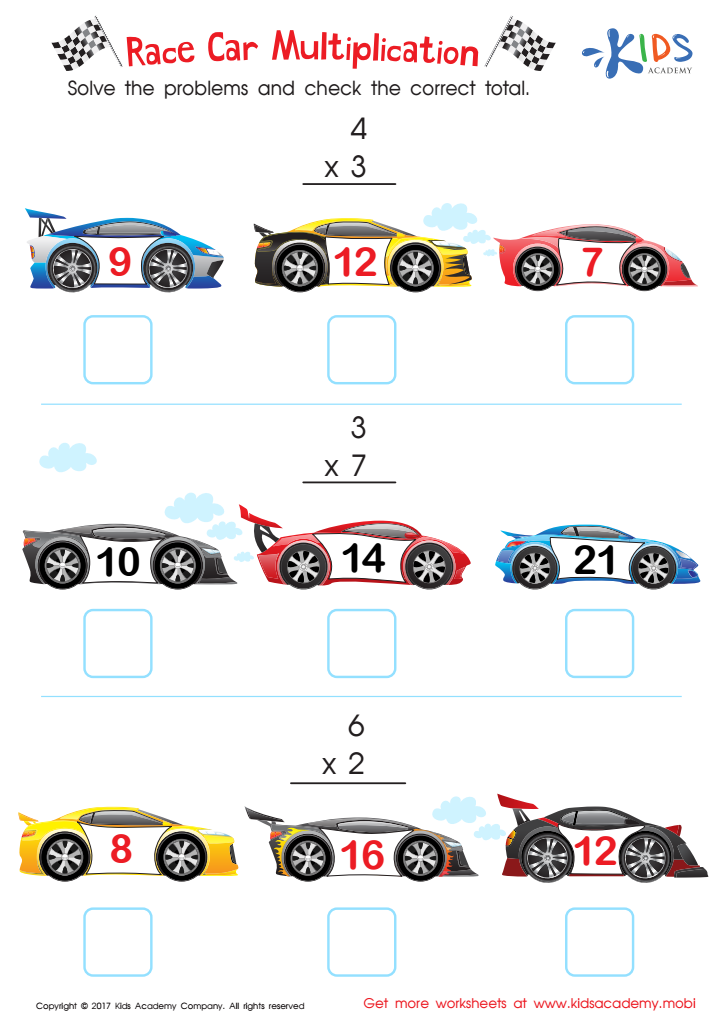
Race Car Worksheet
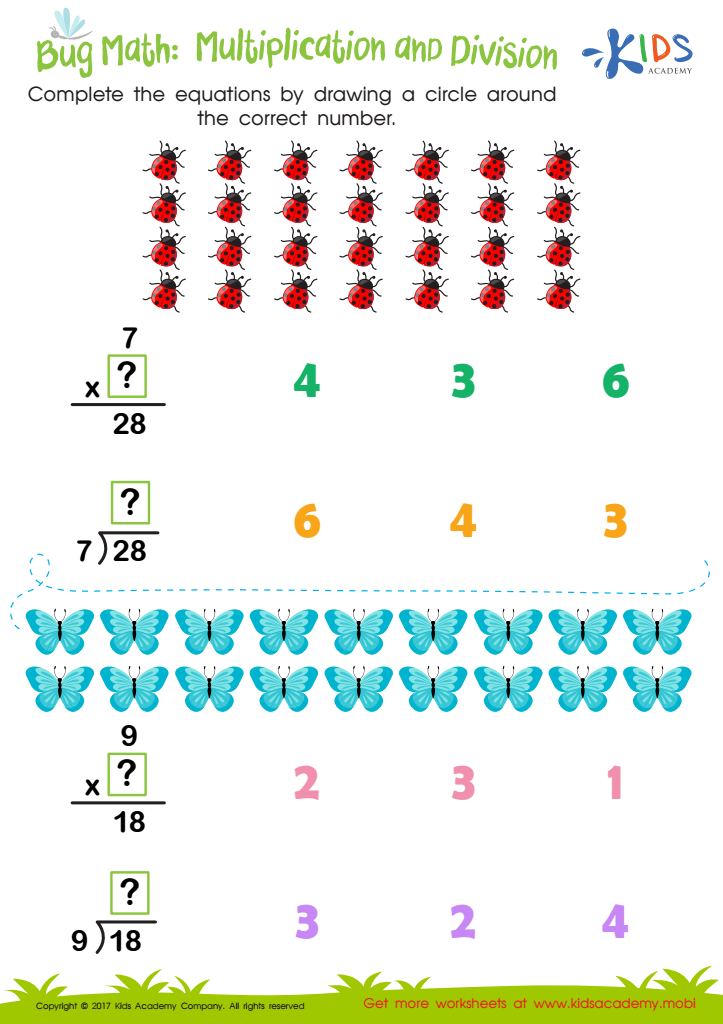
Multiplication and Division Worksheet
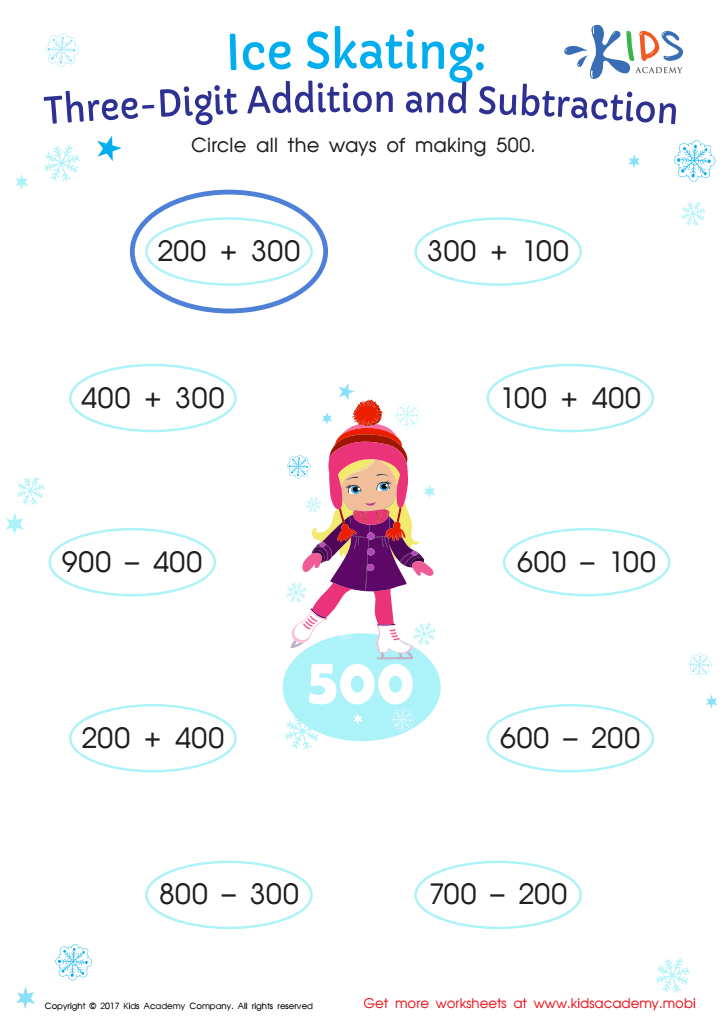
Three Digit Addition and Subtraction Worksheet
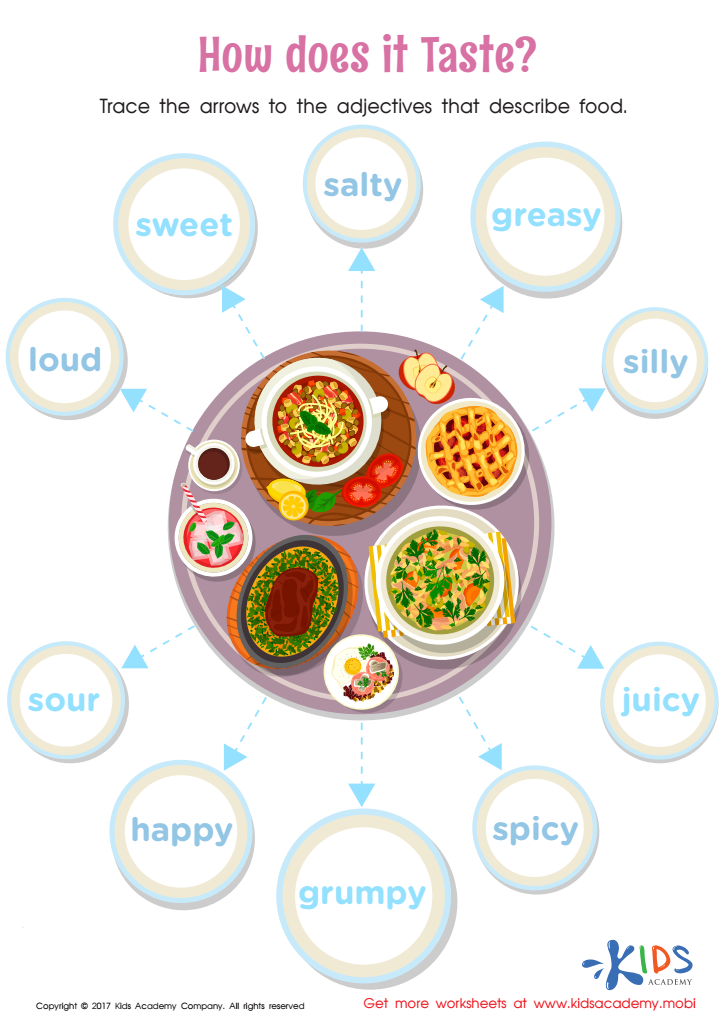
Food Adjectives Worksheet
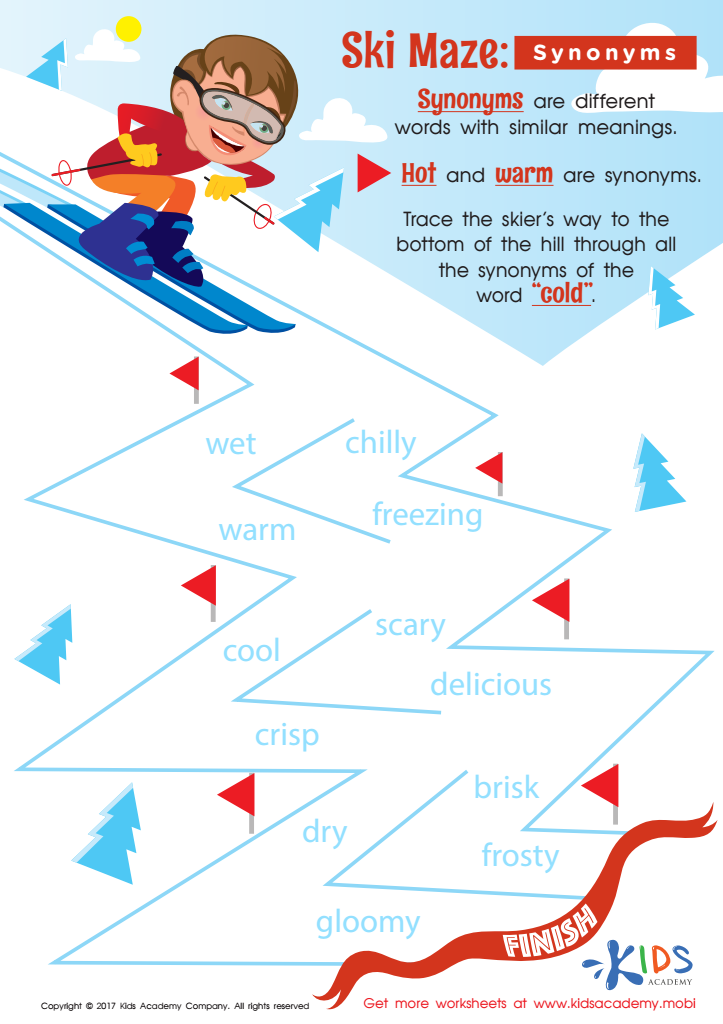
Free Printable Synonym Worksheet
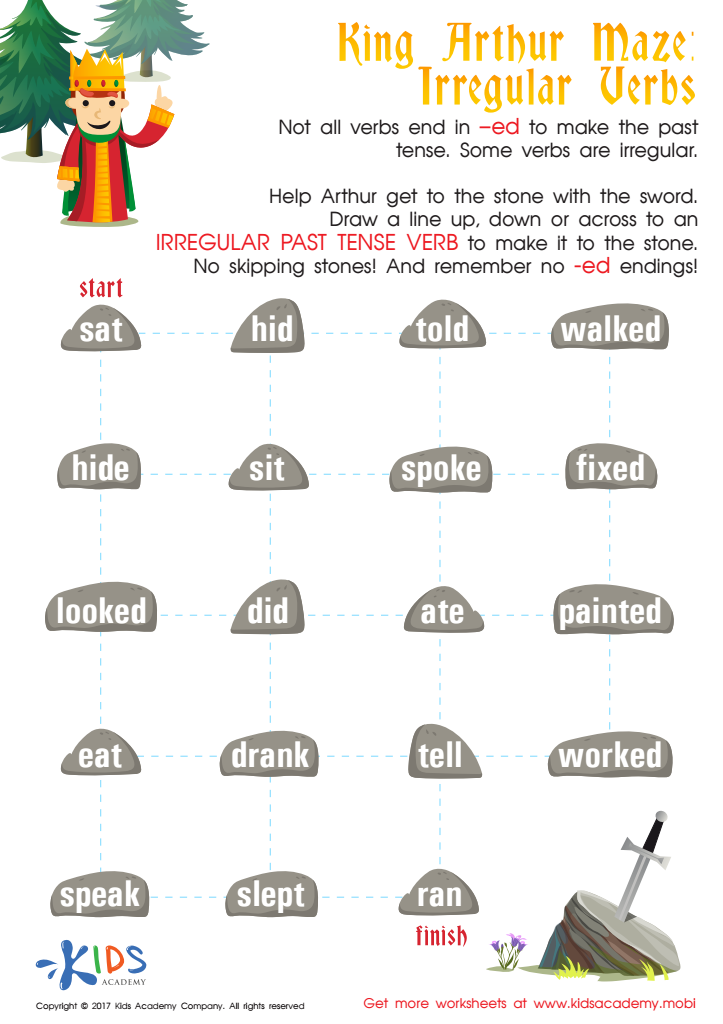
Irregular Verbs: Stones Worksheet
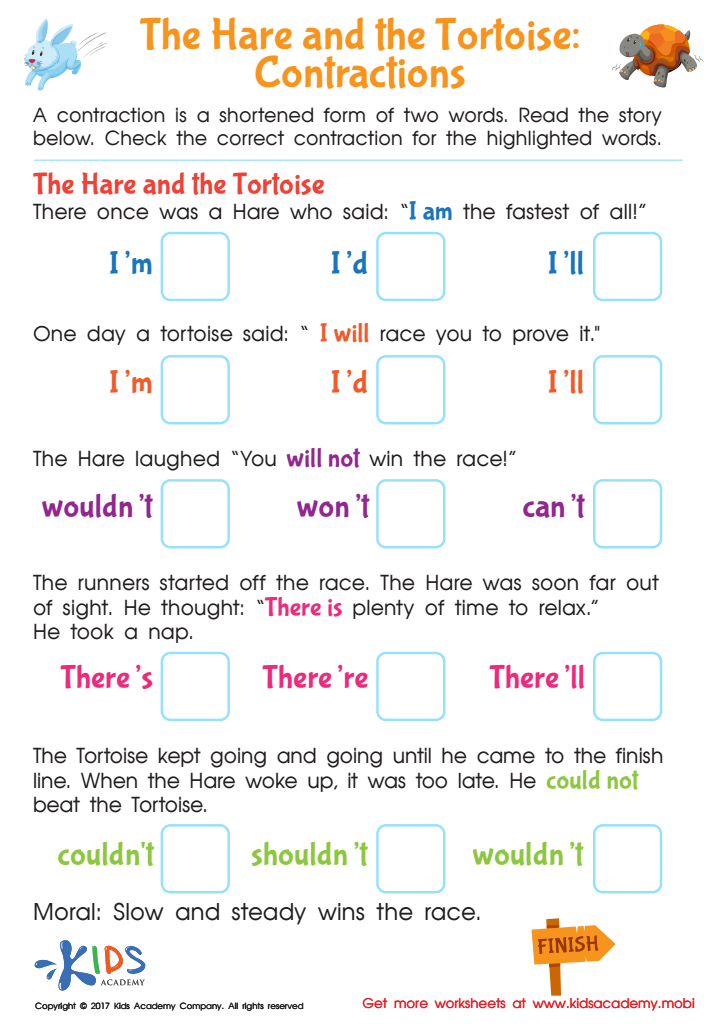
Contractions Worksheet
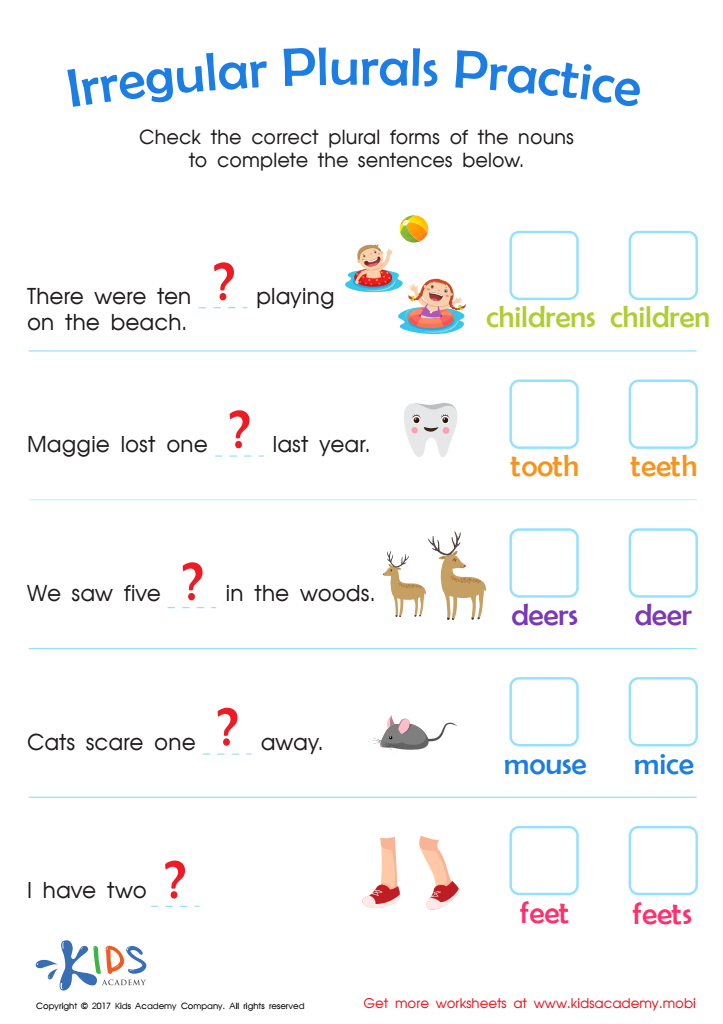
Irregular Plural Nouns Worksheet
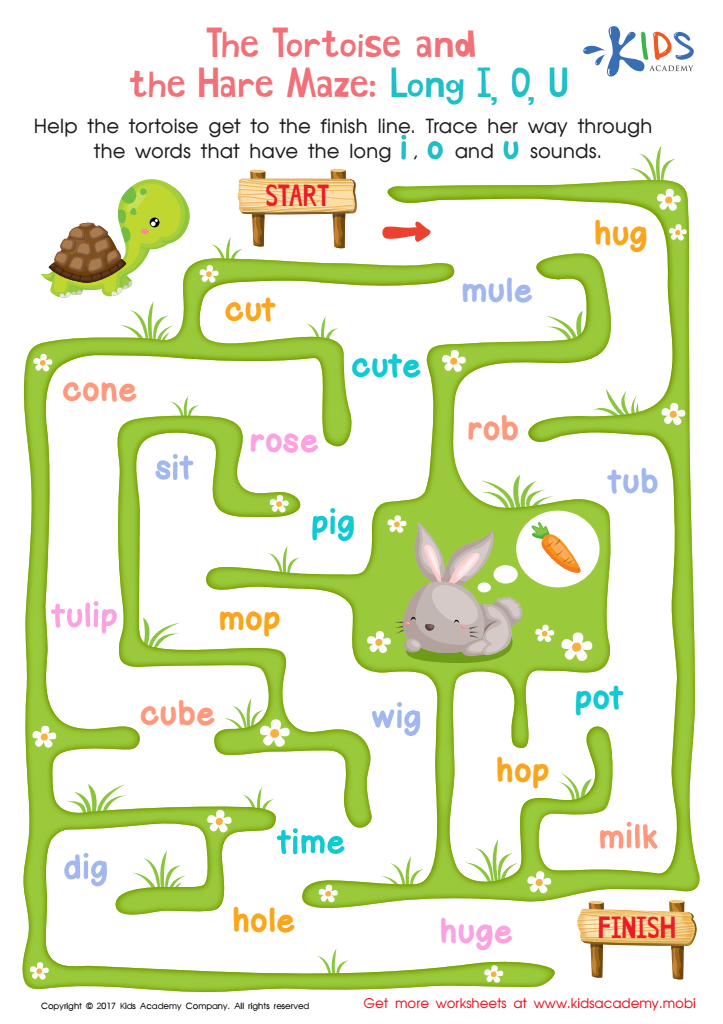
Long I, O, U Words Worksheet
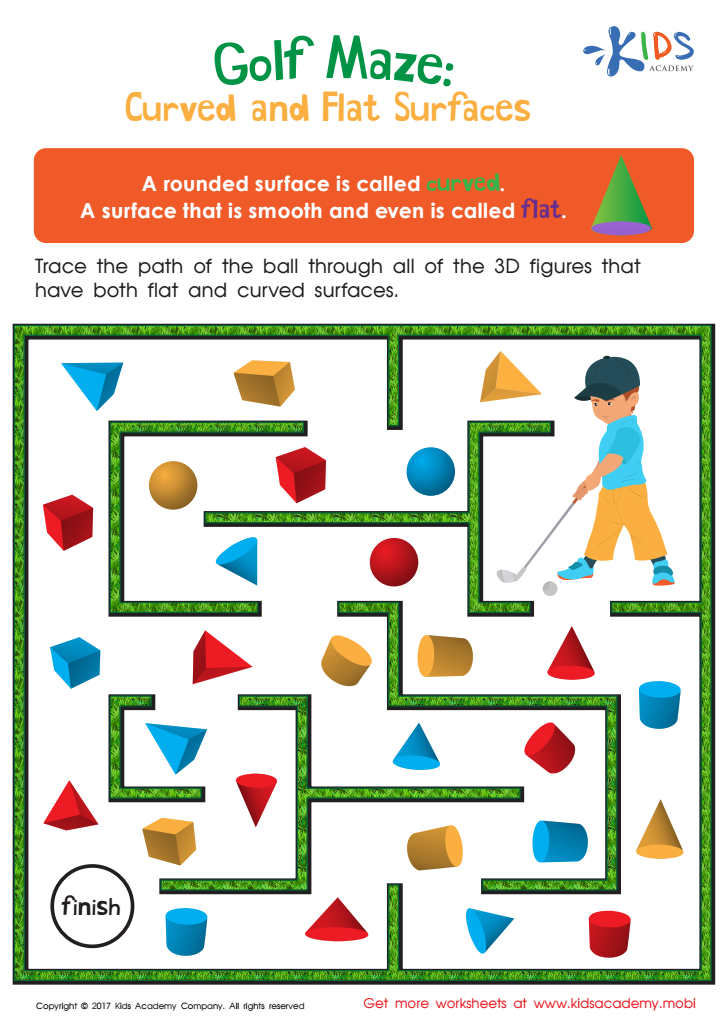
Golf Maze: Curved and Flat Surfaces Worksheet
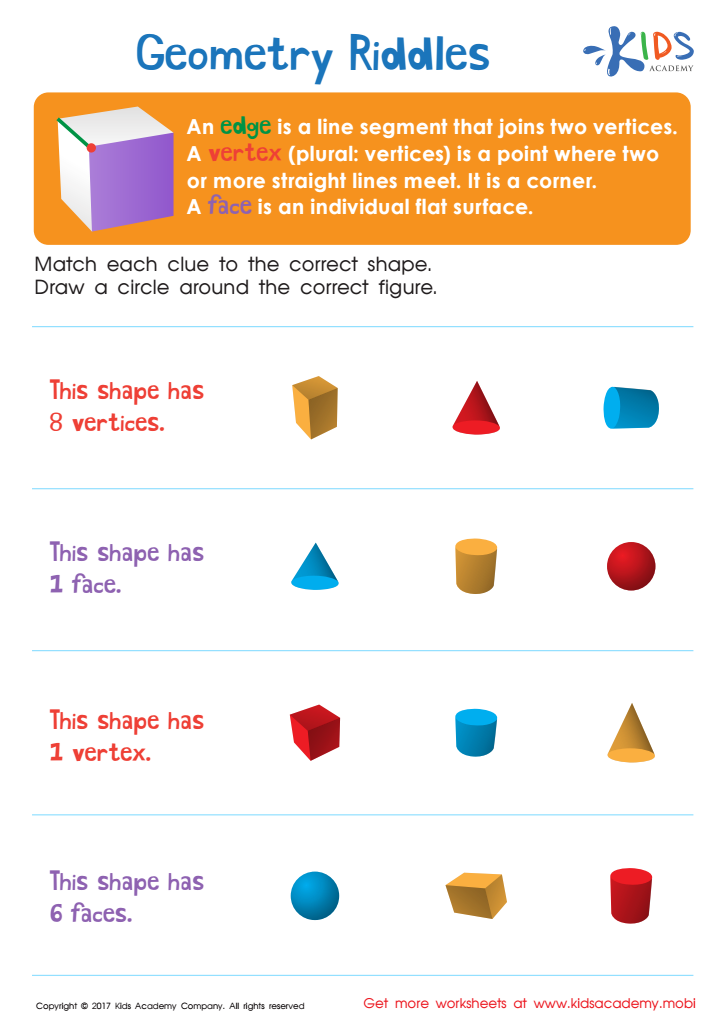
Geometry Riddles Printable
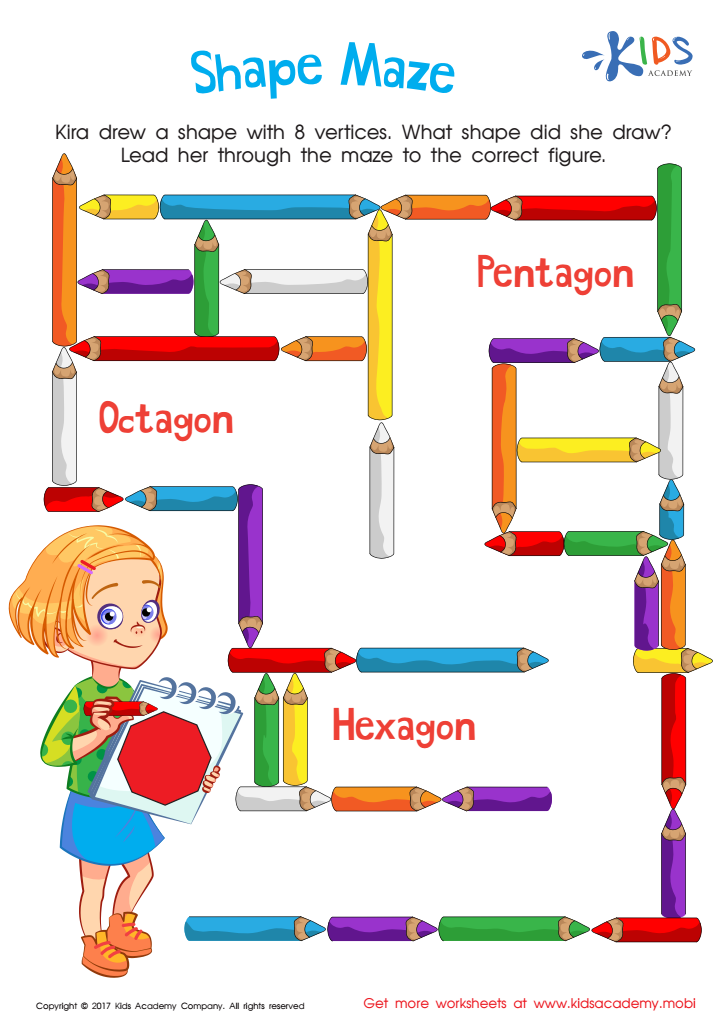
Shape Maze Worksheet
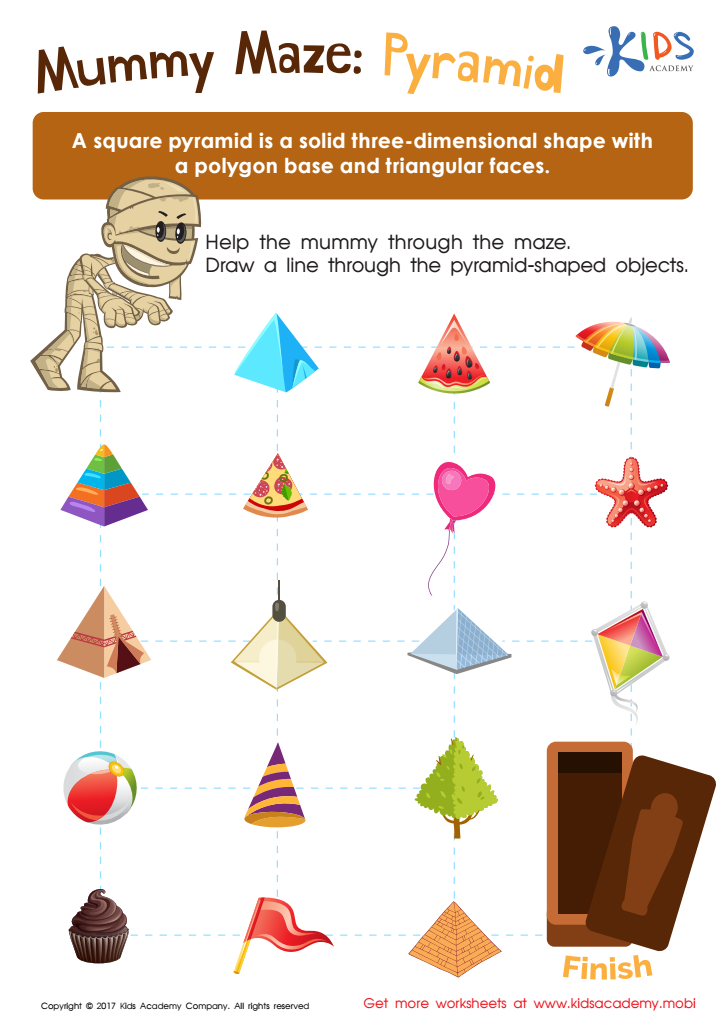
Mummy Maze: Pyramid Printable



.jpg)



.jpg)
Parents and teachers should care about Extra Challenge activities for children aged 4-9 because these activities play a crucial role in the holistic development of young learners. At this pivotal stage, kids are highly receptive to new experiences that foster cognitive, social, and emotional growth. Providing extra challenges, whether through puzzles, advanced reading, math games, or creative arts, stimulates critical thinking and problem-solving skills. Moreover, these activities can cultivate a lifelong love for learning by making it fun and engaging.
Extra challenges also help identify and nurture individual strengths. For instance, a child who excels in logic puzzles may have a natural aptitude for mathematics. Such targeted activities foster a sense of accomplishment and boost confidence, reinforcing the child's ability to tackle difficult tasks. Additionally, these activities can promote perseverance and resilience, as children learn to navigate problems and experience the joy of finding solutions.
From a social perspective, challenging group activities can teach cooperation, communication, and empathy. When children work together to solve a problem or engage in team challenges, they learn to value each other's contributions and develop crucial interpersonal skills.
In summary, investing in extra challenges for ages 4-9 sets a strong foundation for lifelong learning, self-confidence, and social effectiveness, making it an invaluable part of early education.








