Extra Challenge Worksheets for Ages 6-8 - Page 18
478 filtered results
-
From - To
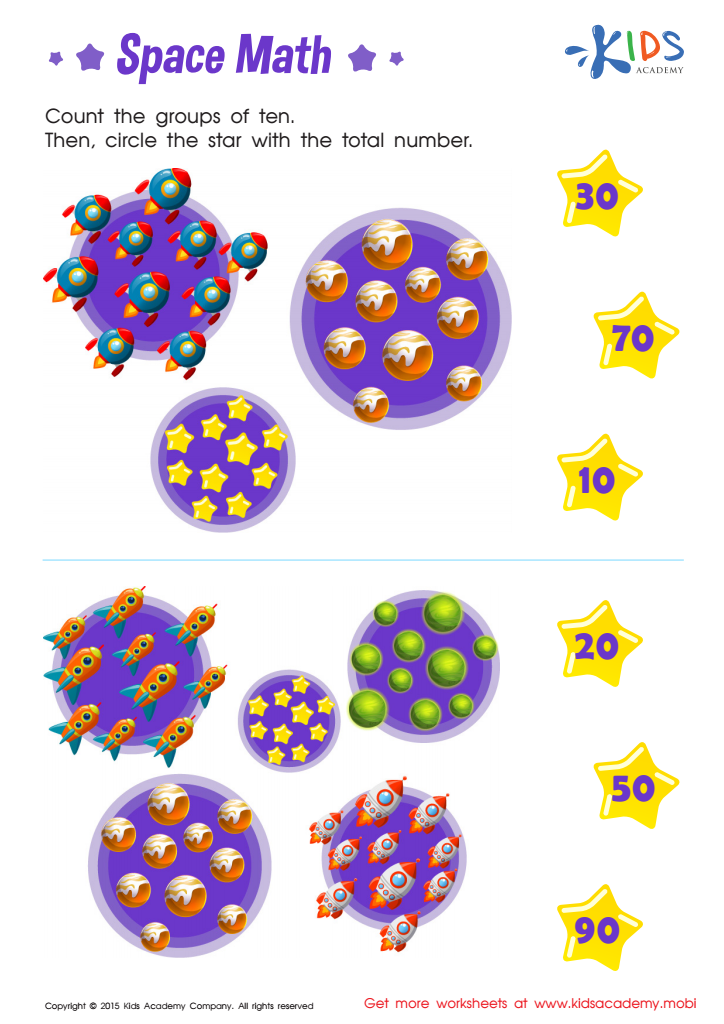
Learn dozens: Space math Worksheet
 Assign to My Students
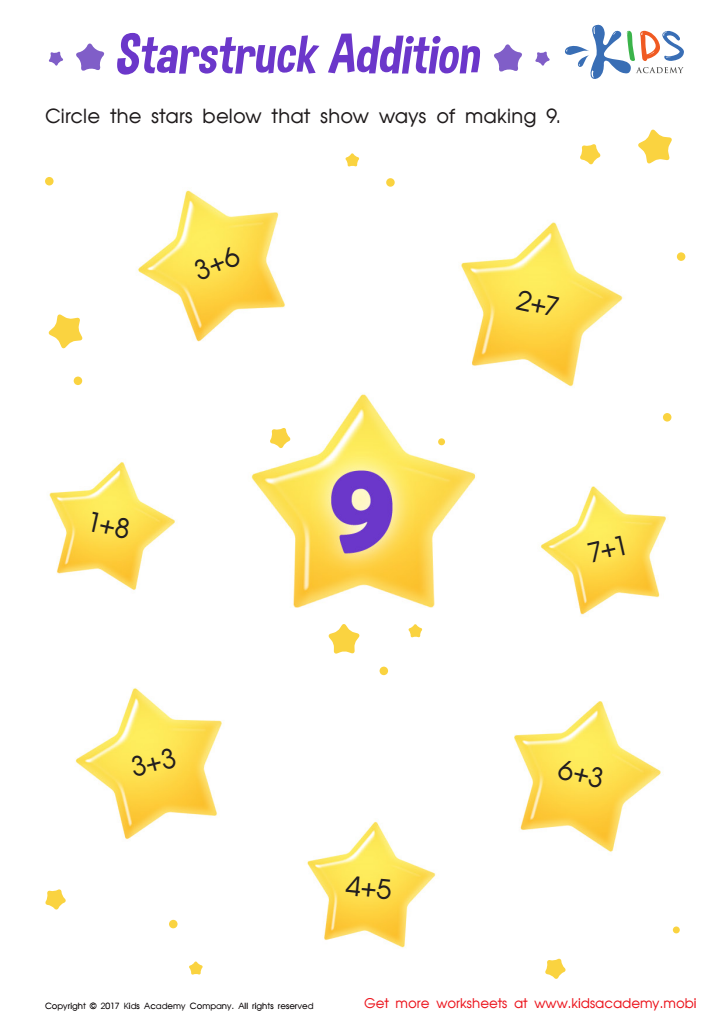
Starstruck Addition Printable
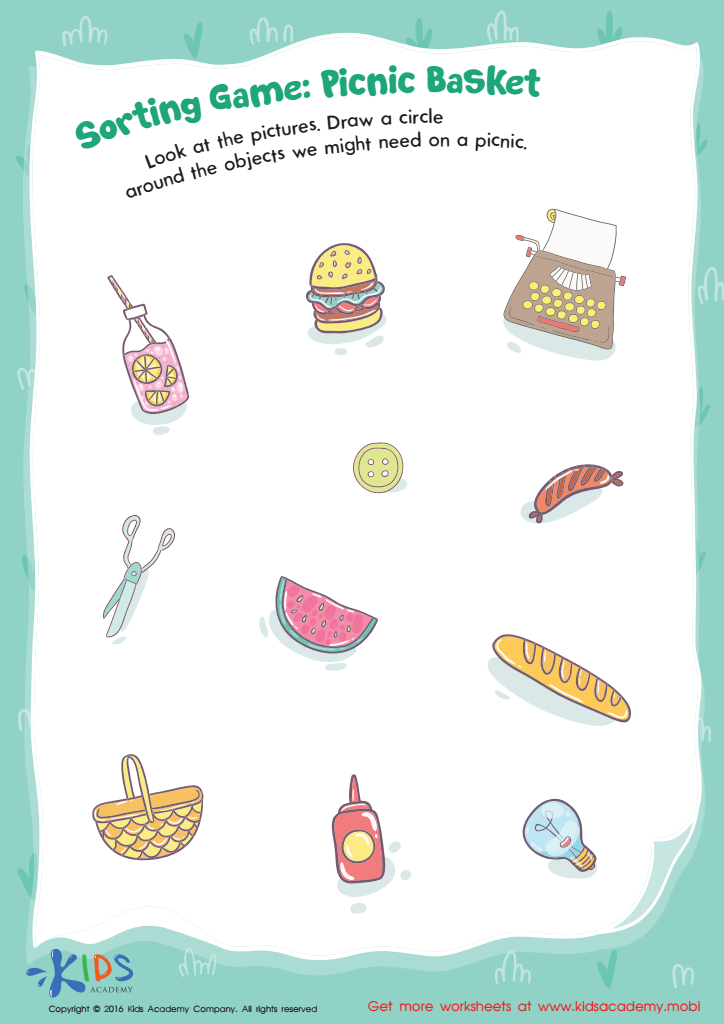
Picnic Basket Sorting Worksheet
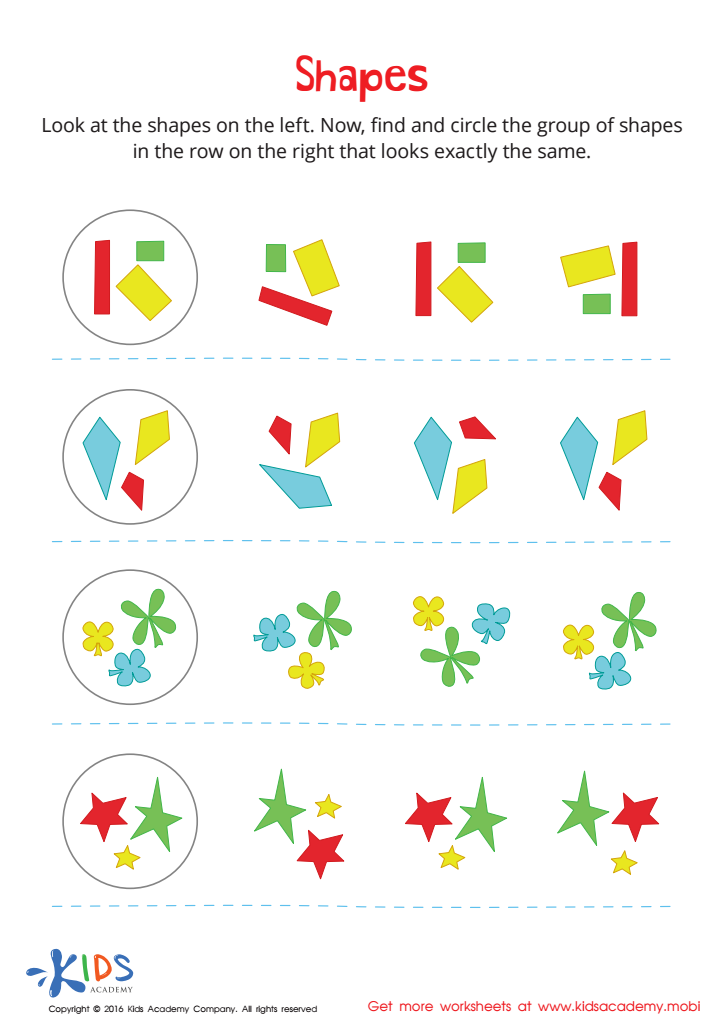
Shapes Worksheet
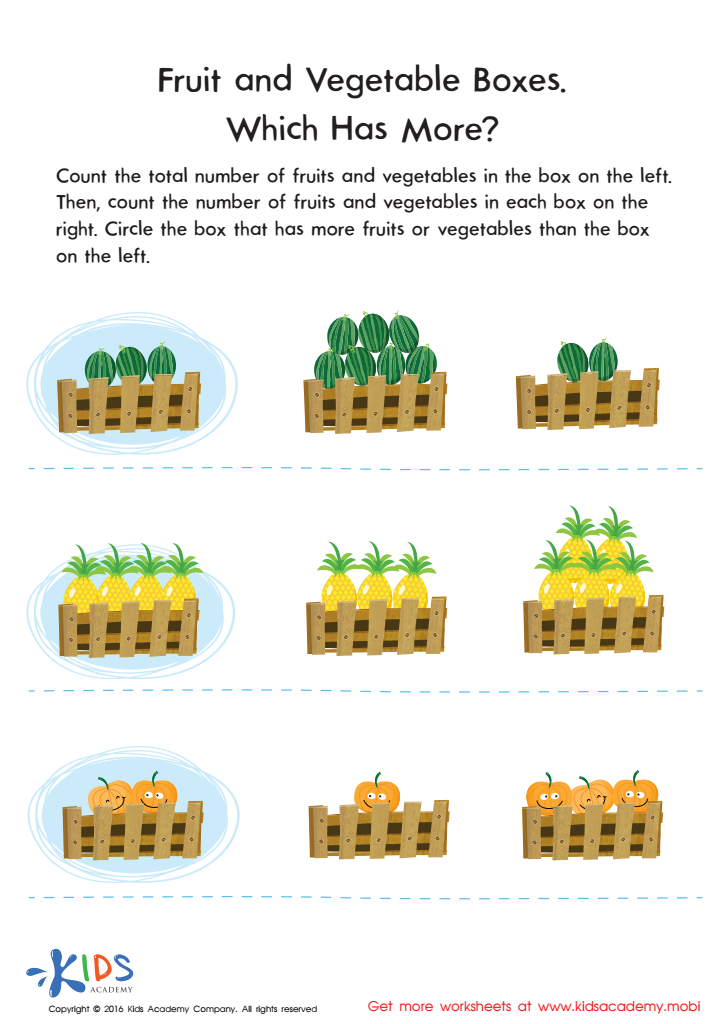
Which Has More? Size Worksheet
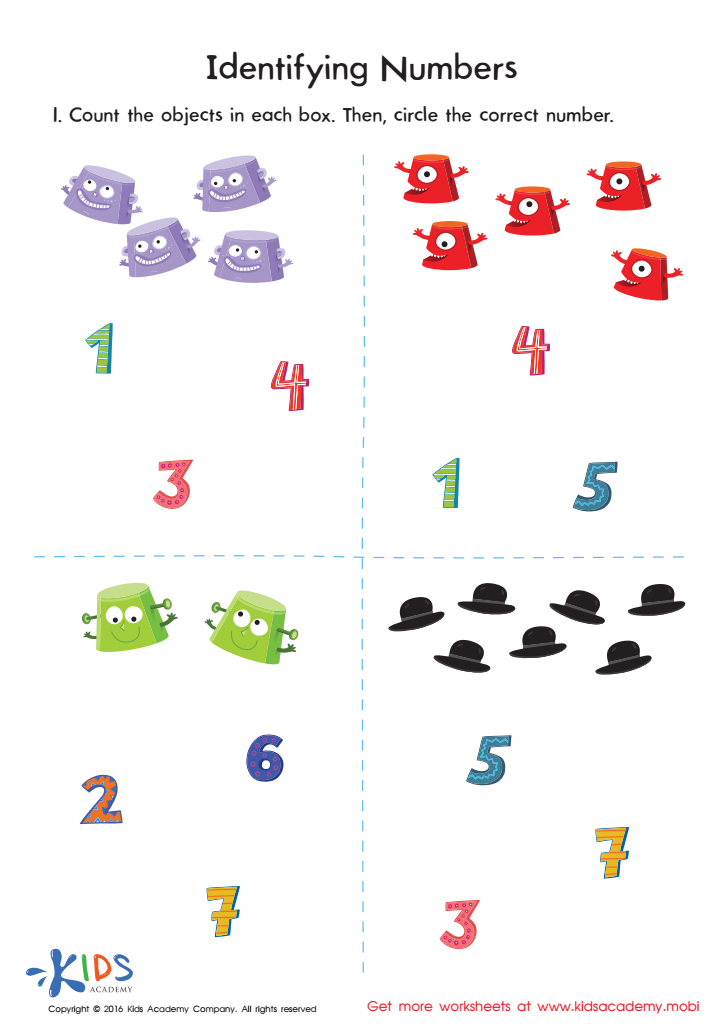
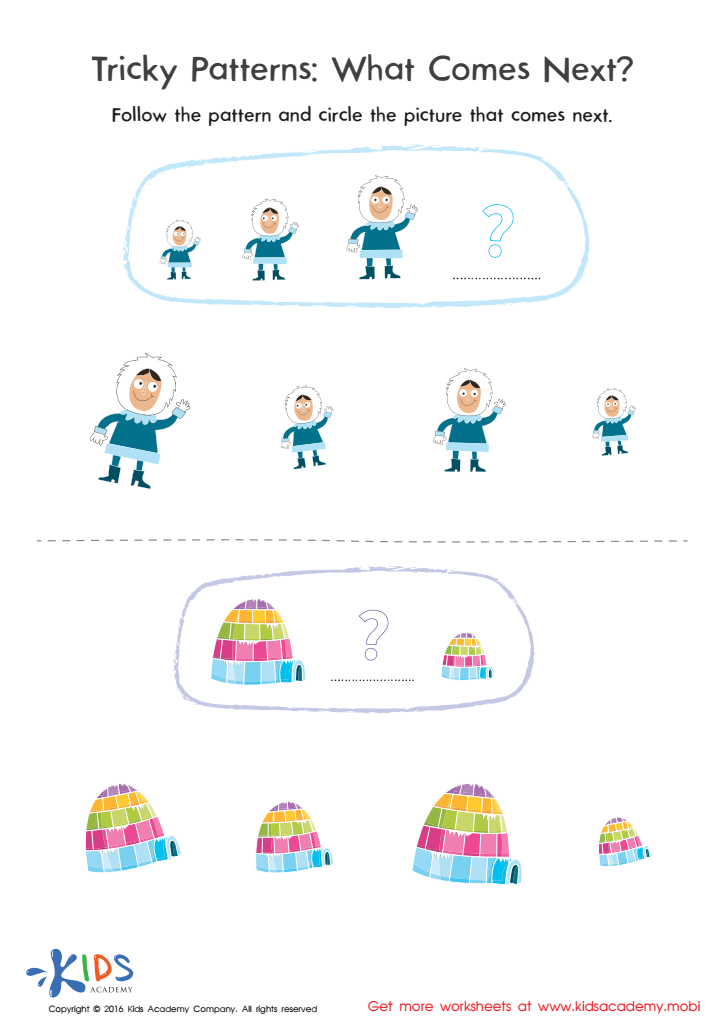
Tricky Patterns Size Worksheet
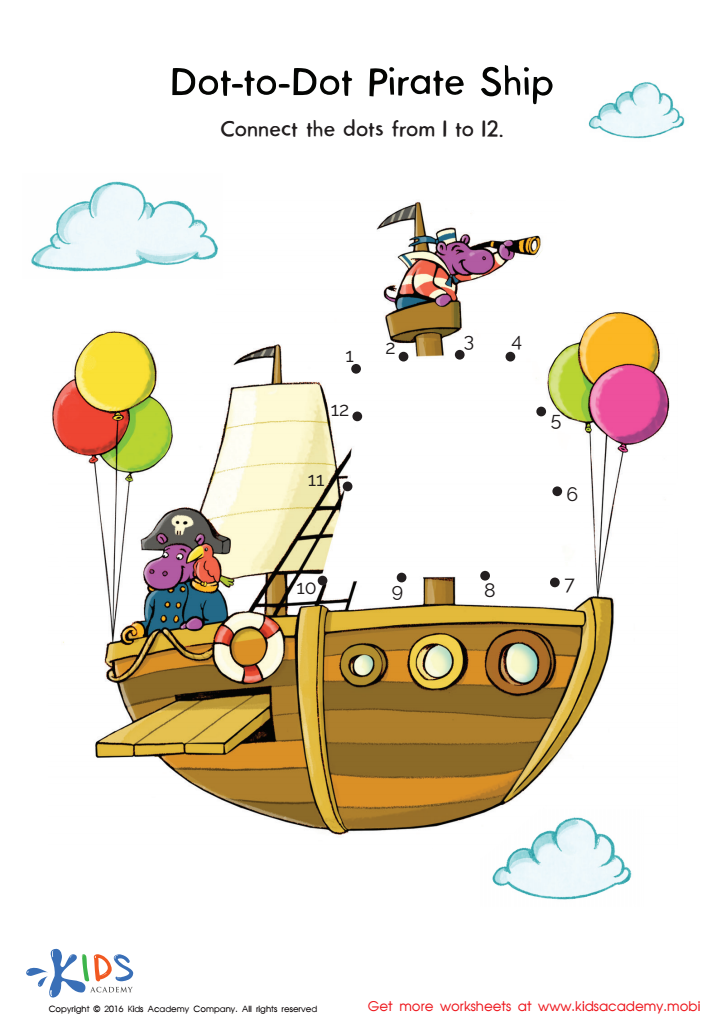
Pirate Ship Connect Dots Worksheet
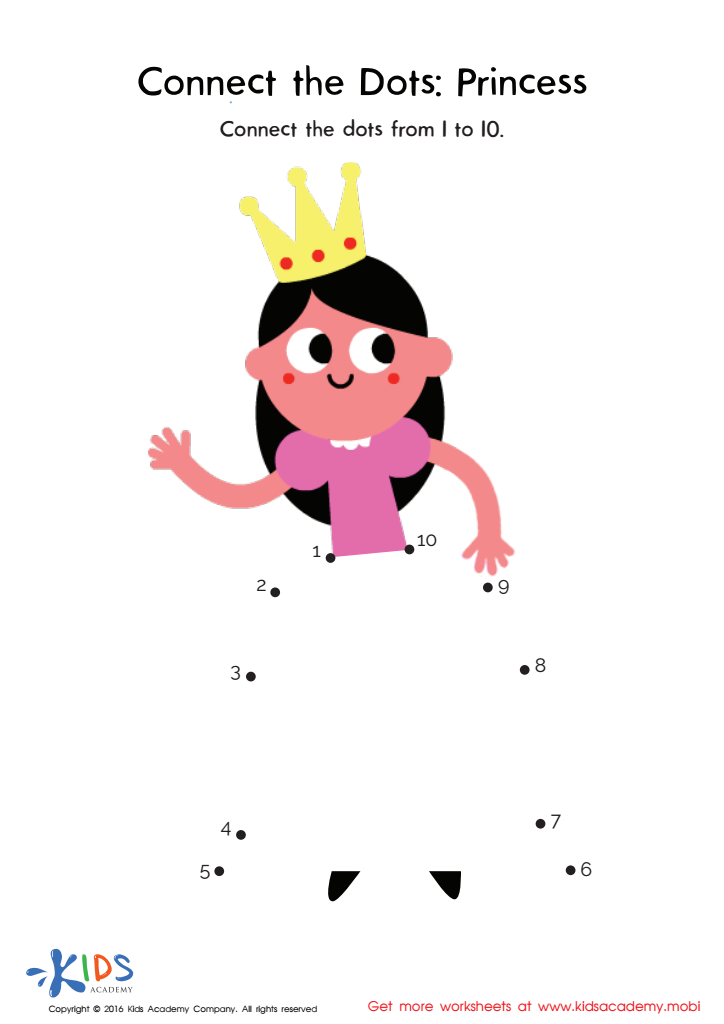
Princess Connect Dots Worksheet
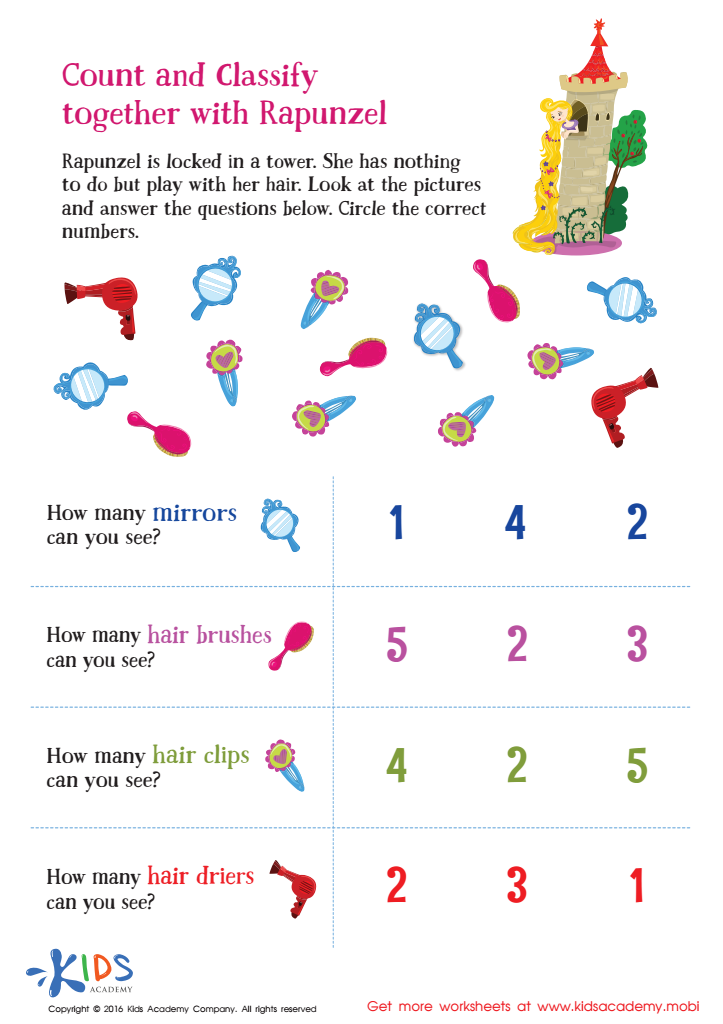
Fairy Tale Worksheet: Count and Classify with Rapunzel
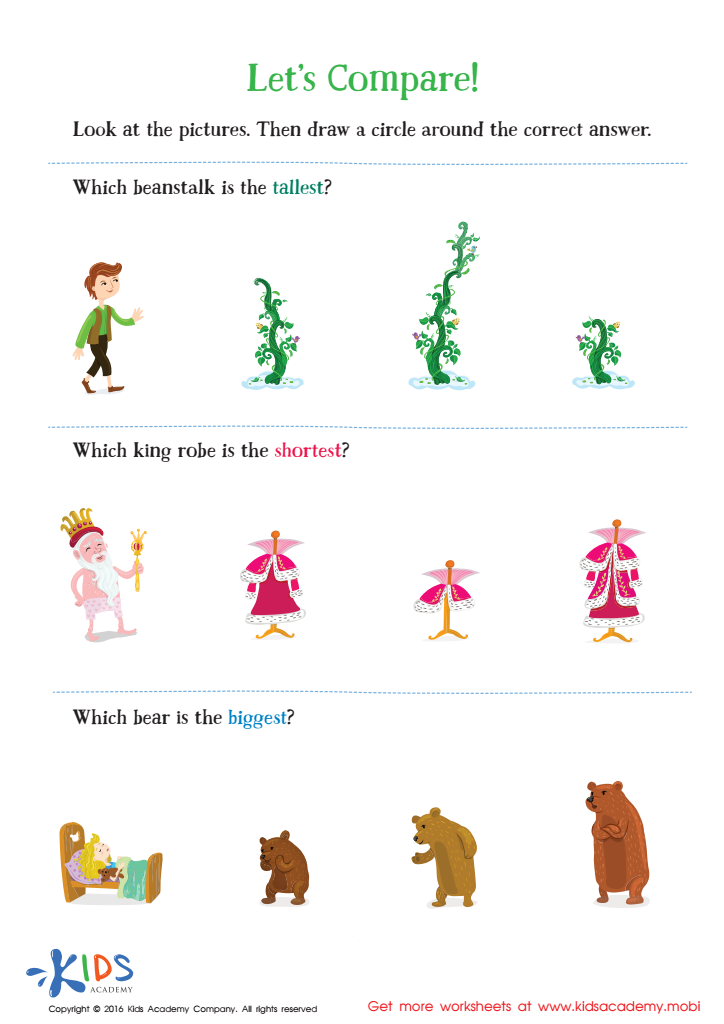
Fairy Tale Worksheet: Let's Compare
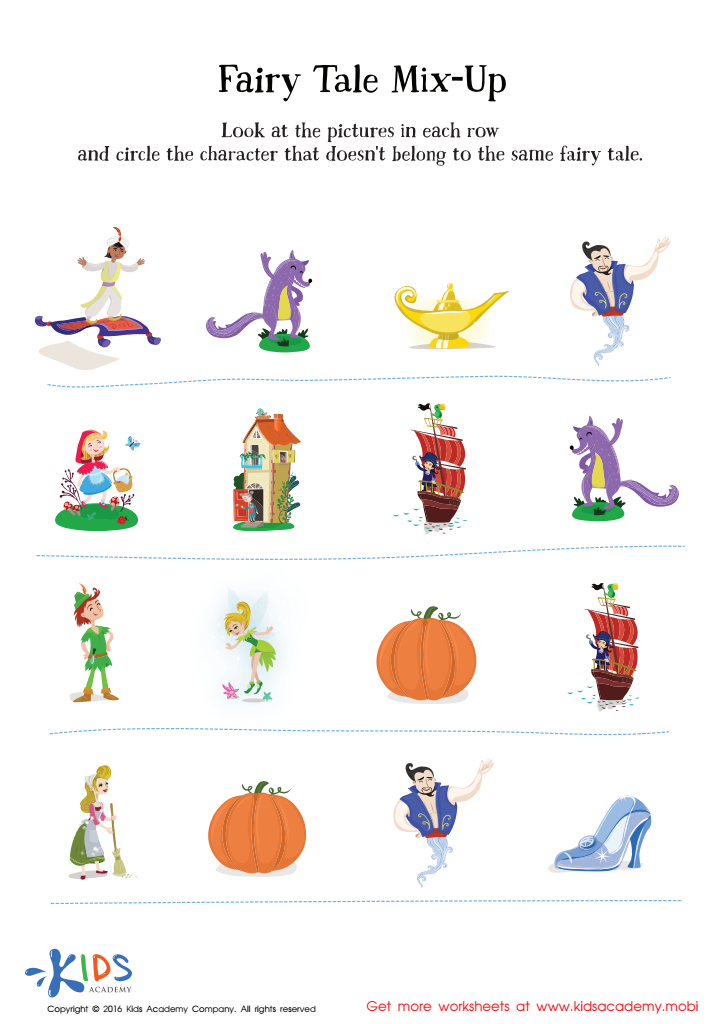
Fairy Tale Worksheet: Story Mix Up
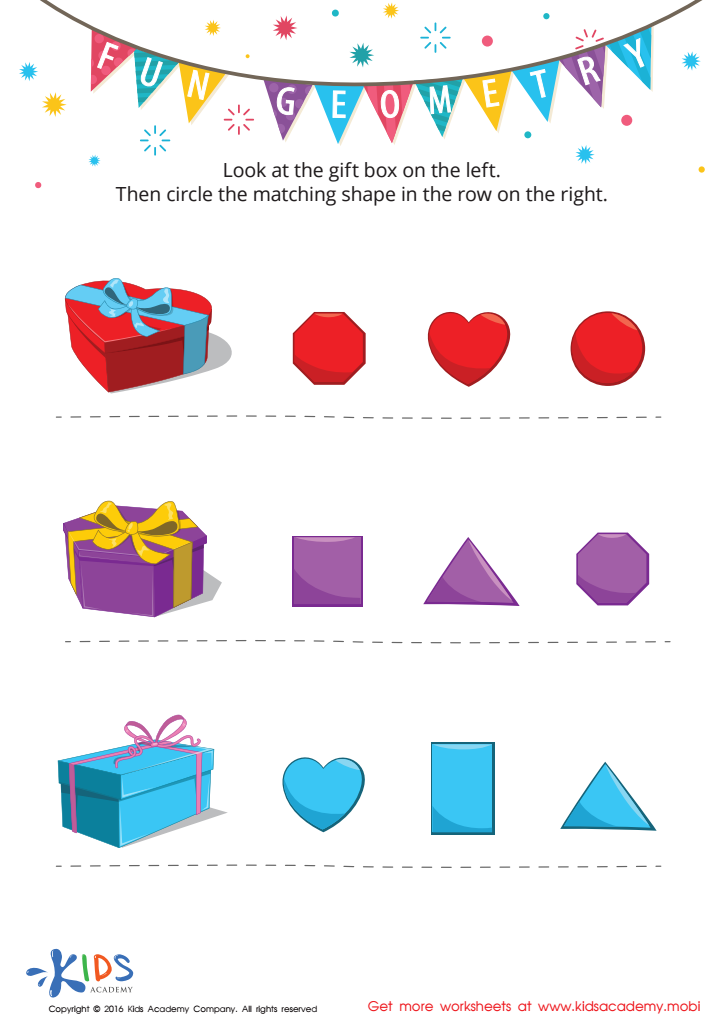
Fun Geometry Worksheet
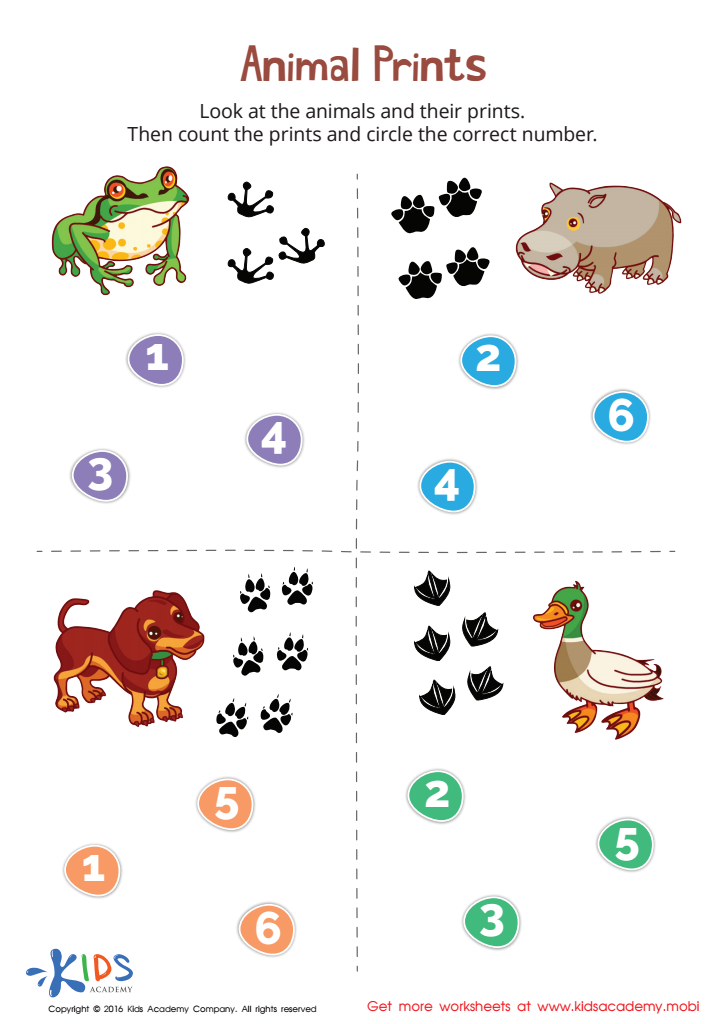
Animal Prints Match-Up Worksheet
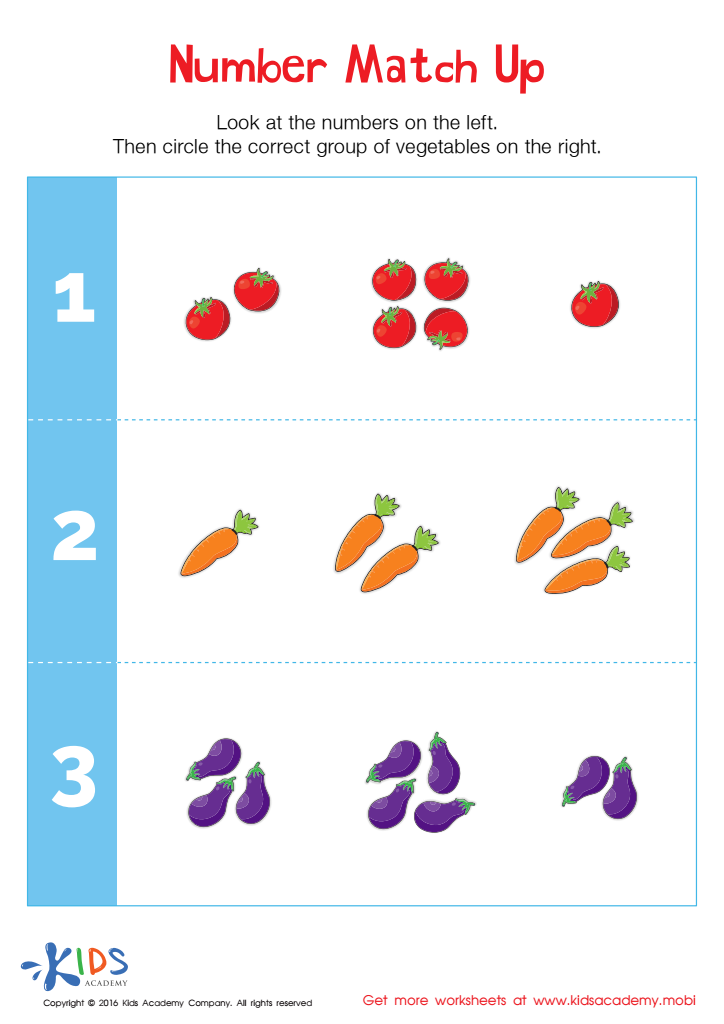
Number Match Up Worksheet
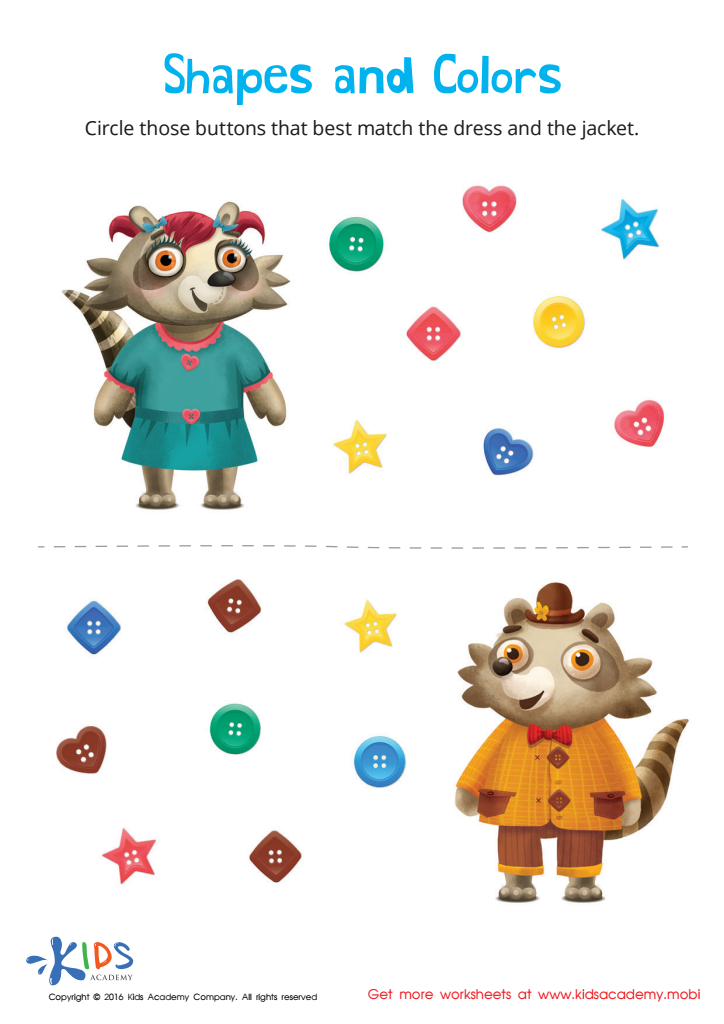
Matching: Shapes and Colors Worksheet
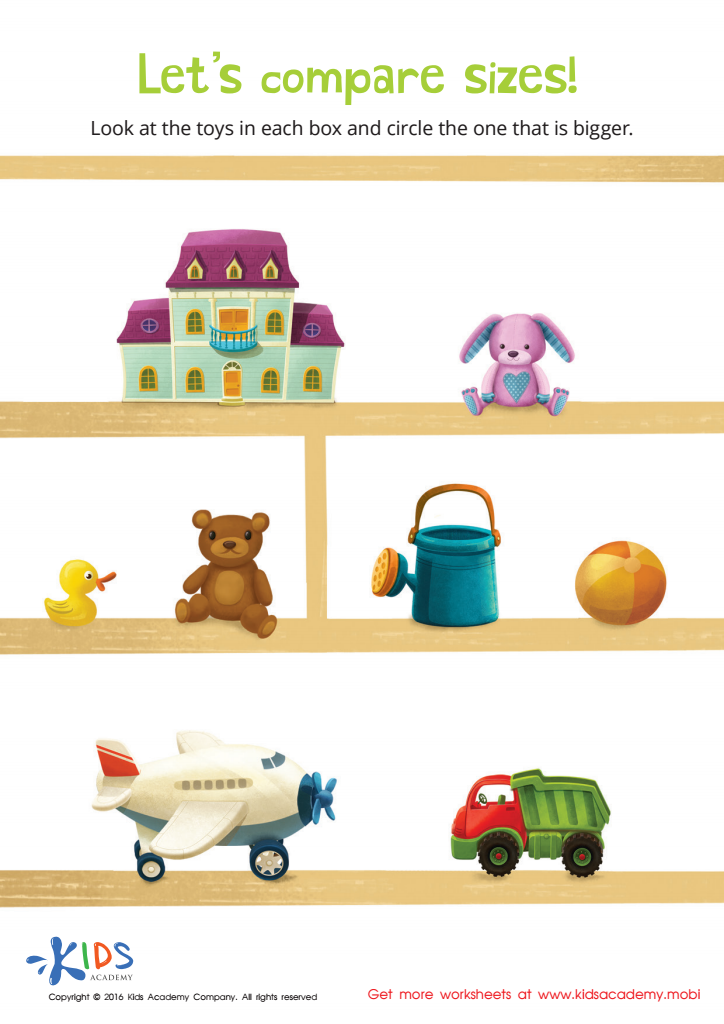
Classifying by Size Sorting Worksheet
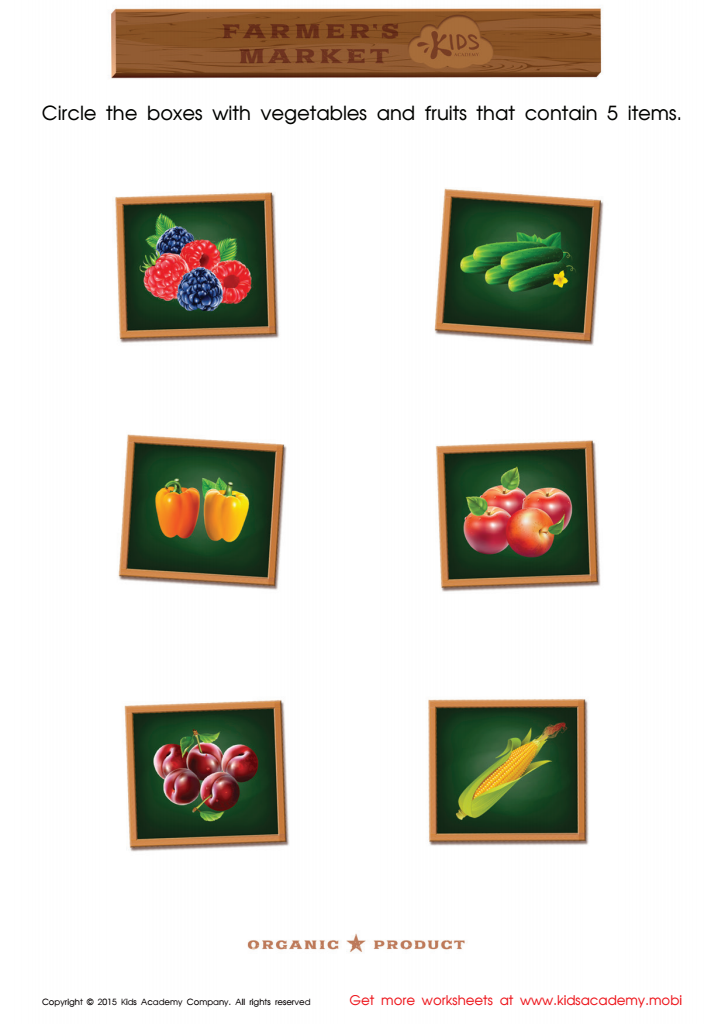
Count and Match Vegetables 1 – 7 Math Worksheet
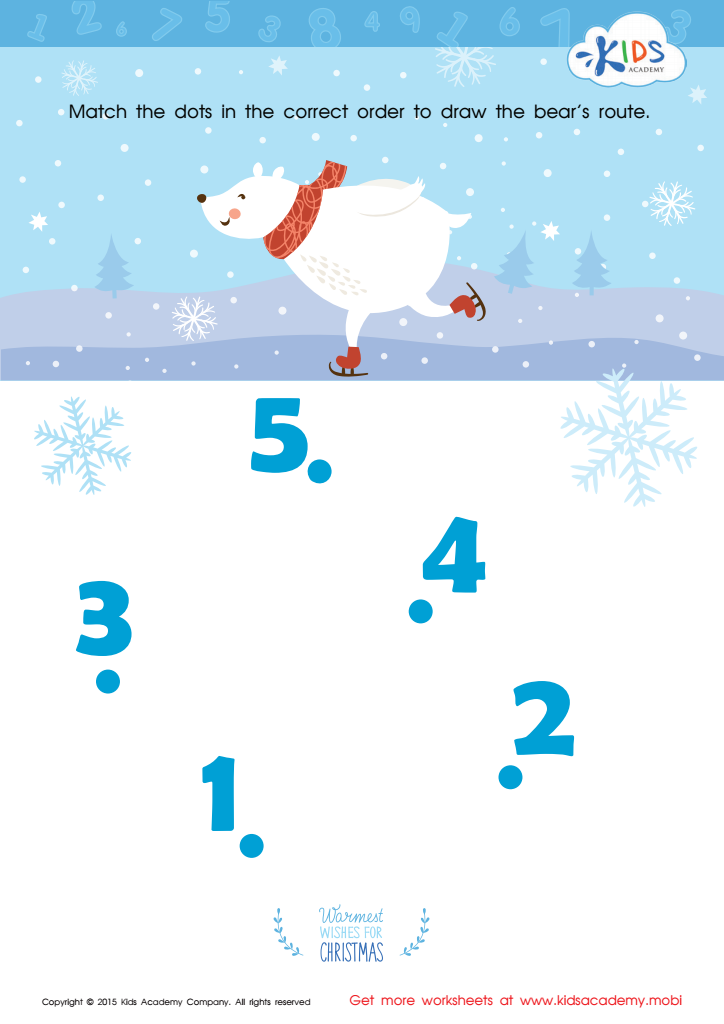
Drawing the Bear's Route by Number Worksheet
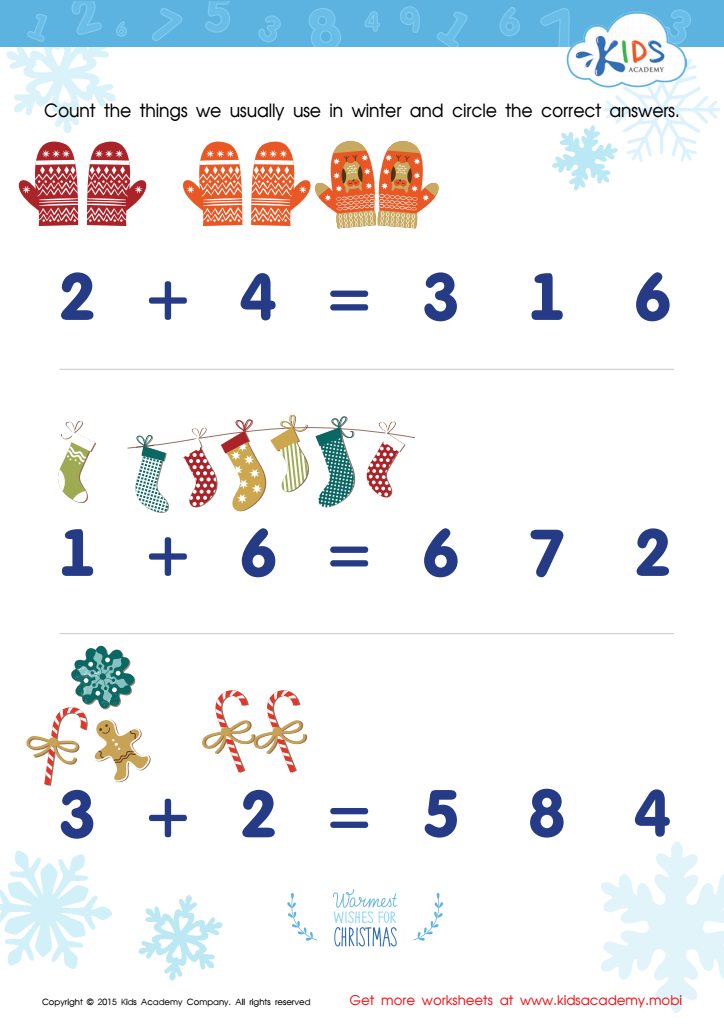
Count Winter Things Worksheet
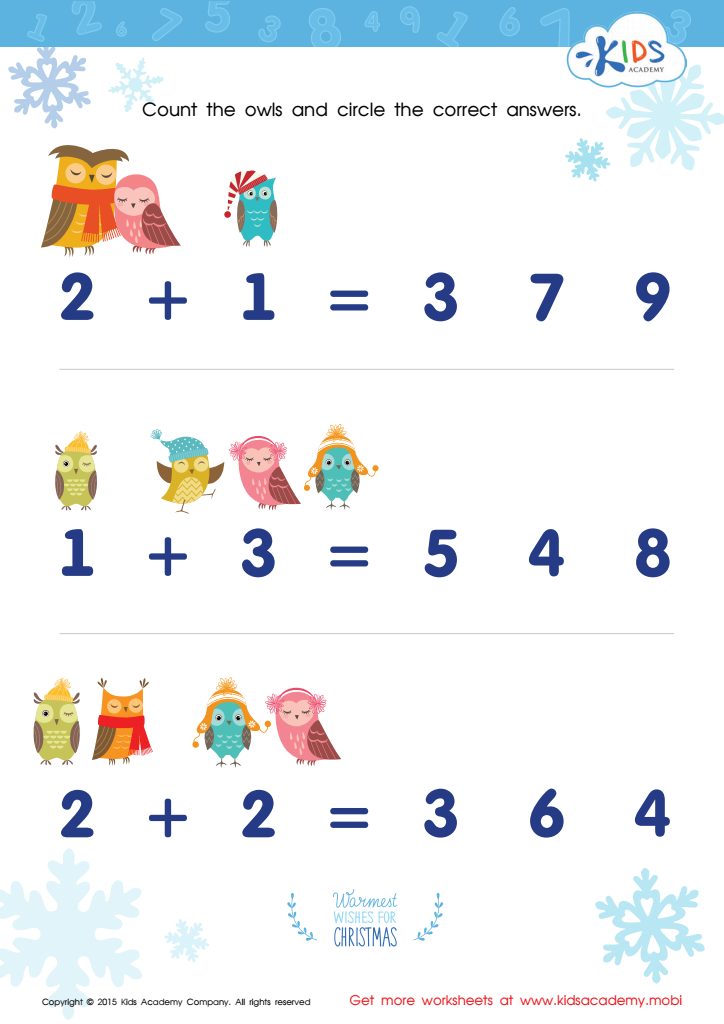
Count Little Owls Worksheet







Parents and teachers should prioritize Extra Challenge activities for children aged 6-8 as these experiences significantly contribute to cognitive, social, and emotional development. At this crucial stage, children exhibit diverse learning paces and interests, making tailored challenges essential to keep them engaged and motivated. Extra Challenge activities can foster critical thinking, problem-solving skills, and creativity, preparing children to tackle complex tasks in later grades.
Moreover, participating in challenging activities helps boost children's confidence and self-esteem. Mastering difficult concepts can instill a sense of achievement, encouraging a growth mindset where children view challenges as opportunities for learning rather than obstacles. It also enhances social interactions, as group challenges promote teamwork, communication, and cooperation, crucial skills for future collaborations.
Additionally, these opportunities can mitigate the feeling of boredom or disengagement that some children might experience in traditional settings, as they actively pursue tasks aligned with their interests. By incorporating Extra Challenge into the curriculum or home, parents and teachers are not only promoting academic excellence but also nurturing well-rounded individuals ready to face future challenges with resilience and creativity. This holistic approach ultimately lays a strong foundation for lifelong learning and personal development.








