Normal Matching Worksheets for Ages 3-8
43 filtered results
-
From - To
Discover our engaging Normal Matching Worksheets designed specifically for children ages 3-8! These worksheets provide a fun and interactive way for young learners to practice matching skills, enhancing their cognitive development and problem-solving abilities. Each worksheet features colorful illustrations and age-appropriate content that keeps kids motivated and excited to learn. Topics include shapes, letters, numbers, and everyday objects, making it easier for children to relate and connect with the materials. Perfect for both classroom and home use, our worksheets foster independence, boost confidence, and enrich learning experiences. Explore our collection today to support your child’s educational journey!
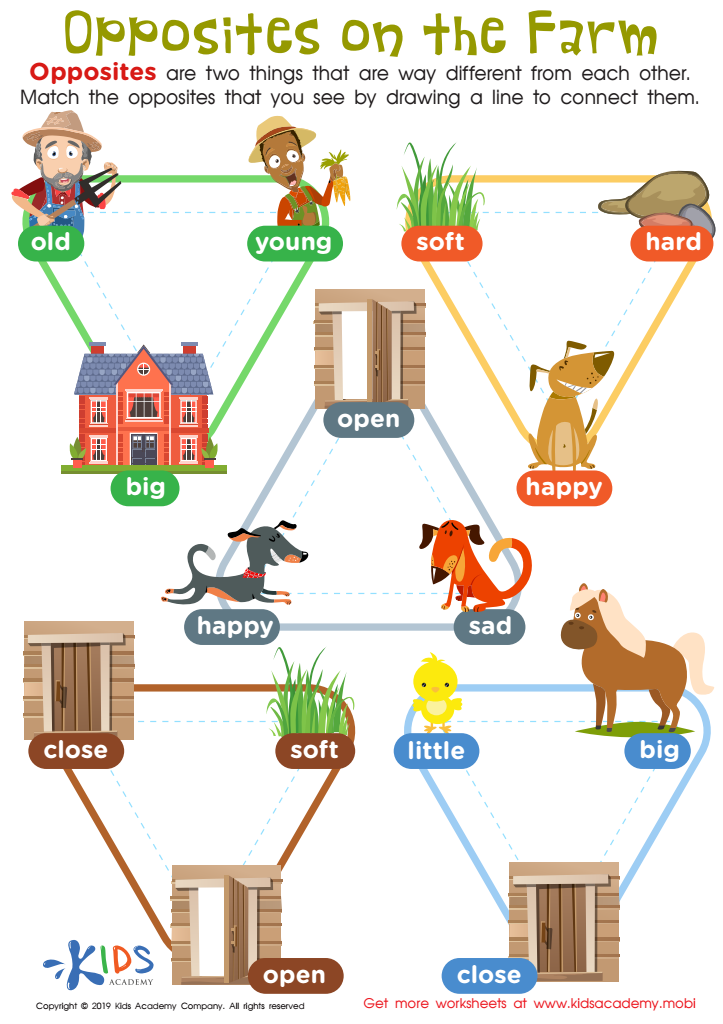
Opposites on the Farm Worksheet
 Assign to My Students
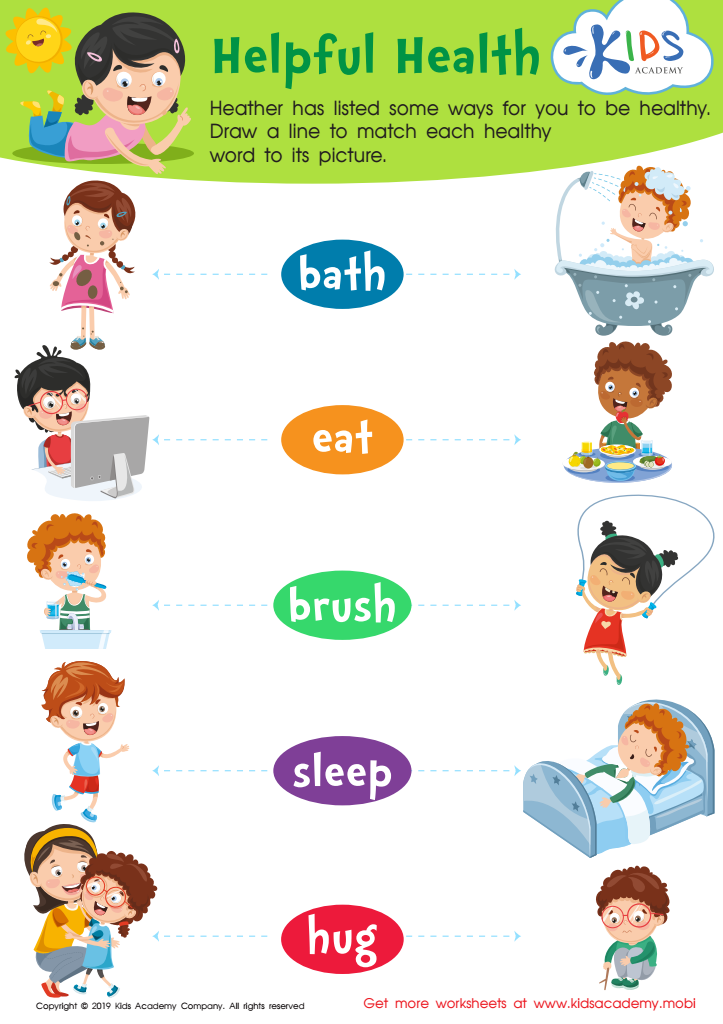
Helpful Health Worksheet
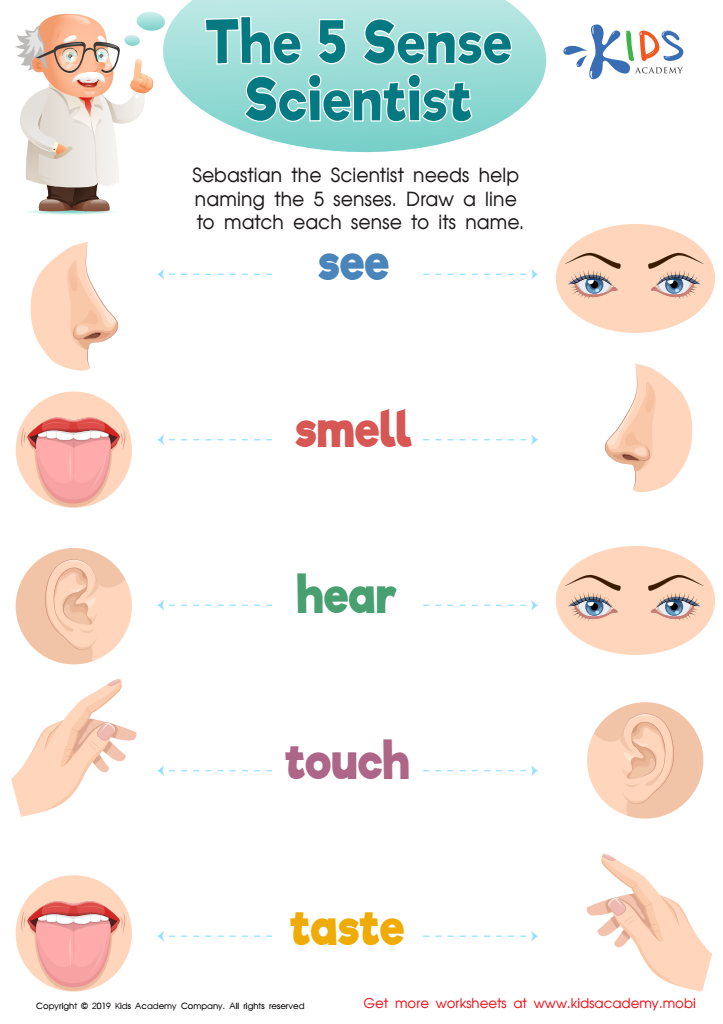
The 5 Sense Scientist Worksheet
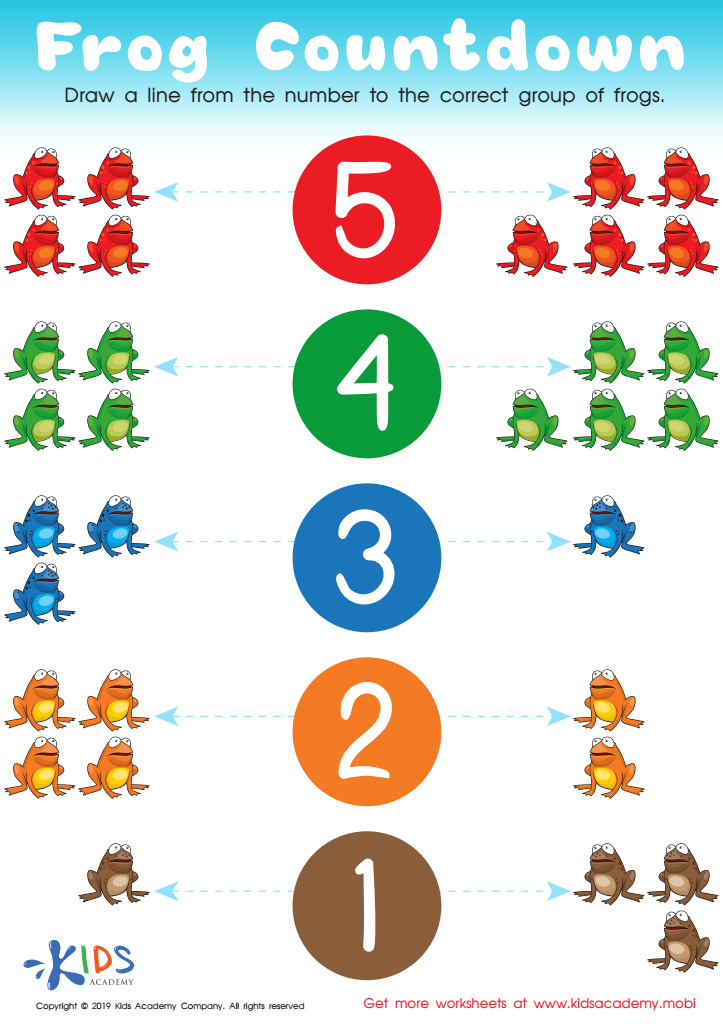
Frog Countdown Worksheet
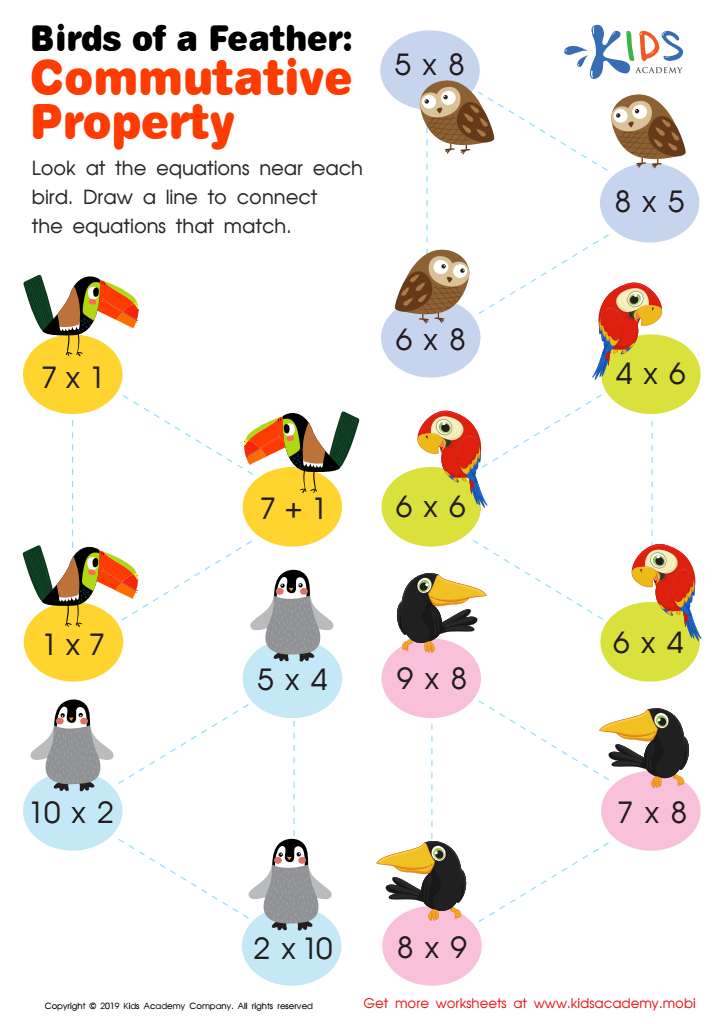
Birds of a Feather: Commutative Property Worksheet
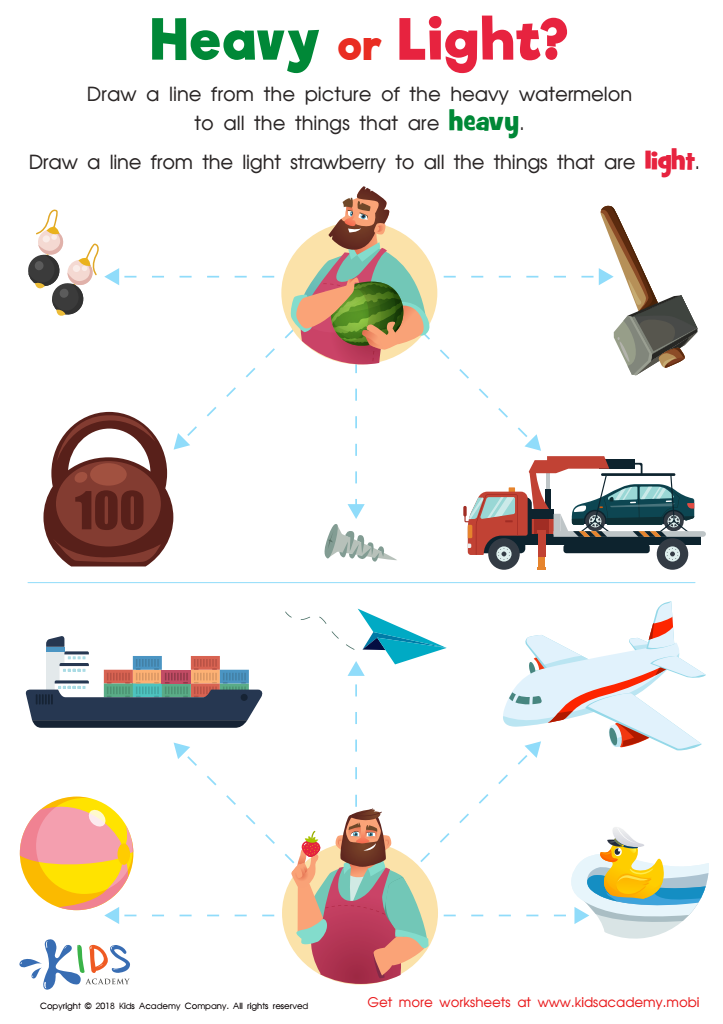
Heavy or Light? Worksheet
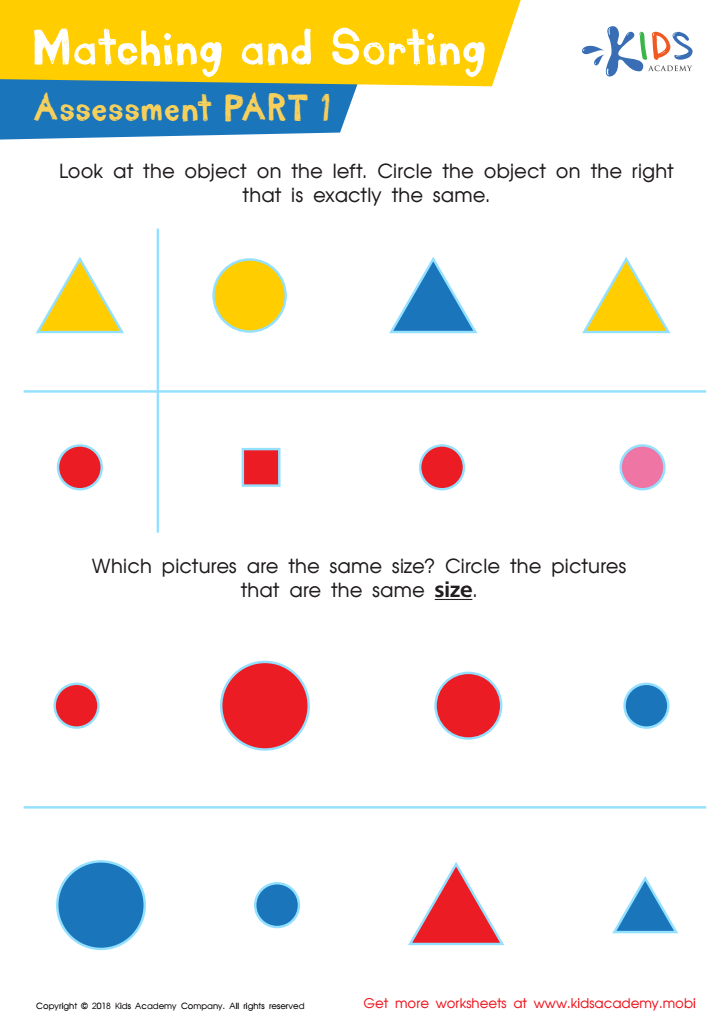
Matching and Sorting for Kindergarten: Assessment 1 Worksheet
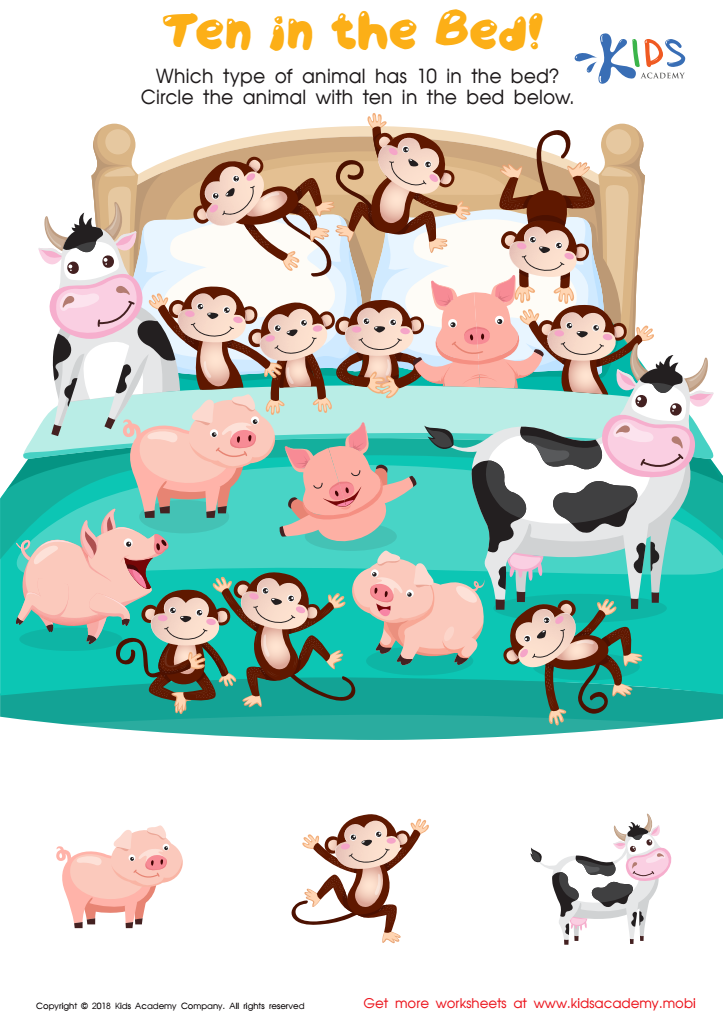
Ten in the Bed Worksheet
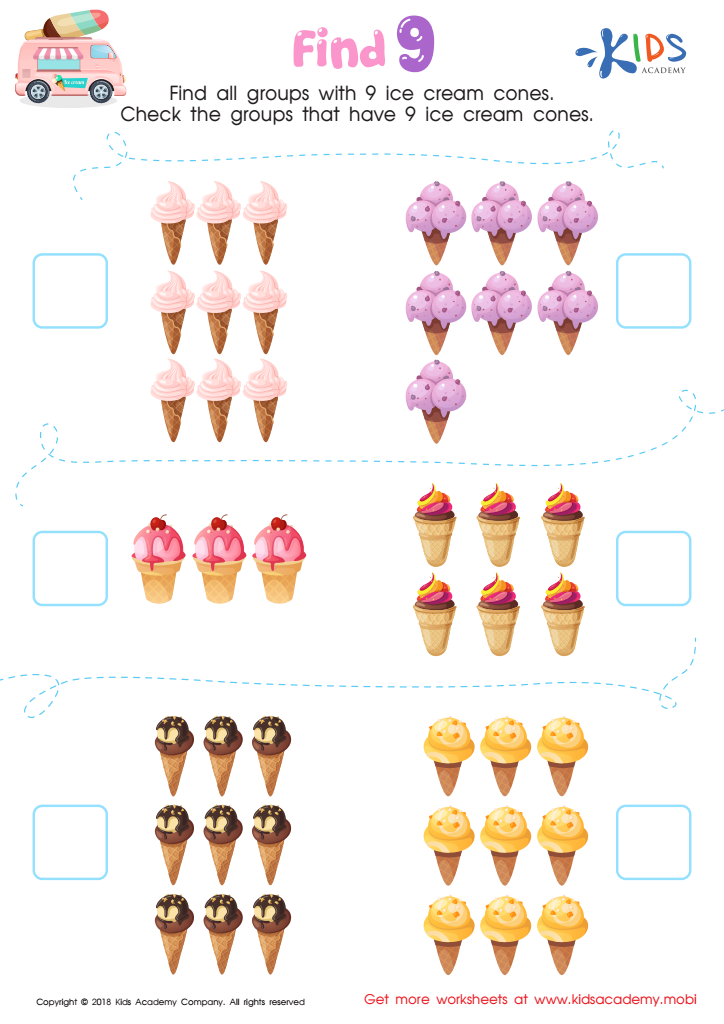
Find 9 Worksheet
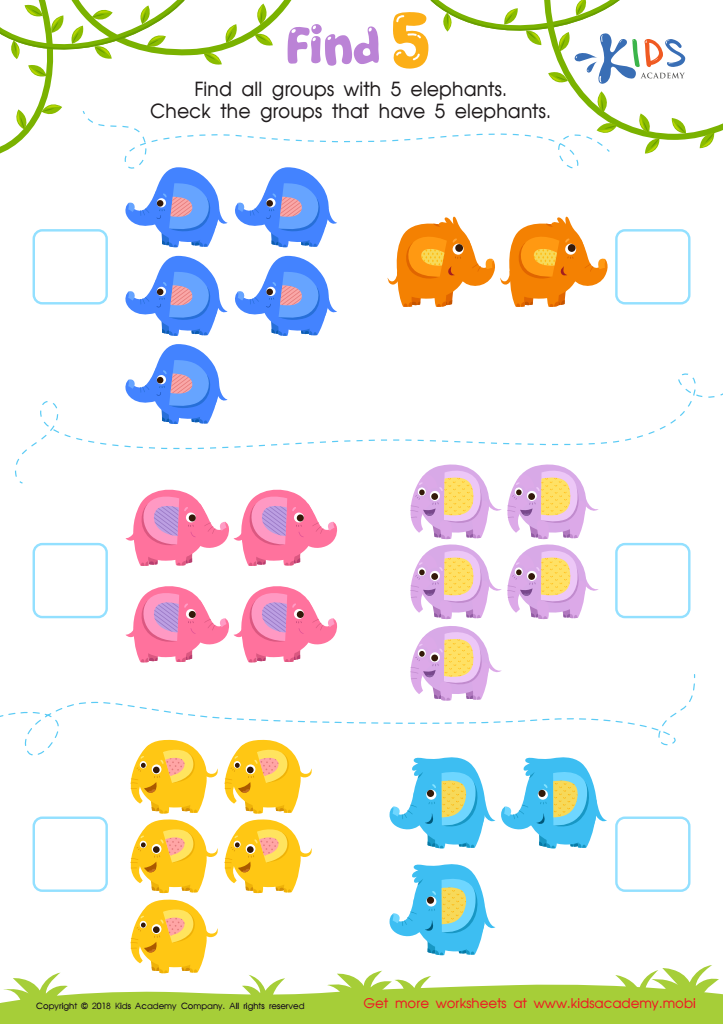
Find 5 Worksheet
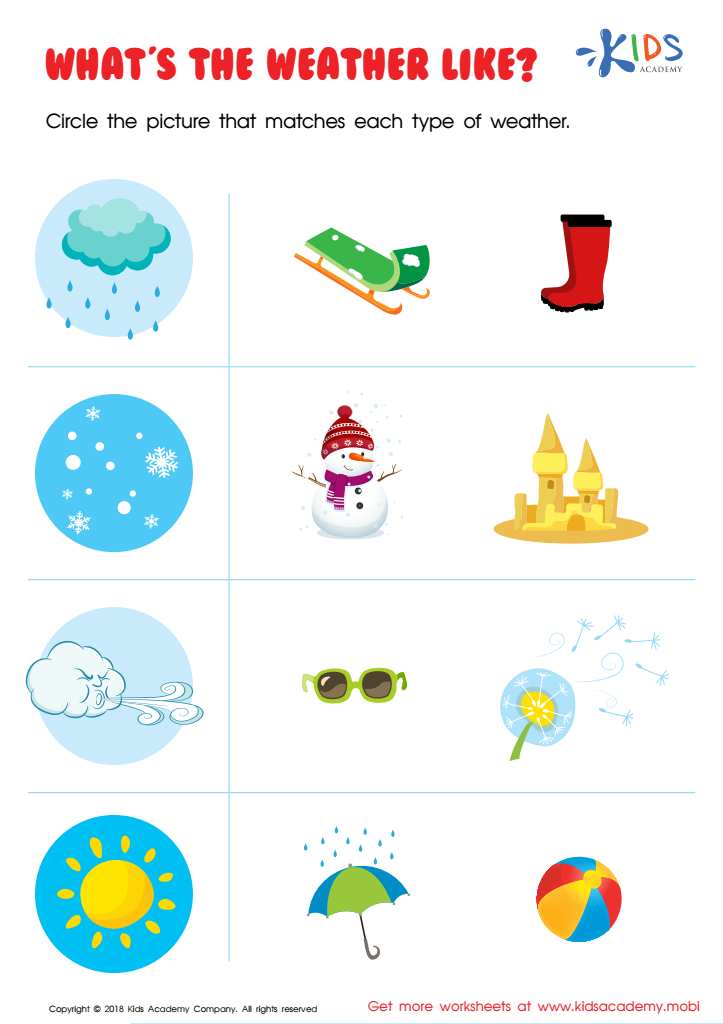
What's the Weather Like? Worksheet
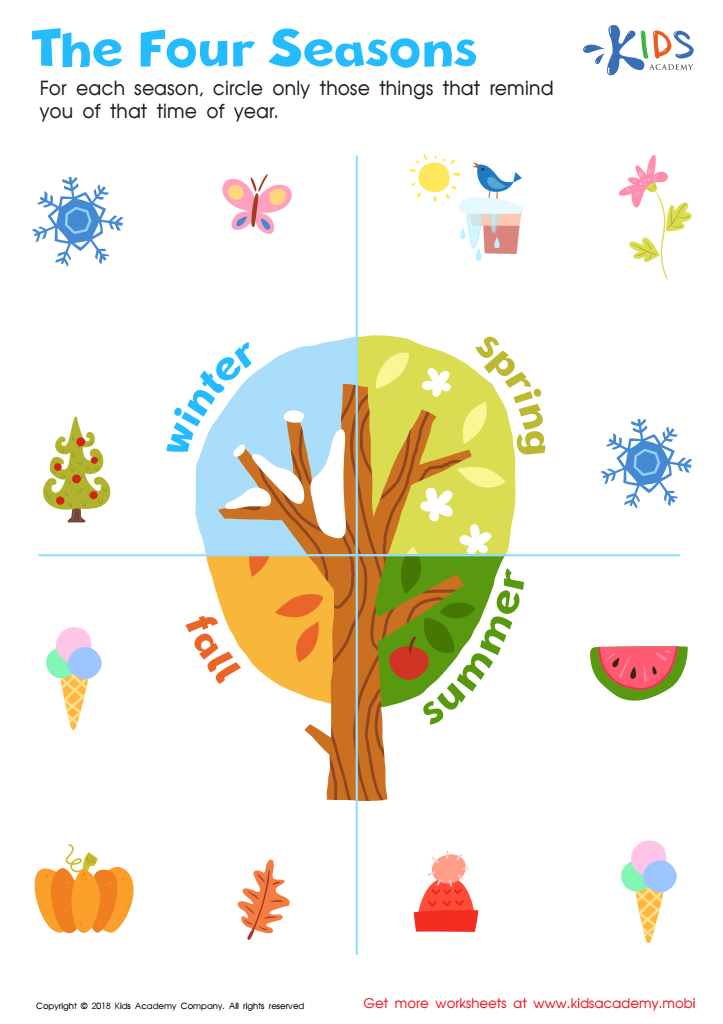
The Four Seasons Worksheet
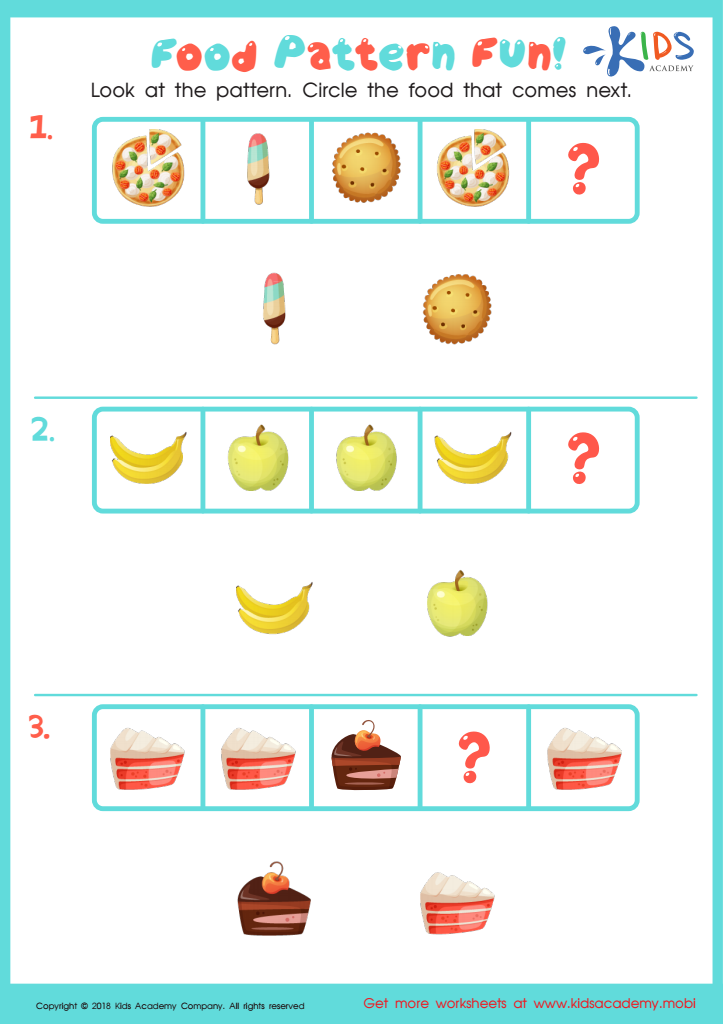
Food Pattern Fun Worksheet
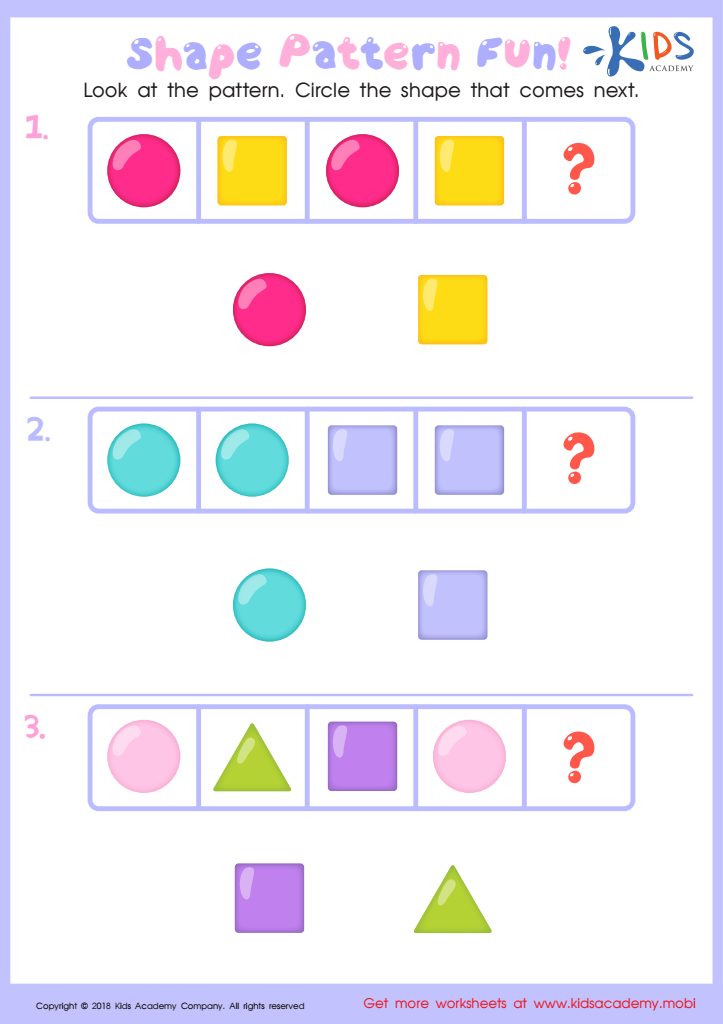
Shape Pattern Fun Worksheet
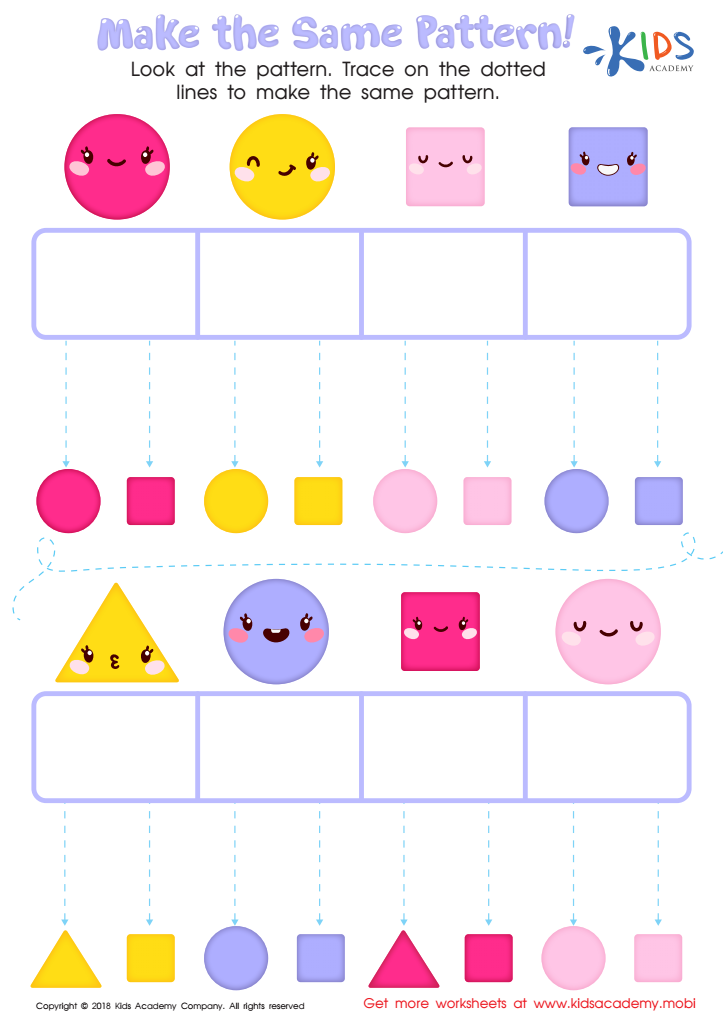
Make the Same Pattern Worksheet
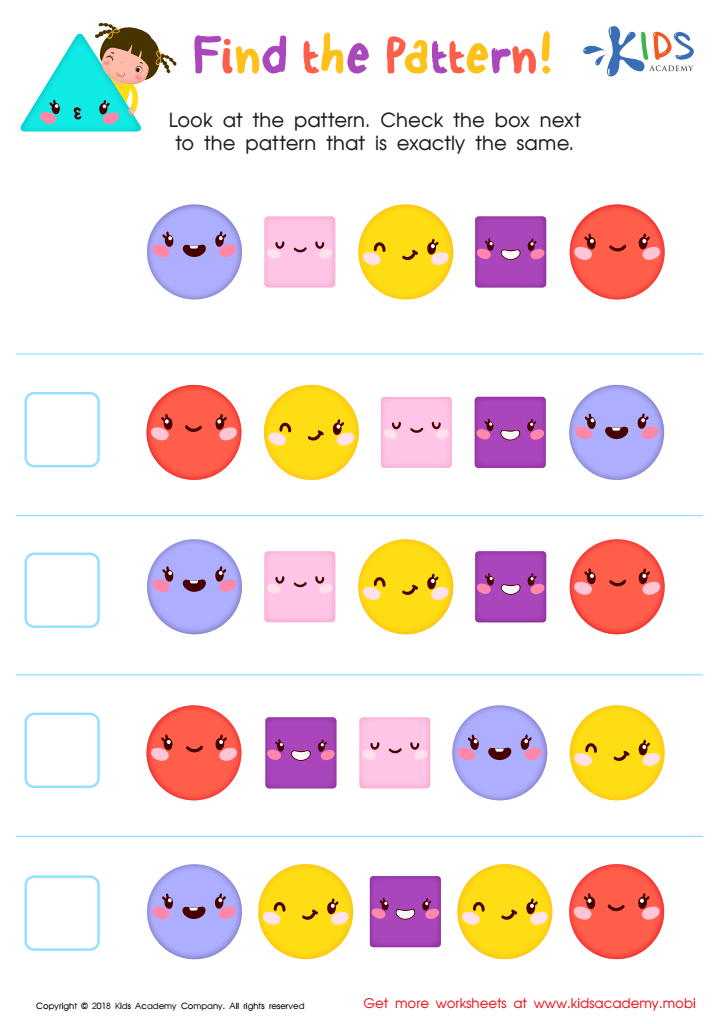
Find the Pattern Worksheet
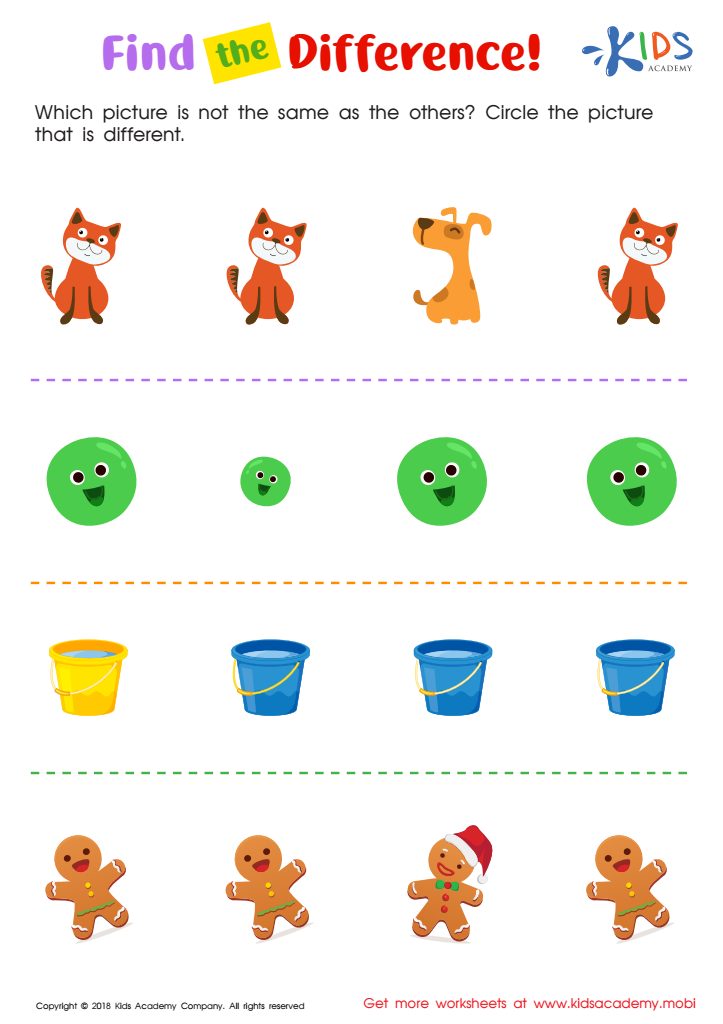
Find the Difference Worksheet
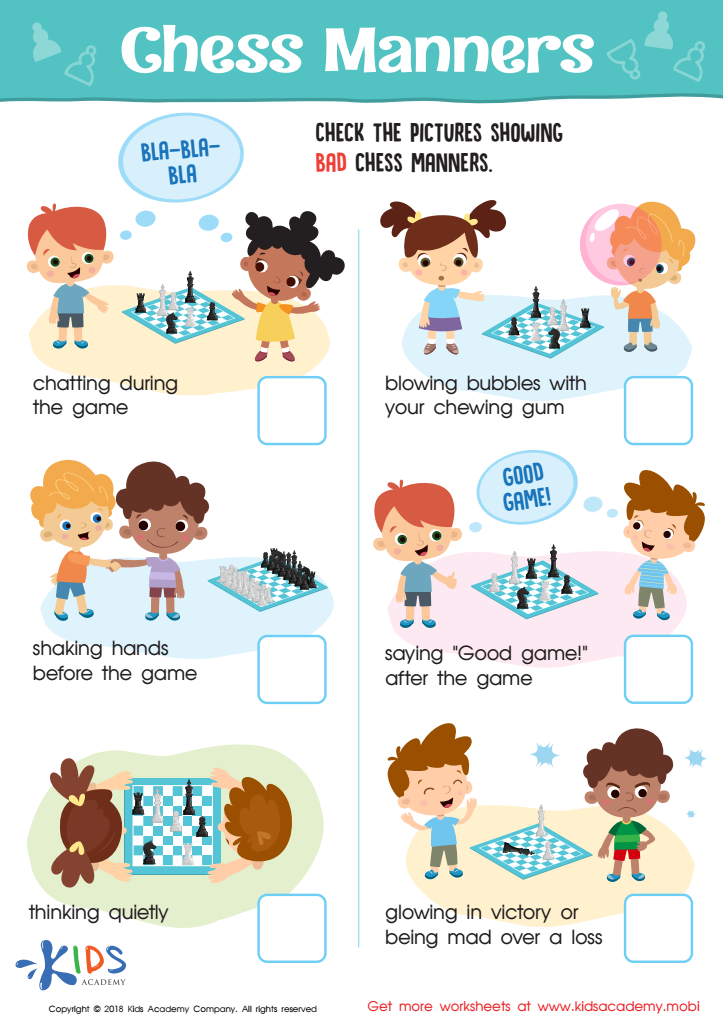
Chess Manners Worksheet
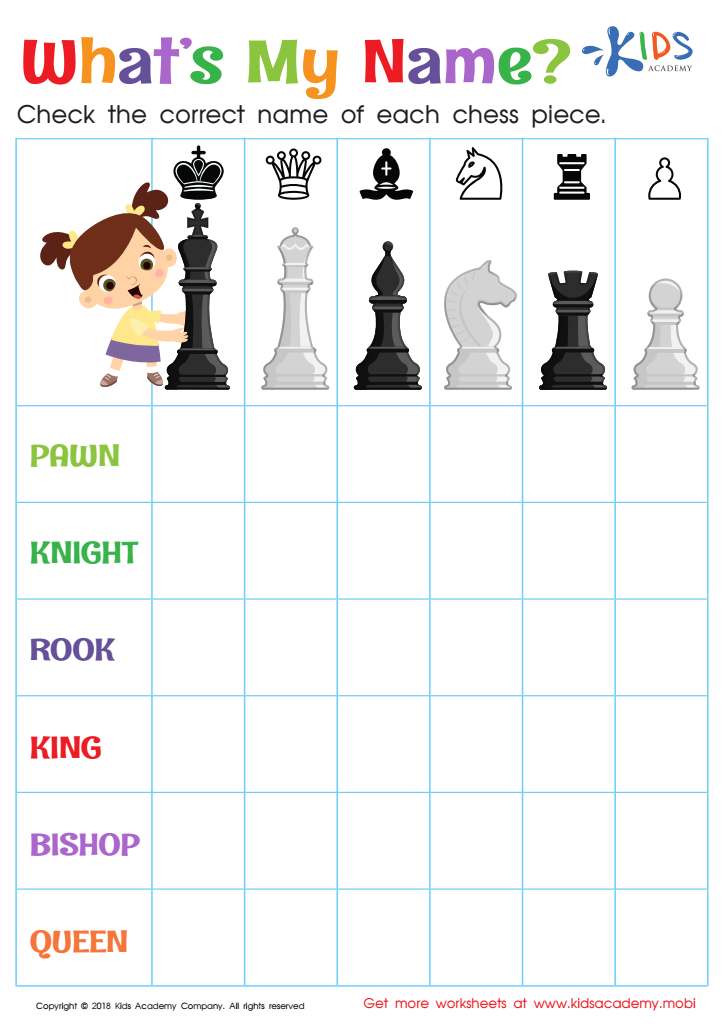
What's My Name? Worksheet
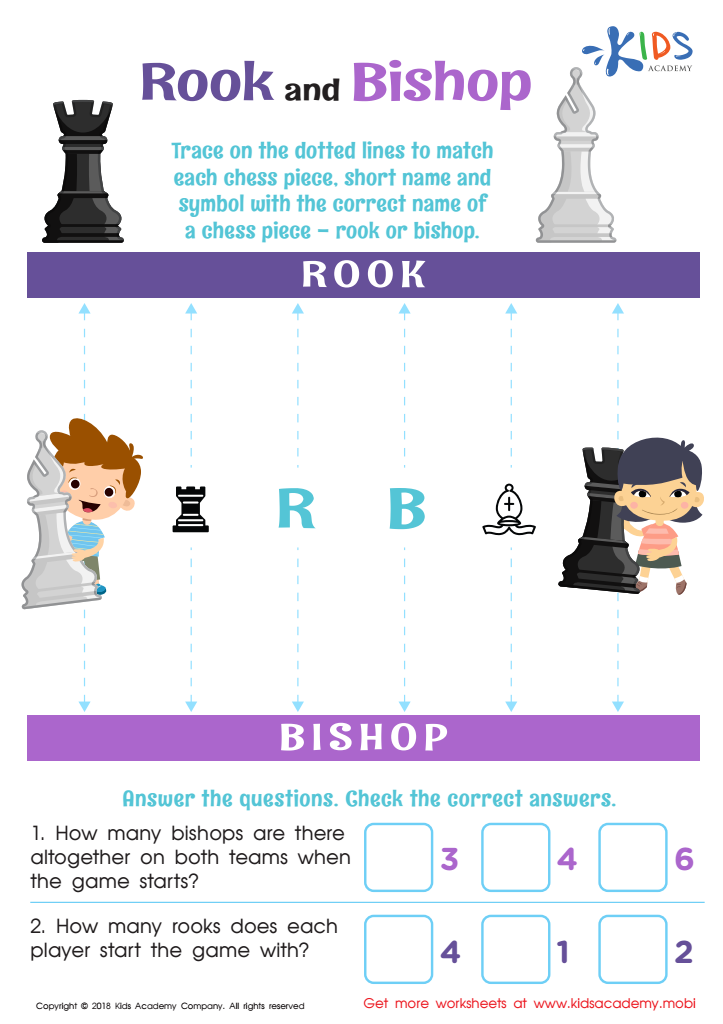
Rook and Bishop Worksheet
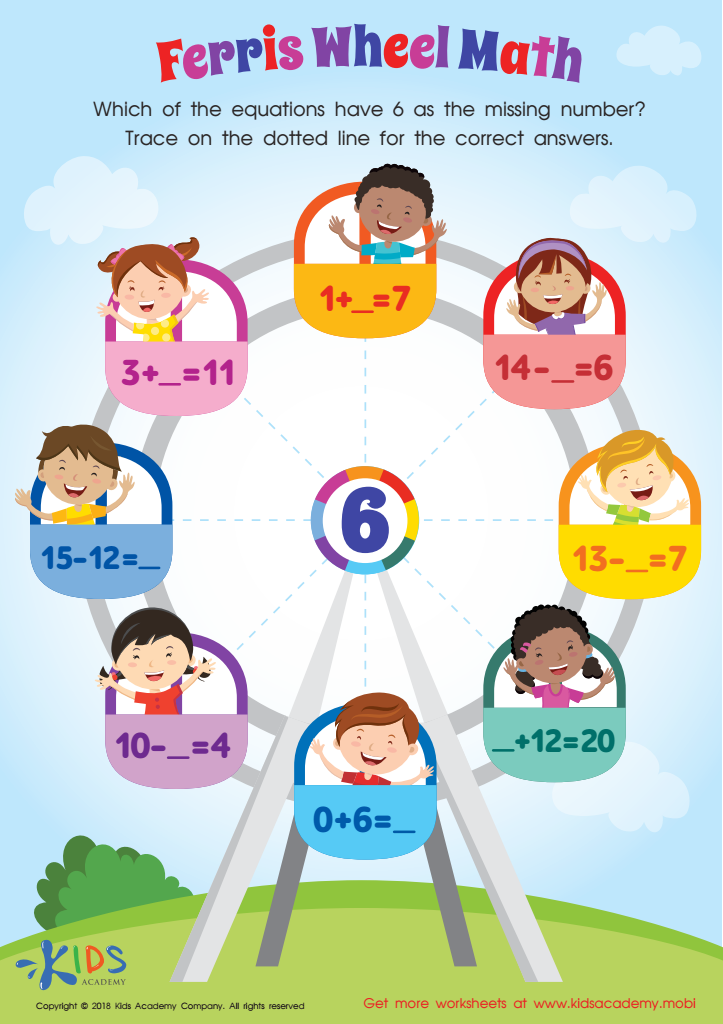
Missing Number: Ferris Wheel Math Worksheet
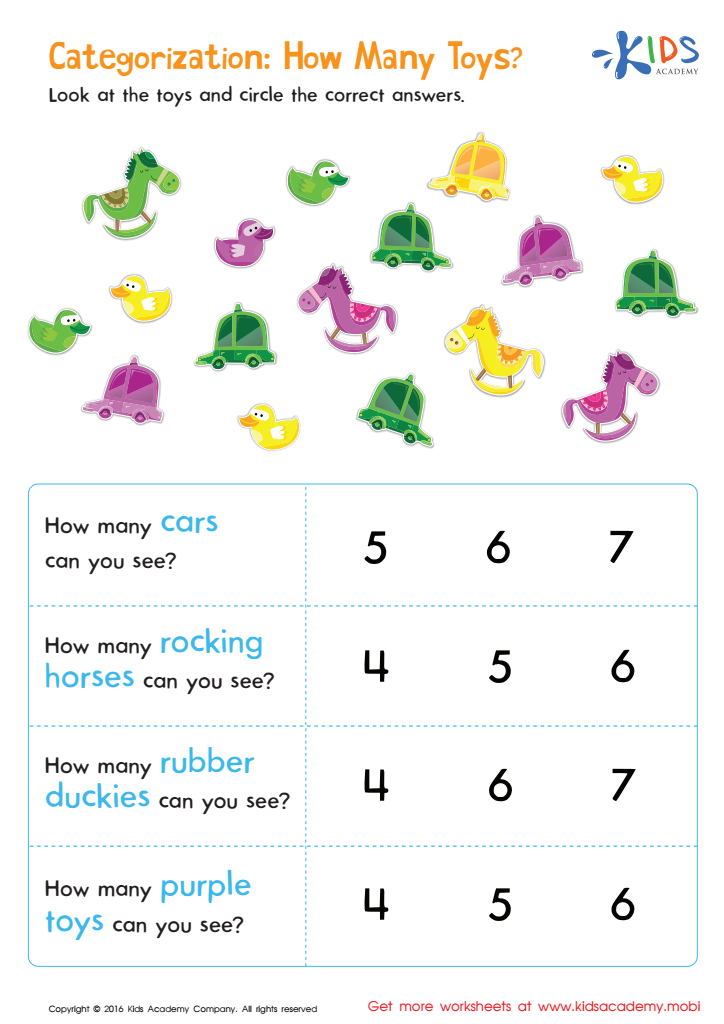
Classifying Toys by Type and Color Sorting Worksheet




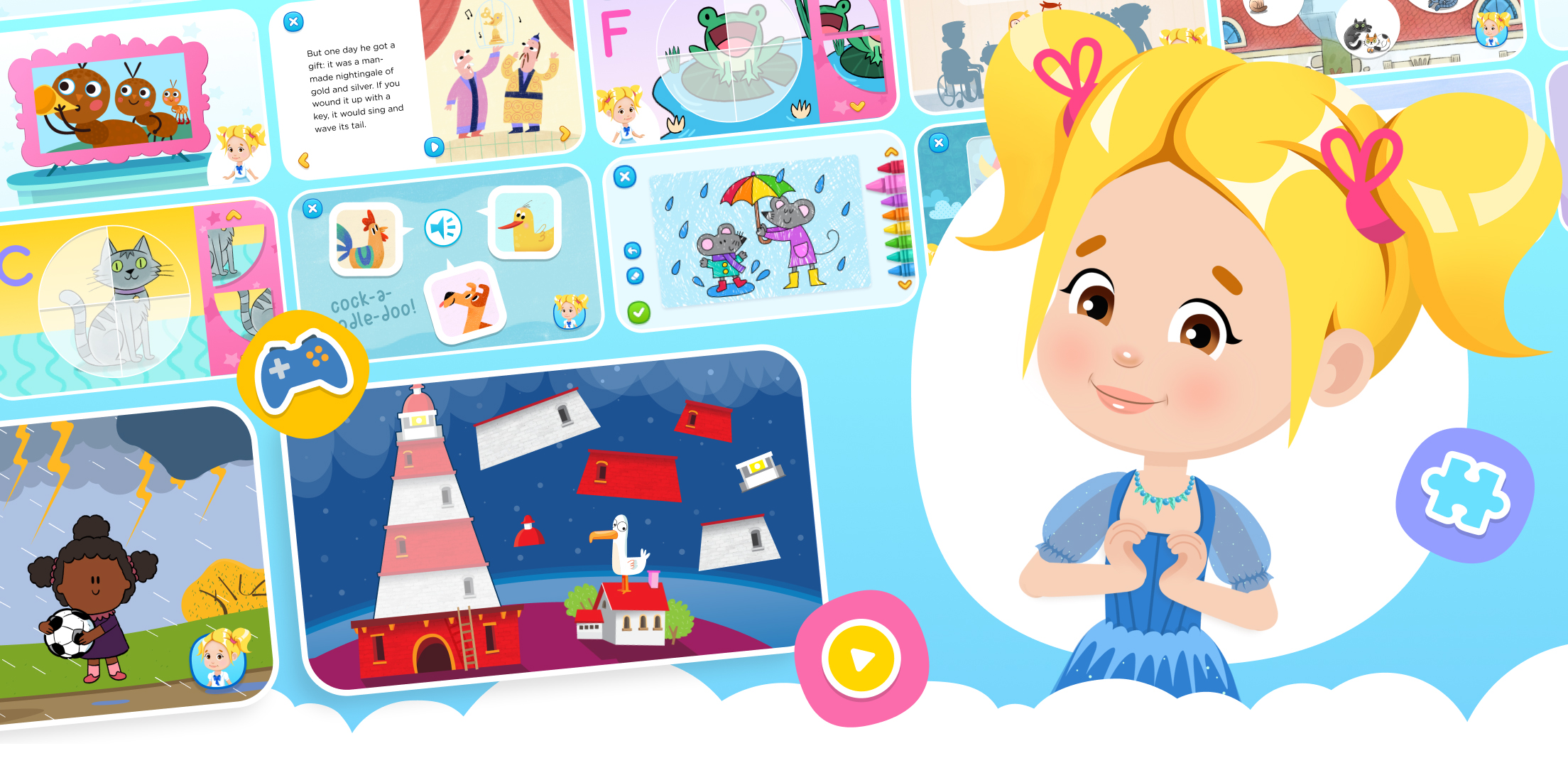



Normal Matching is an essential cognitive skill that entails recognizing and pairing similar attributes or characteristics in objects, shapes, colors, or patterns. For children aged 3-8, developing this skill enhances critical cognitive abilities such as observation, classification, and problem-solving.
Parents and teachers should prioritize Normal Matching for several reasons. Firstly, it supports early mathematical understanding—a foundational skill where concepts such as shape recognition, sorting, and patterning stem from. Engaging in matching activities encourages children to think analytically and boosts their confidence in handling math-related tasks as they progress.
Moreover, Normal Matching tasks promote language development by providing opportunities to expand vocabulary when discussing similarities and differences. These activities also enhance fine motor skills through the manipulation of objects, crucial for handwriting and other daily tasks.
Socially and emotionally, Normal Matching fosters collaboration and communication among peers during group activities. It instills a sense of accomplishment, thereby aiding self-confidence. Finally, by engaging with Normal Matching, teachers and parents create a nurturing environment where critical thinking skills are cultivated, equipping children with analytical tools for lifelong learning. Therefore, understanding and implementing Normal Matching strategies is imperative for holistic child development in early education settings.








