Normal Tracing Numbers Worksheets for Ages 3-8
18 filtered results
-
From - To
Welcome to our "Normal Tracing Numbers Worksheets for Ages 3-8"! These engaging worksheets are designed to help young learners develop essential prewriting and numeracy skills through tracing activities. Ideal for children in preschool and early elementary grades, our worksheets introduce numbers 0-9 in a fun, interactive way. Each page encourages hand-eye coordination, fine motor skills, and number recognition, while supporting essential literacy foundations. Parents and educators can easily access and print these resources, making learning enjoyable and convenient. Explore our collection to help your child gain confidence in writing numbers, setting the stage for future academic success!
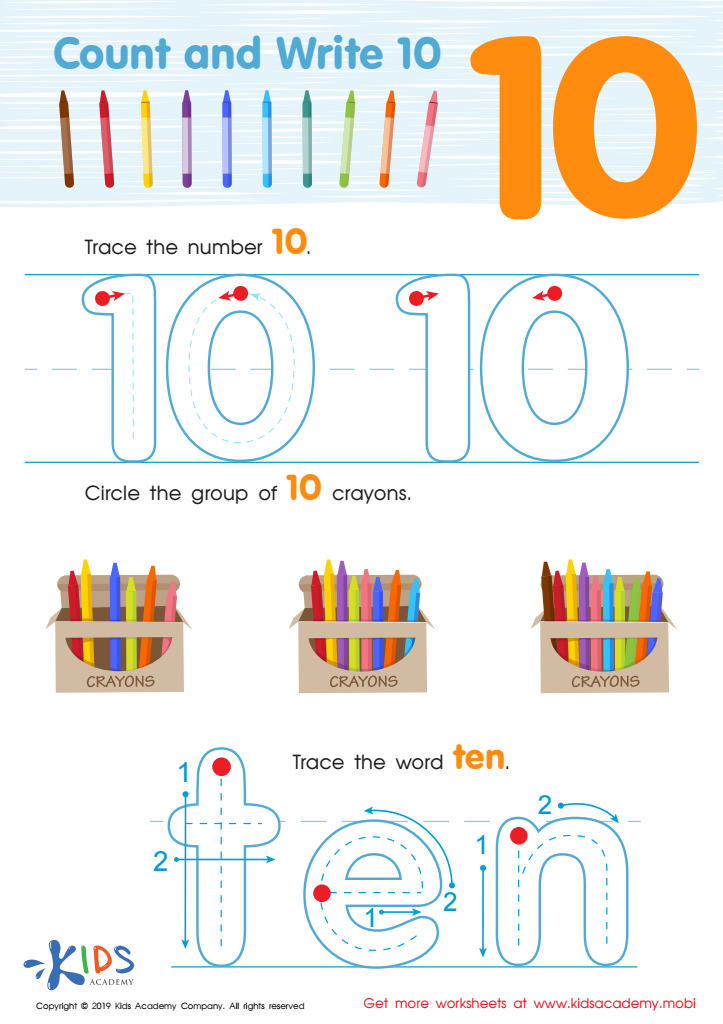
Count and Write 10 Worksheet
 Assign to My Students
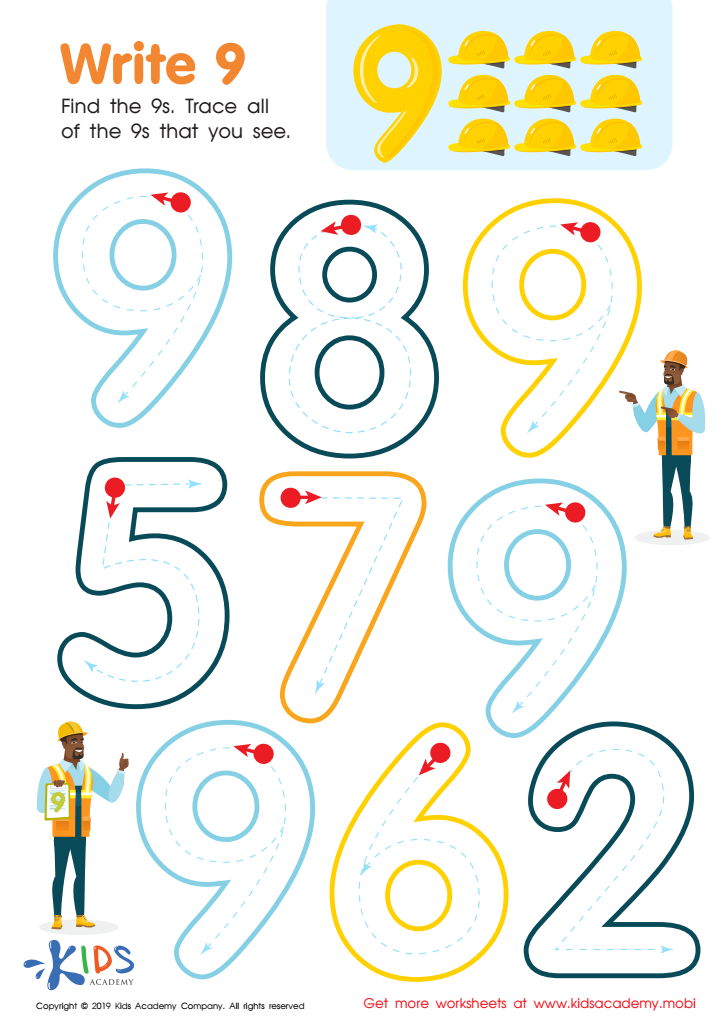
Write 9 Worksheet
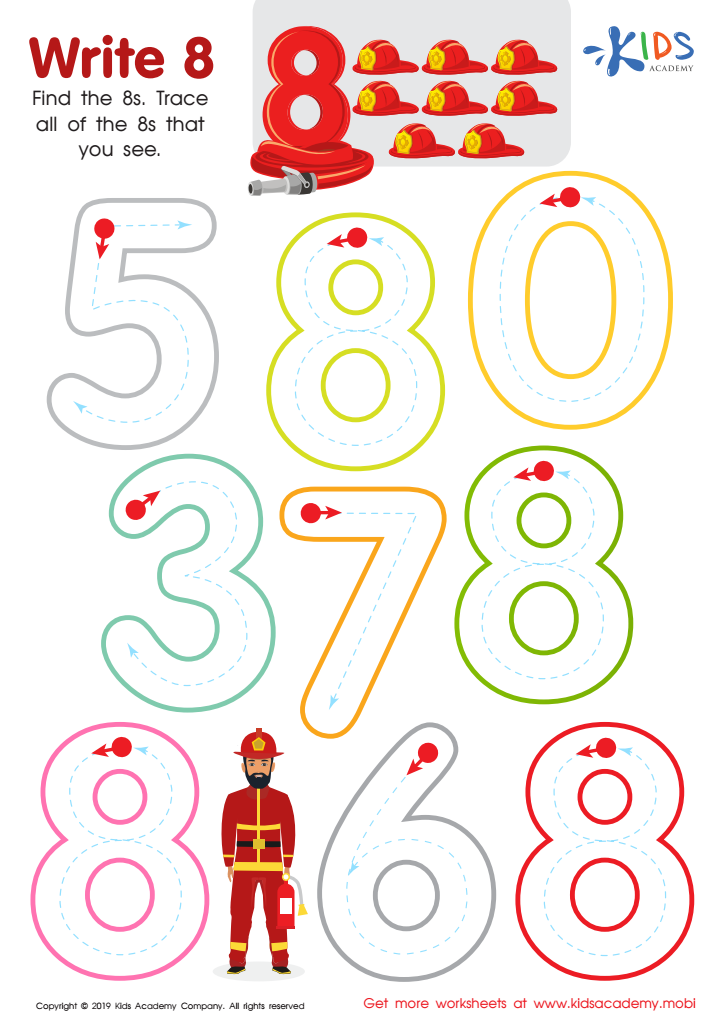
Write 8 Worksheet
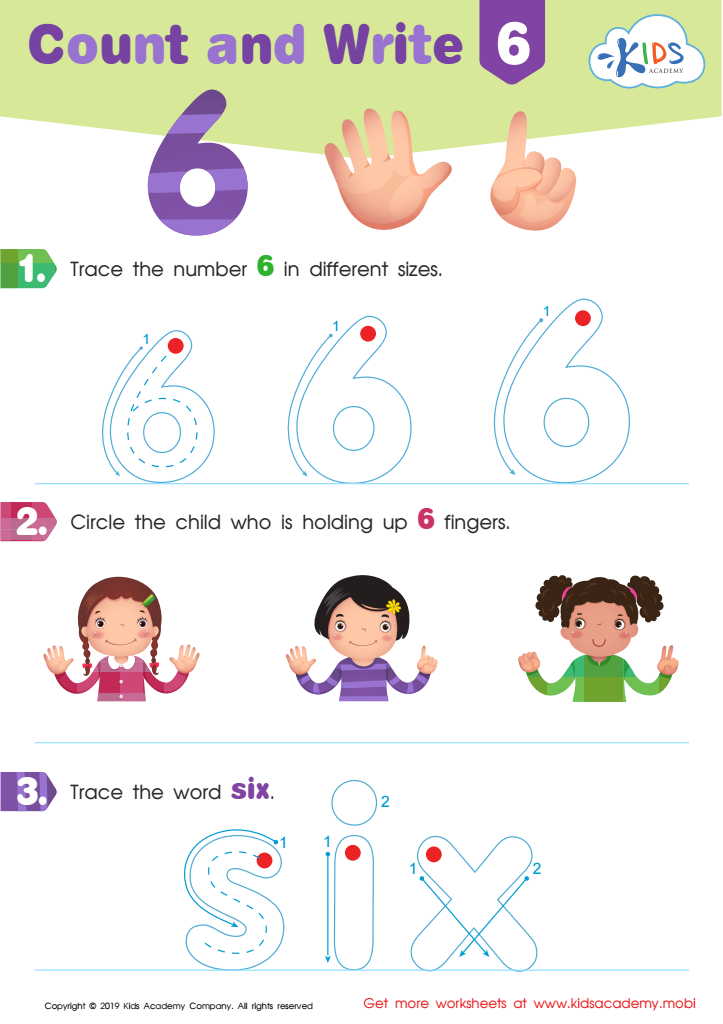
Count and Write 6 Worksheet
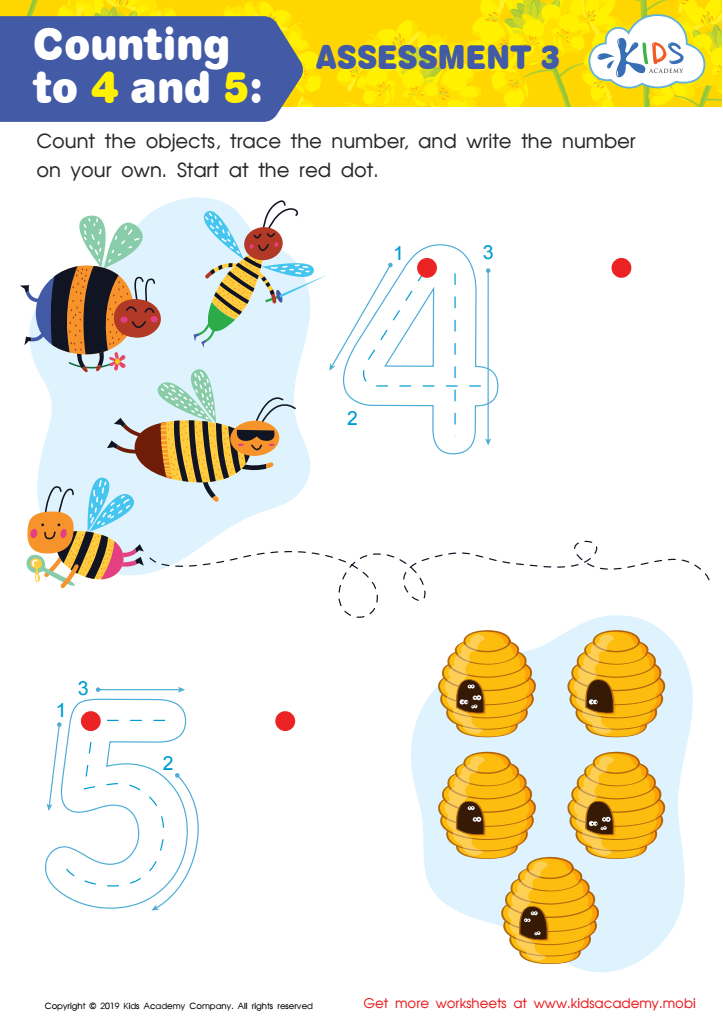
Counting to 4 and 5: Assessment 3 Worksheet
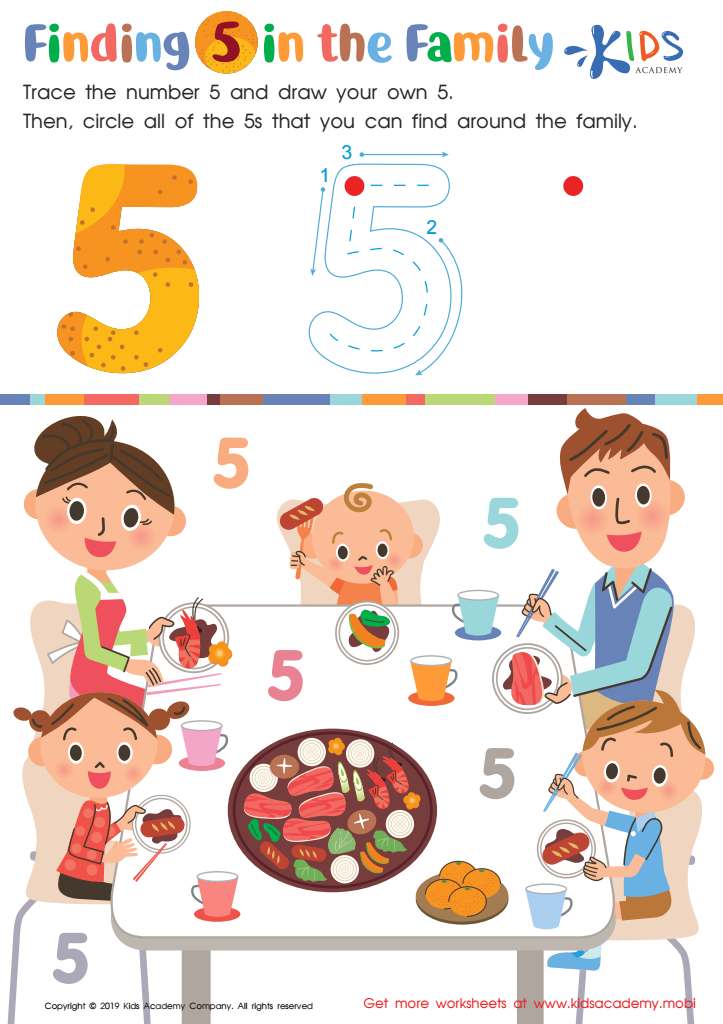
Finding 5 in the Family Worksheet
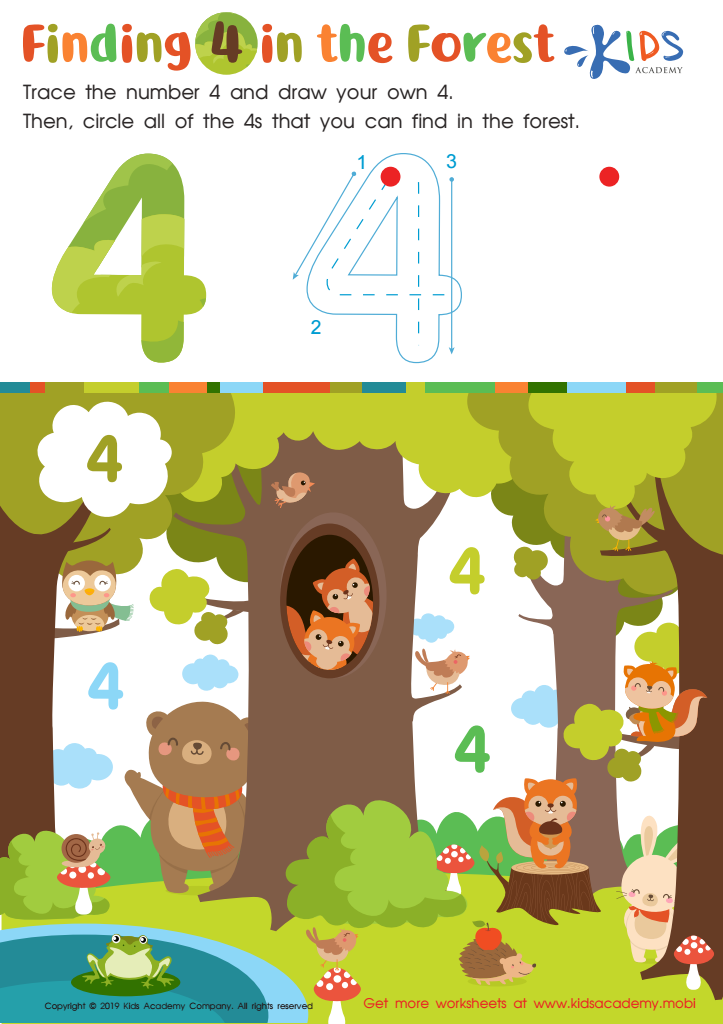
Finding 4 in the Forest Worksheet
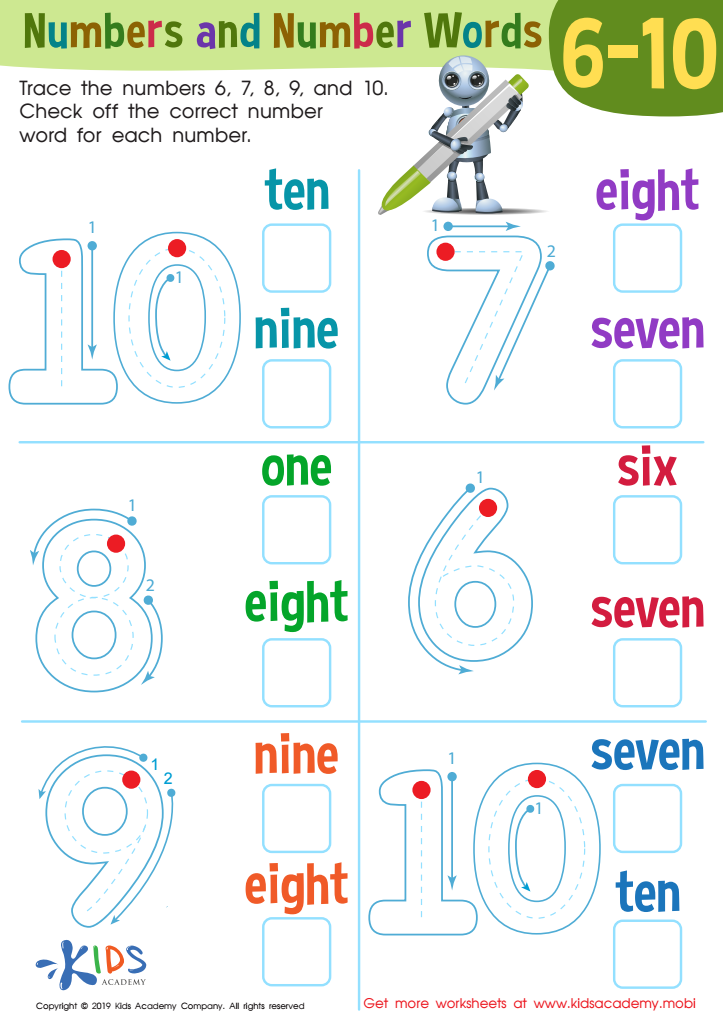
Numbers and Number Words 6–1 Worksheet
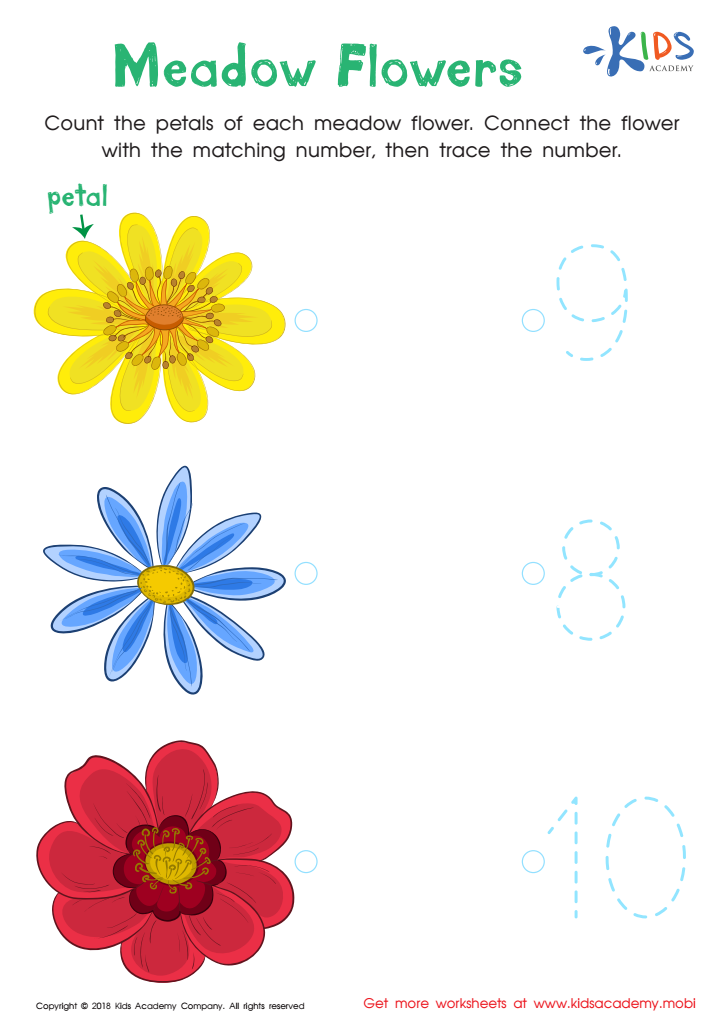
Kindergarten Number Tracing: Medow Flowers Worksheet
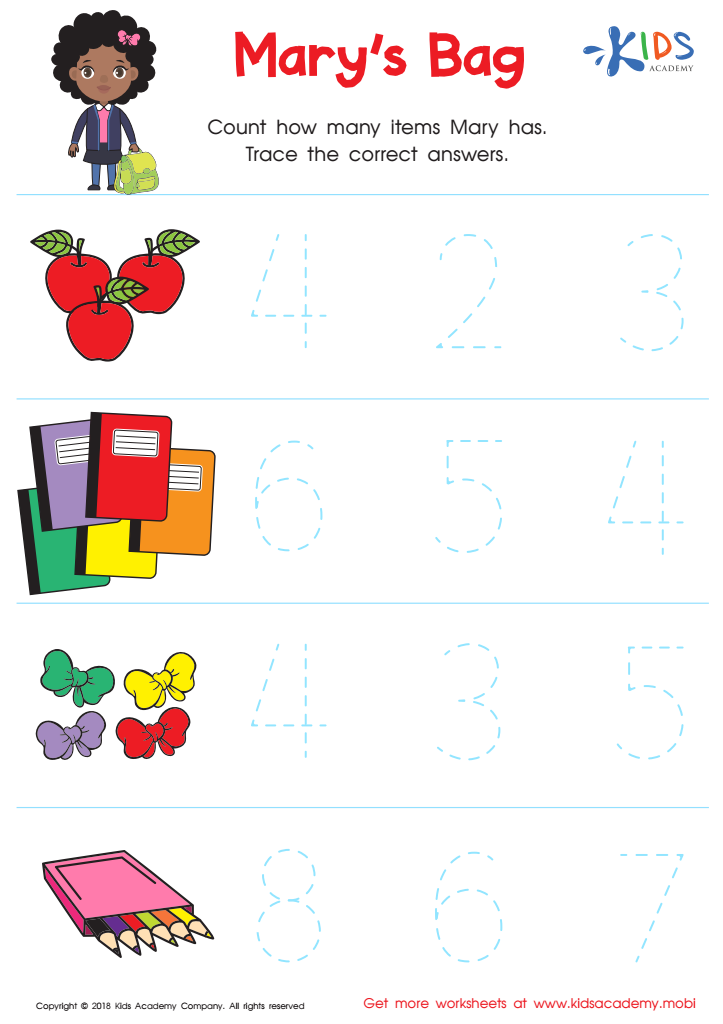
Kindergarten Number Tracing: Mary's Bag Worksheet
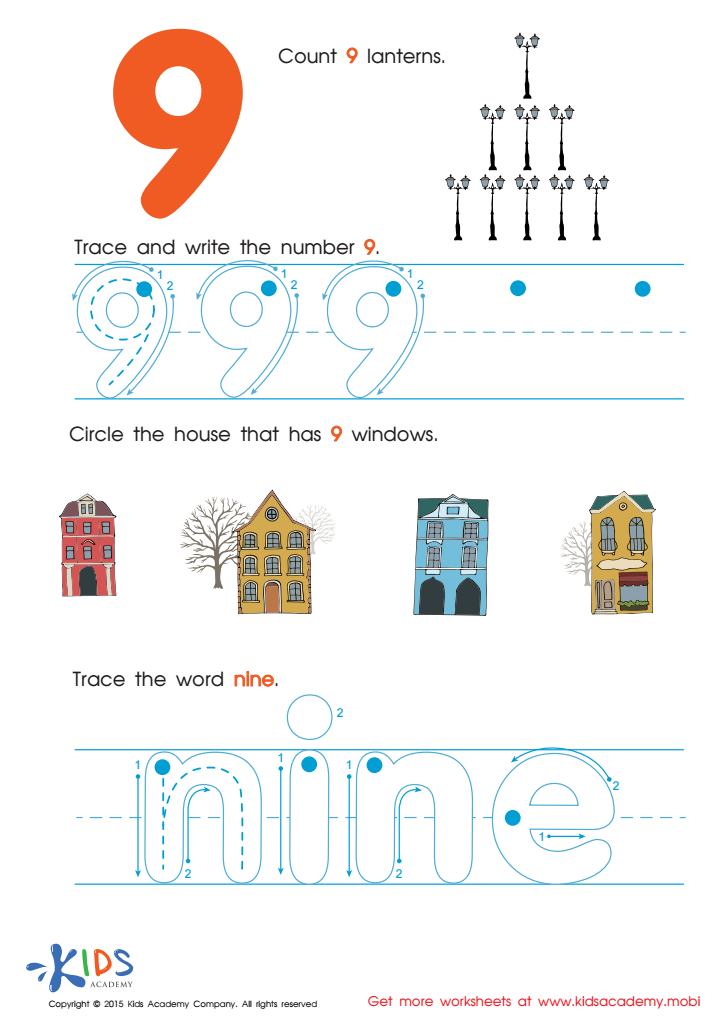
Tracing And Learning to Write Number 9 Worksheet
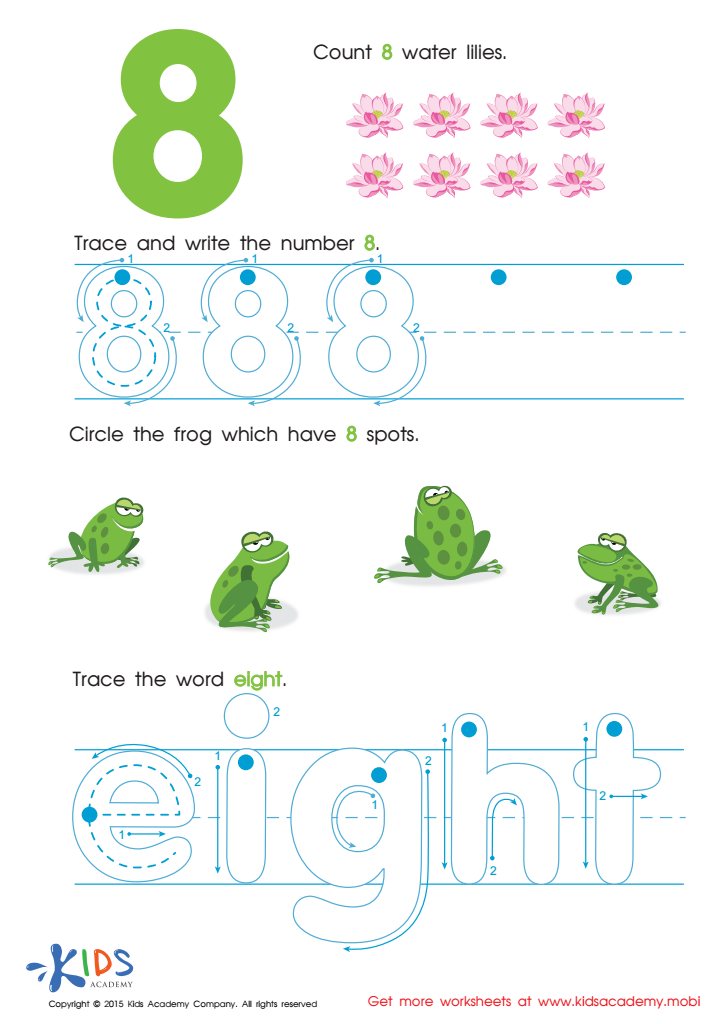
Learn Number 8 Easily Worksheet
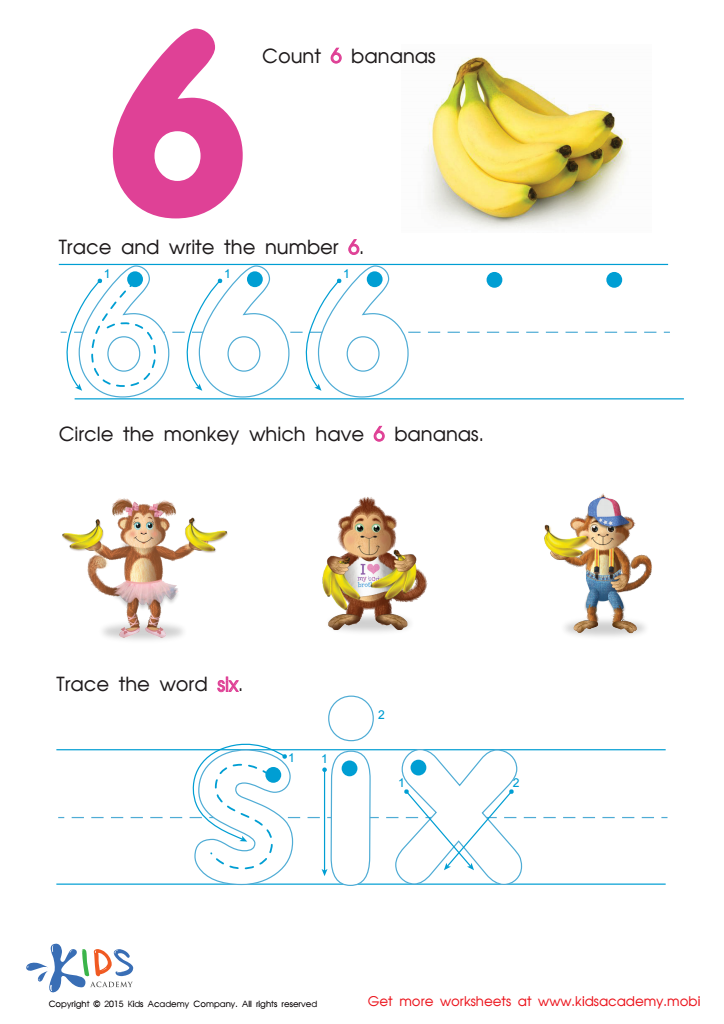
Tracing And Writing Number 6 Worksheet
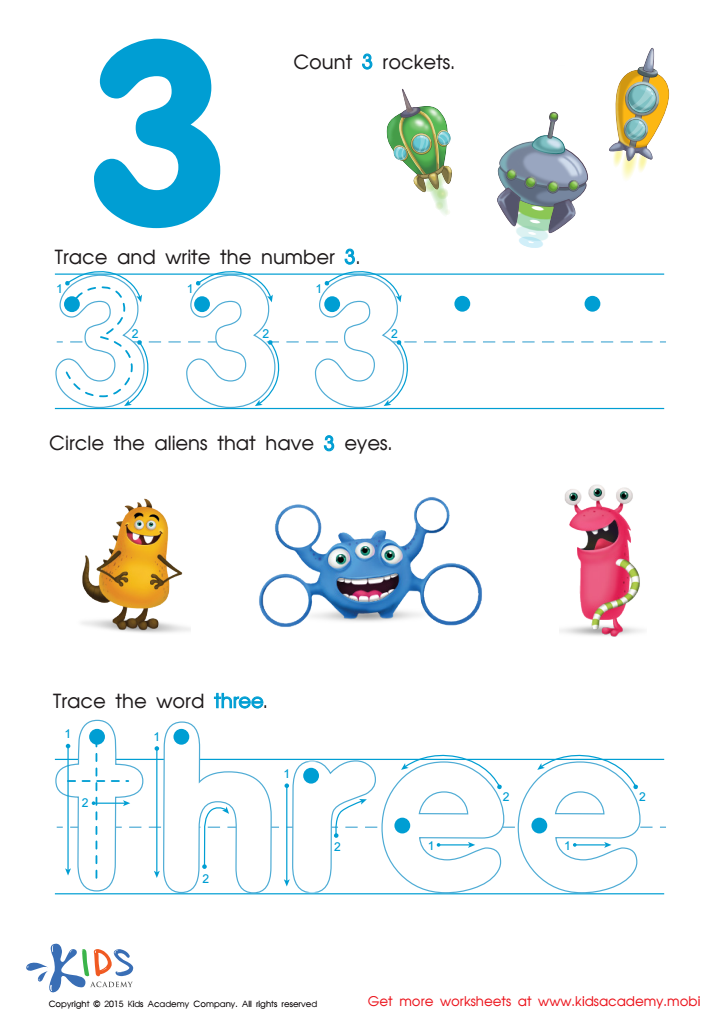
Learning Number Three Worksheet
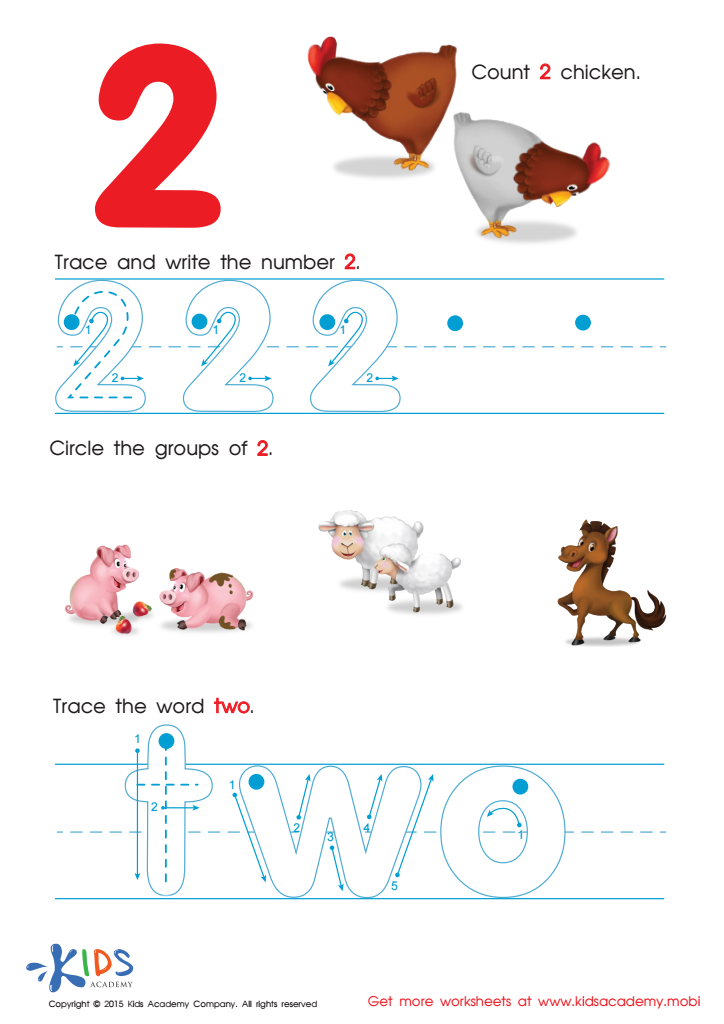
Learn to Write the Number 2 Worksheet
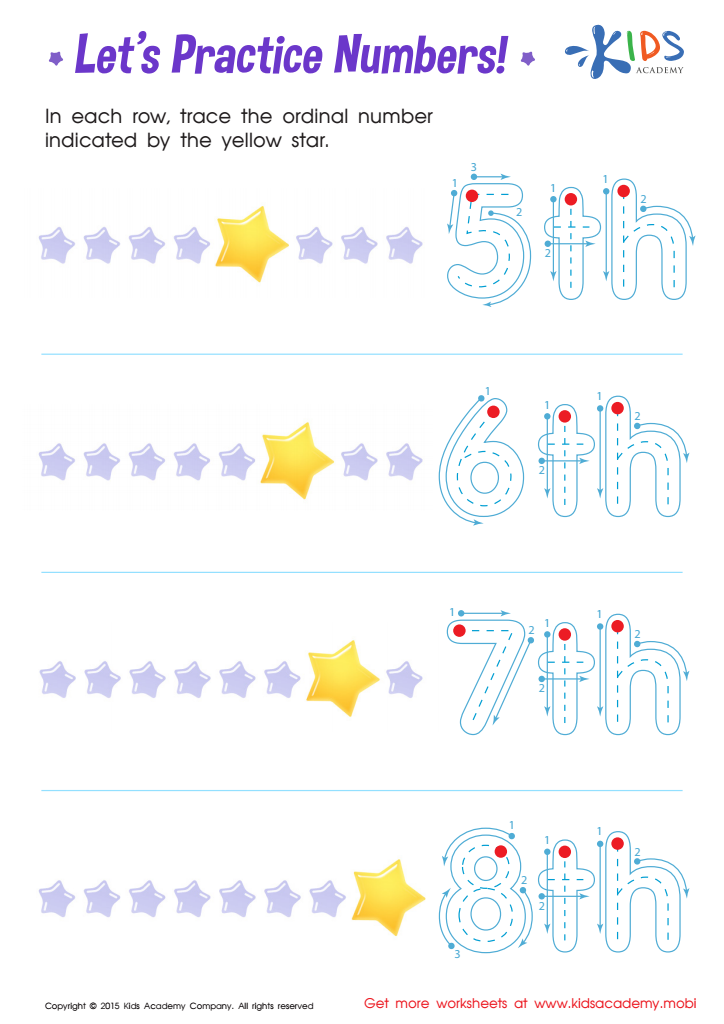
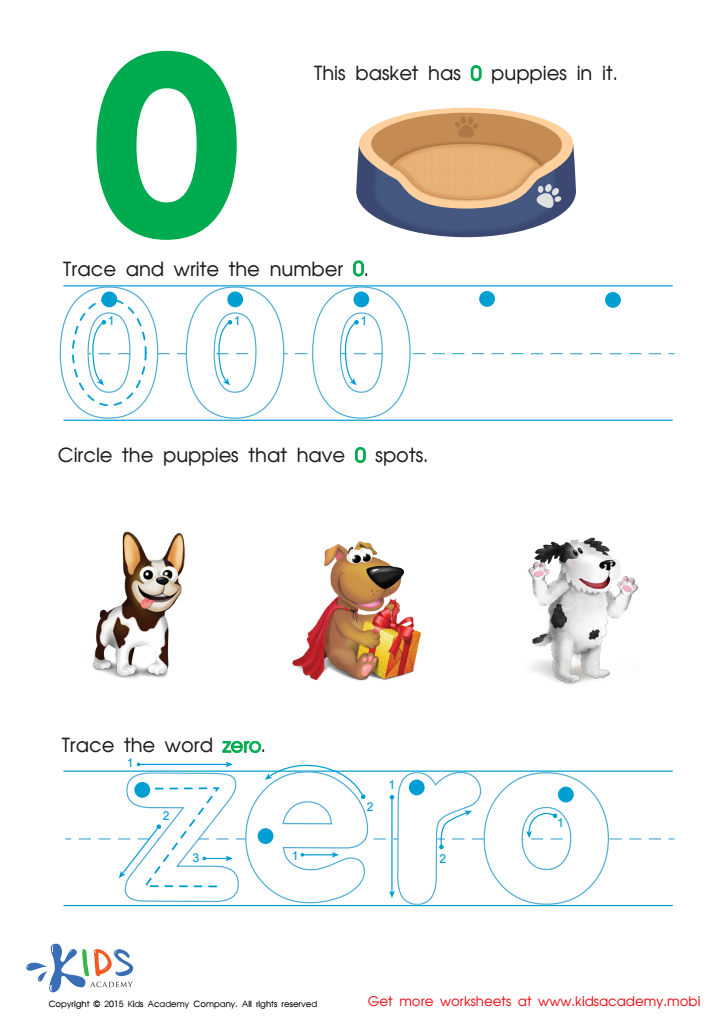
Trace And Write Number 0 Worksheet
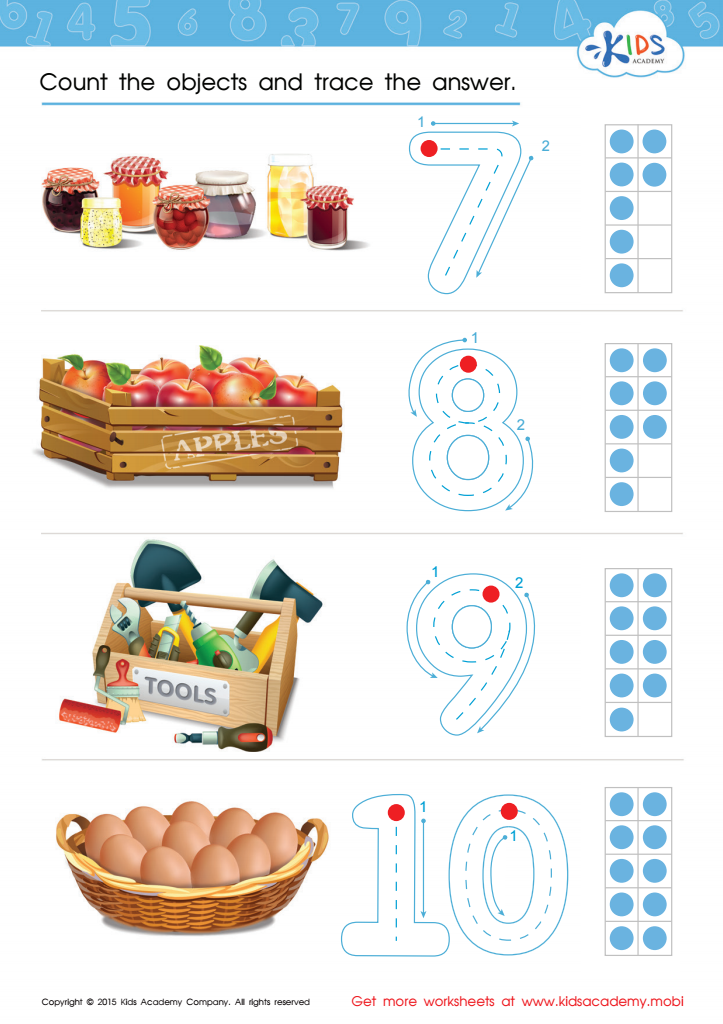
Count and Trace 7 – 10 Worksheet








Normal Tracing Numbers are fundamental for early childhood development, particularly for children aged 3 to 8. These numbers serve as tactile tools to enhance fine motor skills, promoting hand-eye coordination and dexterity. As children trace shapes and numbers, they build muscle memory that is essential for writing later on, making the transition to more complex writing tasks smoother.
Cognitively, tracing numbers helps reinforce number recognition and understanding of numeric concepts. As children engage with the shapes, they begin associating physical forms with their numeric representations, paving the way for mathematical readiness. This is vital in building a strong numerical foundation as they move forward in their education.
Socially and emotionally, tracing activities can foster independence and self-efficacy. Successfully completing tracing tasks boosts a child's confidence and nurtures a love for learning. Parents and teachers should cultivate a supportive environment for these activities, providing encouragement and praise, which further enhances motivation.
Ultimately, incorporating Normal Tracing Numbers into learning provides children with comprehensive development. This foundational skill set leads to better academic outcomes and prepares them for more advanced concepts in math and literacy, making it a critical focus for parents and educators alike.