Normal Social Studies Worksheets for Ages 3-9 - Page 4
223 filtered results
-
From - To
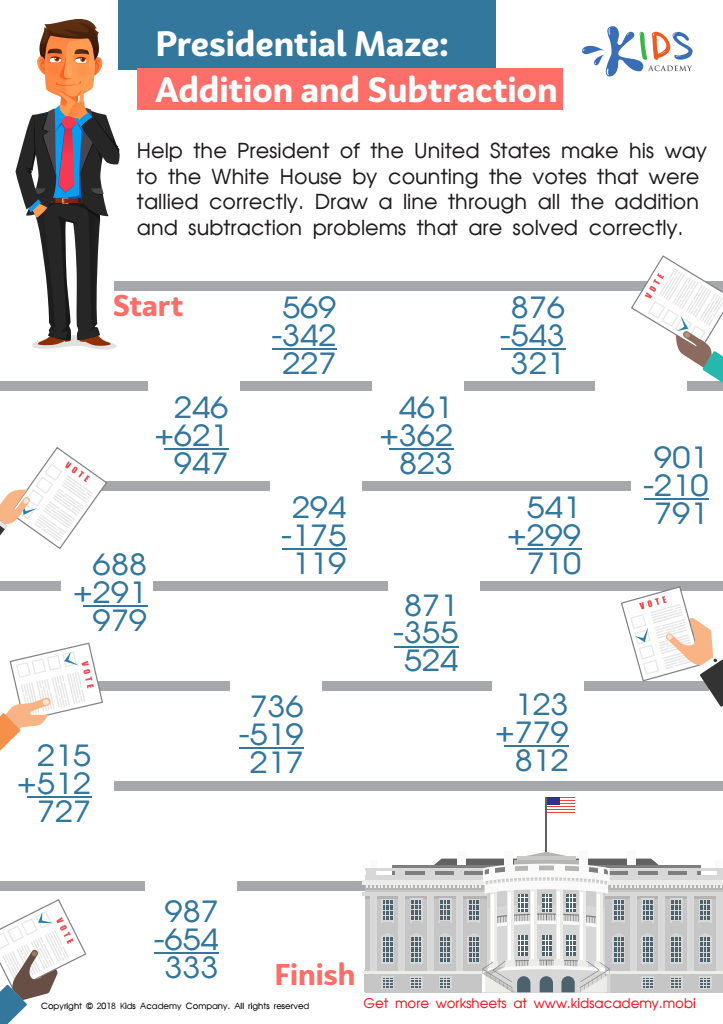
Presidential Maze: Addition and Subtraction Worksheet
 Assign to My Students
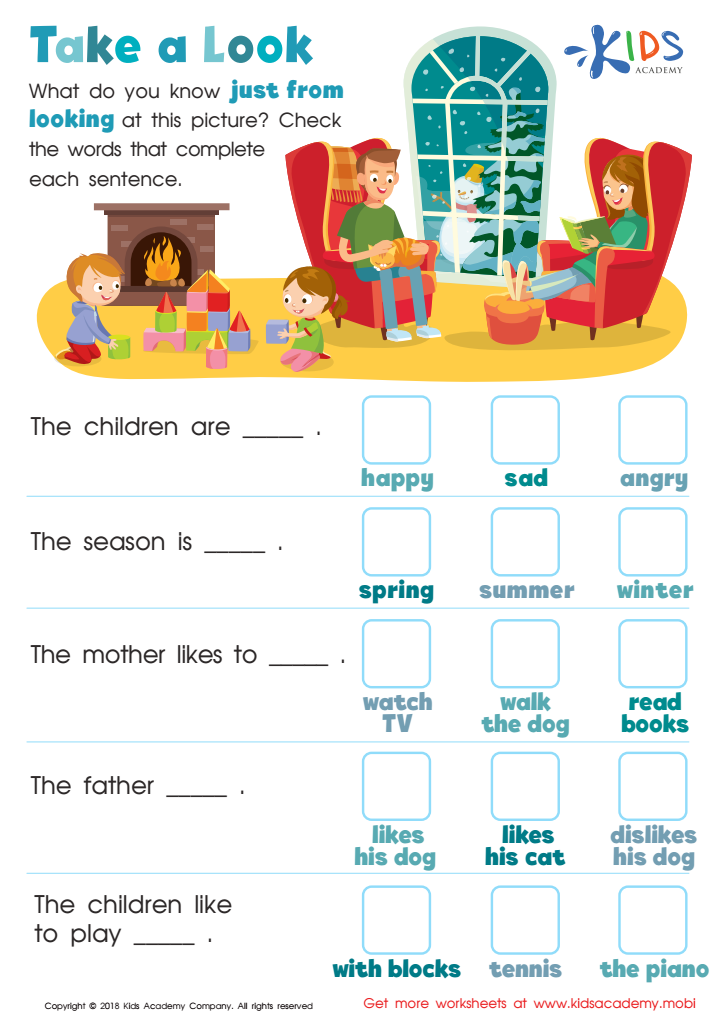
Take a Look - Part 1 Worksheet
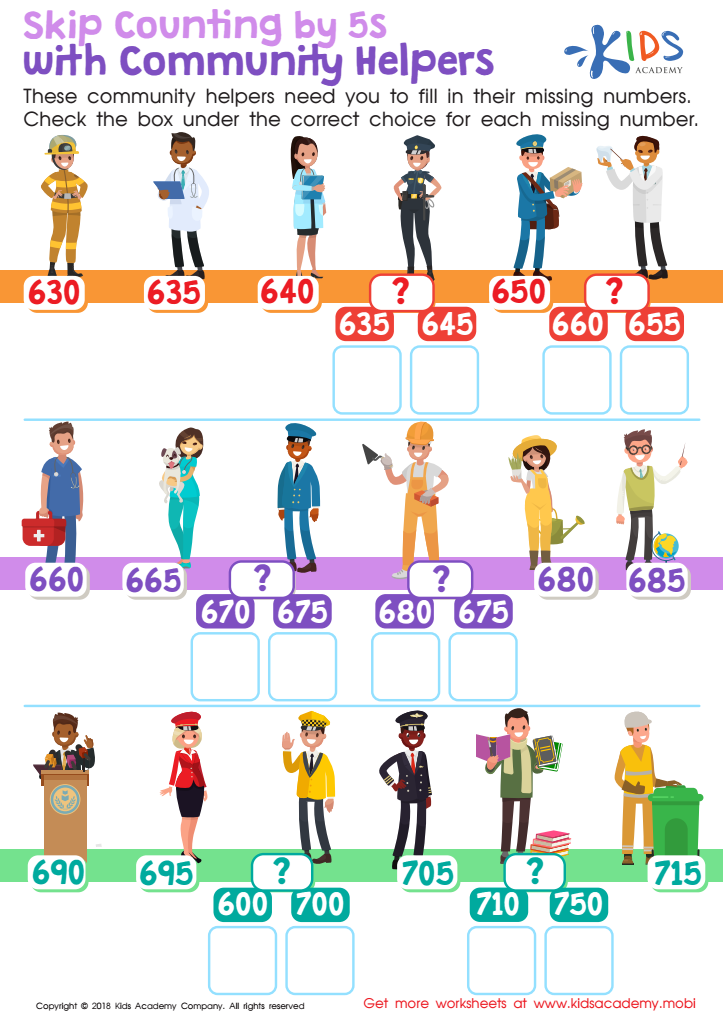
Skip Counting by 5s With Community Helpers Worksheet
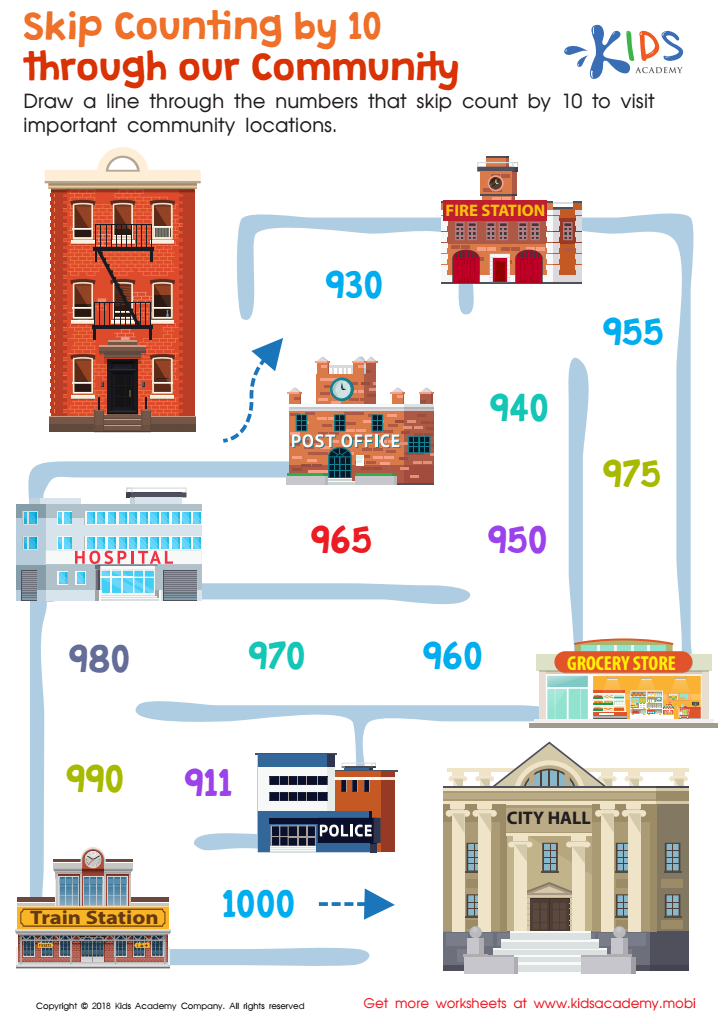
Skip Counting by 10 Through Our Community Worksheet
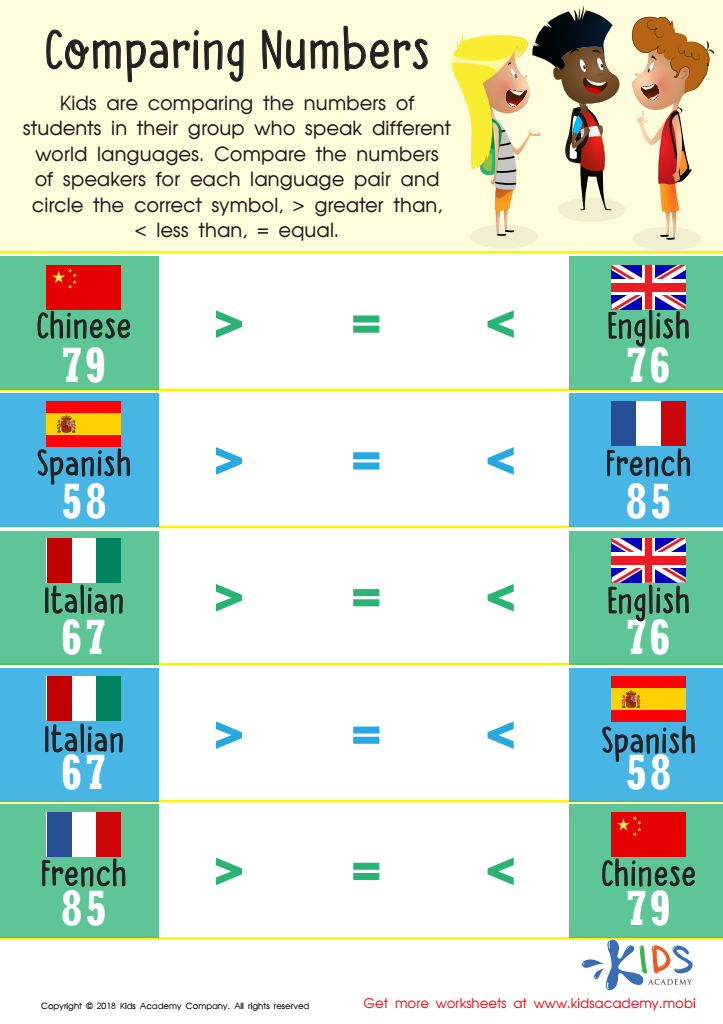
Comparing Numbers Worksheet for 1st Grade
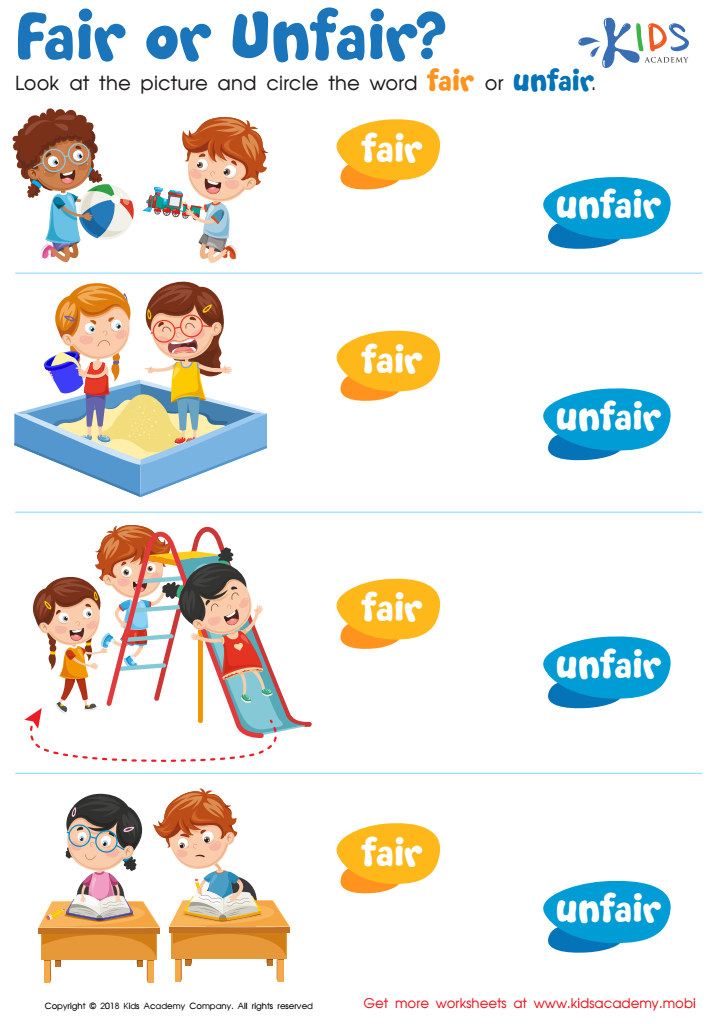
Fair or Unfair Worksheet
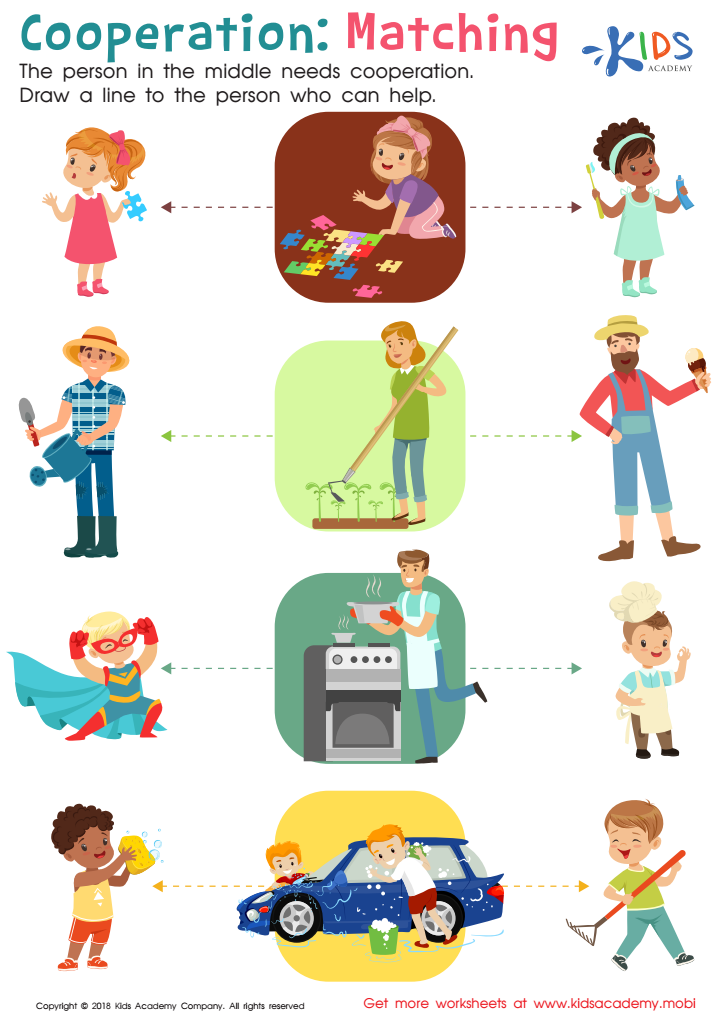
Cooperation: Matching Worksheet

The Arctic Region Worksheet
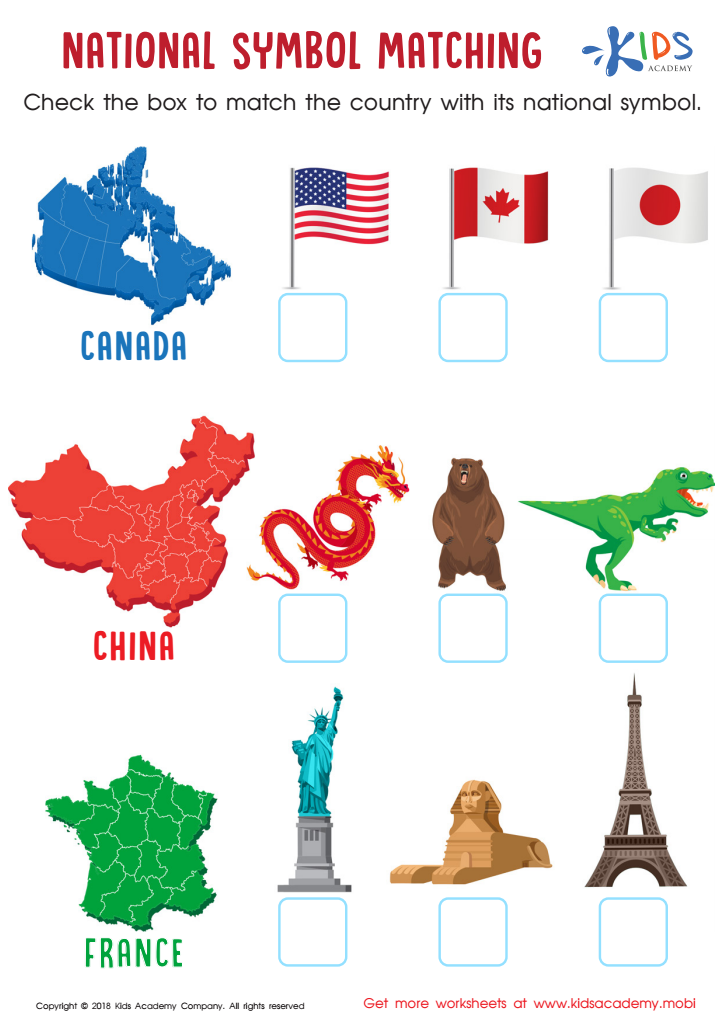
National Symbol Matching Worksheet
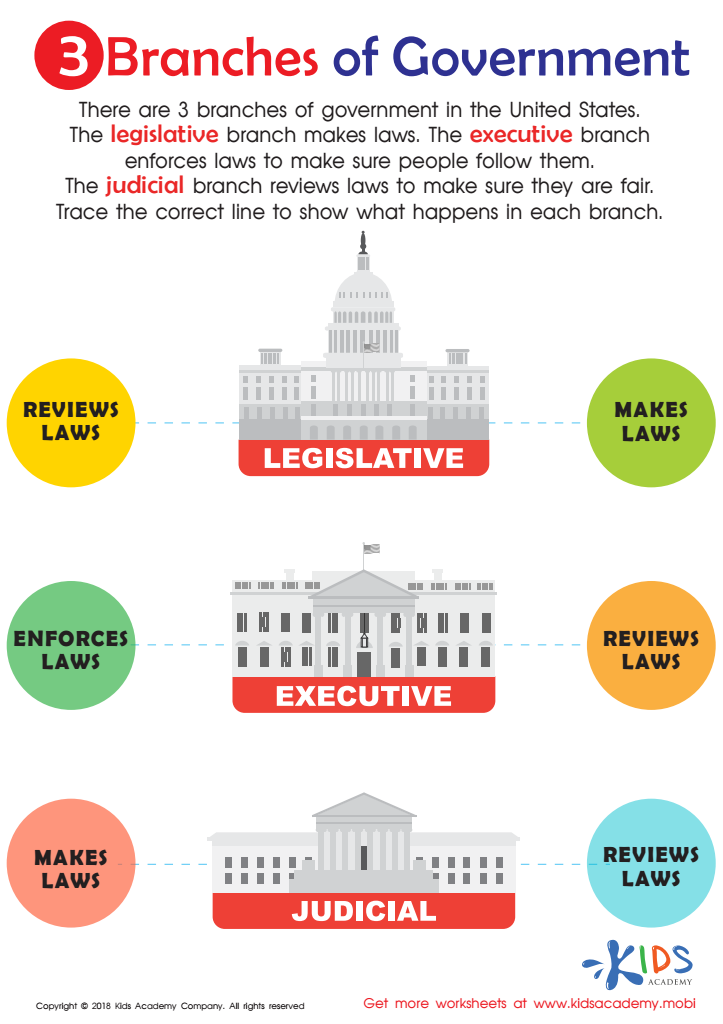
3 Branches of Government Worksheet
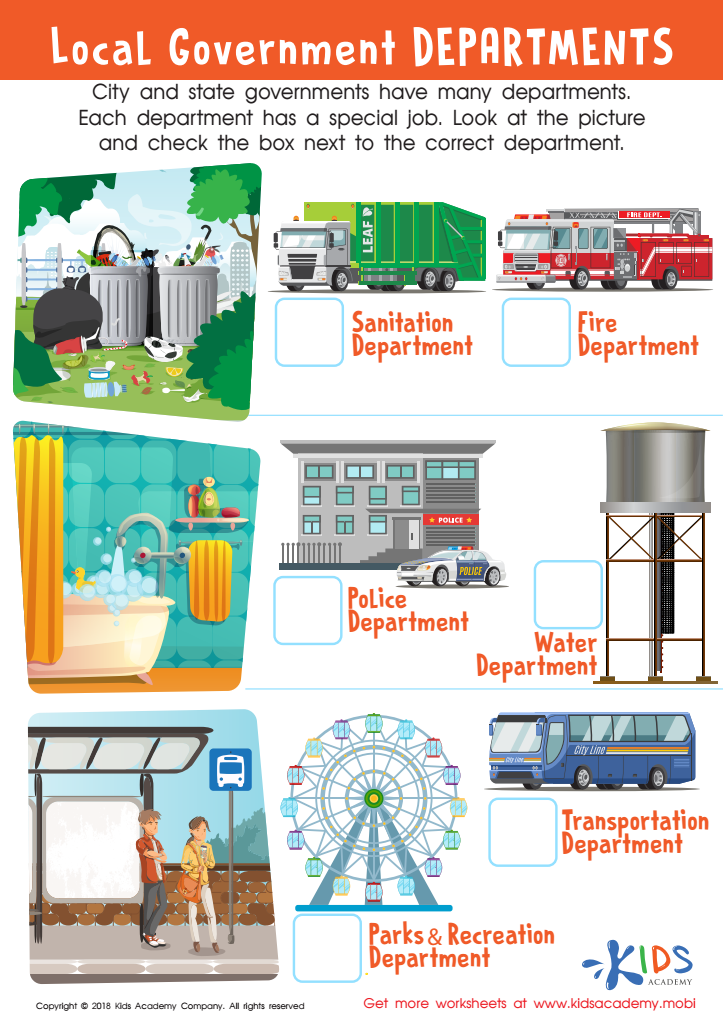
Local Government Departments Worksheet
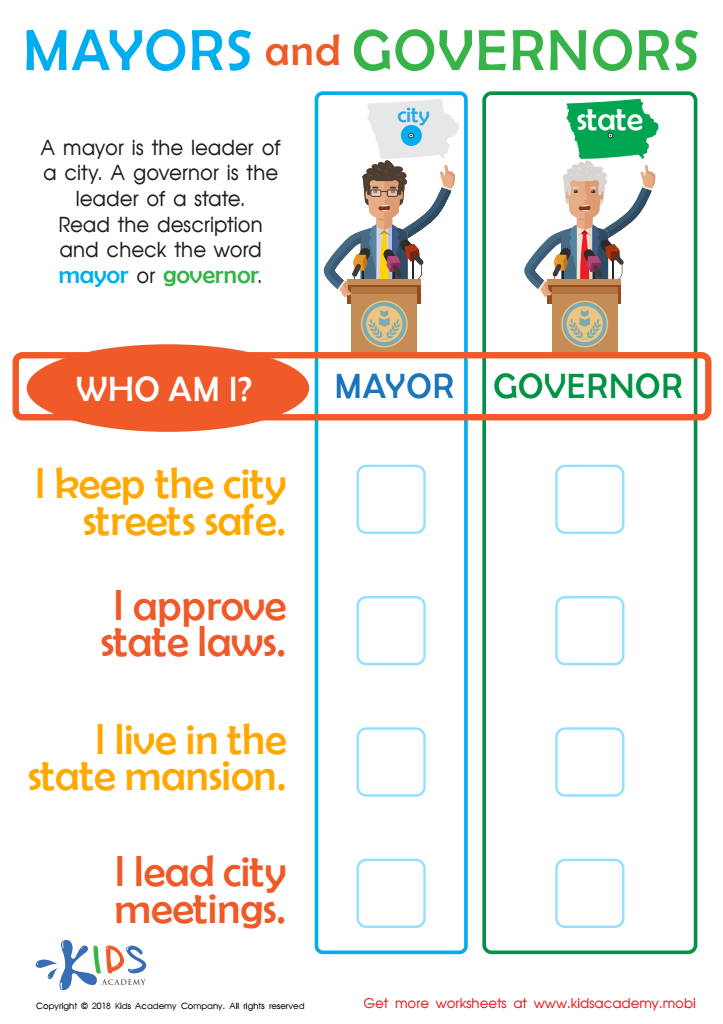
Mayors and Governors Worksheet
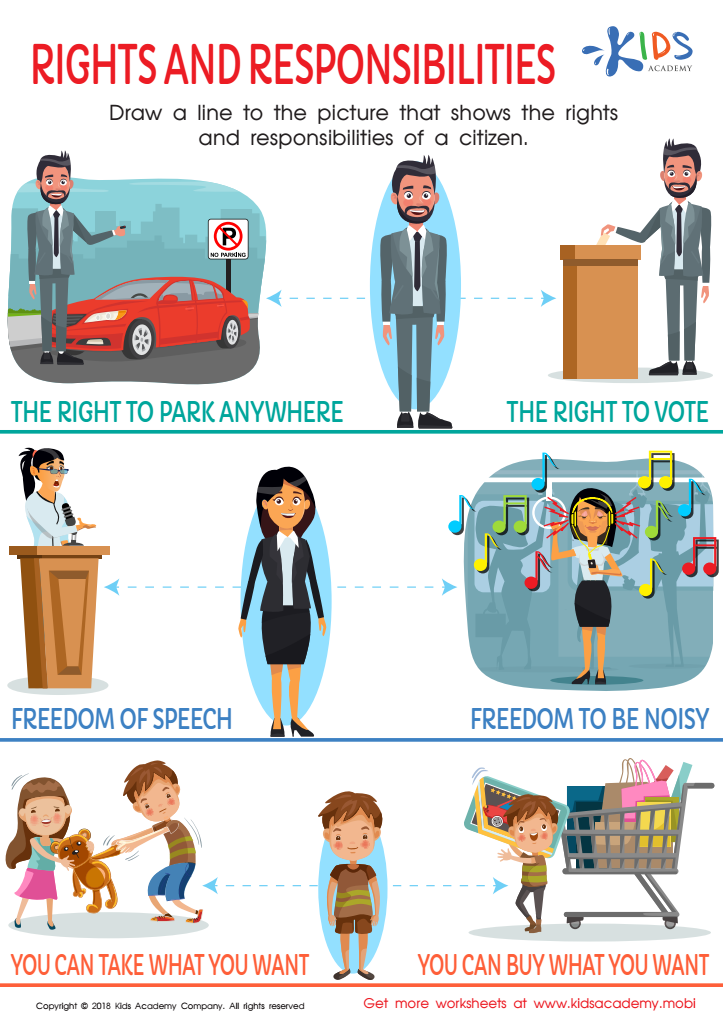
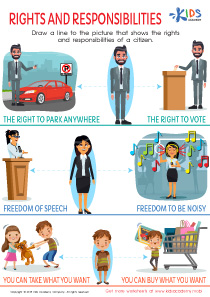
Rights and Responsibilities Worksheet
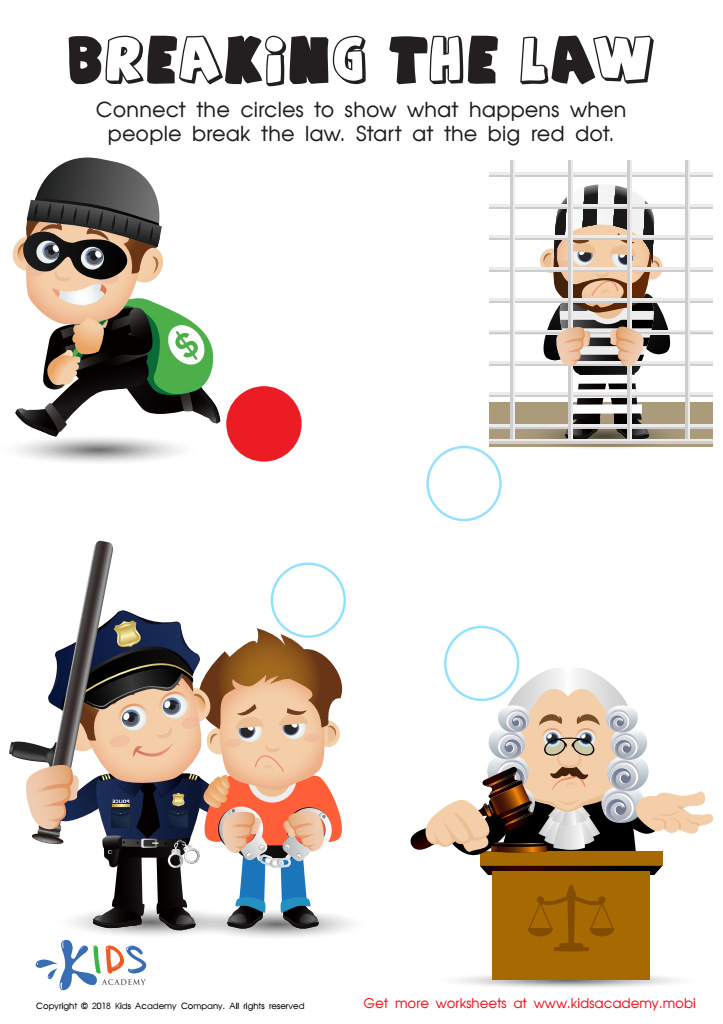
Breaking the Law Worksheet
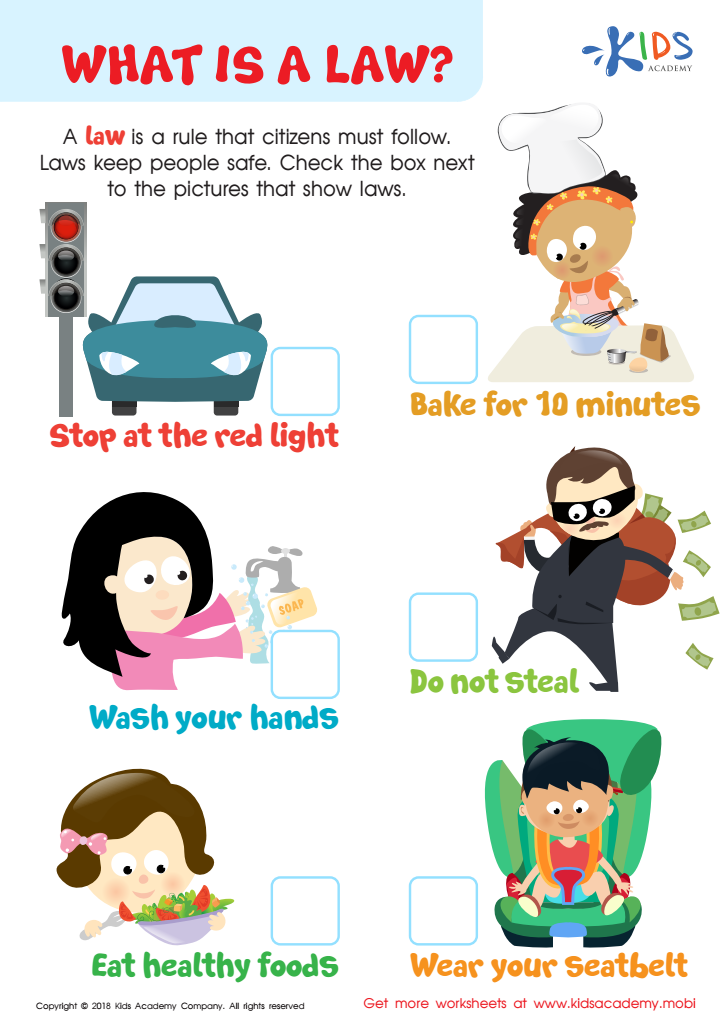
What is a Law? Worksheet
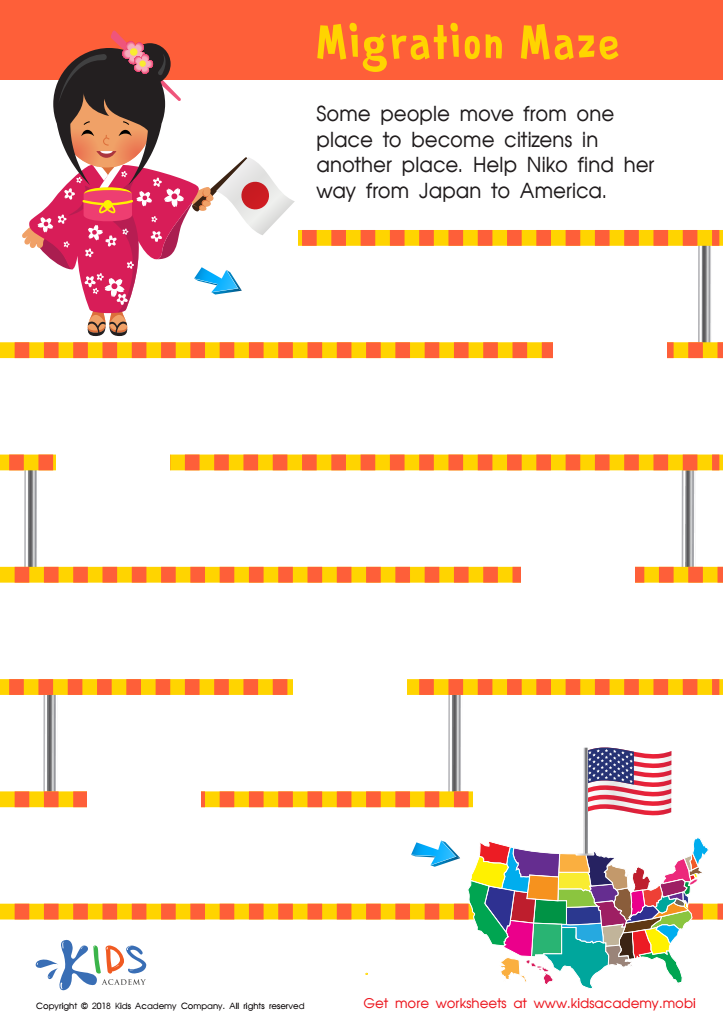
Migration Maze Worksheet
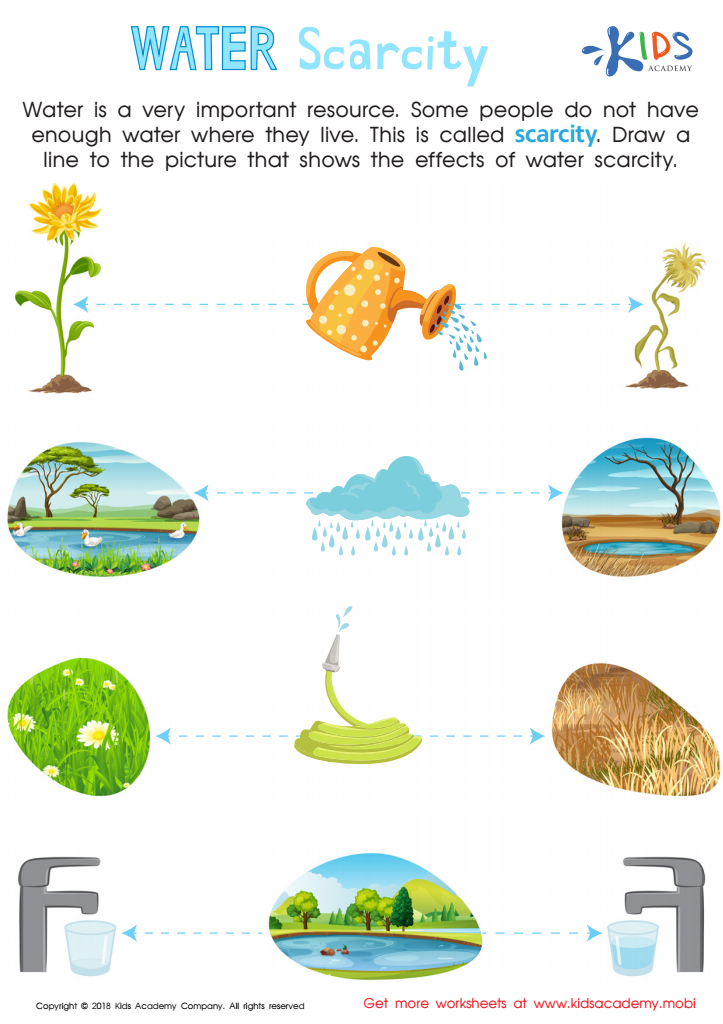
Water Scarcity Worksheet
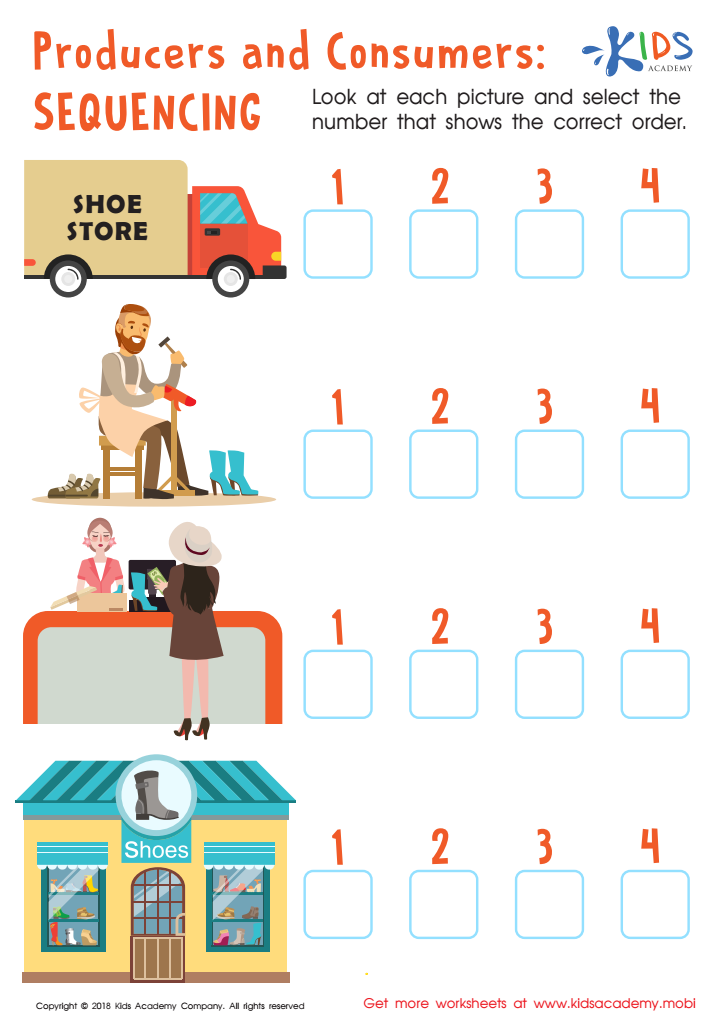
Producers and Consumers: Sequencing Worksheet
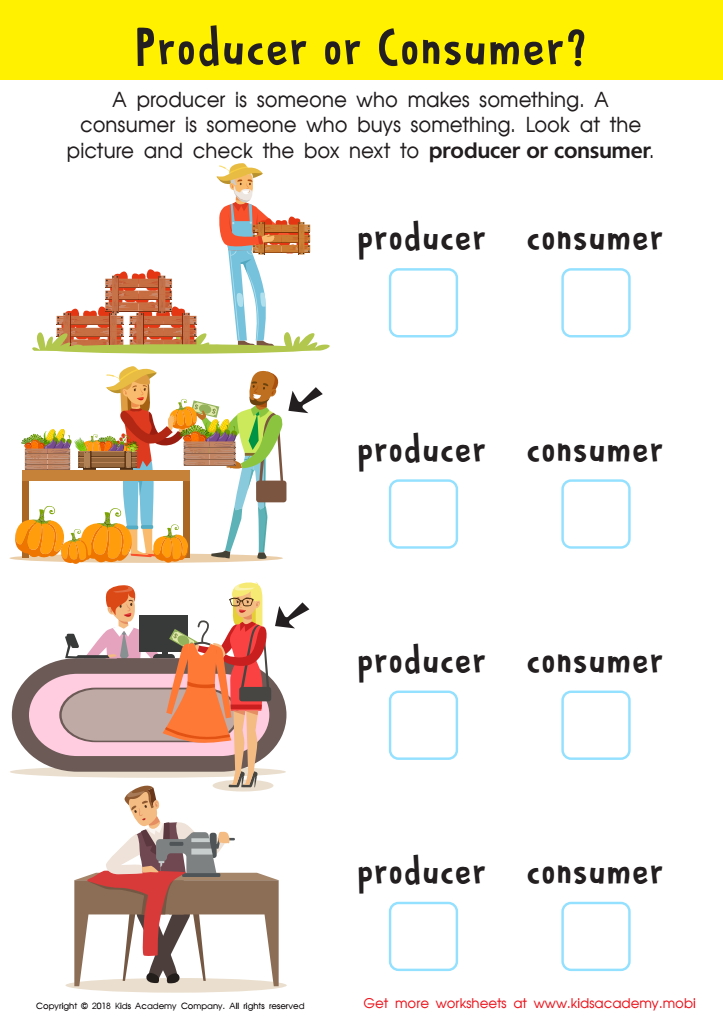
Producer or Consumer? Worksheet
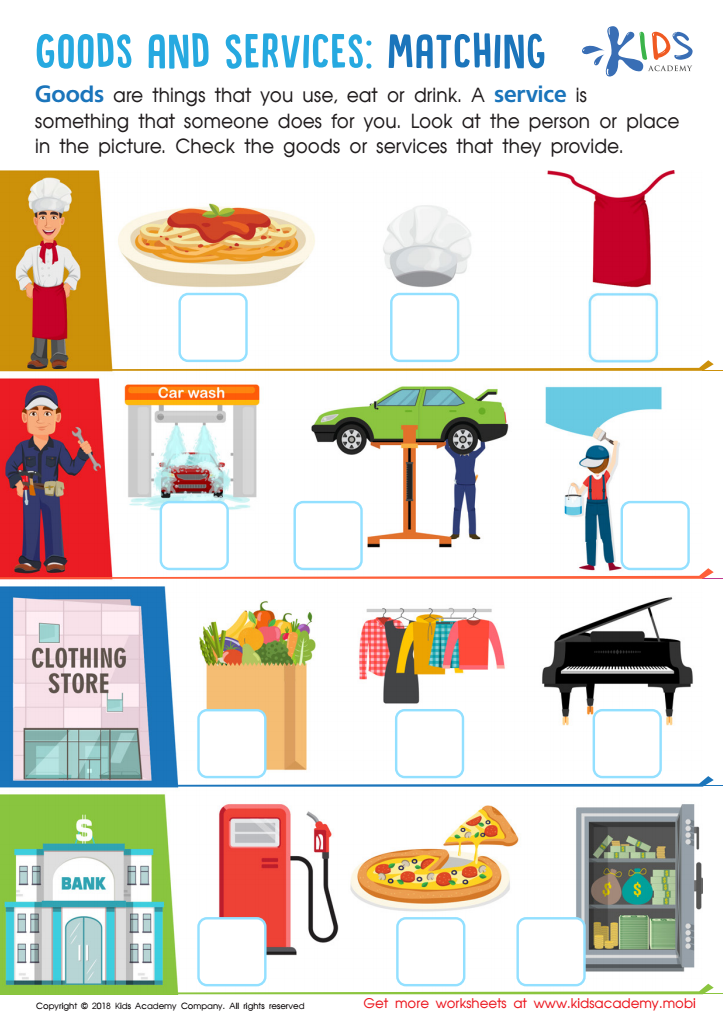
Goods and Services: Matching Worksheet
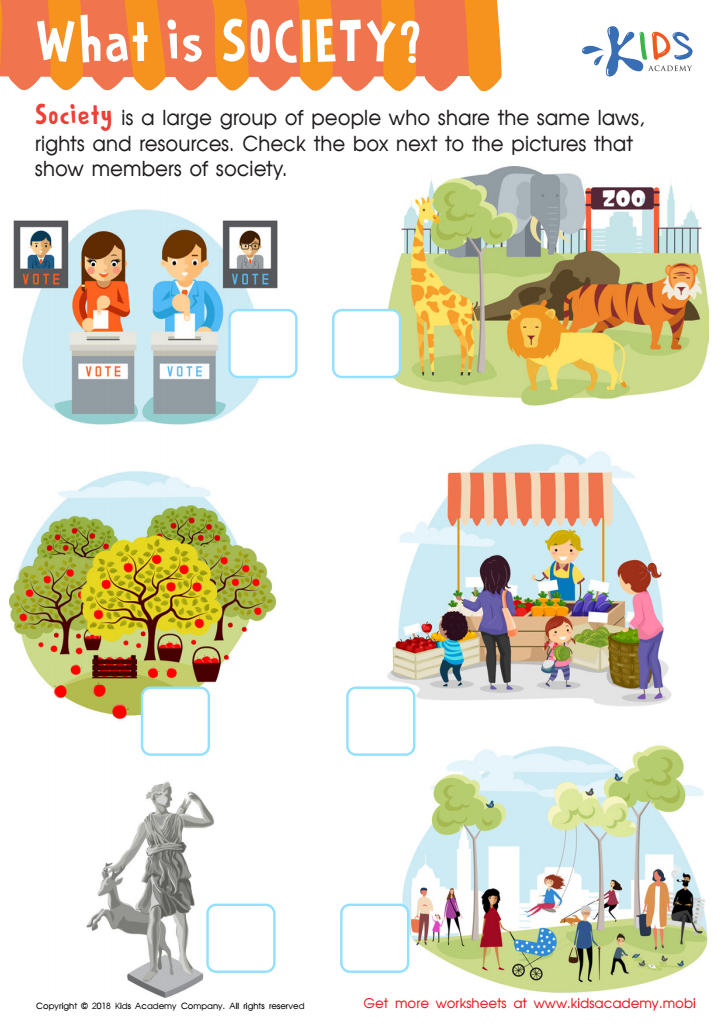
What Is Society? Worksheet
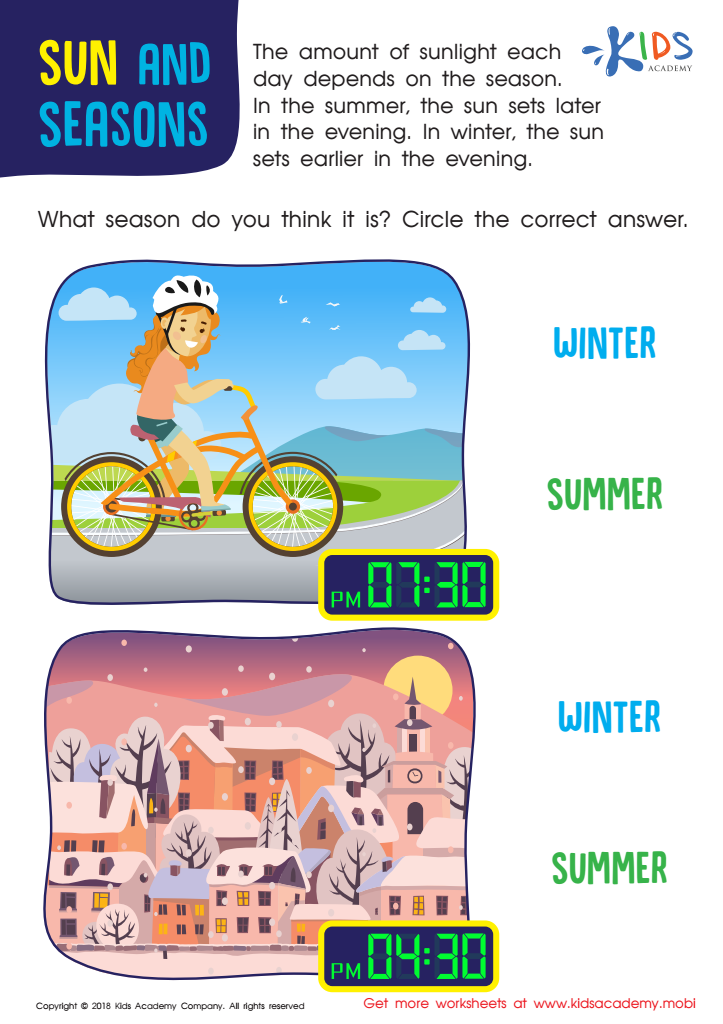
Sun and Seasons Worksheet
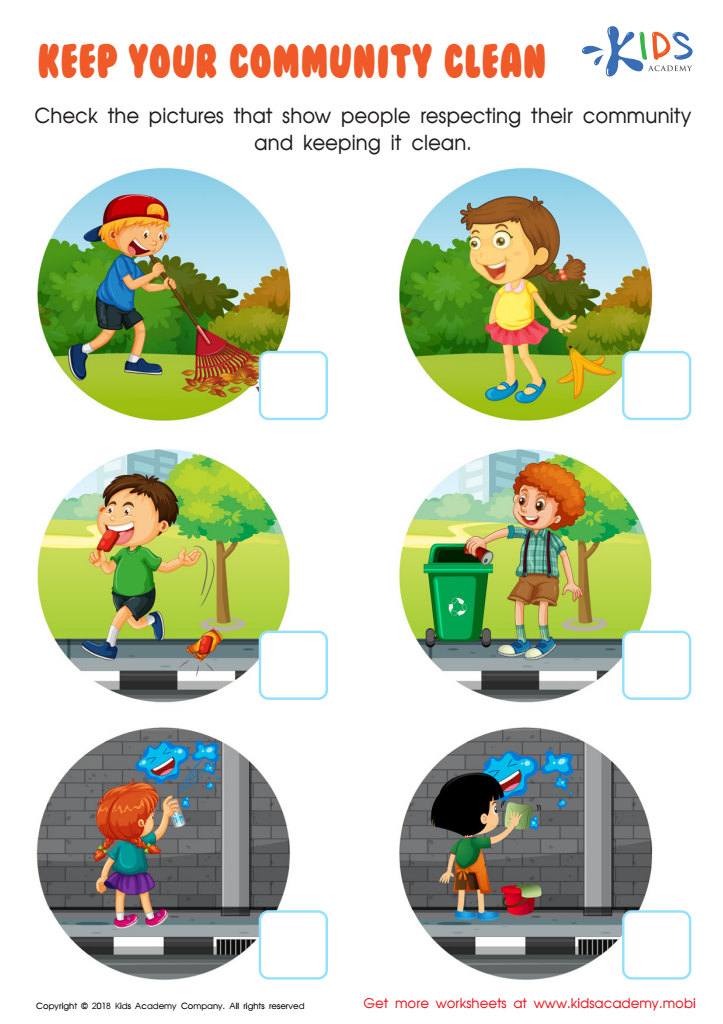
Keep Your Community Clean Worksheet
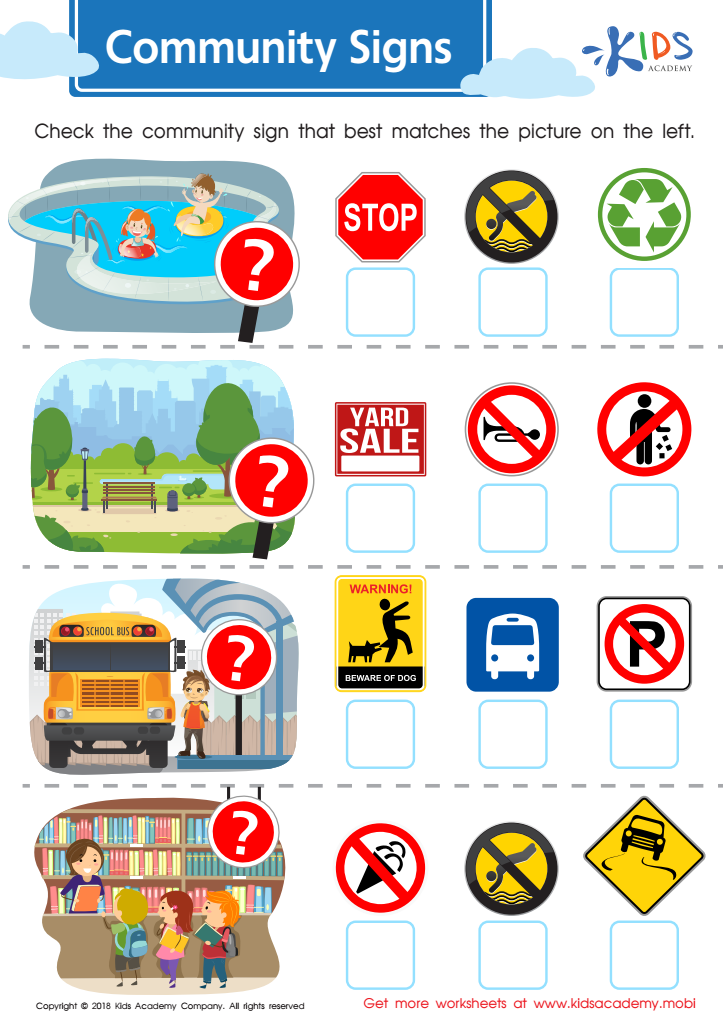
Community Signs Worksheet





.jpg)
Normal Social Studies for Ages 3-9 is essential for fostering social, emotional, and cognitive development in young learners. This formative period shapes children's understanding of the world, helping them learn about their community, cultures, and relationships. Parents and teachers should care about Normal Social Studies because it cultivates critical skills such as empathy, cooperation, and communication. These subjects help children identify feelings, appreciate diversity, and engage in respectful dialogue, laying the groundwork for responsible citizenship.
Furthermore, Social Studies encourages curiosity and critical thinking about their surroundings. Young children explore concepts of identity, community roles, and civic responsibilities, fostering a sense of belonging and identity. By discussing historical figures, civic principles, and cultural traditions, teachers can promote respect and appreciation for others, helping to combat prejudice and stereotypes.
Integrating Social Studies in early education also enhances literacy and language skills. Storytelling, class discussions, and interactive activities support vocabulary development and comprehension. Involving parents in these activities at home reinforces learning, helping to form a collaborative relationship between education and family life. Overall, emphasizing Normal Social Studies in early education equips children with the foundational skills they need to navigate their increasingly interconnected world.