Normal Plants and Animals Worksheets for Ages 3-9
12 filtered results
-
From - To
Discover a delightful collection of "Normal Plants and Animals Worksheets" tailored for children aged 3-9! These engaging worksheets offer a fun and interactive way for young learners to explore the wonderful world of plants and animals. From identifying various species to understanding their habitats and lifecycles, these resources enhance curiosity and foster a love for nature. Designed to accommodate early learners, our worksheets are packed with vibrant visuals and age-appropriate activities, ensuring educational value and enjoyment in every lesson. Perfect for home or classroom use, these materials are ideal for enriching your child’s knowledge about the natural environment around them.
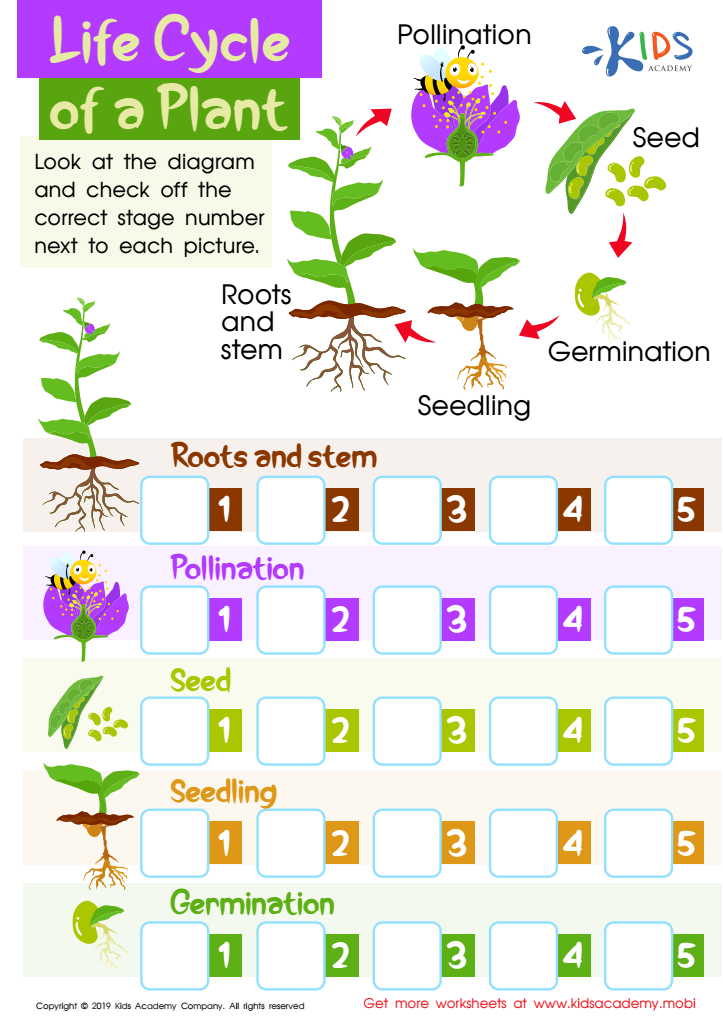
Life Cycle of a Plant Worksheet
 Assign to My Students


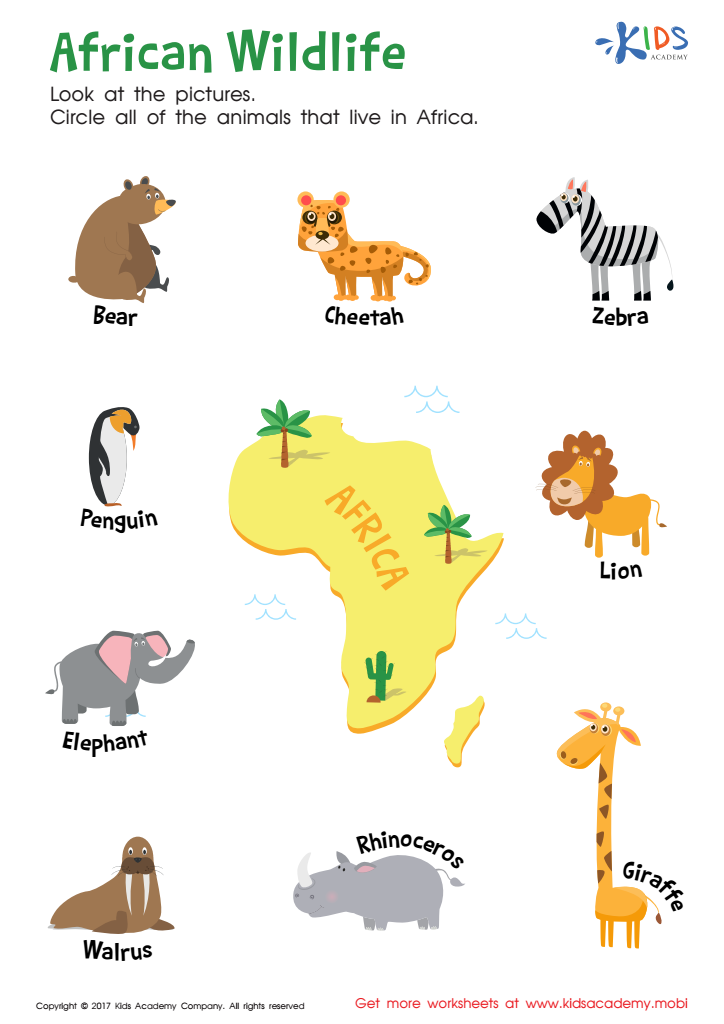
African Wildlife: Giraffe Worksheet
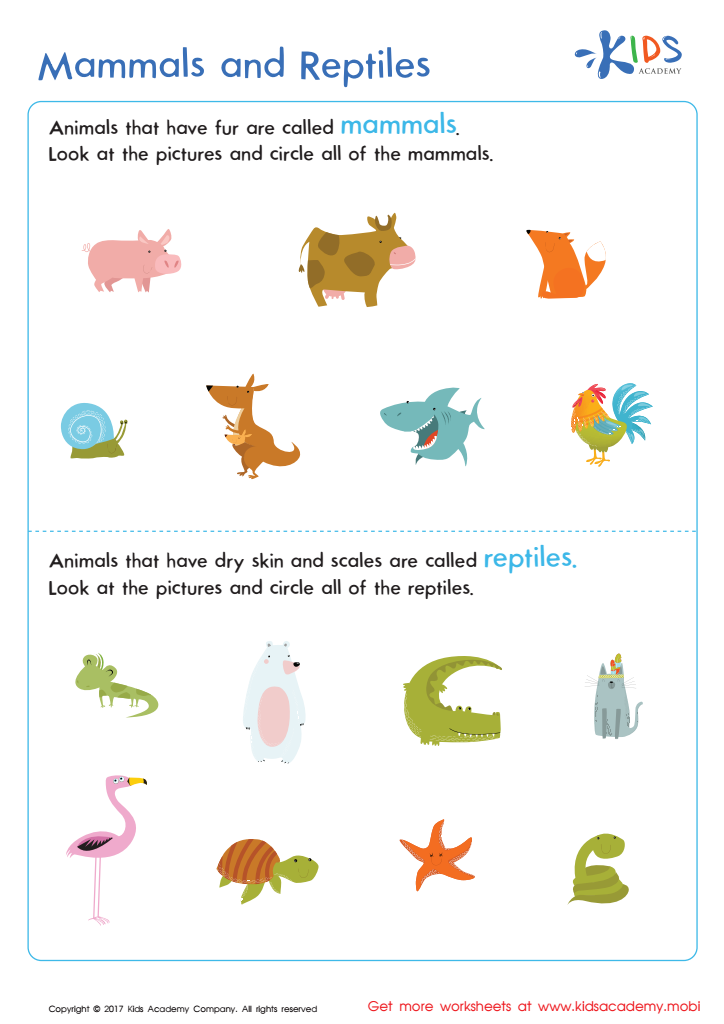
Mammals and Reptiles Worksheet
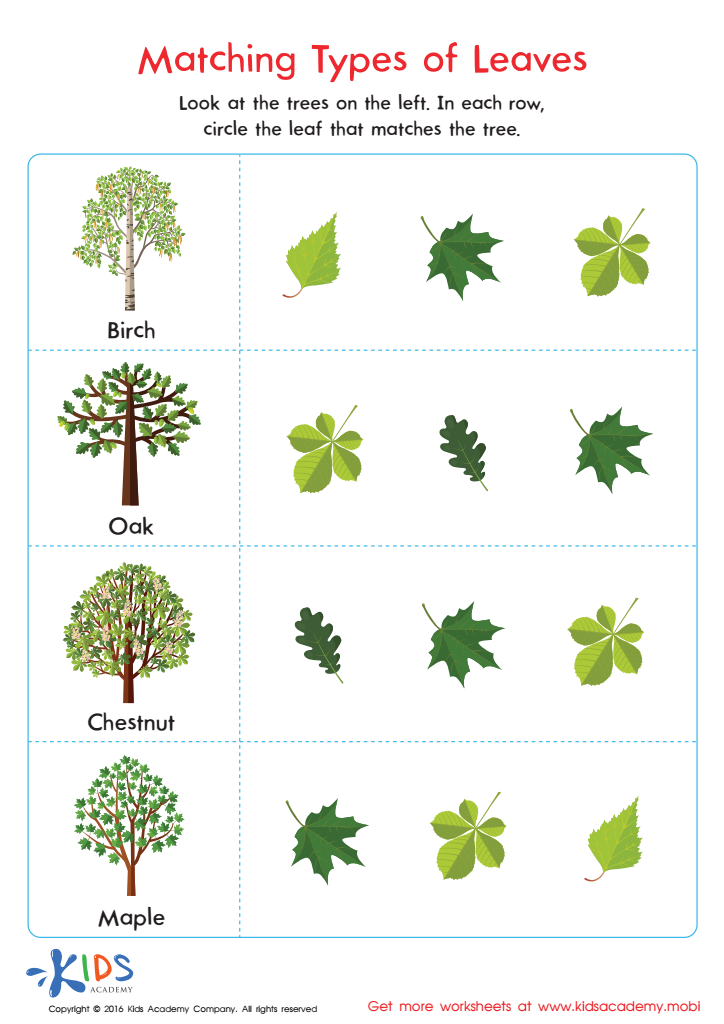
Matching Types of Leaves Printable
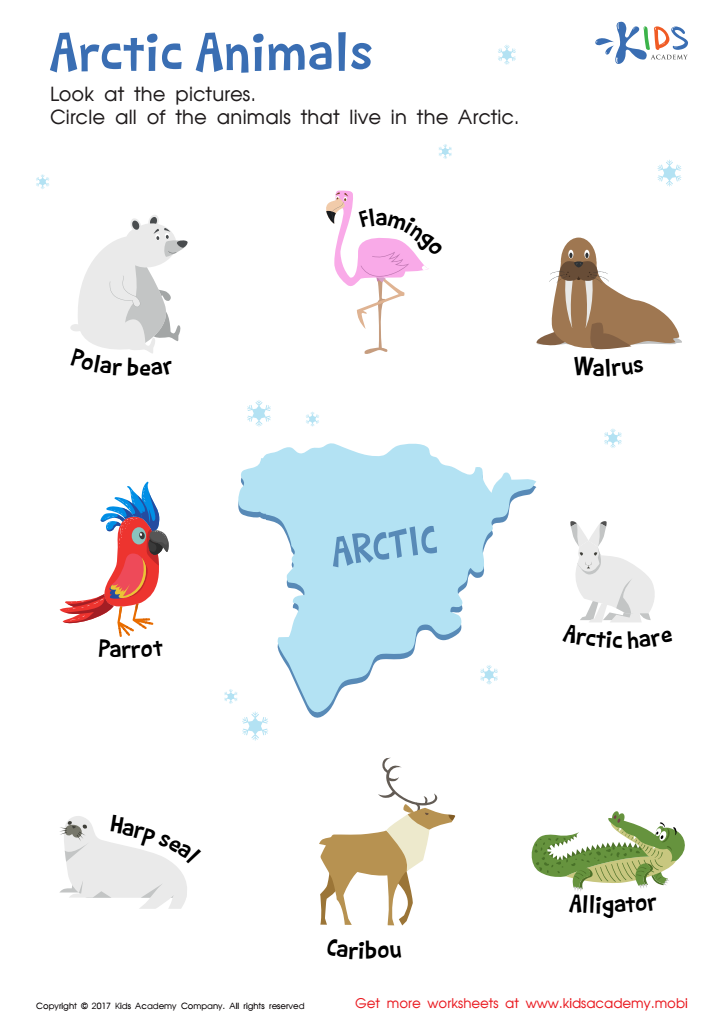
Arctic Animals Worksheet
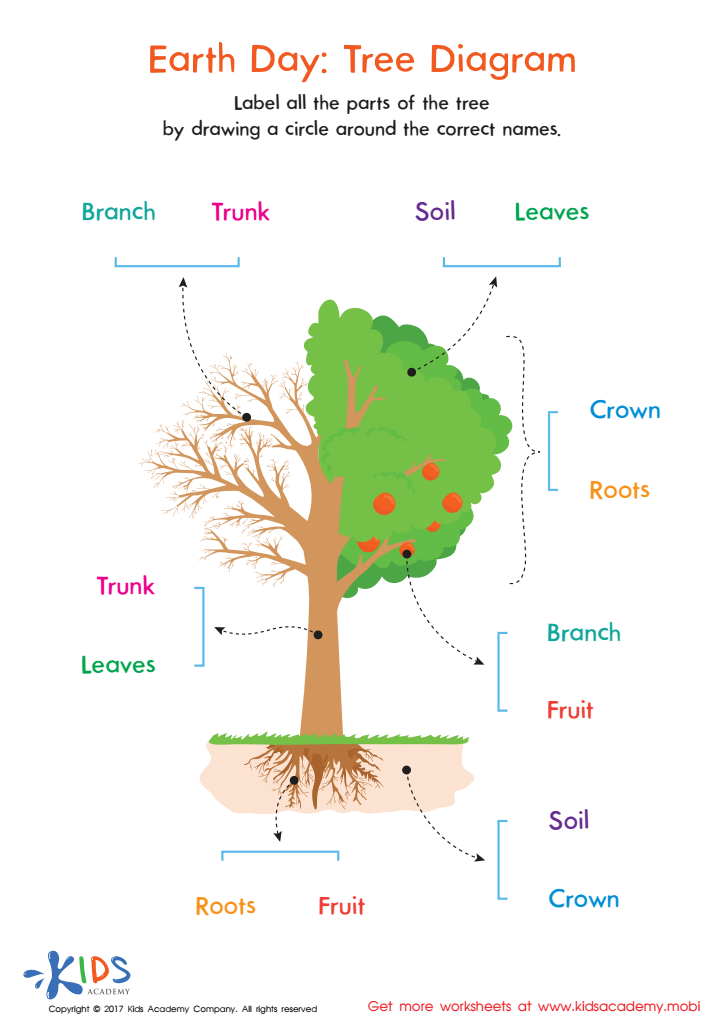
Earth Day: Tree Diagram Worksheet
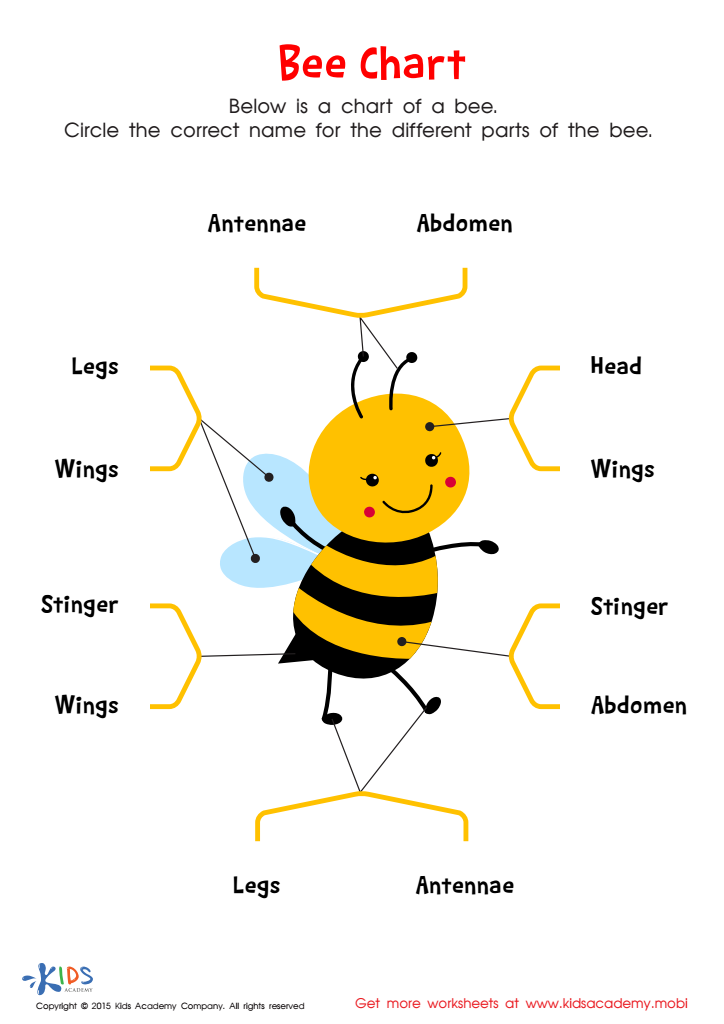
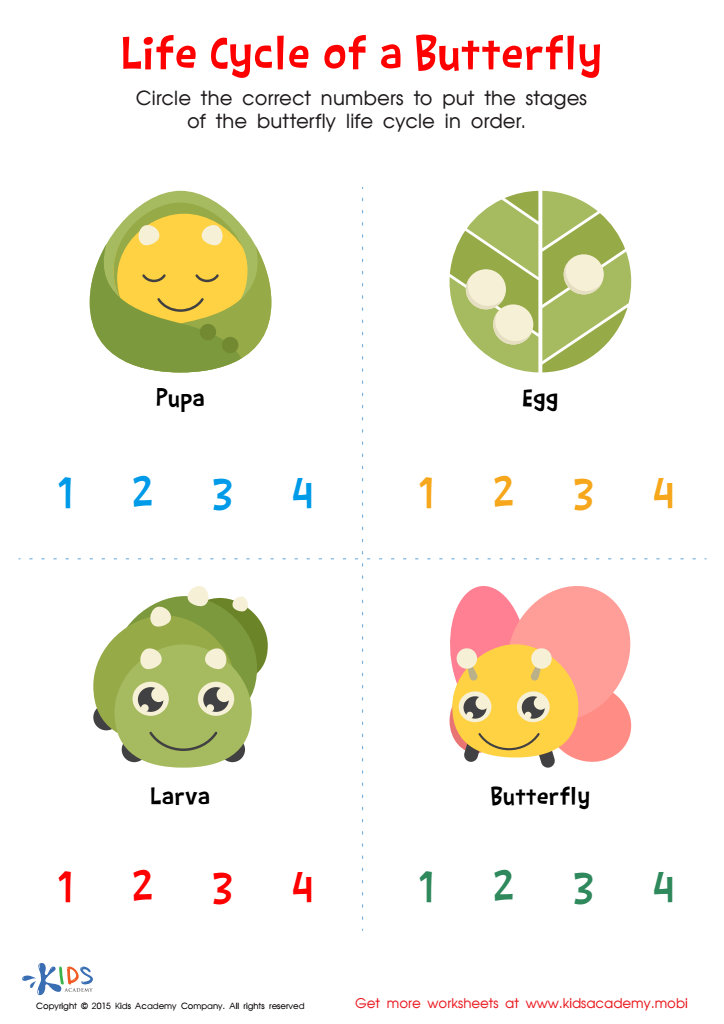
Life Cycle of Butterfly Printable
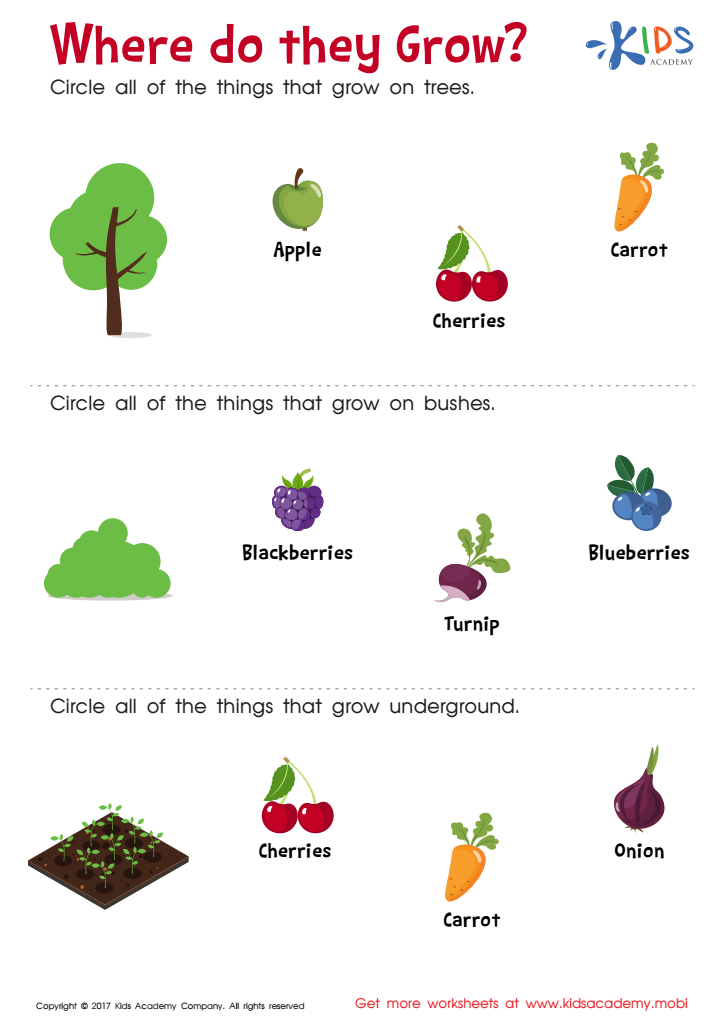
Where Do They Grow Worksheet
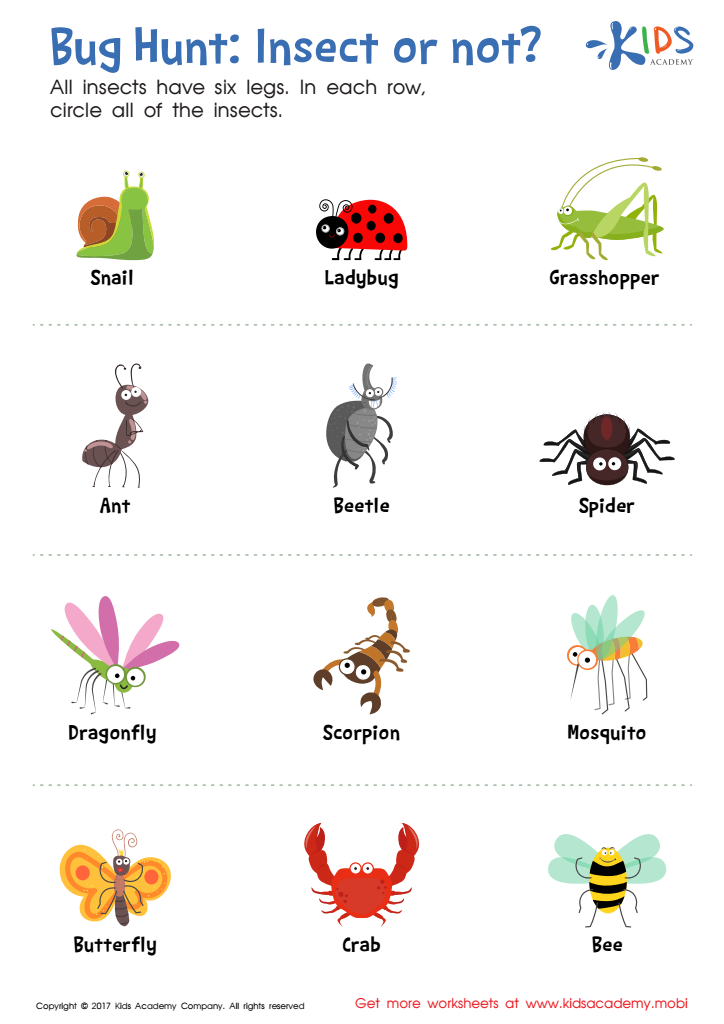
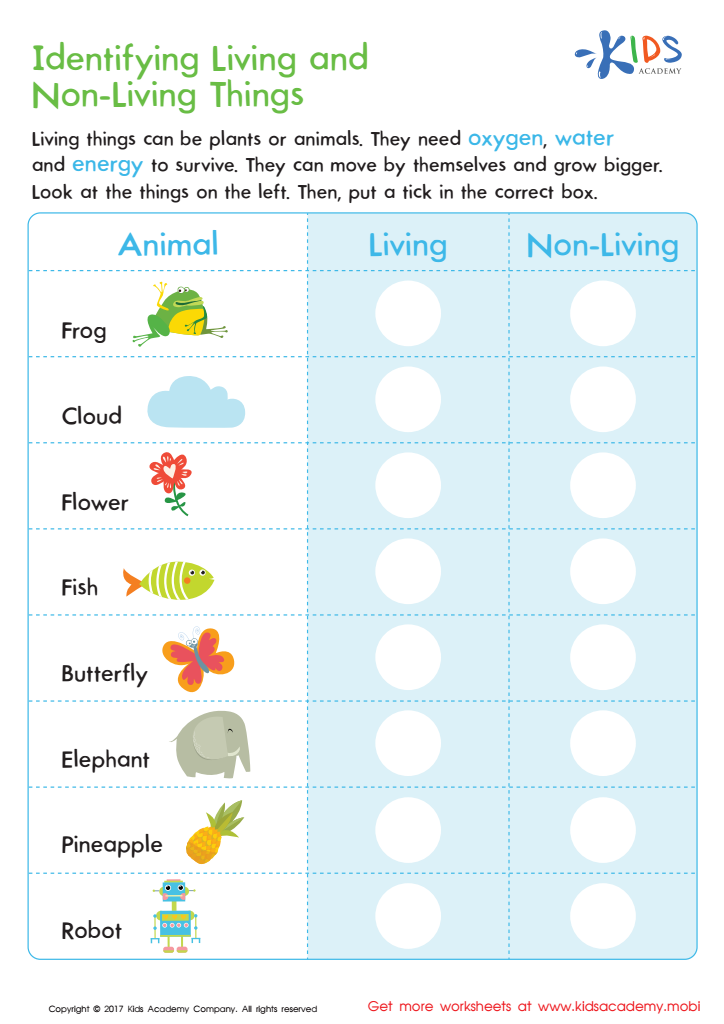
Identifying Living or Non–living Worksheet






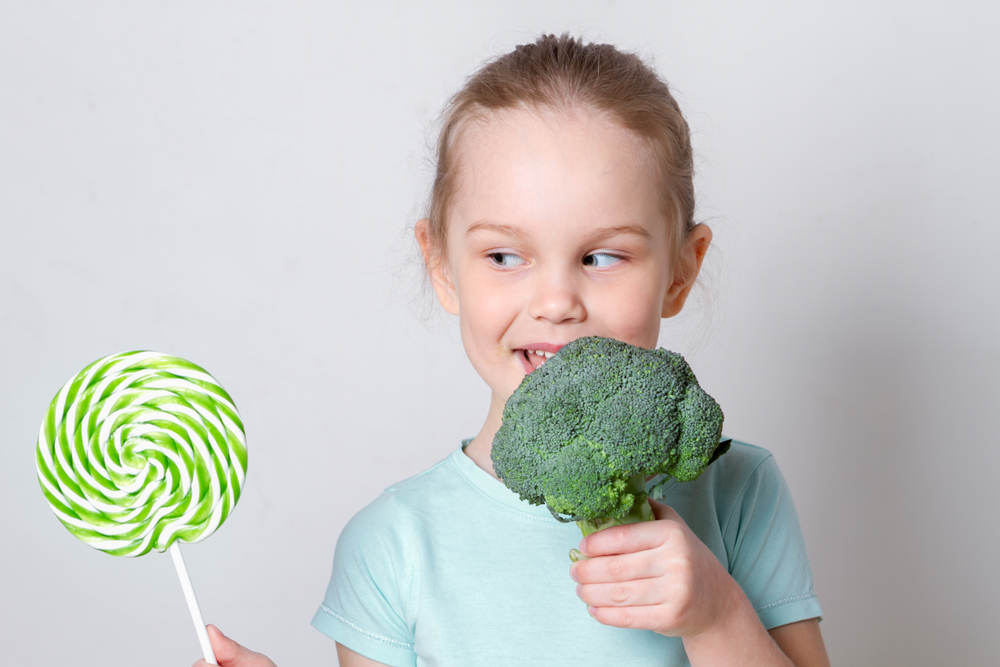

Parents and teachers should prioritize understanding normal plants and animals for children aged 3-9 because these foundational concepts support essential developmental skills. At this early stage, children are naturally curious about the world around them. Introducing them to normal plants and animals fosters that curiosity, encouraging observation and exploration, which enhances cognitive development.
Learning about local flora and fauna helps children develop a sense of belonging and connection to their environment. This instills respect for nature, promoting environmental stewardship from a young age. Furthermore, understanding plant and animal life cycles can introduce concepts of growth, change, and interdependence—key themes in science education.
Additionally, hands-on activities such as gardening or observing animals in their natural habitats can enhance fine motor skills and critical thinking. These interactions also contribute to social skills as children often collaborate in exploring and caring for living things.
By fostering an appreciation for normal plants and animals, parents and teachers are equipping children with knowledge that not only enriches their immediate experiences but also lays the groundwork for future science learning, real-world problem-solving, and a lifelong appreciation for the environment.