Normal 2D Shapes Worksheets for Ages 4-7 - Page 2
32 filtered results
-
From - To
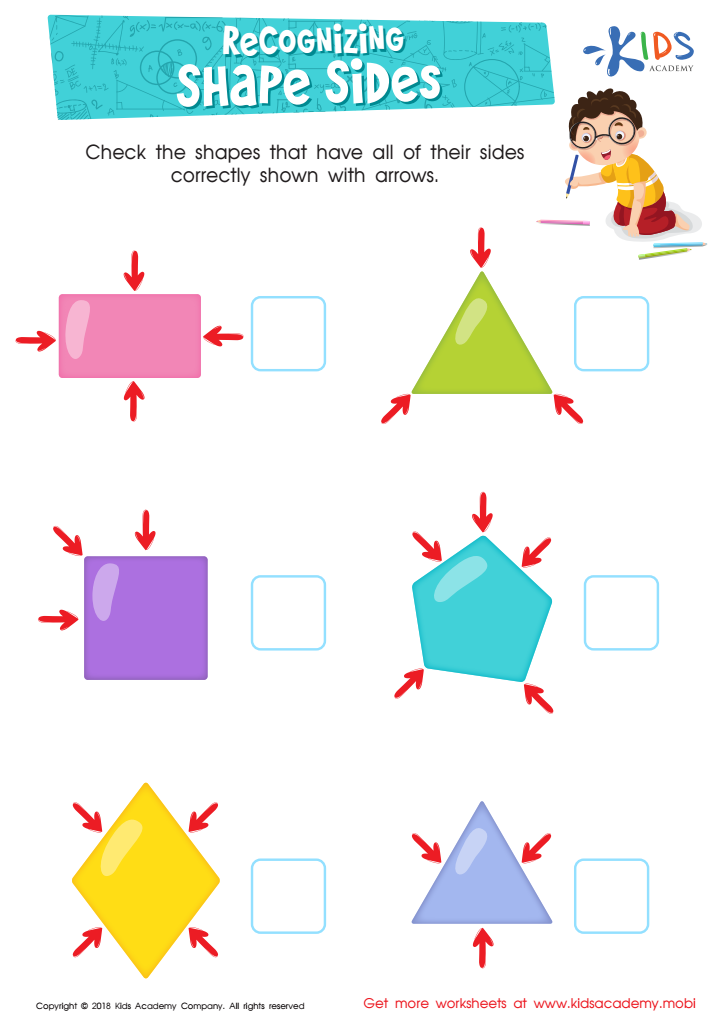
Recognizing Shape Sides Worksheet
 Assign to My Students


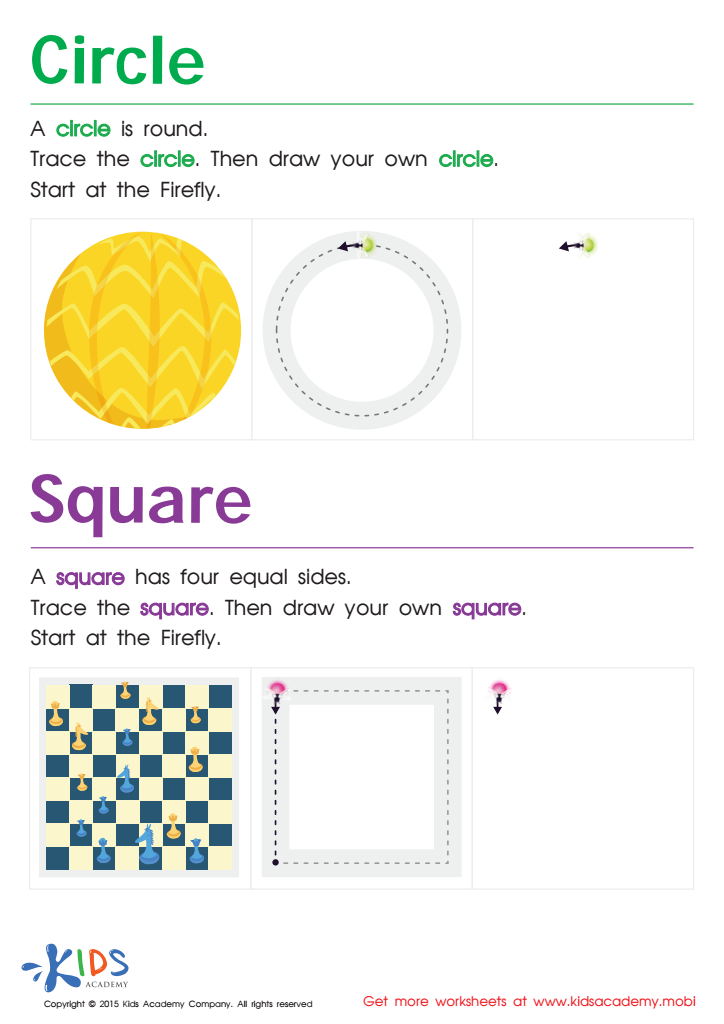
Trace And Draw a Circle And a Square Worksheet
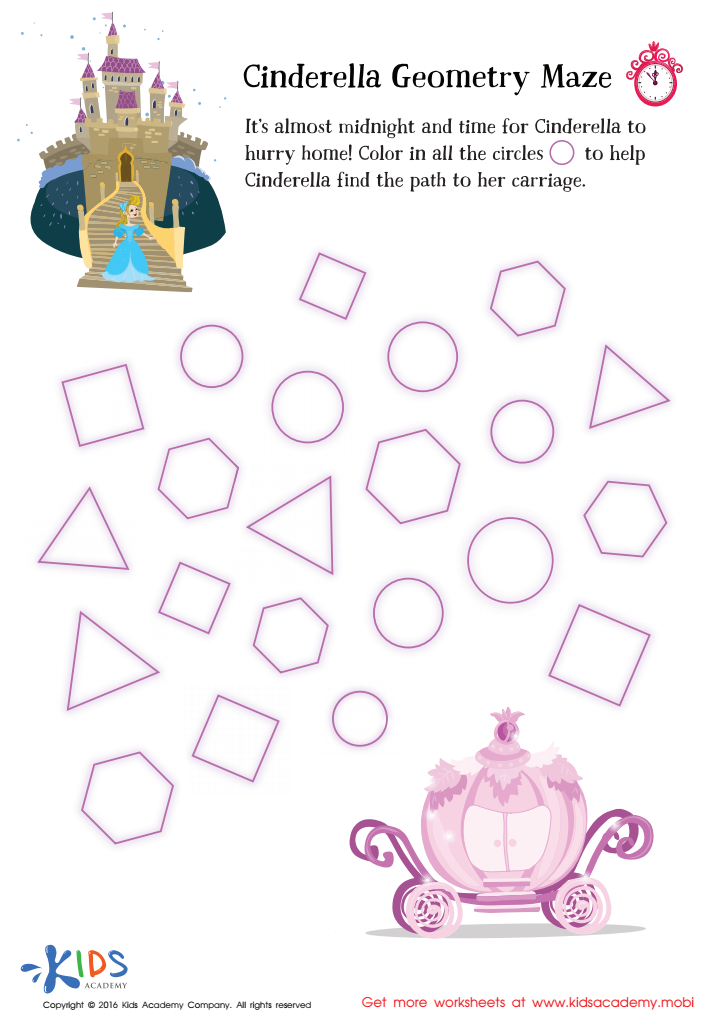
Cinderella Geometry Maze Worksheet
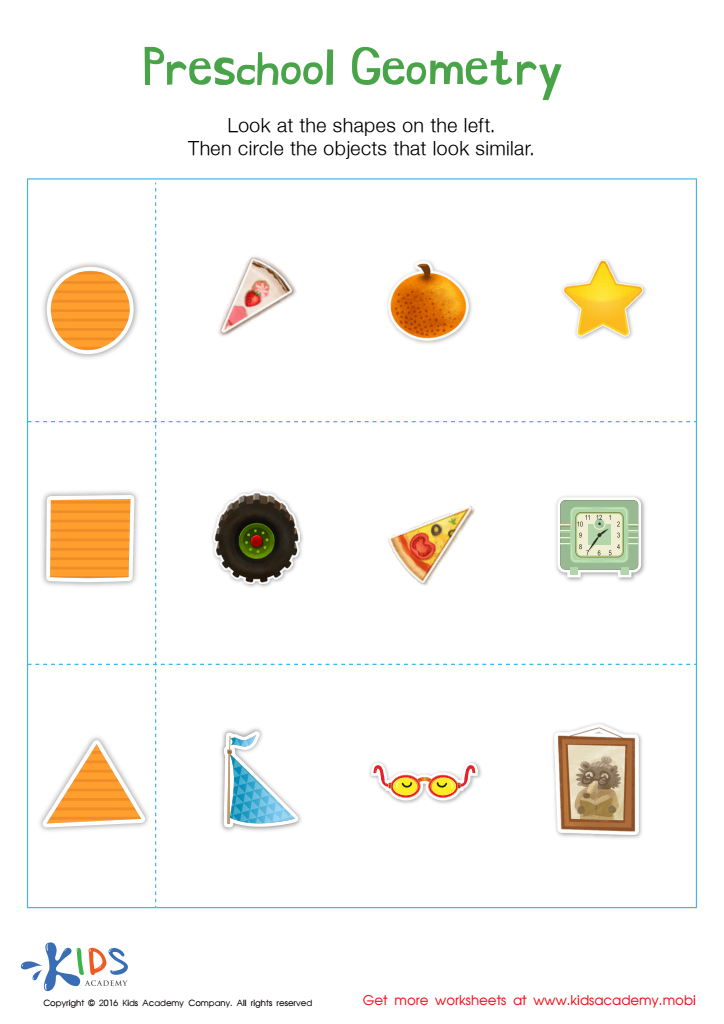
Preschool Geometry Match Up Worksheet
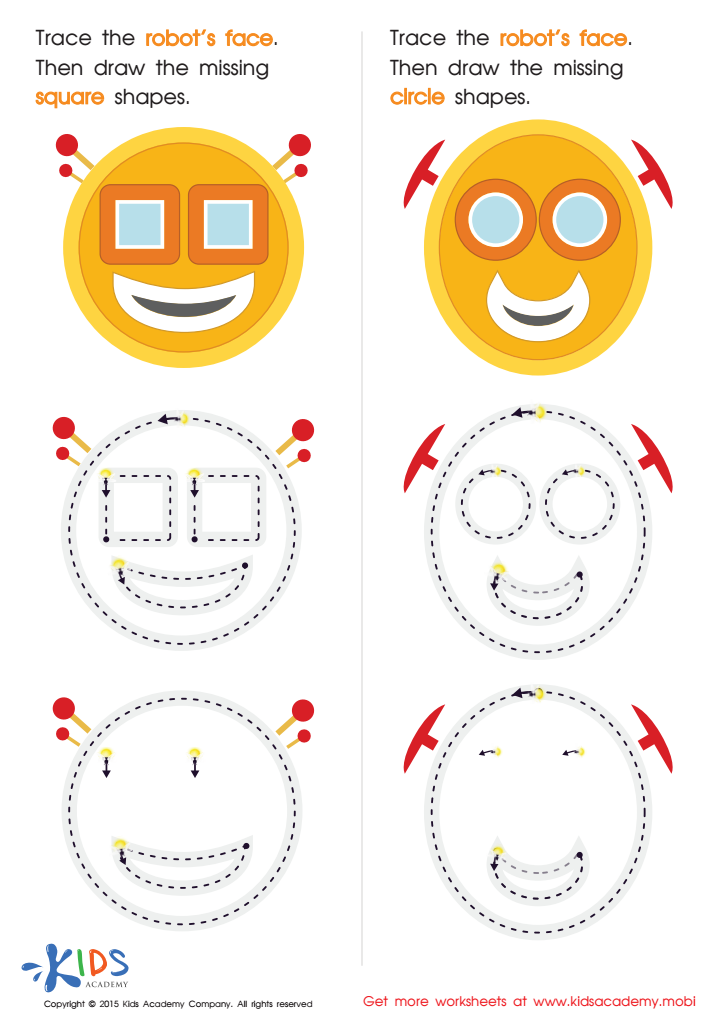
Practicing to Draw Circles And Squares Printable
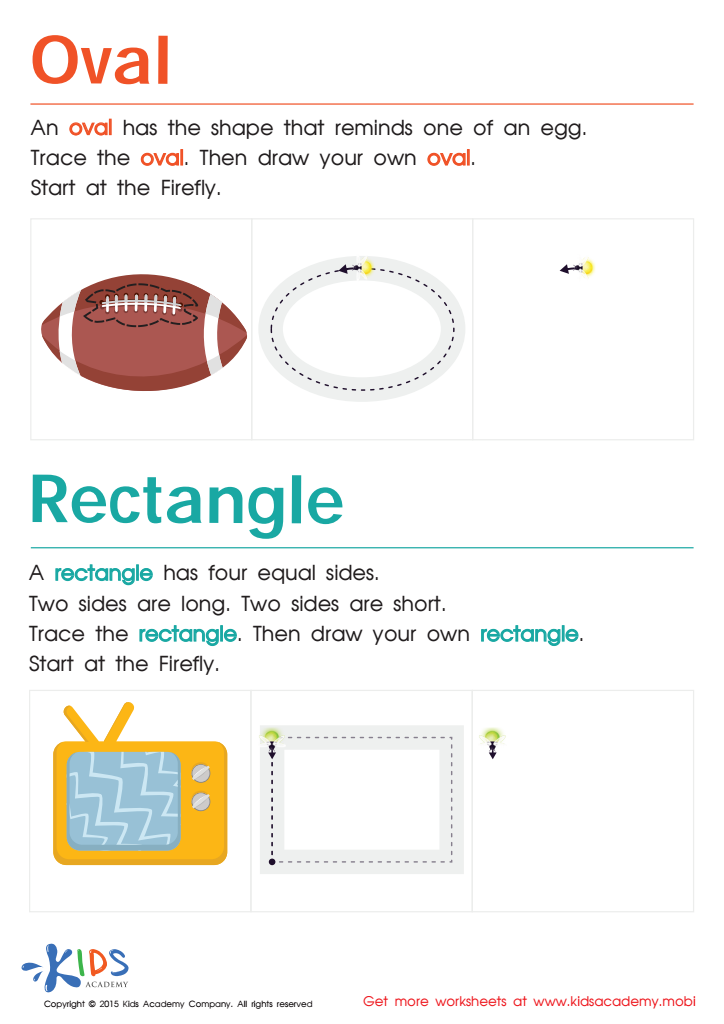
Easy Drawing of Ovals And Rectangles Worksheet
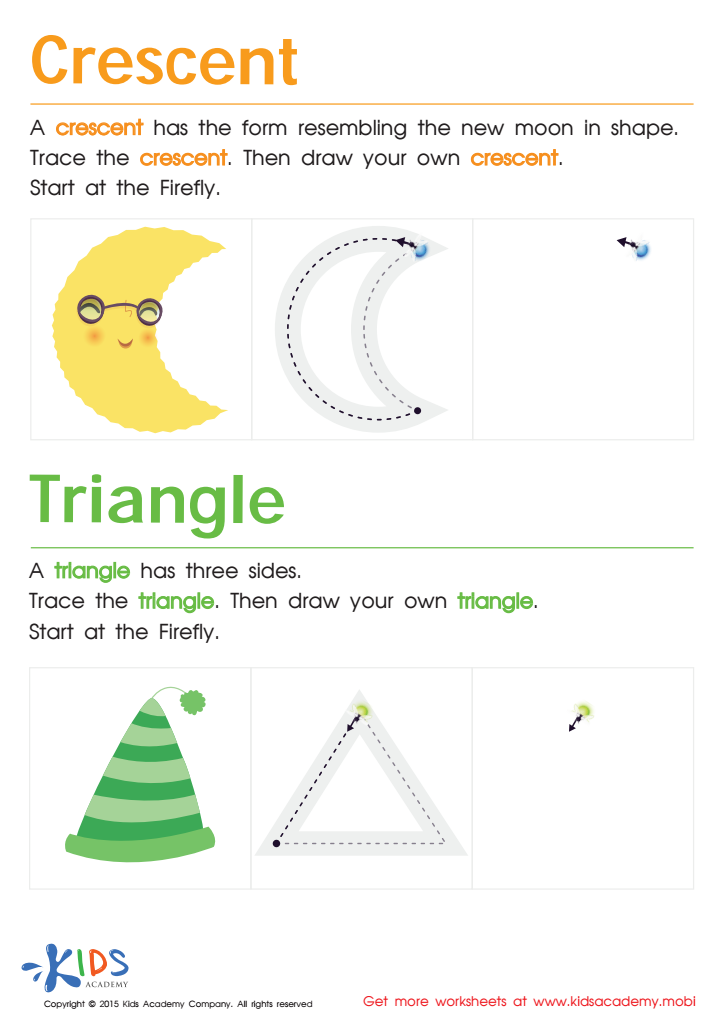
Learning to Draw Crescents And Triangles Worksheet
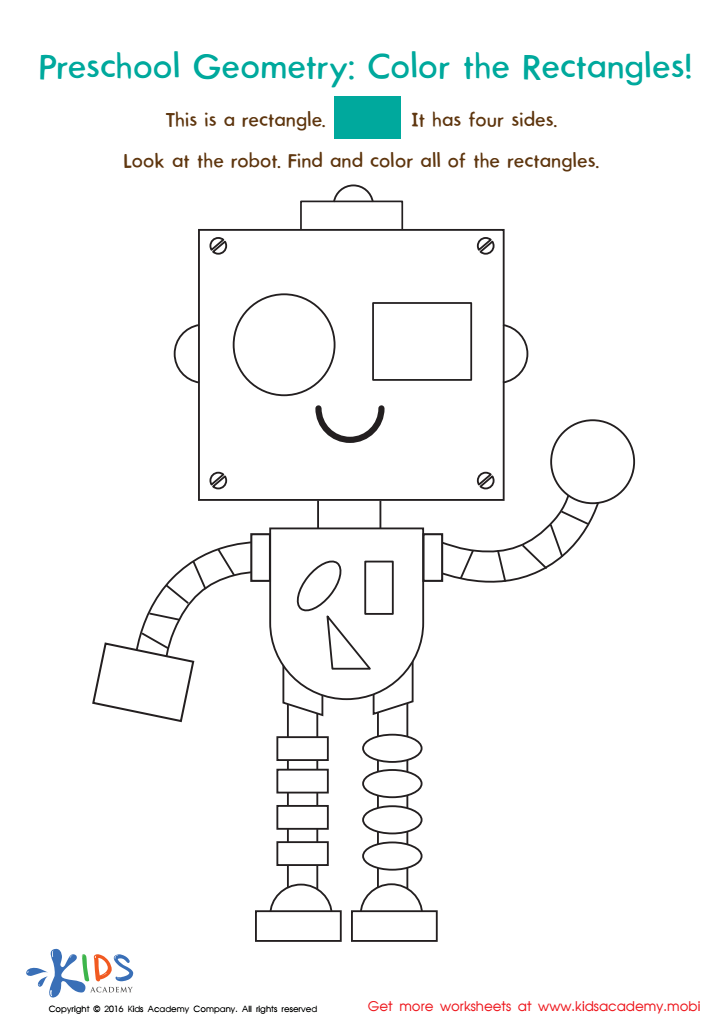
Geometry Worksheet








Understanding normal 2D shapes is essential for children ages 4-7 as it lays the foundational skills for their mathematical development and cognitive growth. At this stage, young learners are naturally curious and eager to explore their surroundings, making it an ideal time to introduce shapes. Recognizing and naming shapes like circles, squares, triangles, and rectangles helps children develop their spatial awareness and visual perception.
Parents and teachers should care about teaching these concepts because they enhance problem-solving skills and logical reasoning. Through hands-on activities, such as drawing, cutting, or building shapes, children learn to categorize and differentiate between different forms. This exploration also fosters creativity, as kids use shapes in art and storytelling.
Moreover, shape recognition is crucial for future learning in geometry and more advanced mathematics. Incorporating 2D shapes into everyday life - through games, puzzles, and discussions about the world around them - reinforces this knowledge in a fun, engaging manner.
Ultimately, nurturing an understanding of 2D shapes early on supports children's overall academic success, confidence in learning, and ability to make connections between concepts, setting a positive trajectory for their educational journey.