Normal Animals Worksheets for Ages 4-8 - Page 2
49 filtered results
-
From - To
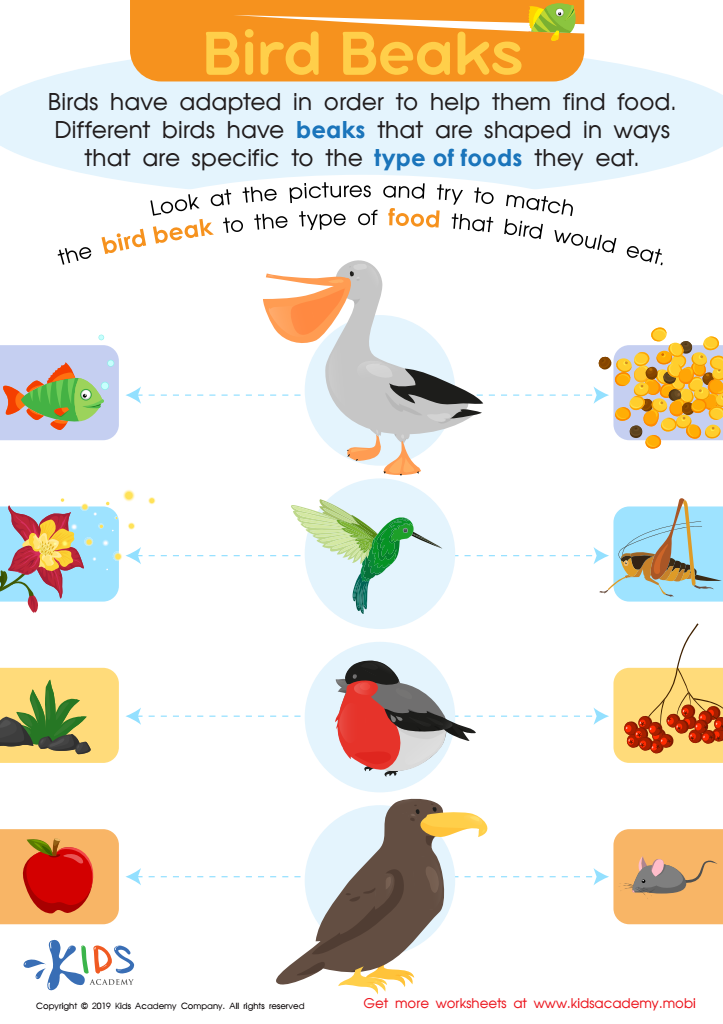
Bird Beaks Worksheet
 Assign to My Students
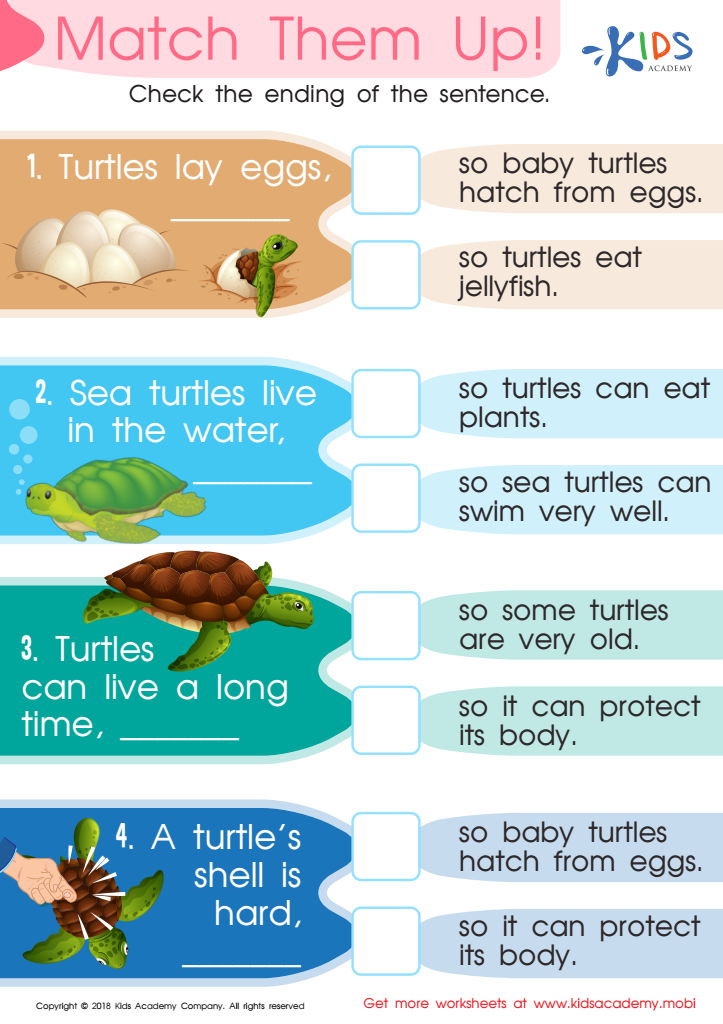
Match Them Up Worksheet
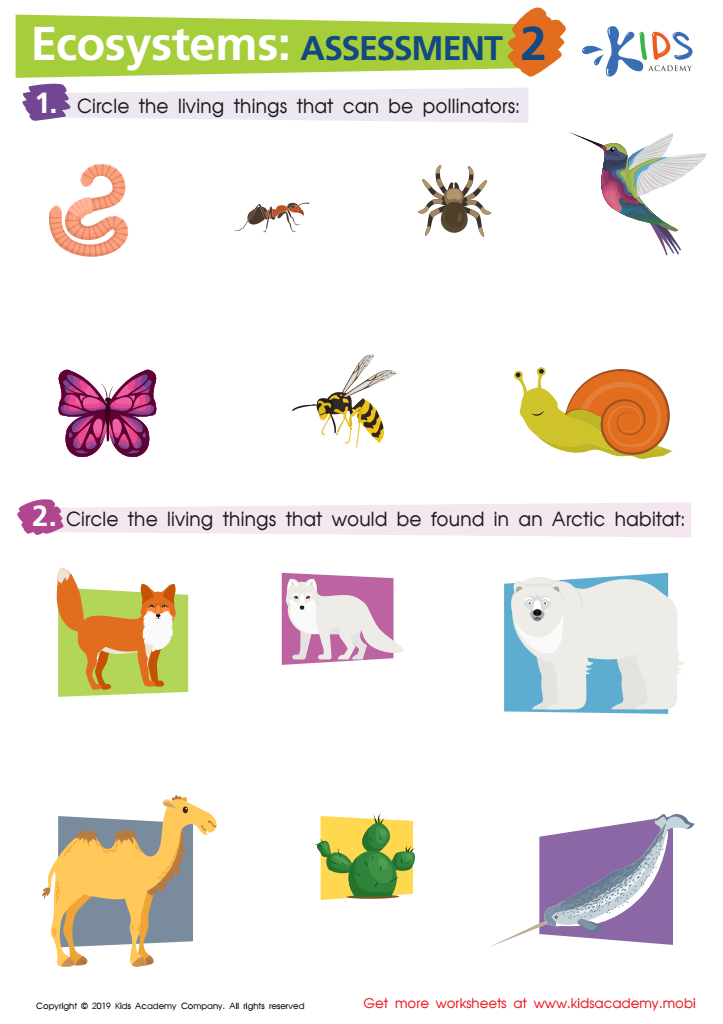
Ecosystems: Assessment 2 Worksheet
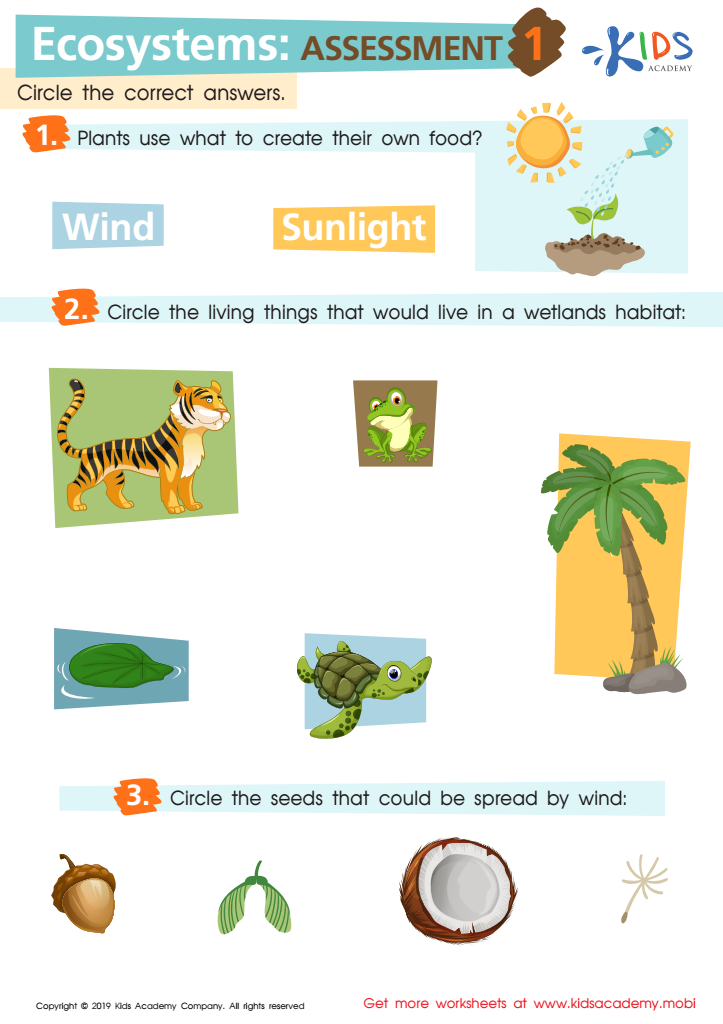
Ecosystems: Assessment 1 Worksheet
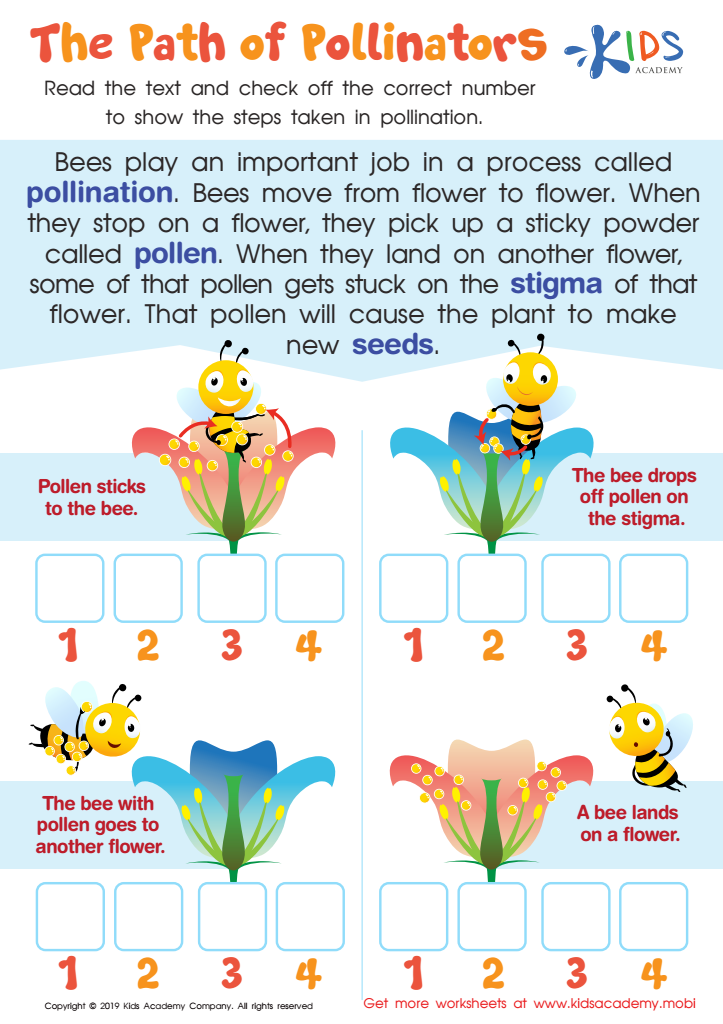
The Path of Pollinators Worksheet
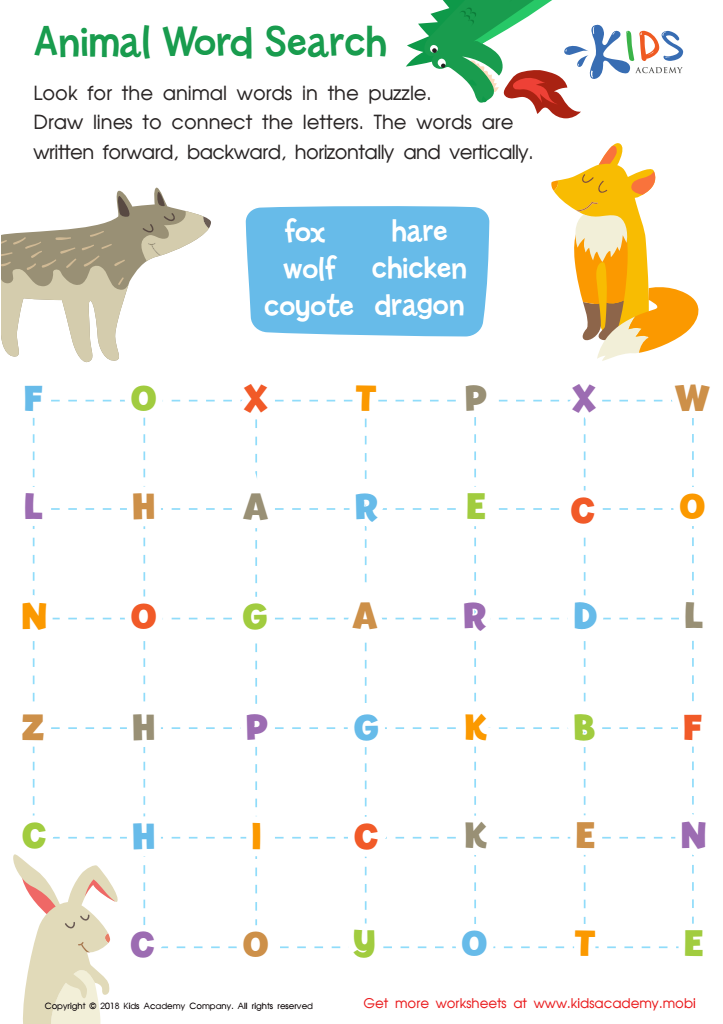
Animal Word Search Worksheet
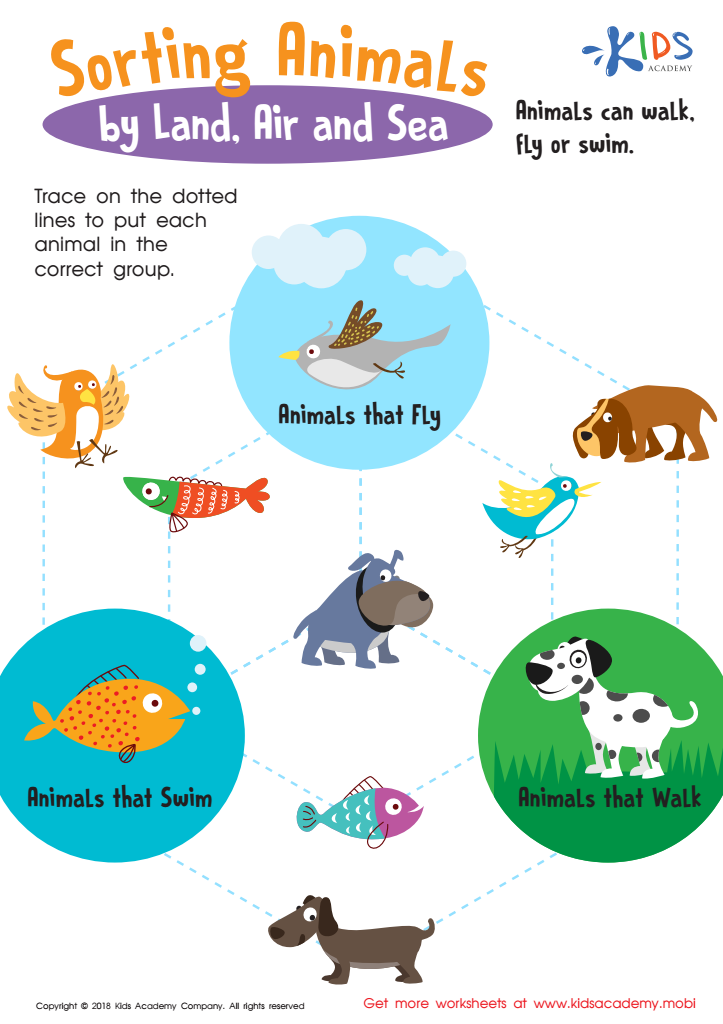
Sorting Animals by Land, Air and Sea Worksheet
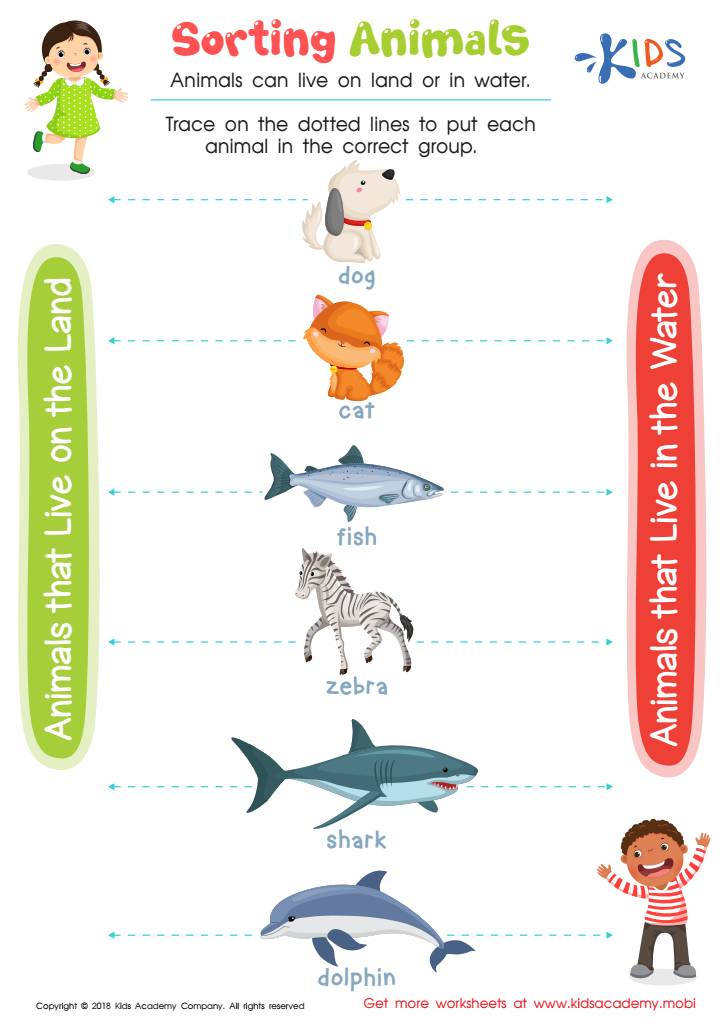
Sorting Animals Worksheet
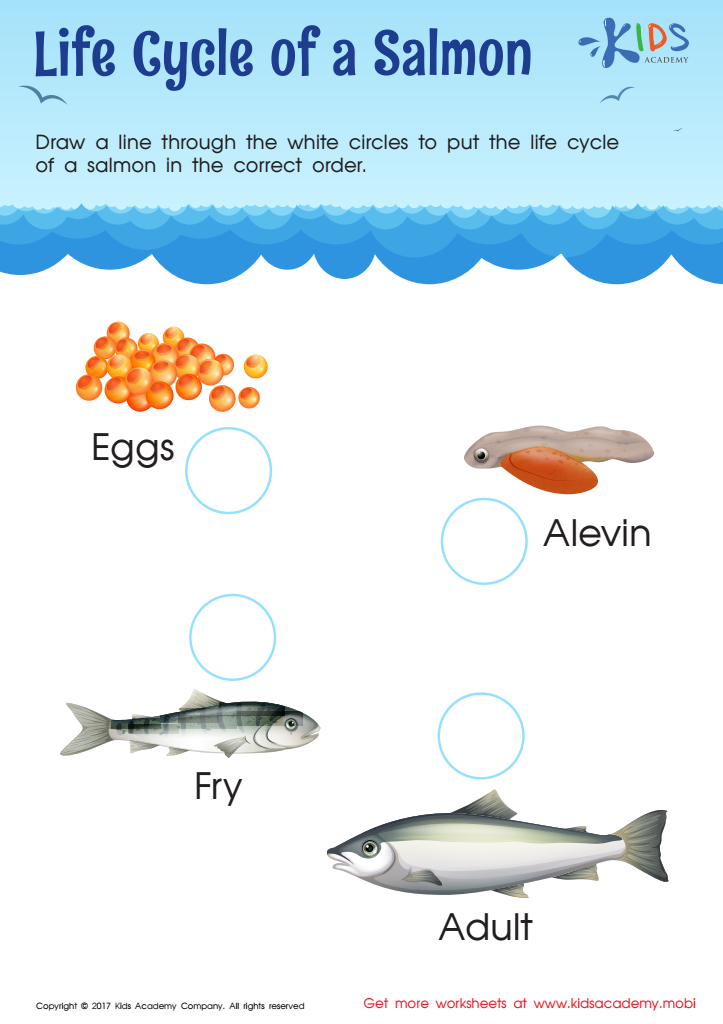
Cycle Of Salmon Worksheet
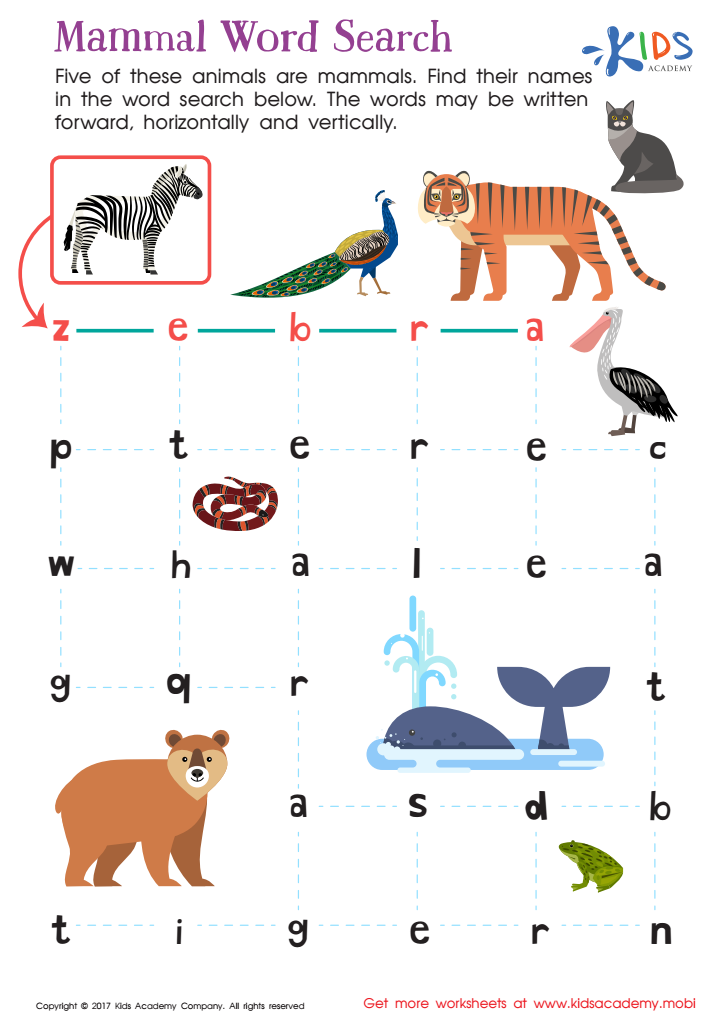
Printable Mammal Word Search
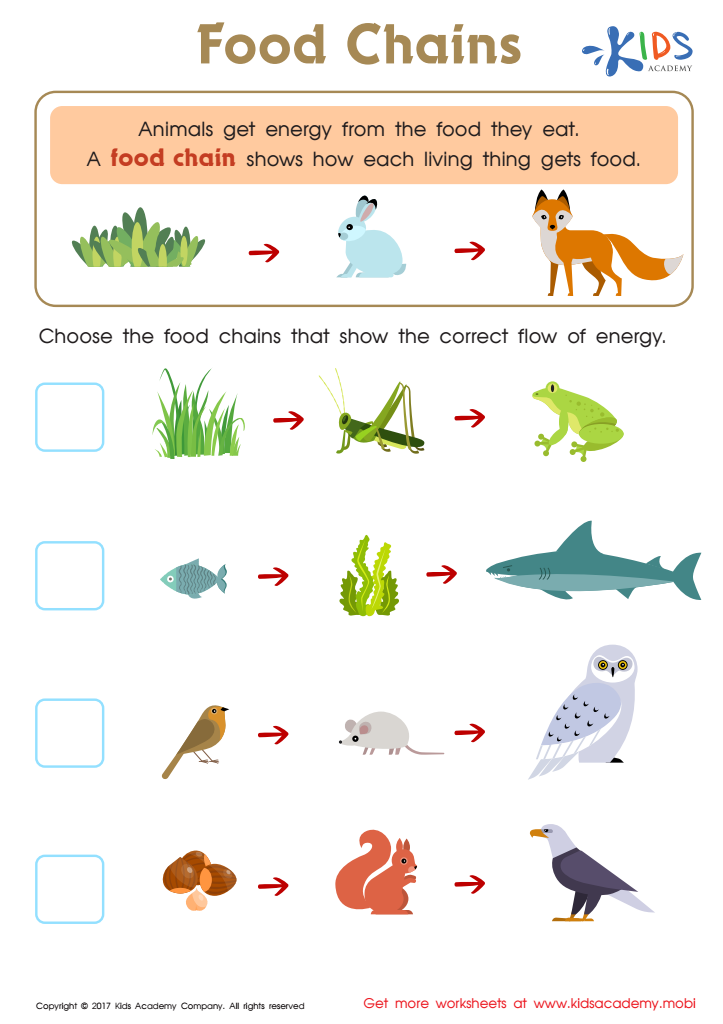
Food Webs and Food Chains Worksheet
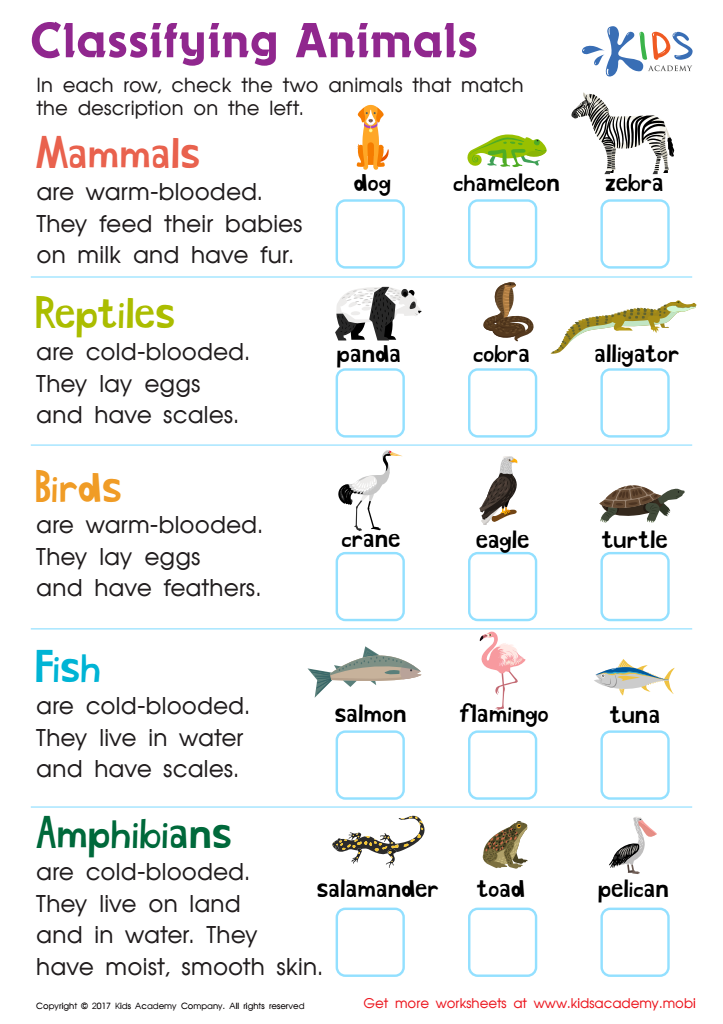
Classifying Animals Worksheet
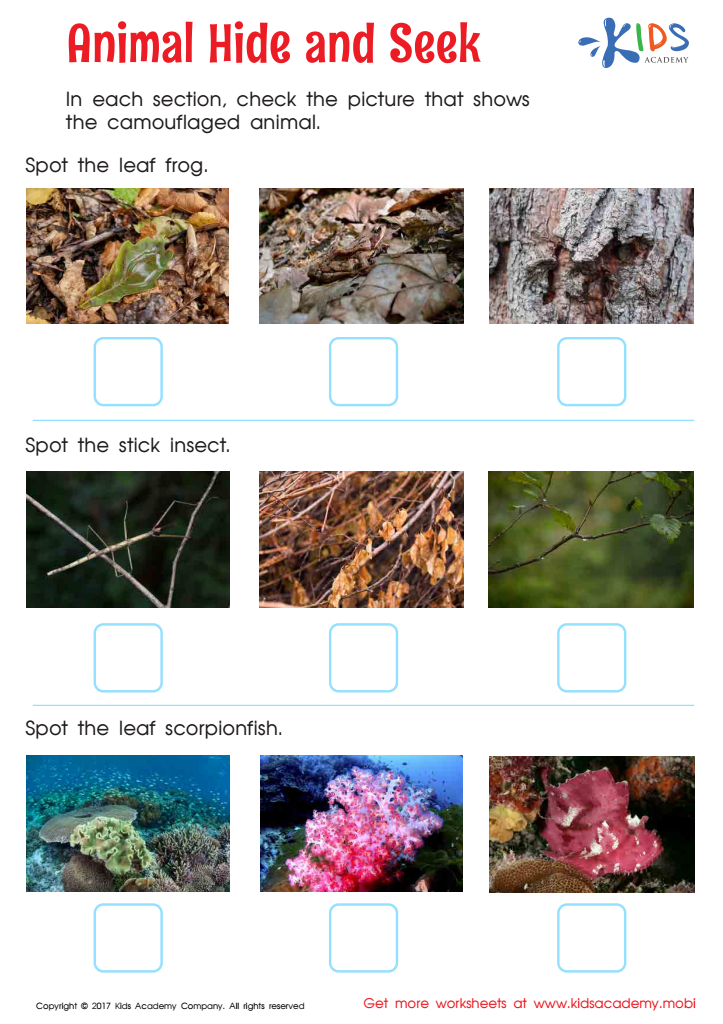
Animal Hide and Seek Worksheet
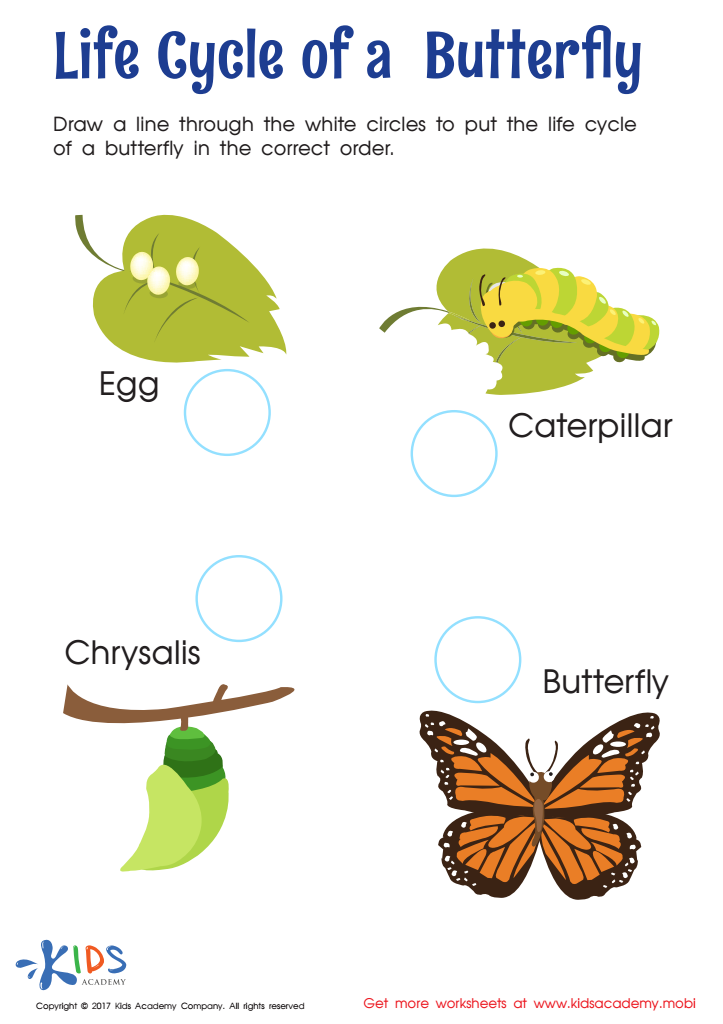
Life Cycle of Butterfly Worksheet
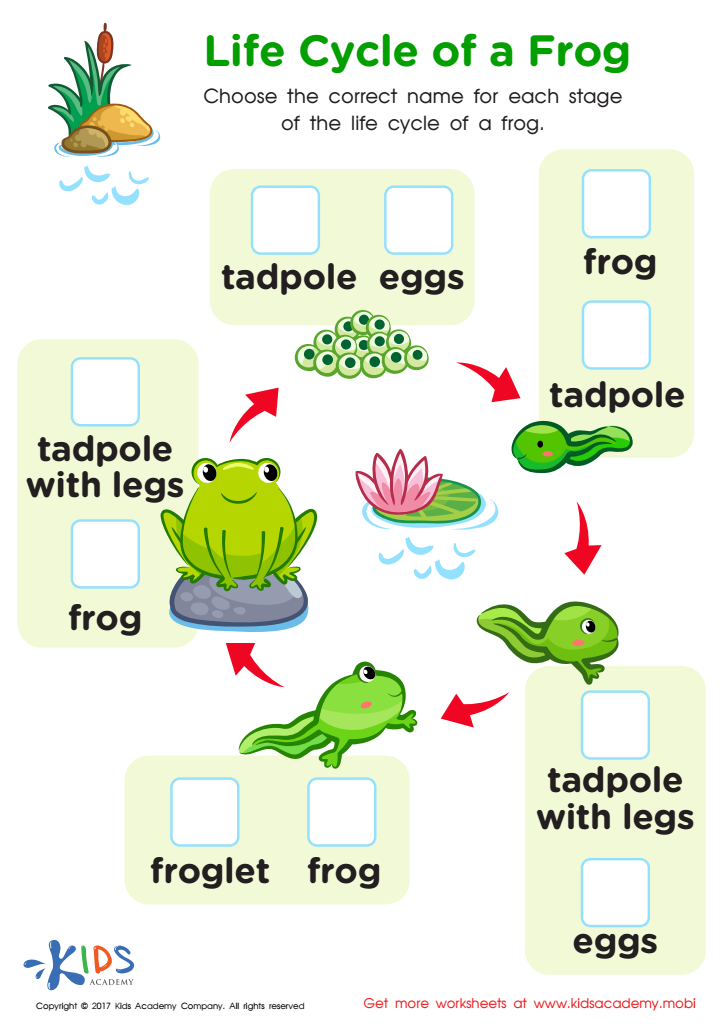
Life Cycle Frog Printable
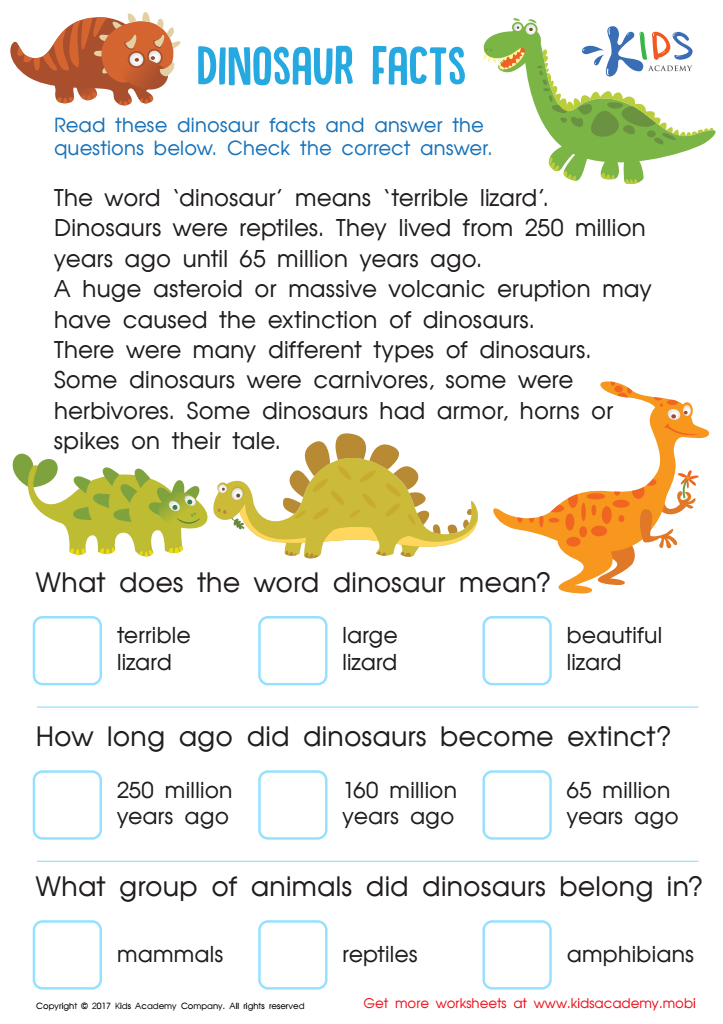
Dinosaur Facts Worksheet
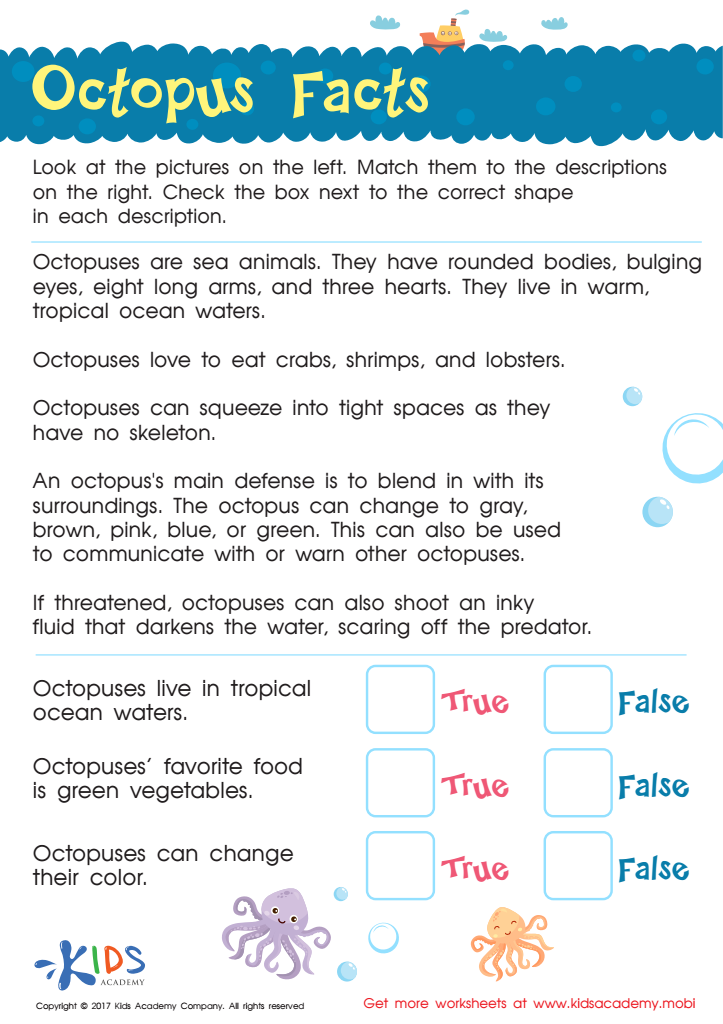
Octopus Facts Worksheet For Kids
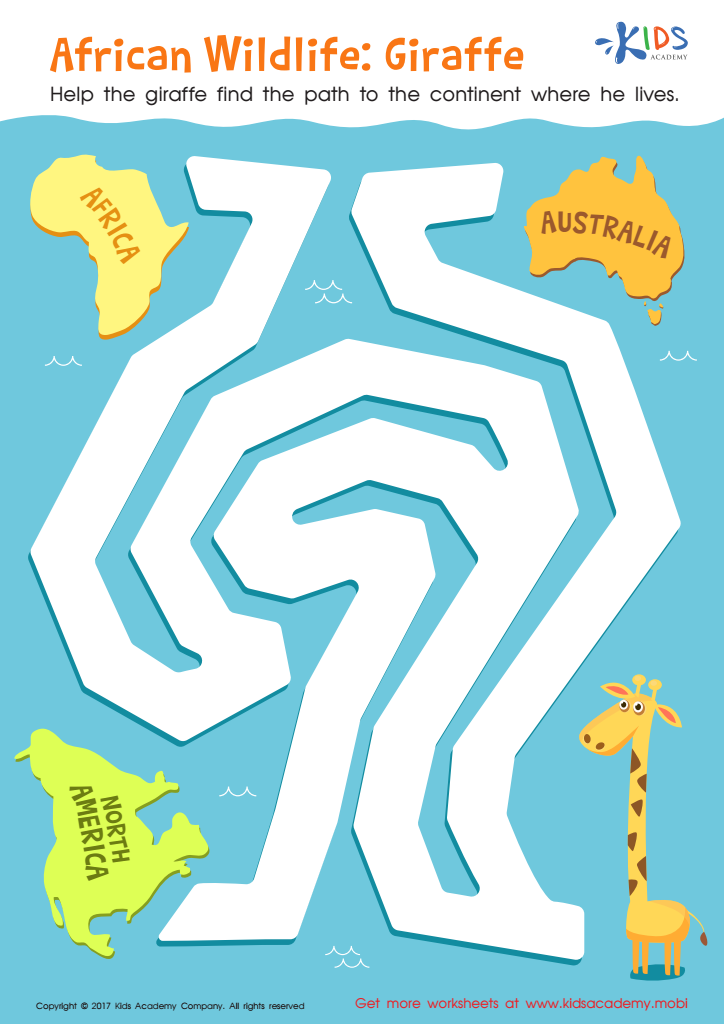
African Wildlife: Giraffe Worksheet
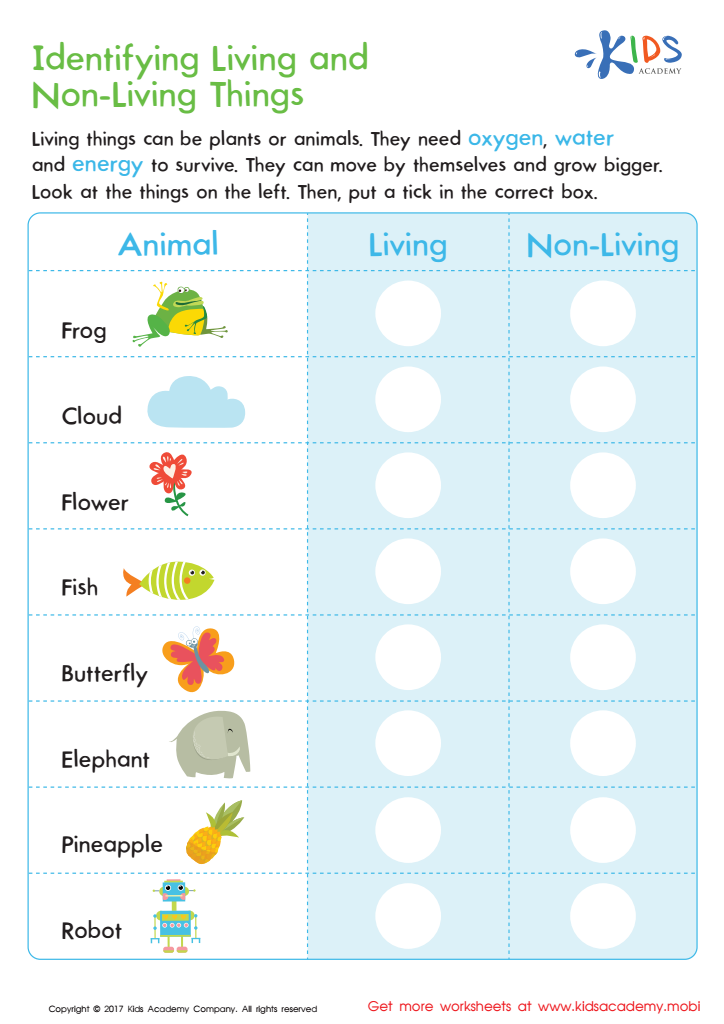
Identifying Living or Non–living Worksheet
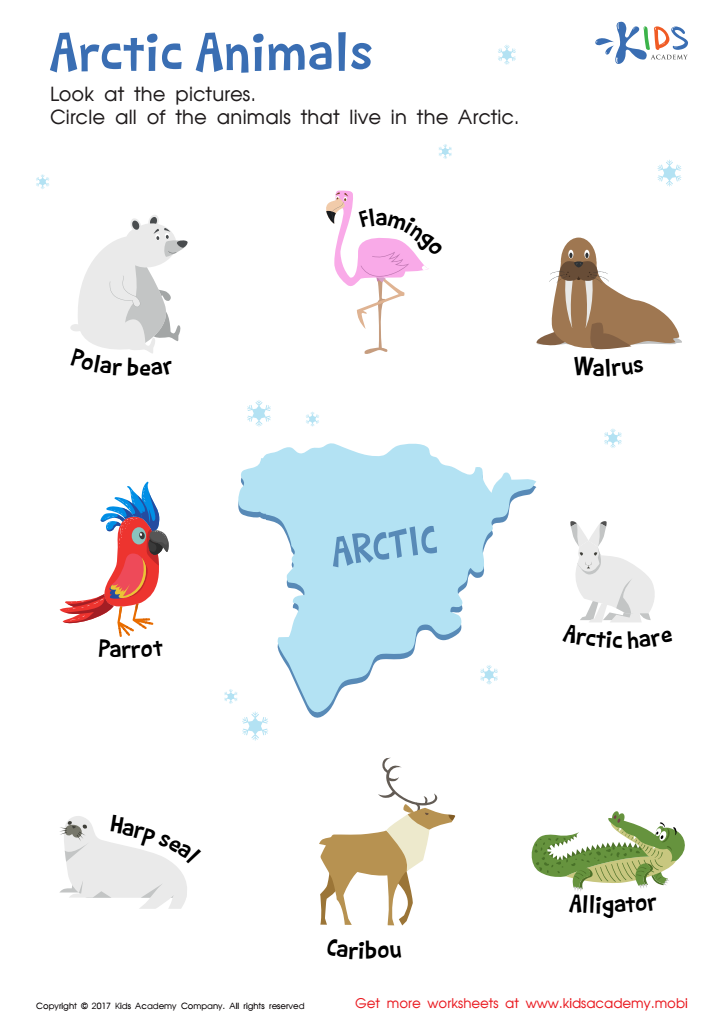
Arctic Animals Worksheet
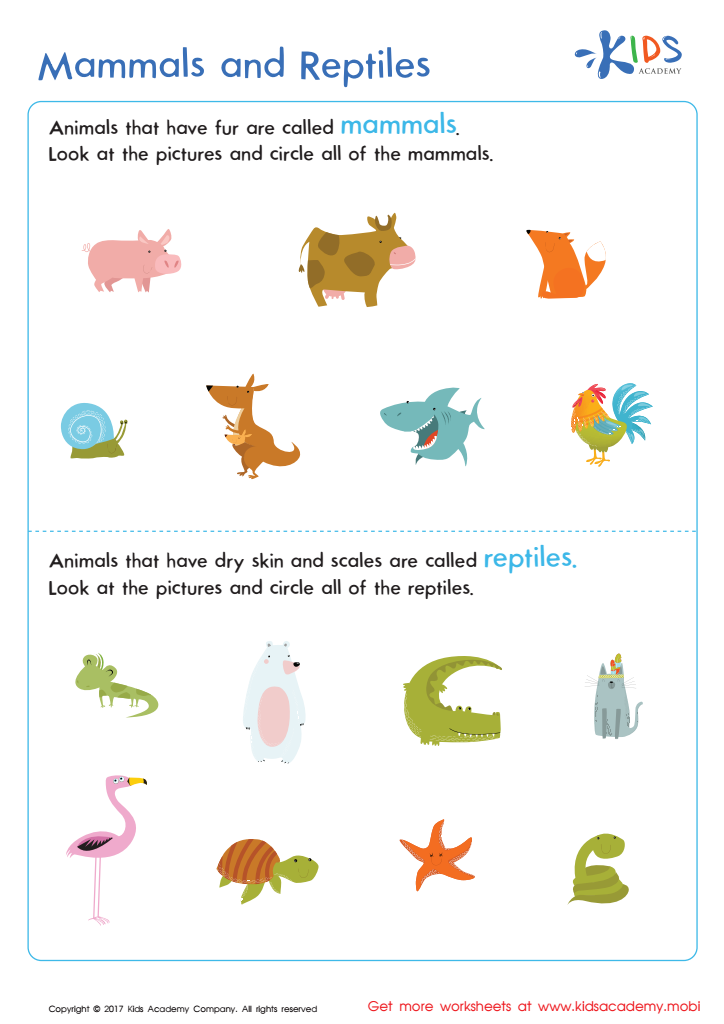
Mammals and Reptiles Worksheet
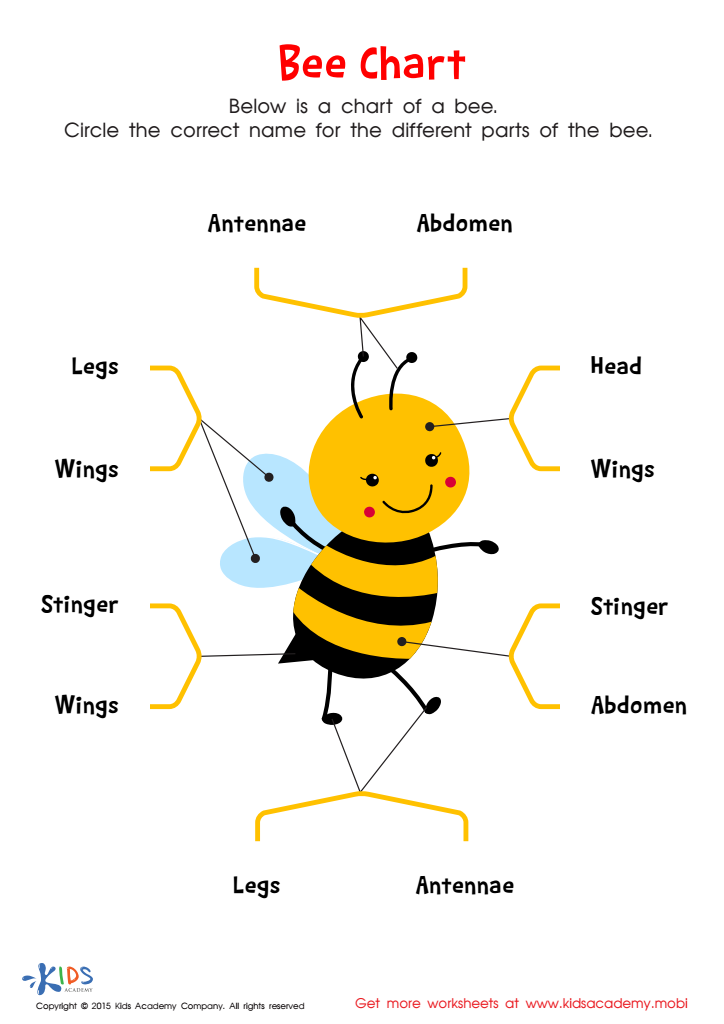
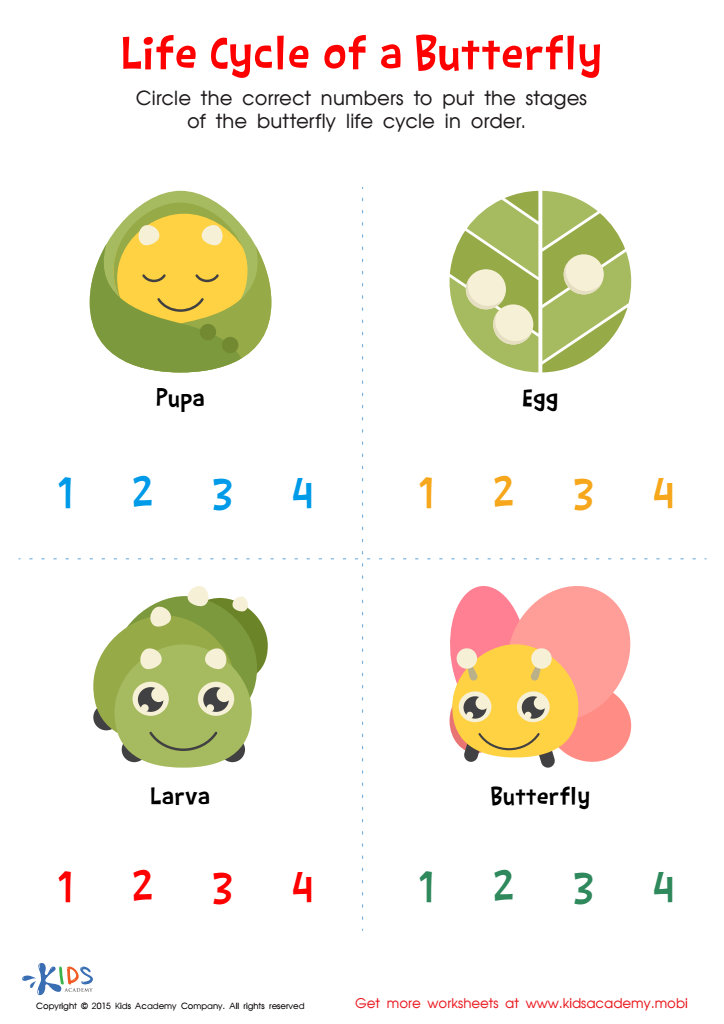
Life Cycle of Butterfly Printable








Parents and teachers should care about normal animals for ages 4-8 because these early interactions with the natural world play a crucial role in a child's development. Understanding normal animals—those commonly found in their environment—helps cultivate curiosity, empathy, and responsibility in young learners. As children observe and learn about these animals, they begin to foster a sense of connection to nature, which is vital for their emotional and social growth.
Additionally, introducing animal characteristics, behaviors, and habitats can align with important educational standards. By engaging in activities such as storytelling, art projects, or nature walks, educators can create immersive experiences that teach children critical thinking, observation skills, and communication. Furthermore, discussing the importance of ecosystems and the roles animals play can ignite an awareness of conservation from a young age.
Exposure to normal animals also stimulates creativity and imagination, as children create their narratives and scenarios. As guides in this journey of discovery, parents and teachers can instill lifelong values of kindness towards all living beings, promoting a generation that appreciates and respects nature while developing essential academic skills. Ultimately, the foundation laid by early animal education can lead to well-rounded, conscientious individuals.








