Normal Grammar Worksheets for Ages 4-8 - Page 6
130 filtered results
-
From - To
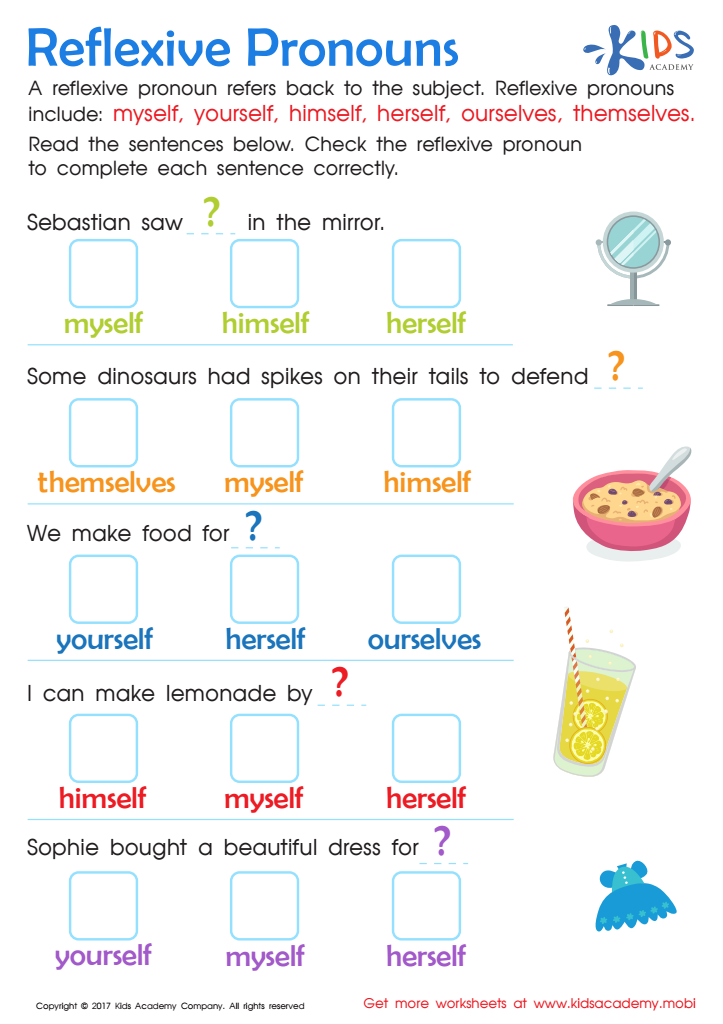
Reflexive Pronouns Worksheet
 Assign to My Students
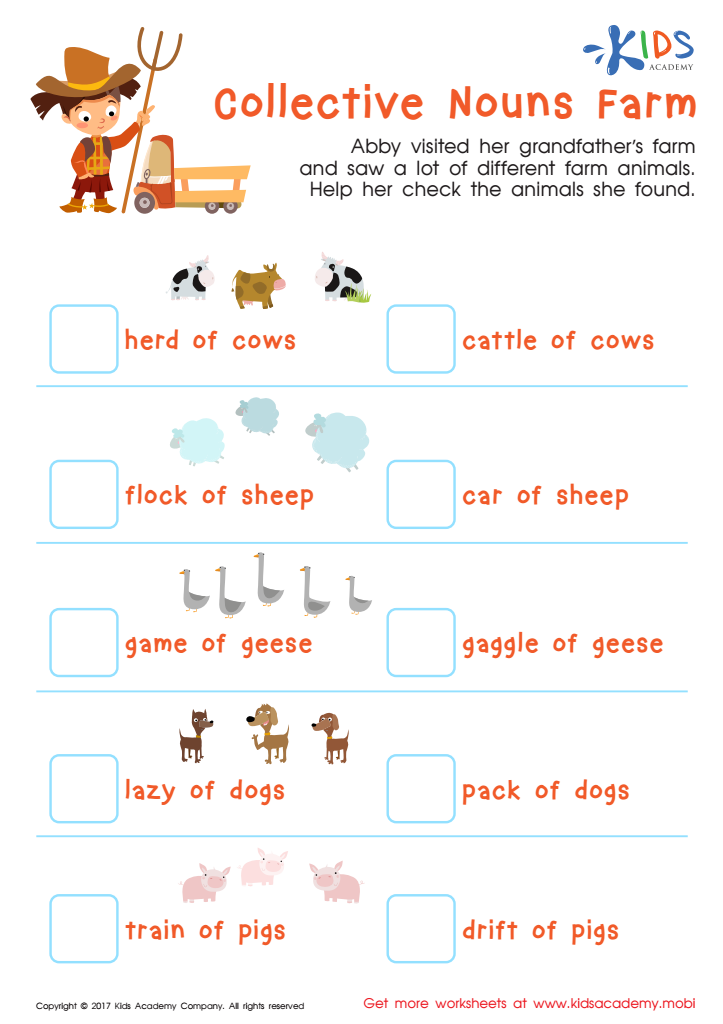
Collective Nouns Worksheet
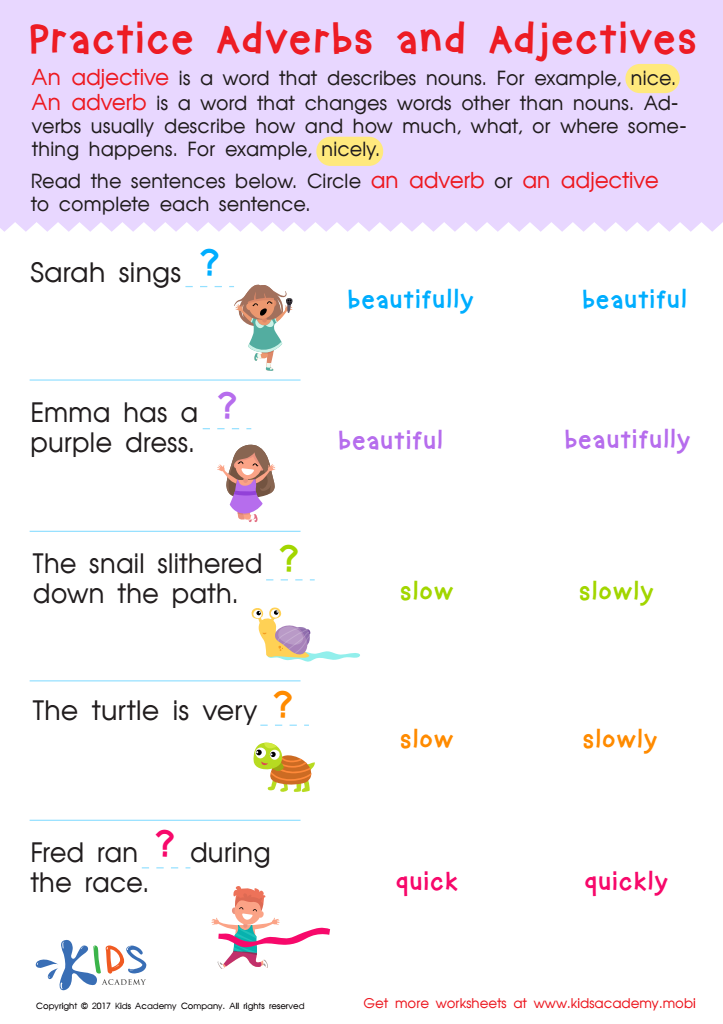
Adverbs and Adjectives Worksheet
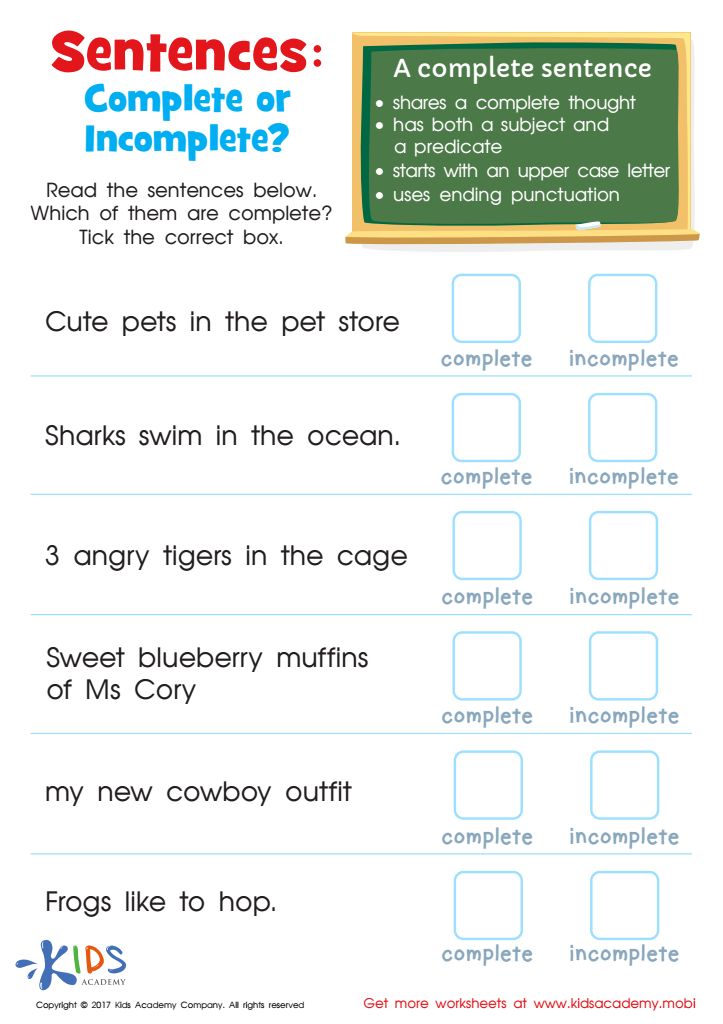
Sentences: Complete or Incomplete Worksheet
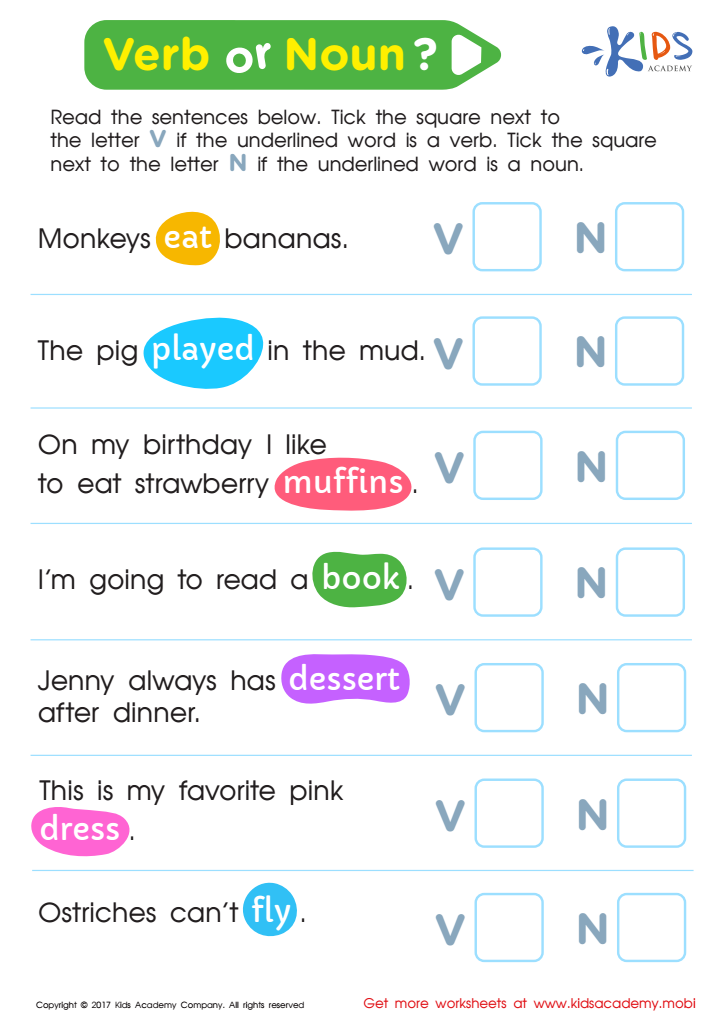
Verb or Noun Worksheet
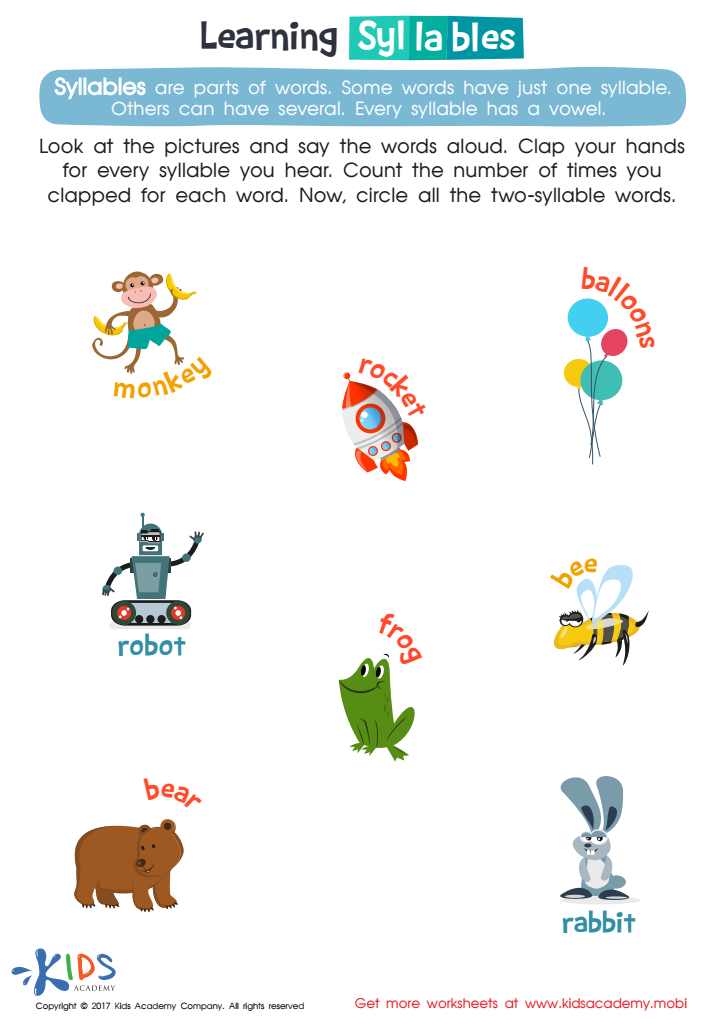
Learning Syllables Word Structure Worksheet
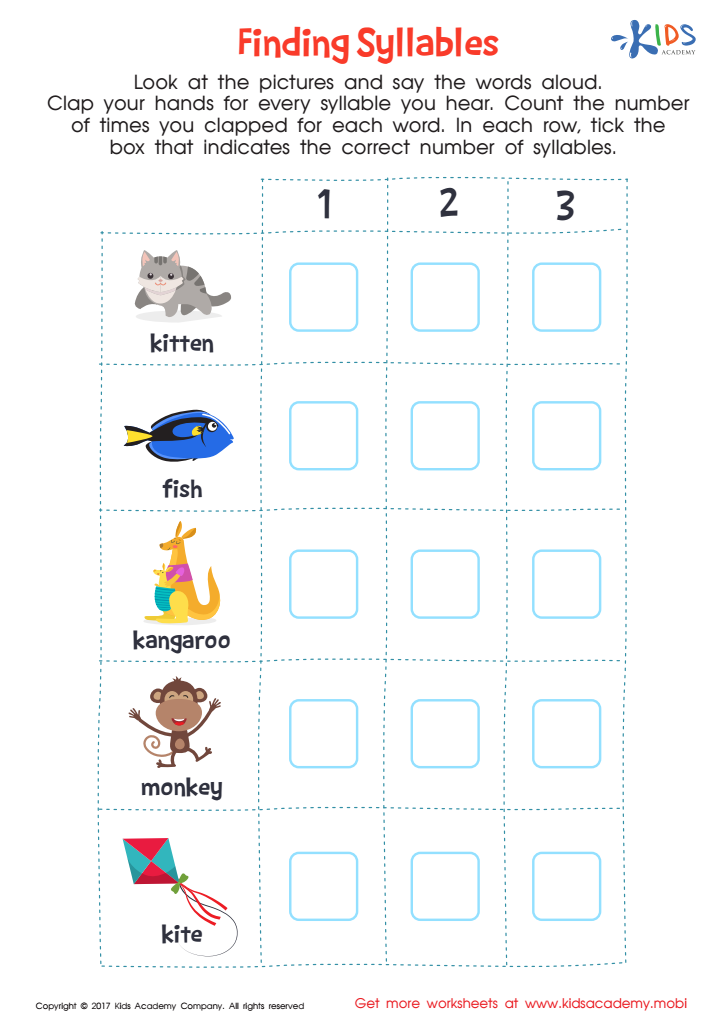
Finding Syllables Word Structure Worksheet
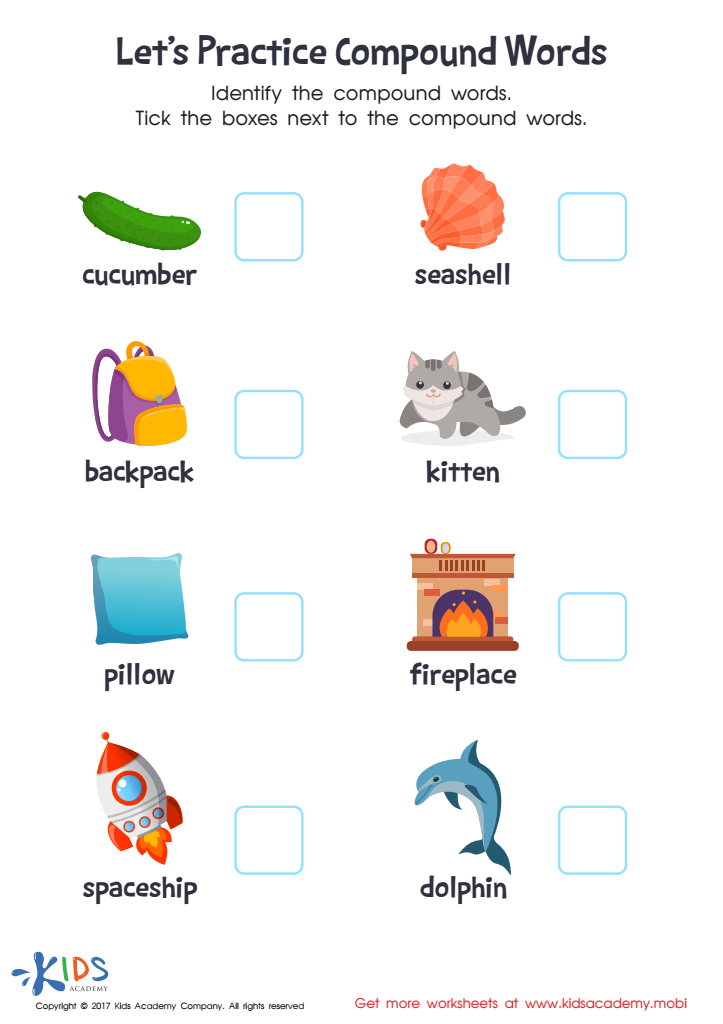
Let's Practice Compound Words Word Structure Worksheet
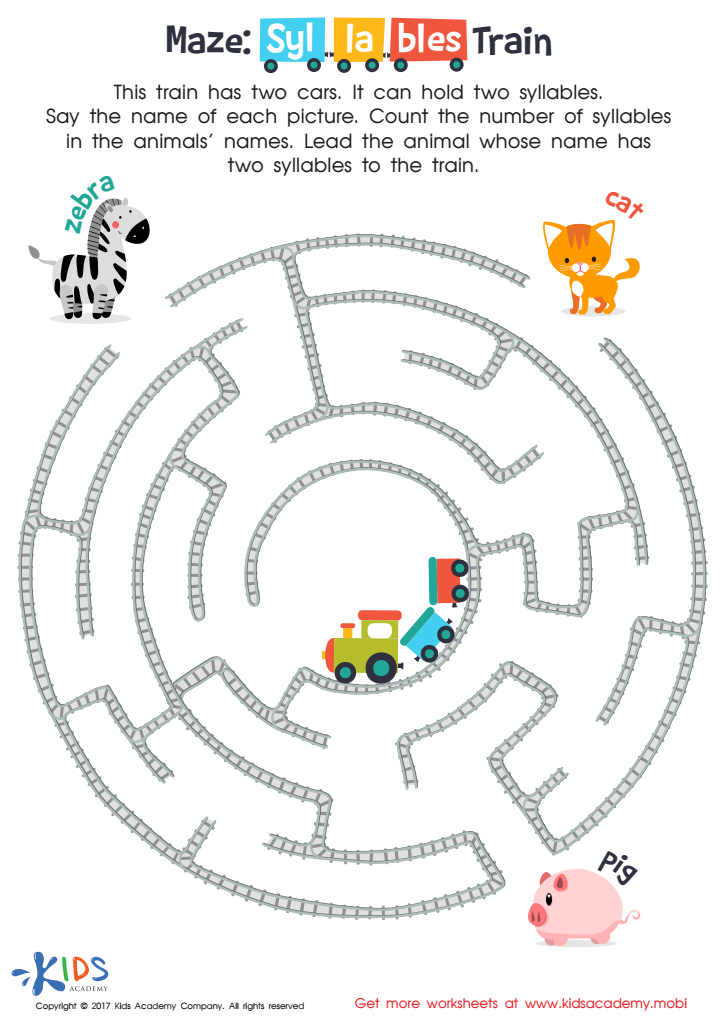
Maze Syllables Word Structure Worksheet
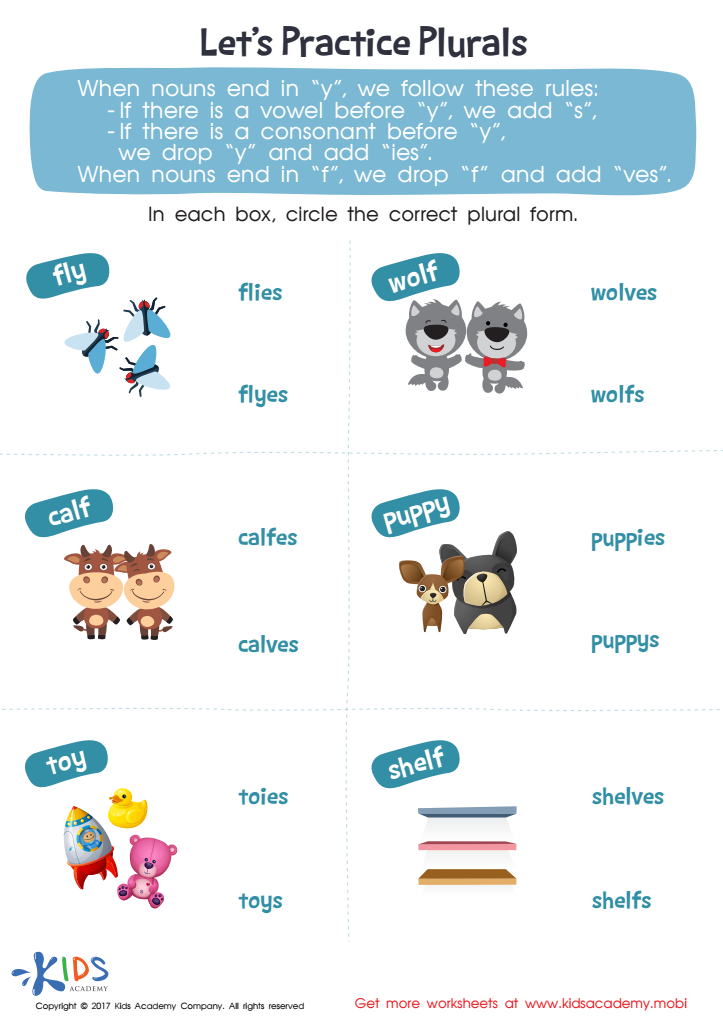
Let's Practice Plurals Word Structure Worksheet




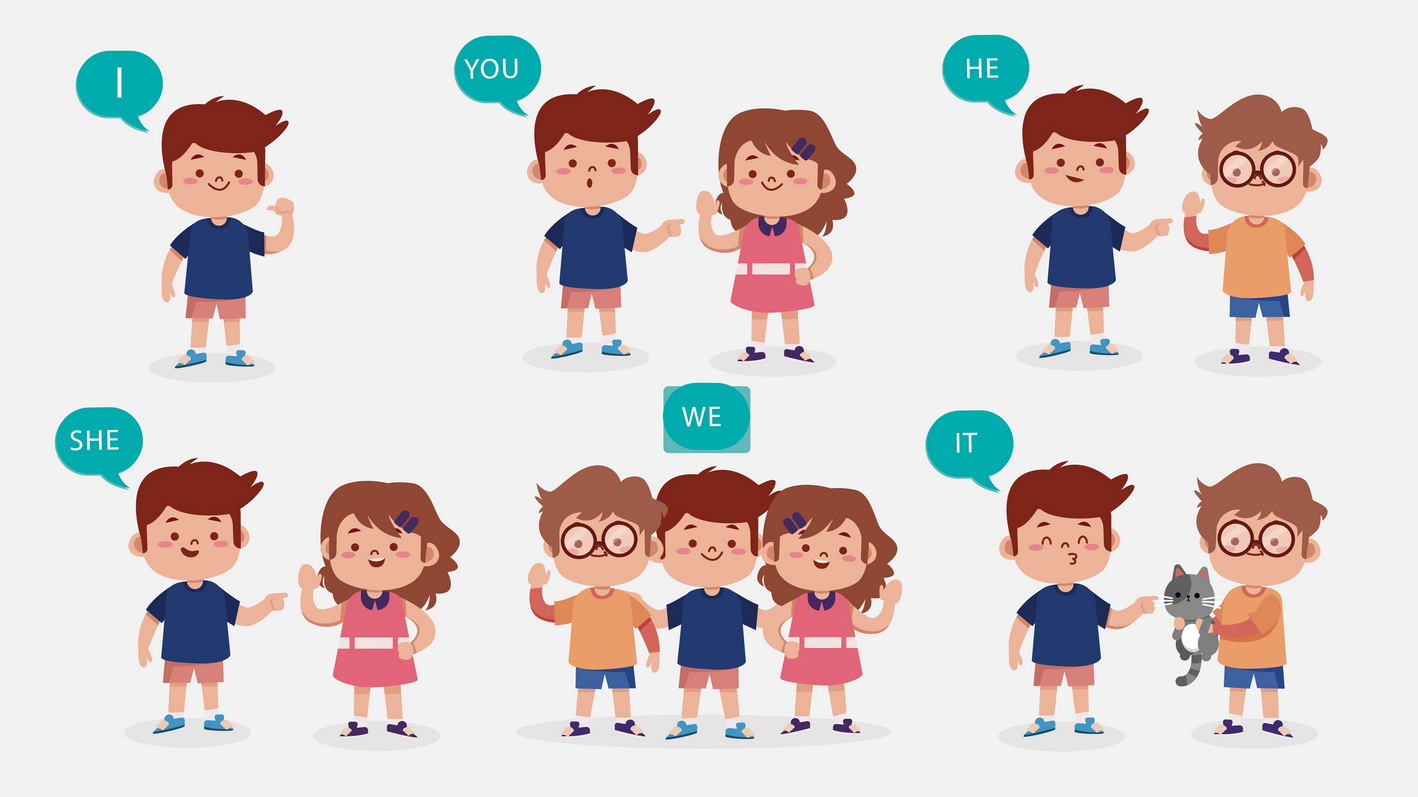


Normal grammar development is a foundational element in a child’s early education, and both parents and teachers should deeply care about it for several reasons. Grammar encompasses the rules and structures that govern language, facilitating coherent communication and comprehension. At ages 4-8, children experience rapid cognitive and language development, making it a critical window for laying down strong grammatical foundations.
Proper grammar usage promotes clearer thought processes and effective communication skills. When children learn correct grammar, they can express their ideas more accurately, understand others better, and engage more fully in both academic and social contexts. This proficiency in communication is vital for their overall educational success.
Furthermore, early mastery of grammar enhances reading and writing abilities. Understanding the rules of sentence structure and word usage aids in reading comprehension and fosters confidence in writing abilities. This becomes critical as young learners transition from "learning to read" to "reading to learn."
Additionally, solid grammar skills contribute to a child’s self-esteem. Navigating conversations successfully and understanding instructions can make children feel more competent and included.
Ultimately, investing in the normal grammar development of children aged 4-8 equips them with essential tools for lifelong learning, effective interaction, and personal growth, forming the bedrock of future academic and social success.