Normal Long Vowels Worksheets for Ages 4-9
23 filtered results
-
From - To
Welcome to our collection of Normal Long Vowels Worksheets for Ages 4-9! These engaging worksheets are designed to help young learners master long vowel sounds through fun activities and games. Each worksheet focuses on key concepts such as vowel recognition, sound blending, and spelling, making it an ideal resource for parents and educators alike. Children will enjoy colorful illustrations and interactive exercises that reinforce their understanding of long vowels in a playful manner. Perfect for classroom use or homework assignments, our materials are tailored to support early literacy development and boost confidence in reading skills. Explore and enhance your child's learning experience today!
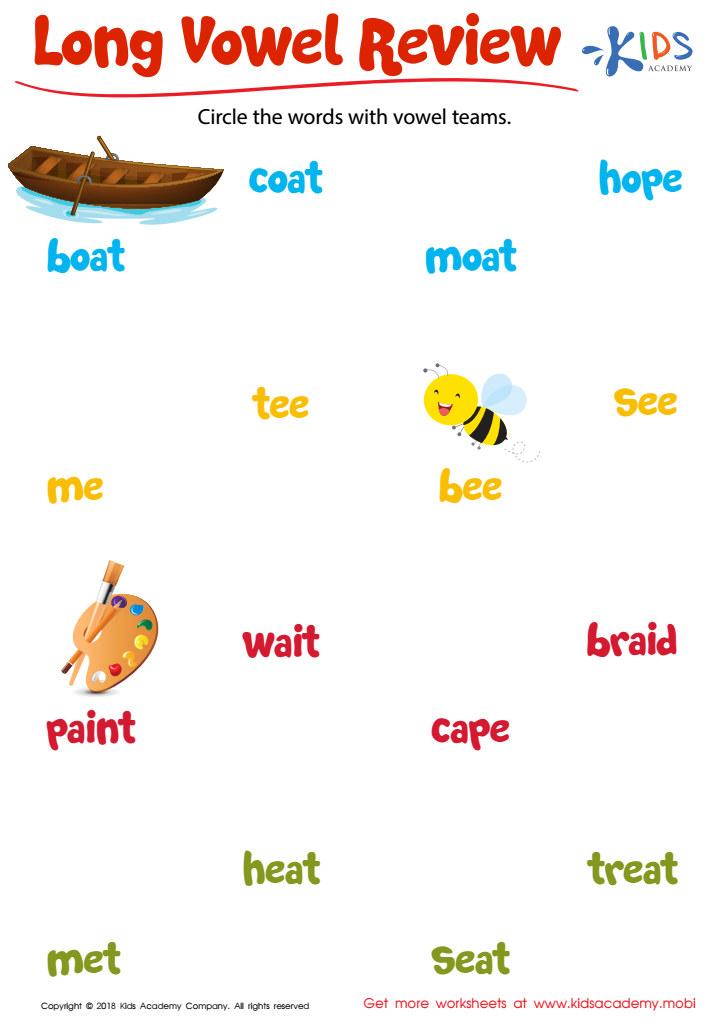
Long Vowel Review Worksheet
 Assign to My Students
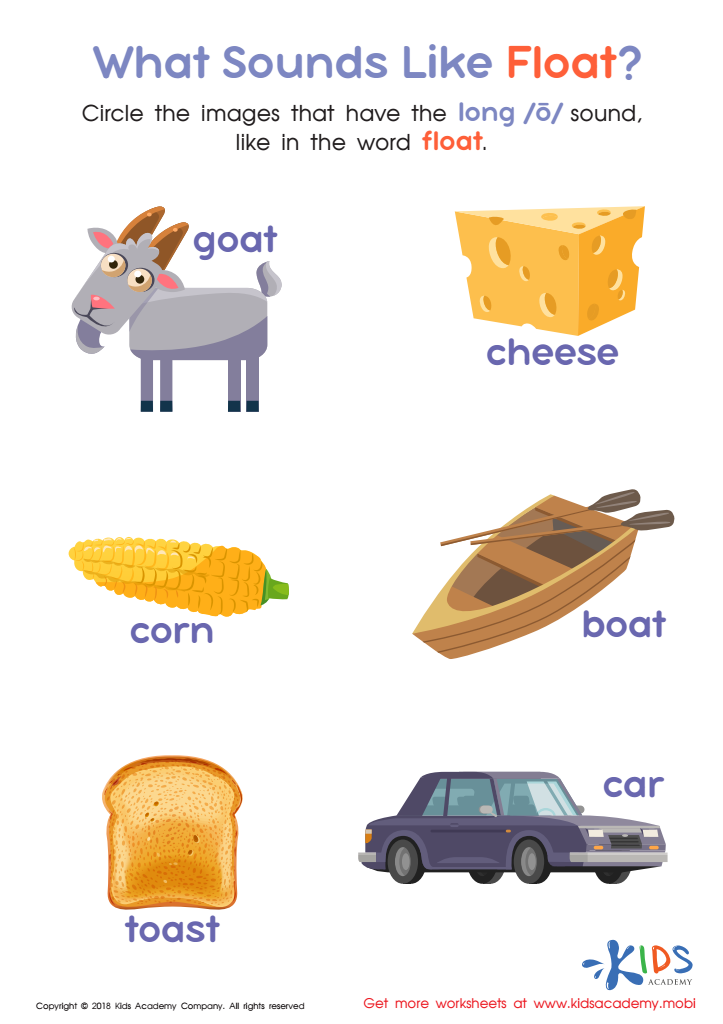
What Sounds Like Float? Worksheet
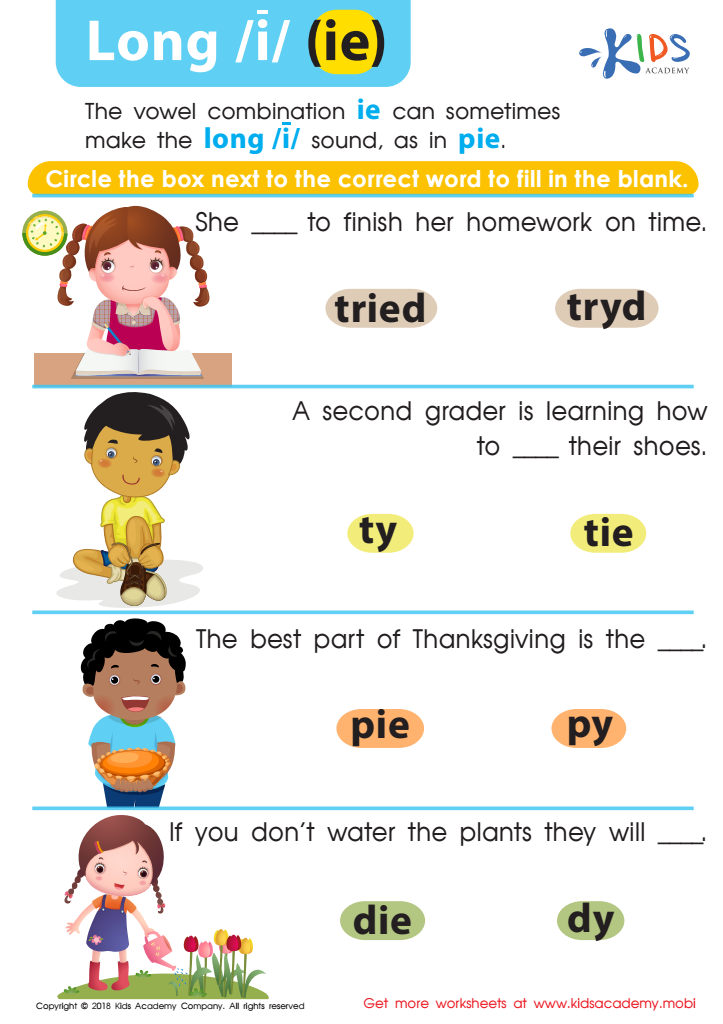
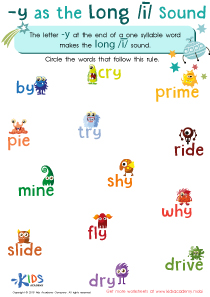
Reading: Long I and IE Worksheet
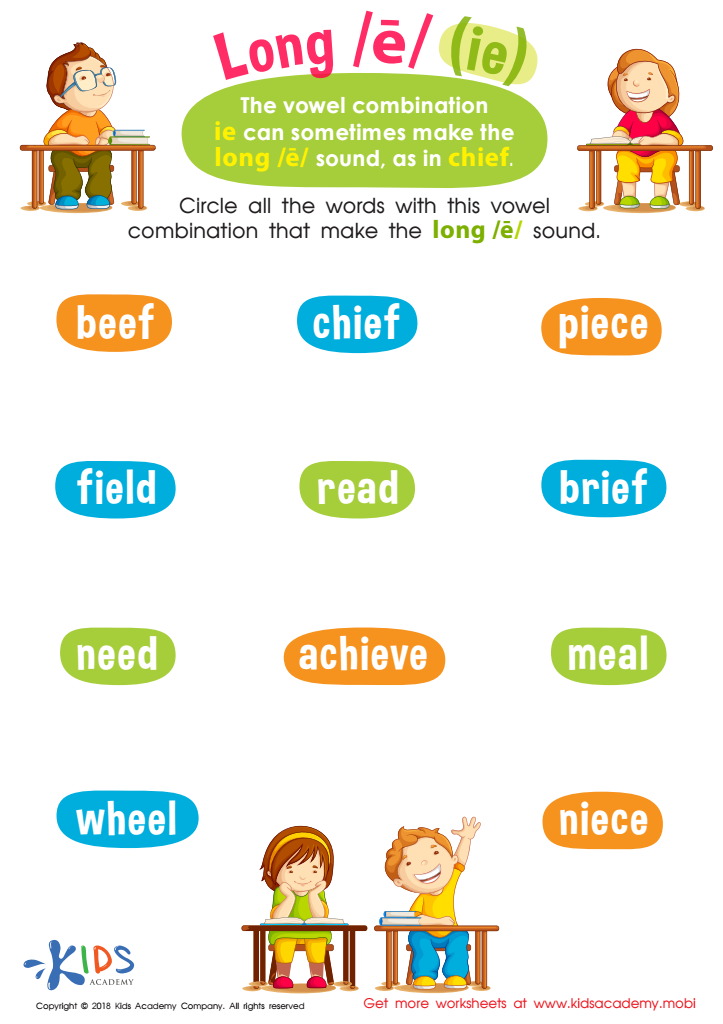
Reading: Long E and IE Worksheet
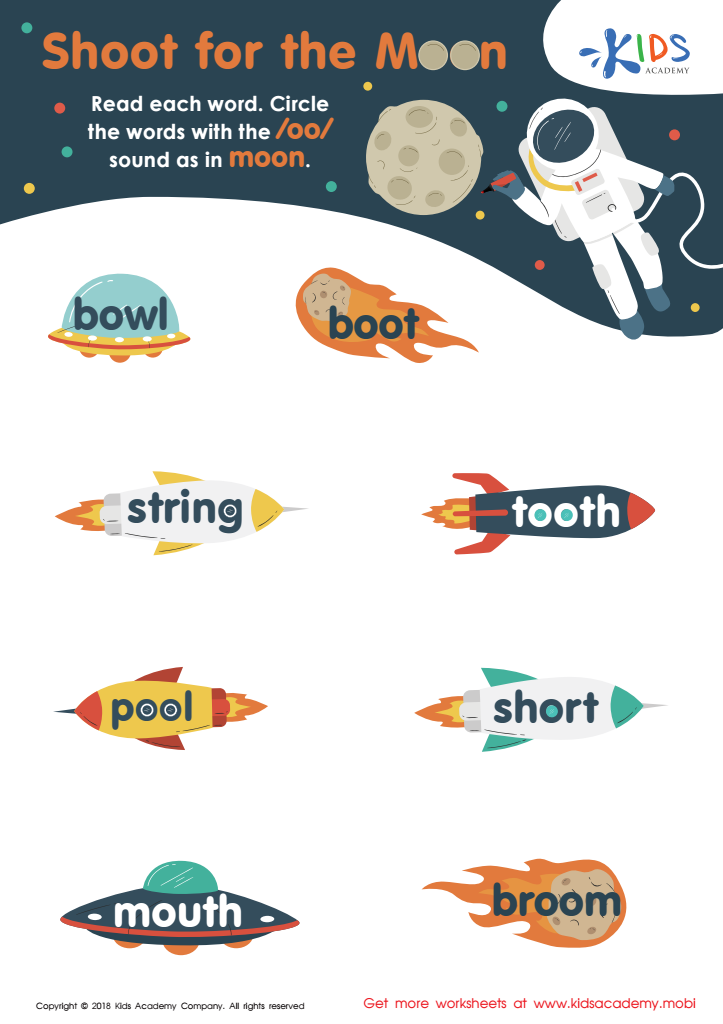
Reading: Shoot for the Moon Worksheet
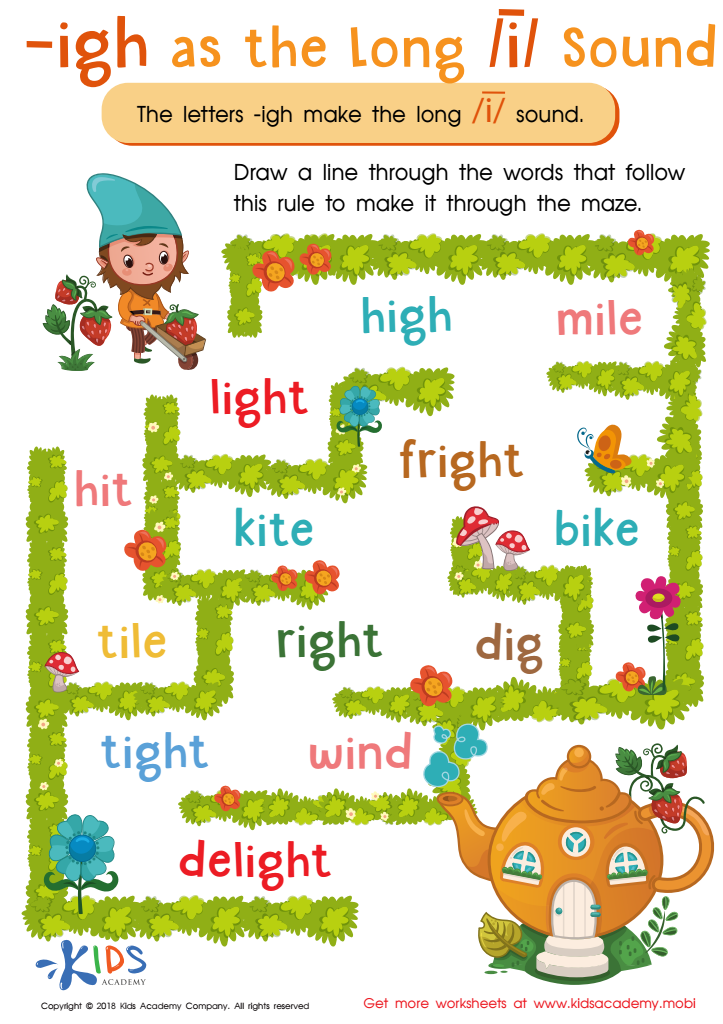
Reading: IGH as Long I Worksheet
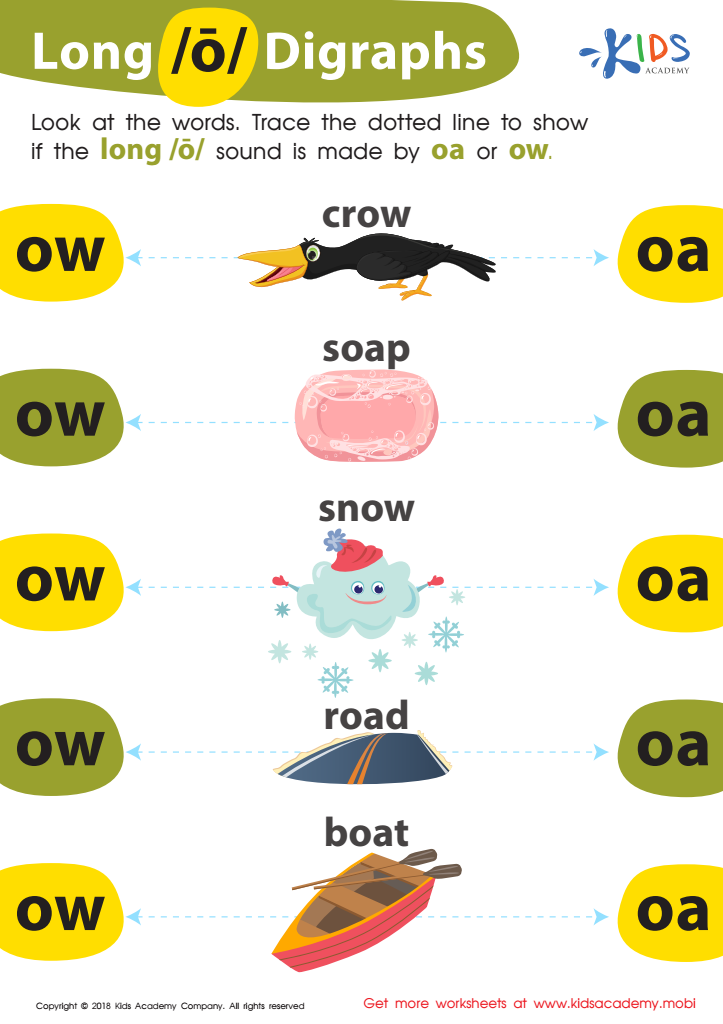
Reading: Long O Digraphs Worksheet
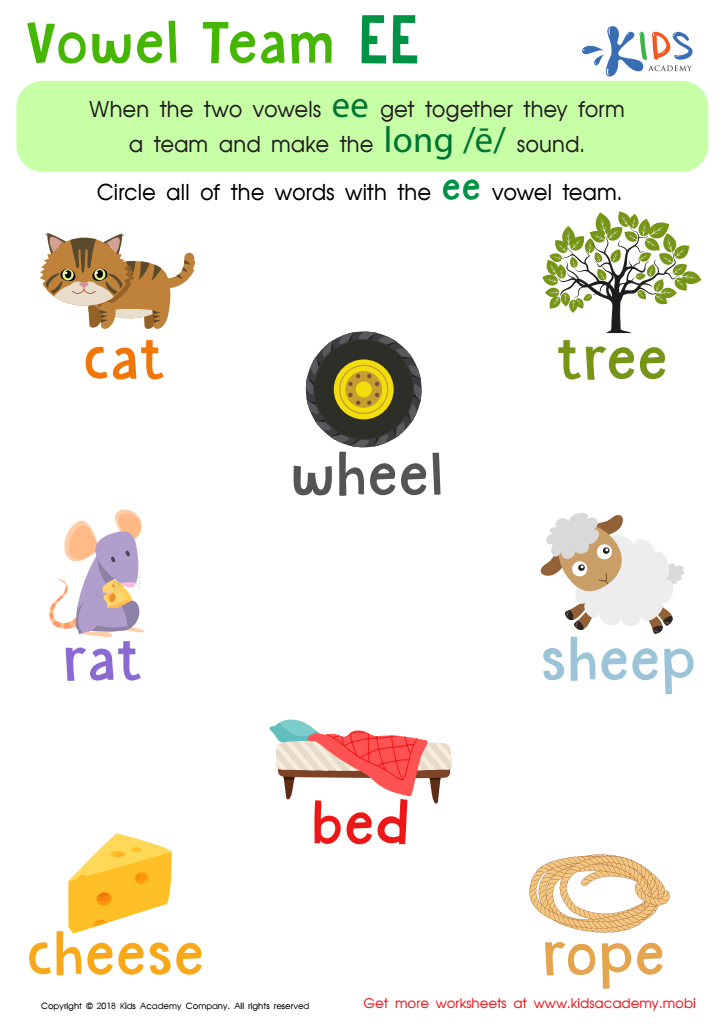
Reading: Vowel Team EE Worksheet
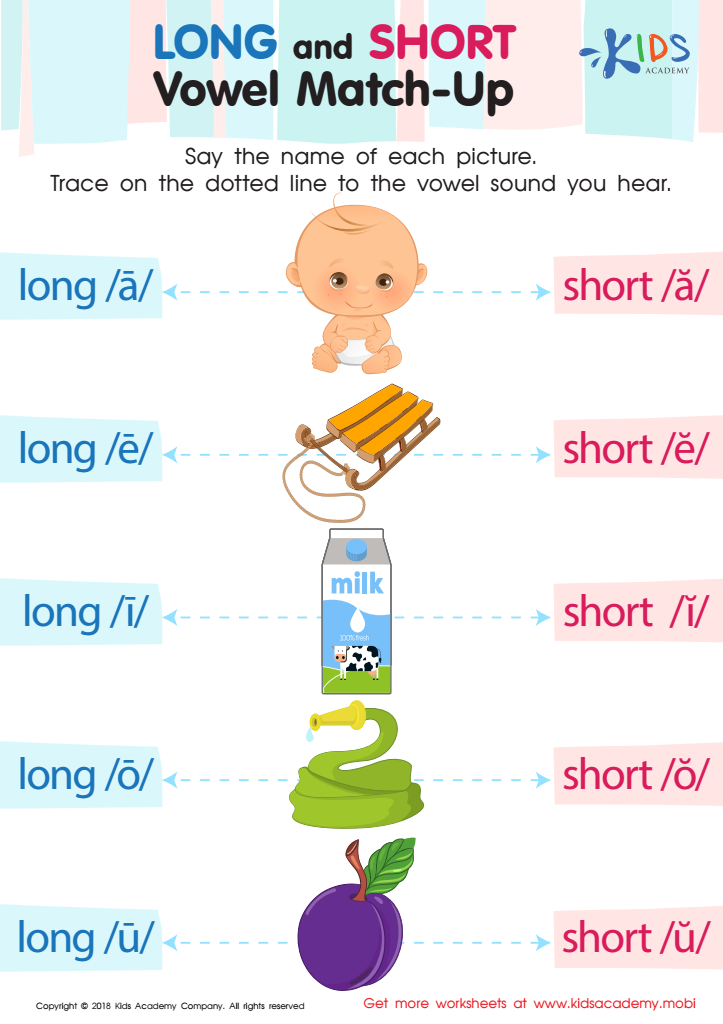
Long and Short Vowel Match up Reading Worksheet
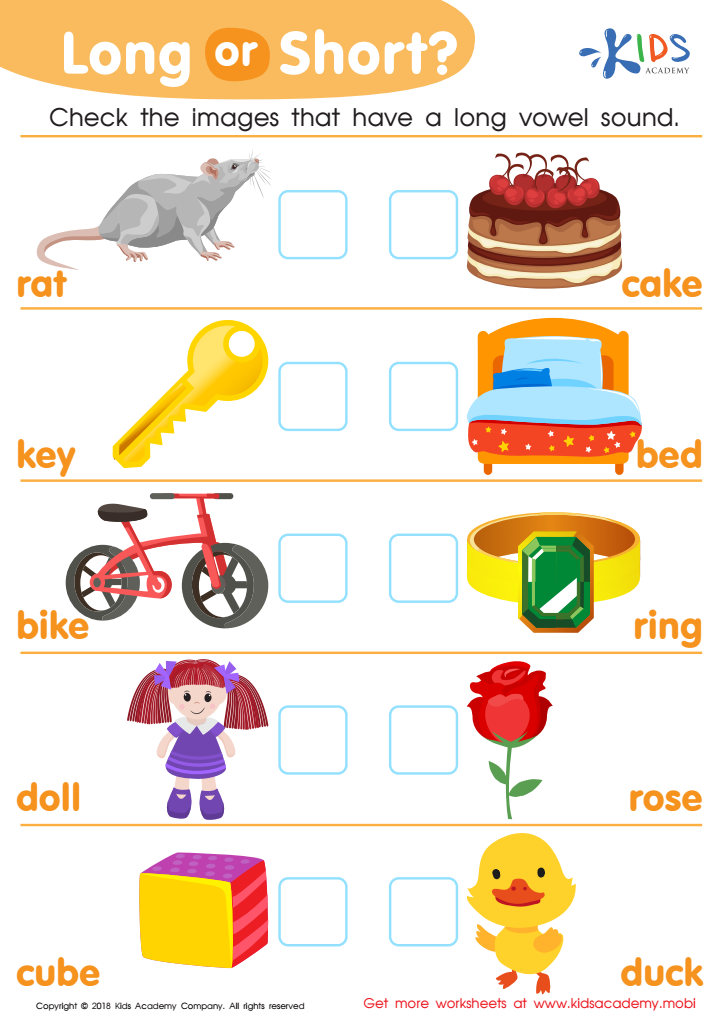
Long or Short Reading Worksheet
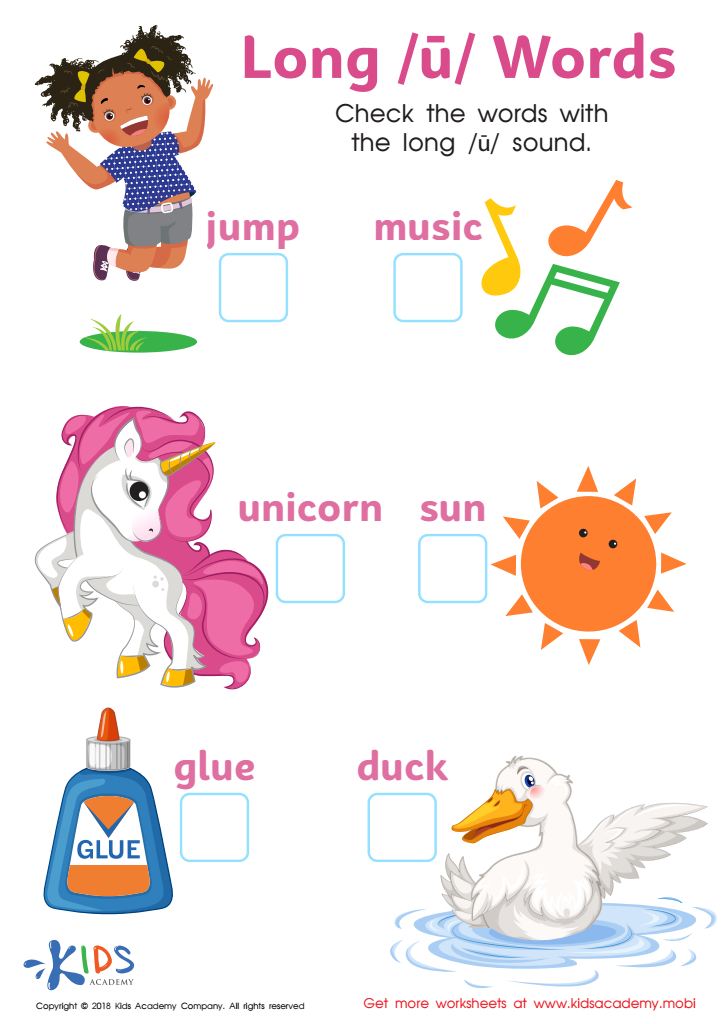
Long U Words Reading Worksheet
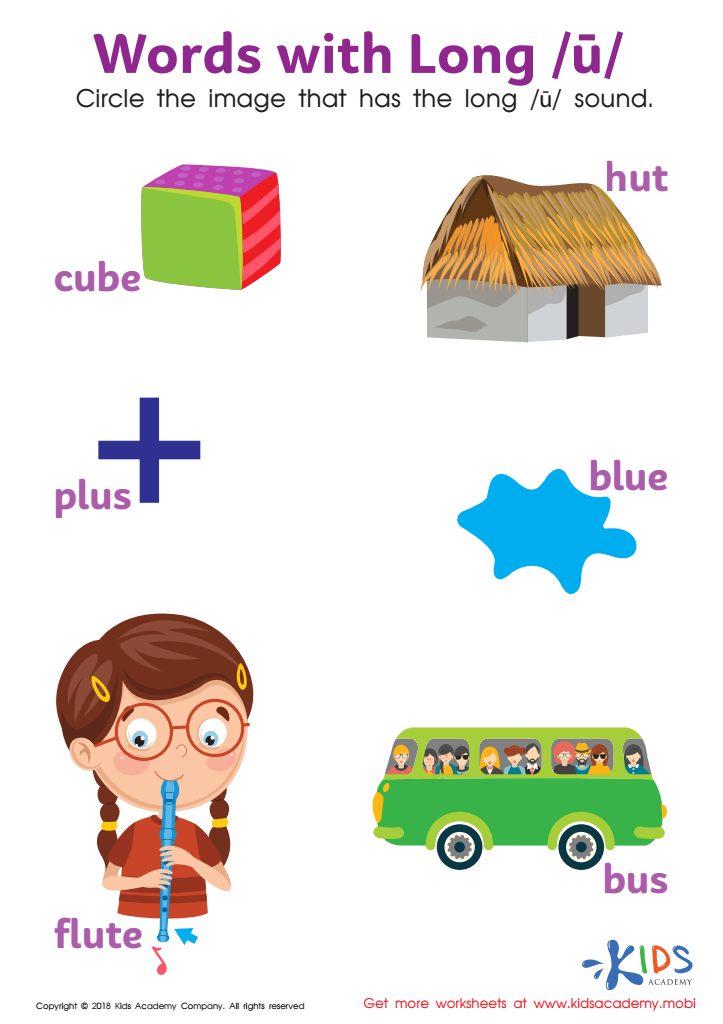
Words with Long U Reading Worksheet
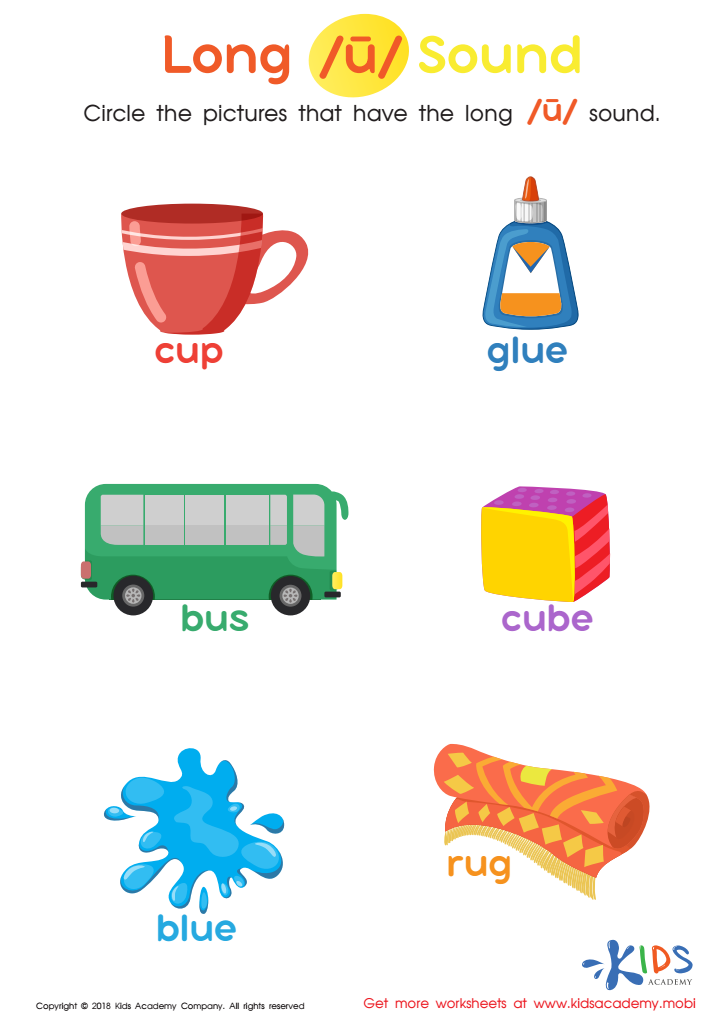
Long «u» Sound Worksheet
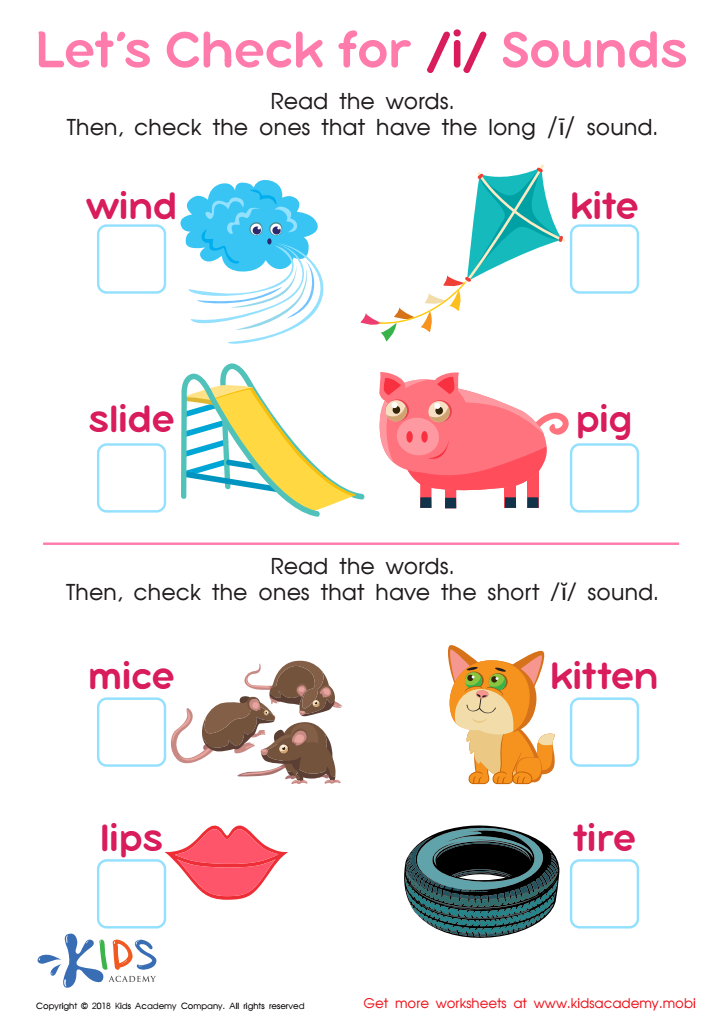
Let's Check for «i» Sounds Worksheet
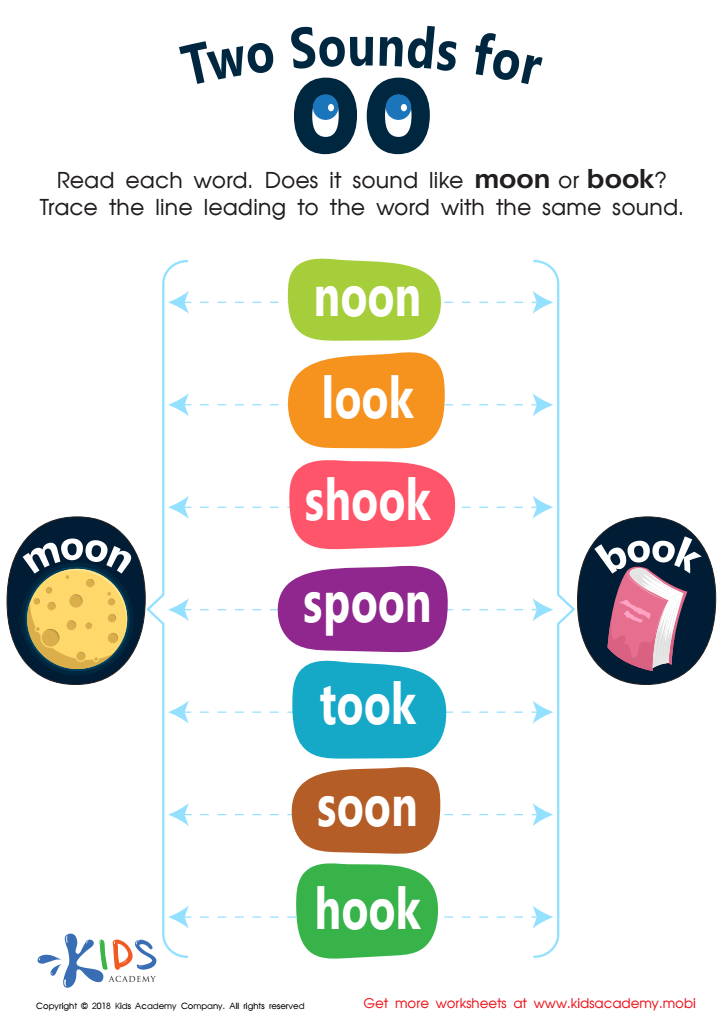
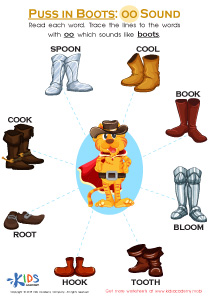
Two Sounds for OO Worksheet
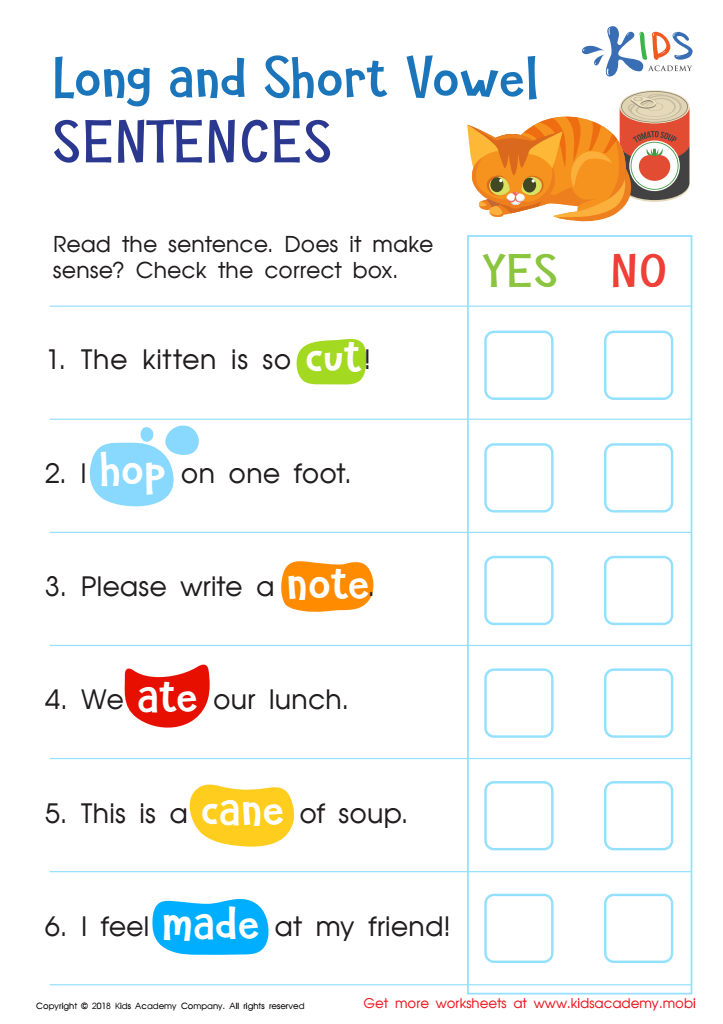
Long and Short Vowel Sentences: Assessment Worksheet
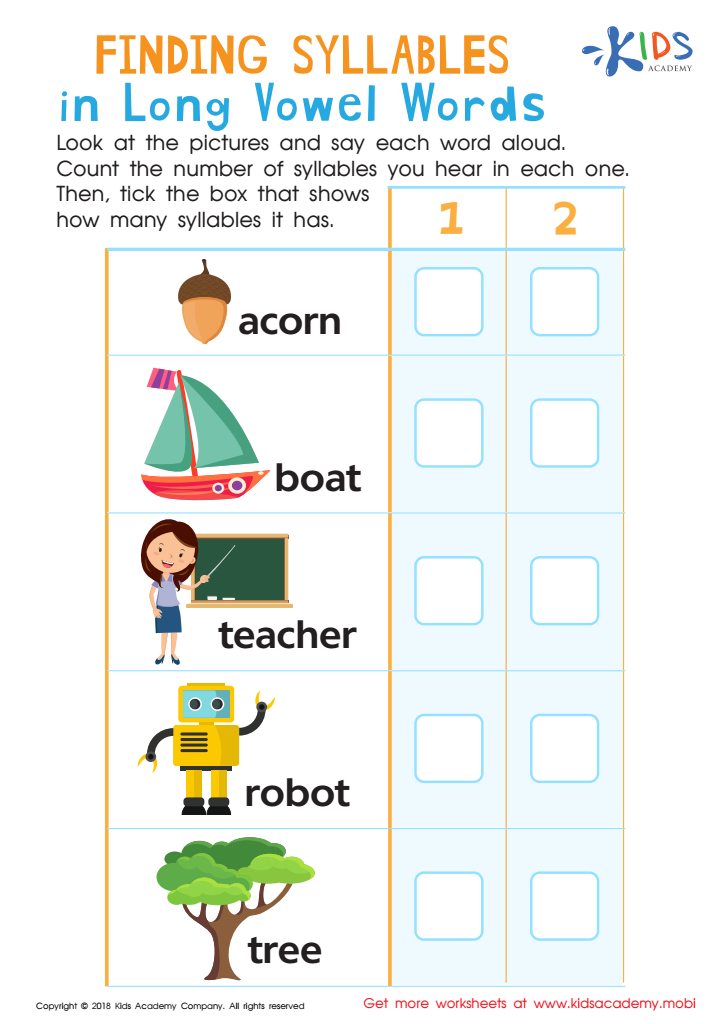
Finding Syllables in Long Vowel Words Worksheet
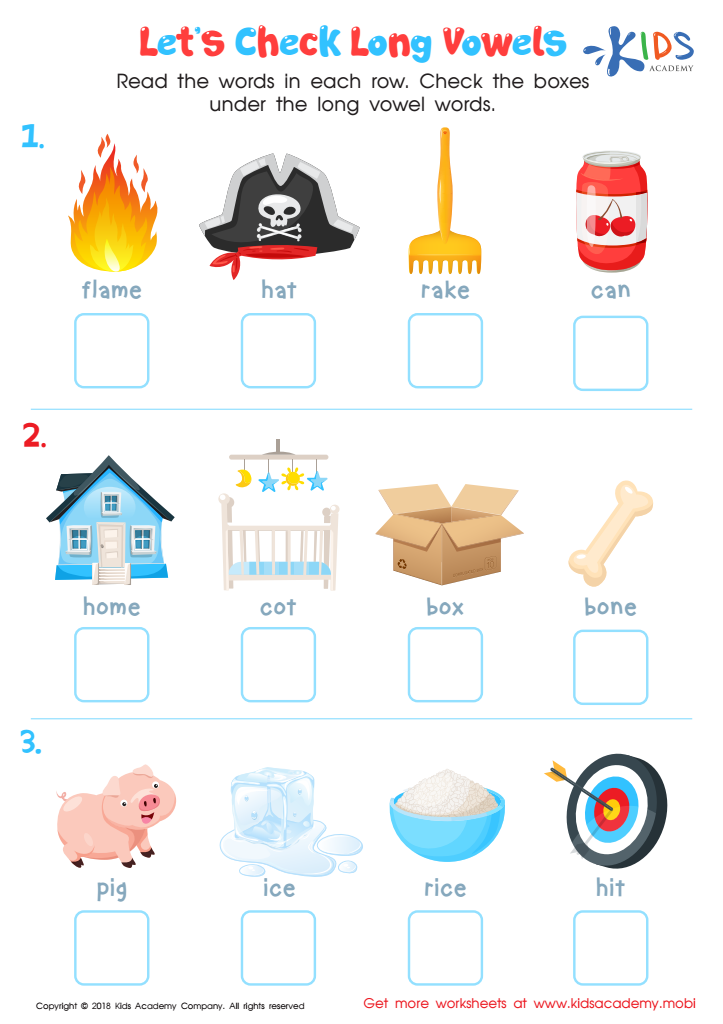
Let's Check Long Vowels: Assessment Worksheet
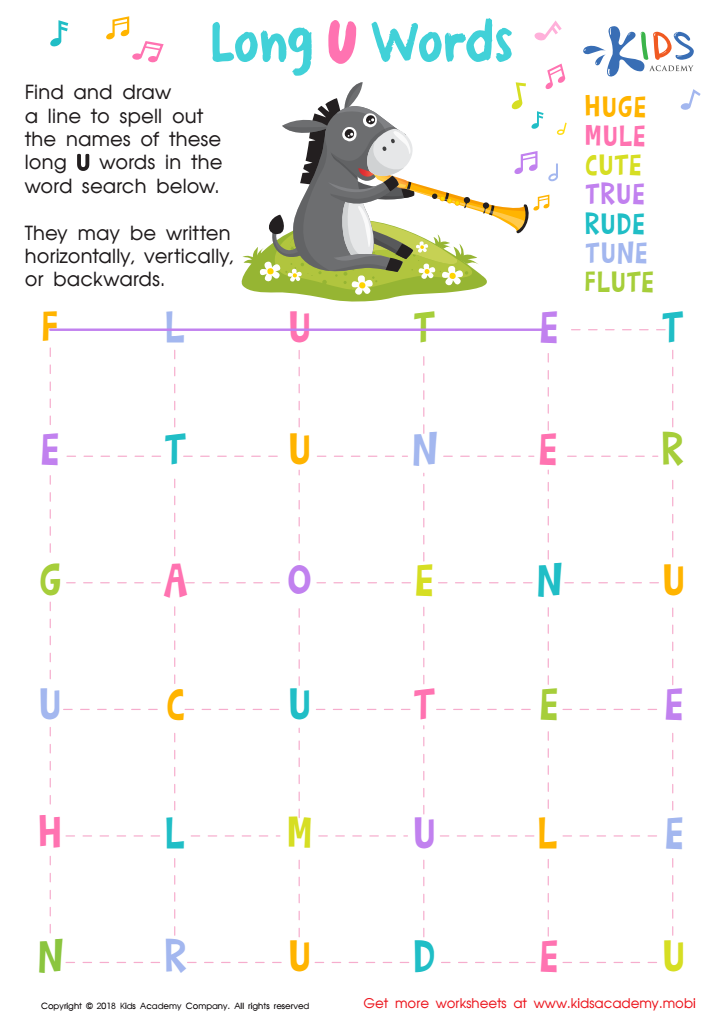
Long /u/ Words Worksheet
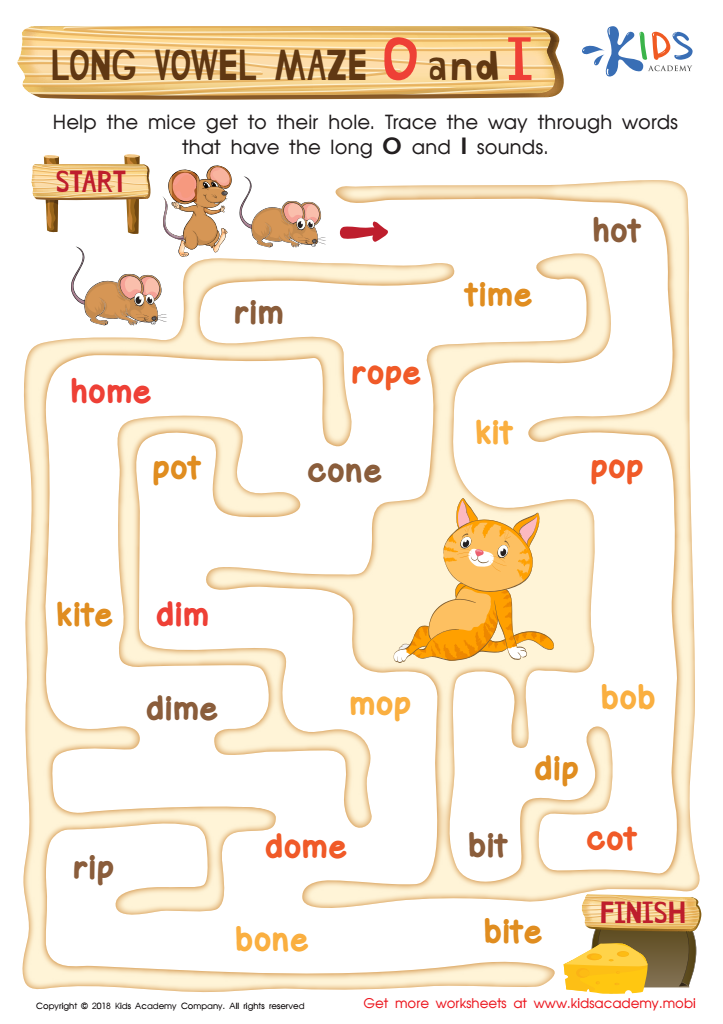
Long Vowel Maze /o/ and /i/ Worksheet
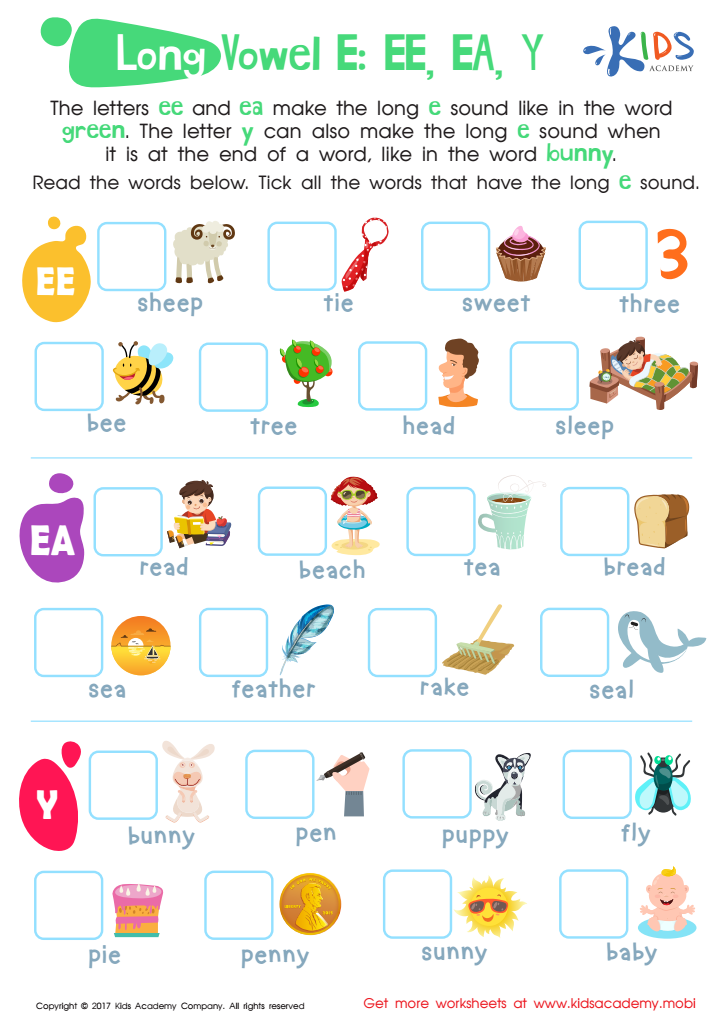
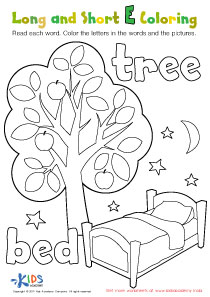
Long Vowel E Printable
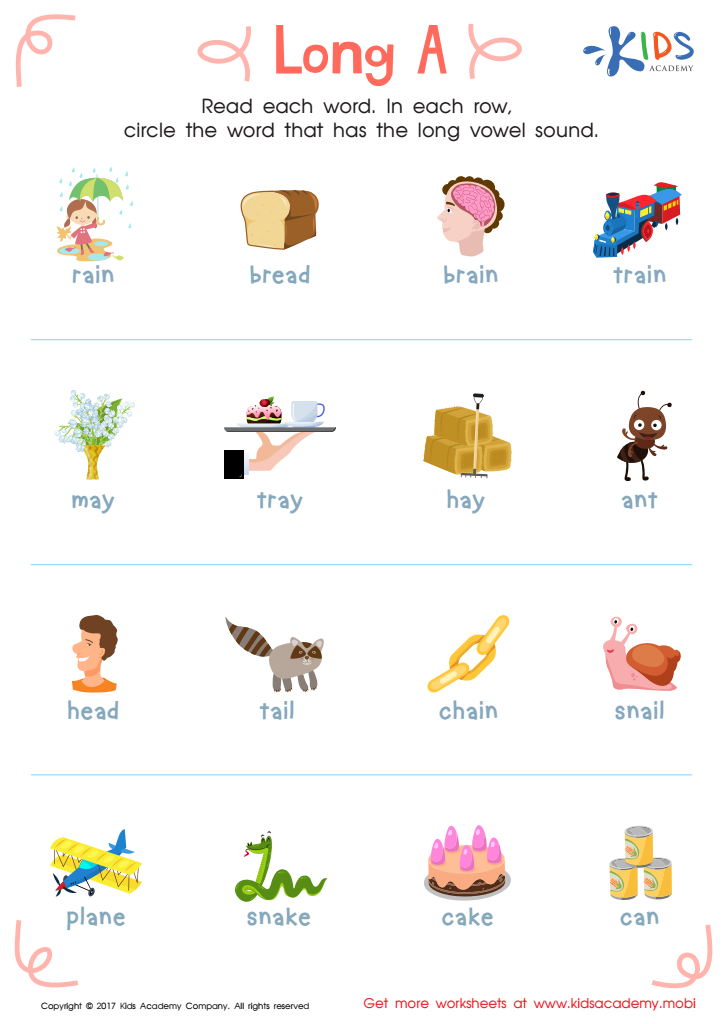
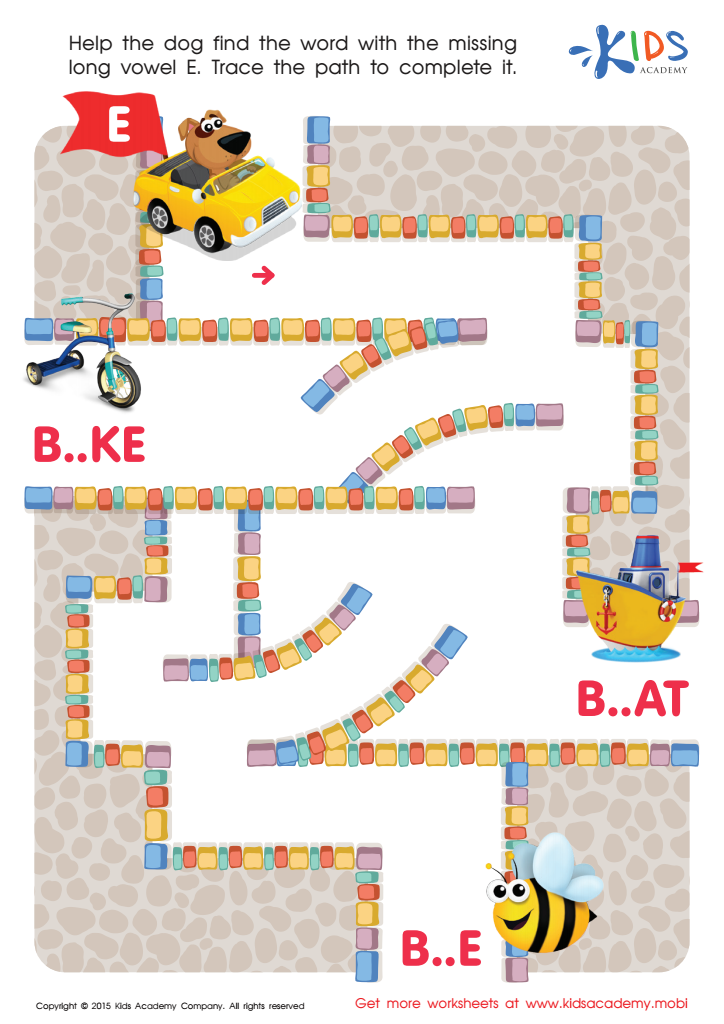
Long Vowel Sound E Worksheet



Normal long vowels are crucial for children aged 4-9 as they form the foundation of reading and writing skills. Understanding long vowels, which sound like their names (e.g., 'a' in "cake," 'e' in "tree"), enables children to decode words accurately, enhancing their reading fluency and comprehension. Mastery of long vowels also facilitates spelling, helping children represent sounds appropriately in their writing.
Furthermore, recognizing long vowels supports phonemic awareness, an essential skill for literacy development. Children learn to connect sounds with letters, enabling them to blend phonemes into words and segment them for spelling. This knowledge fosters confidence in their literacy abilities, encouraging a love for reading and learning.
In addition, long vowels are prevalent in many common words, so familiarity with them simplifies the process of vocabulary acquisition. This competence is not just beneficial for academic achievement; it also plays a vital role in communication skills, as children convey their thoughts and feelings more effectively.
Ultimately, parents and teachers should prioritize teaching normal long vowels to equip young learners with essential literacy skills, laying the groundwork for future academic success and a lifelong passion for reading. Understanding and practicing these sounds can significantly impact a child's educational journey.