Normal Tracing Letters Worksheets for Ages 4-9
32 filtered results
-
From - To
Explore our engaging Normal Tracing Letters Worksheets, designed specifically for children aged 4 to 9! These interactive worksheets promote essential handwriting skills by allowing young learners to trace various letters of the alphabet. Each worksheet features easy-to-follow guidelines that help children build confidence and improve their penmanship. Ideal for homeschooling or supplemental learning, our tracing worksheets make practicing fun and educational. With a range of appealing designs and activities, they inspire creativity while reinforcing letter recognition. Support your child's early literacy development and help them master the art of writing with our vibrant Normal Tracing Letters Worksheets today!
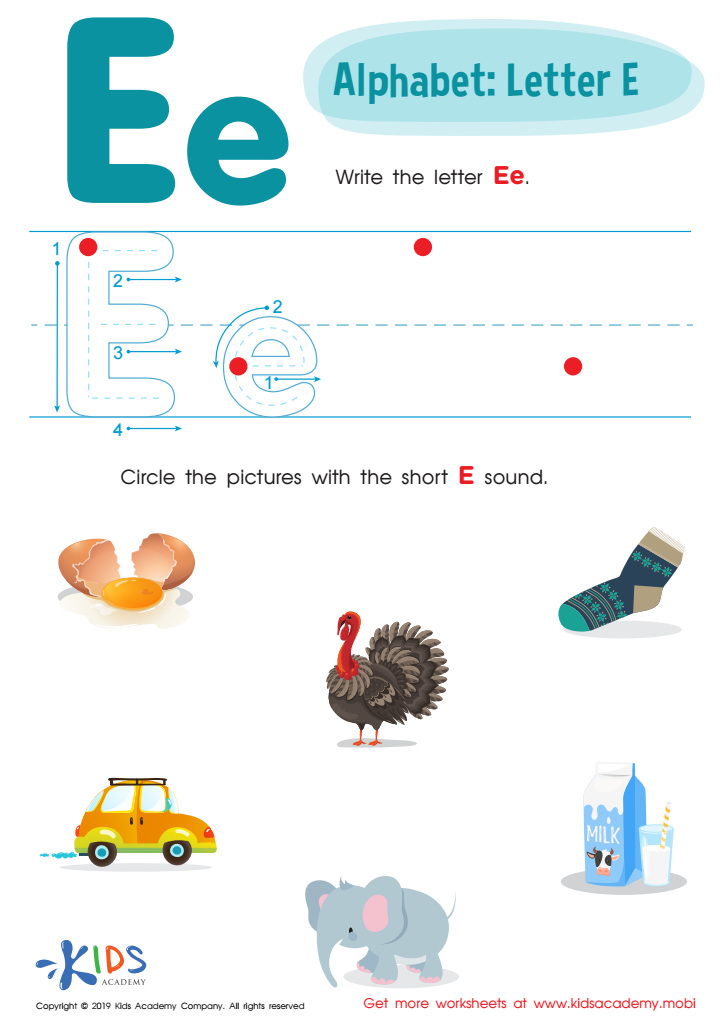
Letter E Tracing Worksheet
 Assign to My Students
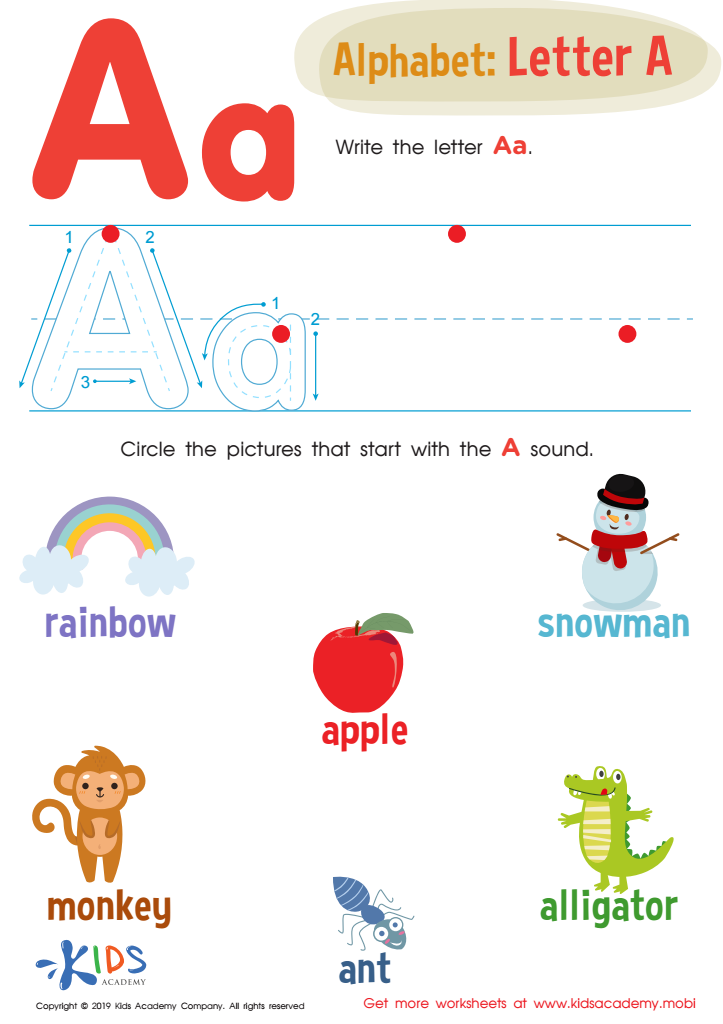
Letter A Tracing Worksheet
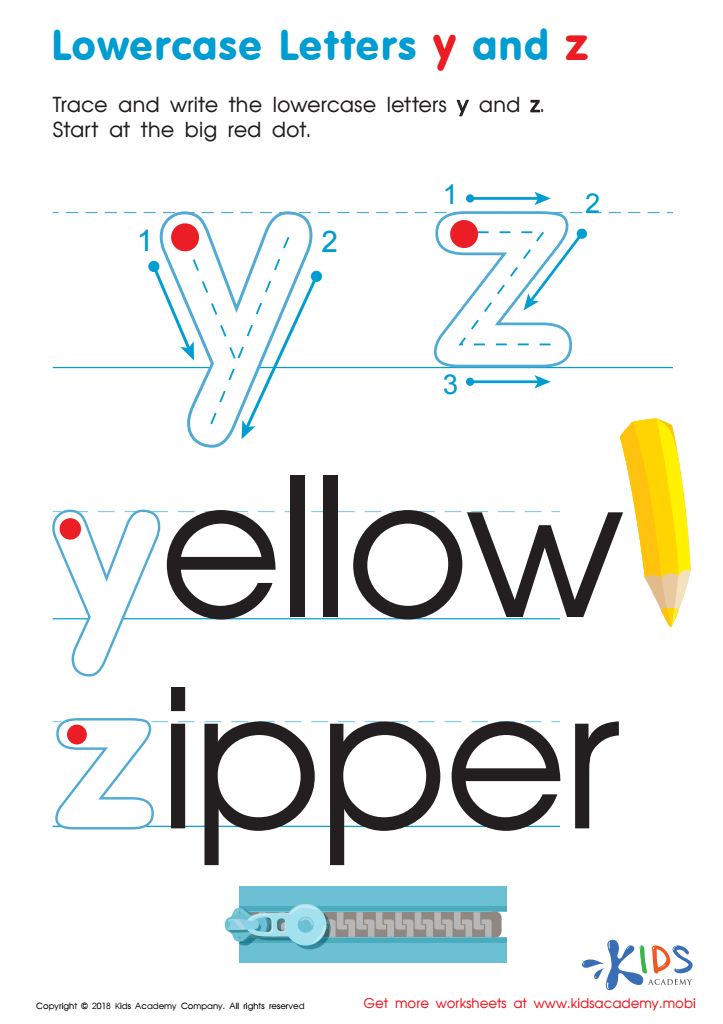
Lowercase Letters y z Worksheet
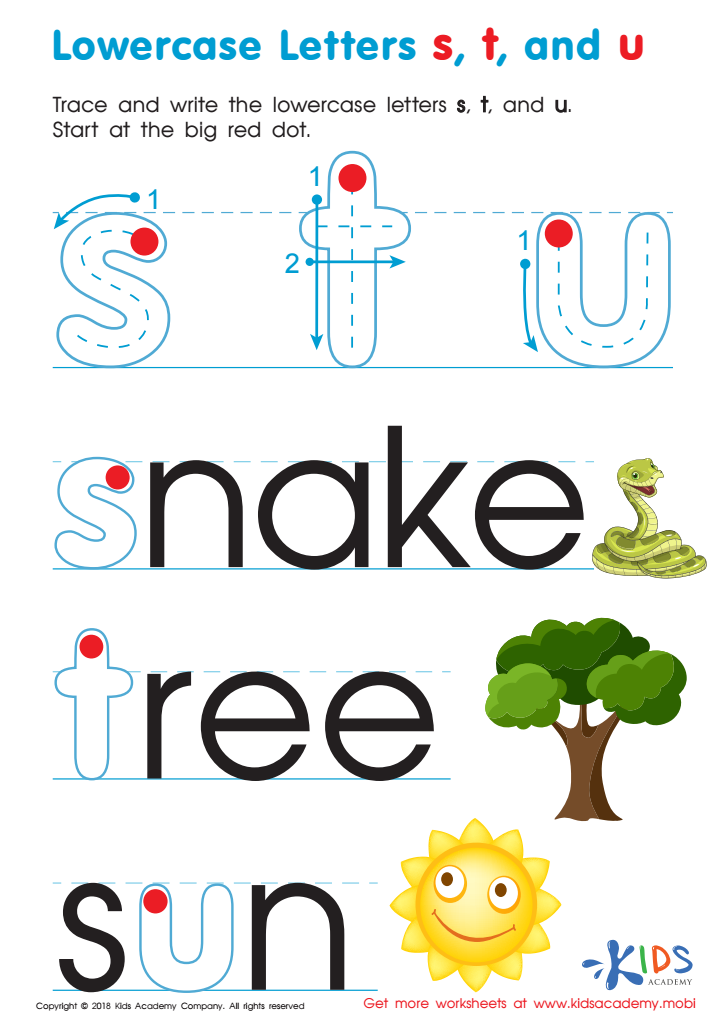
Lowercase Letters s t u Worksheet

Lowercase Letters m n o Worksheet
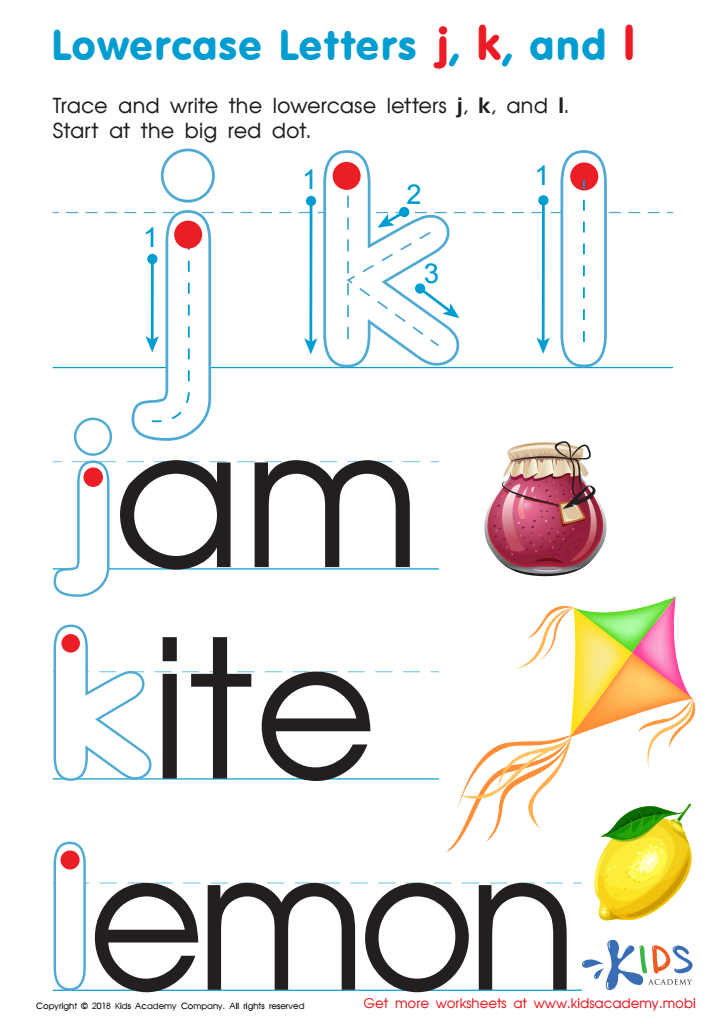
Lowercase Letters j k l Worksheet
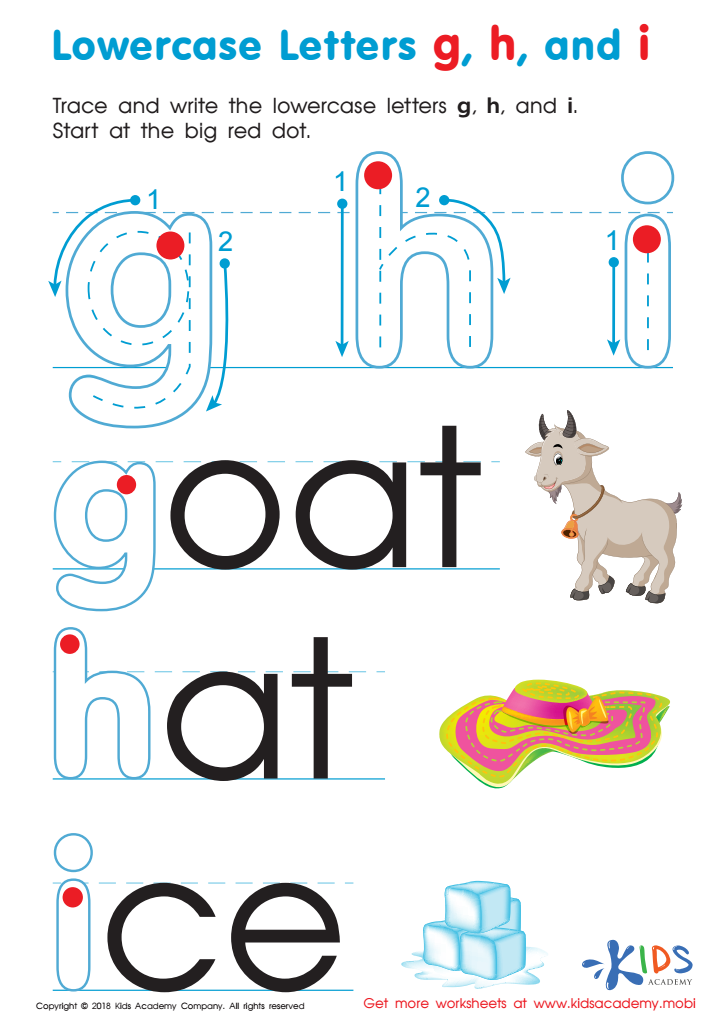
Lowercase Letters g h i Worksheet
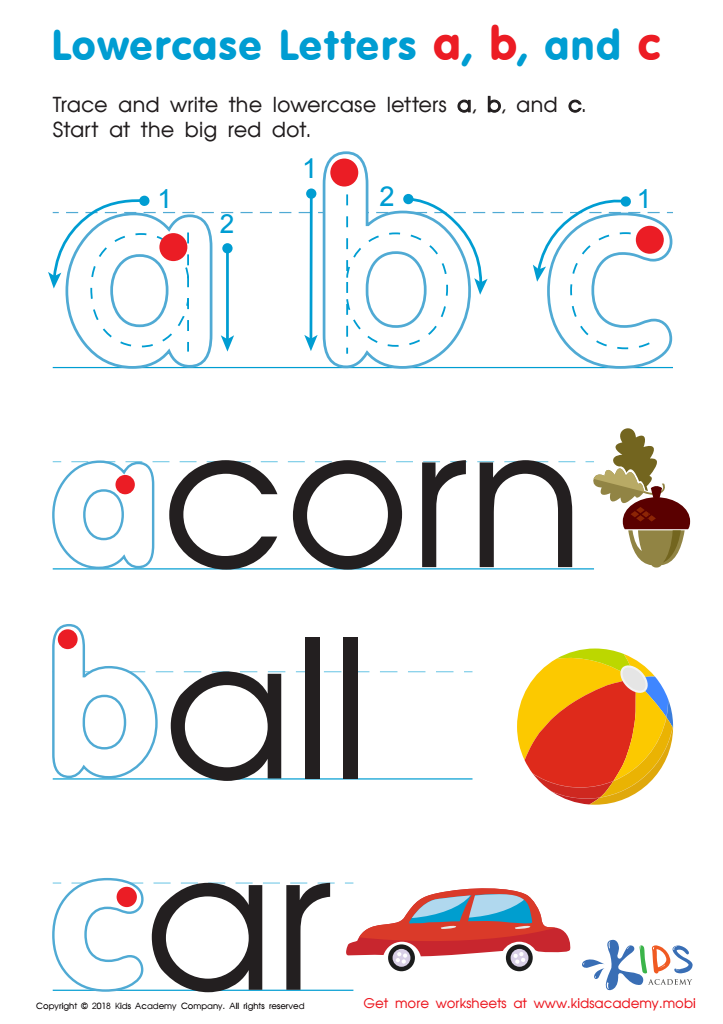
Lowercase Letters a b c Worksheet
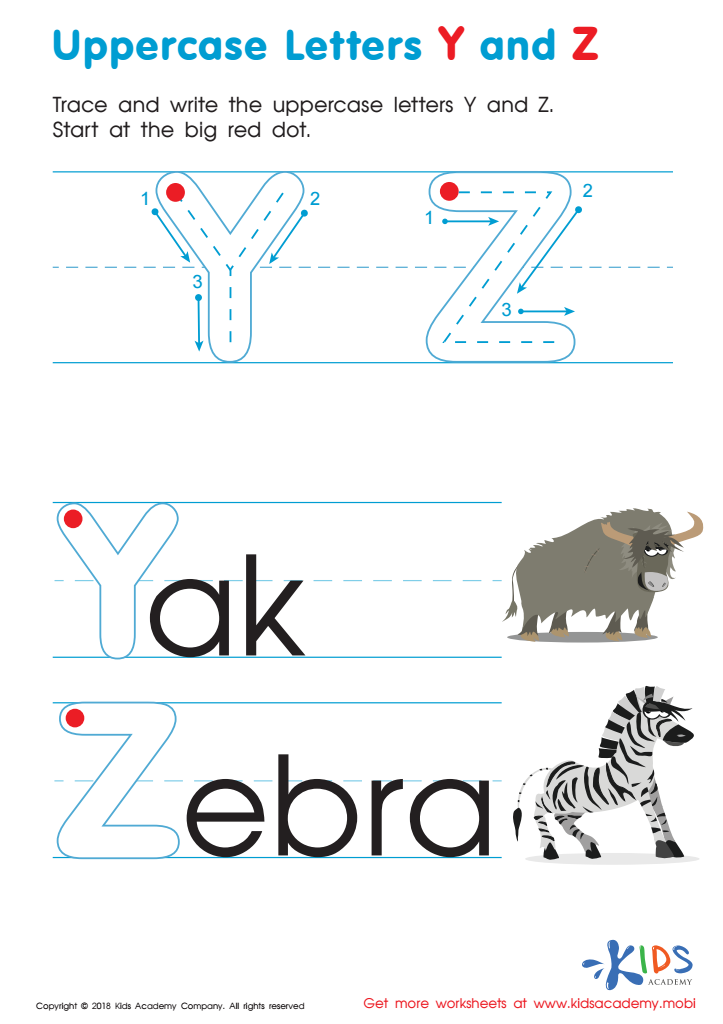
Uppercase Letters Y Z Worksheet
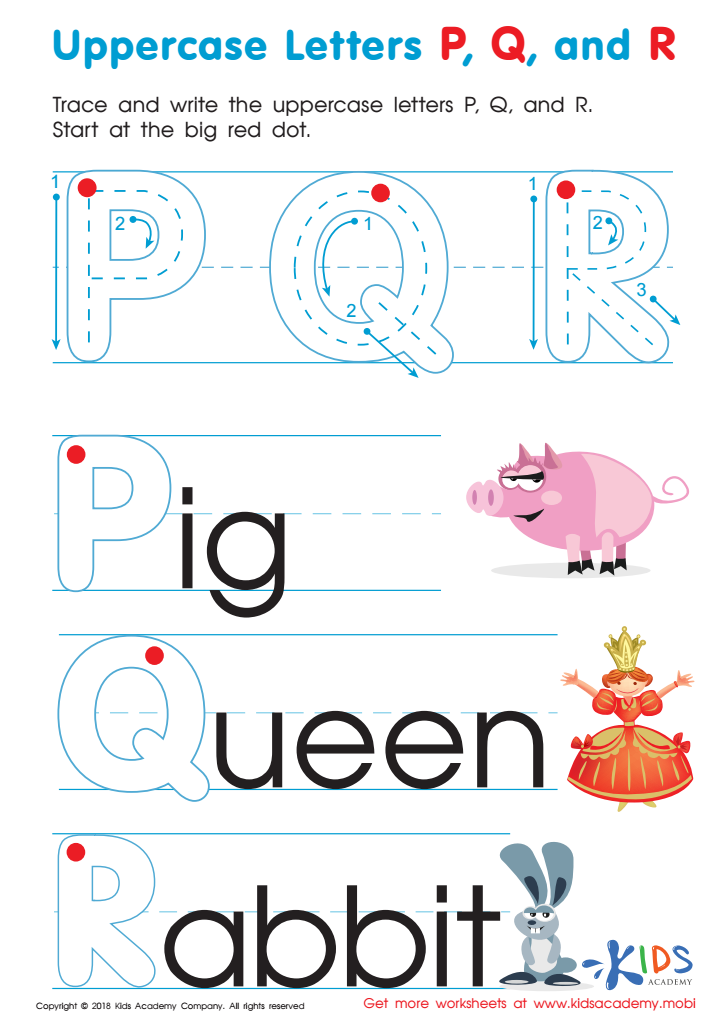
Uppercase Letters P, Q, and R Worksheet
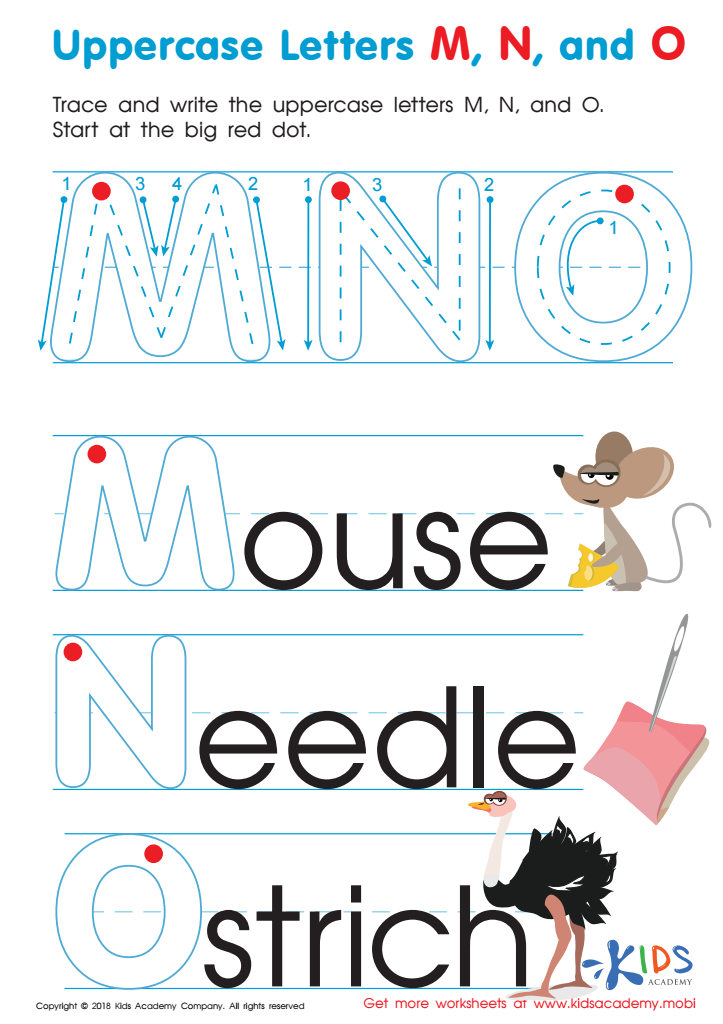
Uppercase Letters M, N, and O Worksheet
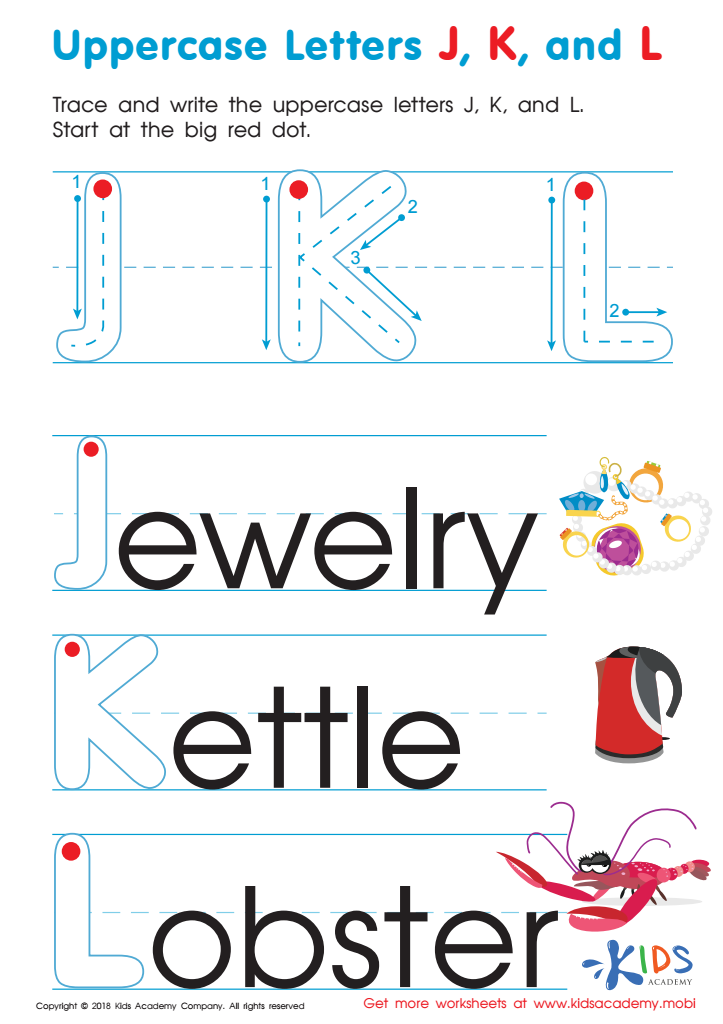
Uppercase Letters J, K, and L Worksheet
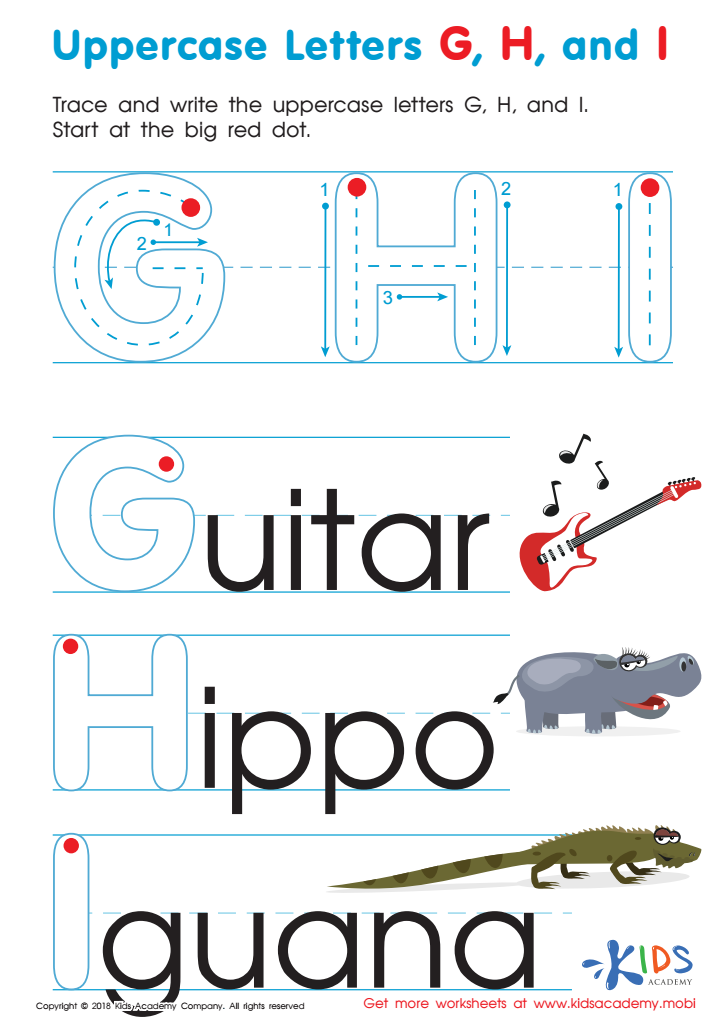
Uppercase Letters G, H, and I Worksheet
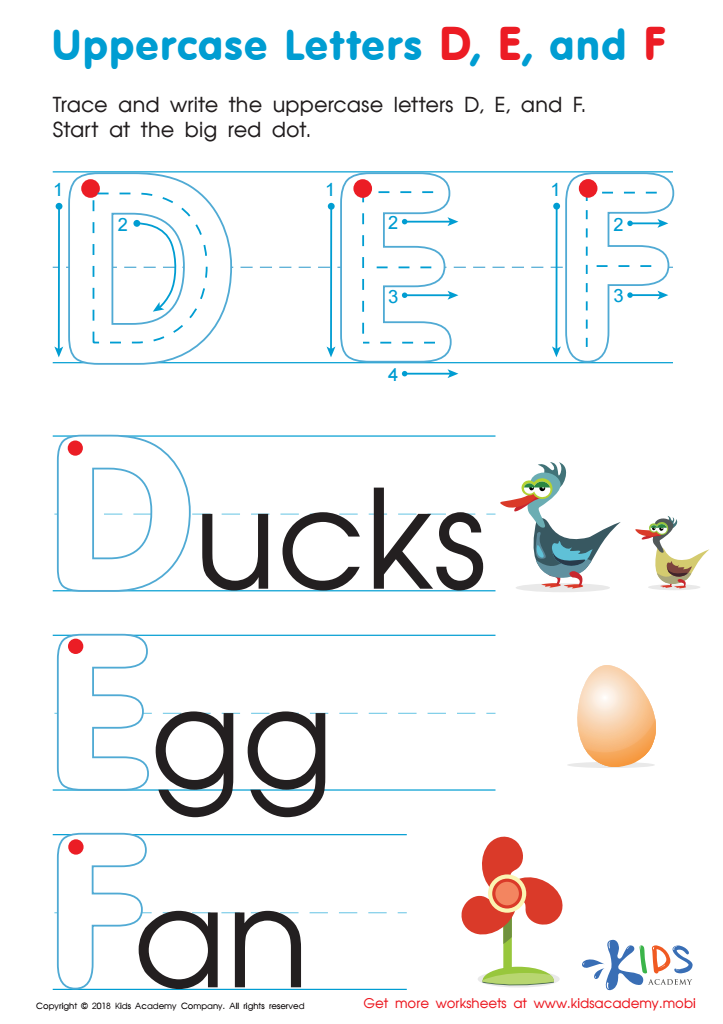
Uppercase Letters D, E, and F Worksheet
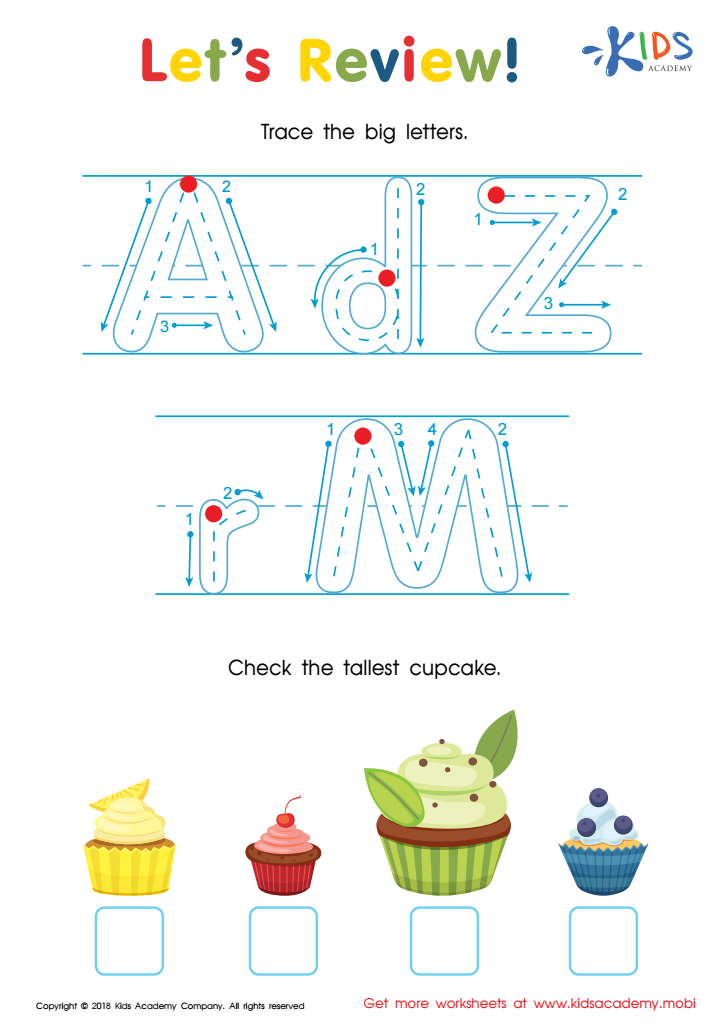
Let's Review! Big Letters Worksheet
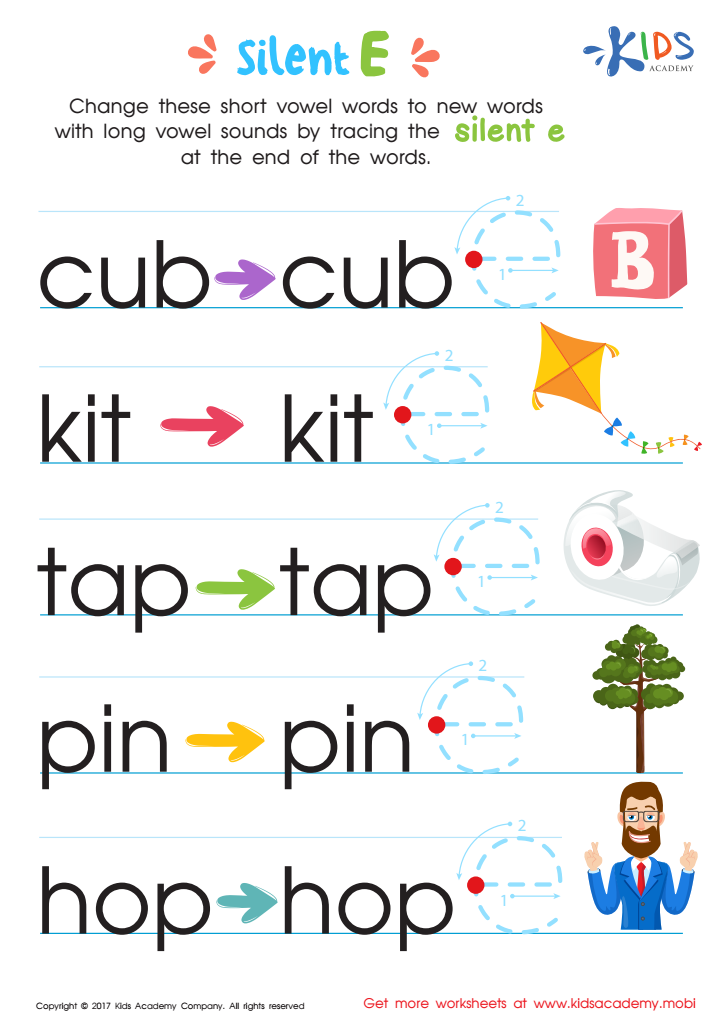
Silent E Words Worksheet
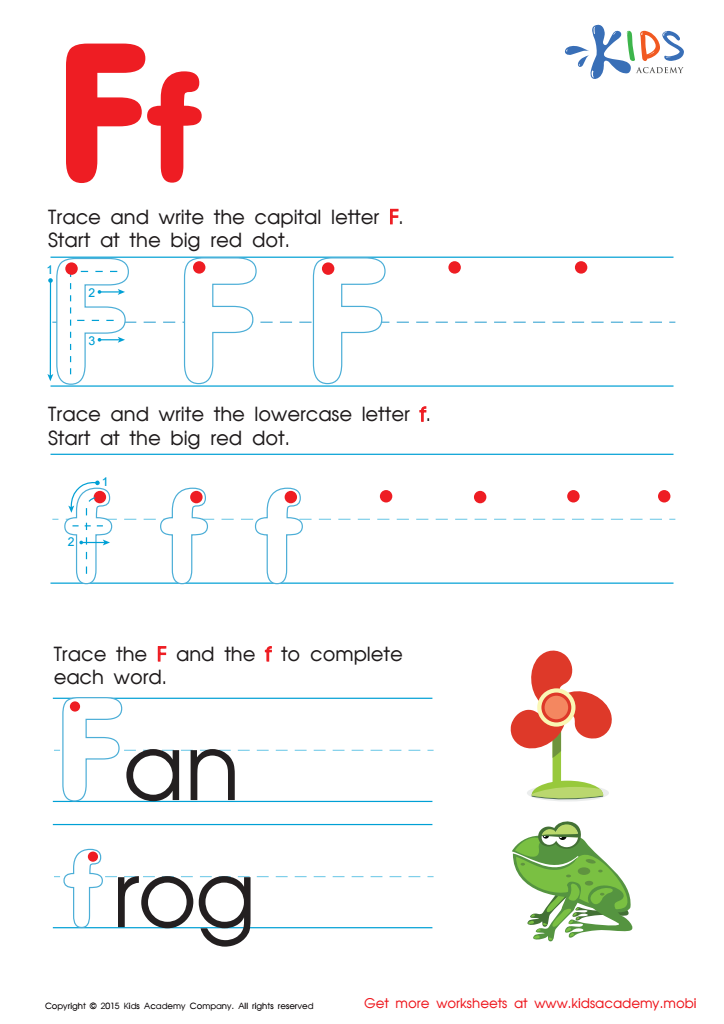
Letter F Tracing Page
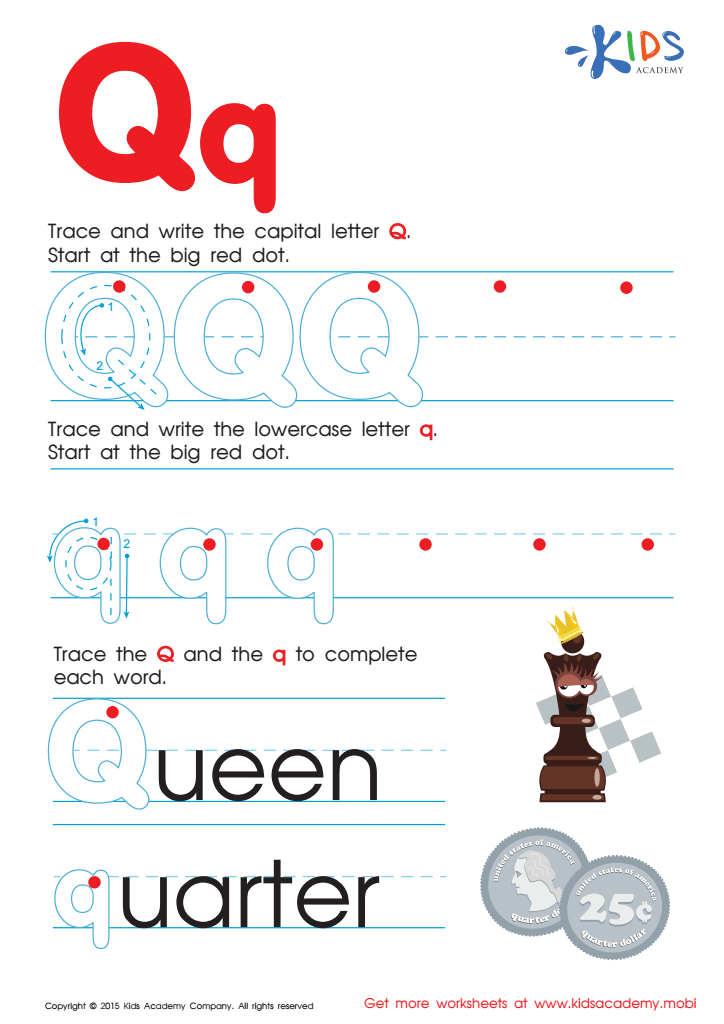
Letter Q Tracing Page
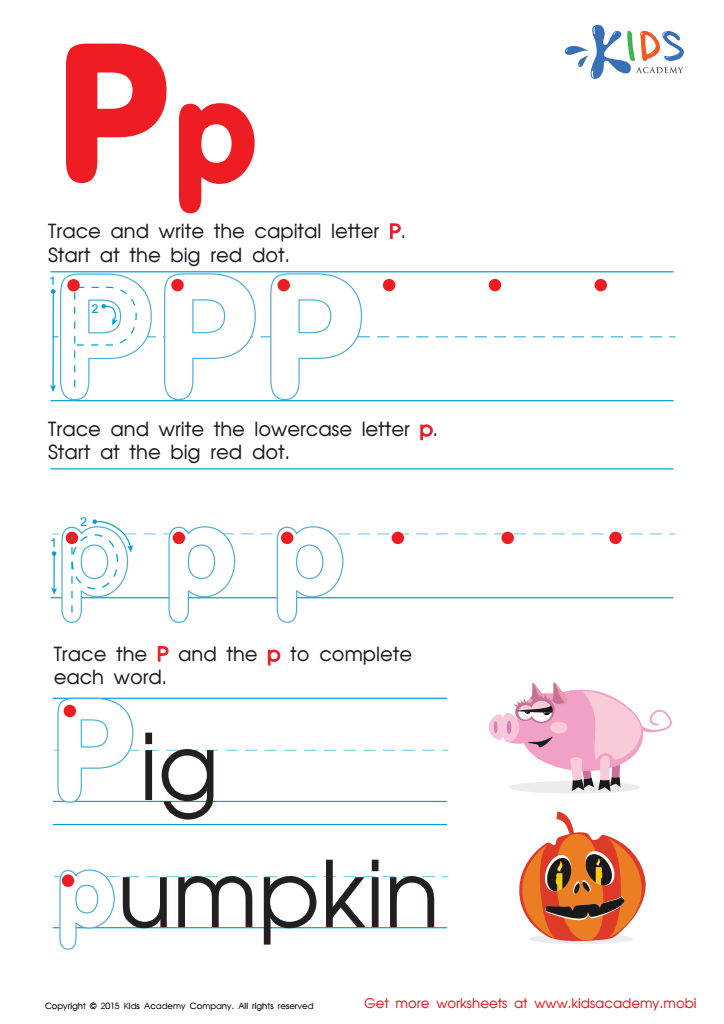
Letter P Tracing Page
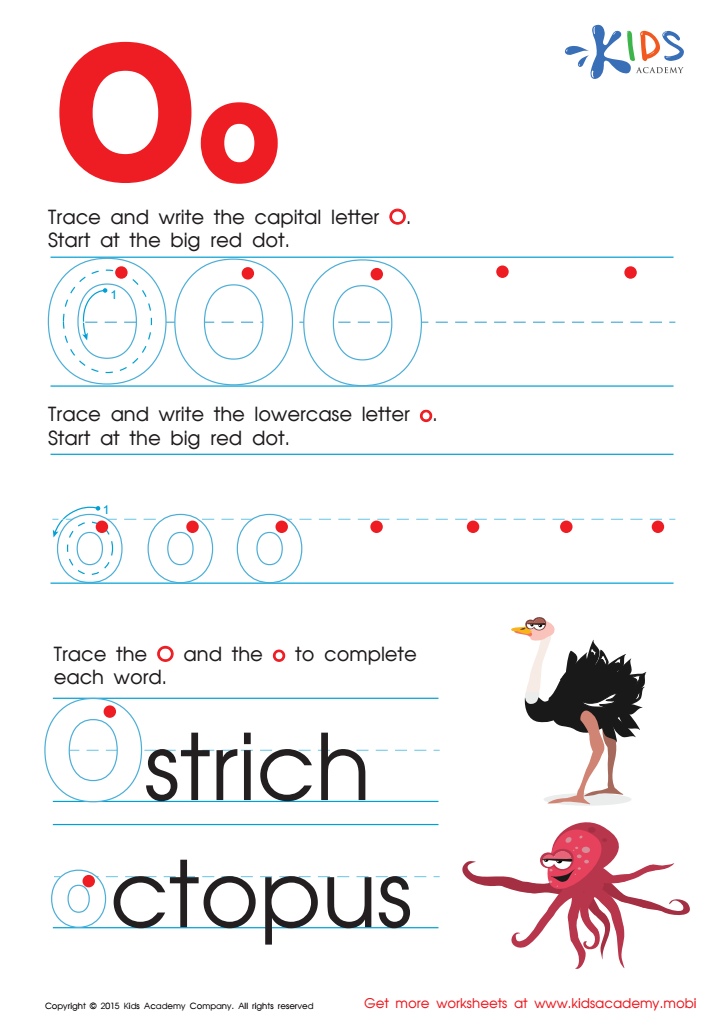
Letter O Tracing Page
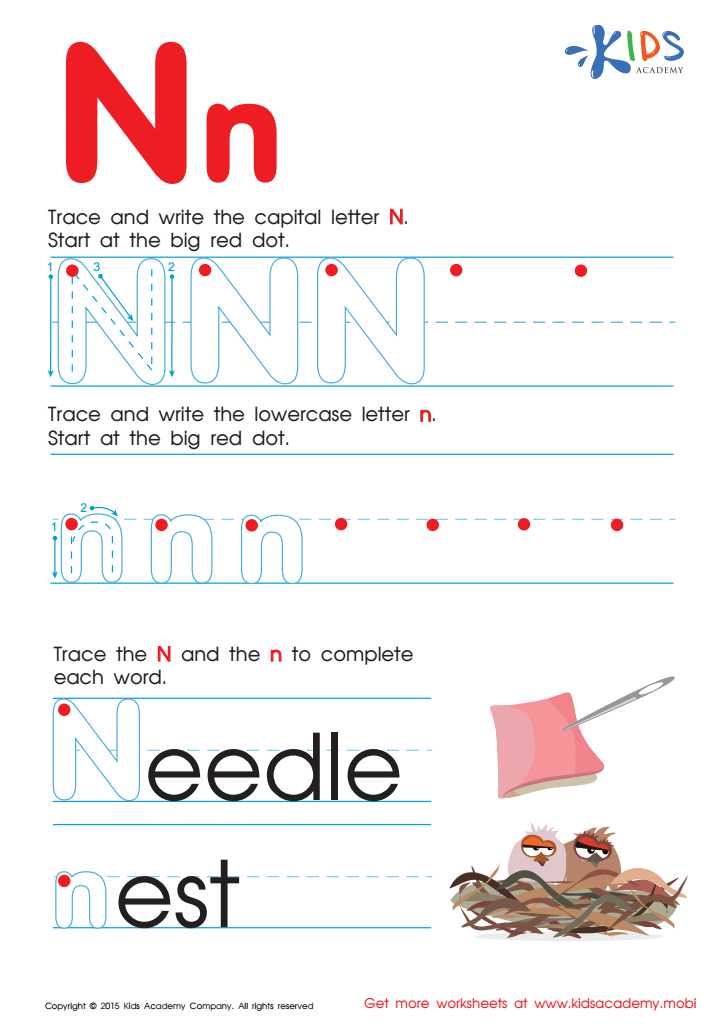
Letter N Tracing Page
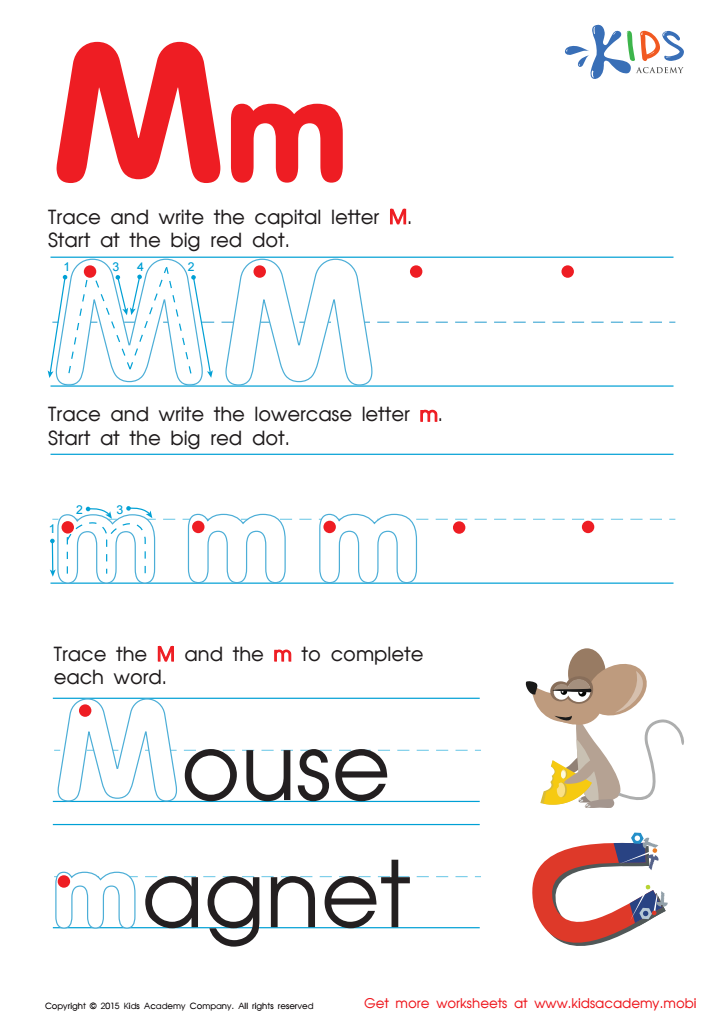
Letter M Tracing Page
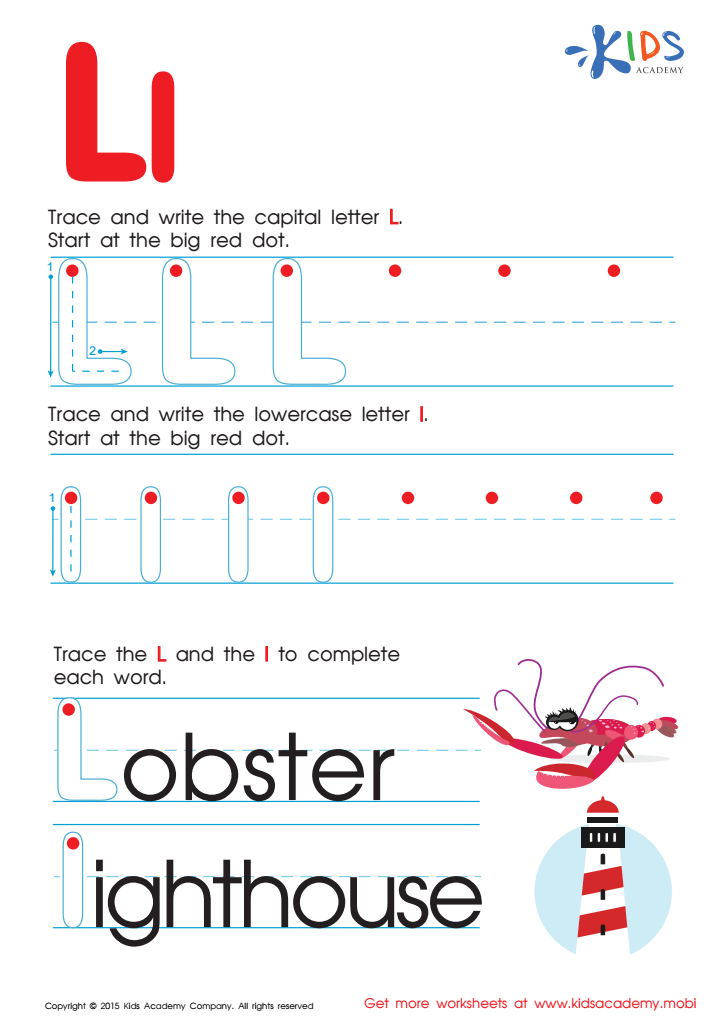
Letter L Tracing Page
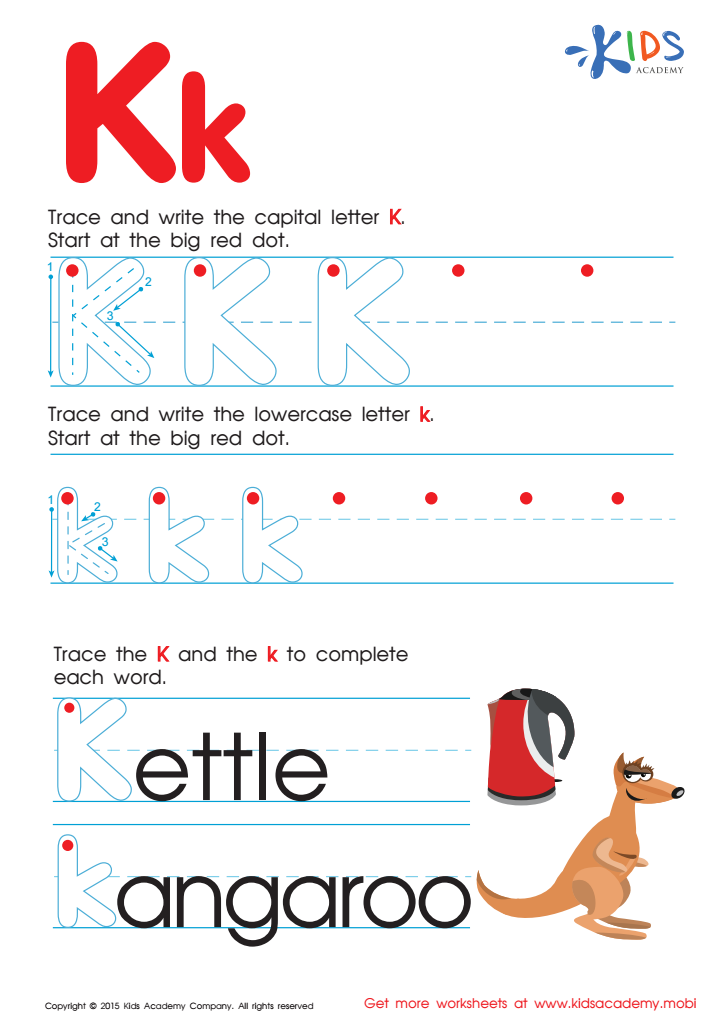
Letter K Tracing Page








Normal Tracing Letters activities are crucial for children aged 4-9 as they serve to enhance foundational literacy skills. First, these activities promote fine motor skills essential for writing. As children trace letters, they develop hand-eye coordination and control, which are vital forriting later on.
Moreover, tracing reinforces letter recognition and phonemic awareness. By repeatedly going over each letter, children become familiar with the shape and structure of letters, aiding in their ability to identify letters during reading and writing tasks. This familiarity lays the groundwork for improved spelling and reading fluency.
Additionally, Normal Tracing Letters can spark a love for writing among young learners. These activities can be integrated into fun, engaging, and interactive lessons that encourage creativity and self-expression. When children enjoy the learning process, they are more likely to develop a positive attitude toward literacy.
Furthermore, incorporating tracing letters into home and school learning environments fosters a collaborative approach. Parents and teachers can support each child's learning journey together, reinforcing concepts while building essential communication.
Overall, prioritizing Normal Tracing Letters in educational activities promotes essential skills, fosters literacy development, and encourages a love for learning, making it a vital aspect of early childhood education.








