Problem-Solving Skills Normal Worksheets for Ages 4-9 - Page 3
119 filtered results
-
From - To
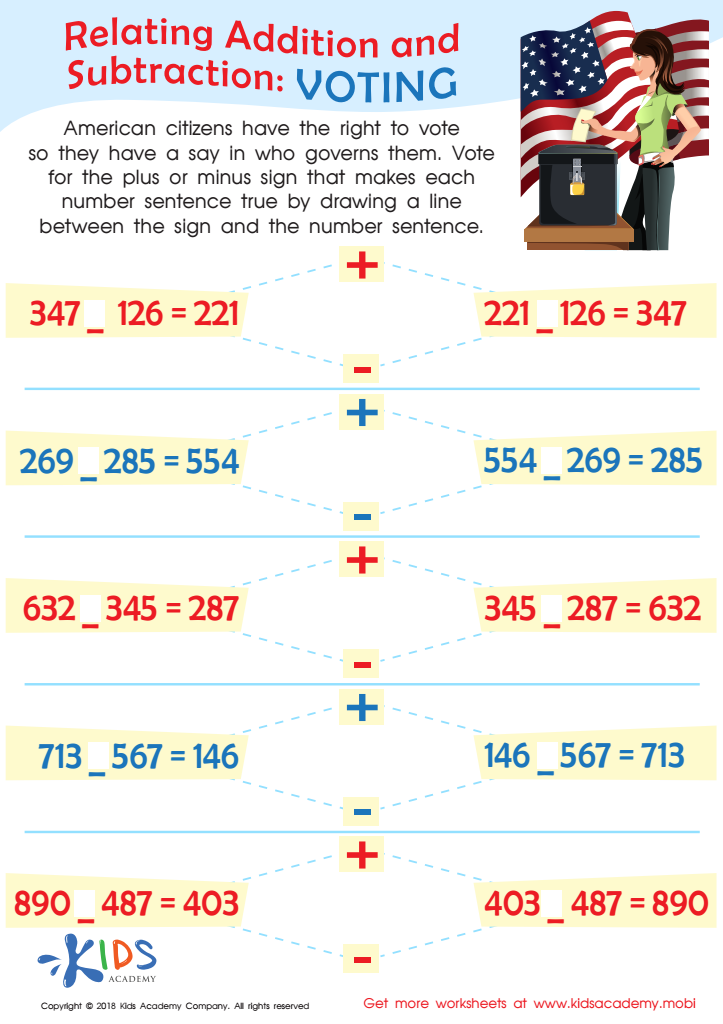
Voting Worksheet
 Assign to My Students
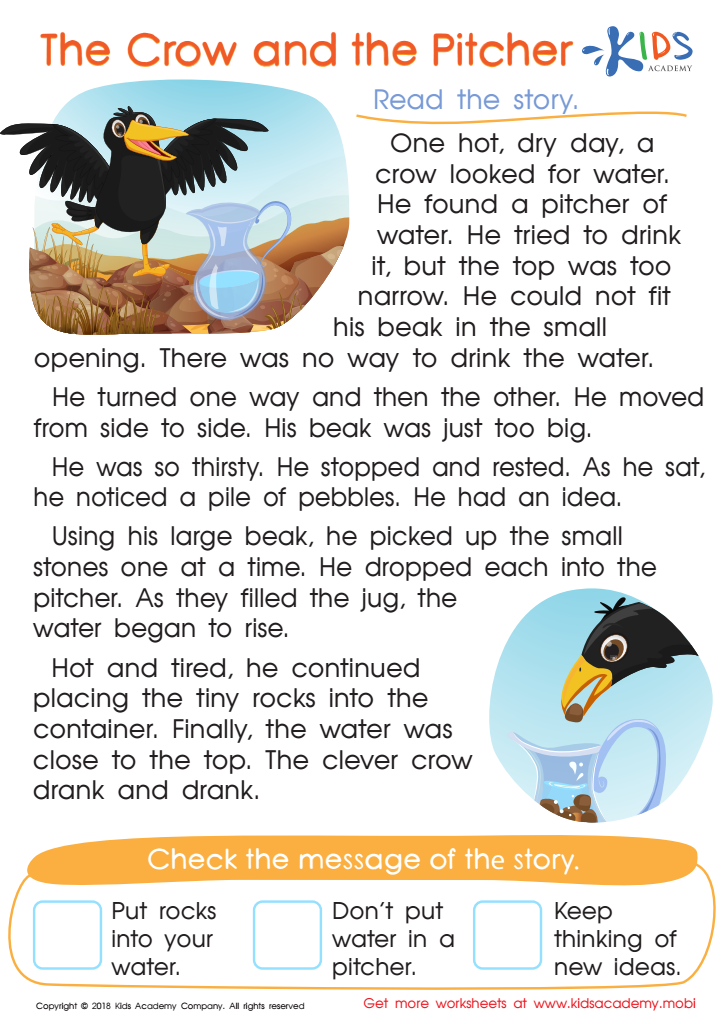
The Crow and the Pitcher Worksheet
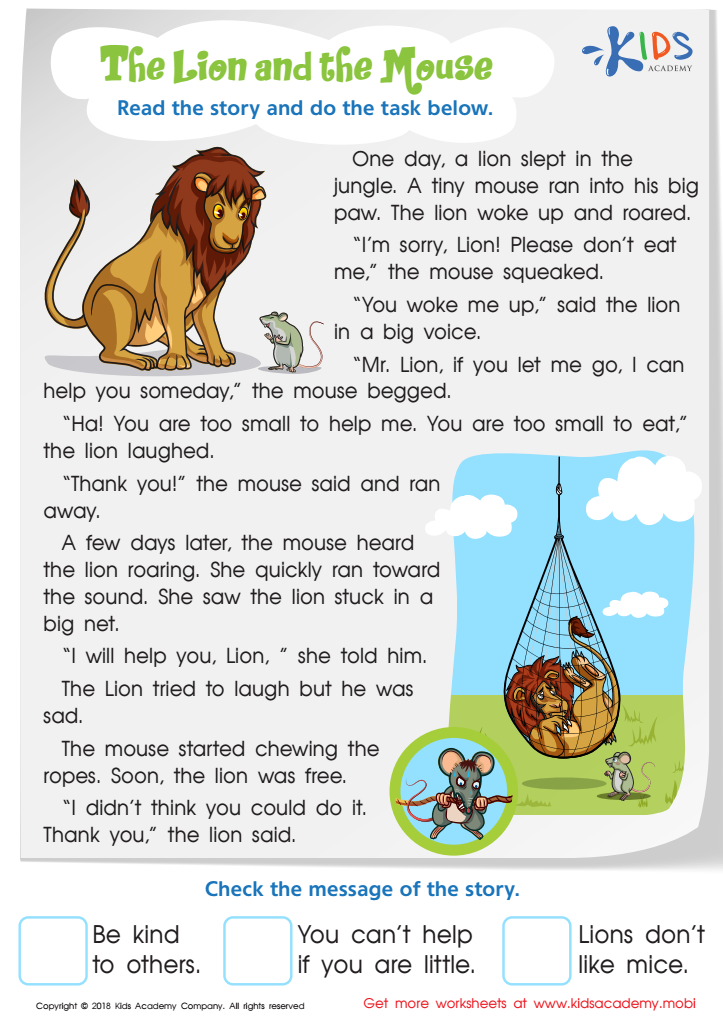
The Lion and the Mouse Worksheet
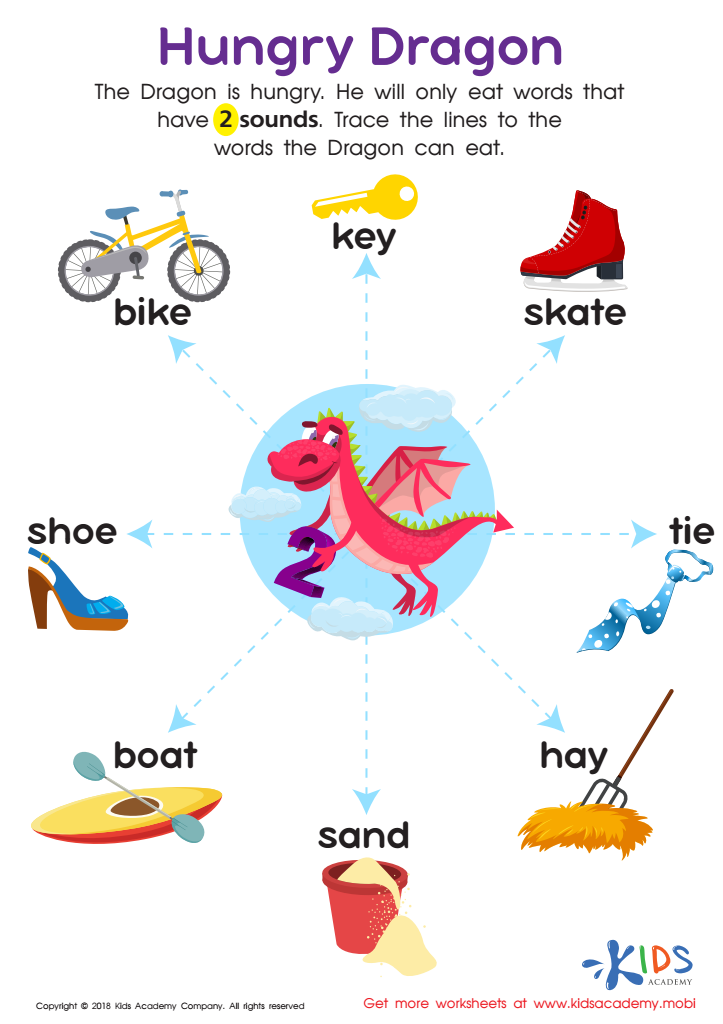
Hungry Dragon Worksheet
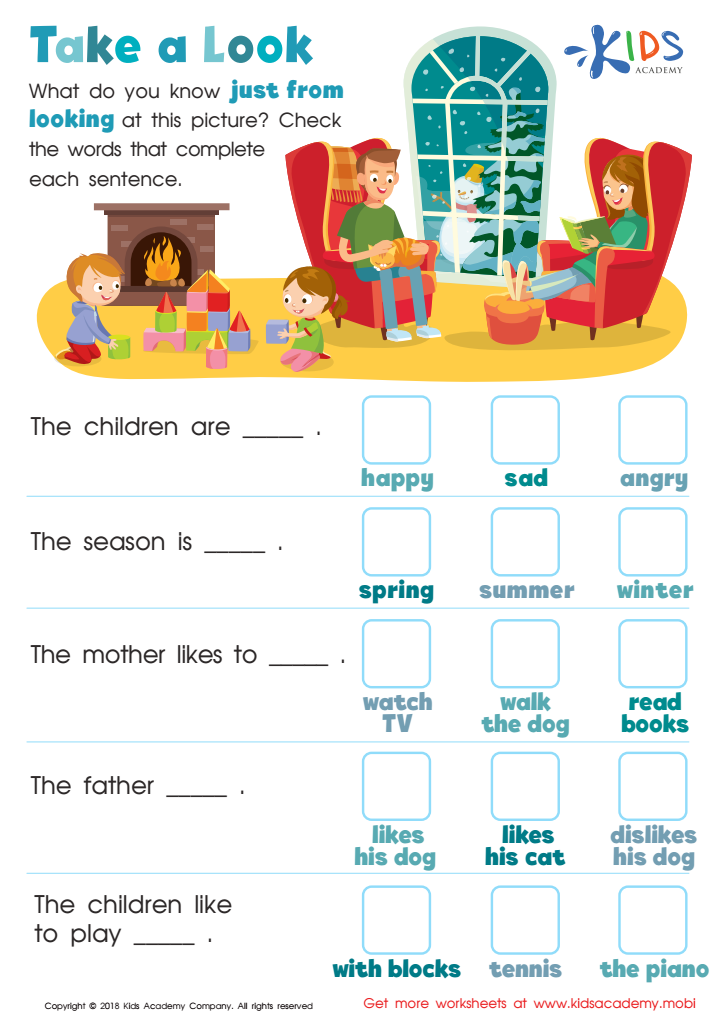
Take a Look - Part 1 Worksheet
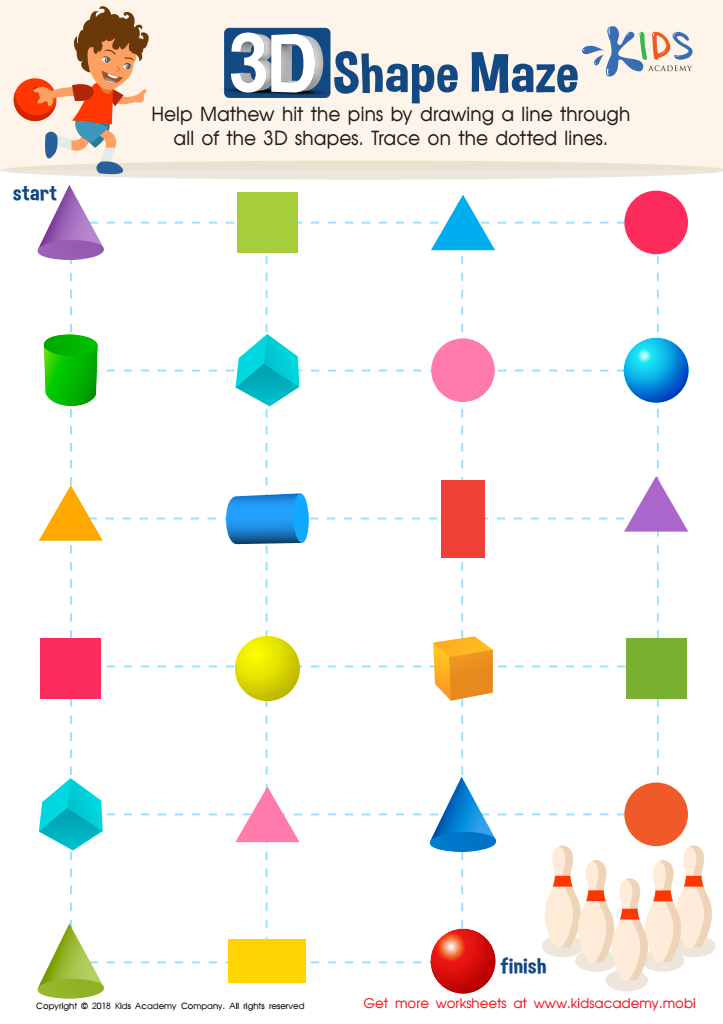
Shapes Maze Geometry Worksheet
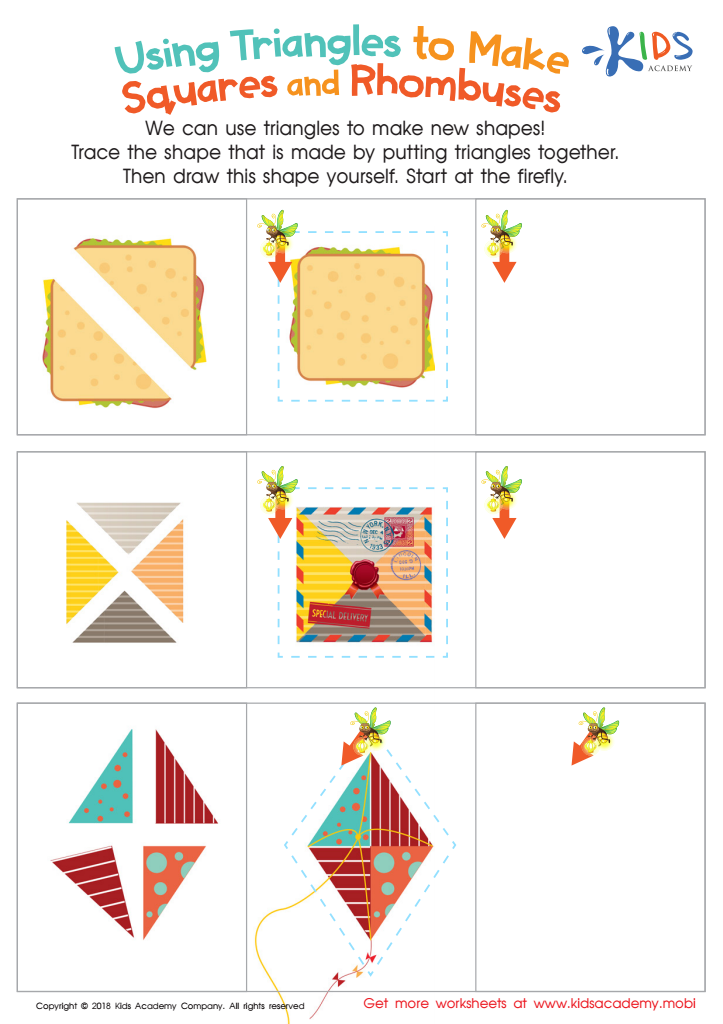
Using Triangles to Make Squares and Rhombuses Worksheet
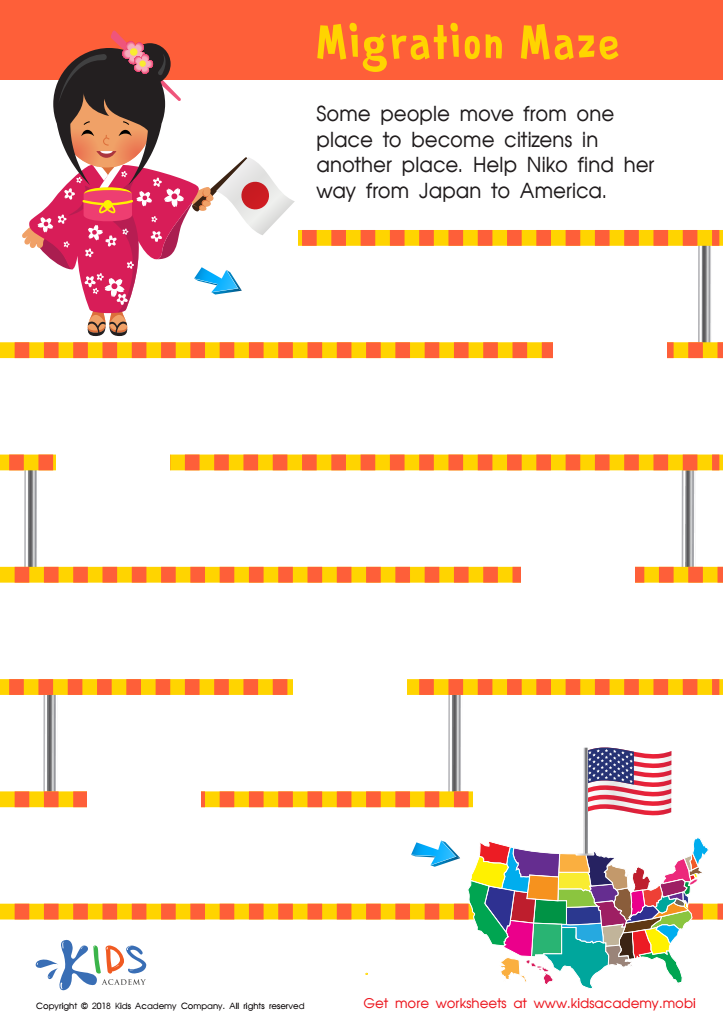
Migration Maze Worksheet
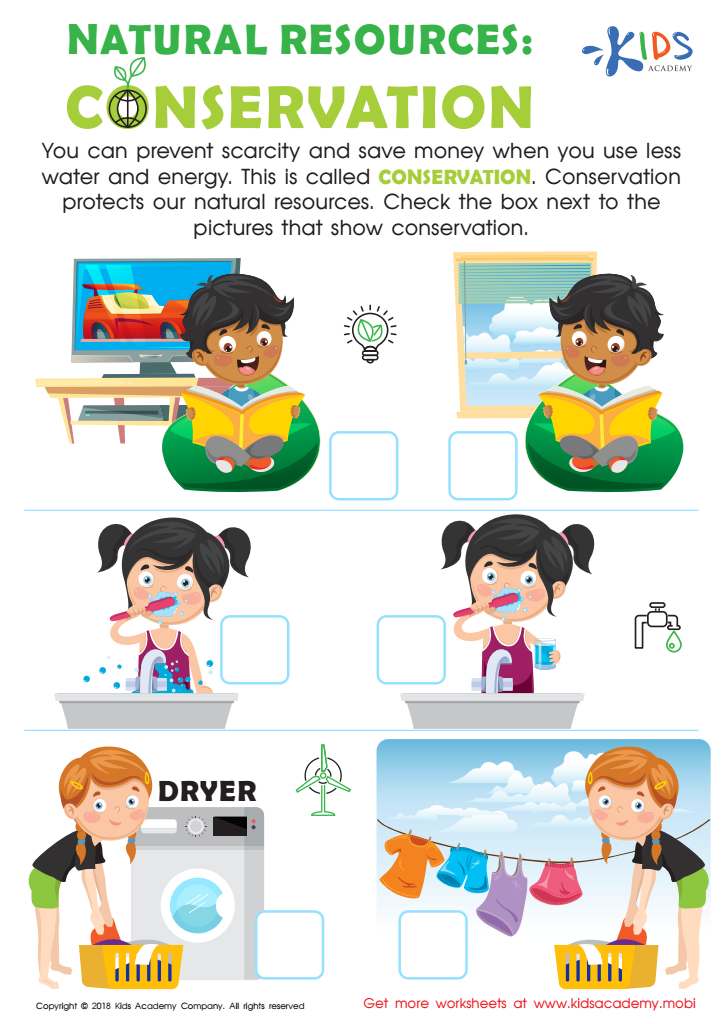
Natural Resources: Conservation Worksheet
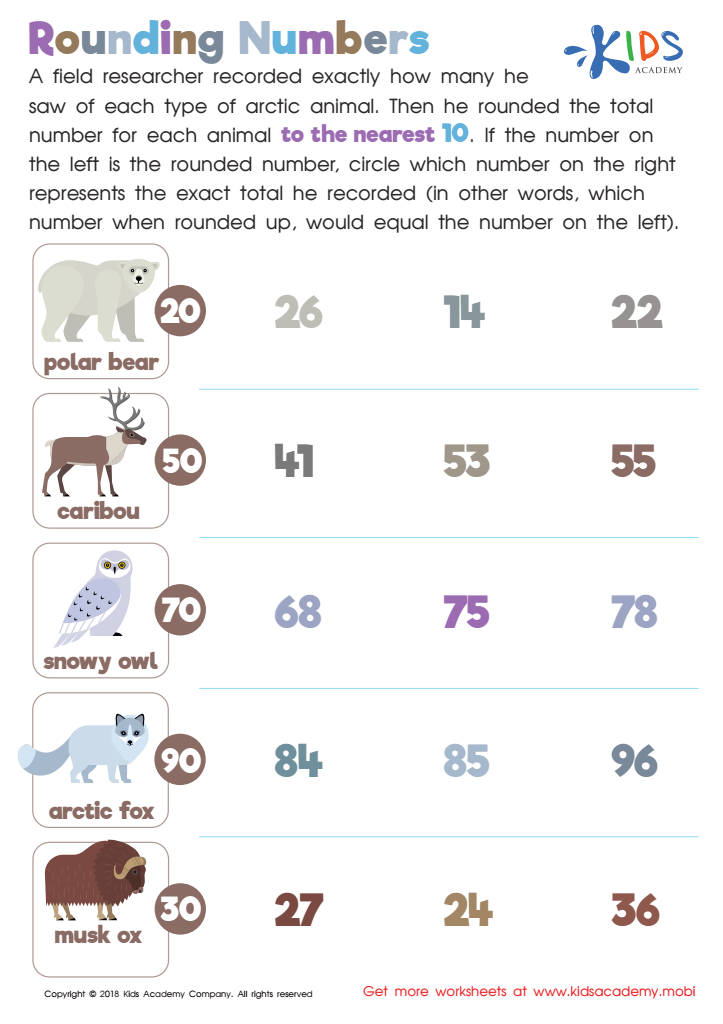
Rounding Numbers Worksheet
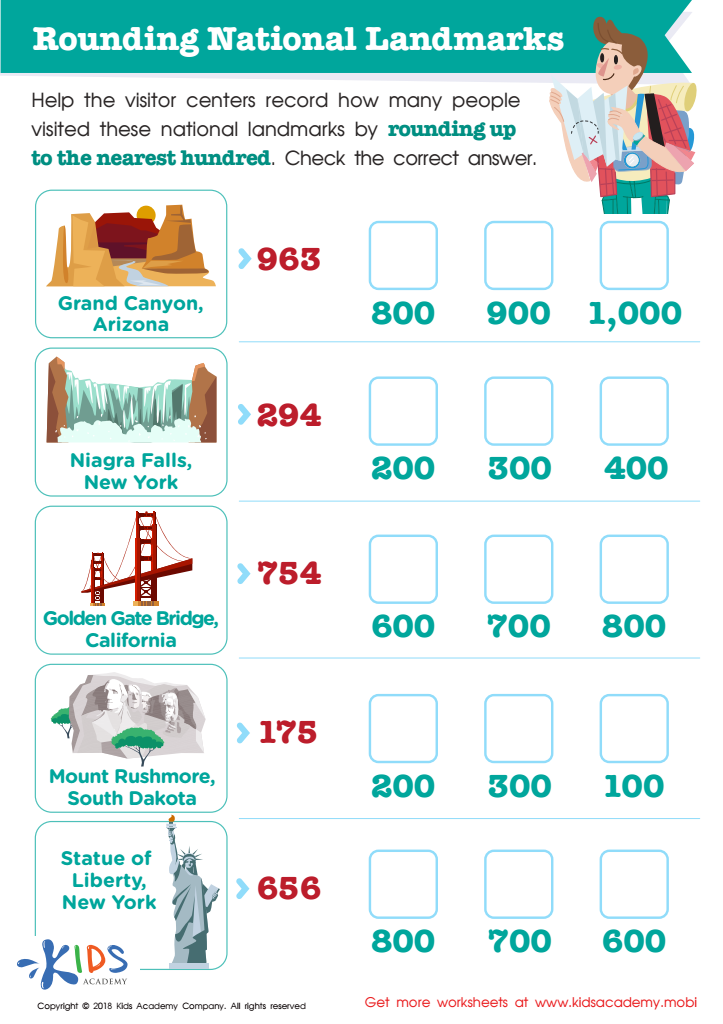
Rounding National Landmarks Worksheet
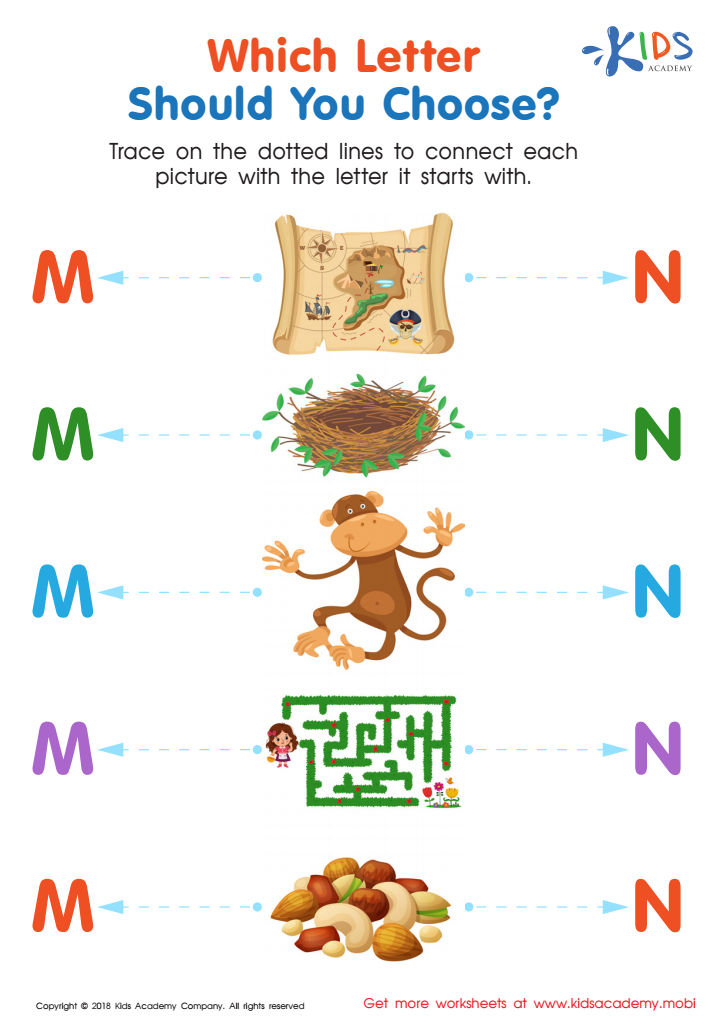
Which Letter Should you Choose? Worksheet
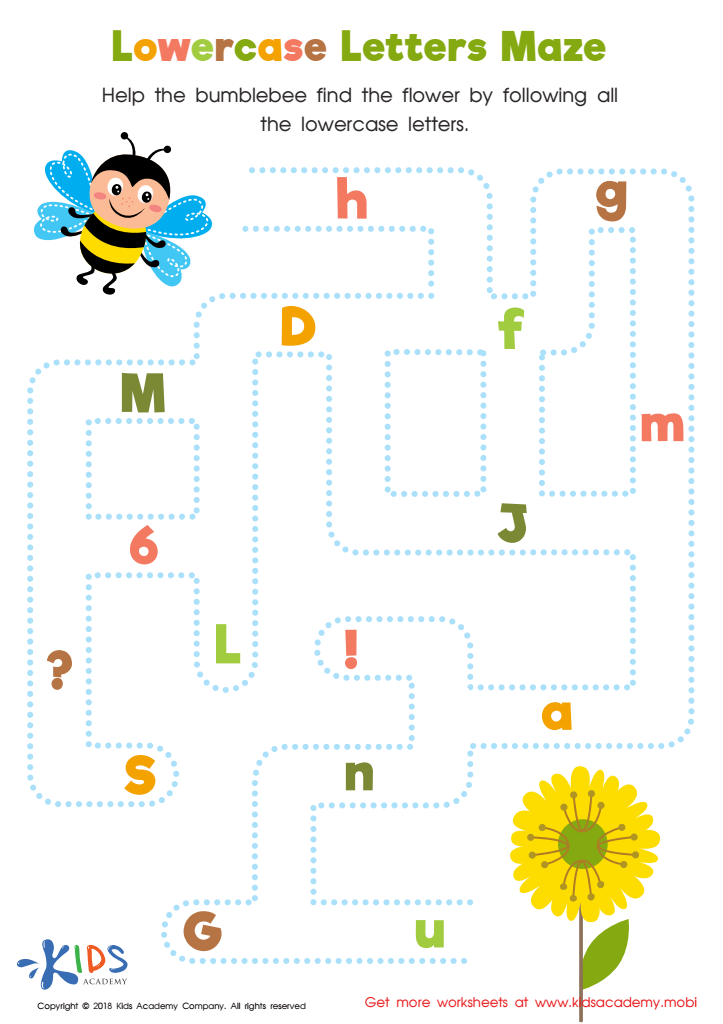
Lowercase Letters Maze Worksheet
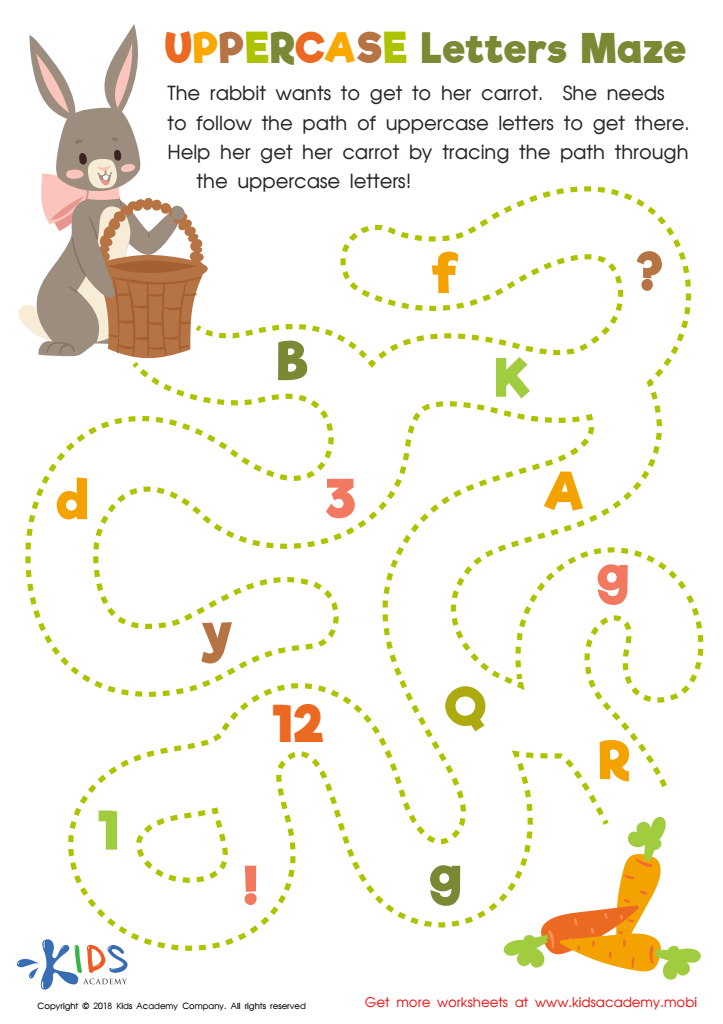
Uppercase Letters Maze Worksheet
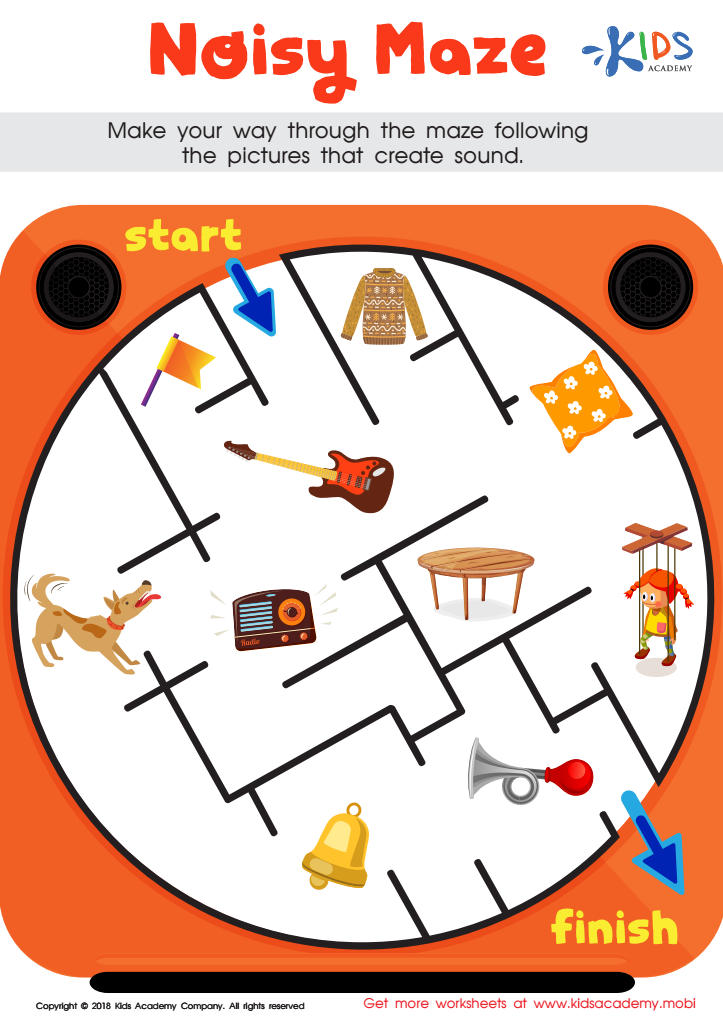
Noisy Maze Worksheet
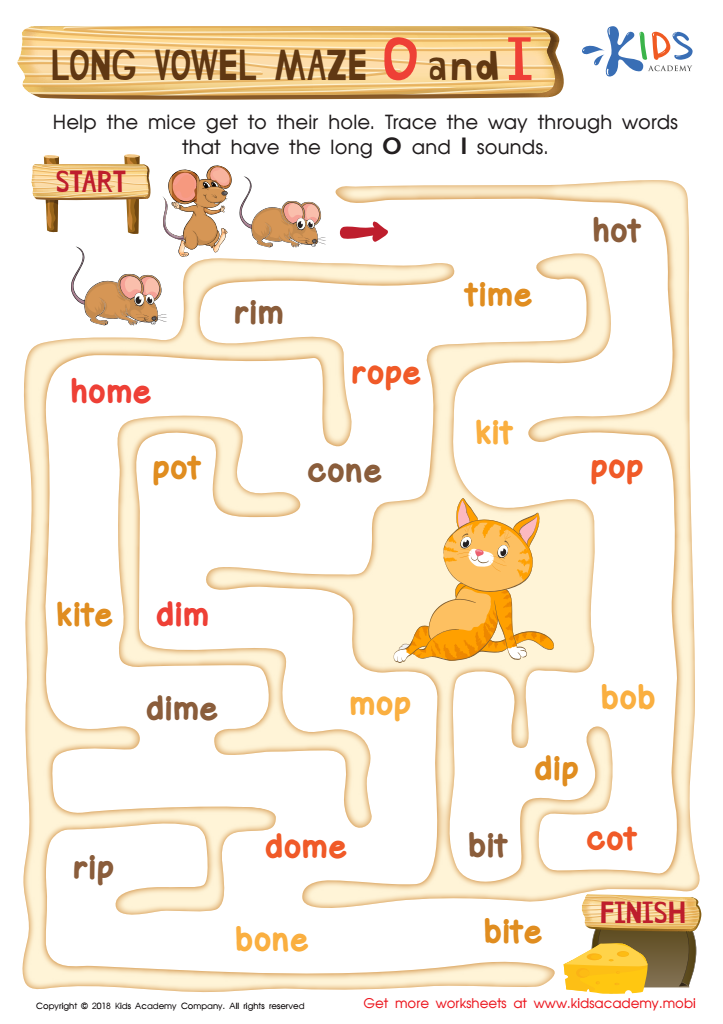
Long Vowel Maze /o/ and /i/ Worksheet
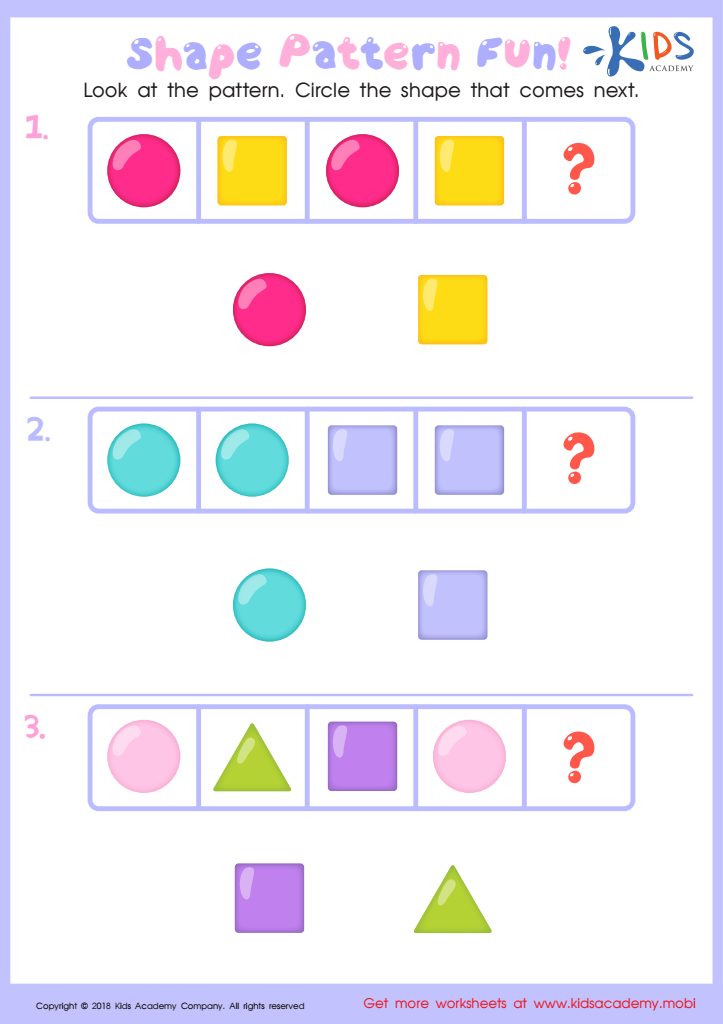
Shape Pattern Fun Worksheet
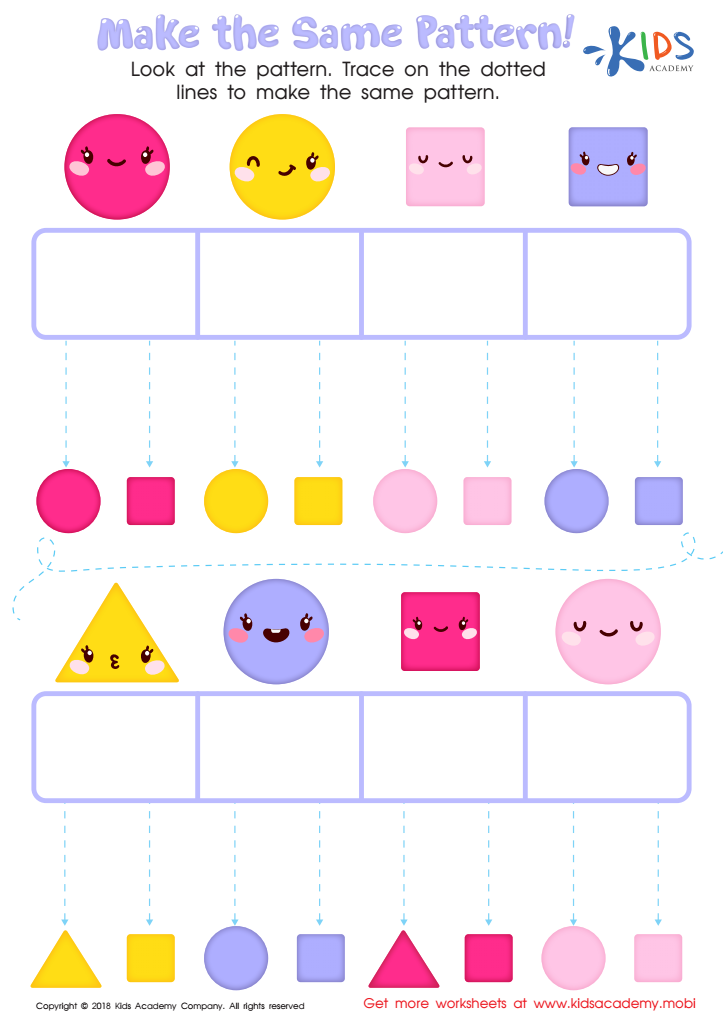
Make the Same Pattern Worksheet
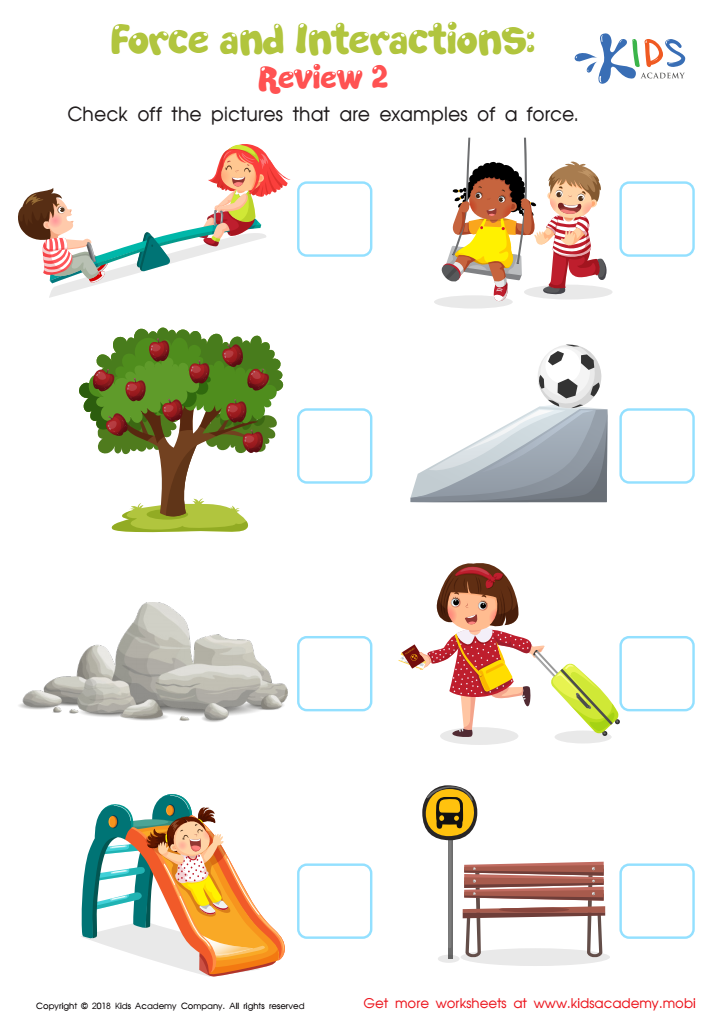
Force and Interactions: Review 2 Worksheet
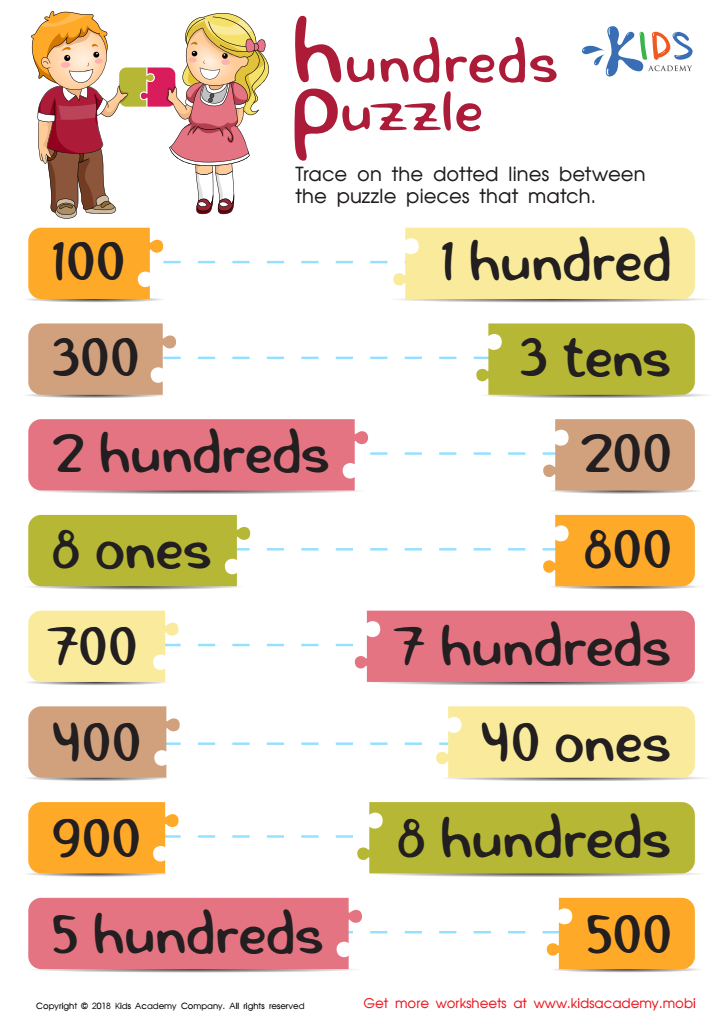
Hundreds Puzzle Worksheet
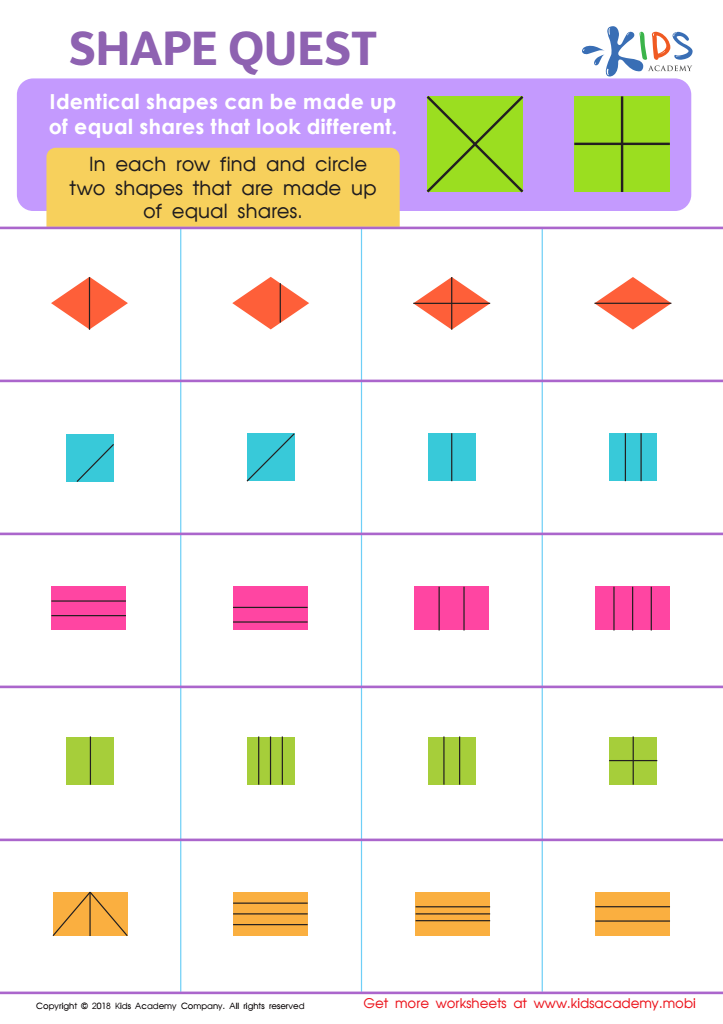
Shape Quest Worksheet
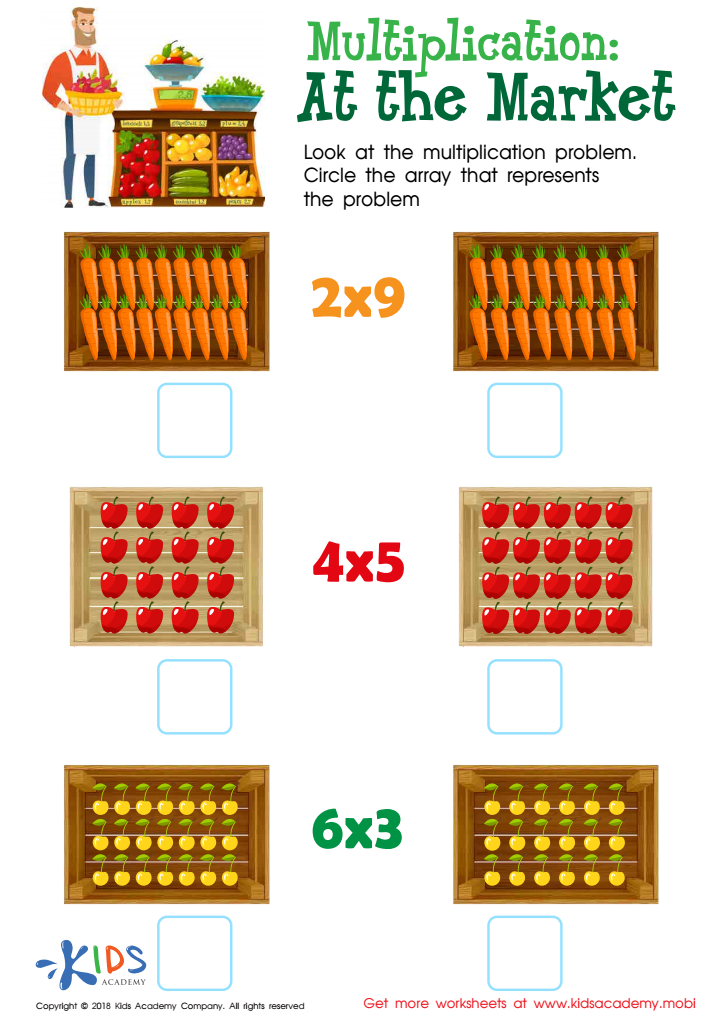
At the Market Worksheet
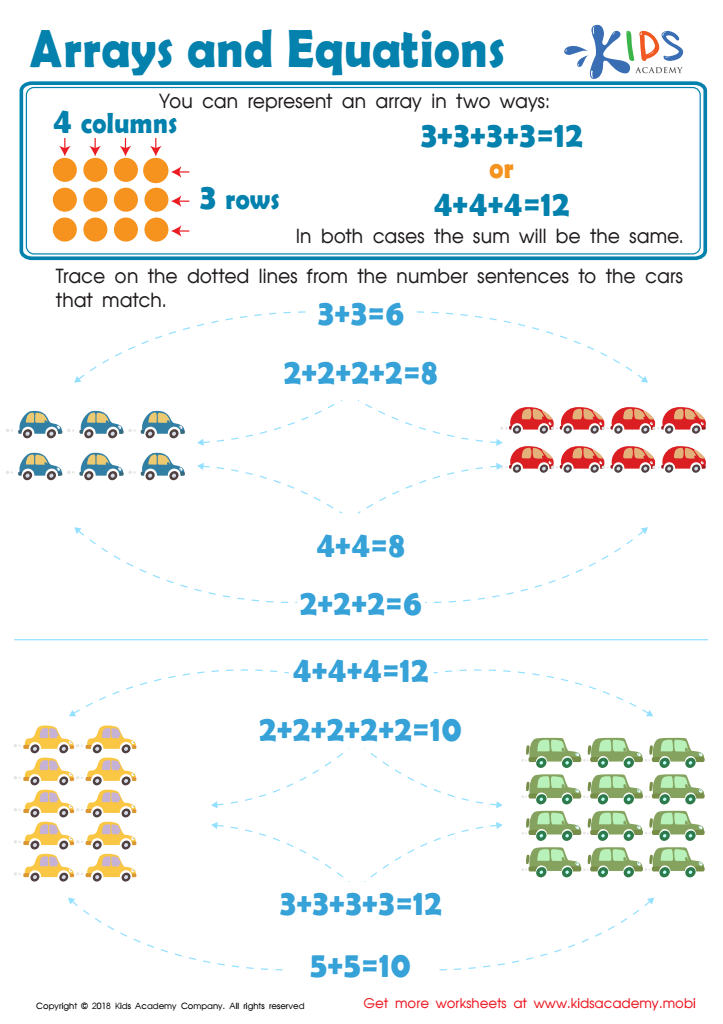
Arrays and Equations Worksheet
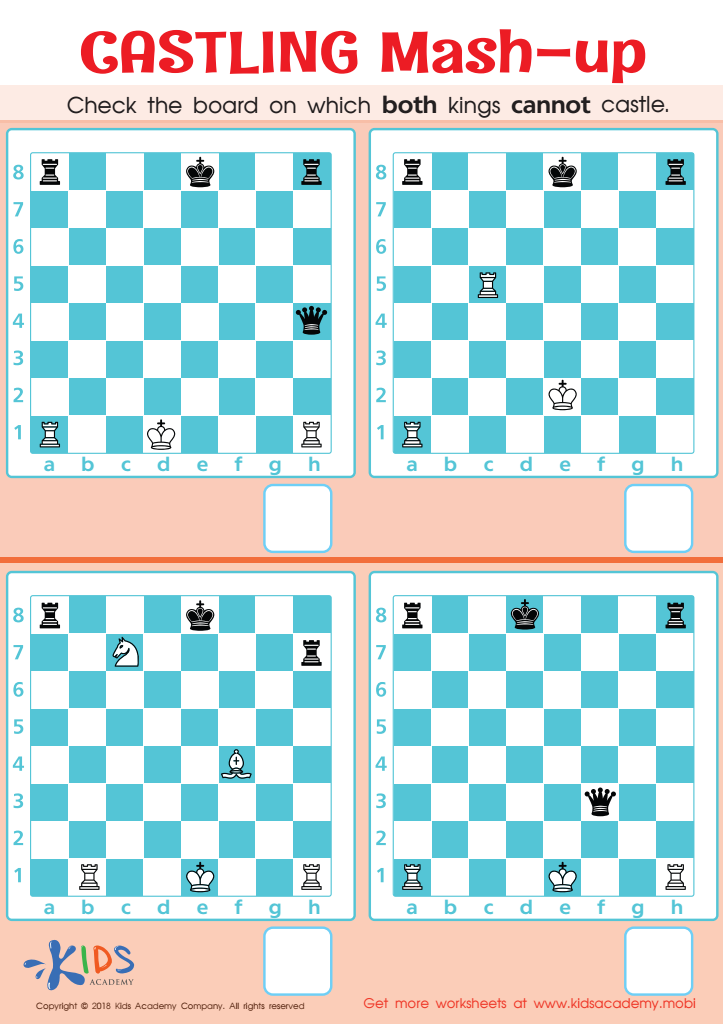
Castling Mash–up Worksheet






Problem-solving skills are crucial for the development of children aged 4-9 as these abilities lay the foundation for their future academic success and everyday life challenges. At this age, children start to encounter more complex social interactions, educational tasks, and personal responsibilities. Teaching them effective problem-solving techniques helps enhance critical thinking, boost independence, and improve decision-making.
For parents and teachers, fostering problem-solving skills means guiding children to think creatively and logically when faced with obstacles. This can be achieved through simple activities like puzzles, open-ended questions, or collaborative games that encourage them to explore different solutions. Such practices not only stimulate their intellectual growth but also contribute to emotional regulation by reducing anxiety and frustration during challenging situations.
Effective problem-solving skills in early childhood are indicators of future success in math, reading, and science, as these subjects require logical thinking and persistence. Moreover, these skills are essential in fostering positive social development. Children learn to negotiate, communicate, and compromise with peers, which are vital elements of healthy relationships.
Overall, emphasizing problem-solving skills from a young age equips children with the tools they need to navigate both academic and personal hurdles, preparing them for a prosperous future while building a strong foundational skill set.








