Normal Matching Worksheets for Ages 5-6
42 filtered results
-
From - To
Introducing our engaging series of Normal Matching Worksheets, specially designed for children Ages 5-6! These worksheets are meticulously crafted to nurture your child's cognitive skills through the joy of learning. Perfect for young learners, our Normal Matching Worksheets offer a variety of fun, age-appropriate activities that challenge and entertain. From connecting objects to their pairs to identifying similar shapes and patterns, these worksheets enhance observational skills, critical thinking, and visual discrimination. Ideal for both classroom and home use, our Normal Matching Worksheets for Ages 5-6 are your go-to resource for fostering foundational learning in a stimulating and enjoyable manner.
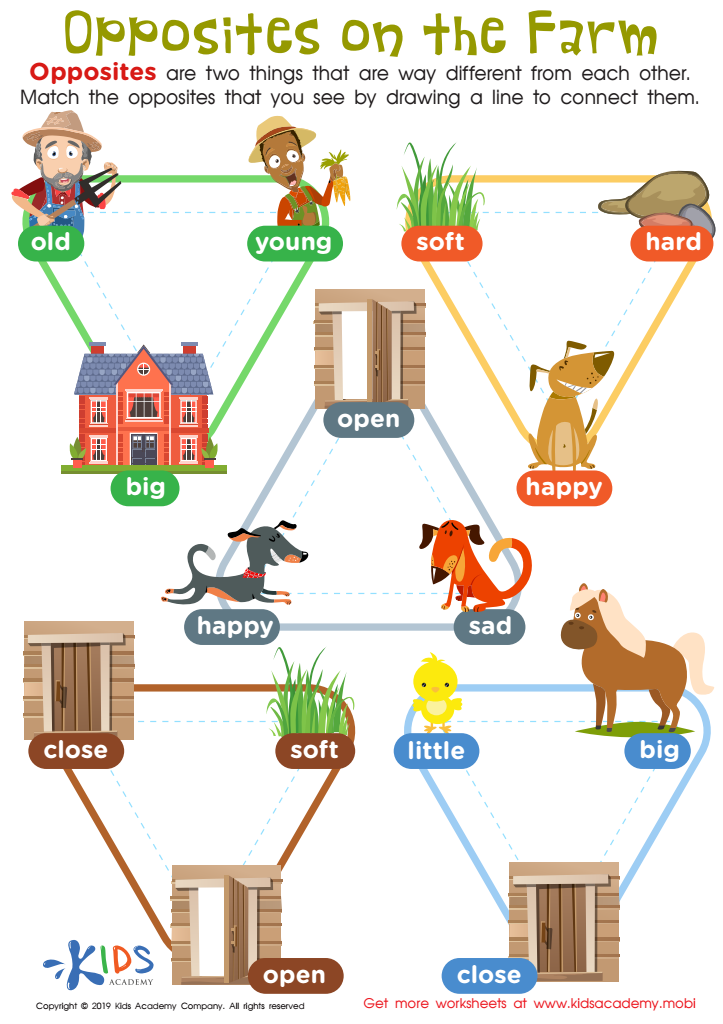
Opposites on the Farm Worksheet
 Assign to My Students
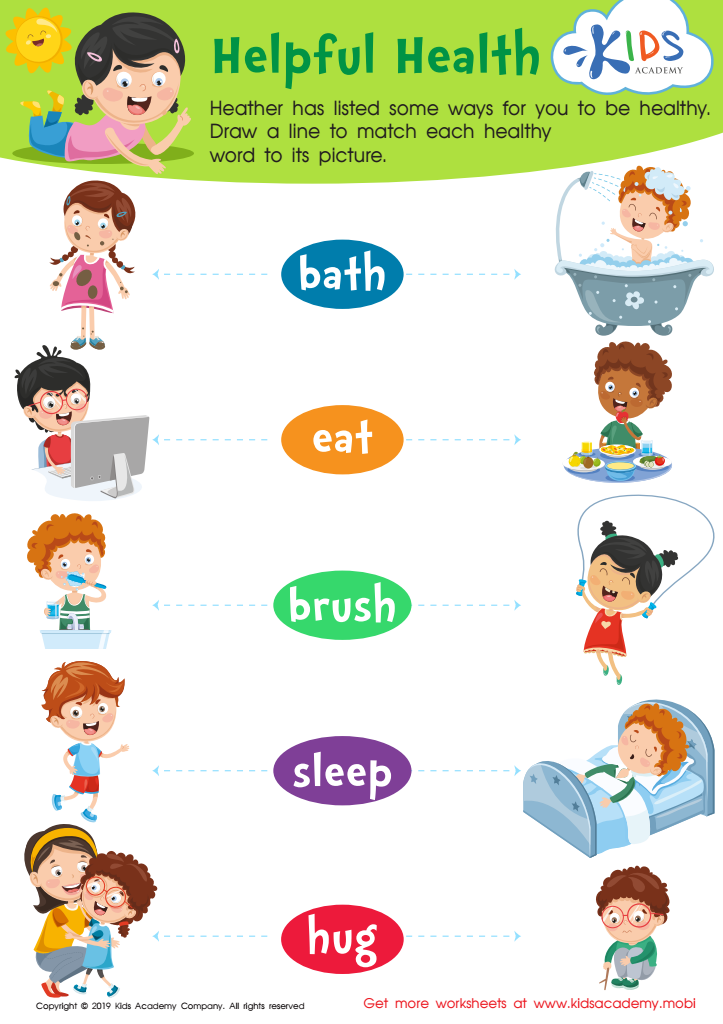
Helpful Health Worksheet
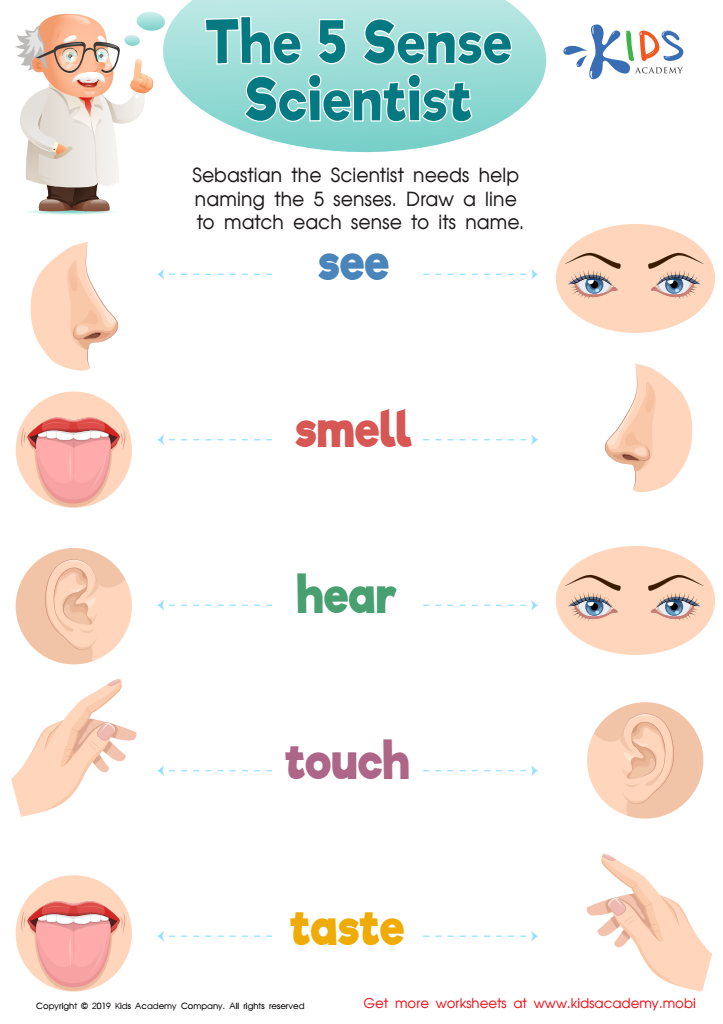
The 5 Sense Scientist Worksheet
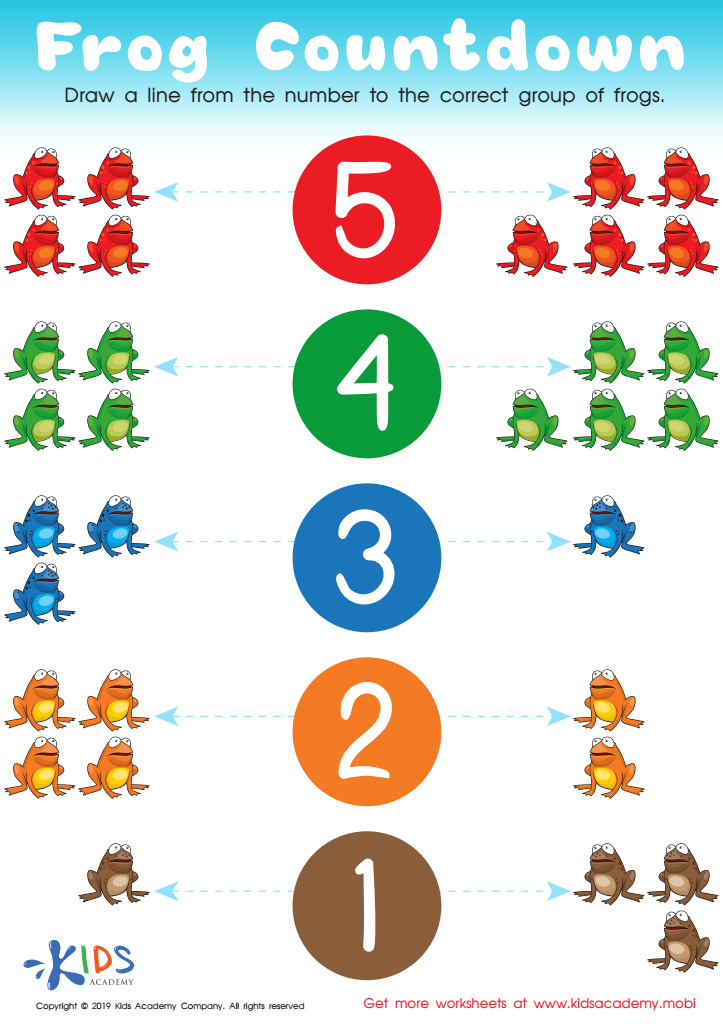
Frog Countdown Worksheet
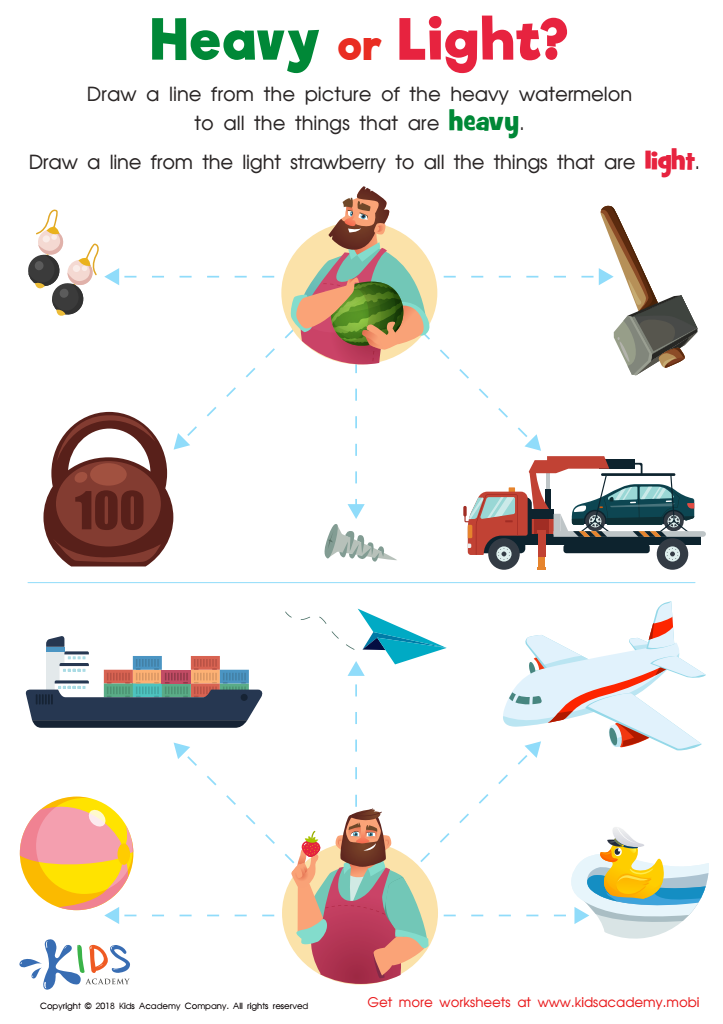
Heavy or Light? Worksheet
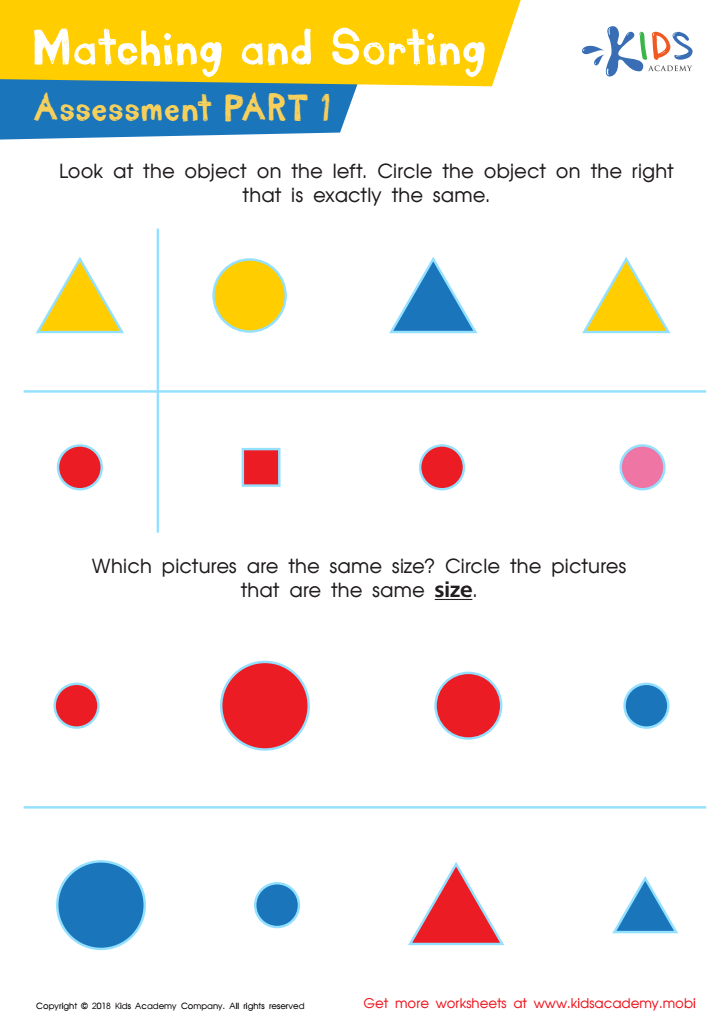
Matching and Sorting for Kindergarten: Assessment 1 Worksheet
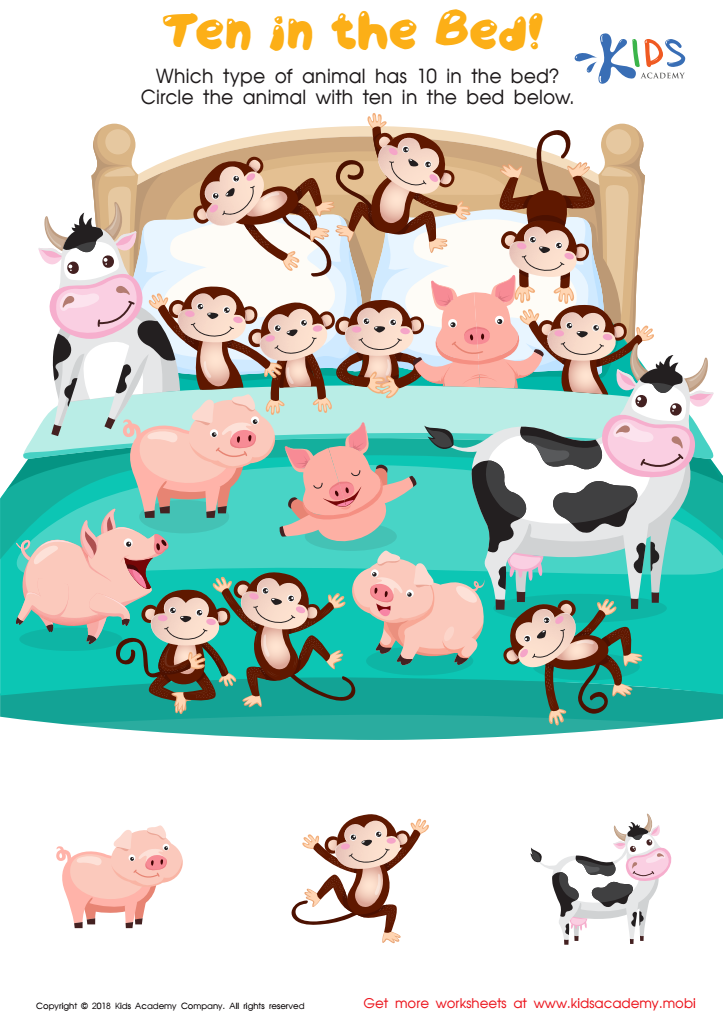
Ten in the Bed Worksheet
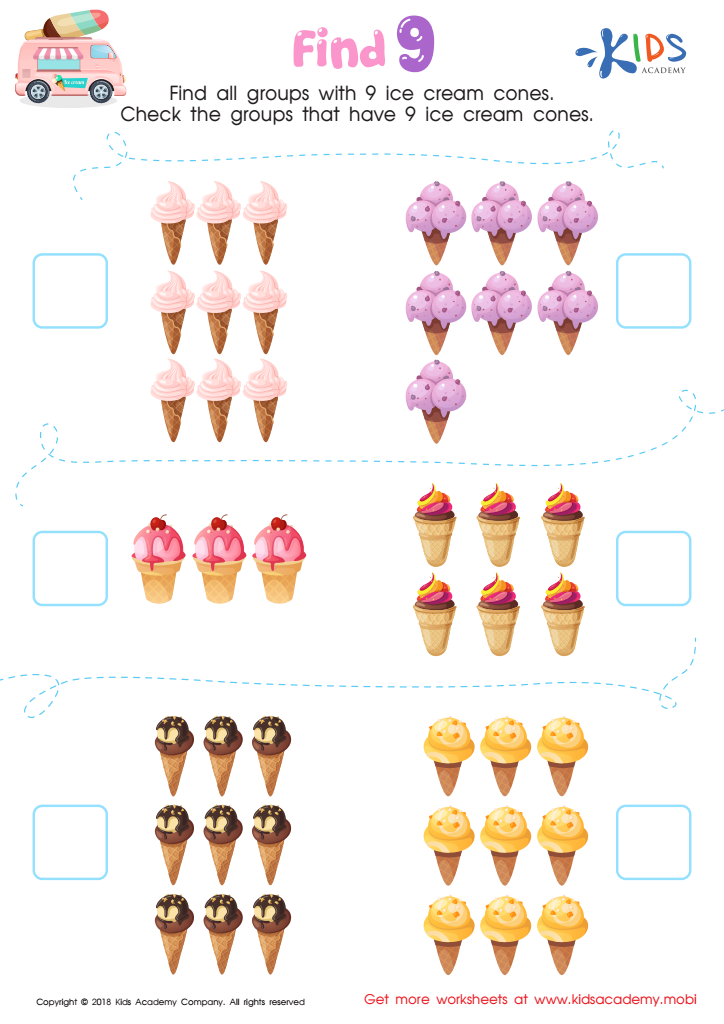
Find 9 Worksheet
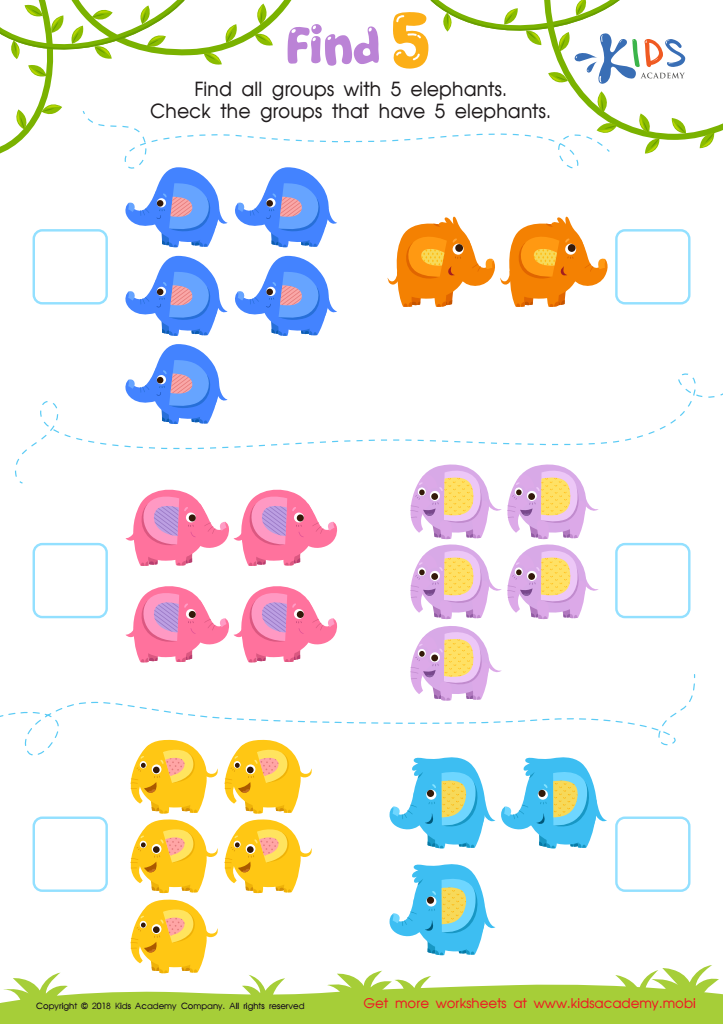
Find 5 Worksheet
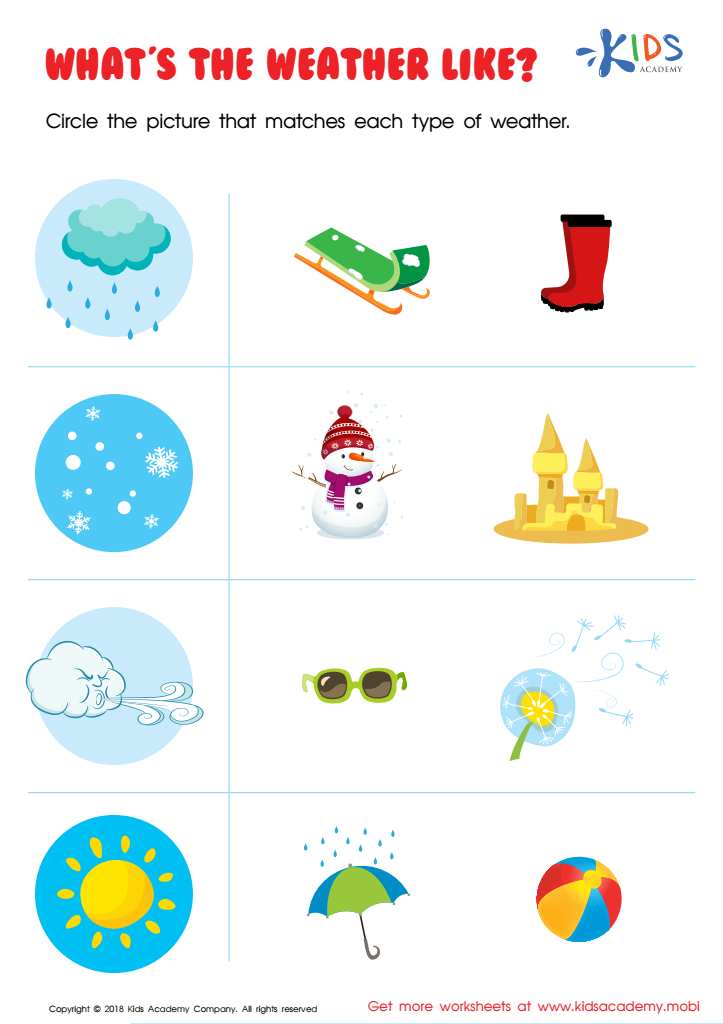
What's the Weather Like? Worksheet
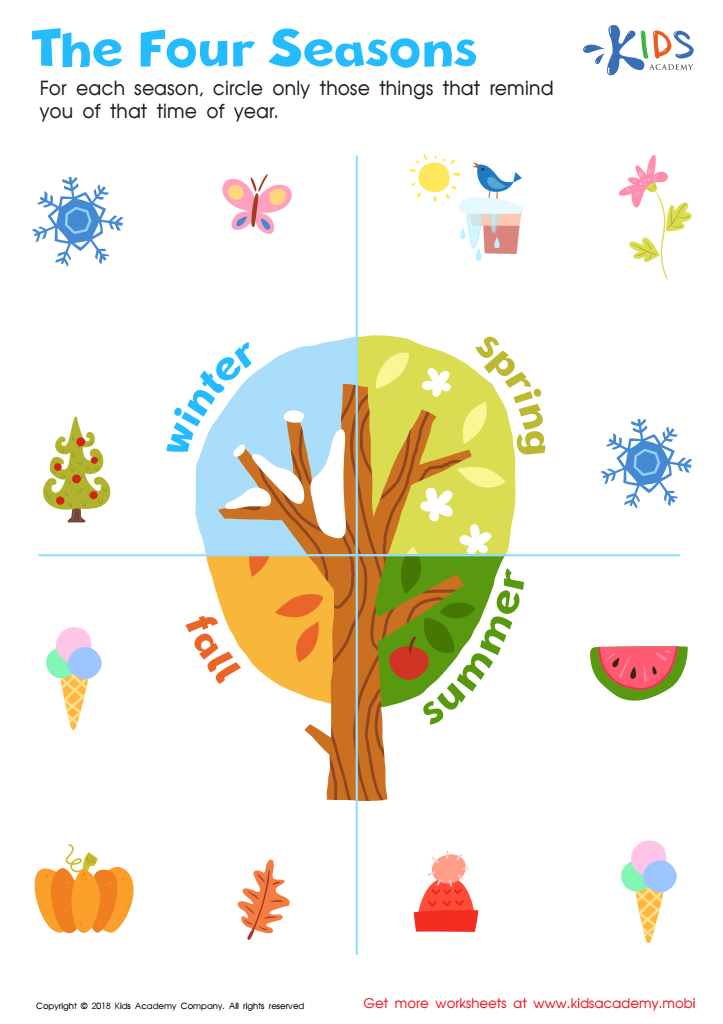
The Four Seasons Worksheet
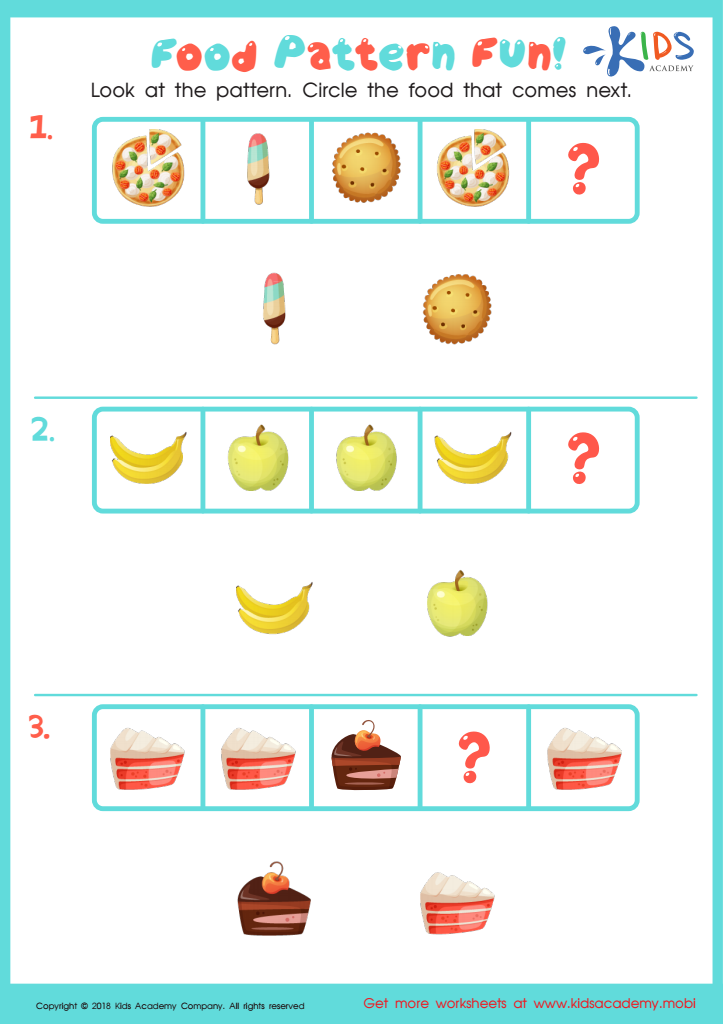
Food Pattern Fun Worksheet
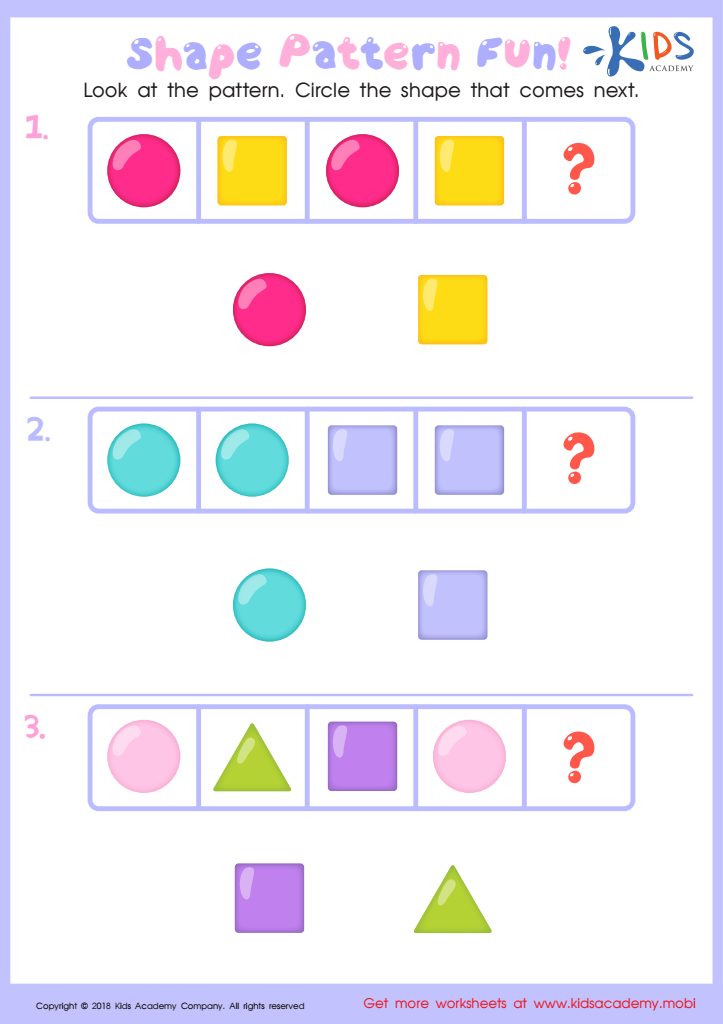
Shape Pattern Fun Worksheet
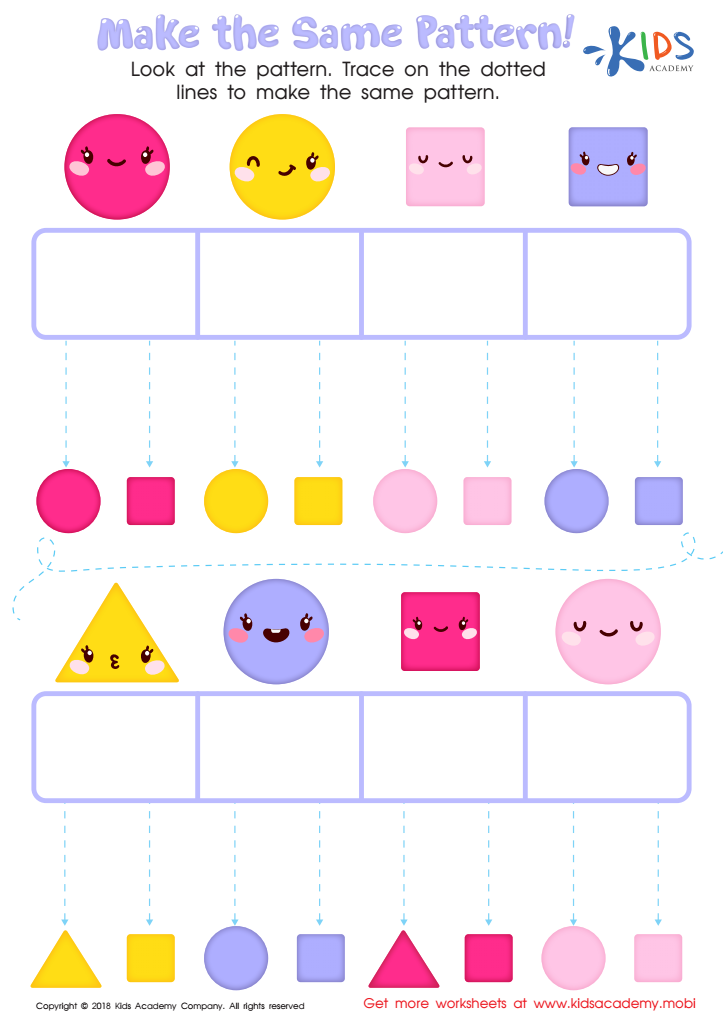
Make the Same Pattern Worksheet
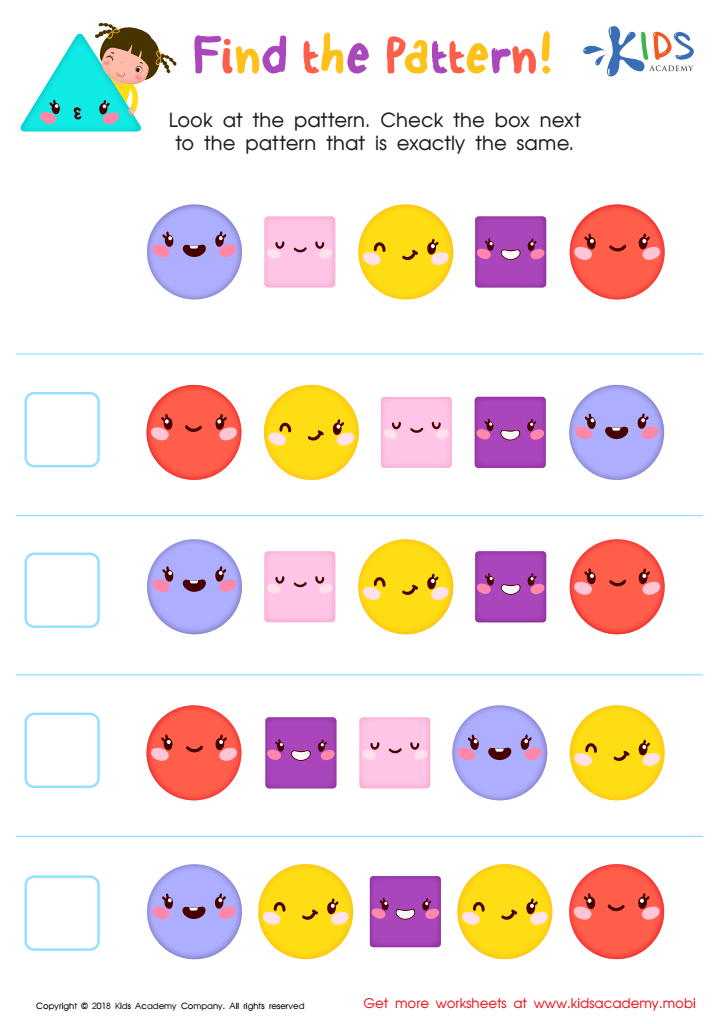
Find the Pattern Worksheet
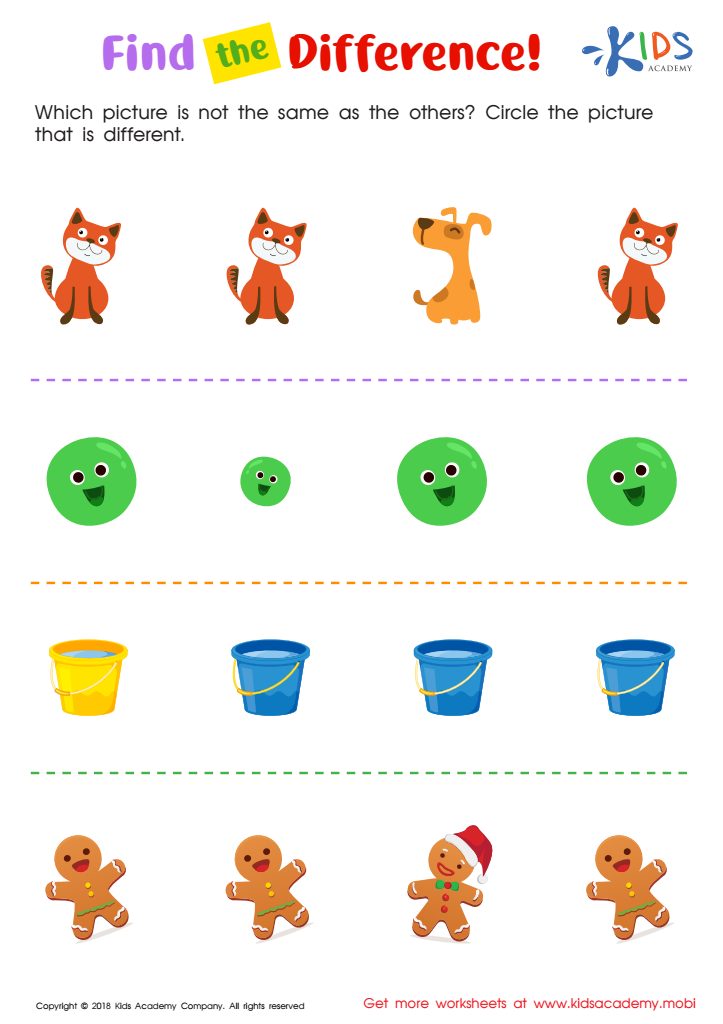
Find the Difference Worksheet
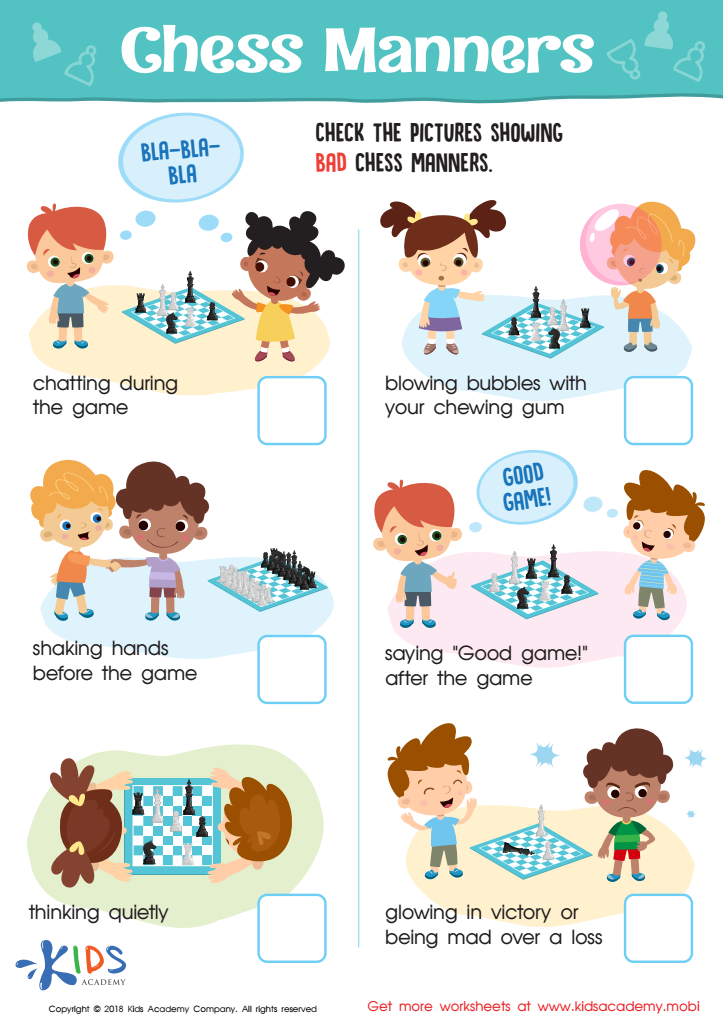
Chess Manners Worksheet
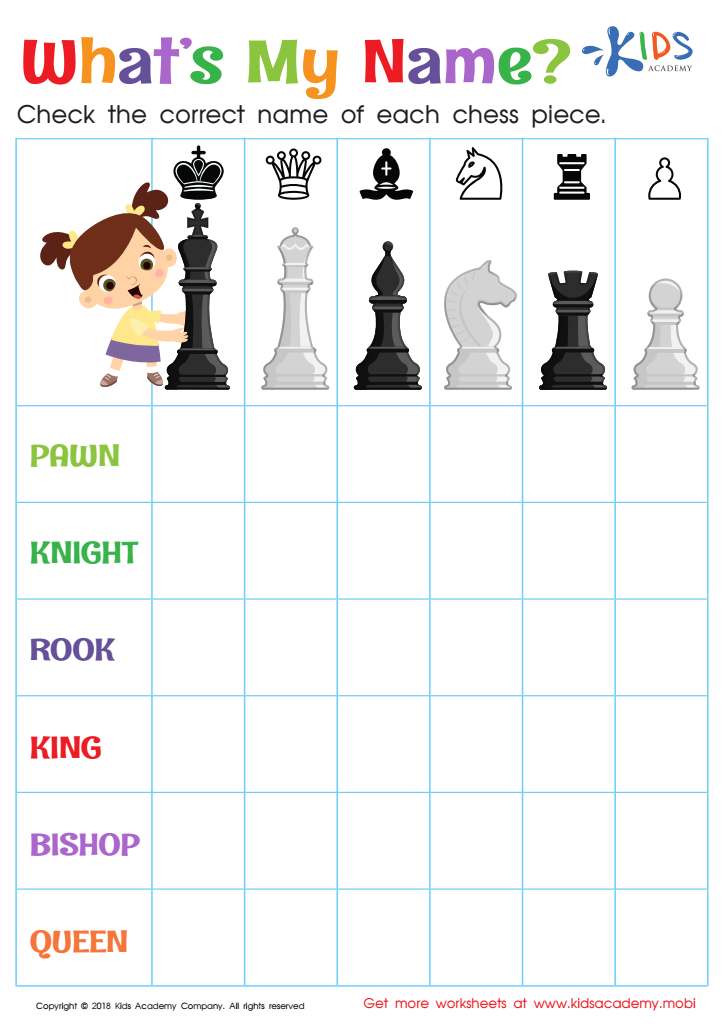
What's My Name? Worksheet
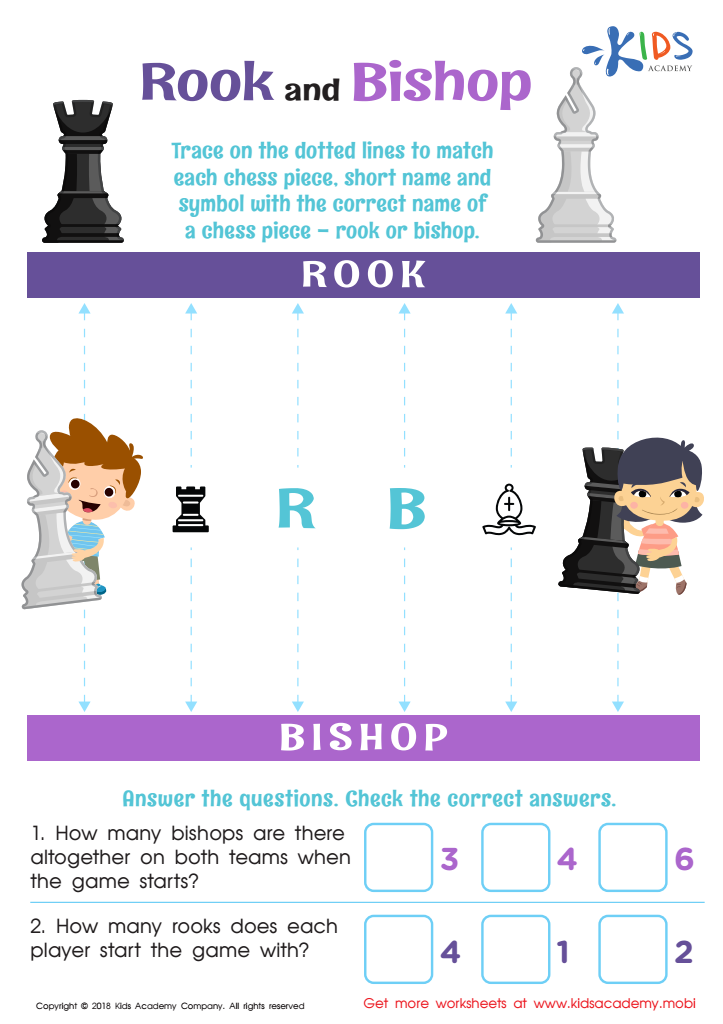
Rook and Bishop Worksheet
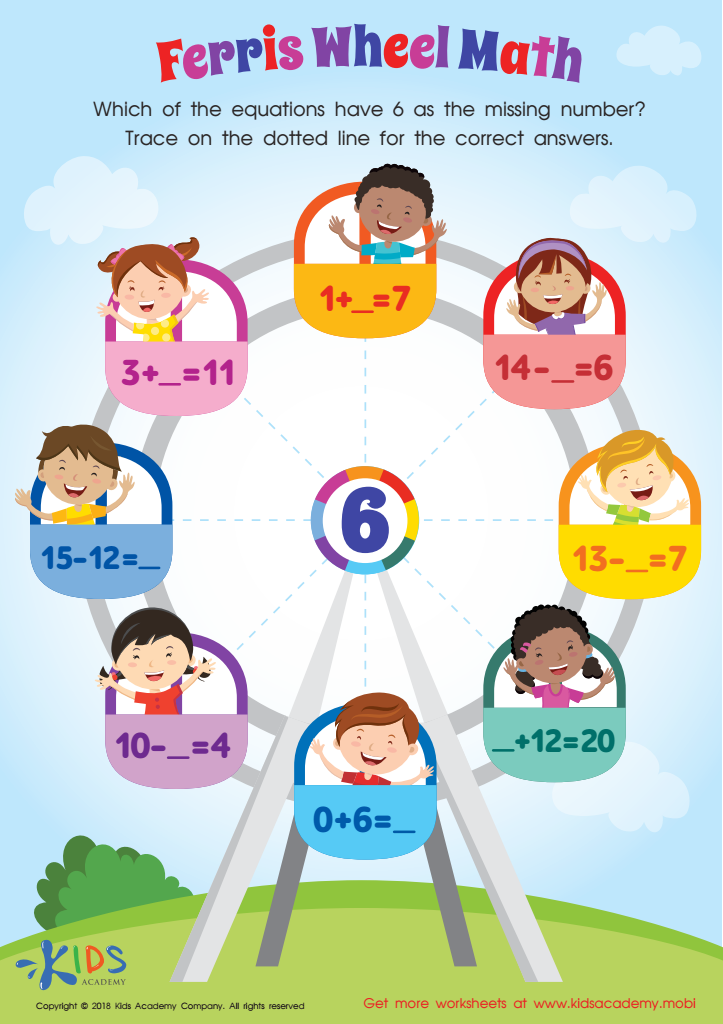
Missing Number: Ferris Wheel Math Worksheet
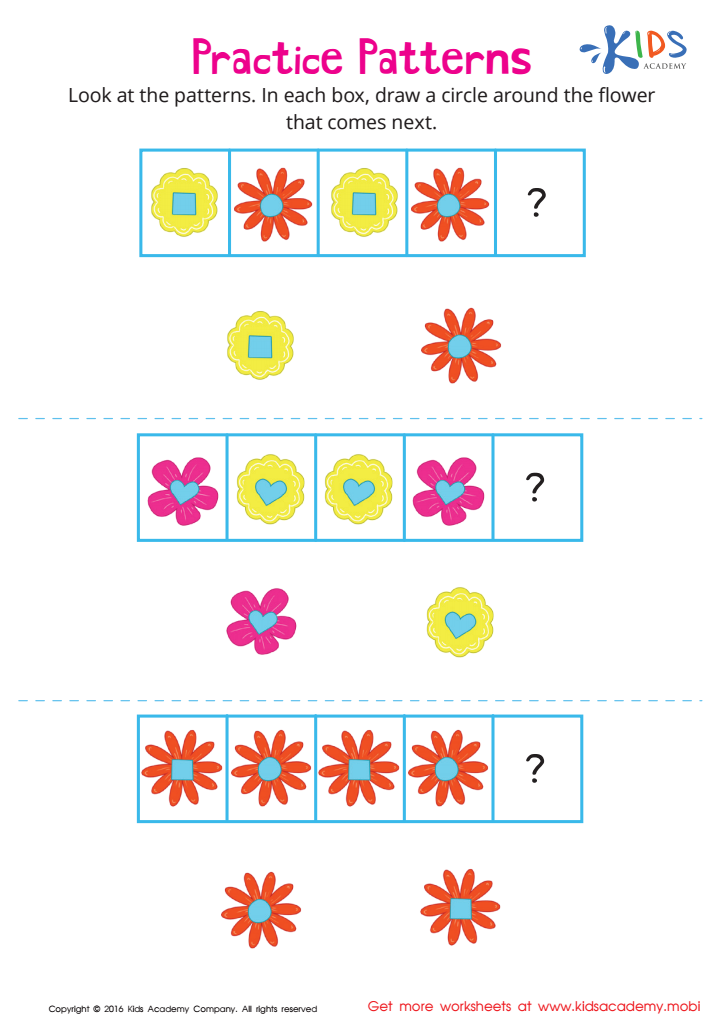
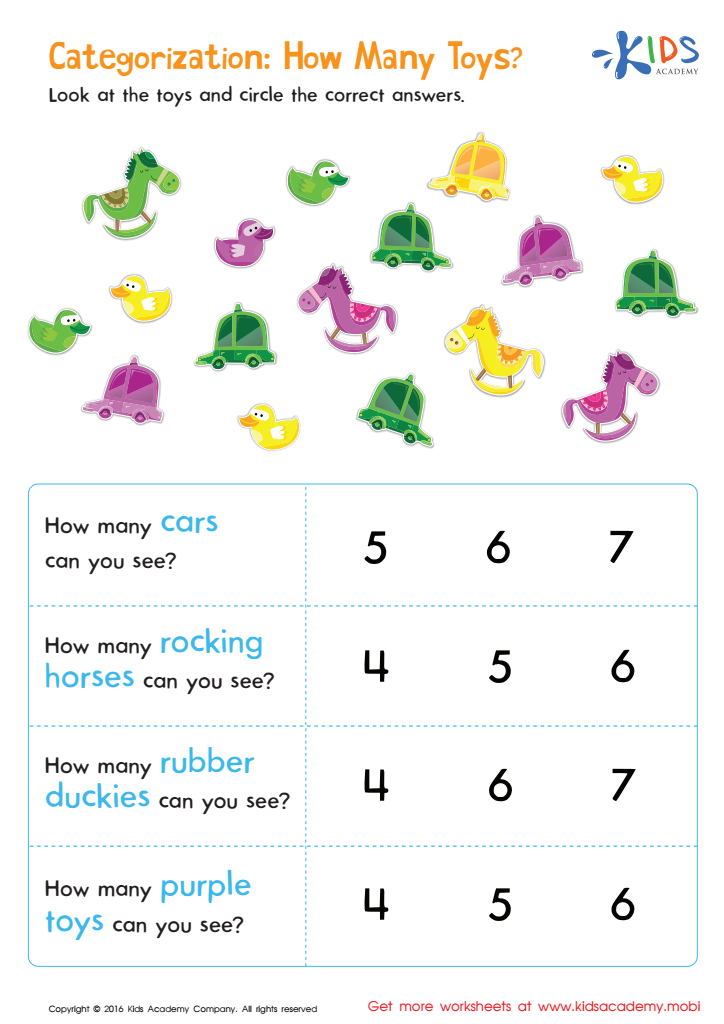
Classifying Toys by Type and Color Sorting Worksheet
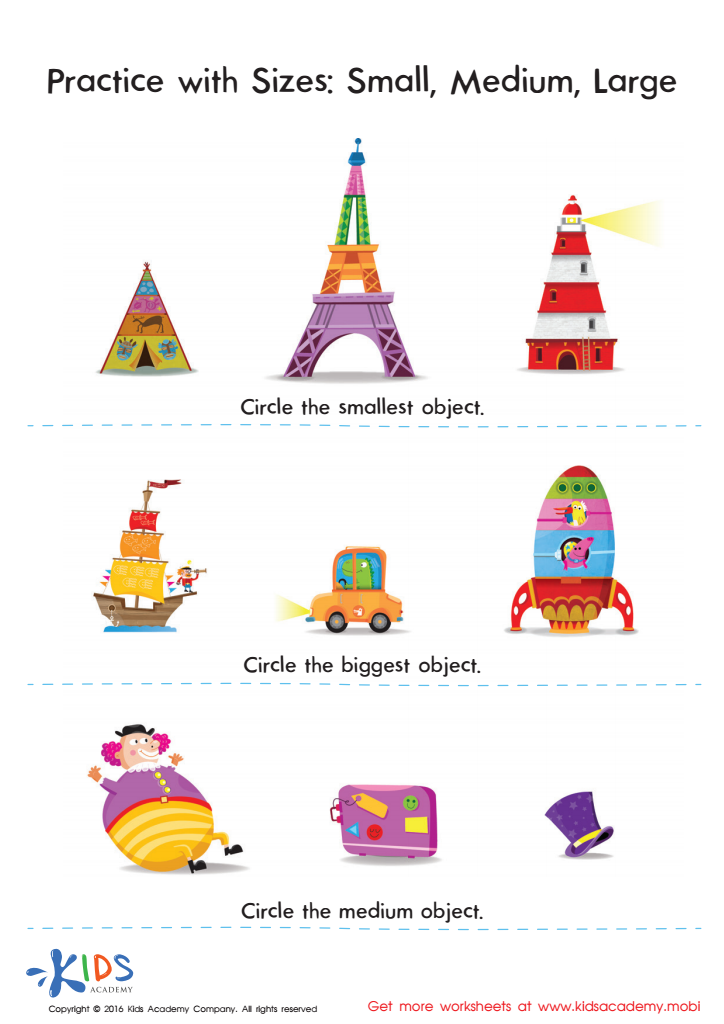
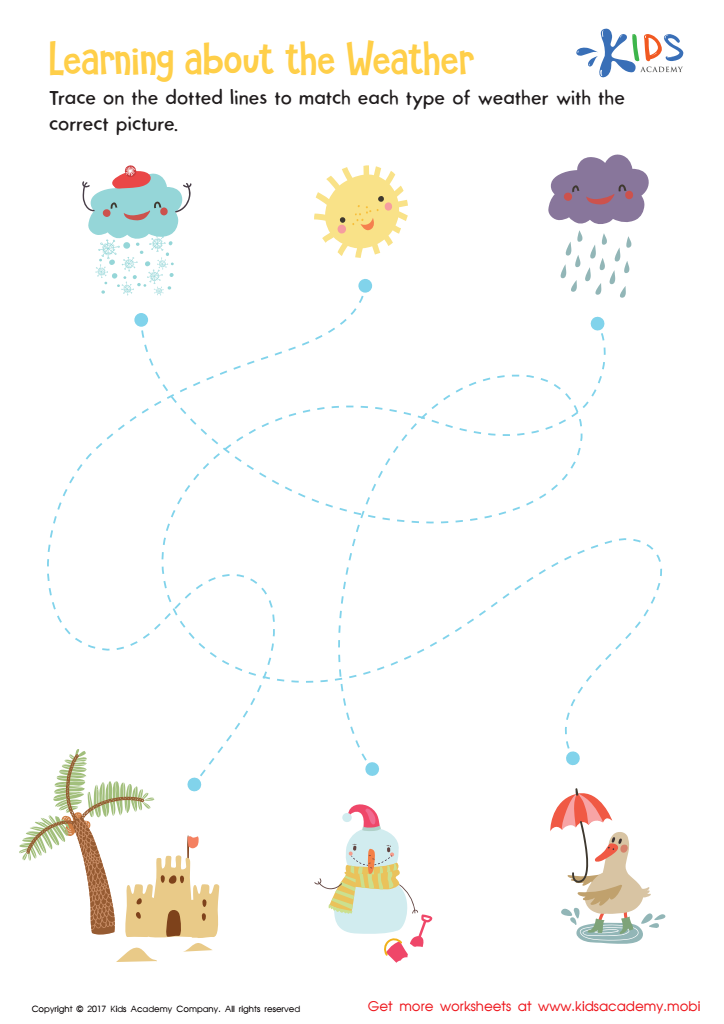








Normal Matching worksheets tailored for ages 5-6 serve as an essential educational tool in the developmental journey of young learners. At this pivotal age, children are just beginning to grasp foundational concepts in literacy and numeracy, making these worksheets a perfect fit for their growing minds. The reason why Normal Matching activities are particularly useful lies in their ability to foster various cognitive skills simultaneously.
Firstly, these worksheets enhance visual discrimination, requiring kids to pay attention to detail as they match items that are the same. This skill is crucial not only for academic success but also for daily tasks. Secondly, Normal Matching for ages 5-6 encourages critical thinking and problem-solving. Children learn to compare and contrast different elements, deciding on the best matches through analysis and reasoning.
Moreover, these activities improve memory and recall abilities. As children seek out pairs or related items, they must remember specific features, boosting their memory capacity. Additionally, these worksheets support language development. As children engage with them, they learn new words and concepts, enhancing their vocabulary and comprehension skills.
Ultimately, Normal Matching worksheets for ages 5-6 are a valuable educational resource. They promote enjoyable and interactive learning, ensuring that children not only develop essential cognitive skills but also gain confidence in their abilities to understand and interact with the world around them.