Normal Color Words Worksheets for Ages 5-7
8 filtered results
-
From - To
Discover our "Normal Color Words Worksheets for Ages 5-7", designed to make learning vibrant and engaging! These printable worksheets help young learners recognize and identify color words through fun activities and illustrations. Perfect for children aged 5 to 7, these resources support ESL students in expanding their vocabulary while enhancing their writing and reading skills. With a variety of exercises, including matching, coloring, and word searches, kids will enjoy exploring the world of colors while reinforcing their understanding of essential language concepts. Visit our website to access these engaging worksheets and make learning about colors a colorful adventure!
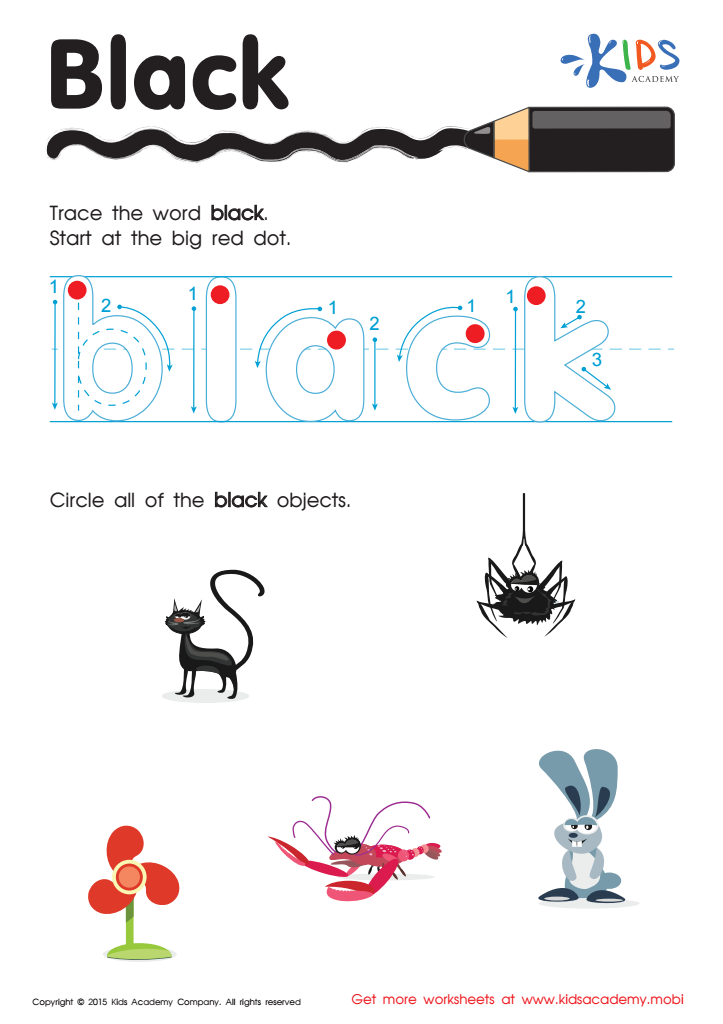
Black Tracing Color Words Printable
 Assign to My Students
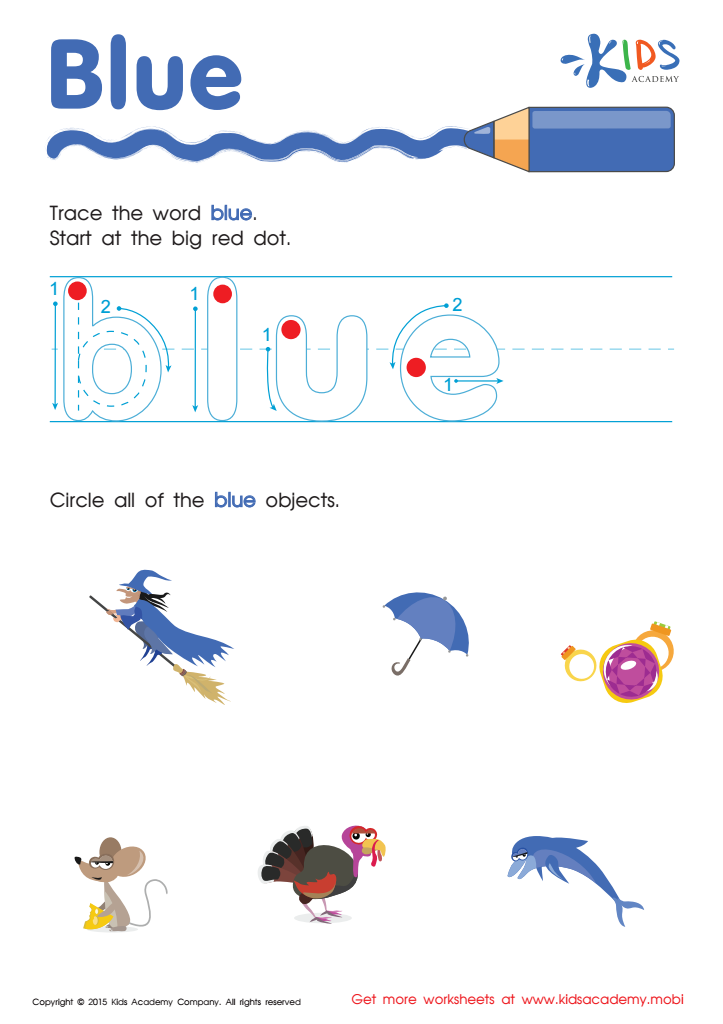
Blue Tracing Color Words Printable
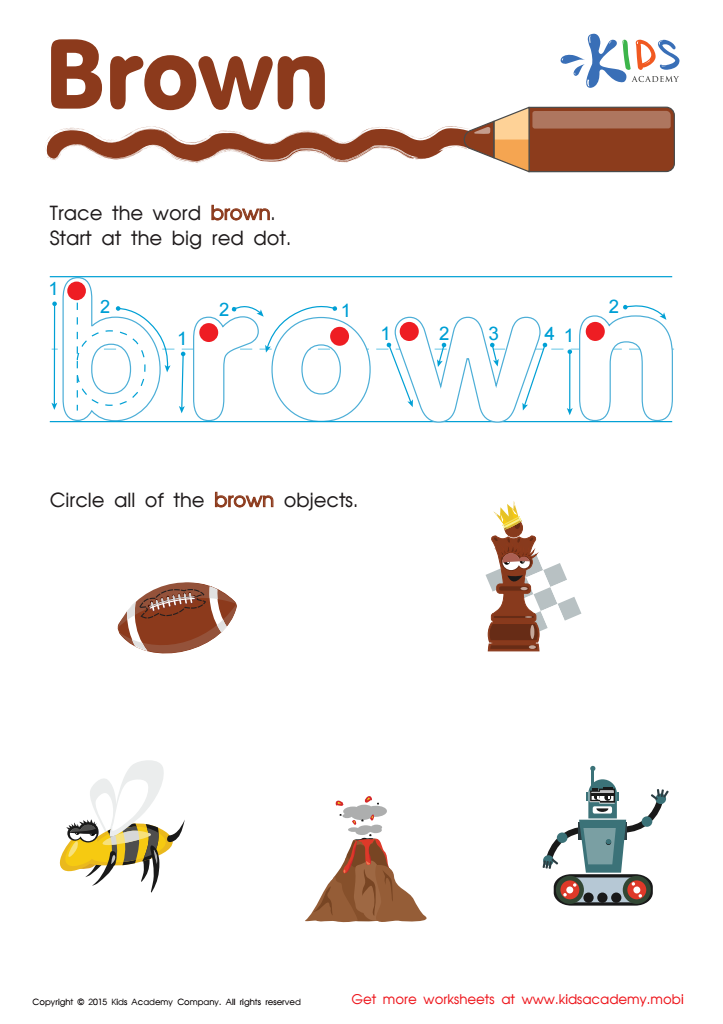
Brown Tracing Color Words Worksheet
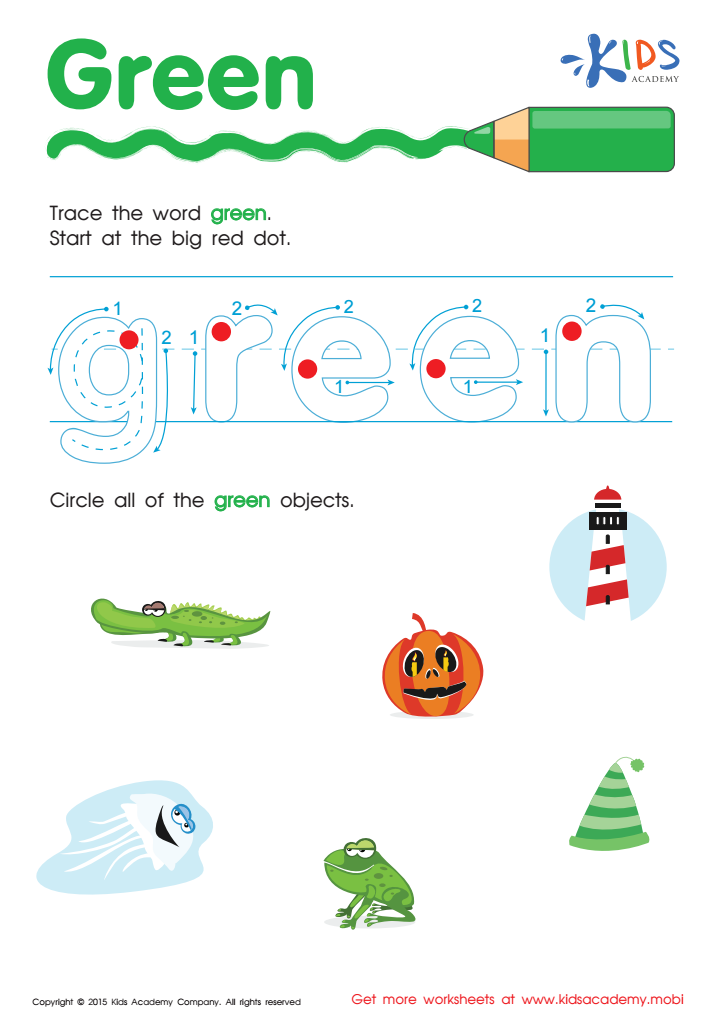
Green Tracing Color Words Worksheet
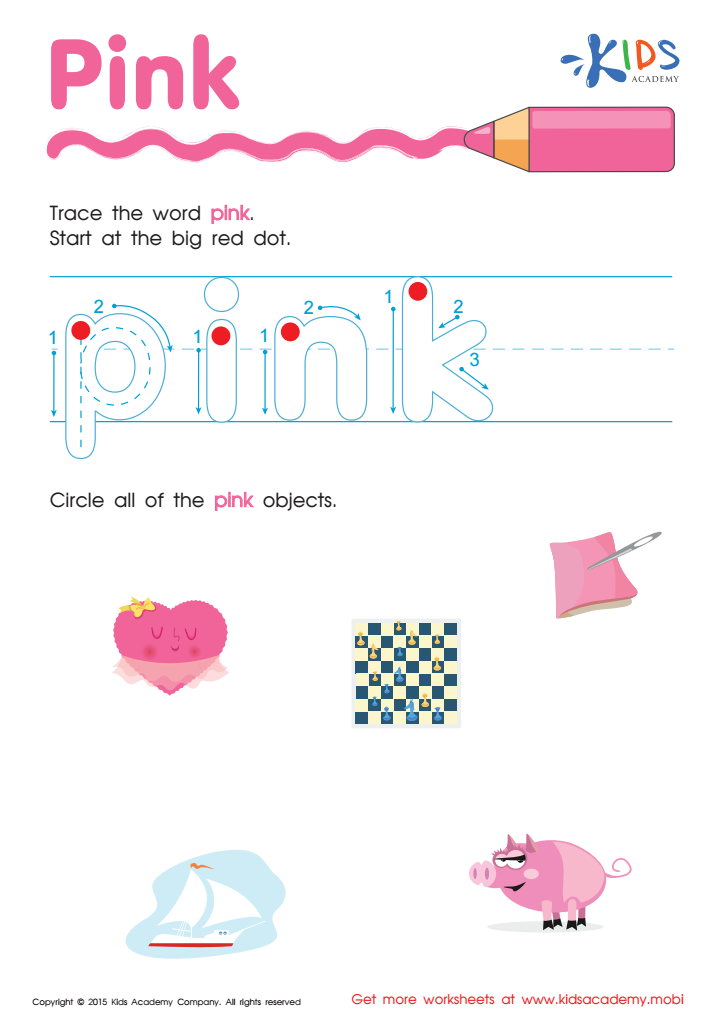
Pink Tracing Color Words Worksheet
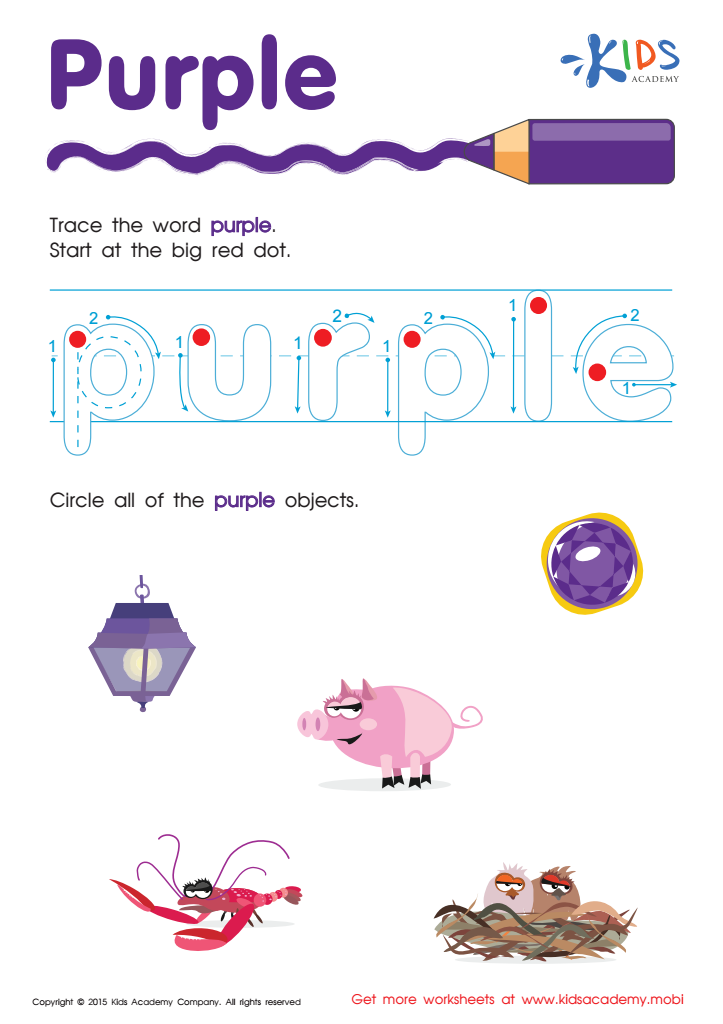
Purple Tracing Color Words Worksheet
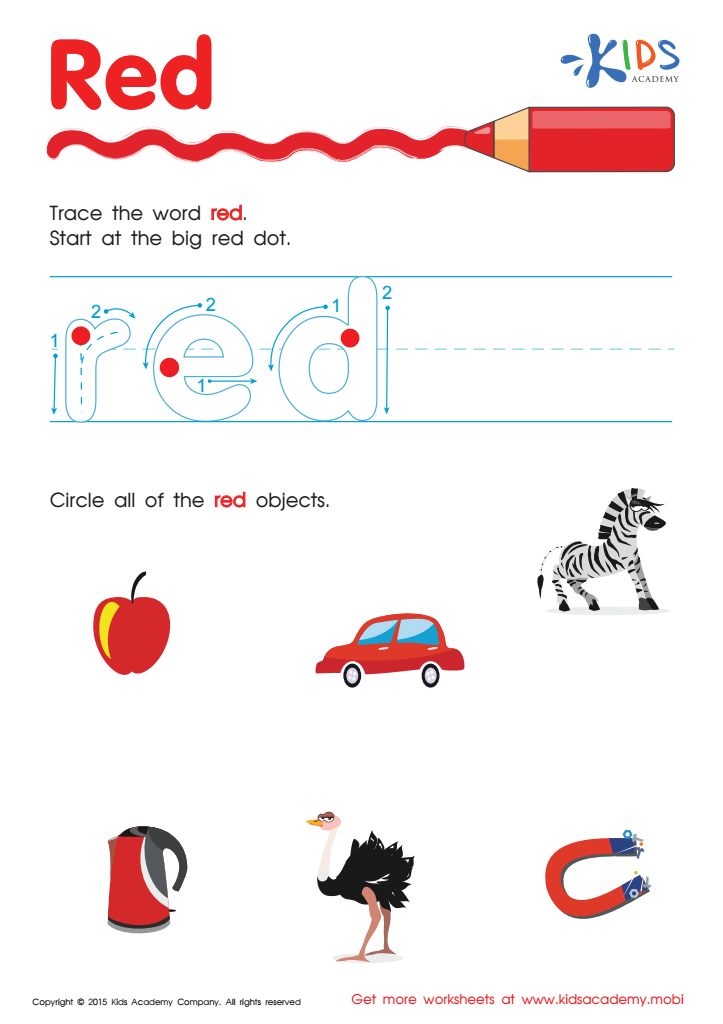
Red Tracing Color Words Printable
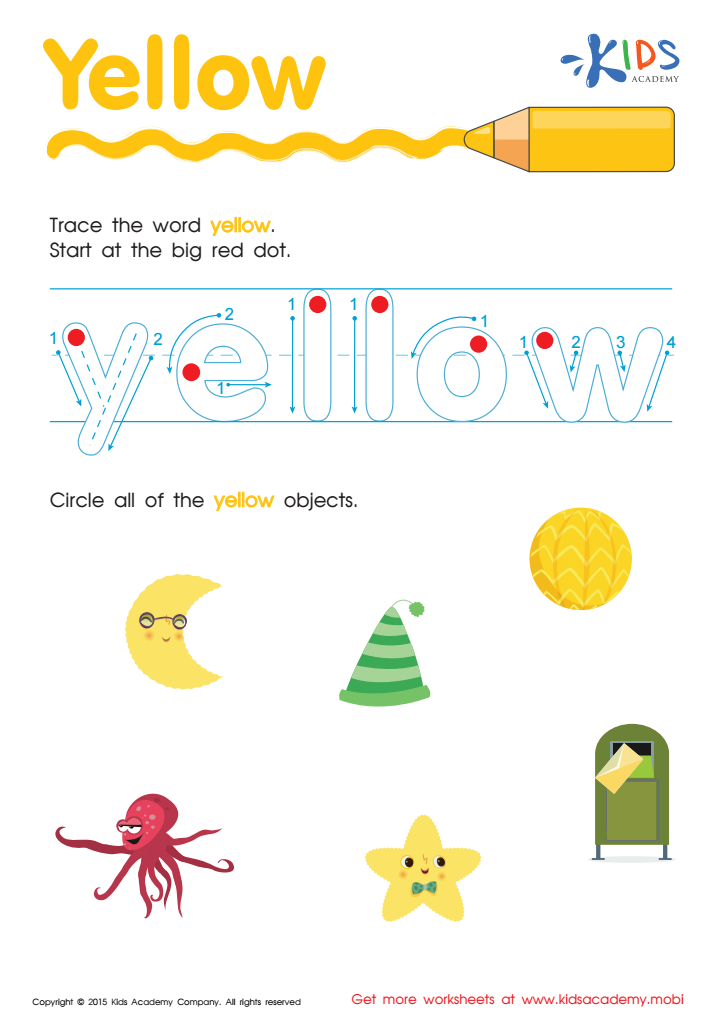
Yellow Tracing Color Words Worksheet



Parents and teachers should care about Normal Color Words for Ages 5-7 because these words are foundational to early literacy and cognitive development. At this age, children are building essential vocabulary skills that support their ability to communicate, express emotions, and describe their surroundings accurately. Color words, such as red, blue, and green, are among the first adjectives children learn, which helps them engage in more descriptive language and storytelling.
Additionally, color recognition enhances critical thinking and cognitive skills. Associating colors with objects enhances observational skills, helping children categorize and make connections between different elements in their environment. This lays the groundwork for future academic skills, particularly in subjects like art, science, and mathematics, where color perception plays a role in understanding concepts.
Beyond academics, color words intersect with emotional awareness and creativity. Understanding colors and their meanings can aid children in expressing feelings and preferences. Furthermore, incorporating color words into everyday conversations fosters a sense of curiosity and discovery, making learning more enjoyable.
In summary, promoting Normal Color Words in young learners supports language development, cognitive skills, creativity, and emotional expression, thus playing a vital role in their overall growth and readiness for future learning experiences.








