Normal Geography Worksheets for Ages 5-7 - Page 2
43 filtered results
-
From - To
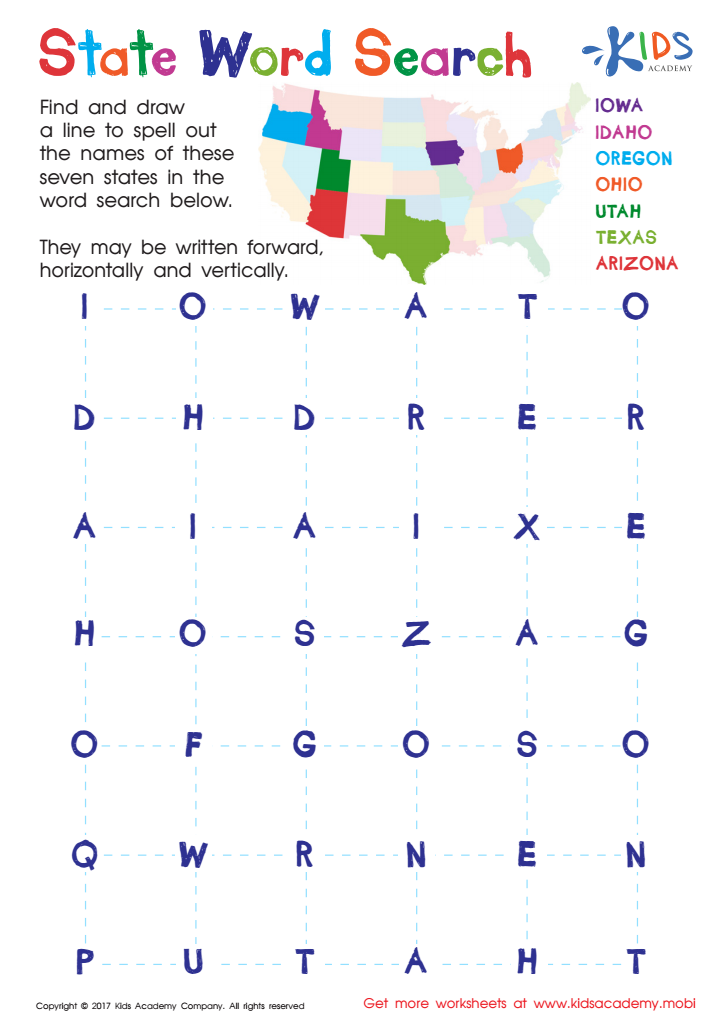
State Word Search Worksheet
 Assign to My Students
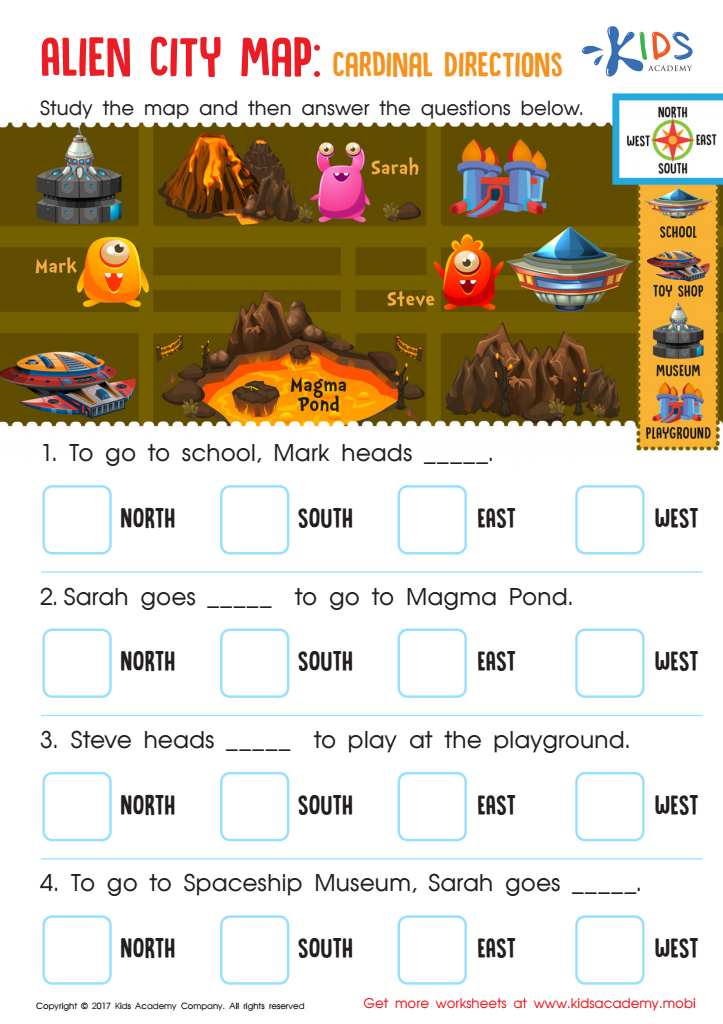
Alien City Map: Cardinal Directions Worksheet
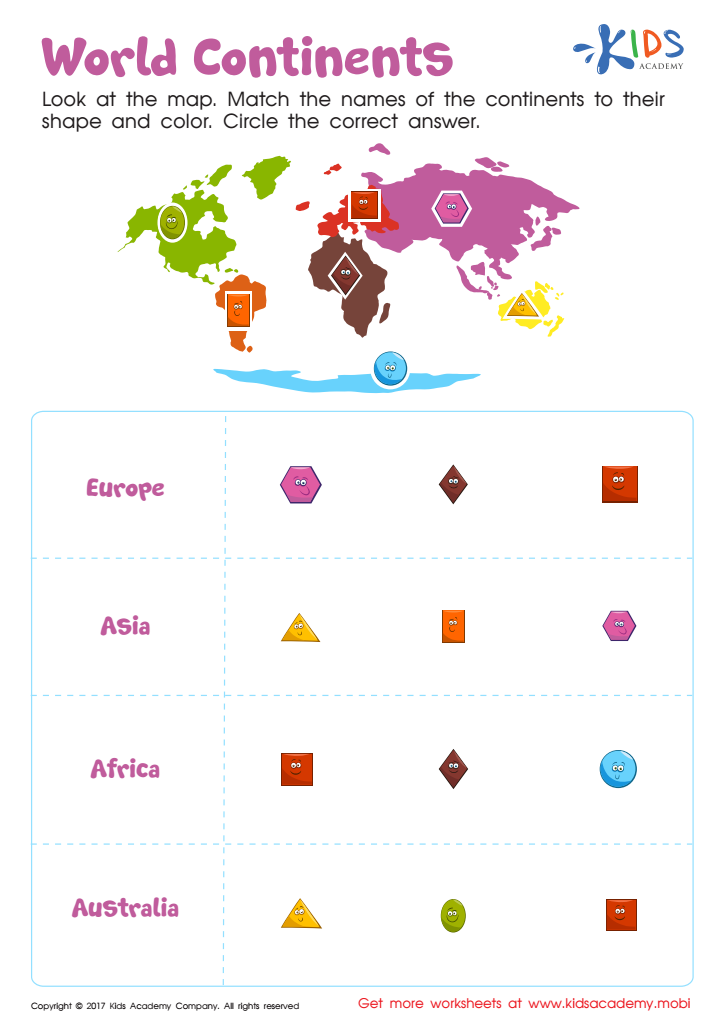
World Continents Worksheet
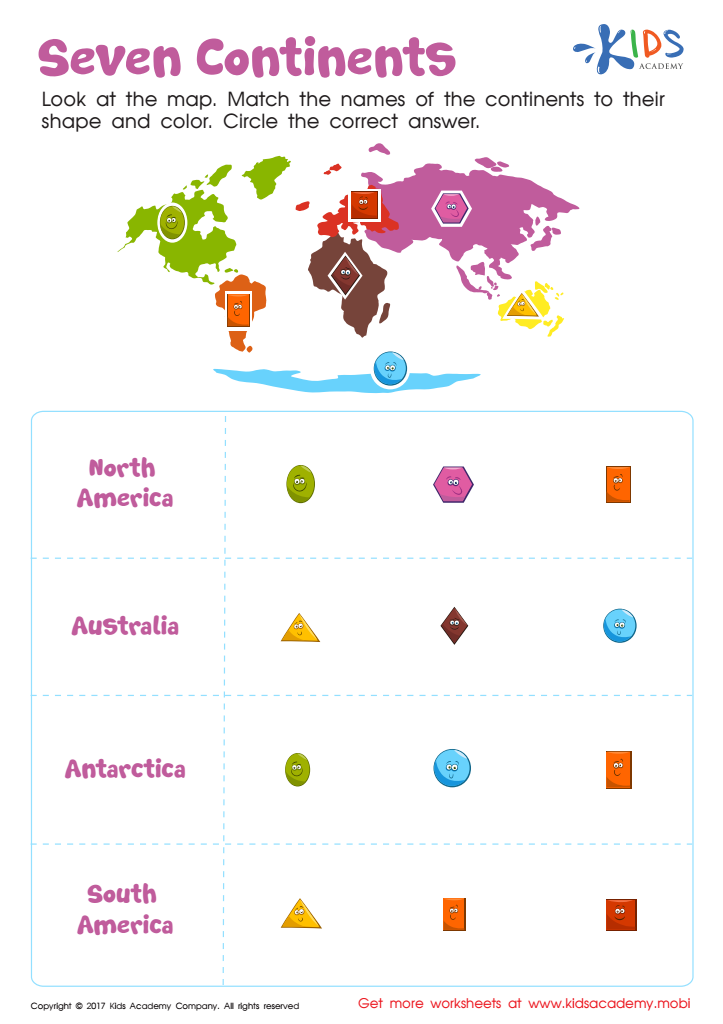
Seven Continents Worksheet
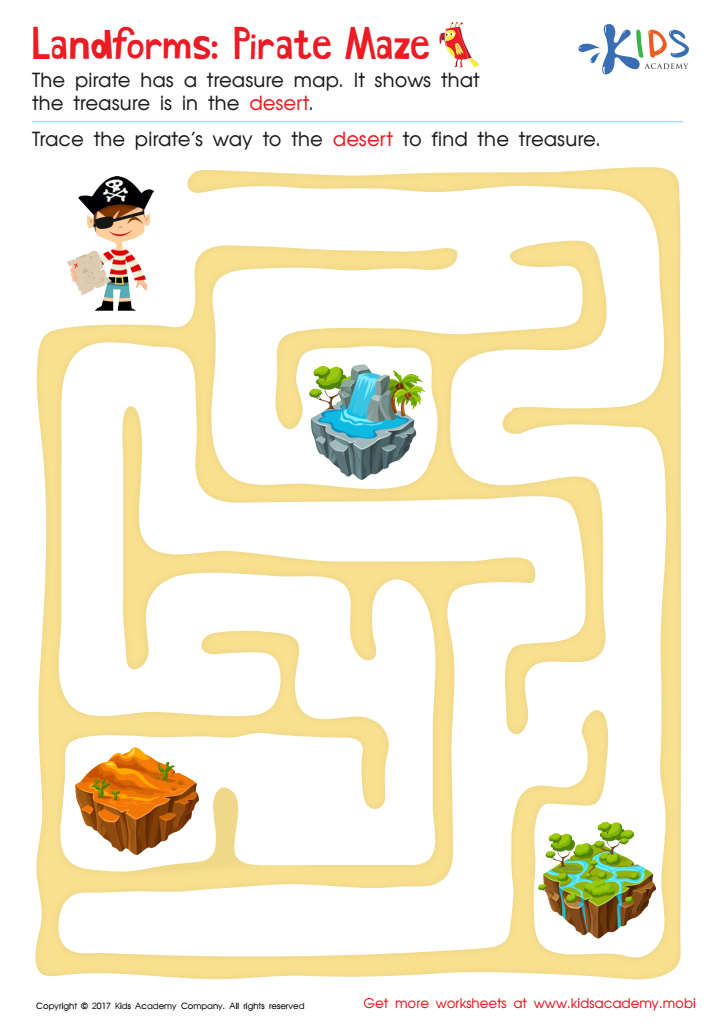
Landforms: Pirate Maze Printable
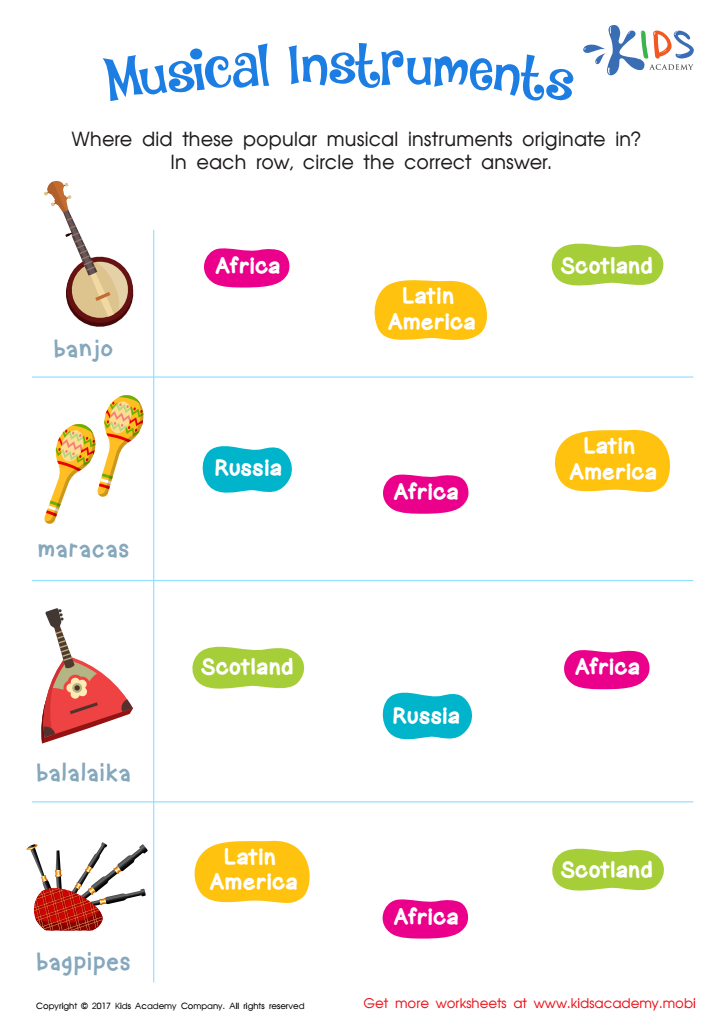
Musical Instruments Printable
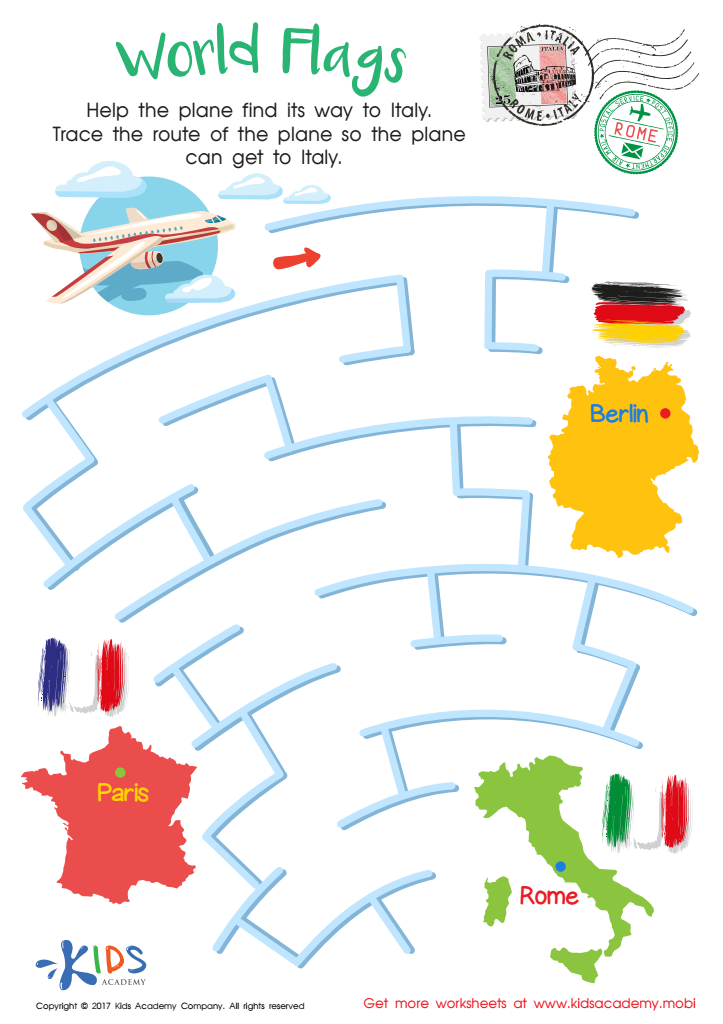
World Flags Maze Worksheet
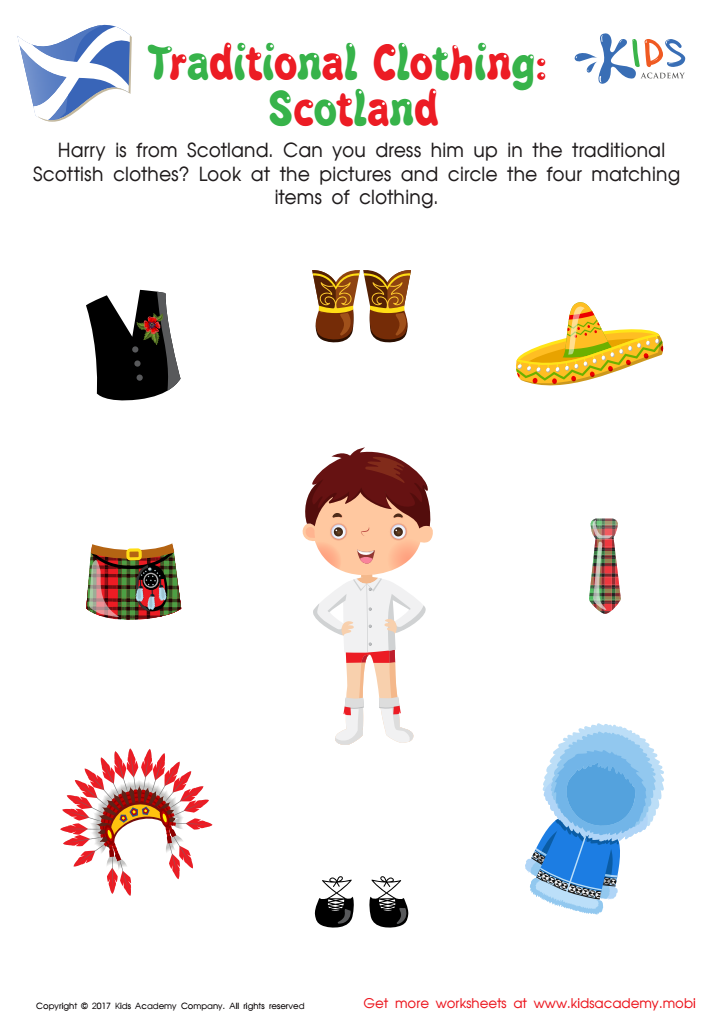
Traditional Clothing in Scotland Worksheet
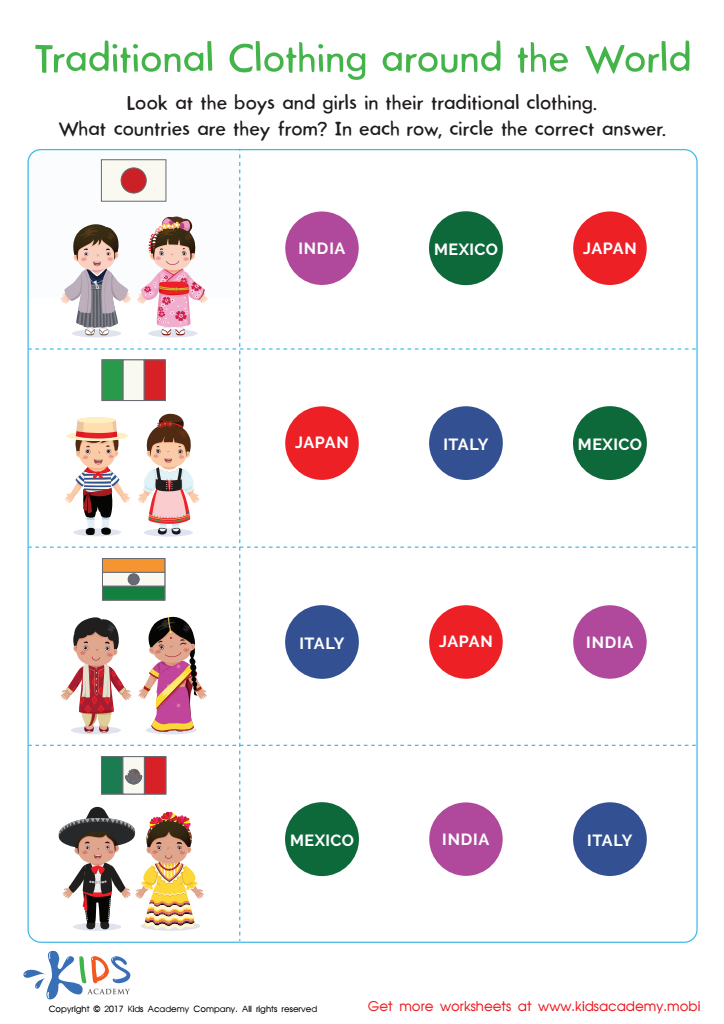
Traditional Clothing Worksheet
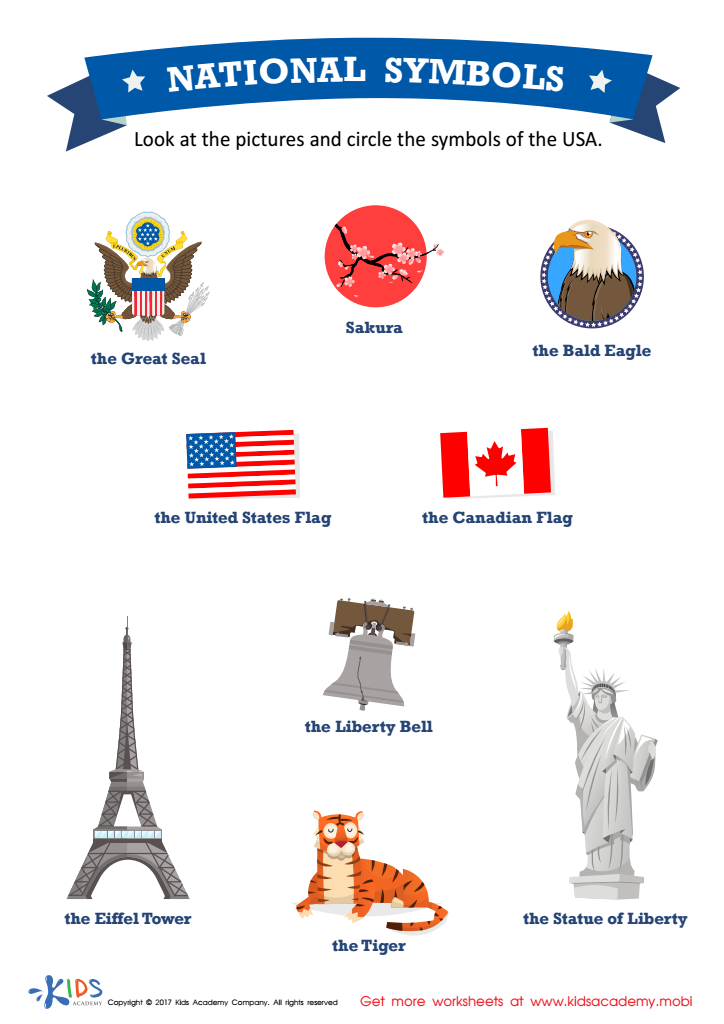
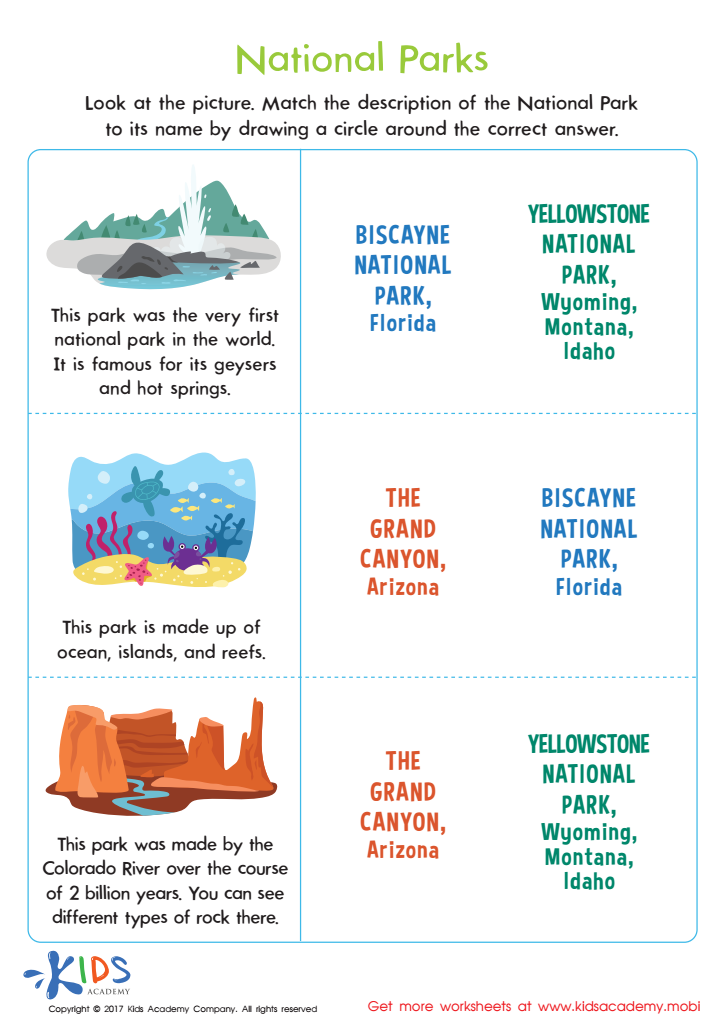
National Parks Printable
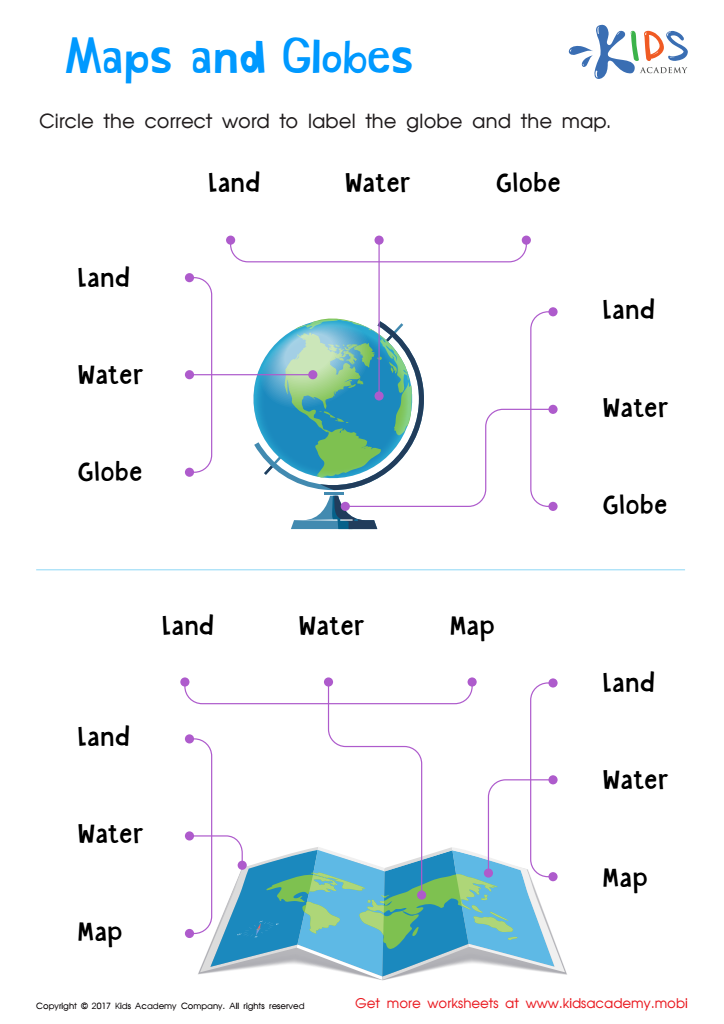
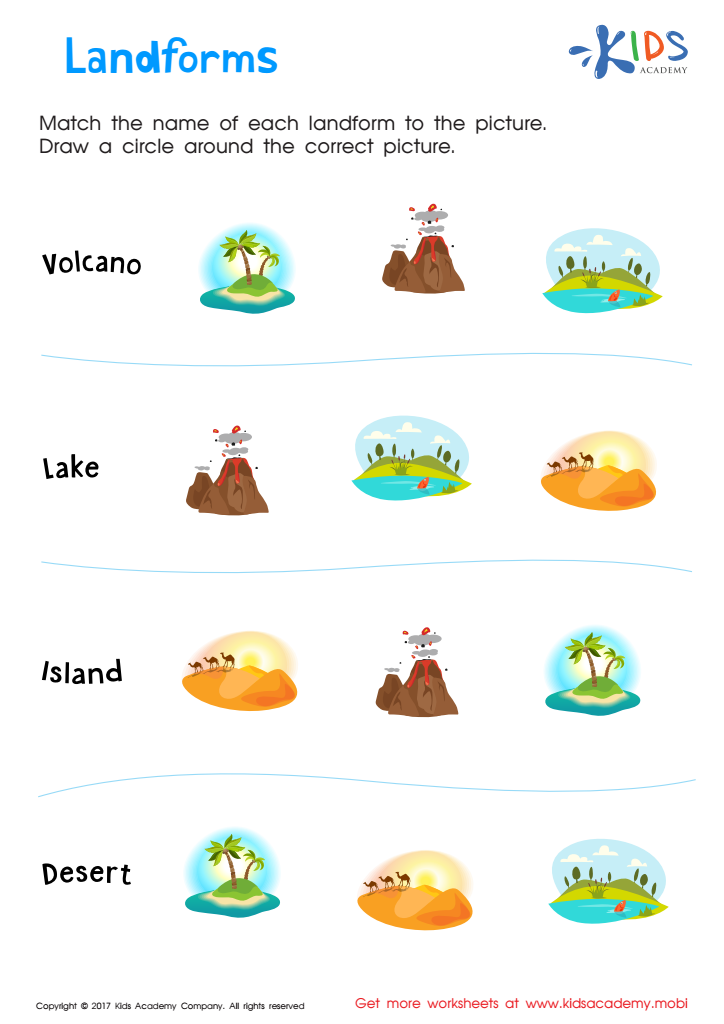
Landforms Printable
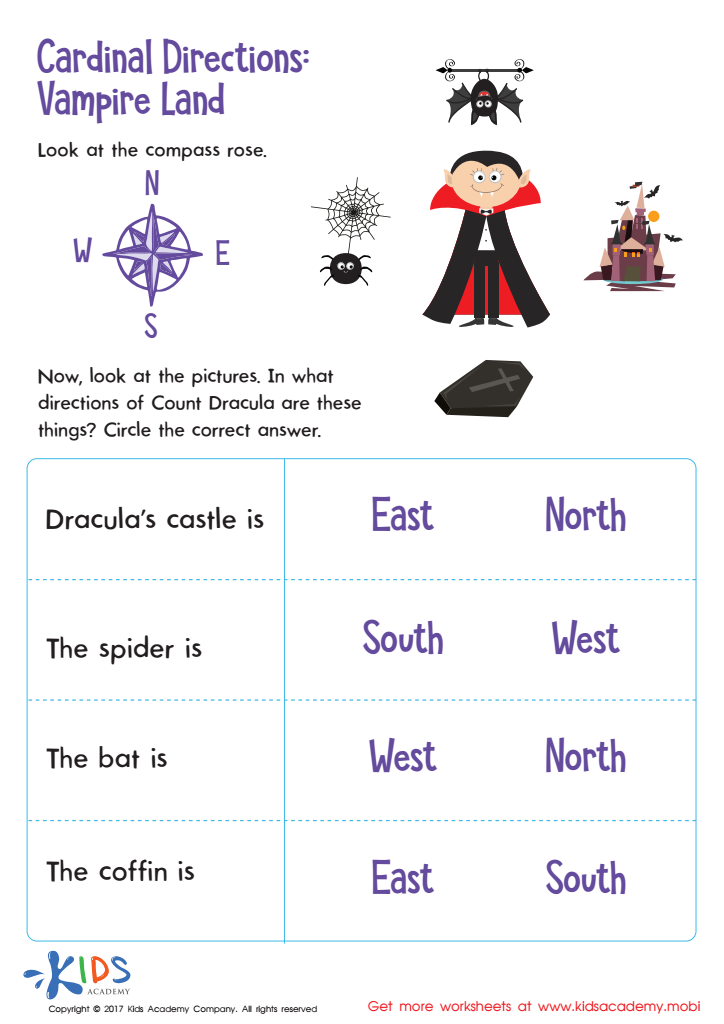
Cardinal Directions Printable
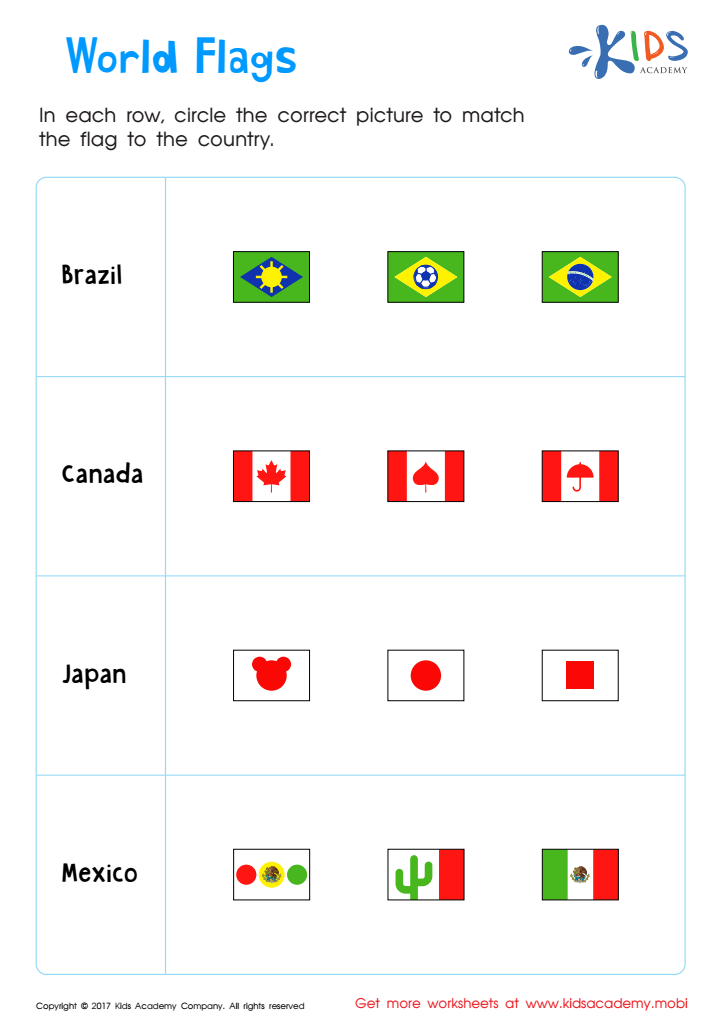
World Flags Printable
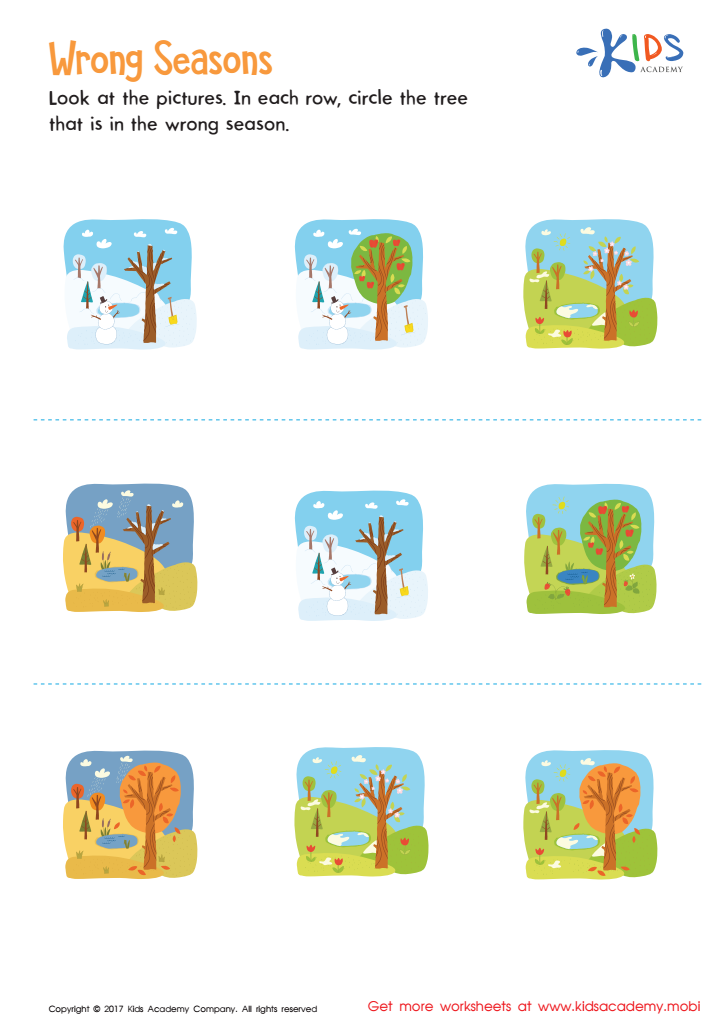
Wrong Seasons Worksheet
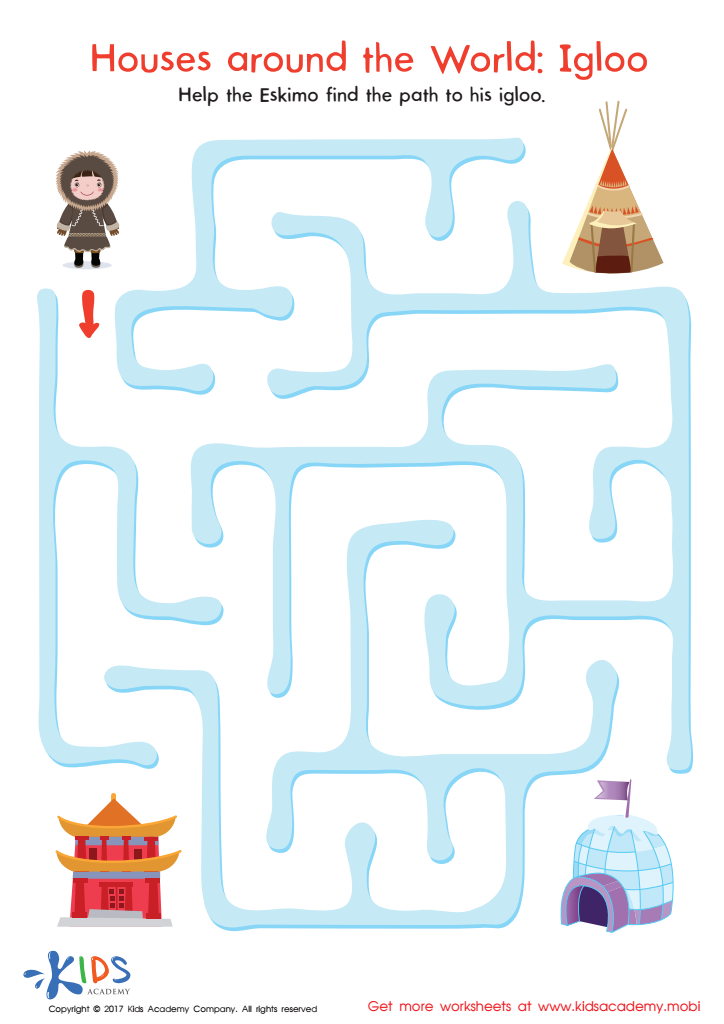
Houses Around the World: Igloo Printable
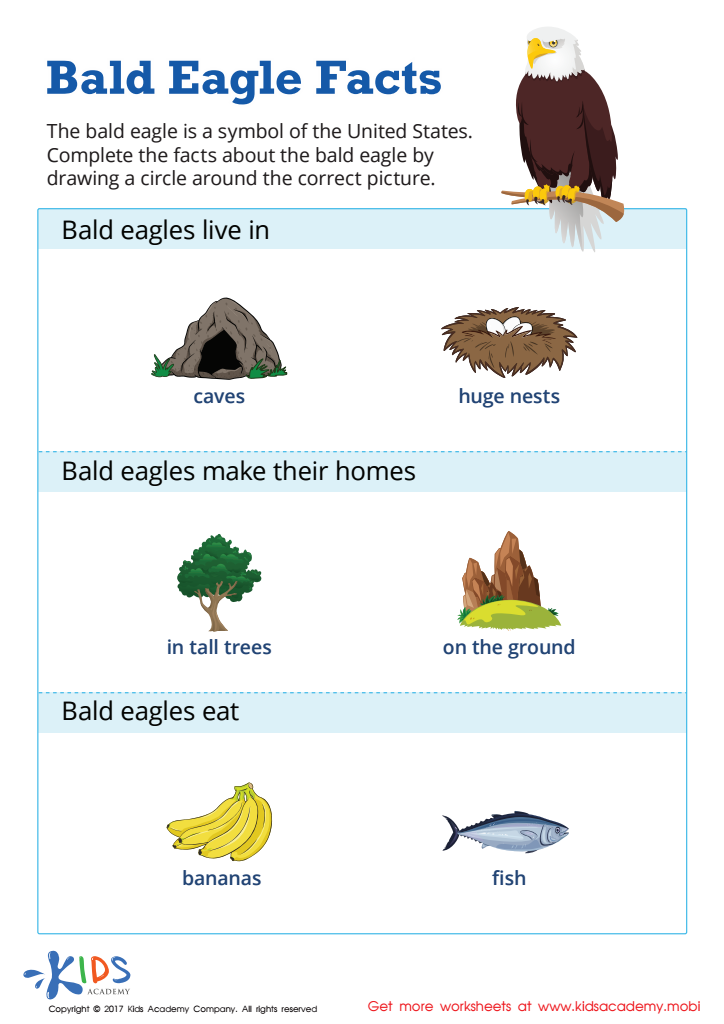
Bald Eagle Facts Worksheet
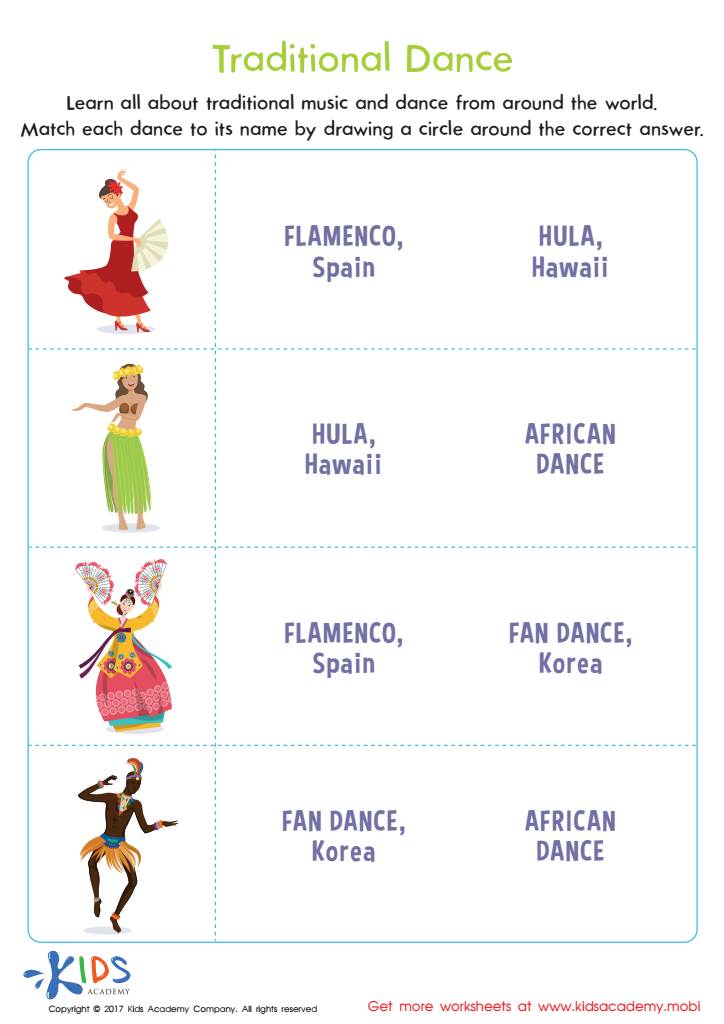
Traditional Dance Printable






Understanding geography from an early age is fundamental for helping children develop a broad perspective on the world. For ages 5-7, Normal Geography provides more than just an understanding of maps and locations—it nurtures curiosity, environmental awareness, and a sense of place.
Fostering knowledge in geography helps young children recognize different cultures, landscapes, and communities, broadening their understanding beyond their immediate surroundings. This early exposure encourages empathy and respect for diversity. Moreover, geography can interlace with other subjects like science, history, and social studies, providing a cohesive, interdisciplinary learning experience.
Physical geography helps children grasp natural processes, instilling an early appreciation for the environment and instigating conversations about sustainability. They start to comprehend weather patterns, landforms, and ecosystems, fostering a sense of responsibility toward nature.
Additionally, geography enhances spatial thinking skills. When children can identify where they live in relation to the wider world, they develop better organizational and navigation skills, important in everyday tasks.
For teachers and parents, introducing Normal Geography to young learners helps build foundational skills, cognitive development, and global citizenship. It’s not just about memorizing locations; it’s about making meaningful connections to the world they inhabit while stimulating lifelong interests and knowledge.








