Normal Matching Worksheets for Ages 5-8
43 filtered results
-
From - To
Explore our engaging Normal Matching Worksheets designed specifically for children aged 5-8! These worksheets provide a fun and interactive way for young learners to develop essential matching skills while reinforcing their understanding of numbers, shapes, letters, and more. Each printable activity is crafted to support cognitive growth and fine motor skills through vibrant illustrations and enjoyable tasks. Perfect for homeschooling, classroom activities, or supplementary learning, our worksheets are both educational and entertaining. Give your child the tools they need to succeed with our creative matching exercises that foster a love for learning. Download your free worksheets today and watch them thrive!
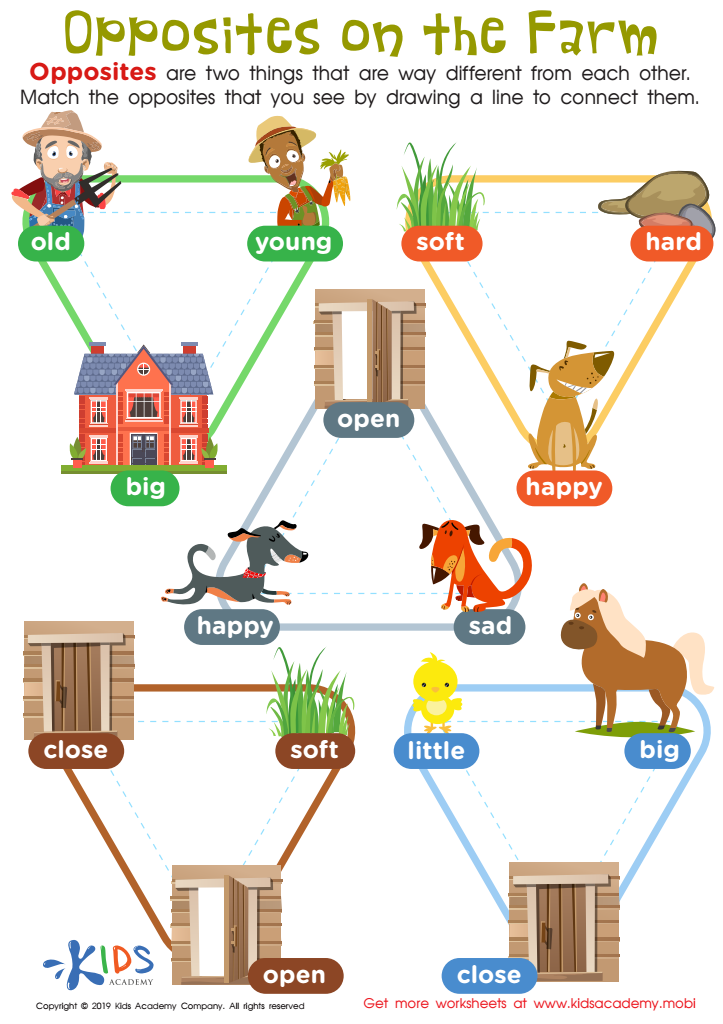
Opposites on the Farm Worksheet
 Assign to My Students
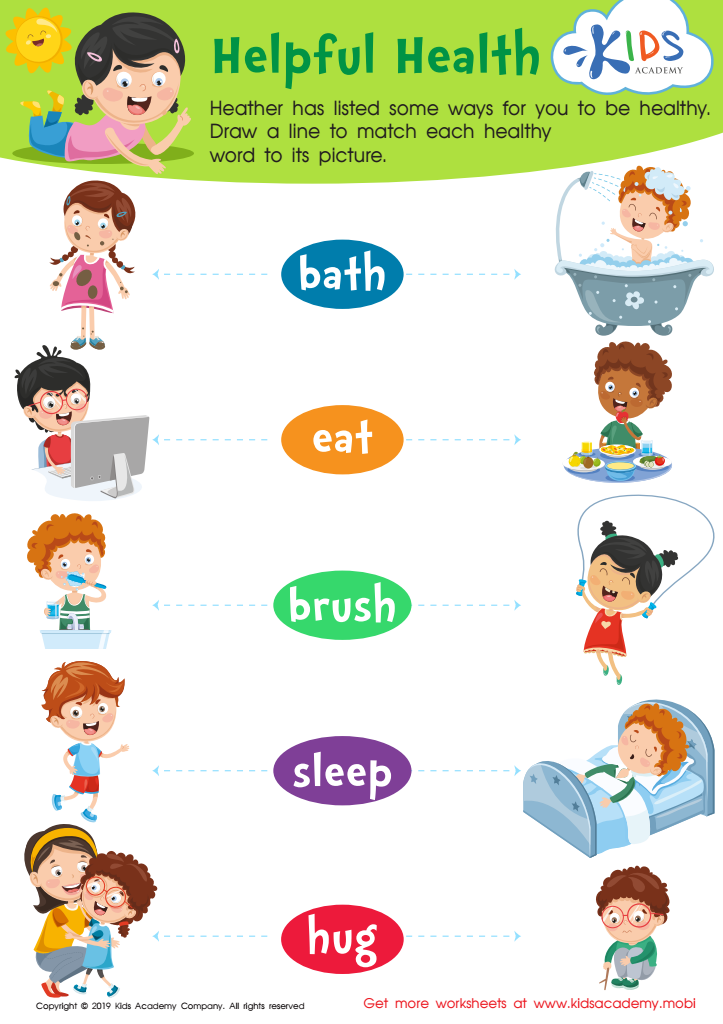
Helpful Health Worksheet
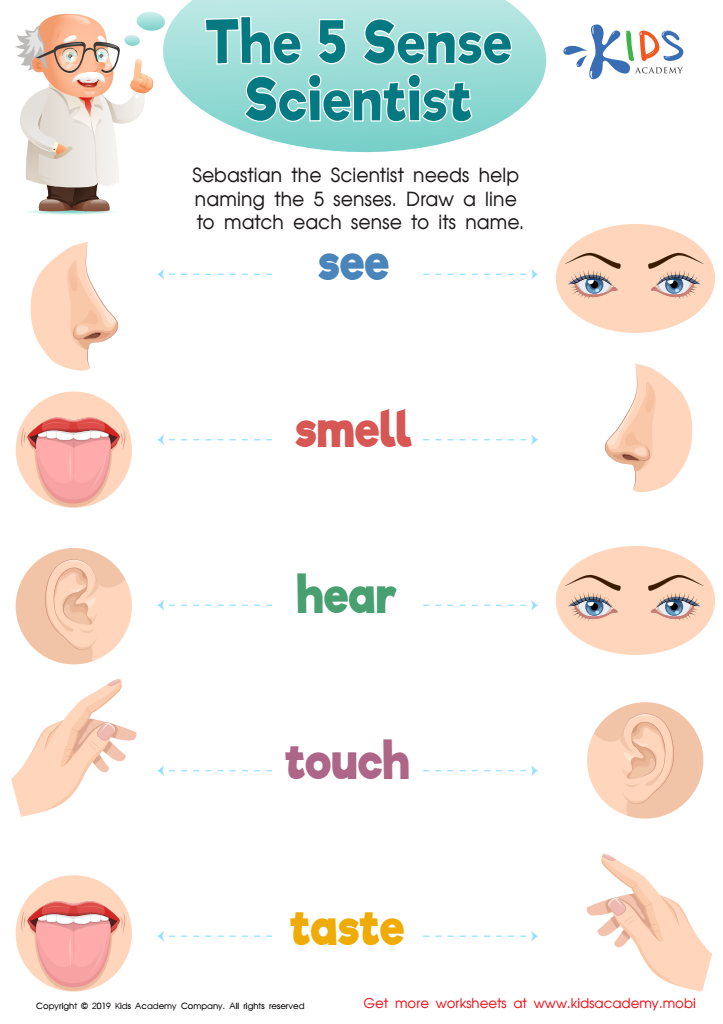
The 5 Sense Scientist Worksheet
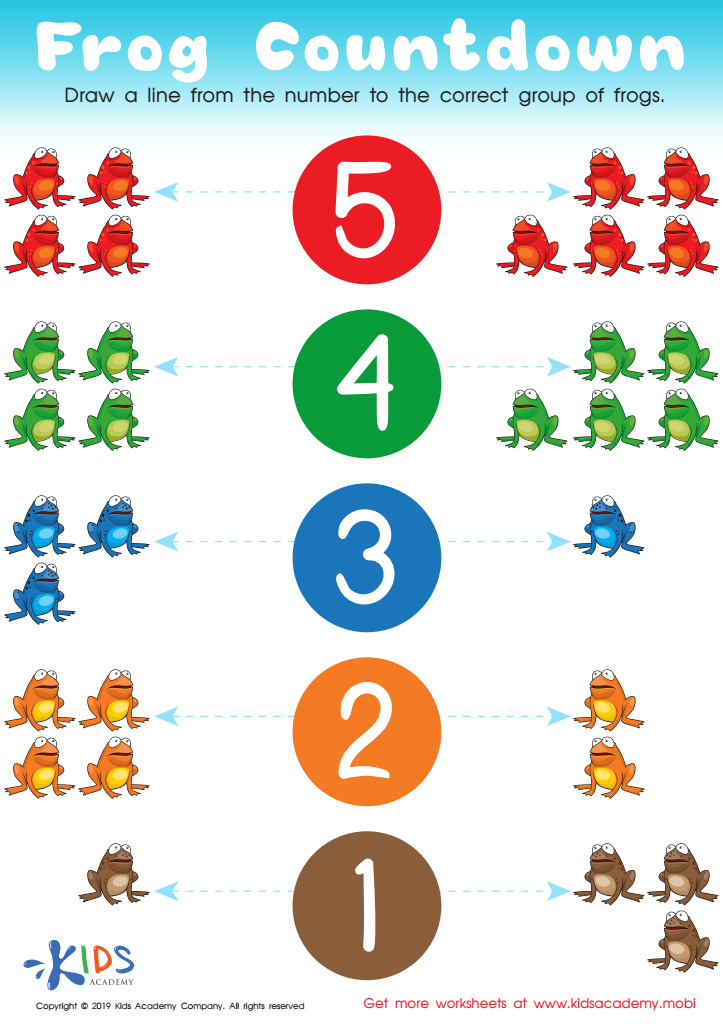
Frog Countdown Worksheet
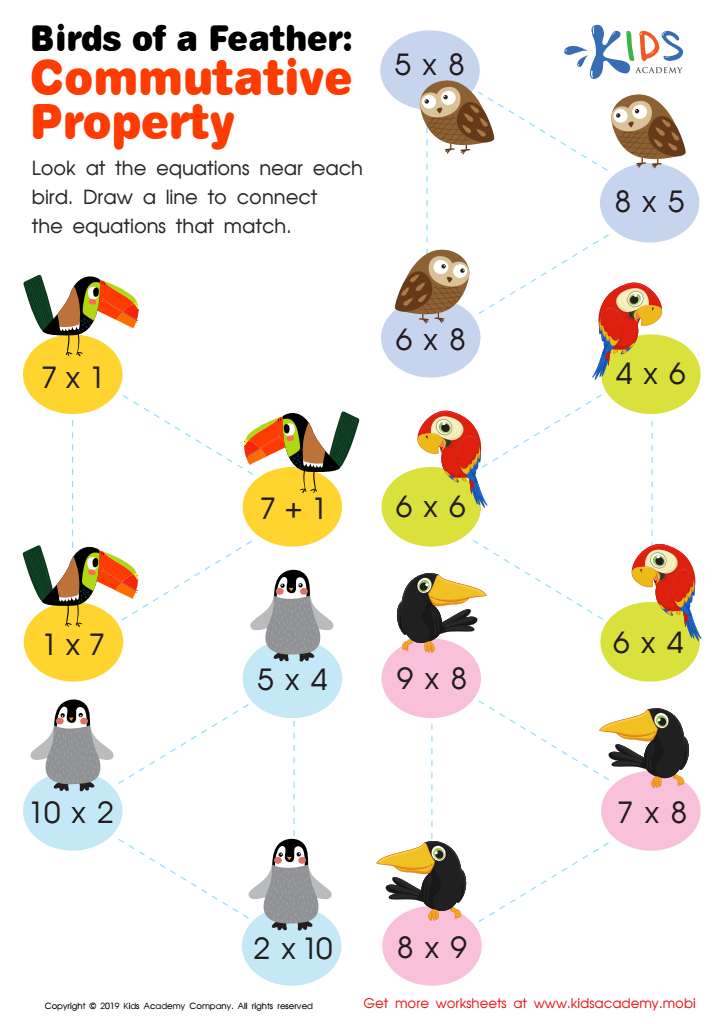
Birds of a Feather: Commutative Property Worksheet
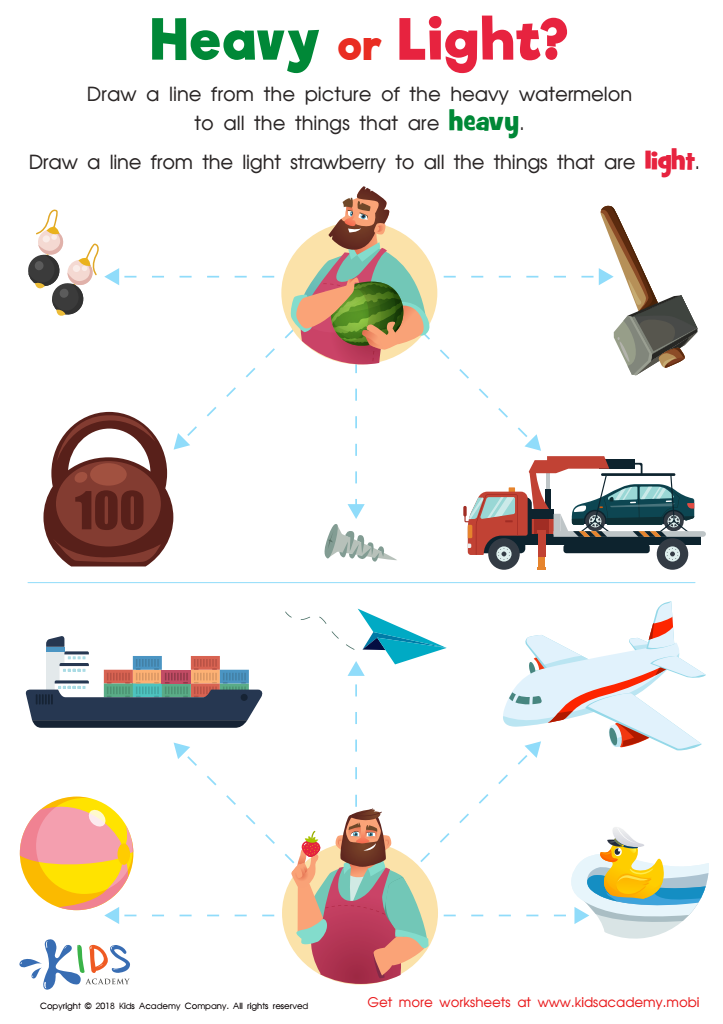
Heavy or Light? Worksheet
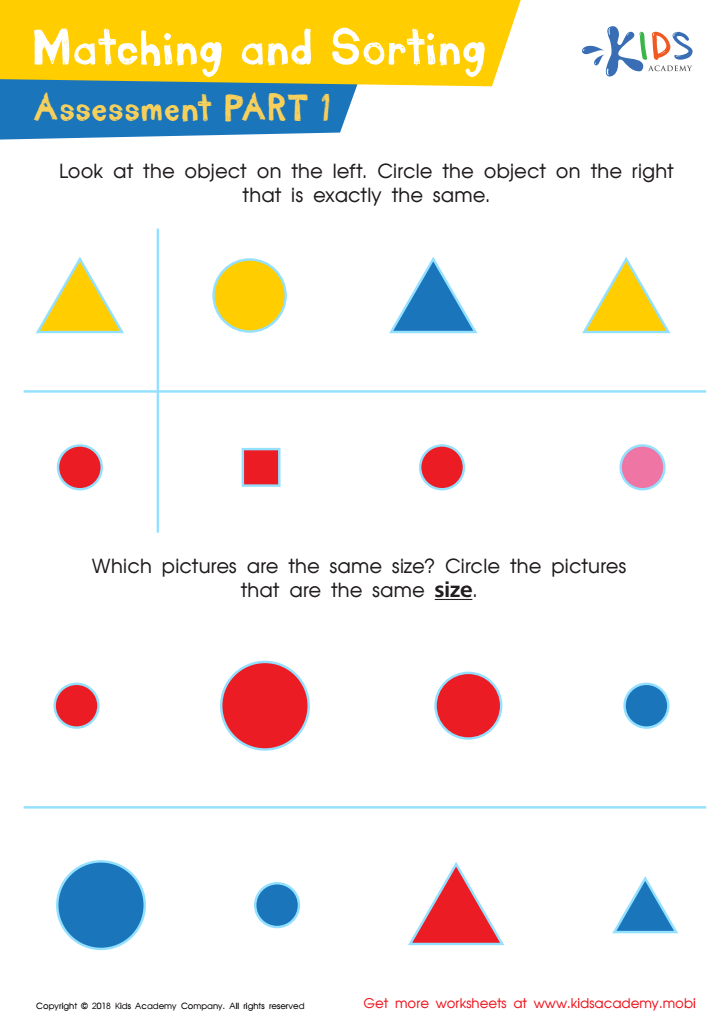
Matching and Sorting for Kindergarten: Assessment 1 Worksheet
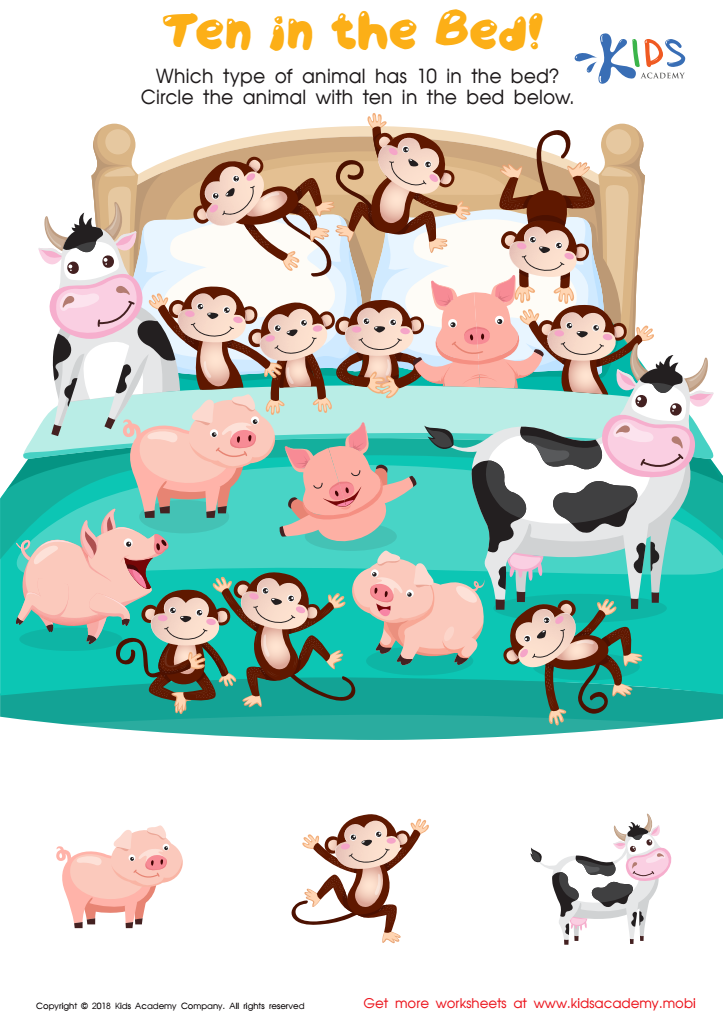
Ten in the Bed Worksheet
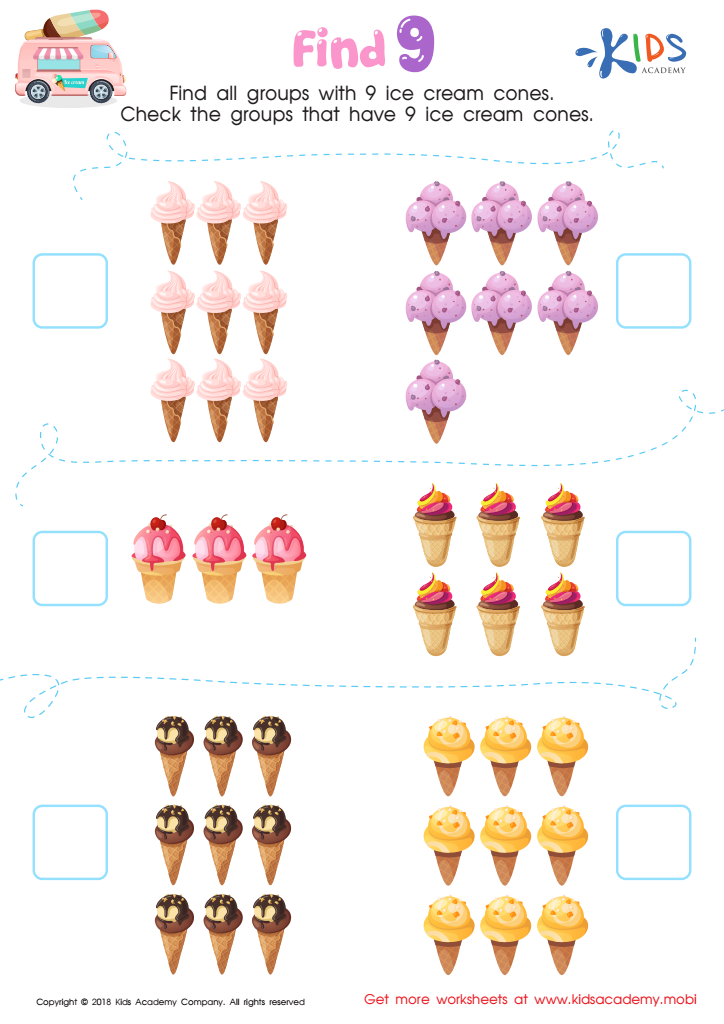
Find 9 Worksheet
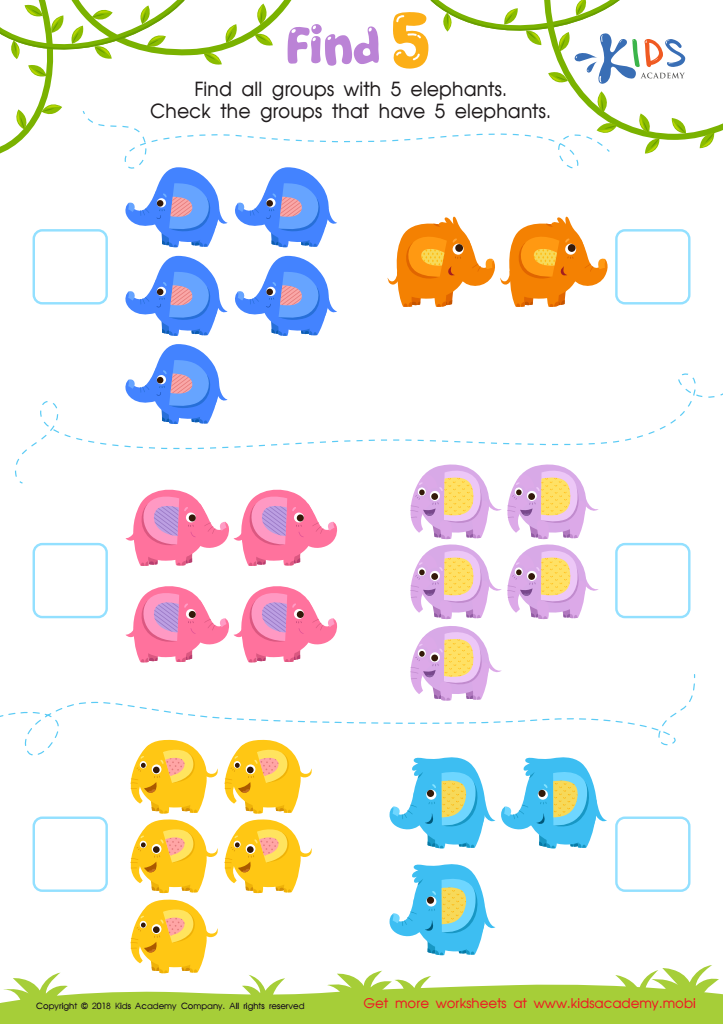
Find 5 Worksheet
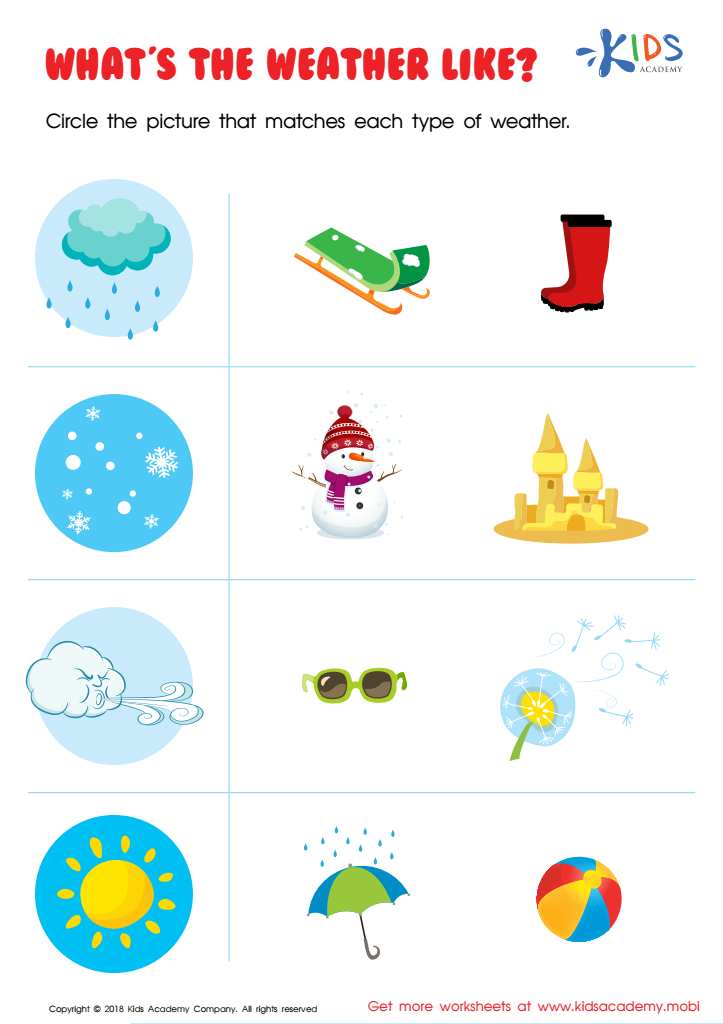
What's the Weather Like? Worksheet
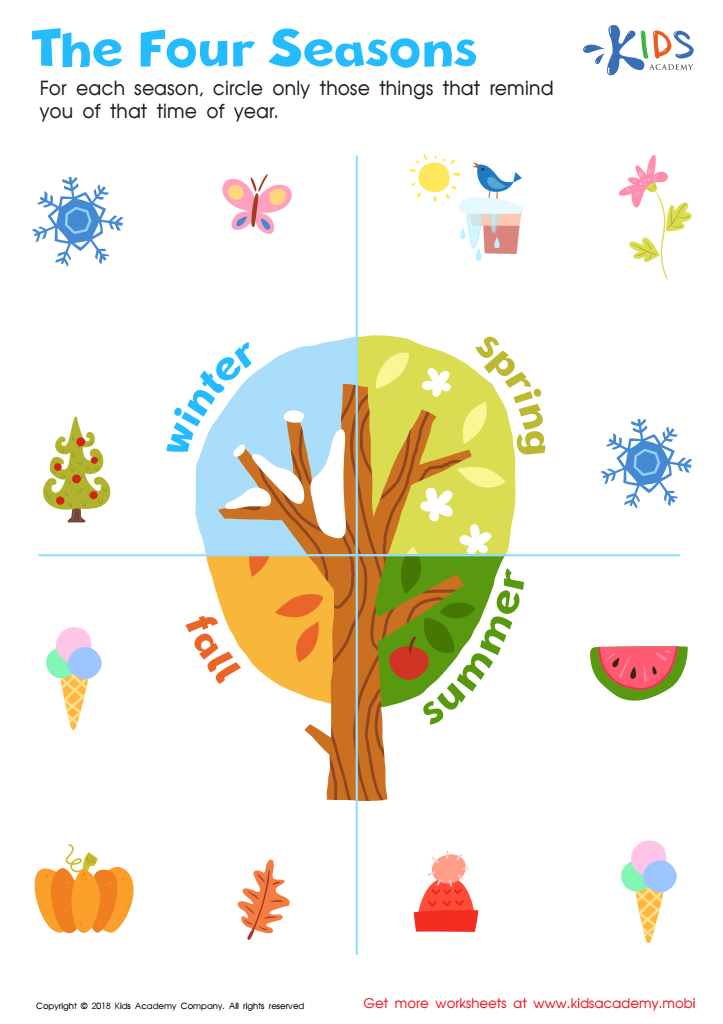
The Four Seasons Worksheet
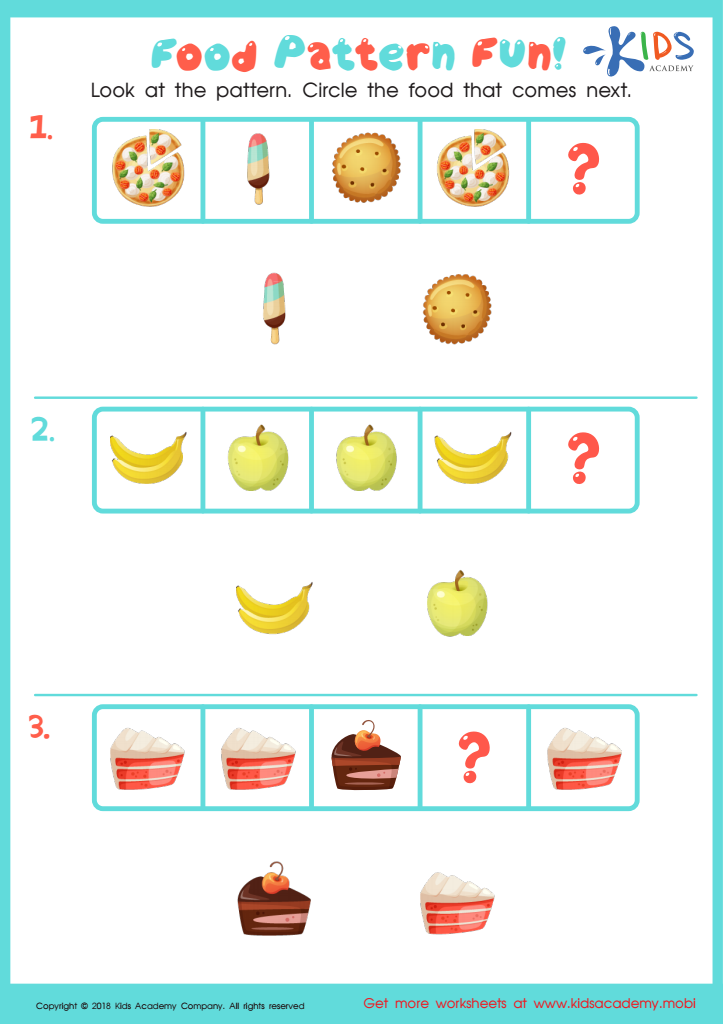
Food Pattern Fun Worksheet
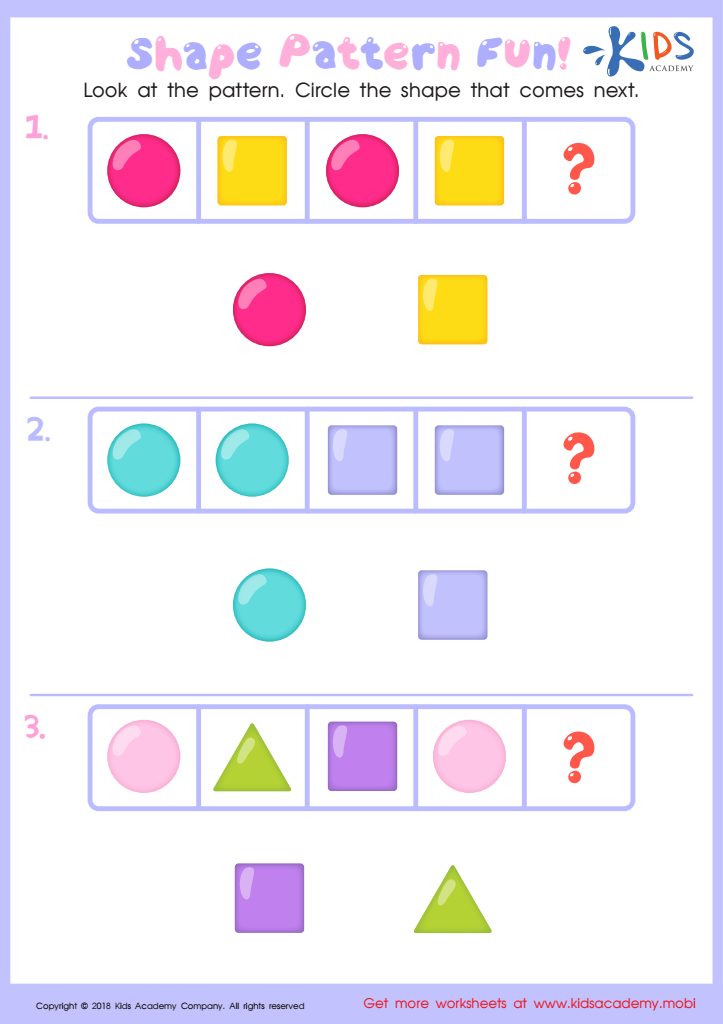
Shape Pattern Fun Worksheet
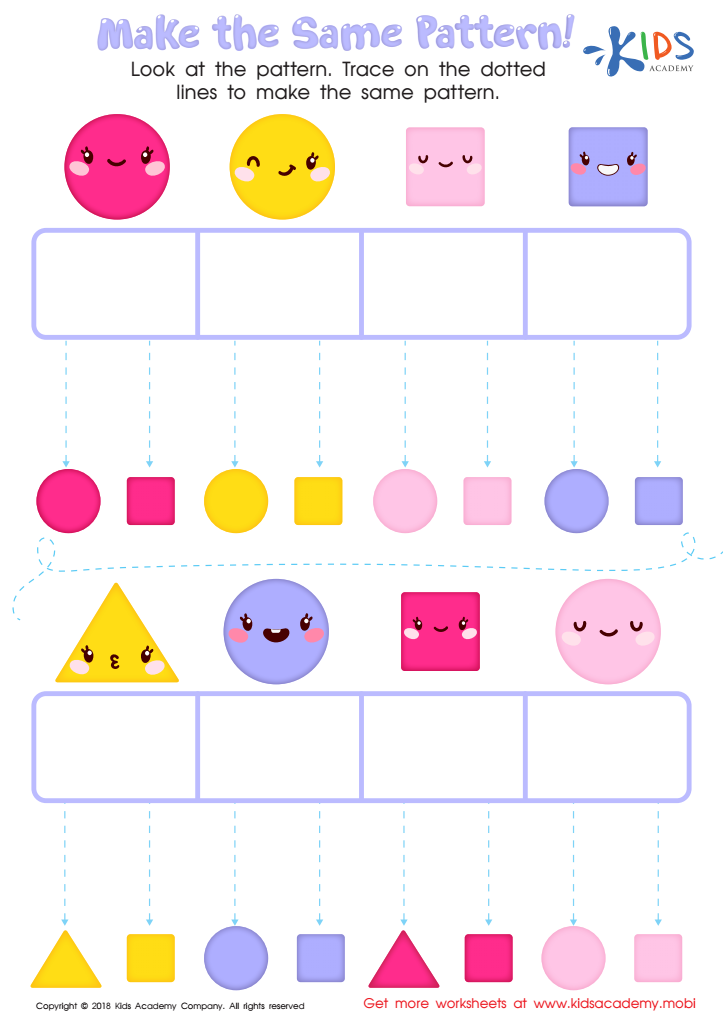
Make the Same Pattern Worksheet
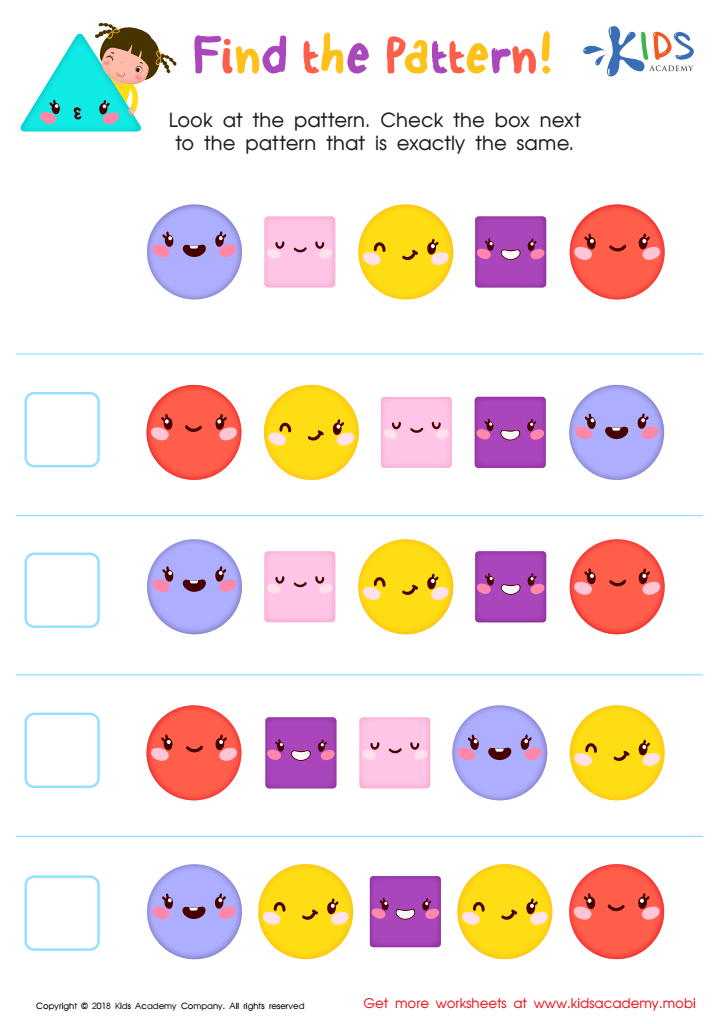
Find the Pattern Worksheet
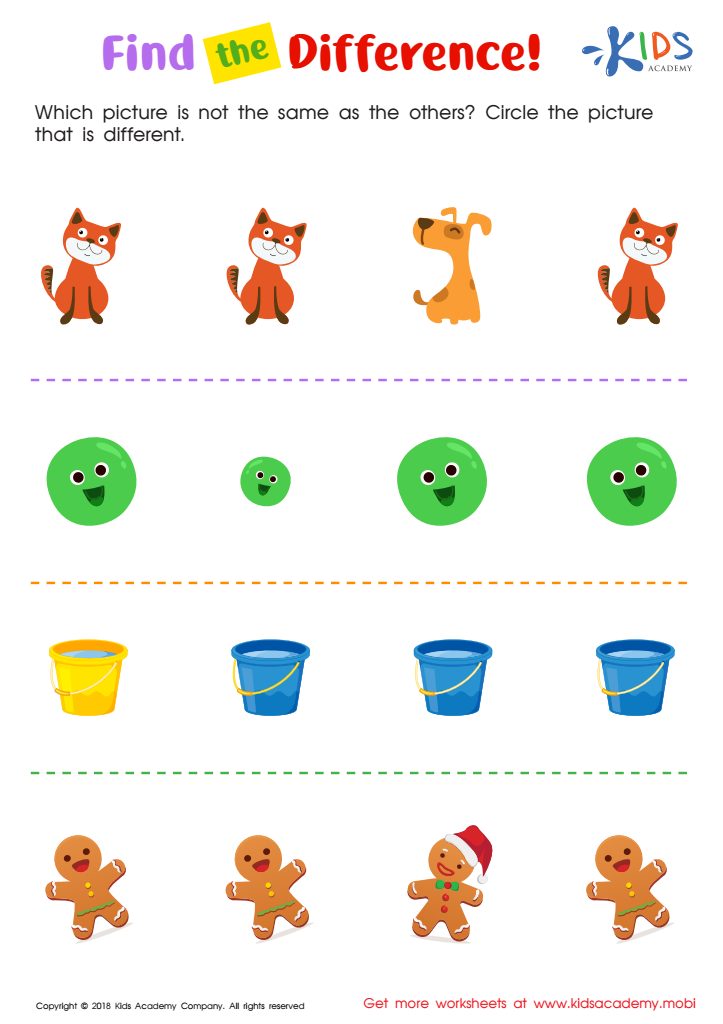
Find the Difference Worksheet
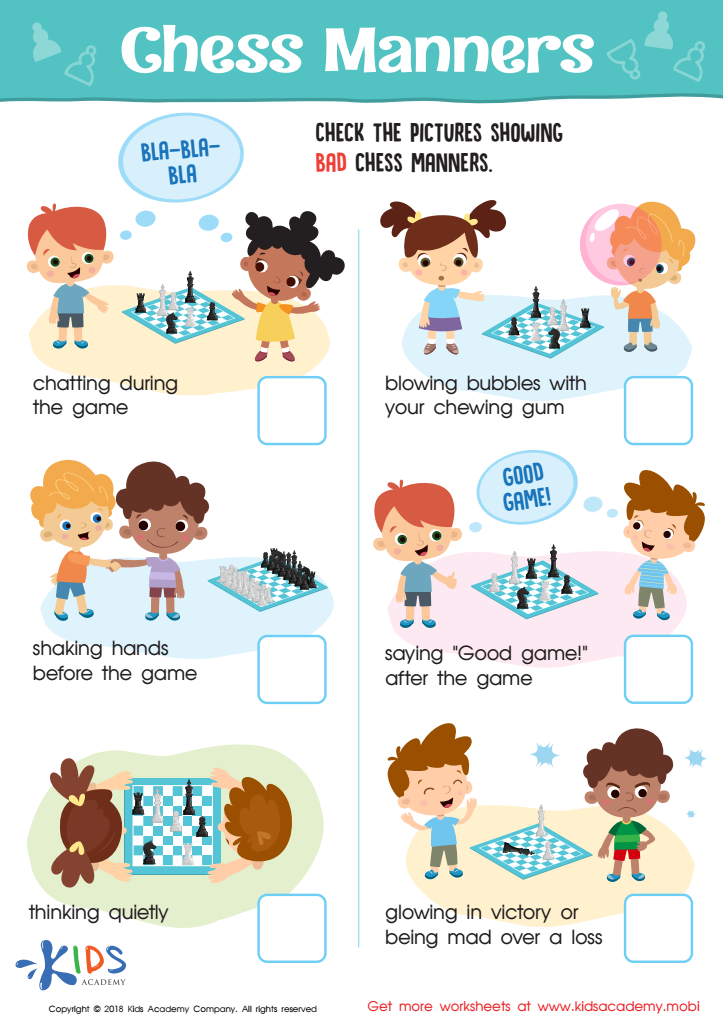
Chess Manners Worksheet
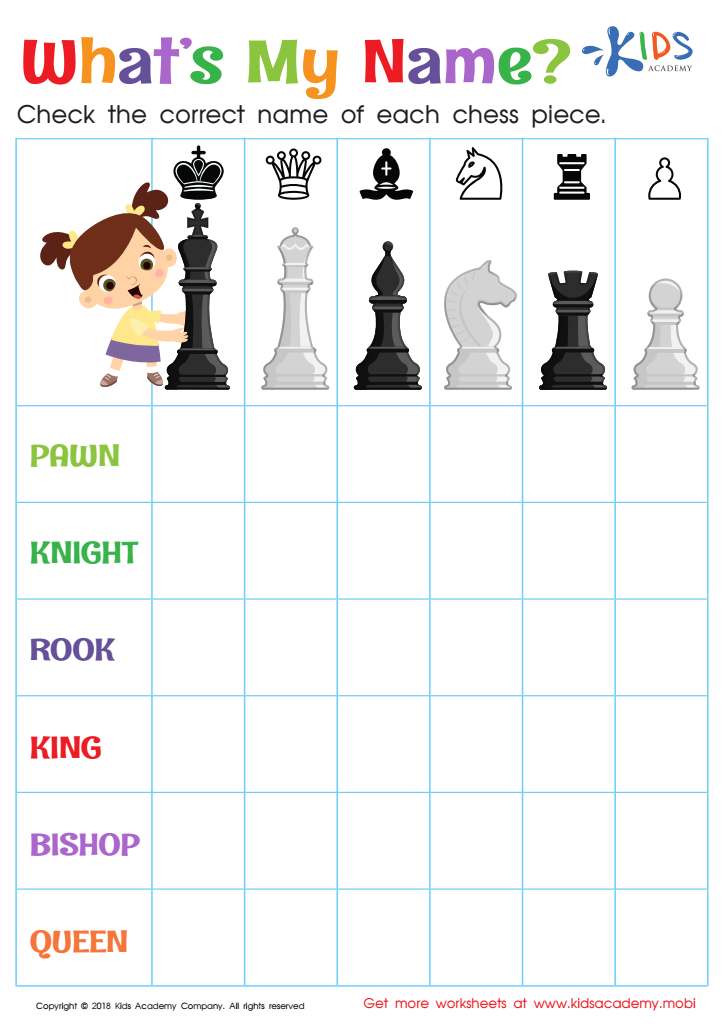
What's My Name? Worksheet
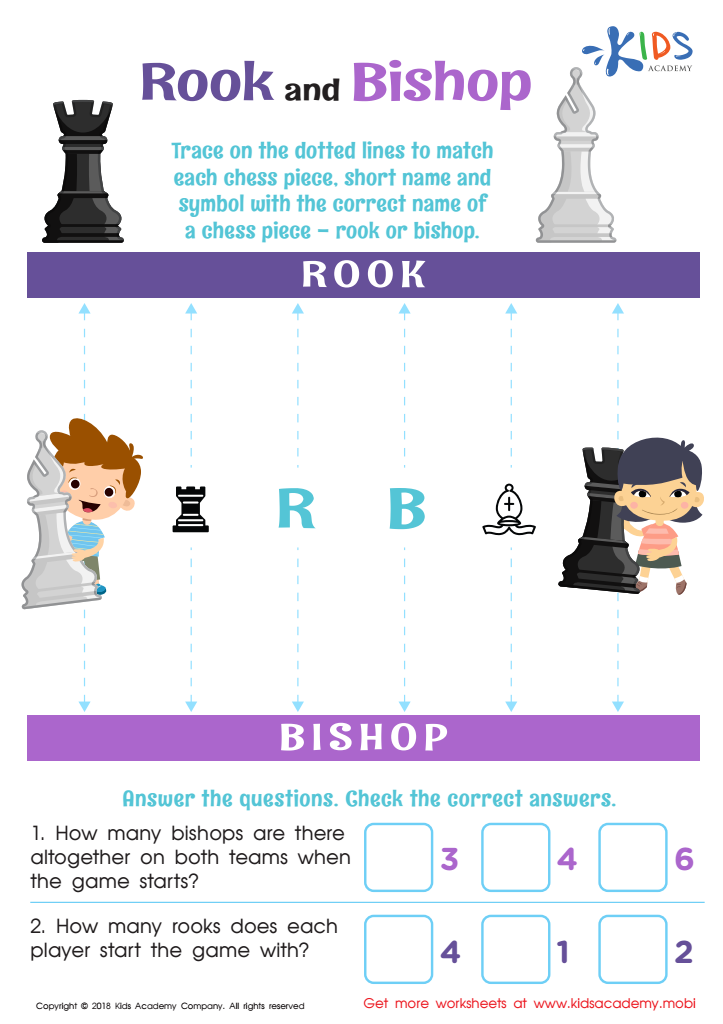
Rook and Bishop Worksheet
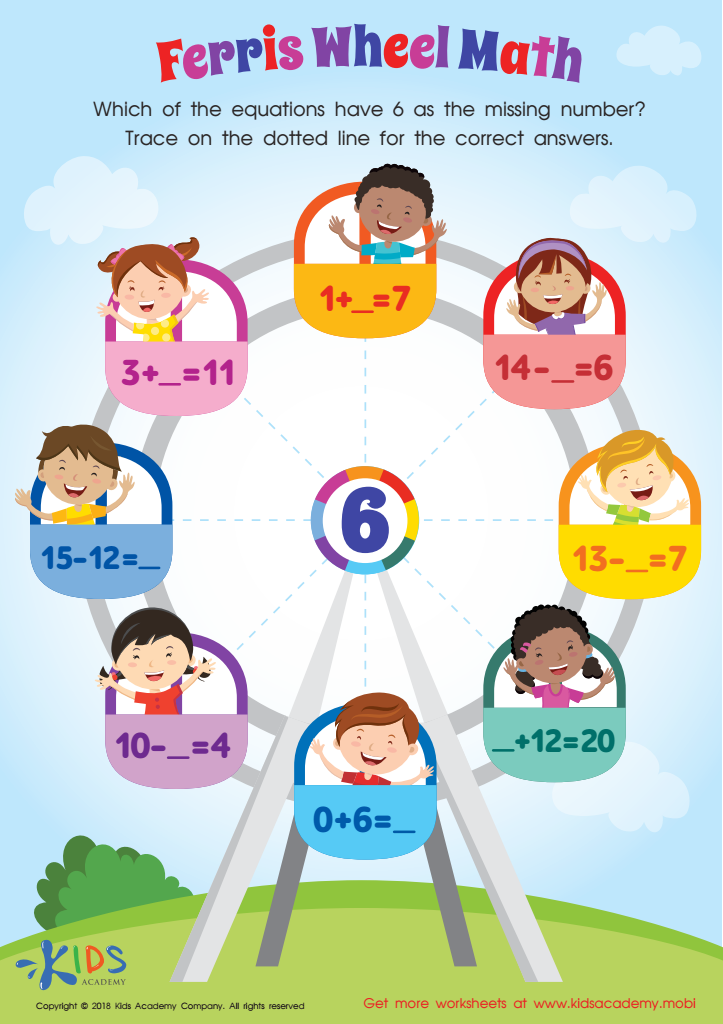
Missing Number: Ferris Wheel Math Worksheet
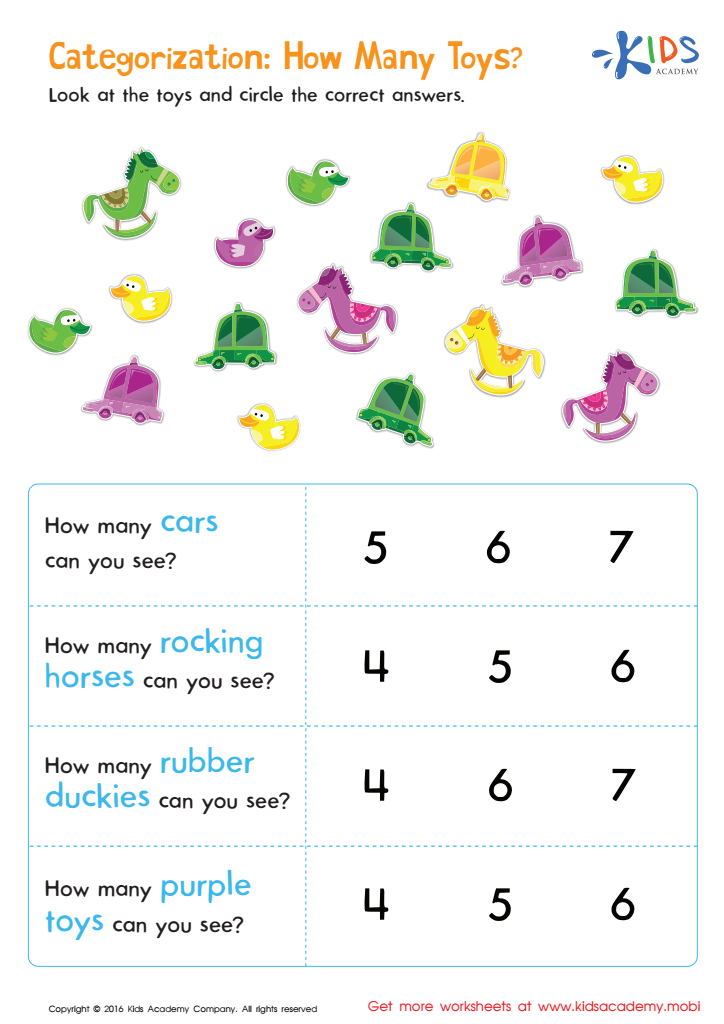
Classifying Toys by Type and Color Sorting Worksheet




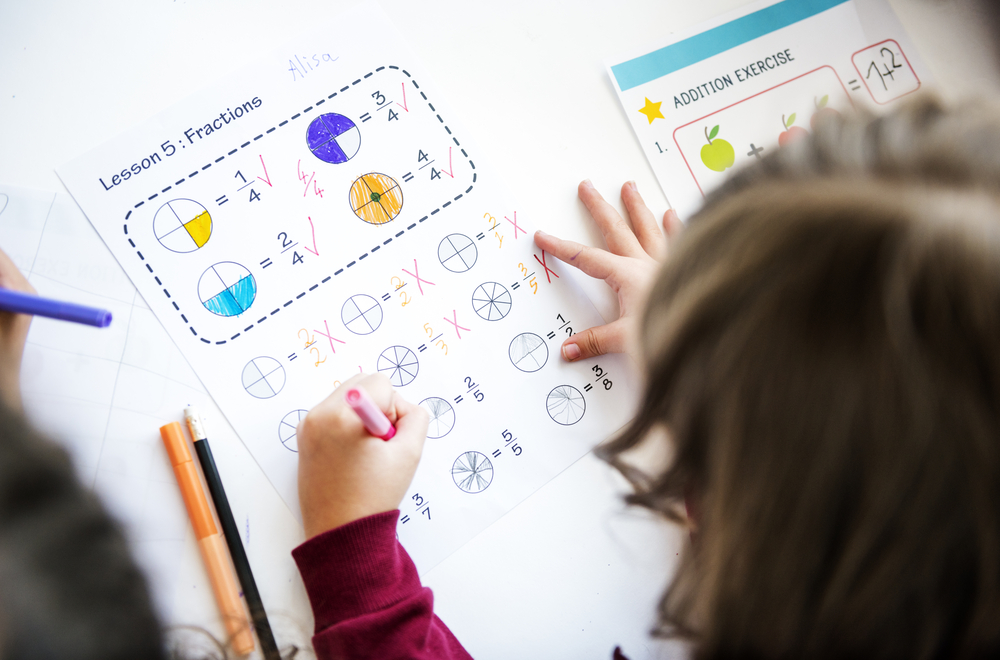



Normal Matching is an essential developmental concept for children aged 5-8 involving their ability to recognize and match objects, patterns, or images based on shared characteristics. Parents and teachers should prioritize this skill for several reasons.
Firstly, Normal Matching fosters critical thinking and cognitive development. As children learn to identify similarities and differences, they enhance their problem-solving abilities and sharpen their analytical skills. This foundational understanding supports their future learning across subjects, particularly in mathematics and science.
Secondly, Normal Matching is significant for social development. Group activities involving matching games encourage collaboration, communication, and turn-taking among peers, building essential interpersonal skills.
Moreover, developing Normal Matching can be foundational for literacy and numeracy. It supports students in grasping concepts such as categorization, sorting, and visualization, which are crucial for language acquisition and mathematical reasoning.
Lastly, engaging children in Normal Matching activities can instill a sense of achievement and boost self-esteem as they successfully complete tasks. This fosters a love for learning, encouraging exploration and curiosity.
In summary, embracing Normal Matching contributes to children’s cognitive, social, and emotional growth, making it a vital area of focus for parents and educators.








