Normal Measurement Worksheets for Ages 5-8 - Page 2
36 filtered results
-
From - To
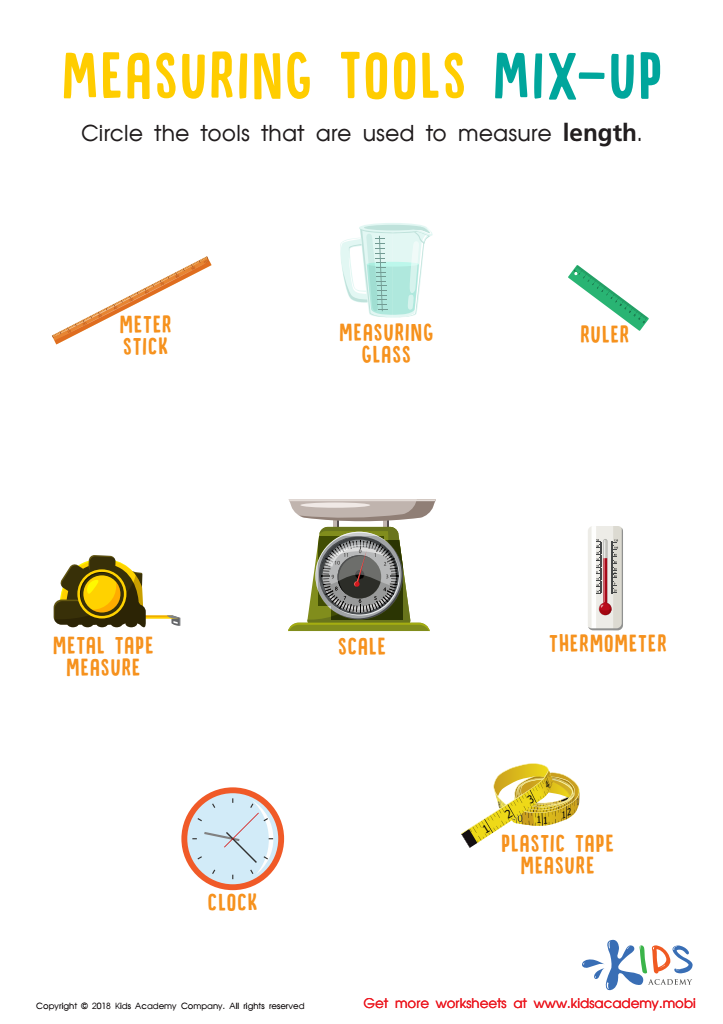
Measuring Tools Mix–up Worksheet
 Assign to My Students
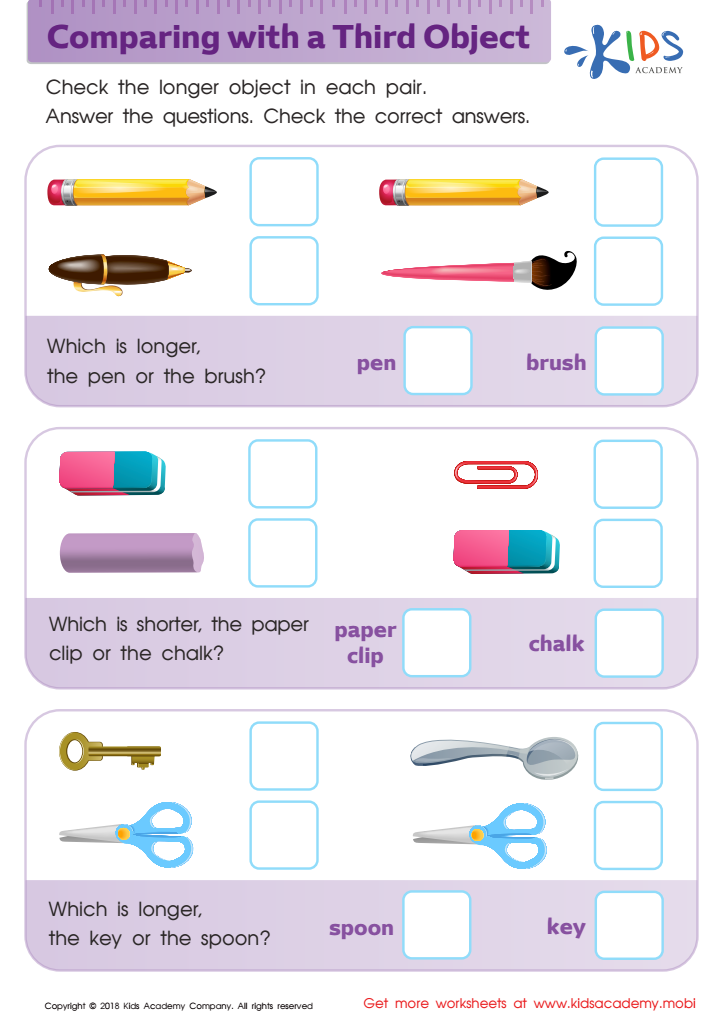
Comparing with a Third Object Worksheet
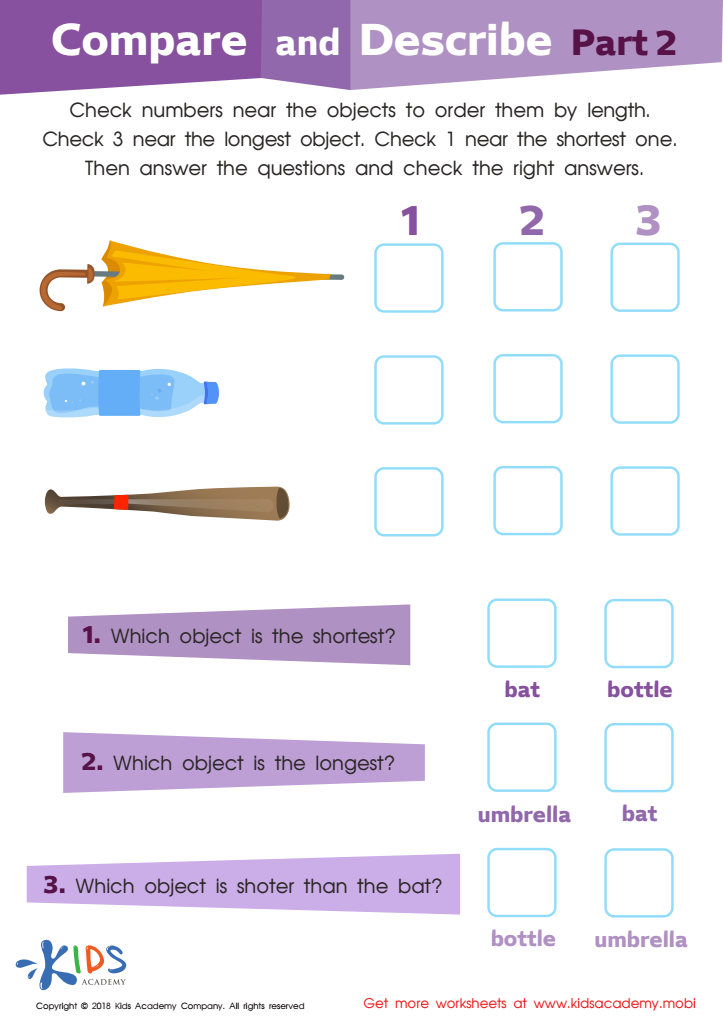
Compare and Describe: Part 2 Worksheet
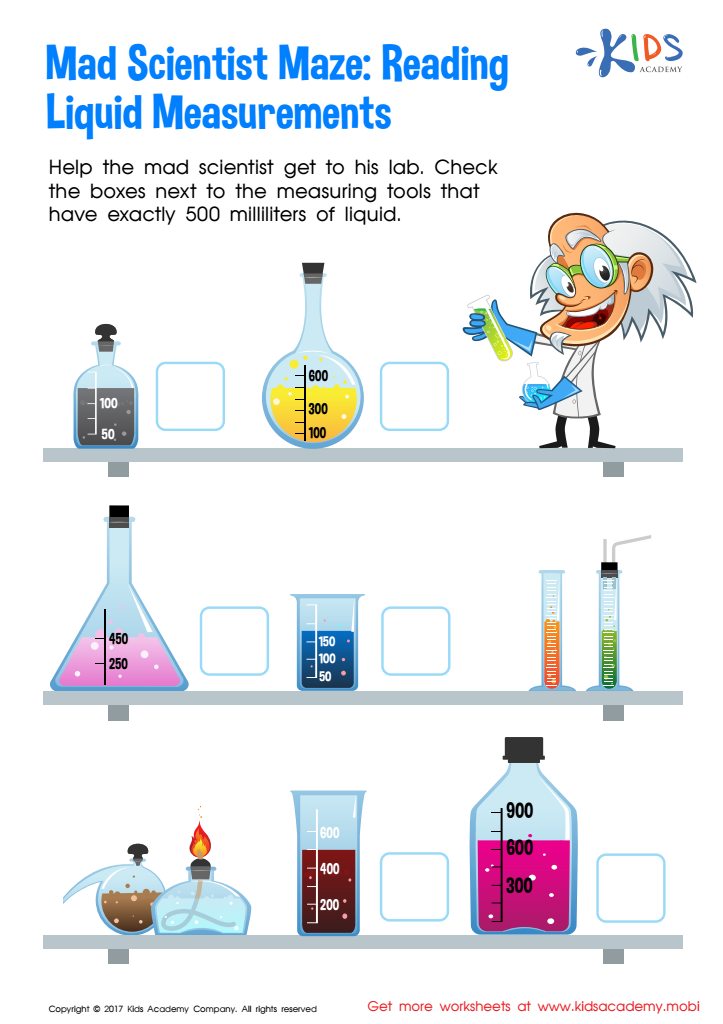
Reading Liquid Measurement Worksheet
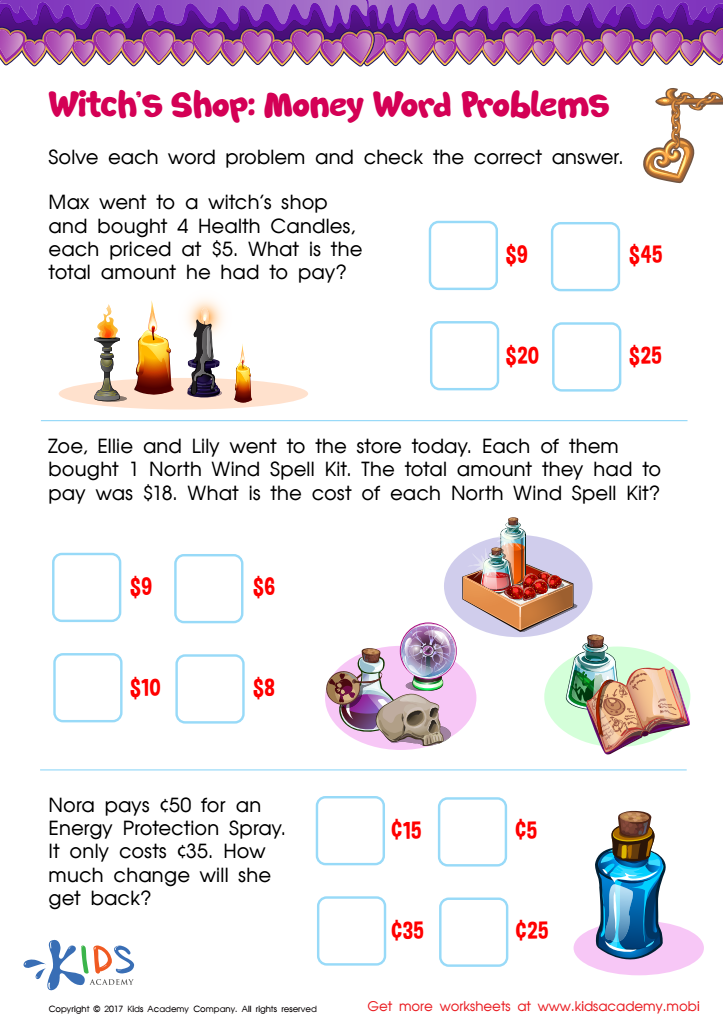
Money Word Problems Printable
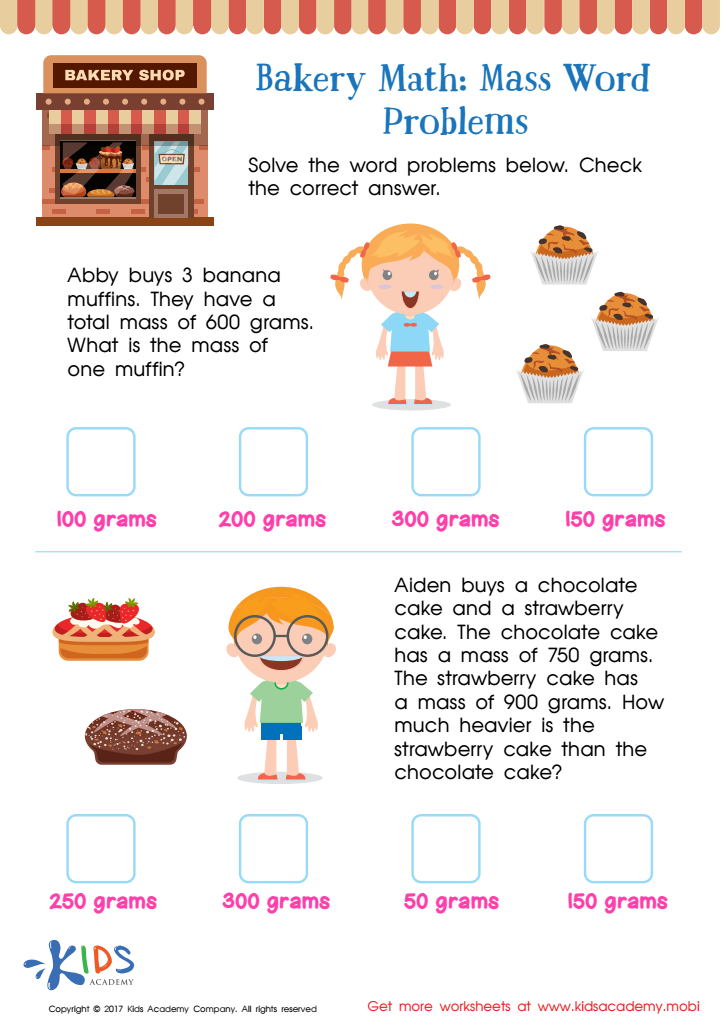
Mass Word Problems Worksheet
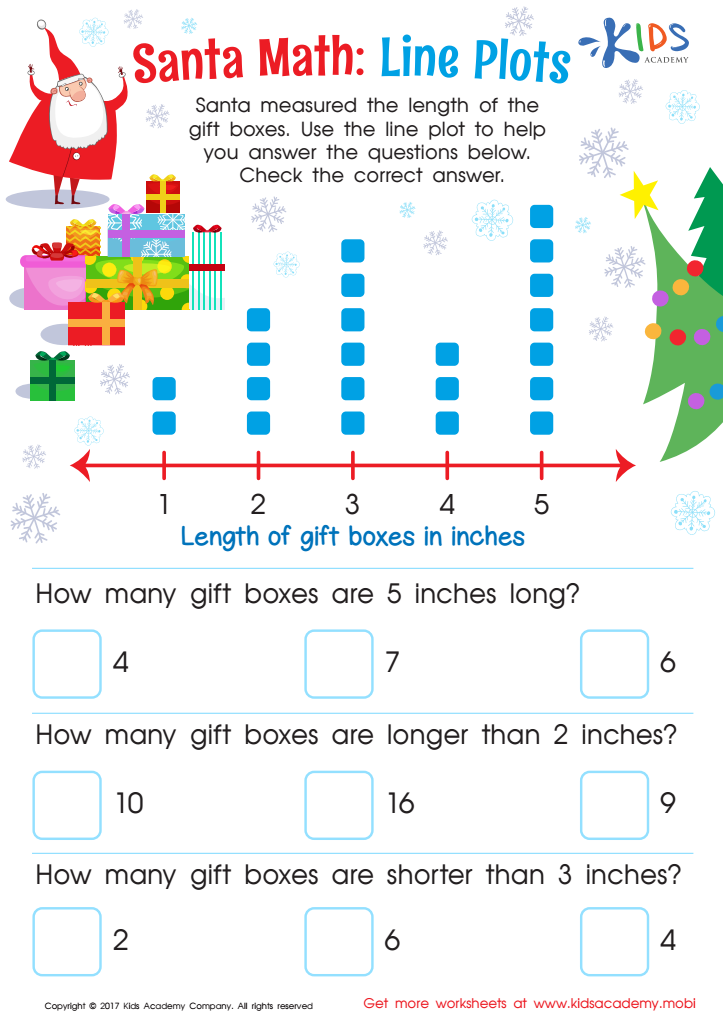
Line Plot Worksheet
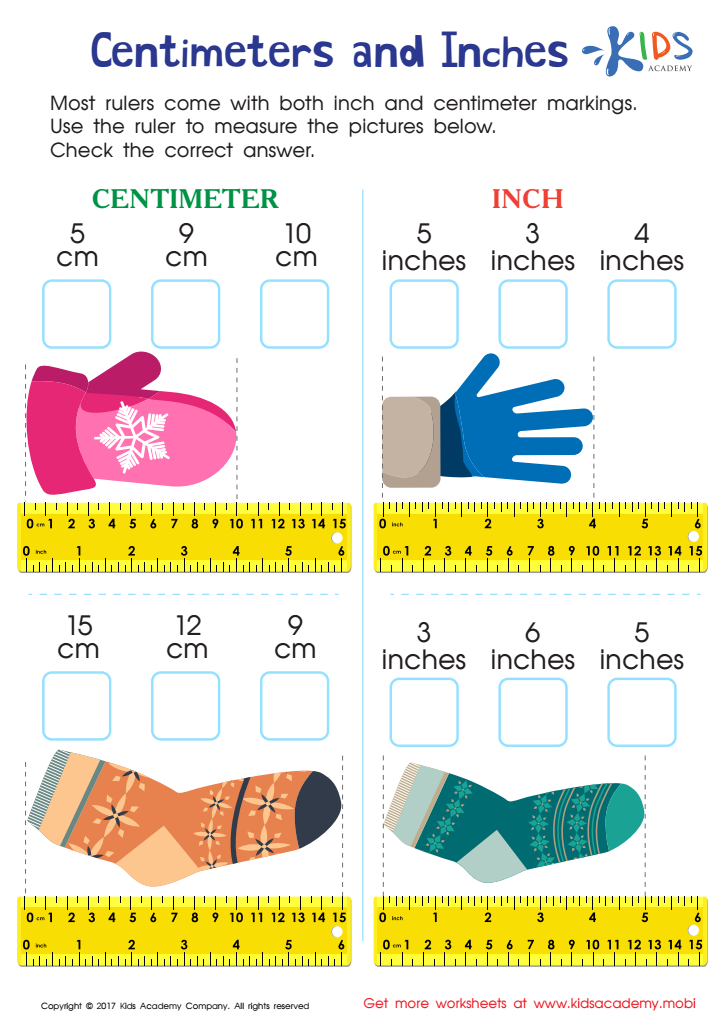
Centimeters and Inches Worksheet
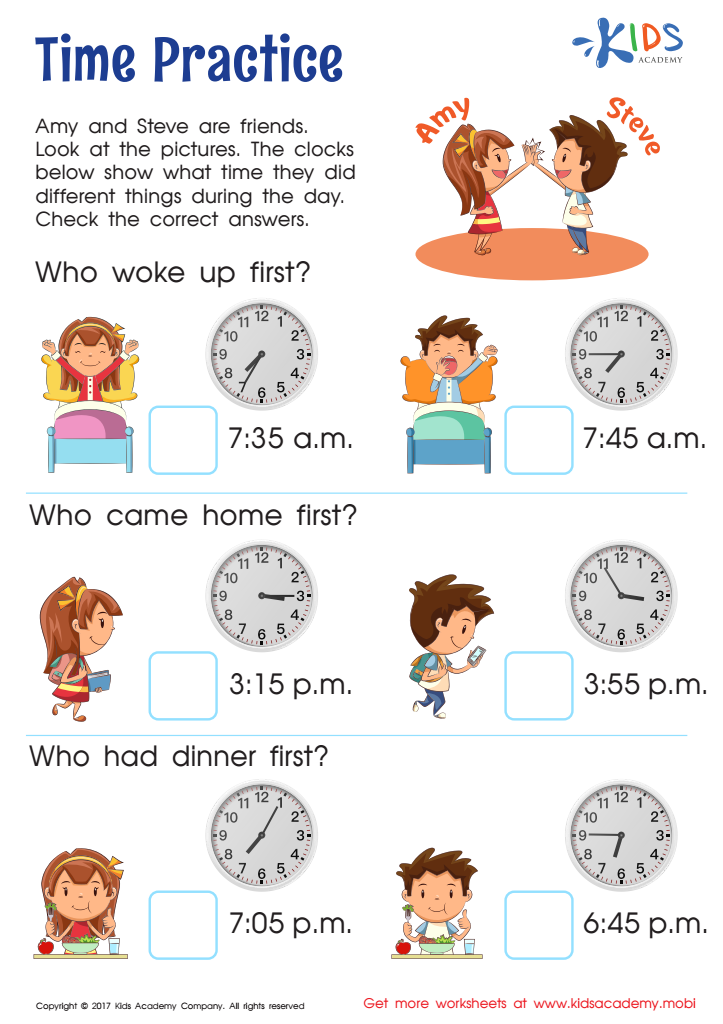
Time Practice Worksheet
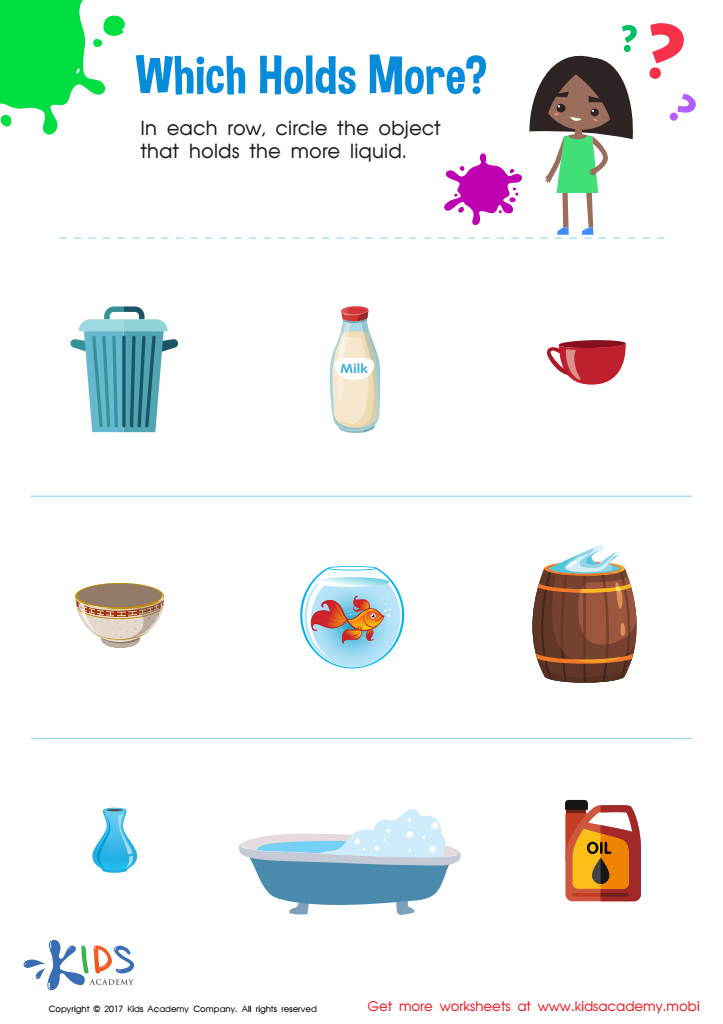
Which Holds More: Capacity Worksheet
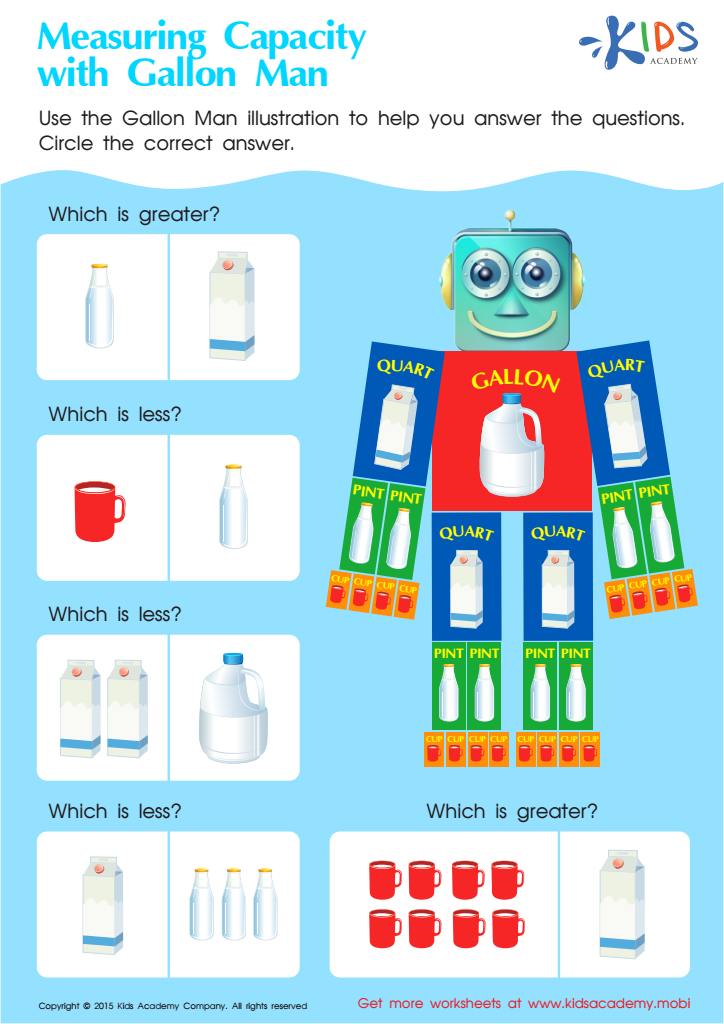
Measurement: Measuring Capacity with Gallon Man Worksheet
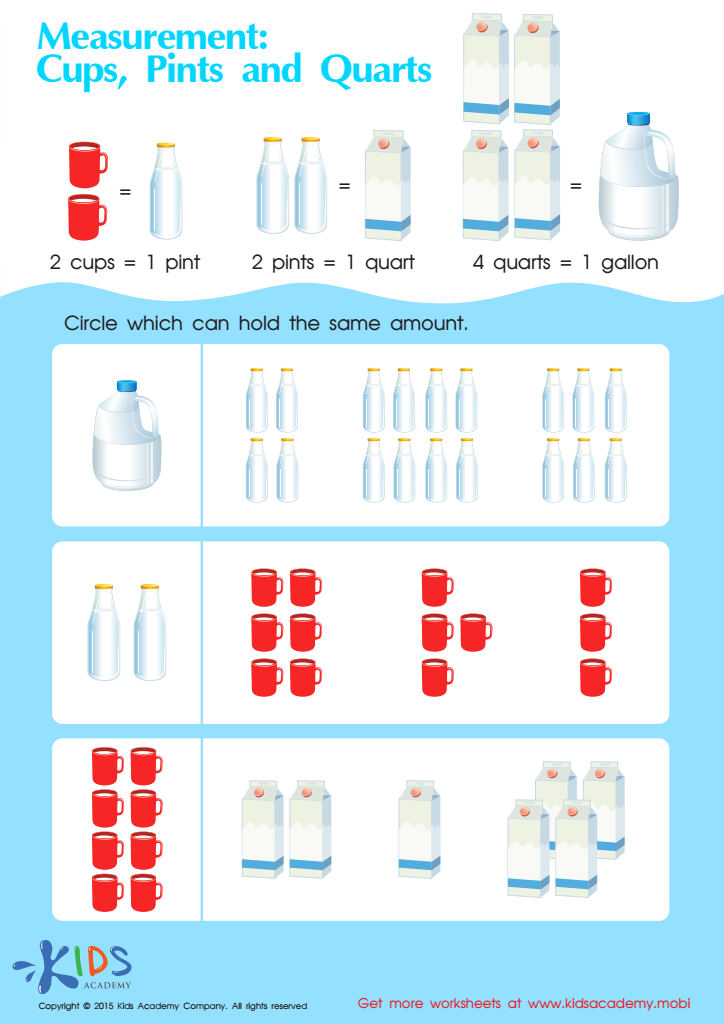
Cups, Pints and Quarts 2 Worksheet








Understanding normal measurement for children aged 5 to 8 is crucial for both parents and teachers because it lays the foundation for a child's lifelong relationship with math and science. During these formative years, children develop essential skills, such as the ability to compare, estimate, and use tools to measure length, weight, and volume. Engaging with measurement helps enhance their critical thinking and problem-solving abilities.
Parents and teachers should care because proficiency in measurement supports children's academic growth across various subjects. For example, learning measurement is intertwined with concepts in geometry, science, and even art. Children can make sense of the world around them when they understand size and scale, which promotes spatial awareness. Furthermore, engaging students in measurement activities fosters a hands-on learning environment, making learning more enjoyable and relatable.
In addition to academic benefits, measurement teaches children important life skills, such as cooking, budgeting, and home improvement tasks. It also encourages a sense of accuracy and attention to detail, which is vital in all areas of life. By emphasizing normal measurement at this age, parents and teachers nurture curious, confident learners who enjoy exploring their surroundings and solving practical problems.








