Normal Plants and Animals Worksheets for Ages 5-8 - Page 2
100 filtered results
-
From - To
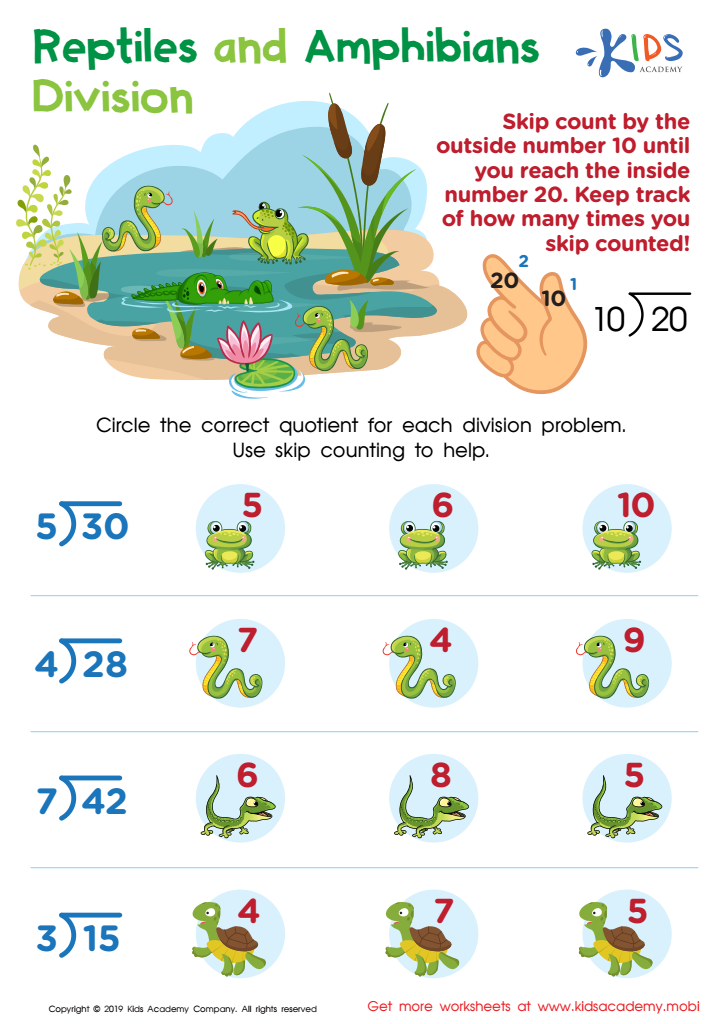
Reptile and Amphibians Division Worksheet
 Assign to My Students
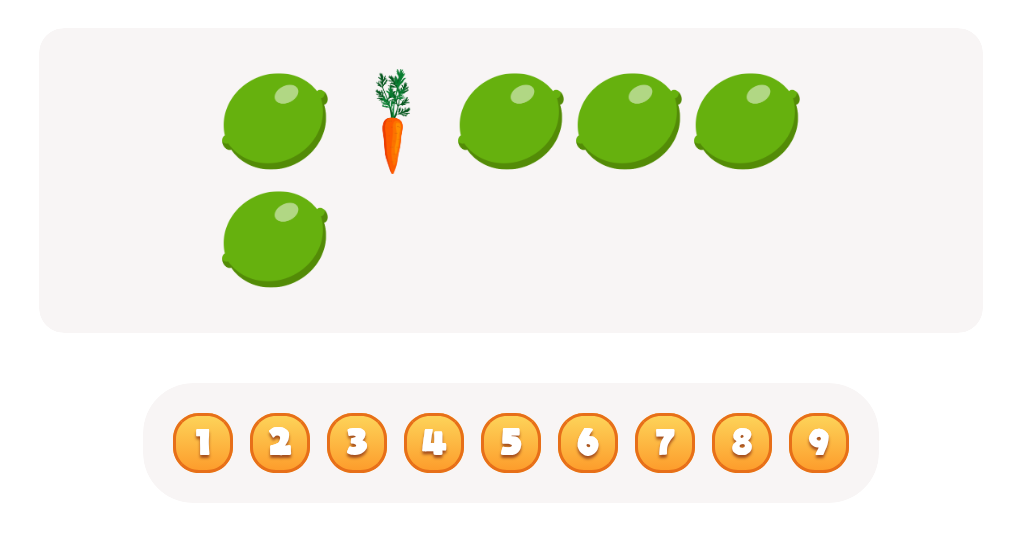

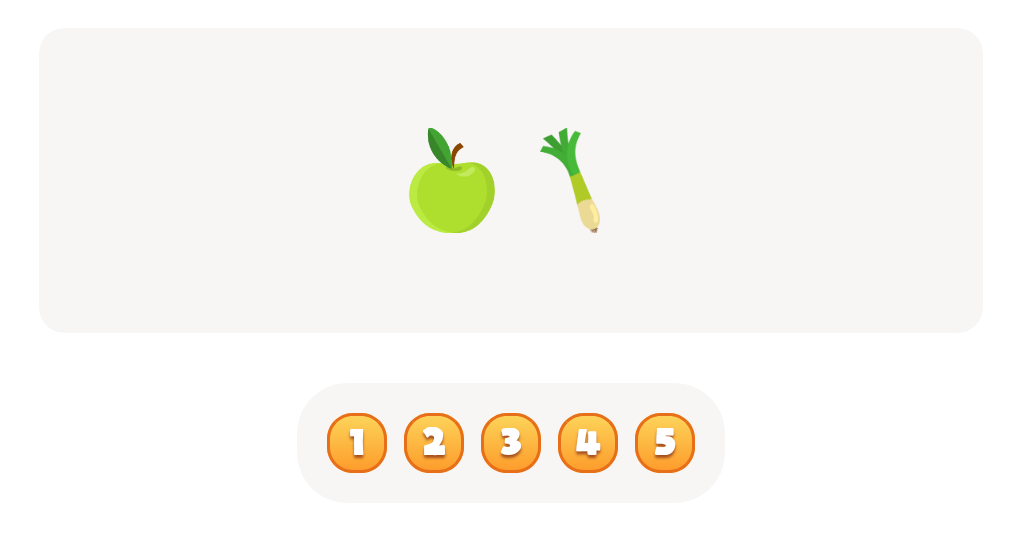
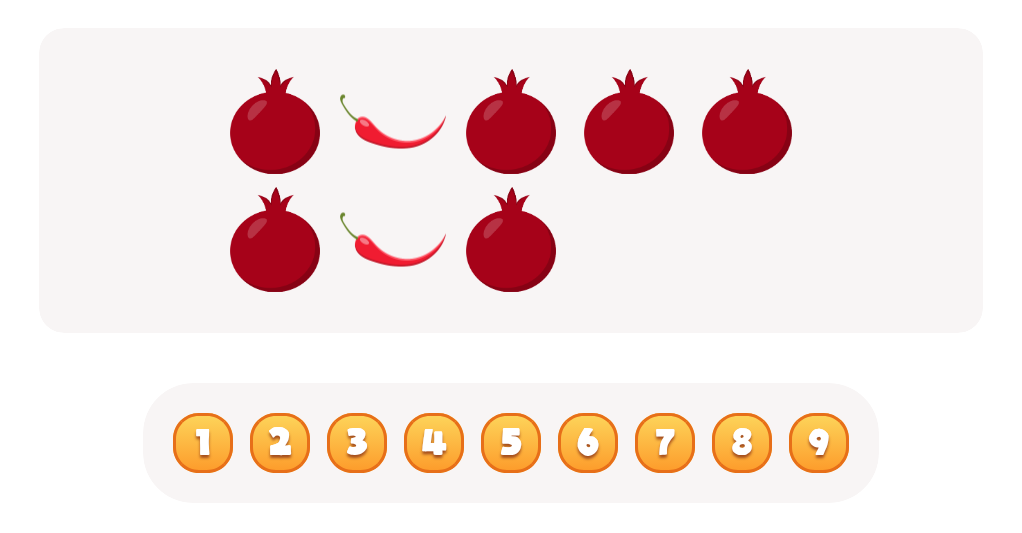
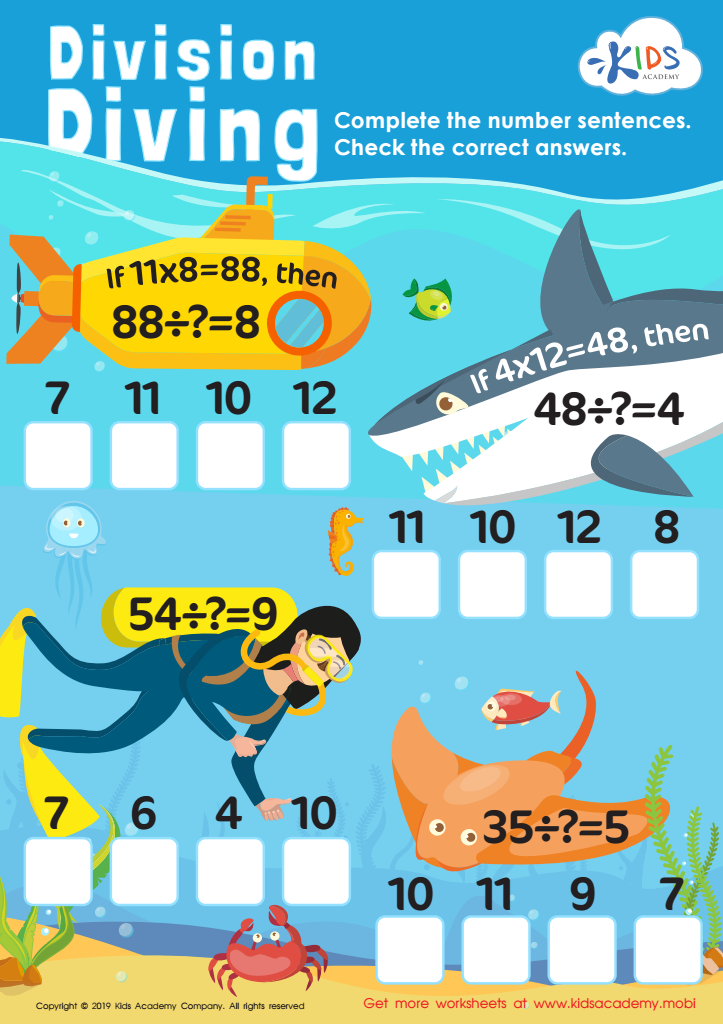
Division Diving Worksheet
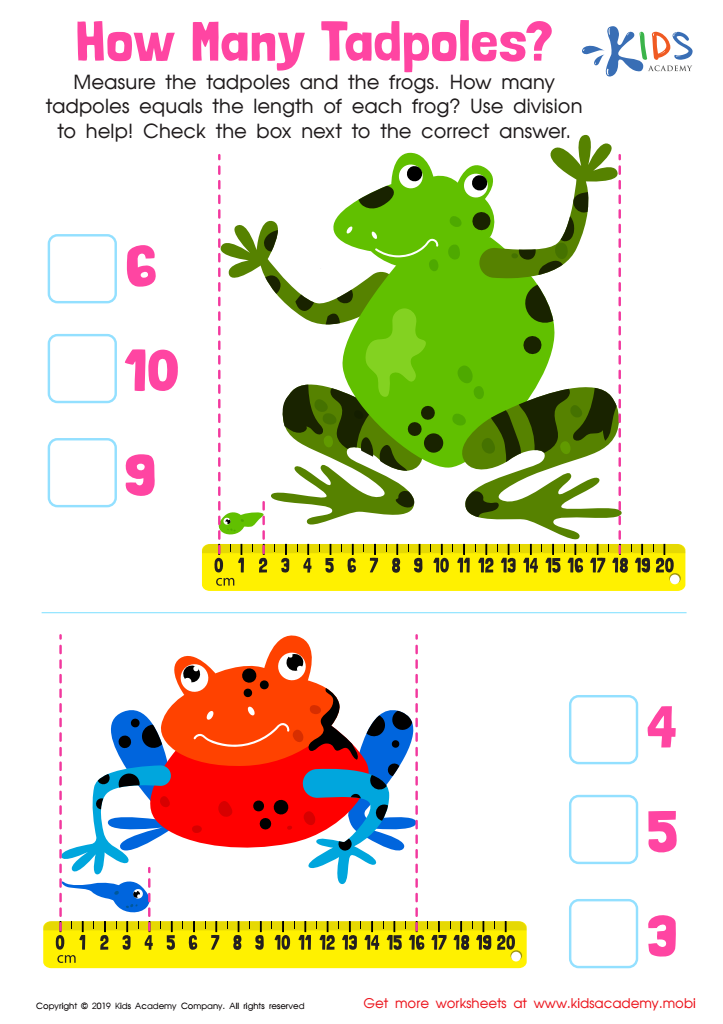
How Many Tadpoles Worksheet
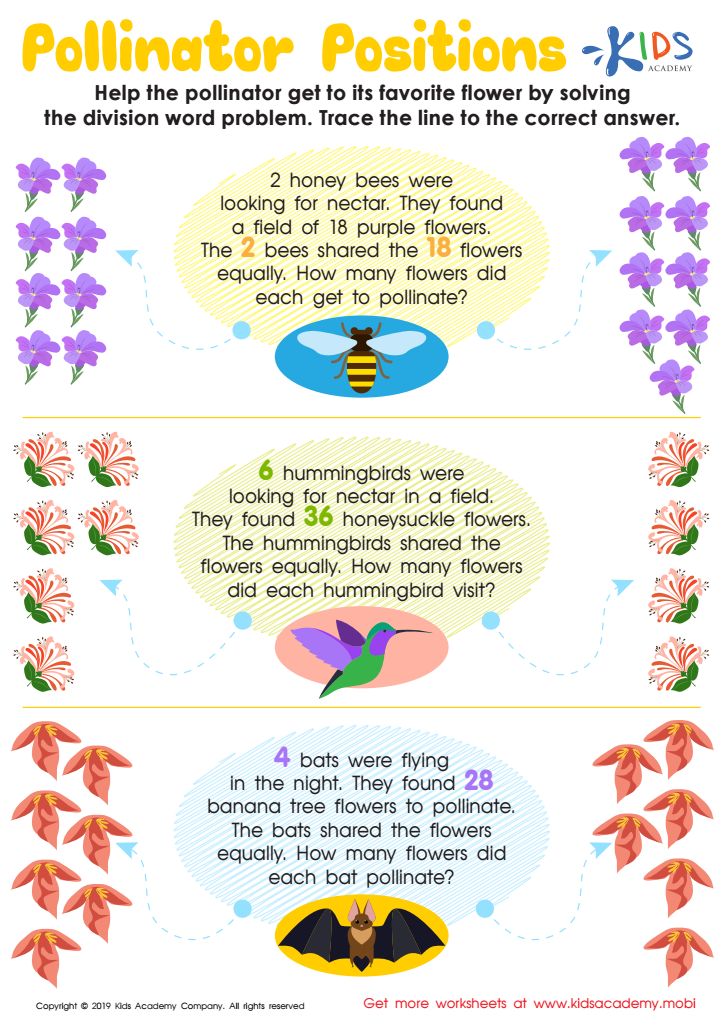
Pollinator Positions Worksheet
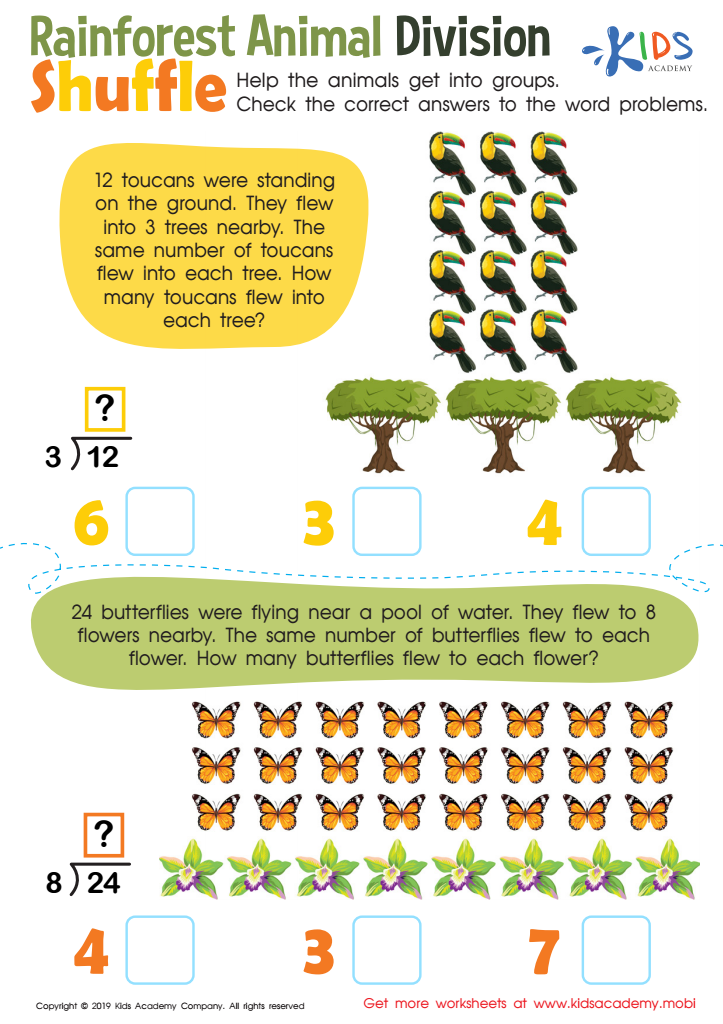
Rainforest Animal Division Worksheet
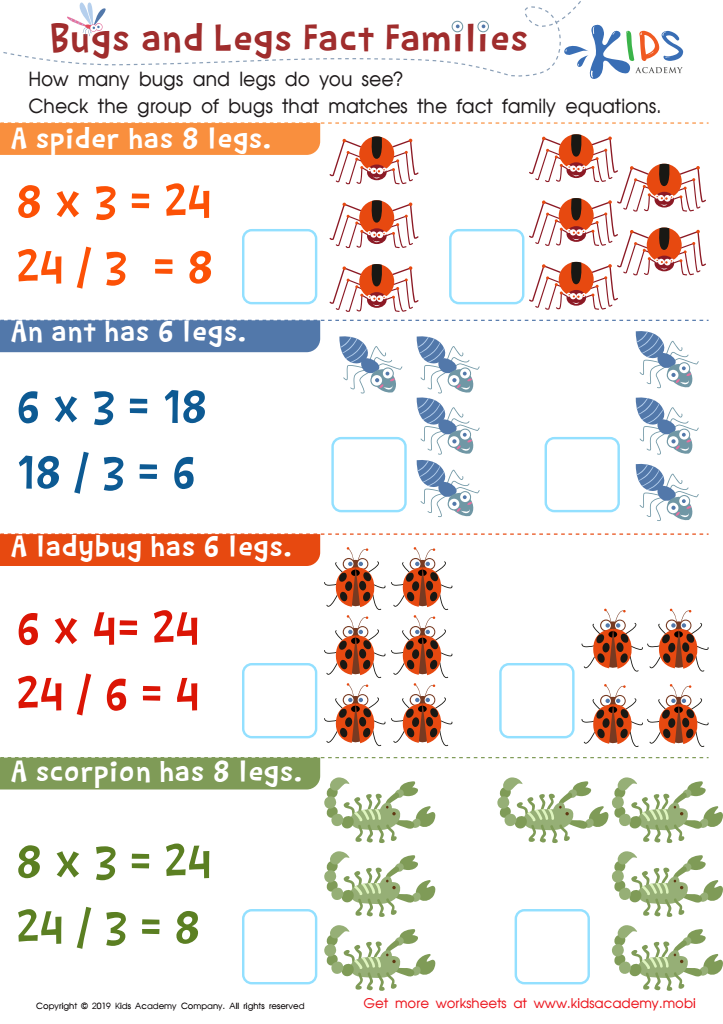
Bugs and Legs Fact Families Worksheet
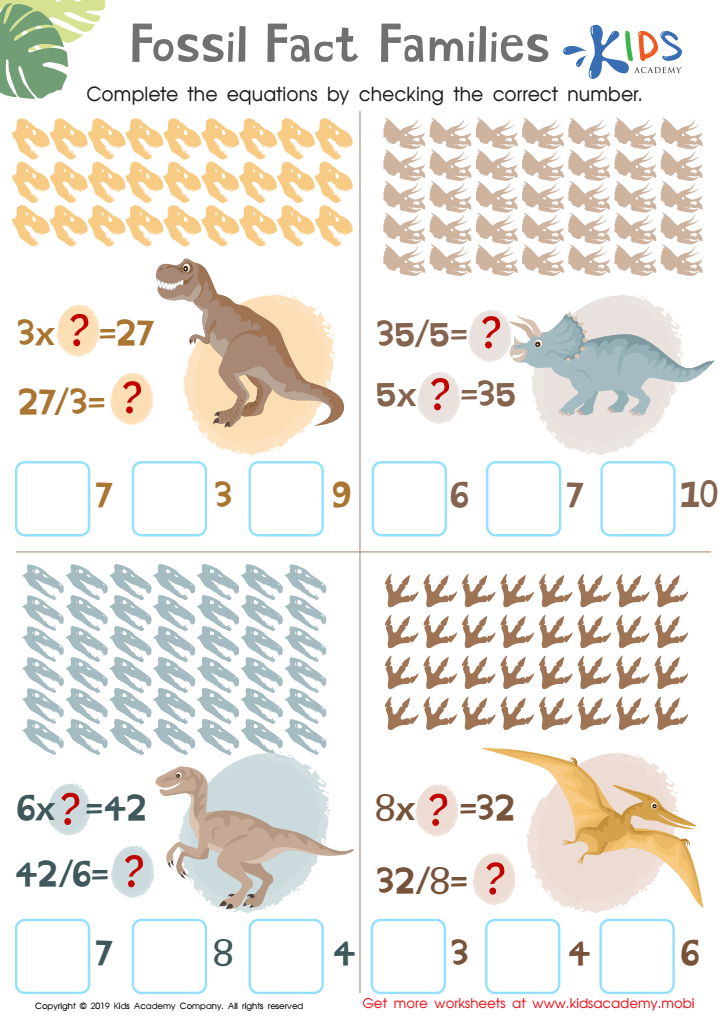
Fossil Fact Families Worksheet
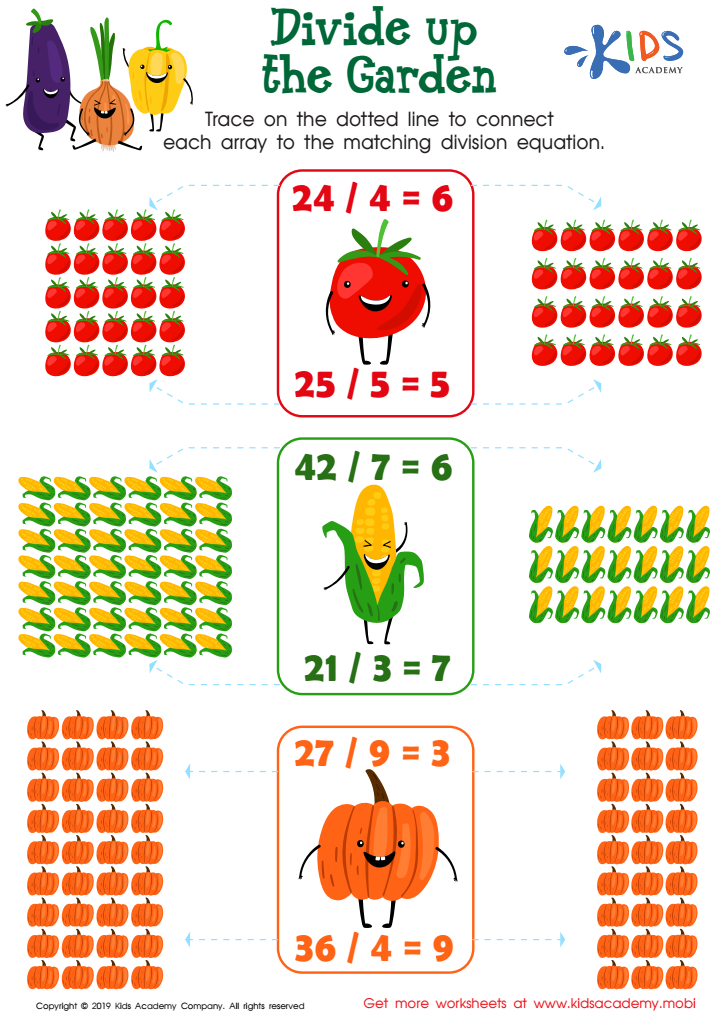
Divide up the Garden Worksheet
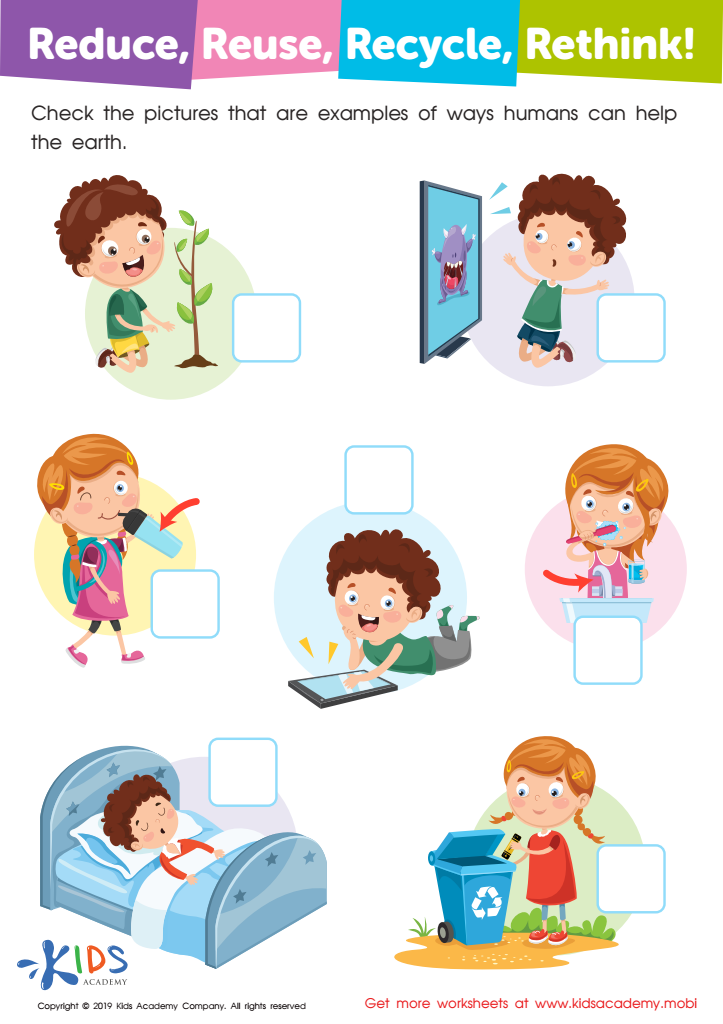
Reduce, Reuse, Recycle, Rethink Worksheet
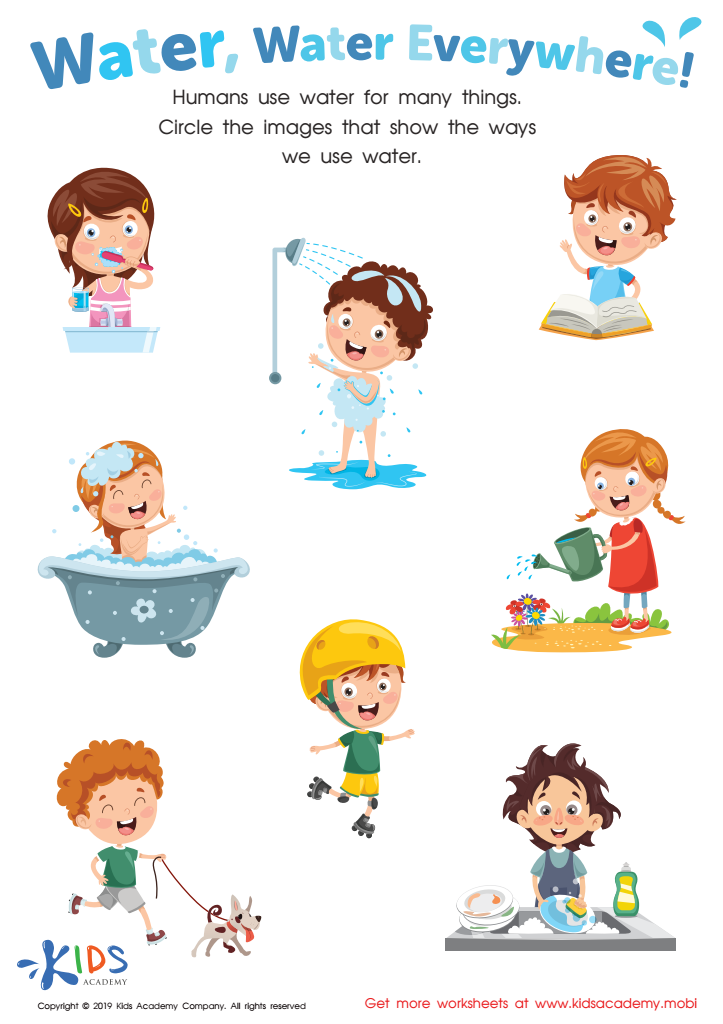
Water, Water Everywhere! Worksheet
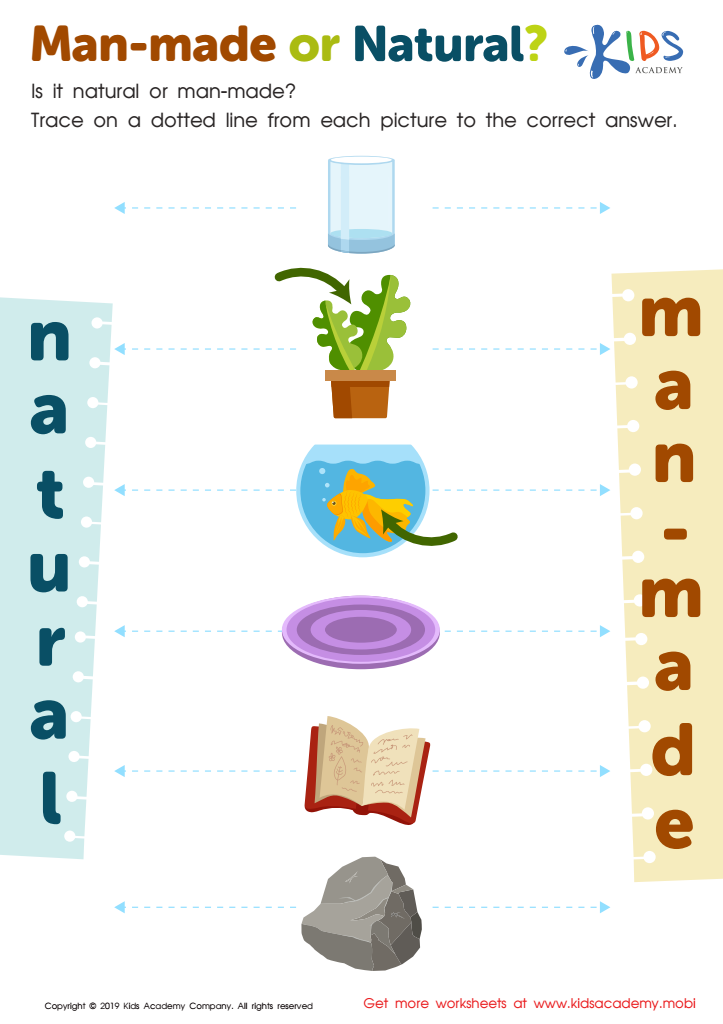
Man-Made or Natural? Worksheet
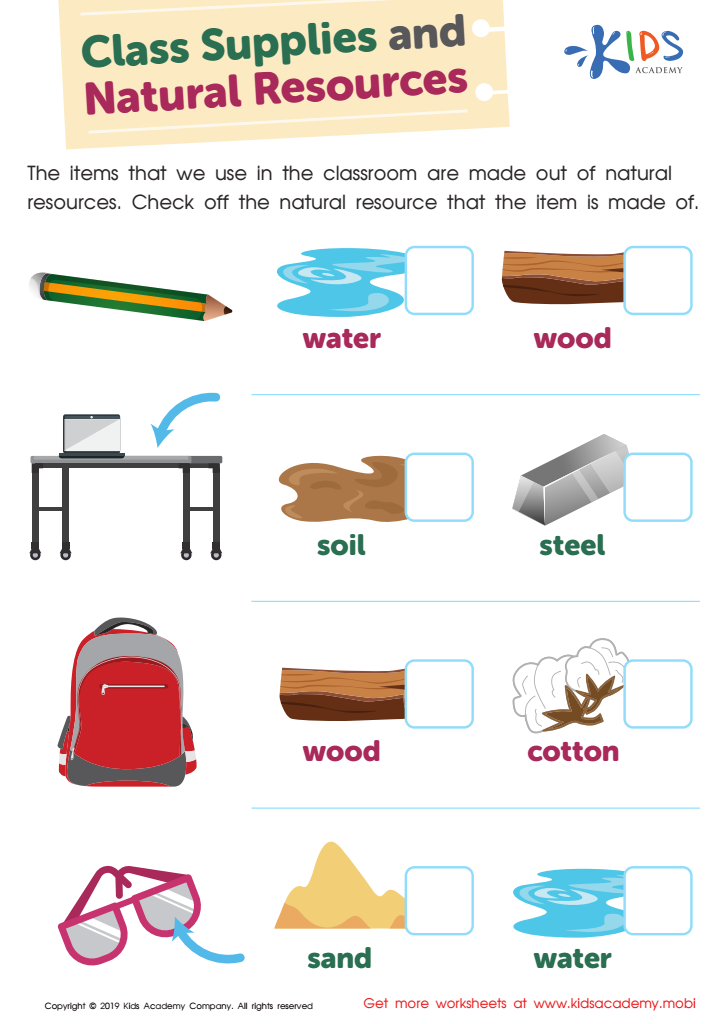
Class Supplies and Natural Resources Worksheet
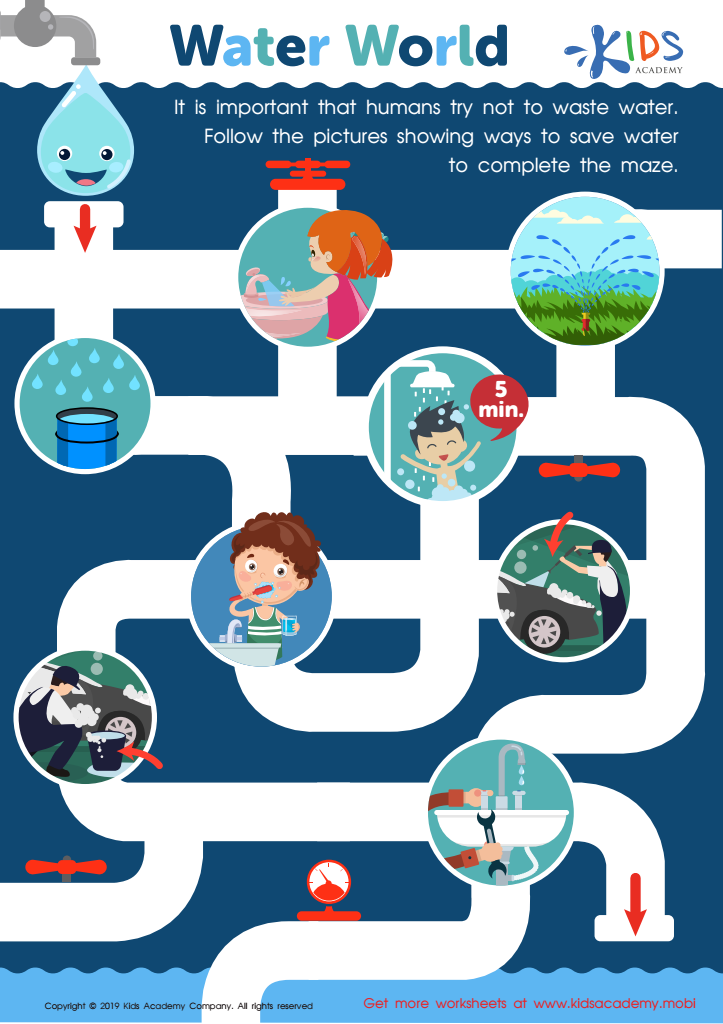
Water World Worksheet
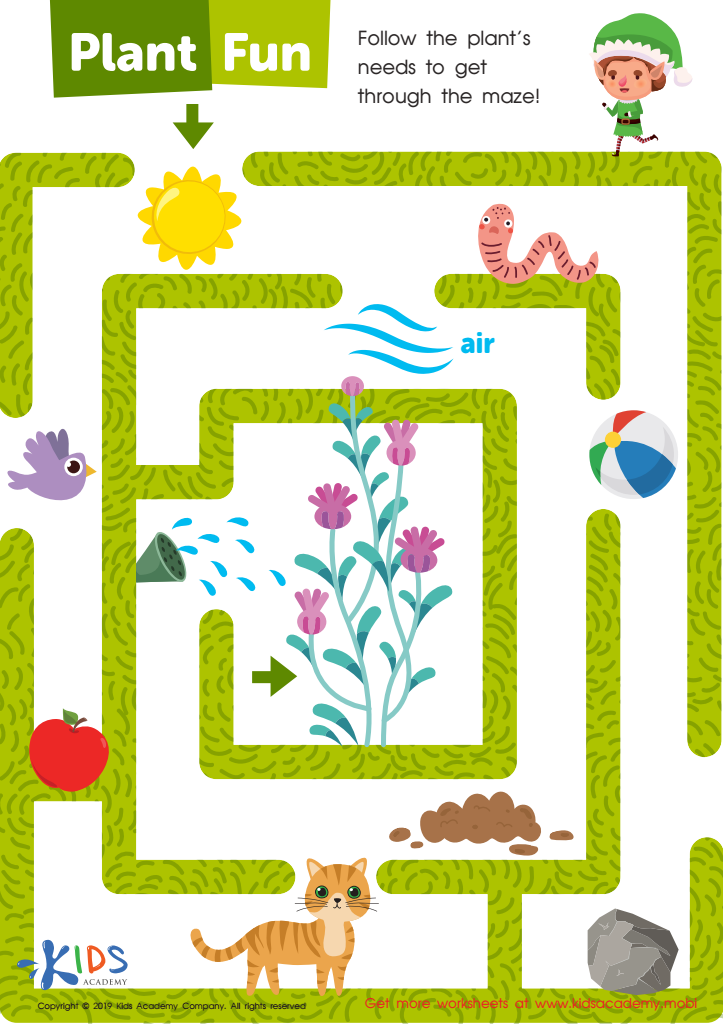
Plant Fun Worksheet
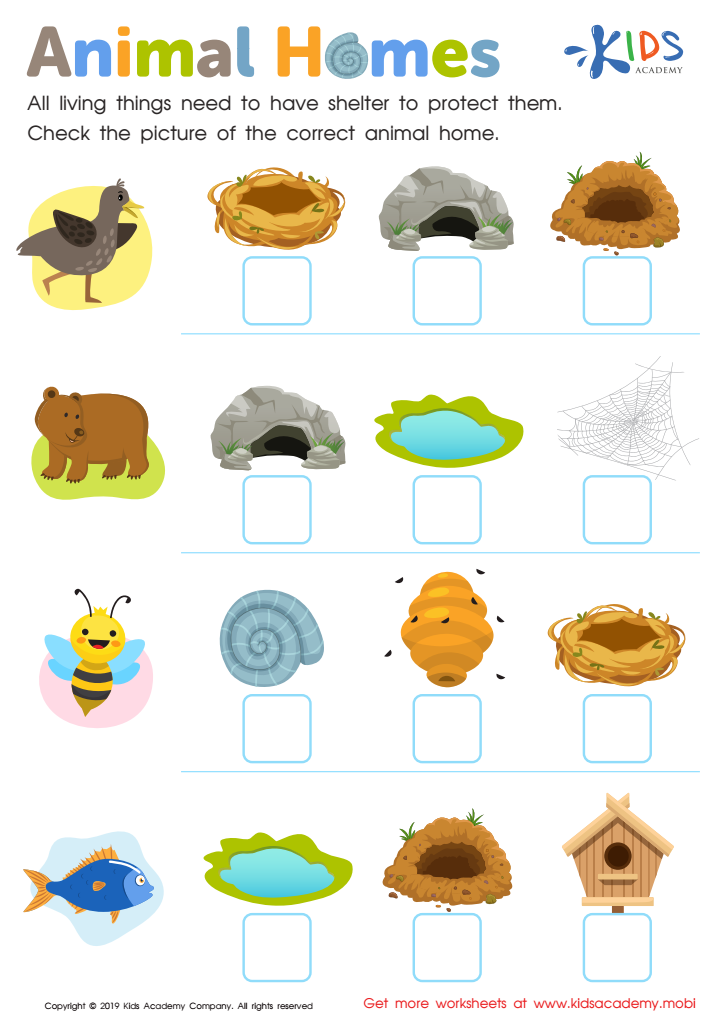
Animal Homes Worksheet
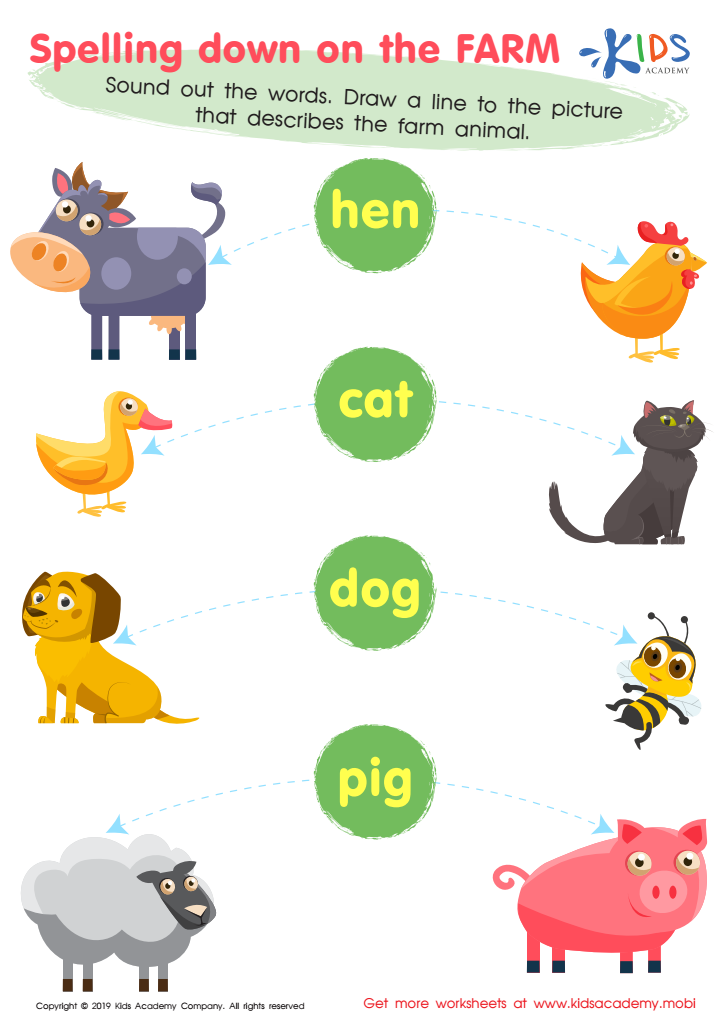
Spelling Down on the Farm Worksheet
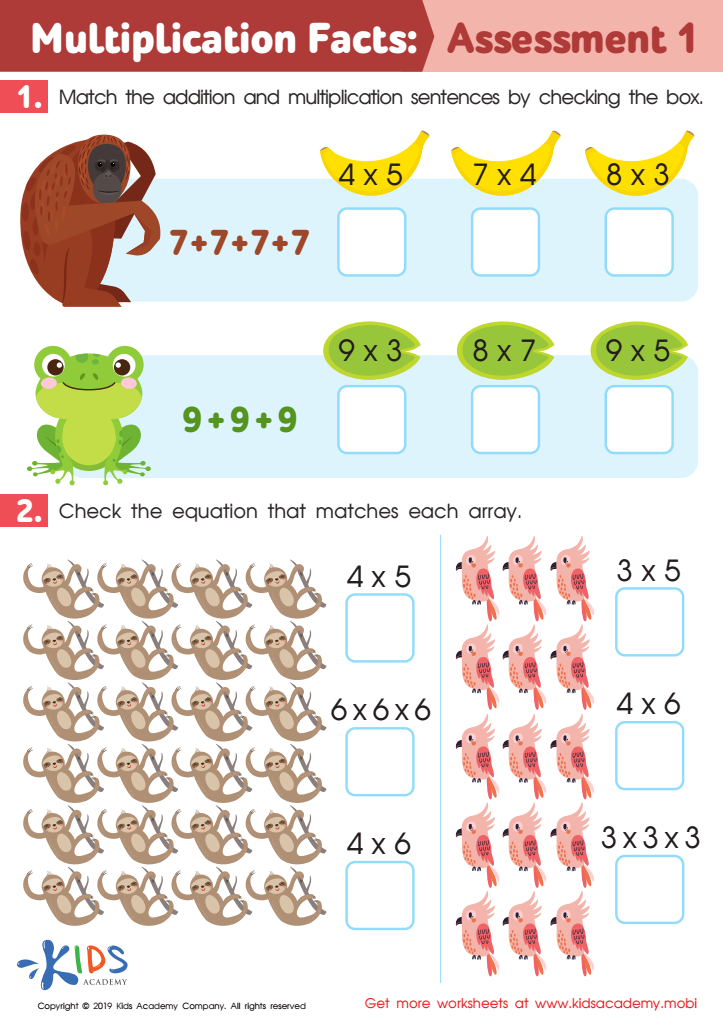
Multiplication Facts: Assessment 1 Worksheet
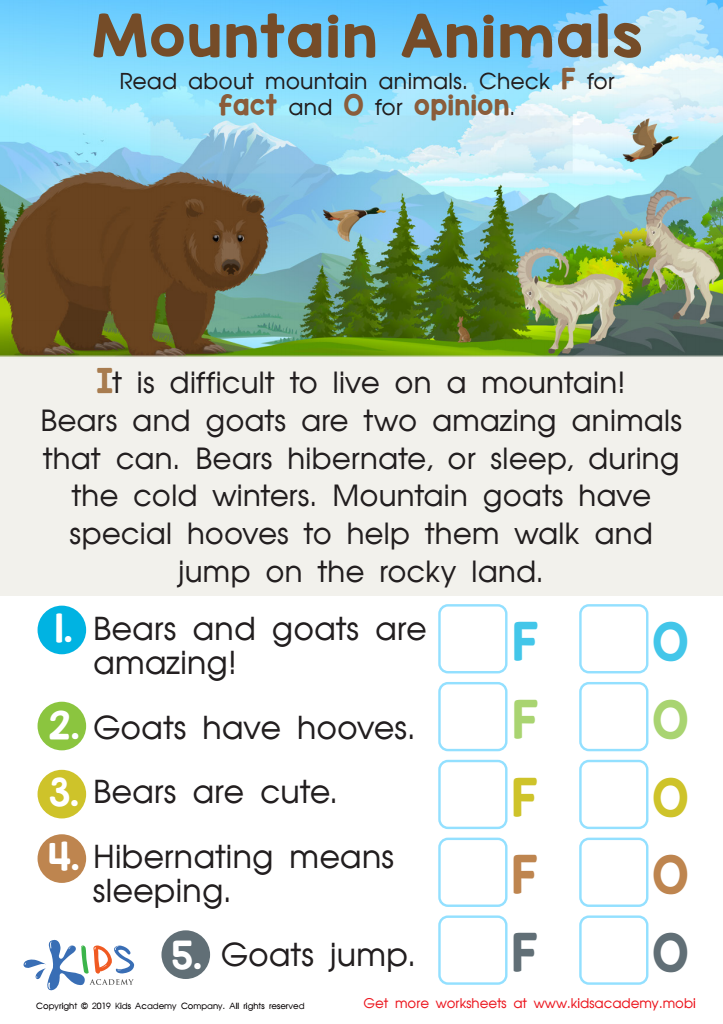
Mountain Animals Worksheet
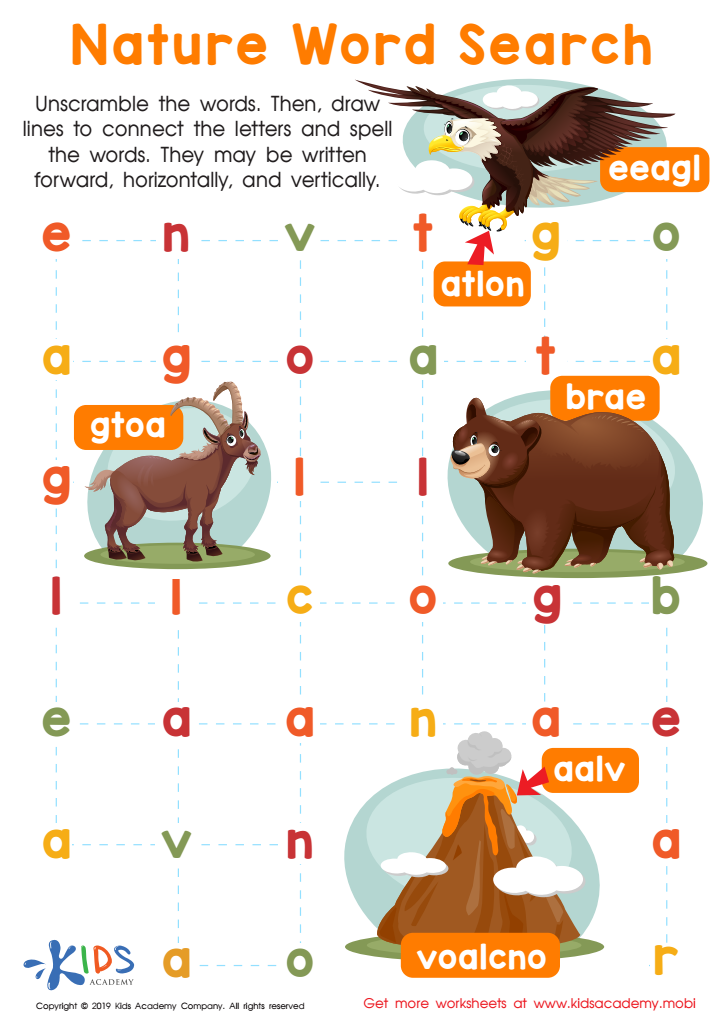
Nature Word Search Worksheet
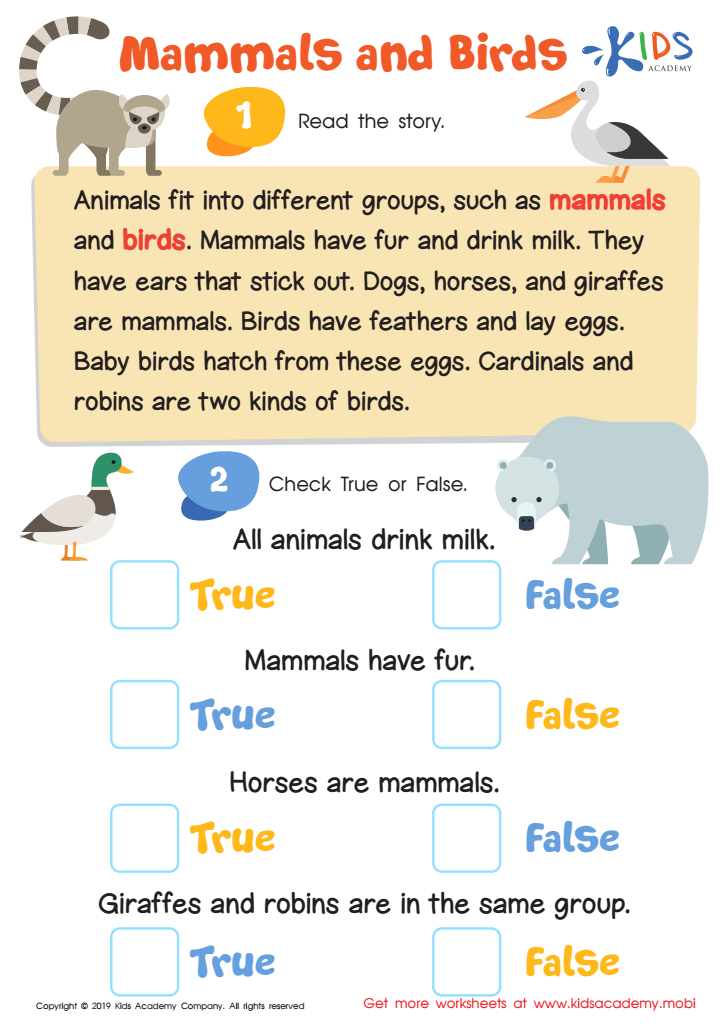
Mammals and Birds Worksheet
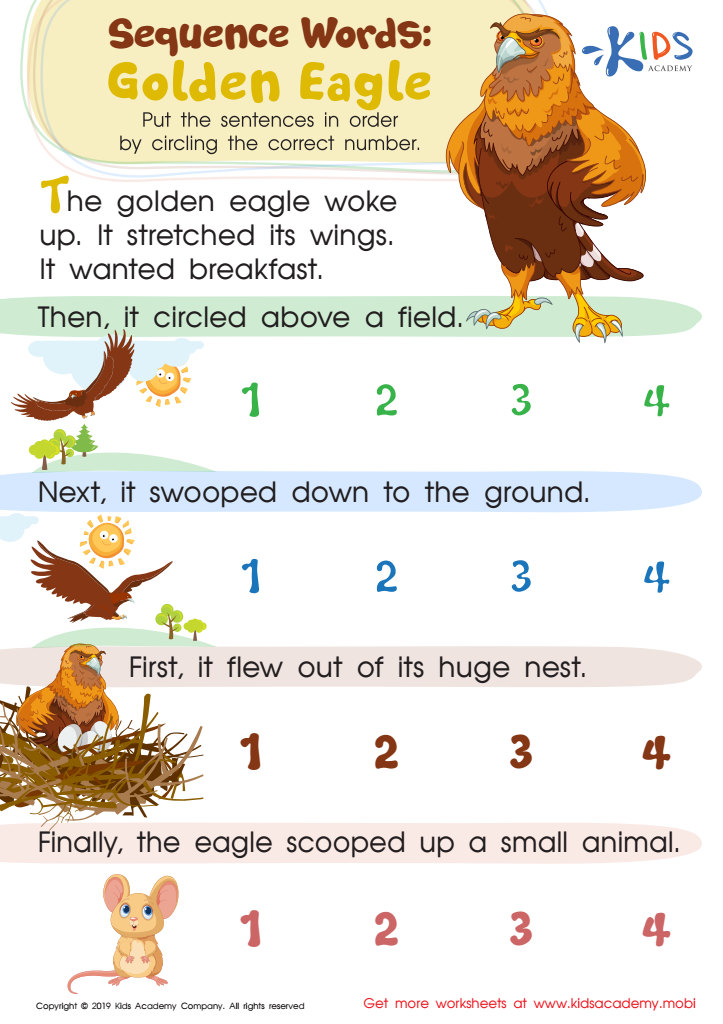
Sequence Word Eagle Worksheet
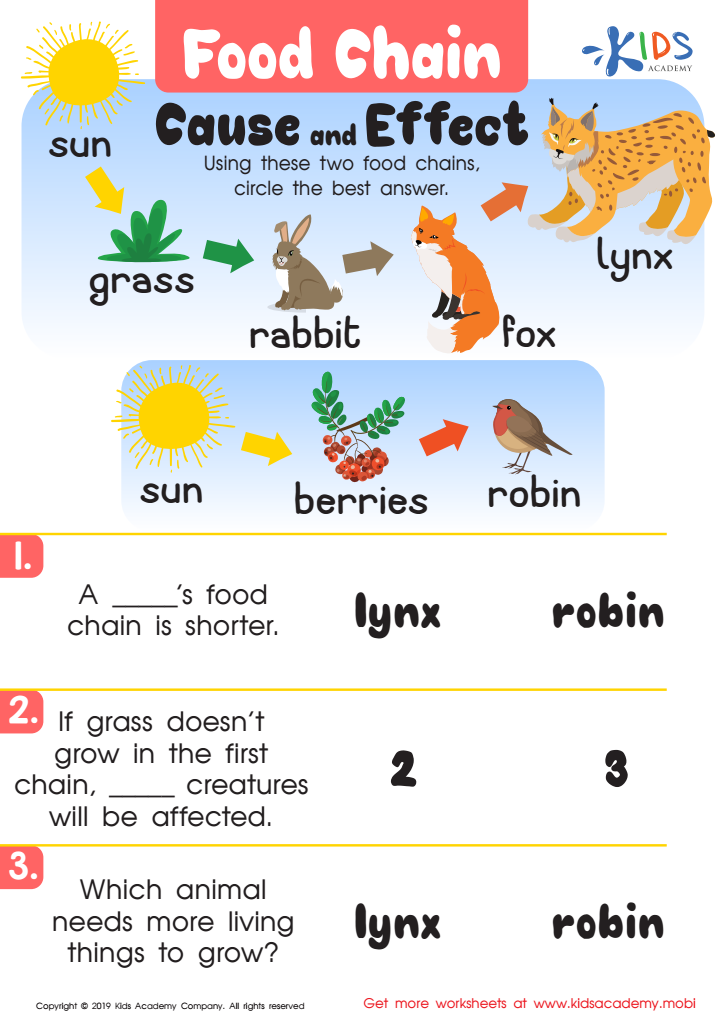
Food Chain Cause Worksheet
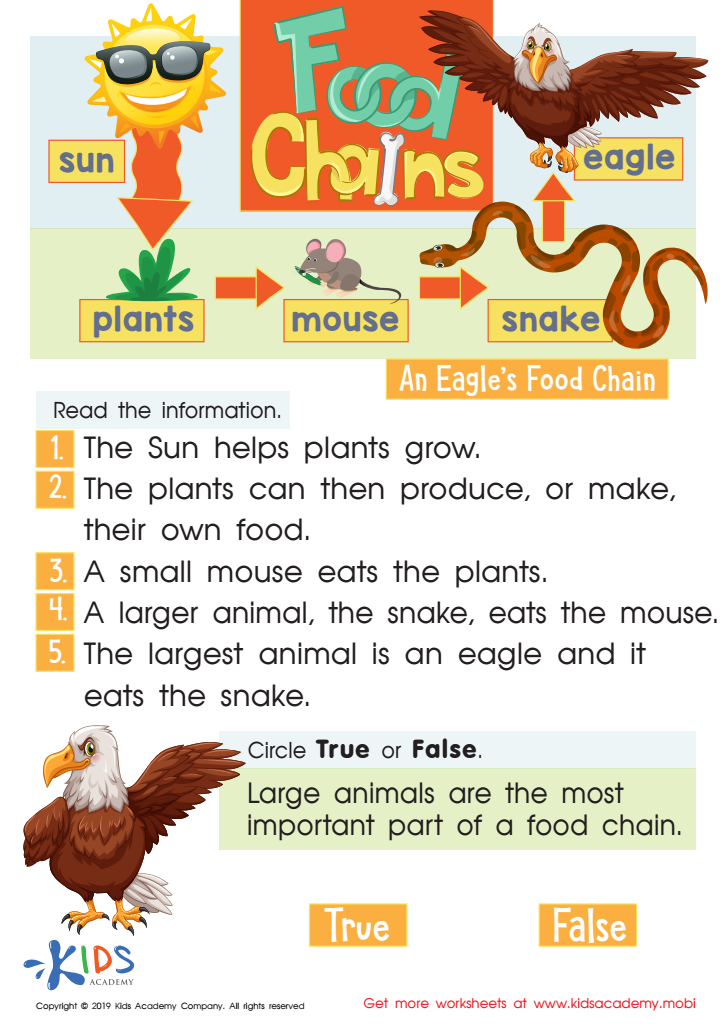
Food Chains Worksheet
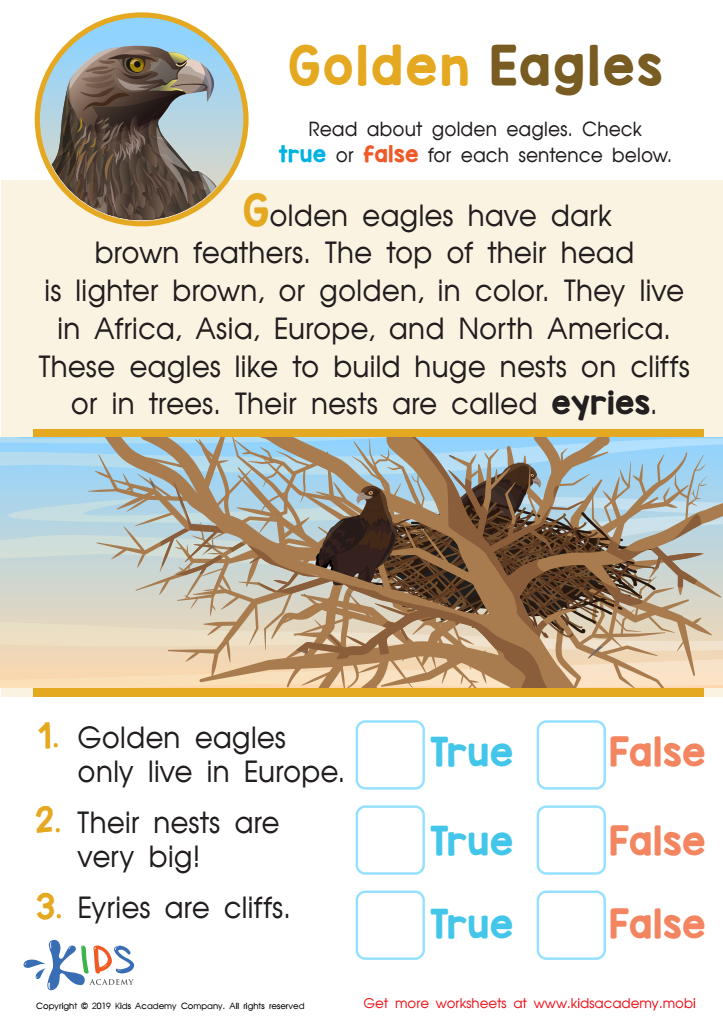
Golden Eagles Worksheet








Understanding normal plants and animals is vital for children aged 5-8 because it lays the foundation for a lifelong appreciation of nature and promotes environmental stewardship. At this age, children are naturally curious and eager to learn about the world around them. By teaching them about common plants and animals, we nurture their sense of wonder and curiosity, turning everyday encounters into learning experiences.
Moreover, learning about these organisms helps children develop observational and classification skills. Recognizing different plants and animals, and understanding their roles in the ecosystem, fosters critical thinking and scientific inquiry. For example, noticing that bees pollinate flowers can help them appreciate the interconnectedness of living things.
Additionally, engaging with nature has been shown to have numerous benefits for young children, including improved focus, reduced stress, and enhanced physical fitness. These interactions encourage healthy habits and provide a break from screen time.
Parents and teachers who emphasize this education are also helping to cultivate empathy in young learners. Understanding that plants and animals are living beings that play important roles in our world promotes kindness and responsibility.
In summary, learning about normal plants and animals equips children with important cognitive skills, nurtures their innate curiosity, and fosters a deep connection to the natural world, all of which are crucial for their development.







