Shape Recognition Normal Worksheets for Ages 5-9 - Page 2
48 filtered results
-
From - To
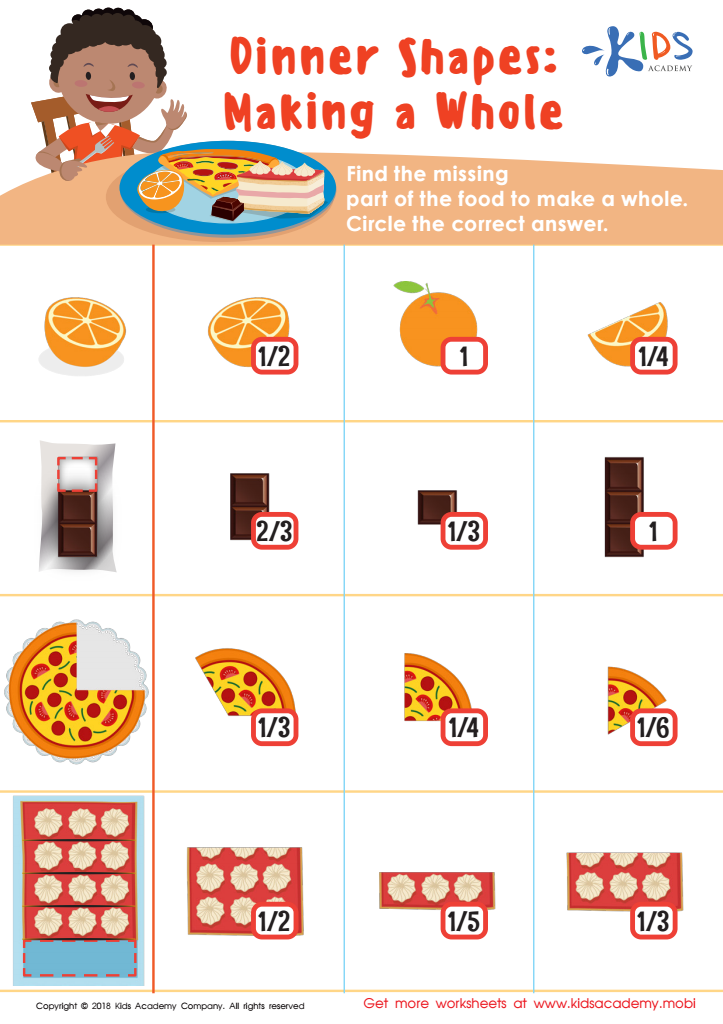
Dinner Shapes: Making a Whole Worksheet
 Assign to My Students
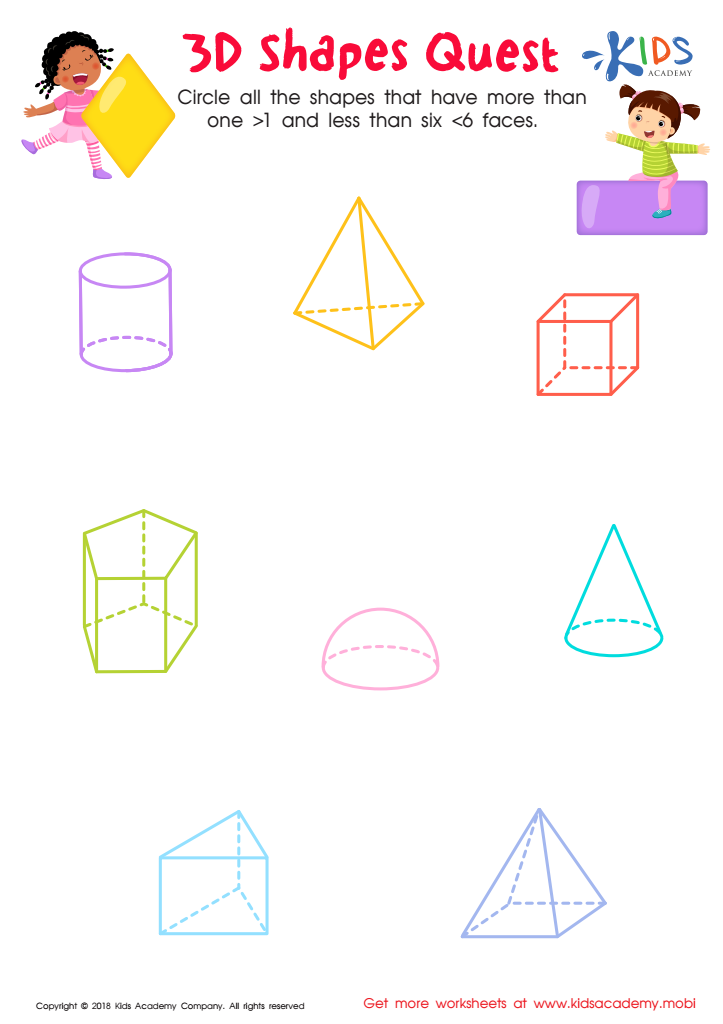
3D Shapes Quest Worksheet
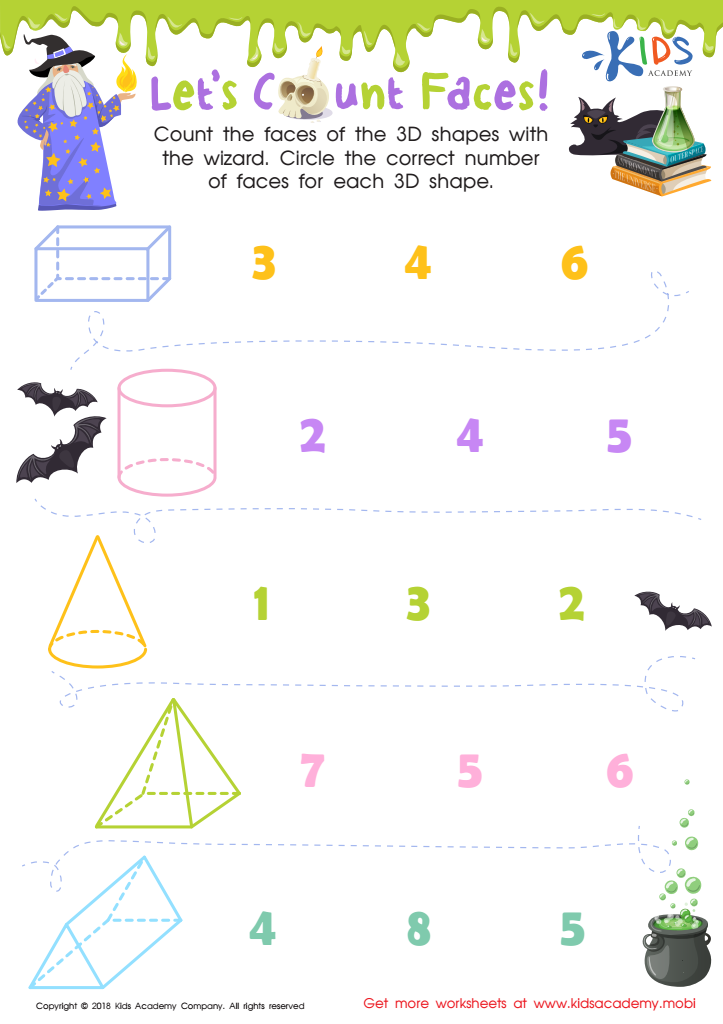
Let's Count Faces! Worksheet
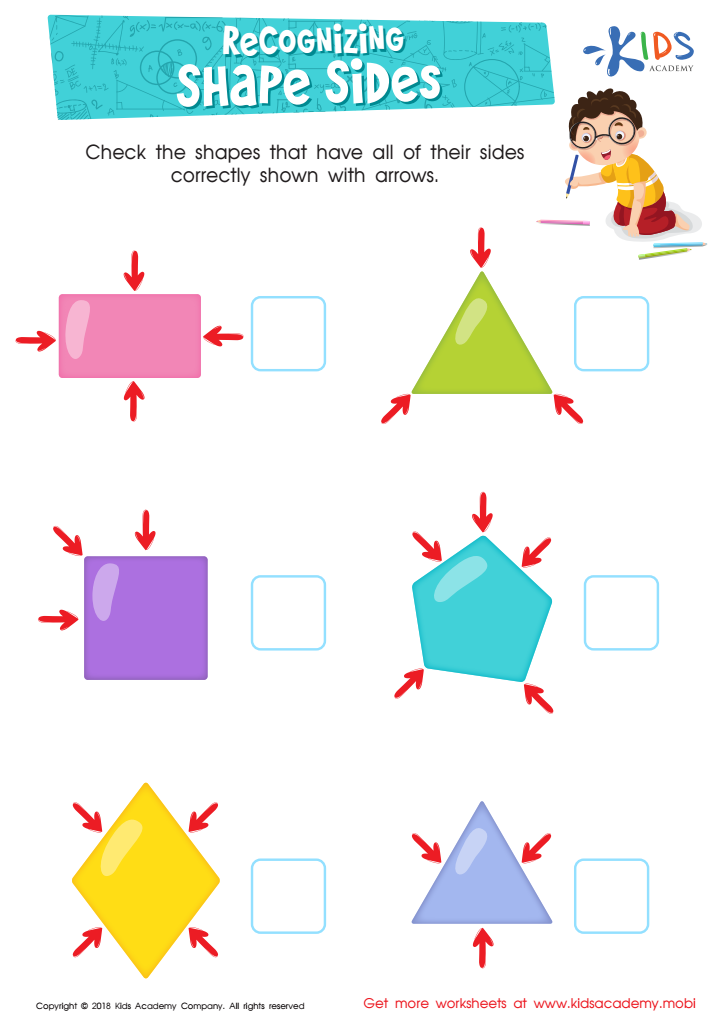
Recognizing Shape Sides Worksheet
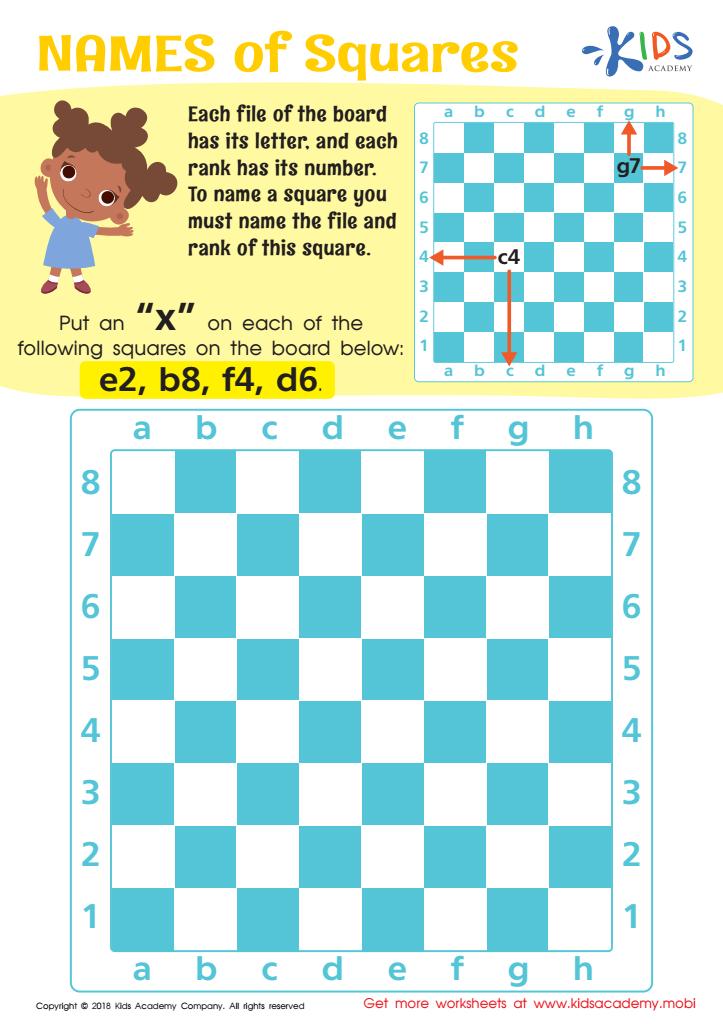
Names of Squares Worksheet
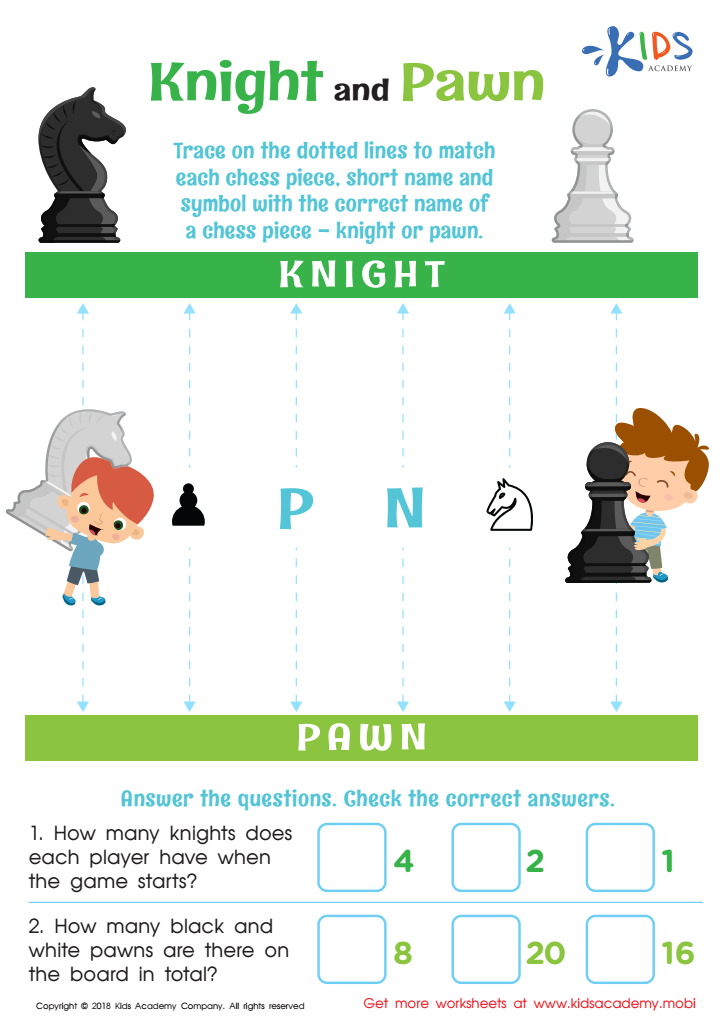
Knight and Pawn Worksheet
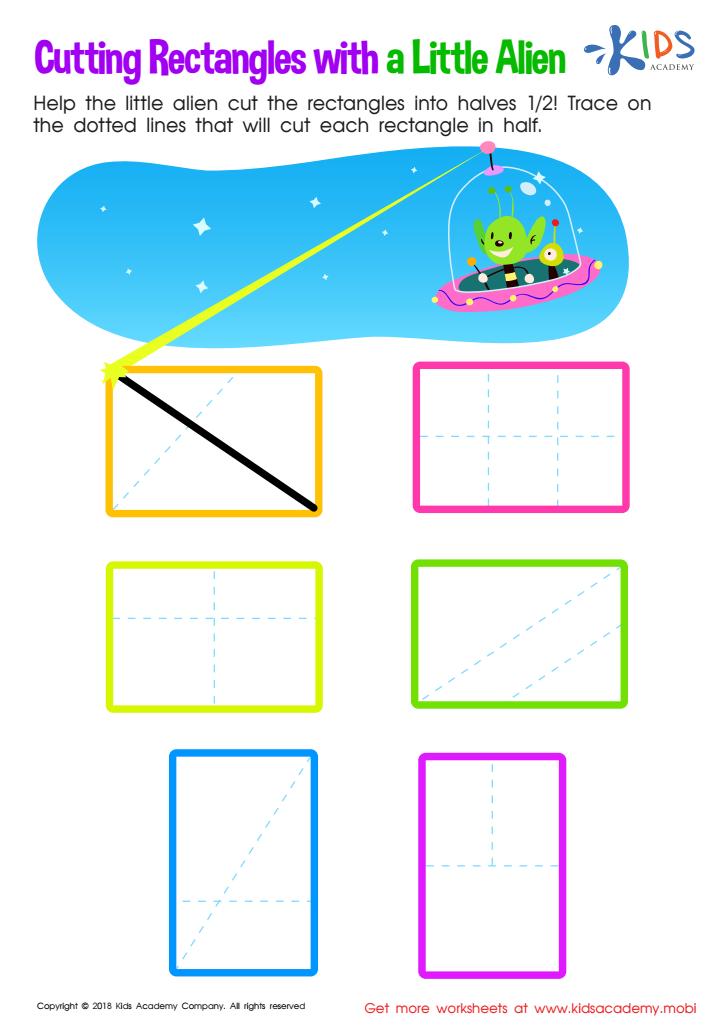
Cutting Rectangles with Alien Worksheet
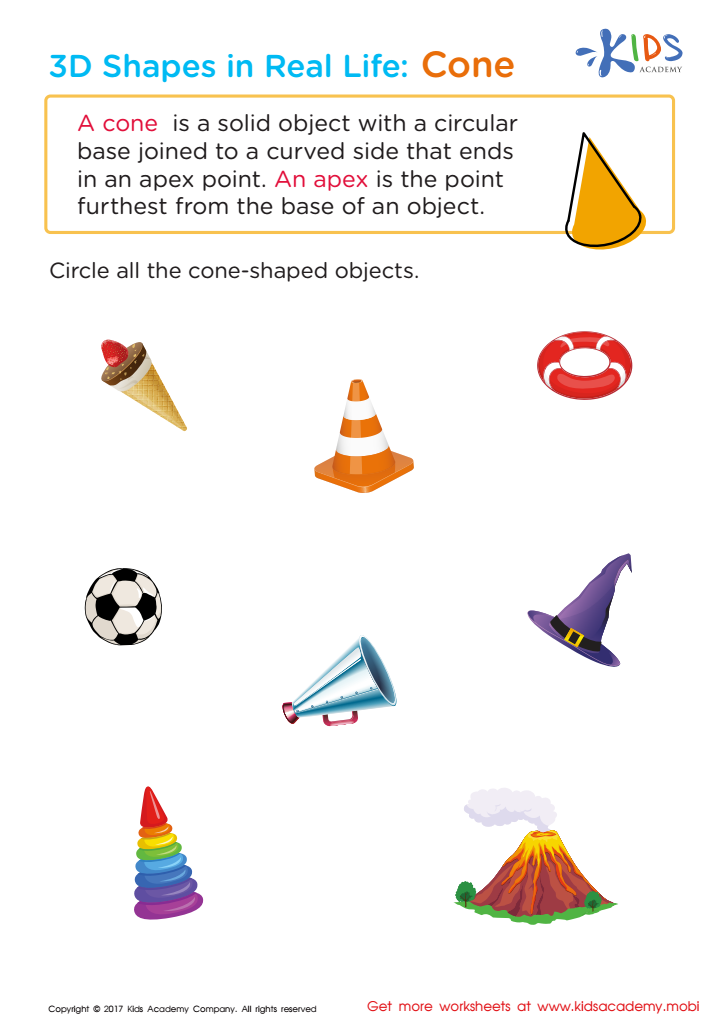
Shapes in Real Life: Cone Worksheet
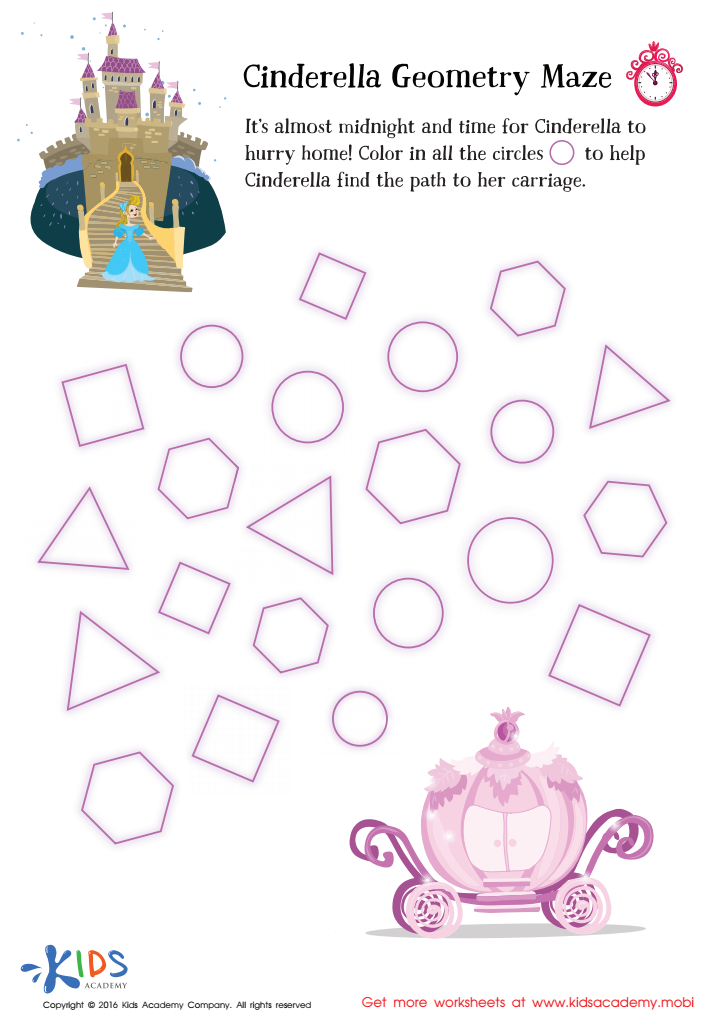
Cinderella Geometry Maze Worksheet
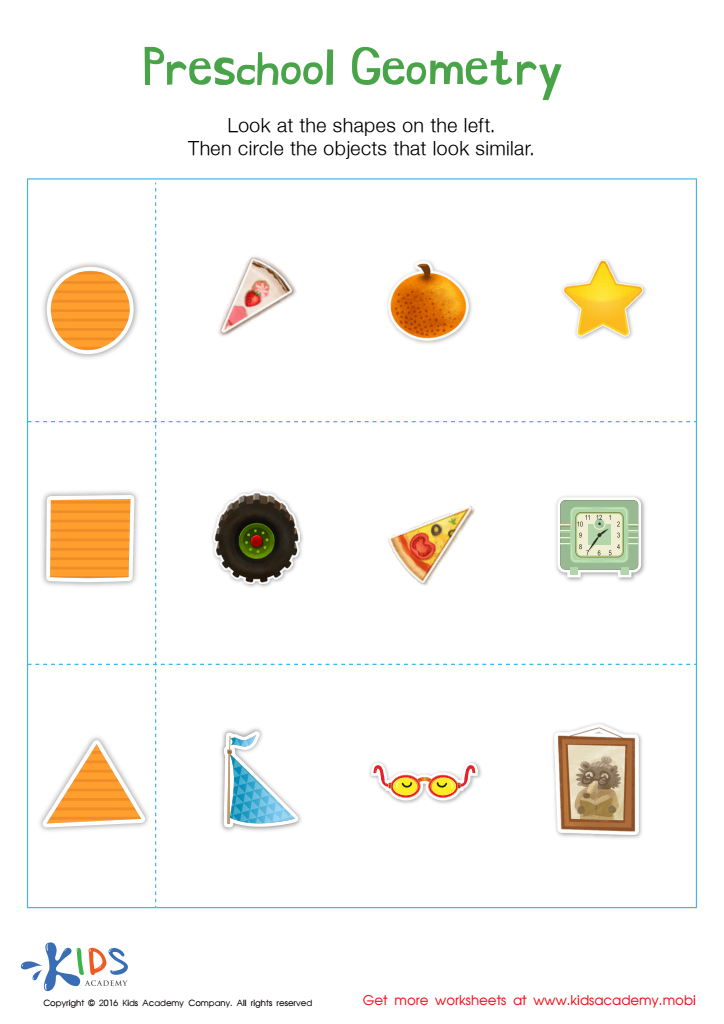
Preschool Geometry Match Up Worksheet

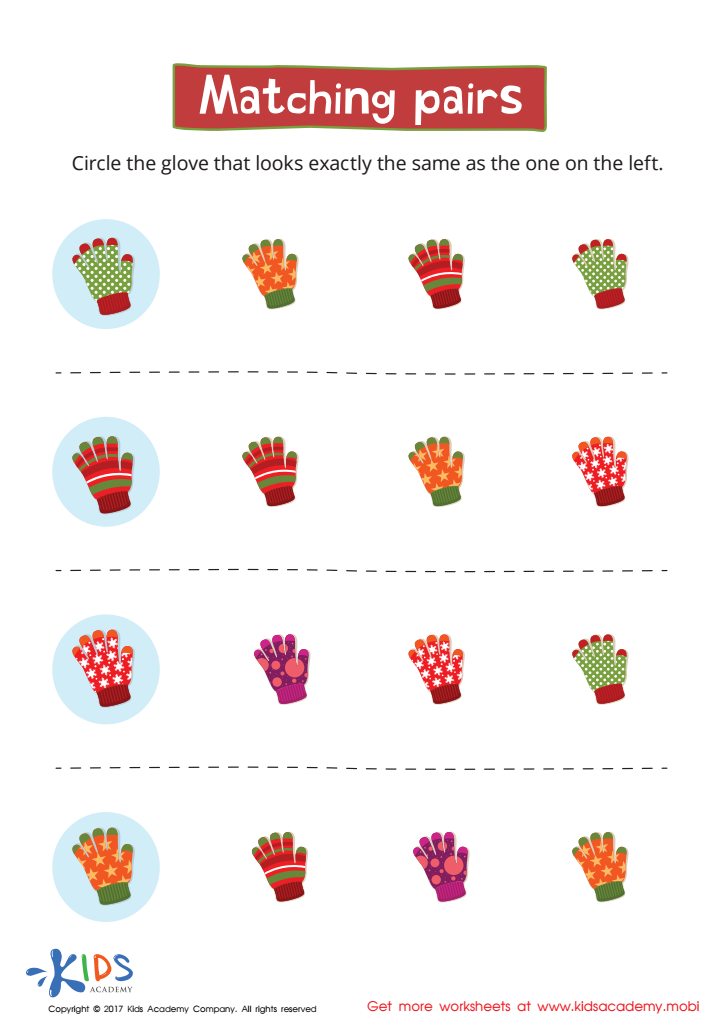
Matching: Matching Pairs Worksheet
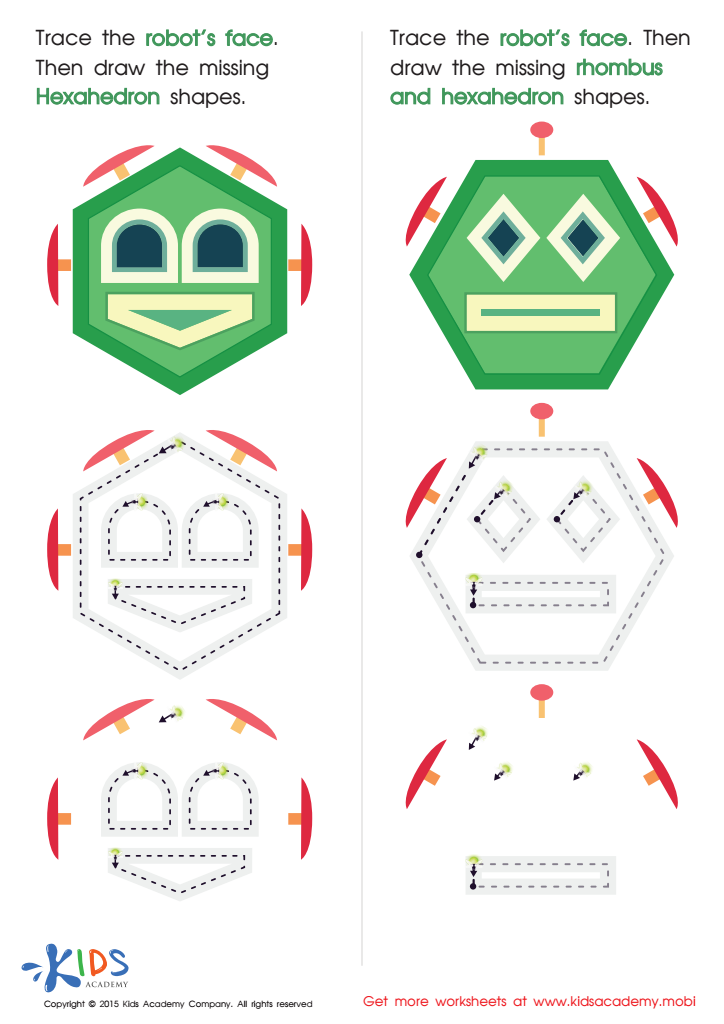
Practice Drawing Hexahedrons And a Rhombus Worksheet
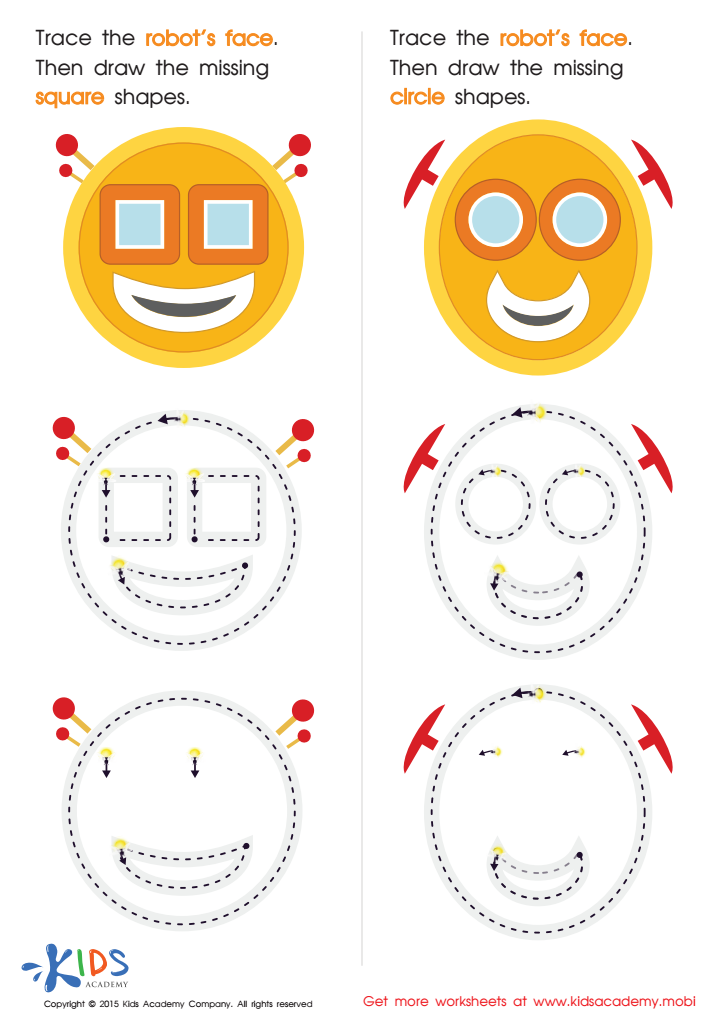
Practicing to Draw Circles And Squares Printable
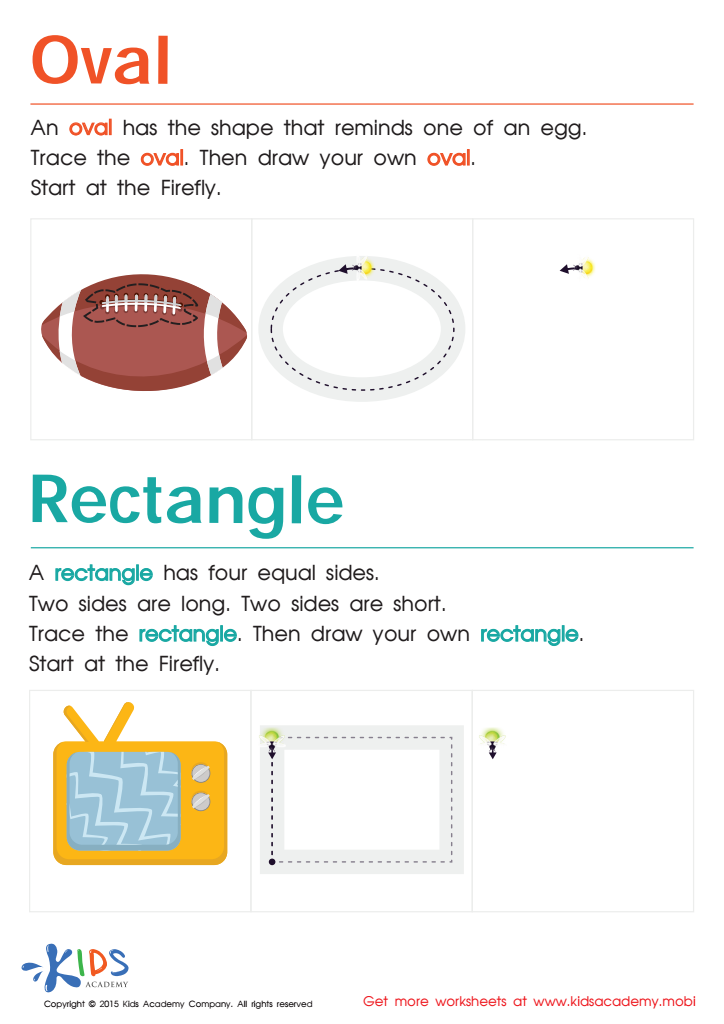
Easy Drawing of Ovals And Rectangles Worksheet
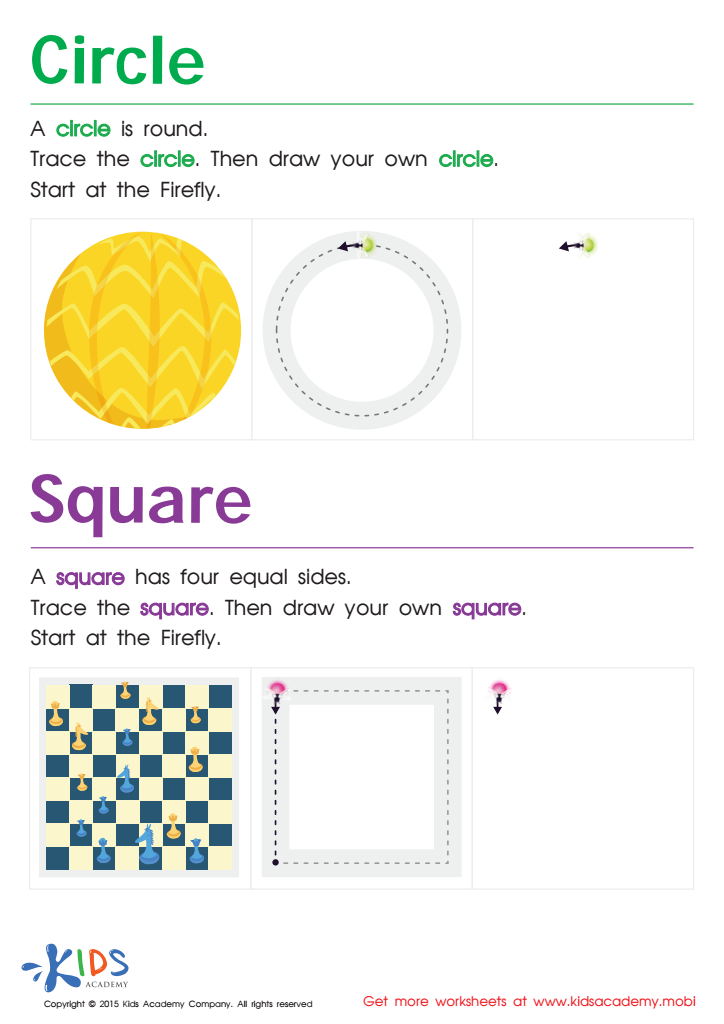
Trace And Draw a Circle And a Square Worksheet
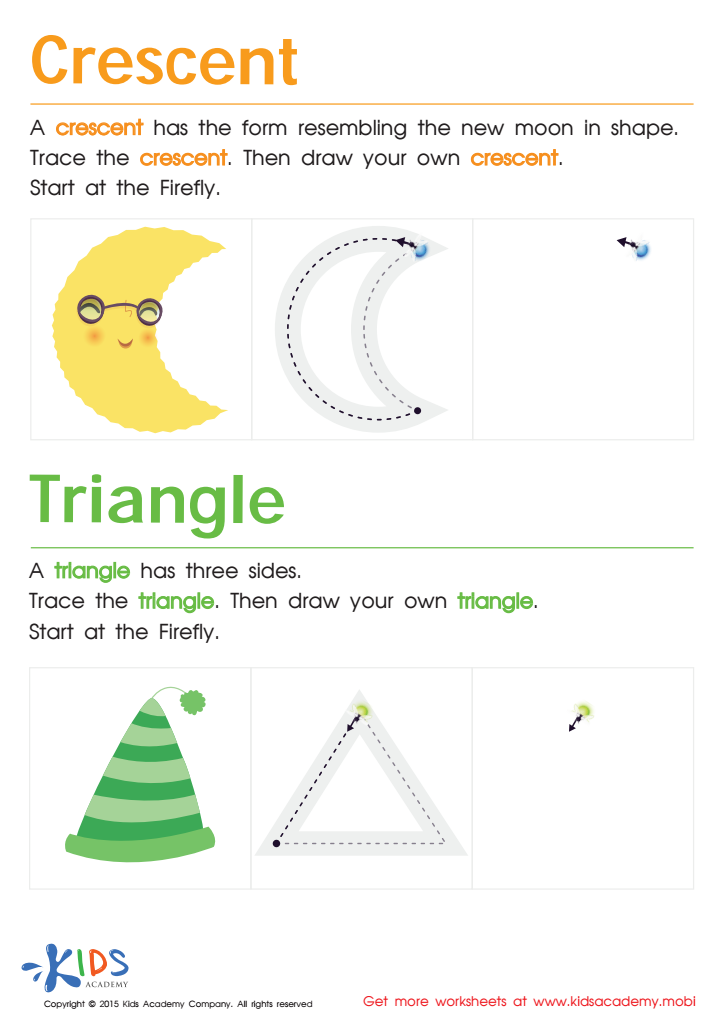
Learning to Draw Crescents And Triangles Worksheet

Playground Worksheet
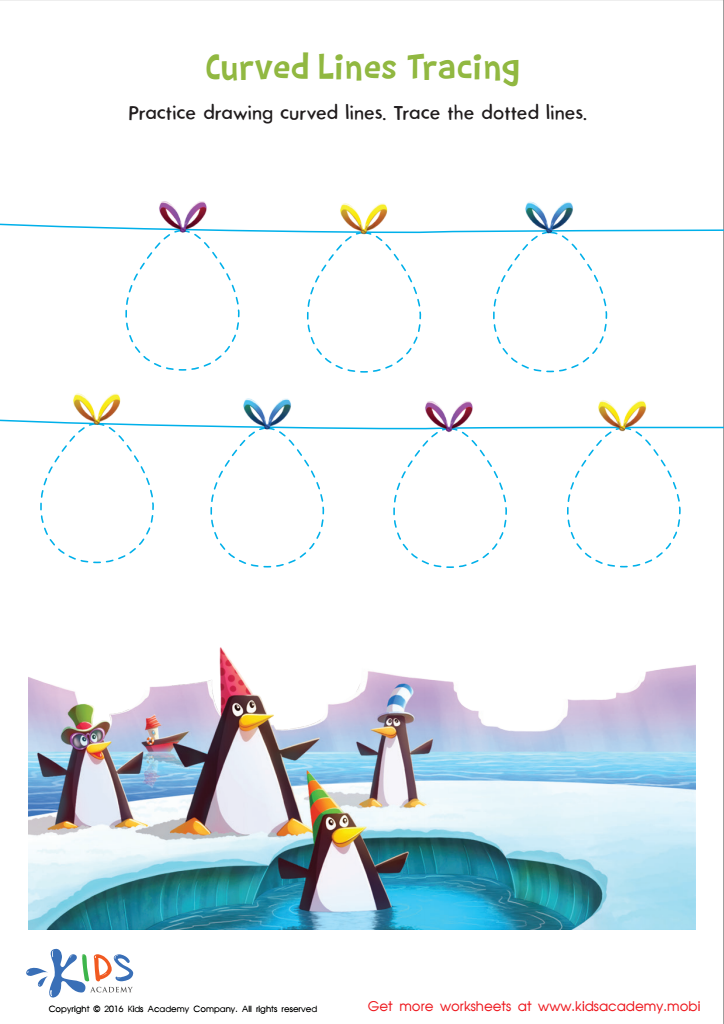
Curved Lines Tracing Worksheet
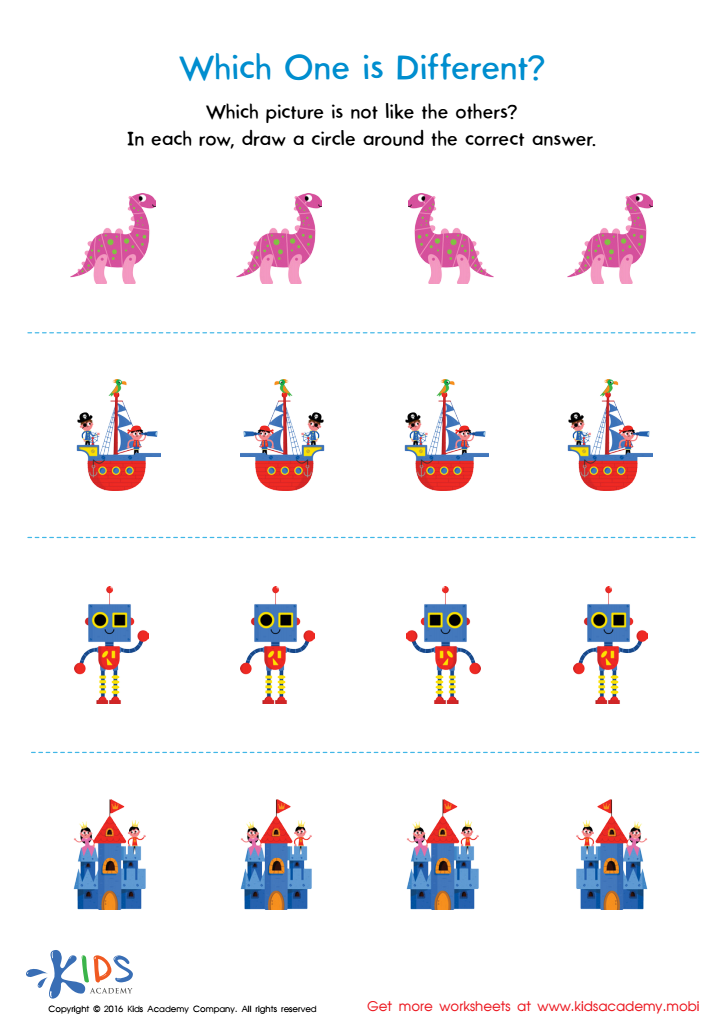
Which One Is Different Worksheet
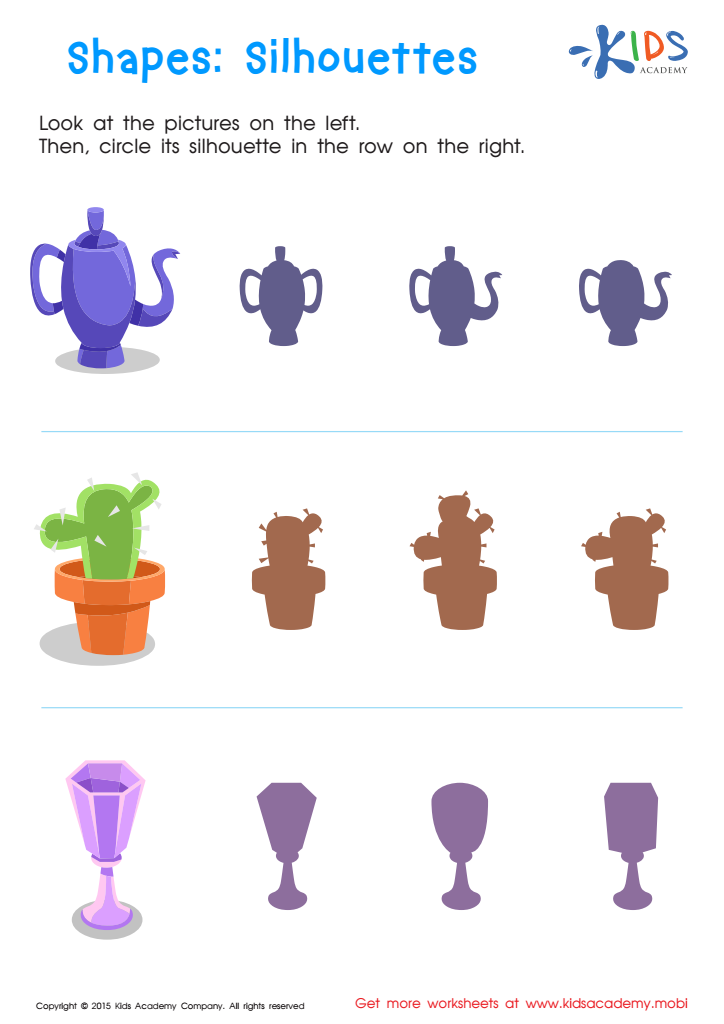
Silhouettes – Shapes Worksheet
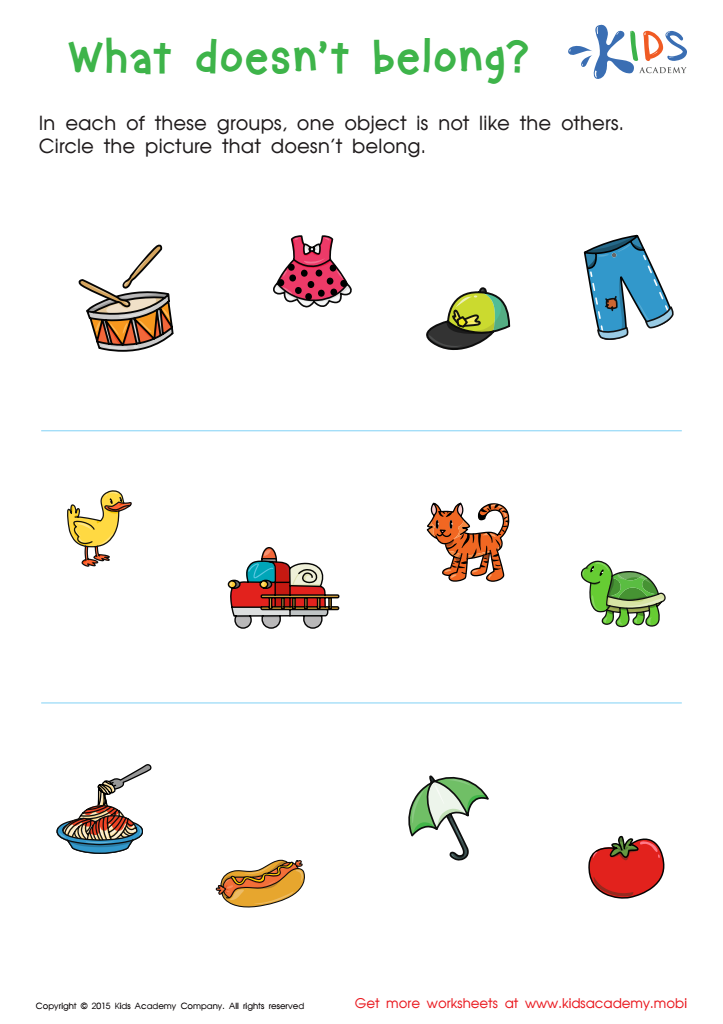
First Words: What Doesn't Belong Worksheet
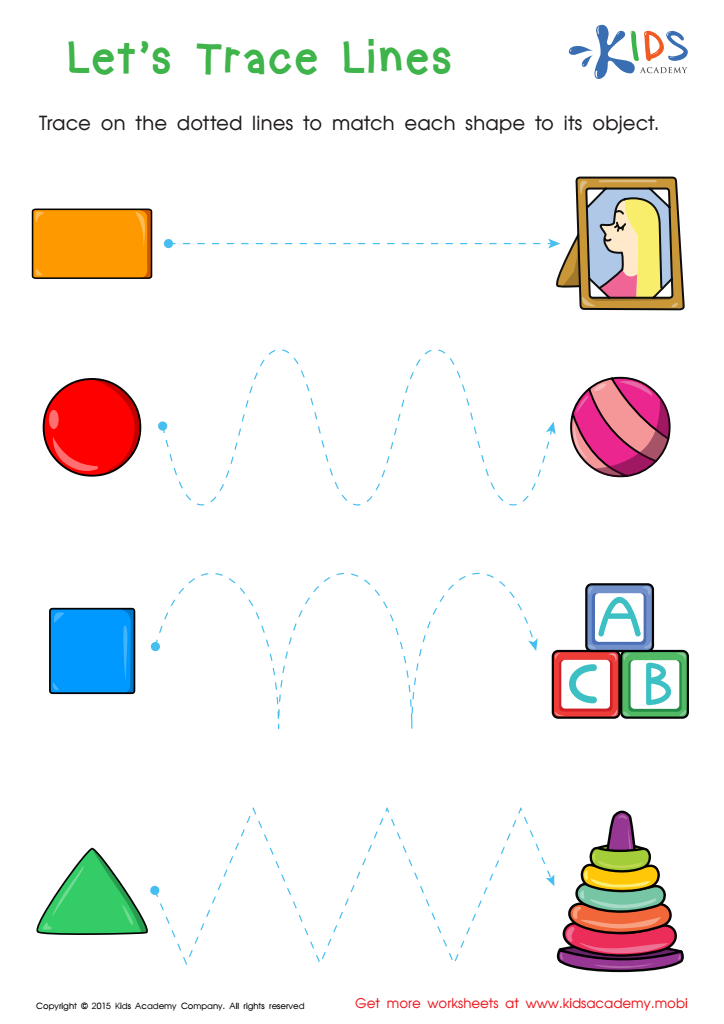
First Words: Let's Trace Lines Worksheet
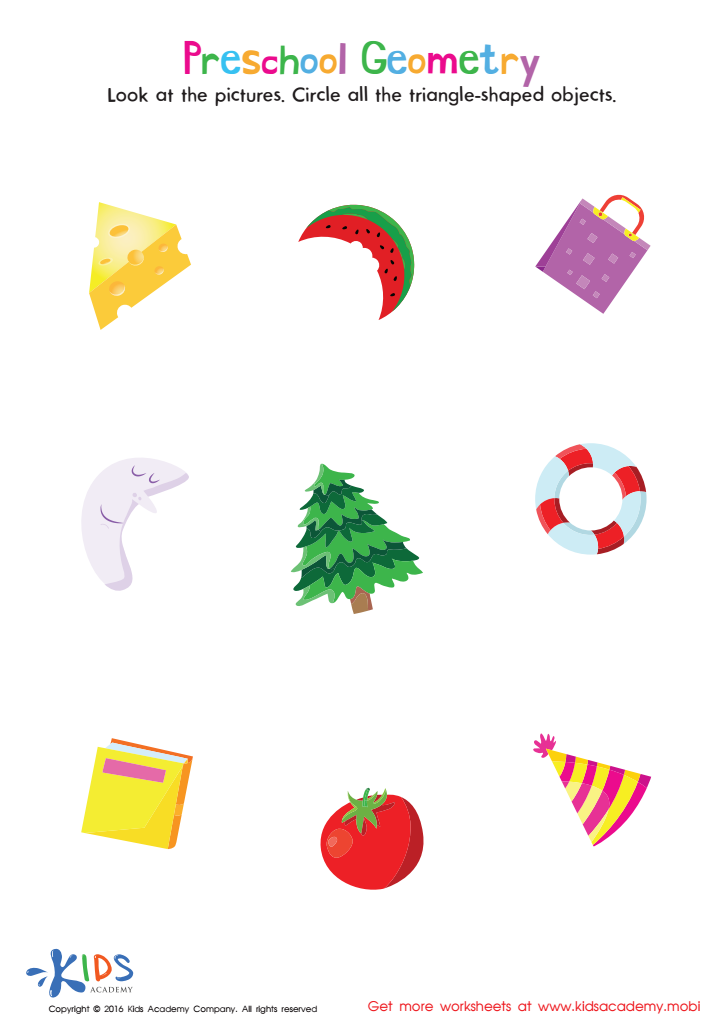







Shape recognition is a vital aspect of cognitive development for children ages 5-9, and it’s crucial for both parents and teachers to appreciate its significance. At this developmental stage, children are building foundational skills that influence their academic and everyday lives. Recognizing shapes aids in the enhancement of mathematical understanding; knowing shapes helps children grasp more complex mathematical concepts, such as geometry, measurement, and spatial reasoning. These skills are directly tied to their ability to solve problems and think logically.
Furthermore, shape recognition supports language development and literacy. When children learn to identify and describe various shapes, they expand their vocabulary and enhance their descriptive language skills. This kind of communication is essential for effective interaction and comprehension.
Socially, recognizing shapes assists children in navigating daily life situations and environments. By understanding shapes, children become better equipped to follow instructions, such as "Clip the triangle piece," which enhance their ability to participate successfully in group activities or games.
Lastly, shape recognition is essential for developing fine motor skills. Activities like drawing, puzzle-solving, and block stacking require an understanding of shapes, which in turn develops hand-eye coordination and dexterity. Overall, early competence in shape recognition sets a fundamental groundwork for more advanced learning and function in society.








