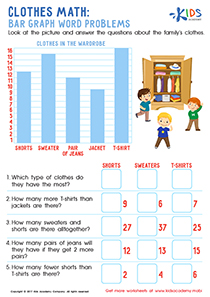
Normal Two-step Word Problems Worksheets for Ages 6-7
13 filtered results
-
From - To
Explore our captivating Normal Two-step Word Problems worksheets, tailored specifically for children aged 6-7 years. These educational printables are meticulously designed to enhance problem-solving skills and understanding of basic mathematical concepts through engaging, real-life scenarios. Each worksheet encourages young learners to tackle problems that require two sequential steps to solve, effectively boosting their analytical and reasoning abilities. Perfect for both classroom use and home practice, these worksheets will make learning math fun and accessible. Equip your child with the tools to succeed in math and beyond with our expertly crafted educational resources.
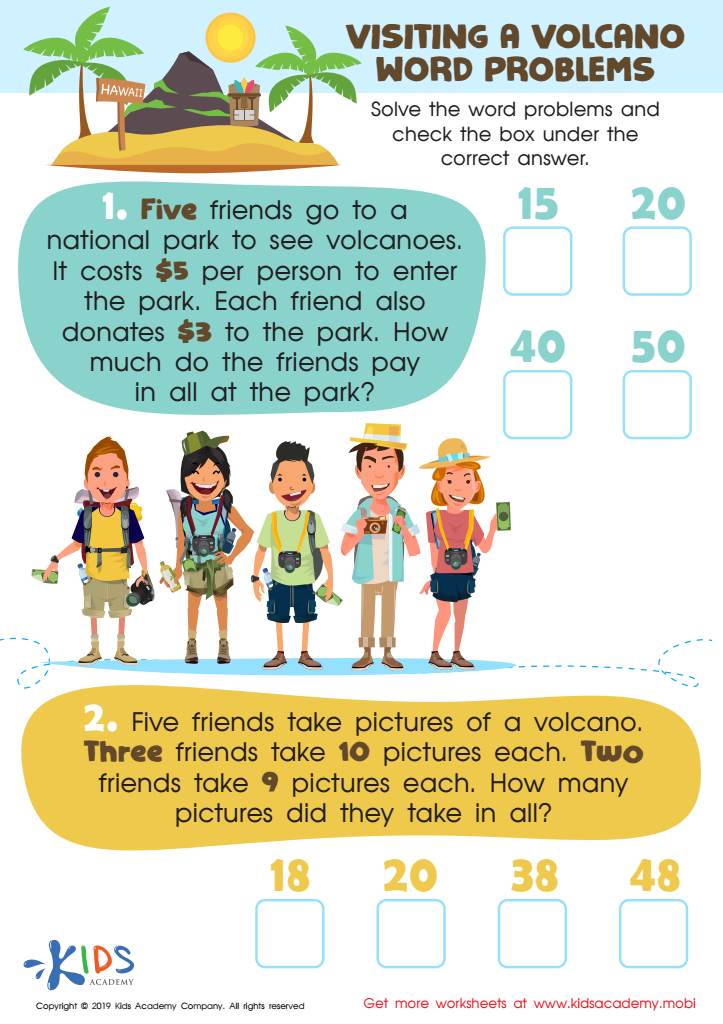
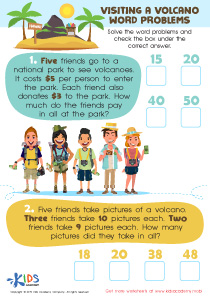
Visiting a Volcano Word Problems Worksheet
 Assign to My Students
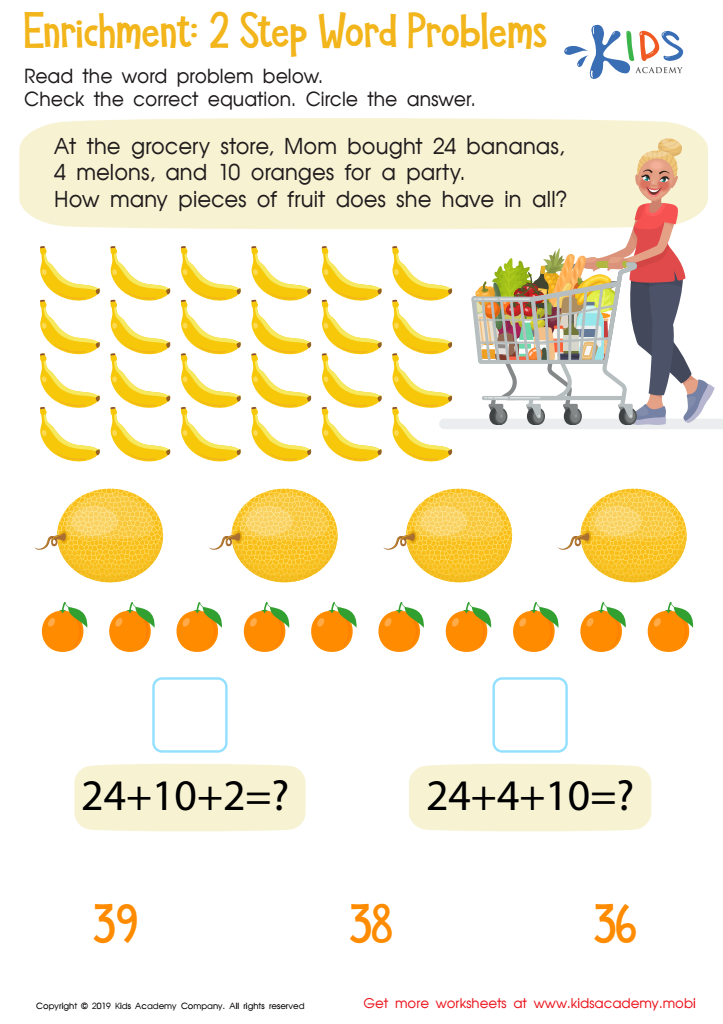
Enrichment -2 Step Word Problems Worksheet
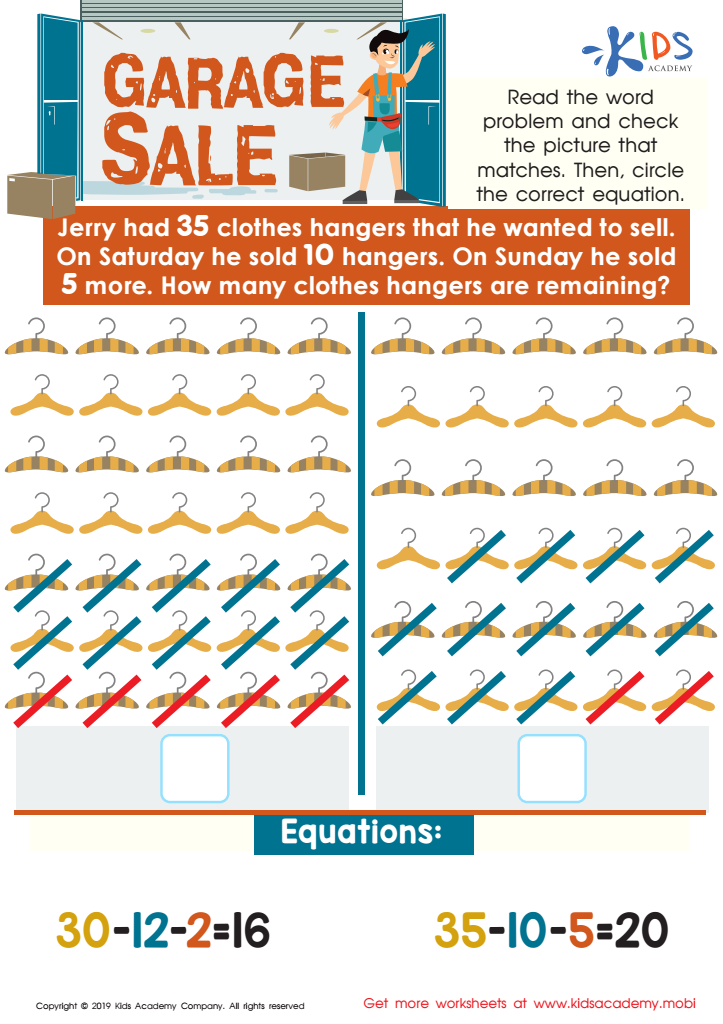
Garage Sale Worksheet
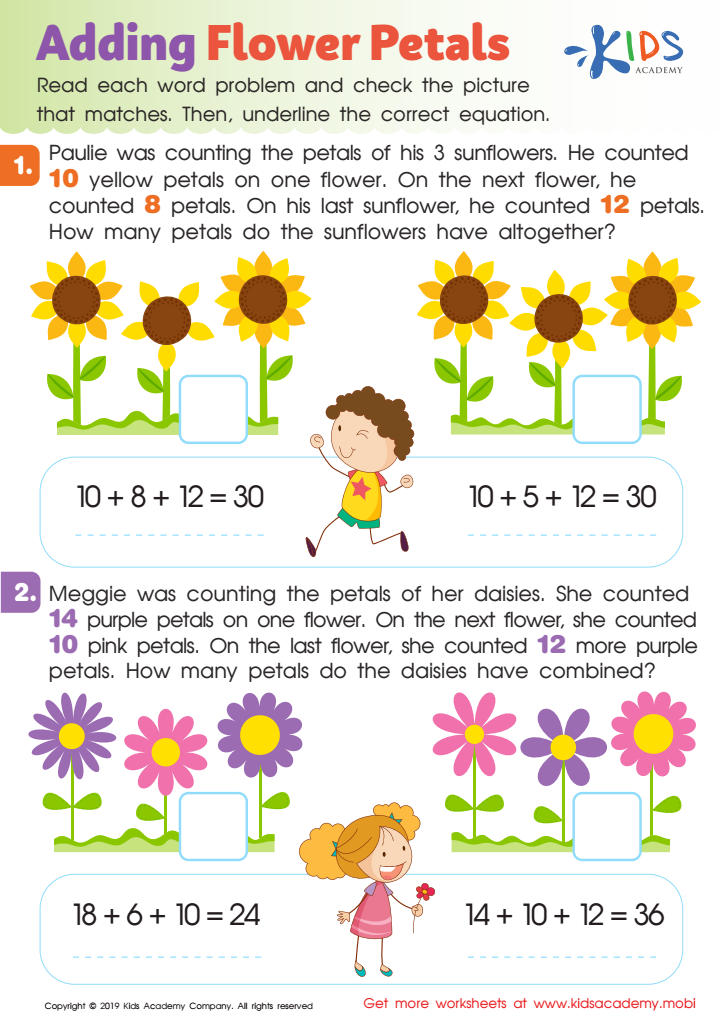
Adding Flower Petals Worksheet
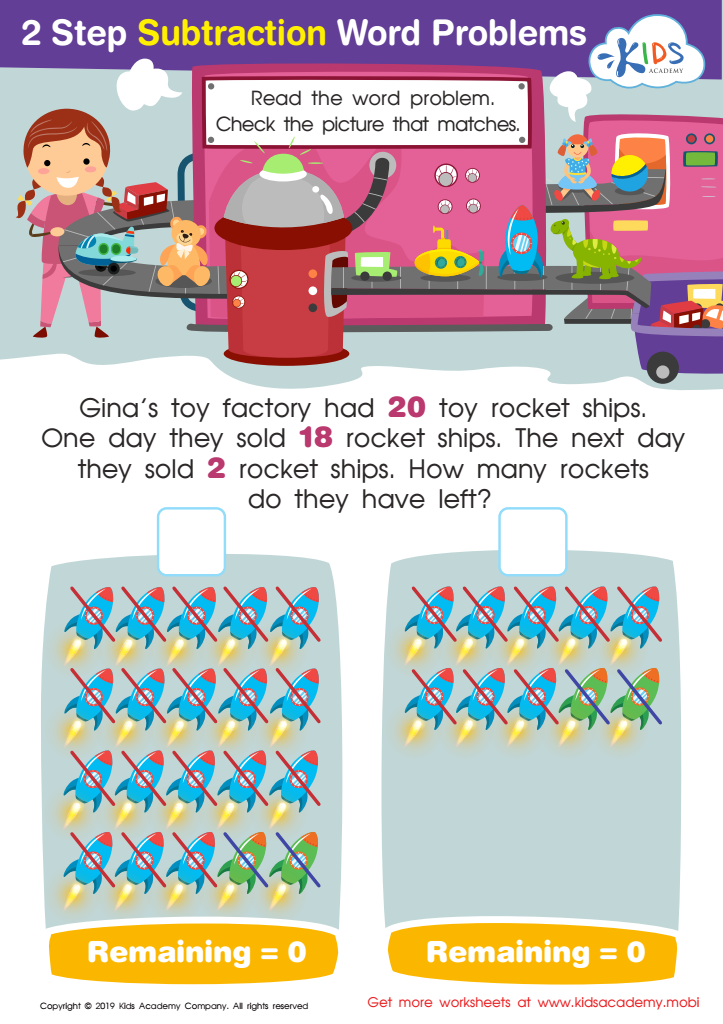
Step Subtraction Word Problems Worksheet
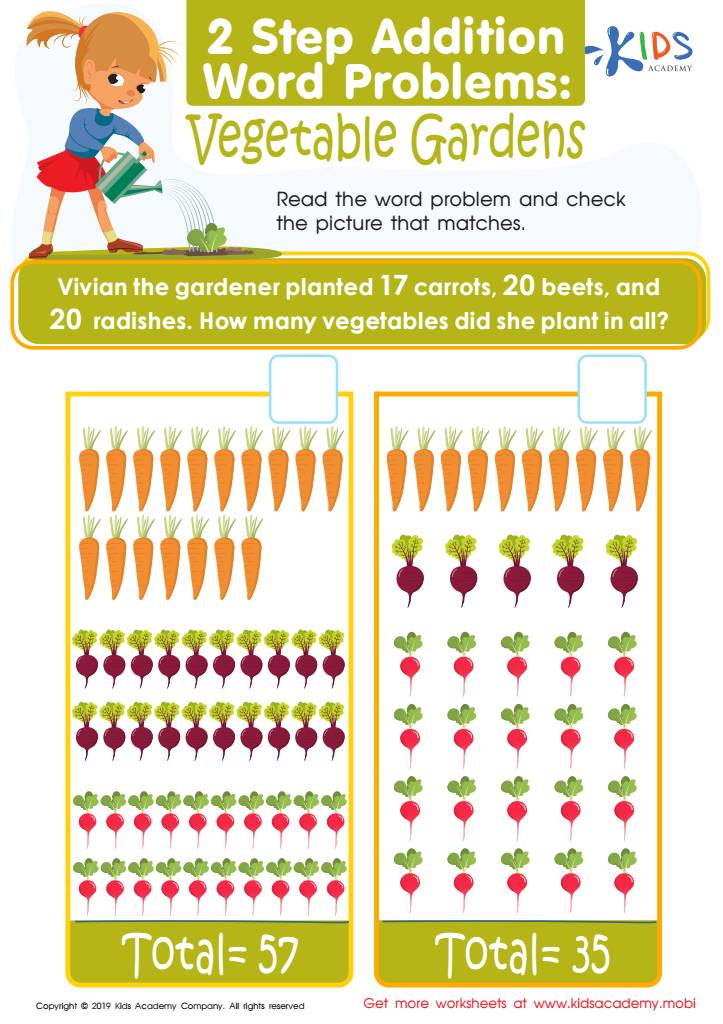
Vegetable Gardens Worksheet
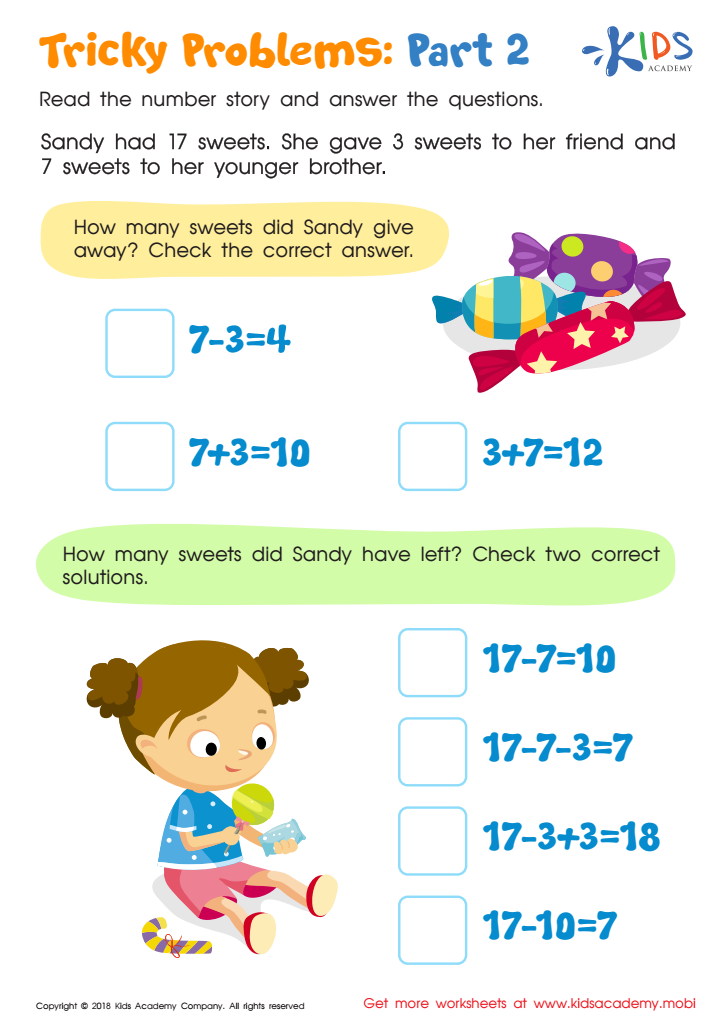
Tricky Problems Worksheet: Part 2
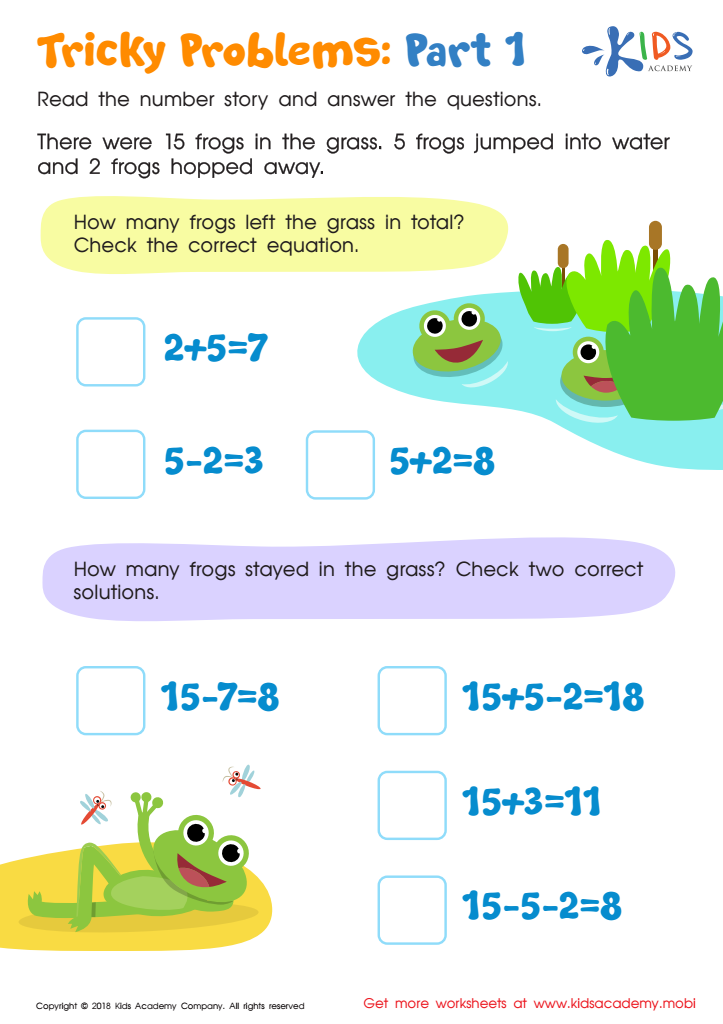
Tricky Problems Worksheet: Part 1
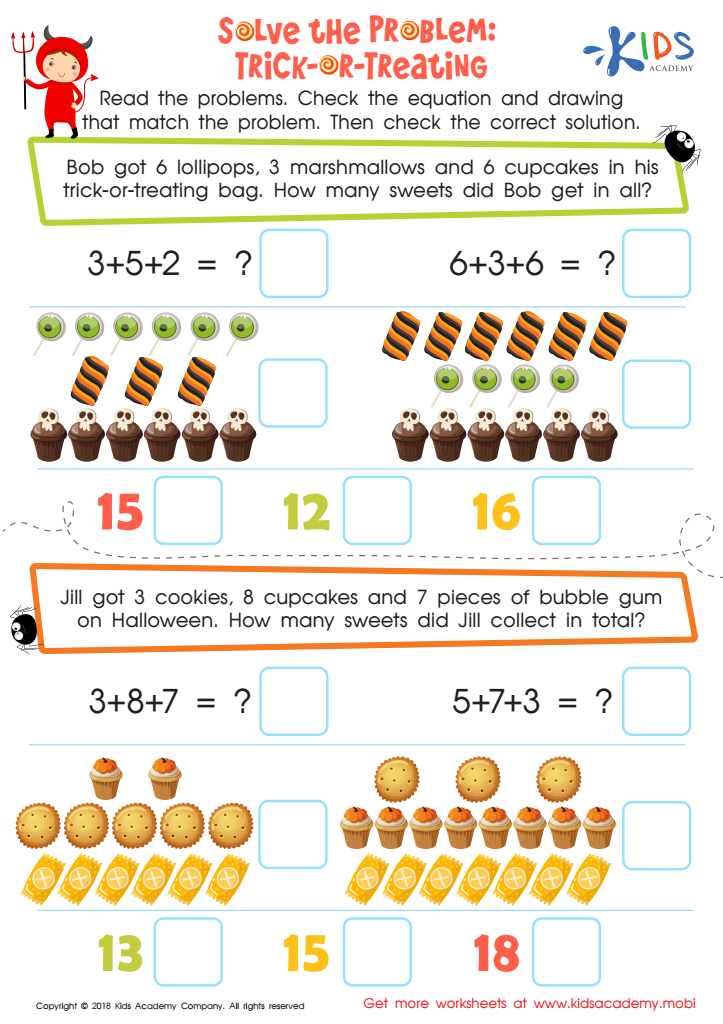
Solve the Problem: Trick–or–treating Worksheet
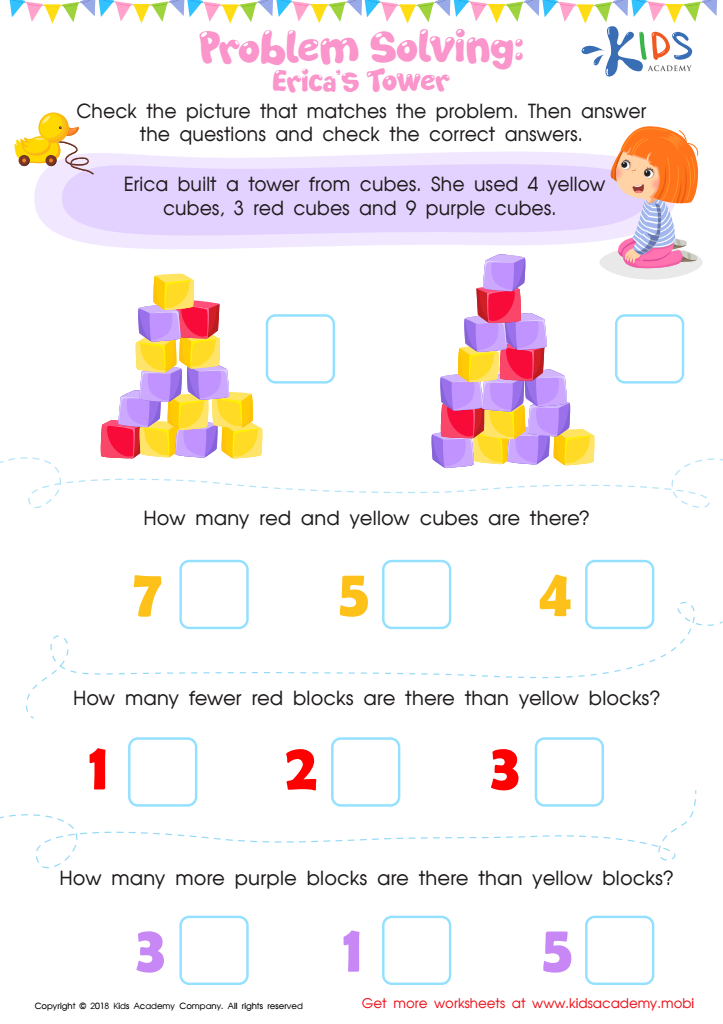
Problem Solving: Erica's Tower Worksheet
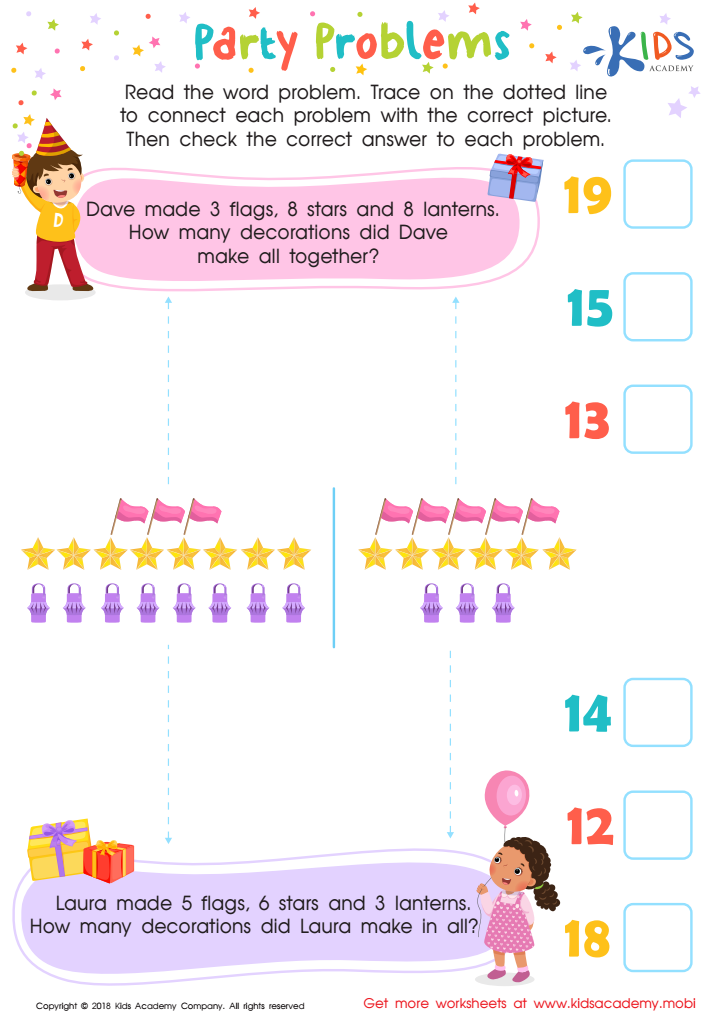
Party Problems Worksheet
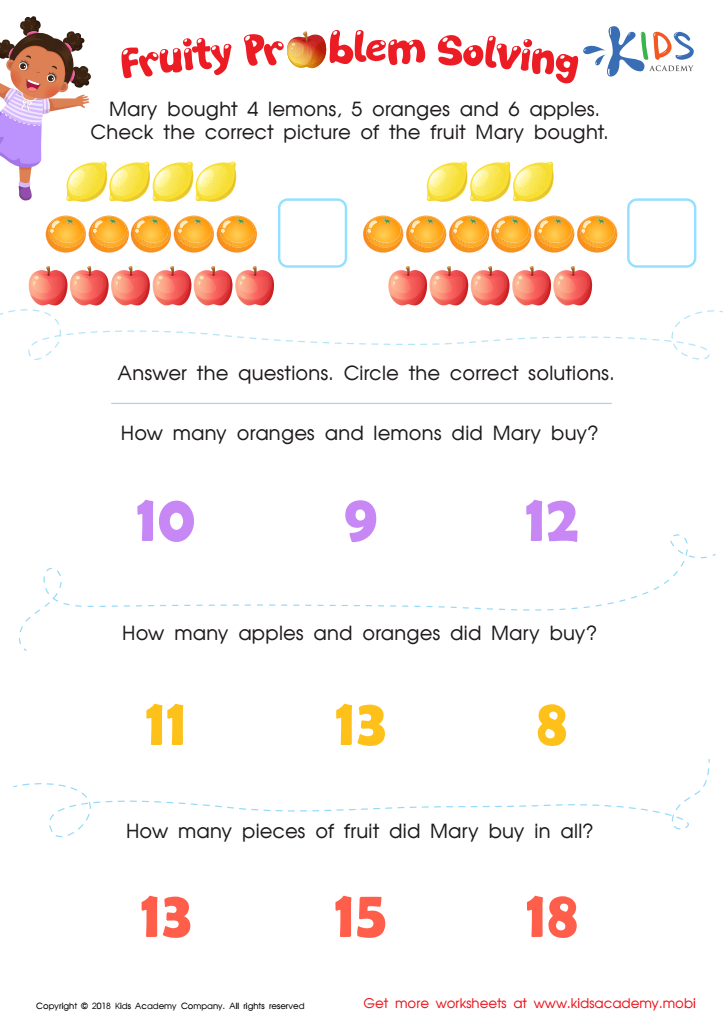
Fruity Problem Solving Worksheet
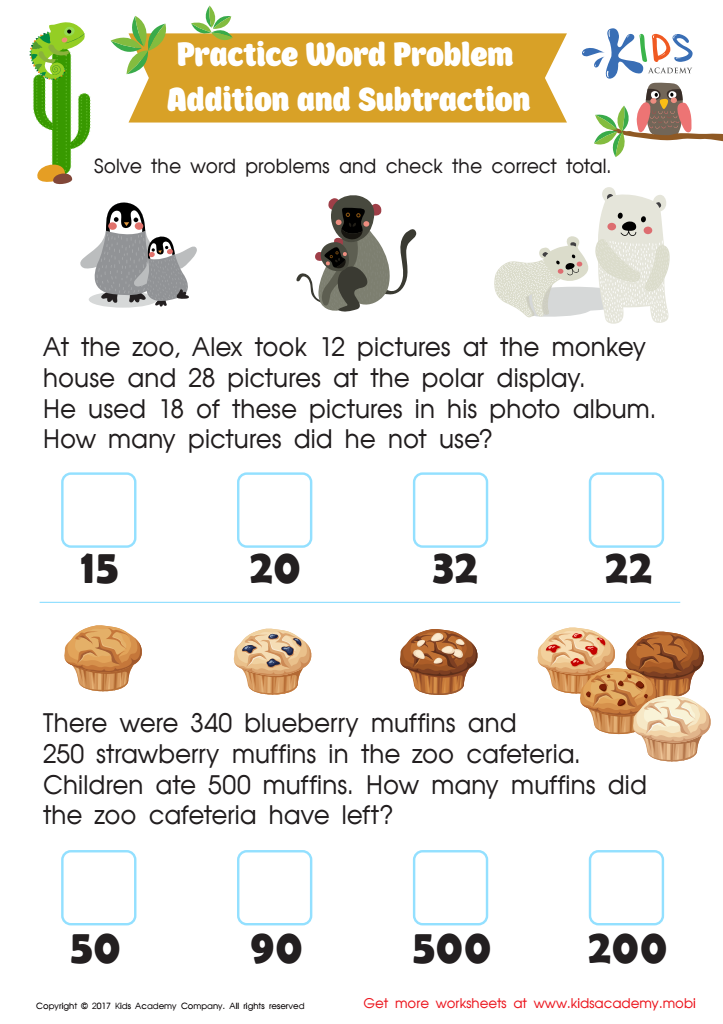
Addition and Subtraction: Word Problems Worksheet



Normal worksheets on Two-step Word Problems are an exceptional educational tool, particularly designed for children aged 6-7 years. At this stage of their development, children are just beginning to grasp the basics of mathematics and logical thinking. Two-step word problems are instrumental in helping young learners develop critical thinking skills and an understanding of complex mathematical concepts through a manageable, step-by-step approach. Integrating educational online worksheets into the learning process further enhances these benefits, making the learning experience both interactive and engaging.
First and foremost, two-step word problems encourage children to think logically and sequentially. Unlike straightforward calculation problems, two-step word problems require children to identify the problem, decide the order of operations, and solve the problem in stages. This not only reinforces their arithmetic skills but also promotes a deeper understanding of how different mathematical concepts interconnect in practical scenarios. For instance, a problem might involve both addition and subtraction, prompting the child to determine which operation to perform first to arrive at the correct answer.
Moreover, using educational online worksheets for practicing these problems introduces a dynamic aspect to learning that traditional paper worksheets cannot match. These online platforms often include interactive elements such as drag-and-drop features, instant feedback, and engaging visuals that help children to remain interested and motivated. The immediate feedback provided by online worksheets is particularly valuable as it allows children to understand their mistakes in real-time and learn from them, thereby enhancing the learning experience.
Furthermore, educational online worksheets are easily accessible and customizable, which means that learning can continue outside the traditional classroom setting. Parents and educators can select problems that cater specifically to the individual learning needs and pace of each child. This personalized learning approach helps in addressing the unique challenges that each child might face with two-step word problems, thereby making the learning process more effective.
The use of educational online worksheets also helps in developing computer literacy at an early age. Navigating through online worksheets requires basic computer skills such as clicking, scrolling, and typing. These are essential skills in today’s digital age and introducing children to technology through learning platforms can be doubly beneficial.
In addition, the structure of two-step word problems helps in enhancing reading comprehension and analytical thinking. Children need to read the problem, comprehend the scenario, and extract necessary information to solve the problem. This process not only improves their math skills but also enhances their ability to understand and process information, which is a critical skill in all areas of learning.
Lastly, incorporating fun into learning is another significant advantage of educational online worksheets. Many online platforms design their worksheets with vibrant colors, characters, and scenarios that relate to the real-world experiences of children. This relatable and fun approach can transform math from a daunting subject into an enjoyable activity, helping children to develop a positive attitude towards learning mathematics. This is particularly important at the age of 6-7 years, as it is a formative period for setting attitudes and preferences that can last throughout a child’s educational journey.
The flexibility of educational online worksheets also means that learning can be adapted to fit into any schedule, making it possible for children to practice problem-solving even on the go. Whether it’s during a quiet evening at home or while waiting in a doctor's office, two-step word problems can be accessed and solved, ensuring consistent practice. Consistent practice is key in mastering mathematical concepts and building confidence in a young learner's abilities.
Moreover, these worksheets often come with a variety of problems that increase in complexity, allowing children to gradually challenge themselves and grow. As they progress, they build not only their math skills but also their confidence, which is crucial for young learners. The sense of achievement that comes from solving increasingly challenging problems can inspire them to tackle other complex subjects with enthusiasm.
In classrooms, educational online worksheets can also serve as an excellent tool for teachers to track the progress of their students. Many online platforms include tracking systems that allow educators to monitor the completion and success rates of individual students. This data can be invaluable for providing targeted support where needed and for adapting lesson plans to better suit the learning needs of the class.
In conclusion, Normal worksheets on Two-step Word Problems, particularly when integrated into educational online platforms, are an invaluable resource for teaching mathematics to children aged 6-7 years. These worksheets help in developing a range of skills from logical thinking and problem-solving to reading comprehension and digital literacy. The interactive and customizable nature of online worksheets enhances engagement, motivation, and consistent practice, all of which are key components in the effective learning of mathematics during the crucial early years of education.