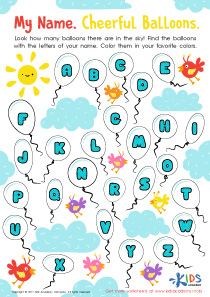
Normal ABC Order Worksheets for Ages 6-8
16 filtered results
-
From - To
Discover "Normal ABC Order Worksheets for Ages 6-8" at Kids Academy, designed to make learning the alphabet fun and engaging! These printable activities help young learners master alphabetical order in an enjoyable and effective manner. Perfectly suited for children aged 6-8, the worksheets incorporate colorful illustrations and familiar objects to maintain interest. By practicing ABC order, kids will improve their spelling, organization, and early reading skills. Whether used at home or in the classroom, these worksheets are a valuable resource for promoting literacy and confidence in young learners. Visit Kids Academy for endless educational fun!
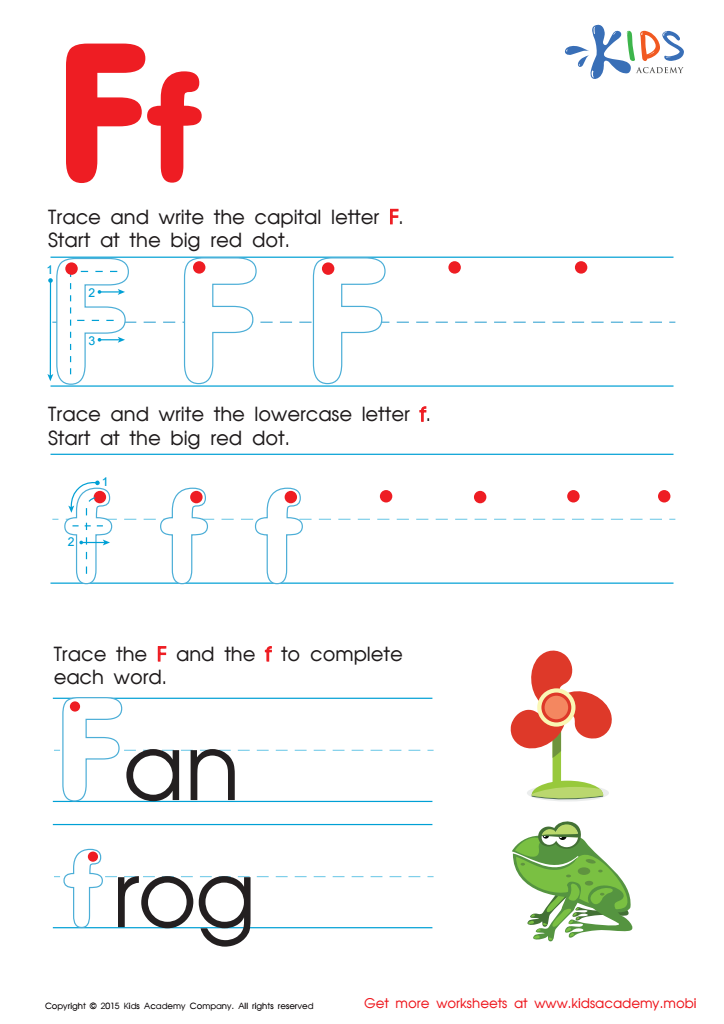
Letter F Tracing Page
 Assign to My Students









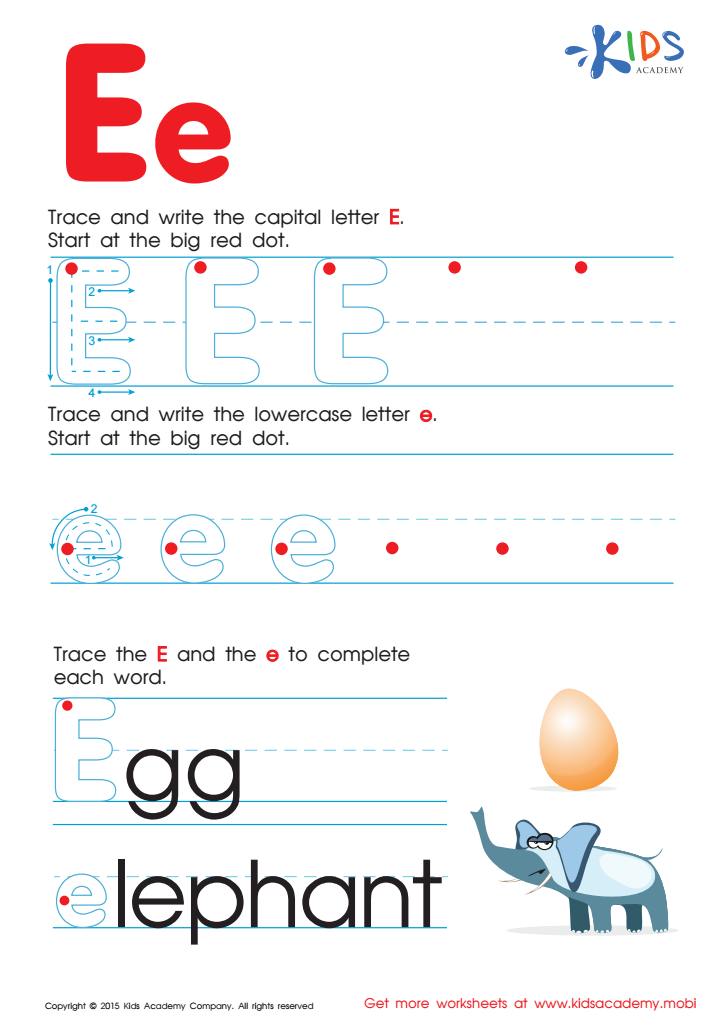
Letter E Tracing Page

Letter D Tracing Page
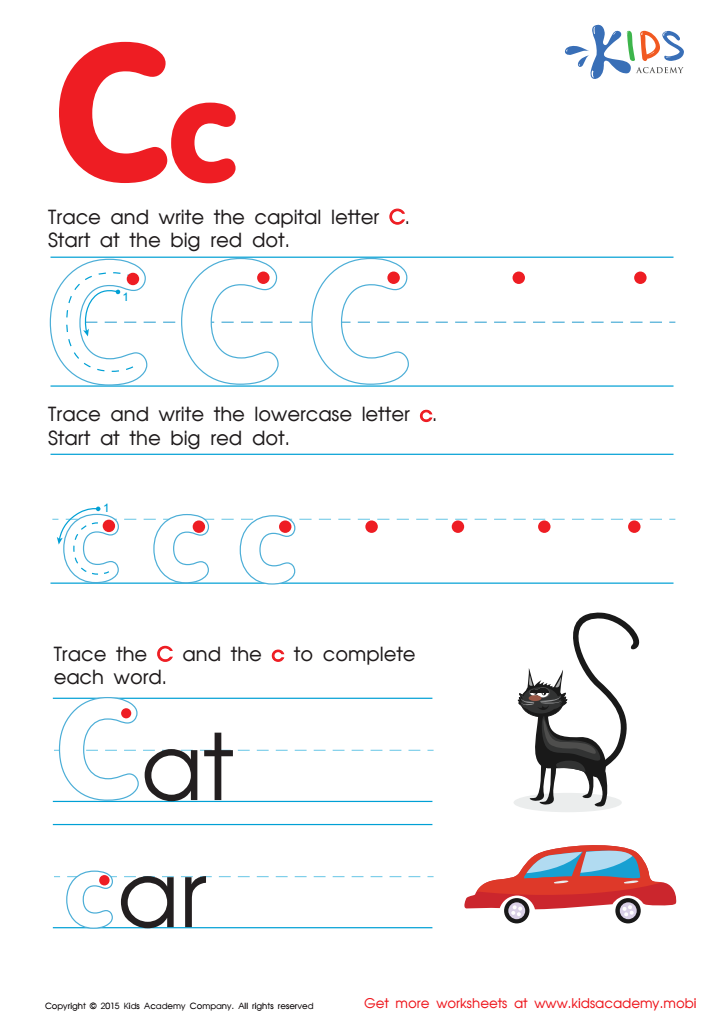
Letter C Tracing Page
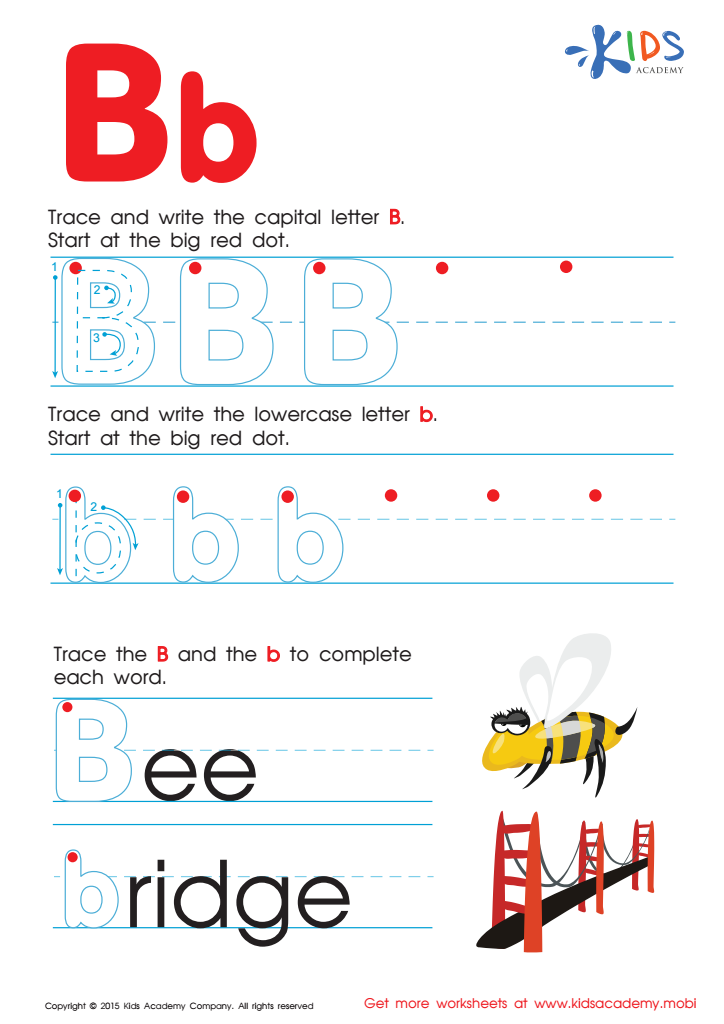
Letter B Tracing Page
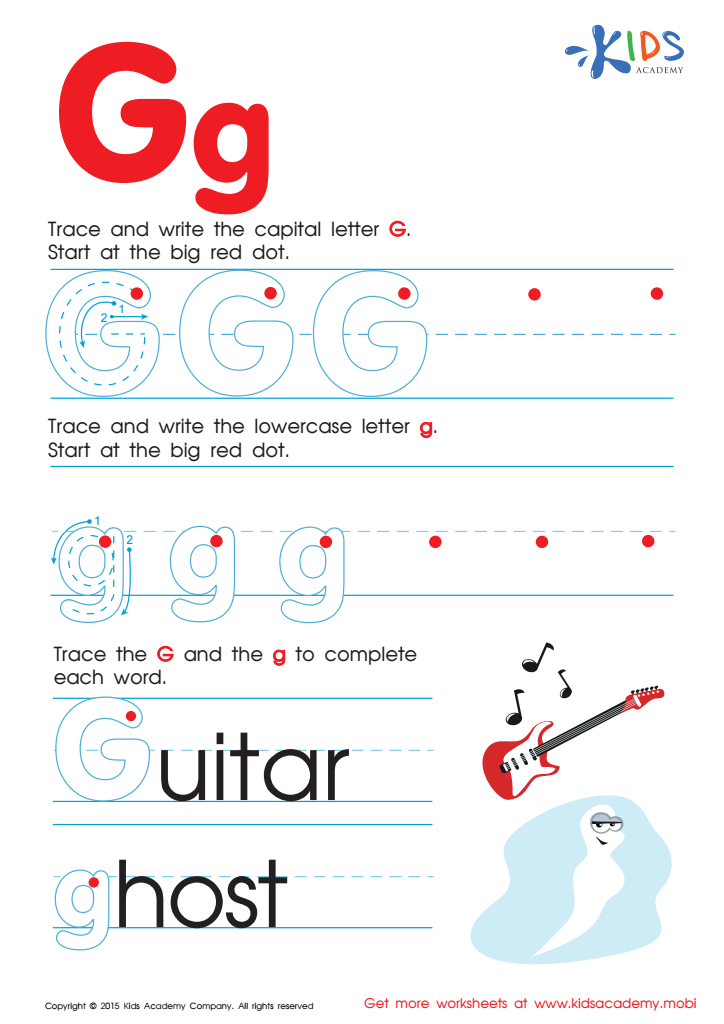
Letter G Tracing Page

Letter H Tracing Page
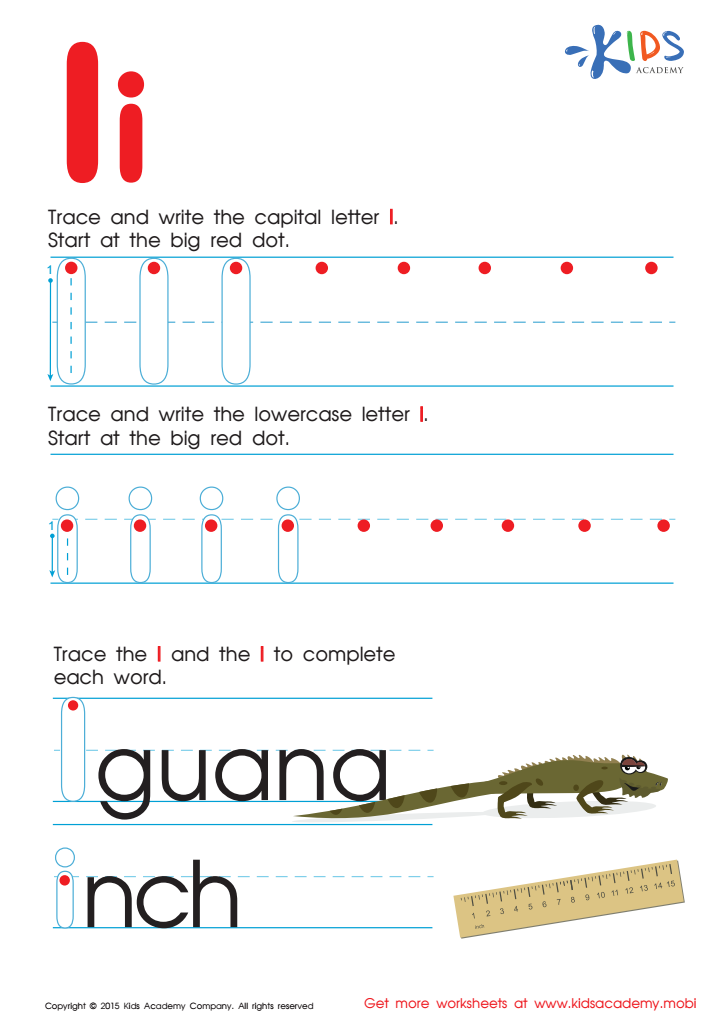
Letter I Tracing Page
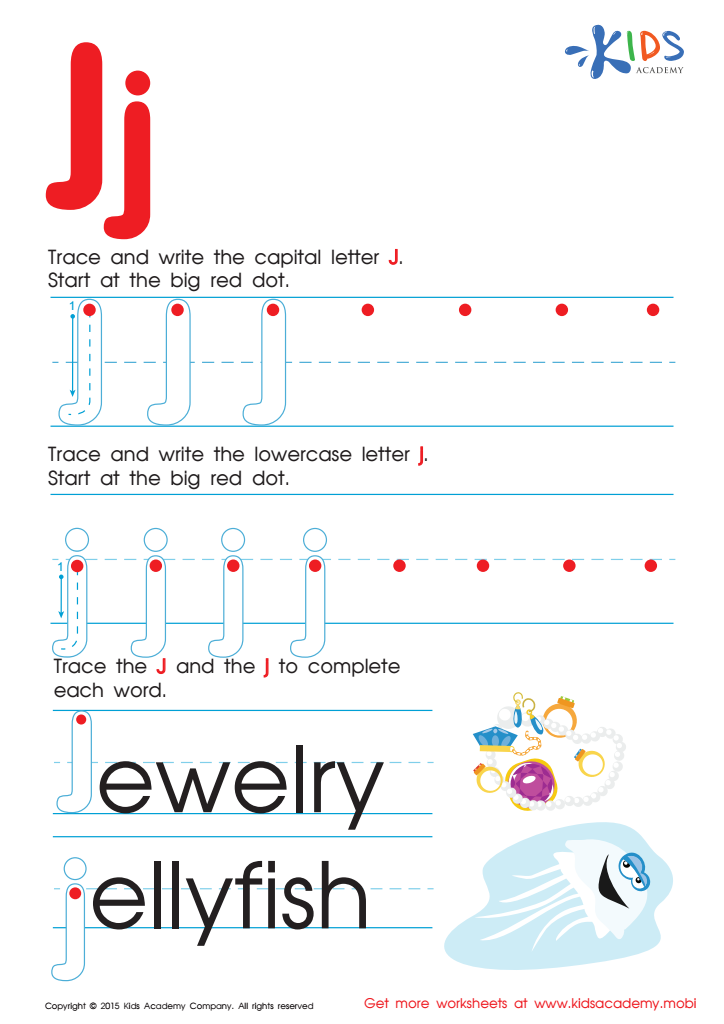
Letter J Tracing Page
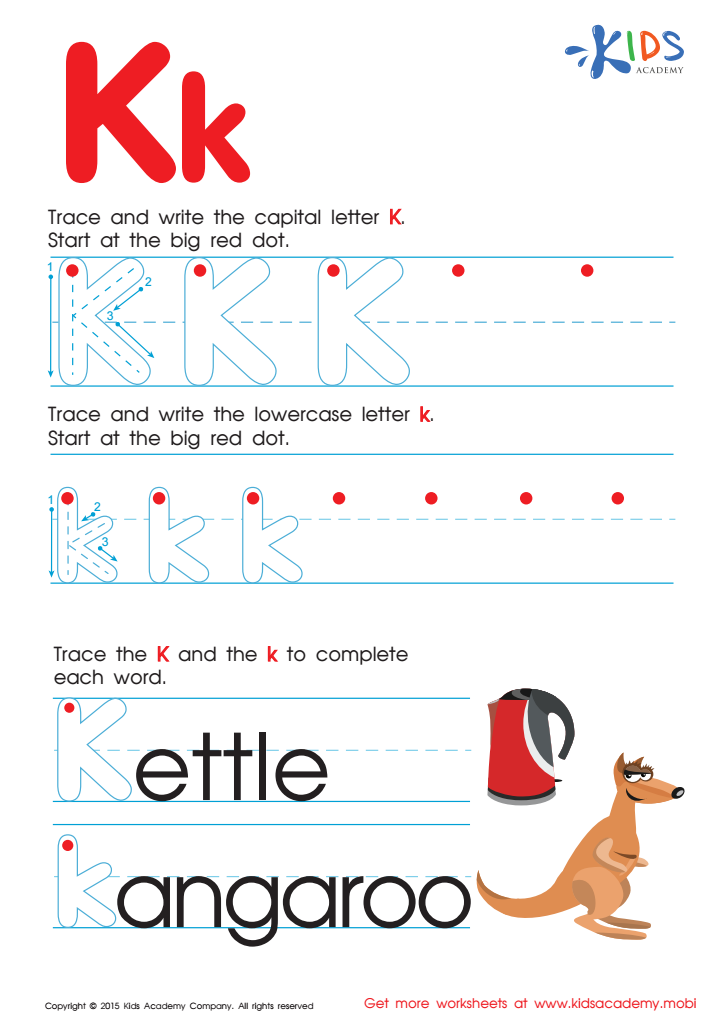
Letter K Tracing Page
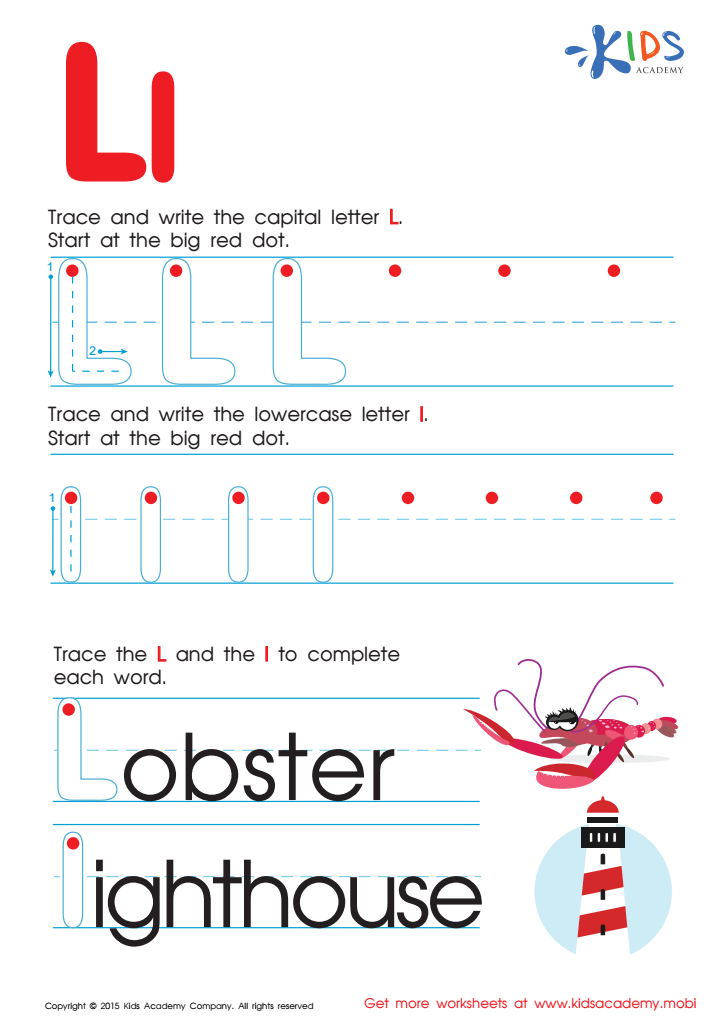
Letter L Tracing Page
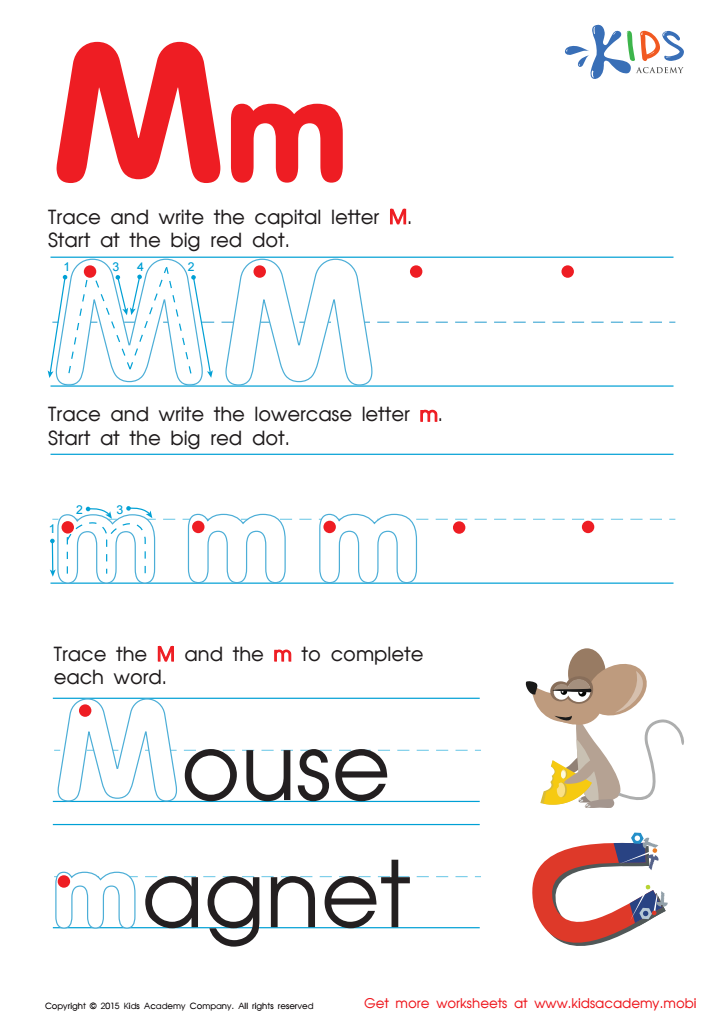
Letter M Tracing Page
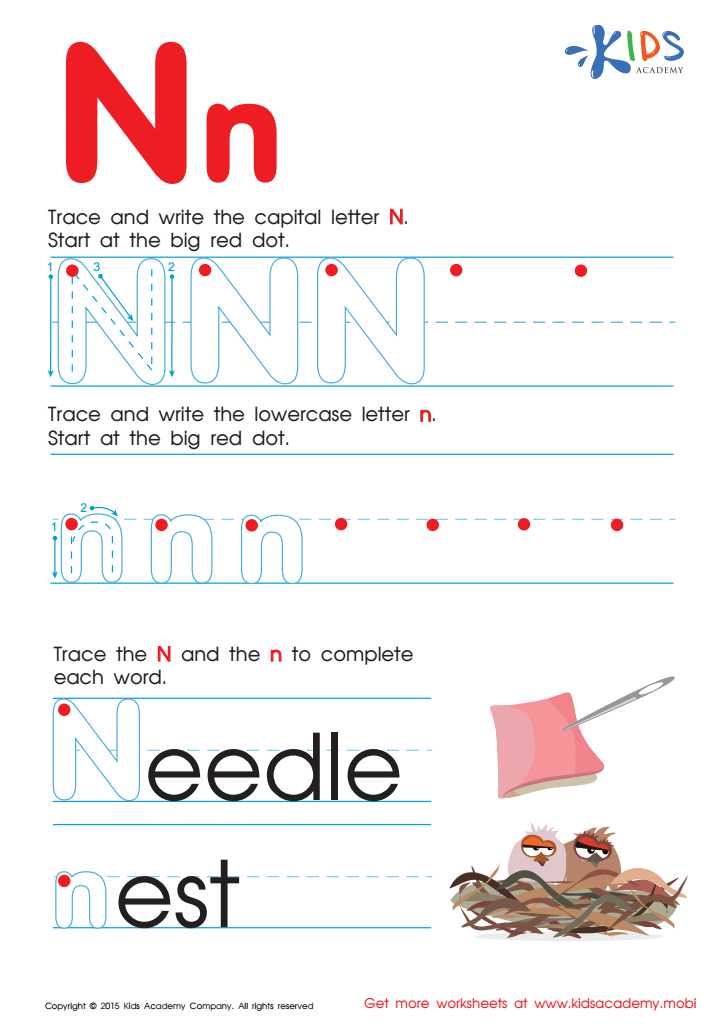
Letter N Tracing Page
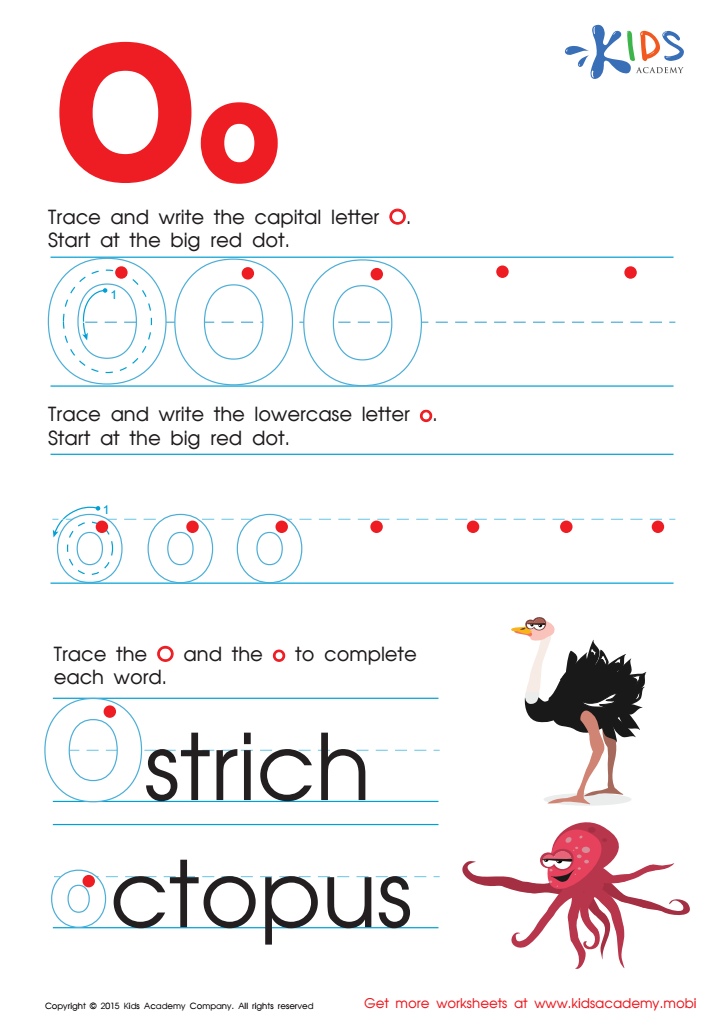
Letter O Tracing Page

Letter P Tracing Page
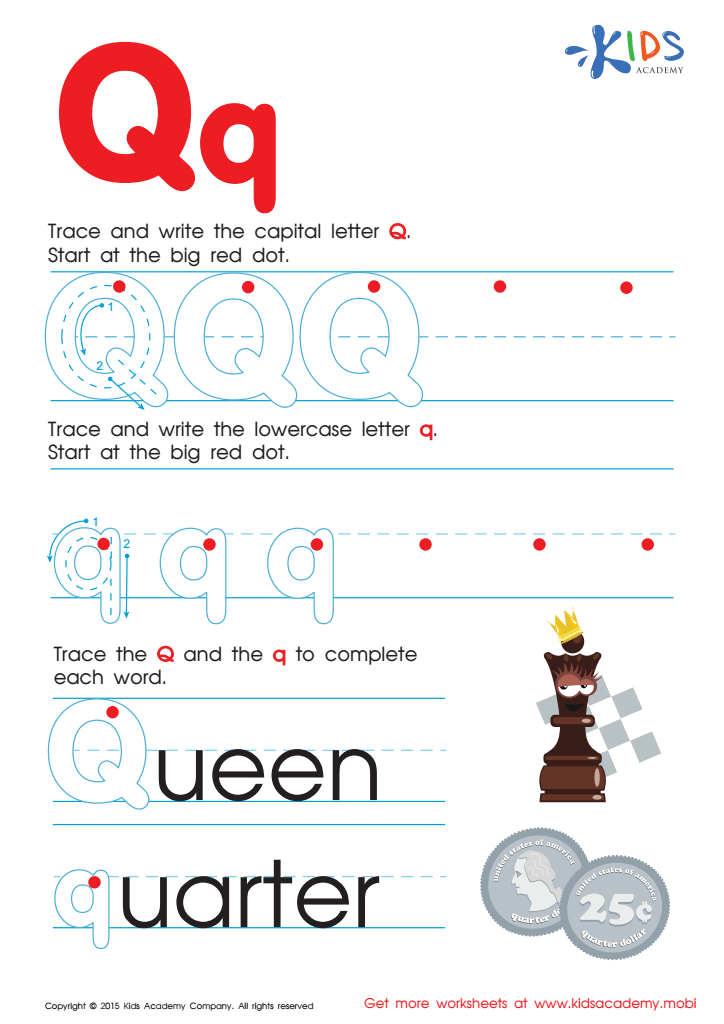
Letter Q Tracing Page








Parents and teachers should care about teaching the normal ABC order to children aged 6-8 because it lays a critical foundation for literacy, organization, and cognitive development. Firstly, understanding ABC order enhances reading and writing skills. It's a foundational block that helps in recognizing letters, forming words, and improving overall language abilities, which are essential for academic success.
Secondly, knowing the alphabetical order aids in better organization and efficiency. Children who master this can more easily navigate dictionaries, indices, and libraries, empowering them to locate information independently and foster a habit of inquiry. This skill is particularly useful as they transition to higher levels of education.
Thirdly, learning the alphabetical order nurtures cognitive skills such as memory and sequencing. It involves understanding patterns and organizing information logically, which are skills transferable to other areas of learning and problem-solving.
Fourthly, instilling these skills early encourages consistency and discipline in educational habits. Motivation and practice at a young age reinforce longer-term academic stamina and curiosity. Therefore, attention to ABC order not only equips children with practical skills but also supports their overall intellectual and personal growth. This makes teaching ABC order integral, rather than optional, in early education.