Normal Comparing Numbers Worksheets for Ages 6-8 - Page 2
32 filtered results
-
From - To
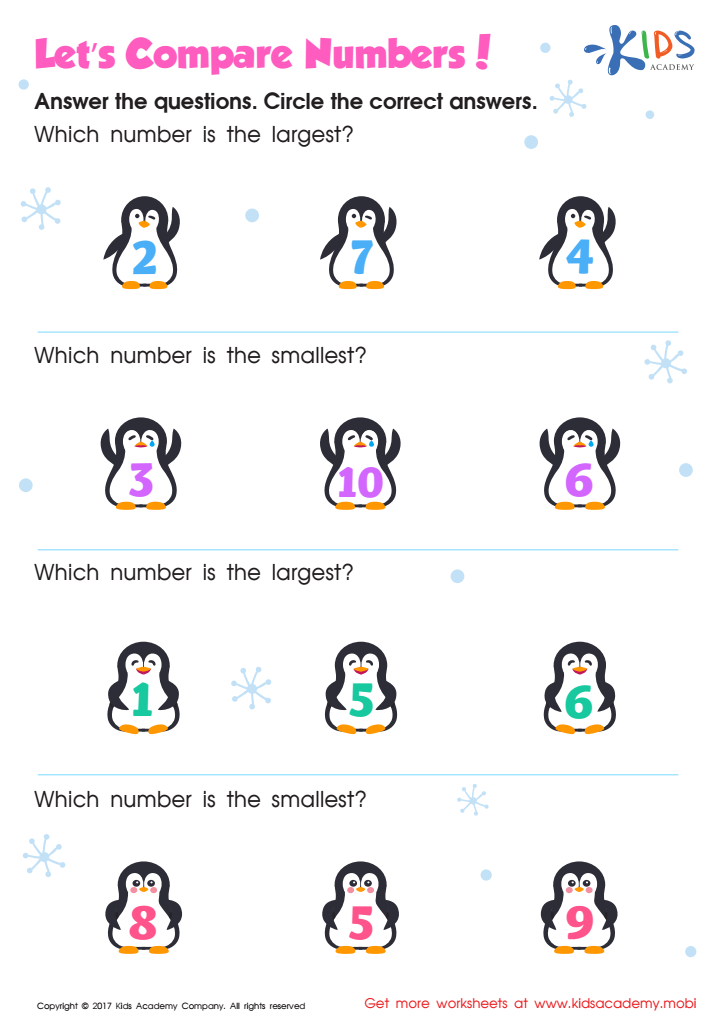
Comparing Numbers 1–10 Worksheet Kindergarten
 Assign to My Students
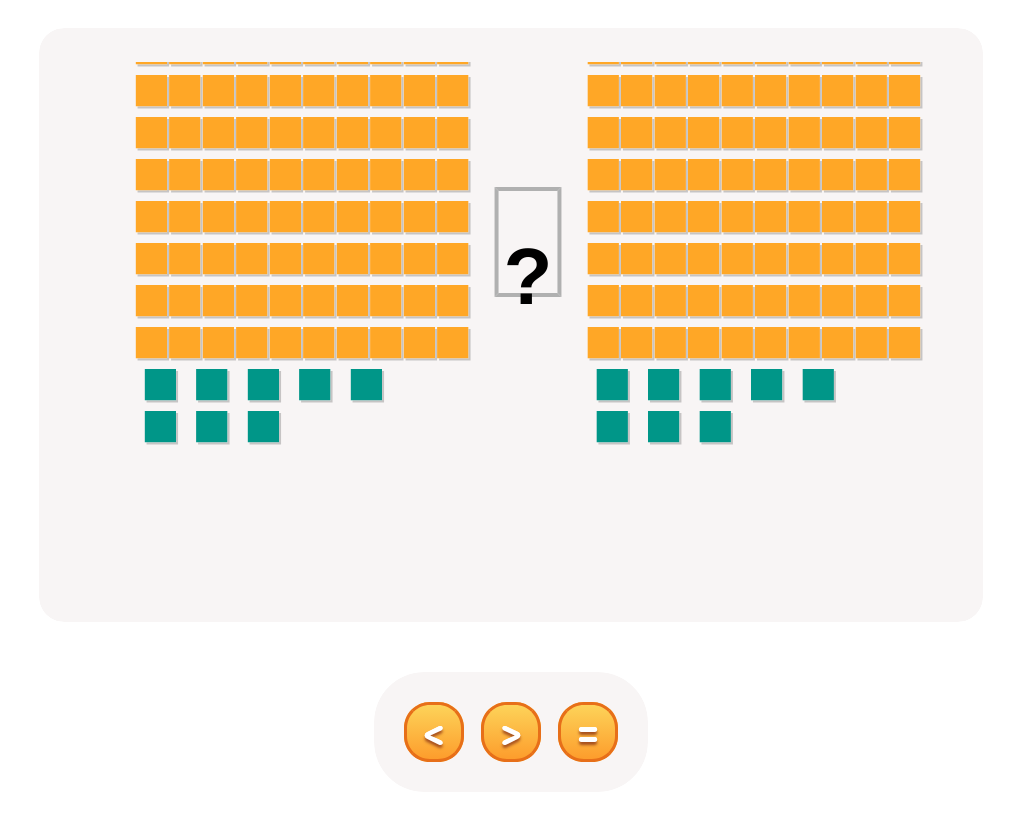

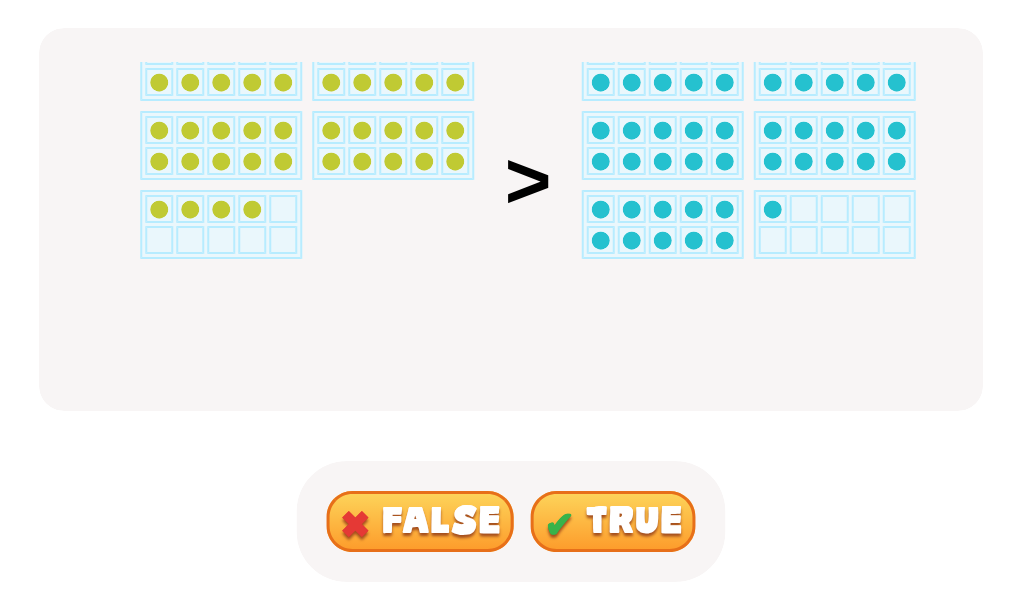
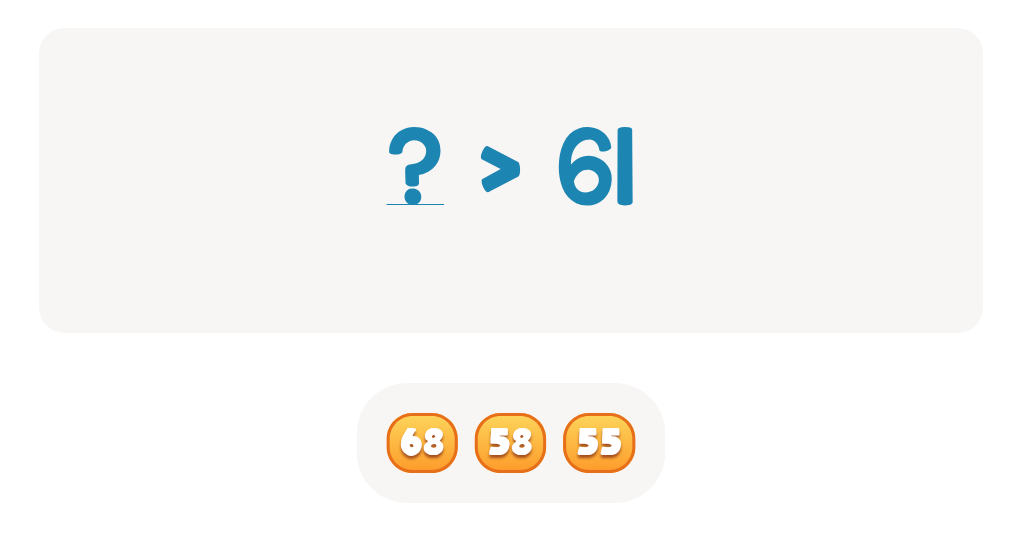
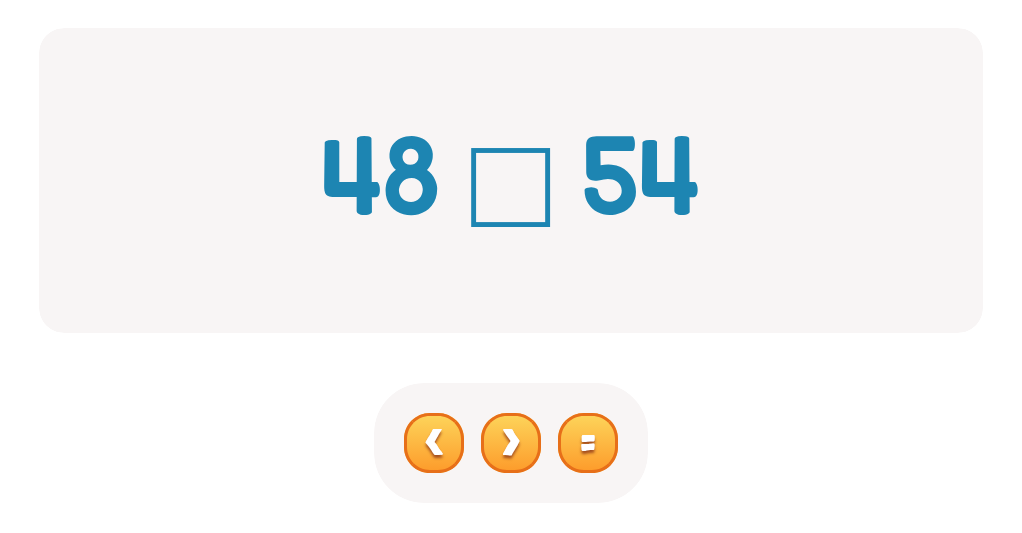
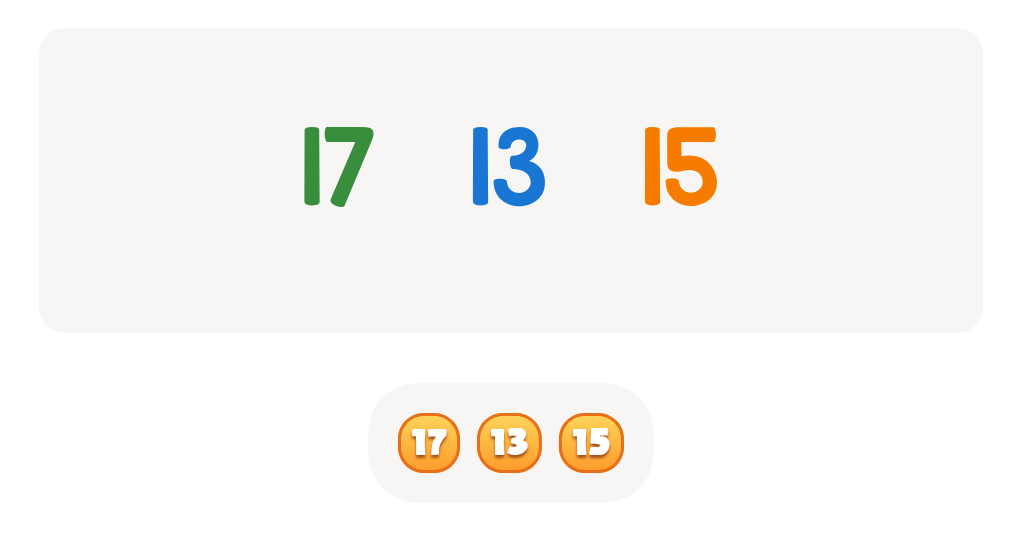
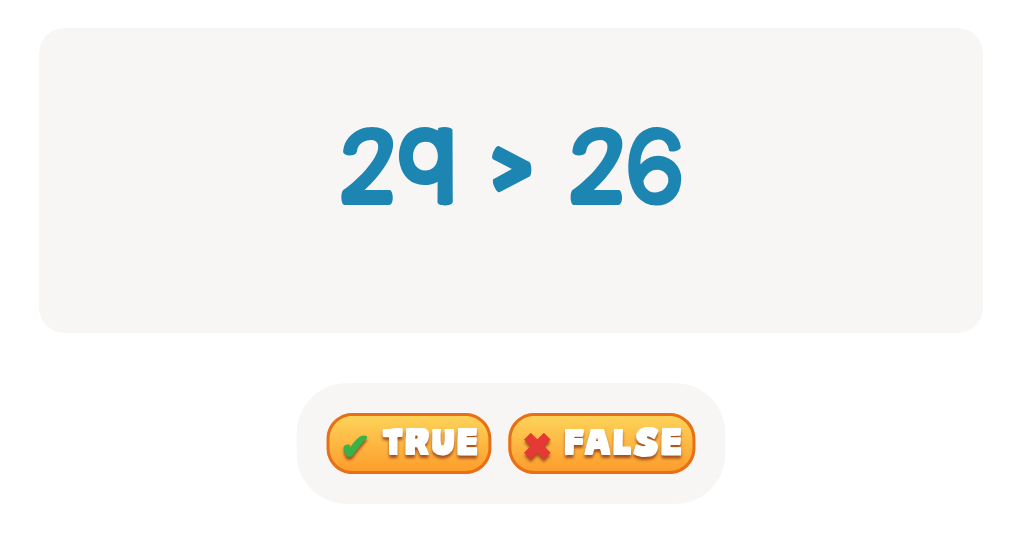
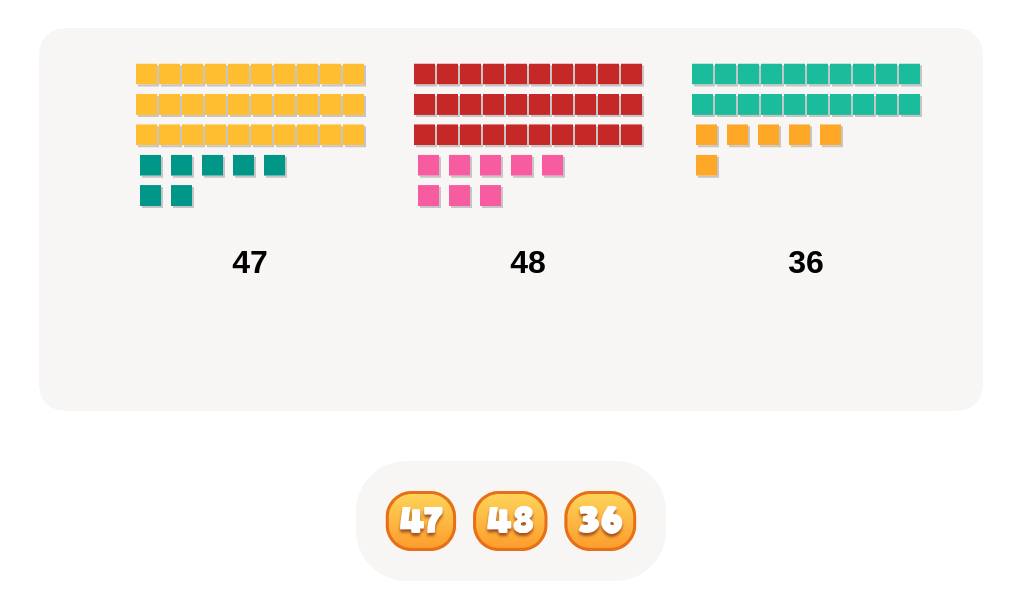
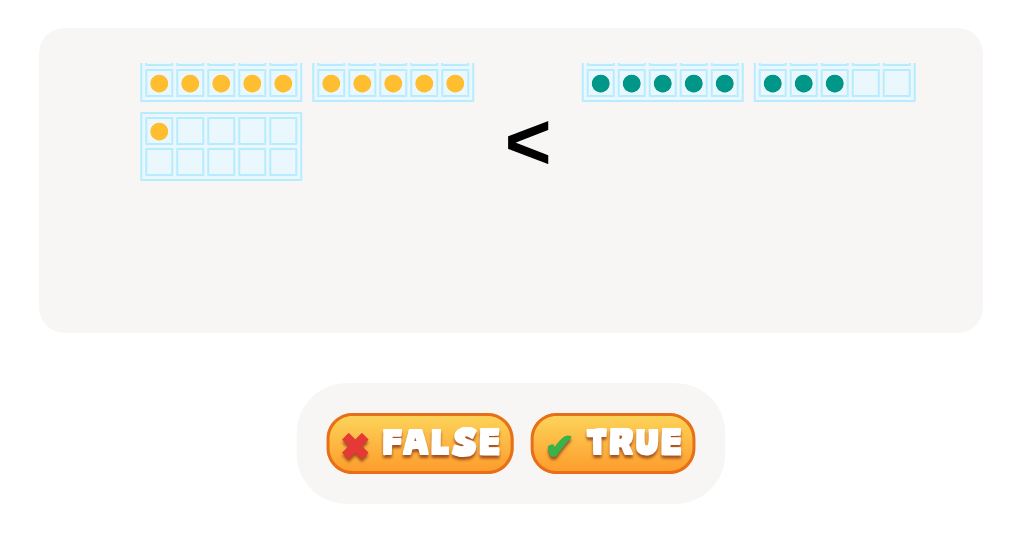
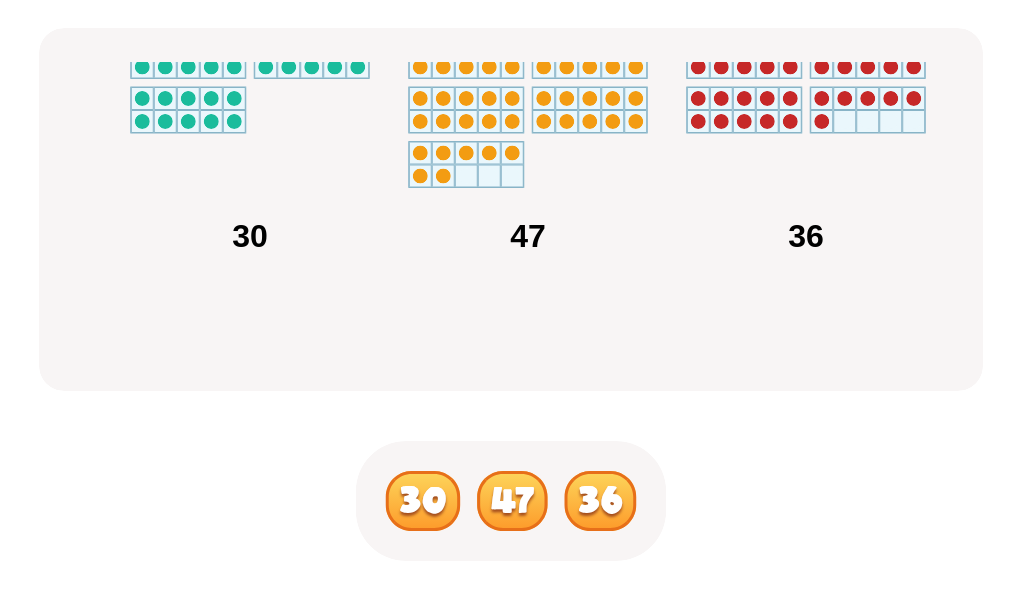
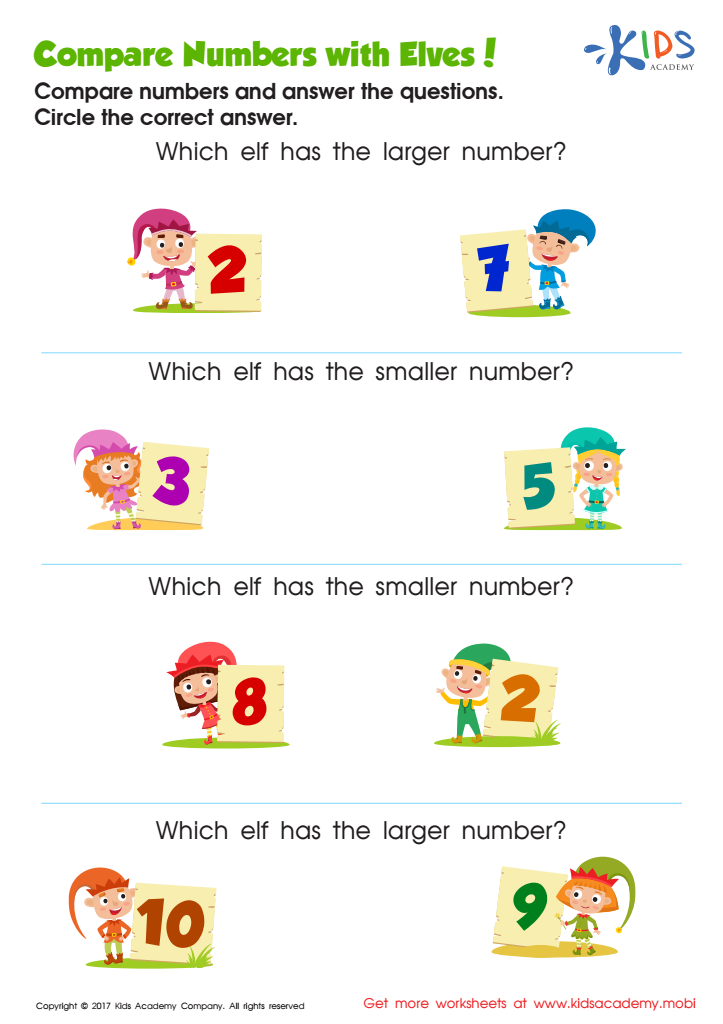
Comparing Numbers Worksheet for Kindergarten
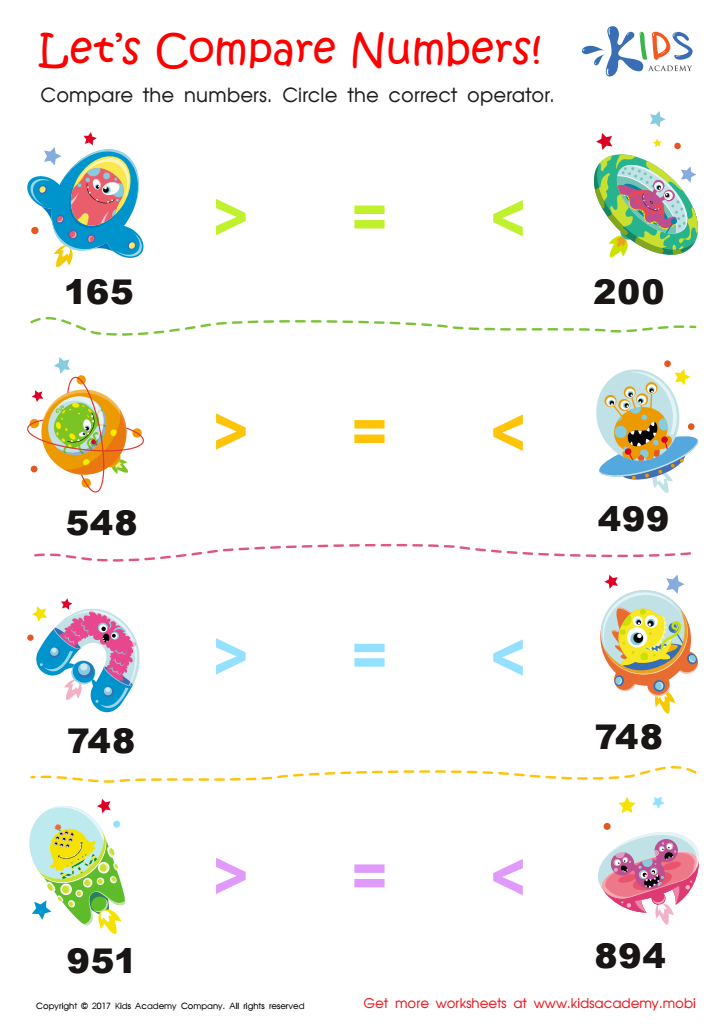
Comparing Numbers Worksheet for 2nd Grade
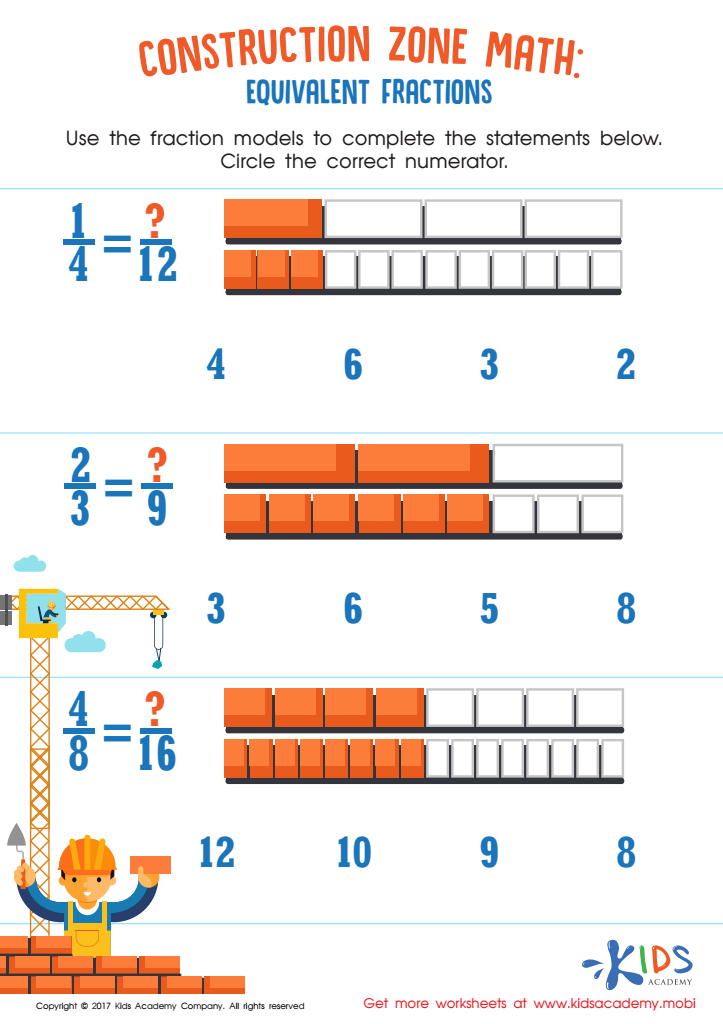
Equivalent Fractions Worksheet
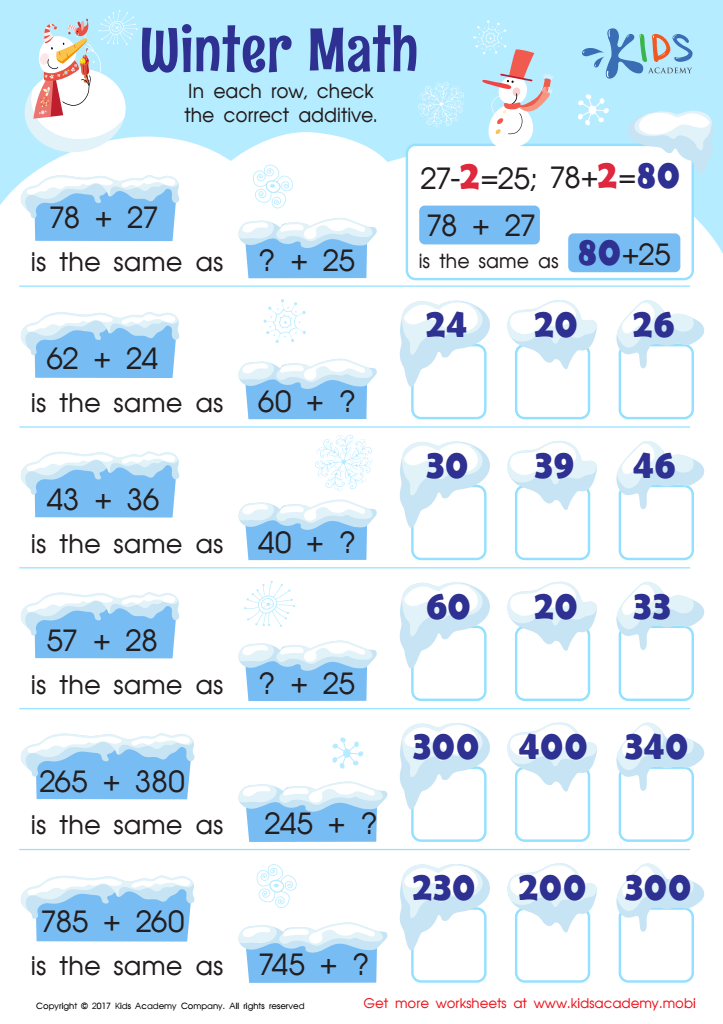
Free Addition Worksheet
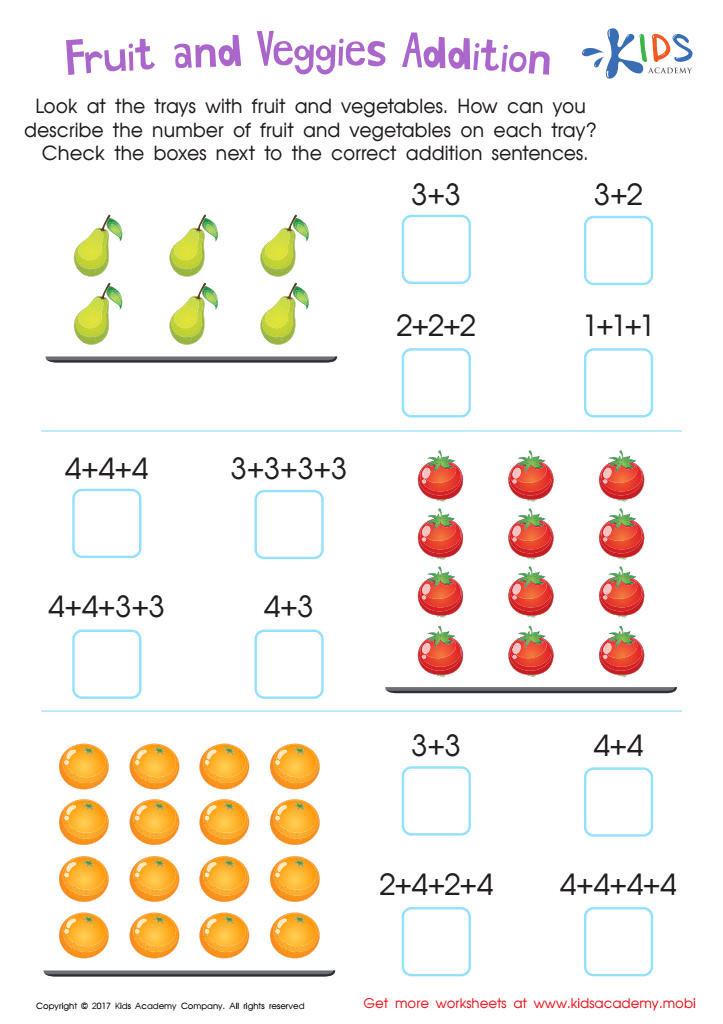
Fruit and Veggies Worksheet
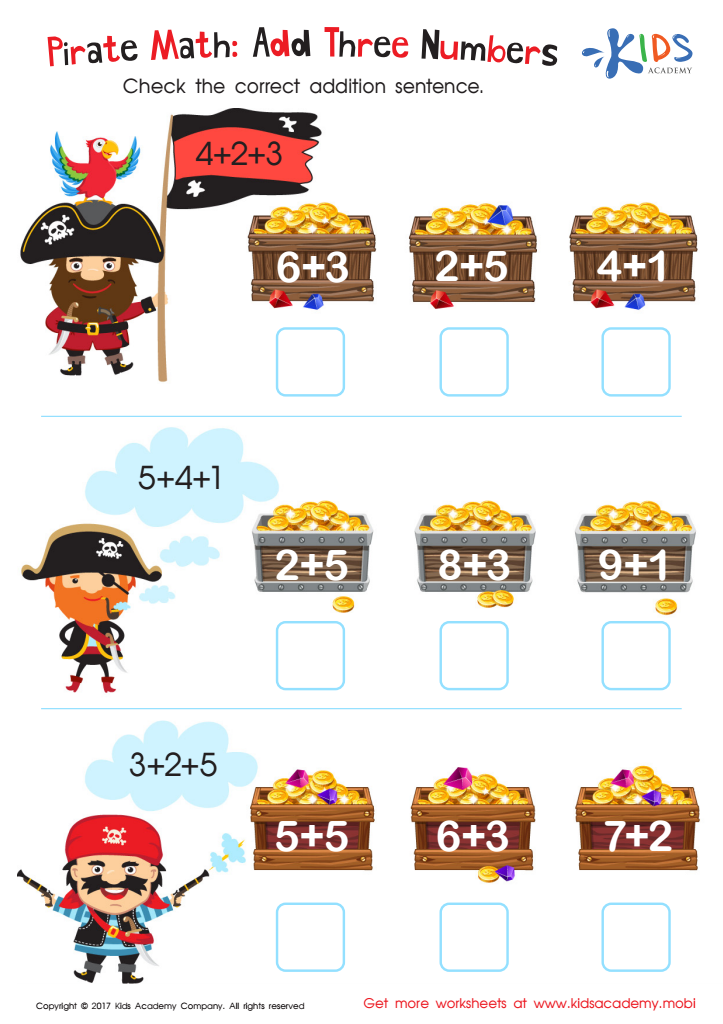
Pirate Math Printable
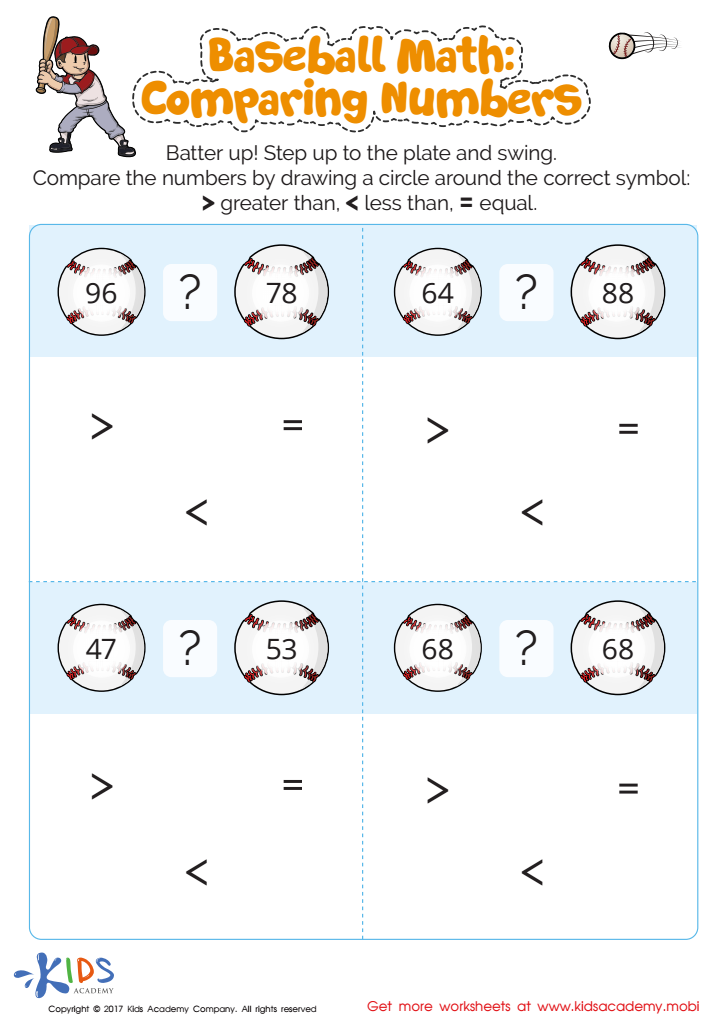
Compare Numbers Printable




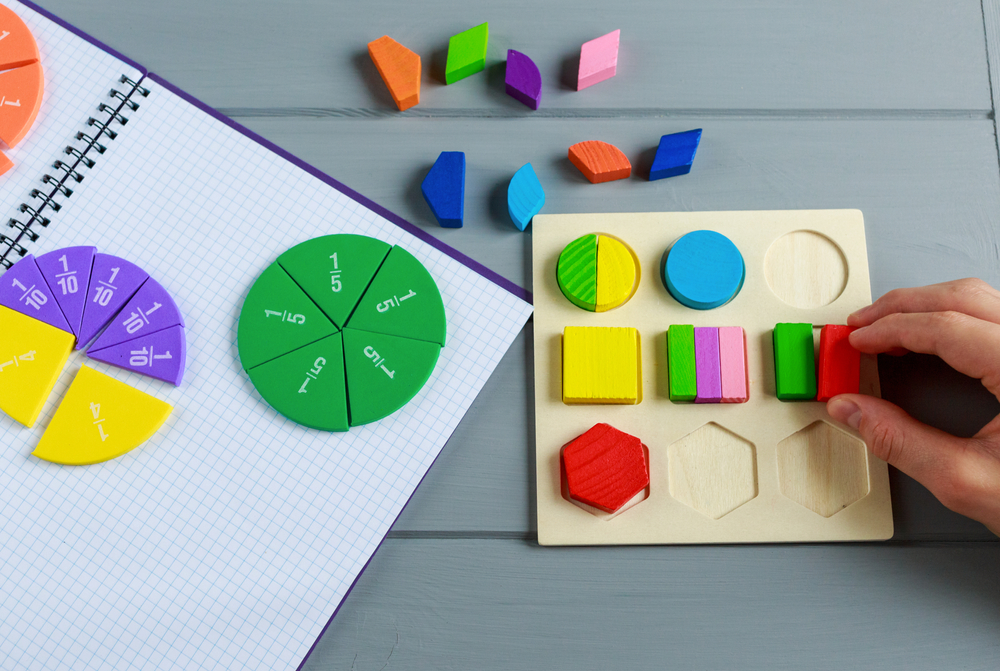



Normal Comparing Numbers is a fundamental math skill vital for young learners, typically aged 6-8. At this developmental stage, children are solidifying their understanding of number sizes, relationships, and sequences, which are the building blocks for more advanced math concepts like addition, subtraction, and, later on, multiplication and division.
For parents and teachers, paying close attention to this concept helps in fostering numerical literacy. Comparing numbers enhances critical thinking and problem-solving skills by allowing children to make logical decisions about numerical values in real-world situations, such as determining which price is higher or which score is lower.
Additionally, mastering this skill builds confidence in young learners. When children successfully compare numbers, they gain a sense of achievement that encourages a positive attitude towards math. It provides early exposure to mathematical language like "greater than," "less than," and "equal to," which are essential terms for grasping more complex math operations and topics in later grades.
Most importantly, a strong foundation in comparing numbers ensures that children do not fall behind academically. Early proficiency in this skill can prevent future learning gaps, making subsequent math topics more accessible and easier to understand. Thus, prioritizing the development of number-comparing skills in early education is crucial for a child's overall academic success.