Normal Governance and Civics Worksheets for Ages 6-8 - Page 2
41 filtered results
-
From - To
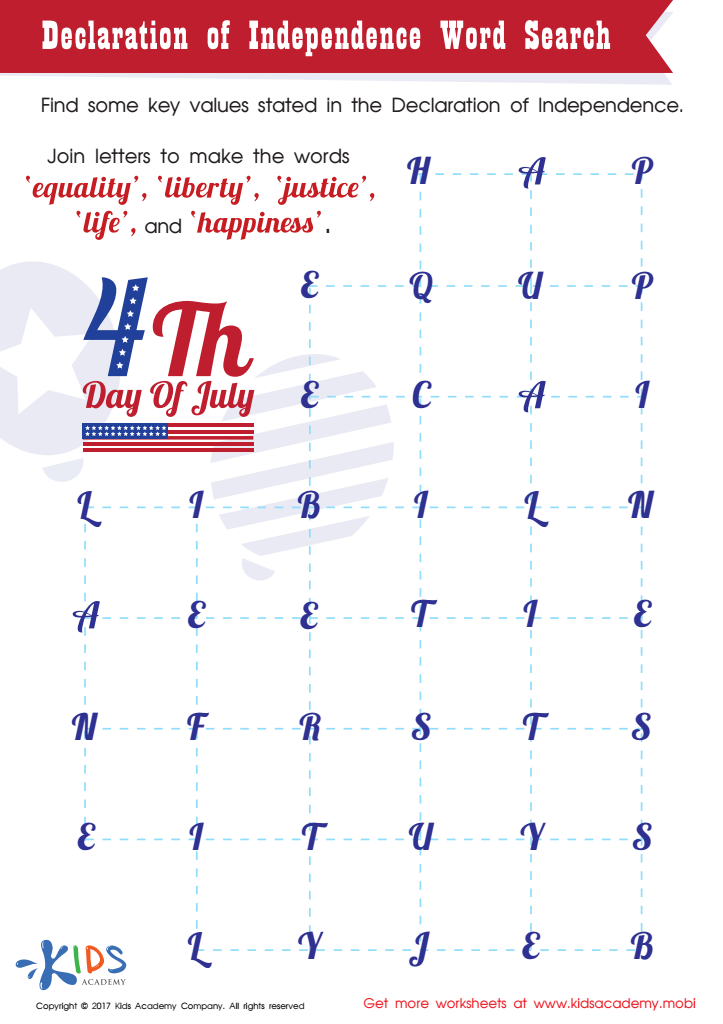
Declaration of Independence Word Search Printable
 Assign to My Students
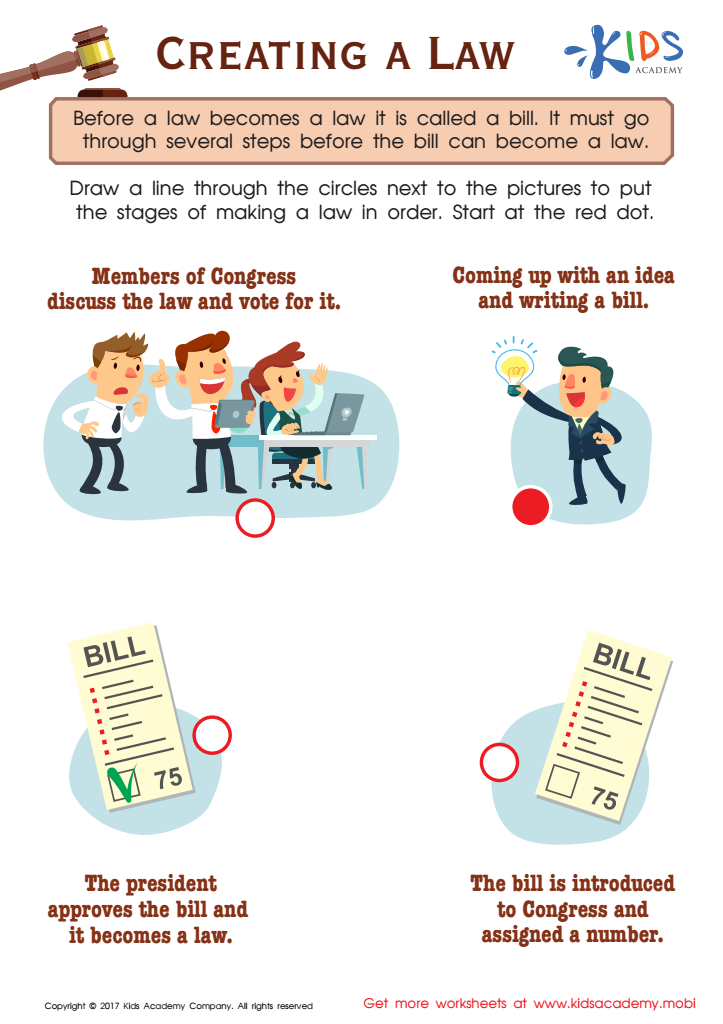
Creating a Law Worksheet
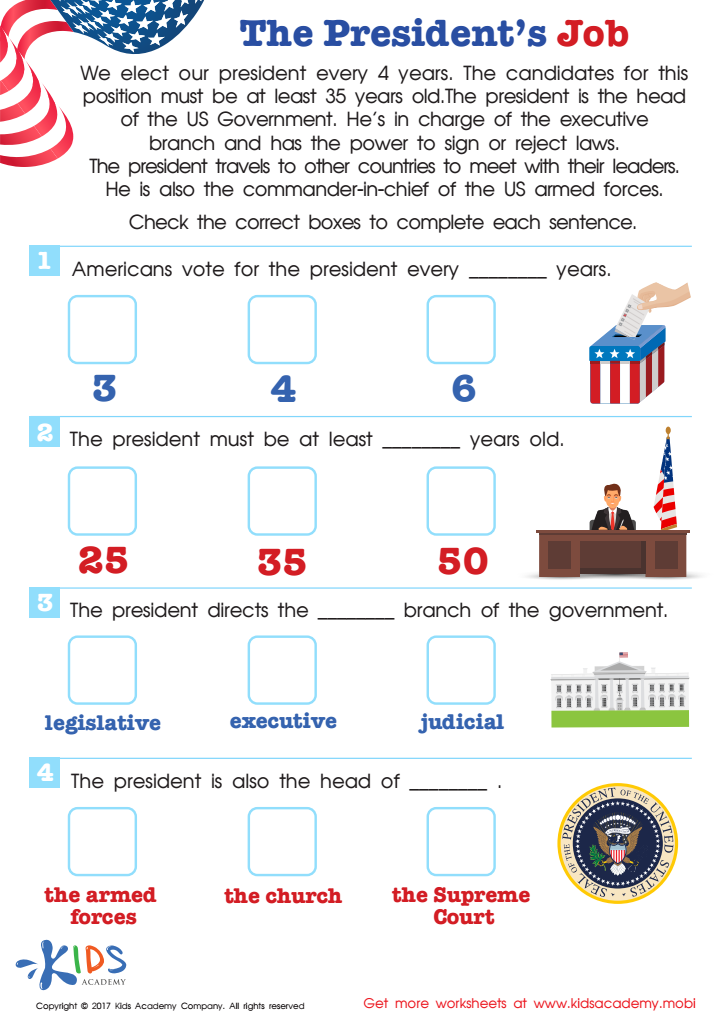
President of the USA Job Description Worksheet
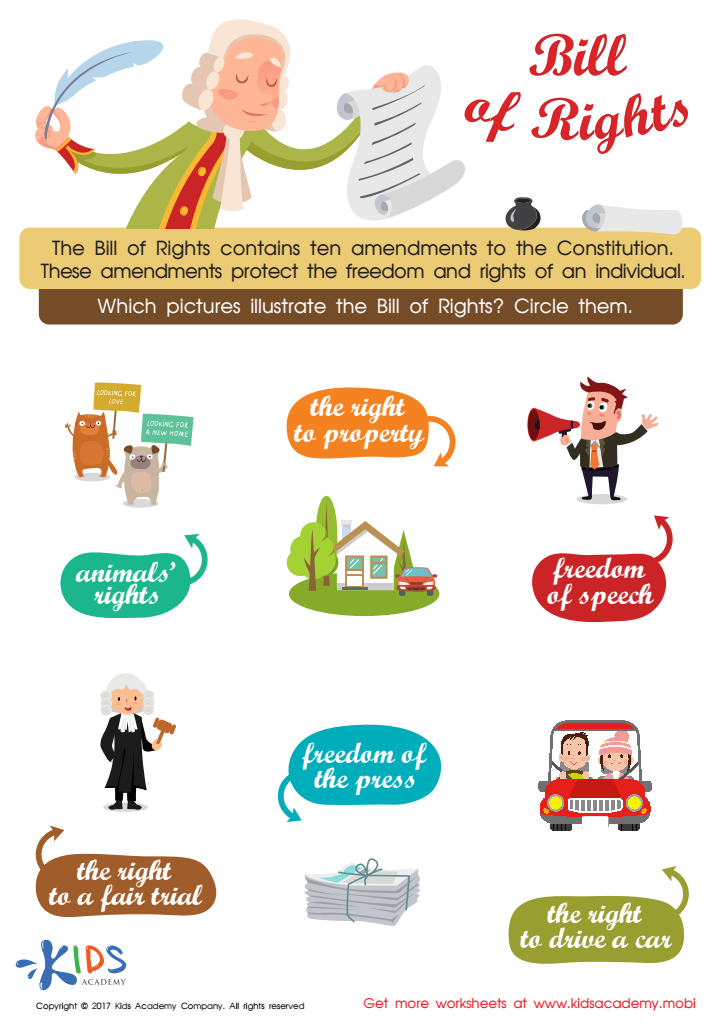
Bill of Rights Worksheet
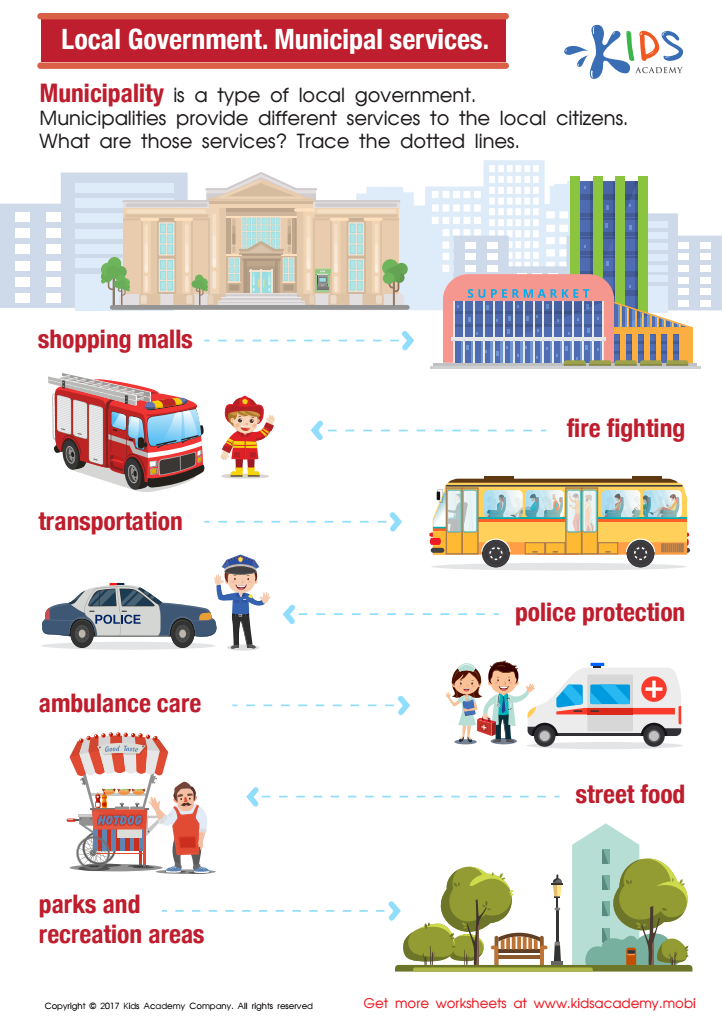
Local Government Worksheet
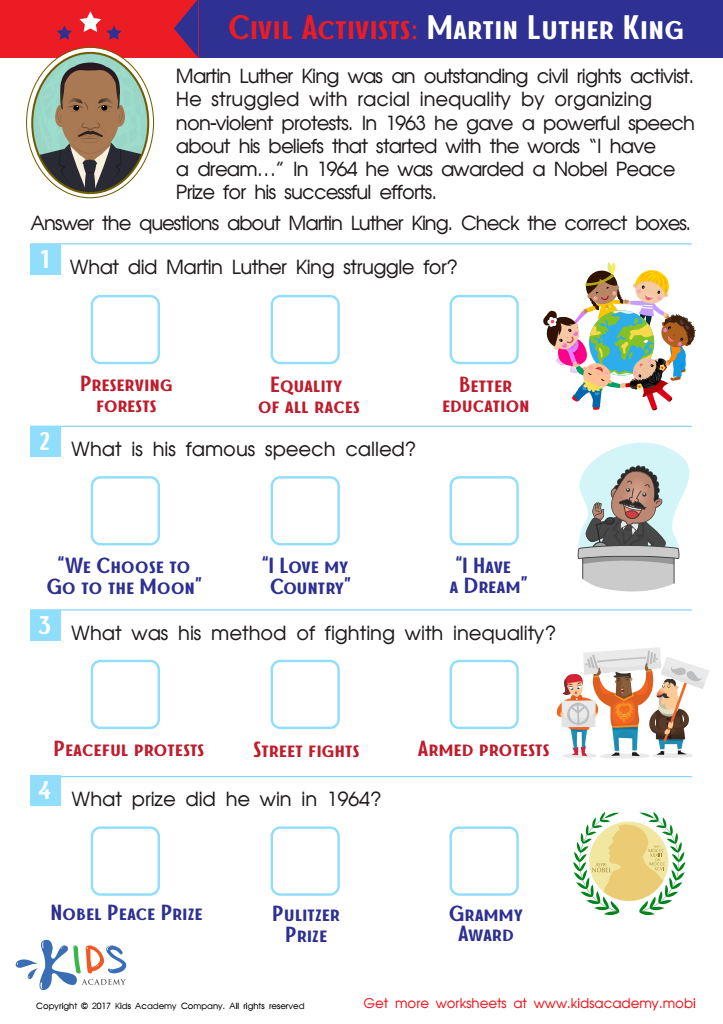
Martin Luther King Worksheet
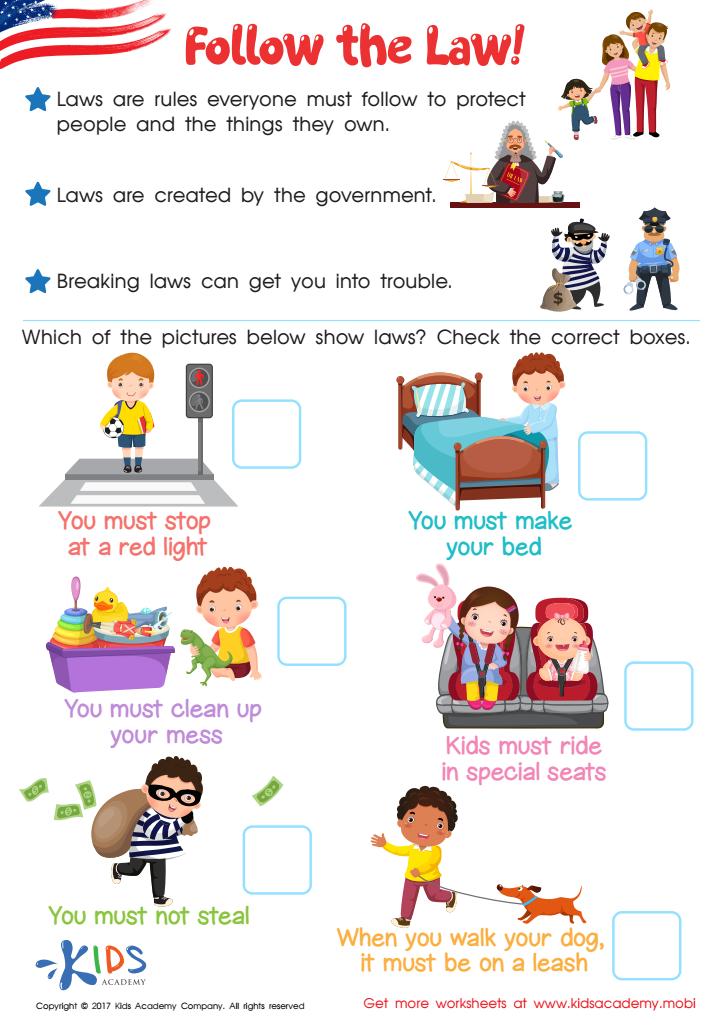
Follow the Law Worksheet
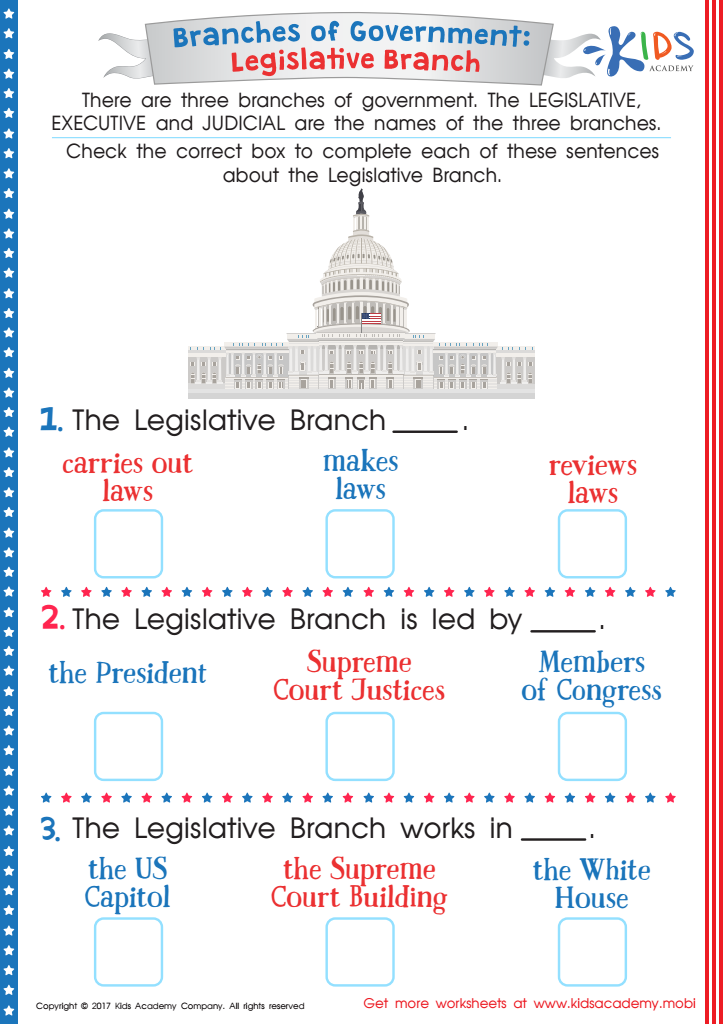
Branches of the Government: Legislative Branch Worksheet
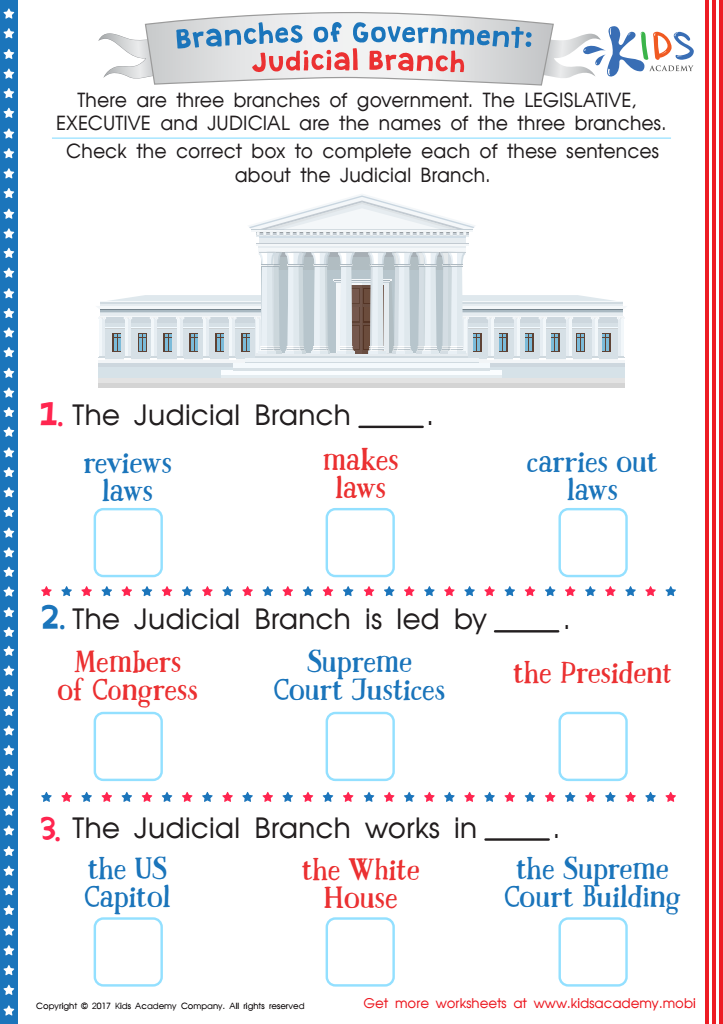
Braches of the Government: Judicial Branch Worksheet
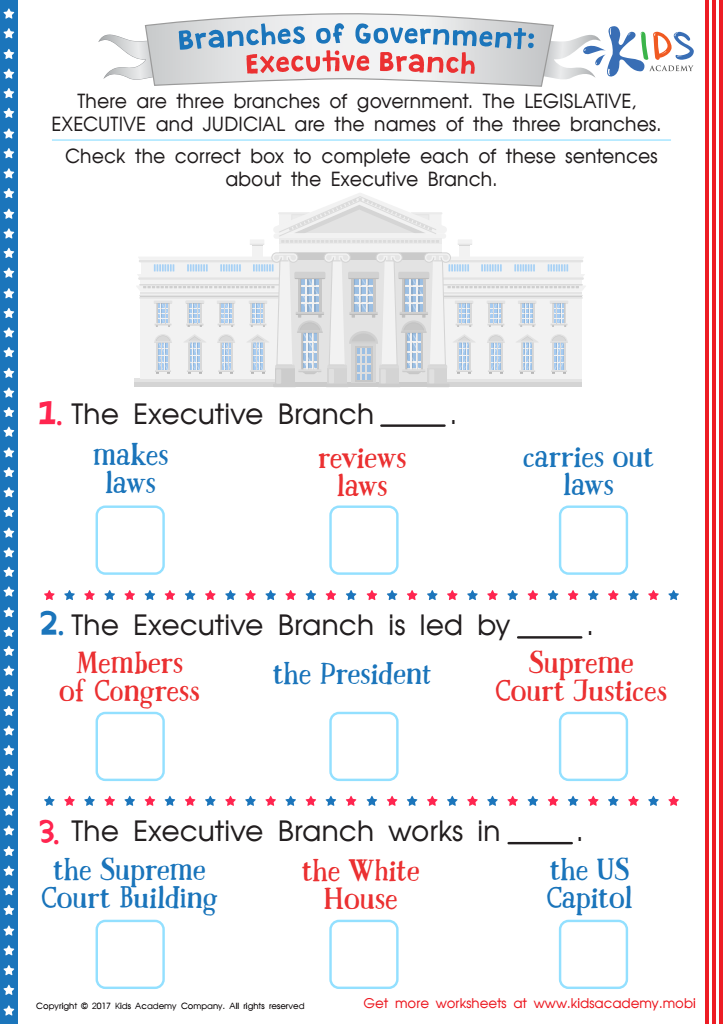
Branches of the Government: Executive Branch Printable

The Presidential Symbol Worksheet
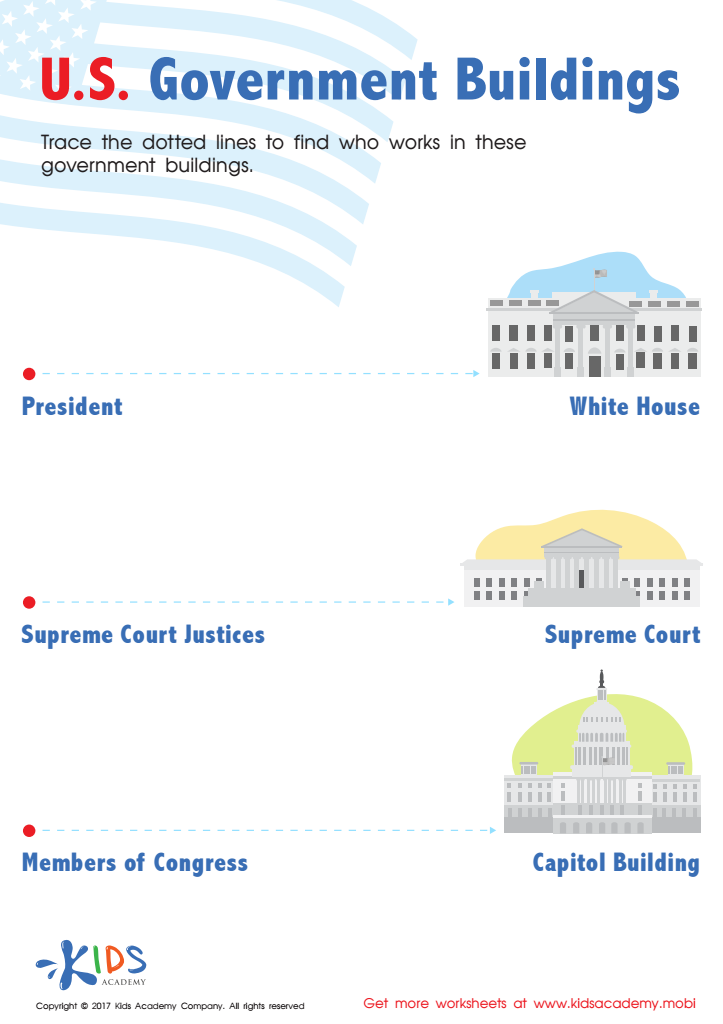
US Government Buildings Printable
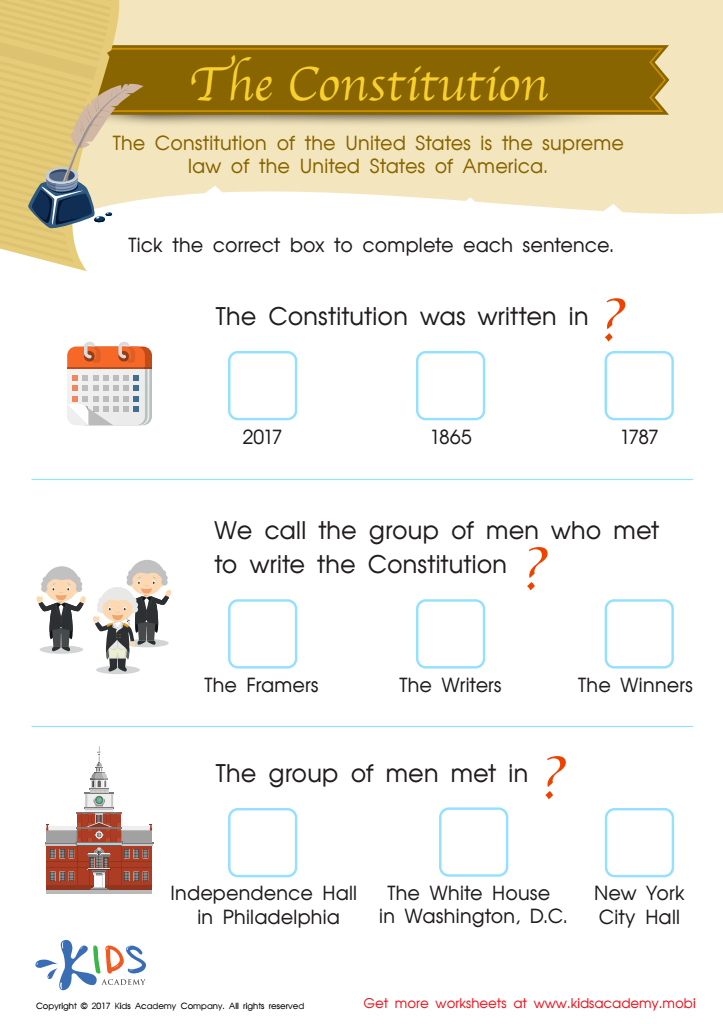
The Constitution Worksheet
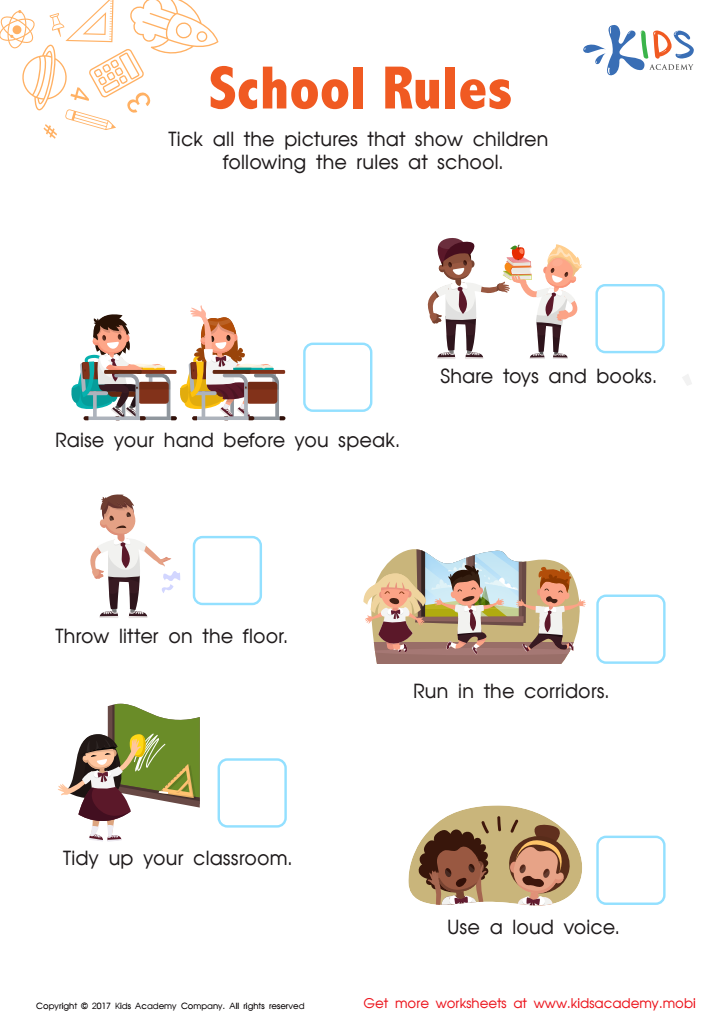
School Rules Worksheet
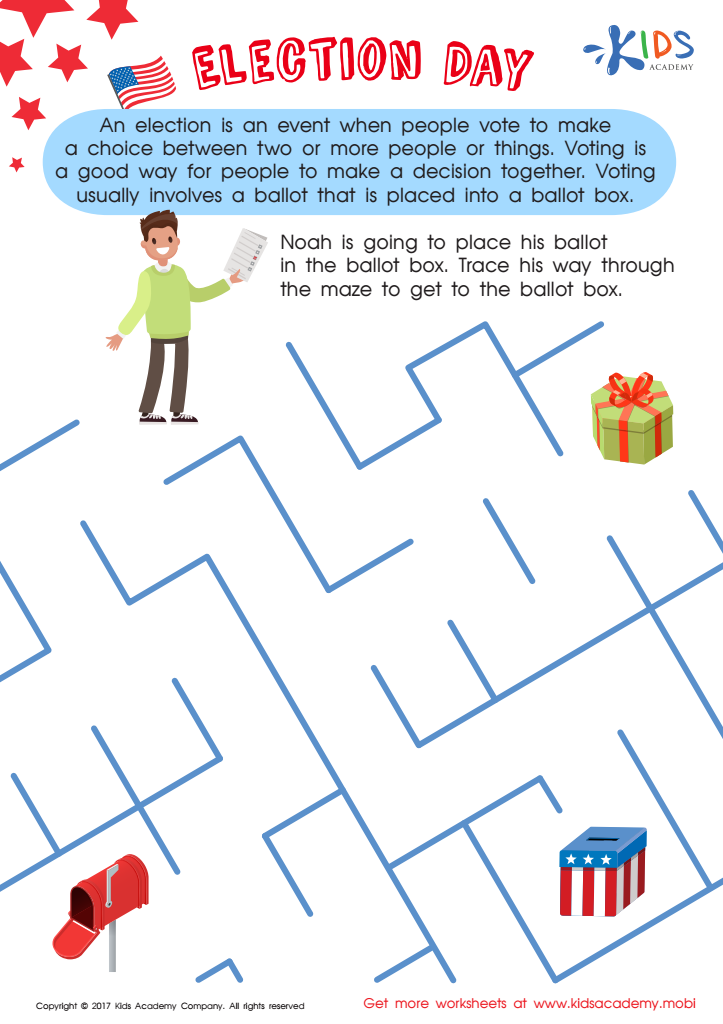
Election Day Worksheet
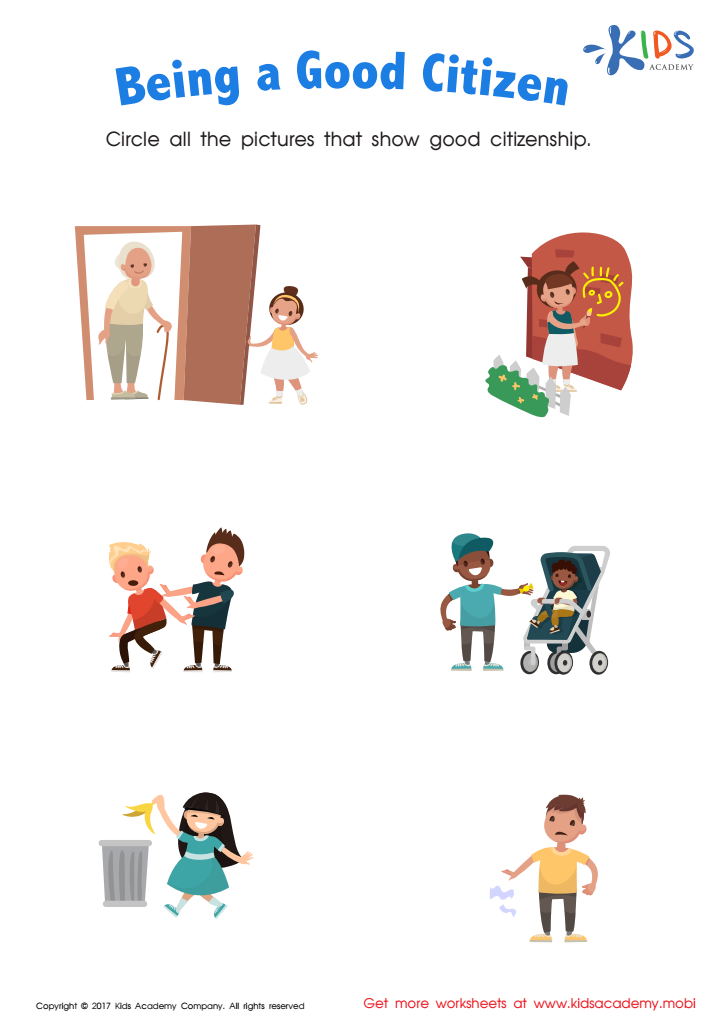
Being a Good Citizen Printable
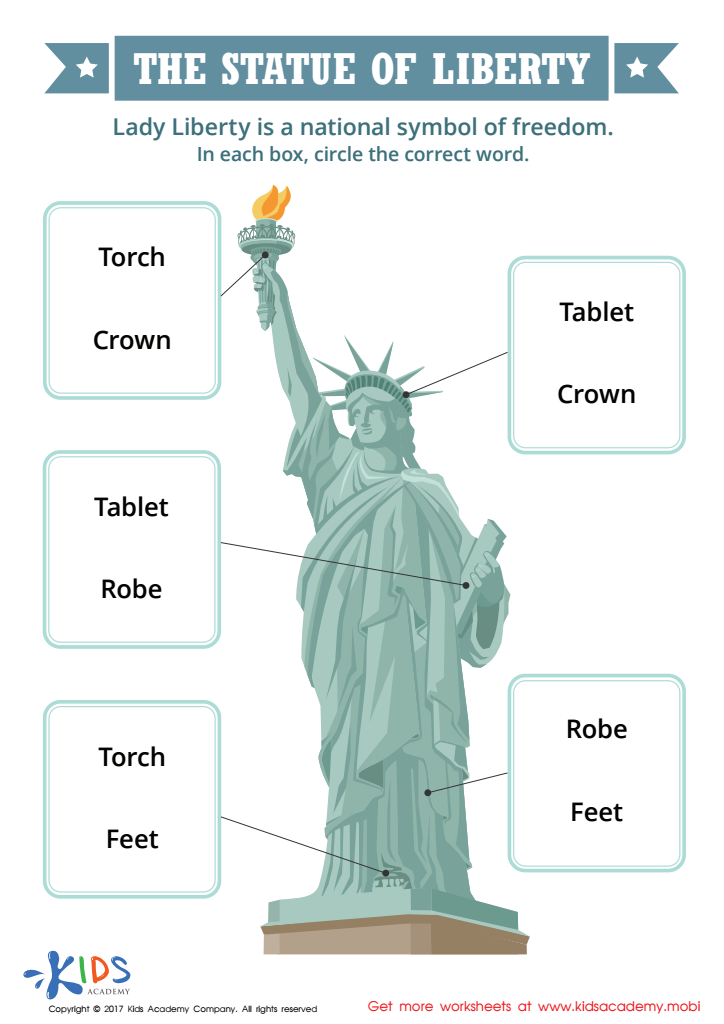
The Statue of Liberty Printable


Normal Governance and Civics play a fundamental role in shaping young minds, and for children aged 6-8, integrating these concepts early is particularly impactful. Parents and teachers should care about this because it lays the groundwork for responsible citizenship and a well-informed populace. At this impressionable age, children are keen observers and learners. Teaching them about governance and civics helps them understand how their community operates, highlighting the importance of rules, laws, and leadership. When children grasp these foundational ideas, they are more likely to develop respect for authority and participation in community dynamics.
Including civics education fosters critical thinking and helps children become aware of their rights and responsibilities as citizens. Learning about different forms of governance, participation in decision-making, and community roles cultivates empathy, fairness, and the spirit of cooperation. Moreover, these subjects strengthen their sense of belonging and identity, promoting social cohesion. For a more equitable and democratic future, it's crucial to invest in empowering the next generation with the knowledge and values that will inspire them to contribute positively to society. By engaging young children with governance and civics, parents and teachers not only enhance their intellectual growth but also build the foundation for a just and informed community.








