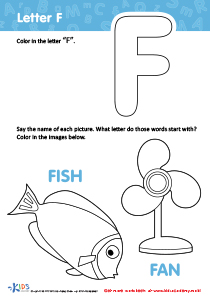
Normal Letter E Worksheets for Ages 6-9
3 filtered results
-
From - To
Discover our engaging Normal Letter E worksheets for kids aged 6-9! Perfectly designed for early learners, these worksheets will help enhance letter recognition, writing skills, and vocabulary. Children will enjoy a variety of fun activities, including tracing, matching, and coloring, all focused on the letter E. Our worksheets incorporate playful illustrations and interactive exercises to keep young minds motivated and enthusiastic about learning. Ideal for classroom use or at-home study, these resources support foundational literacy skills in a fun and approachable way. Explore our extensive collection of Letter E worksheets today and provide your child with the tools they need to succeed academically!
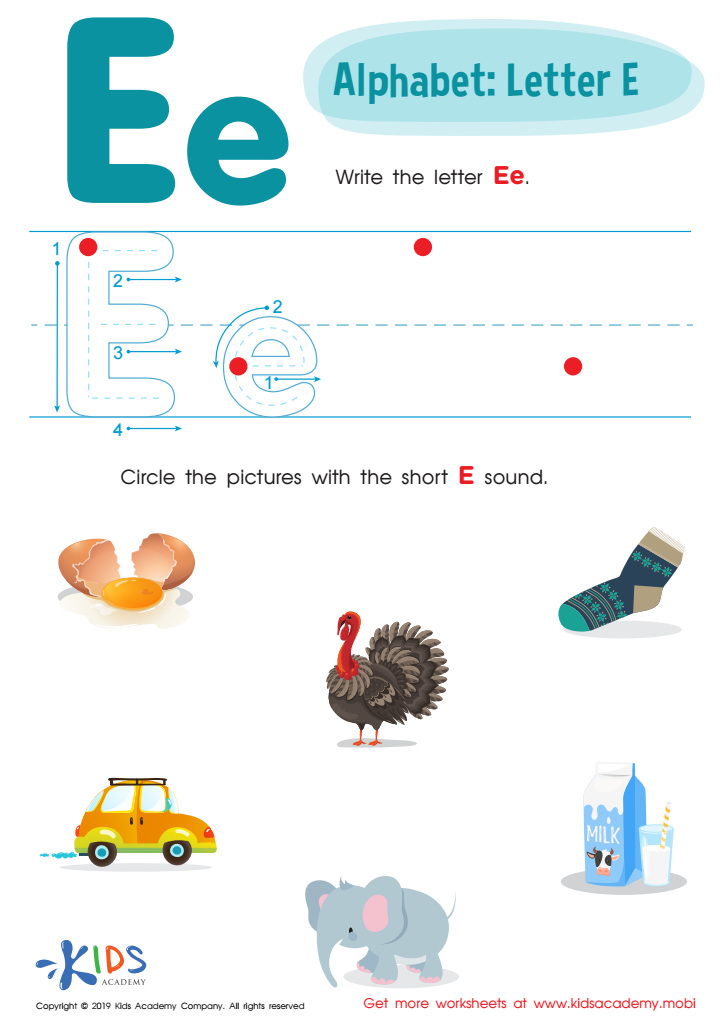
Letter E Tracing Worksheet
 Assign to My Students
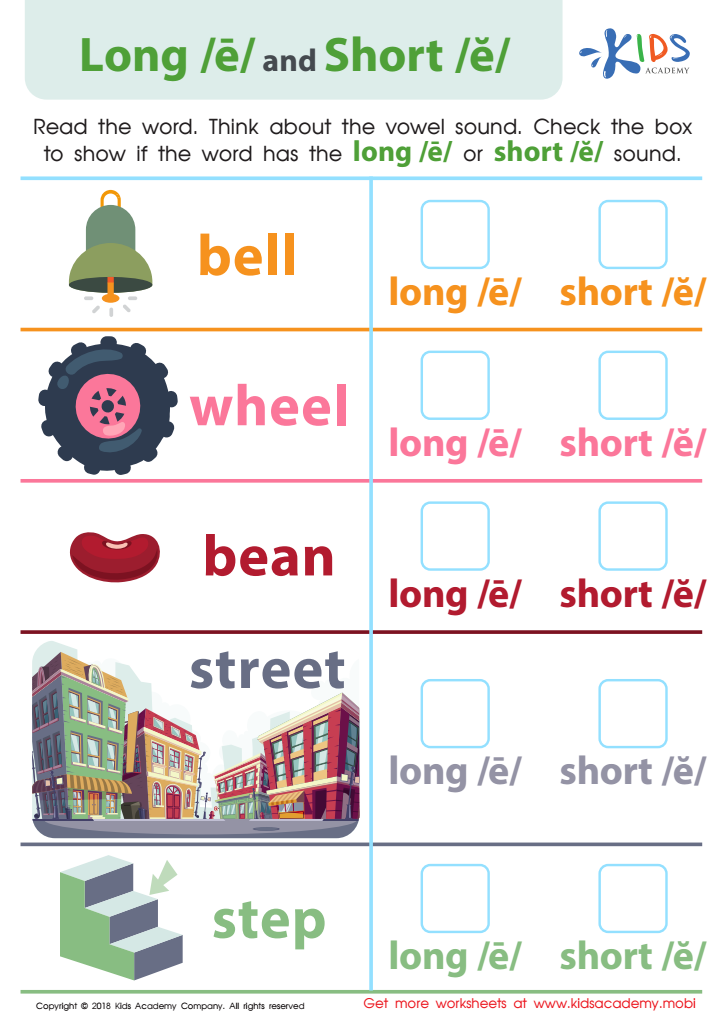
Reading: Long E and Short E Worksheet
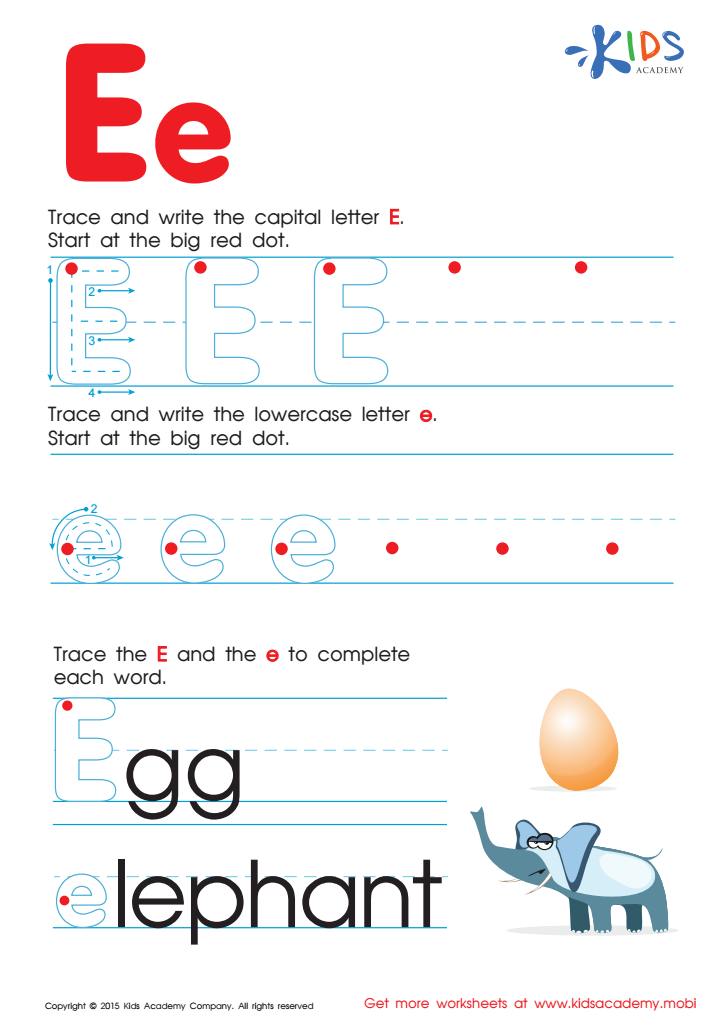
Letter E Tracing Page







The Normal Letter E, or the lowercase letter "e," is an essential building block in literacy for children aged 6-9. At this age, students are establishing crucial reading and writing skills, and understanding the structure and sound of letters is vital. The letter "e" is one of the most frequently used letters in the English language, appearing in numerous words. By familiarizing children with "e," parents and teachers can enhance vocabulary acquisition and comprehension.
Recognizing and correctly forming the letter "e" also supports phonetic skills. Children learn that "e" can represent various sounds in different contexts, which lays the foundation for decoding skills and reading fluency. This proficiency not only improves reading abilities but also boosts confidence in writing as children start using words containing "e."
Additionally, activities focusing on the letter "e," such as writing exercises, games, and phonics practice, encourage engagement and enthusiasm for learning. By emphasizing the importance of this letter, parents and teachers foster a strong literacy foundation, enabling children to become proficient readers and writers. Ultimately, the Normal Letter E plays a significant role in the development of critical language skills that are necessary for academic success and lifelong learning.