Normal Animals Worksheets for Ages 6-9 - Page 2
48 filtered results
-
From - To
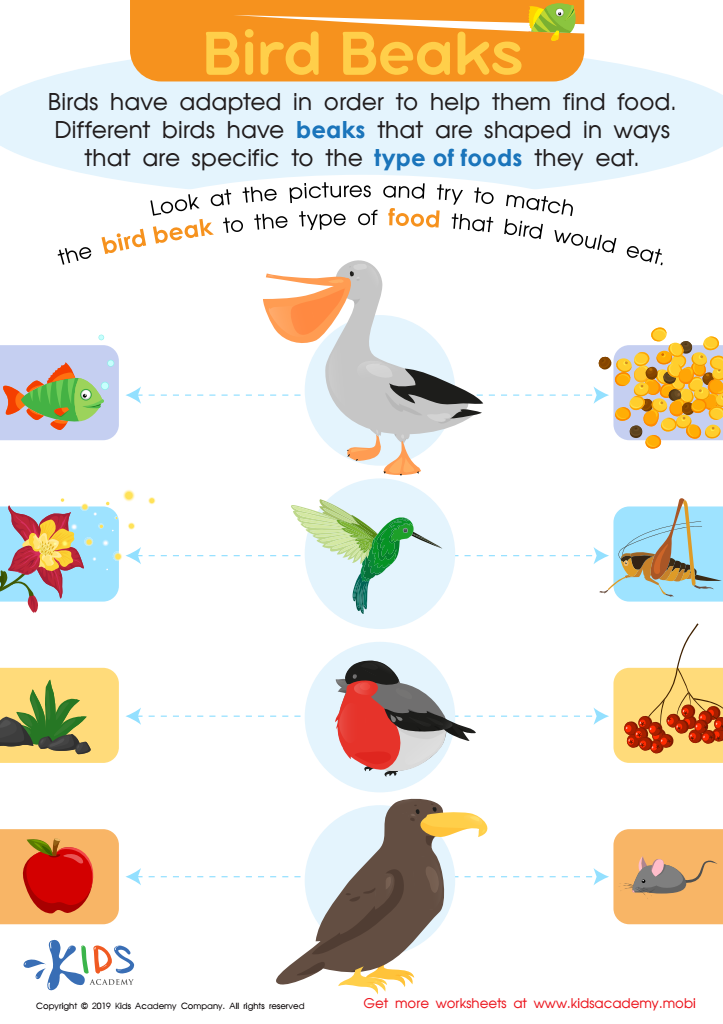
Bird Beaks Worksheet
 Assign to My Students
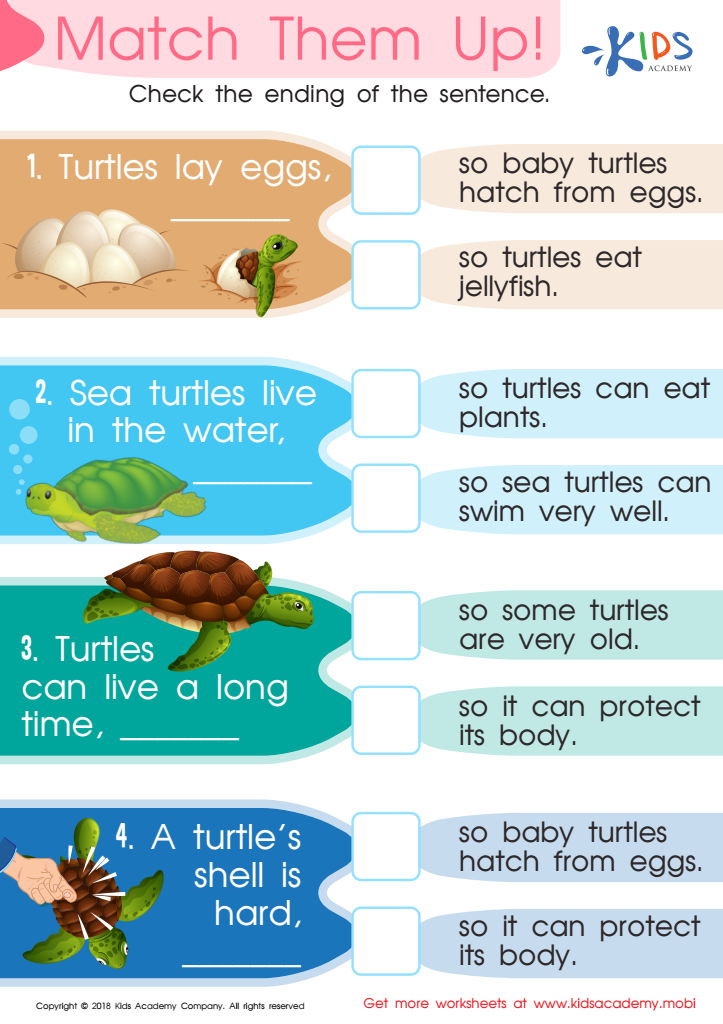
Match Them Up Worksheet
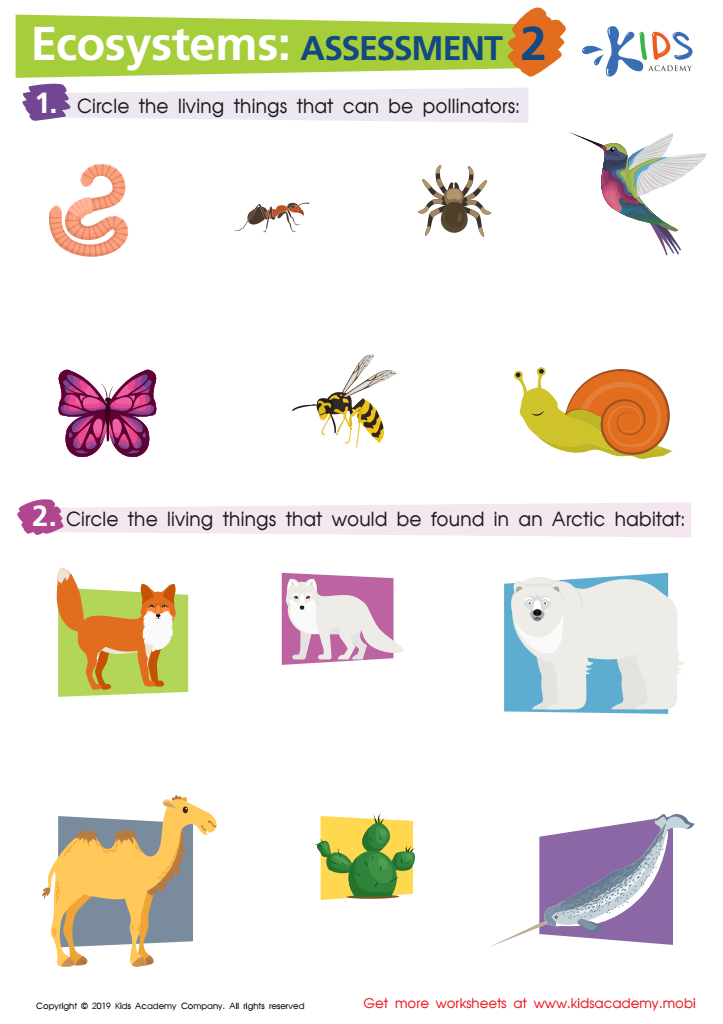
Ecosystems: Assessment 2 Worksheet
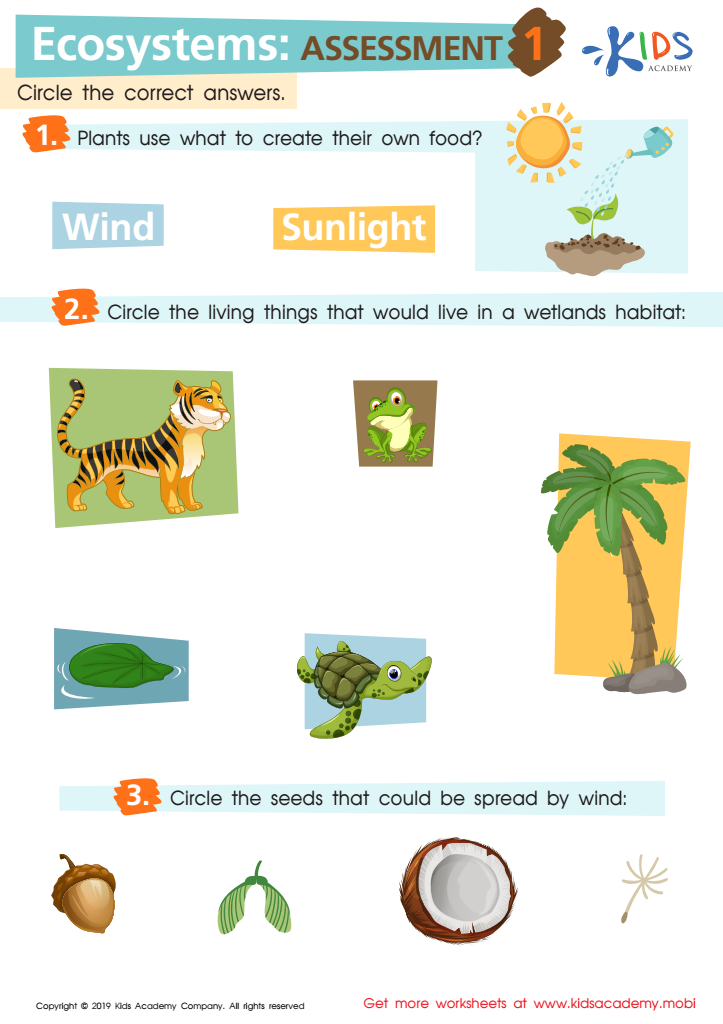
Ecosystems: Assessment 1 Worksheet
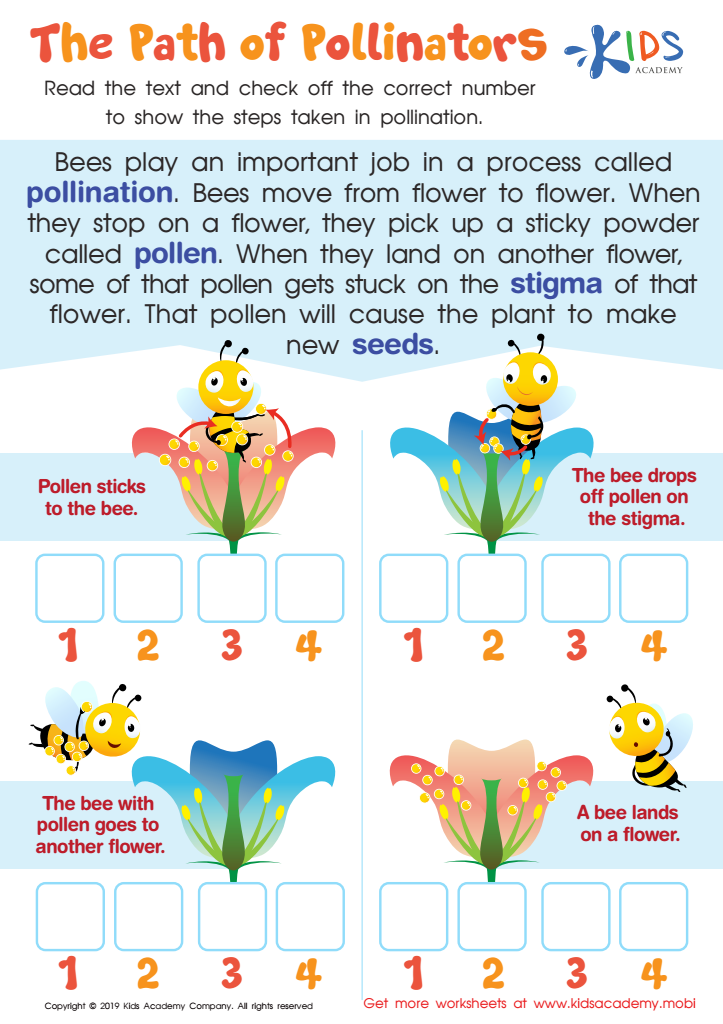
The Path of Pollinators Worksheet
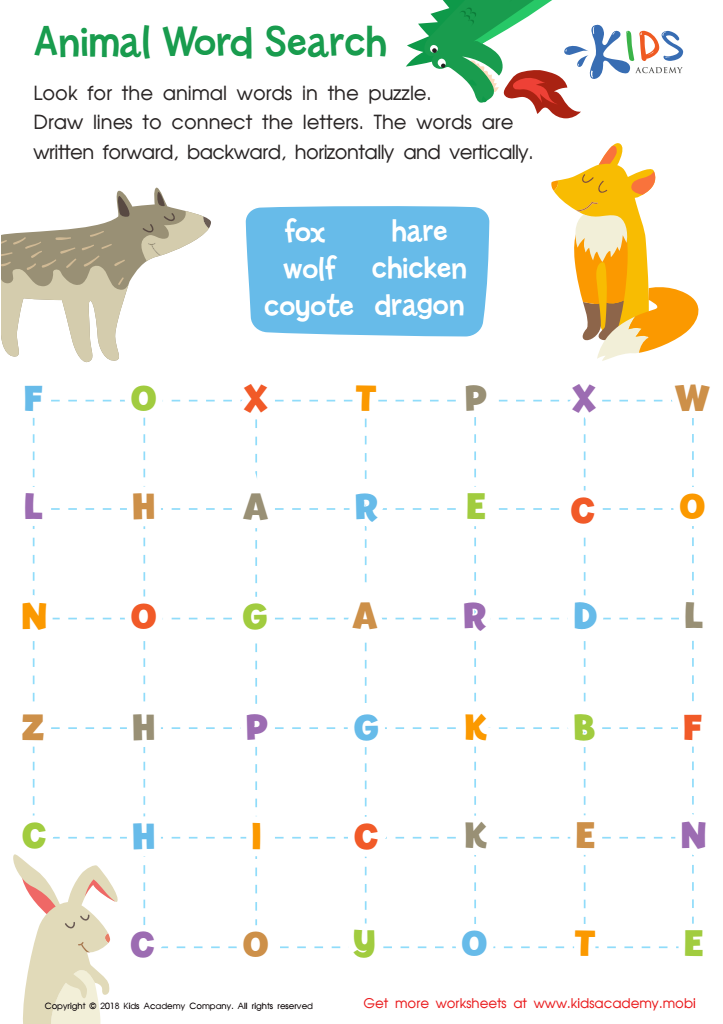
Animal Word Search Worksheet
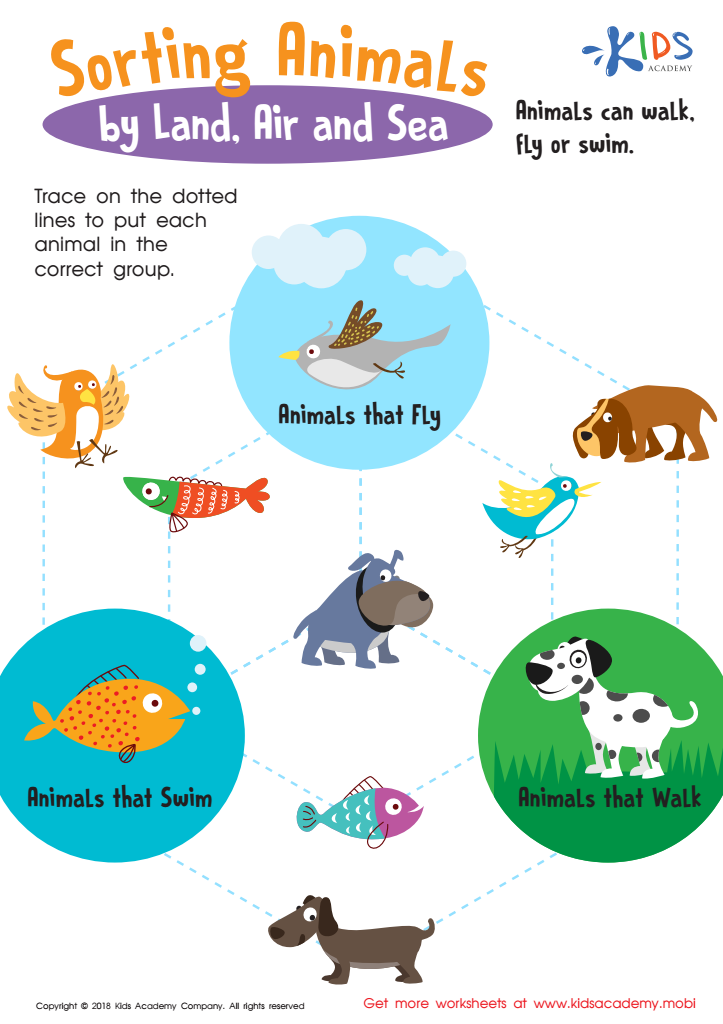
Sorting Animals by Land, Air and Sea Worksheet
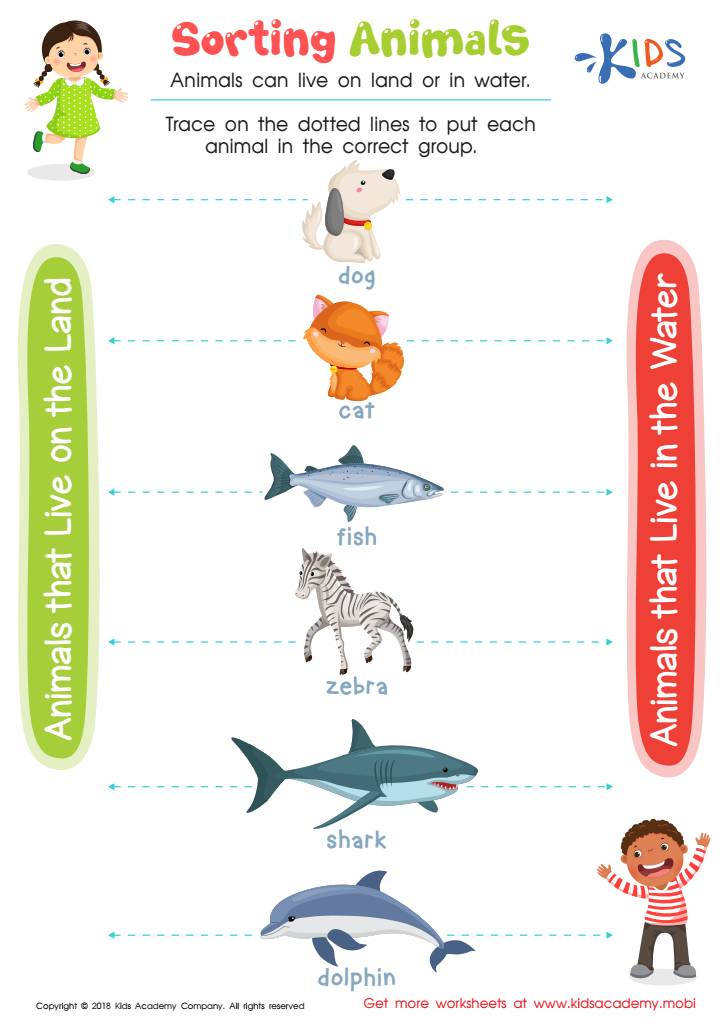
Sorting Animals Worksheet
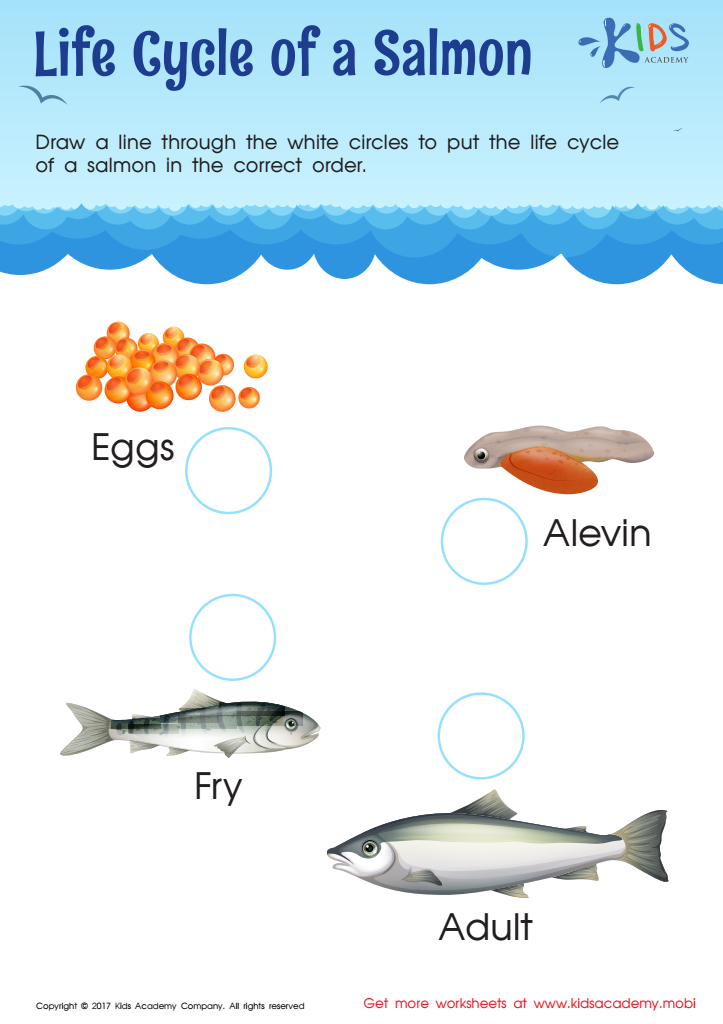
Cycle Of Salmon Worksheet
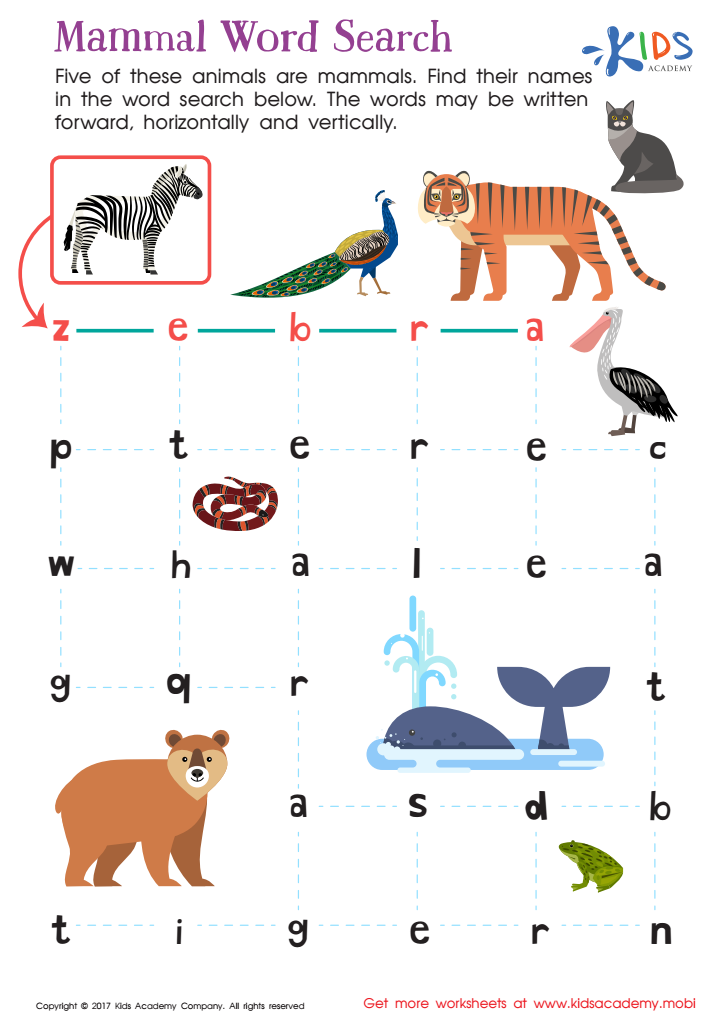
Printable Mammal Word Search
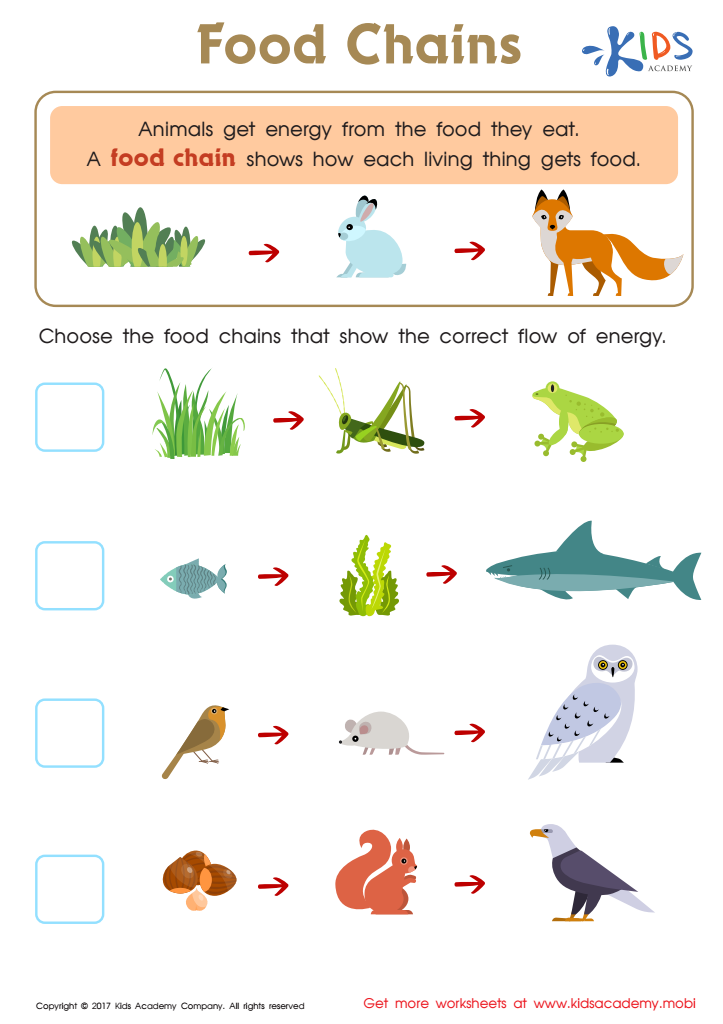
Food Webs and Food Chains Worksheet
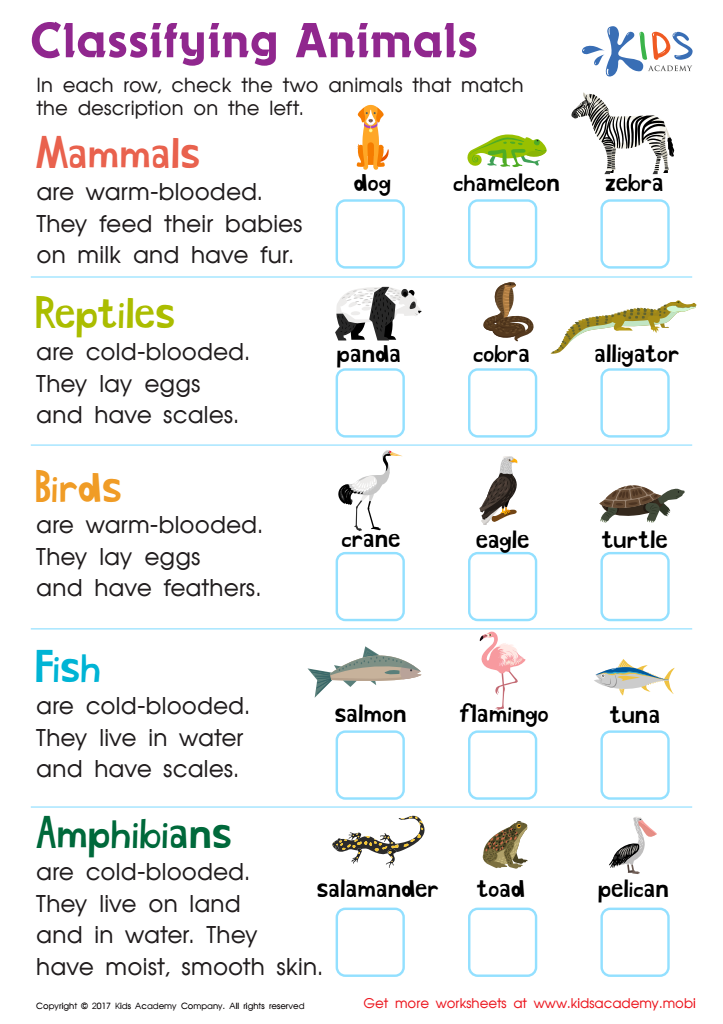
Classifying Animals Worksheet
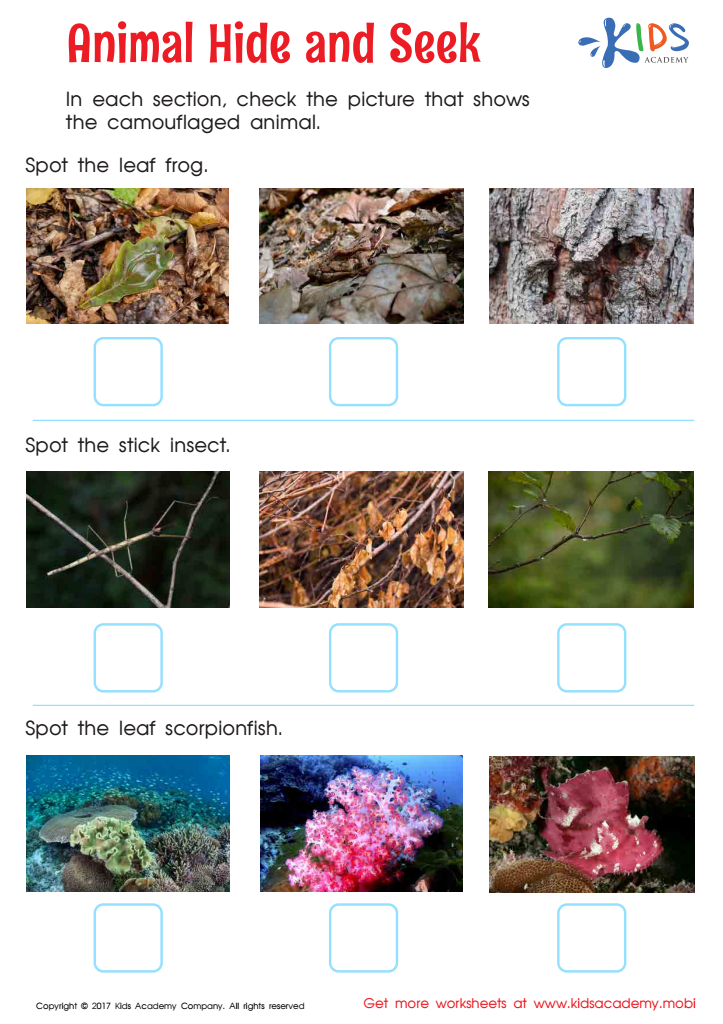
Animal Hide and Seek Worksheet
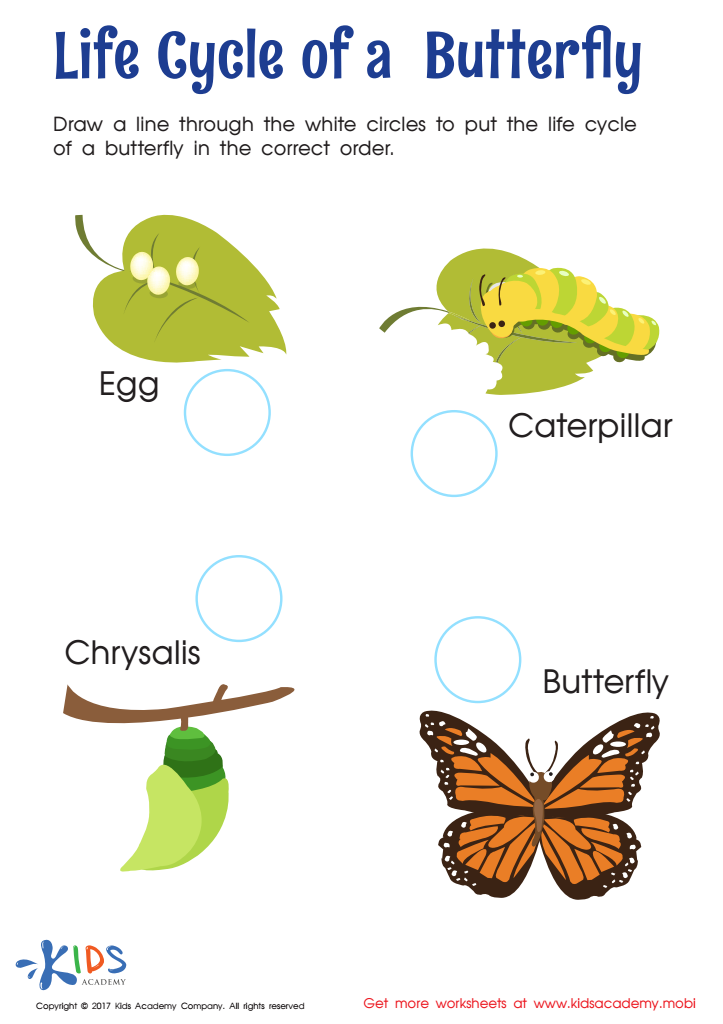
Life Cycle of Butterfly Worksheet
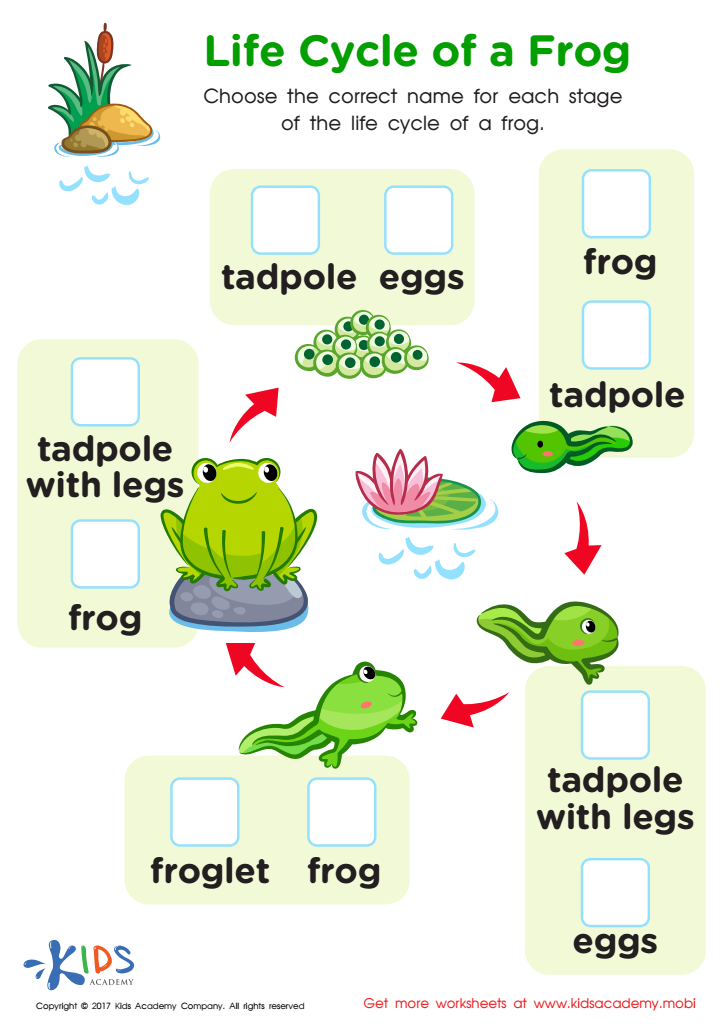
Life Cycle Frog Printable
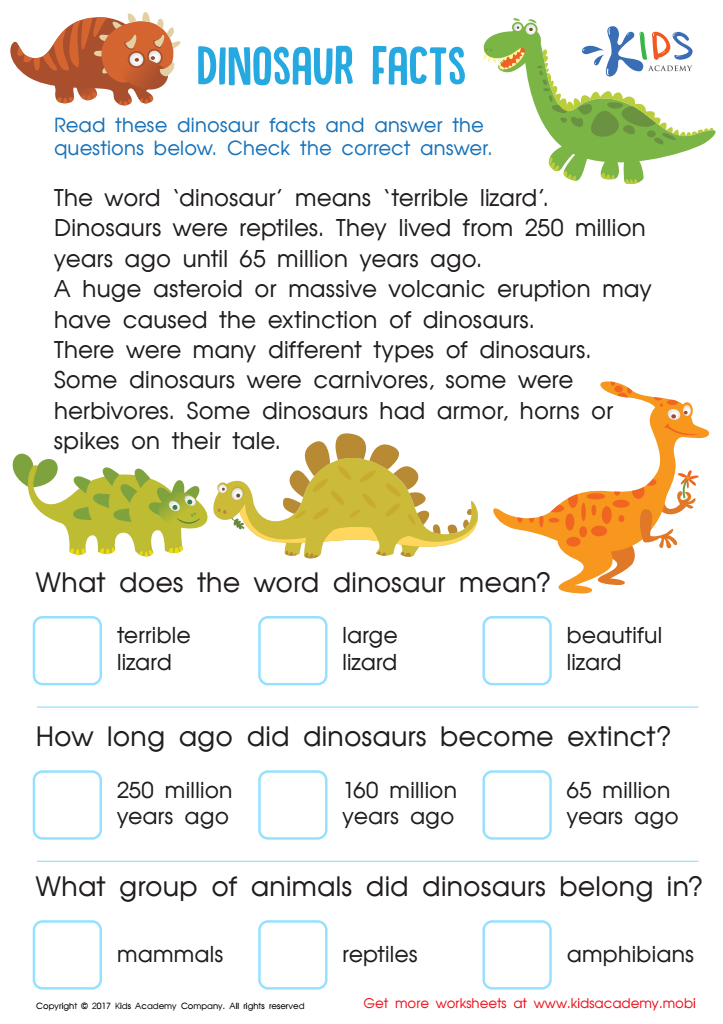
Dinosaur Facts Worksheet
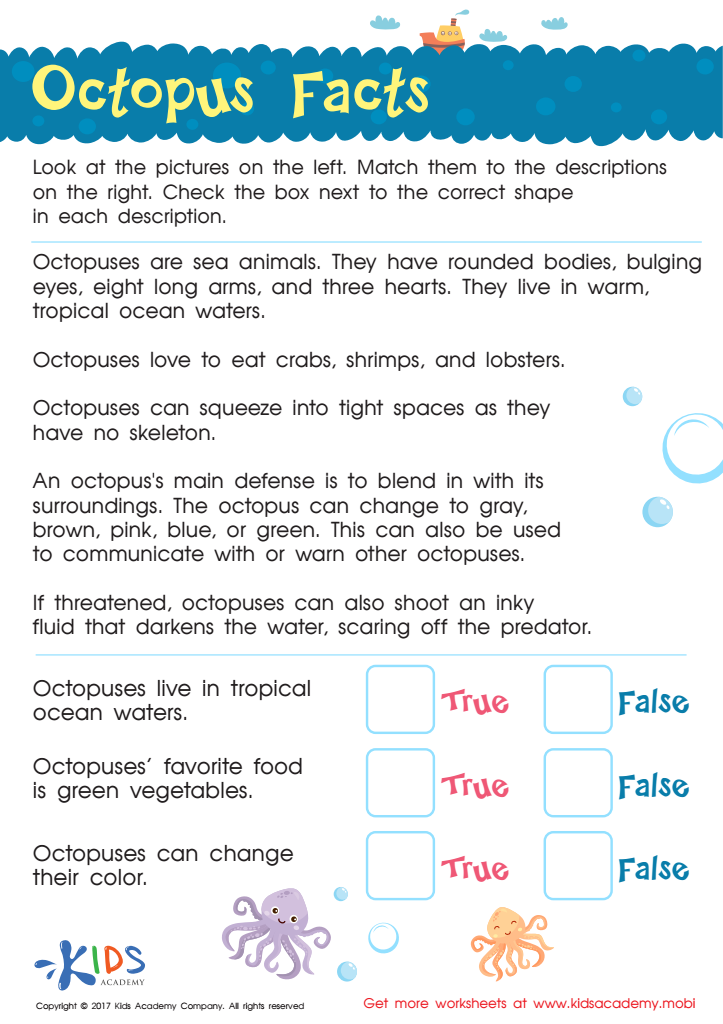
Octopus Facts Worksheet For Kids

African Wildlife: Giraffe Worksheet
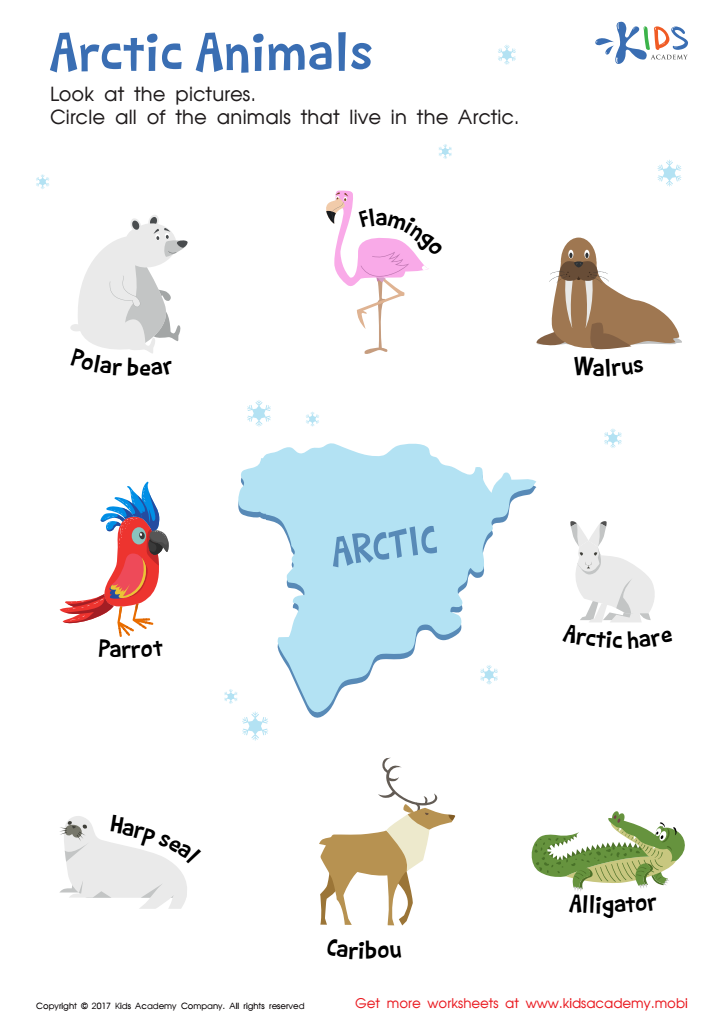
Arctic Animals Worksheet
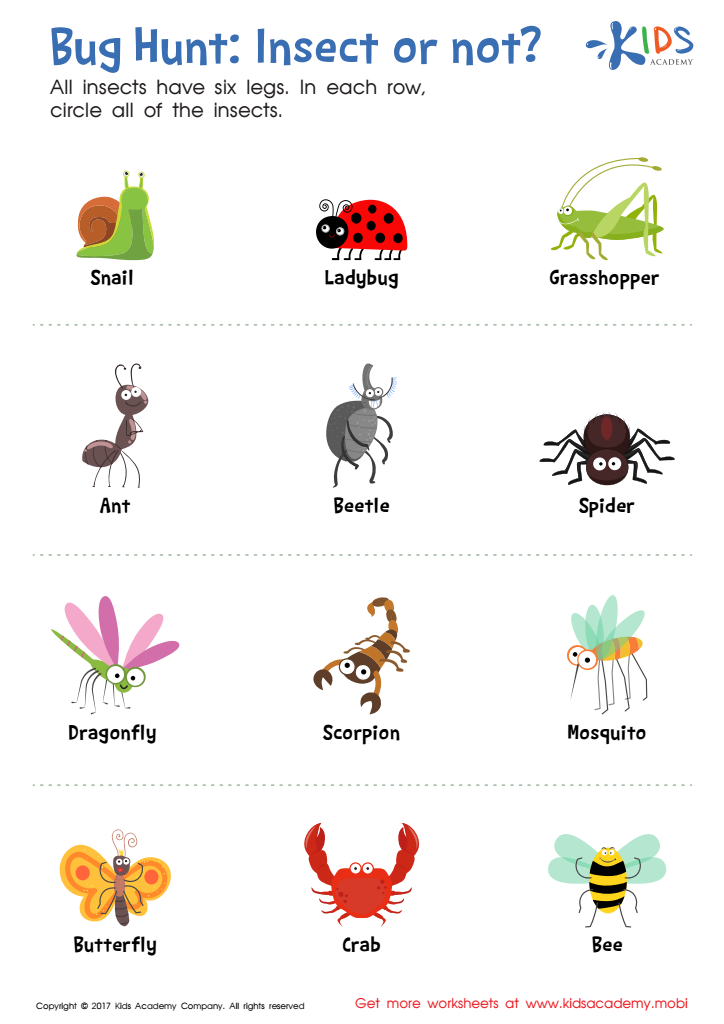
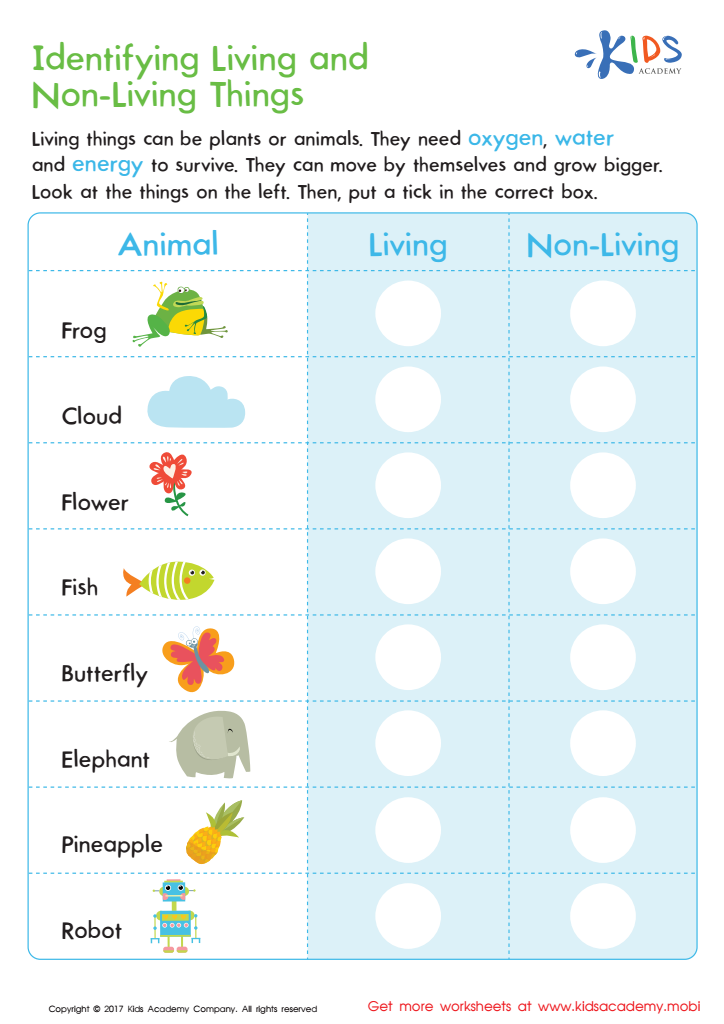
Identifying Living or Non–living Worksheet
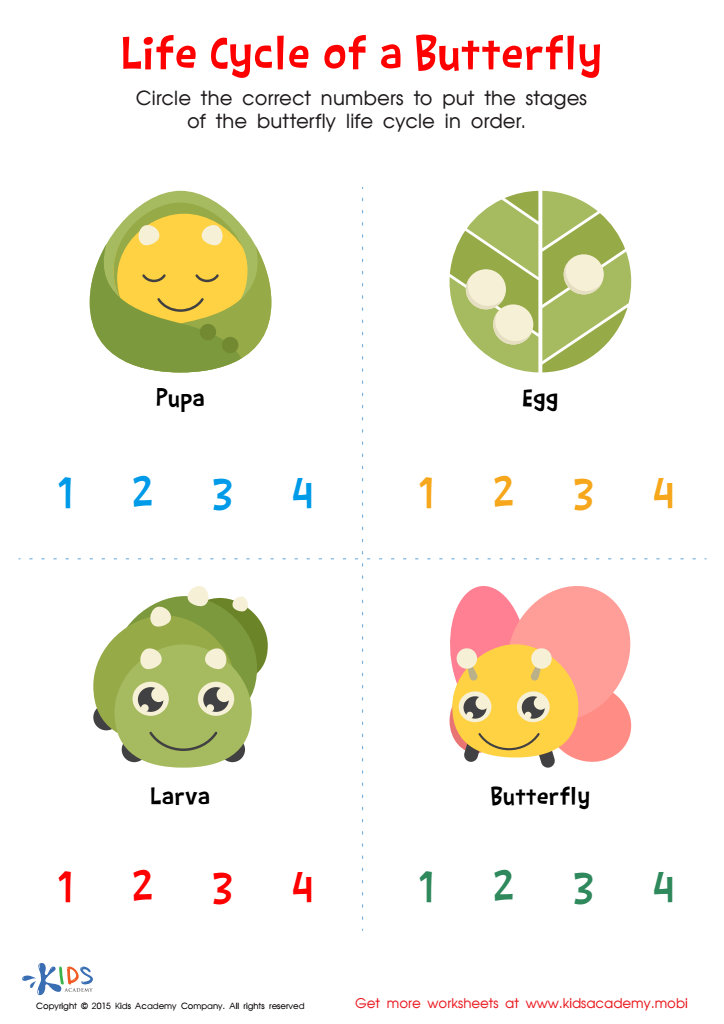
Life Cycle of Butterfly Printable
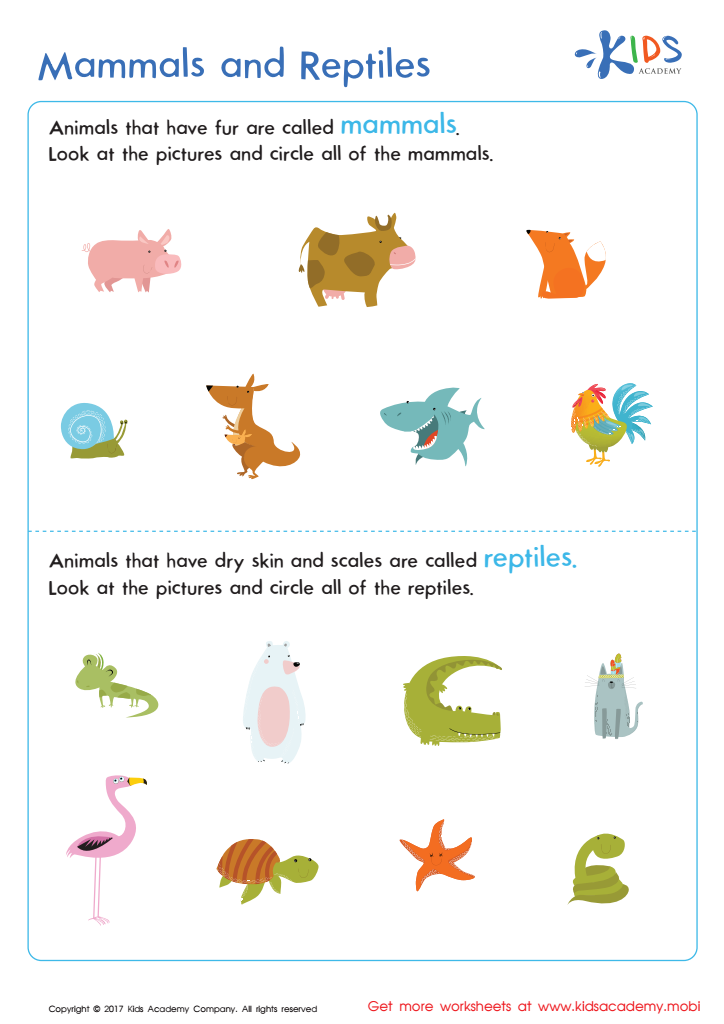
Mammals and Reptiles Worksheet








Parents and teachers should care about "Normal Animals" for children ages 6-9 because this topic serves as a vital gateway to fostering curiosity, empathy, and a deep understanding of nature. At this developmental stage, children are eager to explore their world and often have a rich imagination. Introducing them to normal animals—those commonly found in everyday environments—helps bridge their experiences with broader scientific concepts.
Understanding normal animals, such as cats, dogs, birds, and local wildlife, not only sparks interest in biology and ecology but also nurtures respect for living creatures. Engaging with these animals can build empathy, teaching children about responsibility and the importance of caring for pets and appreciating wildlife.
Moreover, the study of normal animals enhances literacy skills through storytelling, enhances observational skills, and serves as an entry point for important conversations about diversity in the animal kingdom and the environment. Activities such as drawing, observing, or writing about these animals can foster creativity and critical thinking. Ultimately, caring about normal animals supports holistic child development, encouraging a sense of connectedness to nature and instilling lifelong values of stewardship and compassion.








