Normal Comparing Numbers Worksheets for 6-Year-Olds
14 filtered results
Difficulty Level
Grade
Age
-
From - To
Subject
Activity
Standards
Introducing our engaging Normal Comparing Numbers Worksheets, meticulously crafted for 6-Year-Olds! These worksheets are designed to introduce young learners to the foundational concept of comparing numbers in the most enjoyable and understandable way. Through a series of carefully structured activities, children will learn to identify which numbers are bigger, smaller, or equal, enhancing their early math skills. Ideal for both classroom and at-home learning, these worksheets are packed with fun, age-appropriate challenges that promise to keep your child’s curiosity piqued while laying a solid groundwork for their future mathematical endeavors. Dive into our Normal Comparing Numbers Worksheets and watch your 6-year-old thrive in their number comparison skills!
Favorites
With answer key
Interactive
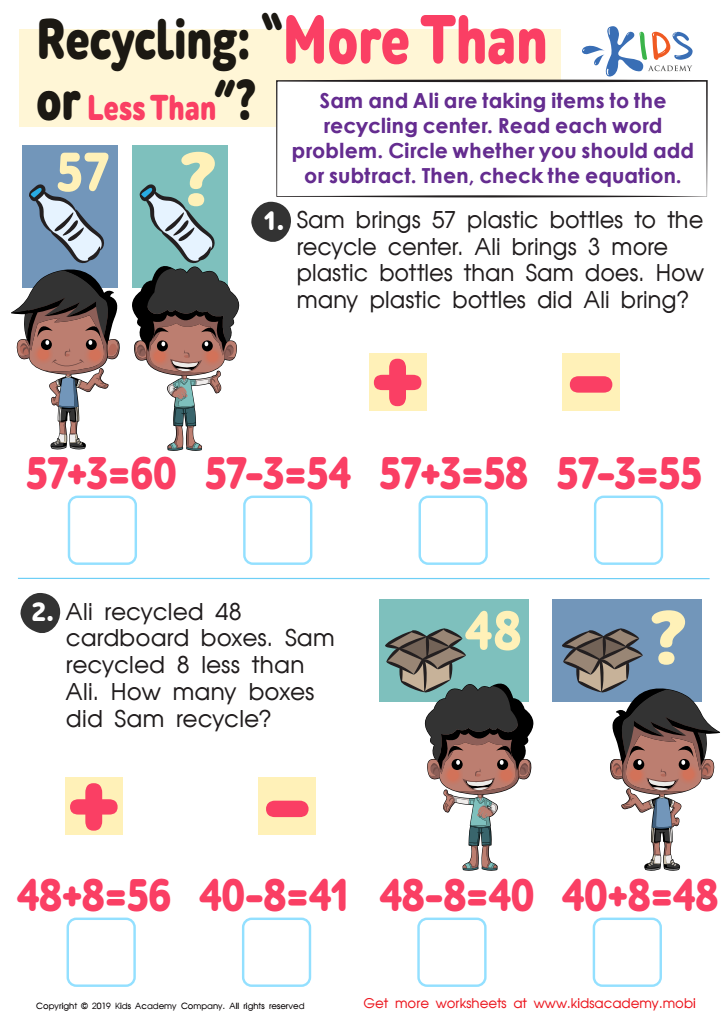
Recycling - More or Less Worksheet
Your child can compare numbers and solve word problems with this free worksheet. Help them understand what's being asked as Sam and Ali take items to the recycling center. They can choose the correct equation to match the word problem and apply their skills in reading and pulling out the appropriate information.
 Assign to My Students
Recycling - More or Less Worksheet
Worksheet
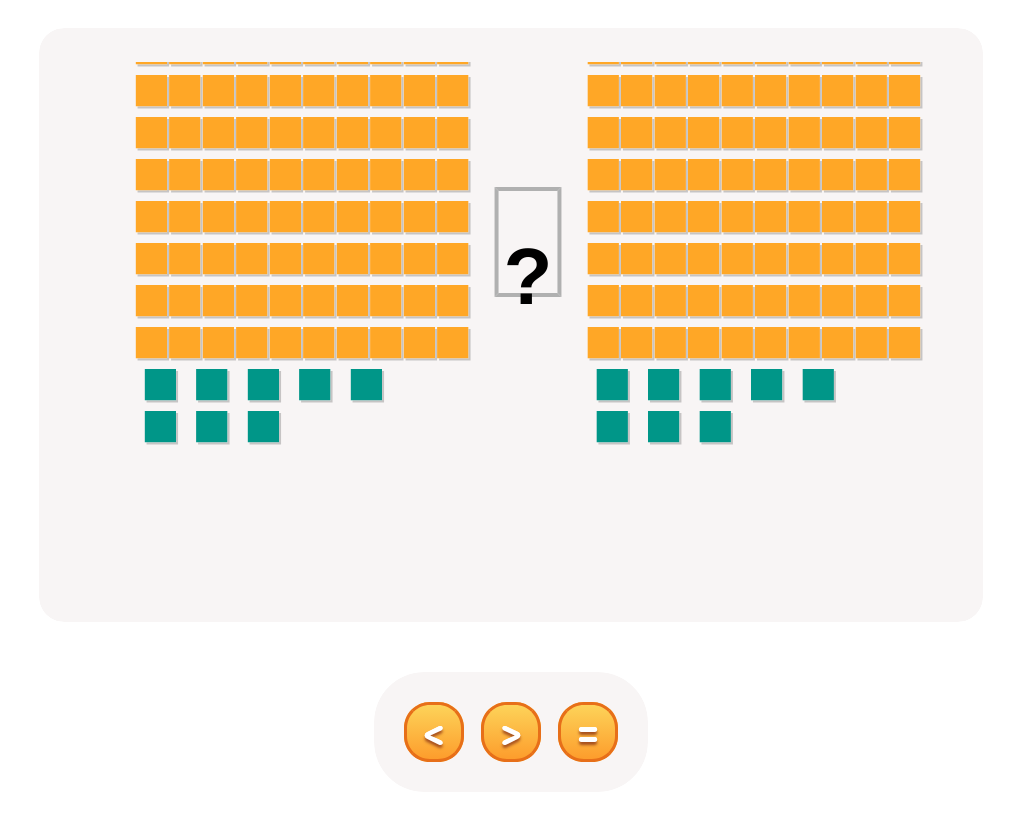

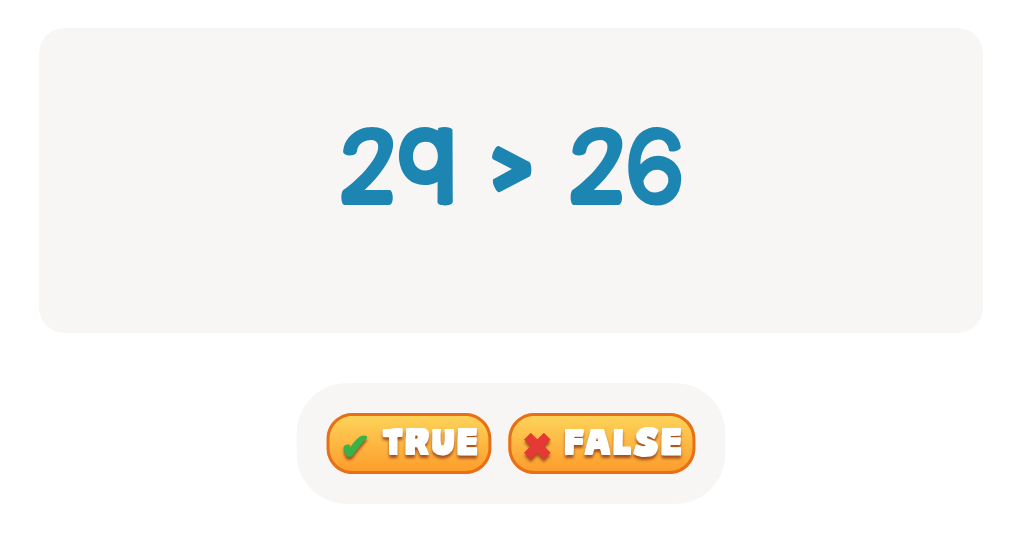
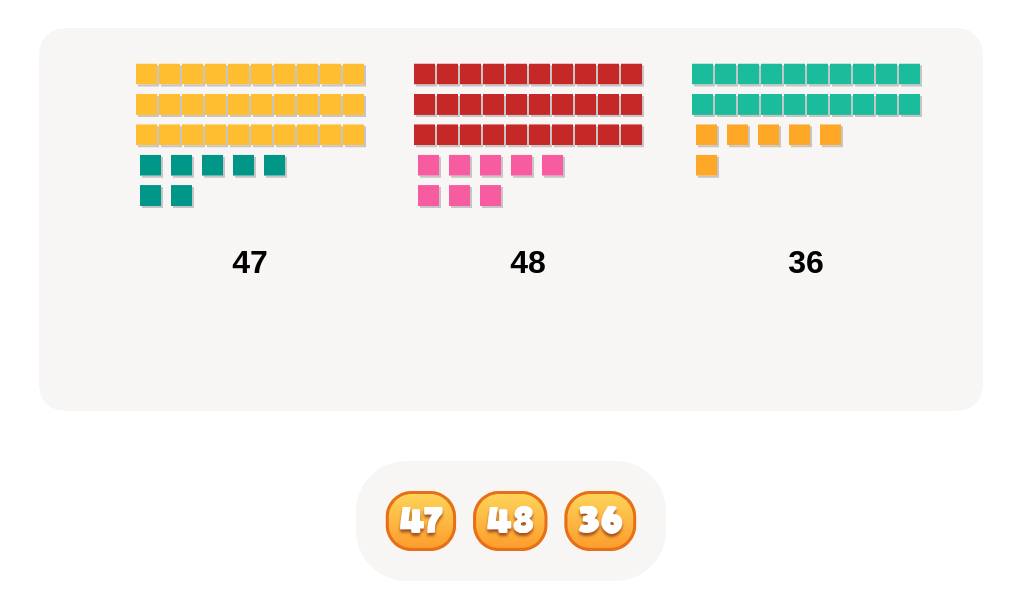
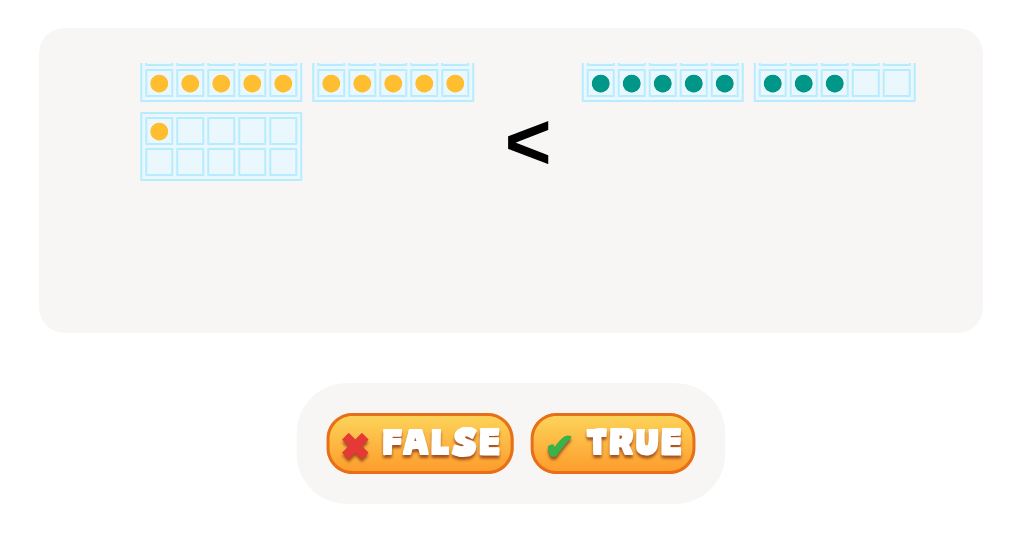
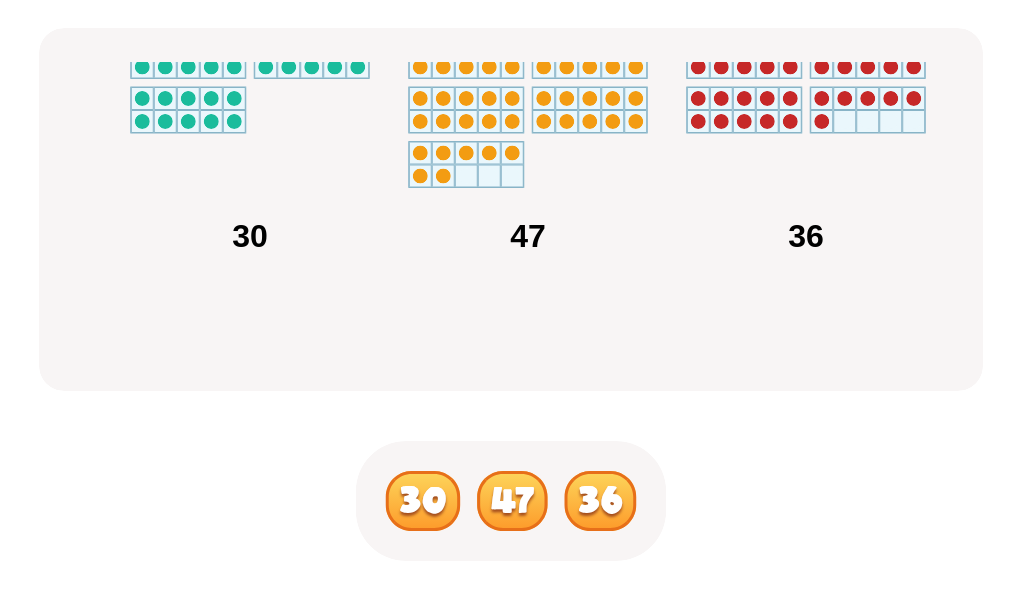
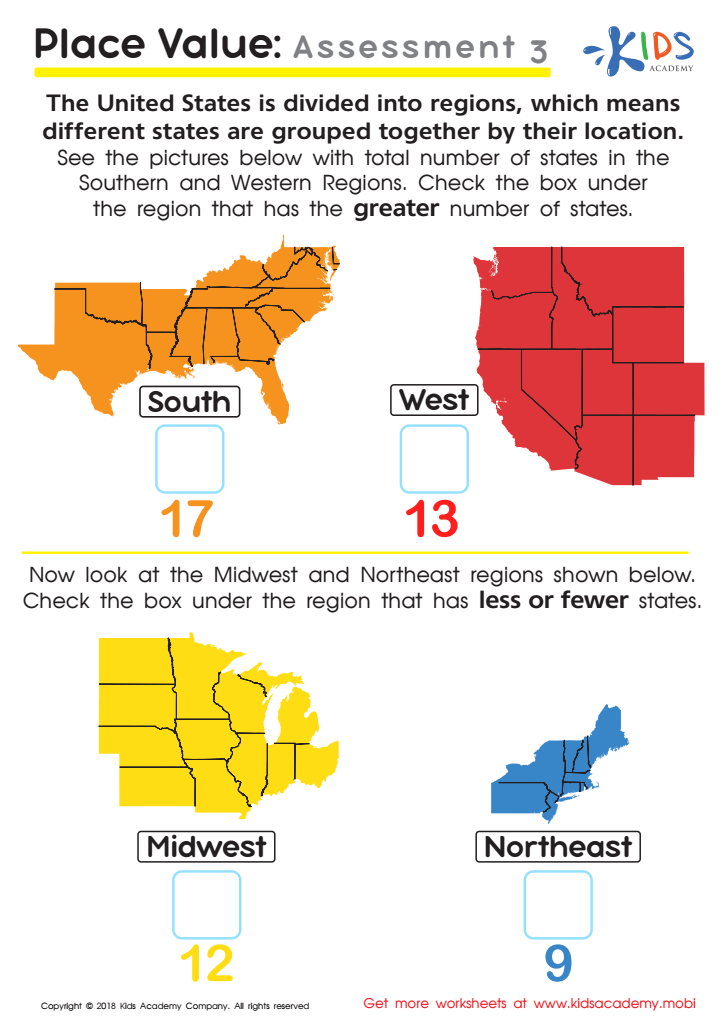
Place Value: Assessment 3 Worksheet
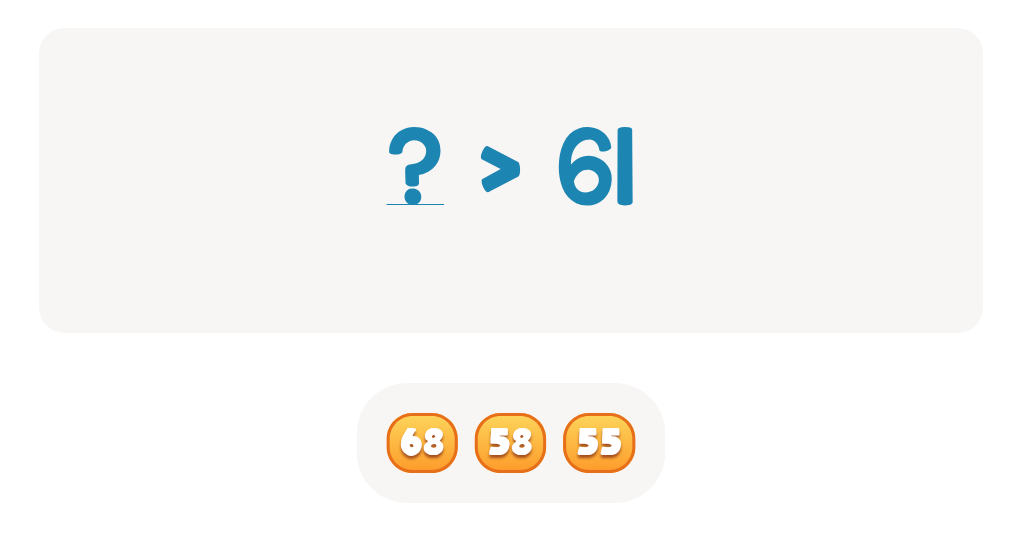
Test your child's math skills without them realizing it! This fun worksheet looks at the states and regions of the U.S. and your child can compare numbers greater or lesser than the other. It's the perfect way to assess your child's number sense without them knowing.
Place Value: Assessment 3 Worksheet
Worksheet
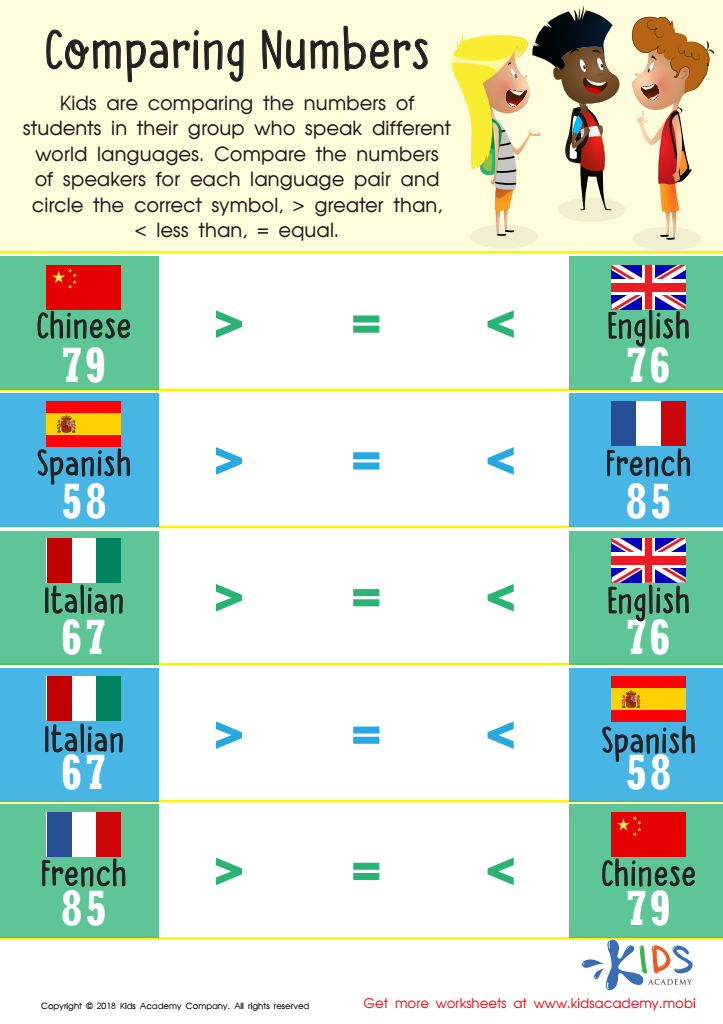
Comparing Numbers Worksheet for 1st Grade
Children can build number sense by exploring the relationship between numbers. This worksheet uses bright international flags to compare numerical groups. Kids will love the cheerful colors and flags from different countries. It encourages them to compare numbers and reinforces their number sense with tens and ones place values.
Comparing Numbers Worksheet for 1st Grade
Worksheet
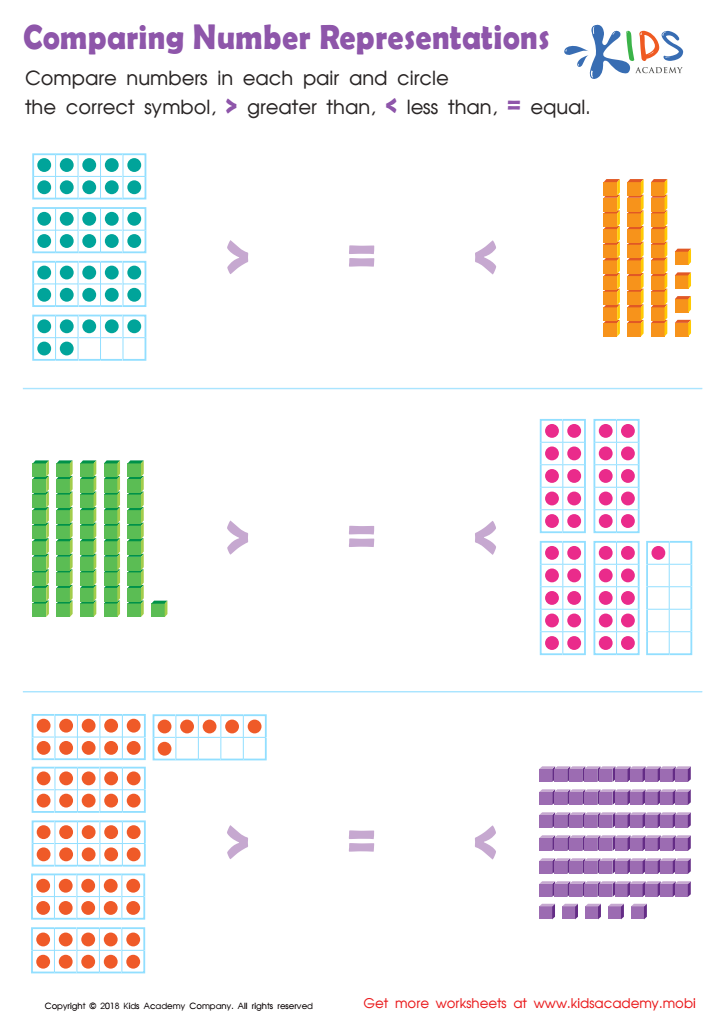
Comparing Number Representations Worksheet
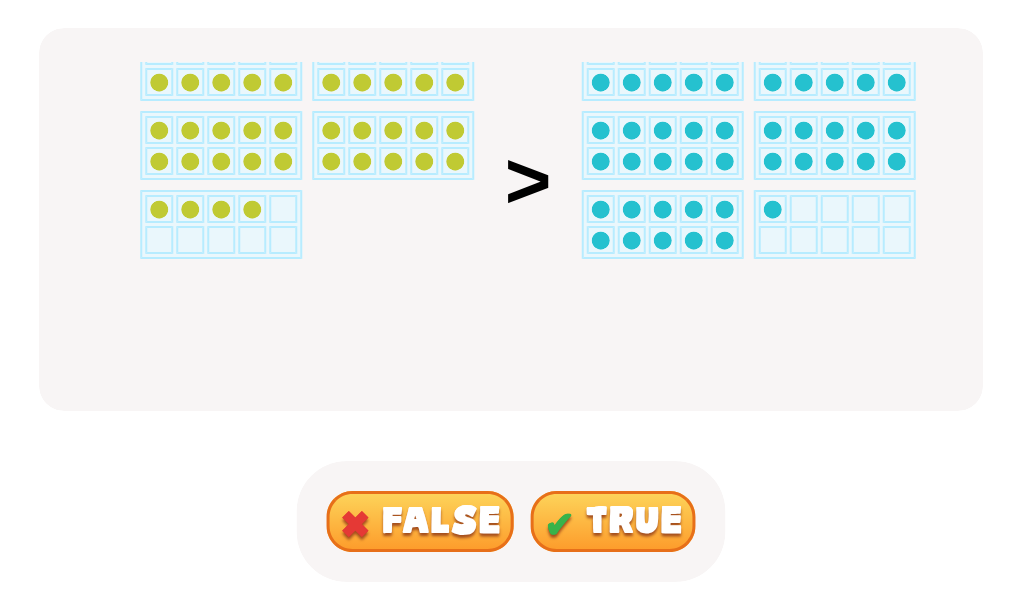
Children need number representation skills to develop efficient computation and number sense. This free worksheet gives them practice with ten frames and place value blocks. They compare numbers and select the right comparative symbol: <, > or =. This helps them build a solid foundation for math.
Comparing Number Representations Worksheet
Worksheet
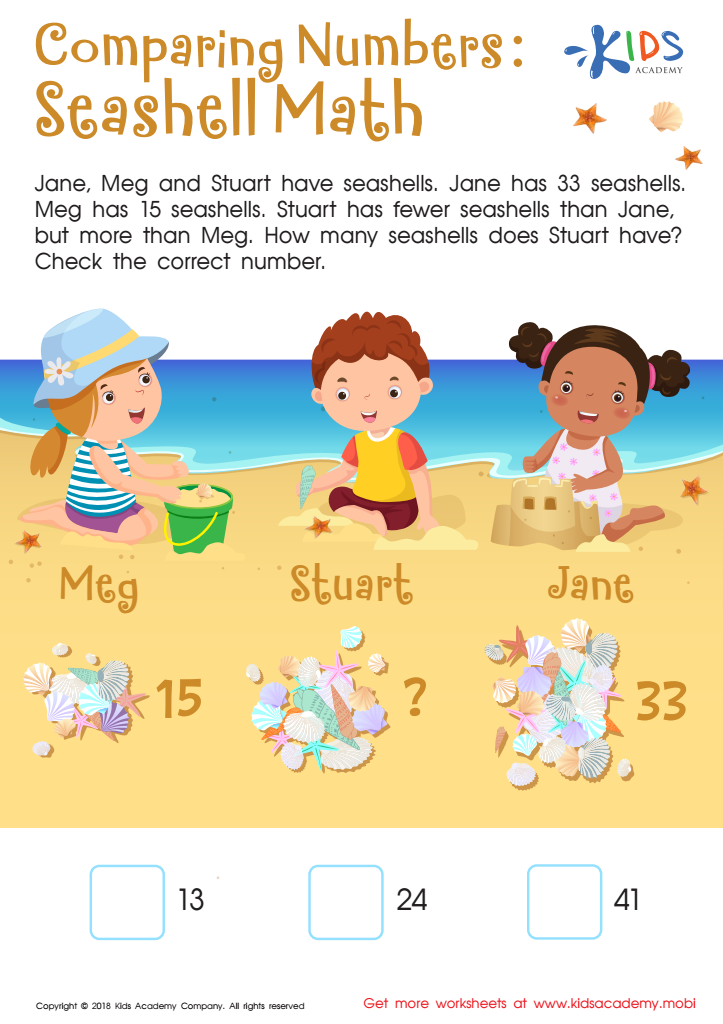
Seashell Collectors Worksheet
Bring beach fun into math with this printable worksheet! Carefully read the text with your child and figure out how many seashells Stuart has - more than Meg's, less than Jane's. Forget boring indoor math; your child won't want to miss out on this fun activity!
Seashell Collectors Worksheet
Worksheet
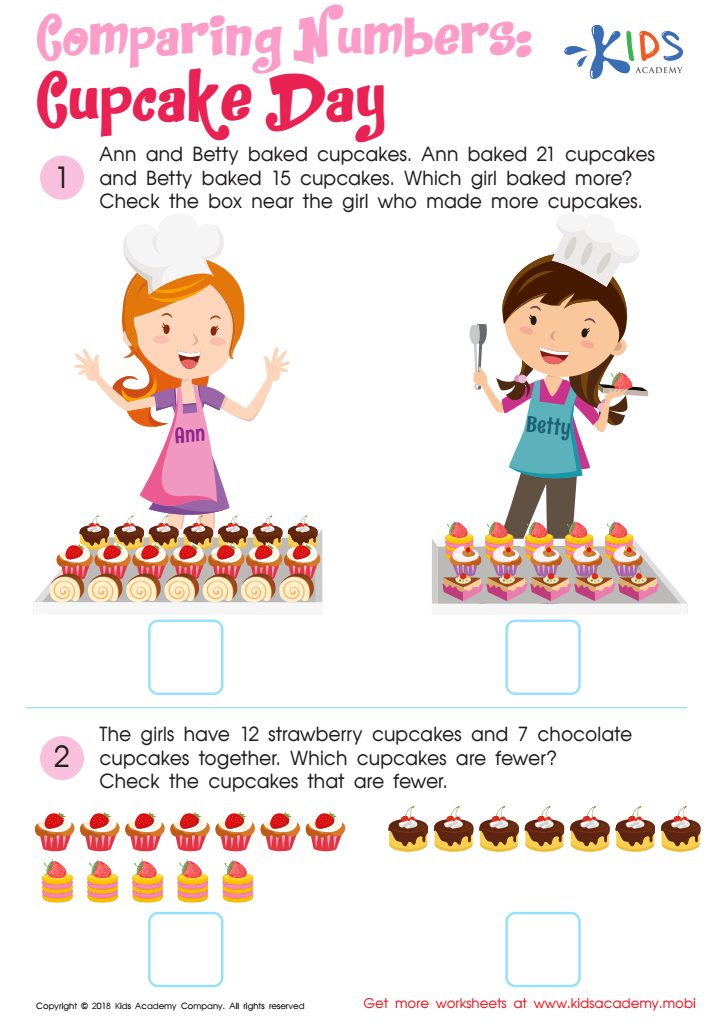
Cupcake Day Worksheet
This free downloadable worksheet will make math more enjoyable for your youngster! They'll have to carefully read and answer the straightforward questions, while counting the colorful cupcakes - what fun!
Cupcake Day Worksheet
Worksheet
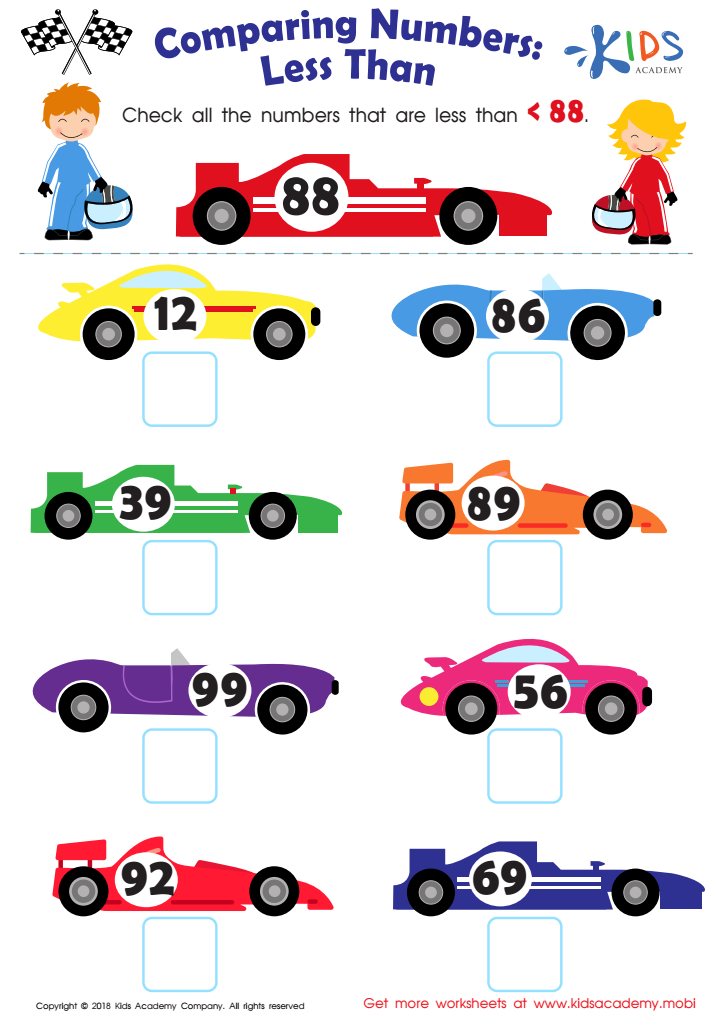
Less Than Worksheet
Compare numbers with your child using this fun worksheet! Paintings of sports cars add visuals to the task of counting up to 88. Make learning enjoyable with this colorful activity - your child will stay engaged and eager to learn more.
Less Than Worksheet
Worksheet
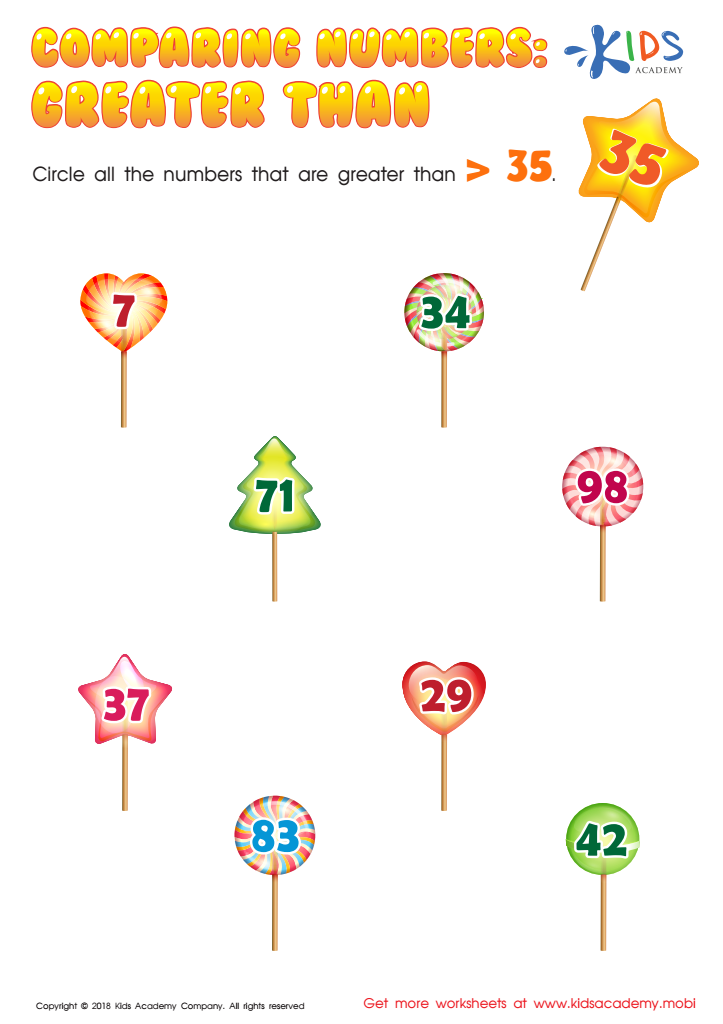
Greater Than Worksheet
Tired of generic maths problems? Try this fun pdf worksheet! With your child or student, carefully look through the numbers in the balloon and circle those greater than 35. Enjoyable and educational!
Greater Than Worksheet
Worksheet
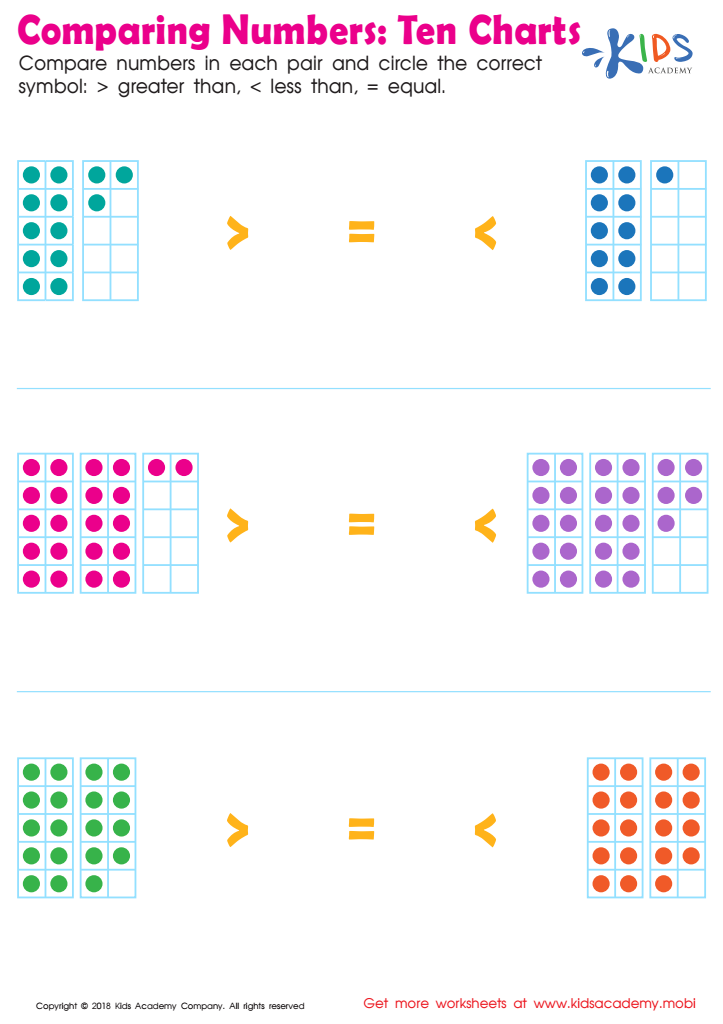
Ten Charts Worksheet
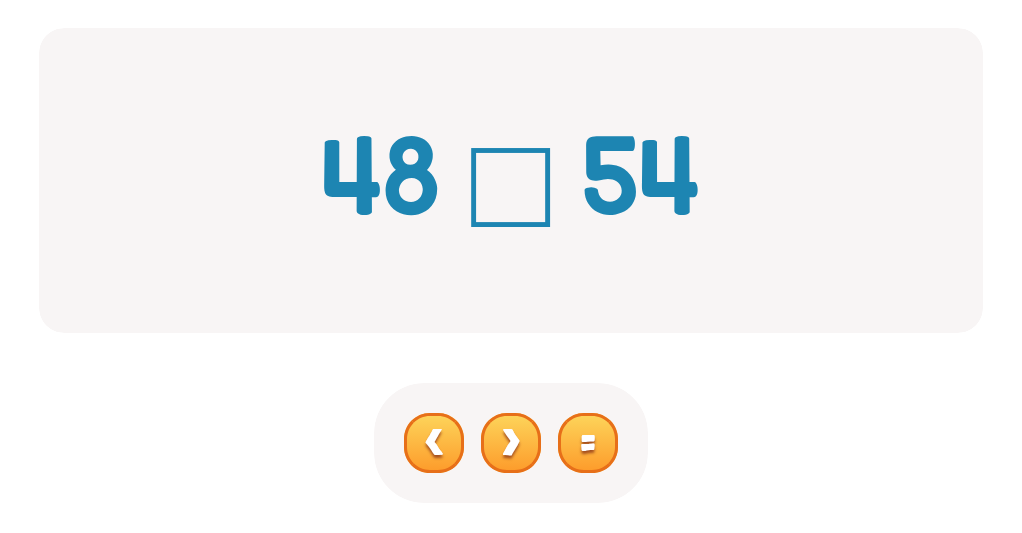
Help your child learn numbers in a creative way using this printable worksheet. They'll learn the difference between numbers, how to add them, and the symbols of "greater than", "less than" and "equals to". They can compare two sides, and identify which is greater, less or equal. Let their maths knowledge bloom!
Ten Charts Worksheet
Worksheet
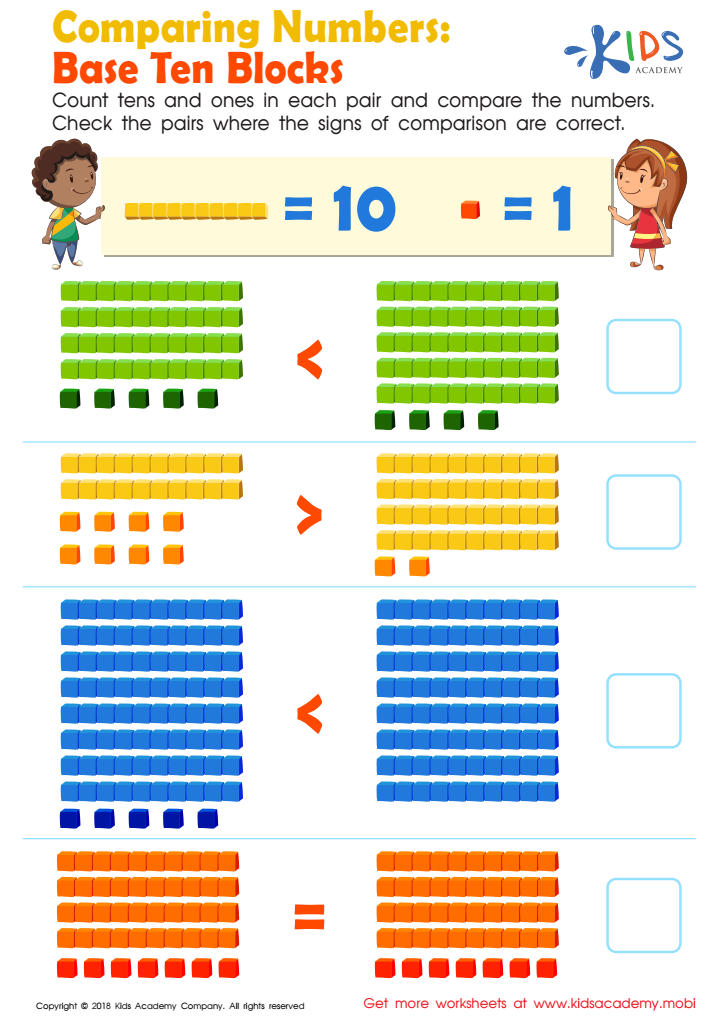
Comparing Numbers: Base Ten Blocks Worksheet
Make math fun for your child with a colorful worksheet. They'll need to compare signs by counting blocks on each side and signifying whether it's correct or not. This is one way to help your child beat the unhappiness that comes with math.
Comparing Numbers: Base Ten Blocks Worksheet
Worksheet
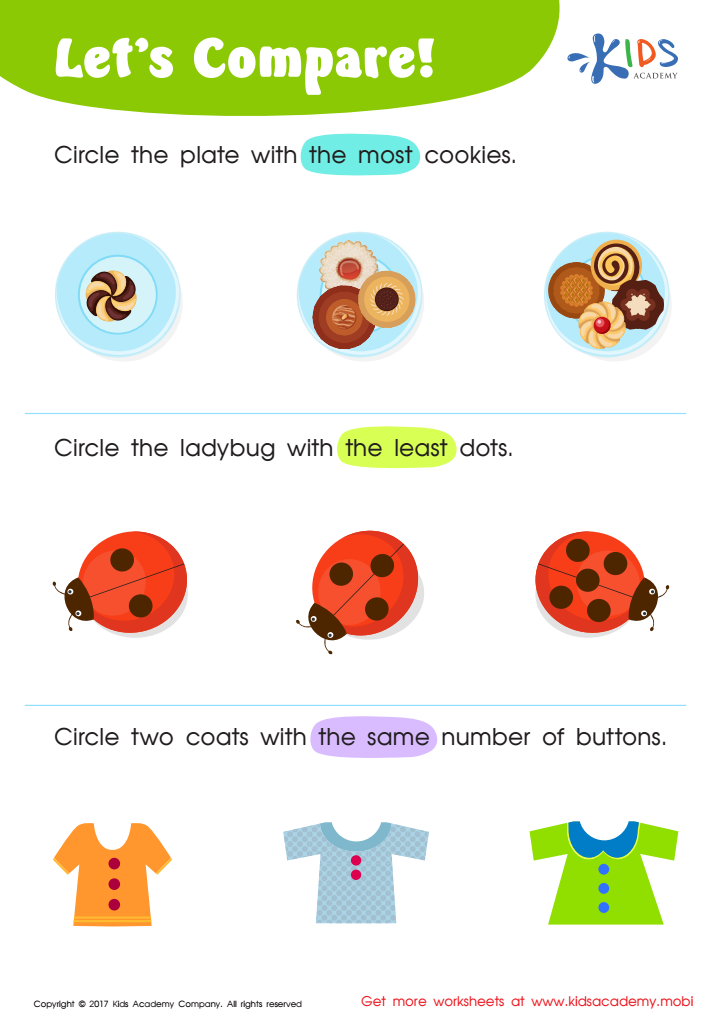
Matching: Classifying Toys by Size Worksheet
.
Have your young one's observation and counting skills ready for this worksheet; carefully look through the images and count the objects, then circle the plates with the least, most or equal number of patterns. Pay attention and have good counting abilities to make this task easy.
Matching: Classifying Toys by Size Worksheet
Worksheet
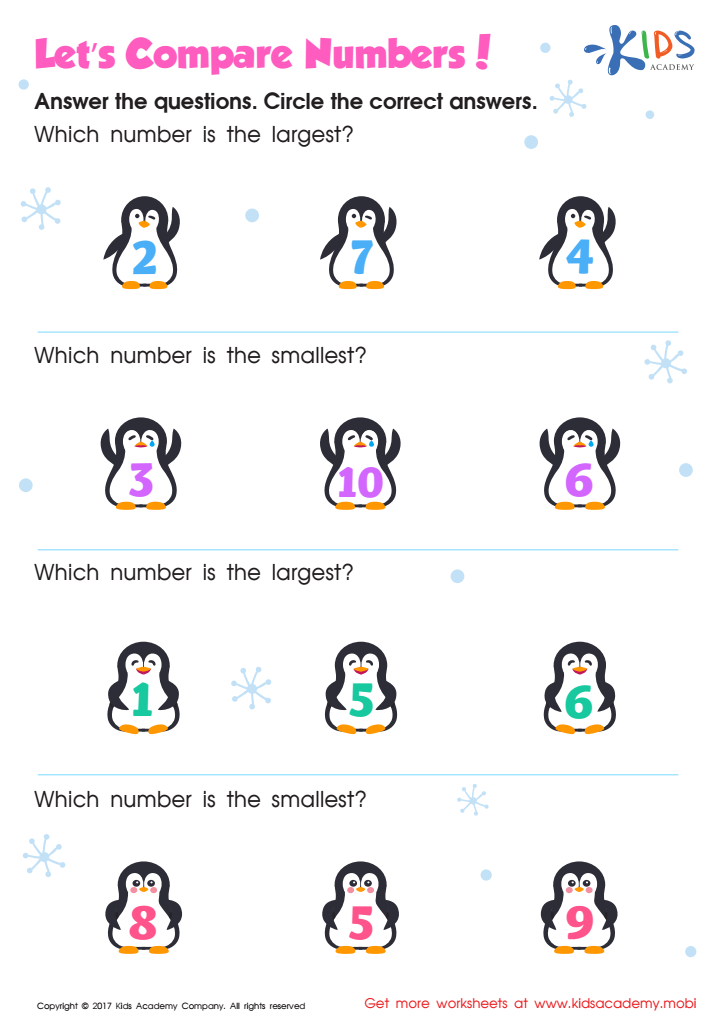
Comparing Numbers 1–10 Worksheet Kindergarten
Help your child sort out numbers 1-10 with this fun worksheet! They'll practice comparing numbers and boost their number sense. Plus, it features cute little penguins with numbers on their bellies - they make learning even more exciting!
Comparing Numbers 1–10 Worksheet Kindergarten
Worksheet
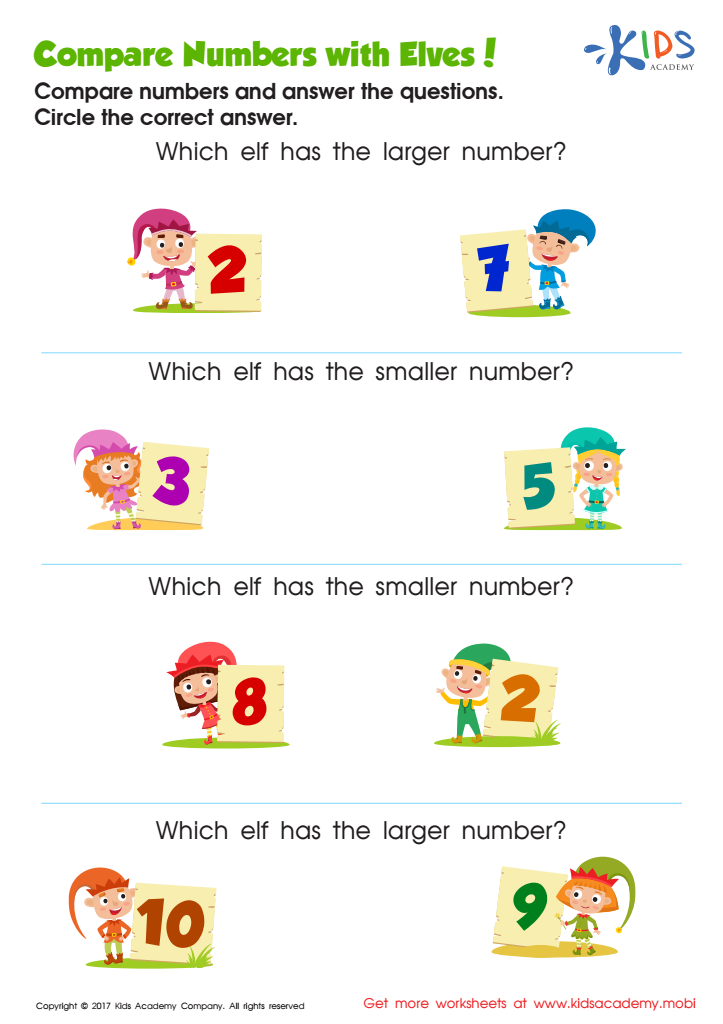
Comparing Numbers Worksheet for Kindergarten
Your child will love helping Santa's elves compare numbers with this fun worksheet for kindergarten! They must determine which number is bigger or smaller then circle the answer. It's a great activity for Christmas or any time!
Comparing Numbers Worksheet for Kindergarten
Worksheet
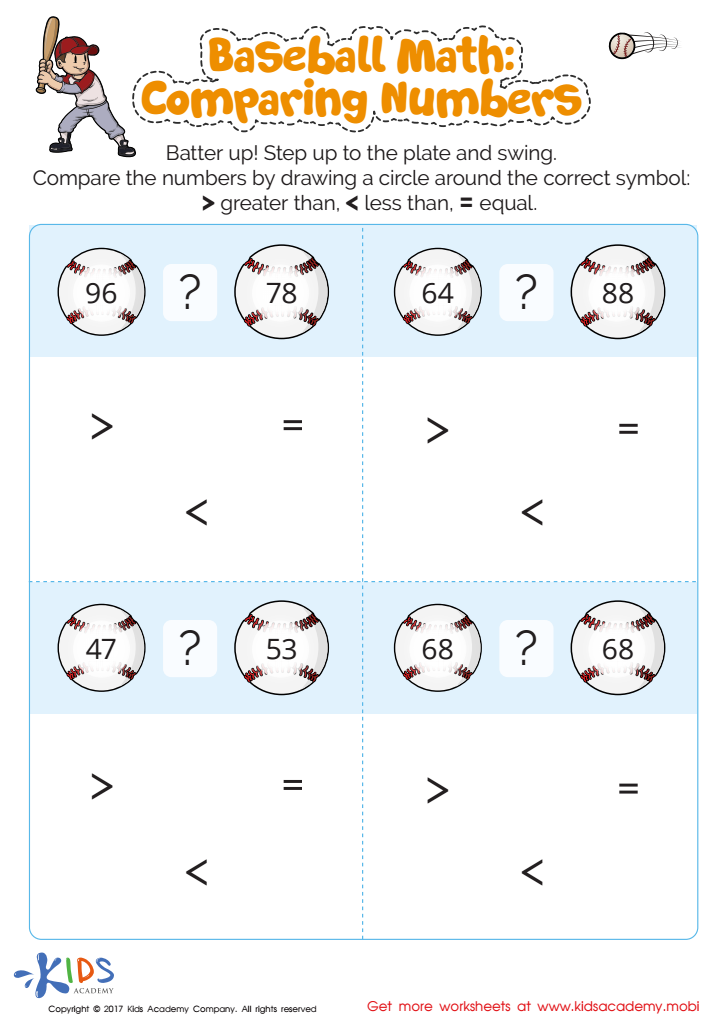
Compare Numbers Printable
Encourage your sports fan to strengthen math skills with this fun worksheet: Baseball Math! They'll learn key concepts such as 'greater than', 'less than' and 'equal to', while having a blast. Build their number sense and make learning enjoyable!
Compare Numbers Printable
Worksheet
Join Kids Academy for Free
Who is primarily going to use this learning content?








Normal Comparing Numbers worksheets for 6-Year-Olds serve as an invaluable educational tool aimed at enhancing a child's numerical understanding and analytical skills at a foundational level. These worksheets are specifically designed to cater to the cognitive abilities of 6-year-olds, ensuring that the concepts are grasped easily and effectively.
Engaging with Normal Comparing Numbers worksheets allows children to explore the basic principles of mathematics, such as greater than, less than, and equal to, in a structured and interactive way. This hands-on approach not only makes learning fun but also reinforces their comprehension through repetition and practice. For 6-year-olds, who are at a critical stage of cognitive development, these worksheets offer a perfect blend of challenge and accomplishment, fostering a positive attitude towards learning complex concepts.
Moreover, these worksheets help in developing a child's attention to detail, as they learn to carefully analyze and compare numbers. This skill is not only vital for academic success in mathematics but also enhances critical thinking and problem-solving skills that are applicable in everyday life.
In conclusion, Normal Comparing Numbers worksheets for 6-Year-Olds are a fundamental resource for young learners. They lay a strong foundation in numeracy, encourage independent learning, and set the stage for future academic achievements.