Normal Multiplication Worksheets for Ages 7-8 - Page 2
34 filtered results
-
From - To
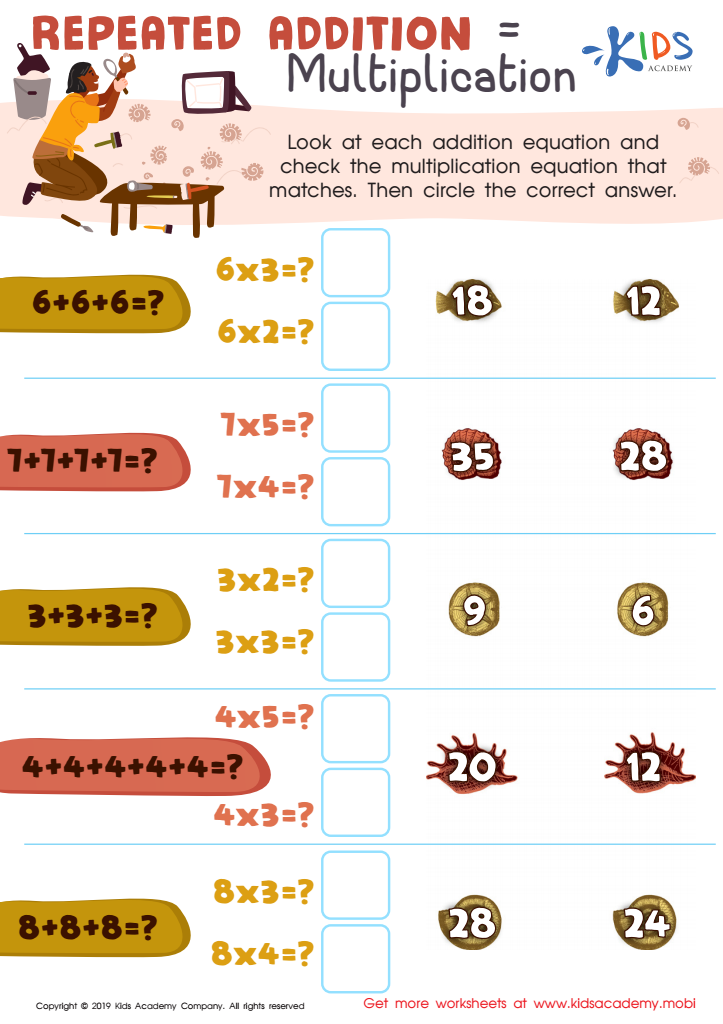
Repeated Addition = Multiplication Worksheet
 Assign to My Students
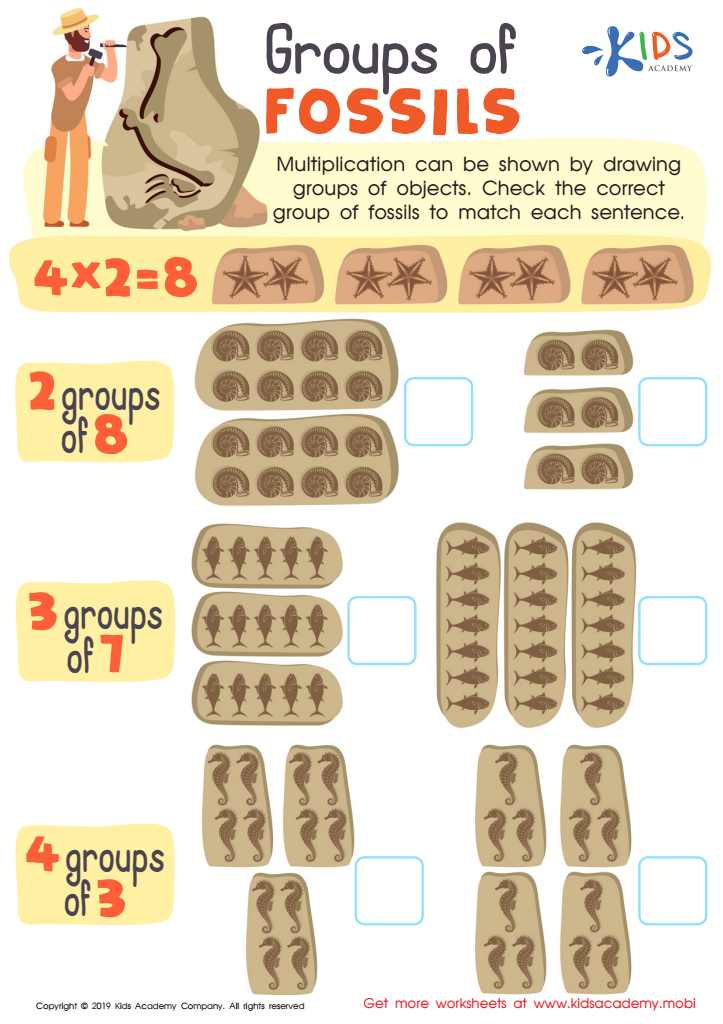
Groups of Fossils Worksheet
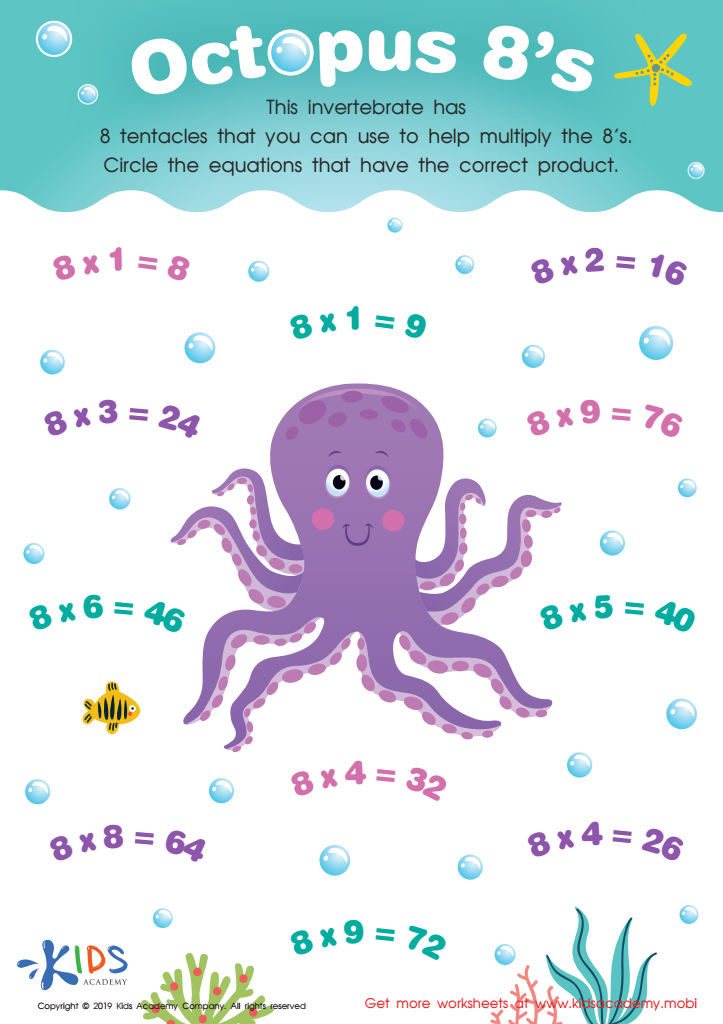
Octopus 8’s Worksheet
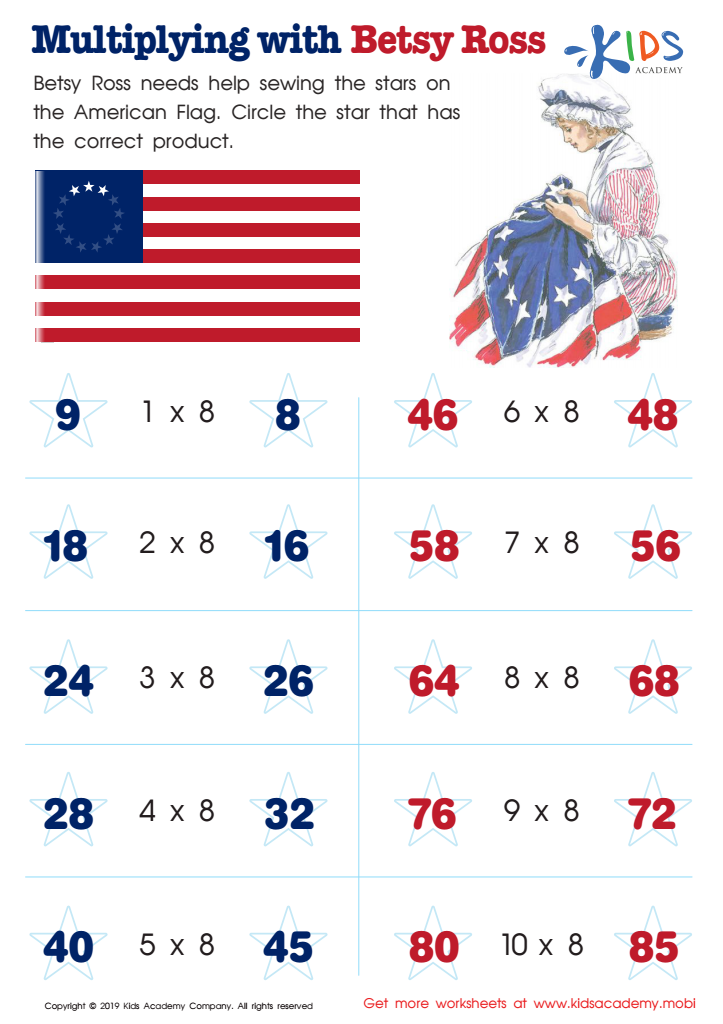
Multiplying with Betsy Ross Worksheet
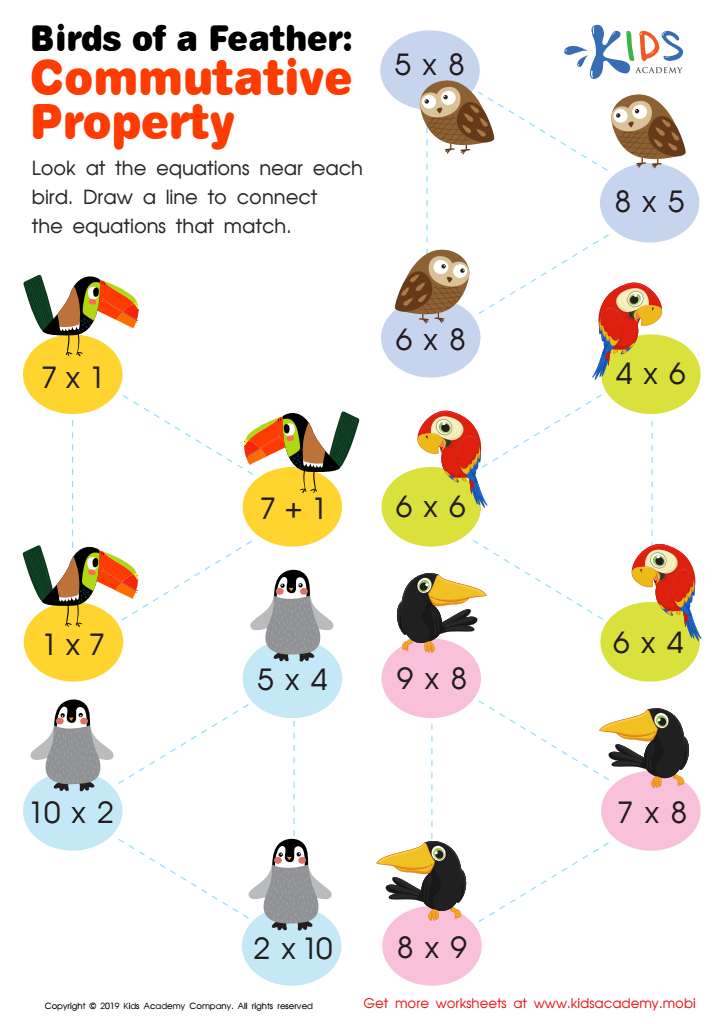
Birds of a Feather: Commutative Property Worksheet
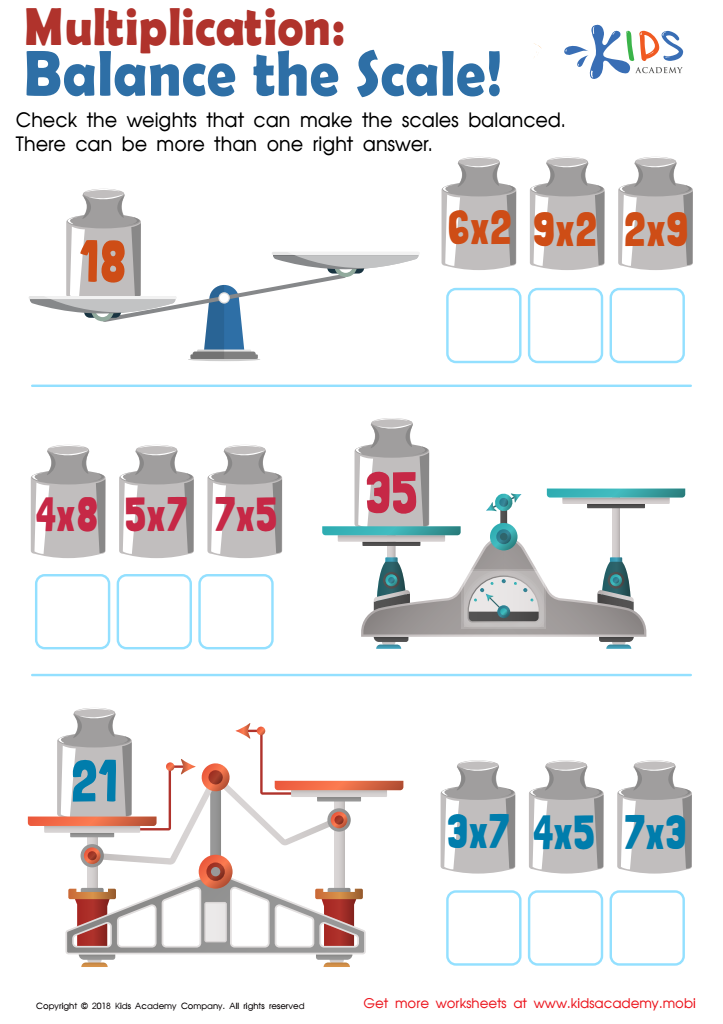
Balance the Scales Multiplication Worksheet
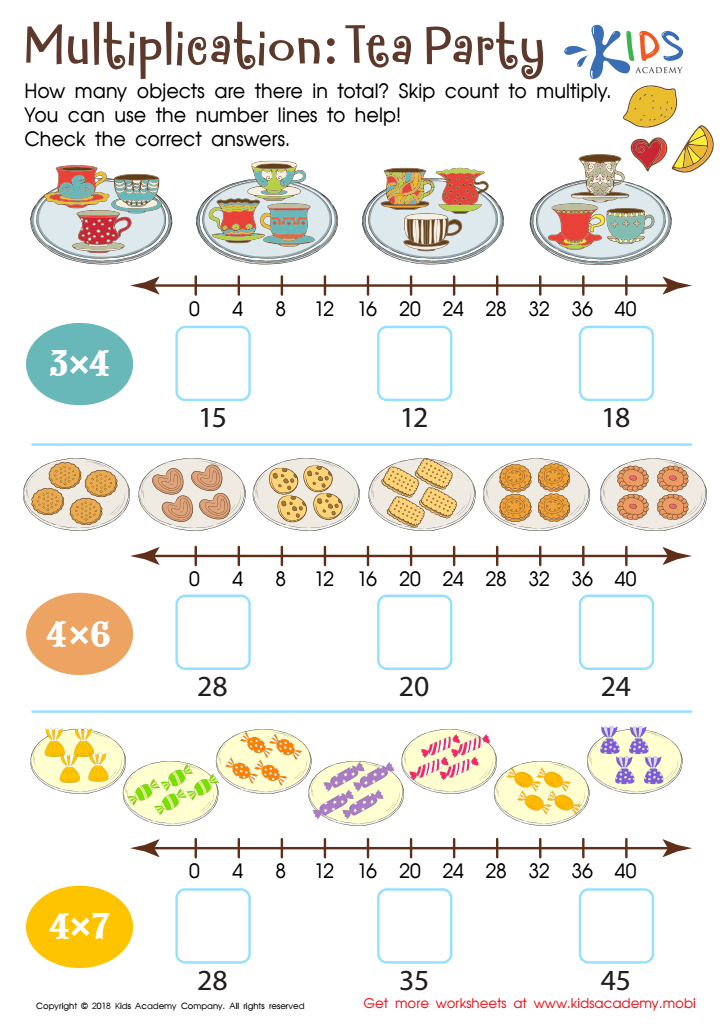
3rd Grade Math Worksheet Multiplication
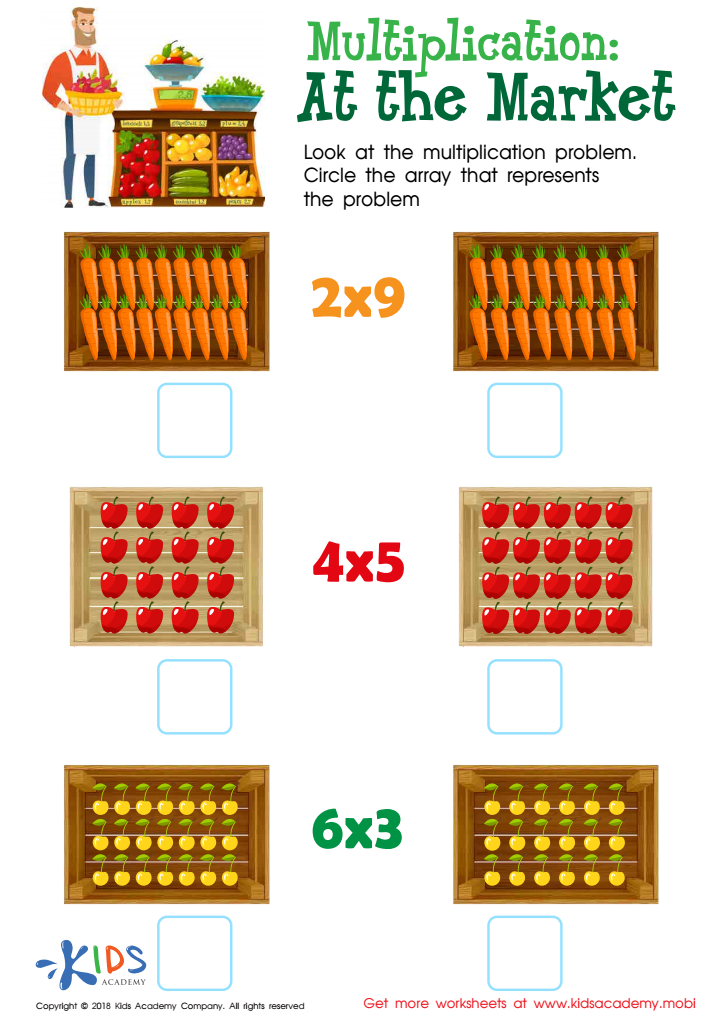
At the Market Worksheet
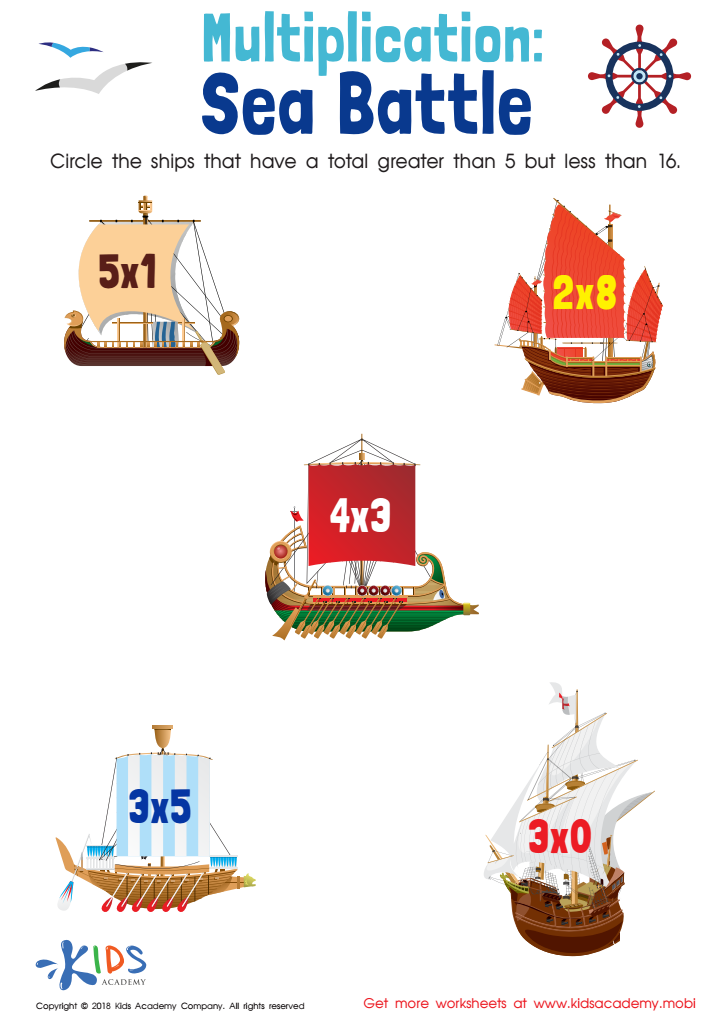
Sea Battle: Multiplication Worksheet
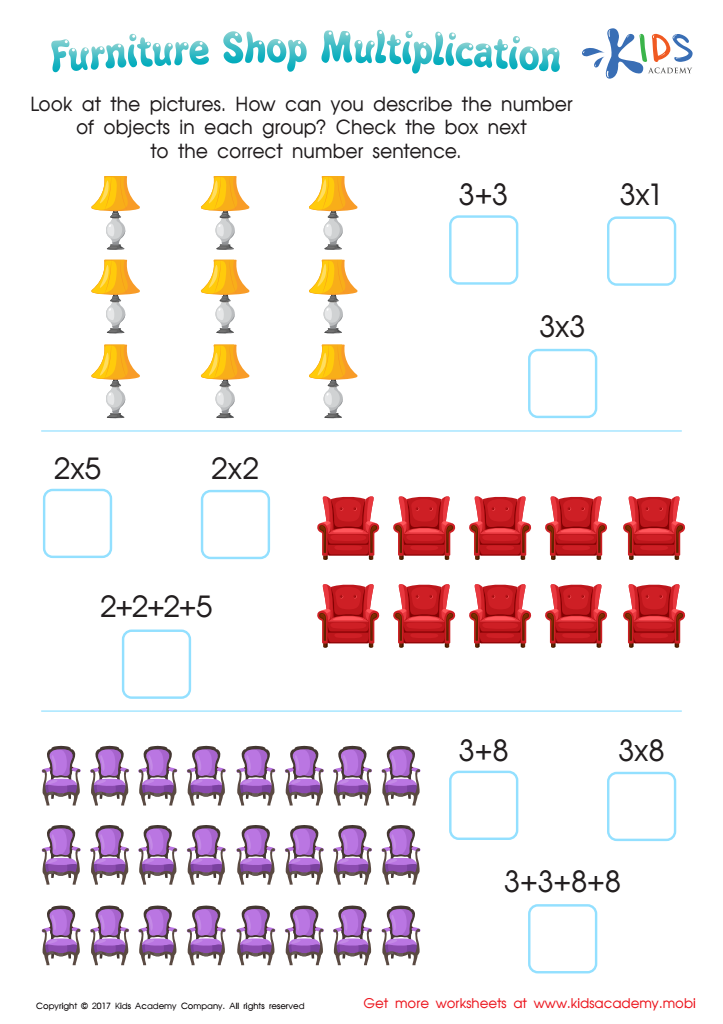
Furniture Shop Worksheet


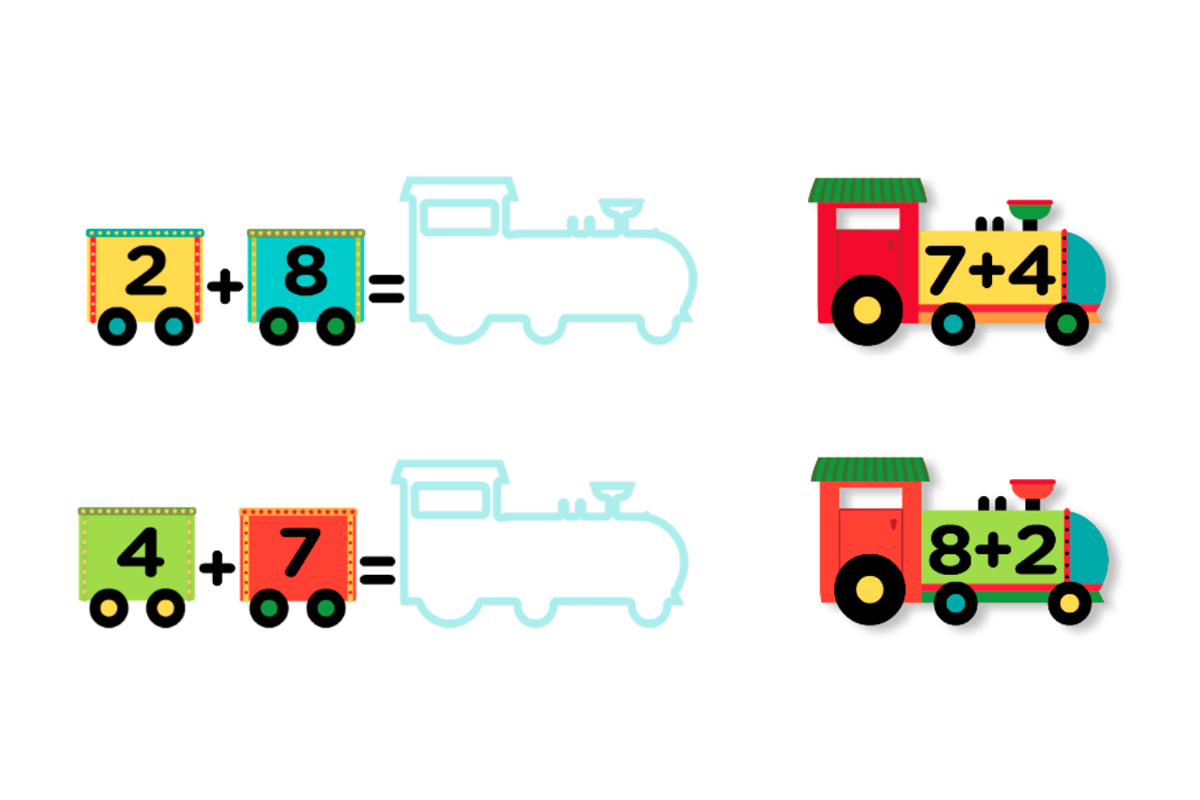





Normal multiplication, typically introduced for children aged 7-8, is a foundational concept in mathematics that plays a crucial role in a child's overall learning and problem-solving abilities. At this age, children transition from learning basic arithmetic to applying these skills in various contexts. Understanding normal multiplication helps develop their mathematical fluency, making it easier for them to tackle more complex operations like division and fractions later on.
Parents and teachers should care about this concept because it fosters critical thinking and cognitive development. Mastery of multiplication tables enhances memory and boosts confidence, enabling children to approach math with a positive mindset. This skill also supports everyday life situations, such as budgeting, time management, and resource allocation. Furthermore, multiplication helps children recognize patterns, a key element in developing logical reasoning skills in math and other subjects.
Engaging with normal multiplication provides opportunities for hands-on activities and games that make learning enjoyable and interactive. By emphasizing its importance, parents and teachers can create a supportive learning environment that encourages curiosity and perseverance, which are essential traits for success both in and out of the classroom.








