Normal Word Problems Worksheets for Ages 7-9 - Page 2
45 filtered results
-
From - To
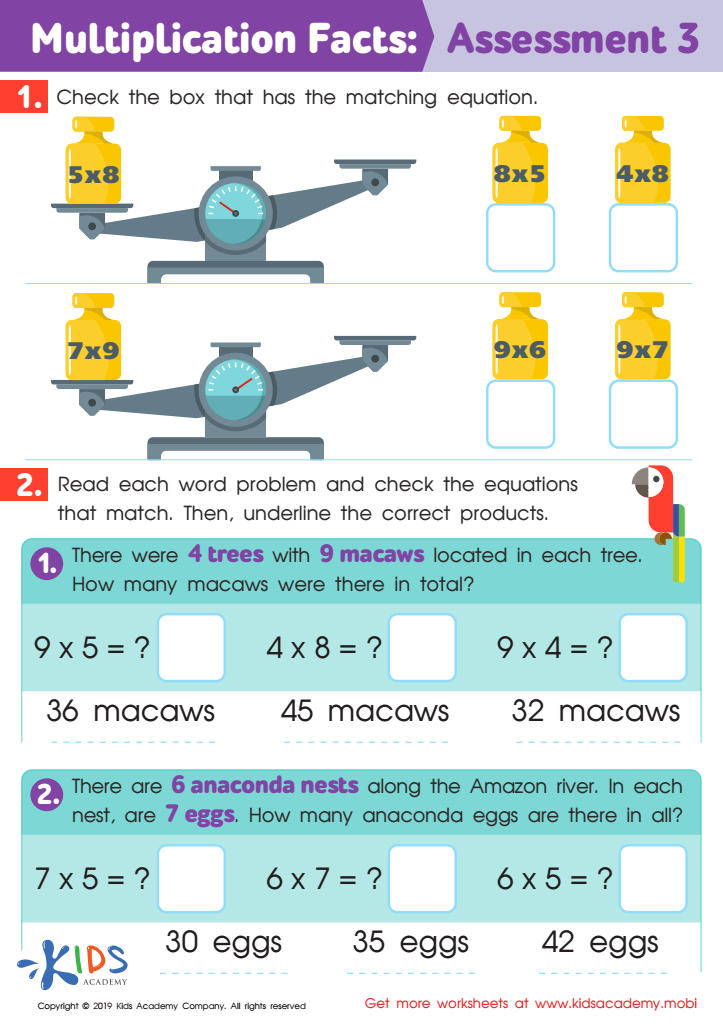
Multiplication Facts: Assessment 3 Worksheet
 Assign to My Students
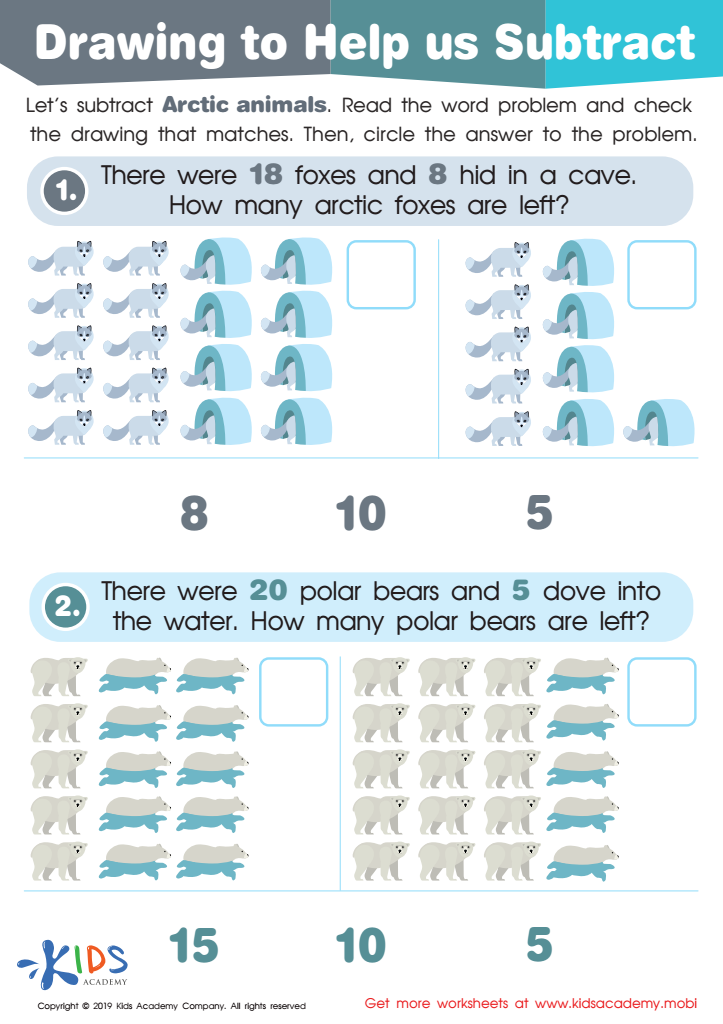
Drawing to Help Us Subtract Worksheet
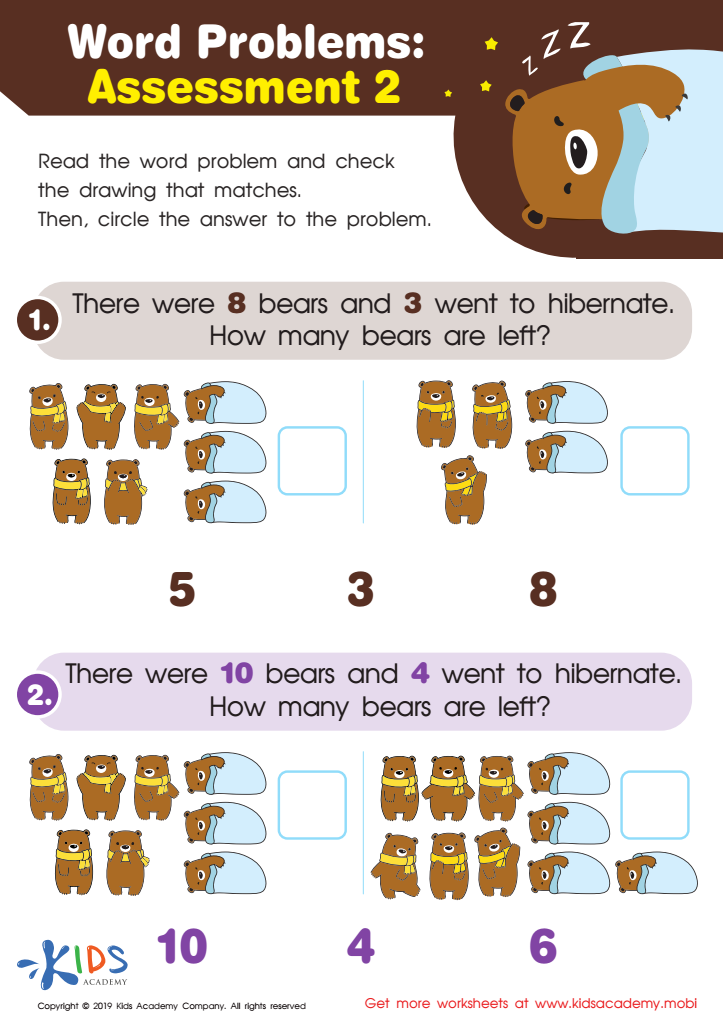
Word Problems: Assessment 2 Worksheet
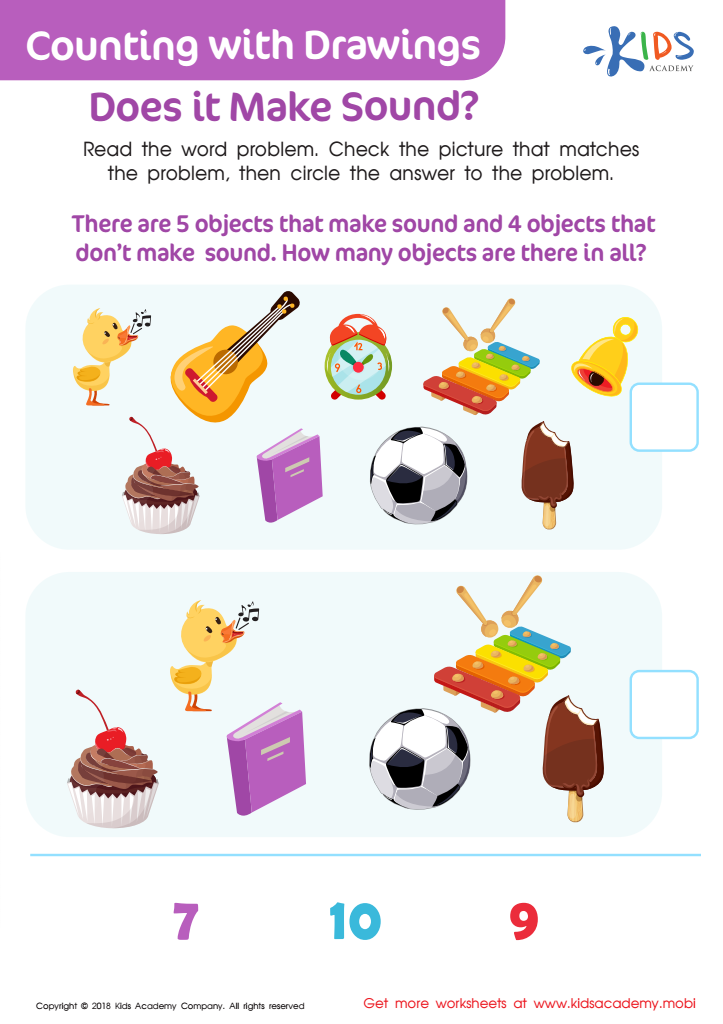
Counting With Drawings. Does It Make Sound? Worksheet
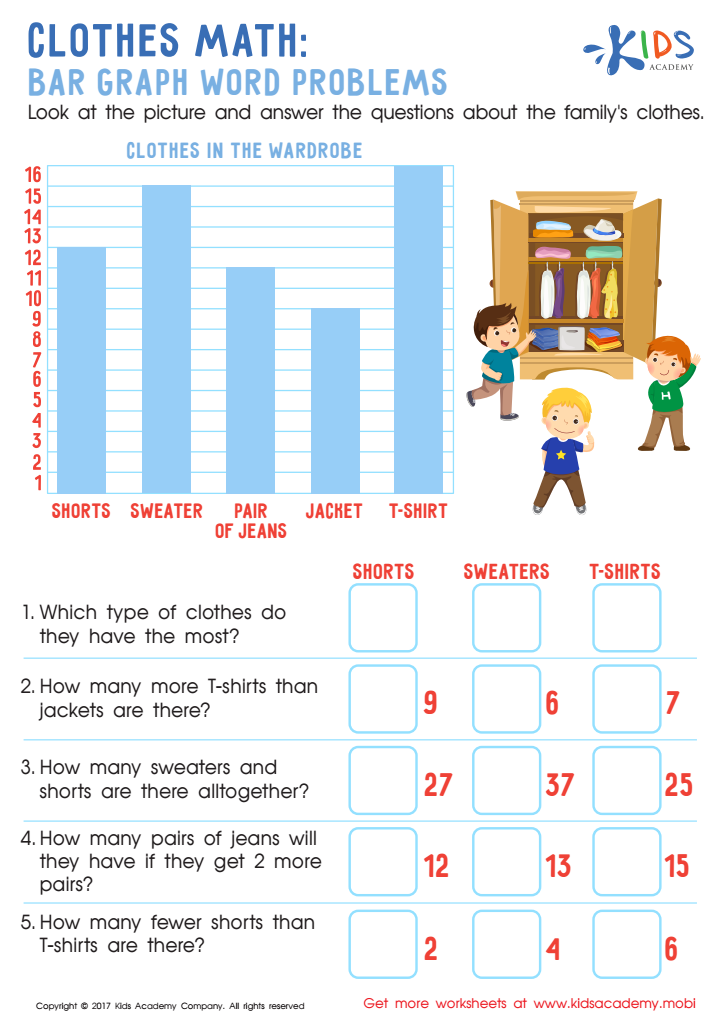
Clothes Math: Bar Graph Word Problems Worksheet
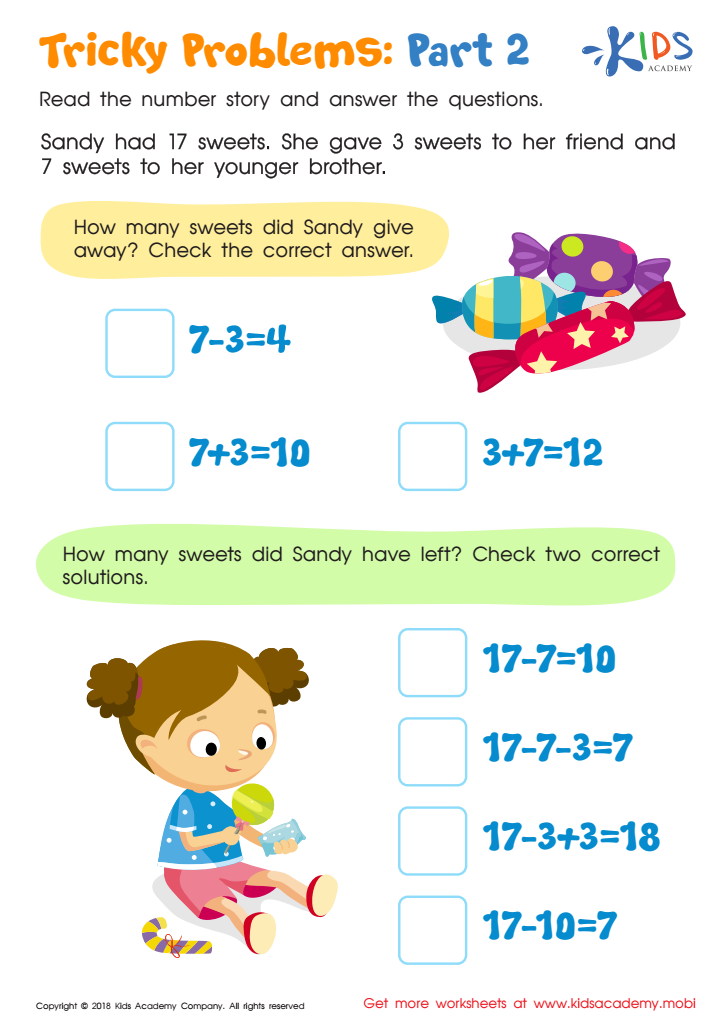
Tricky Problems Worksheet: Part 2
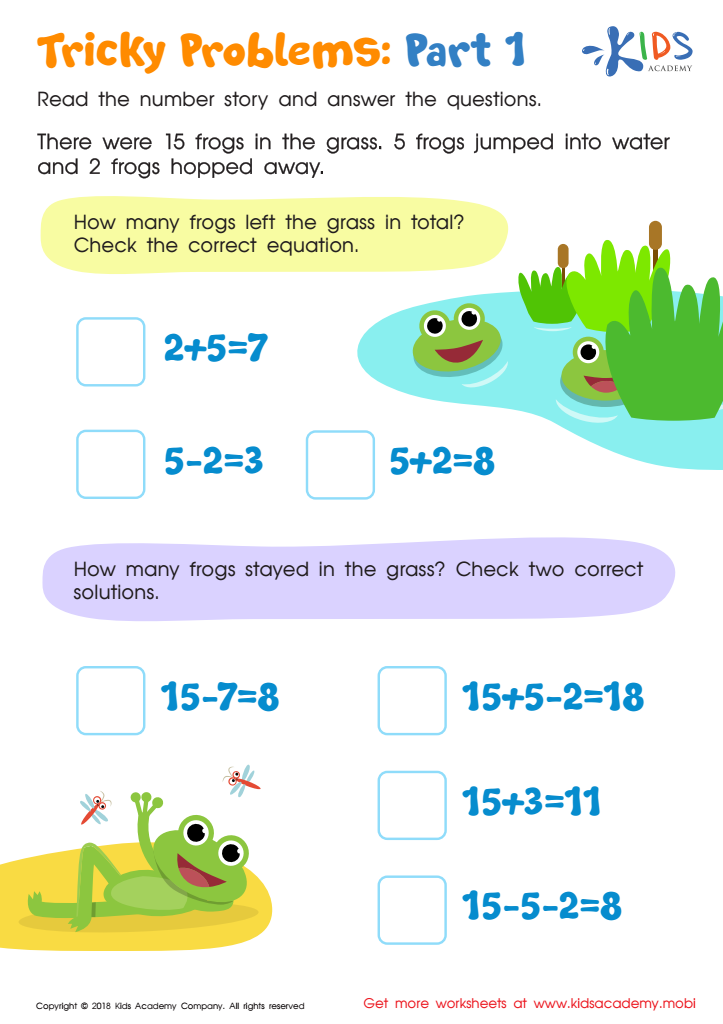
Tricky Problems Worksheet: Part 1
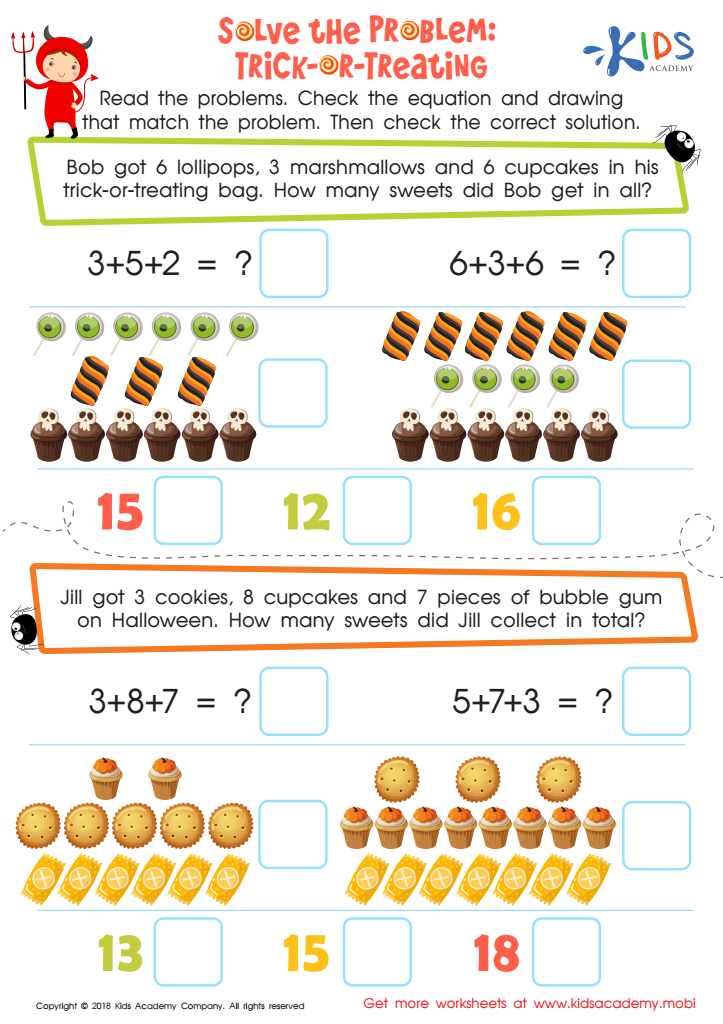
Solve the Problem: Trick–or–treating Worksheet
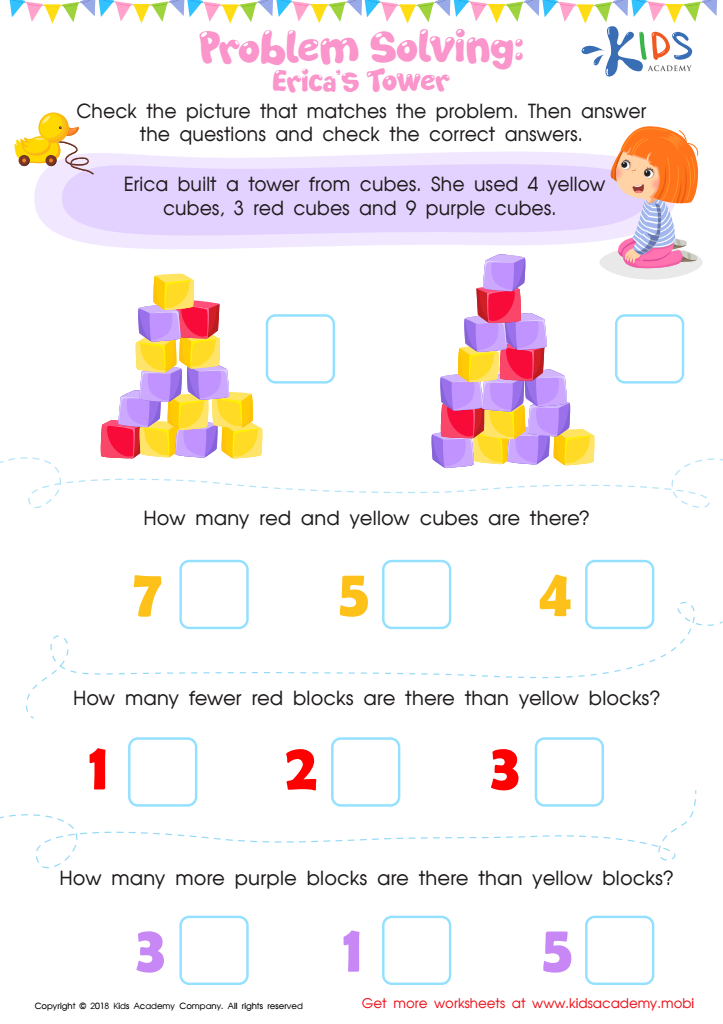
Problem Solving: Erica's Tower Worksheet
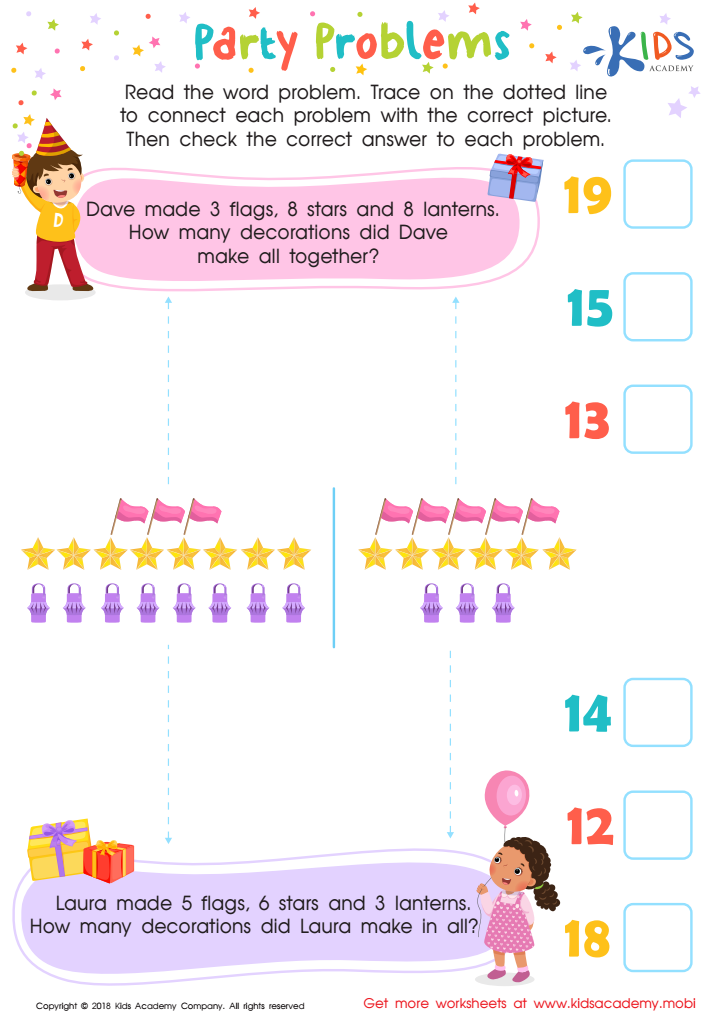
Party Problems Worksheet
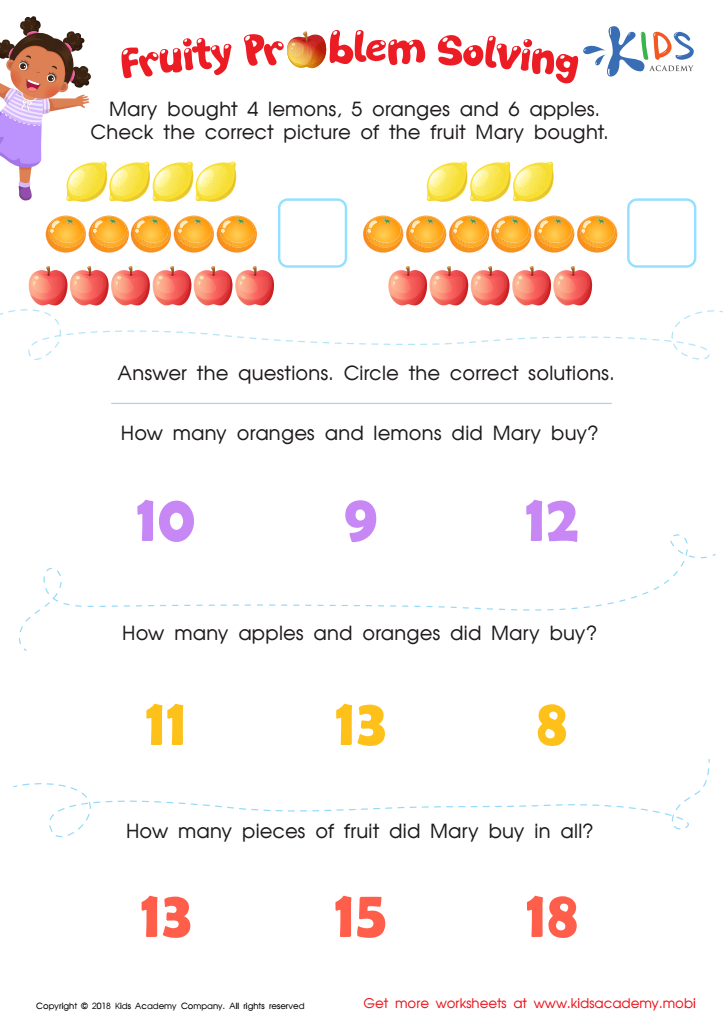
Fruity Problem Solving Worksheet
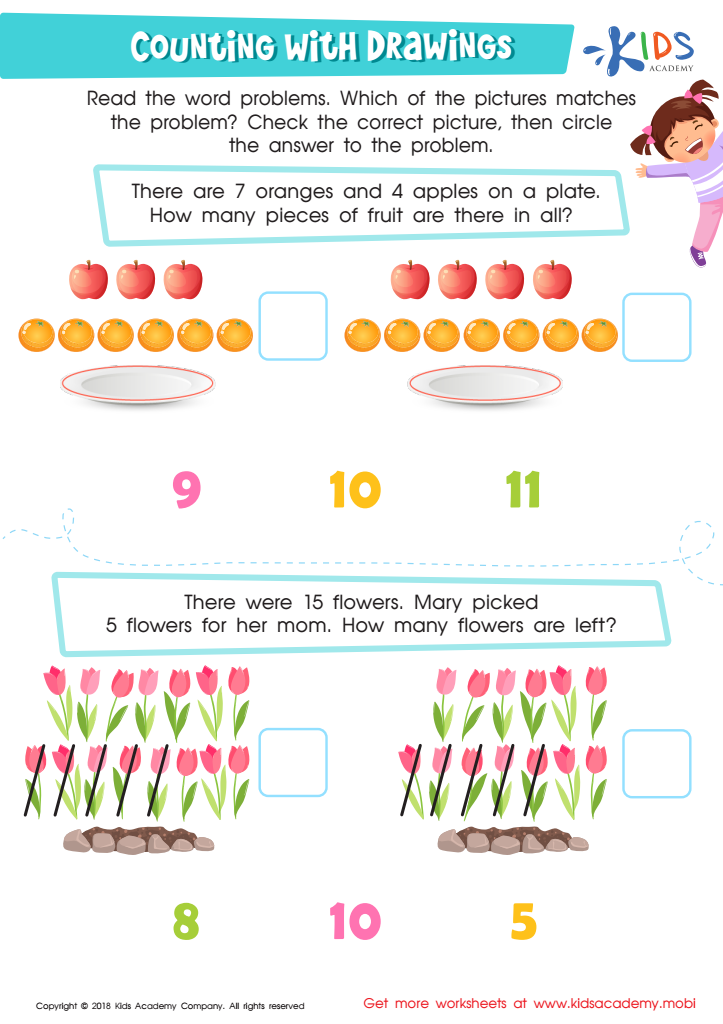
Counting with Drawings: Fruits & Chocolates Worksheet
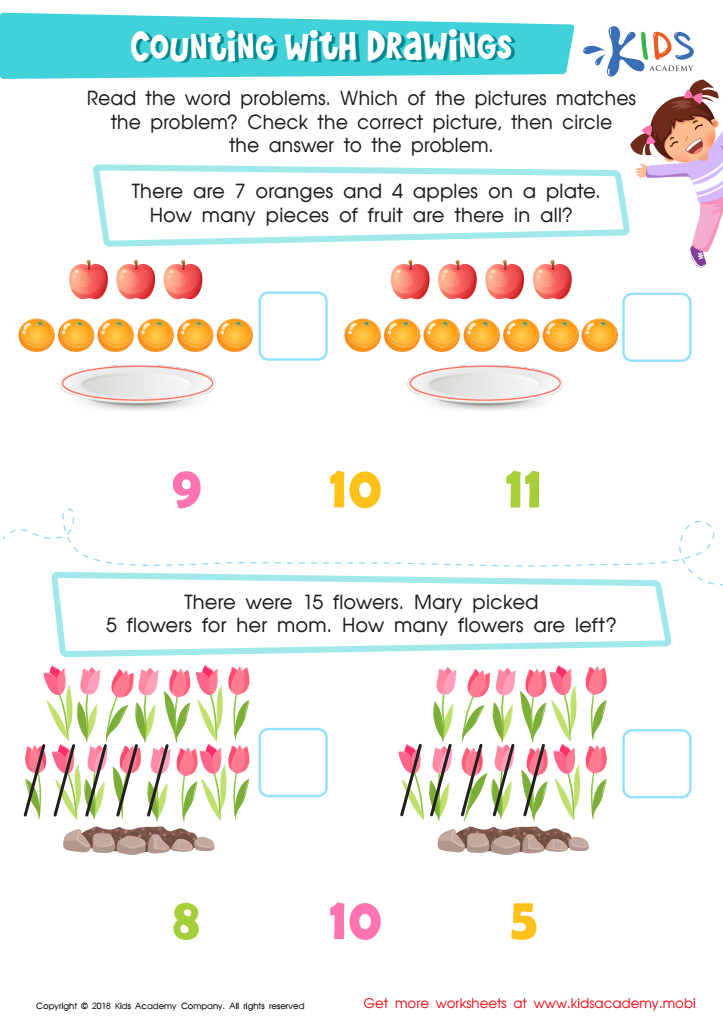
Counting with Drawings:Fruits & Flowers Worksheet
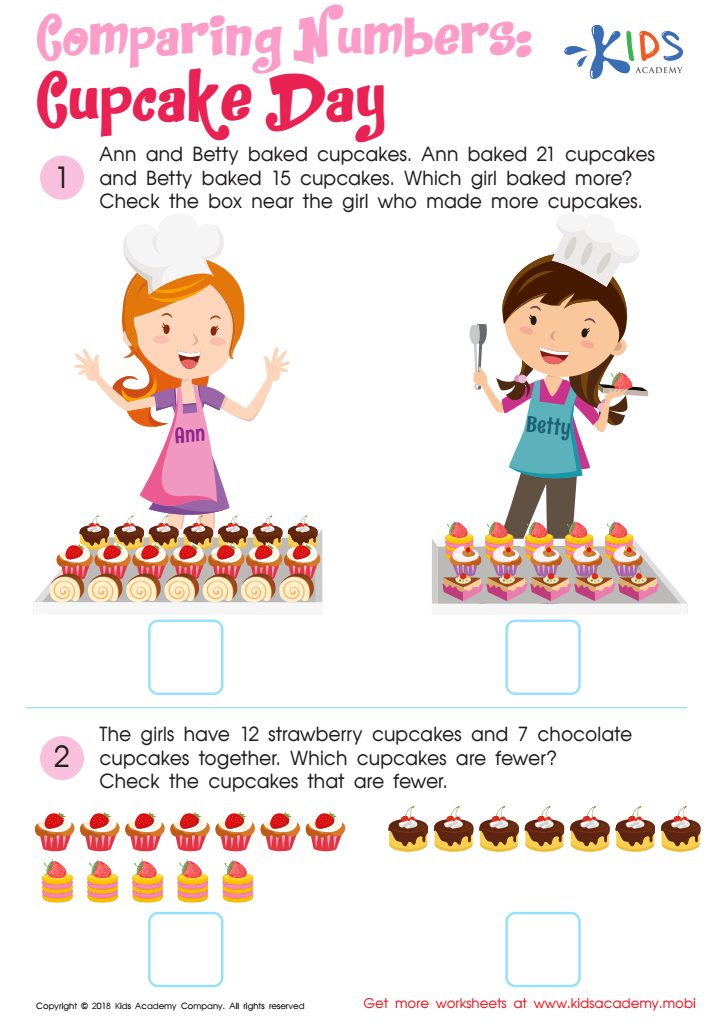
Cupcake Day Worksheet
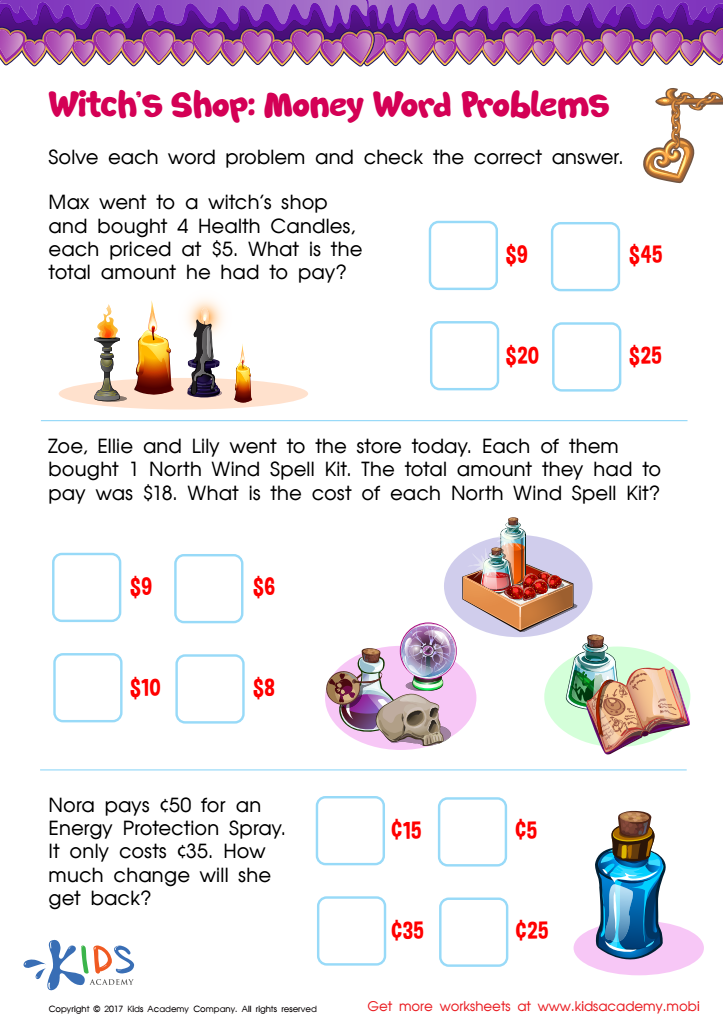
Money Word Problems Printable
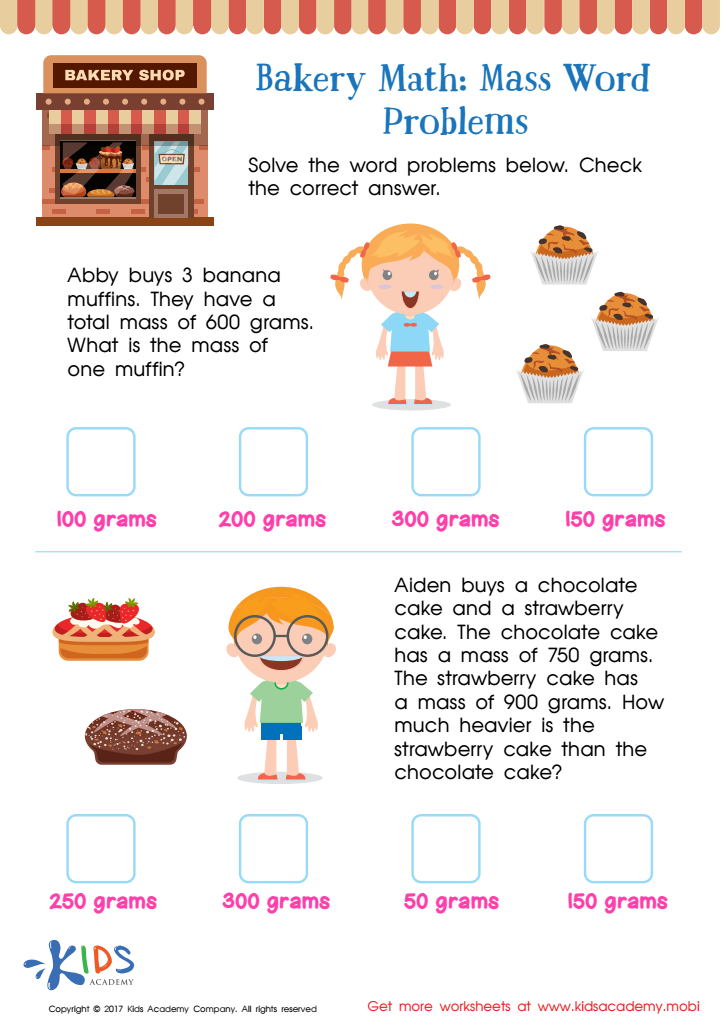
Mass Word Problems Worksheet
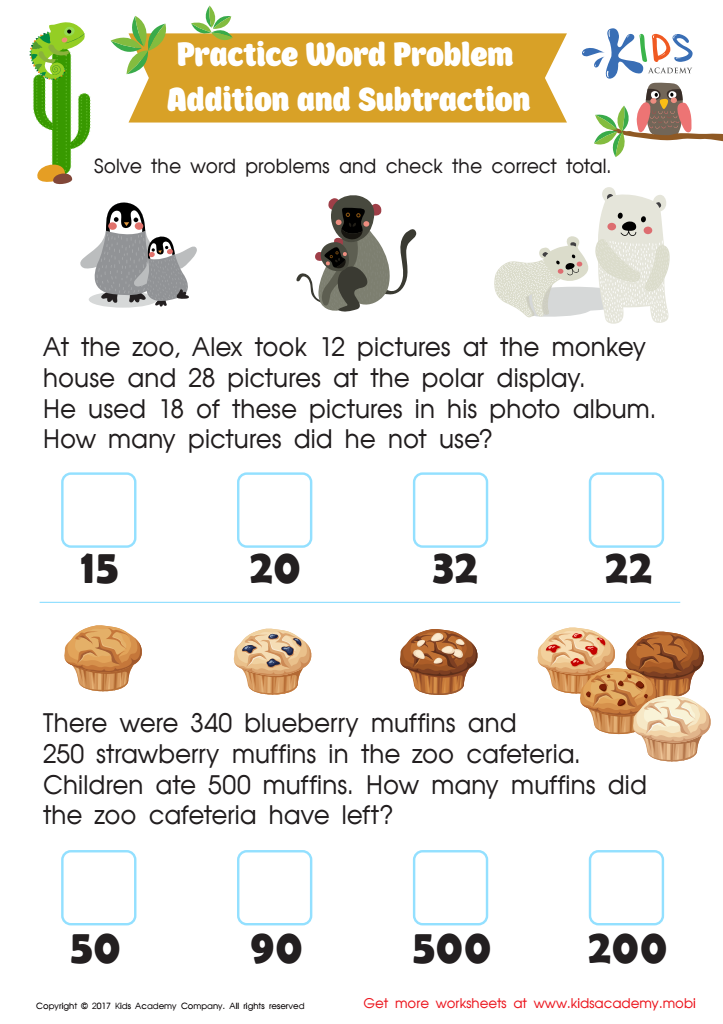
Addition and Subtraction: Word Problems Worksheet
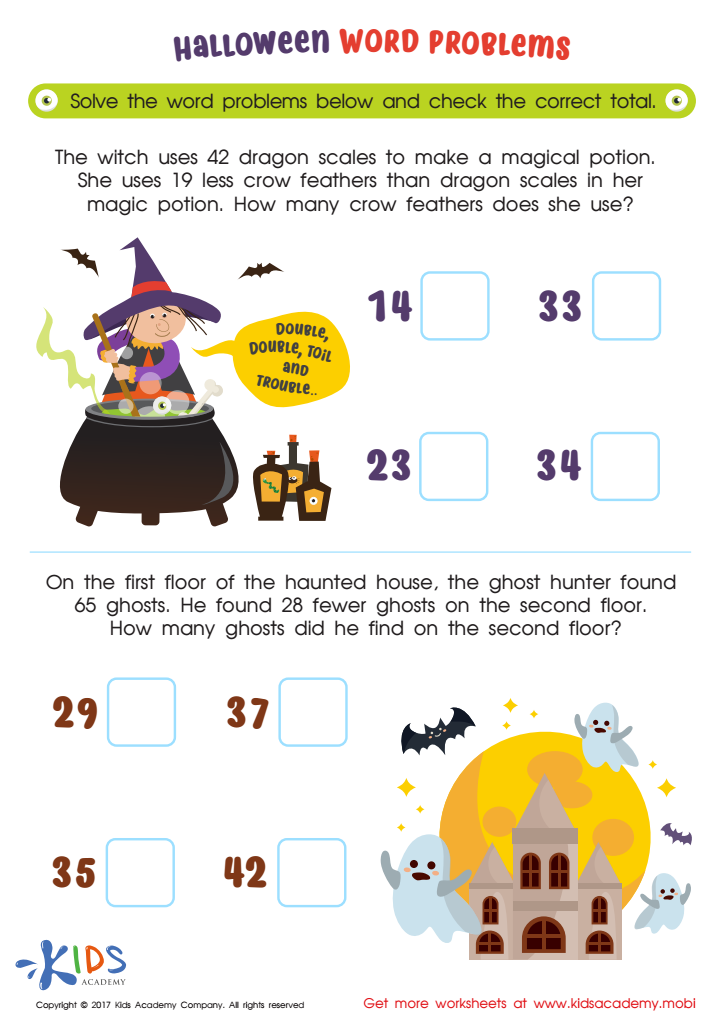
Halloween Word Problems Printable
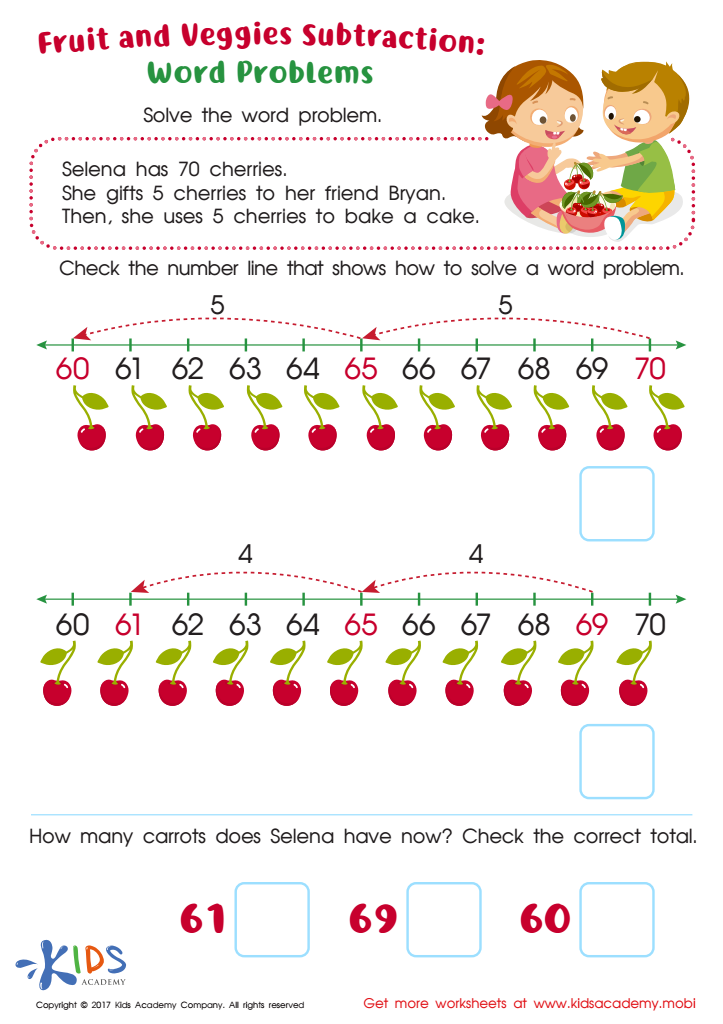
Subtraction Word Problems Free Printable
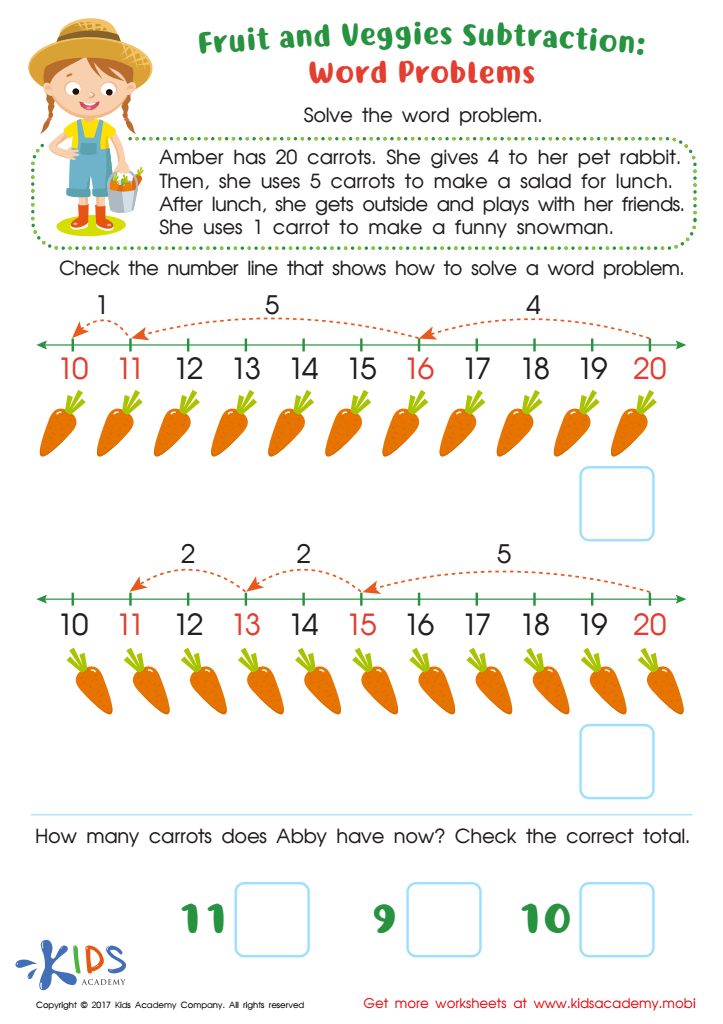
Subtraction Word Problems Printable
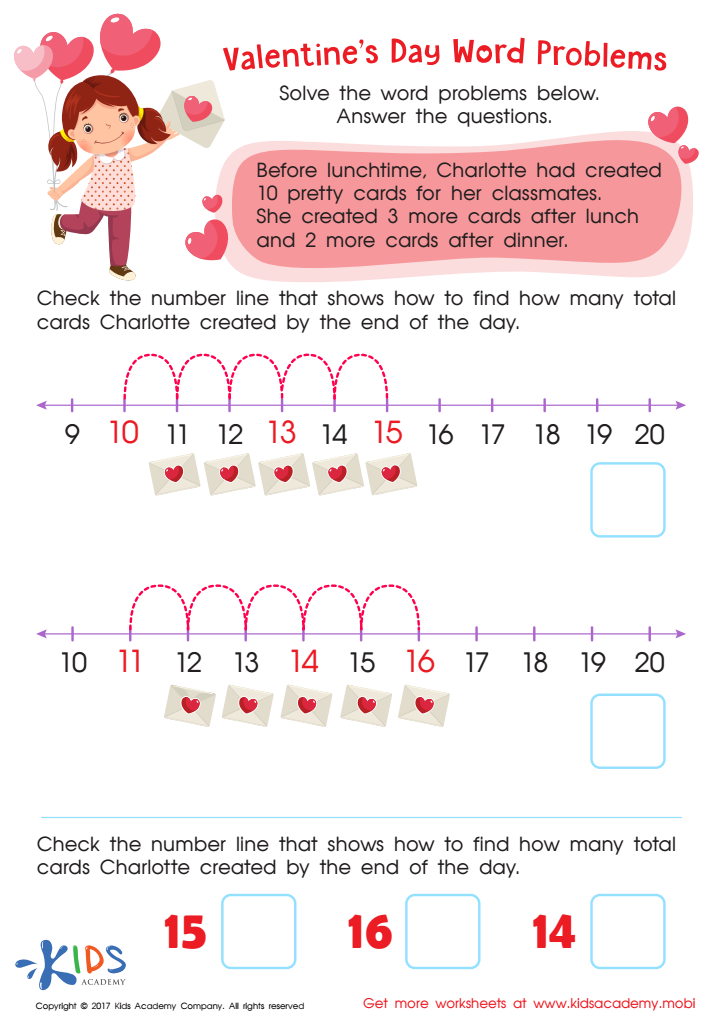
Valentines Day Word Problem Worksheet








Normal word problems are an essential component of mathematical education for children aged 7 to 9, as they bridge the gap between abstract math concepts and real-world applications. These problems encourage critical thinking and problem-solving skills, allowing students to grasp the relevance of mathematics in everyday life. By engaging with word problems, children learn to interpret language and quantify the scenario presented, which not only aids in numeric comprehension but also enhances their reading skills.
Furthermore, normal word problems promote perseverance and resilience in young learners, as they must analyze the details, decide on the right mathematical operations, and confidently arrive at a solution. This development of logical reasoning and analytical skills is vital for academic growth and confidence.
For parents and teachers, understanding the importance of these problems contributes to fostering a supportive environment that values math proficiency and literacy. When adults engage in discussions around these problems—during homework help or in daily conversations—they can reinforce concepts, clarify misunderstandings, and show children that math is not just a school subject but a tool for navigating the world. Ultimately, encouraging children to tackle normal word problems cultivates a foundational skill set that is vital for lifelong learning.








