Math worksheets activities for Ages 3-9
66 filtered results
-
From - To
Discover a delightful range of math worksheet activities designed specifically for children aged 3 to 9! Our engaging and interactive resources support young learners in developing essential math skills while fostering a love for learning. From counting and number recognition to basic addition and subtraction, our worksheets cater to various skill levels and learning styles. Perfect for homeschooling, classroom enrichment, or after-school activities, these worksheets encourage critical thinking and problem-solving in a fun way. Transform math into an exciting adventure with our colorful, age-appropriate activities that make learning enjoyable and effective. Start exploring our collection today and watch your child thrive!
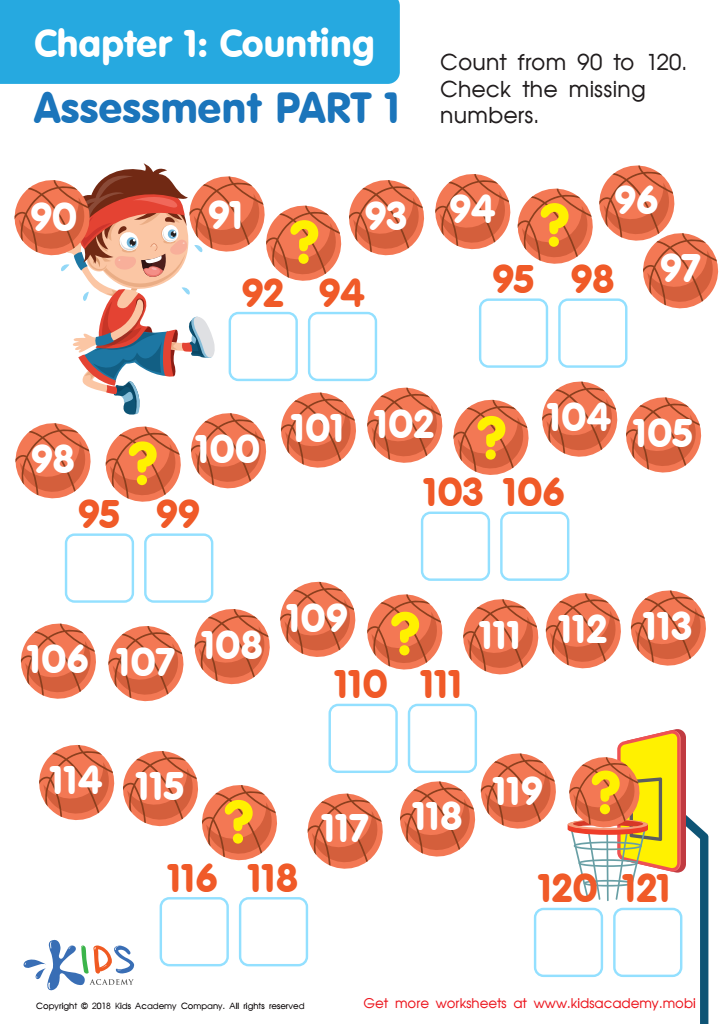
Counting Past 1: Assessment 1 Worksheet
 Assign to My Students
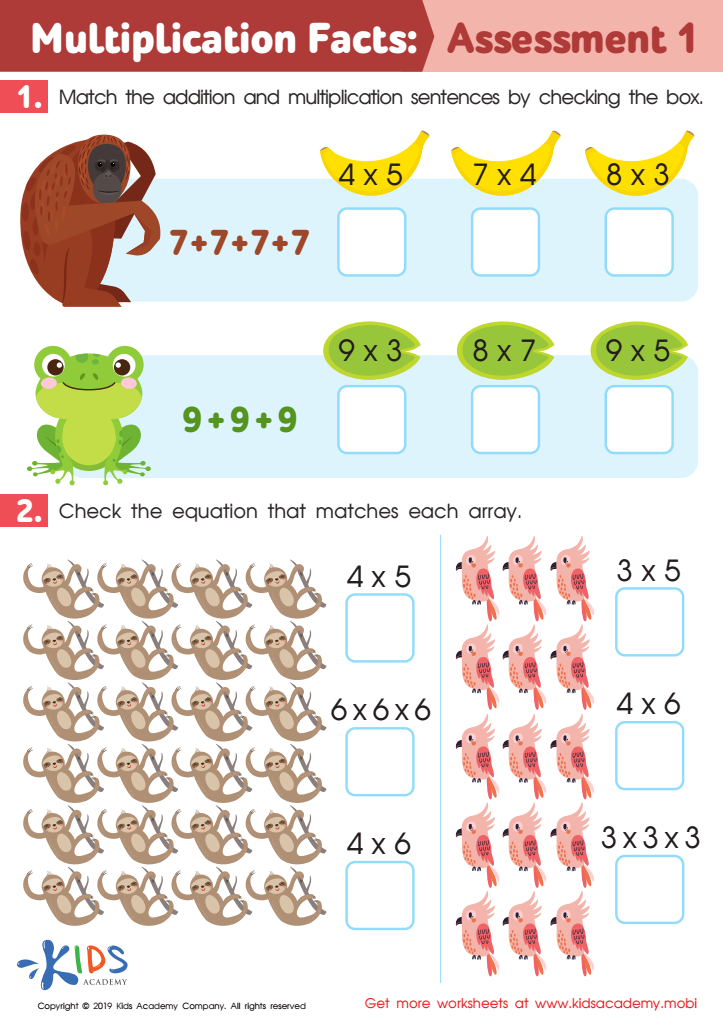
Multiplication Facts: Assessment 1 Worksheet
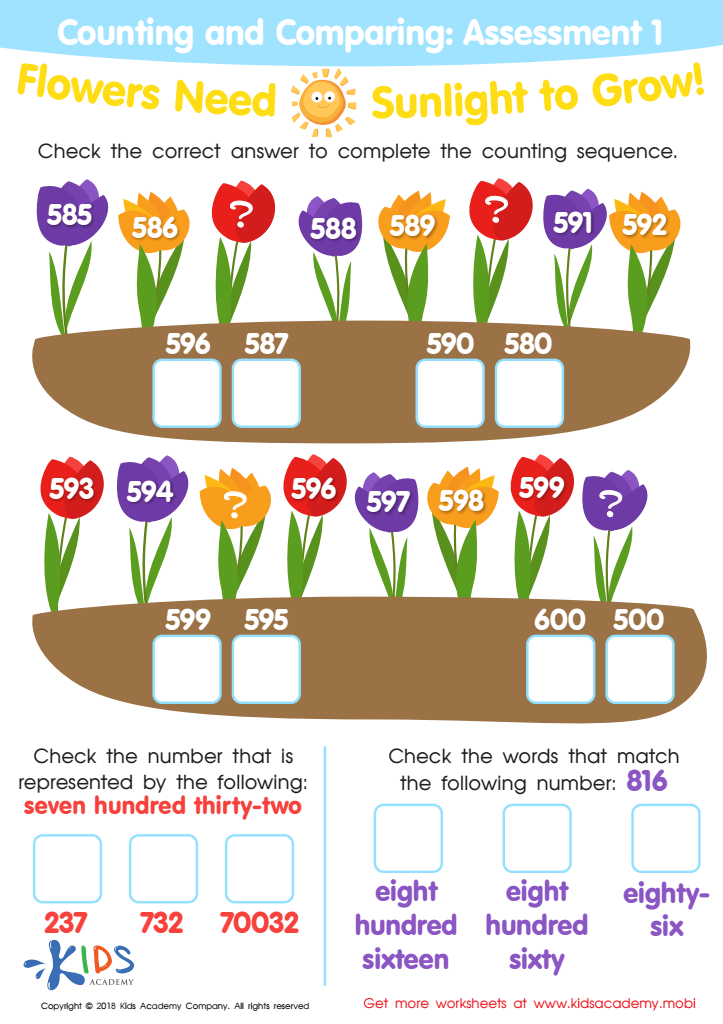
Counting and Comparing: Assessment 1 Worksheet
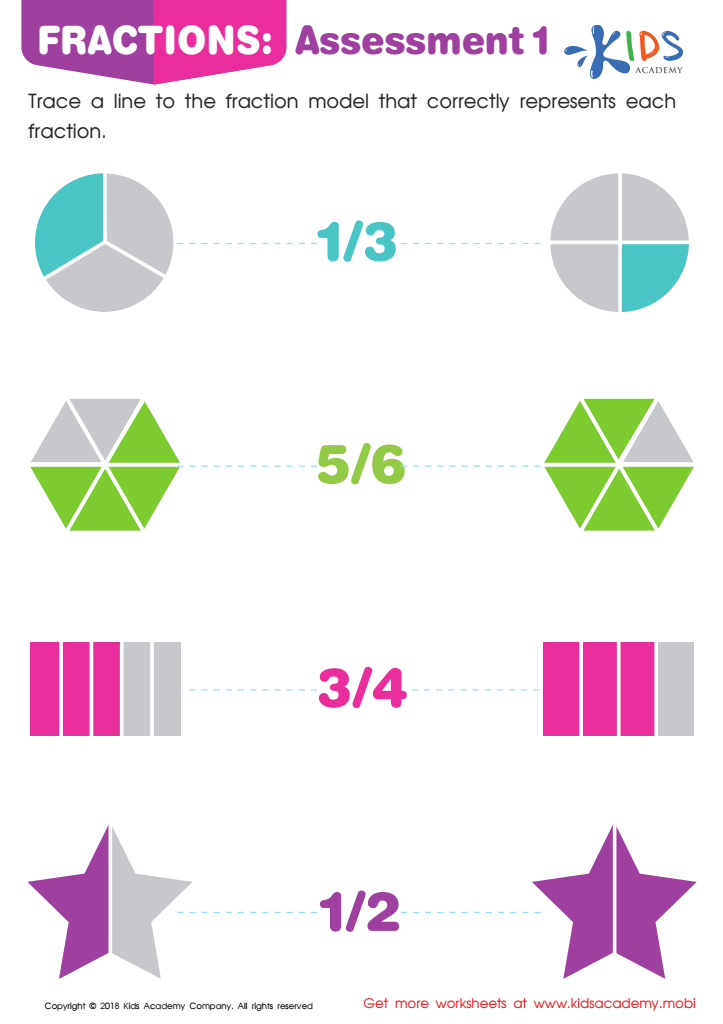
Fractions: Assessment 1 Worksheet
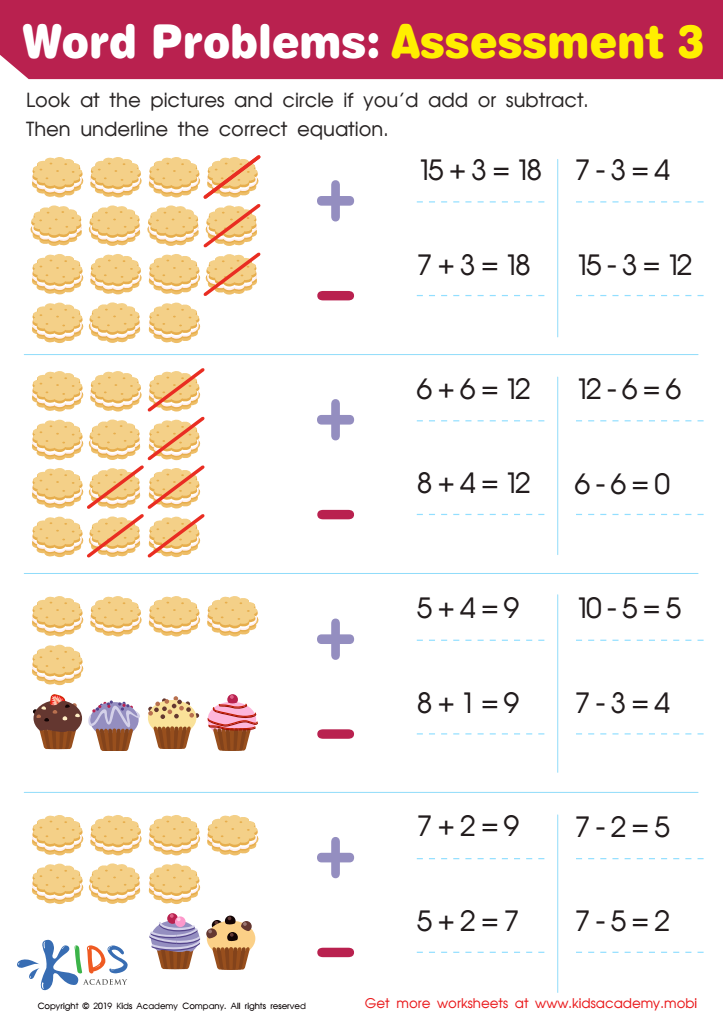
Word Problems: Assessment 3 Worksheet
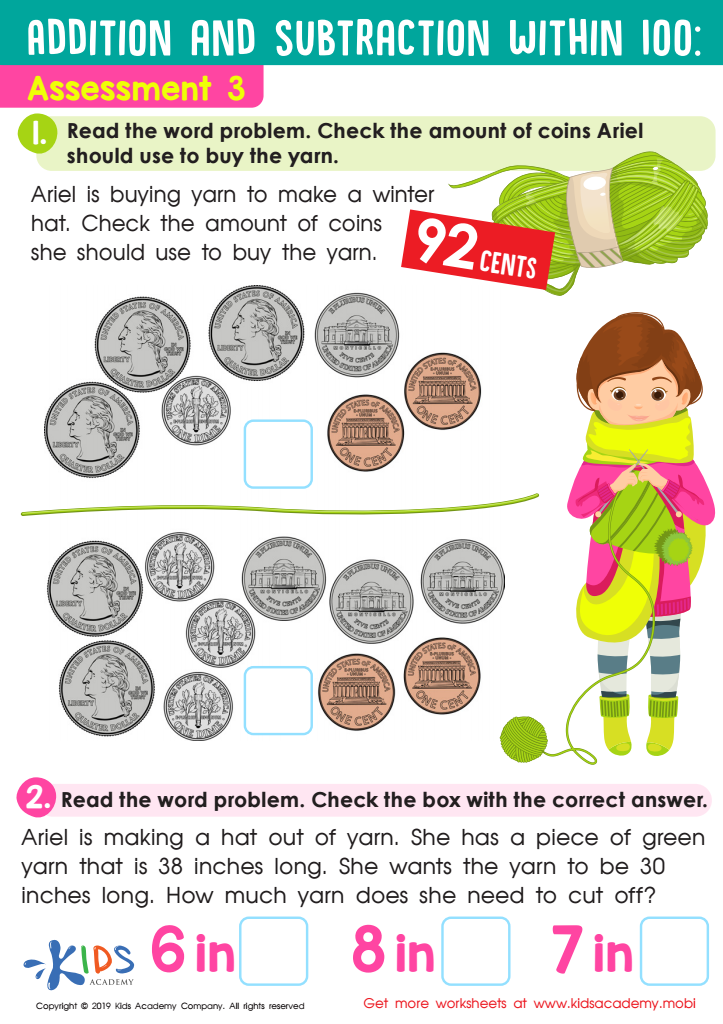
Assessment 3 Math Worksheet
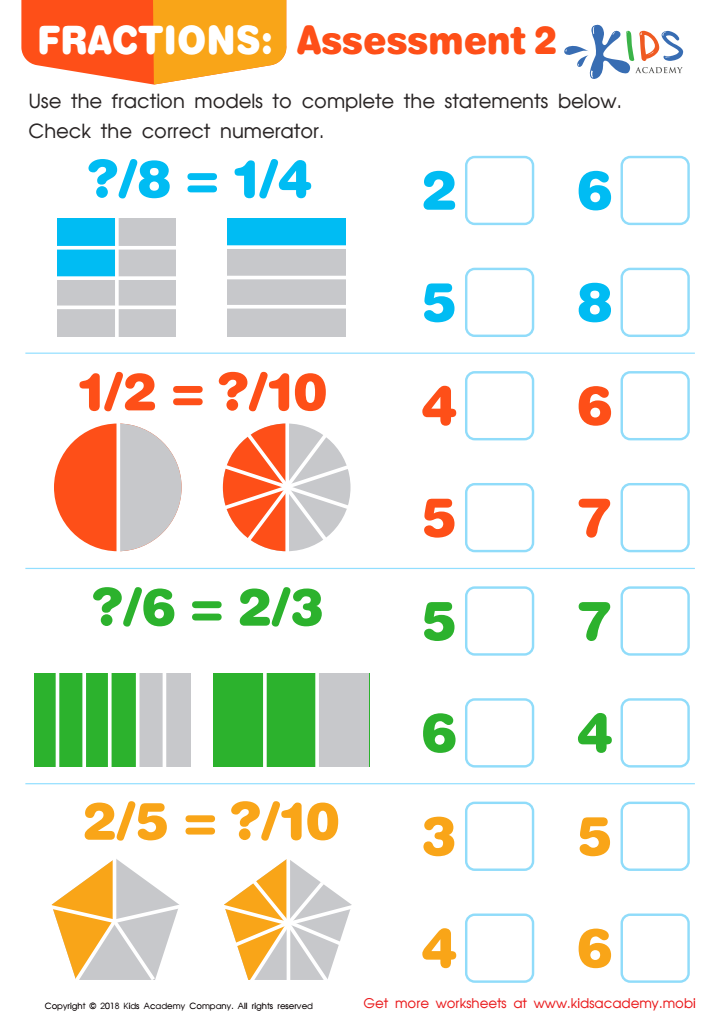
Fractions: Assessment 2 Worksheet
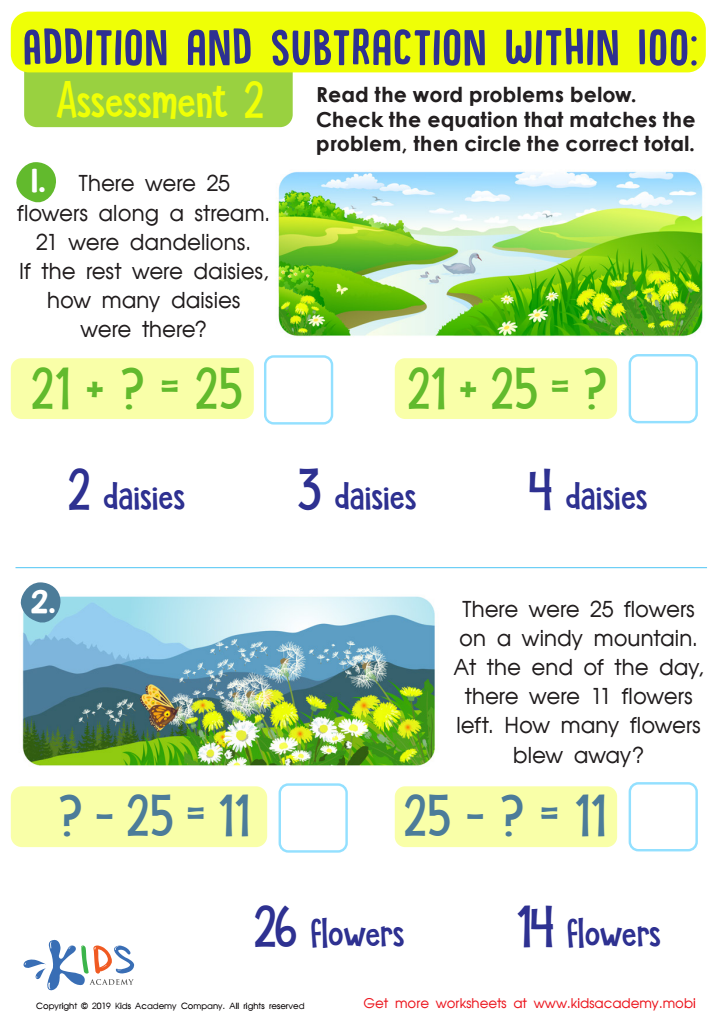
Assessment 2 Math Worksheet
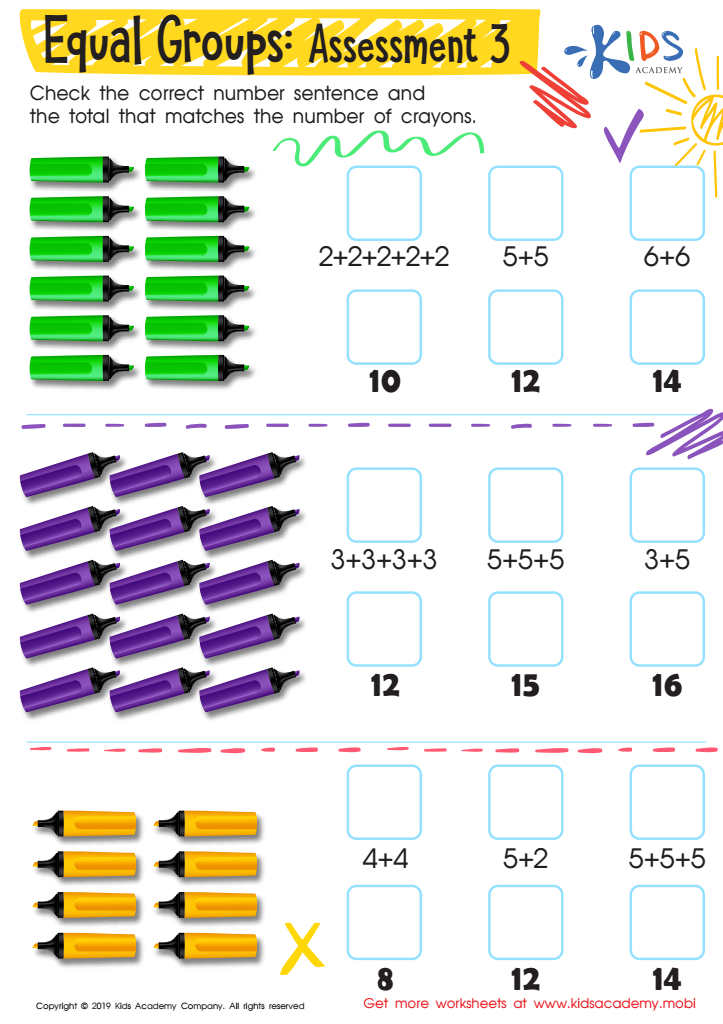
Equal Groups: Assessment 3 Worksheet
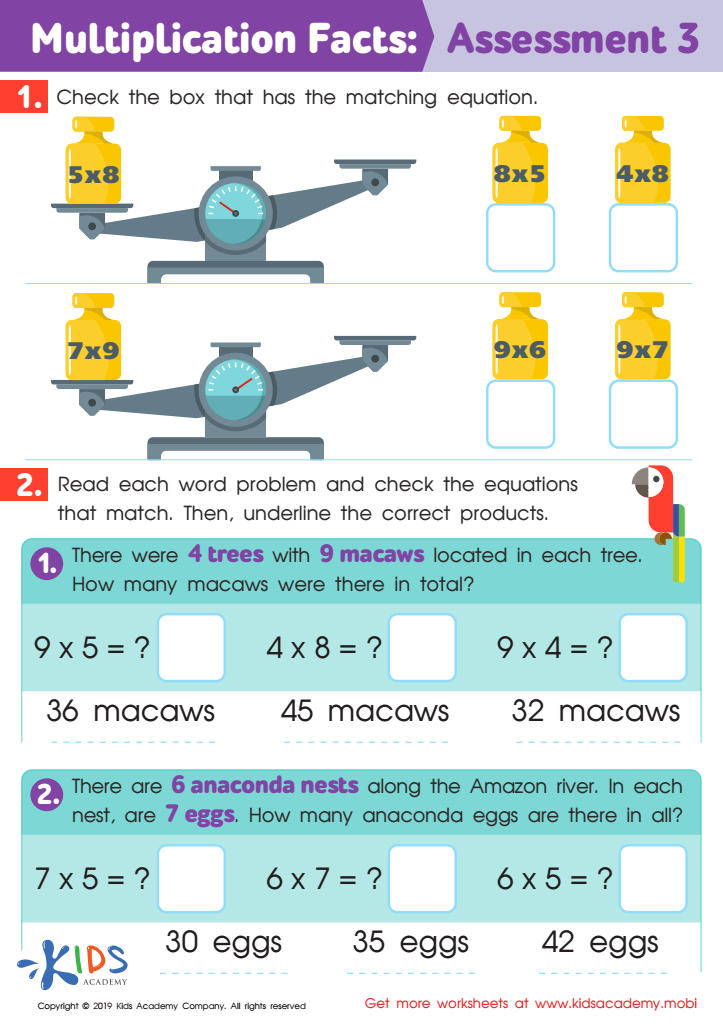
Multiplication Facts: Assessment 3 Worksheet
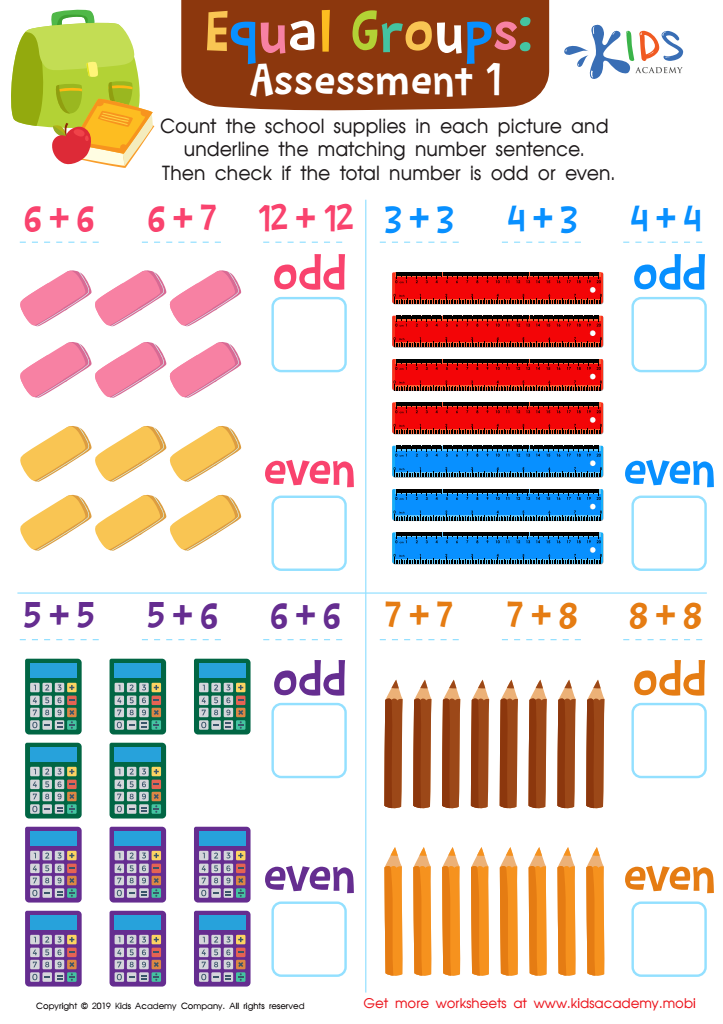
Equal Groups: Assessment 1 Worksheet
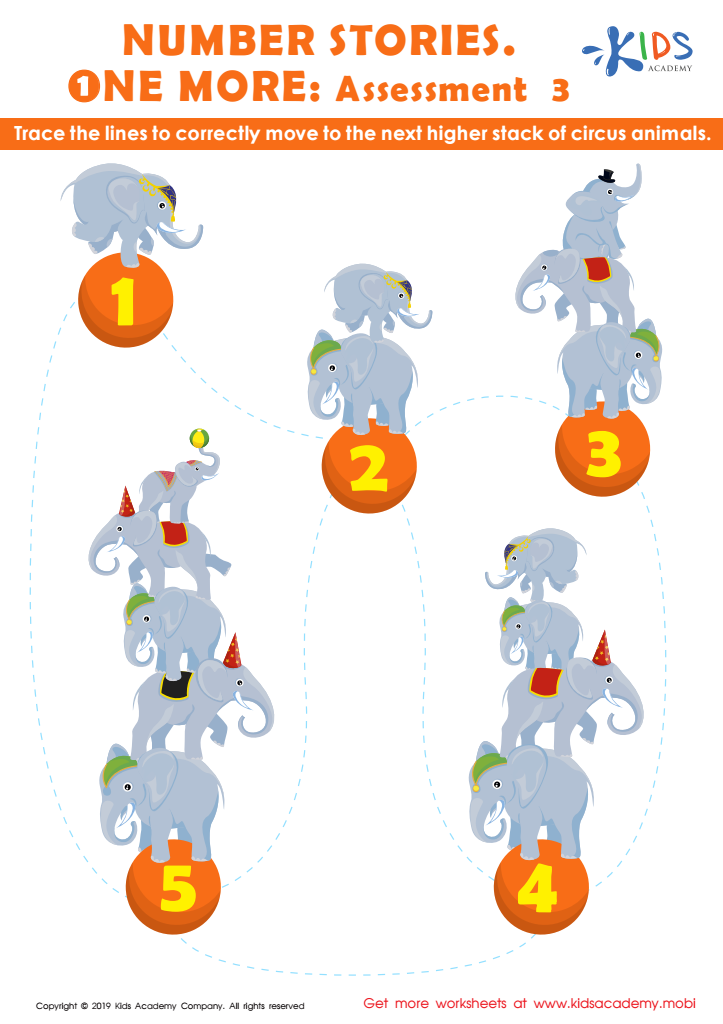
Number Stories One More: Assessment 3 Worksheet
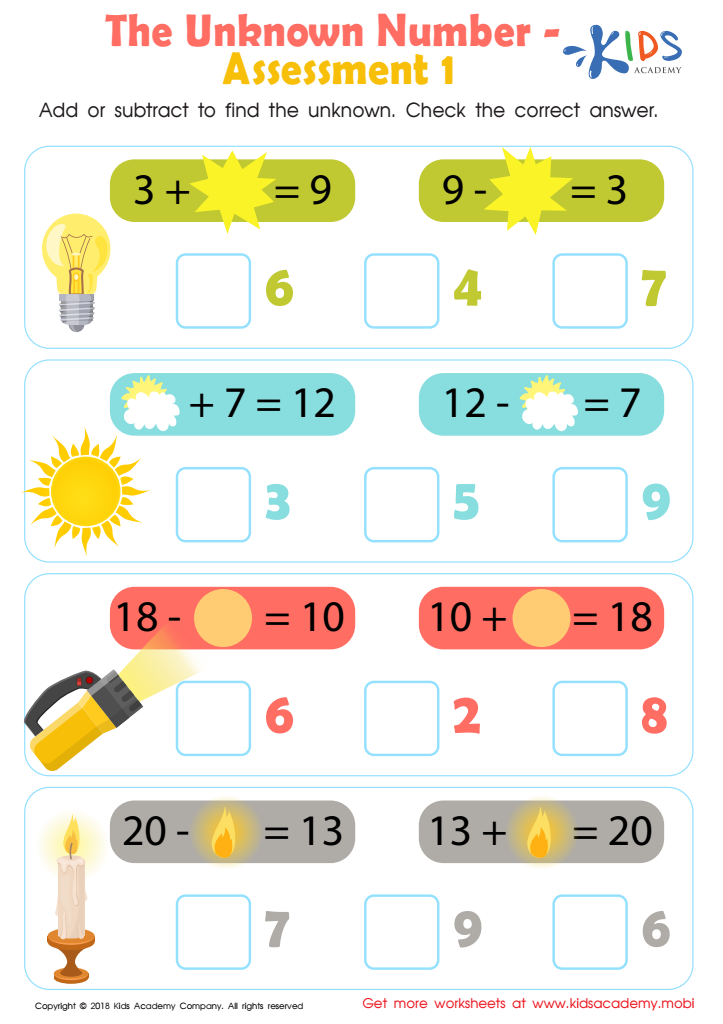
The Unknown Number: Assessment 1 Worksheet
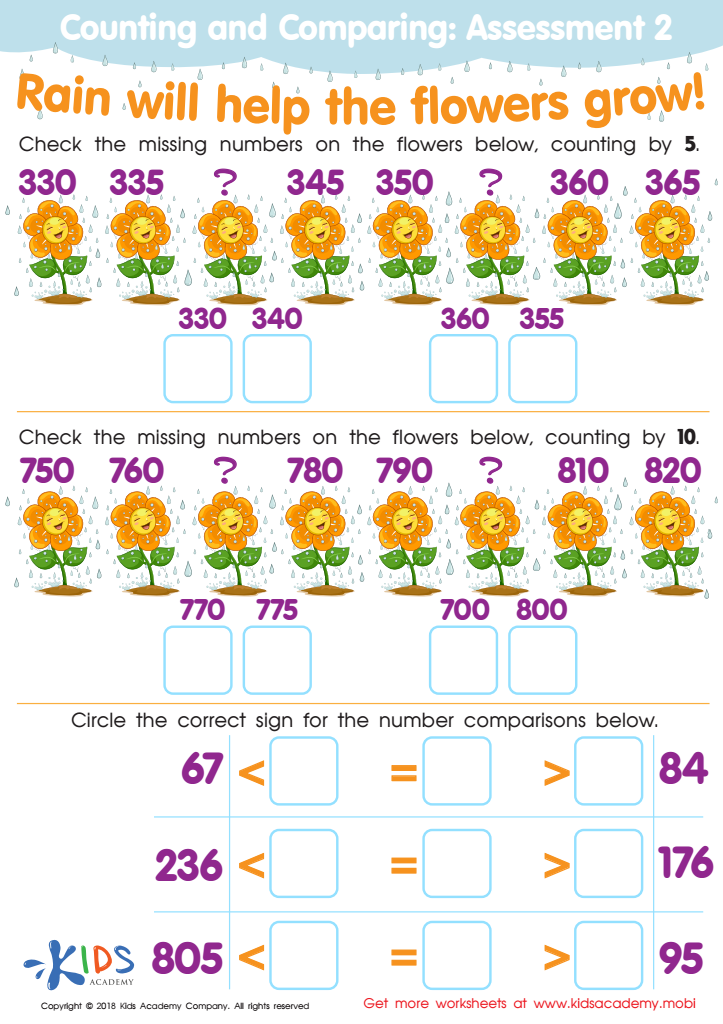
Counting and Comparing: Assessment 2 Worksheet
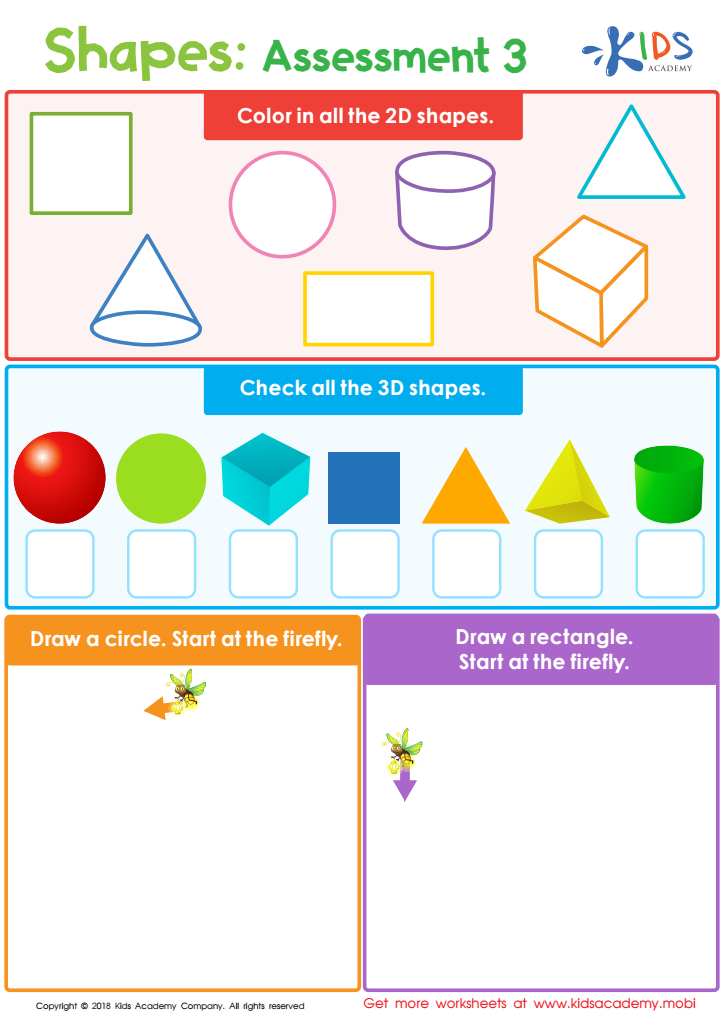
Shapes: Assessment 3 Worksheet
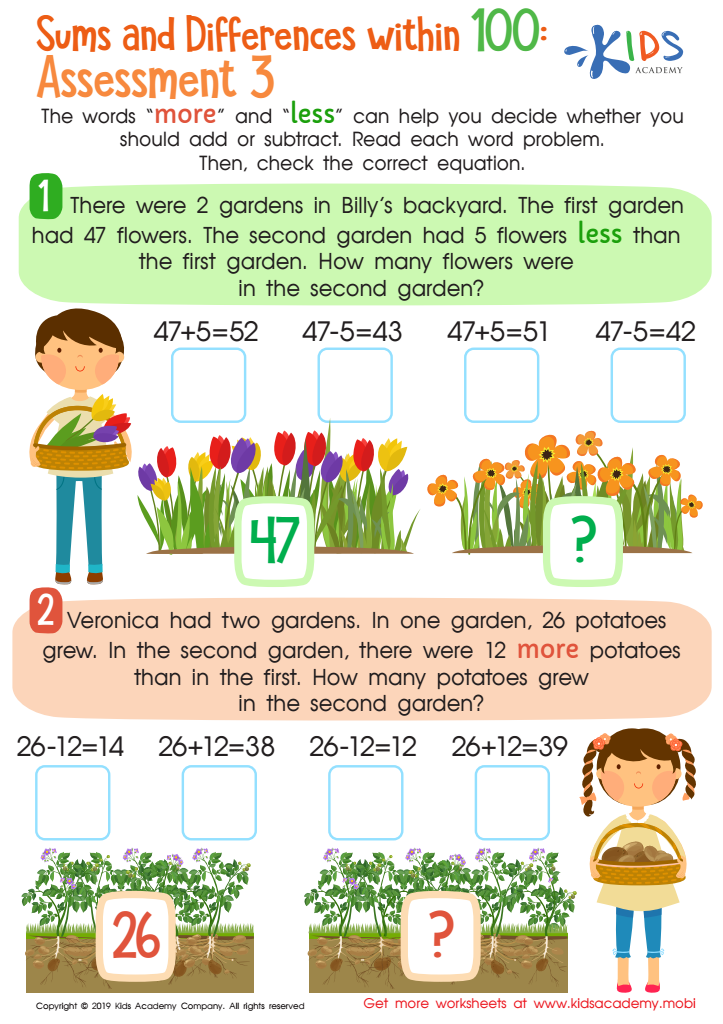
Sums and Differences Within 1 - Assessment 1 Worksheet
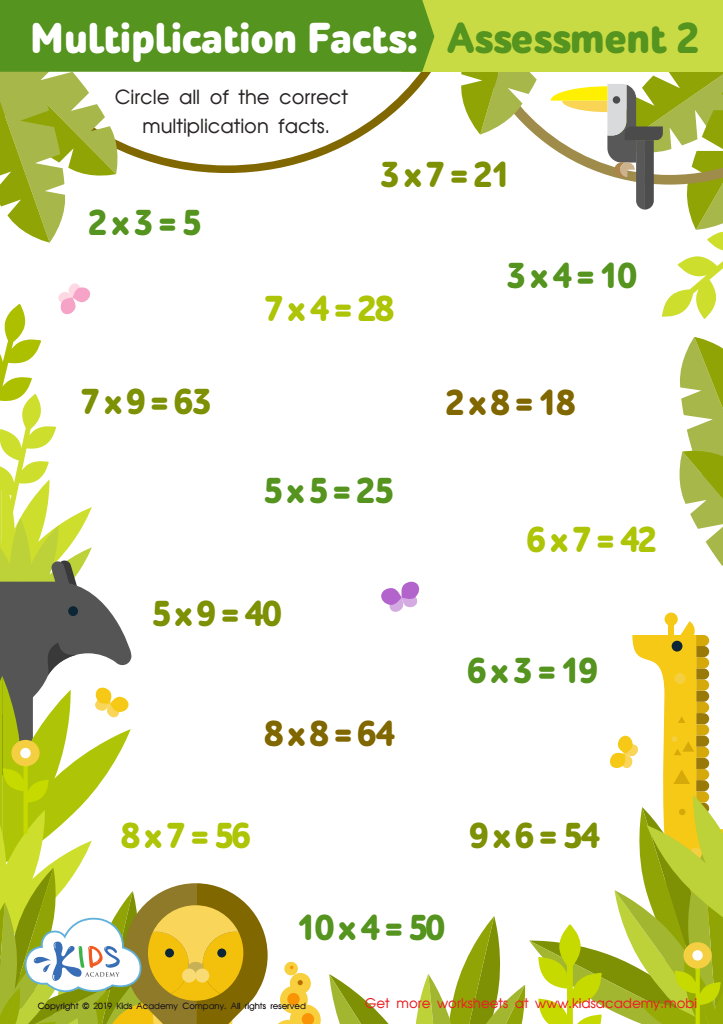
Multiplication Facts: Assessment 2 Worksheet
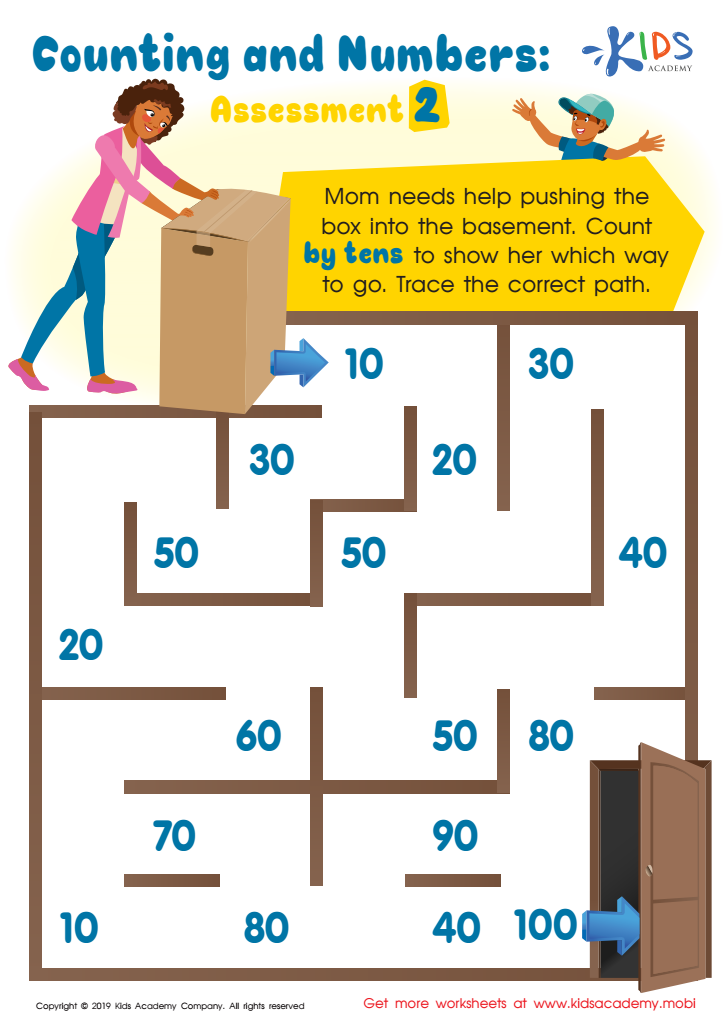
Counting and Numbers: Assessment 2 Worksheet
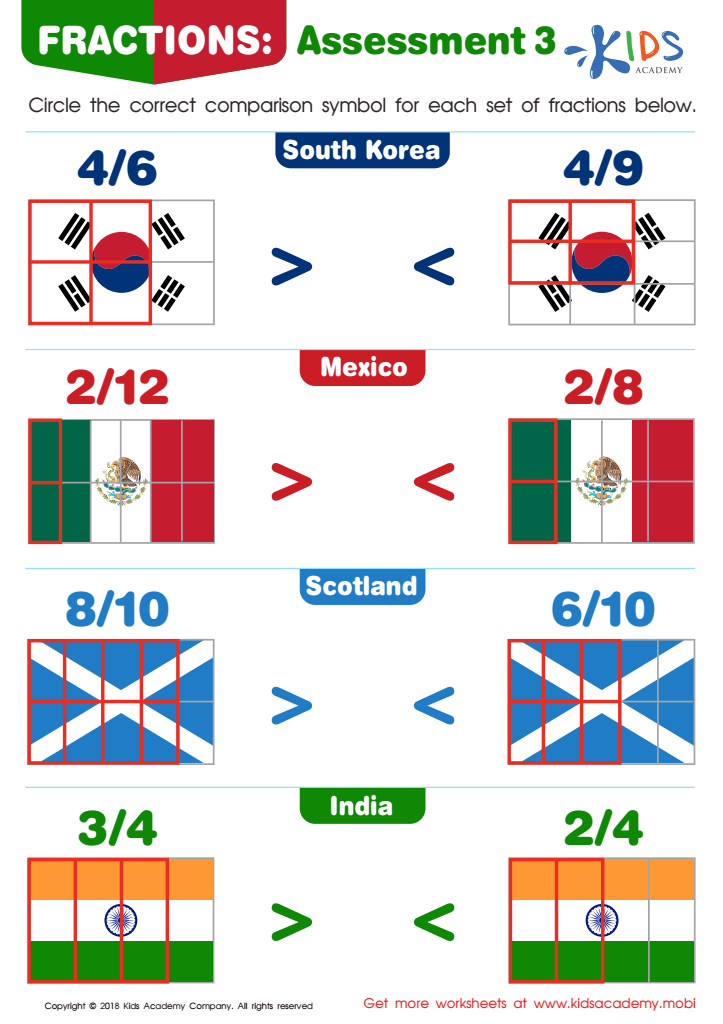
Fractions: Assessment 3 Worksheet
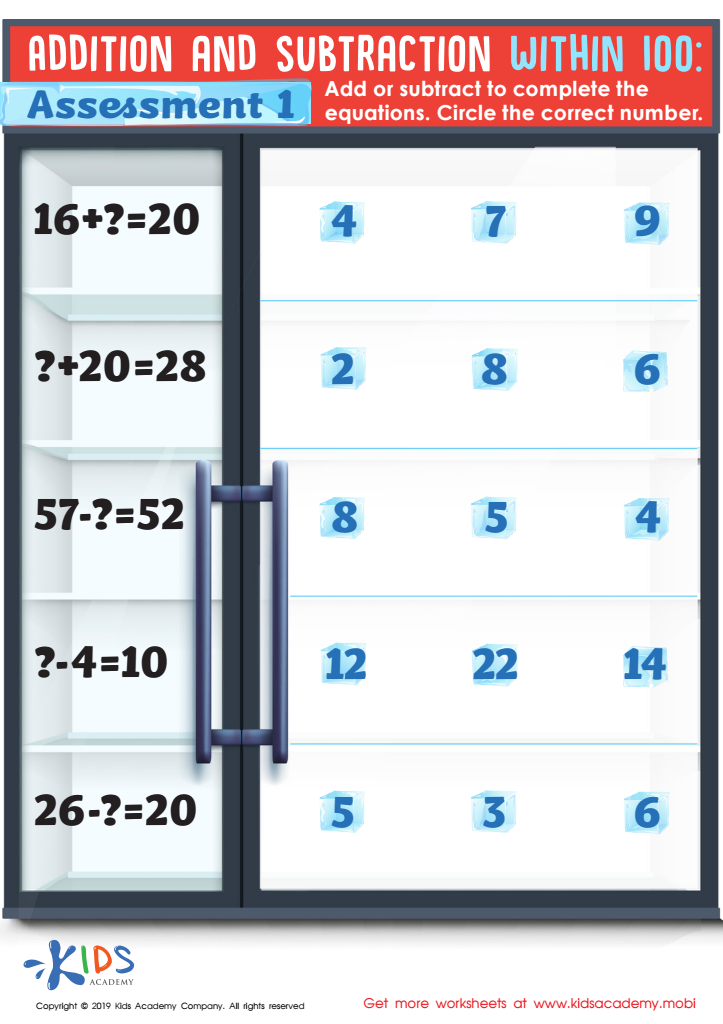
Addition and Subtraction within 100: Assessment 1 Worksheet
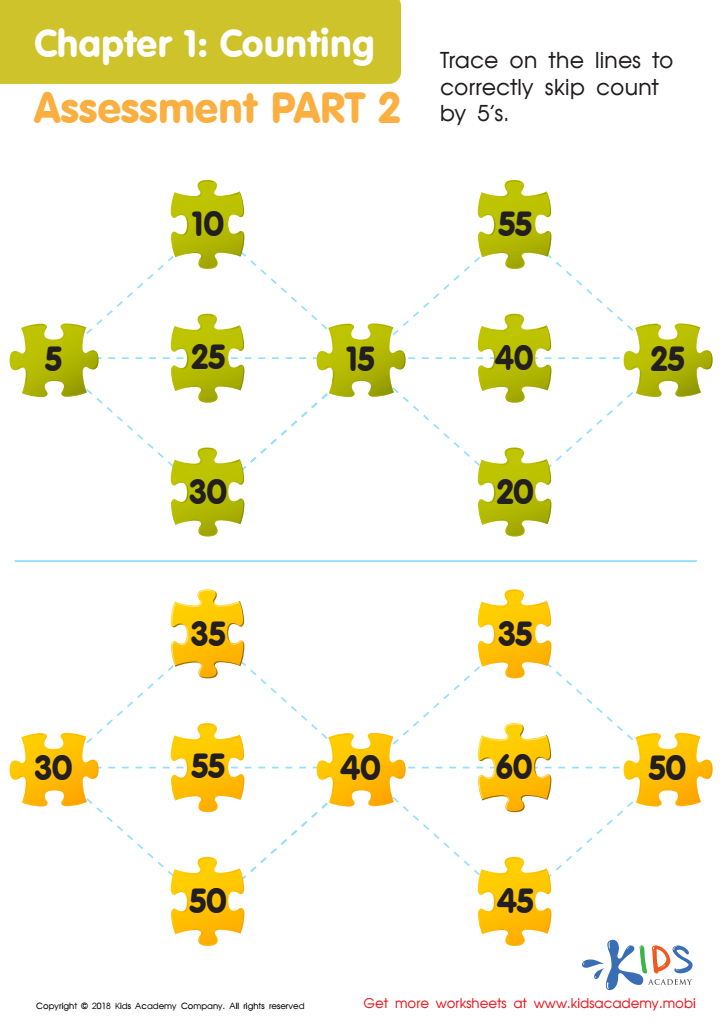
Counting: Assessment 2 Worksheet
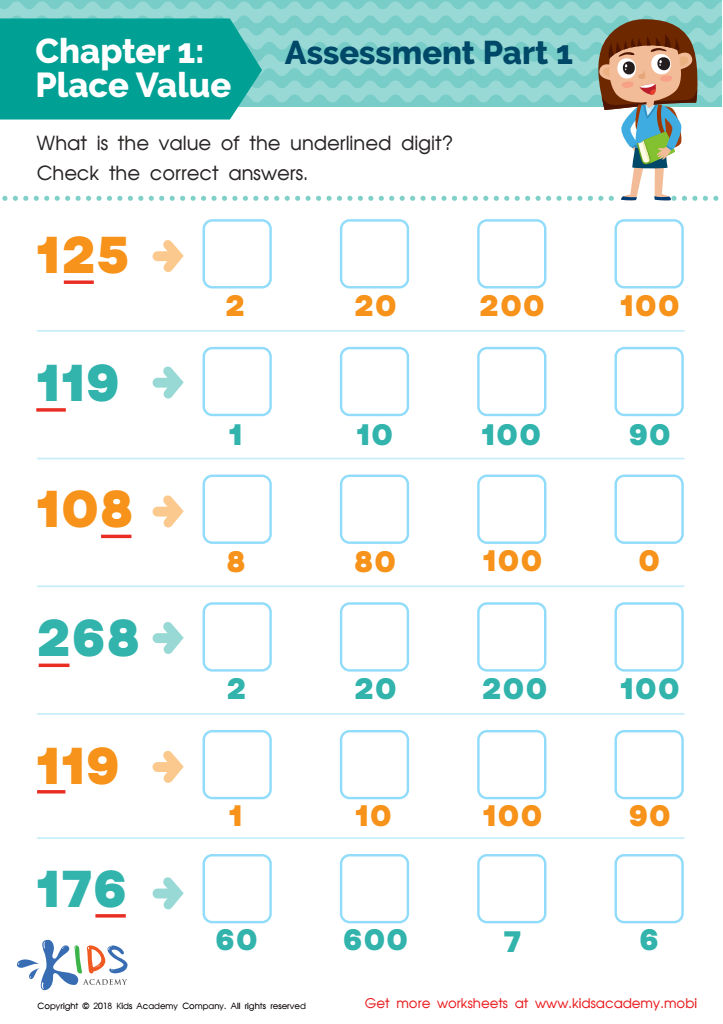
Place Value: Chapter 1 Worksheet
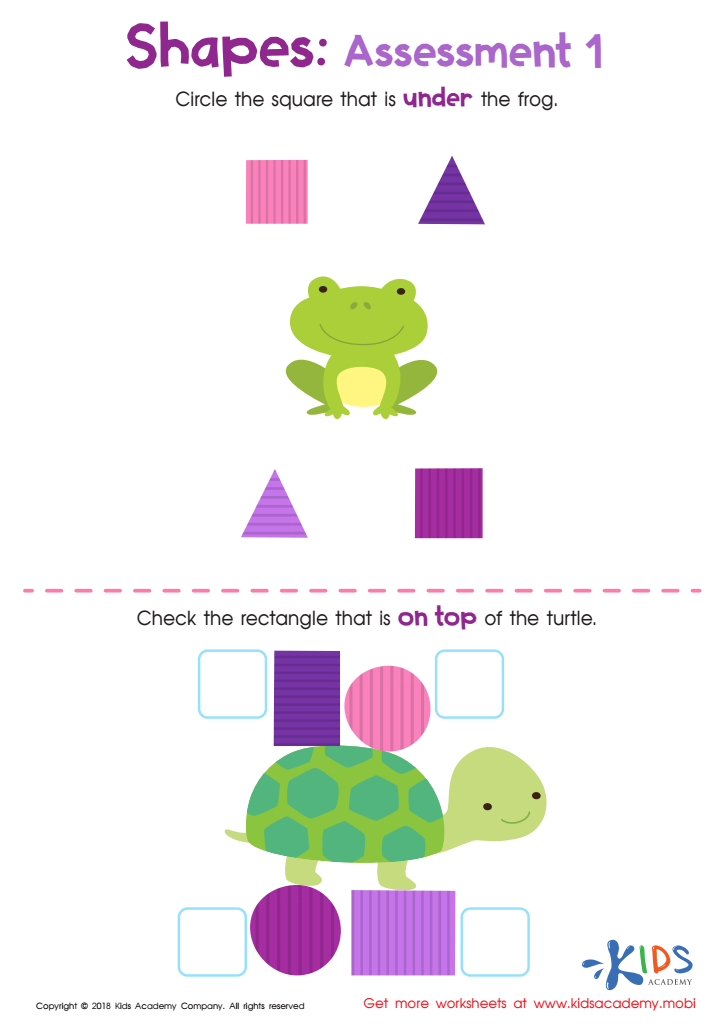
Geometry – Assessment 1 Worksheet
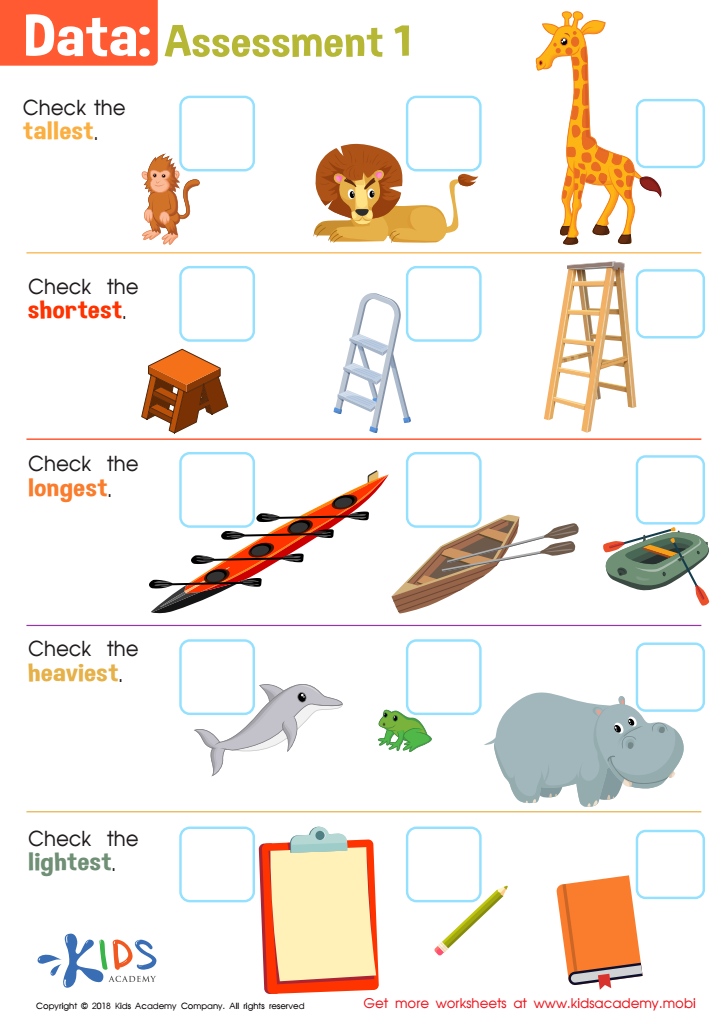
Data: Assessment 1 Worksheet







Parents and teachers should prioritize math activities for children ages 3-9 because early math skills are foundational for future academic success and critical thinking. At this age, children are naturally curious and primed for learning. Engaging in math activities helps enhance their problem-solving abilities, logical reasoning, and cognitive skills. These activities stimulate their interest in mathematics and promote positive attitudes toward the subject, making it less intimidating as they progress in school.
Moreover, math is woven into everyday life. Simple activities, such as counting objects, sorting shapes, or measuring ingredients during cooking, can make math tangible and relatable. This hands-on approach integrates learning with play, encouraging children to develop their numerical understanding naturally.
Additionally, research shows that early exposure to math can lead to higher achievement in math and related subjects later on. Fostering these skills promotes confidence and a growth mindset, equipping children to overcome challenges in academics. Ultimately, parents and teachers play a crucial role in nurturing a child's mathematical journey, which can have lasting impacts on their educational and personal development. Supporting math learning during these formative years can set the stage for lifelong skills, paving the way for future success in an increasingly quantitative world.








