Phonics worksheets activities for Ages 3-9
25 filtered results
-
From - To
Explore engaging phonics worksheets and activities tailored for children aged 3-9, designed to foster essential reading skills through fun and interactive learning experiences. Our collection includes colorful worksheets that focus on letter sounds, blending, and word recognition, making phonics enjoyable and accessible. Ideal for both classroom use and homeschooling, these activities encourage early literacy development, enhance auditory discrimination, and build confidence in young learners. Each worksheet is crafted to align with educational standards, promoting knowledge retention and application. Ignite your child's passion for reading with our thoughtfully designed phonics resources and watch their skills flourish! Perfect for educators and parents alike!
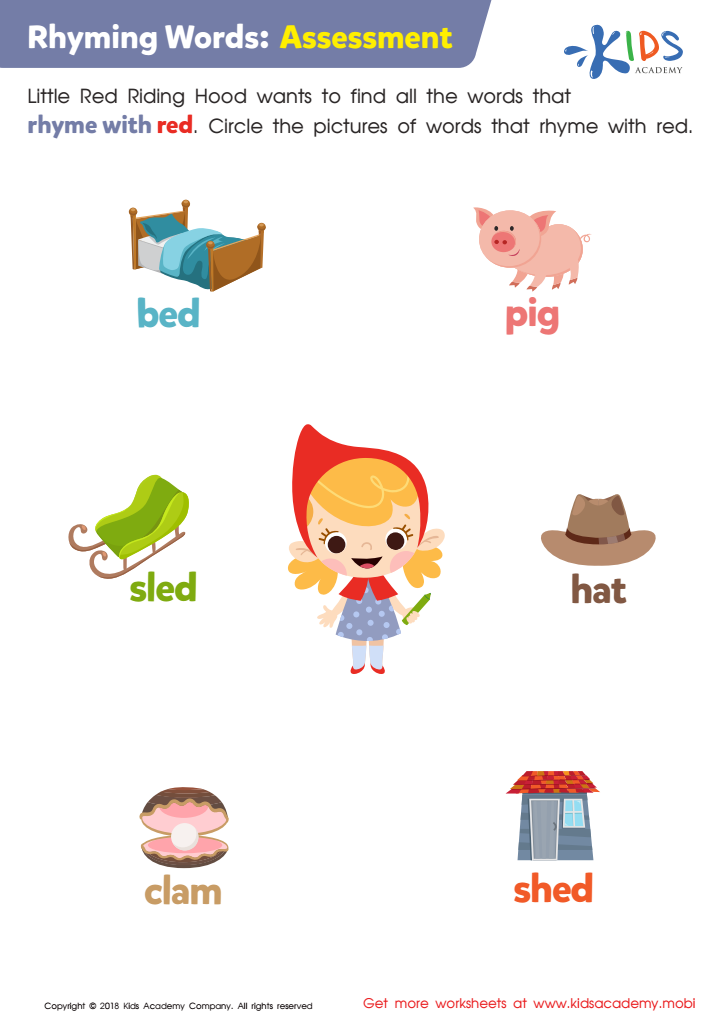
Rhyming Words: Assessment Worksheet
 Assign to My Students
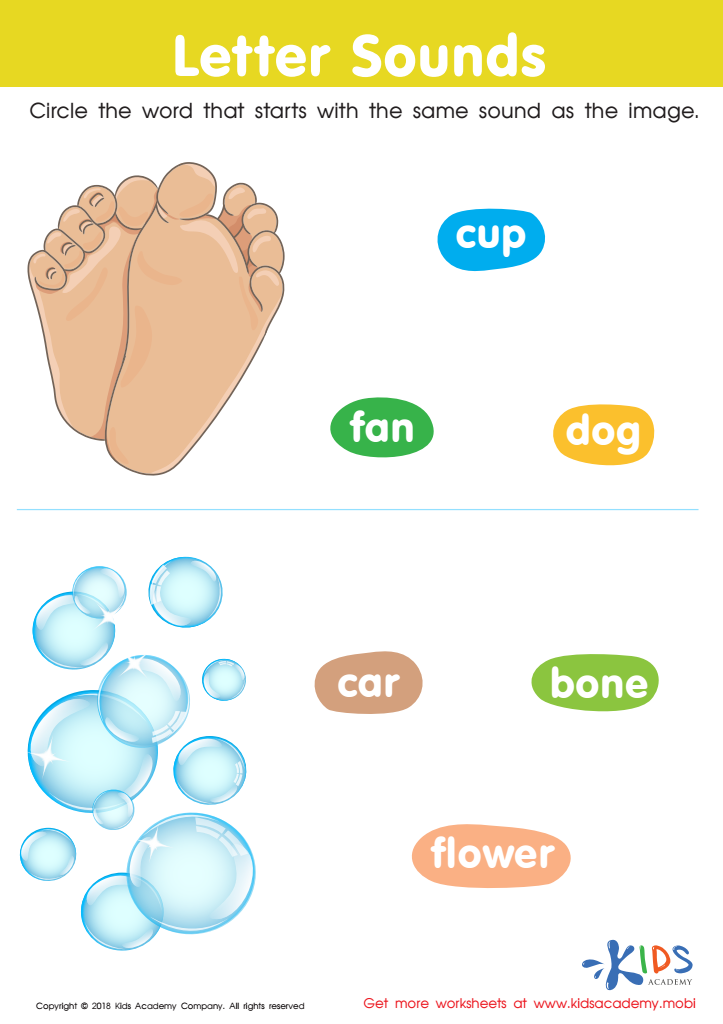
letter sounds Worksheet
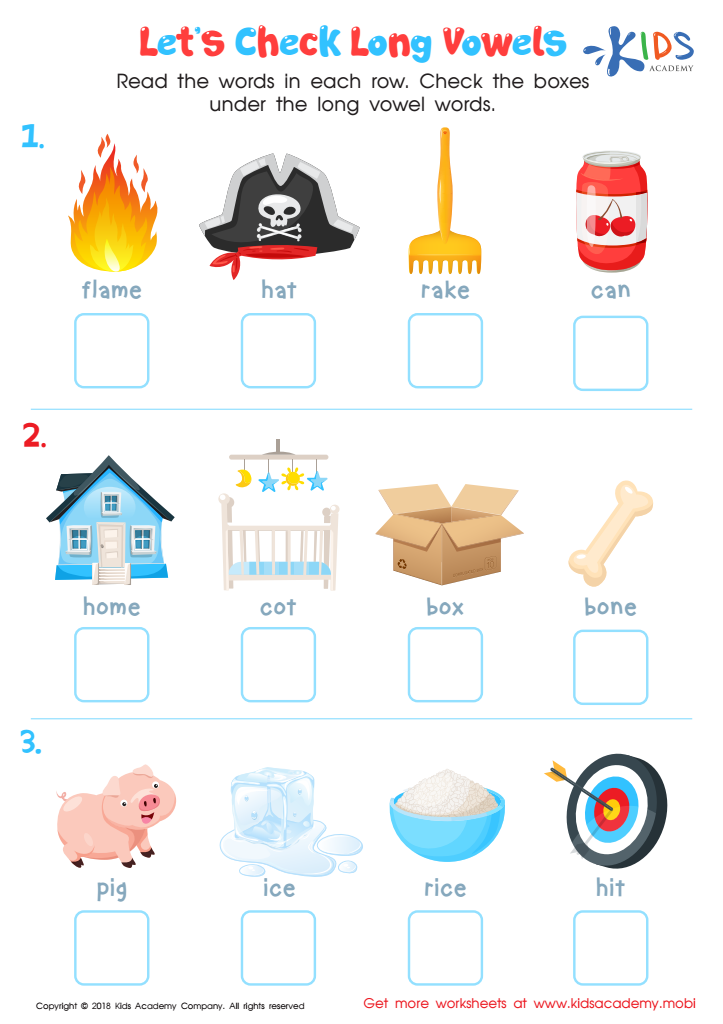
Let's Check Long Vowels: Assessment Worksheet
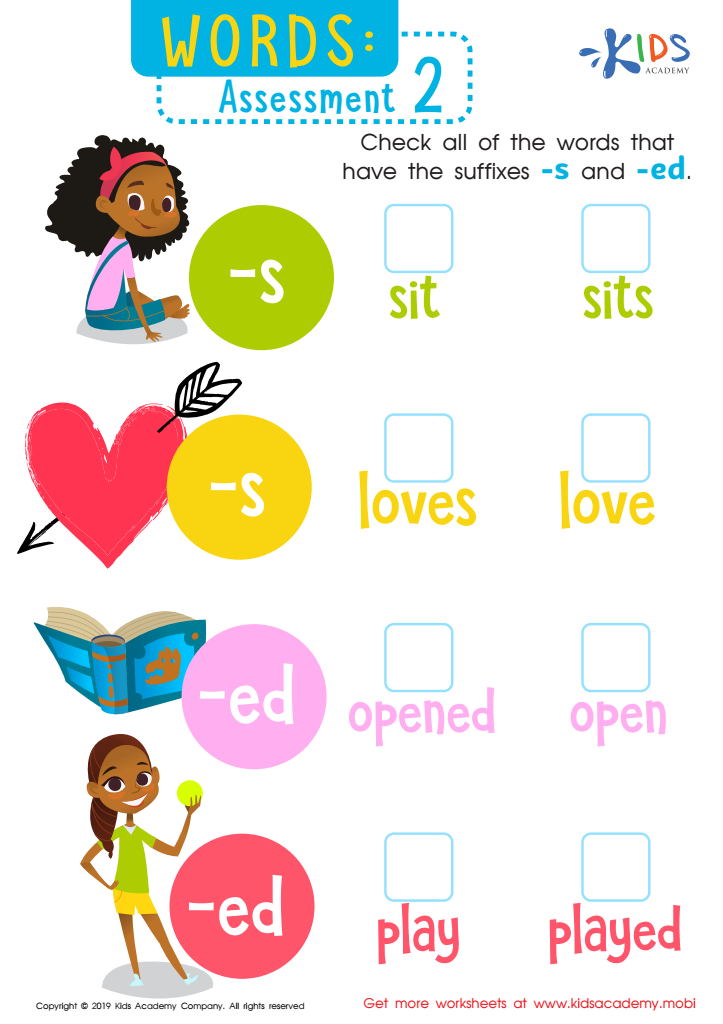
Words: Assessment 2 Worksheet
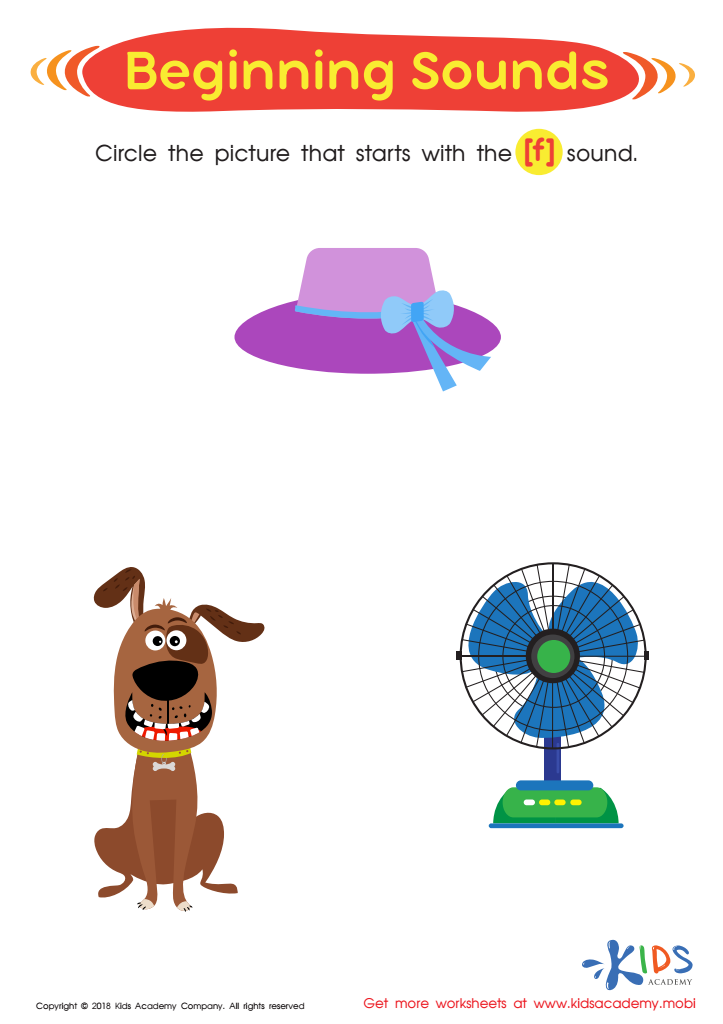
Beginning Sounds Assessment Printable
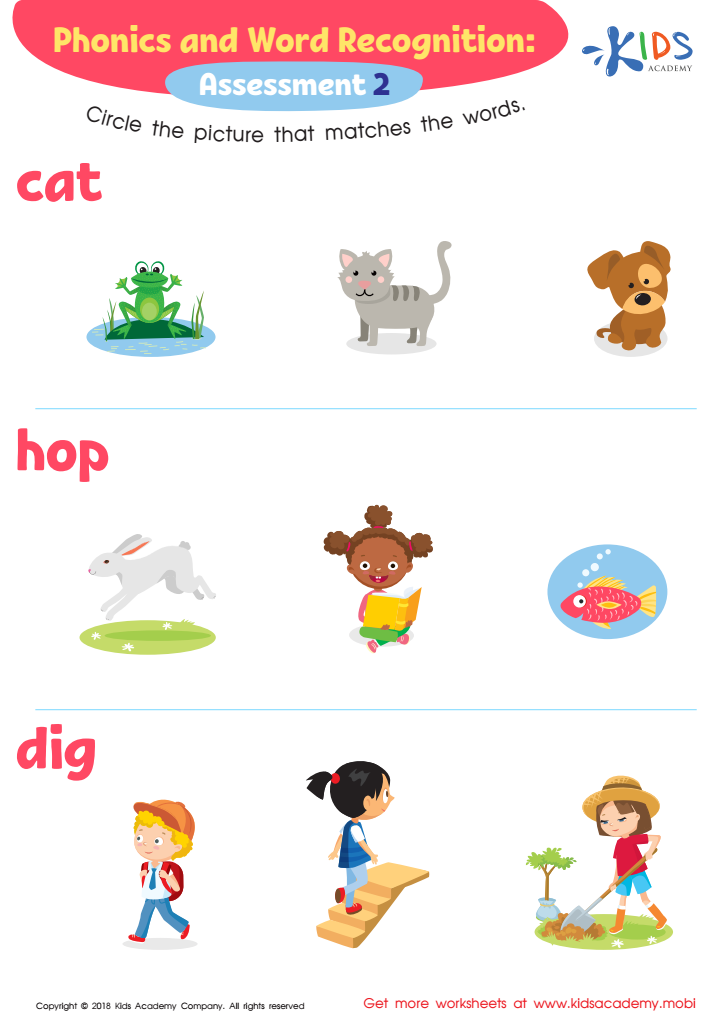
Phonological Awareness: Assessment 2 ELA Worksheet
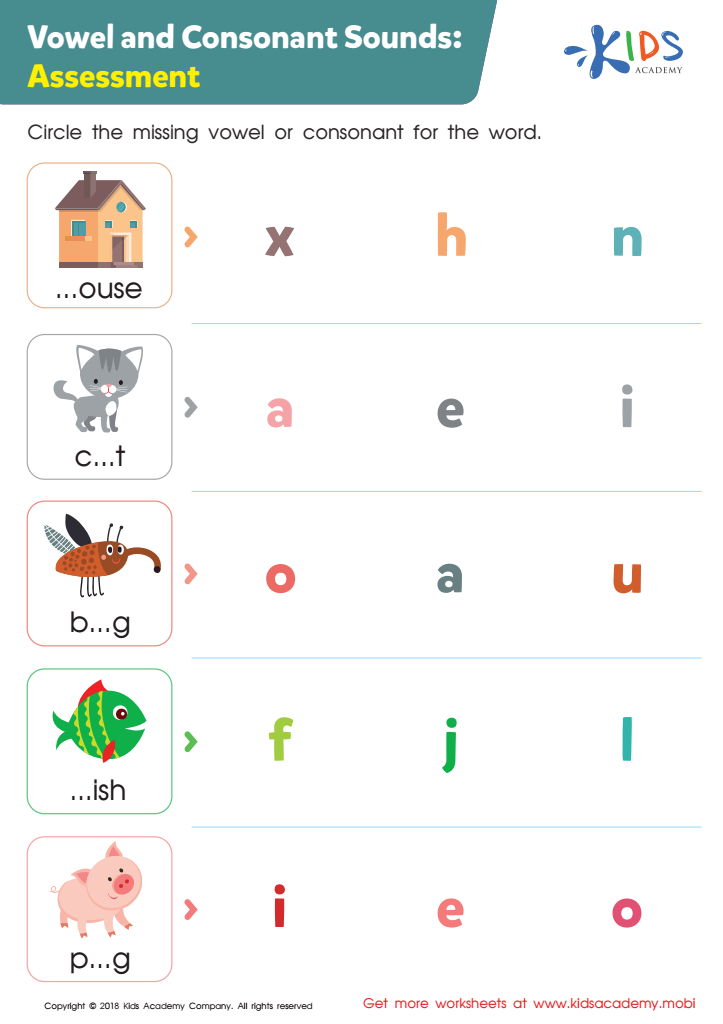
Vowel and Consonant Sounds: Assessment Worksheet
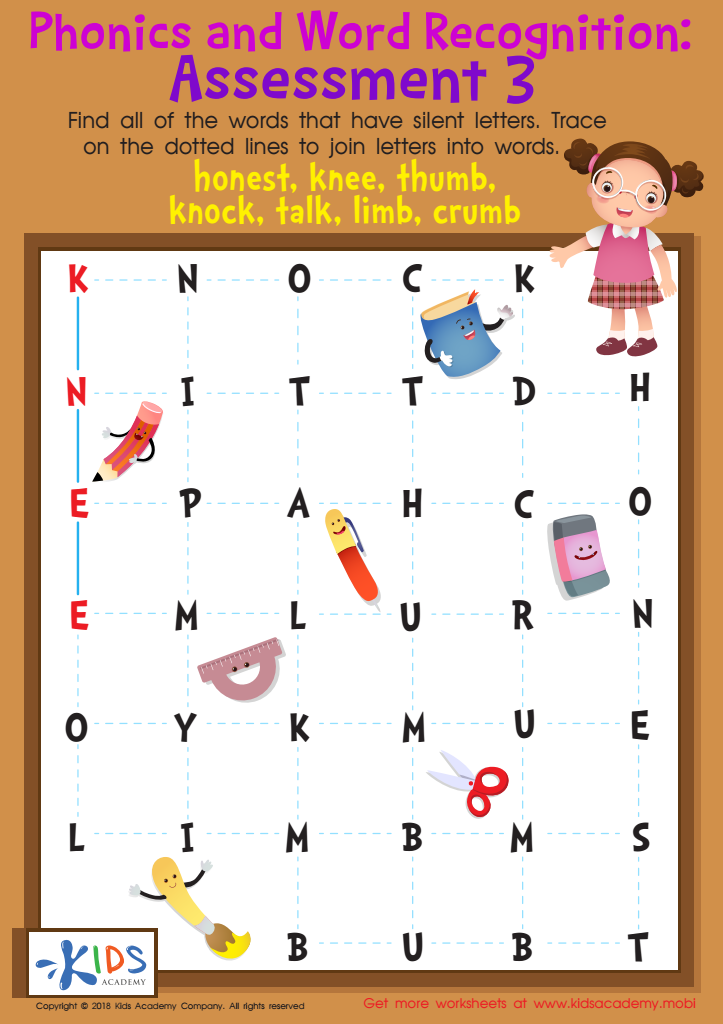
Phonics and Word Recognition: Assessment 3 Worksheet
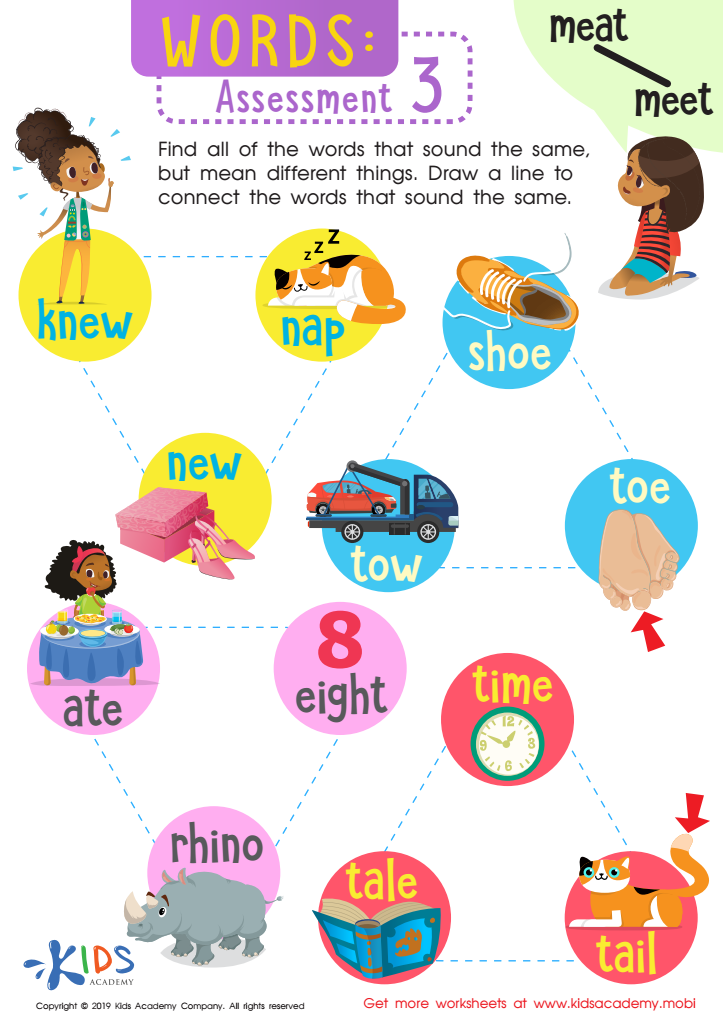
Words: Asessment 3 Worksheet
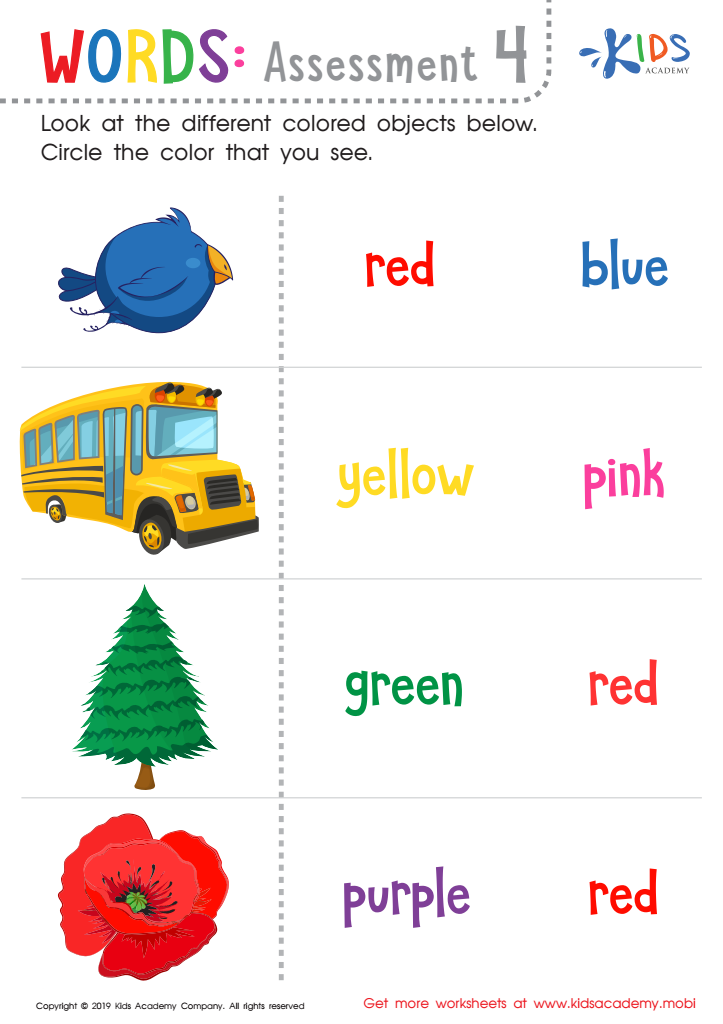
Words: Assessment 4 Worksheet
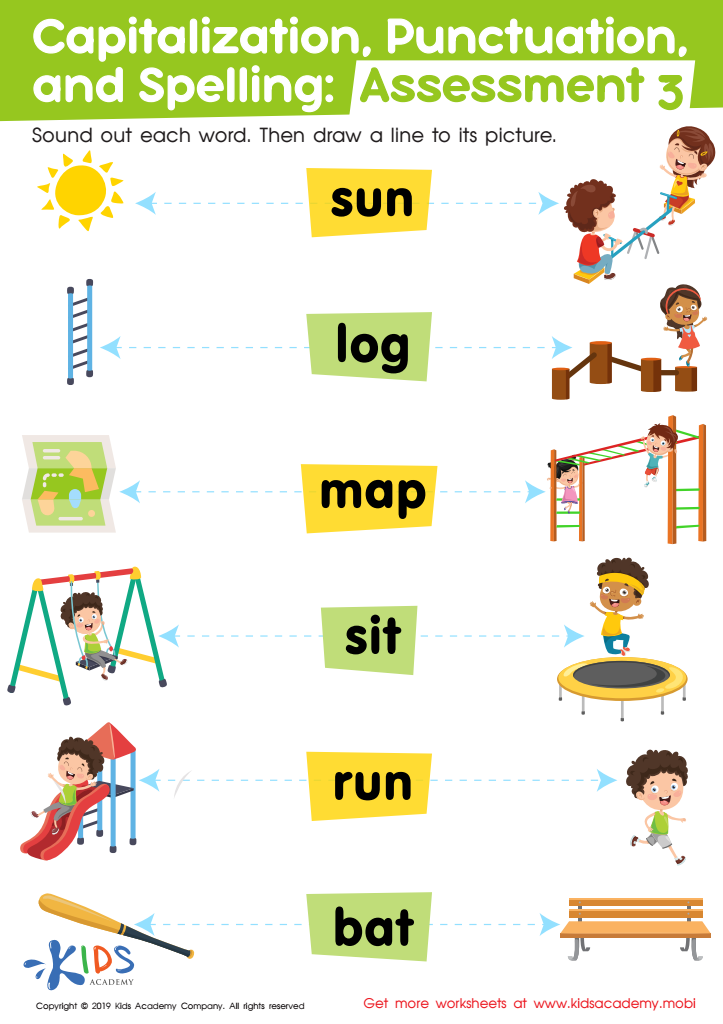
Capitalization. Punctuation. Spelling. Assessment 3 Worksheet
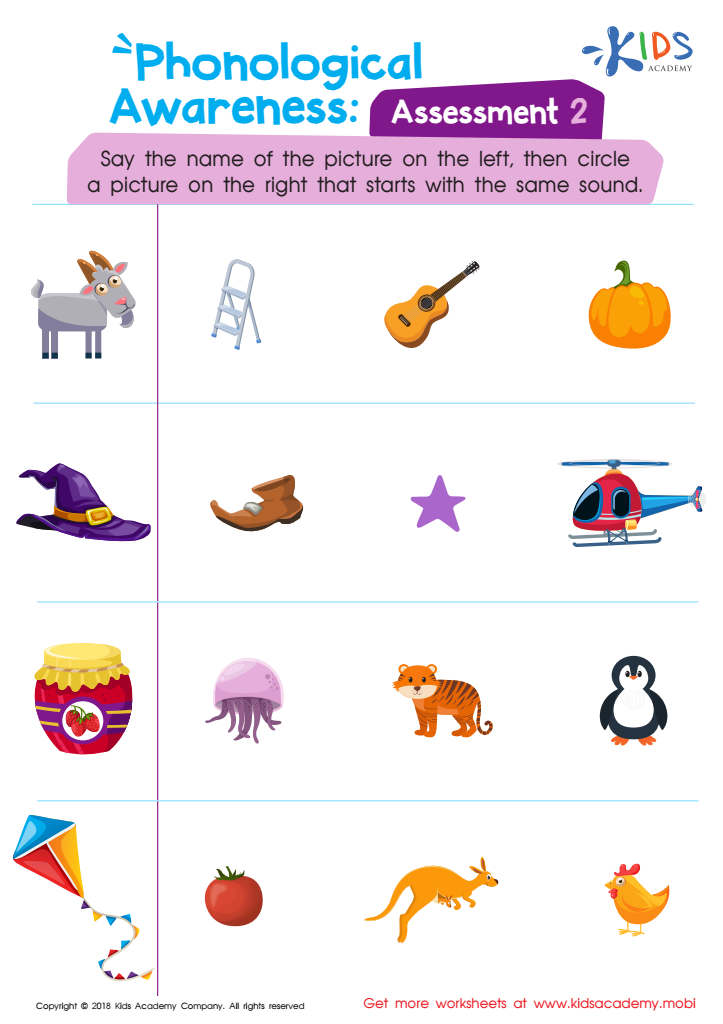
Phonological Awareness: Assessment 2 Worksheet
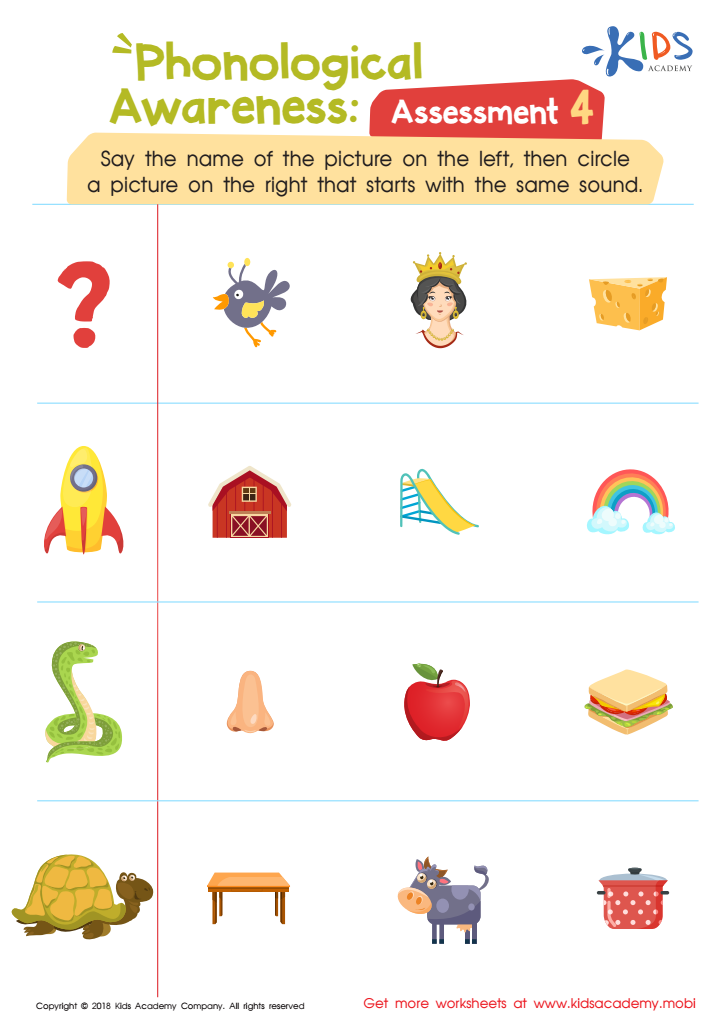
Phonological Awareness: Assessment 4 Worksheet
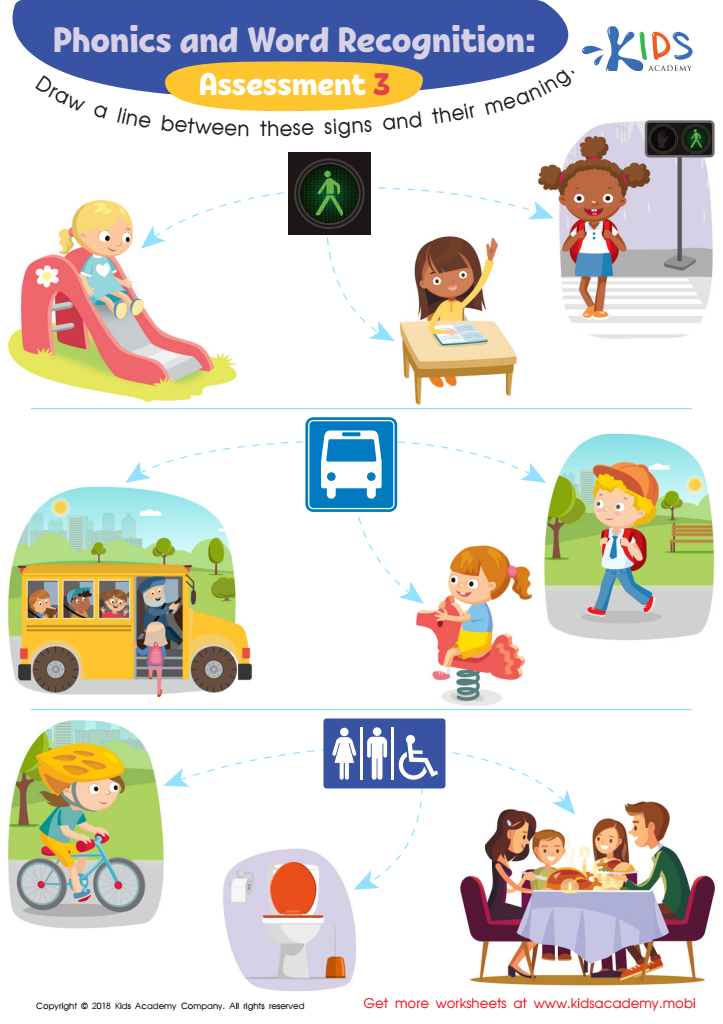
Phonological Awareness: Assessment 3 ELA Worksheet
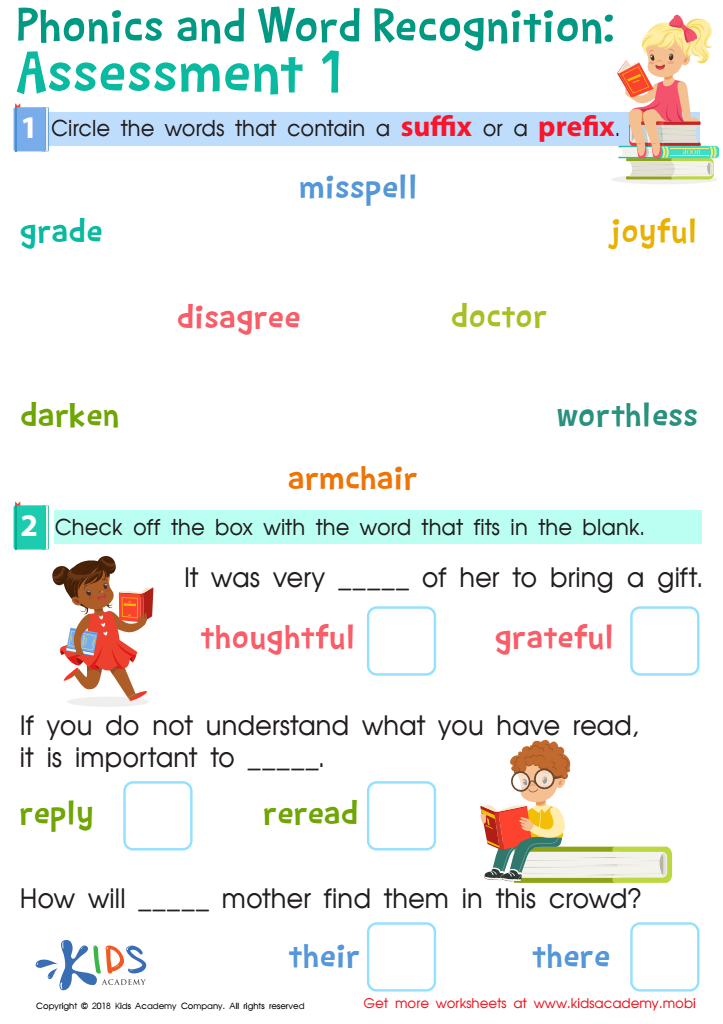
Phonics and Word Recognition: Assessment 1 Worksheet
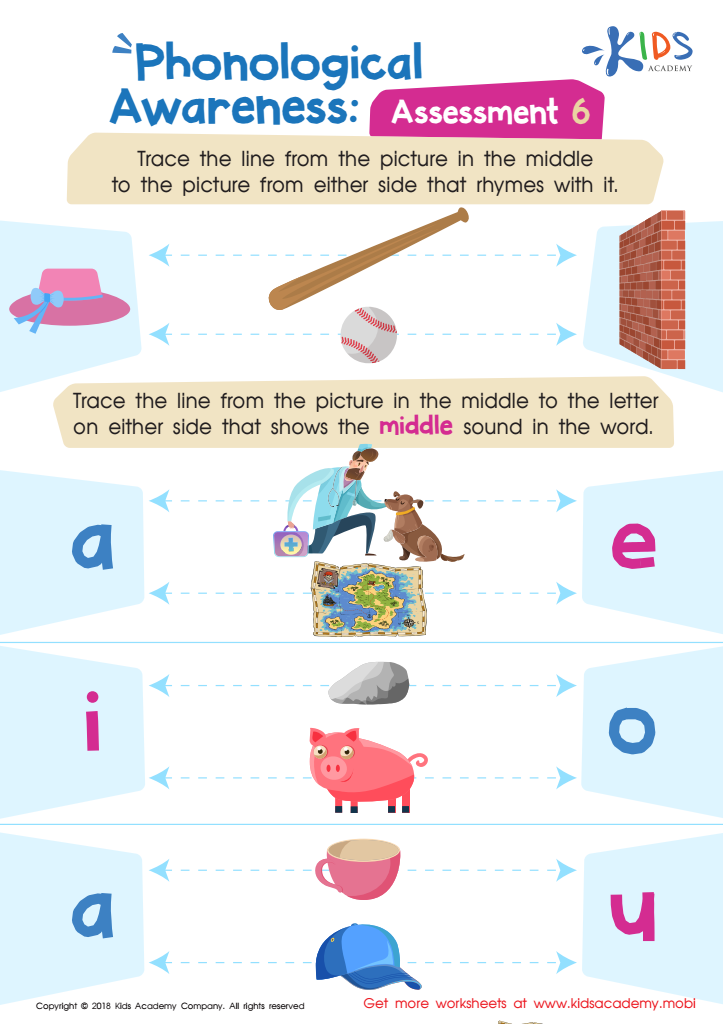
Phonological Awareness: Assessment 6 Worksheet
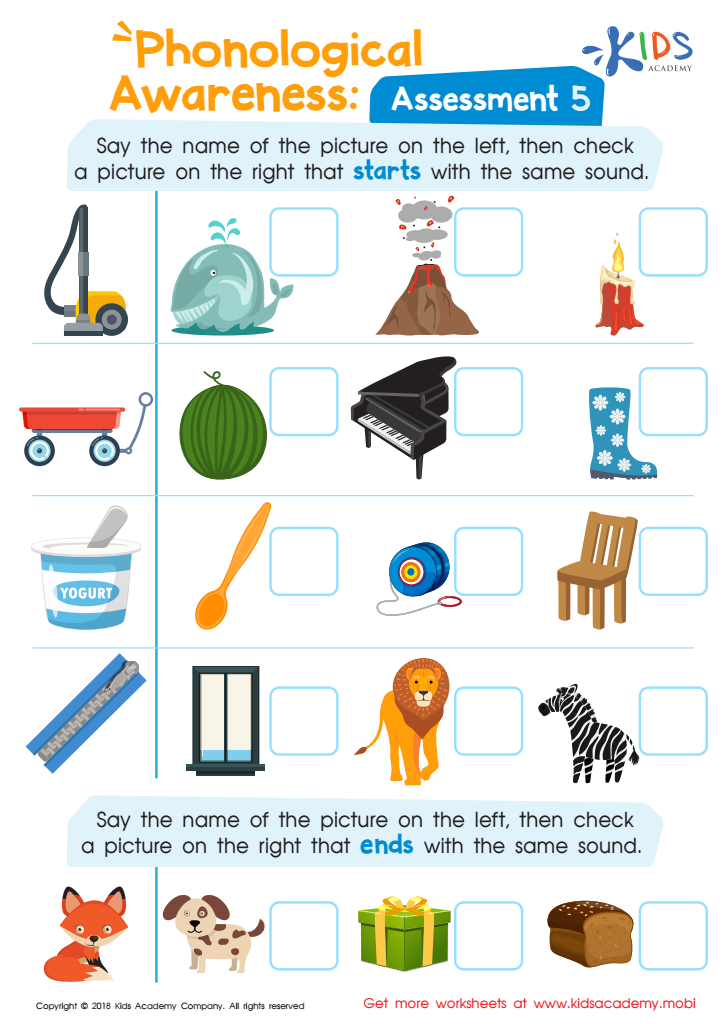
Phonological Awareness: Assessment 5 Worksheet
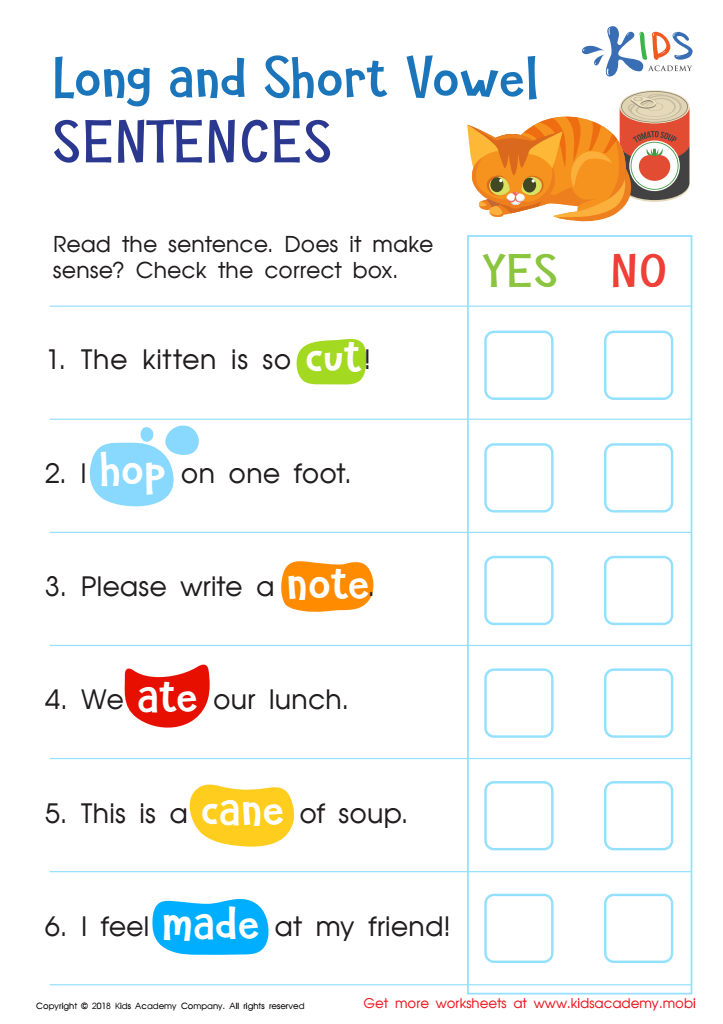
Long and Short Vowel Sentences: Assessment Worksheet
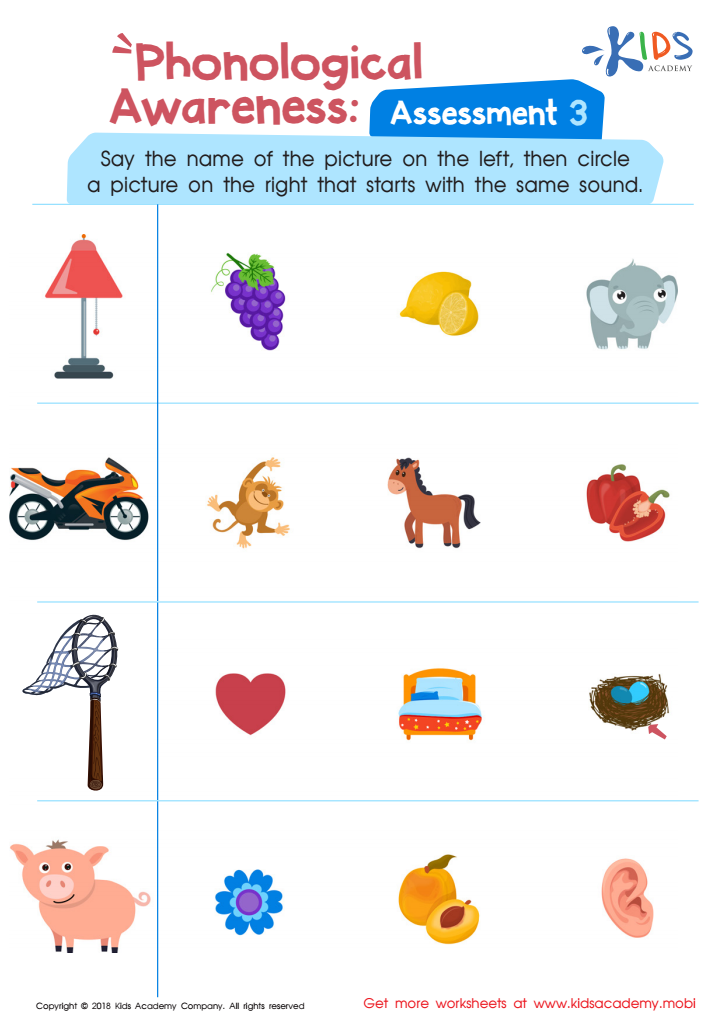
Phonological Awareness: Assessment 3 Worksheet
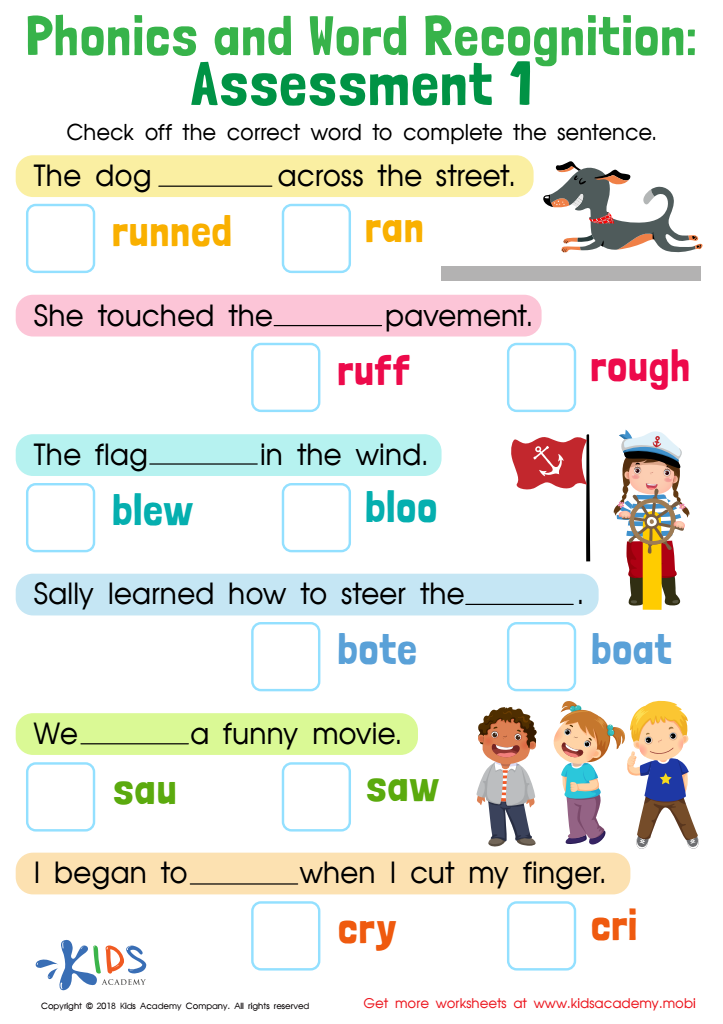
Phonics and Word Recognition: Assessment 1 Worksheet
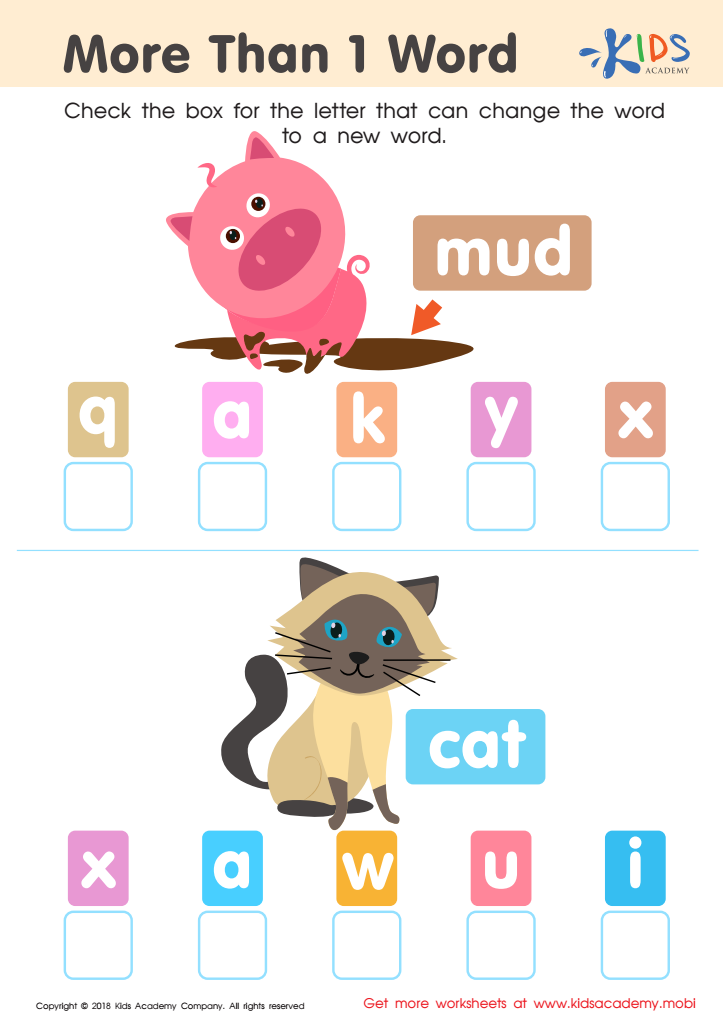
More than 1 word Worksheet
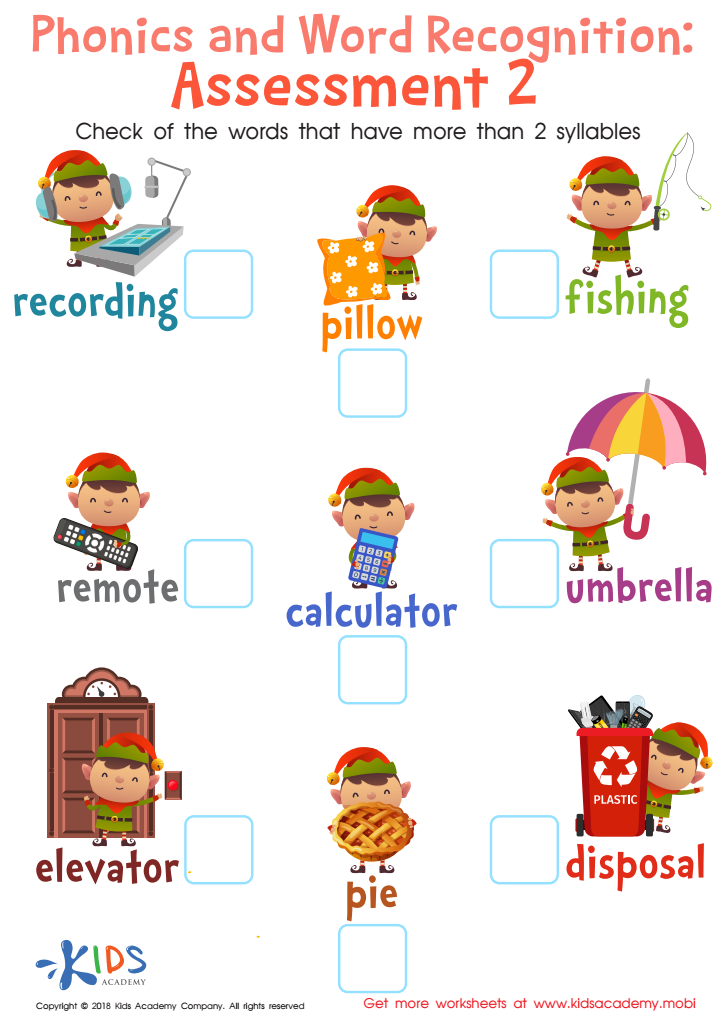
Phonics and Word Recognition: Assessment 2 Worksheet
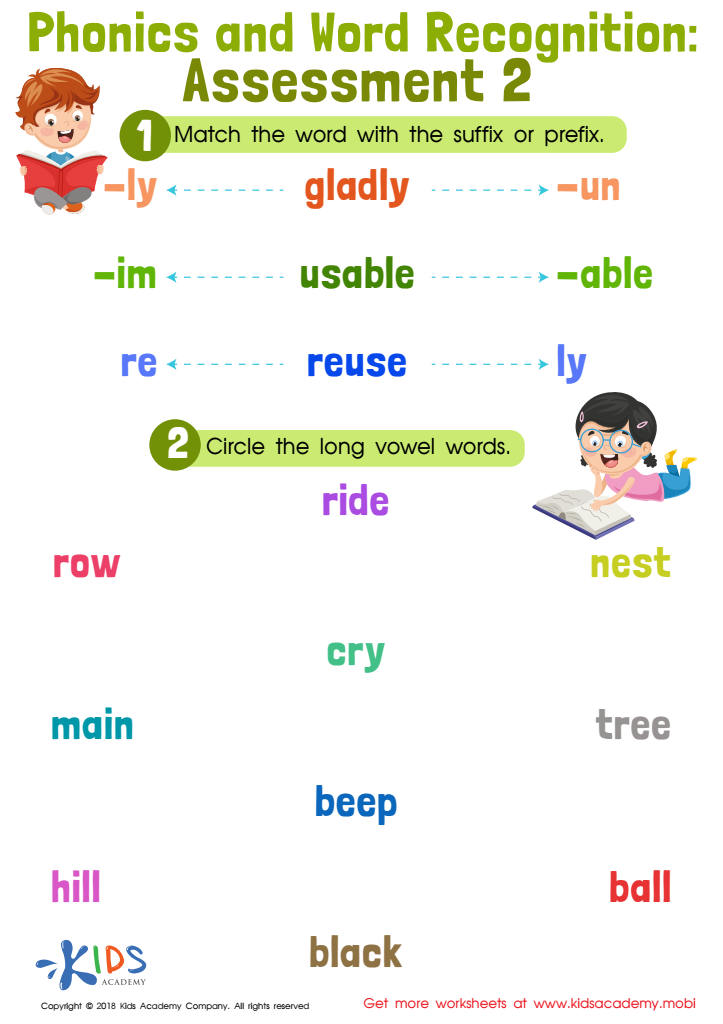
Phonics and Word Recognition: Assessment 2
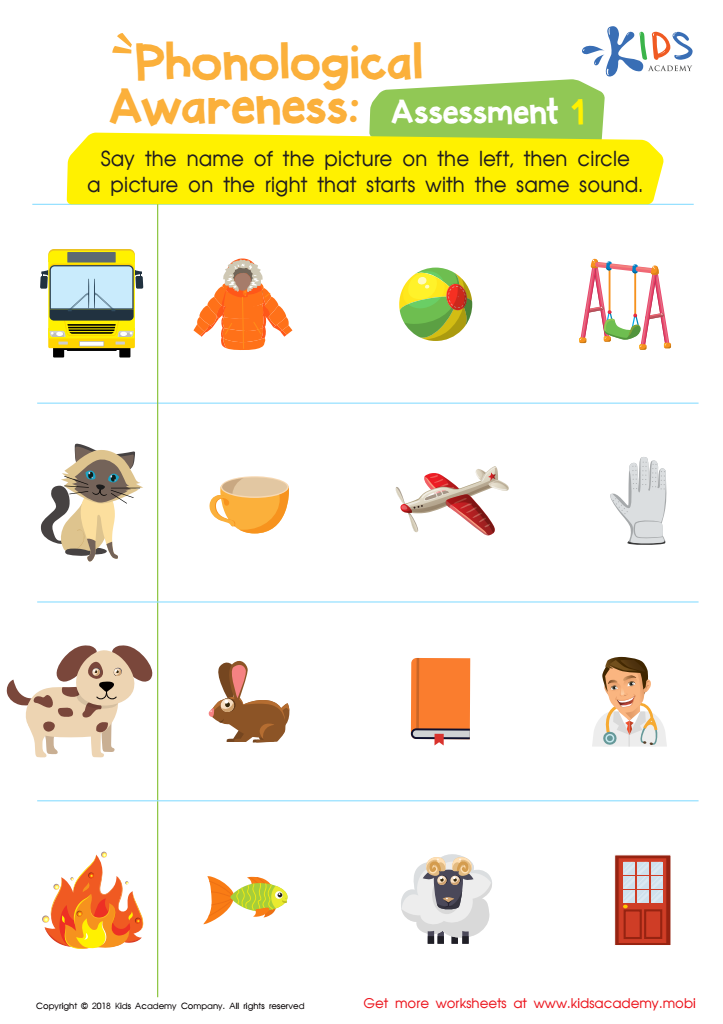
Phonological Awareness: Assessment 1 Worksheet








Phonics activities are essential for children aged 3-9 as they form the foundation of reading and literacy skills. At this crucial developmental stage, children are learning to associate sounds with letters, which is a key aspect of reading fluency. Engaging in phonics activities helps to strengthen these skills, facilitating better word recognition, vocabulary development, and comprehension abilities.
Parents and teachers should care about phonics because early literacy experiences greatly impact a child's future academic success. Mastery of phonics enables children to decode words independently, fostering a love for reading and boosting their confidence. Furthermore, phonics activities are also beneficial for cognitive development, promoting critical thinking as children learn to analyze and manipulate sounds.
Moreover, phonics instruction can be particularly helpful for children with diverse learning needs, providing a structured approach to reading that can cater to various learning styles. Engaging in fun and interactive phonics activities—like games, songs, and movement—can make learning enjoyable, encouraging a lifelong passion for literacy.
In essence, investing time and effort in phonics activities not only builds essential reading skills but also contributes to a child's overall growth and development, making it a priority for parents and educators alike.








