Tracing worksheets activities for Ages 4-7 - Page 2
160 filtered results
-
From - To
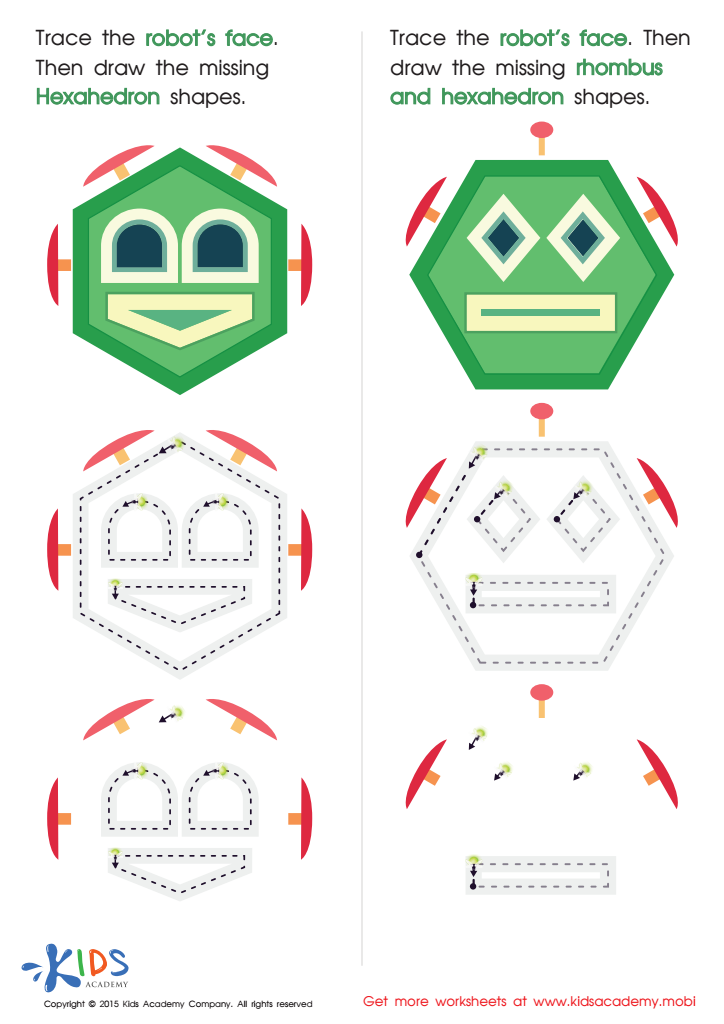
Practice Drawing Hexahedrons And a Rhombus Worksheet
 Assign to My Students
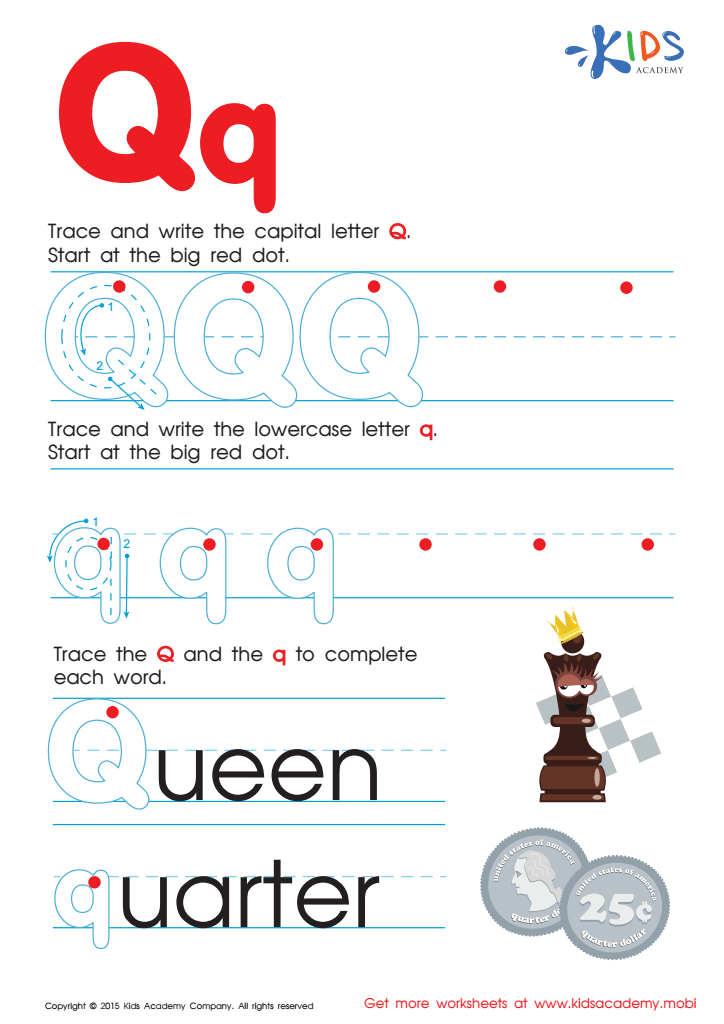
Letter Q Tracing Page
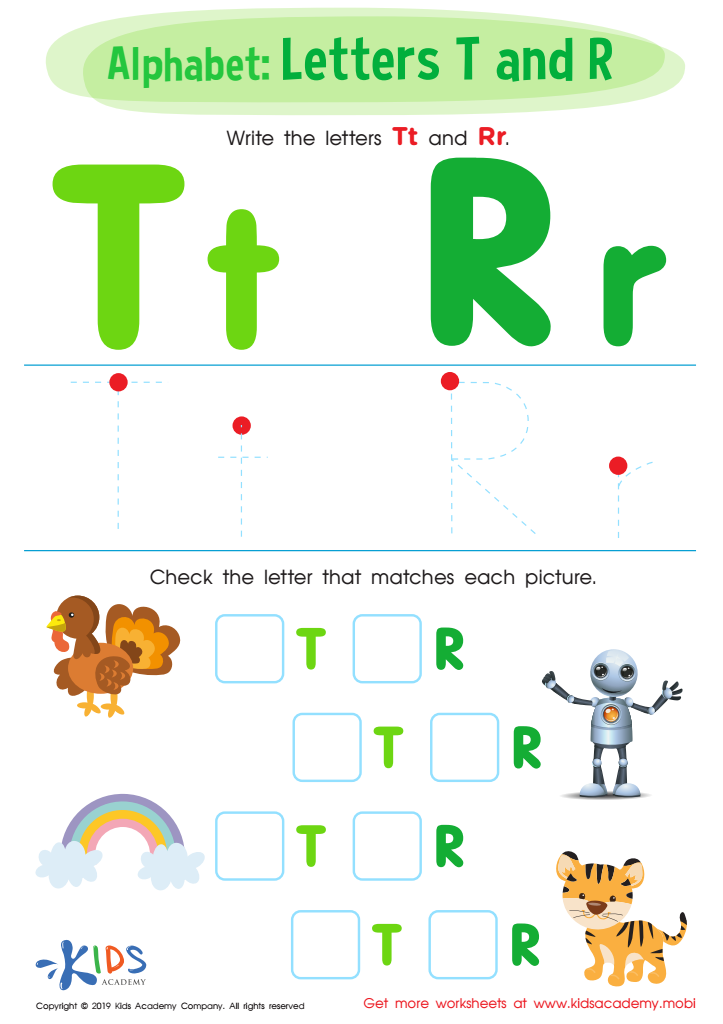
Letters T and R Worksheet
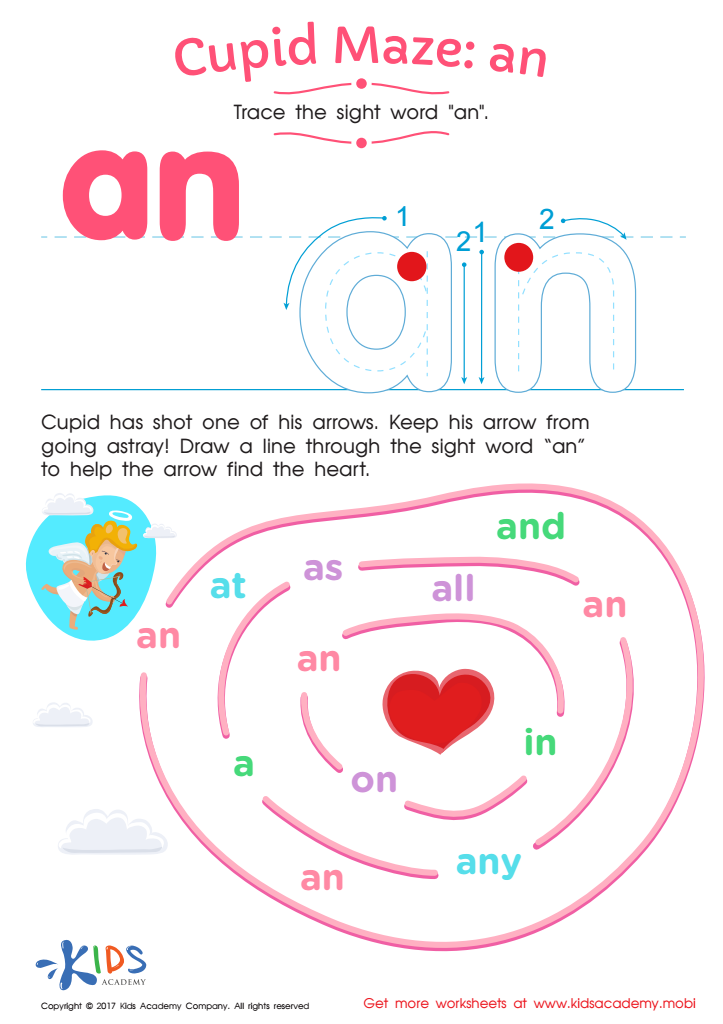
Cupid Maze: An Printable
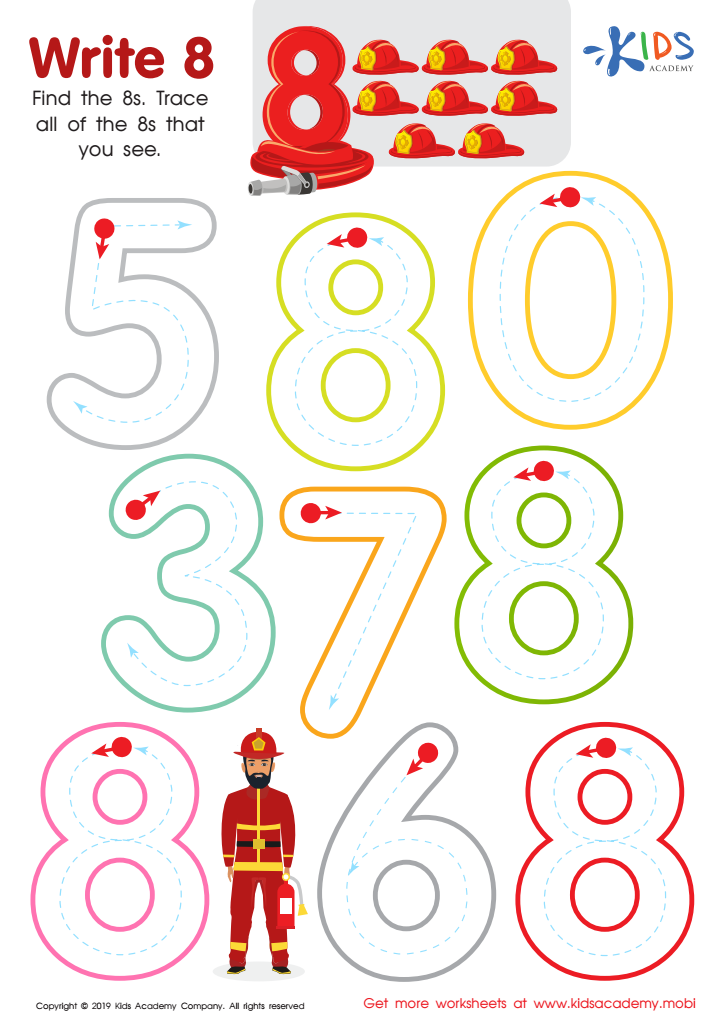
Write 8 Worksheet
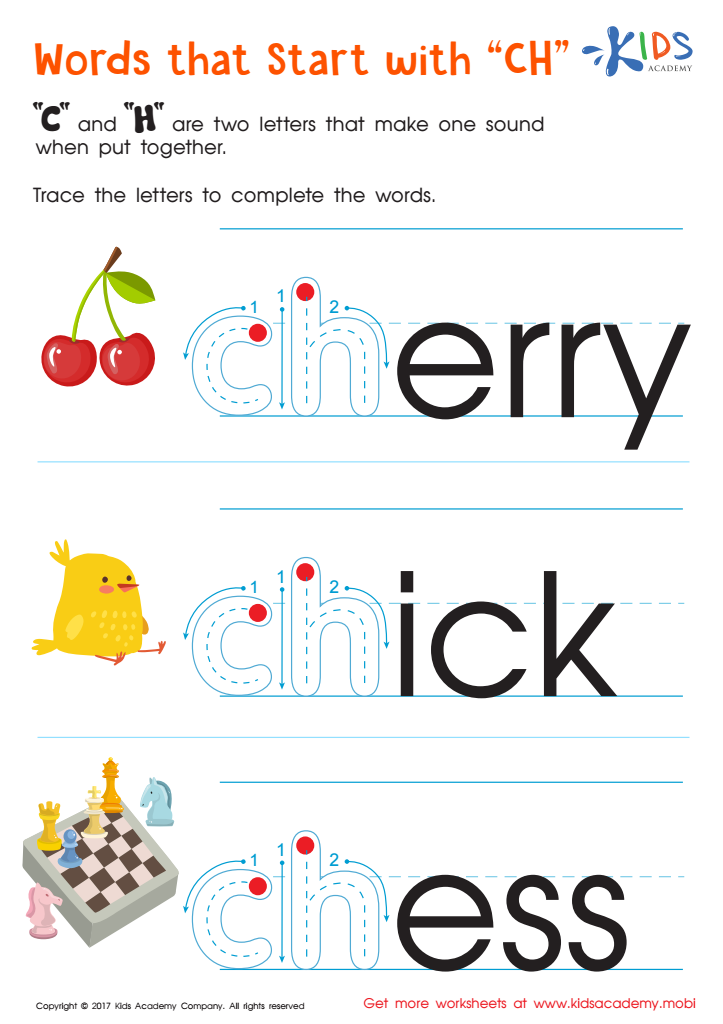
Words That Start with "ch" Spelling Worksheet
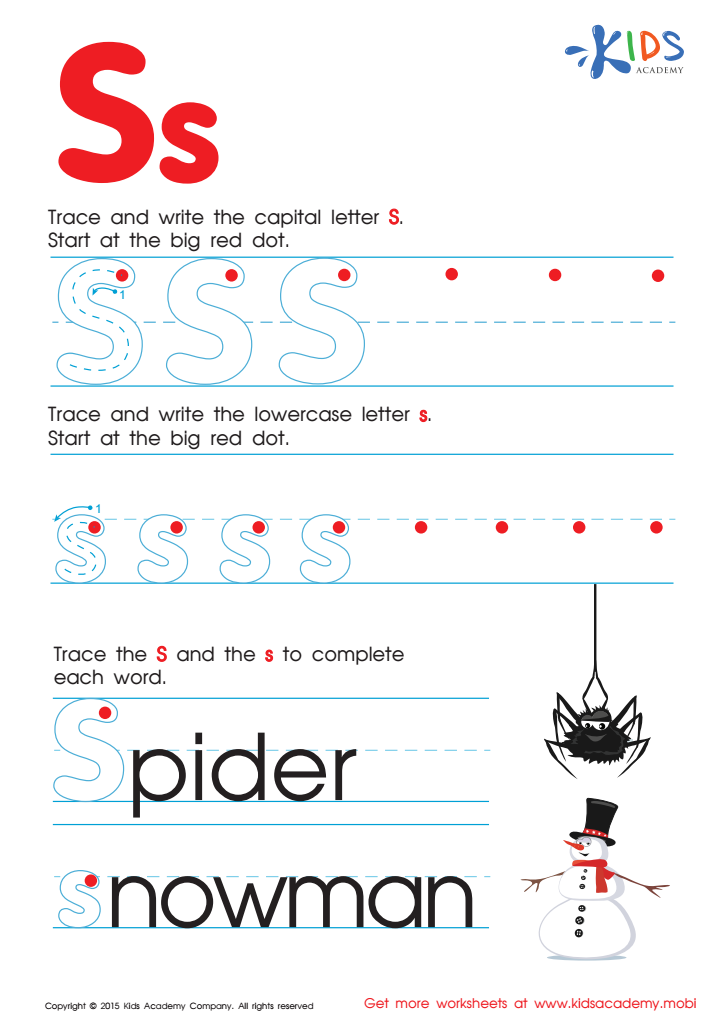
Letter S Tracing Page
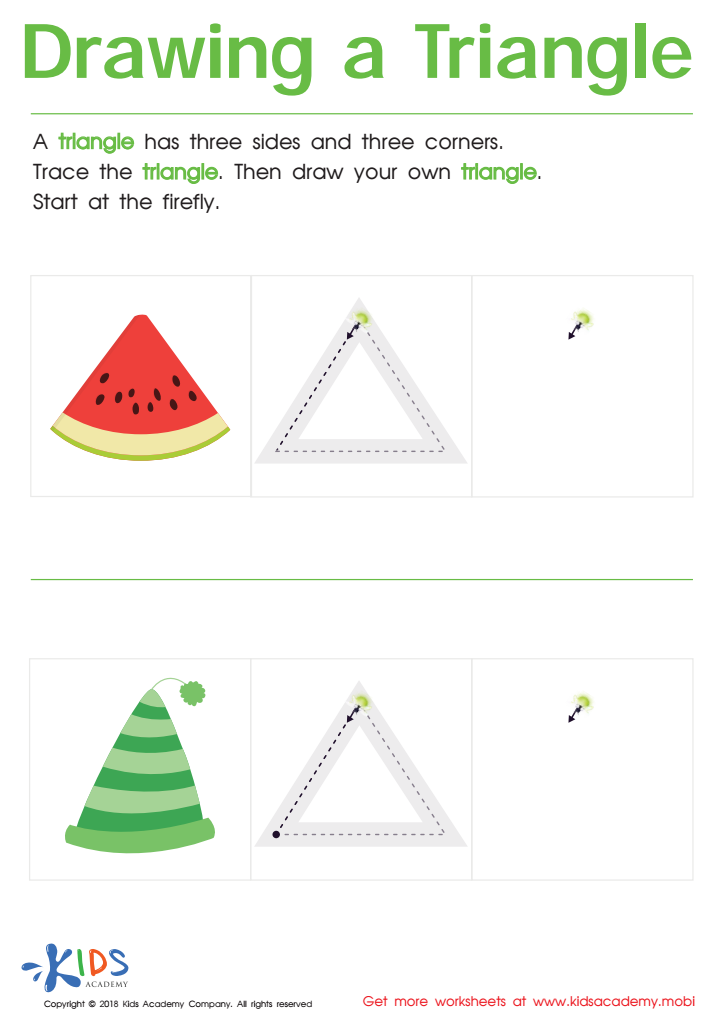
Drawing a Triangle Worksheet
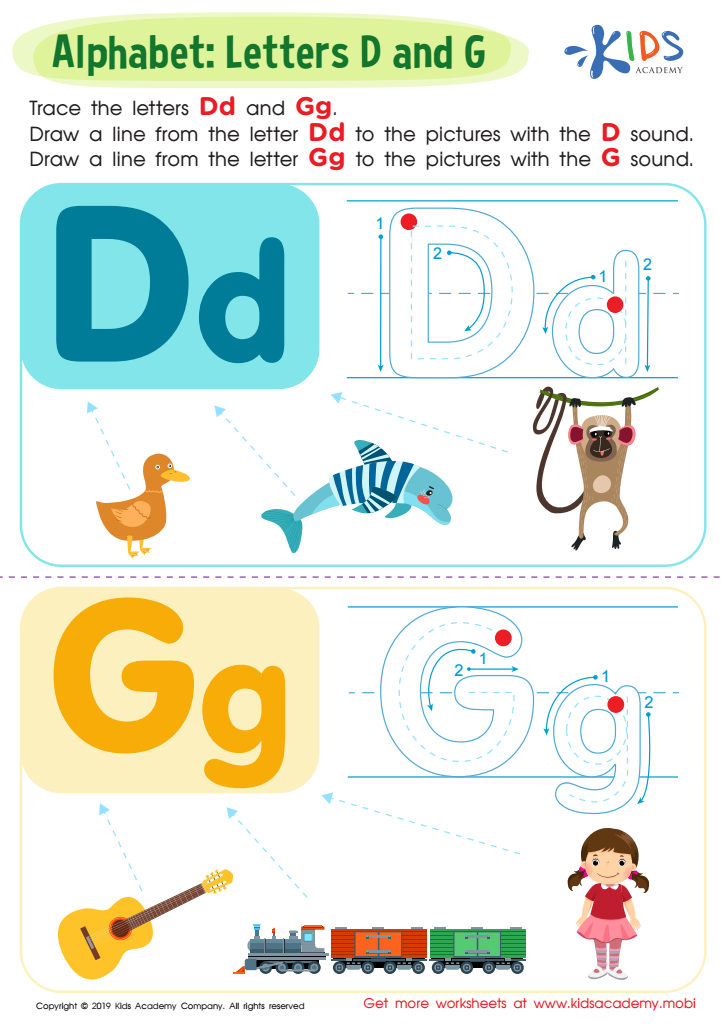
Letter D and G Tracing Worksheet
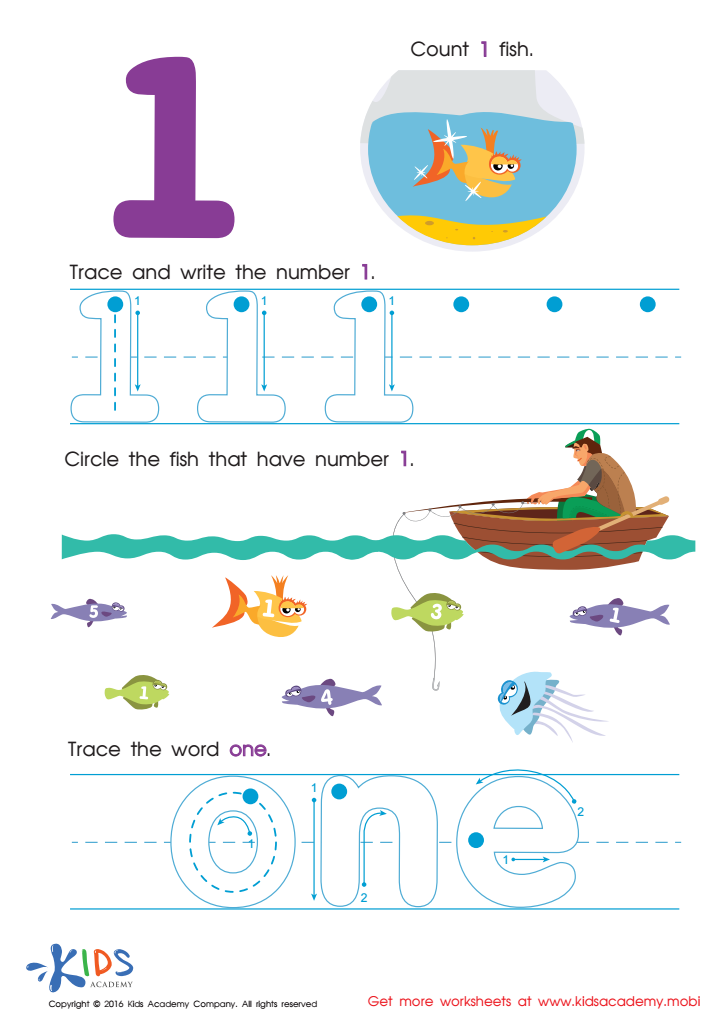
Learning to Write 1 Worksheet
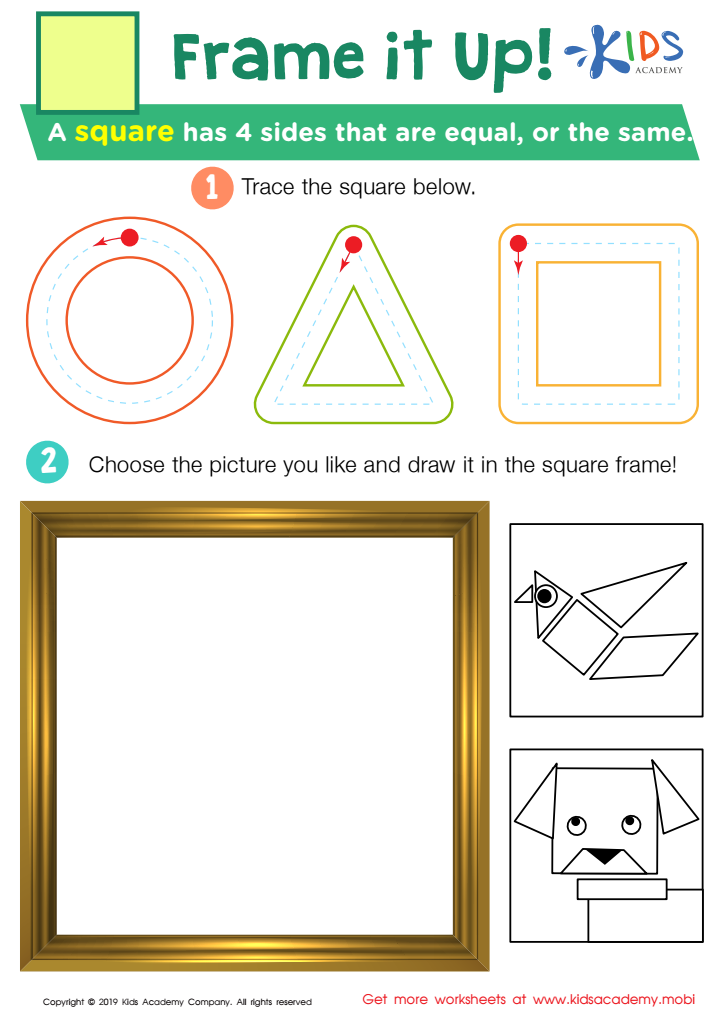
Frame it Up Worksheet
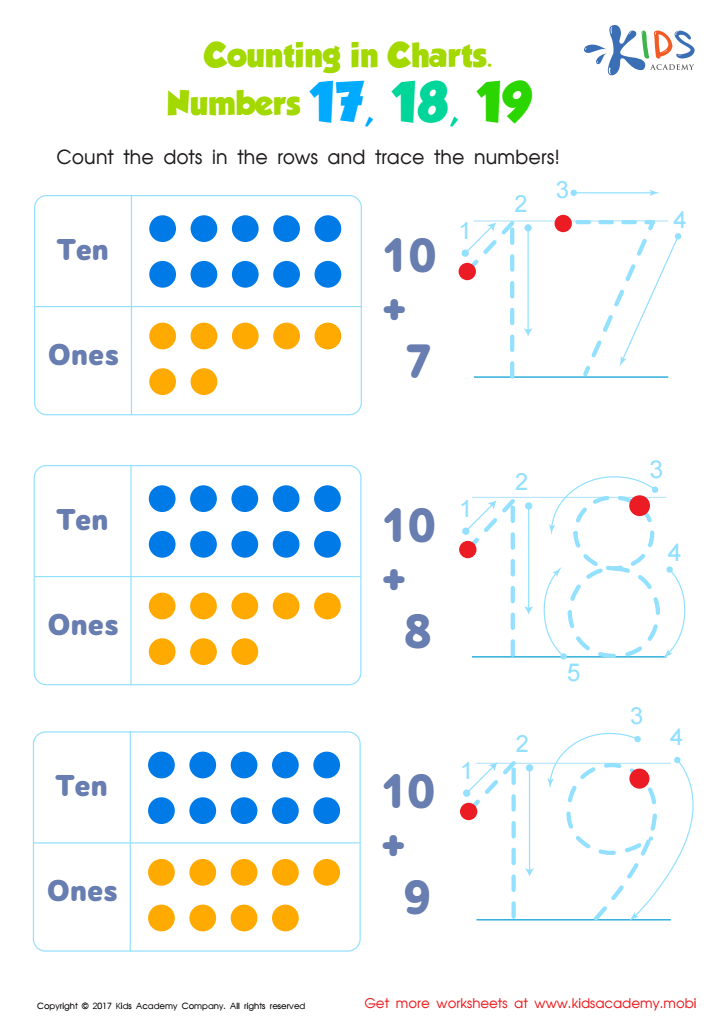
Kindergarten Number Tracing: Counting in Charts Worksheet
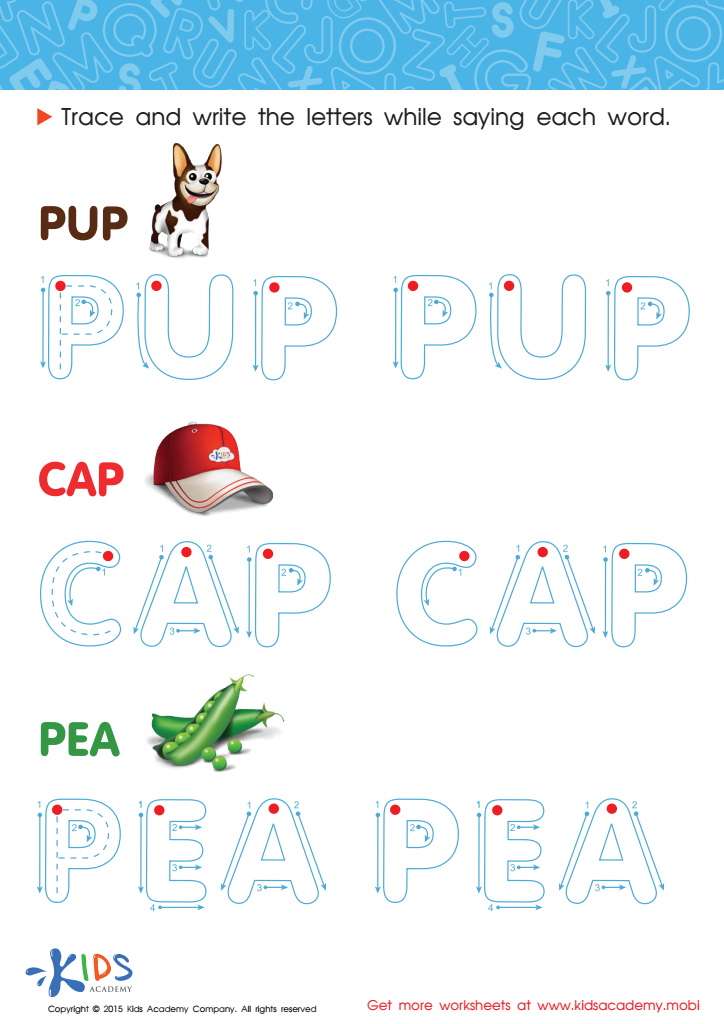
A Pup, a Cap and a Pea Spelling Worksheet
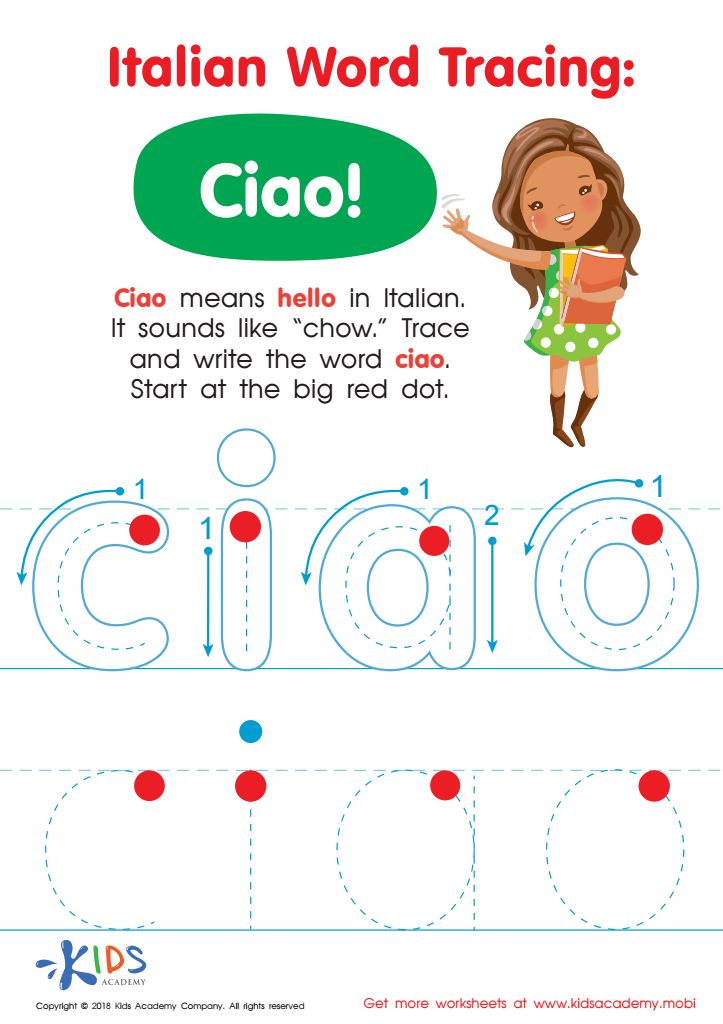
Italian Word Tracing: Ciao Worksheet
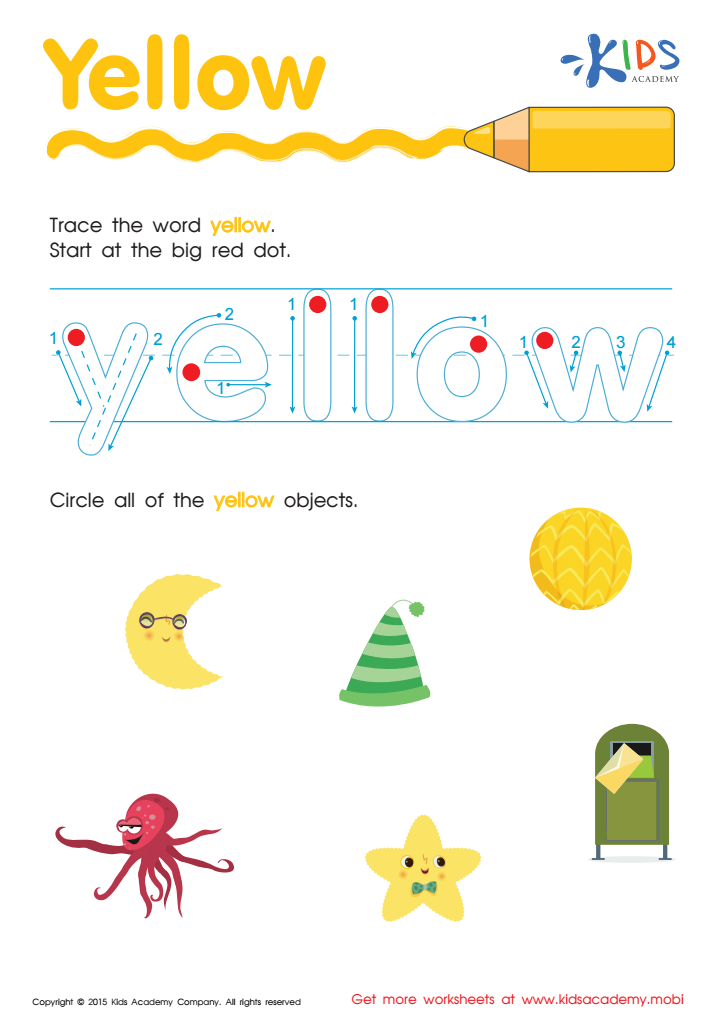
Yellow Tracing Color Words Worksheet
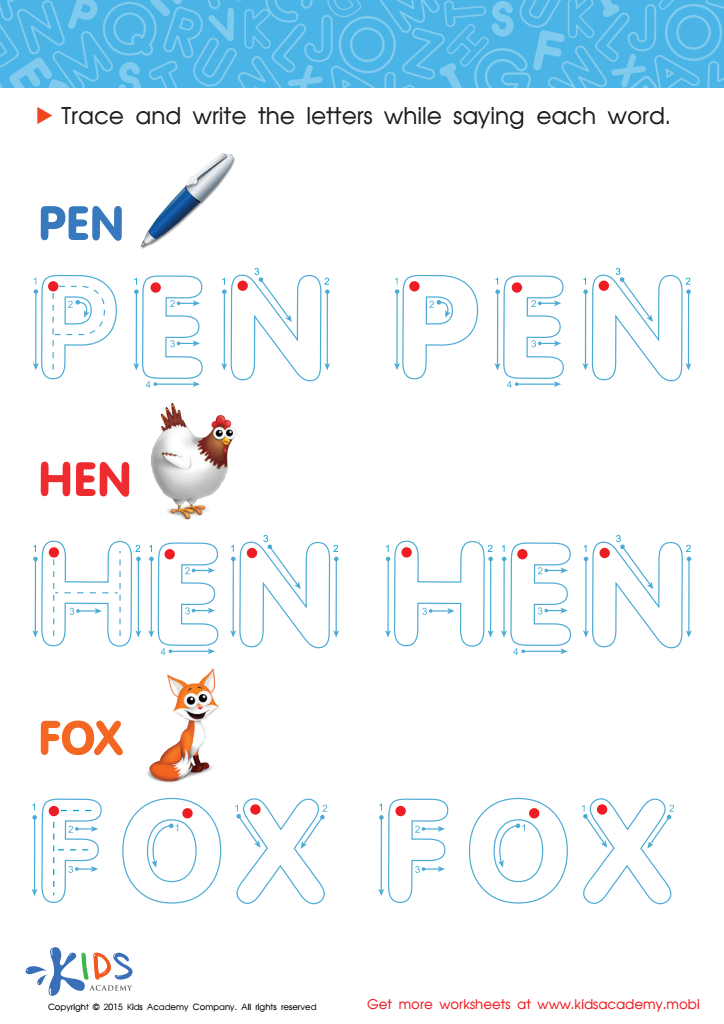
A Pen, a Hen and a Fox Spelling Worksheet
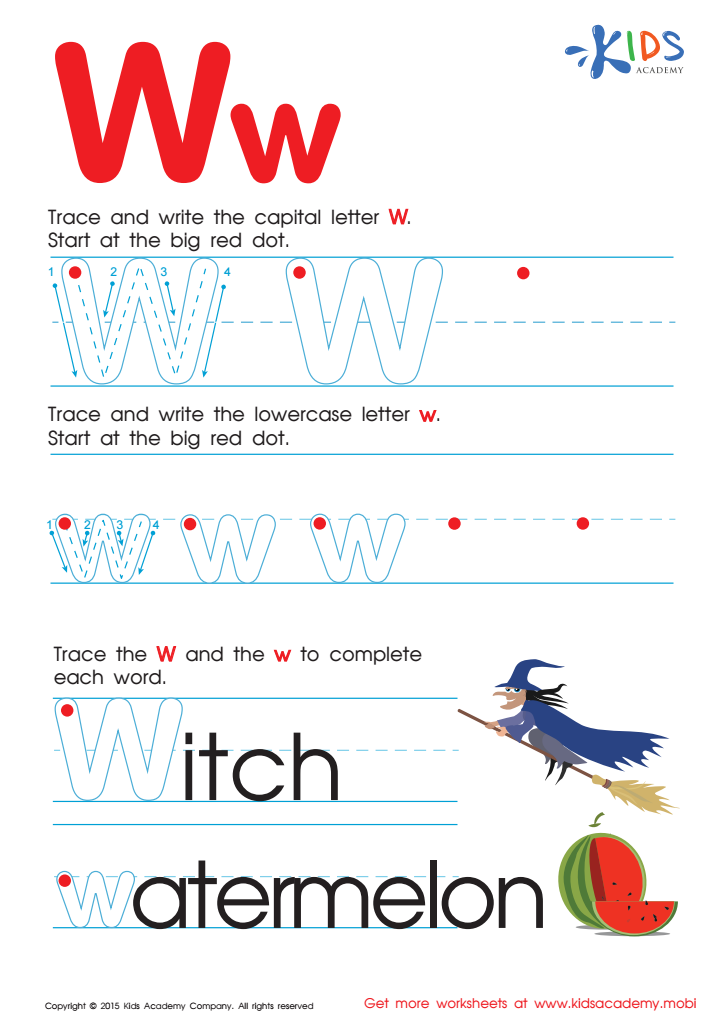
Letter W Tracing Page
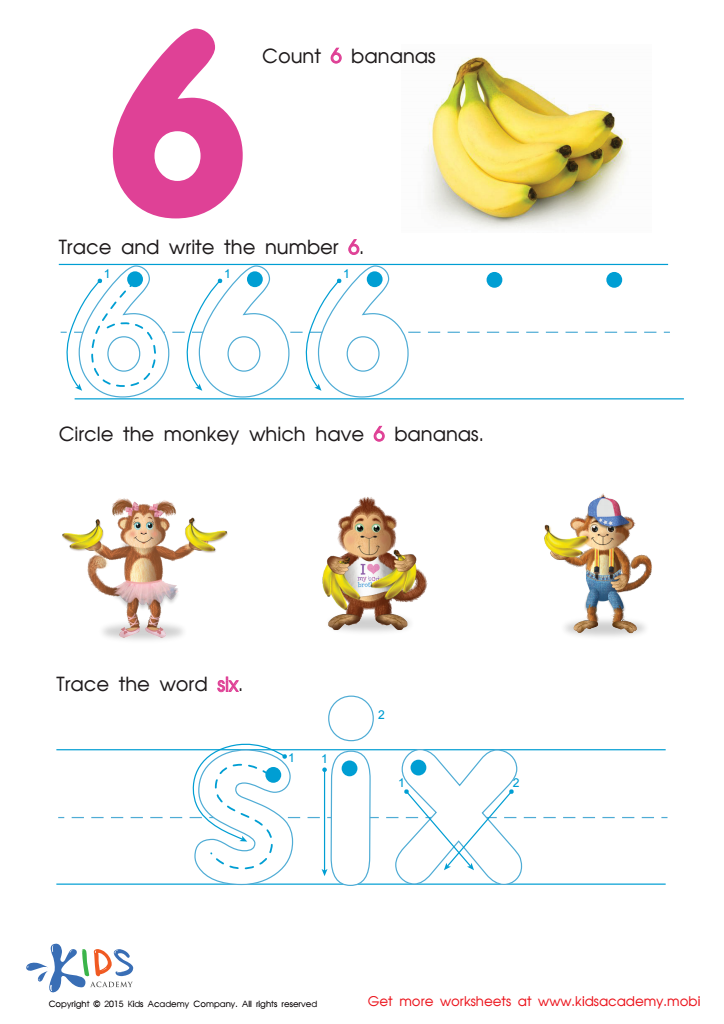
Tracing And Writing Number 6 Worksheet
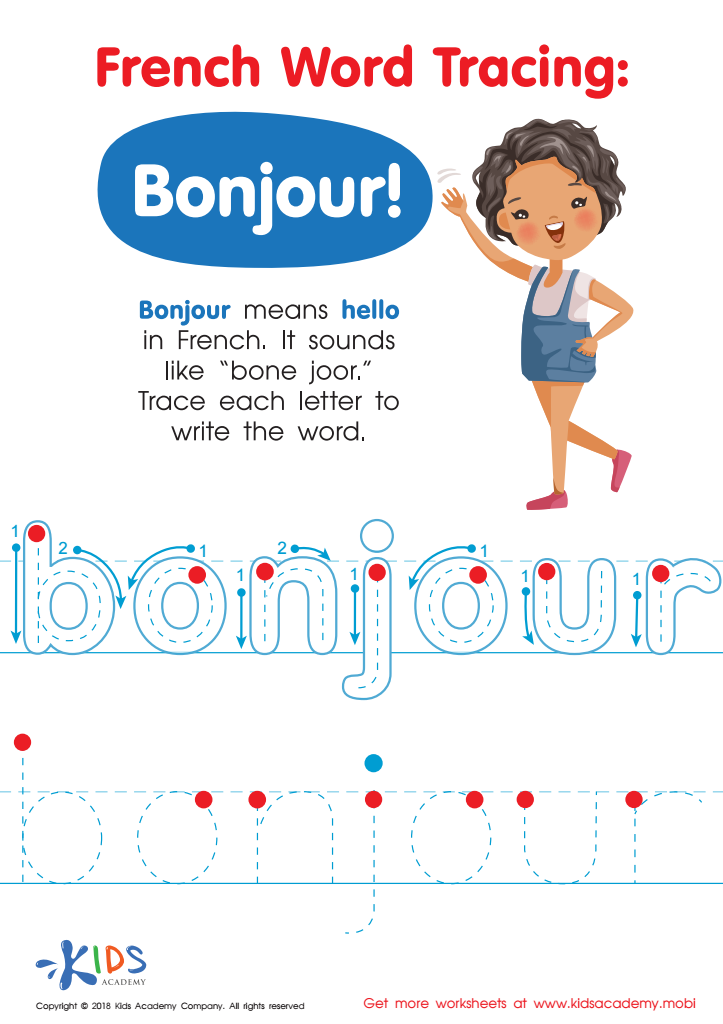
French Word Tracing: Bonjour Worksheet
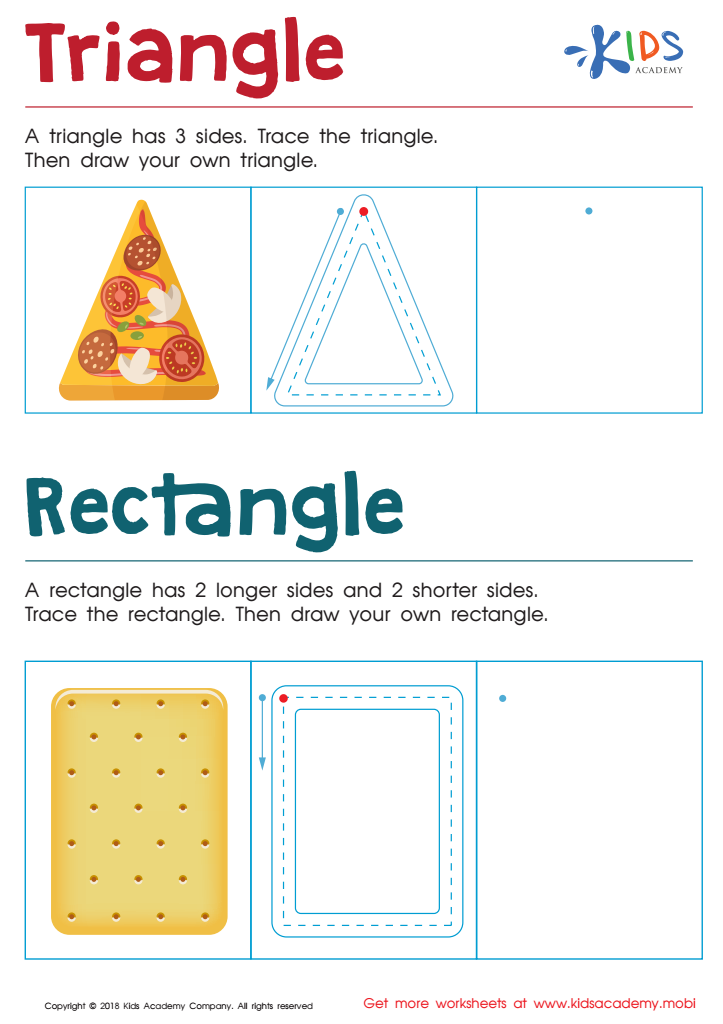
Triangle Rectangle Worksheet

Letter H Tracing Page
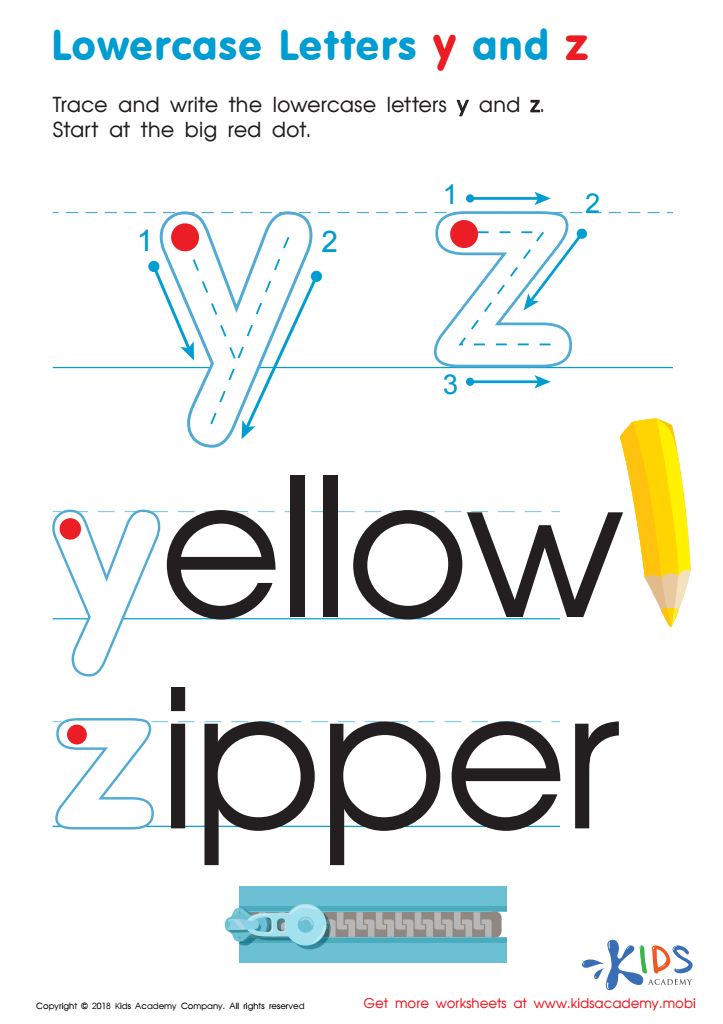
Lowercase Letters y z Worksheet






.jpg)

Tracing activities play a crucial role in the development of children aged 4-7, and parents and teachers should prioritize them for several reasons. First, these activities enhance fine motor skills, which are essential for everyday tasks such as writing, buttoning clothes, and using scissors. Through tracing, children develop hand-eye coordination and dexterity, laying a strong foundation for later academic success.
Additionally, tracing helps reinforce letter and number recognition. As children trace letters and numbers, they become more familiar with their shapes and sounds, which boosts early reading and mathematics skills. This not only builds confidence but also fosters a love for learning.
Moreover, tracing activities can be tailored to various themes and subjects, making learning engaging and playful. They provide opportunities for creativity, as children can color or embellish their traced designs, allowing for self-expression.
Lastly, tracing offers a structured yet flexible activity that can be accomplished independently or collaboratively, promoting social skills and family bonding. Overall, integrating tracing activities into early education can significantly support developmental milestones, making it an essential consideration for parents and teachers alike.








