Mazes worksheets activities for Ages 5-7 - Page 3
66 filtered results
-
From - To
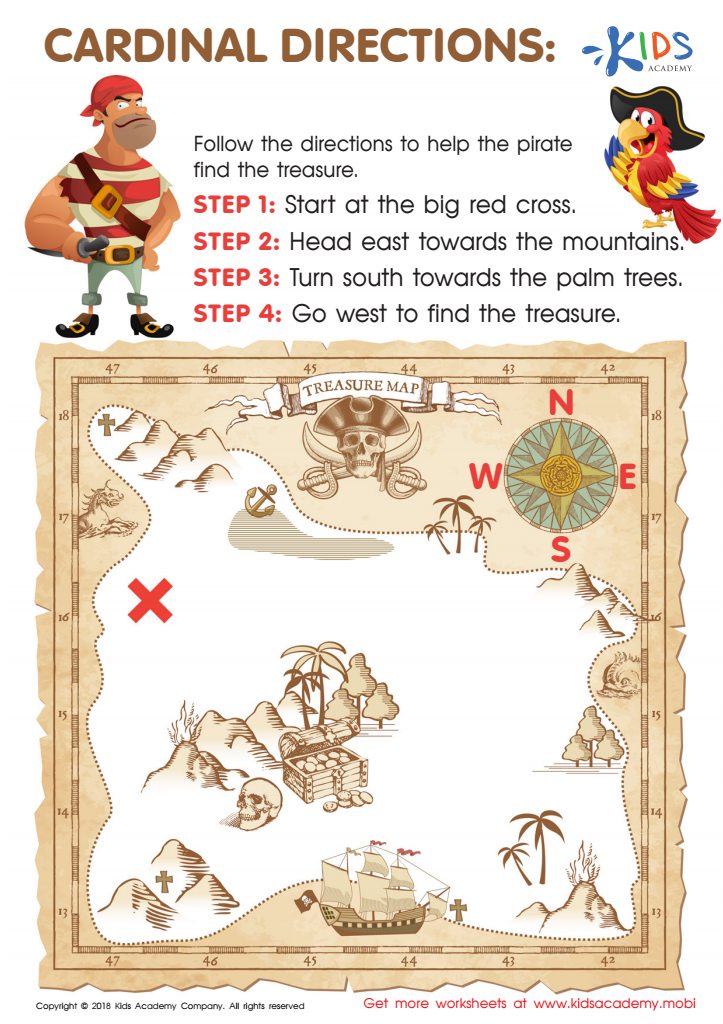
Cardinal Directions Treasure Map Maze Worksheet
 Assign to My Students
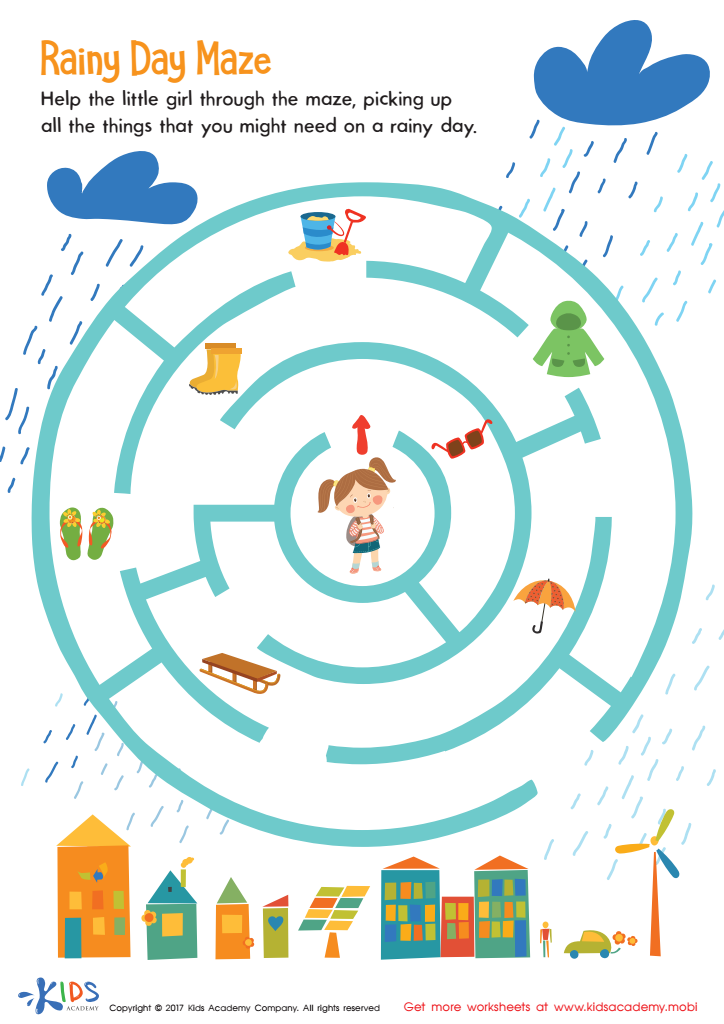
Rainy Day Maze Worksheet
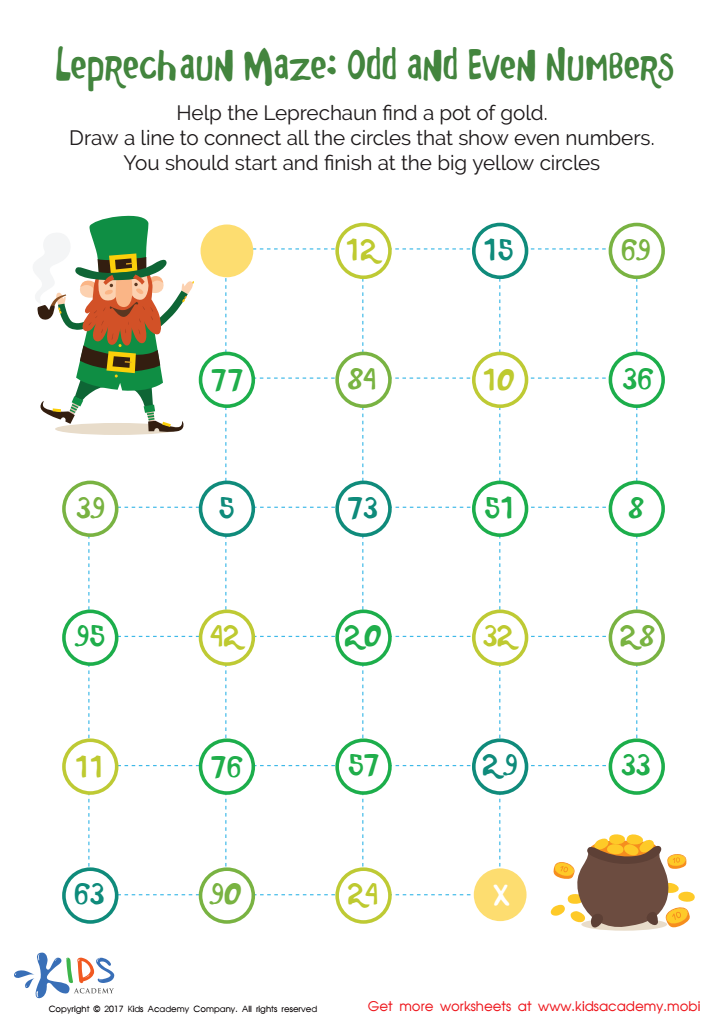
Leprechaun Maze Printable
Tennis Player Maze Worksheet
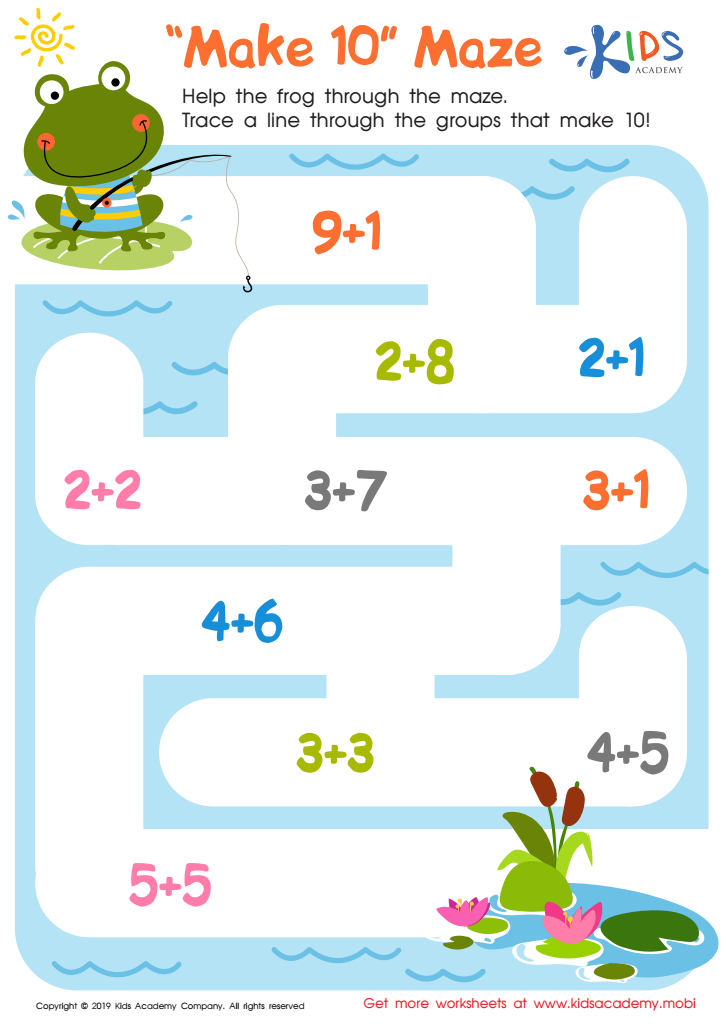
Make 10 Maze Worksheet
Pilgrim Maze Worksheet
Fairy Tales Maze Worksheet
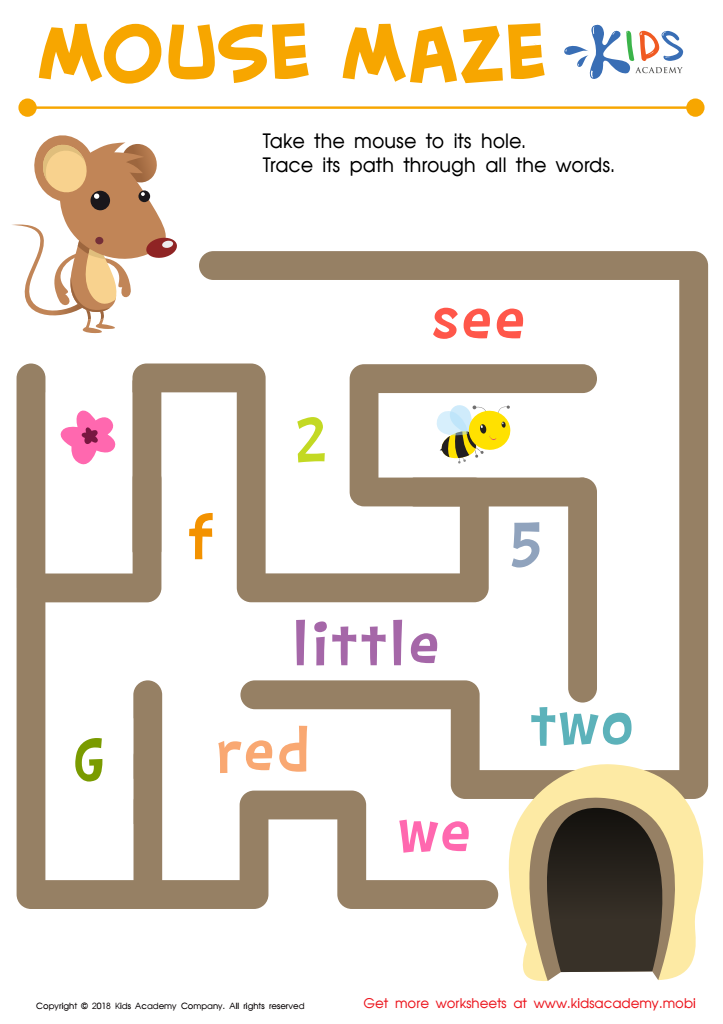
Find Words Mouse Maze Worksheet
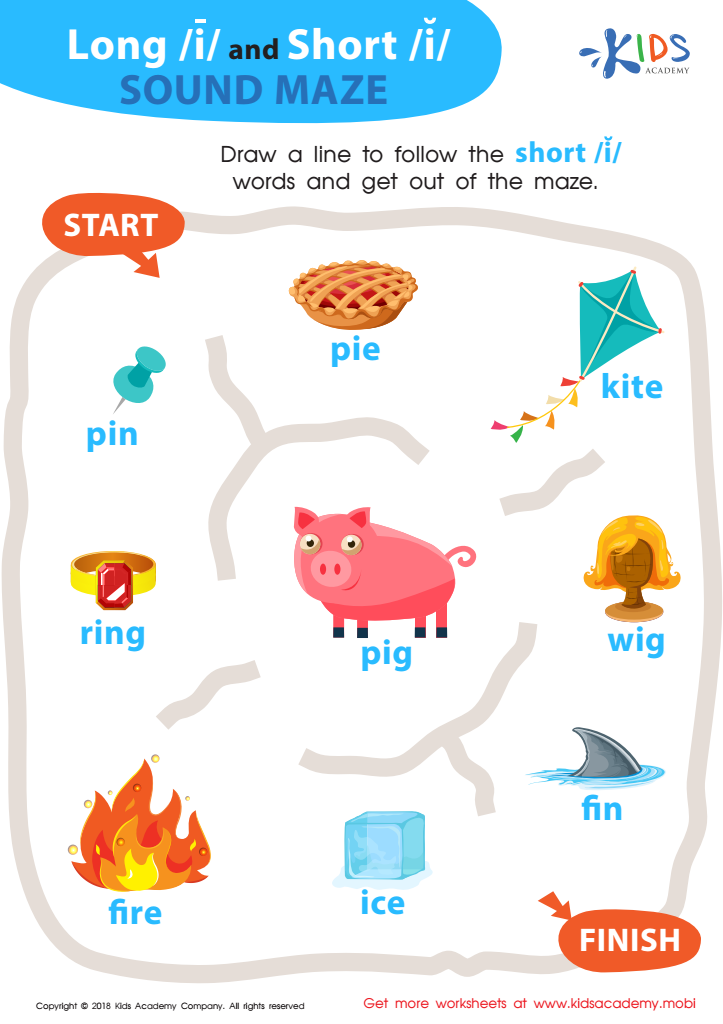
Reading: Long I and Short I Sound Maze Worksheet
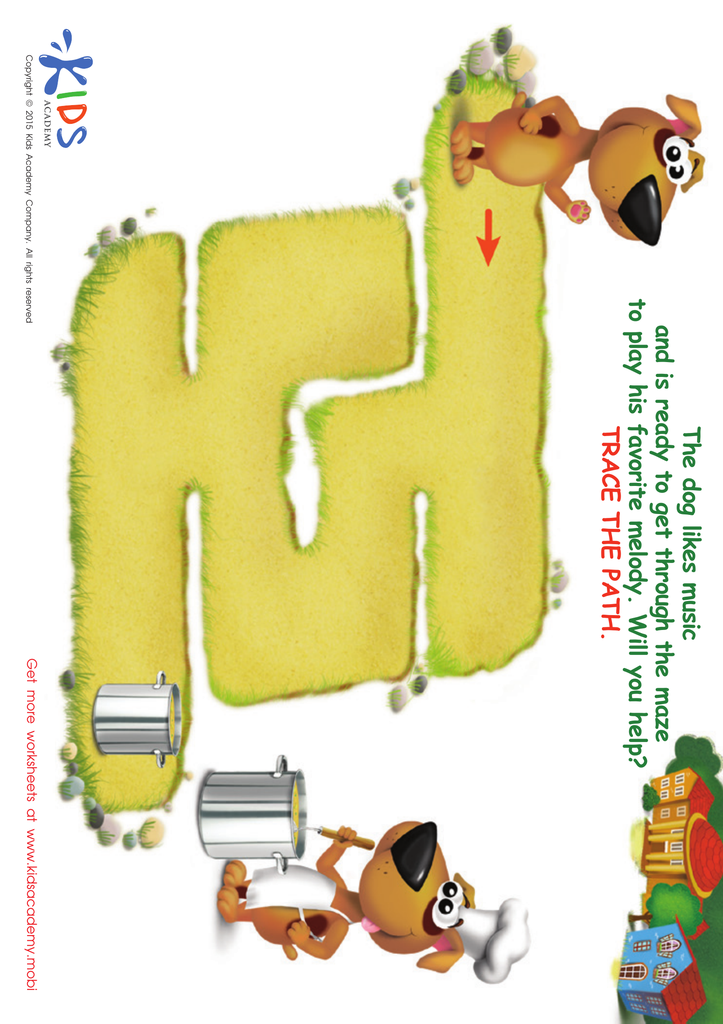
Cook Maze Worksheet
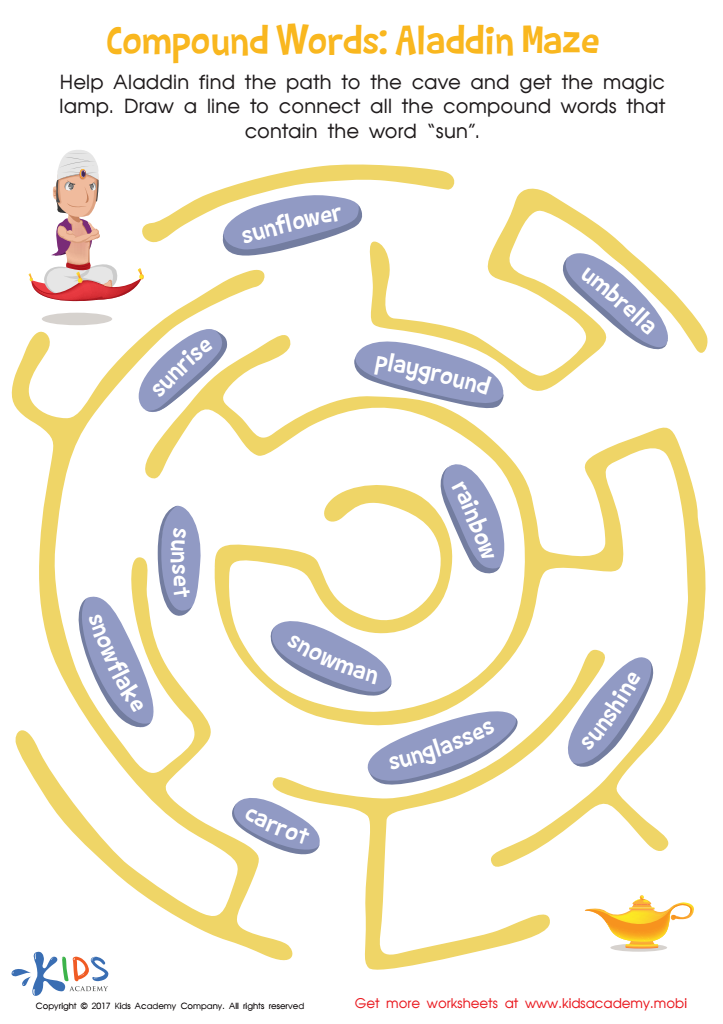
Compound Aladdin Maze Word Structure Worksheet
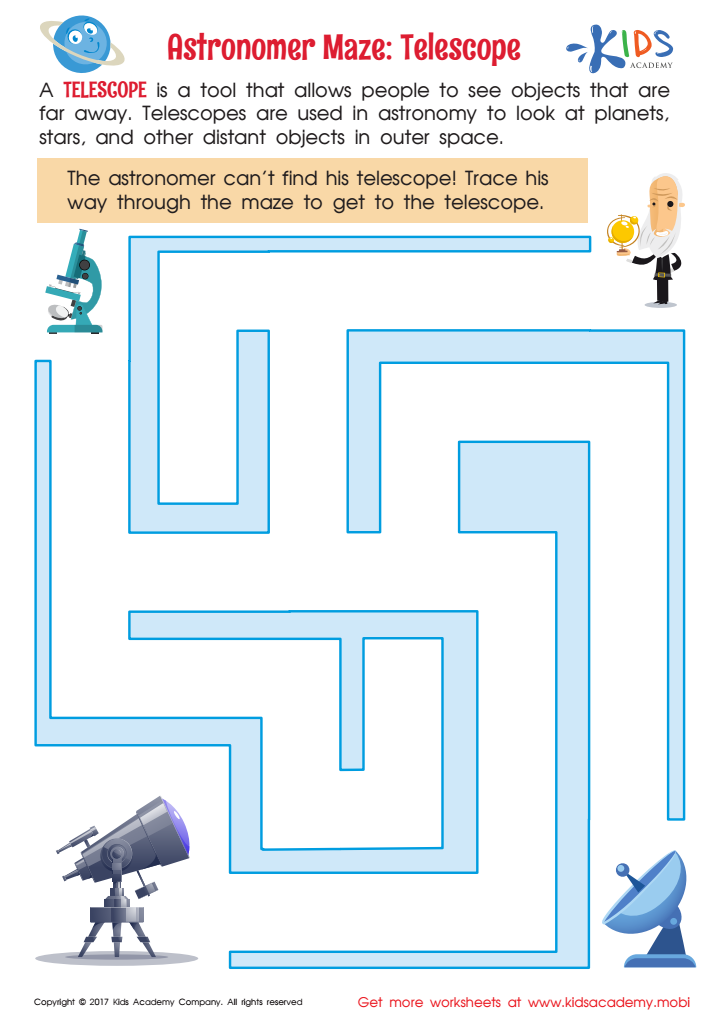
Astronomer Maze: Telescope Worksheet
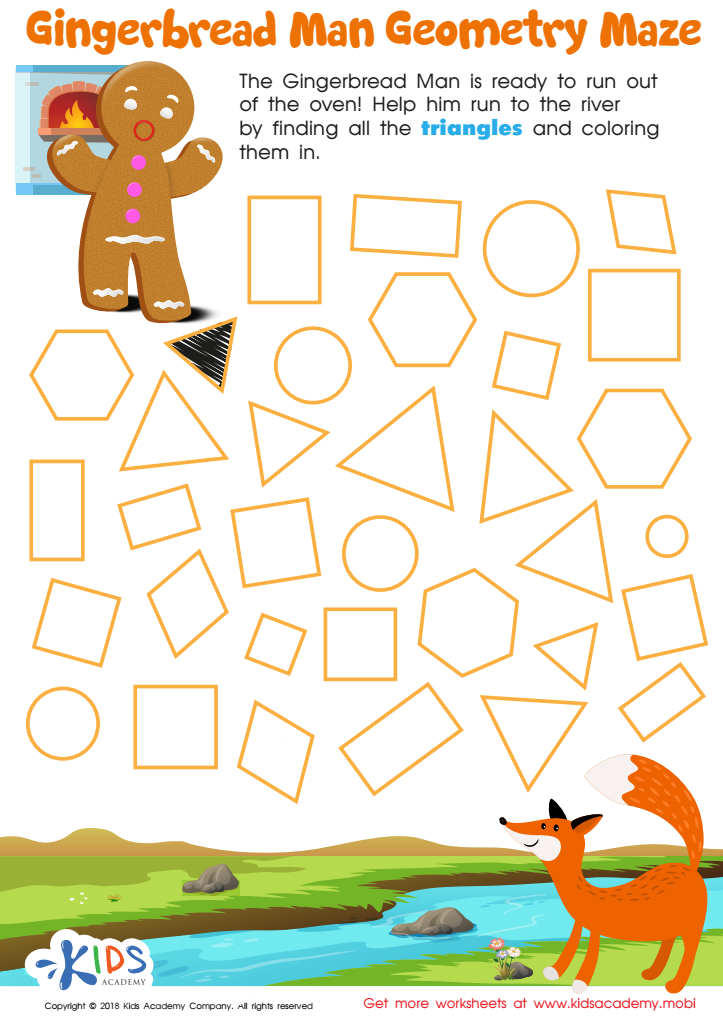
Gingerbread Man Geometry Maze Worksheet
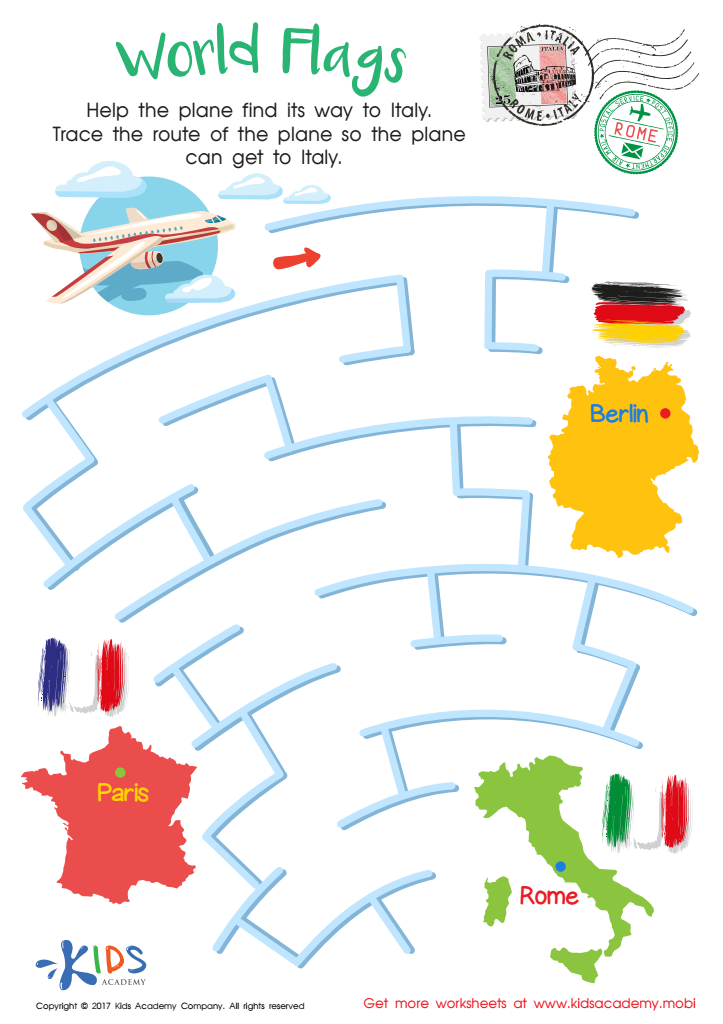
World Flags Maze Worksheet
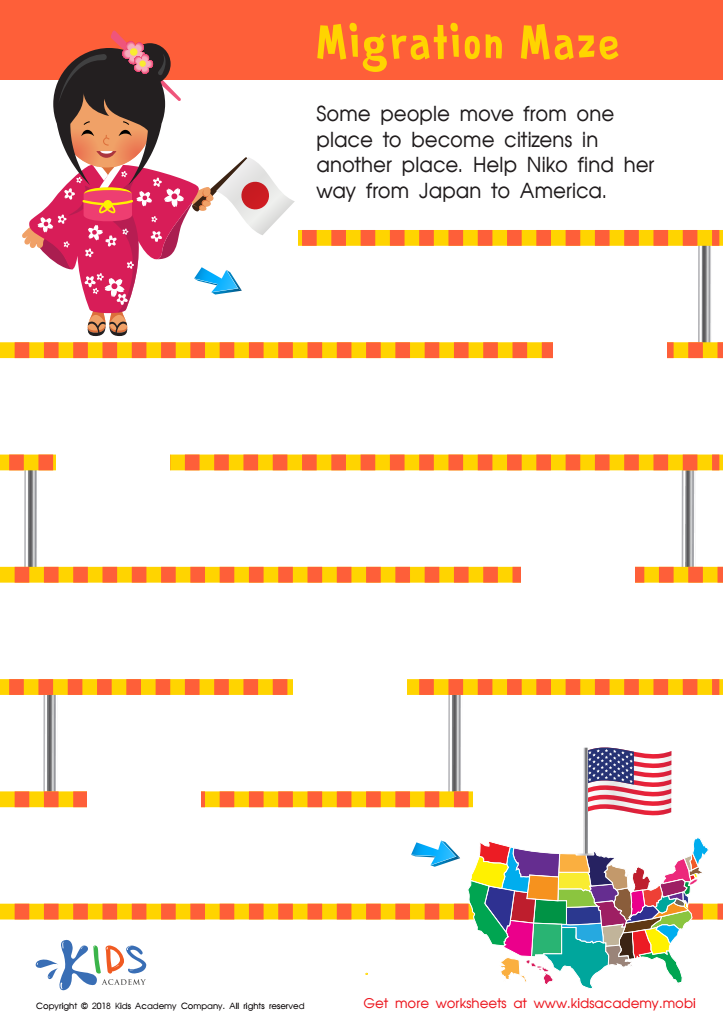
Migration Maze Worksheet
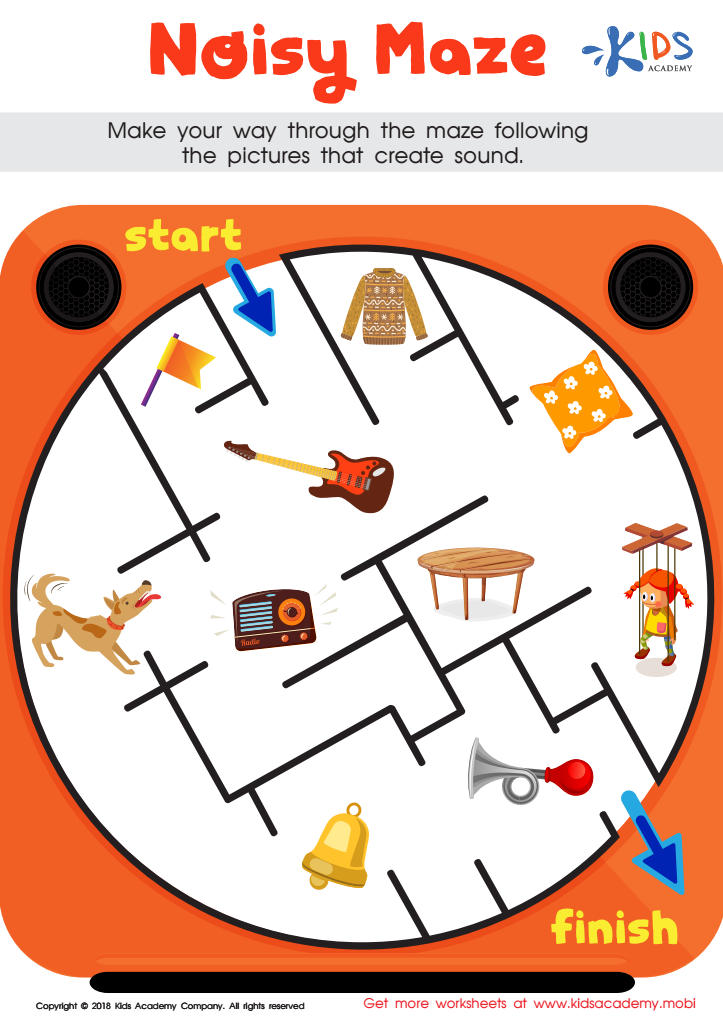
Noisy Maze Worksheet
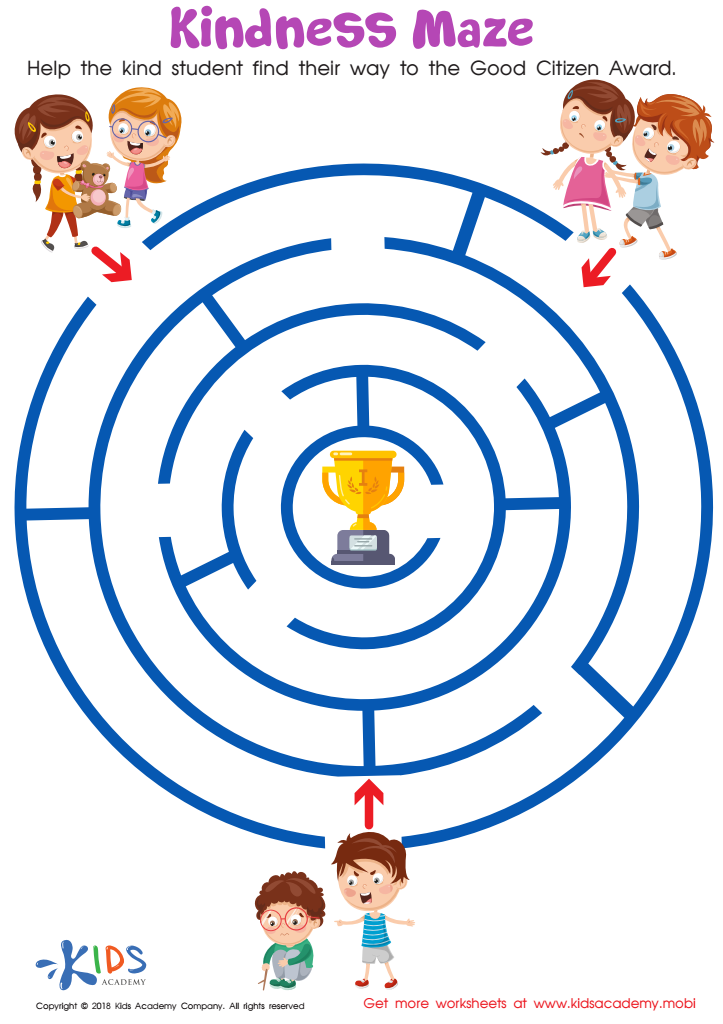
Kindness Maze Worksheet








Mazes are an engaging and educational activity for children ages 5-7, offering a variety of developmental benefits that parents and teachers should highly value. First and foremost, navigating a maze enhances critical thinking and problem-solving skills. Children learn to analyze pathways and make decisions, fostering cognitive growth. This age group is also refining their fine motor skills, and solving mazes typically involves using pencils or markers, improving hand-eye coordination and dexterity.
Mazes encourage persistence and resilience by challenging children to try different strategies when they encounter dead ends. This process builds confidence—when they successfully complete a maze, it provides a sense of accomplishment. Moreover, mazes can introduce basic mathematical concepts, such as counting steps or understanding spatial relationships, laying the groundwork for more advanced mathematics.
In addition, maze activities can be a wonderful way to incorporate themed learning. They can be aligned with letters, numbers, or other subjects, seamlessly blending play with education. Lastly, these activities often promote focus and concentration, qualities that benefit children academically and socially. Overall, maze activities are a fun and multifaceted tool for fostering essential life skills, encouraging creativity, and nurturing a love for learning.








