Matching worksheets activities for Ages 5-8 - Page 4
82 filtered results
-
From - To
 Assign to My Students
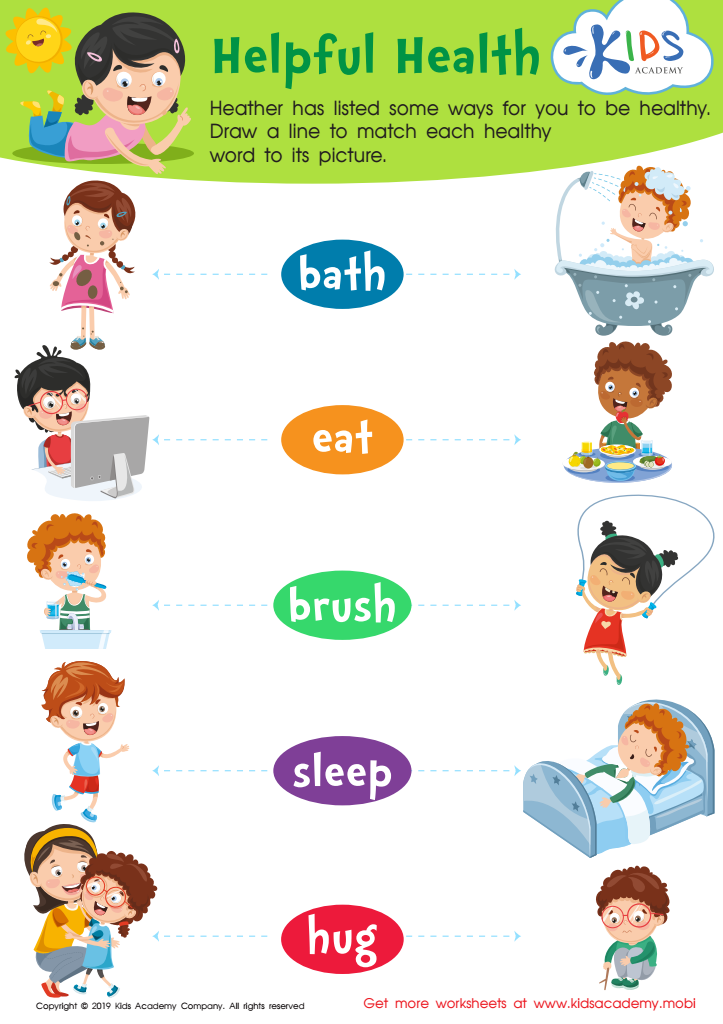
Helpful Health Worksheet
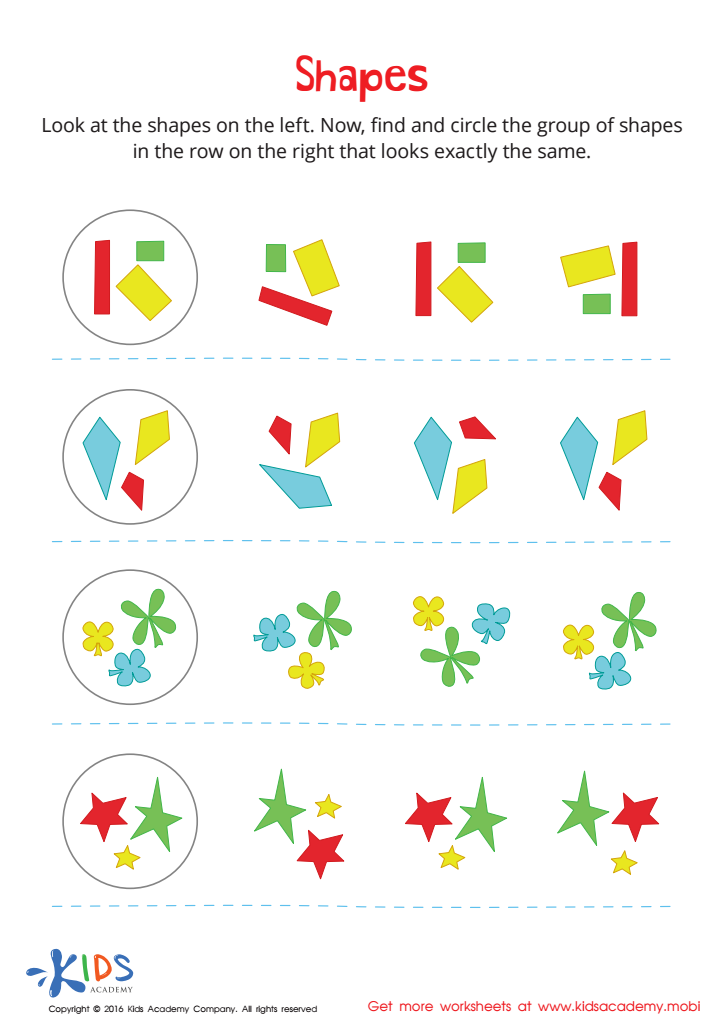
Shapes Worksheet
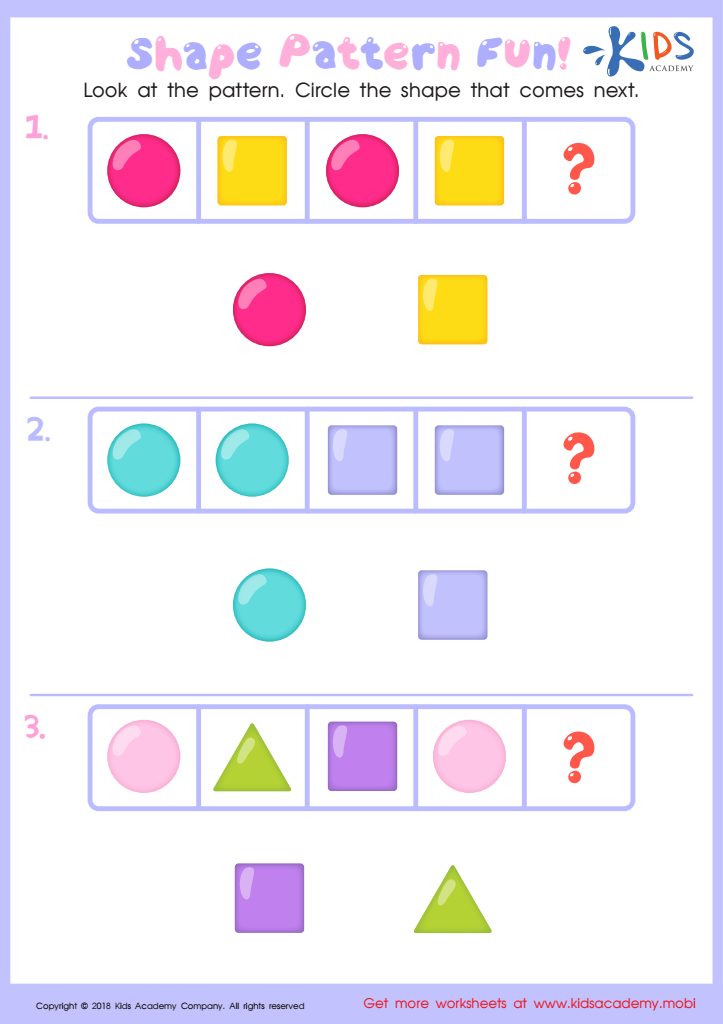
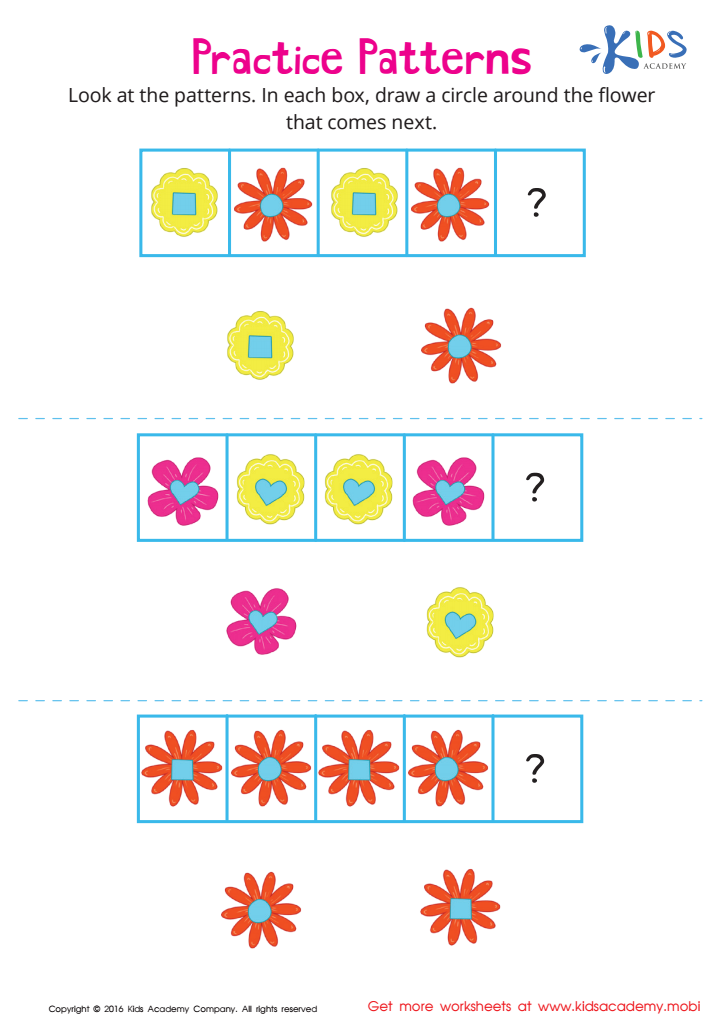
Shape Pattern Fun Worksheet
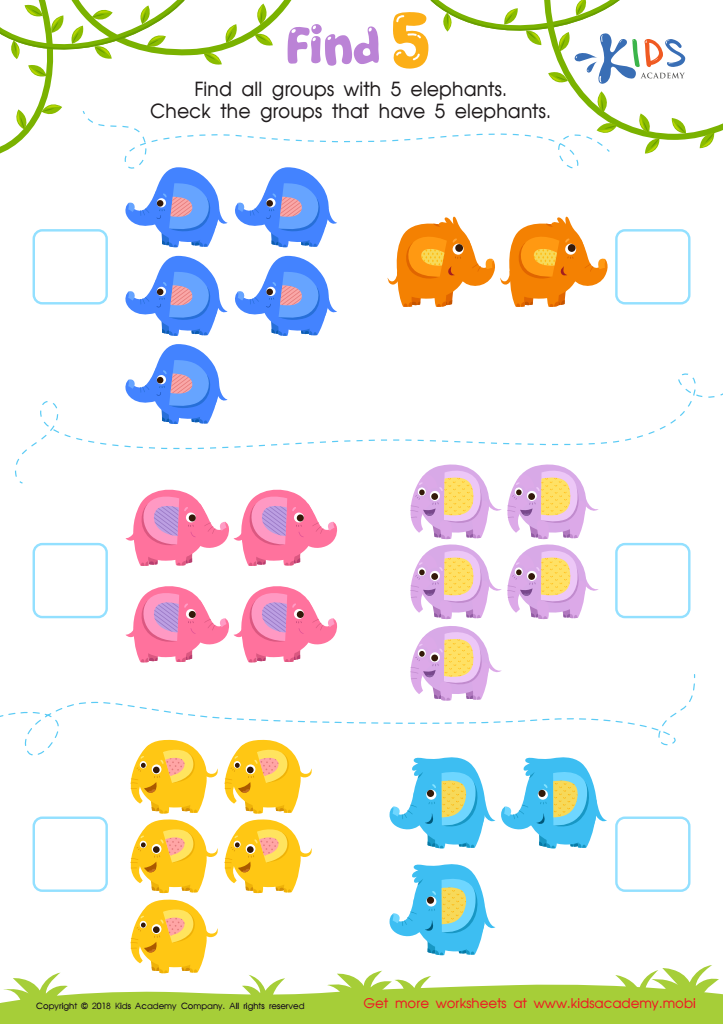
Find 5 Worksheet
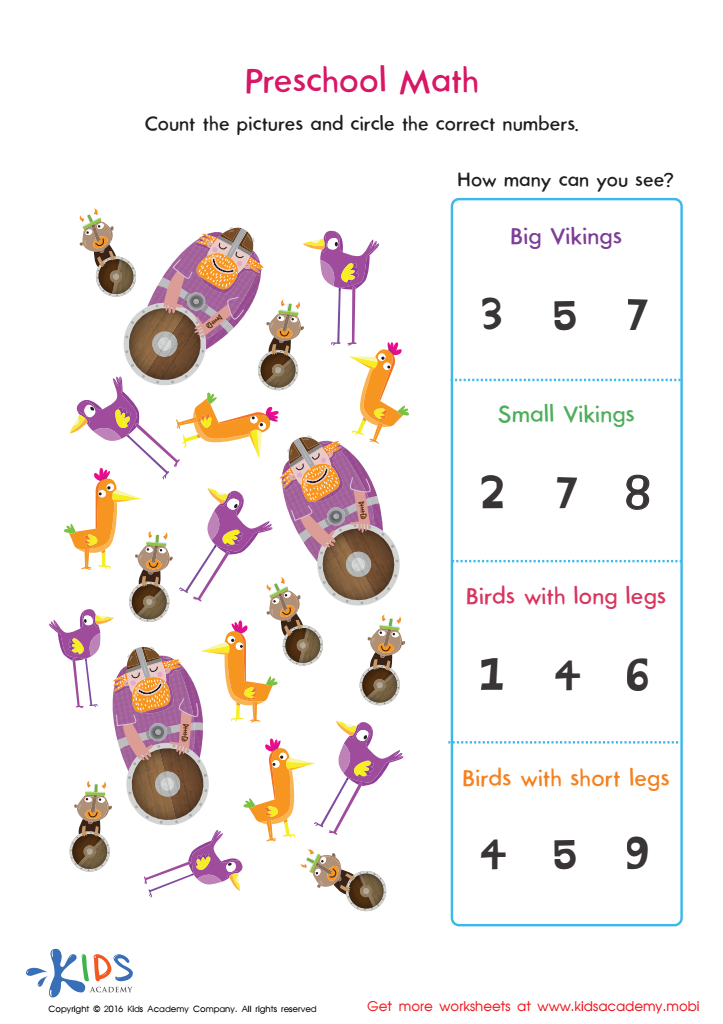
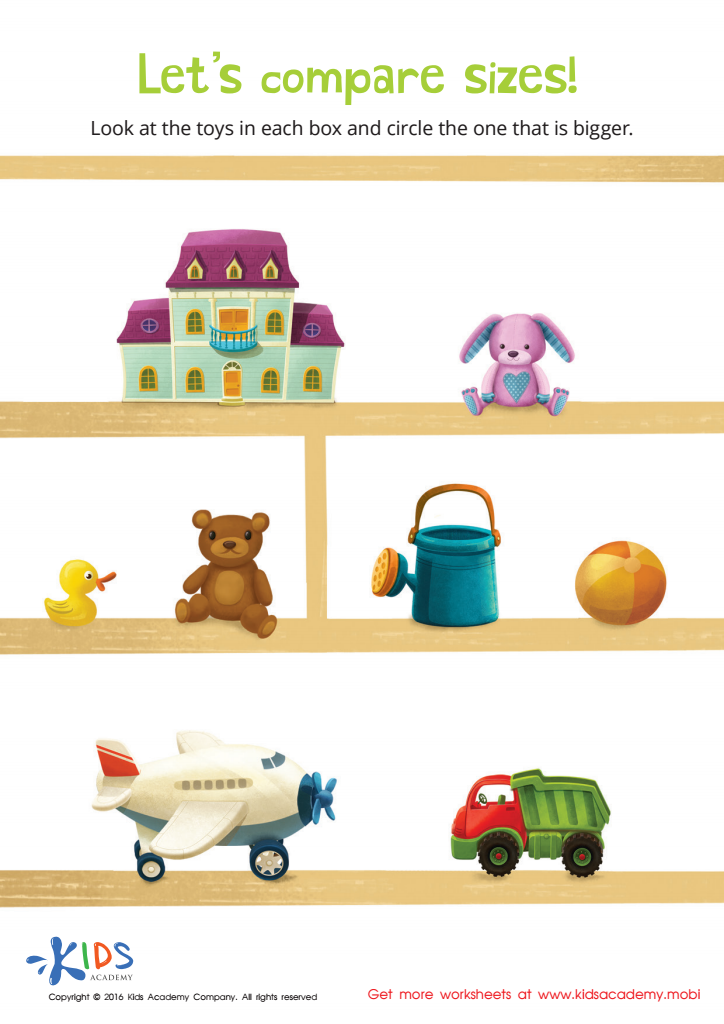
Classifying by Size Sorting Worksheet
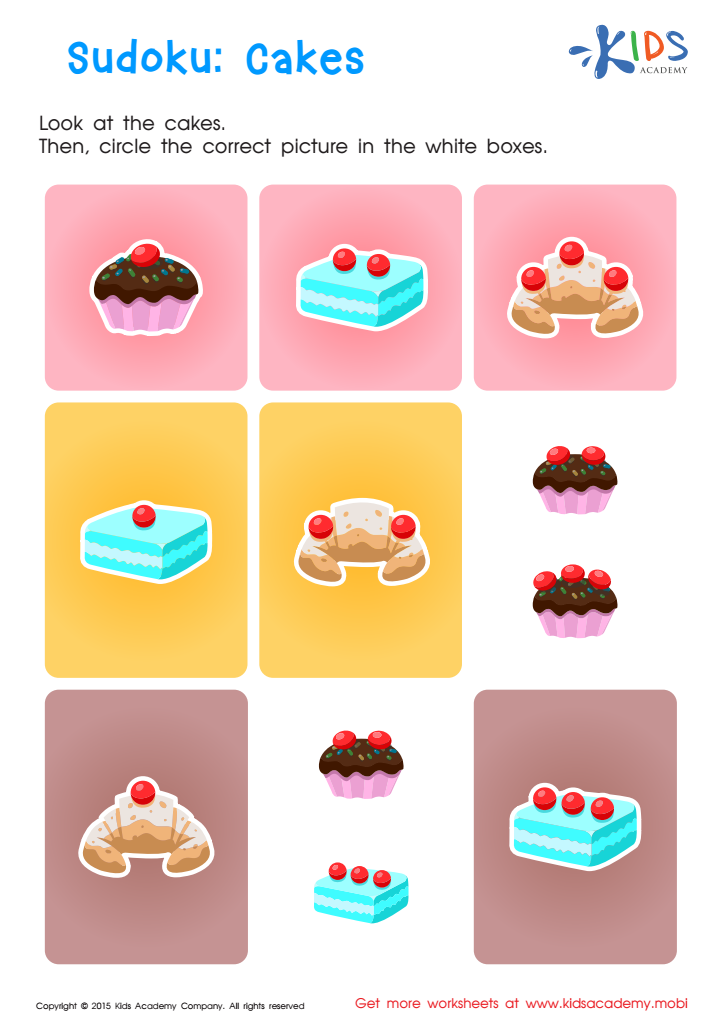
Sudoku Worksheet
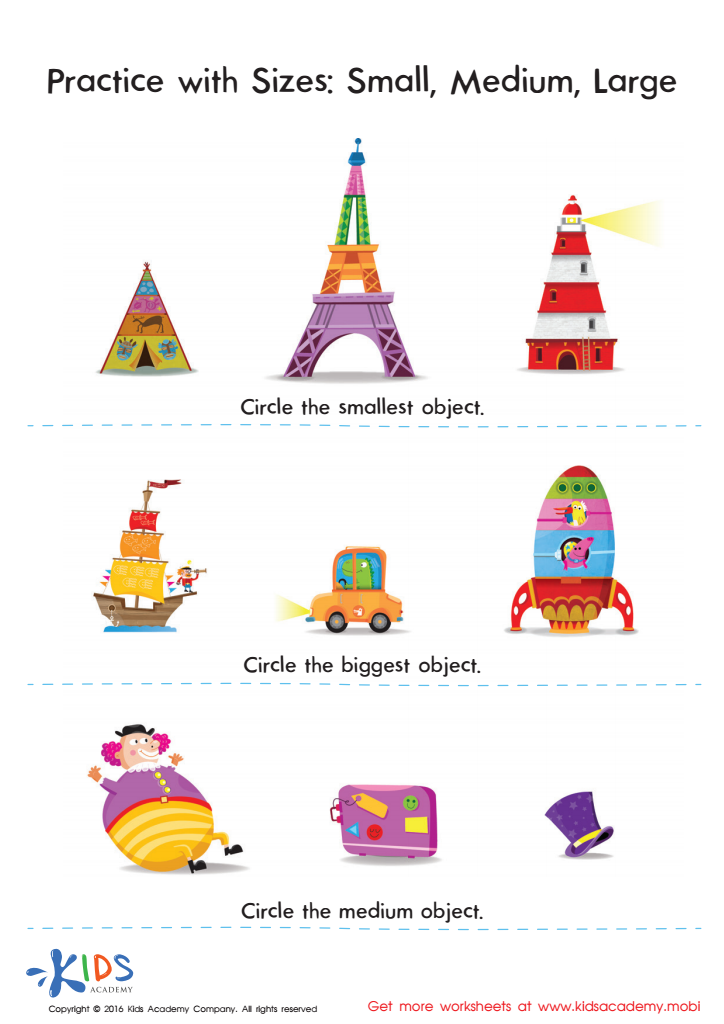







Matching activities for children aged 5-8 are essential for their cognitive and social development. These activities help bolster vital skills, such as memory retention, pattern recognition, and problem-solving abilities. At this developmental stage, children are naturally inquisitive, and matching games tap into that curiosity, making learning engaging and fun.
For parents and teachers, incorporating matching activities into play and learning extends beyond academics; it nurtures emotional growth and social interactions. Such activities promote turn-taking and communication skills, crucial for building friendships. They also offer opportunities for children to experience both success and failure in a low-pressure environment, fostering resilience.
Moreover, matching games can be tailored to various subjects—animals, shapes, letters, or colors—allowing for significant teaching moments aligned with curricular goals. As children engage with different themes, they broaden their vocabulary and conceptual understanding.
Lastly, focusing on five to eight-year-olds is vital, as this is a formative period where foundational cognitive skills are being established. By caring about and actively engaging in matching activities, parents and teachers contribute to a well-rounded foundation for lifelong learning and social adaptability in children.








