Normal Tracing worksheets activities for Ages 3-6 - Page 2
97 filtered results
-
From - To

Snowman Tracing Winter Words Worksheet
 Assign to My Students
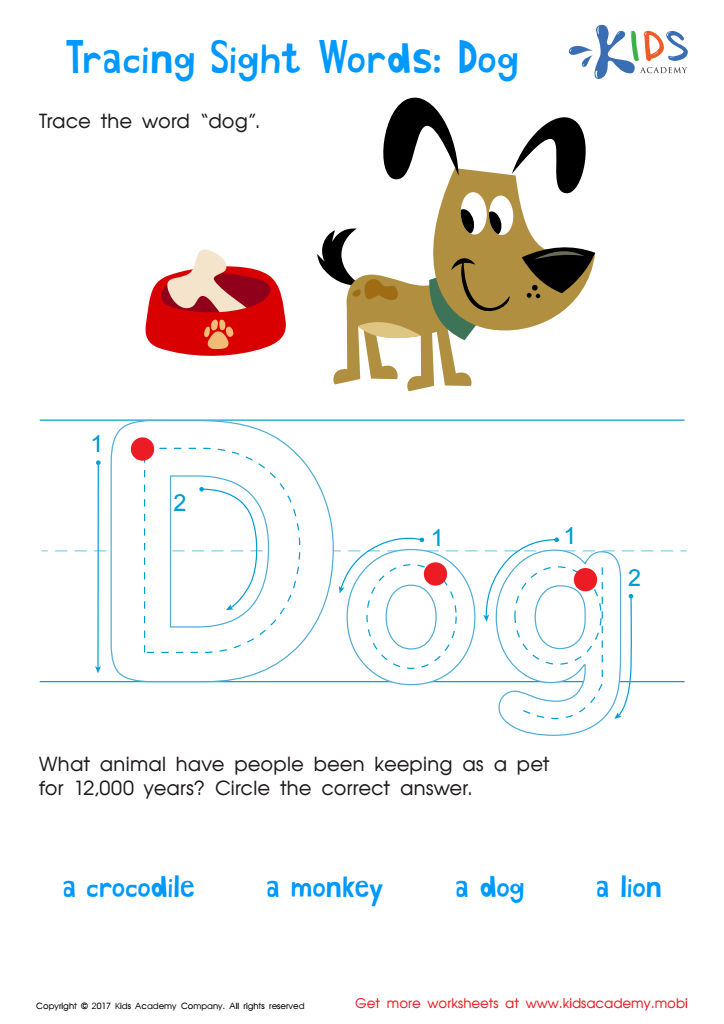
Dog Worksheet Sight Words Worksheet
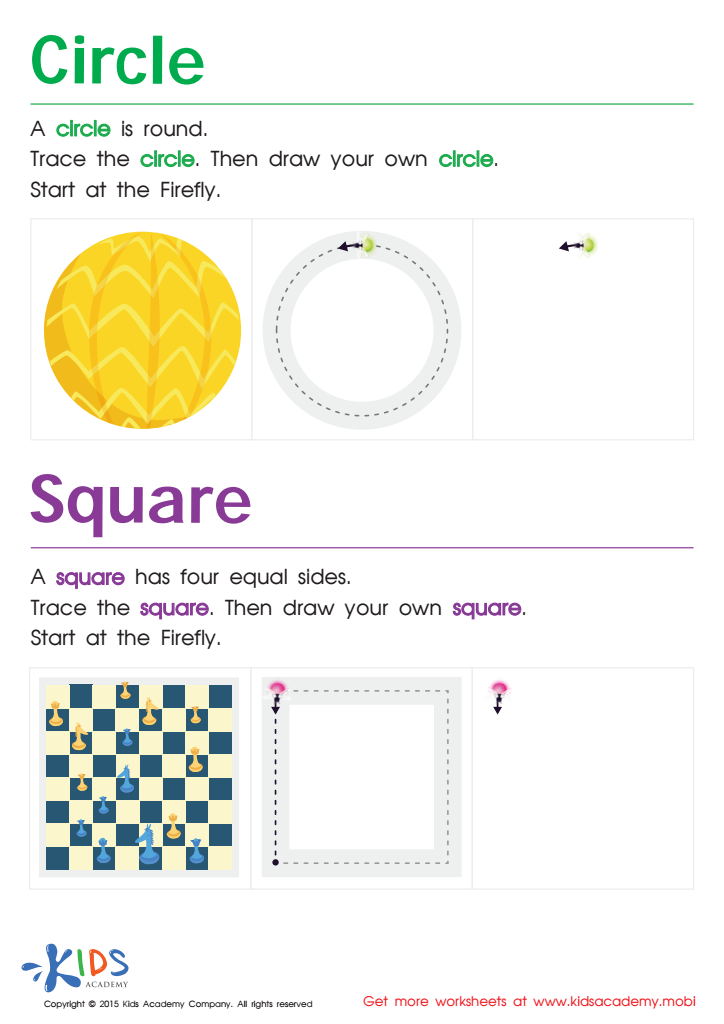
Trace And Draw a Circle And a Square Worksheet

The Sun and a Bee Spelling Worksheet
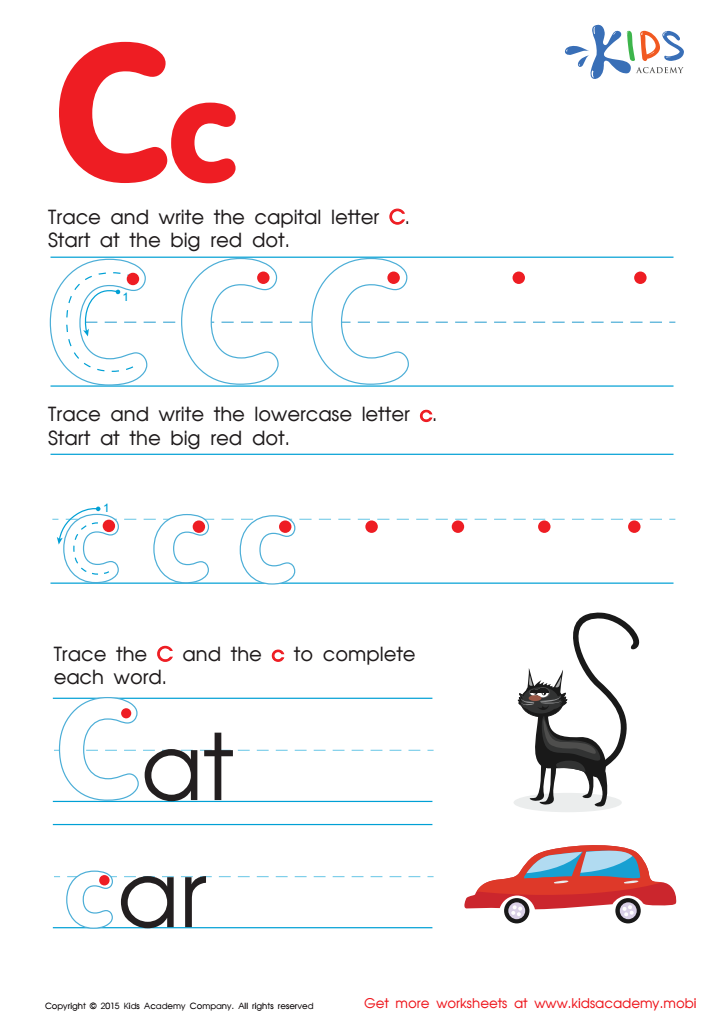
Letter C Tracing Page
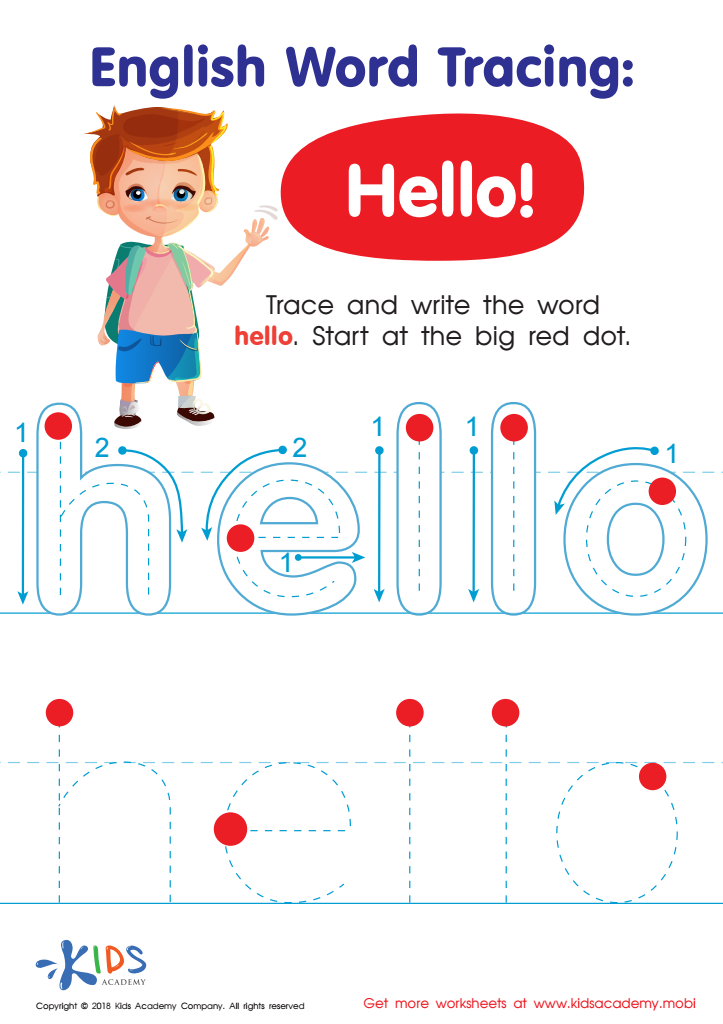
English Word Tracing: Hello Worksheet
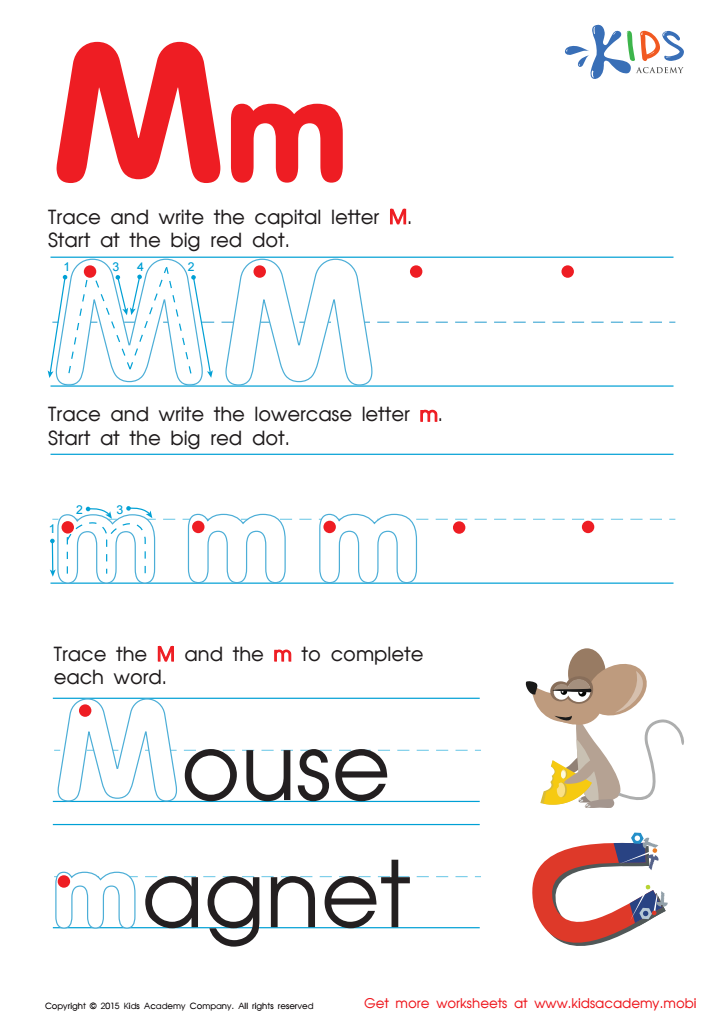
Letter M Tracing Page
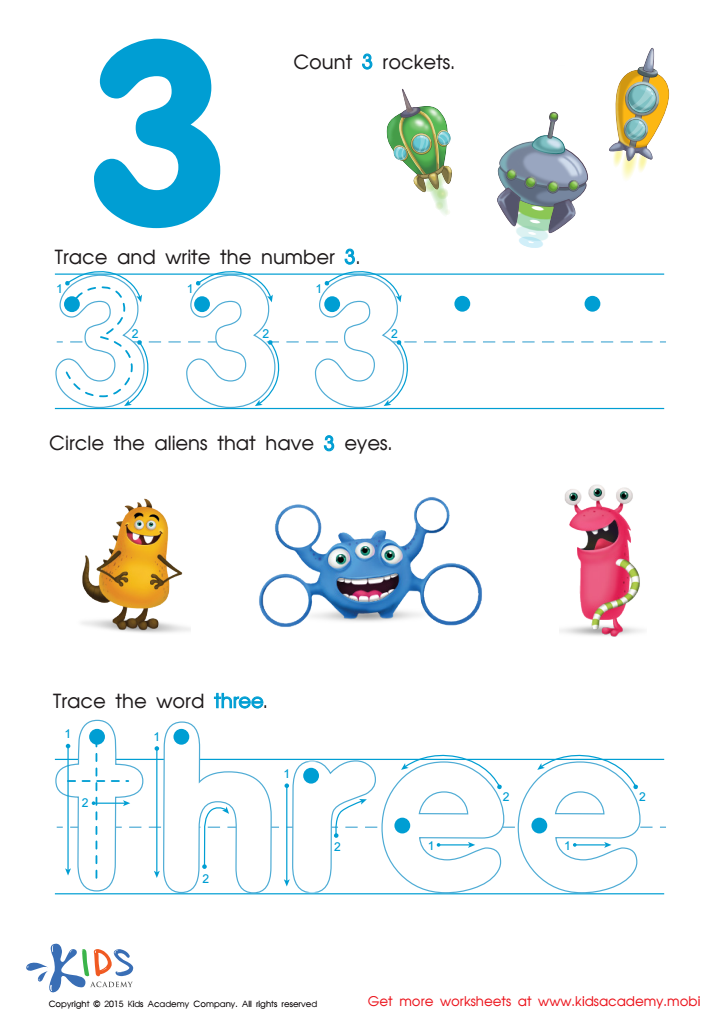
Learning Number Three Worksheet
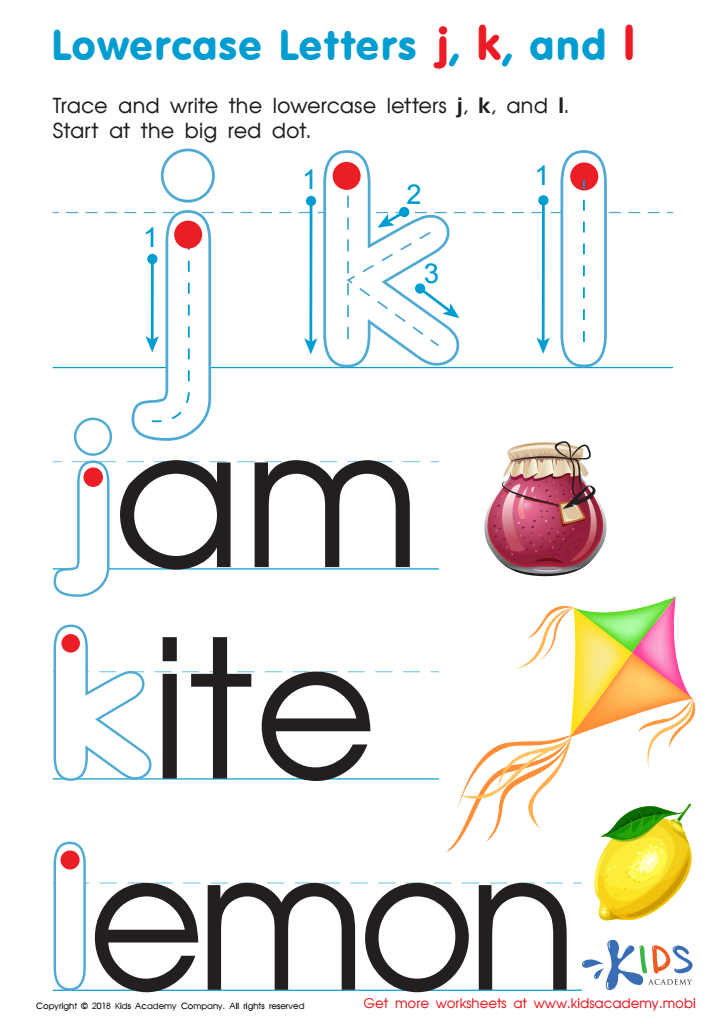
Lowercase Letters j k l Worksheet
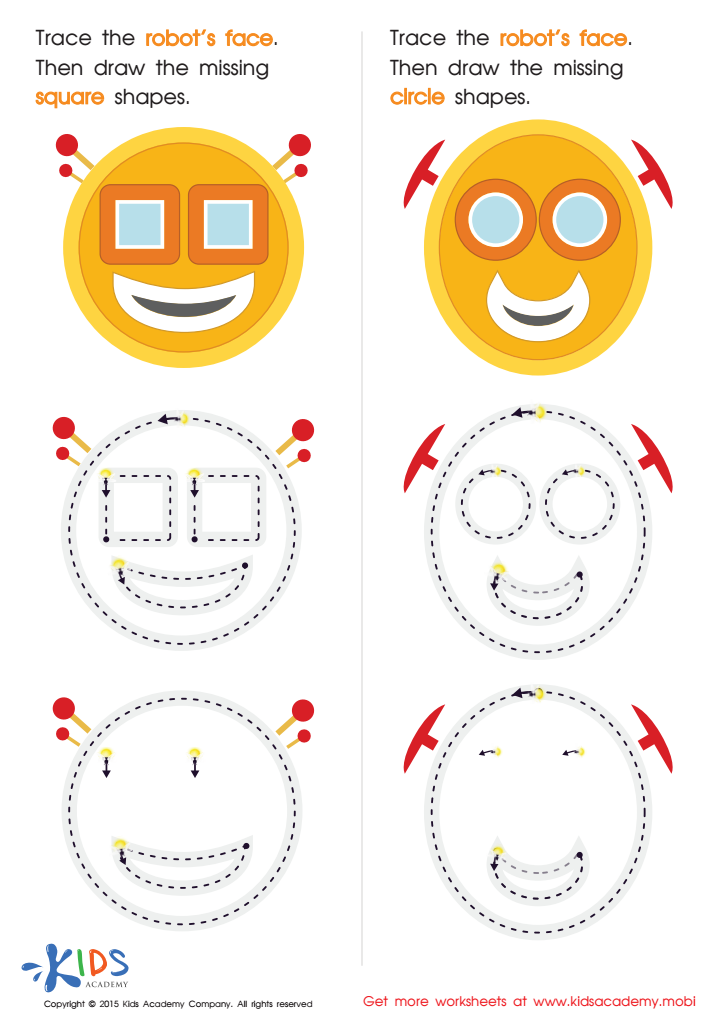
Practicing to Draw Circles And Squares Printable
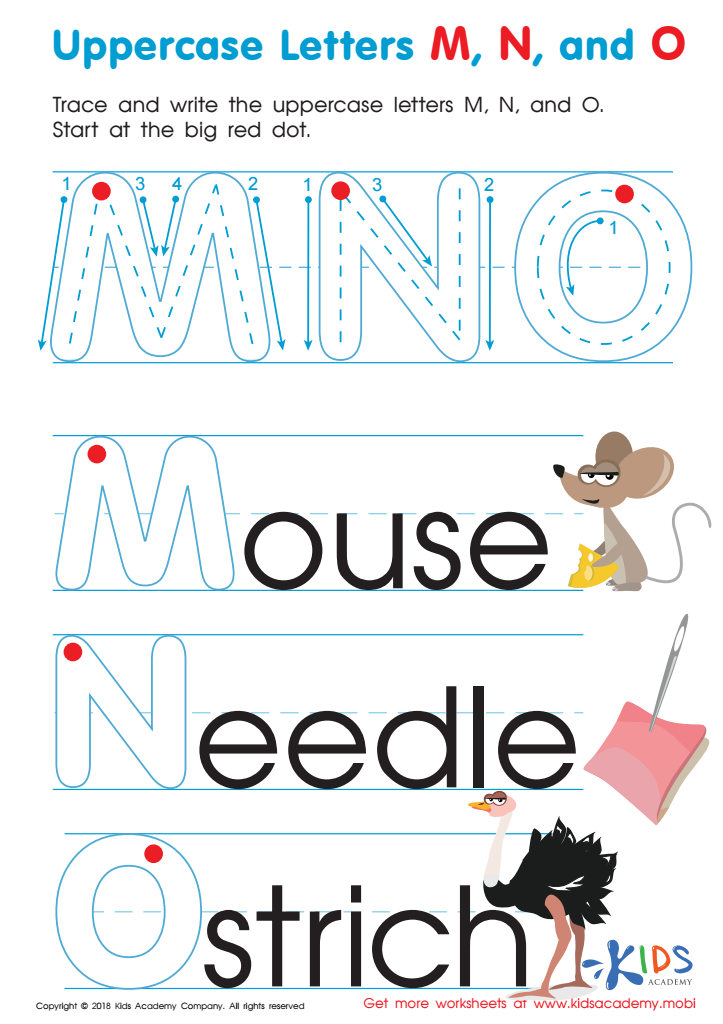
Uppercase Letters M, N, and O Worksheet

Uppercase Letters G, H, and I Worksheet
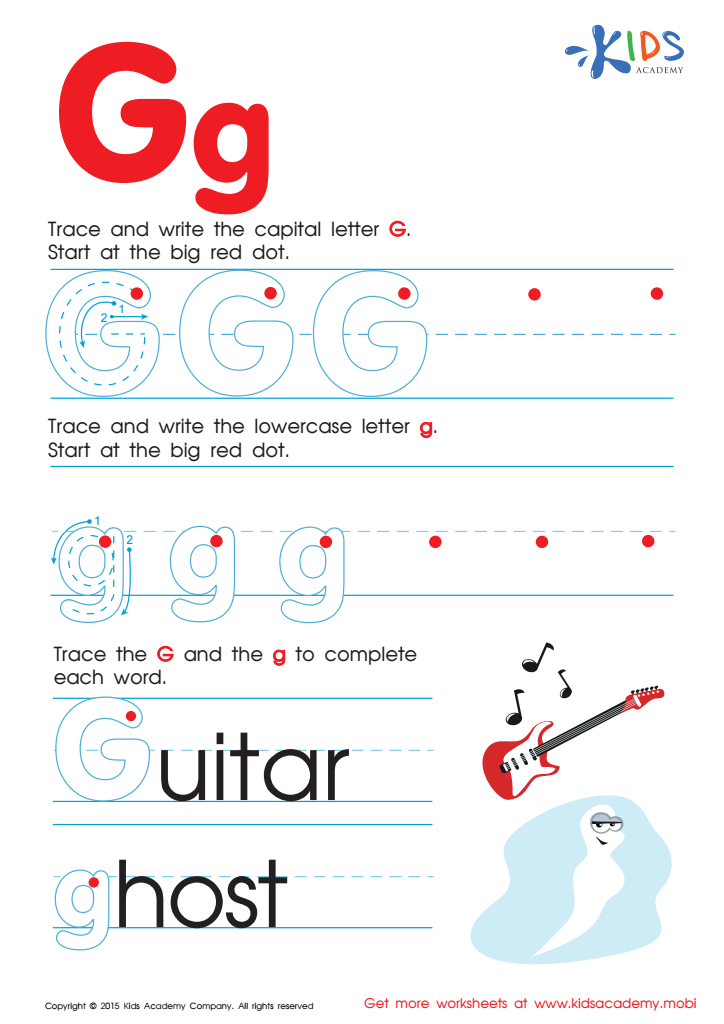
Letter G Tracing Page

Pink Tracing Color Words Worksheet
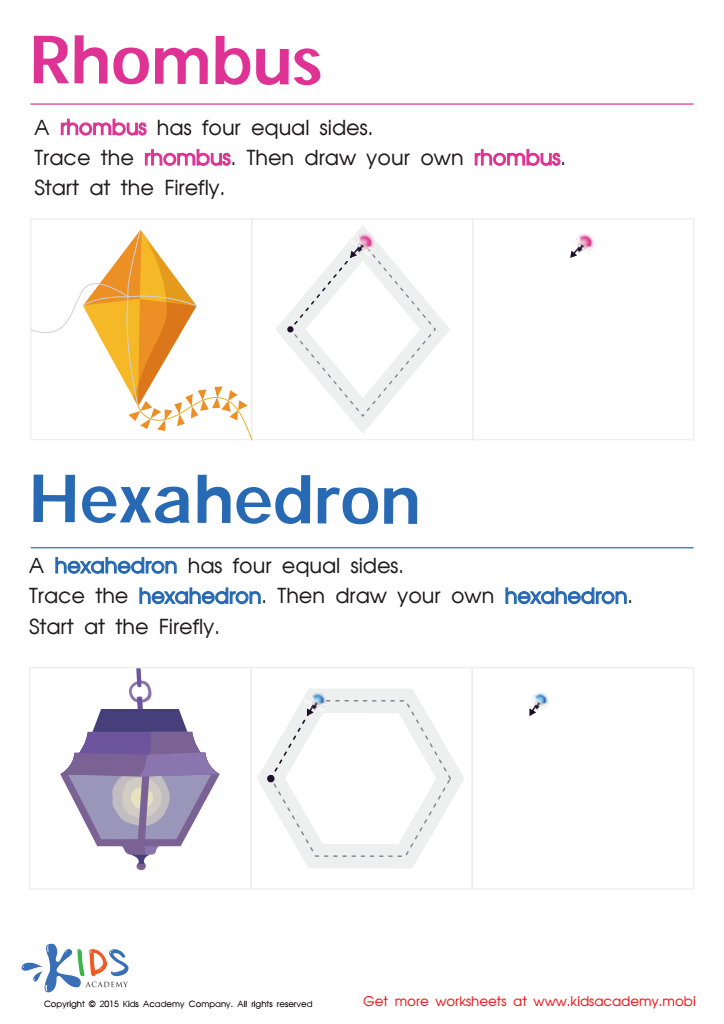
Draw a Rhombus And a Hexahedron Printable

Red Tracing Color Words Printable

Finding 5 in the Family Worksheet
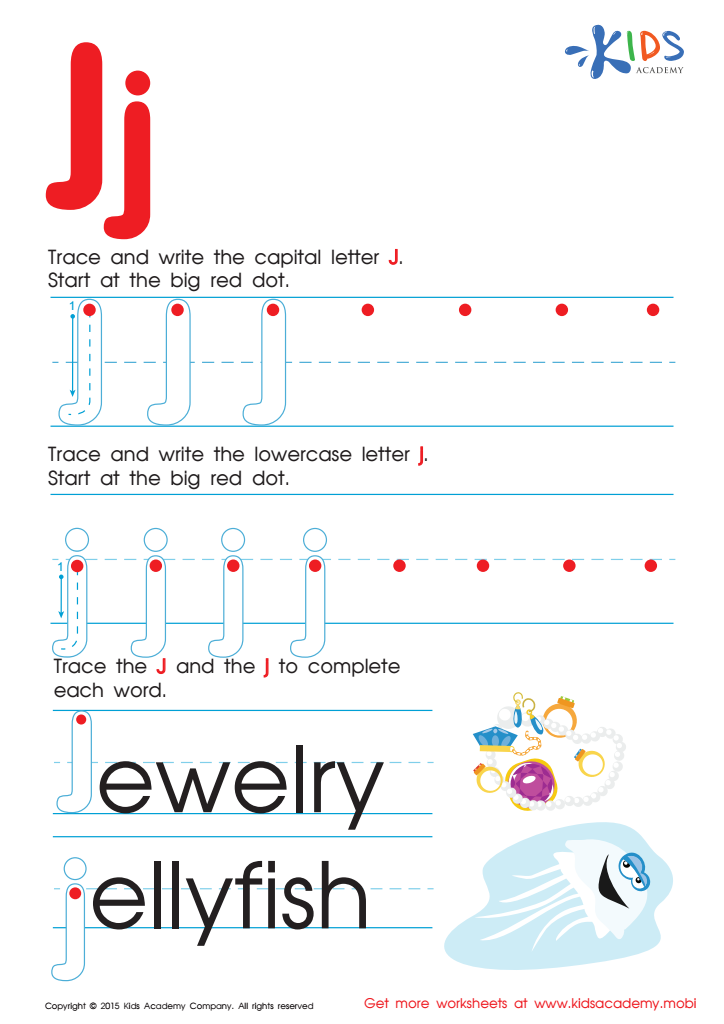
Letter J Tracing Page
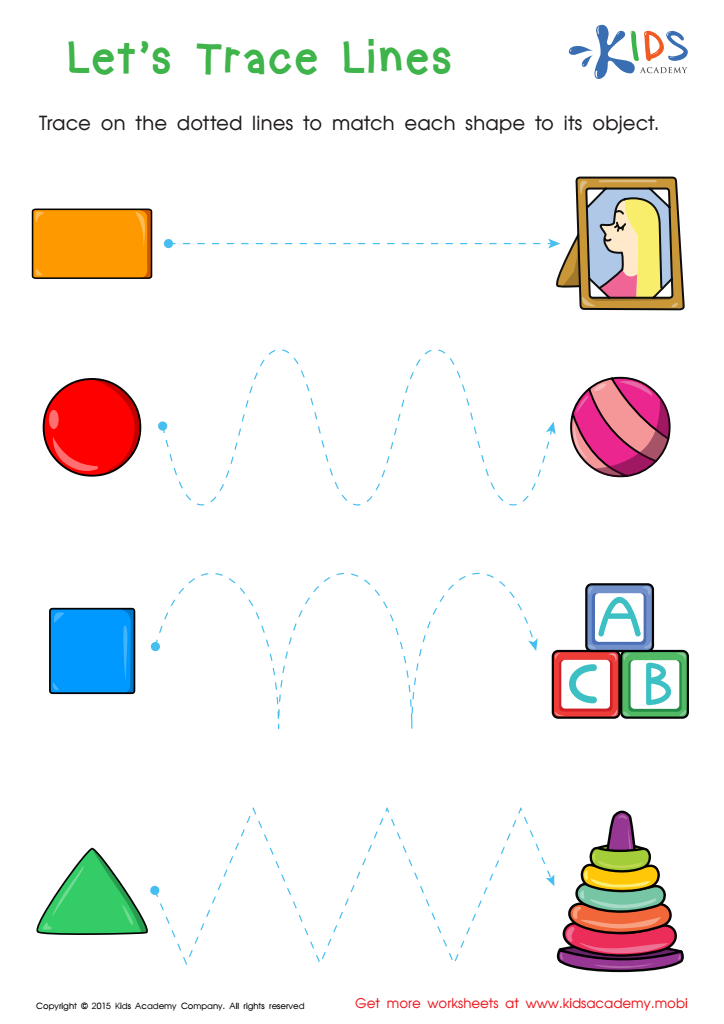
First Words: Let's Trace Lines Worksheet
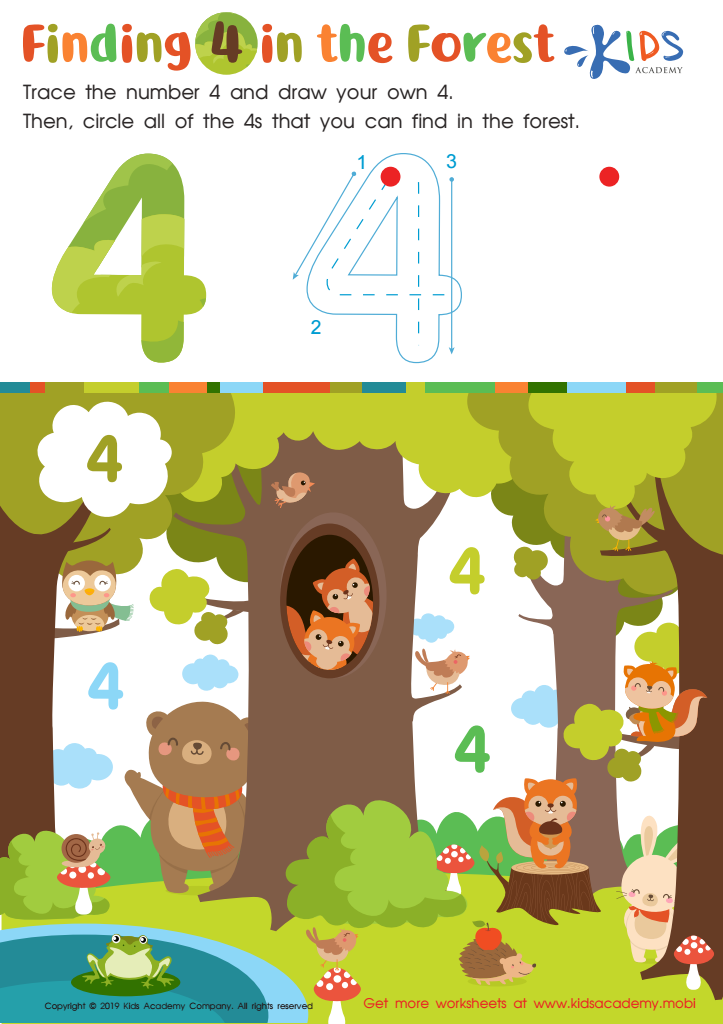
Finding 4 in the Forest Worksheet
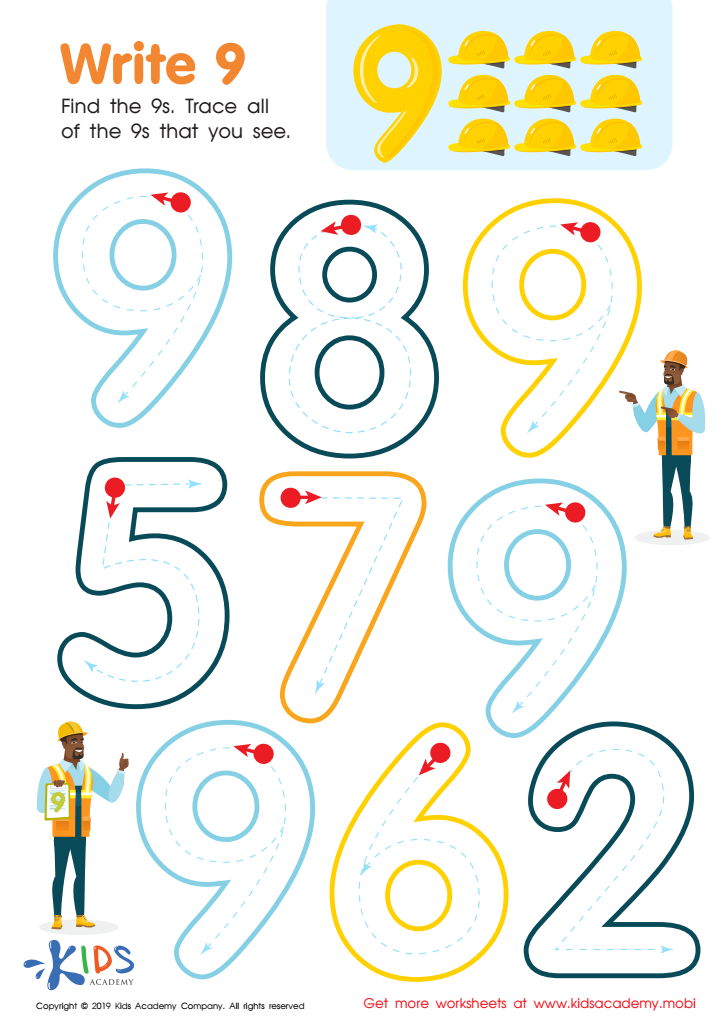
Write 9 Worksheet
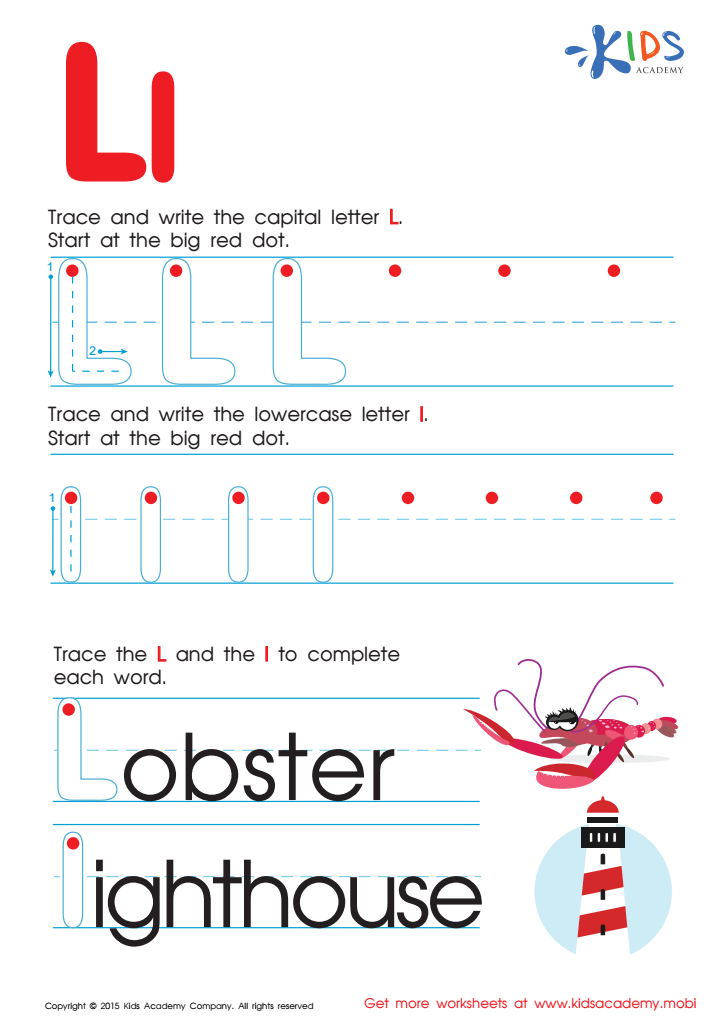
Letter L Tracing Page
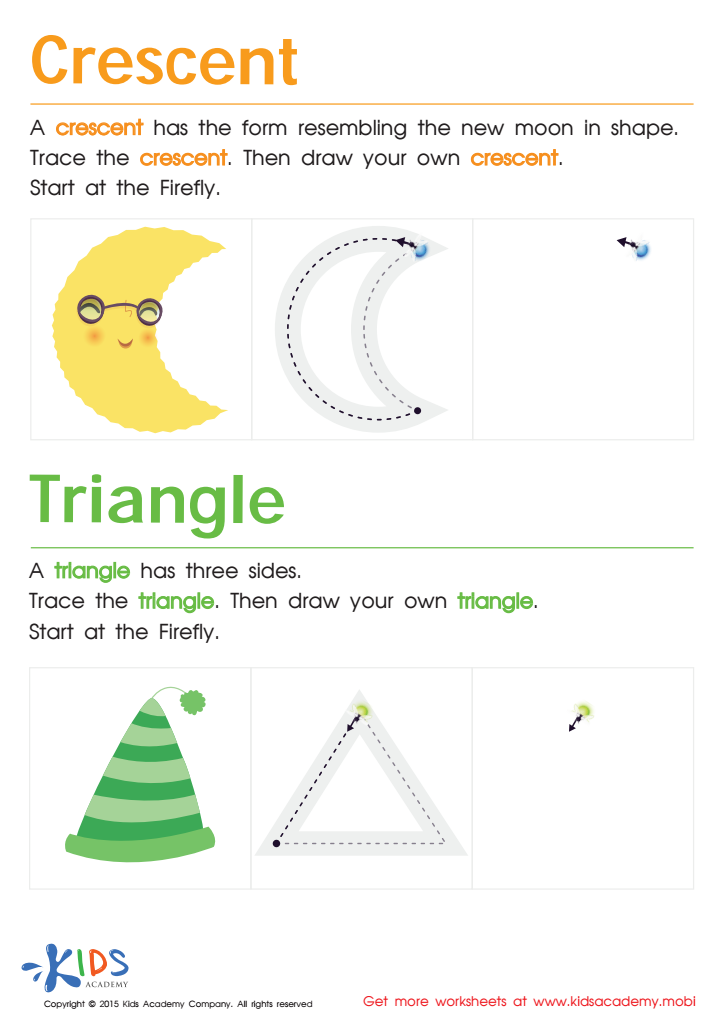
Learning to Draw Crescents And Triangles Worksheet
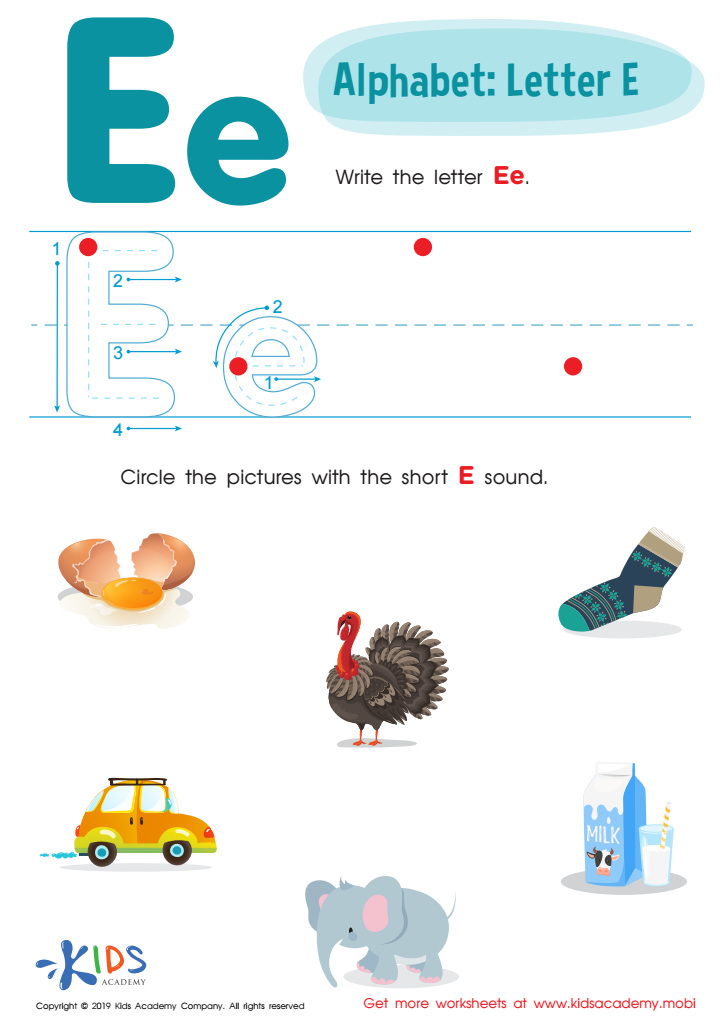
Letter E Tracing Worksheet




.jpg)
Normal tracing activities are vital for children aged 3-6 as they play an essential role in early childhood development. These activities support fine motor skills, which are crucial for tasks like writing, drawing, and self-care. Through tracing, children enhance their hand-eye coordination and dexterity, helping them develop the muscle control needed for grasping pencils and crayons, essential tools for learning.
Tracing also reinforces pre-writing skills. By encouraging children to follow lines and shapes, these activities lay the groundwork for future writing abilities by familiarizing them with letter formation and spatial awareness. Furthermore, tracing can bolster cognitive development. As children engage in these activities, they strengthen their memory and attention to detail, all while having fun.
From a social-emotional perspective, tracing offers opportunities for children to practice persistence and patience. Completing a tracing task fosters a sense of accomplishment, boosting their confidence and self-esteem.
Parents and teachers should view tracing not only as an enjoyable activity but as an integral part of holistic development, promoting motor skills, cognitive growth, and emotional resilience. By incorporating tracing exercises into their routines, caregivers forge lasting foundations that support children's learning and development as they approach formal education.








