Critical Thinking Worksheets for Ages 3-4 - Page 2
64 filtered results
-
From - To
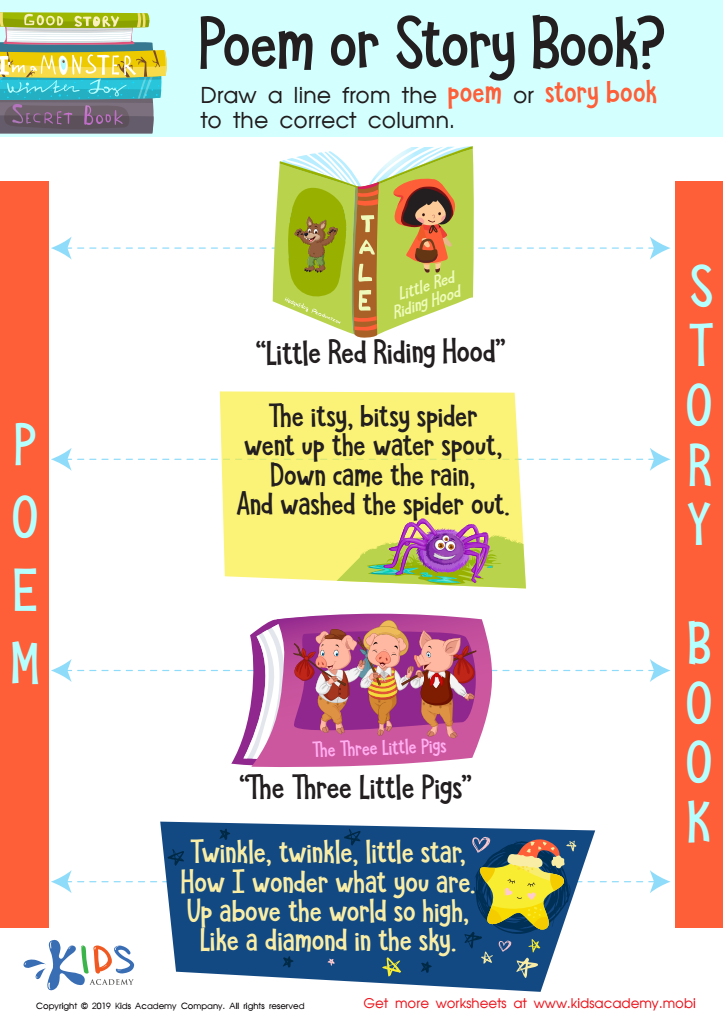
Poem or Story Book? Worksheet
Easter: a Bunny and a Lamb Worksheet
 Assign to My Students
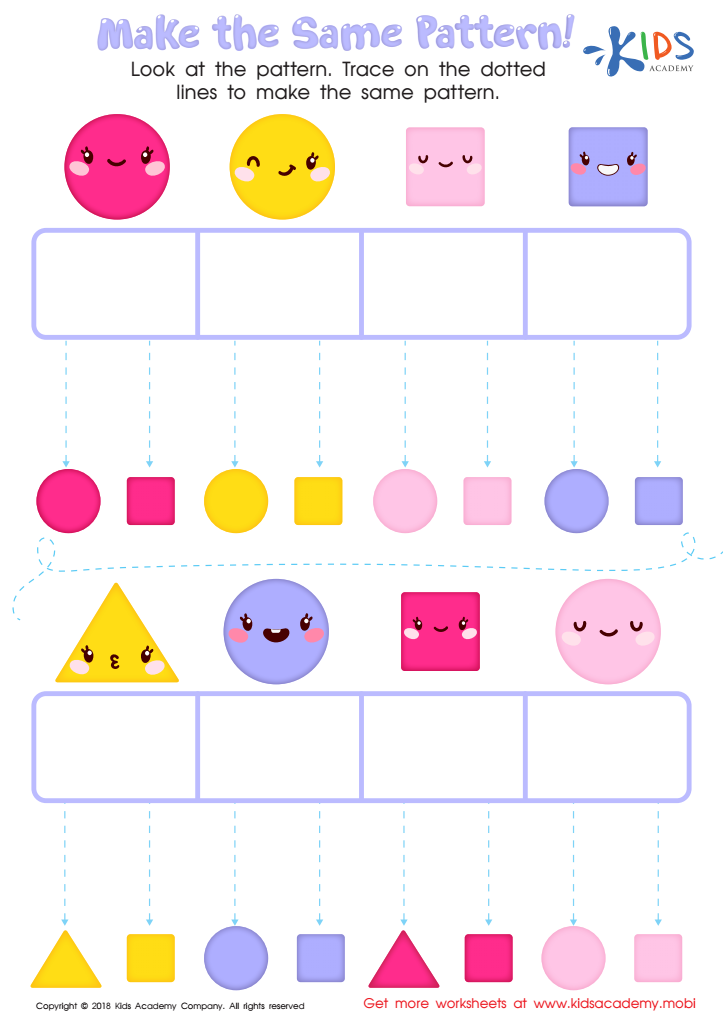
Make the Same Pattern Worksheet
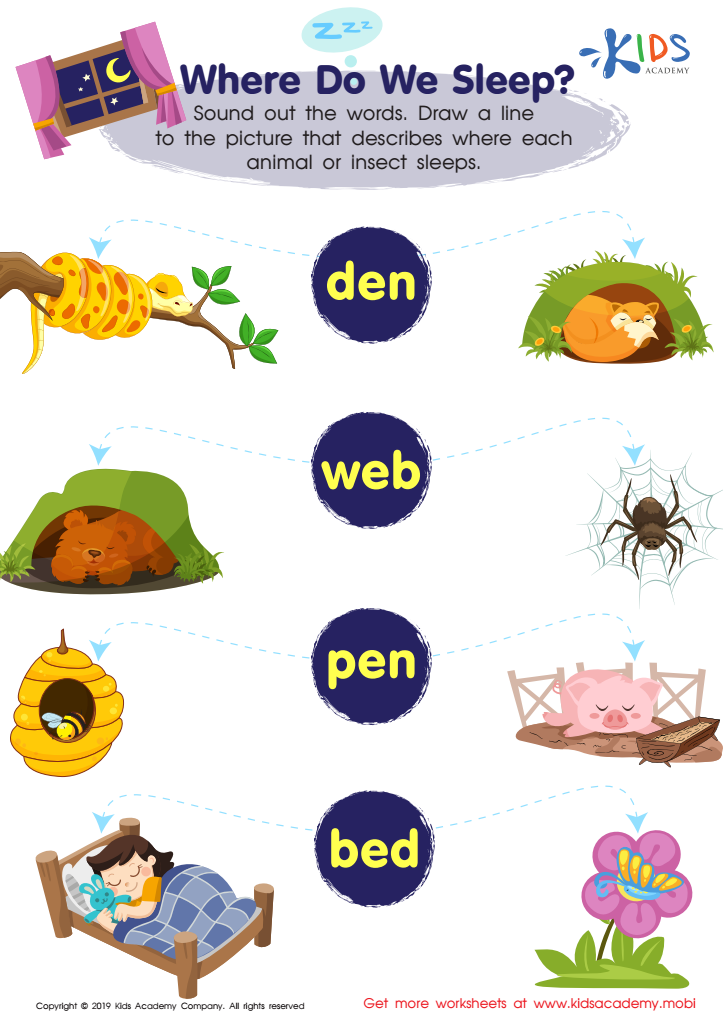
Where Do We Sleep Worksheet
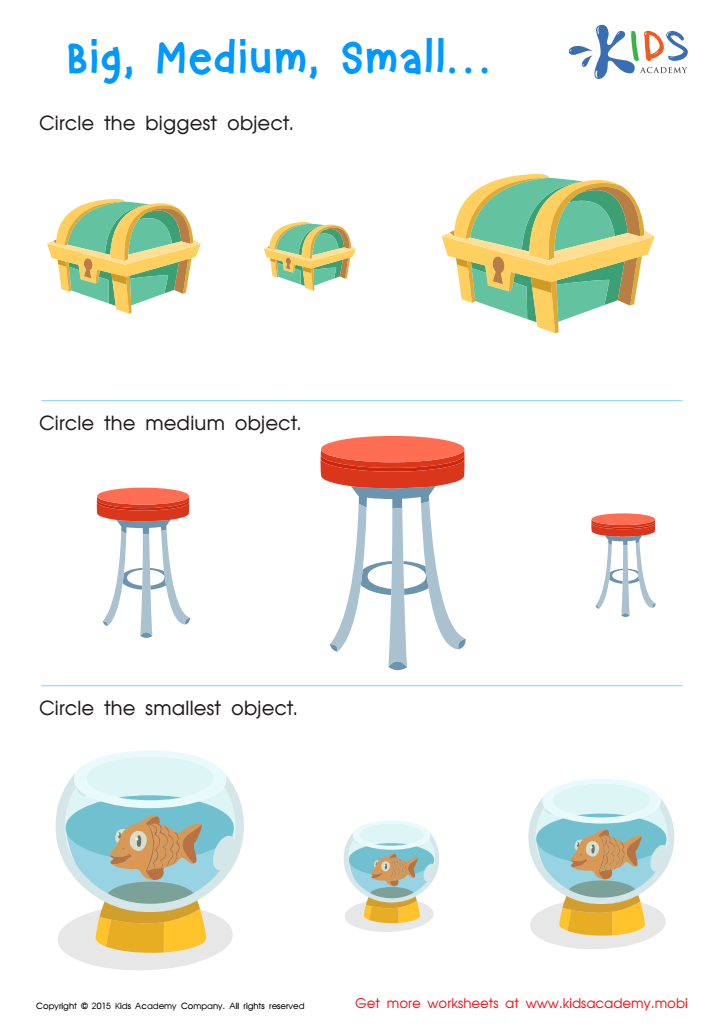
Big Medium Small Worksheet
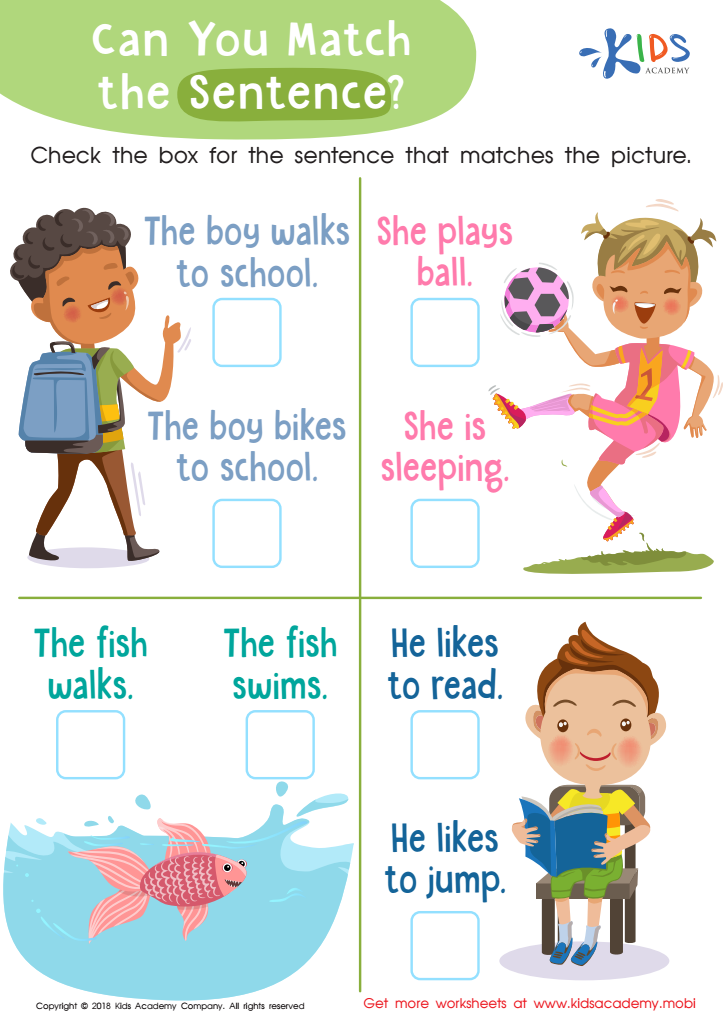
Can You Match the Sentence? Worksheet
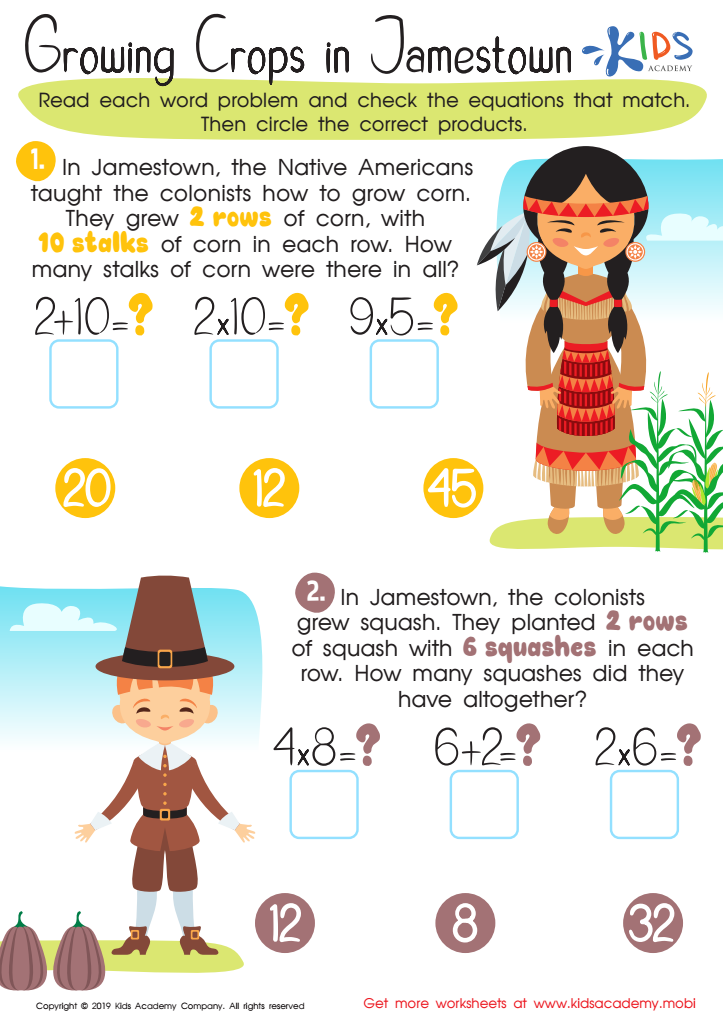
Growing Jamestown Worksheet
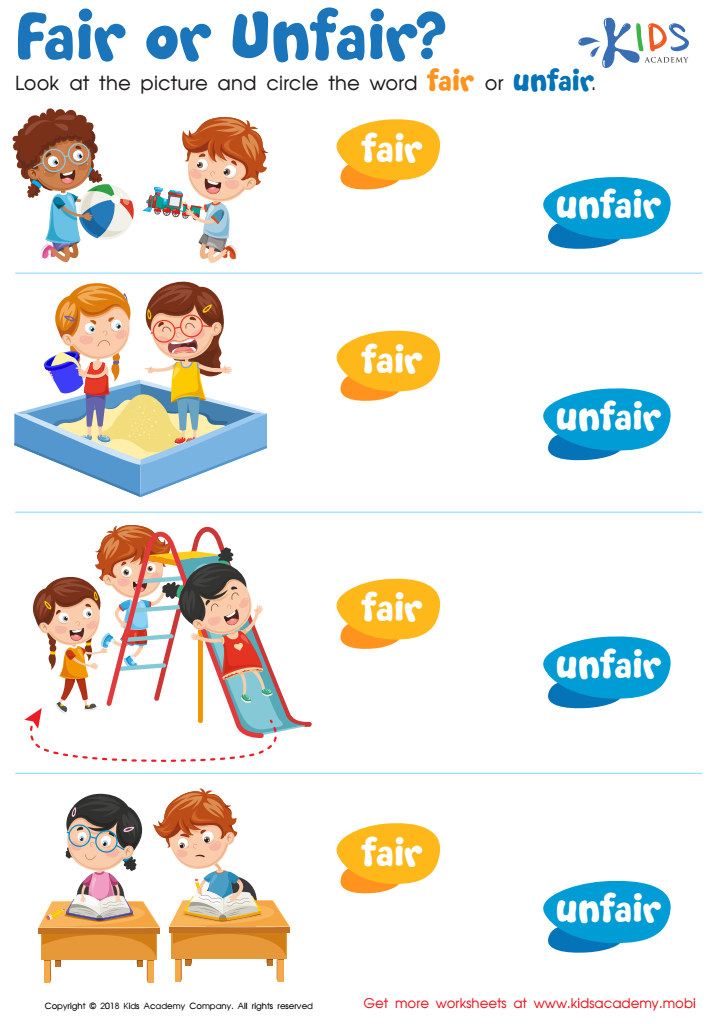
Fair or Unfair Worksheet
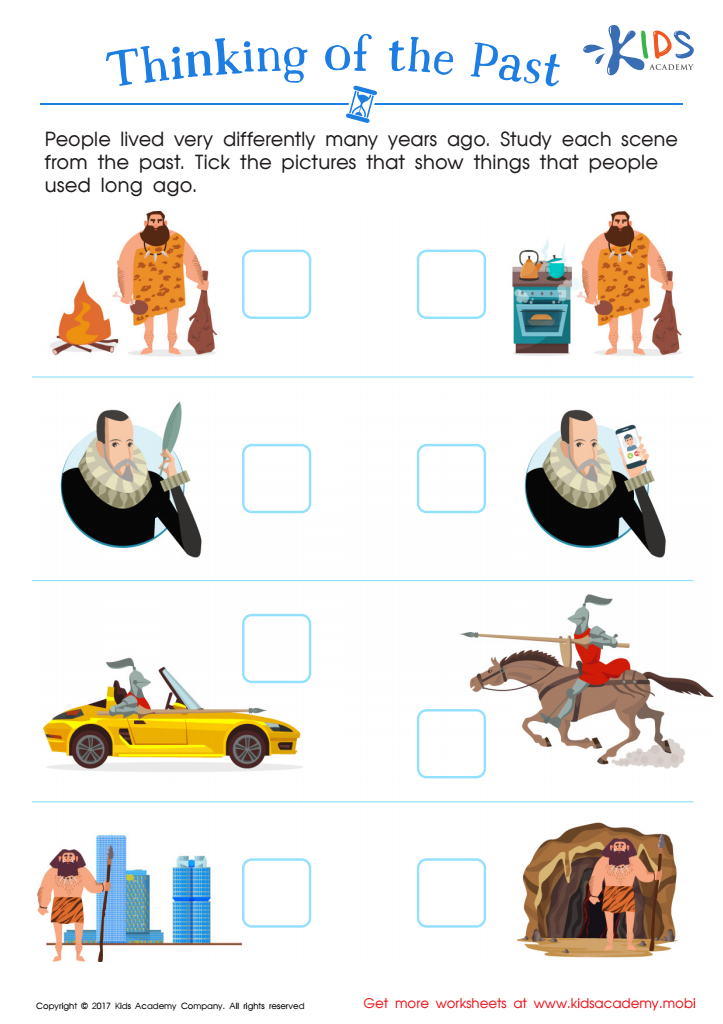
Thinking Past Printable

Thanksgiving Holiday Printable
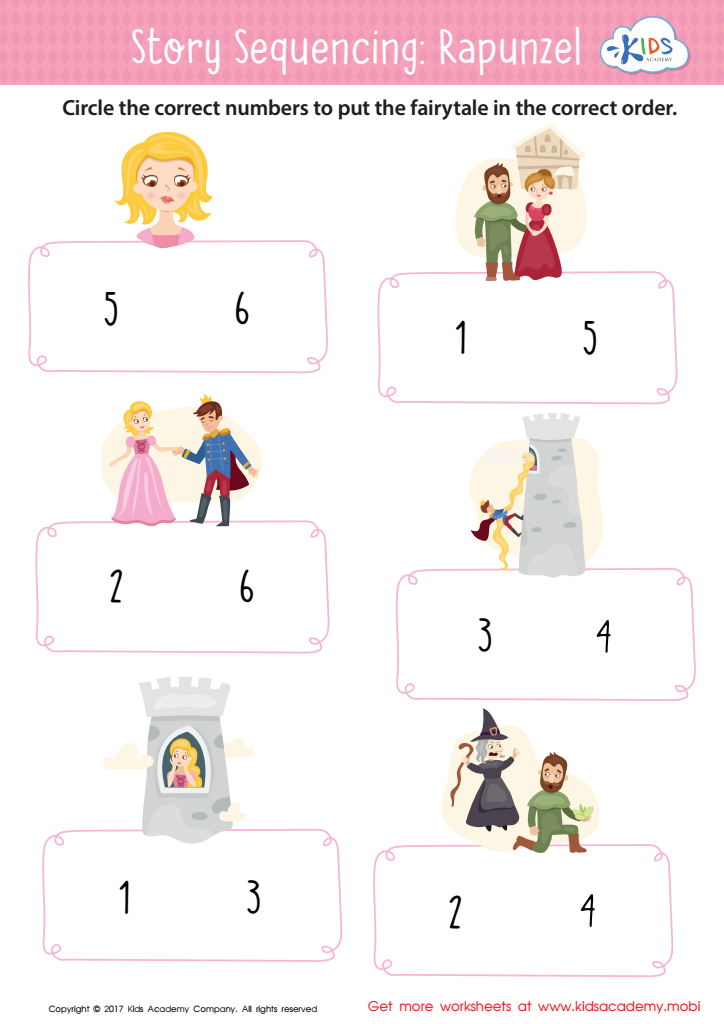
Rapunzel Story Sequencing Worksheet
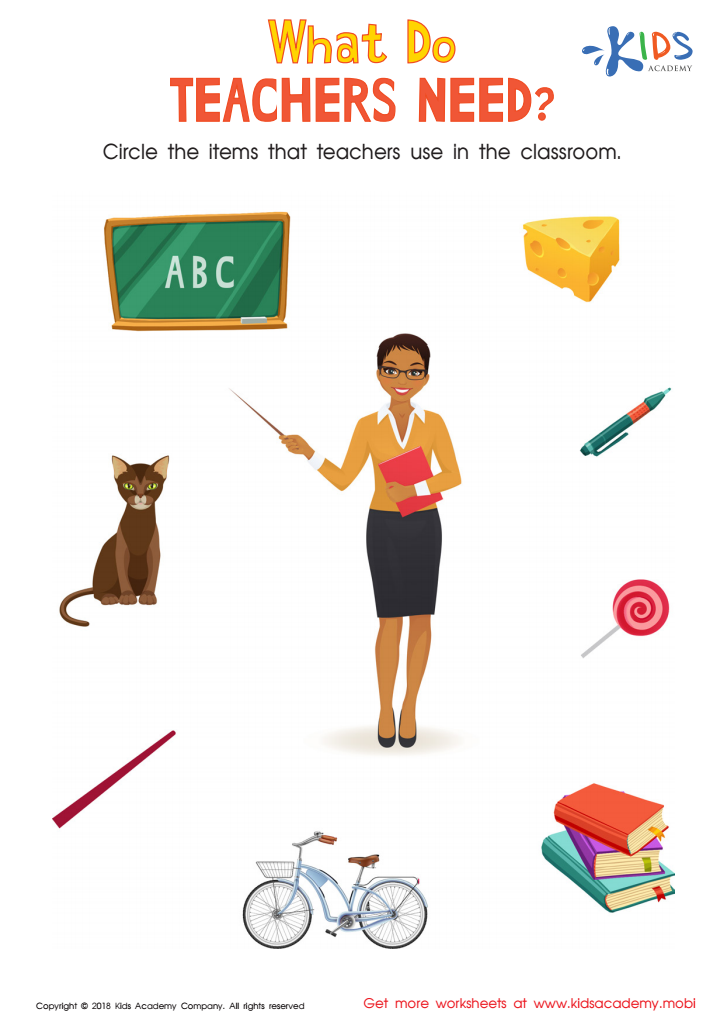
What Do Teachers Need Worksheet
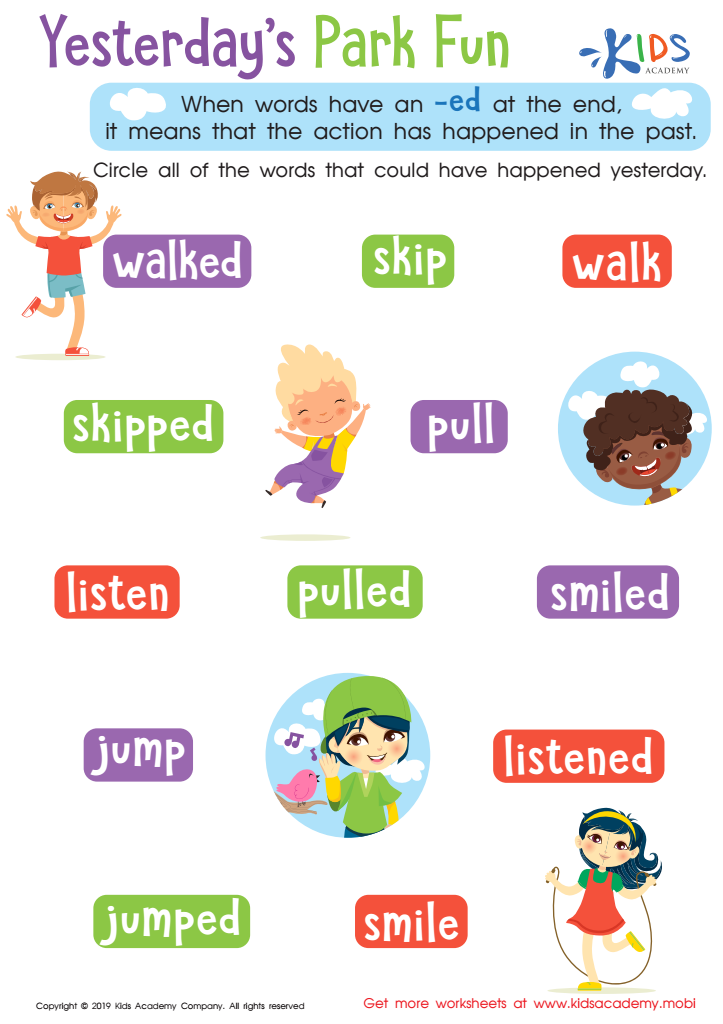
Yesterday's Park Fun Worksheet
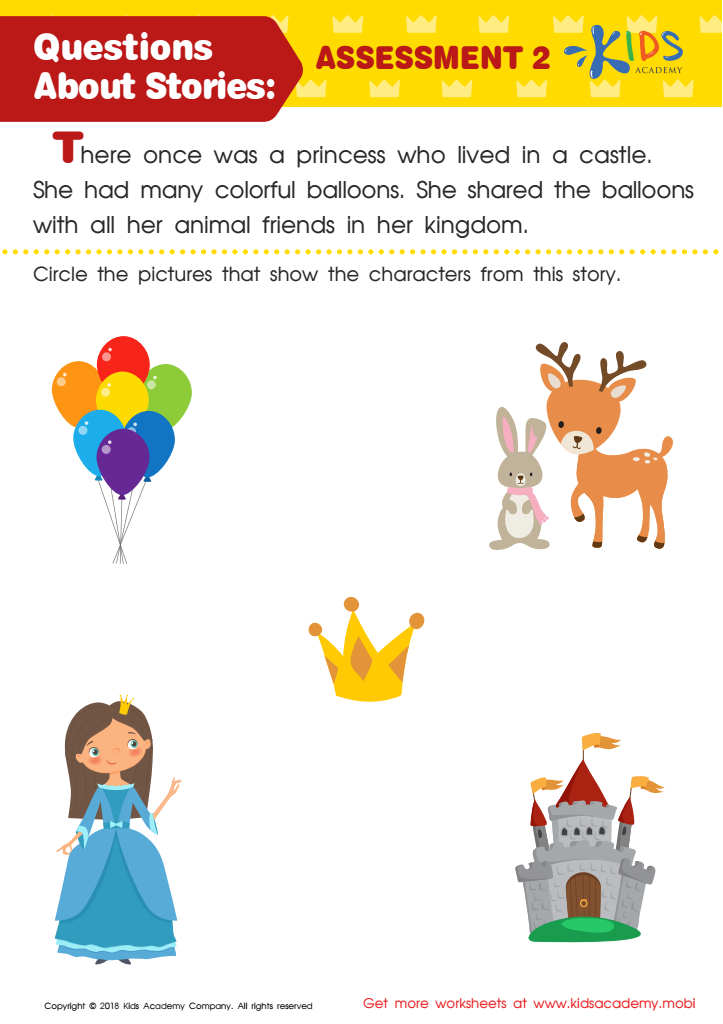
Questions About Stories: Assessment 2 Worksheet
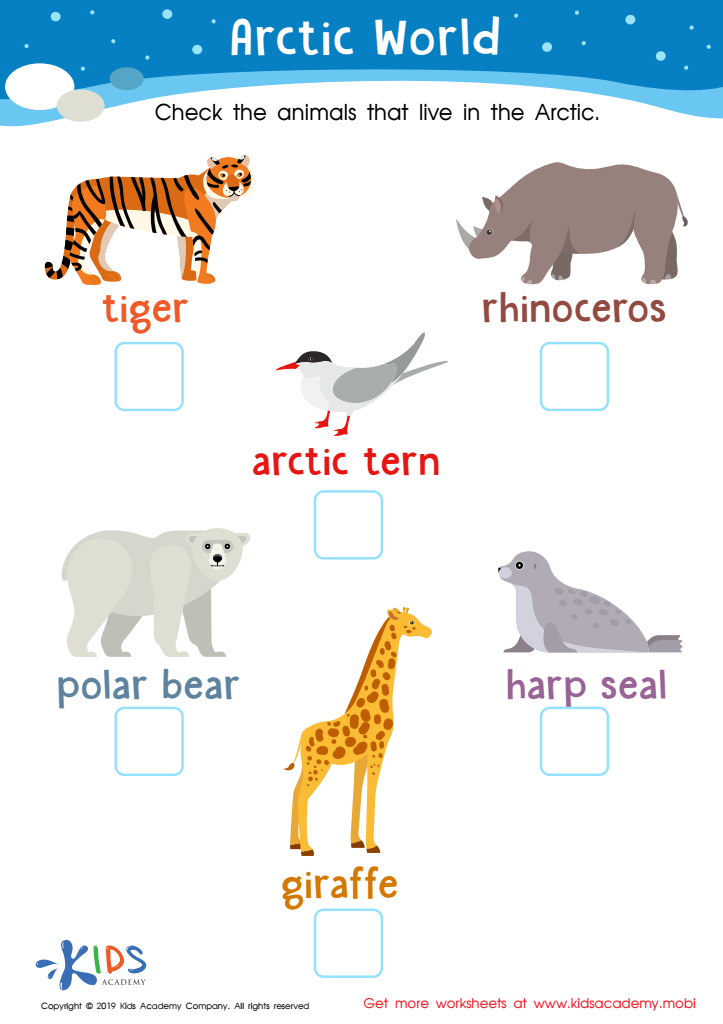
Arctic World Worksheet
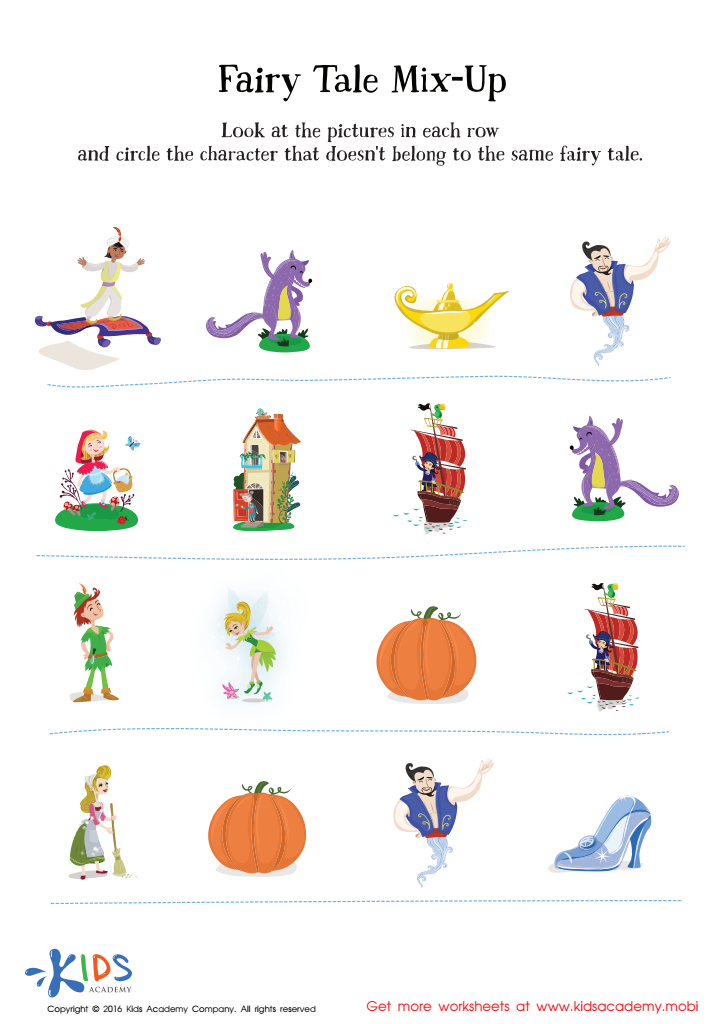
Fairy Tale Worksheet: Story Mix Up
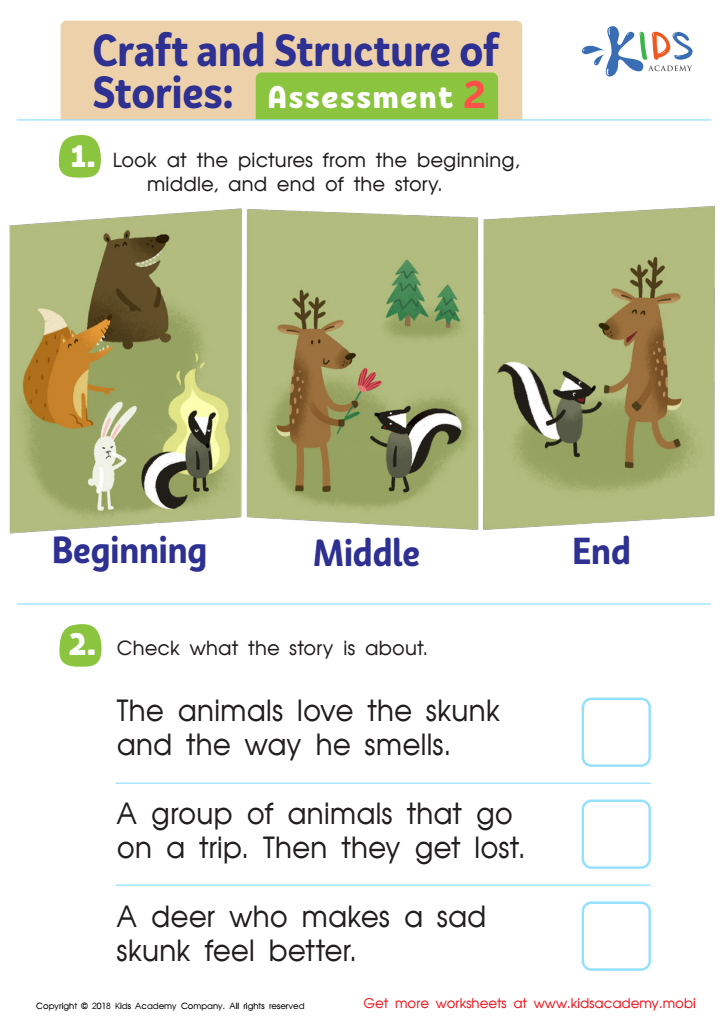
Craft and Structure of Stories: Assessment 2 Worksheet
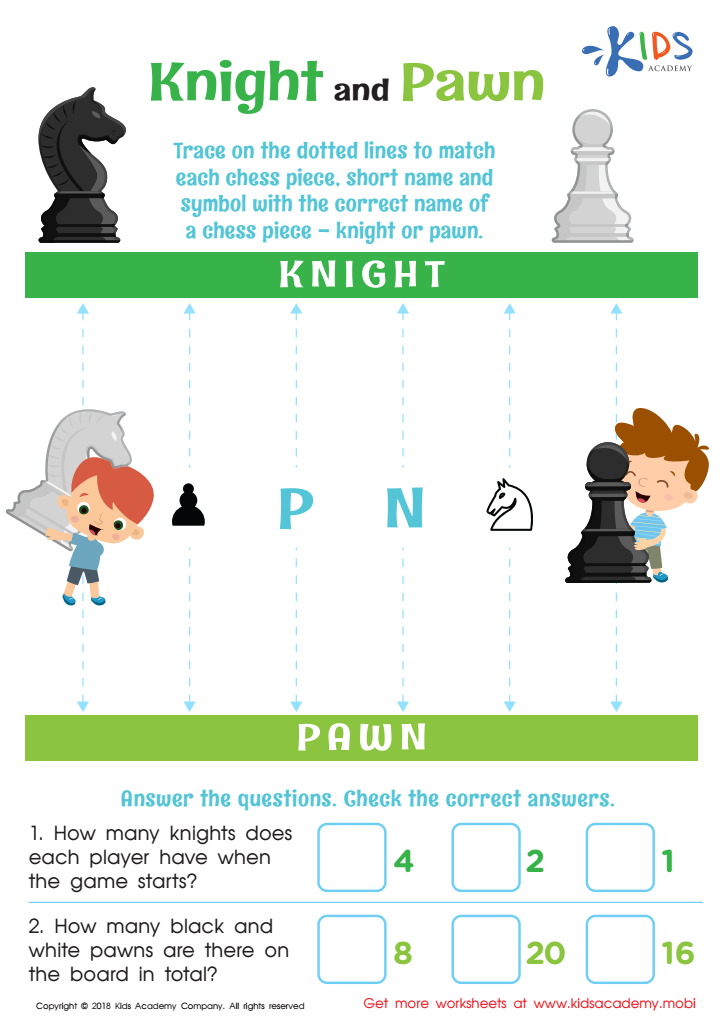
Knight and Pawn Worksheet
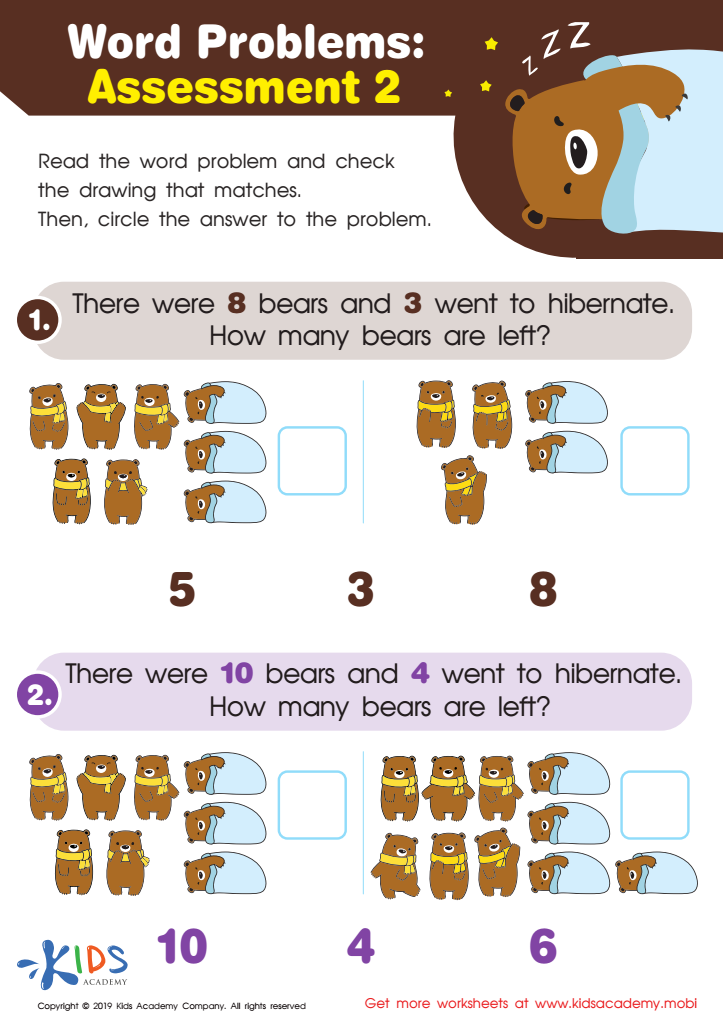
Word Problems: Assessment 2 Worksheet
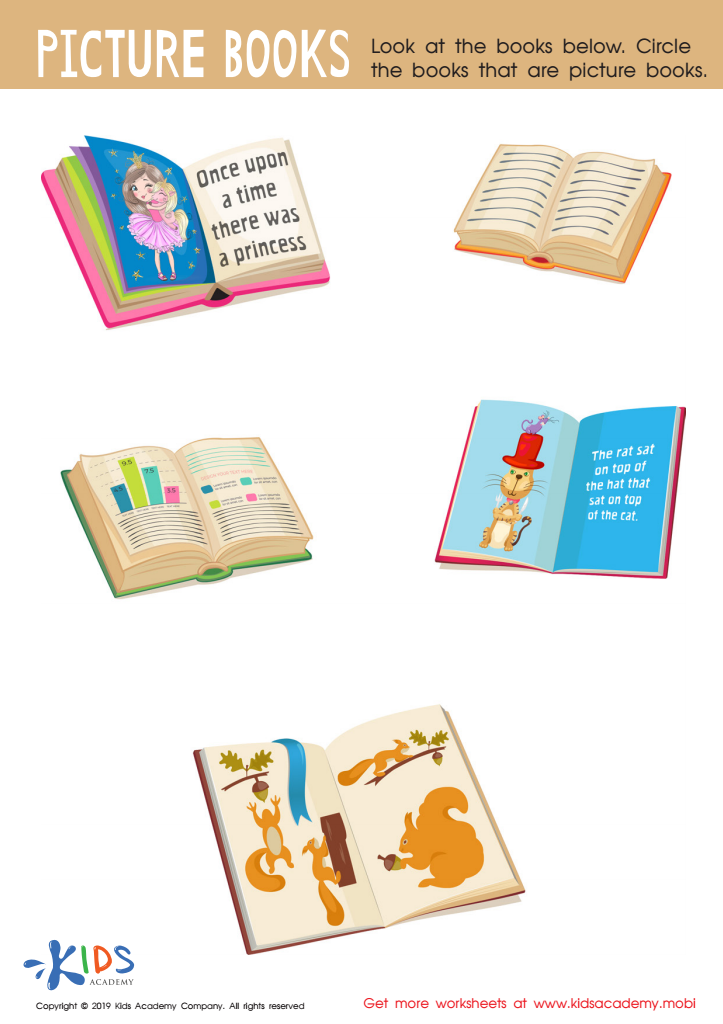
Picture Books Worksheet
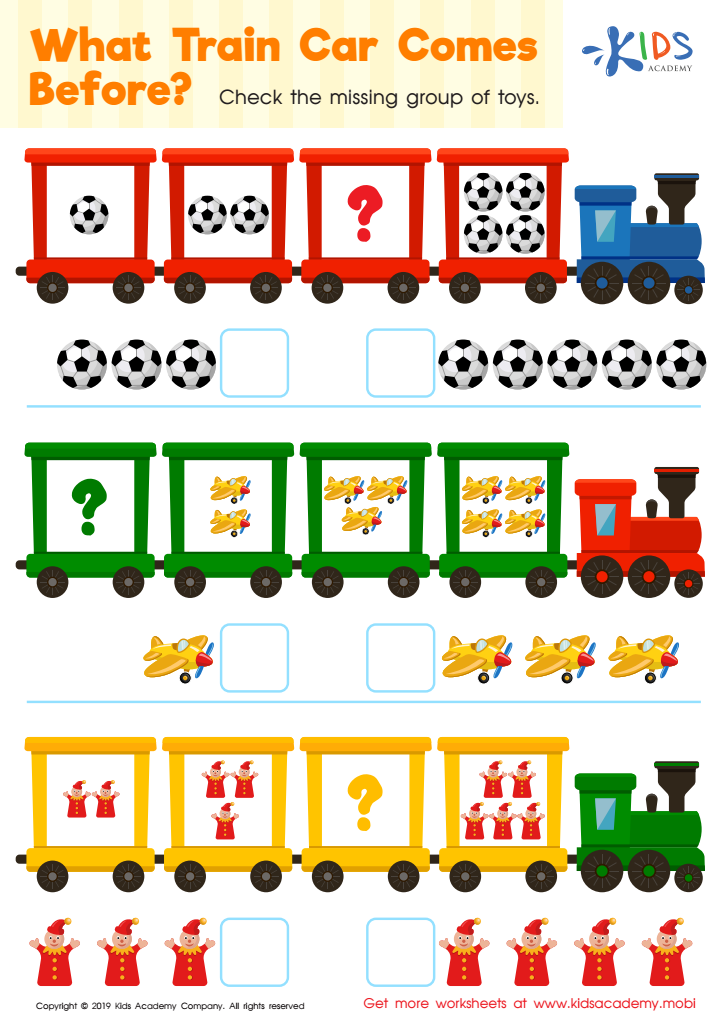
What Train Car Comes Before? Worksheet
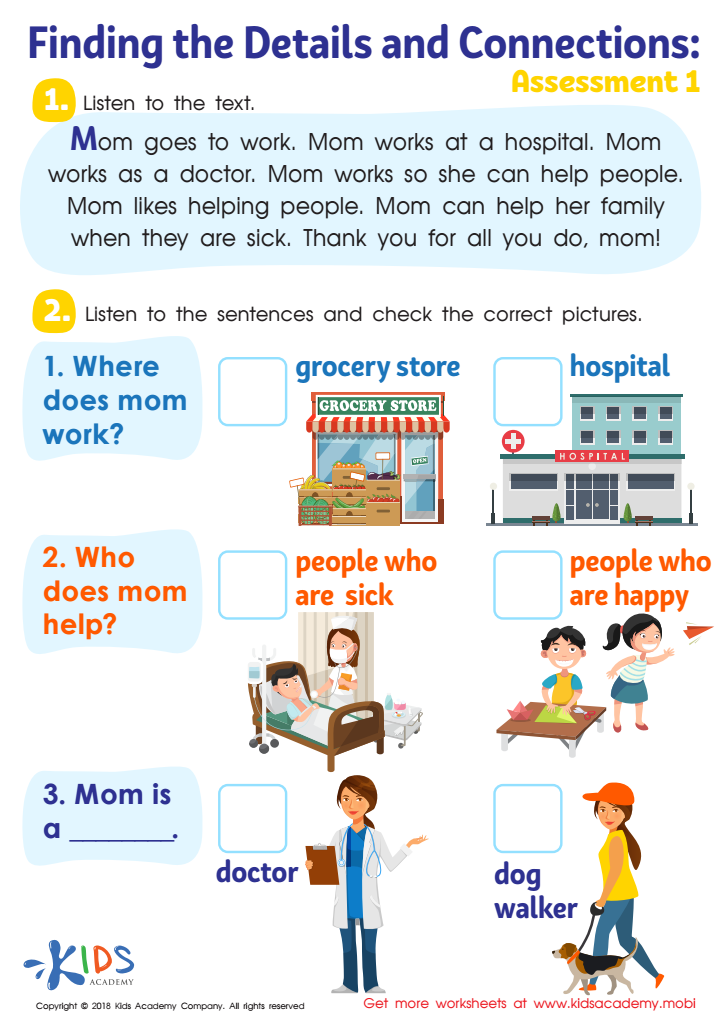
Finding the Details and Connections: Assessment 1 Worksheet







Critical thinking is an essential skill that lays the foundation for effective learning and problem-solving in young children, especially those aged 3 to 4. Parents and teachers should care about fostering this skill at an early age because it enables children to analyze information, make decisions, and understand the world around them.
At such a young age, children are naturally curious and eager to explore. Encouraging critical thinking helps them ask questions, gather information, and begin to form ideas based on their experiences. This process not only enhances cognitive development but also boosts their confidence in communicating thoughts and opinions.
Moreover, developing critical thinking skills early can improve a child’s ability to adapt to different situations, fostering resilience and emotional intelligence. Interactive play, storytelling, and open-ended questions are effective ways to engage 3-4-year-olds in critical thinking, nurturing imaginative and creative thinking.
By prioritizing critical thinking, parents and teachers can equip young learners with lifelong skills that contribute to academic success and personal growth. Building these competencies fosters independent thinking, cooperation with peers, and prepares children to navigate complex issues in the future, making it a valuable investment in their overall development.








