Fine Motor Skills Numbers Worksheets for Ages 3-5 - Page 2
70 filtered results
-
From - To
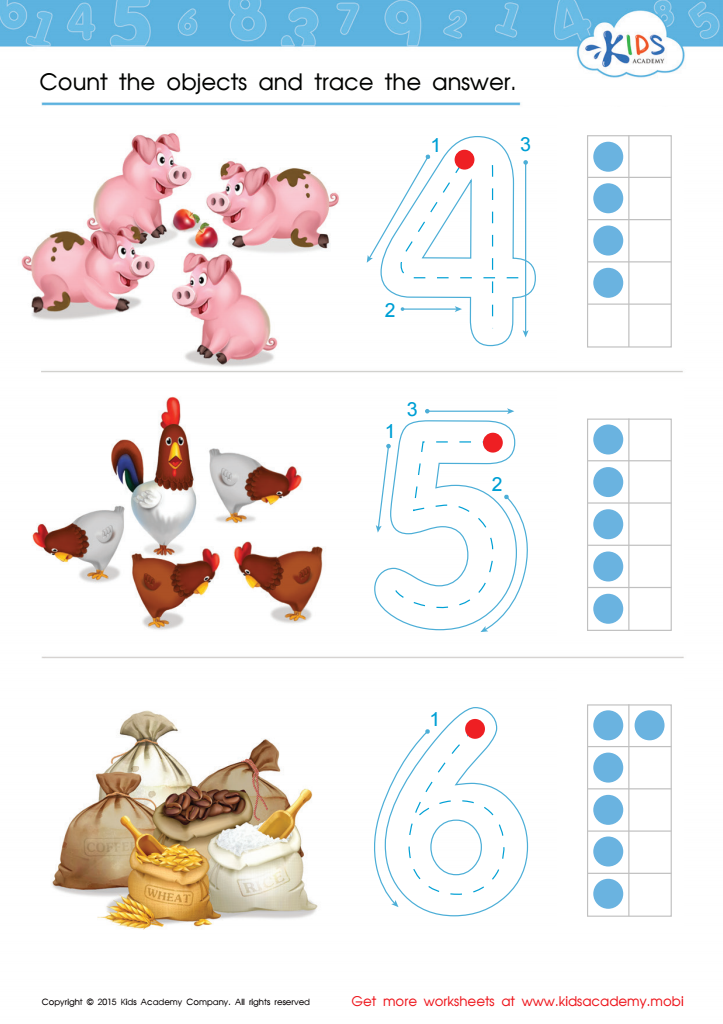
Count and Trace 4 – 6 Worksheet
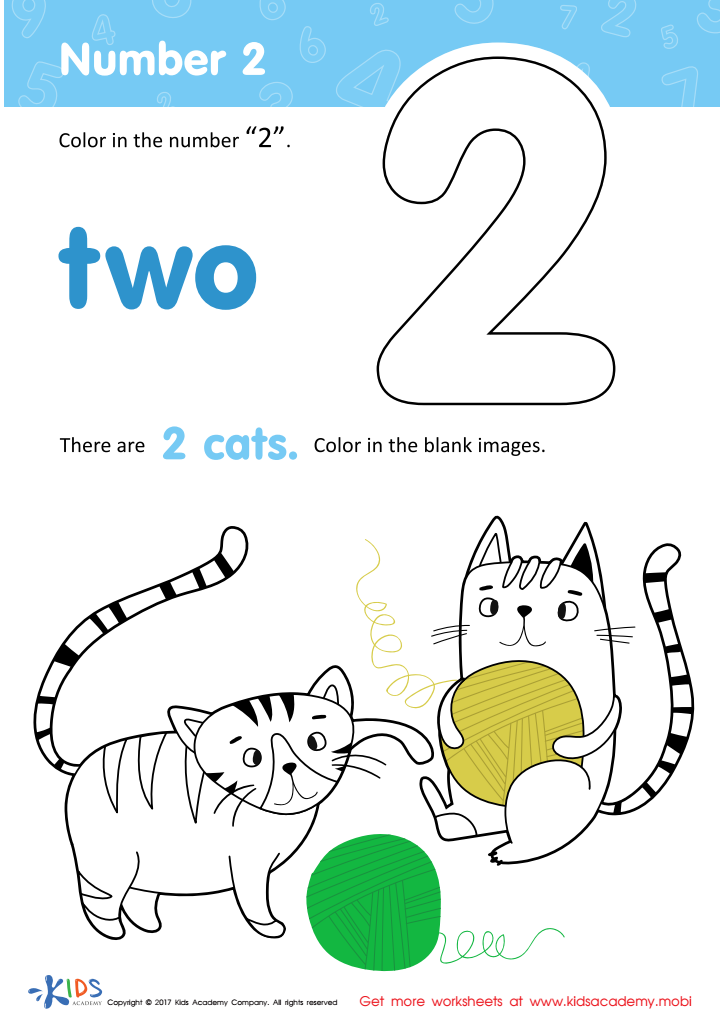
Number 2 Printable
 Assign to My Students
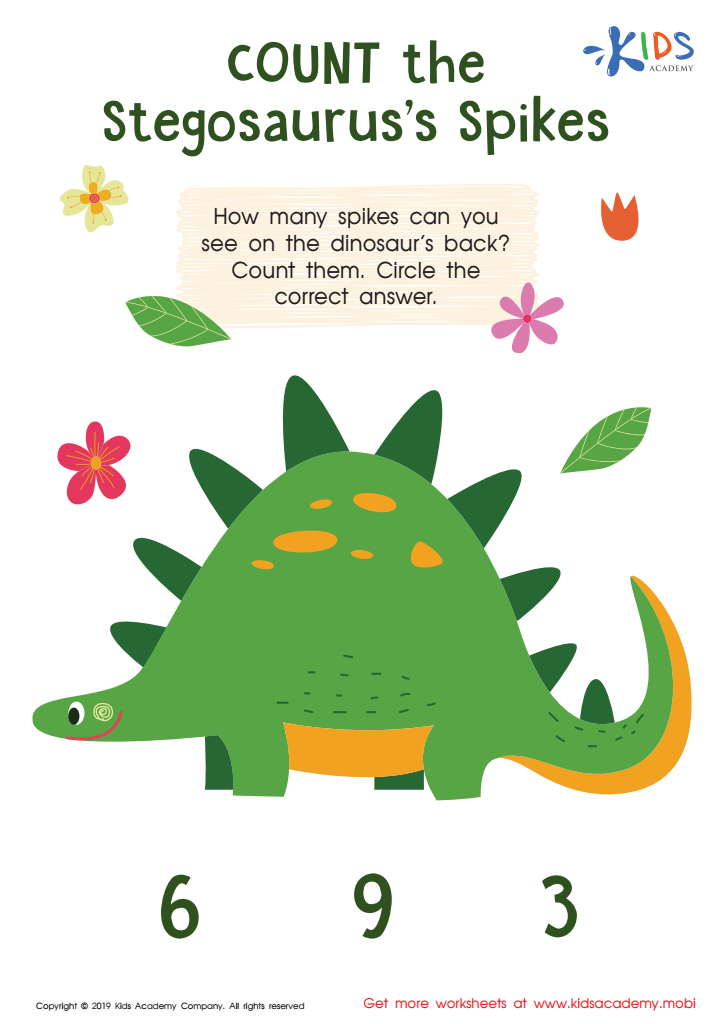
Count the Stegosaurus's Spikes Worksheet
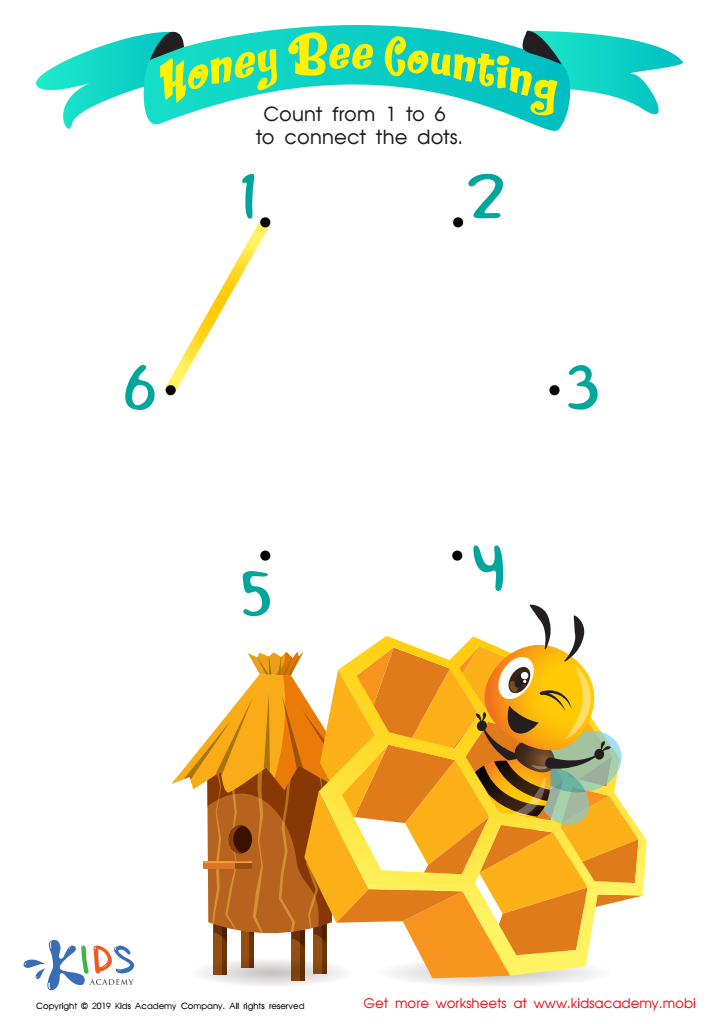
Honey Bee Counting Worksheet

Count Santa's Presents Worksheet
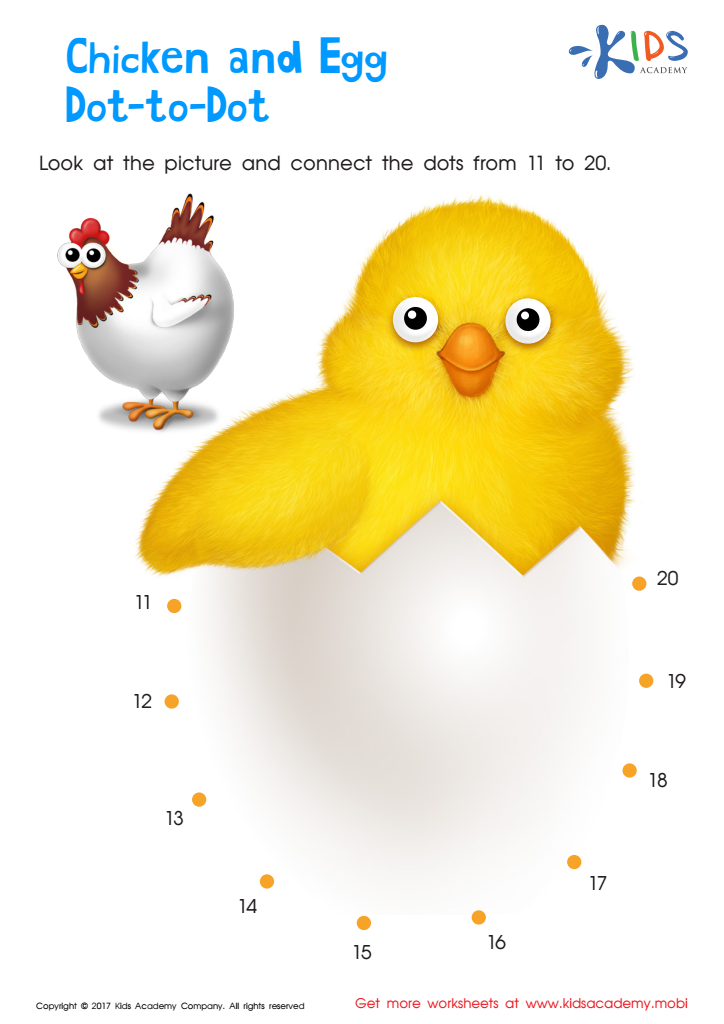
Ordering 11–20: Chicken & Egg Dot–to–dot Worksheet
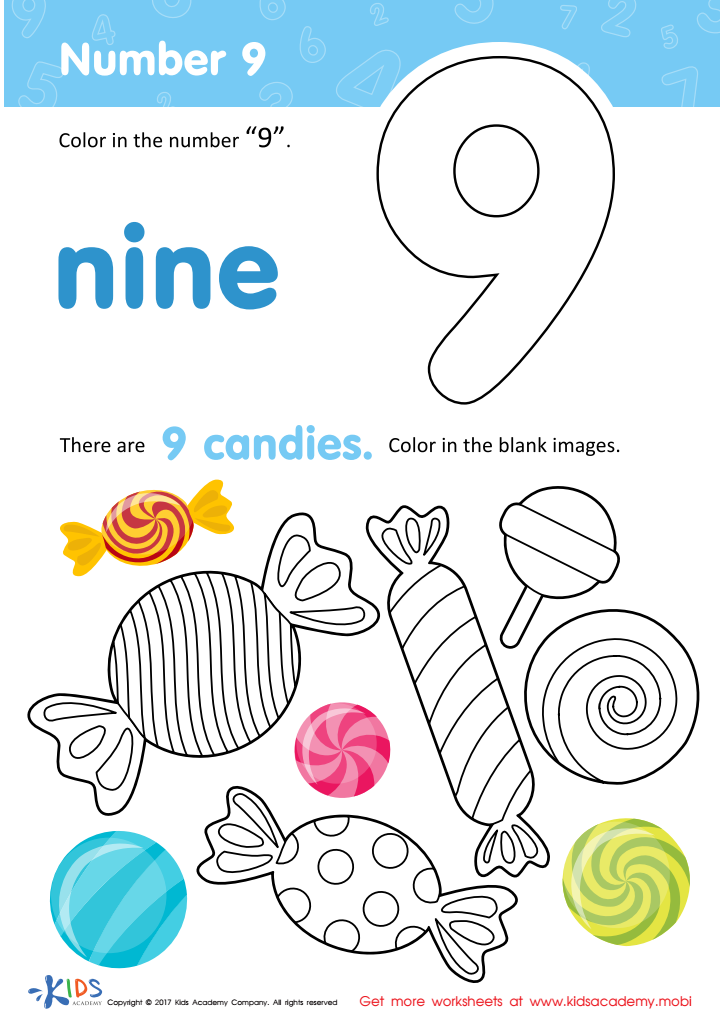
Number 9 Printable
Assign to My Students
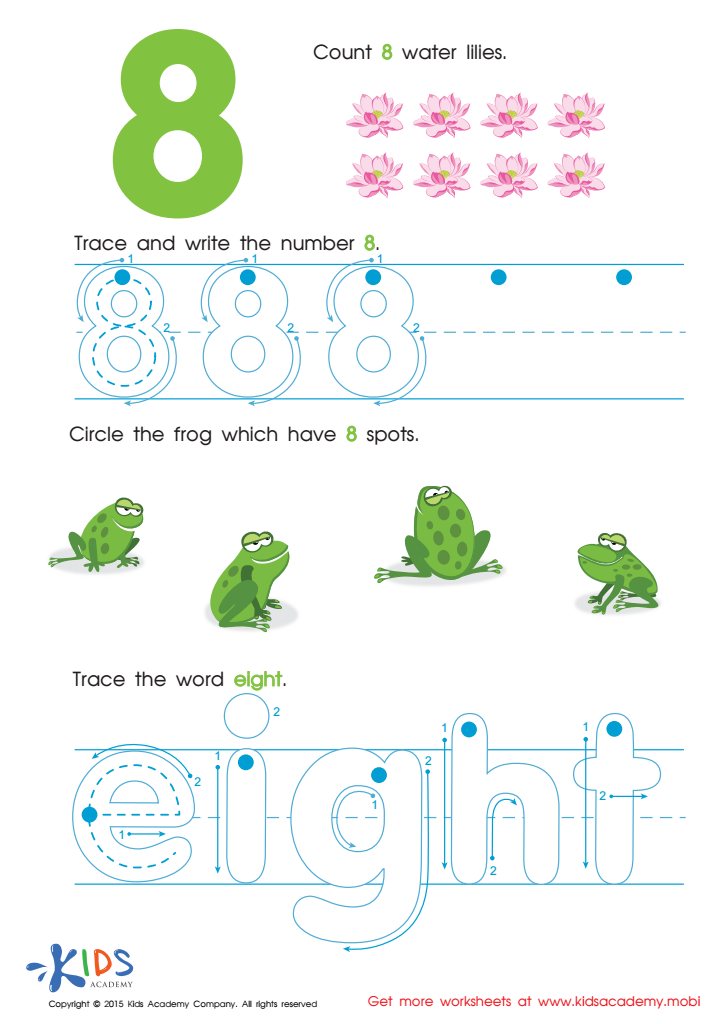
Learn Number 8 Easily Worksheet
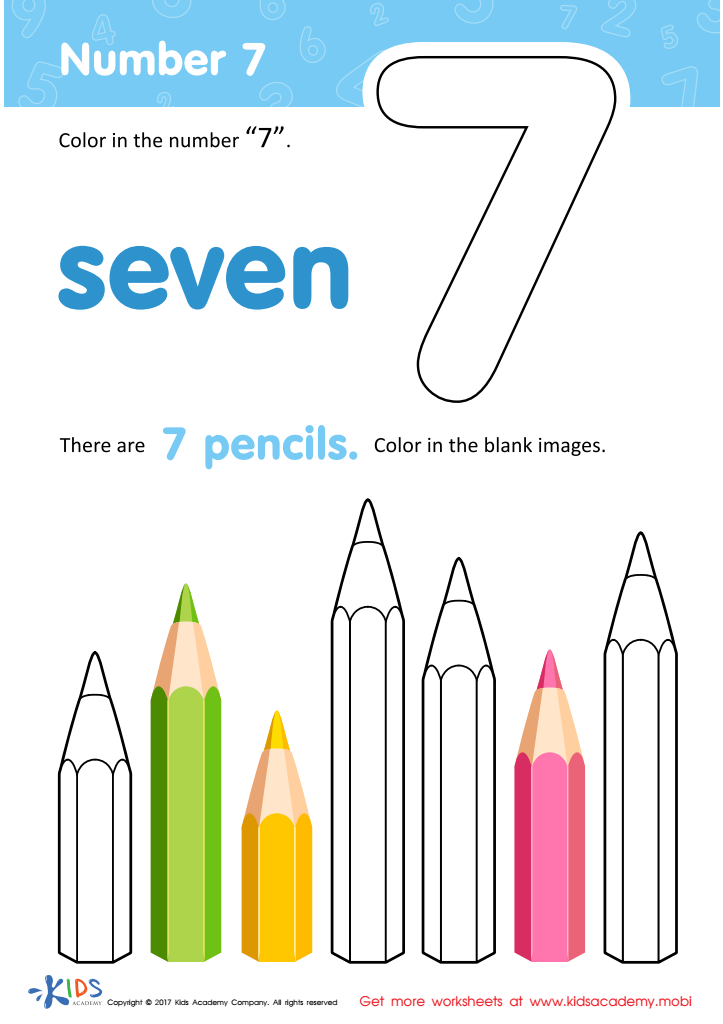
Number 7 Worksheet
Assign to My Students
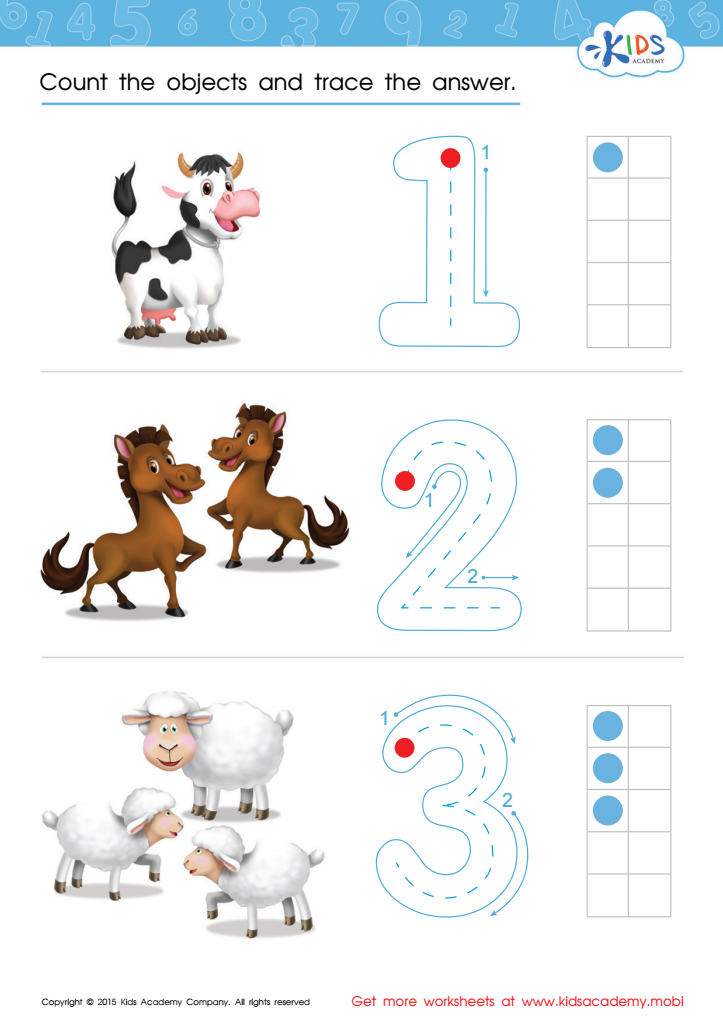
Count and Trace 1 – 3 Worksheet
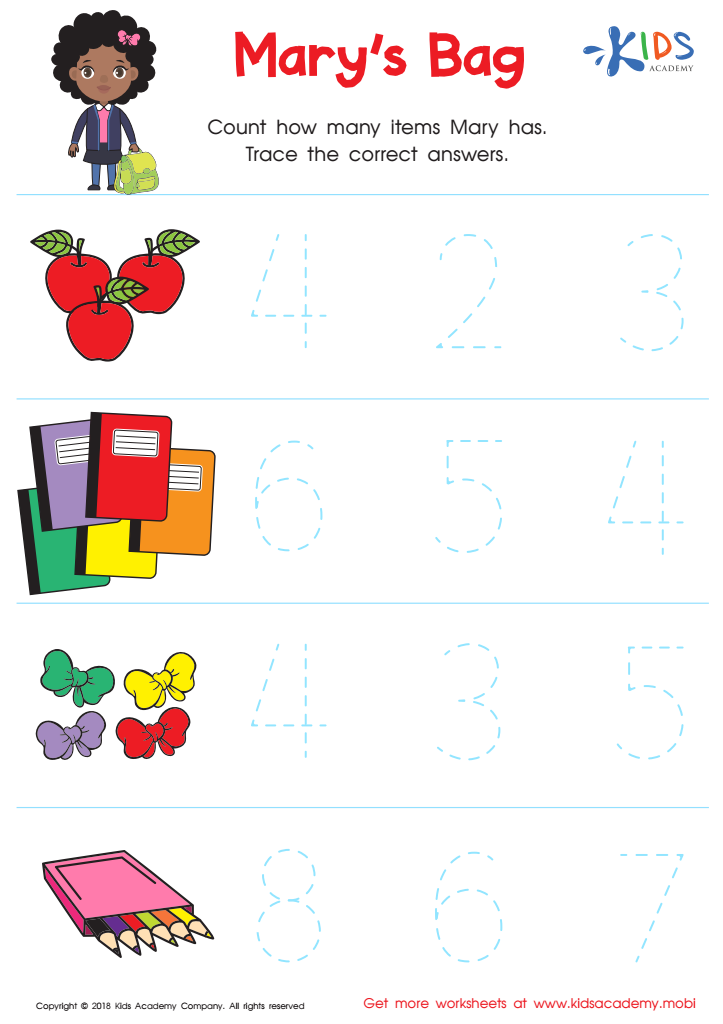
Kindergarten Number Tracing: Mary's Bag Worksheet
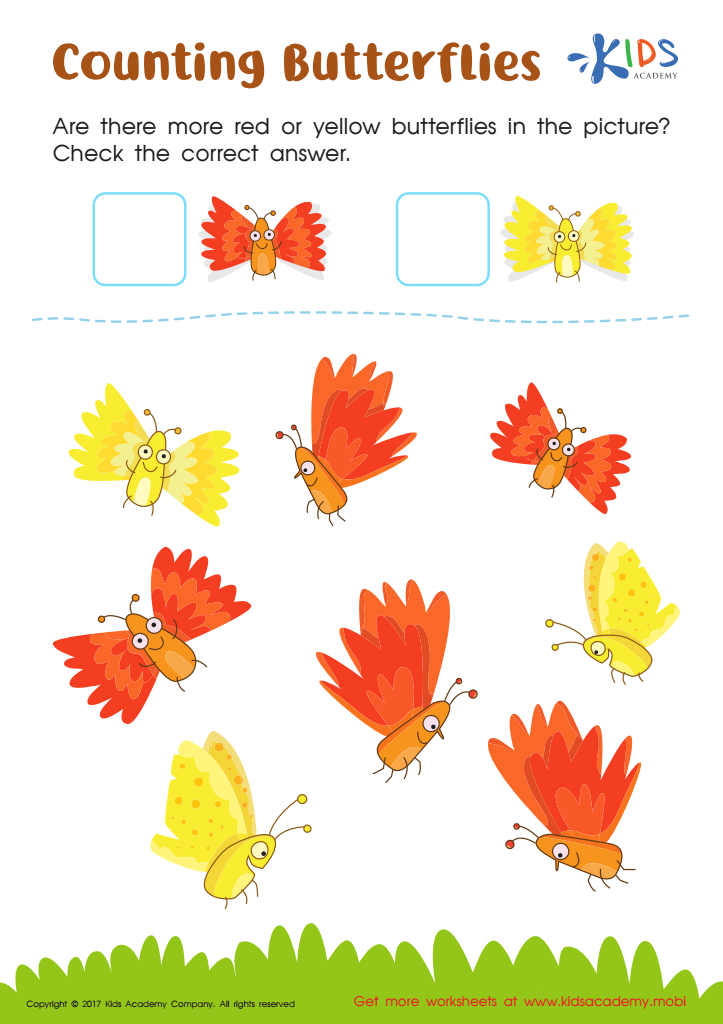
Counting Butterflies Worksheet
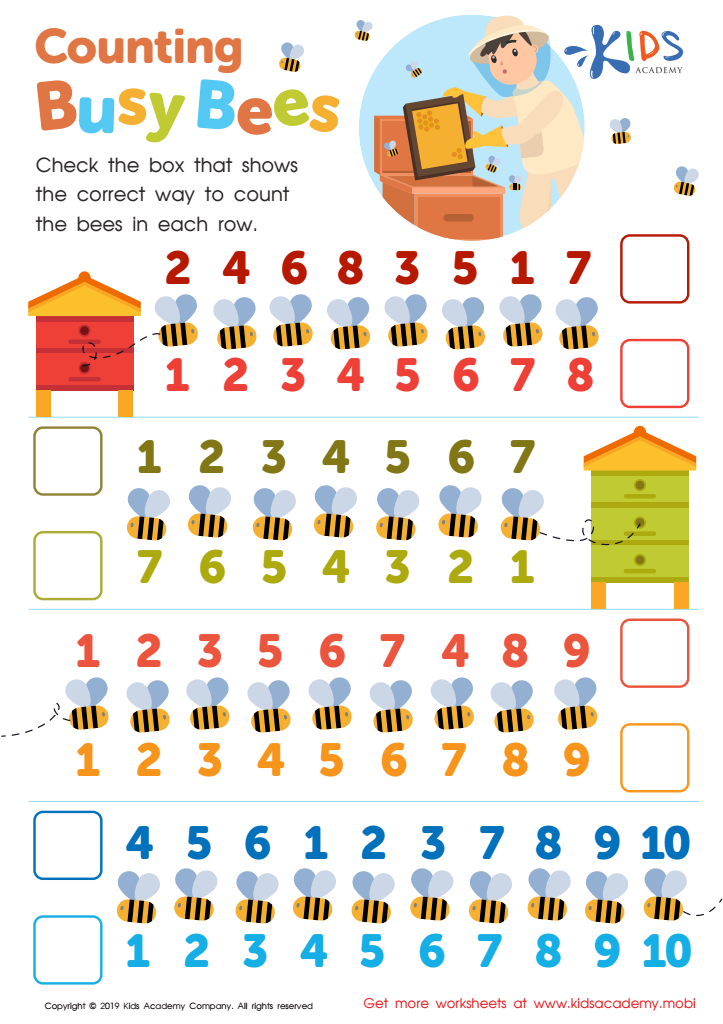
Counting Busy Bees Worksheet
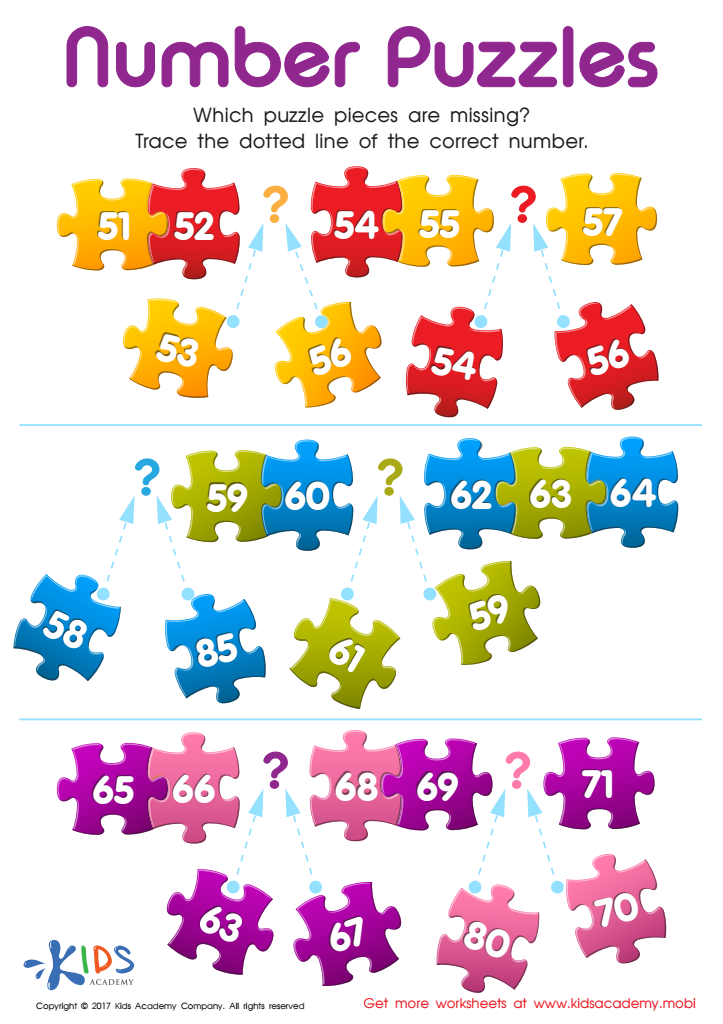
Number Puzzles Worksheet
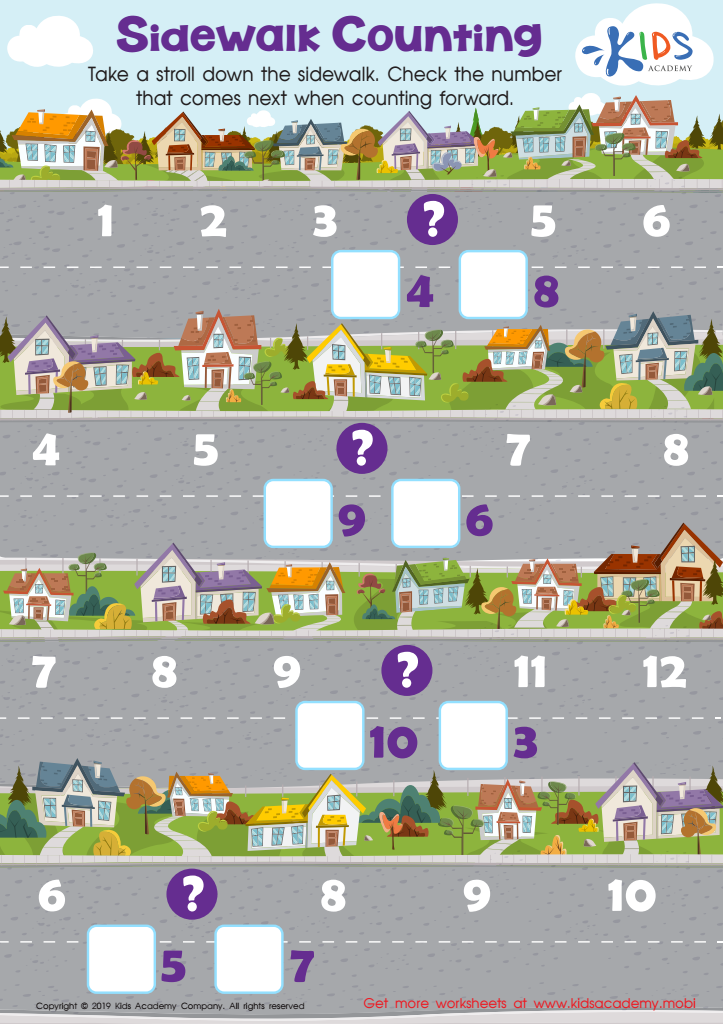
Sidewalk Counting Worksheet
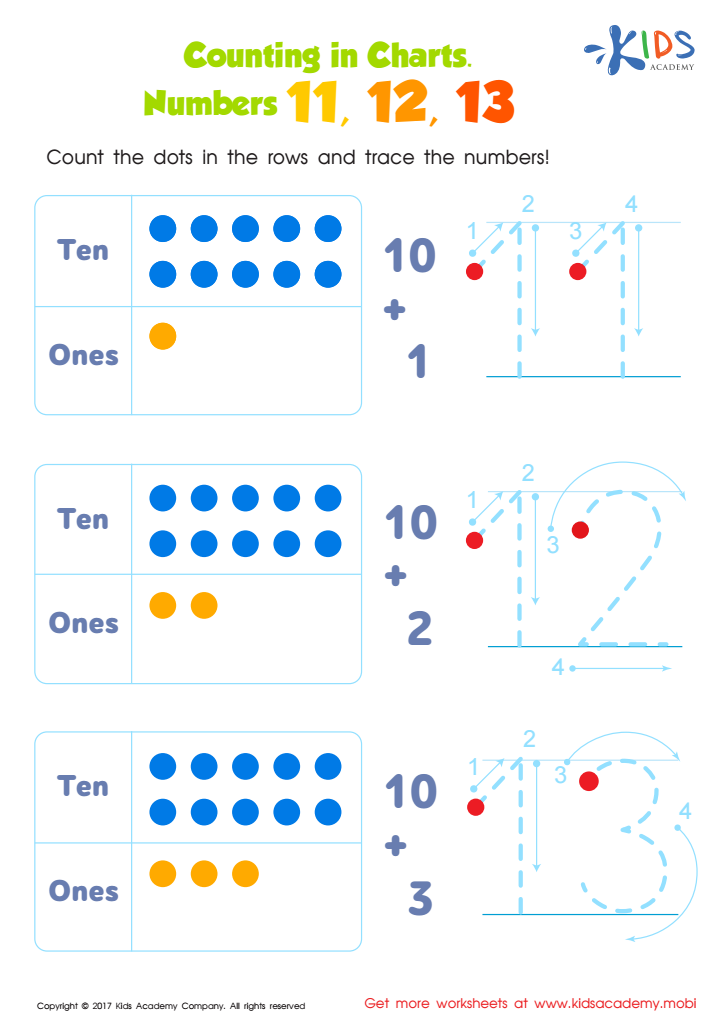
Number Tracing Worksheet For Kindergarten
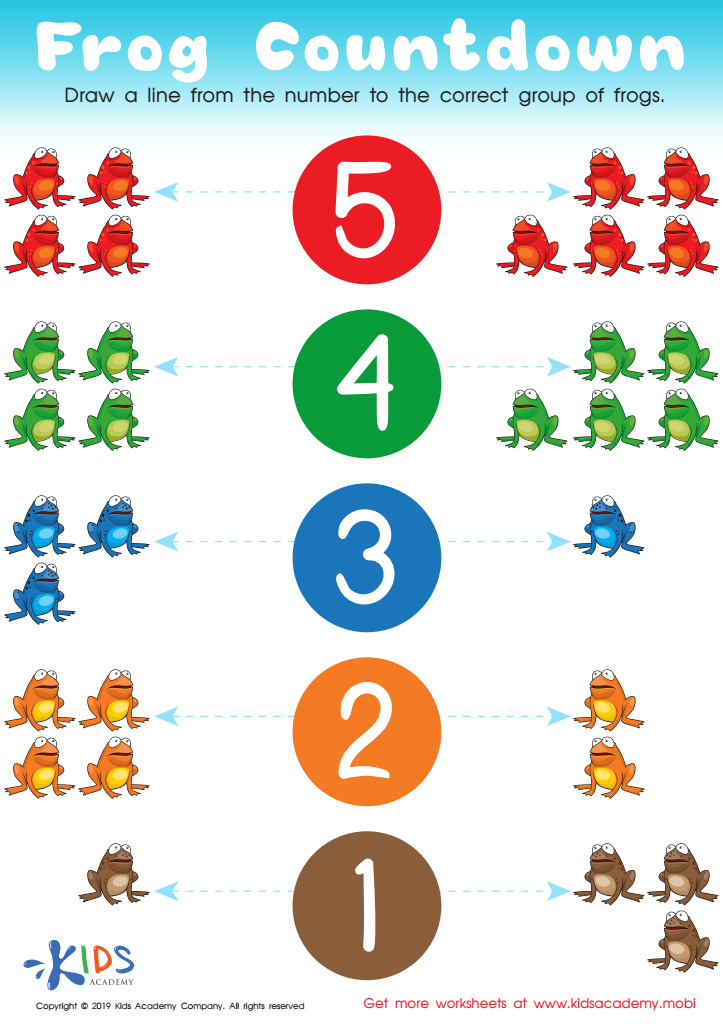
Frog Countdown Worksheet

Eight Geese Worksheet

Pirate Ship Connect Dots Worksheet
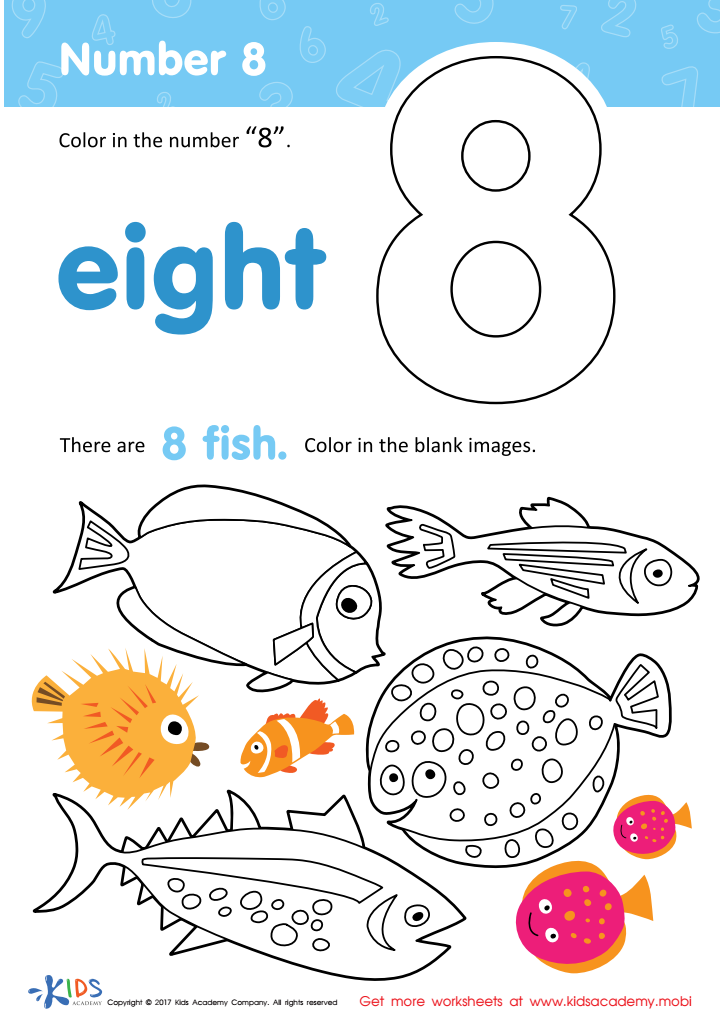
Number 8 Printable
Assign to My Students
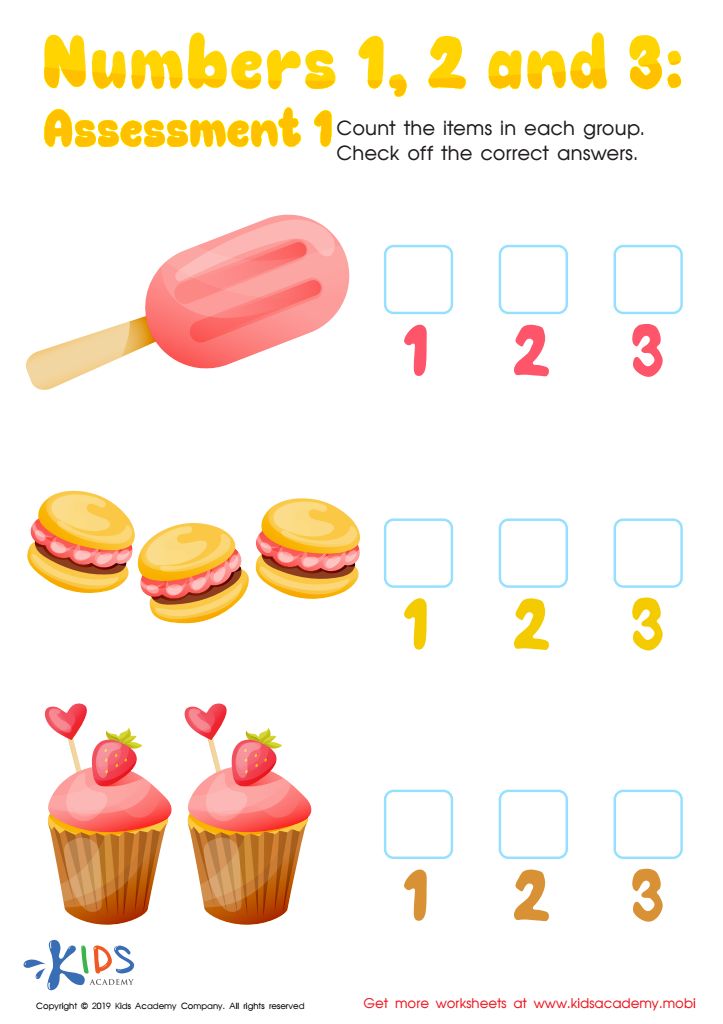
Numbers 1, 2 and 3: Assessment 1 Worksheet
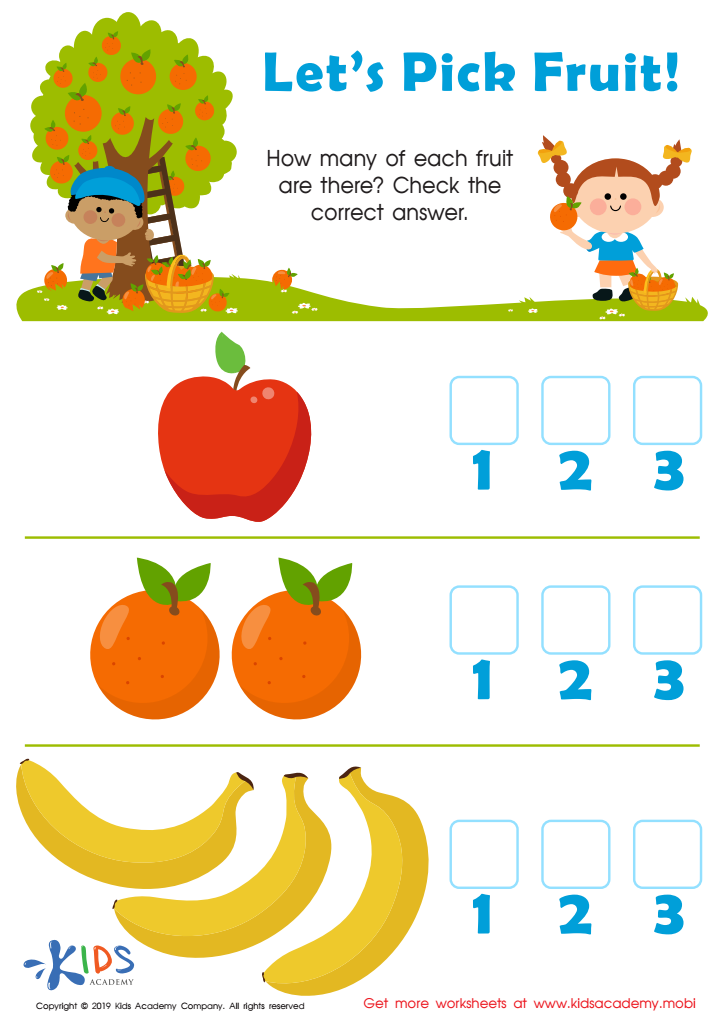
Let's Pick Fruit Worksheet

Underwater Adventure Worksheet
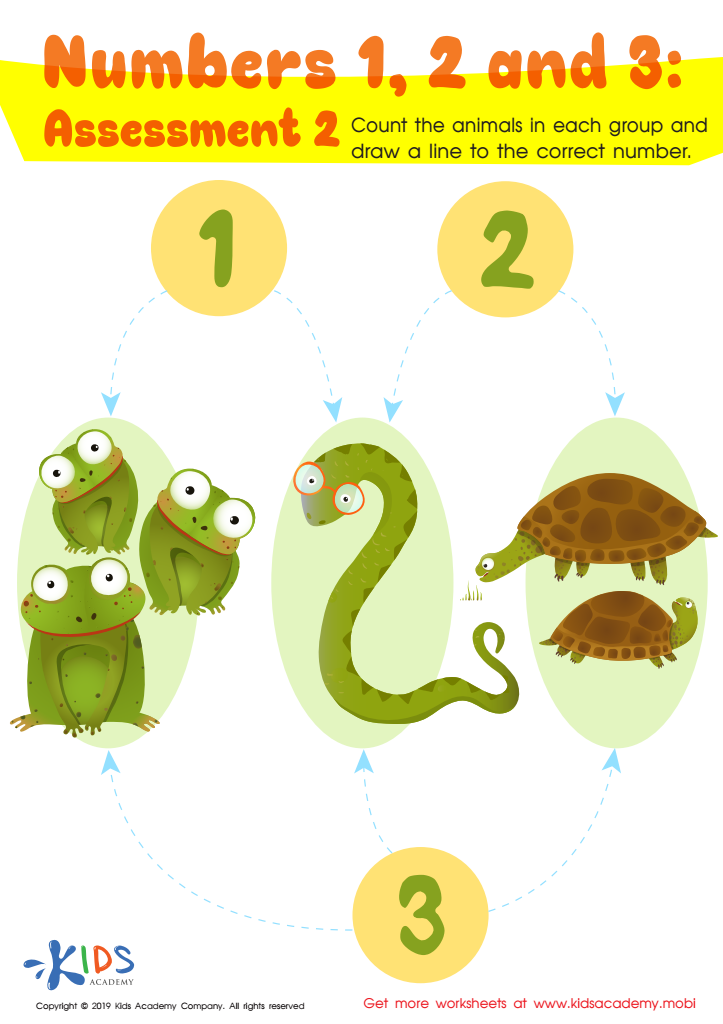
Numbers 1, 2 and 3: Assessment 2 Worksheet








Fine motor skills are crucial developmental abilities that involve the coordination of small muscles in the hands and fingers, essential for tasks such as writing, buttoning shirts, and using utensils. For children aged 3-5, fine motor skills numbers serve as foundational elements that parents and teachers should prioritize. During these early years, children are at a critical stage of developing control and dexterity.
Improving fine motor skills aids in numerous educational and everyday activities. When children practice activities like tracing numbers, coloring within the lines, or using scissors, they enhance their hand-eye coordination and precision. Such tasks also lay the groundwork for later academic skills including writing, drawing, and computer use, which are integral in today's technology-driven world.
Moreover, fostering fine motor skills can boost a child’s confidence and independence. Completing tasks like buttoning clothes or brushing teeth successfully allows children to feel capable and self-sufficient, which further encourages their willingness to learn new tasks.
Lastly, early fine motor practice supports cognitive development. Activities that require careful manipulation and coordination can enhance focus, problem-solving, and critical thinking skills, establishing essential pre-academic readiness. Therefore, prioritizing fine motor skills for children aged 3-5 prepares them for future academic and personal success.








