Matching Worksheets for Ages 3-5 - Page 4
75 filtered results
-
From - To
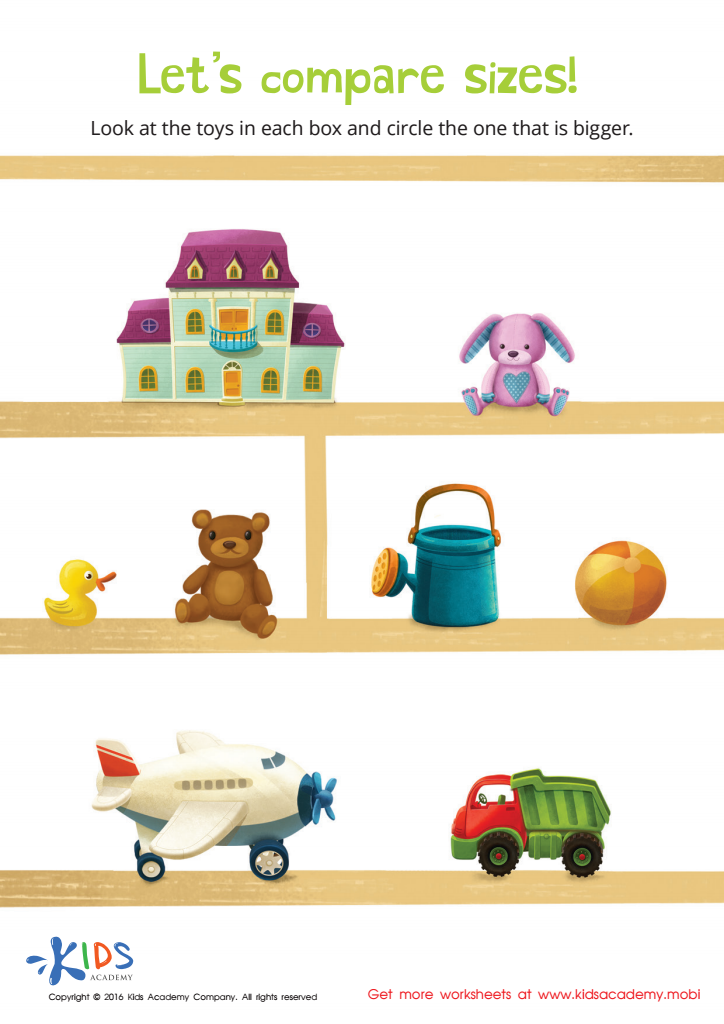
Classifying by Size Sorting Worksheet
 Assign to My Students
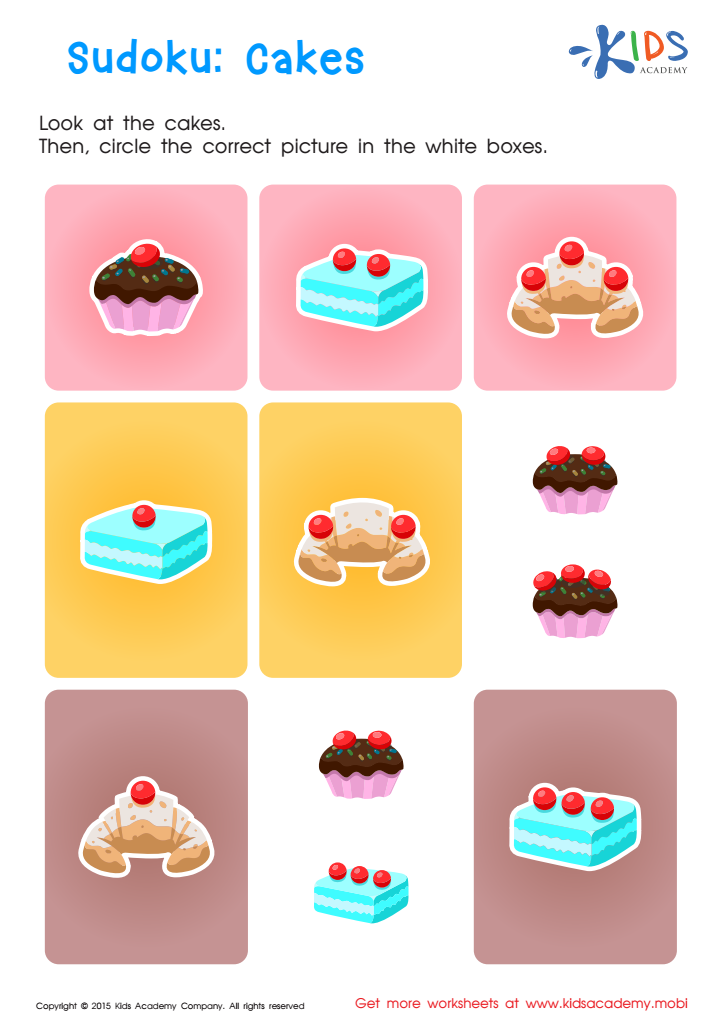
Sudoku Worksheet
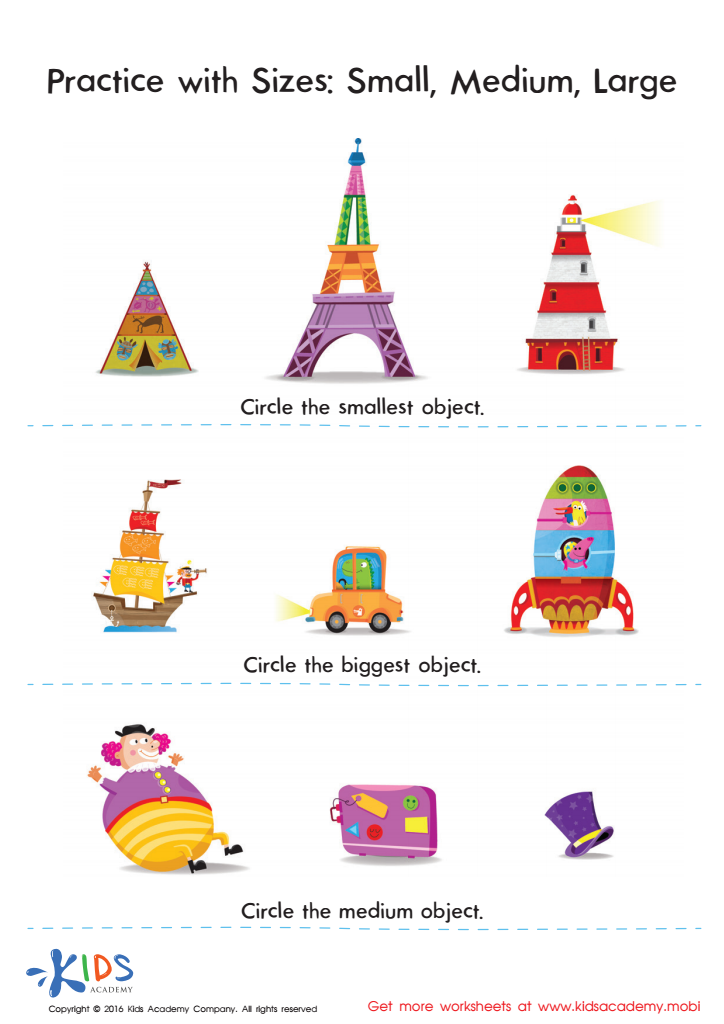








Matching worksheets for Ages 3-5 are an essential tool in early childhood education, offering a variety of benefits that cater to the developmental needs of young children. These engaging resources are designed specifically with the cognitive and motor skill levels of preschoolers in mind, making them an ideal learning activity for this age group.
Firstly, Matching for Ages 3-5 helps develop critical thinking and problem-solving skills. As children identify similarities and differences between items to make correct matches, they learn to analyze information and make connections, fostering early analytical skills. This process also enhances their attention to detail, as they must observe subtle distinctions to successfully complete the worksheets.
Moreover, these worksheets support the development of fine motor skills. Manipulating pencils or crayons to draw lines or circle matched items requires control and precision, which are crucial for handwriting readiness. This hands-on activity also promotes hand-eye coordination, preparing children for more complex tasks in the future.
Additionally, Matching for Ages 3-5 encourages language development. As children engage with the worksheets, they often verbalize their thought processes or ask questions, expanding their vocabulary and understanding of concepts through interaction and dialogue. This also provides an excellent opportunity for adults to introduce new words and ideas, further enriching their linguistic capabilities.
In summary, matching worksheets are a valuable educational tool for children aged 3 to 5, fostering cognitive development, fine motor skills, and language acquisition in a fun and interactive way.








