Letter Recognition Worksheets for Ages 3-7 - Page 4
125 filtered results
-
From - To
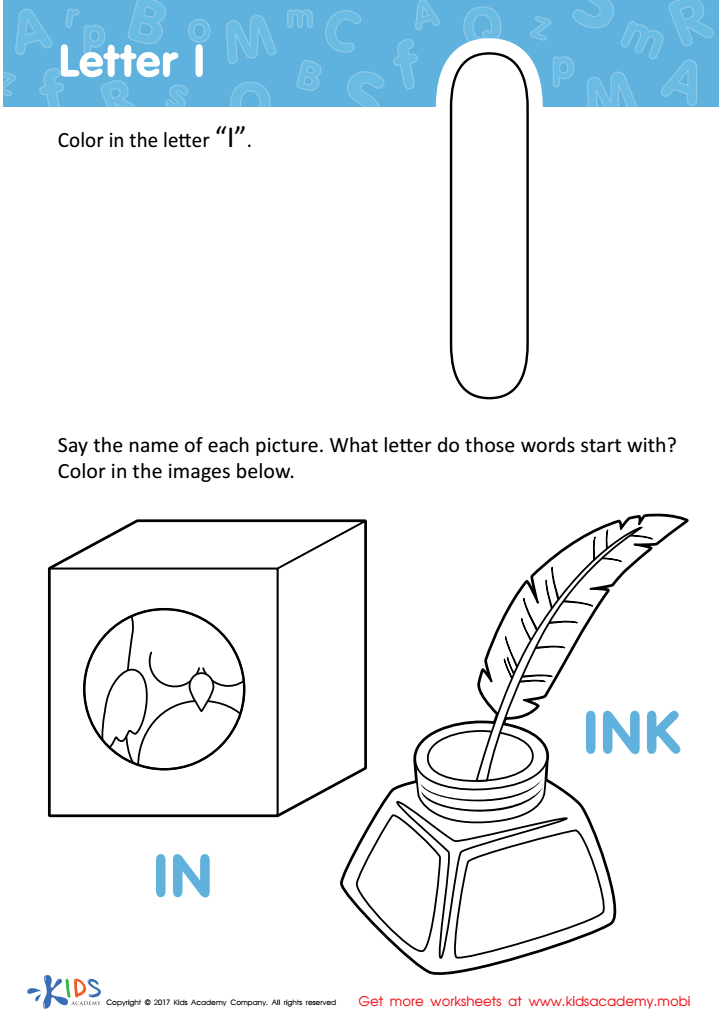
Letter I Coloring Sheet
 Assign to My Students
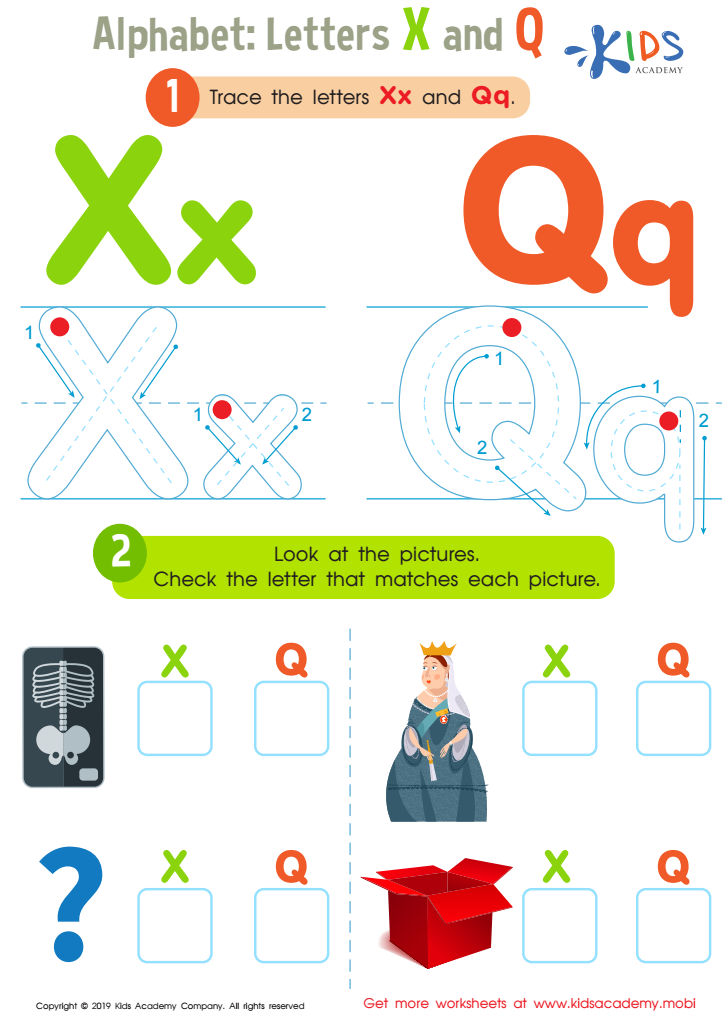
Letters X and Q Tracing Worksheet
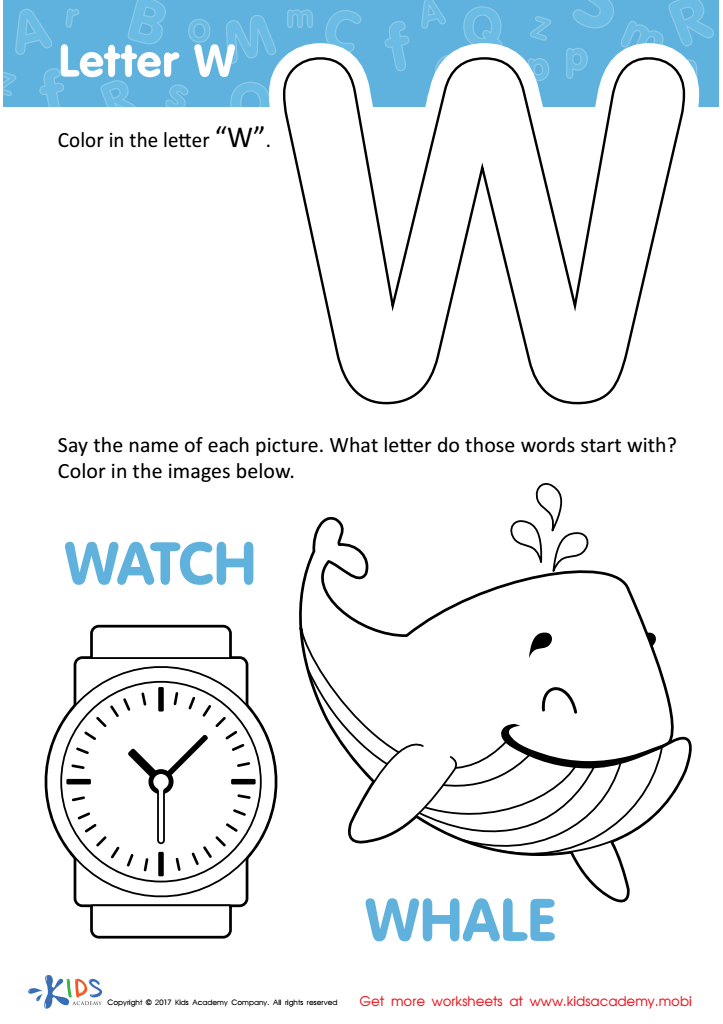
Letter W Coloring Sheet
Assign to My Students
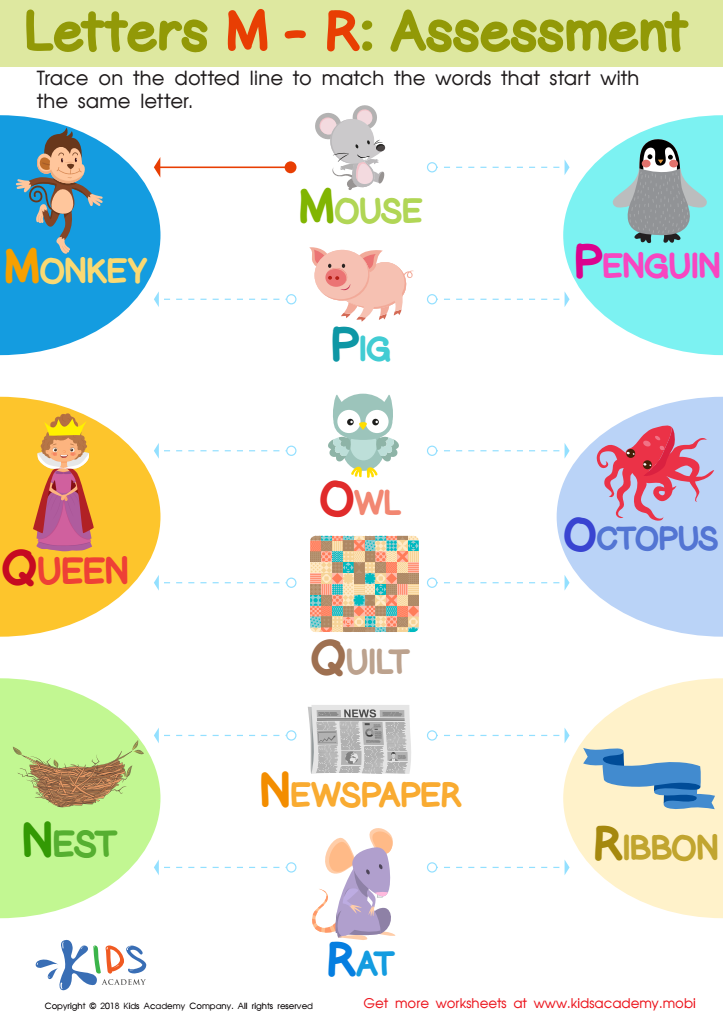
Letters M-R Tracing Worksheet
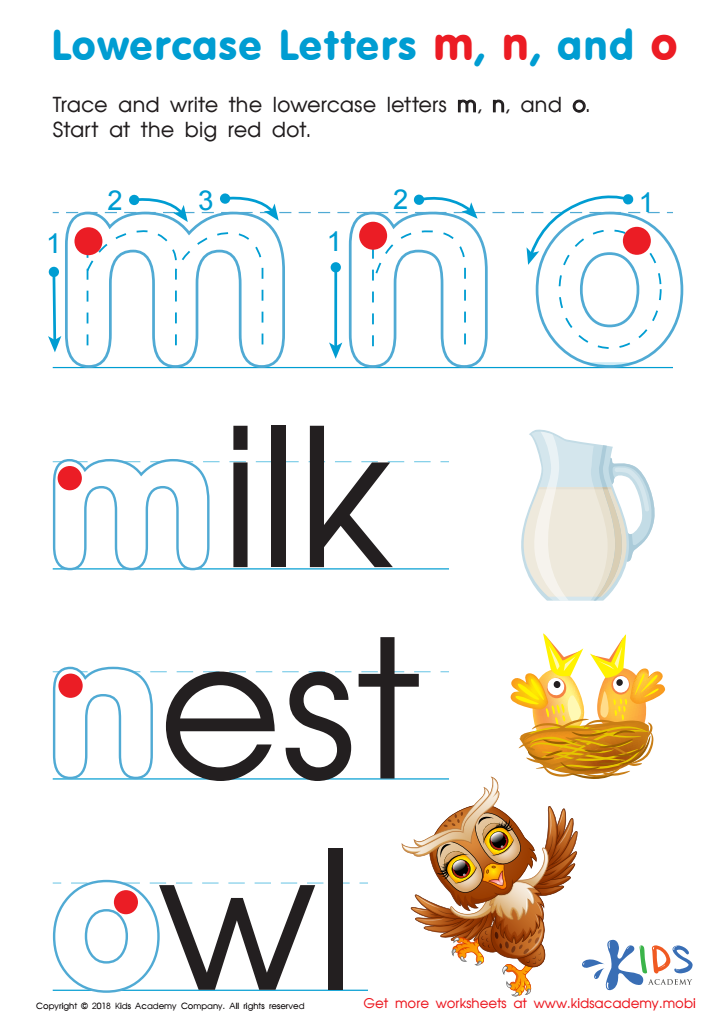
Lowercase Letters m n o Worksheet
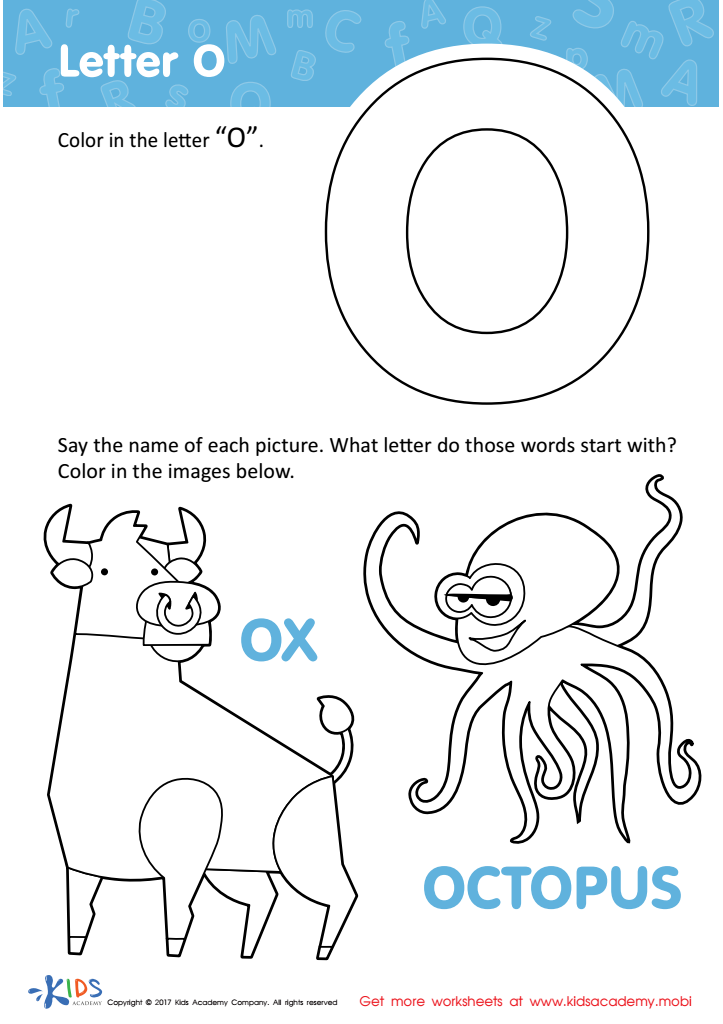
Letter O Coloring Sheet
Assign to My Students
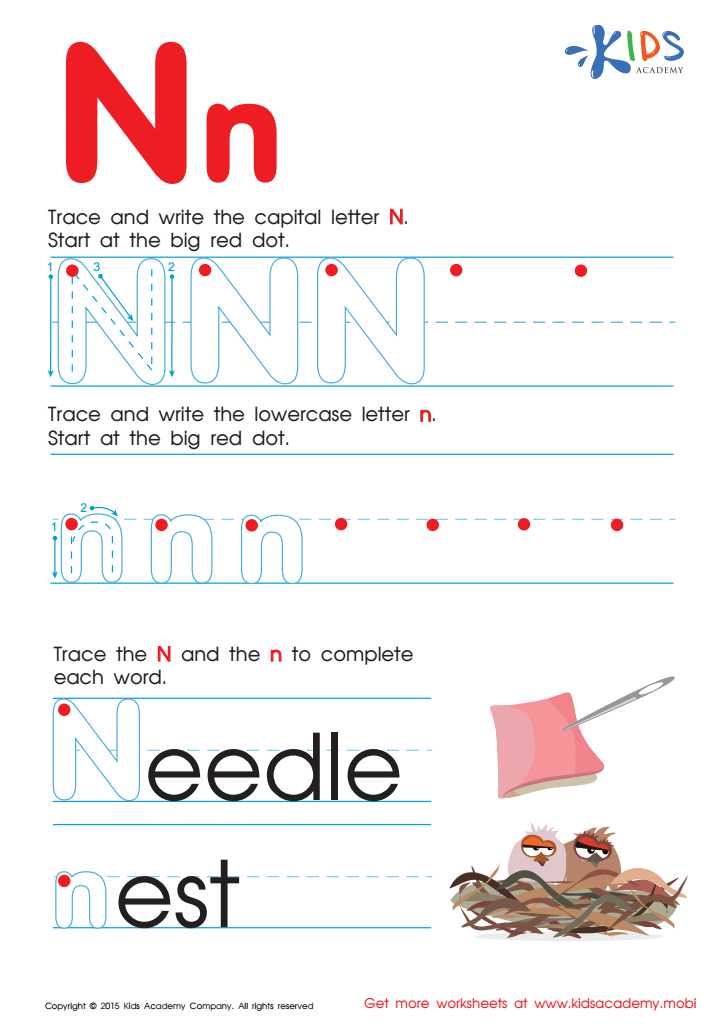
Letter N Tracing Page
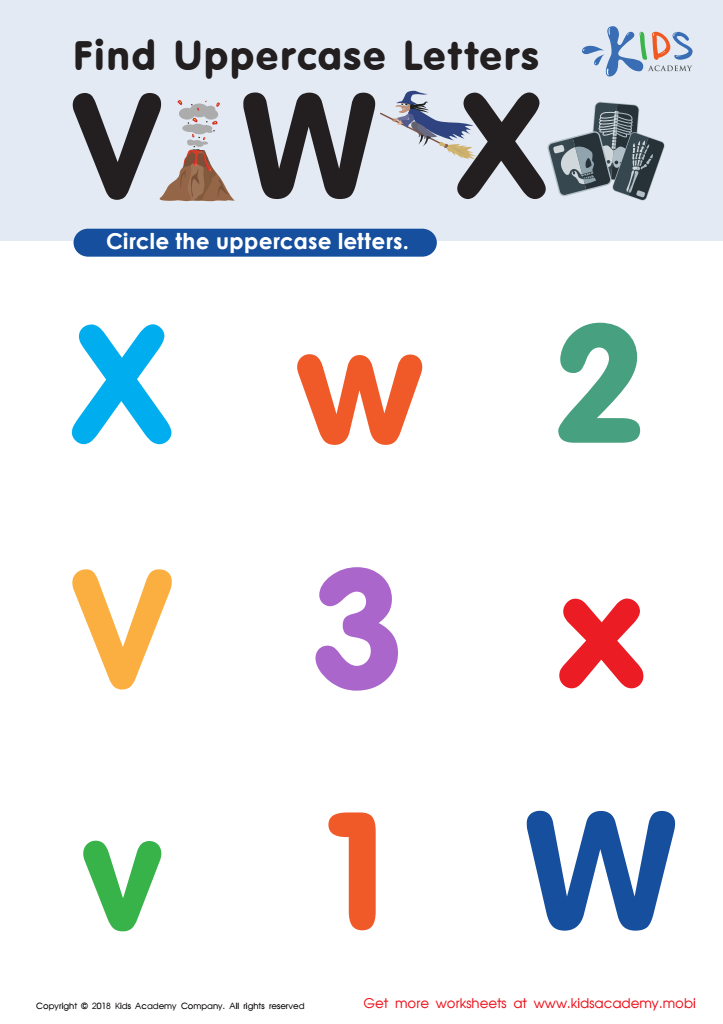
Find Uppercase Letters V, W, X Worksheet
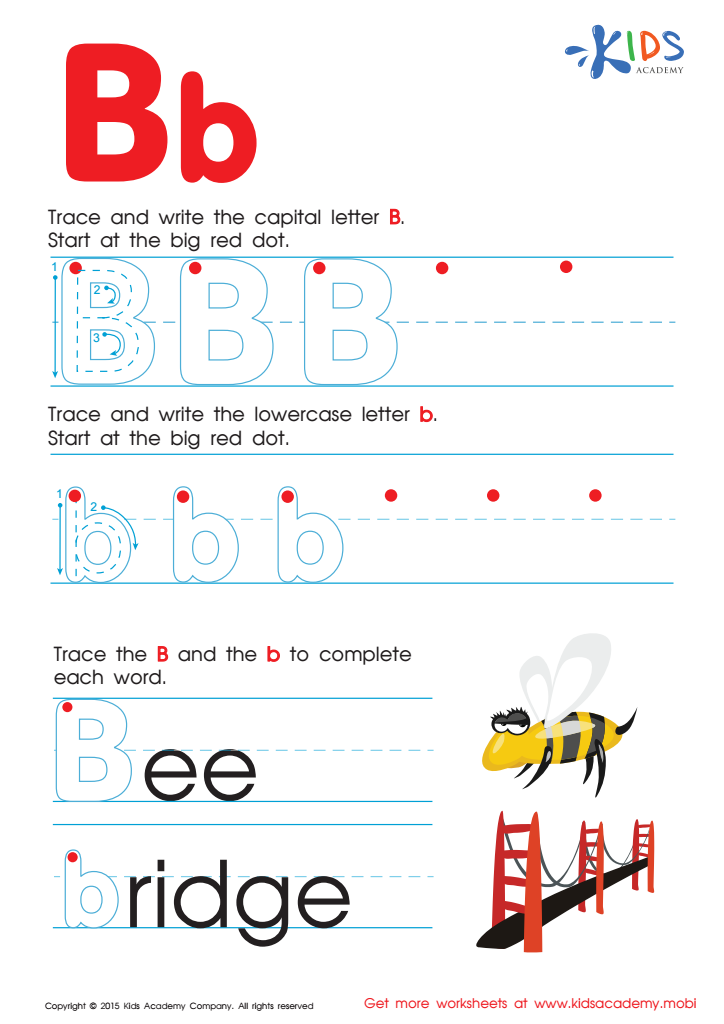
Letter B Tracing Page
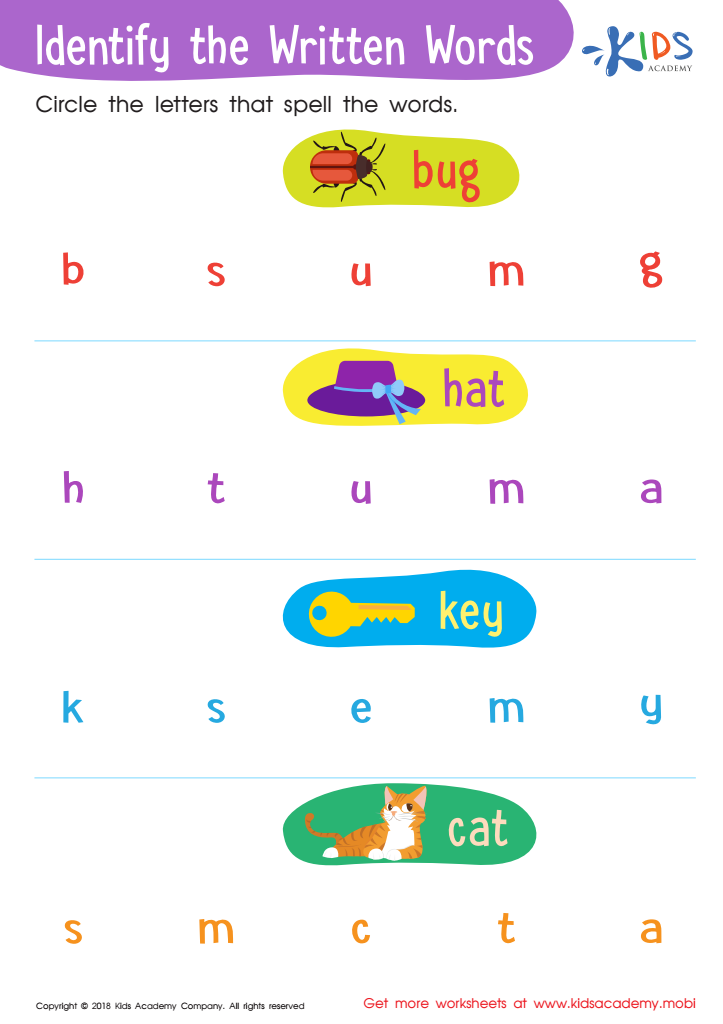
Identify the Written Words Worksheet
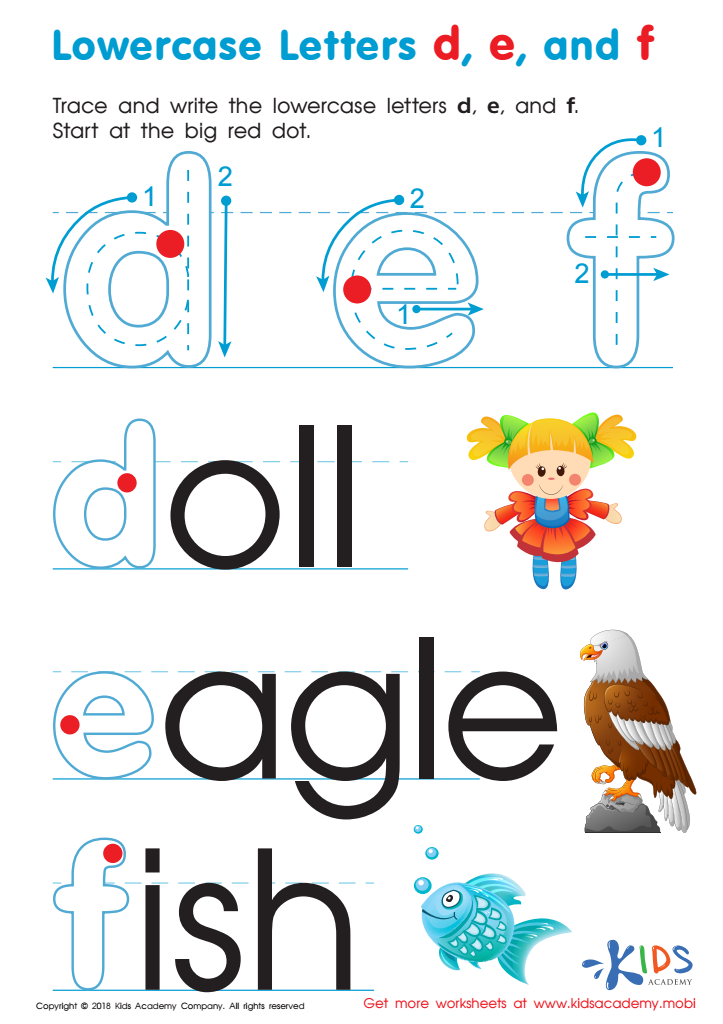
Lowercase Letters d e f Worksheet
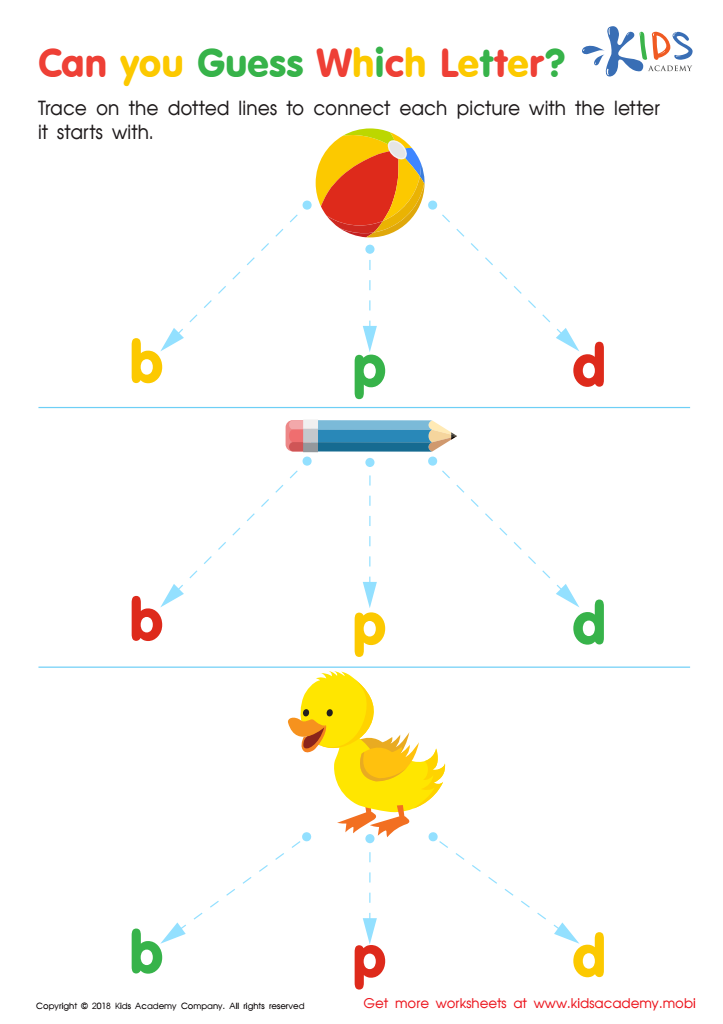
Can you Guess Which Letter? Worksheet
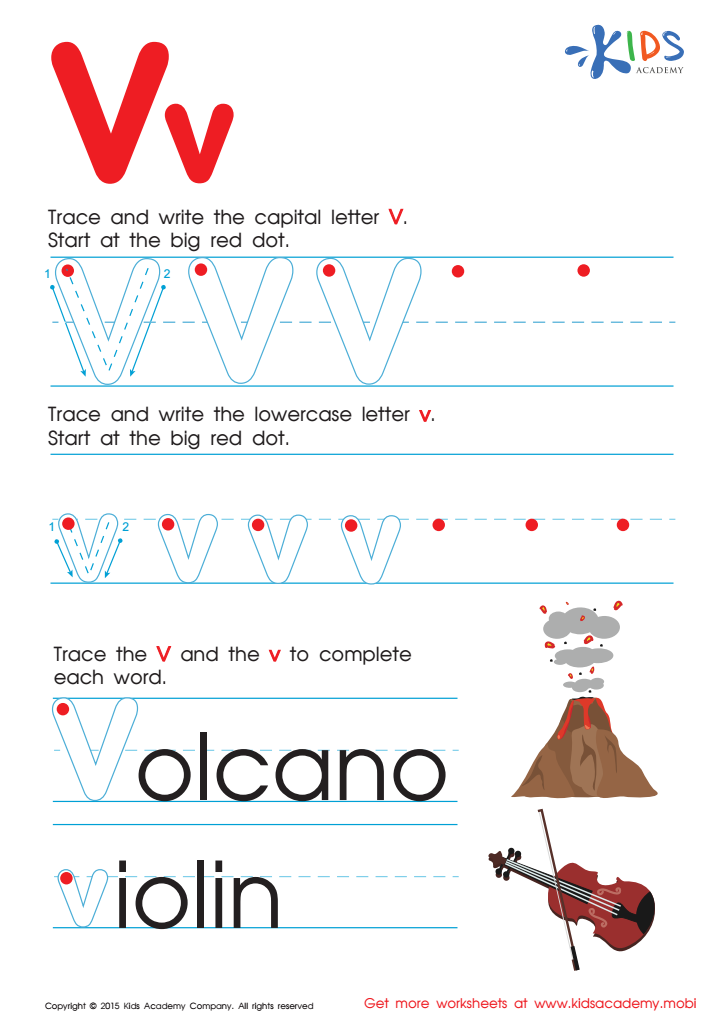
Letter V Tracing Page
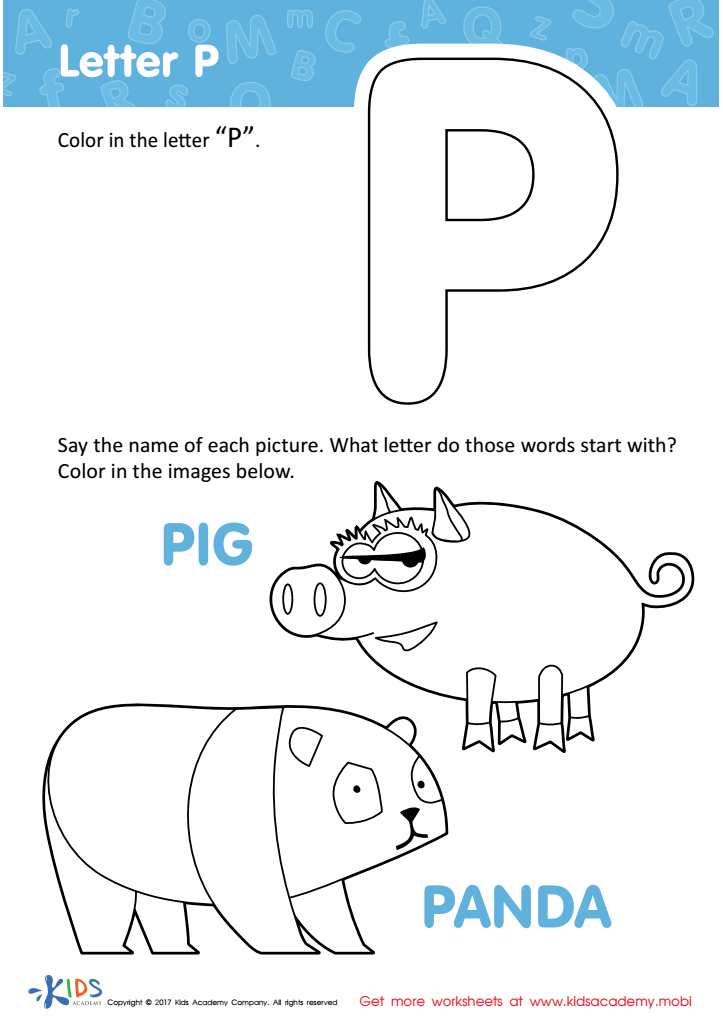
Letter P Coloring Sheet
Assign to My Students
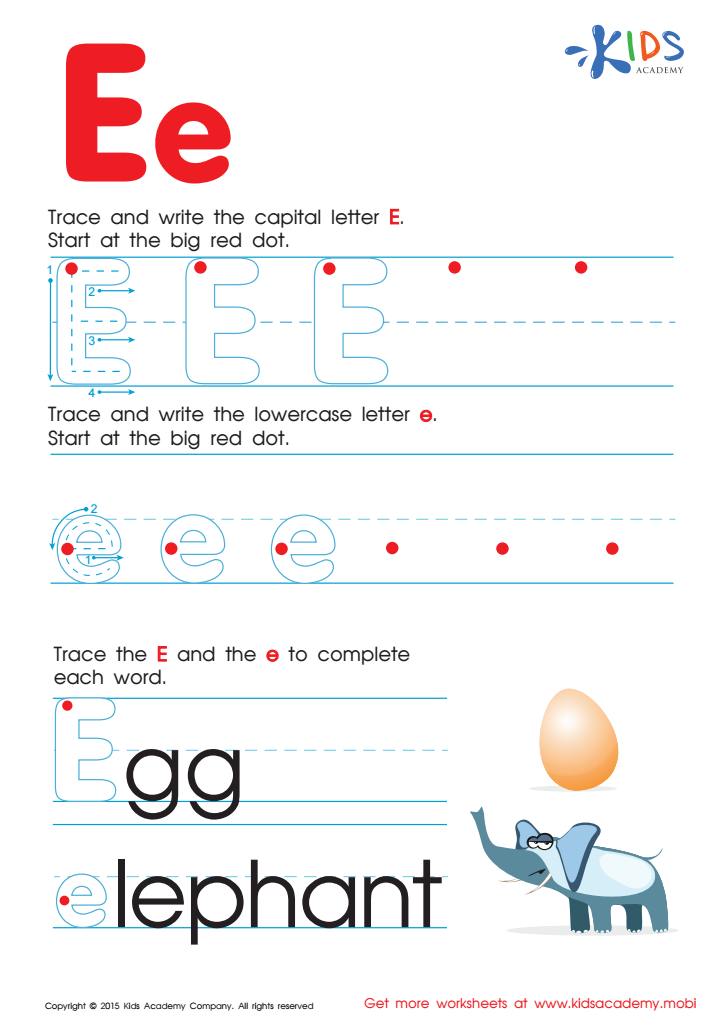
Letter E Tracing Page
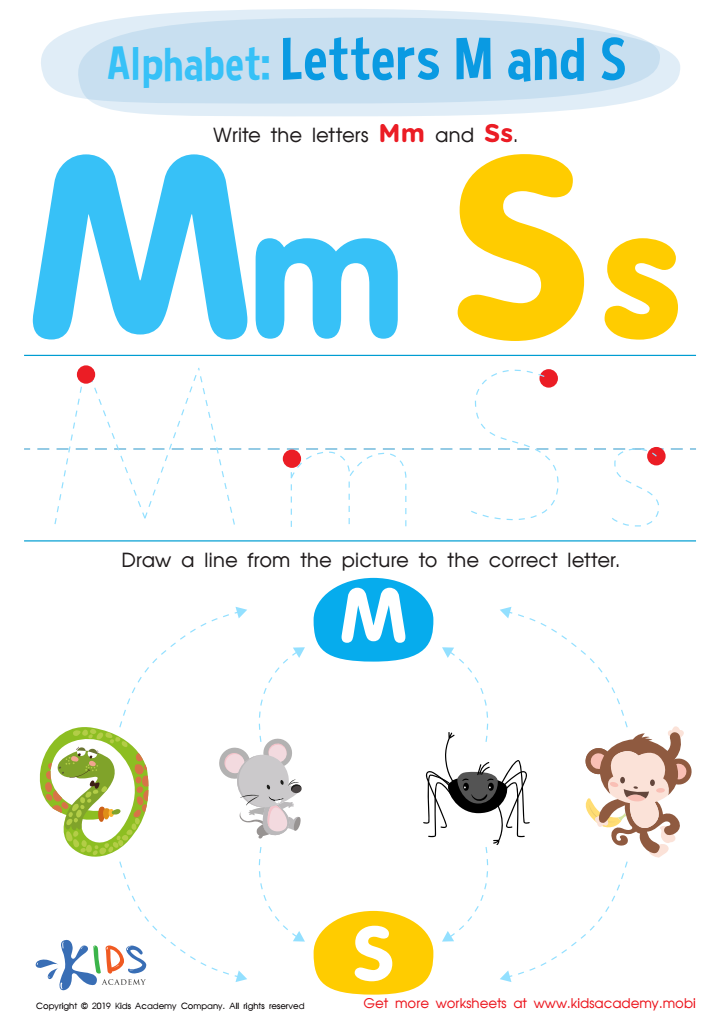
Letters M and S Tracing Worksheet
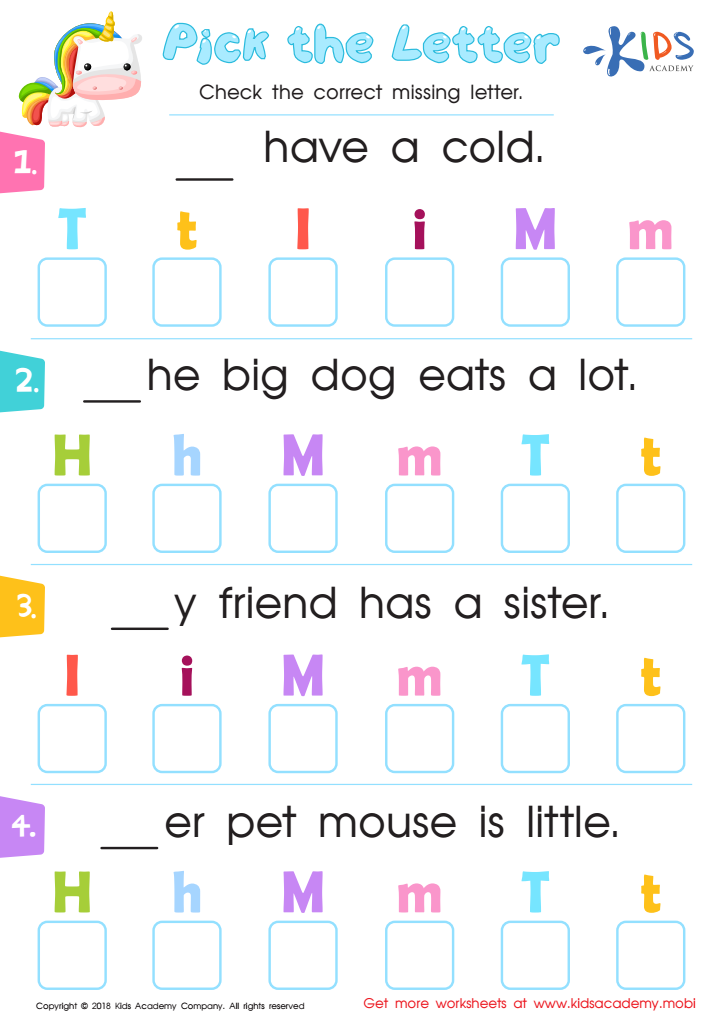
Pick the Letter Worksheet
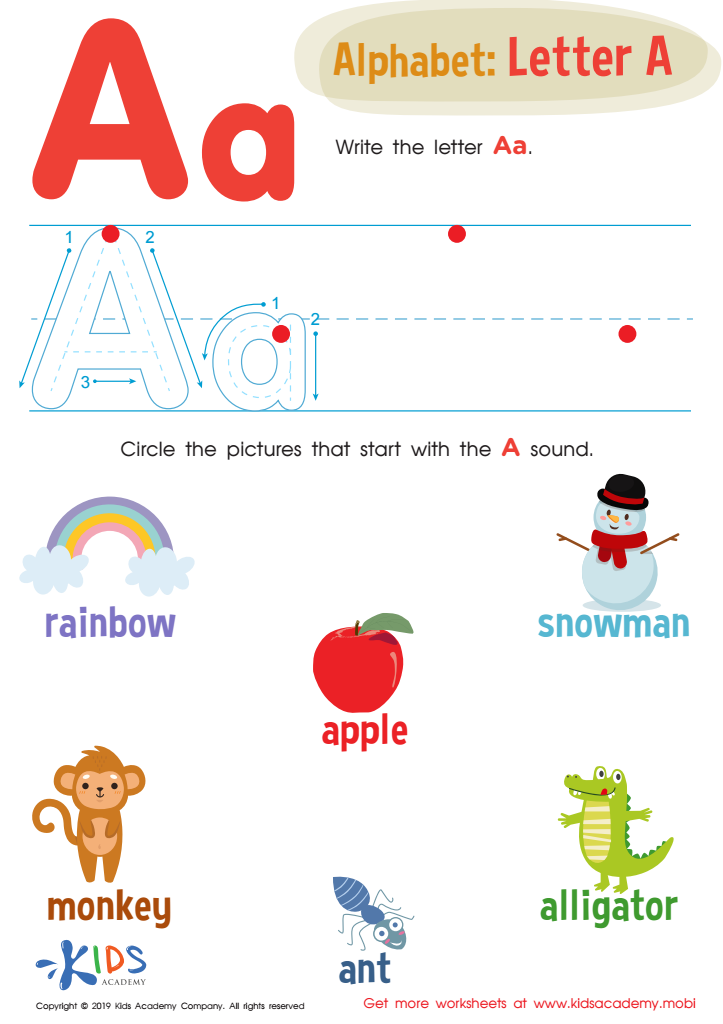
Letter A Tracing Worksheet
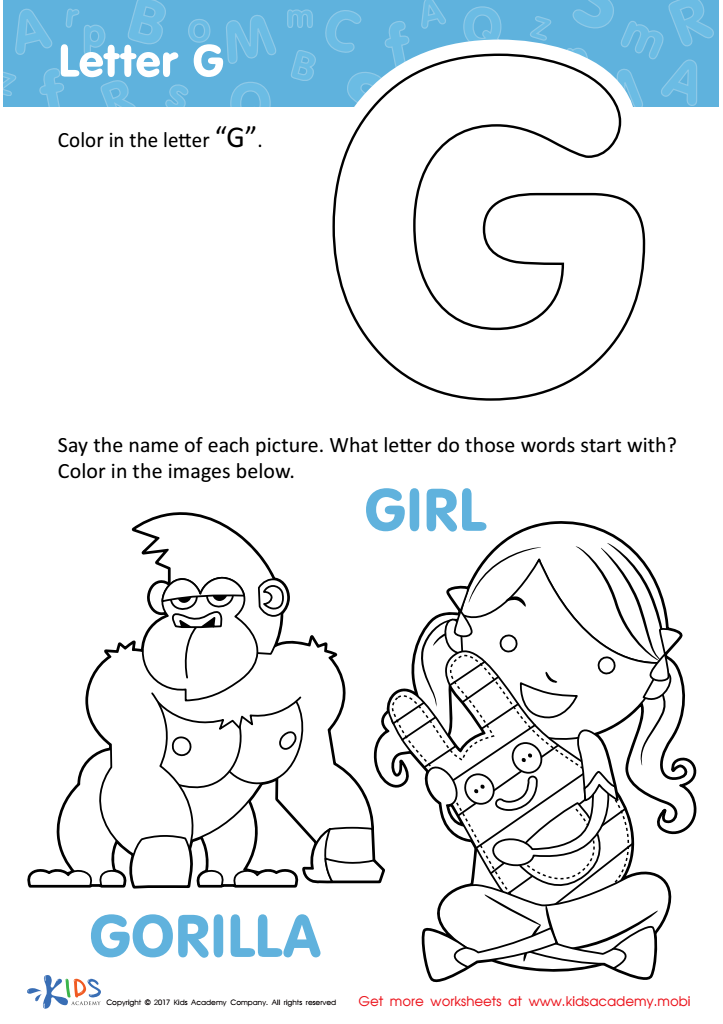
Letter G Coloring Sheet
Assign to My Students
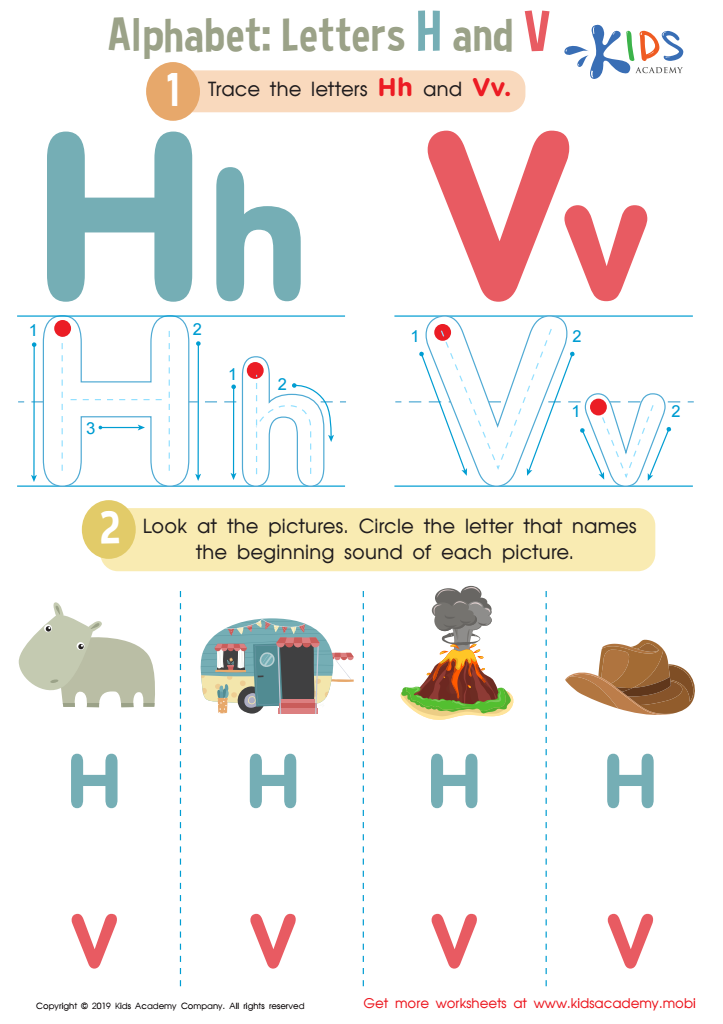
Letters H and V Tracing Worksheet
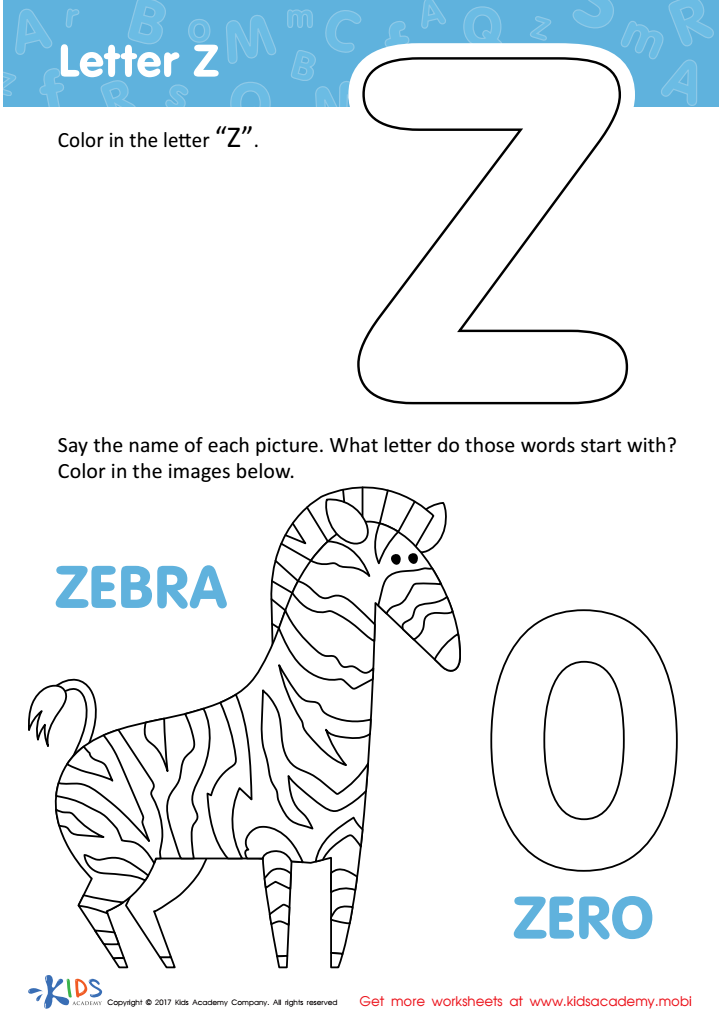
Letter Z Coloring Sheet
Assign to My Students
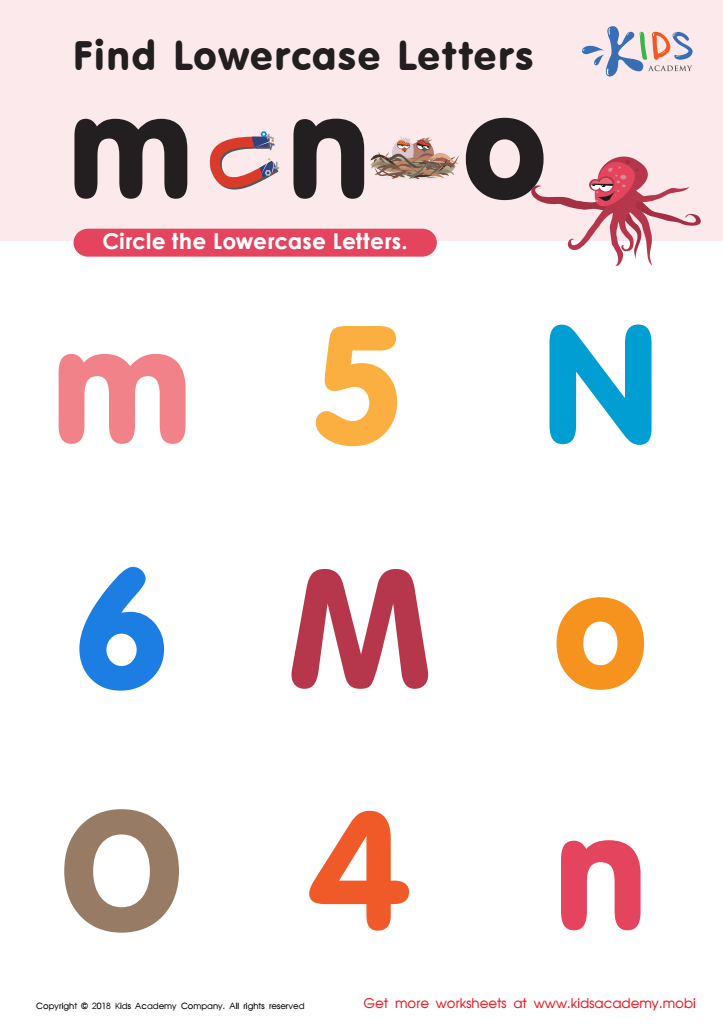
Find Lowercase Letters m n o Worksheet
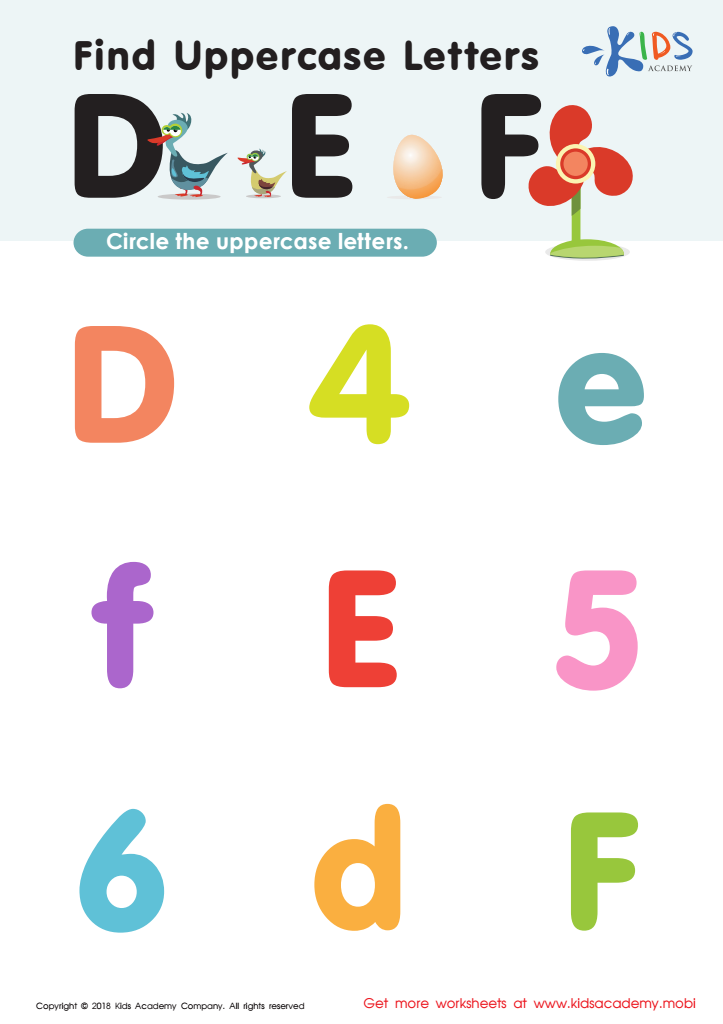
Find Uppercase Letters D, E, and F Worksheet
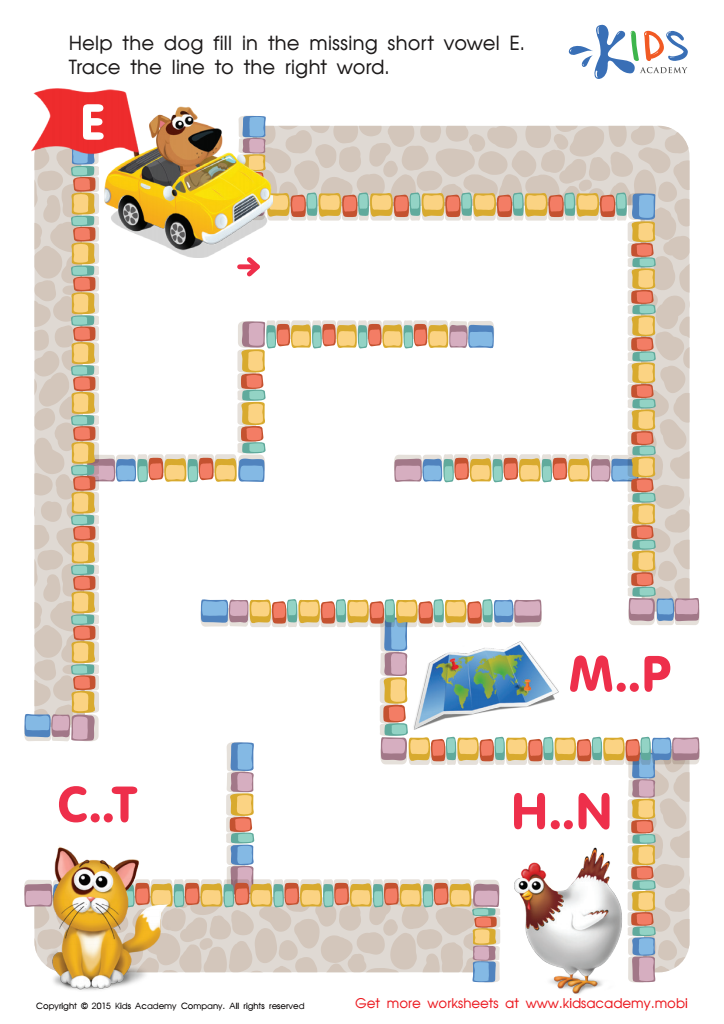
Short Vowel Sound E Worksheet








Letter recognition is fundamental in early childhood education, particularly for ages 3-7, as it serves as the cornerstone of reading and writing skills. When children can identify letters, they start to understand the relationship between symbols and sounds, which is crucial for phonemic awareness. This awareness is essential for decoding words, a key component of reading.
For parents and teachers, ensuring that children at this age recognize letters can significantly enhance their future academic performance. Early letter recognition is closely linked to a child's ability to learn to read fluently, comprehend texts, and express thoughts clearly in writing. These skills are not only important for academic success but also for overall cognitive development and effective communication.
Furthermore, early recognition of letters can spark a love for reading. Children who find joy in discovering new letters are more likely to show enthusiasm for reading books, listening to stories, and even exploring writing. This enthusiasm can lead to a lifelong love for learning and education.
Neglecting this crucial skill can result in children struggling with reading later on, potentially leading to difficulties in all subjects across the curriculum. Therefore, parents and teachers must prioritize and support letter recognition activities, as these foundational skills pave the way for a child's educational and lifelong success.







