Filters

31 filtered results

Clear all filters
Favorites
With answer key
Interactive

31 filtered results

Difficulty Level

Grade


Subject

    Check out this FREE Trial Lesson on Letter Sounds for age 3-7!

    Distinguish between Long I and Short I

    Favorites
    With answer key
    Interactive
    • 3-7
    • Letter Sounds
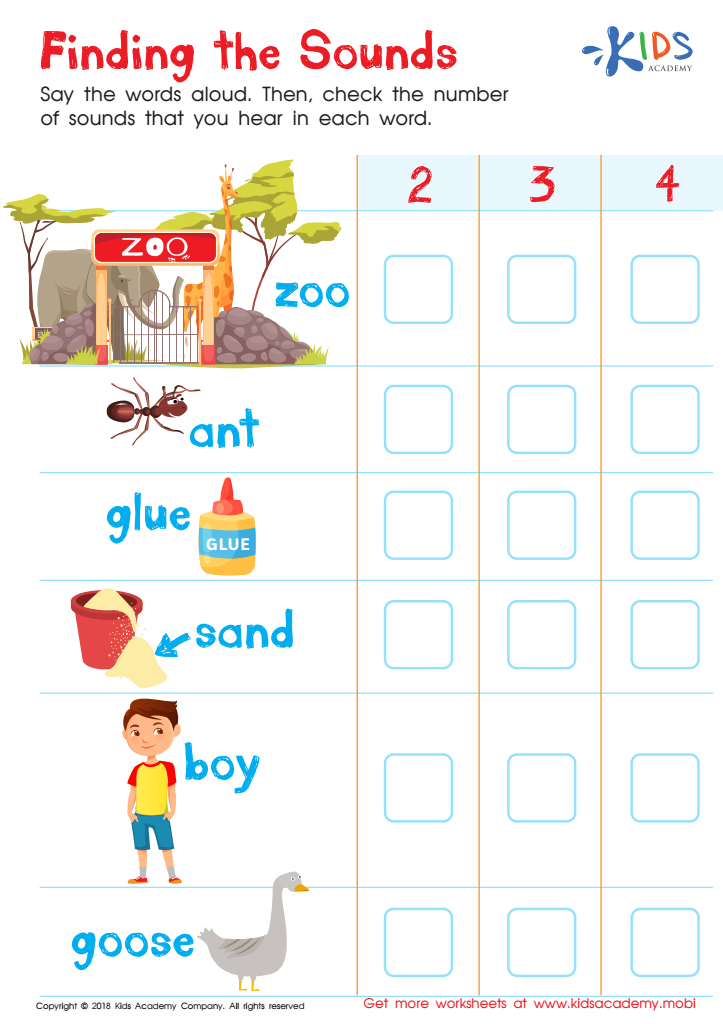
    Finding the Sounds Worksheet
    Finding the Sounds Worksheet

    Finding the Sounds Worksheet

    This free colorful worksheet assists children in learning words and breaking them down into sounds. It boosts auditory discrimination, phonological awareness and fine motor skills. Picture clues help them read confidently, and they can check the appropriate boxes to practice their reading skills.
    Finding the Sounds Worksheet
    Worksheet
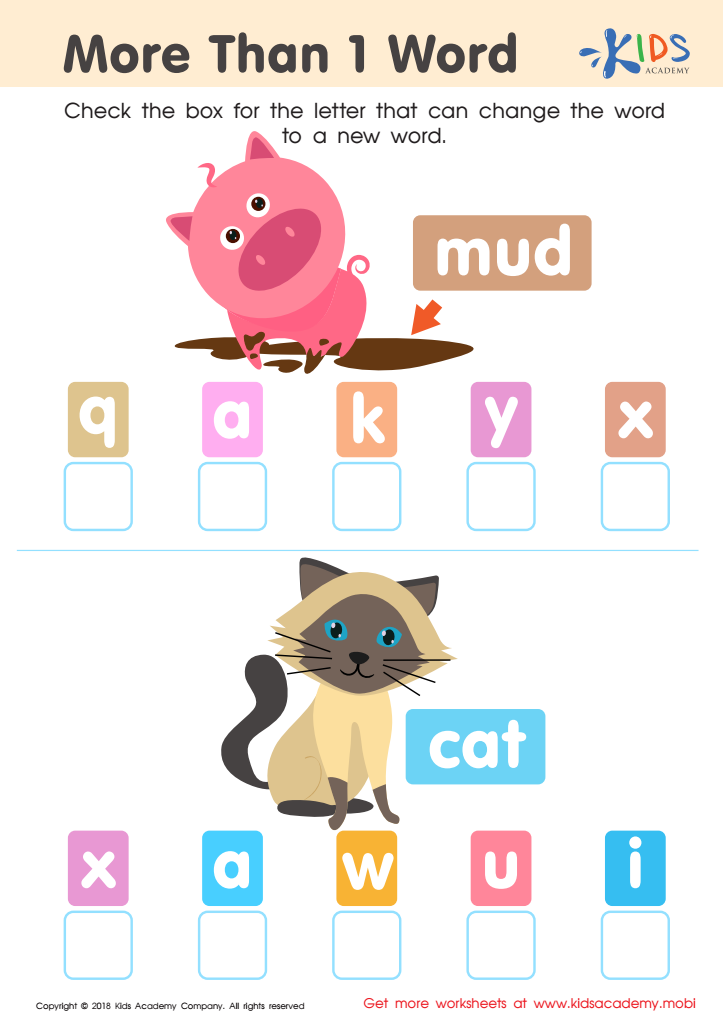
    More than 1 word Worksheet
    More than 1 word Worksheet

    More than 1 word Worksheet

    Test your child's reading skills with this fun worksheet! Point out the word in each picture, then switch the middle letter of each word with one from the list and check the box when you find a new word. It's a great way to develop your child's reading skills!
    More than 1 word Worksheet
    Worksheet
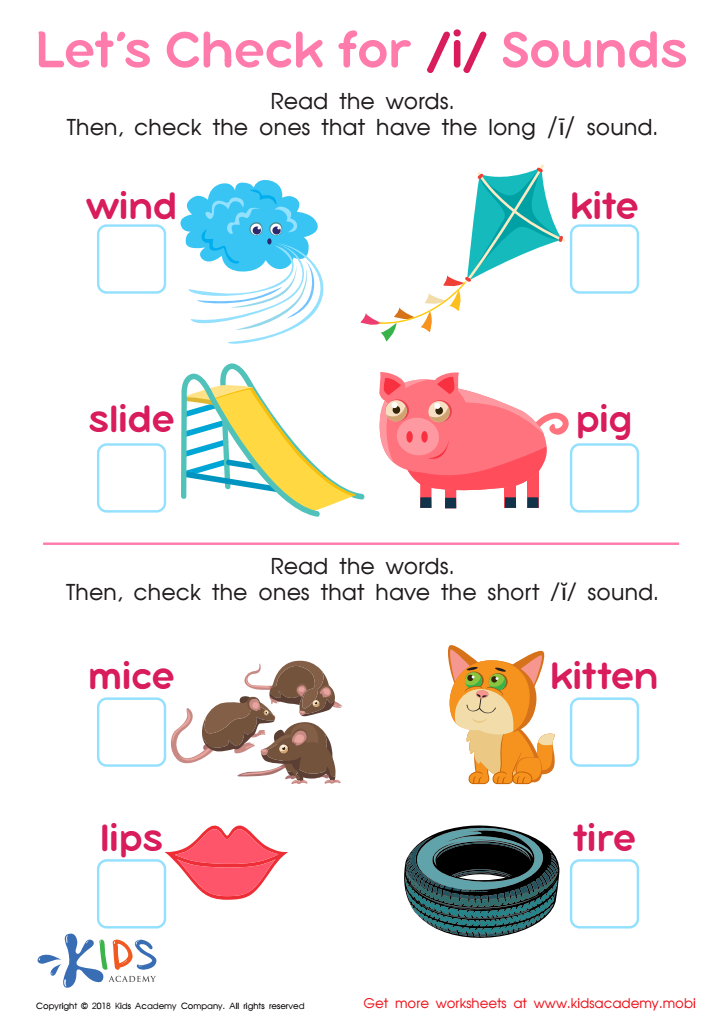
    Let's Check for «i» Sounds Worksheet
    Let's Check for «i» Sounds Worksheet

    Let's Check for «i» Sounds Worksheet

    This fun worksheet with pictures boosts phonics skills - differentiating between long «ī» and short «i» sounds in 1- and 2-syllable words. Kids use picture clues to read words, then check off the correct ones. It's a great way for new readers to practice early reading skills and find success on their own.
    Let's Check for «i» Sounds Worksheet
    Worksheet
    Letter l and M Sounds Worksheet
    Letter l and M Sounds Worksheet

    Letter l and M Sounds Worksheet

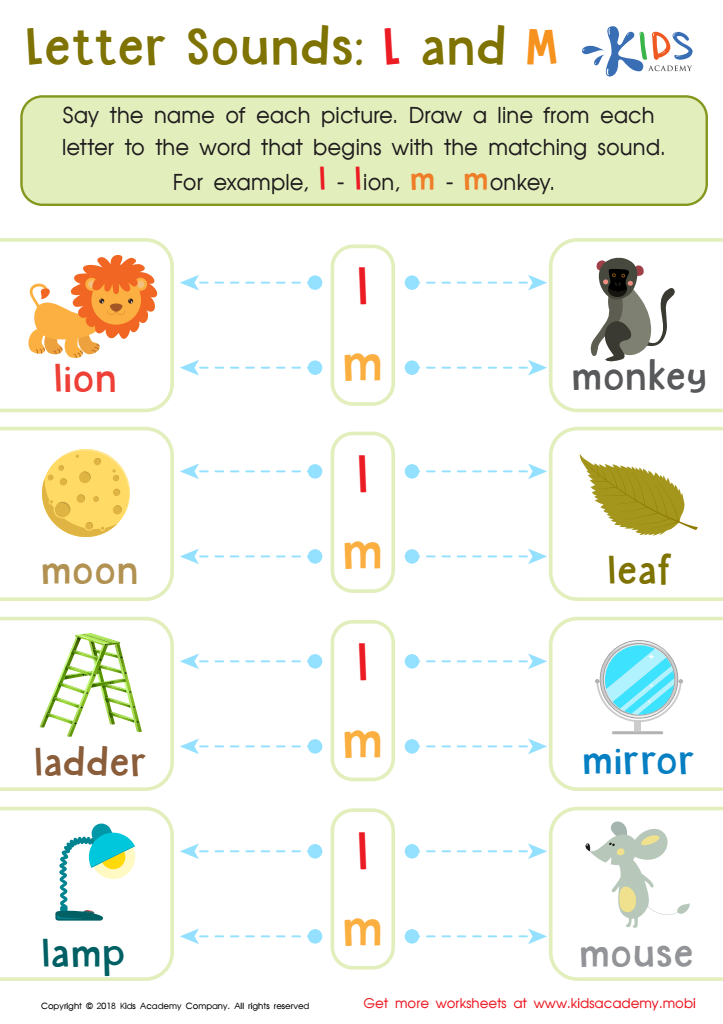
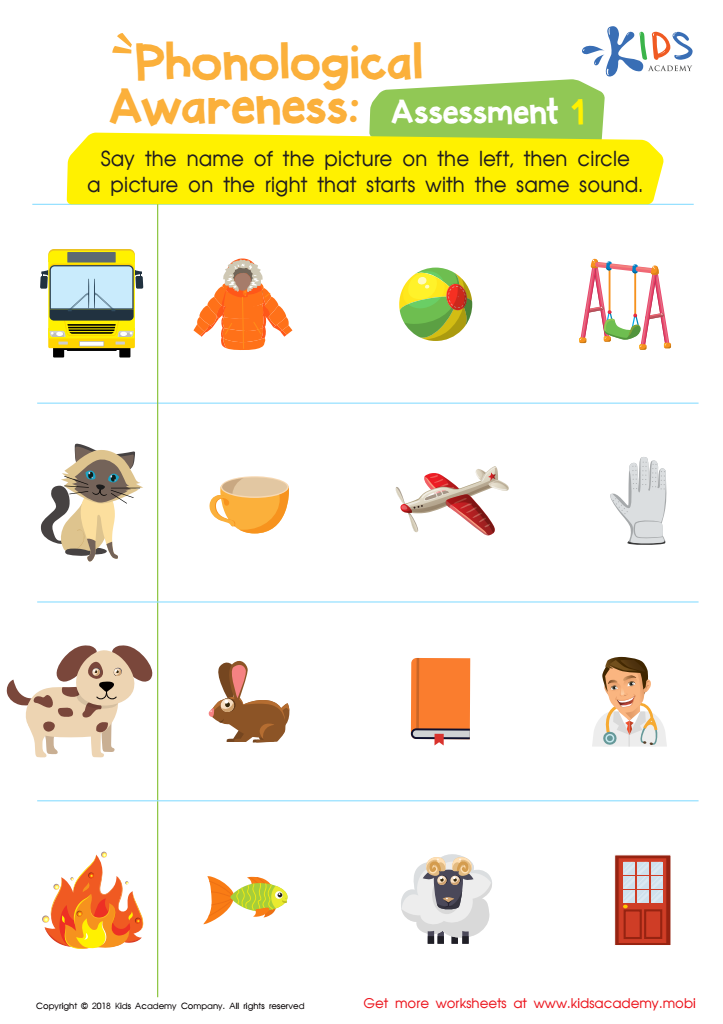
    Our Kids Academy phonics practice pages give clear instructions and captivating pictures to pique children's interest. This fun worksheet helps kids identify a picture, then match its beginning sound. Listen and say each word - does it start with "L" or "M"? Trace the dotted line from the letter to the correct match and listen closely to the sound it makes.
    Letter l and M Sounds Worksheet
    Worksheet
    Hungry Dragon Worksheet
    Hungry Dragon Worksheet

    Hungry Dragon Worksheet

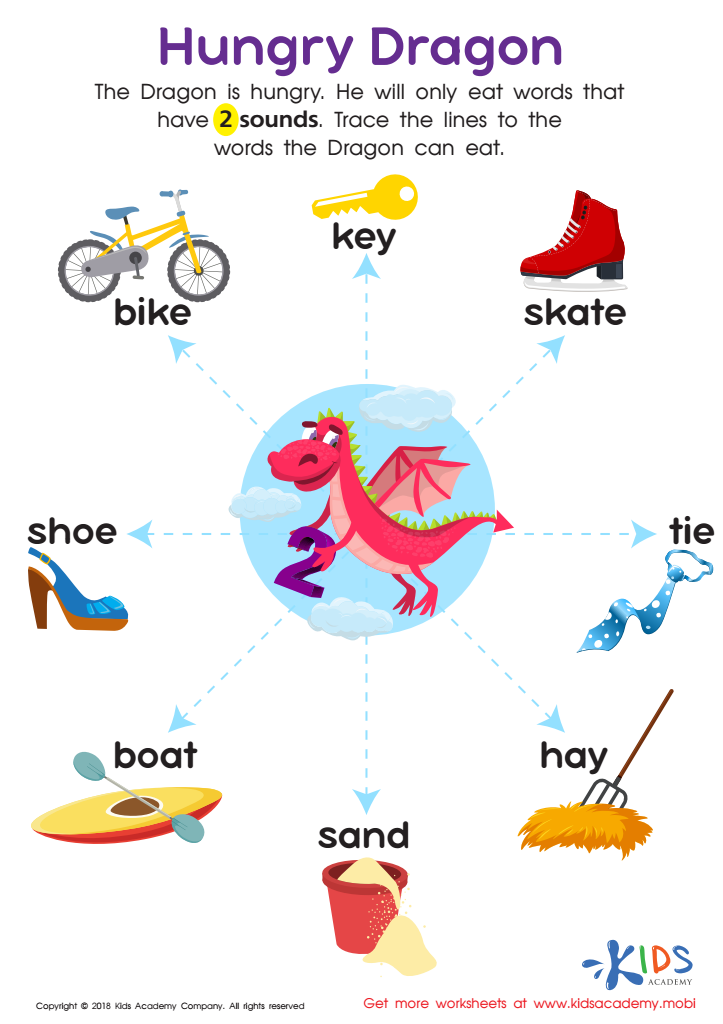
    Feed the dragon words and watch your child strengthen their phonological awareness and auditory discrimination skills! Download this free PDF for tracing exercises that build their fine motor skills too. Kids will love spending time with the cute dragon while they unwittingly learn reading skills!
    Hungry Dragon Worksheet
    Worksheet
    Letter G Sounds Worksheet
    Letter G Sounds Worksheet

    Letter G Sounds Worksheet

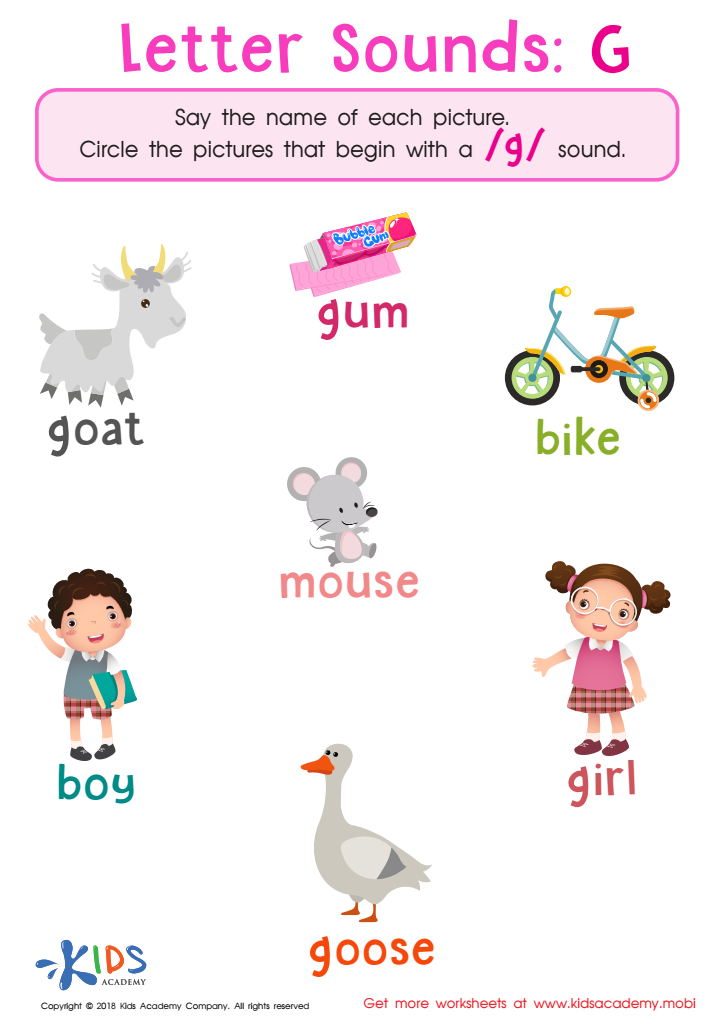
    Help emerging readers build confidence by giving them practice identifying hard "G" with this free PDF worksheet. They'll use picture clues to name the words, and practice fine-motor skills tracing circles around the corresponding pics. It's a great way to introduce or reinforce hard "G" words.
    Letter G Sounds Worksheet
    Worksheet
    Letter D and E Sounds Worksheet

    Letter D and E Sounds Worksheet

    Letter D and E Sounds Worksheet

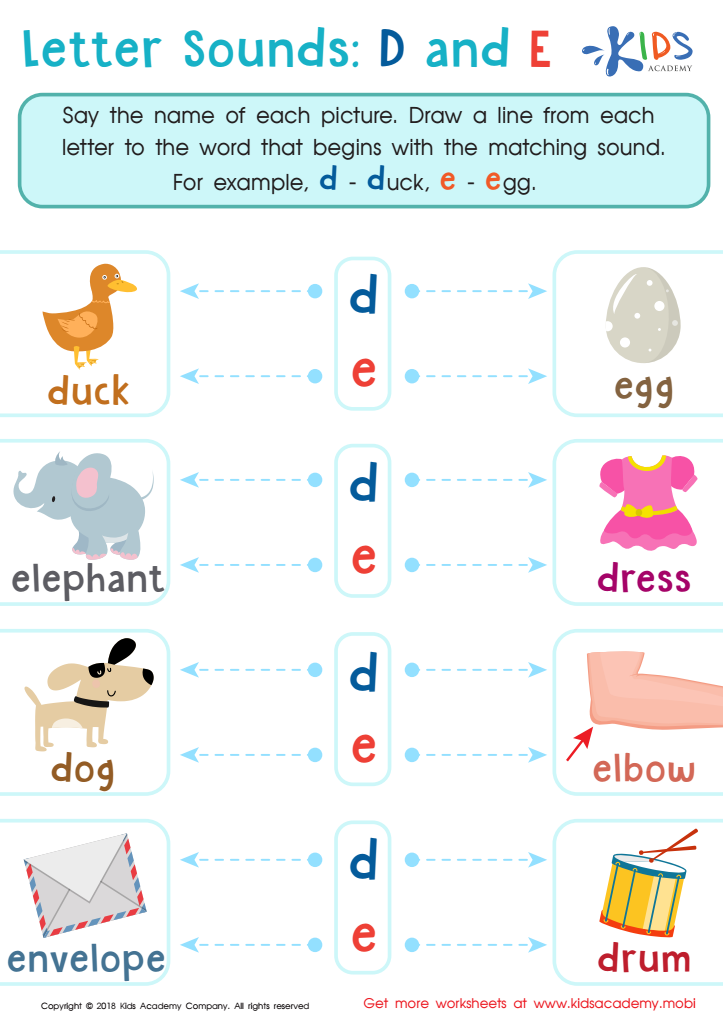
    Kids can use picture clues and visual discrimination to name cheerful pics and isolate the beginning sound. This free PDF worksheet will help them develop phonological awareness, differentiate between "D" and "E", and hone fine-motor skills. It'll also boost their confidence as they become readers.
    Letter D and E Sounds Worksheet

    Worksheet


    Letter sounds form the foundation for reading and writing, making them crucial for children aged 3-7. For parents and teachers, understanding and emphasizing letter sounds is essential for several reasons.

    First, mastering letter sounds helps children decode words, setting the stage for successful reading. From rhyming games to phonics activities, engaging with letter sounds promotes phonemic awareness—the ability to hear, identify, and manipulate sounds in spoken language—a skill that is critical for literacy development.

    Additionally, children learn to associate letters with their sounds, breaking down the barriers they may face in recognizing words. This early exposure fosters confidence and excitement about learning, making future academic pursuits more enjoyable.

    Moreover, focusing on letter sounds varies the teaching methods, catering to diverse learning styles. Incorporating songs, games, and hands-on activities helps maintain children's interest, ensuring they remain motivated in their literacy journey.

    In summary, prioritizing letter sounds during these formative years ignites a passion for reading and writing, equips children with vital literacy skills, and lays the groundwork for lifelong learning. By nurturing these skills, parents and teachers play a pivotal role in their children's academic success and overall confidence.