Math Worksheets for Ages 3-7 - Page 95
2280 filtered results
-
From - To
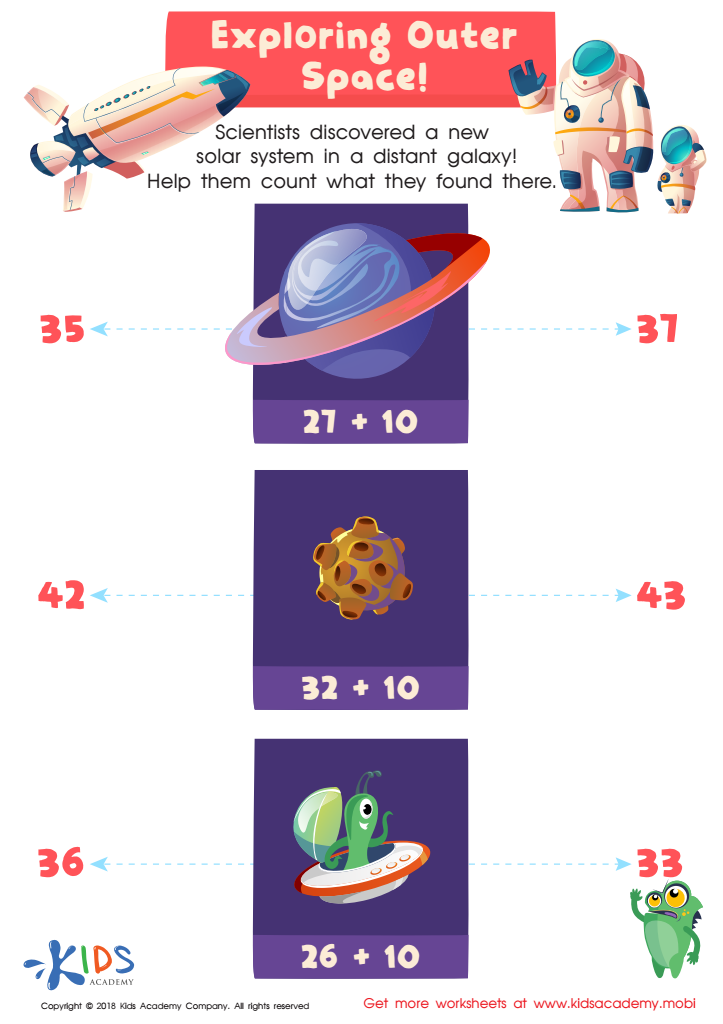
Exploring Outer Space Worksheet
 Assign to My Students
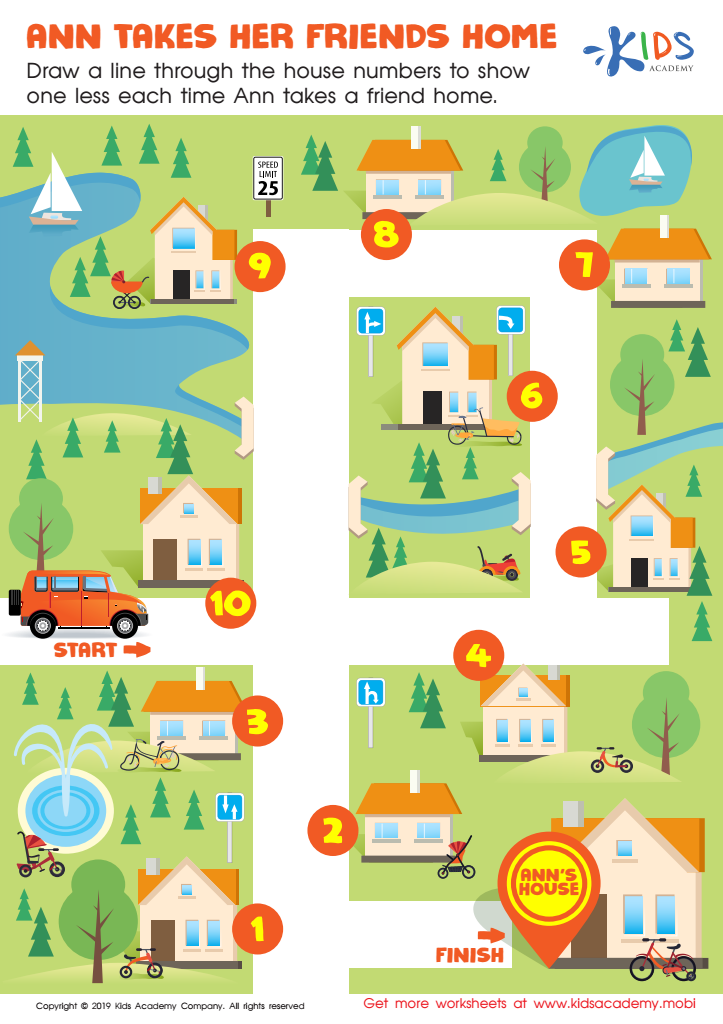
Ann Takes her Friends Home Worksheet
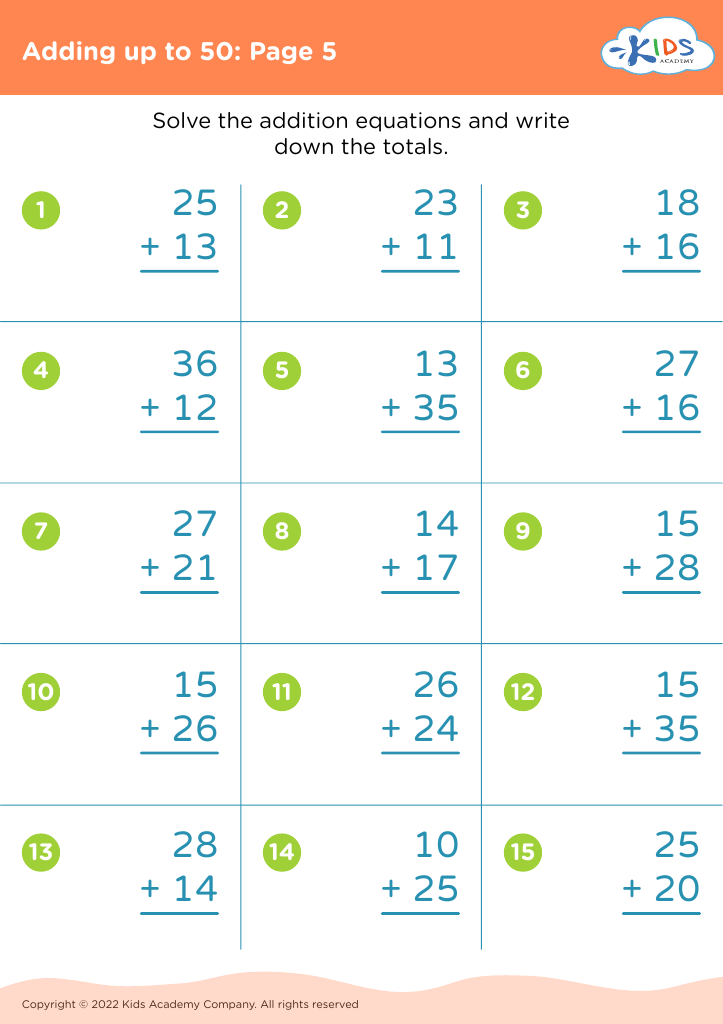
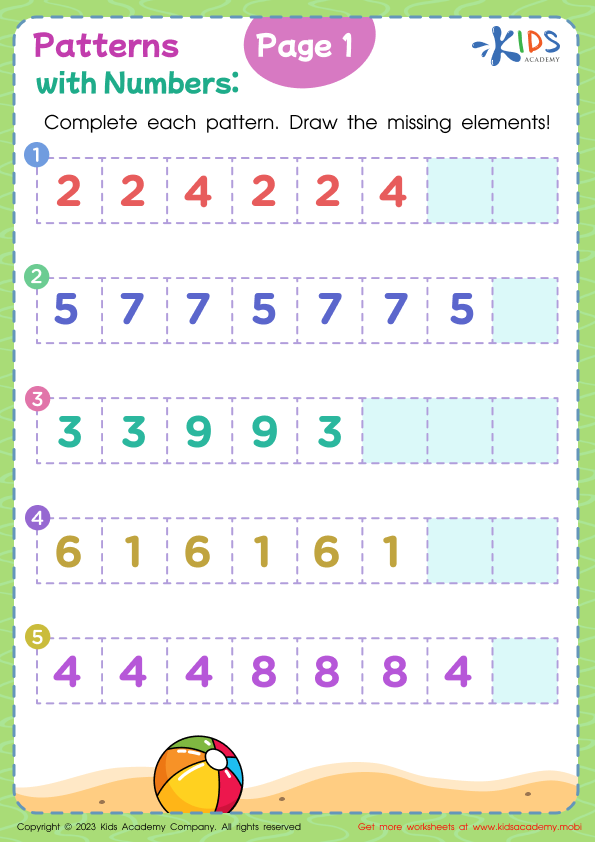
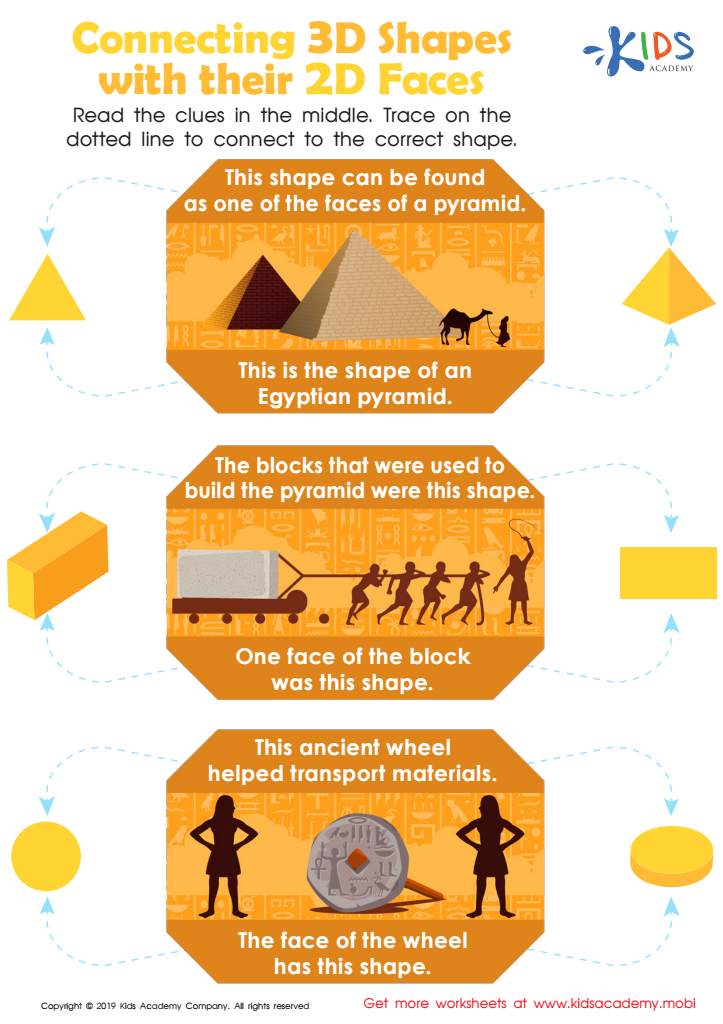
Connecting 3D Shapes with Their 2d Faces Worksheet
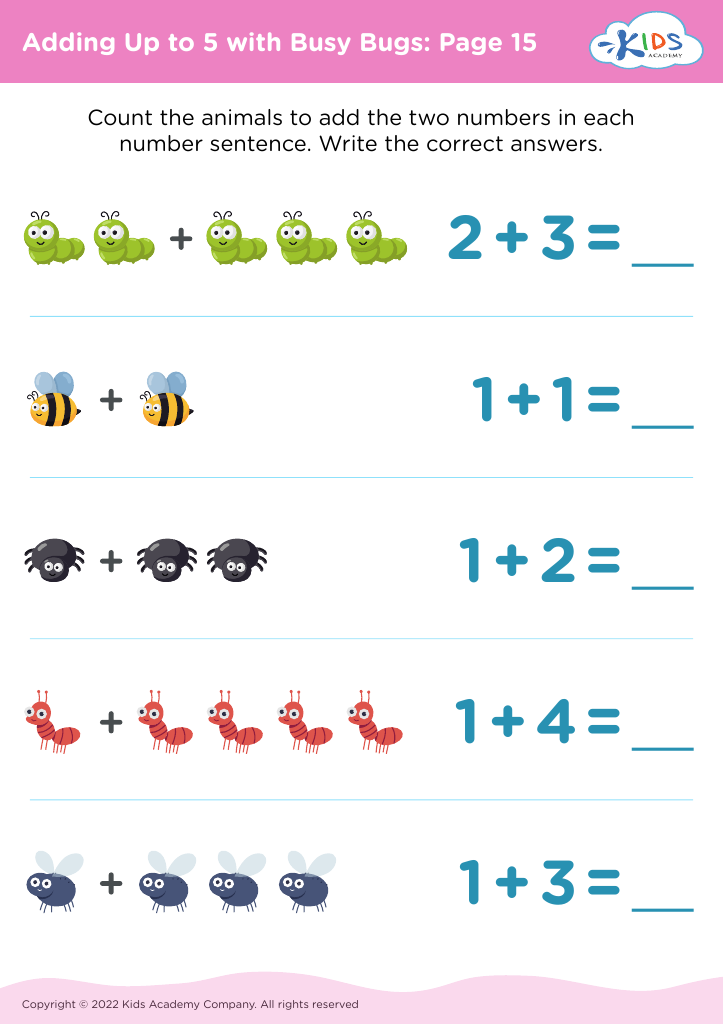
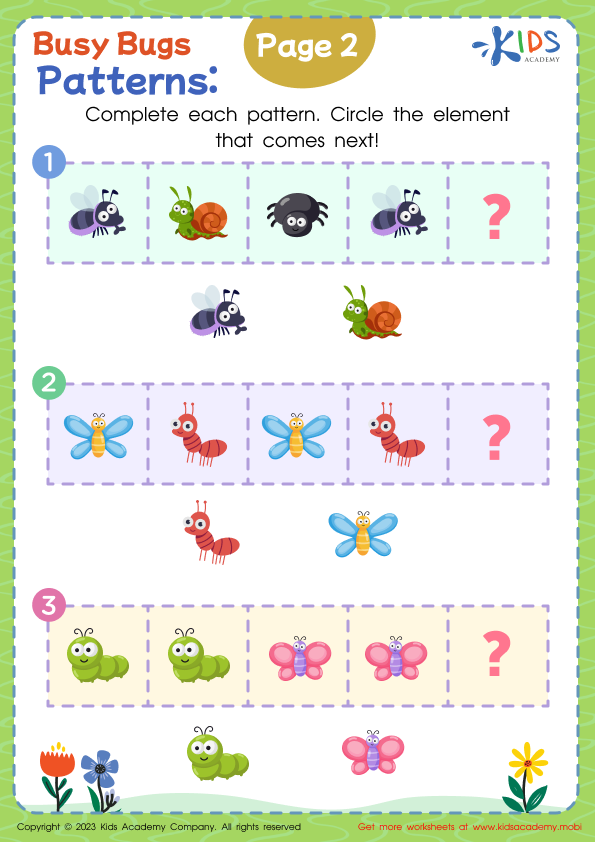
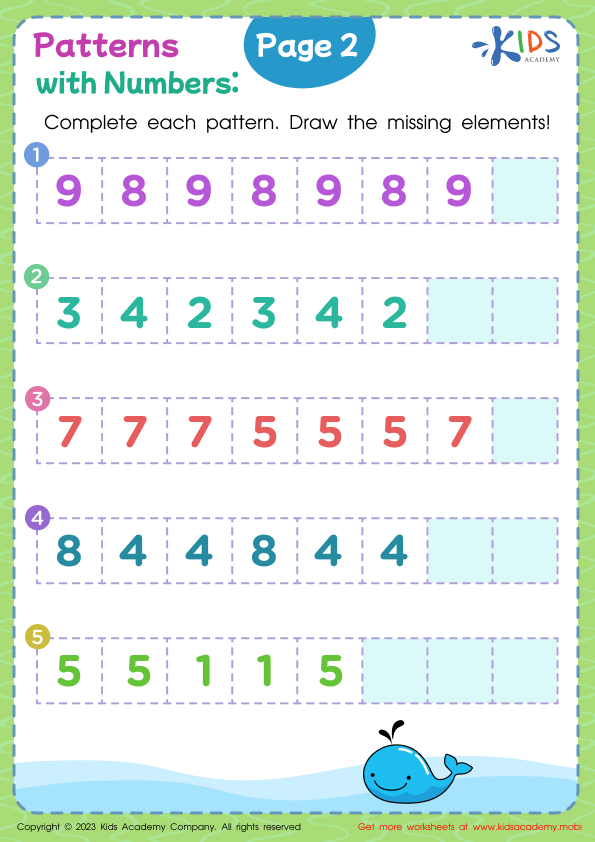
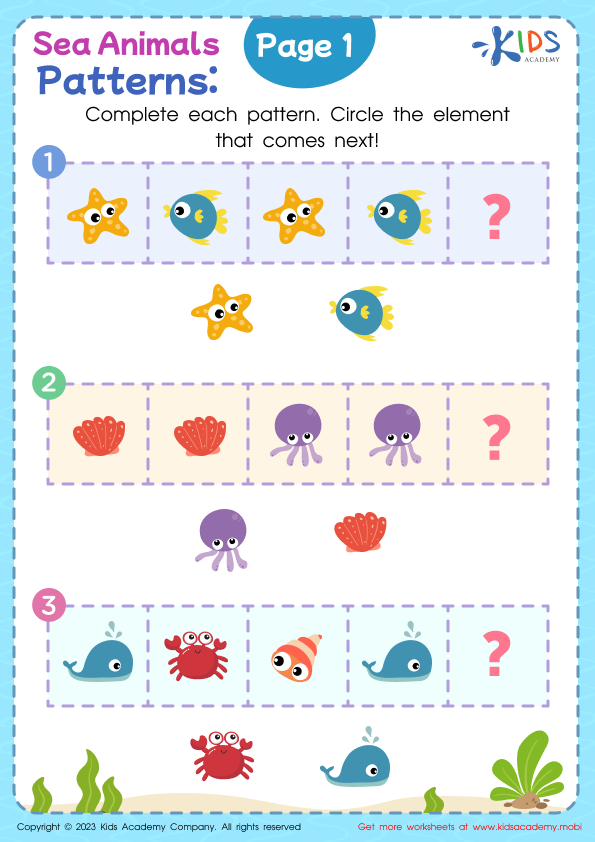
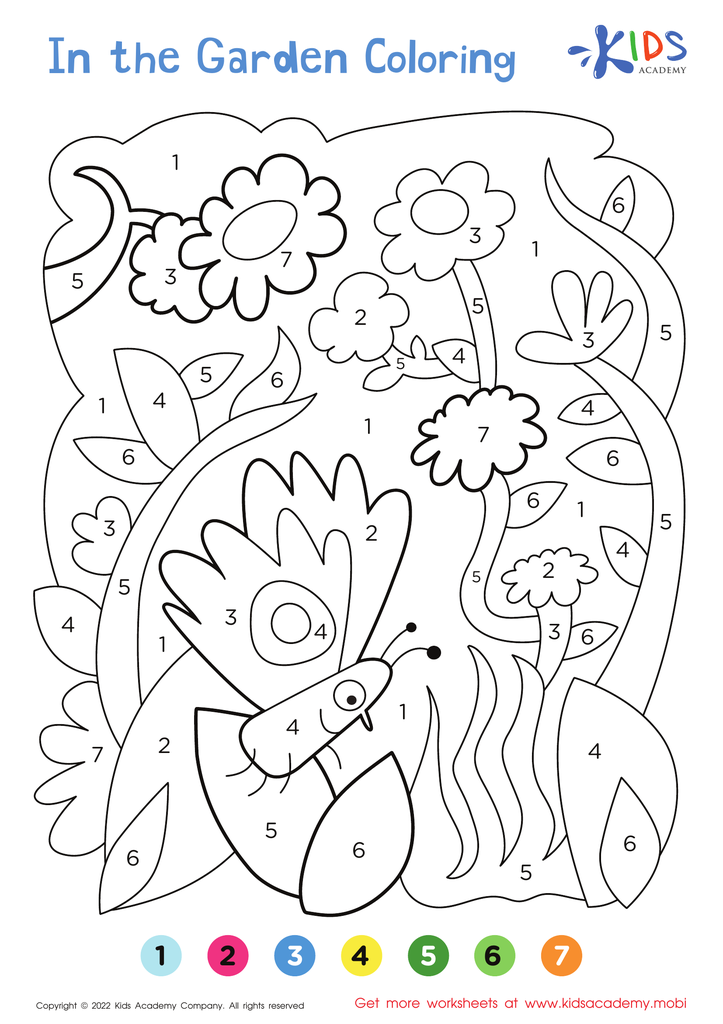
In the Garden – Coloring by Numbers
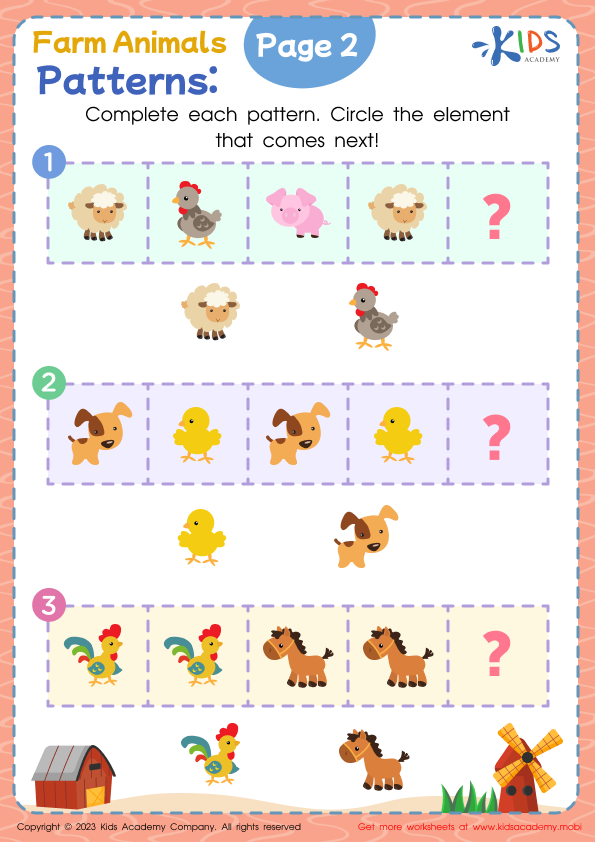
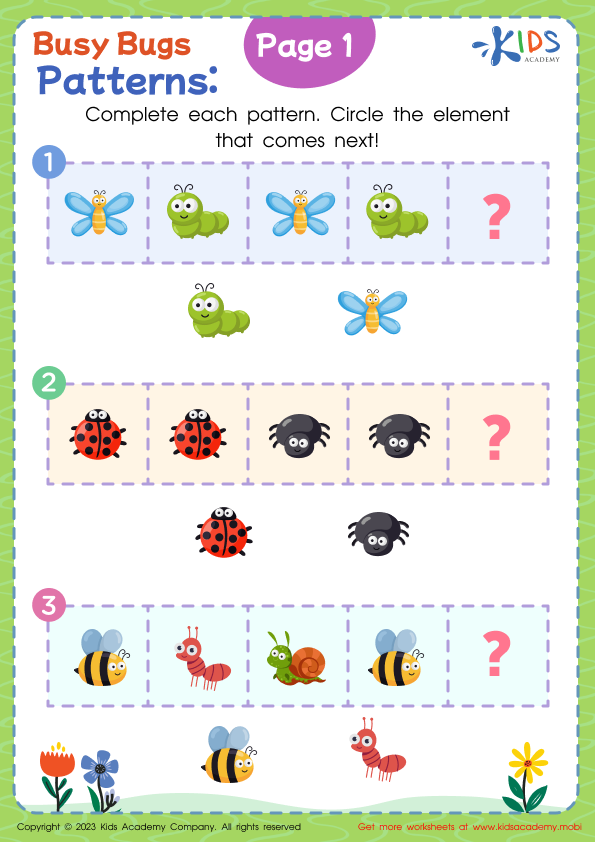
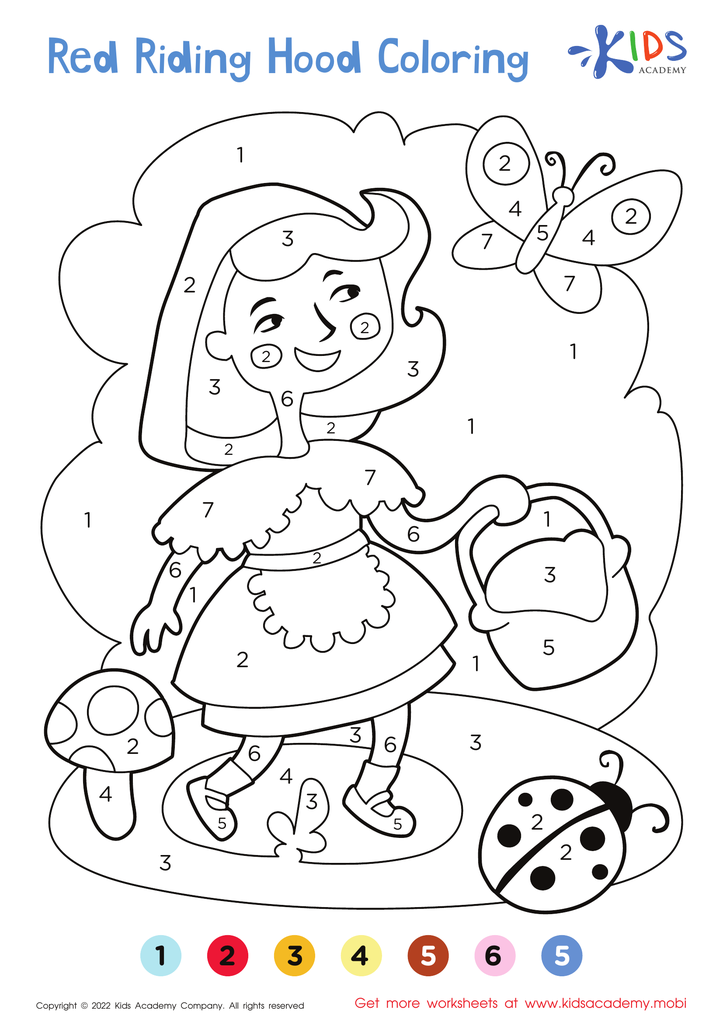
Little Red Riding Hood – Coloring by Numbers
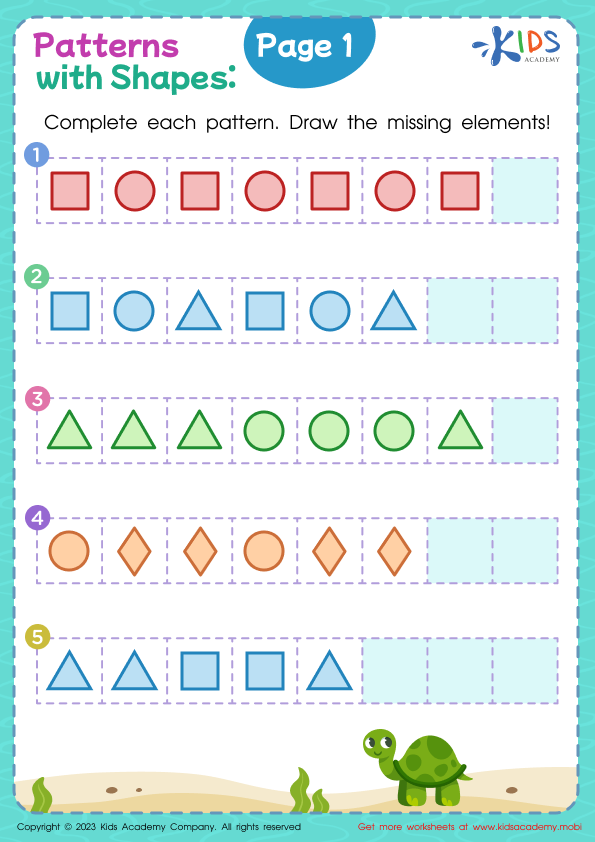
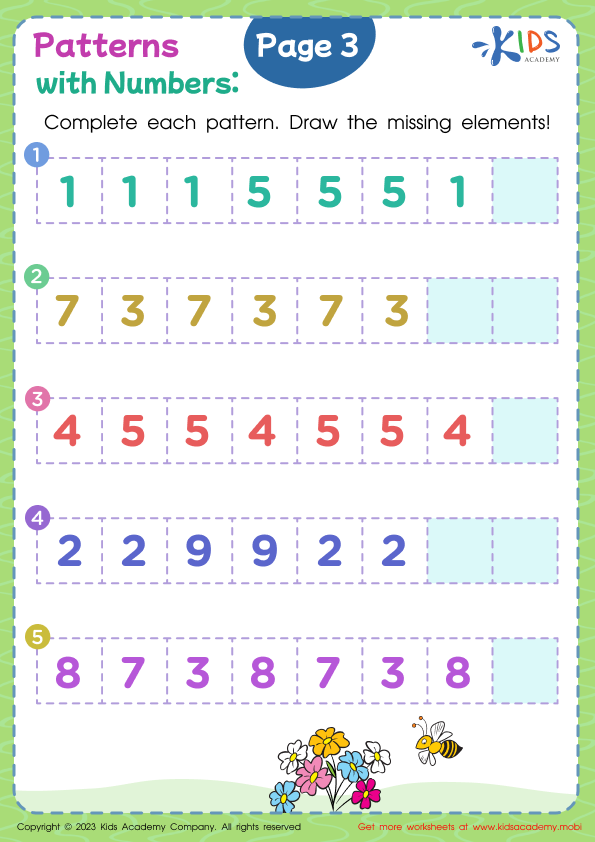
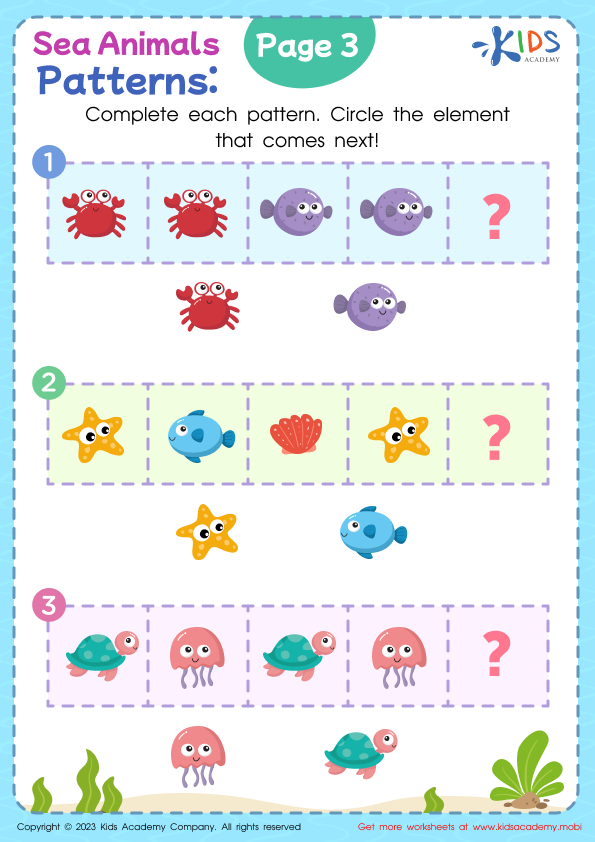
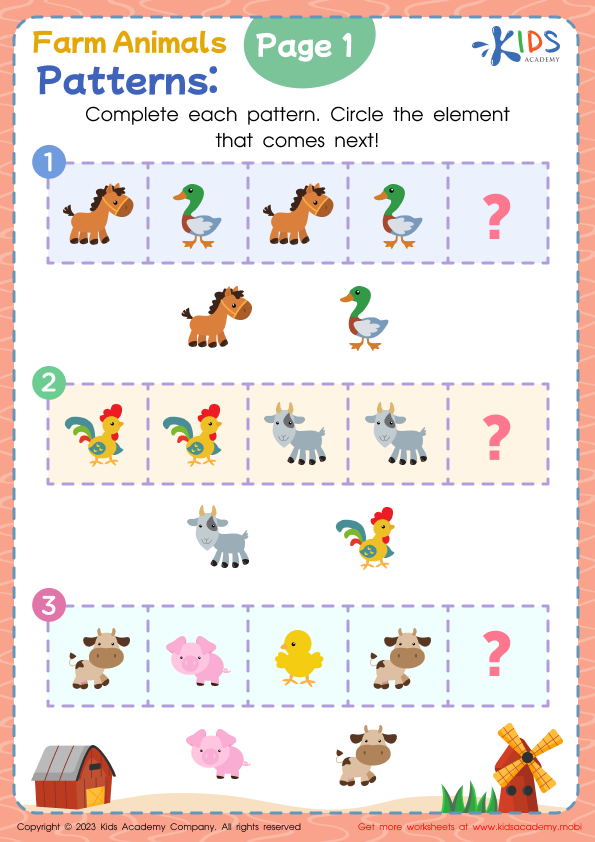
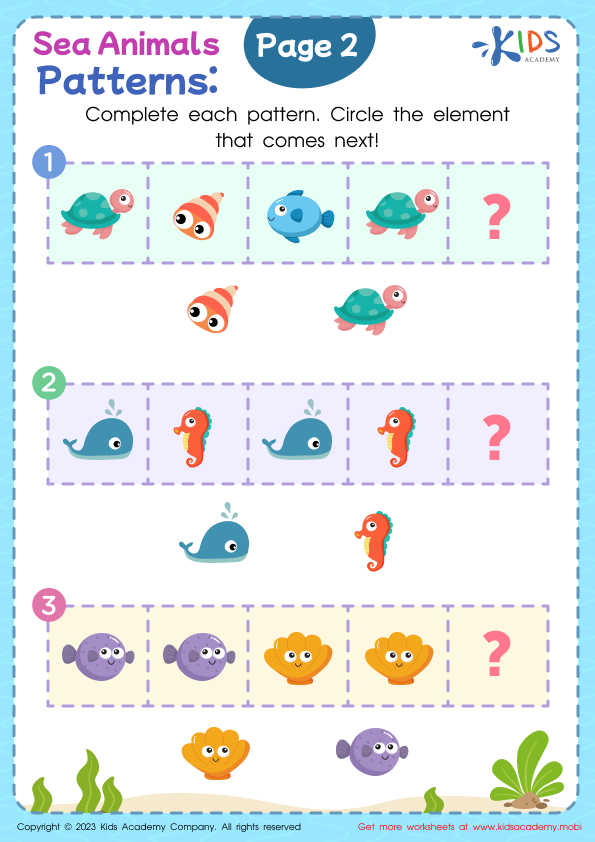
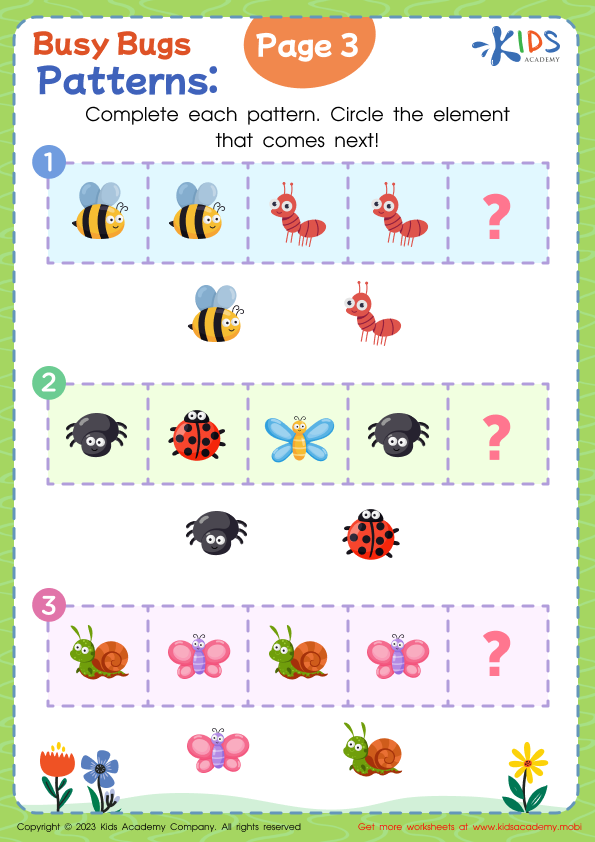
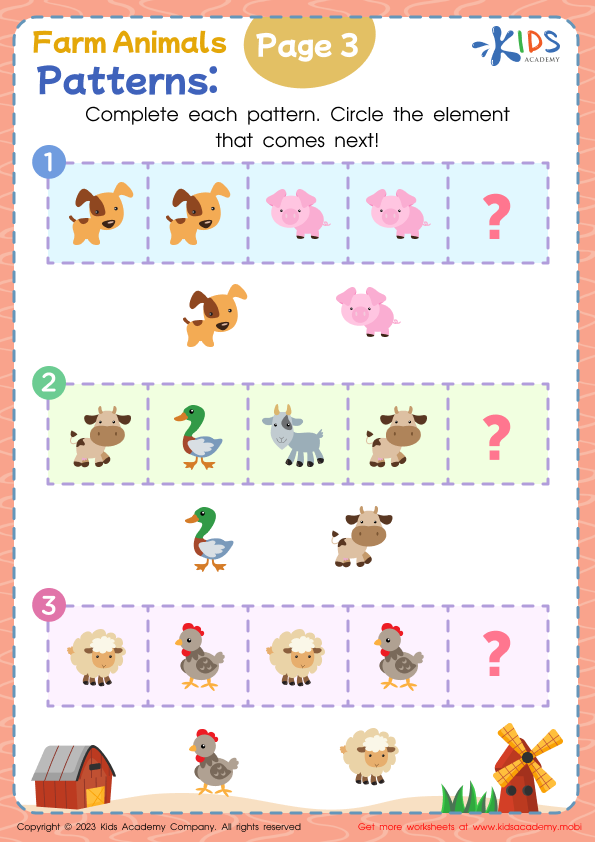
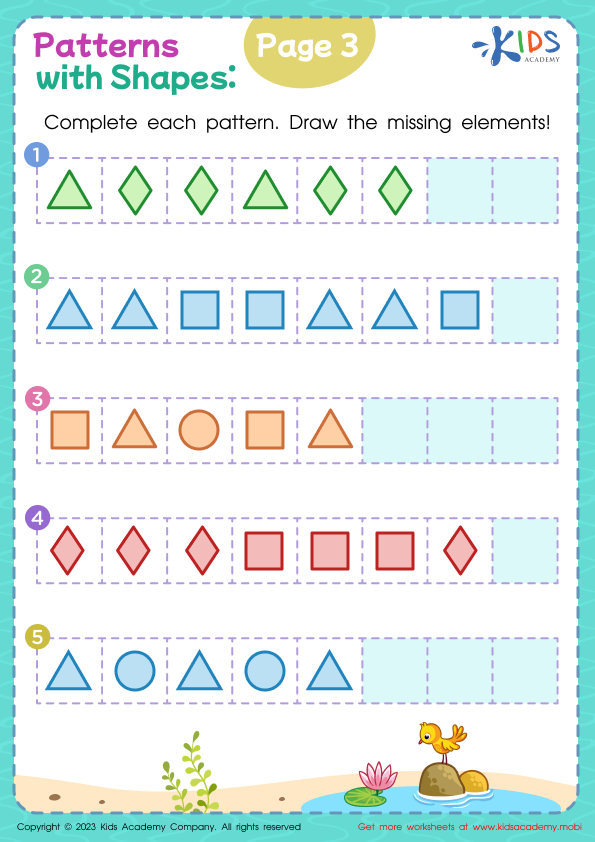








Parents and teachers should care greatly about introducing math to children ages 3-7 because early math skills form the foundational building blocks for future academic success and everyday problem-solving abilities. At this developmental stage, children’s brains are highly adaptive and primed for learning through play and exploration. Engaging them in math activities sets the stage for cognitive and intellectual growth, enhancing their ability to grasp more complex concepts later on.
Math skills foster critical thinking and reasoning, important for both academic and real-world situations. For example, understanding numbers, patterns, and basic arithmetic operations builds the groundwork for more advanced subjects like science, technology, and engineering. Additionally, early math education can improve children's abilities in other subjects. Research shows there’s a link between early math proficiency and higher achievement in reading.
Furthermore, early exposure to concepts like counting, spatial awareness, and measurement translates to better problem-solving and analytical skills, crucial for everyday tasks. Providing a solid math foundation gives children confidence, encourages curious mindsets, and diminishes future math anxiety. Parents and teachers investing time in nurturing these skills create an engaging, supportive environment that values academic growth and prospects.
In sum, prioritizing early math education equips children with crucial tools that aid their overall development, setting them up for success inside and outside the classroom.








