Elementary Phonics Worksheets for Ages 3-8 - Page 2
44 filtered results
-
From - To
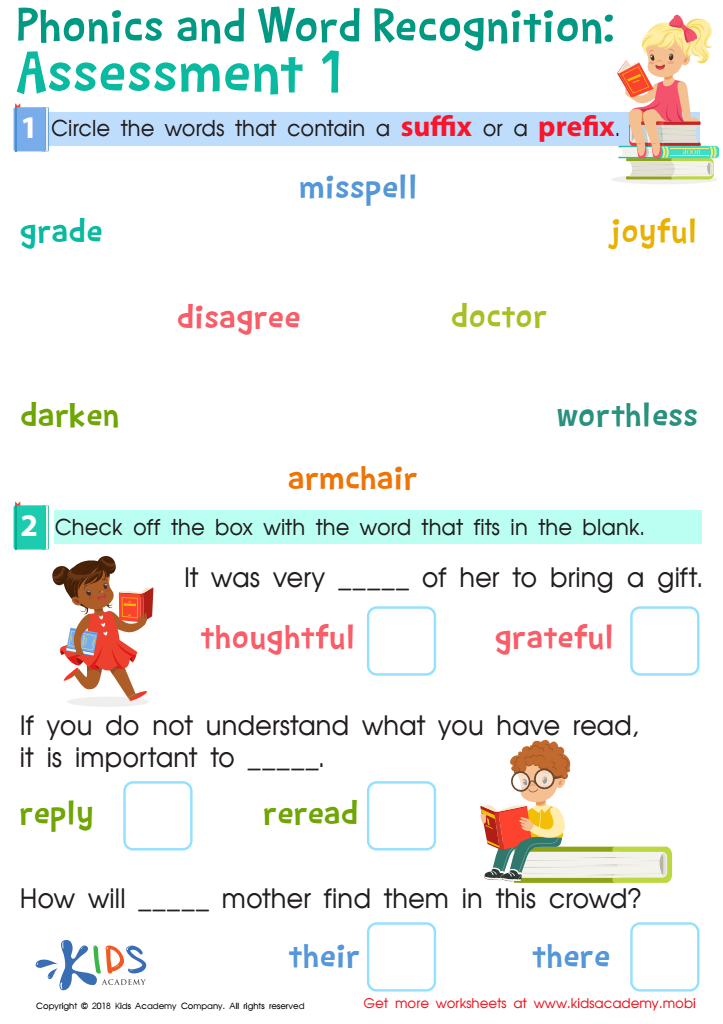
Phonics and Word Recognition: Assessment 1 Worksheet
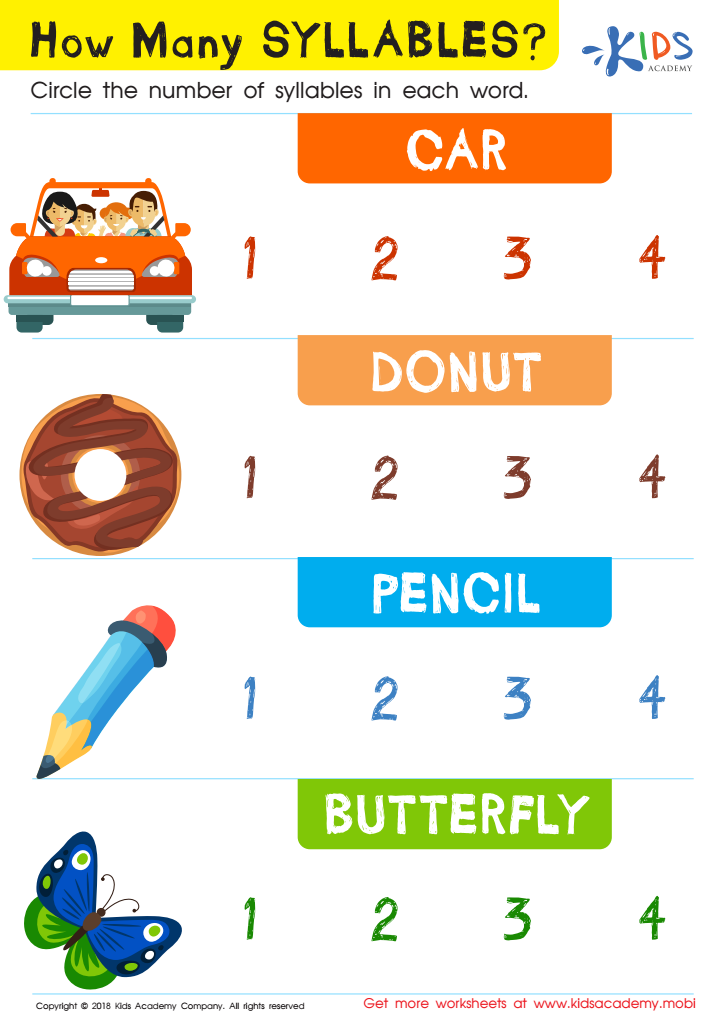
How Many Syllables? Worksheet
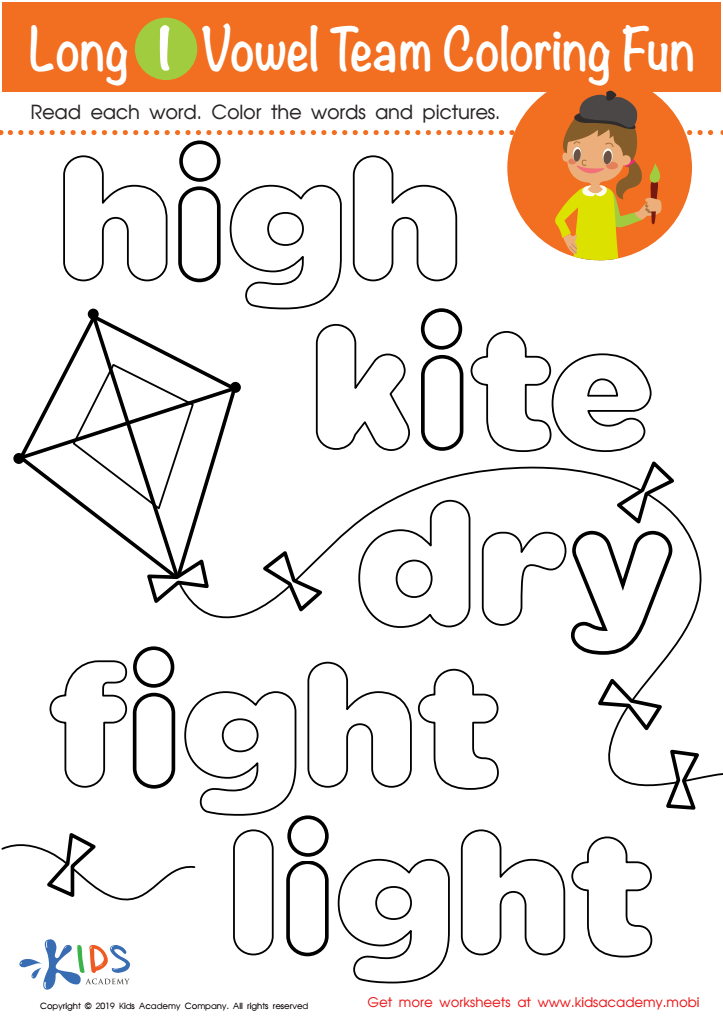
Long I Vowel Team Coloring Worksheet
 Assign to My Students
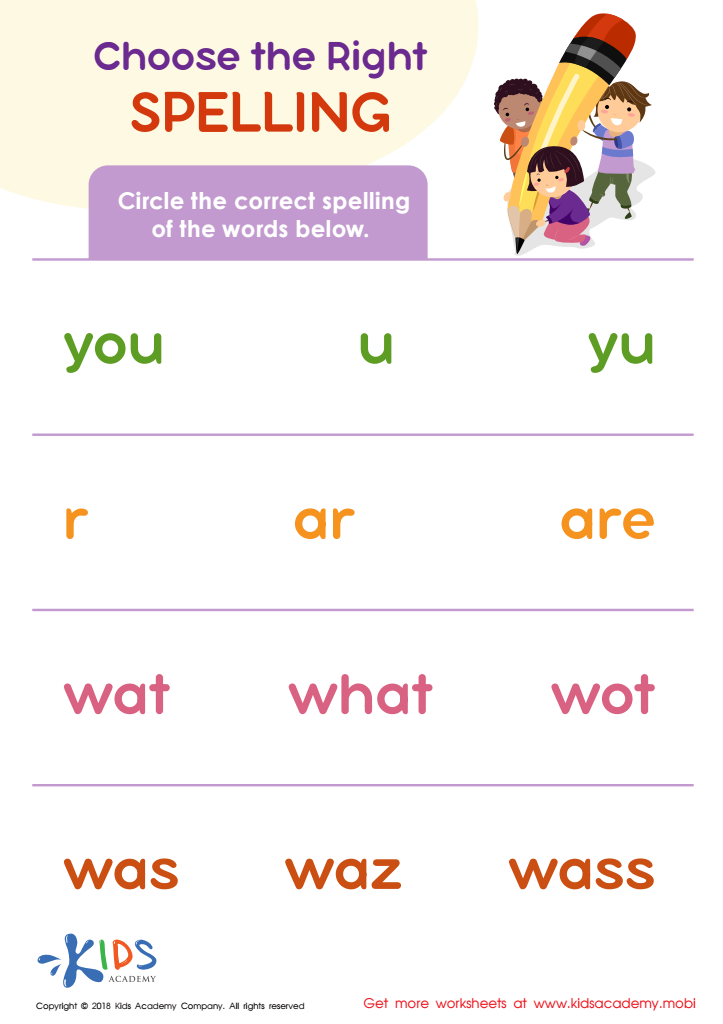
Choose the Right Spelling Worksheet
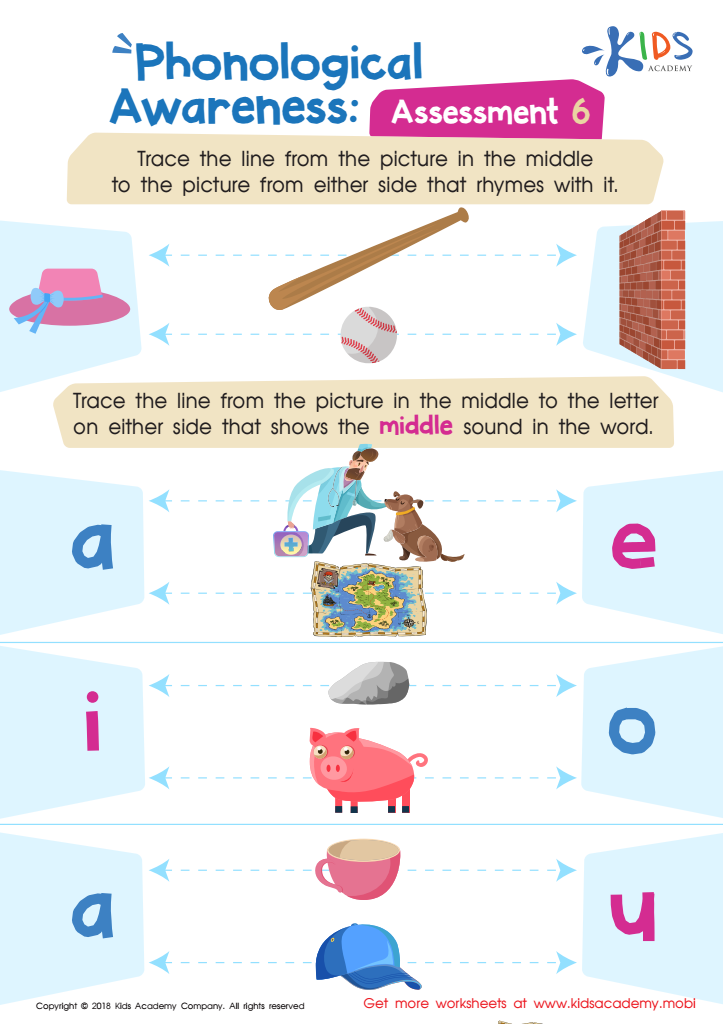
Phonological Awareness: Assessment 6 Worksheet
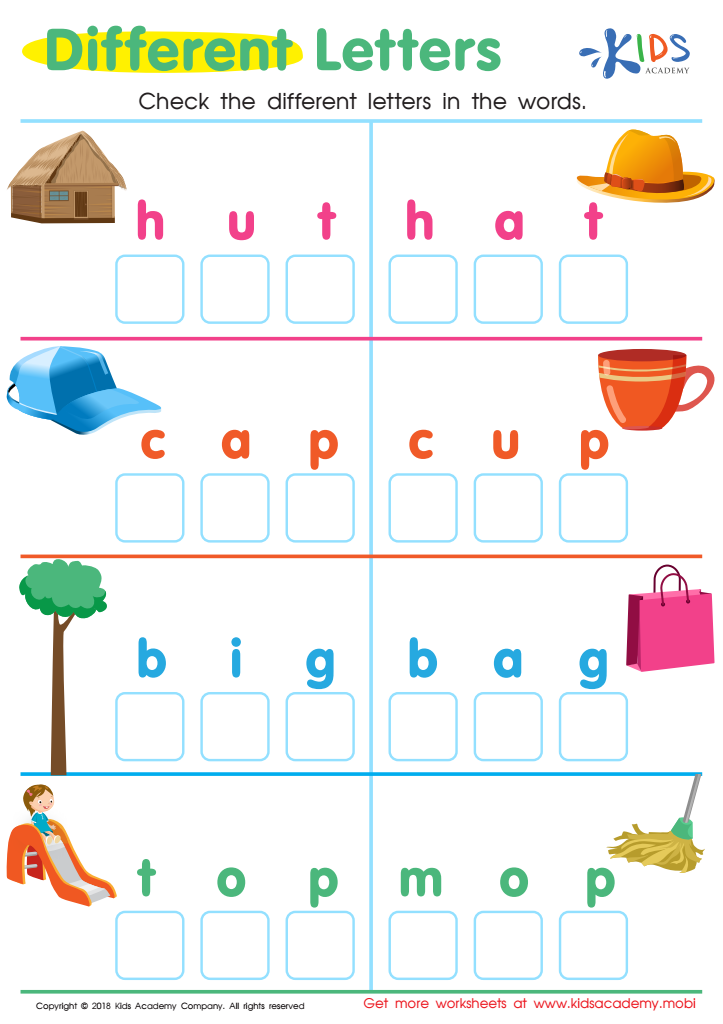
Different Letters Reading Worksheet
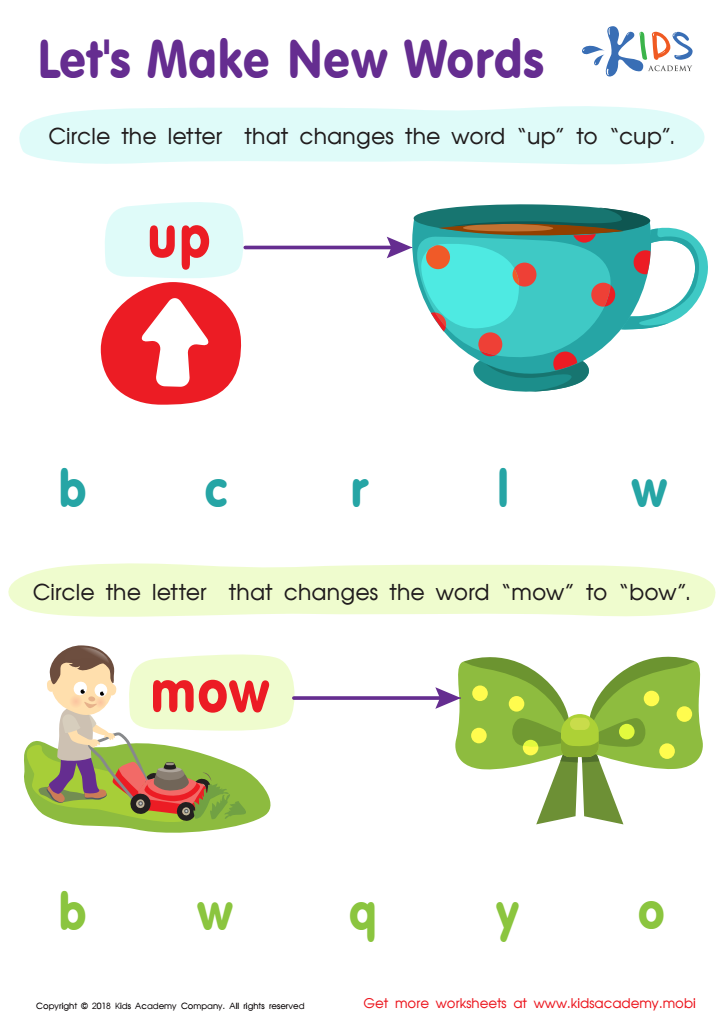
Let's Make New Words Worksheet
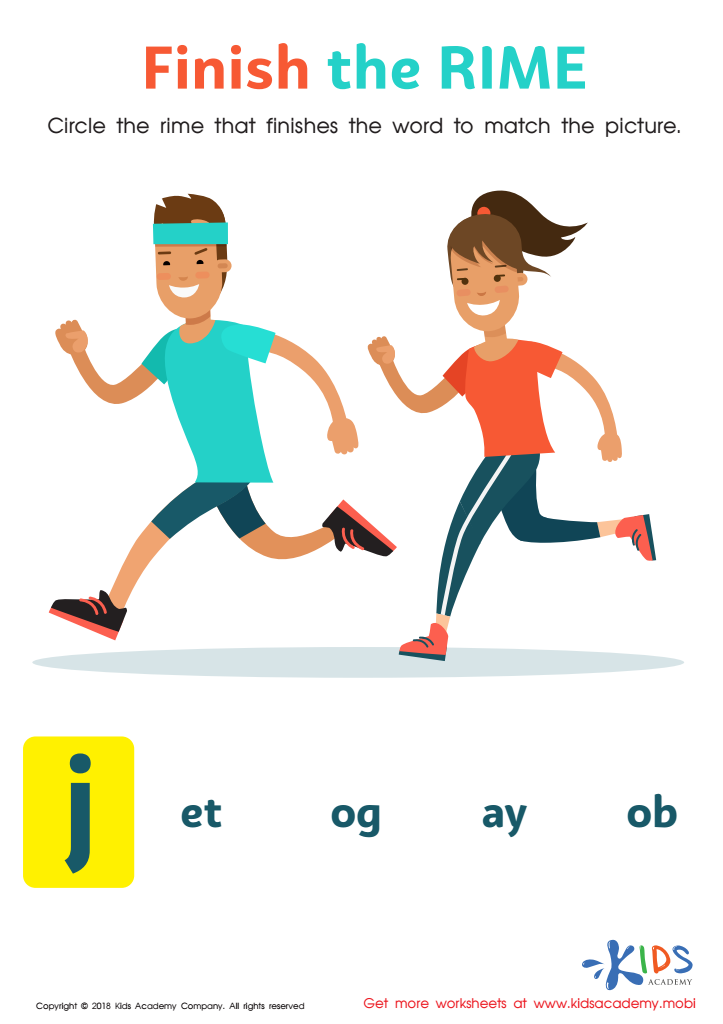
Finish the Rime Worksheet
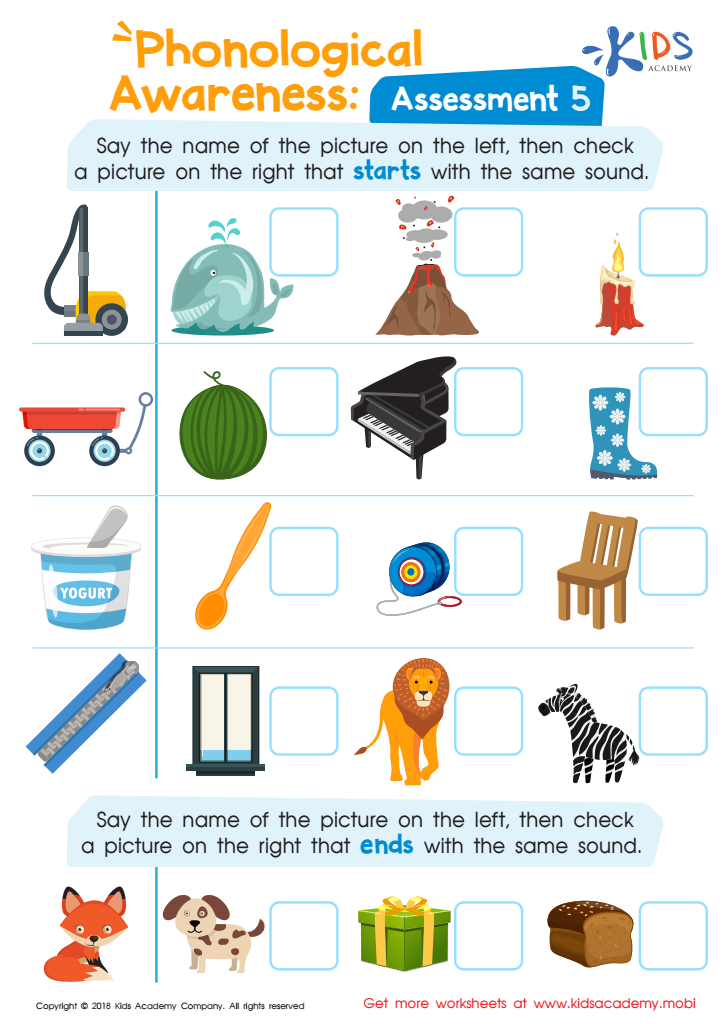
Phonological Awareness: Assessment 5 Worksheet
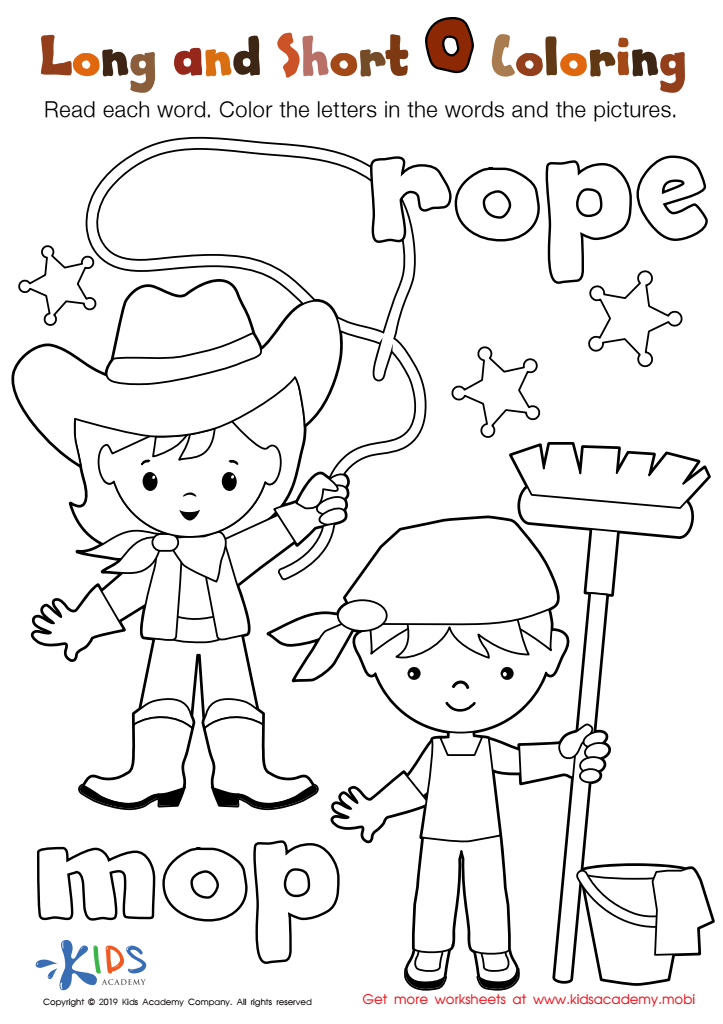
Long and Short O Worksheet
Assign to My Students
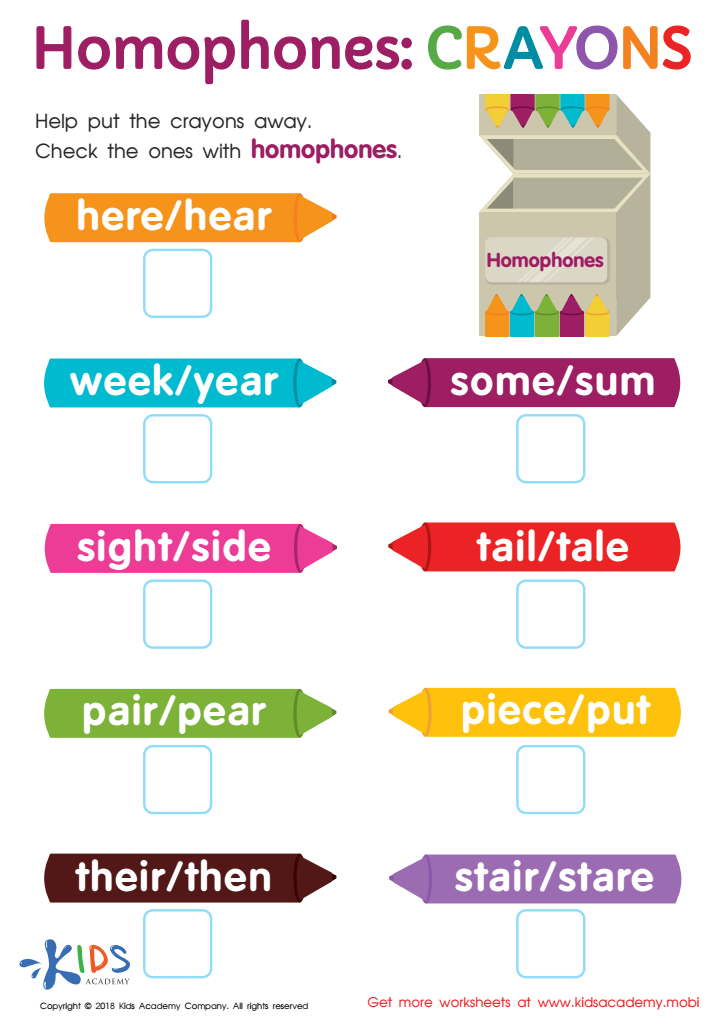
Homophones: Crayons Worksheet
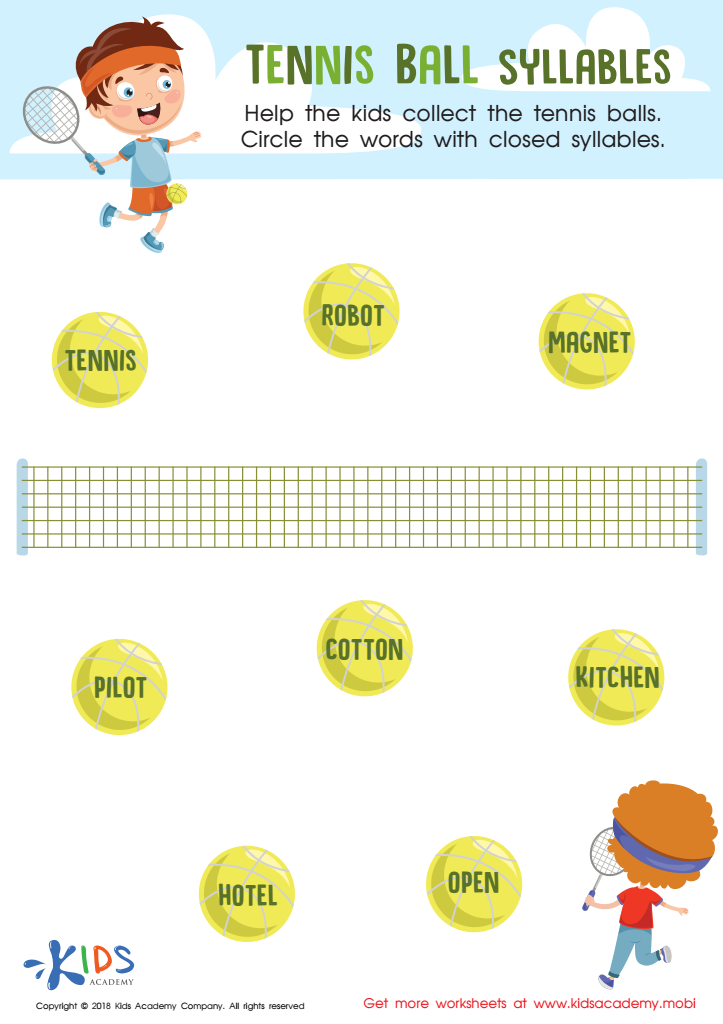
Tennis Ball Syllables Worksheet
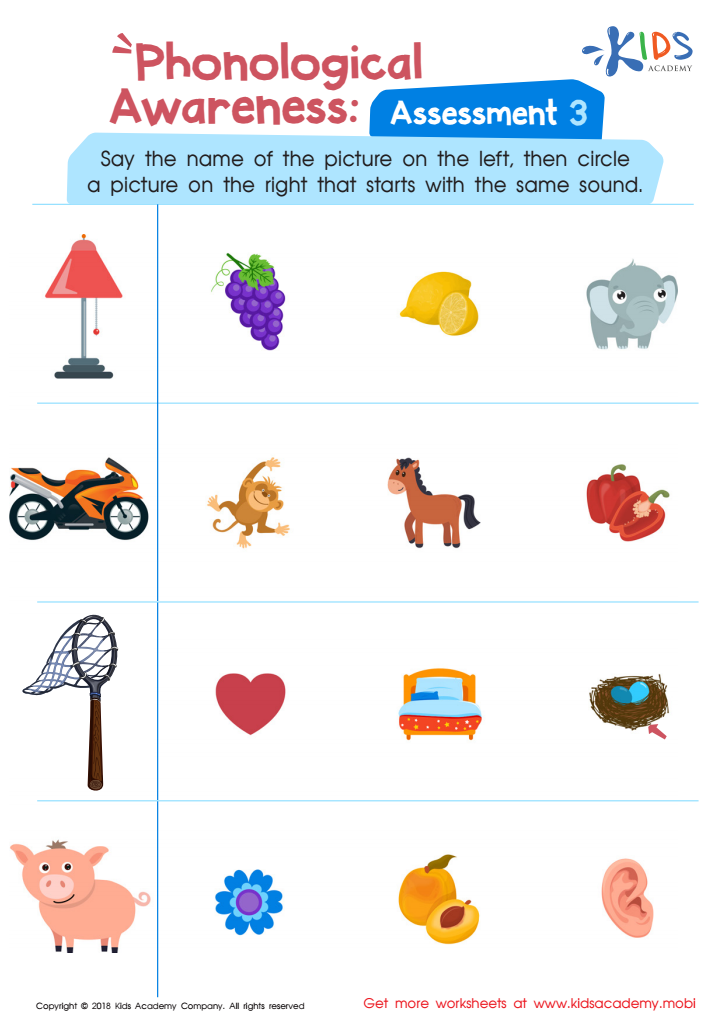
Phonological Awareness: Assessment 3 Worksheet
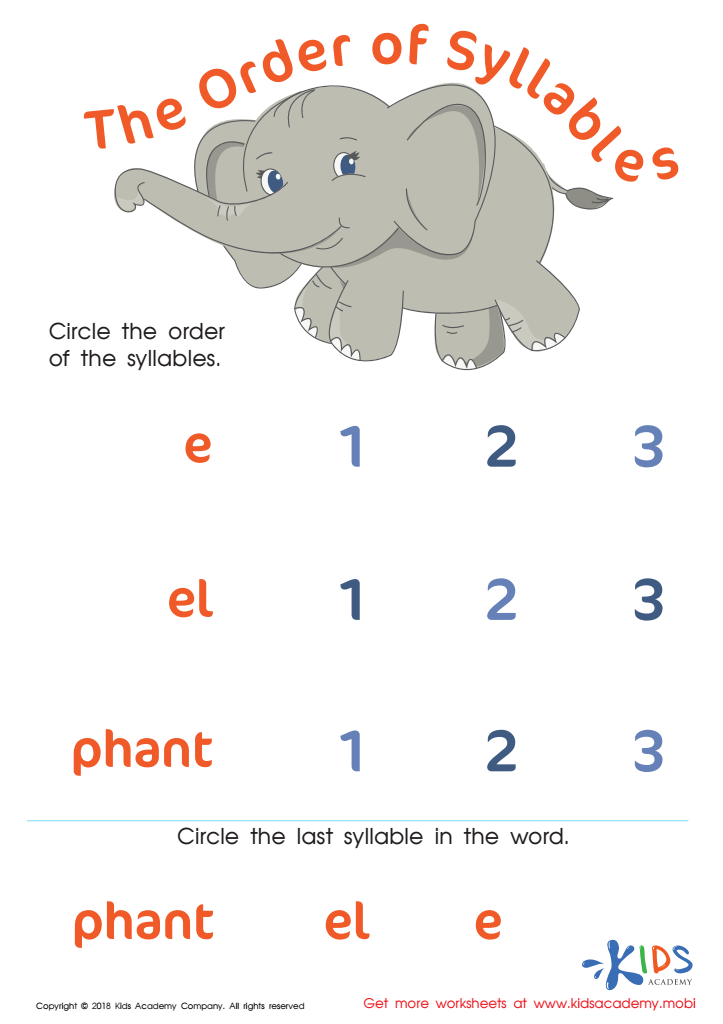
The Order of Syllables Worksheet
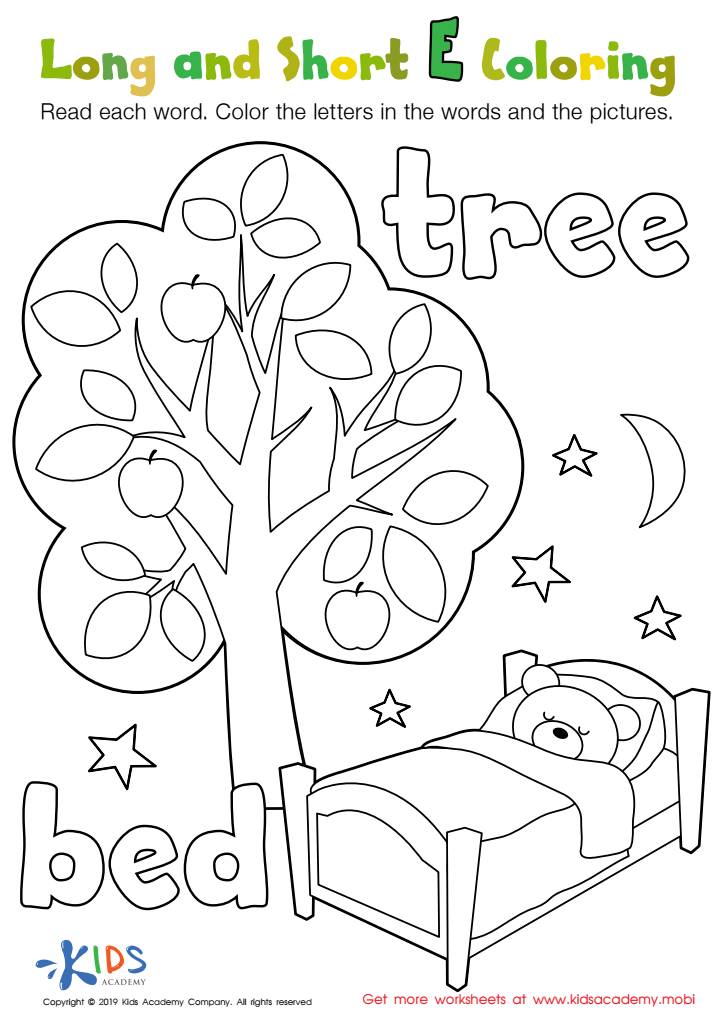
Long and Short E Worksheet
Assign to My Students
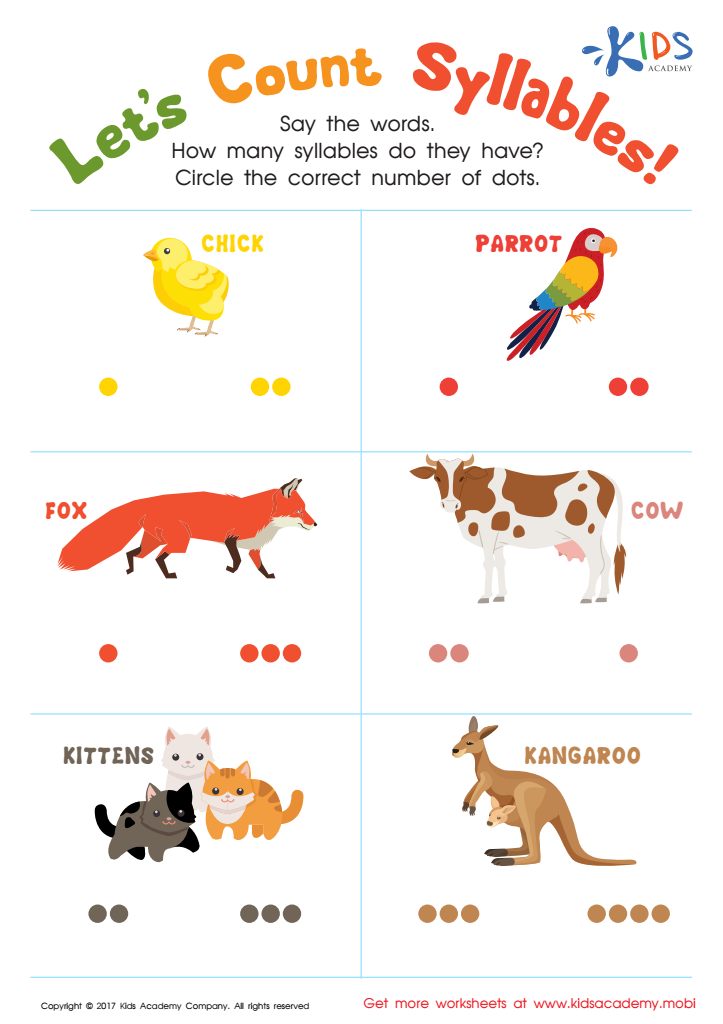
Lets Count Syllables Worksheet
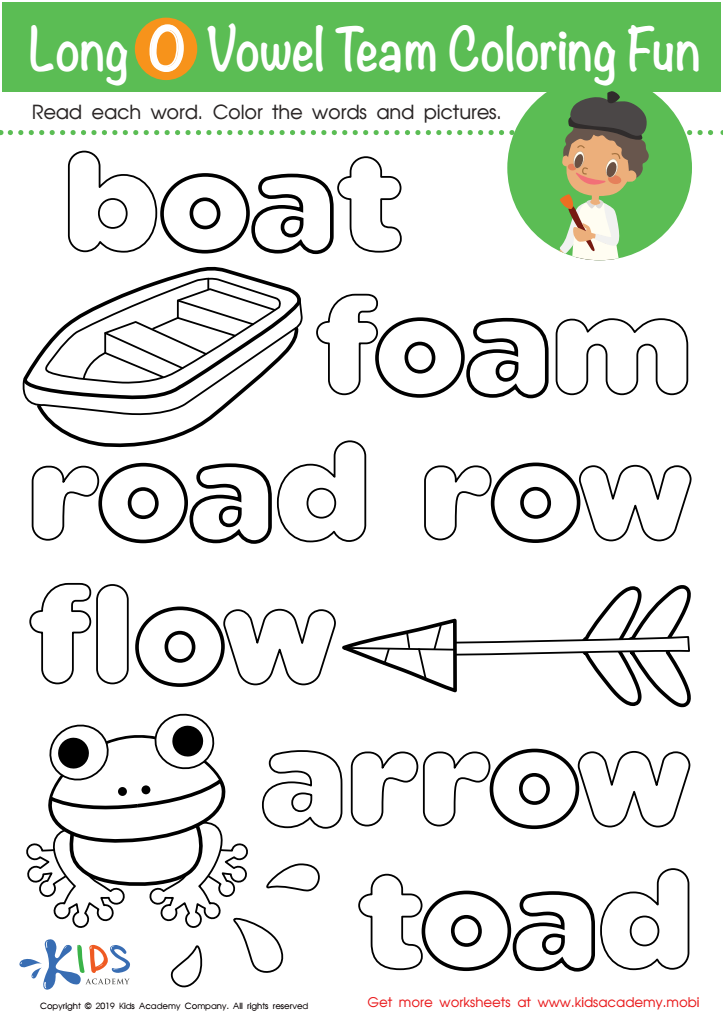
Long O Vowel Team Coloring Worksheet
Assign to My Students
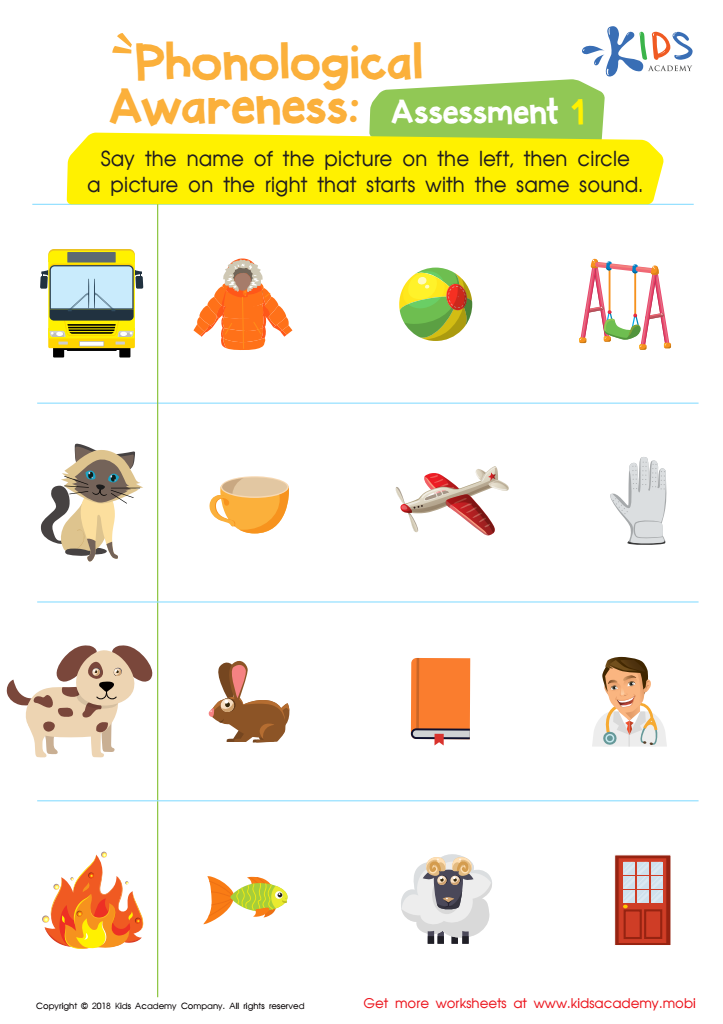
Phonological Awareness: Assessment 1 Worksheet
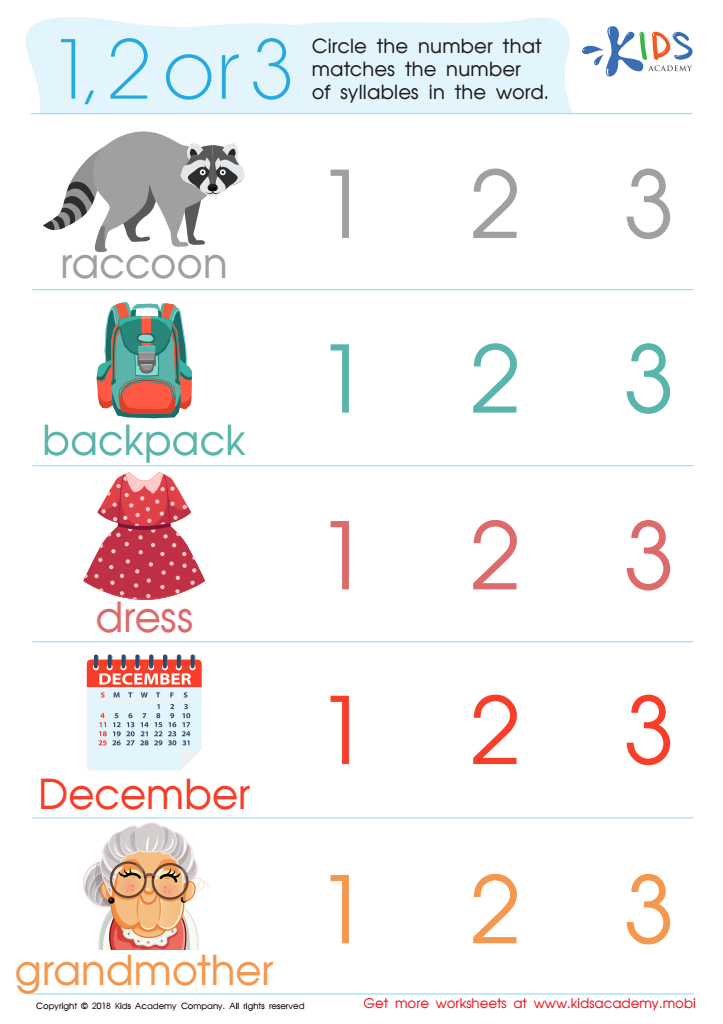
1, 2 or 3? Worksheet
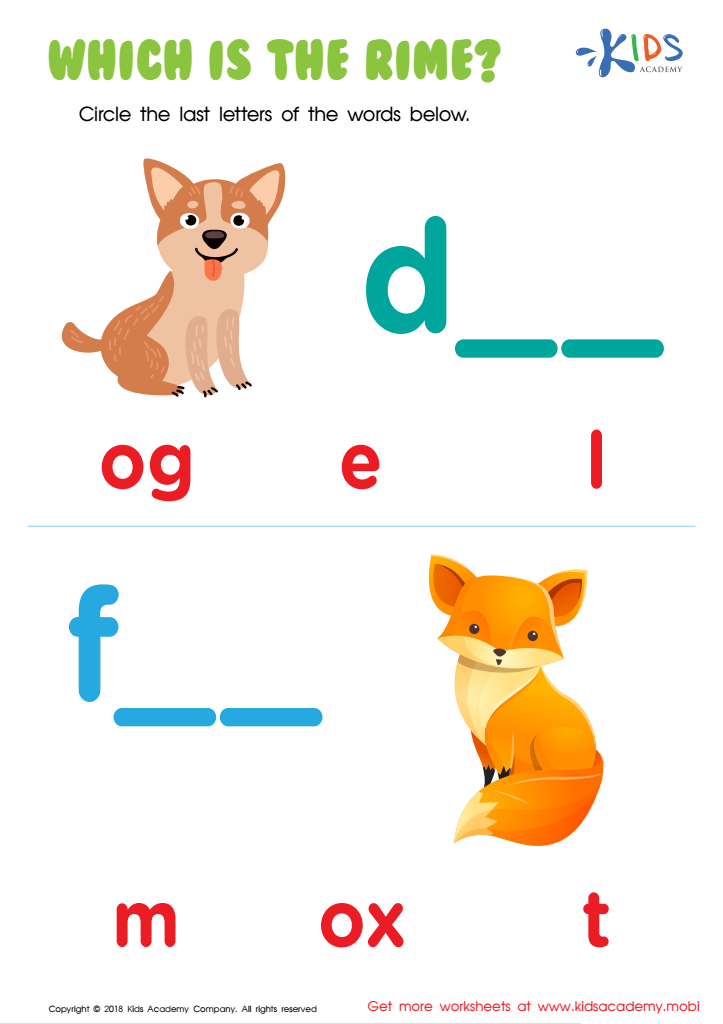
Which Is the Rime? Worksheet




Elementary phonics is a crucial aspect of early literacy education, particularly for children ages 3-8. Understanding the relationship between sounds and letters helps young learners decode words, paving the way for successful reading. For parents and teachers, emphasizing phonics lays a solid foundation that fosters confident and proficient readers.
Research shows that children who develop phonemic awareness—the ability to hear, identify, and manipulate individual sounds—tend to perform better in reading and writing. This skill allows them to tackle more complex texts as they progress through school. Furthermore, phonics instruction not only enhances reading abilities but also improves spelling and vocabulary skills, enriching overall language development.
Engaging children in phonics activities, such as rhymes, songs, and interactive games, can make learning enjoyable and stimulating. By prioritizing phonics, parents and teachers can help children uncover the joy of reading early on, igniting a lifelong love for literature. Additionally, this foundational skill contributes to academic success and increases self-esteem, as children become empowered to understand and communicate effectively through written language. In summary, focusing on phonics in early education yields enduring benefits for children, setting them up for future achievements.







