Division Worksheets for Ages 3-8
23 filtered results
-
From - To
Discover a collection of engaging Division Worksheets tailored for children aged 3-8 at Kids Academy. Our carefully crafted printable worksheets are designed to make learning division fun and accessible for young minds. Featuring colorful illustrations, fun themes, and graduated levels of difficulty, these exercises are perfect for introducing foundational division concepts. Nurture your child's mathematical skills with user-friendly activities that transform learning into an enjoyable adventure. Ideal for classroom or at-home use, these worksheets help develop problem-solving capabilities and build confidence in math. Join today and watch your little one master division with ease and excitement!
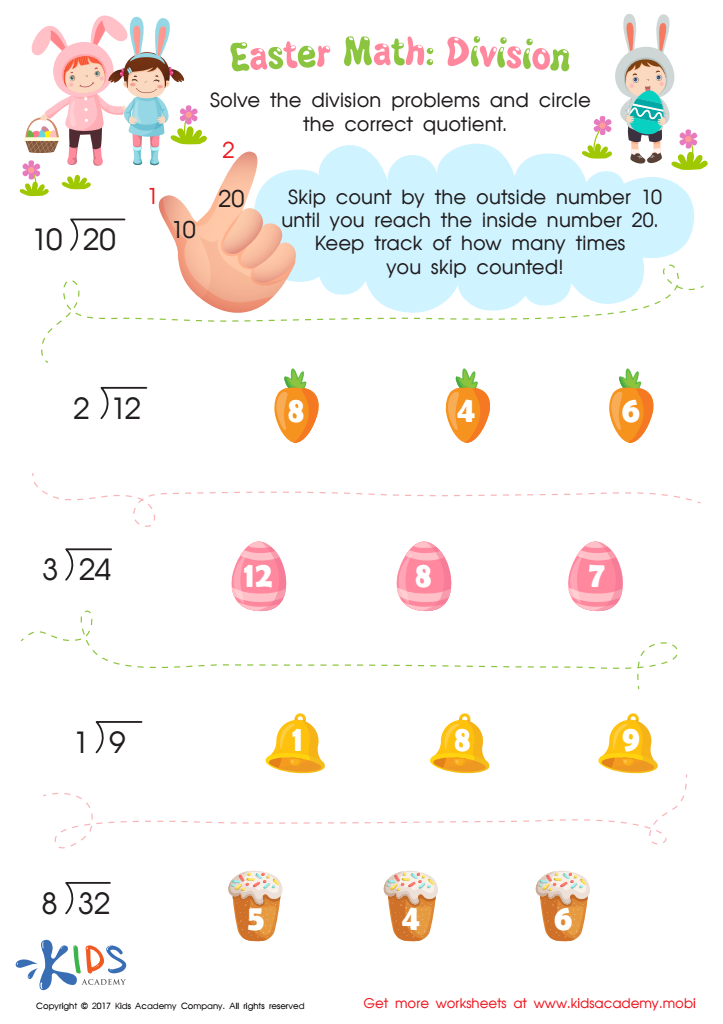
Division Worksheet
 Assign to My Students
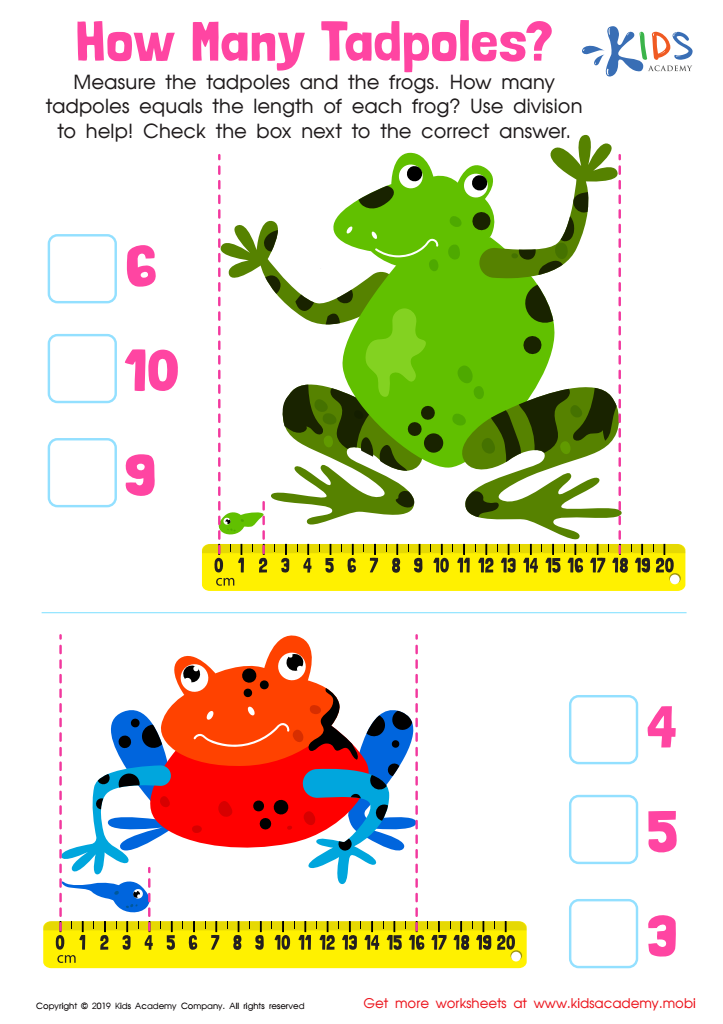
How Many Tadpoles Worksheet
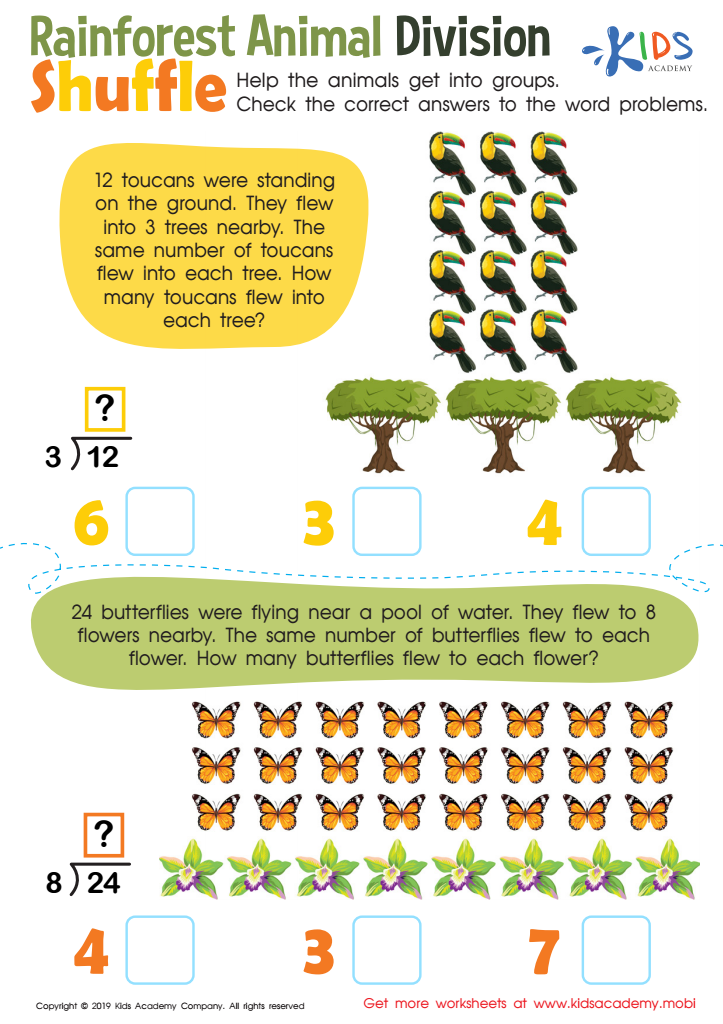
Rainforest Animal Division Worksheet
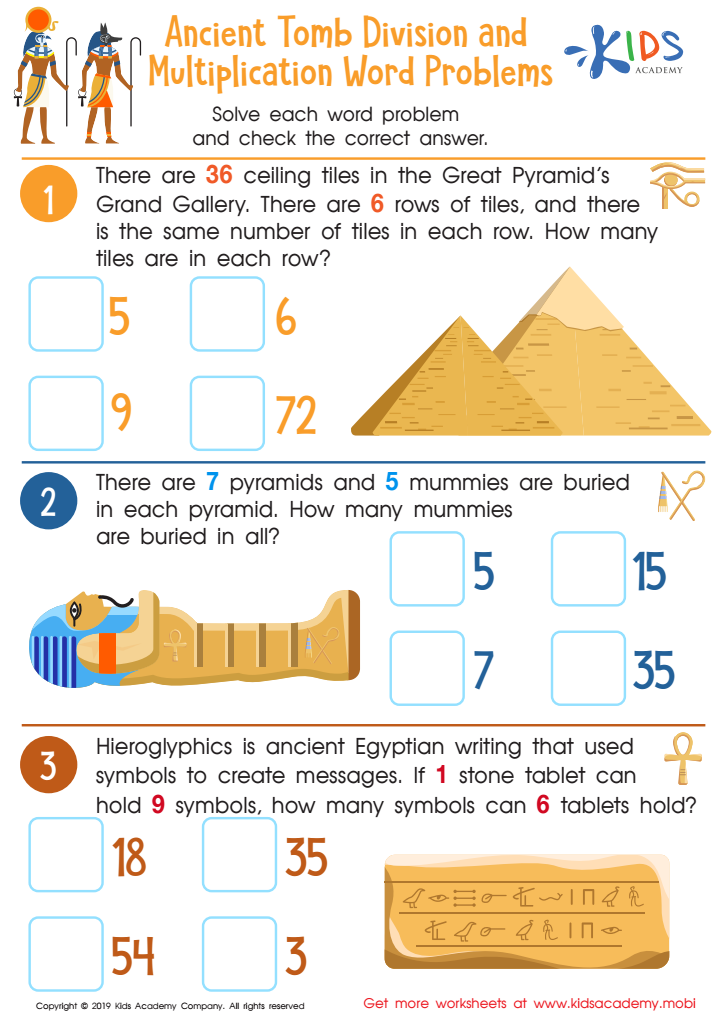
Ancient Tomb Division and Multiplication Word Problems Worksheet
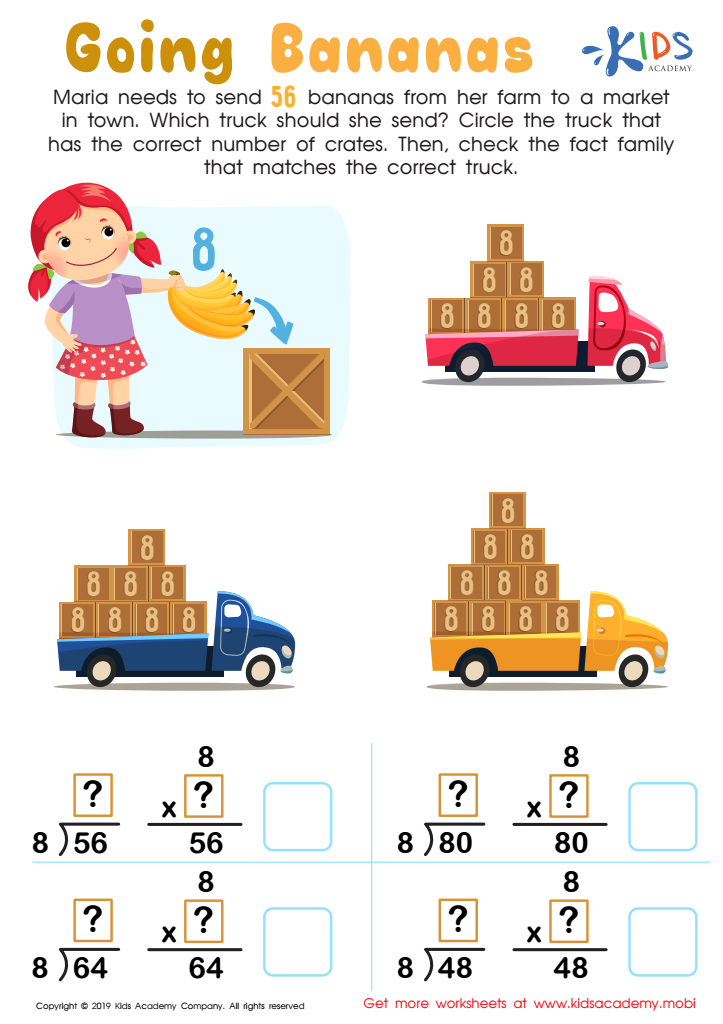
Going Bananas Worksheet
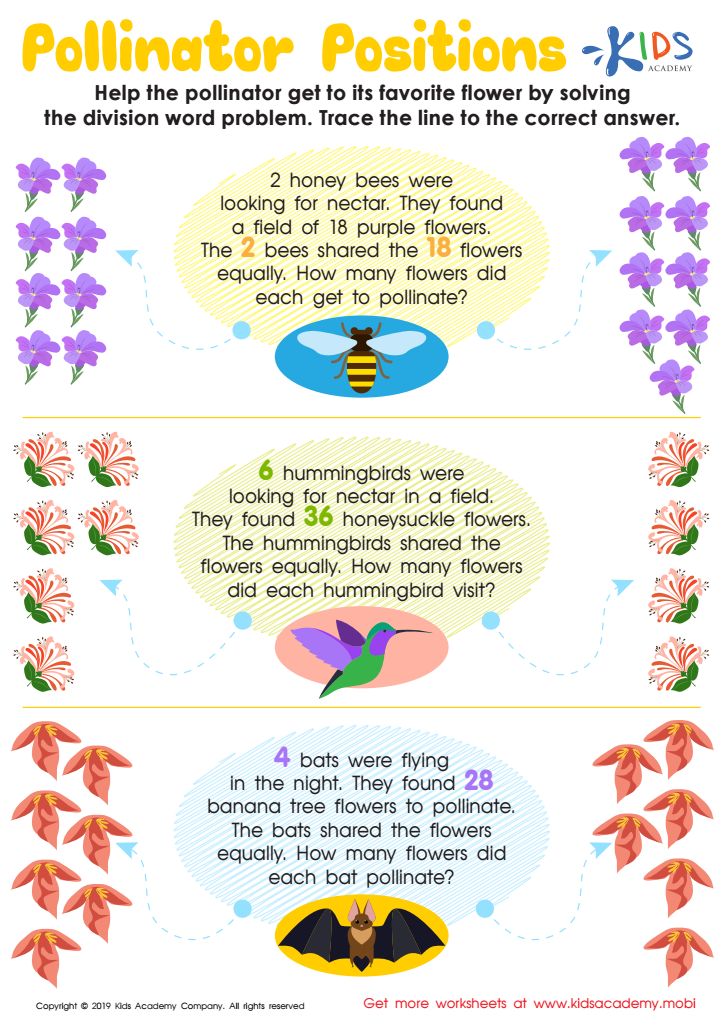
Pollinator Positions Worksheet
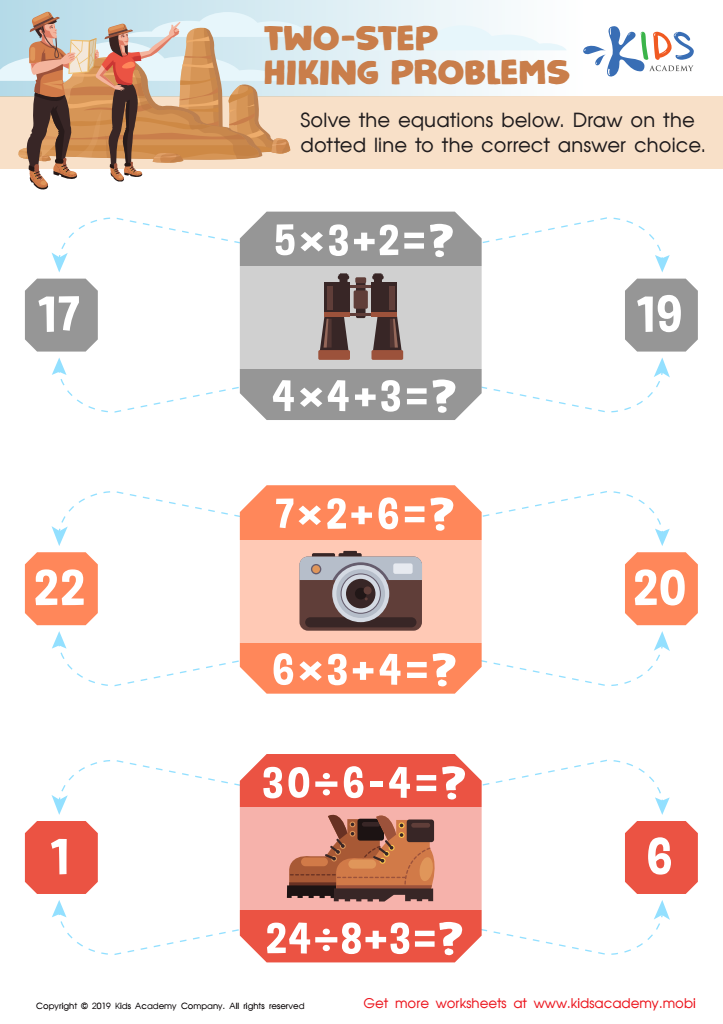
Two-Step Hiking Problems Worksheet
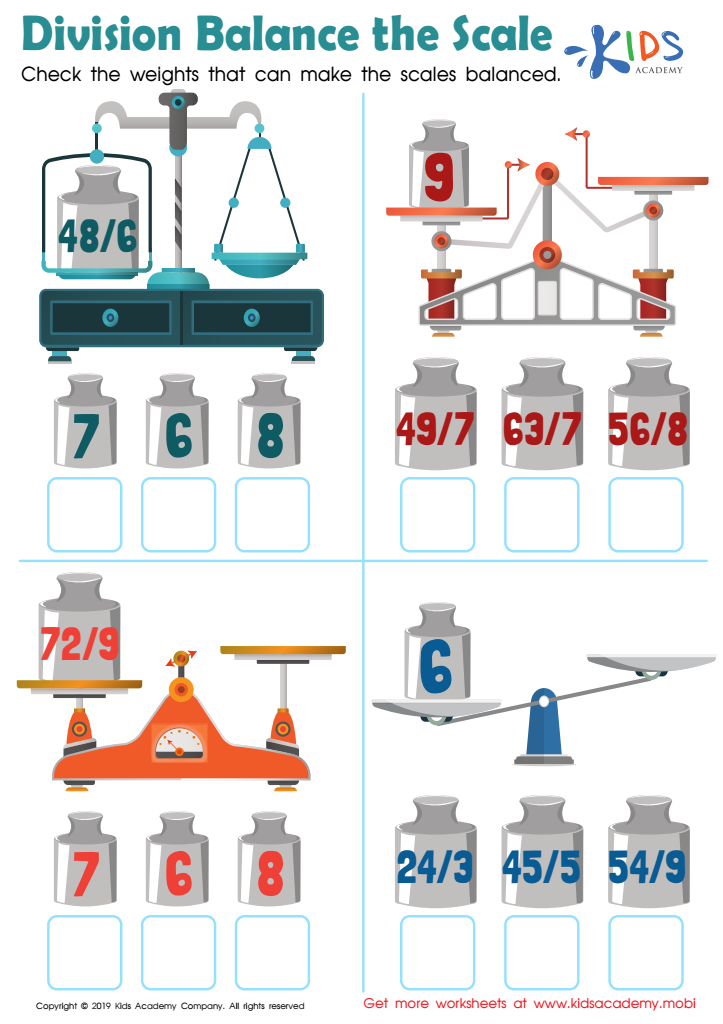
Division Balance the Scale Worksheet
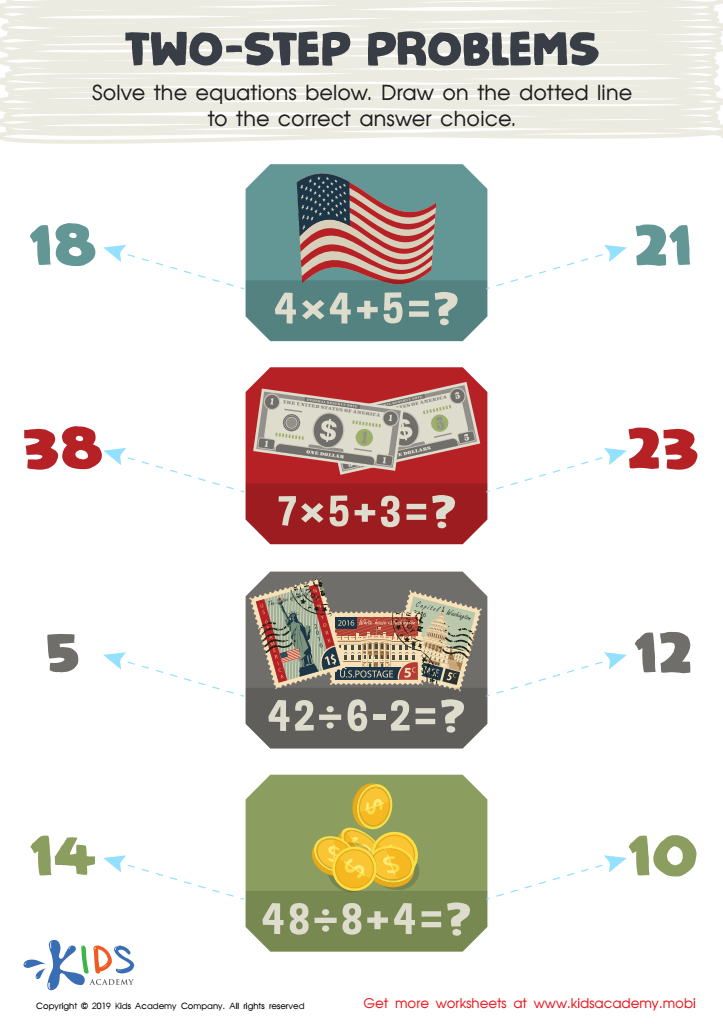
Two-Step Problems Worksheet
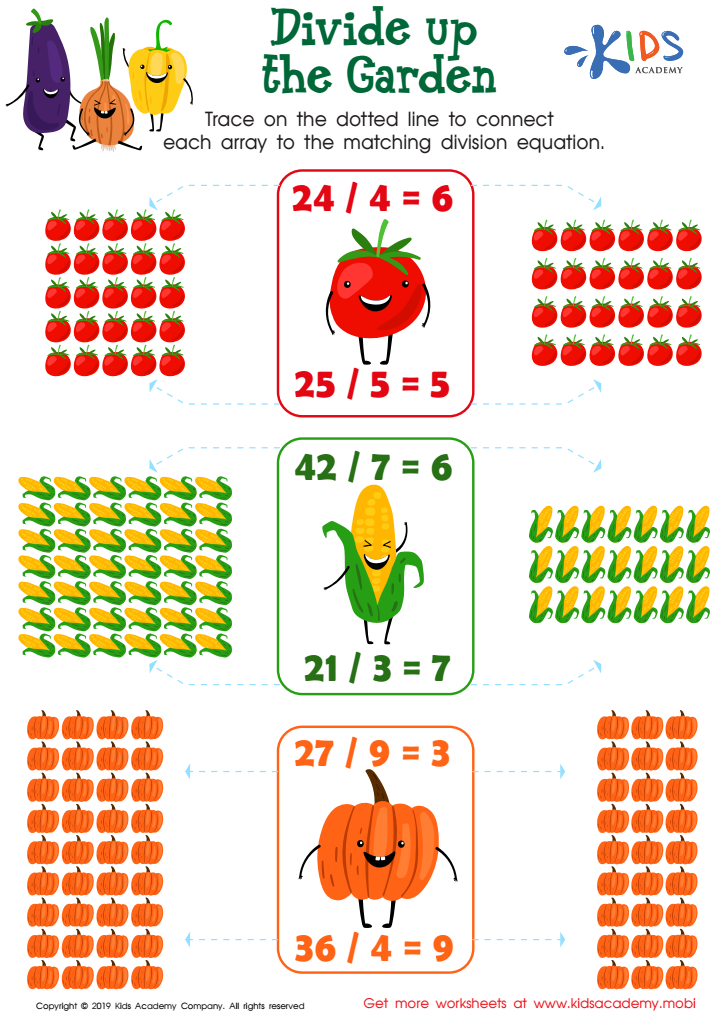
Divide up the Garden Worksheet
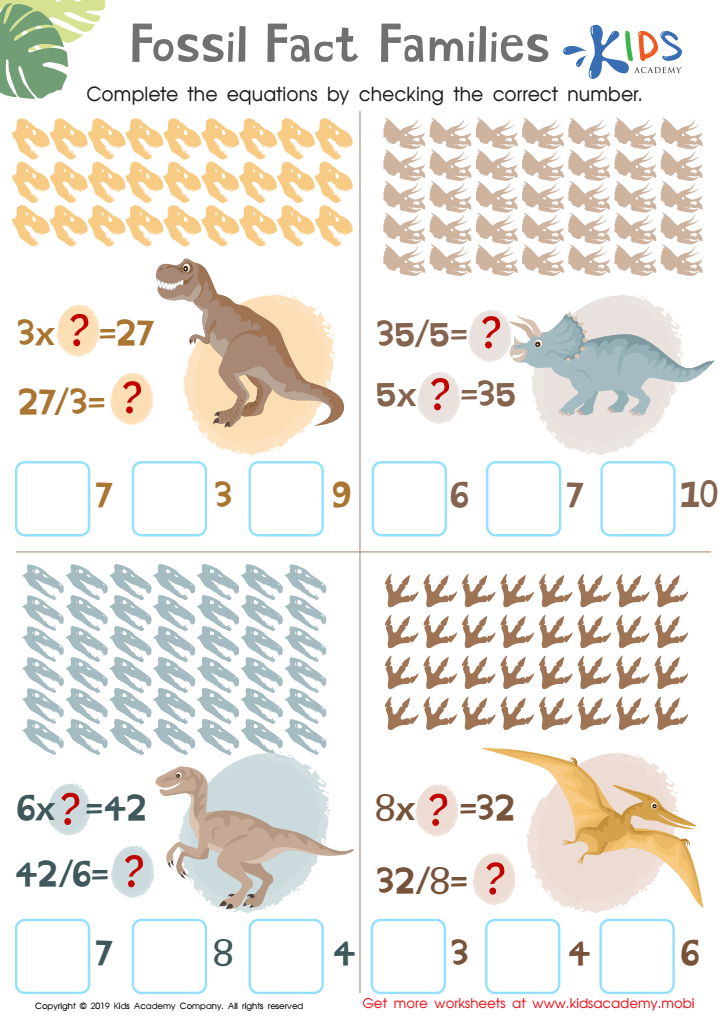
Fossil Fact Families Worksheet
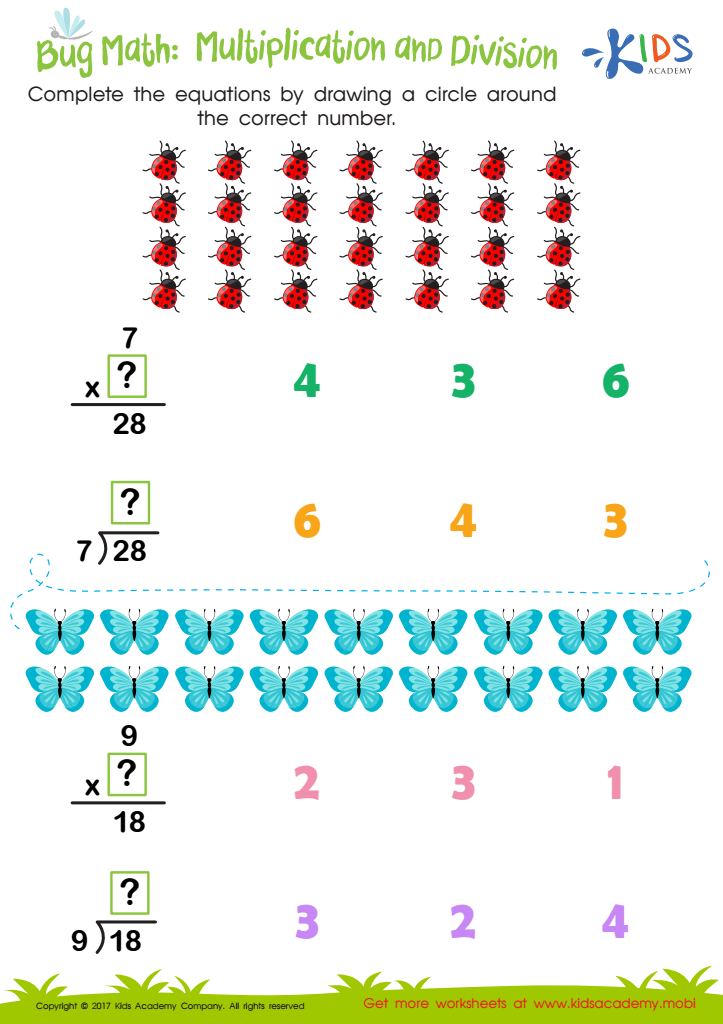
Multiplication and Division Worksheet
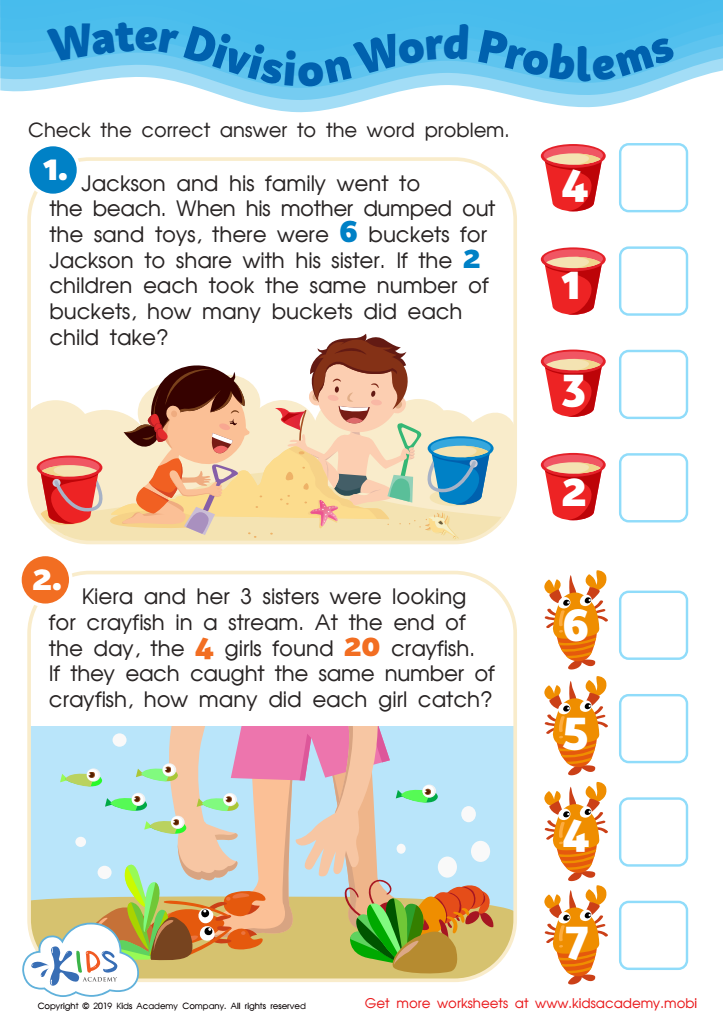
Water Division Word Problems Worksheet
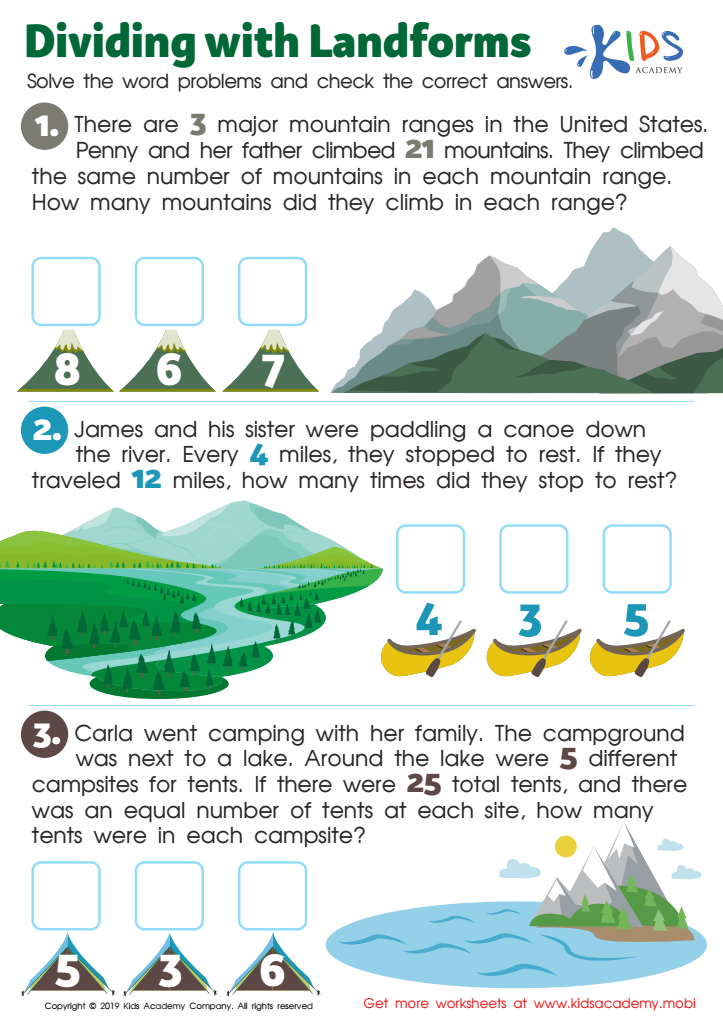
Dividing with Landforms
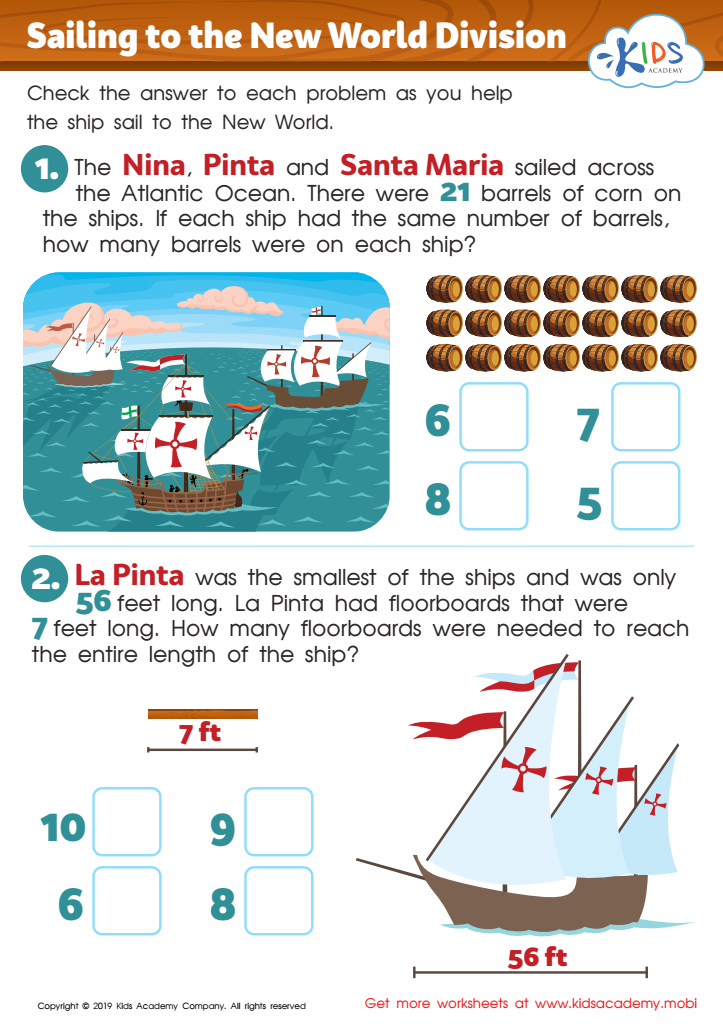
Sailing to the New World Division Worksheet
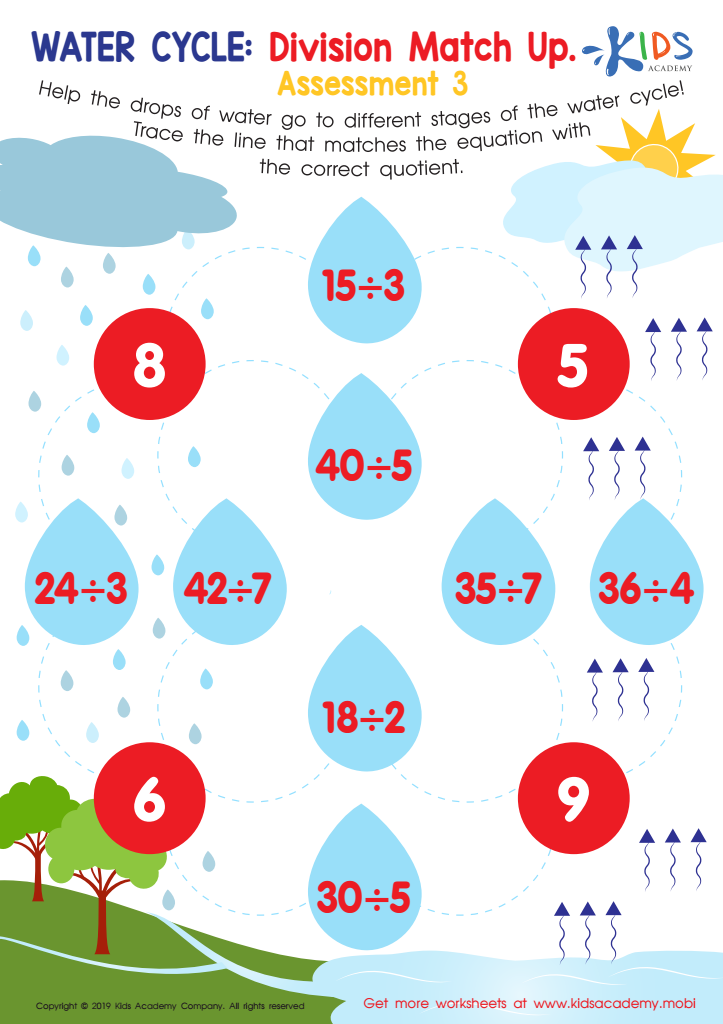
Water Cycle Division Match Up Assessment 3 Worksheet
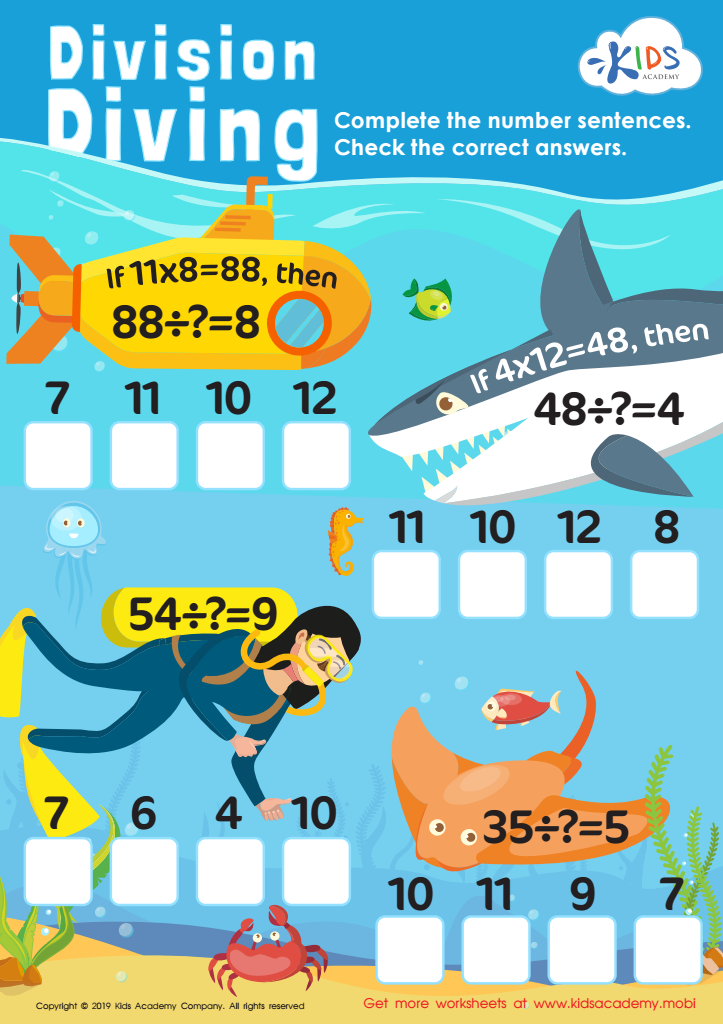
Division Diving Worksheet
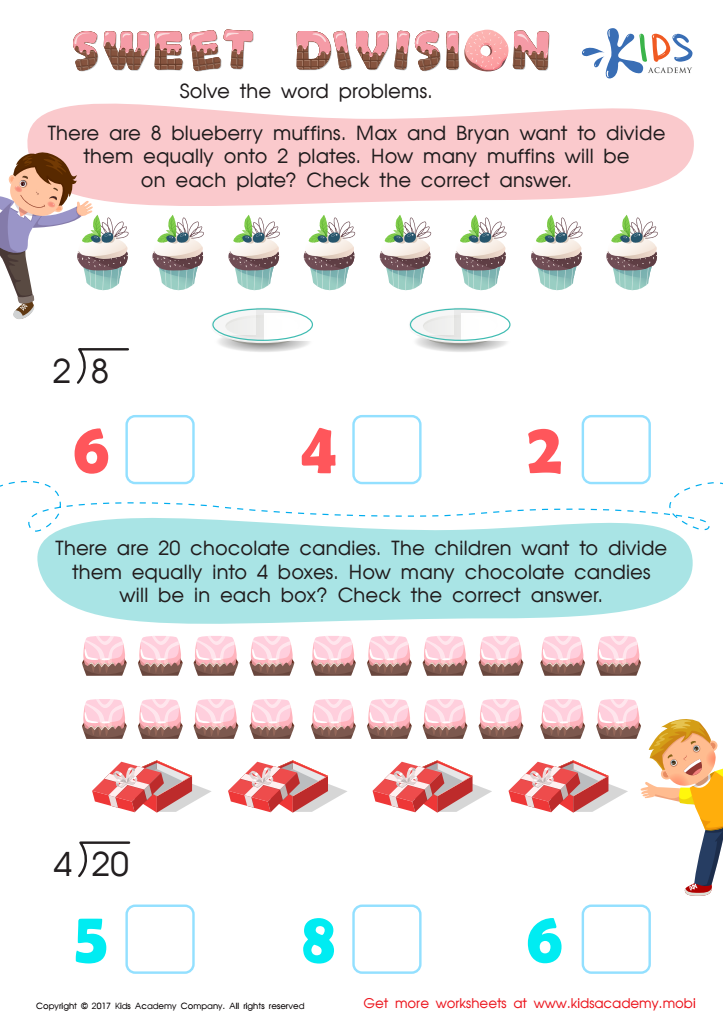
Division Word Problems Worksheet
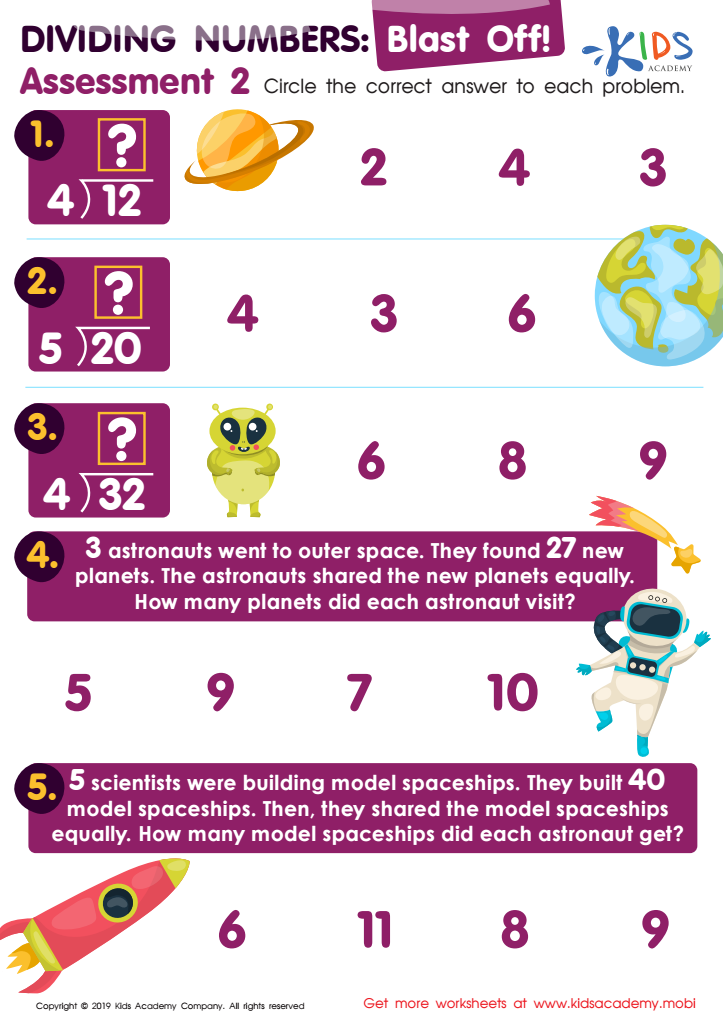
Dividing Numbers Assessment 2 Worksheet
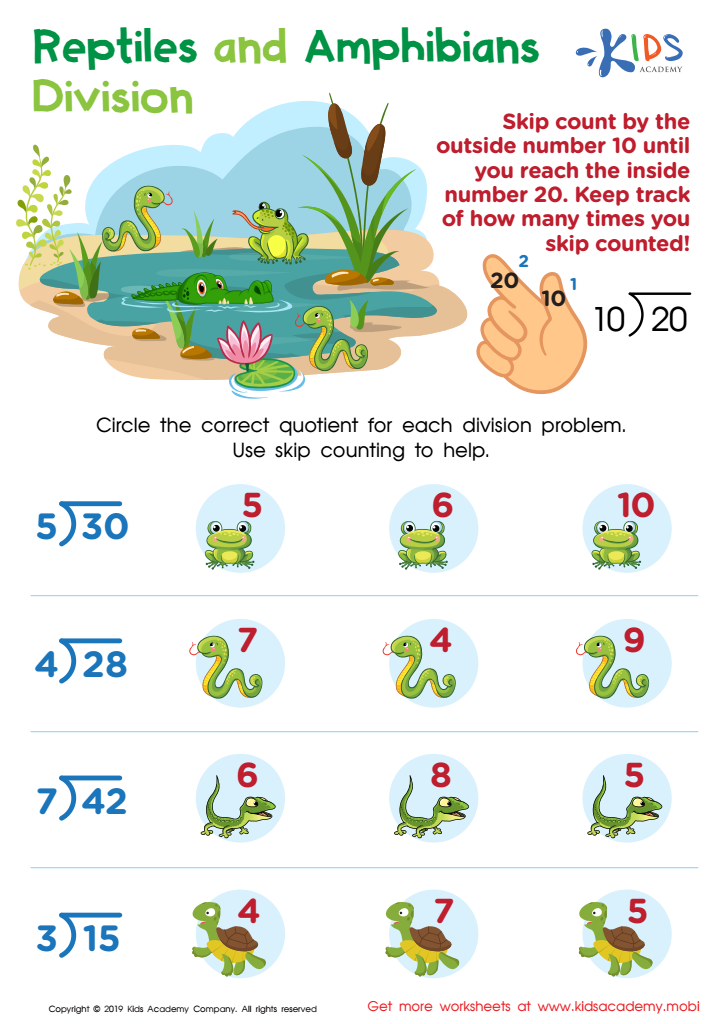
Reptile and Amphibians Division Worksheet
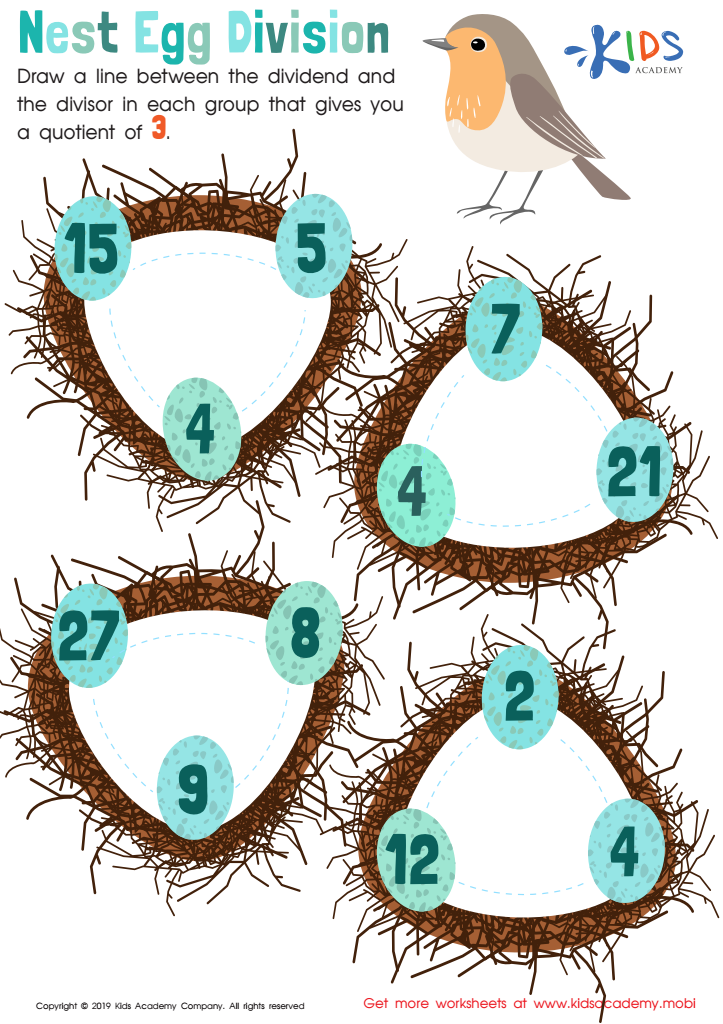
Nest Egg Division Worksheet
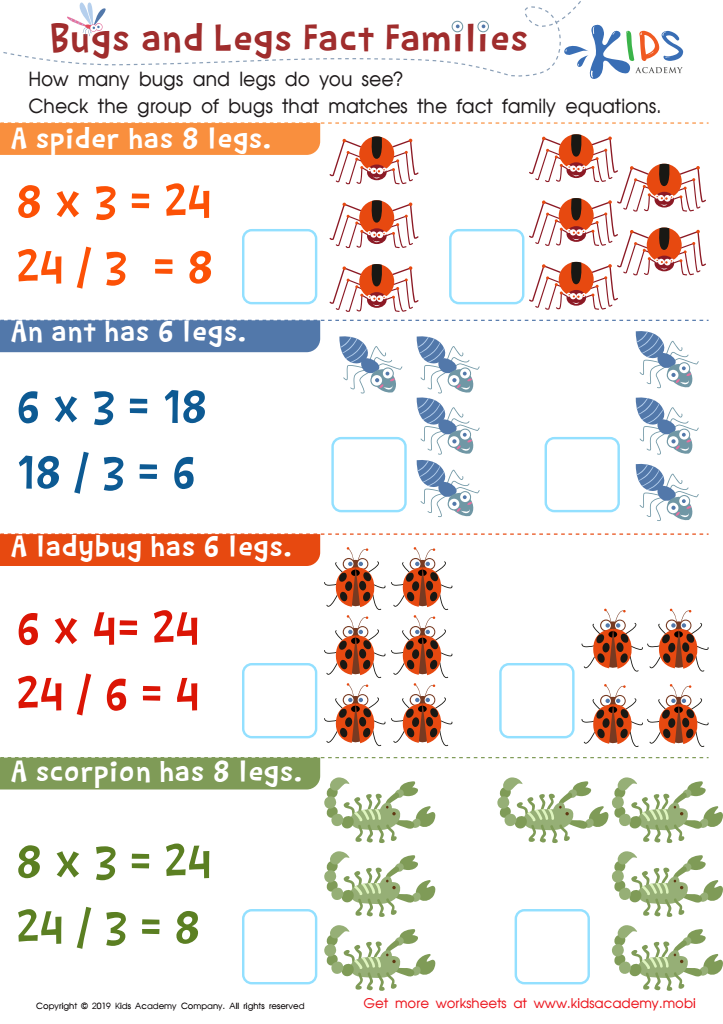
Bugs and Legs Fact Families Worksheet
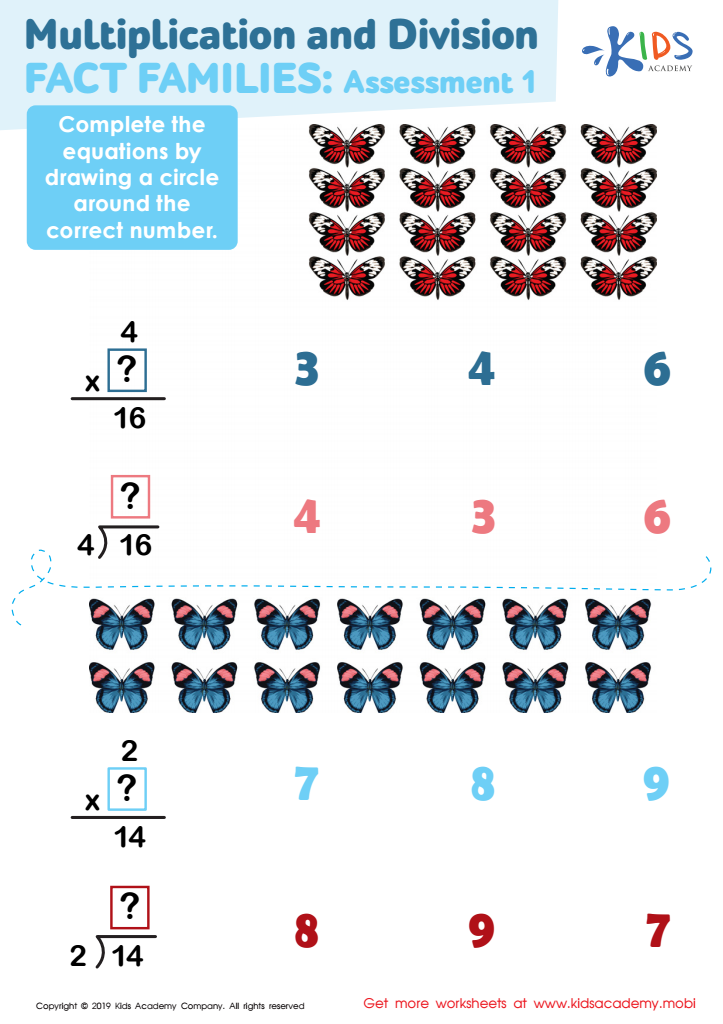
Multiplication and Division Fact Families Assessment 1 Worksheet






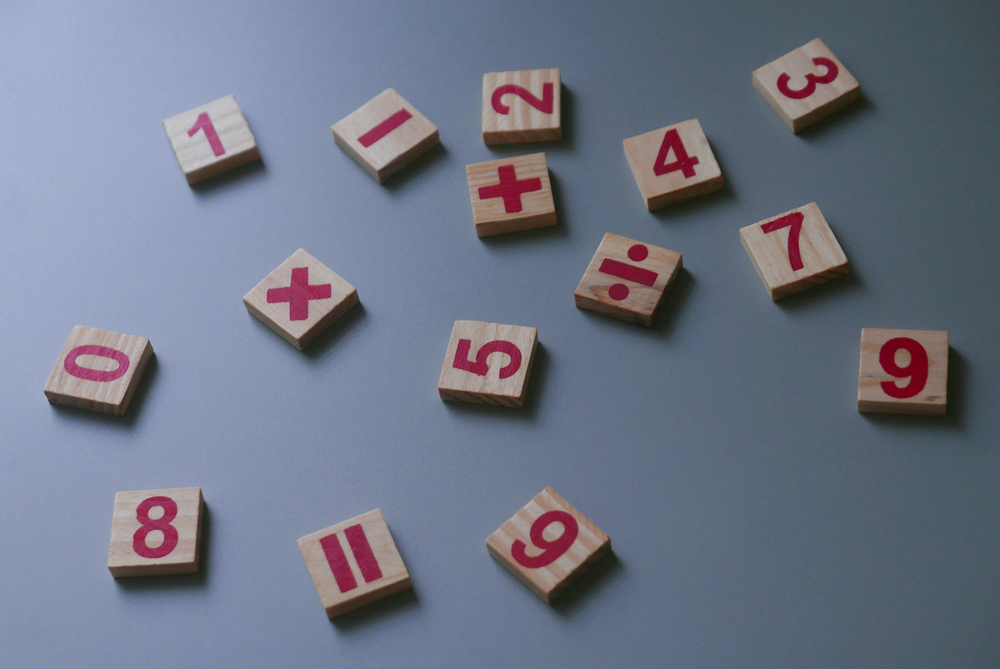
Understanding early concepts of division benefits children ages 3-8 significantly, laying the foundation for future mathematical learning and problem-solving skills. Although young children aren't yet ready for formal division, exposure to basic ideas facilitates later comprehension. At this age, children are naturally curious and learning fundamental math concepts through play and simple activities which can help demystify more complex operations they'll encounter later.
For parents and teachers, incorporating division-related activities—such as evenly sharing toys, food, or small objects like building blocks—enhances cognitive development and introduces basic notions of fairness, sharing, and equitability. These activities teach children how to divide objects into equal parts or groups, reinforcing the idea of fairness and highlighting real-world applications of mathematical concepts.
Early exposure also fuels children's confidence. Children who regularly engage with math concepts in a supportive environment often show a greater willingness to tackle mathematical challenges as they grow older. Additionally, fostering these skills early can help identify any potential learning difficulties, enabling timely intervention and support. Thus, embedding rudimentary division in everyday contexts promotes mathematical thinking, encourages equal distribution, enhances social sharing skills, and sets children on a path to future academic success.








