Problem-Solving Skills Geometry Worksheets for Ages 3-8
30 filtered results
-
From - To
Unlock your child's potential with our Problem-Solving Skills Geometry Worksheets for ages 3-8, designed to make learning geometry fun and engaging. These worksheets, carefully crafted by education experts, provide age-appropriate challenges that foster critical thinking and spatial awareness. Perfect for early learners, our printable geometry activities include puzzles, pattern recognition, and shape identification tasks that ensure a solid foundation in math. Enhance problem-solving skills while keeping kids motivated and curious. Available for easy download, these resources are ideal for both classroom and home use. Visit us and set your child on the path to geometric success today!
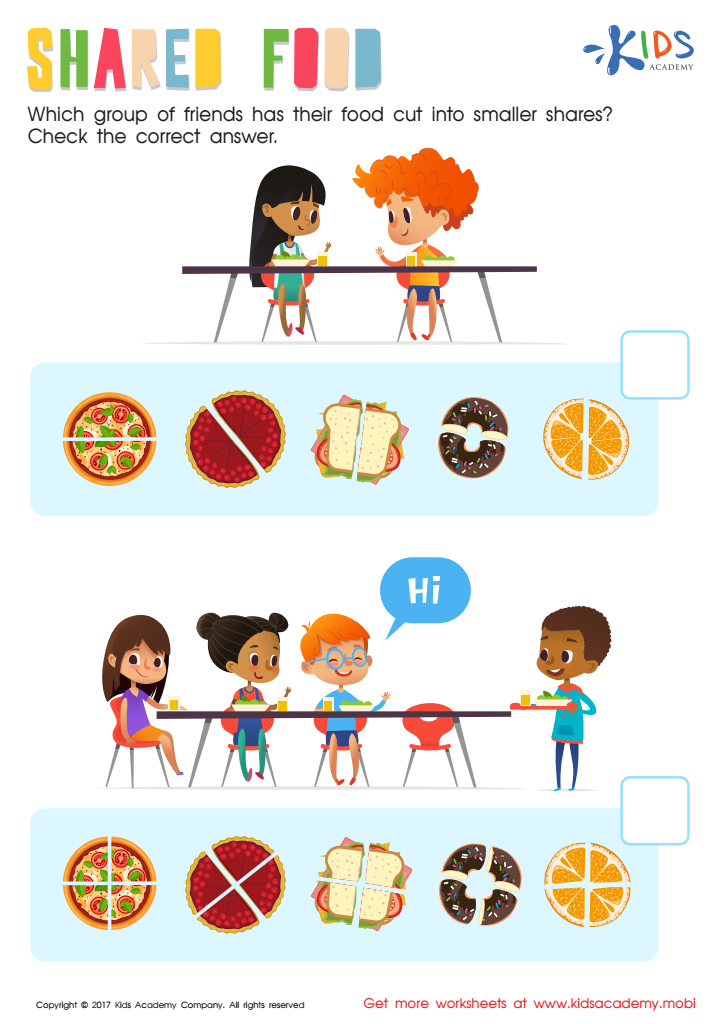
Shared Food Worksheet
 Assign to My Students











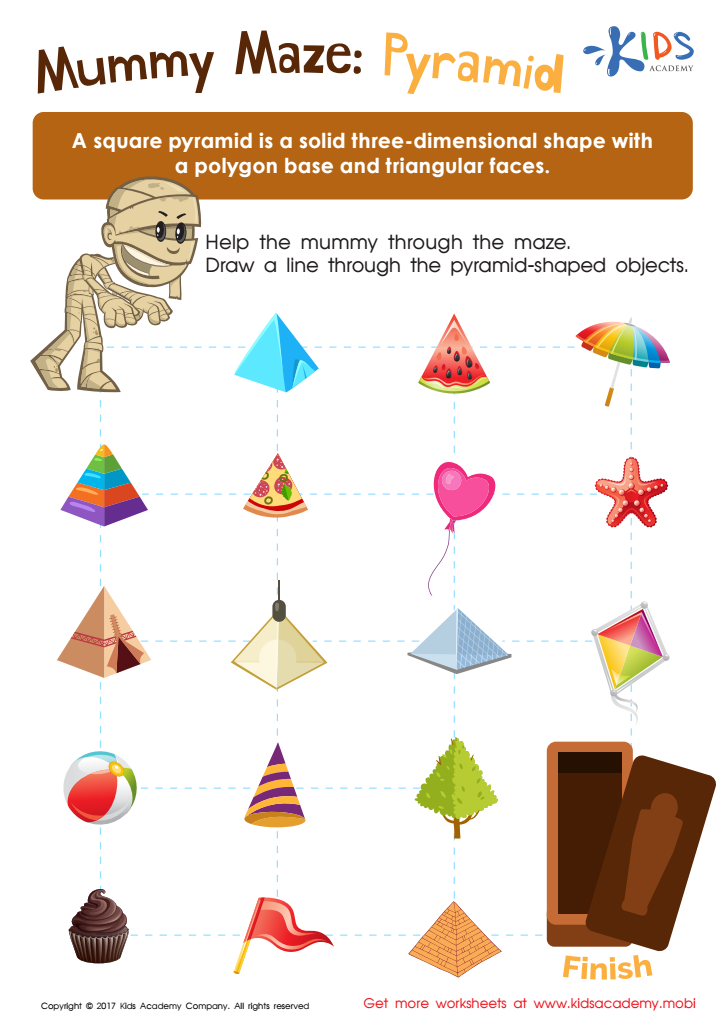
Mummy Maze: Pyramid Printable
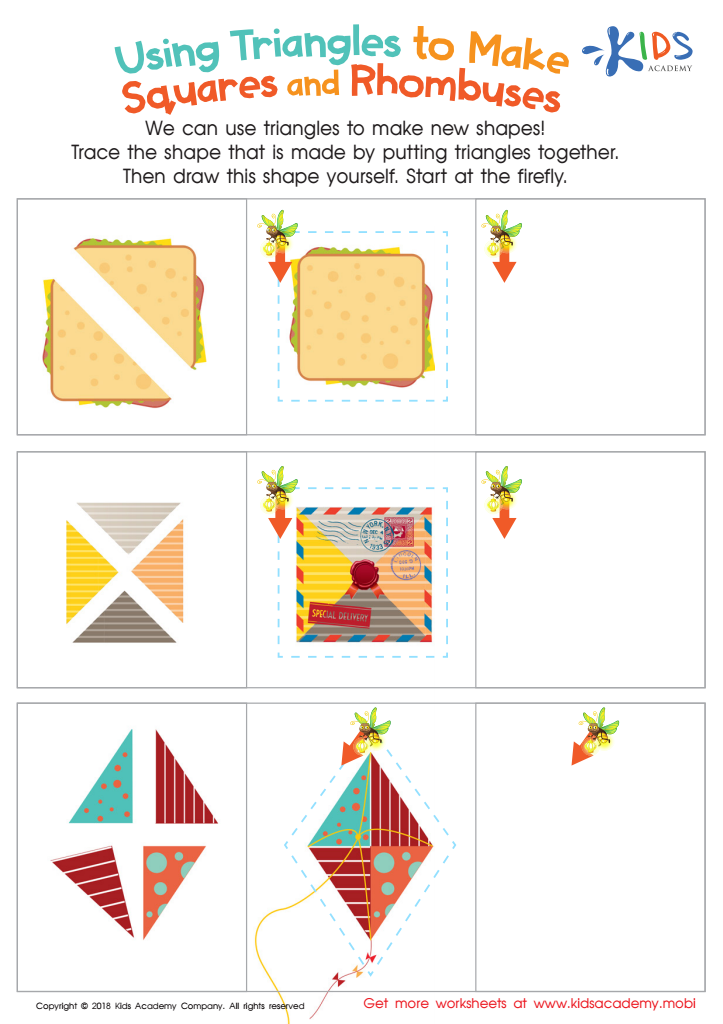
Using Triangles to Make Squares and Rhombuses Worksheet
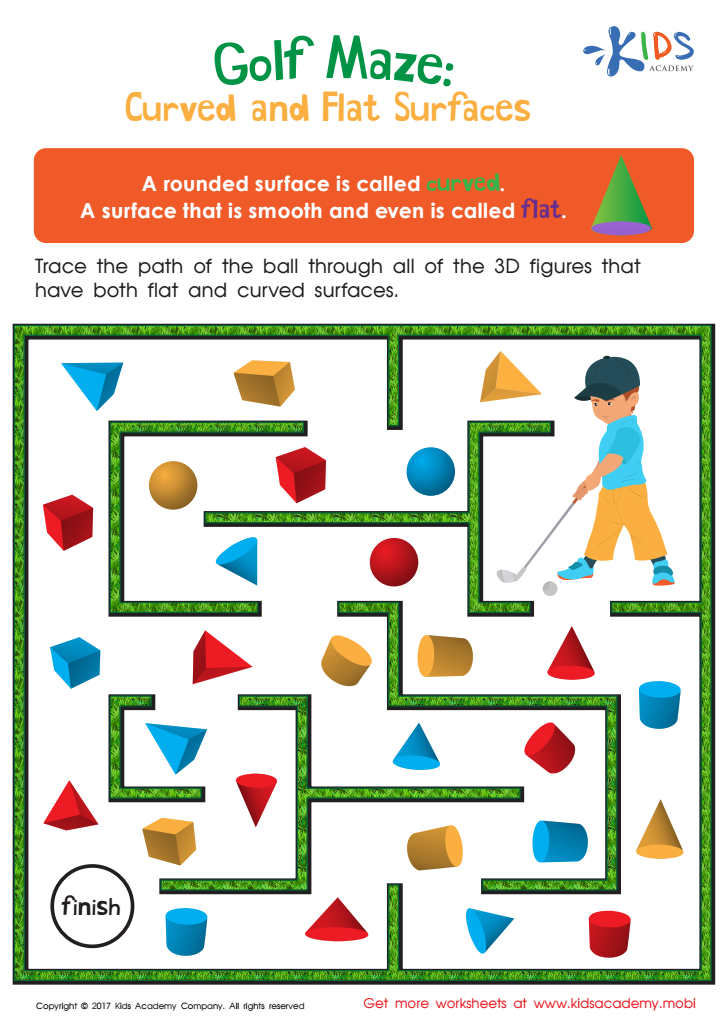
Golf Maze: Curved and Flat Surfaces Worksheet
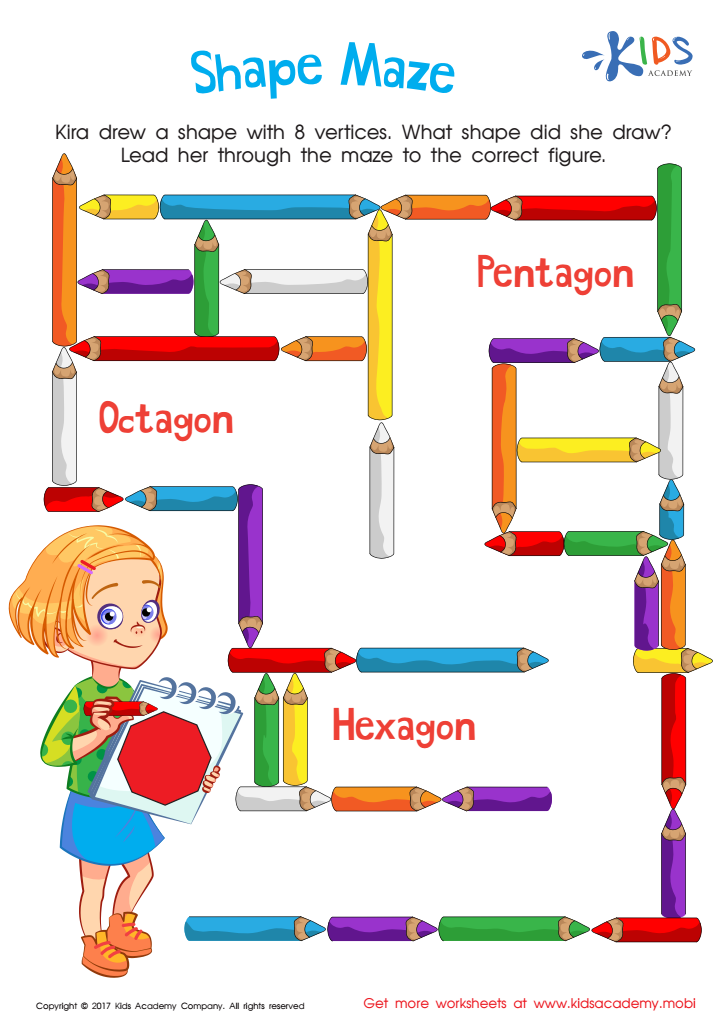
Shape Maze Worksheet
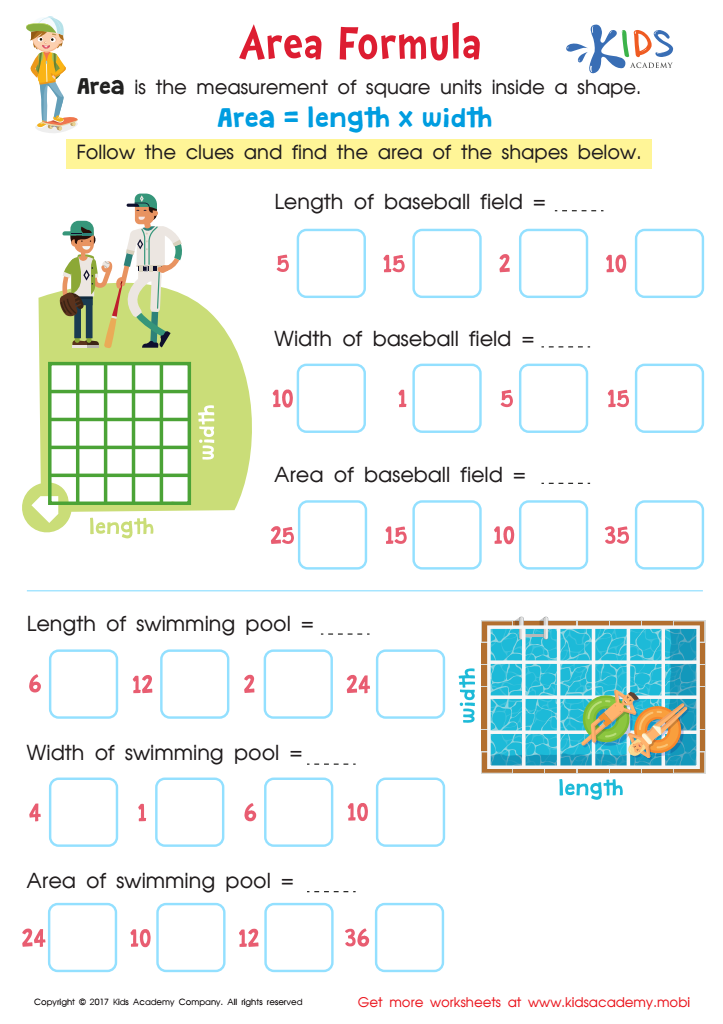
Area Formula Worksheet
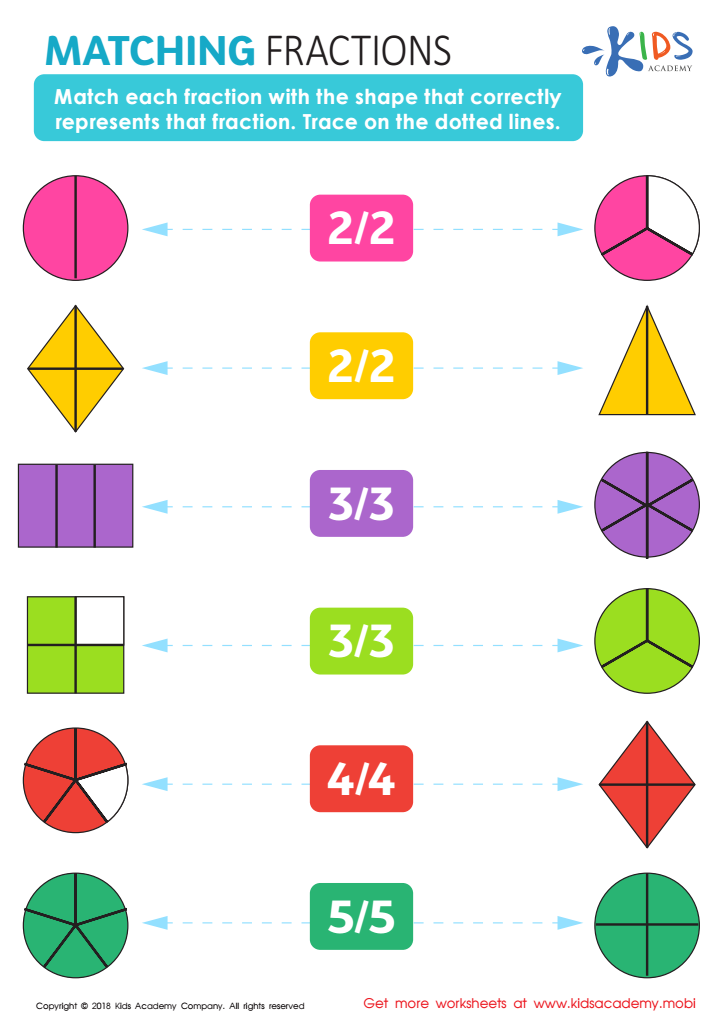
Matching Fractions Worksheet
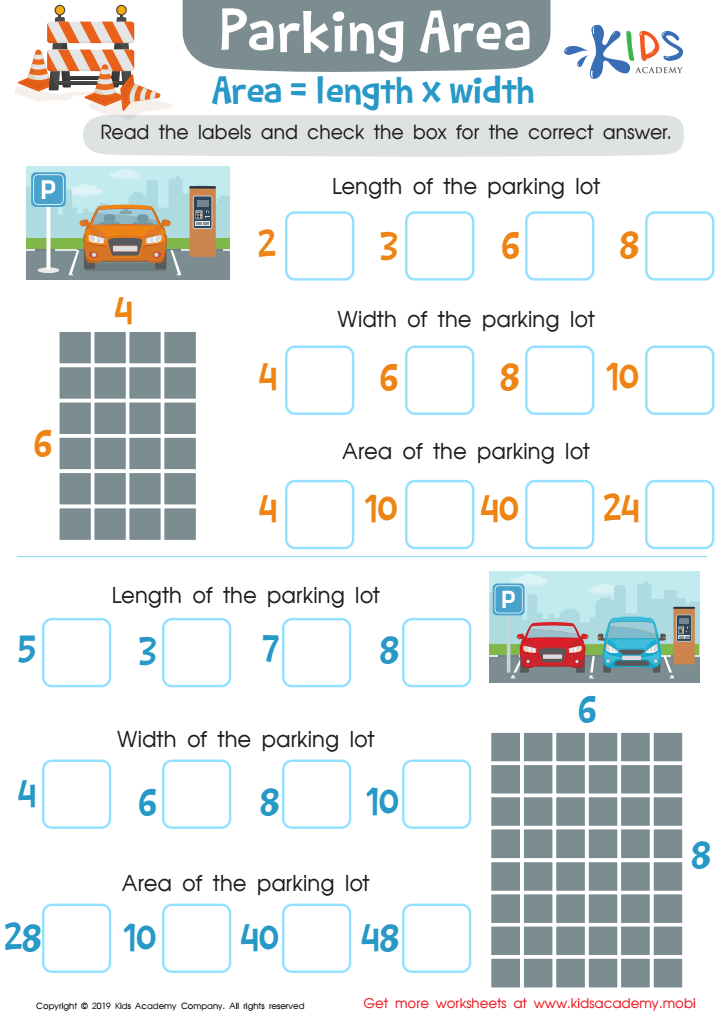
Parking Area Worksheet
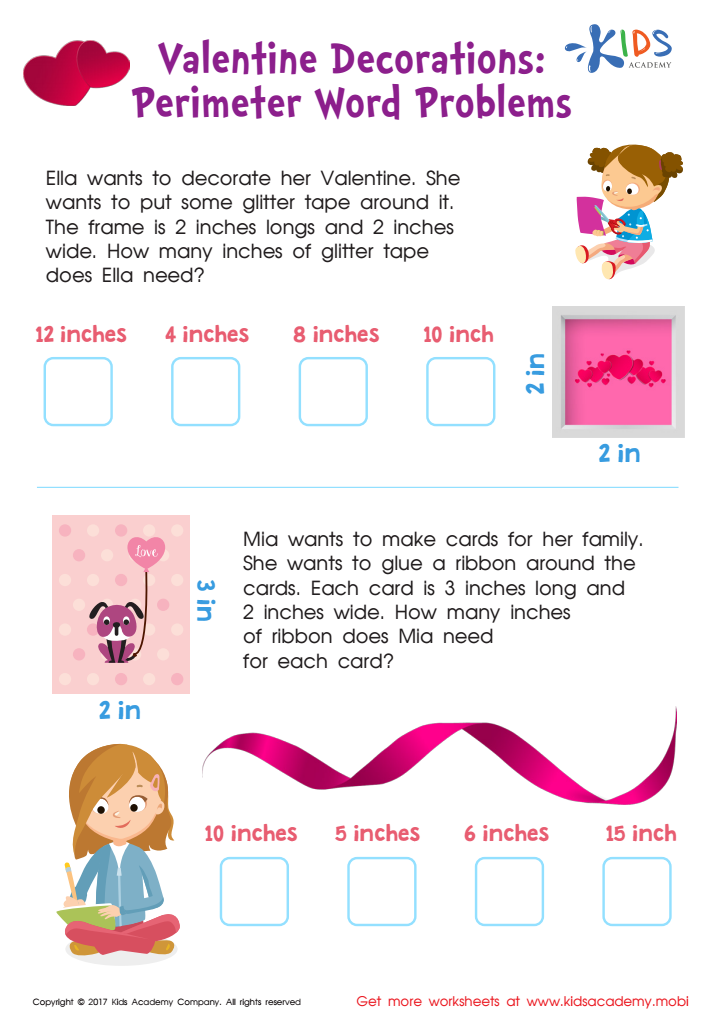
Perimeter Word Problems Worksheet
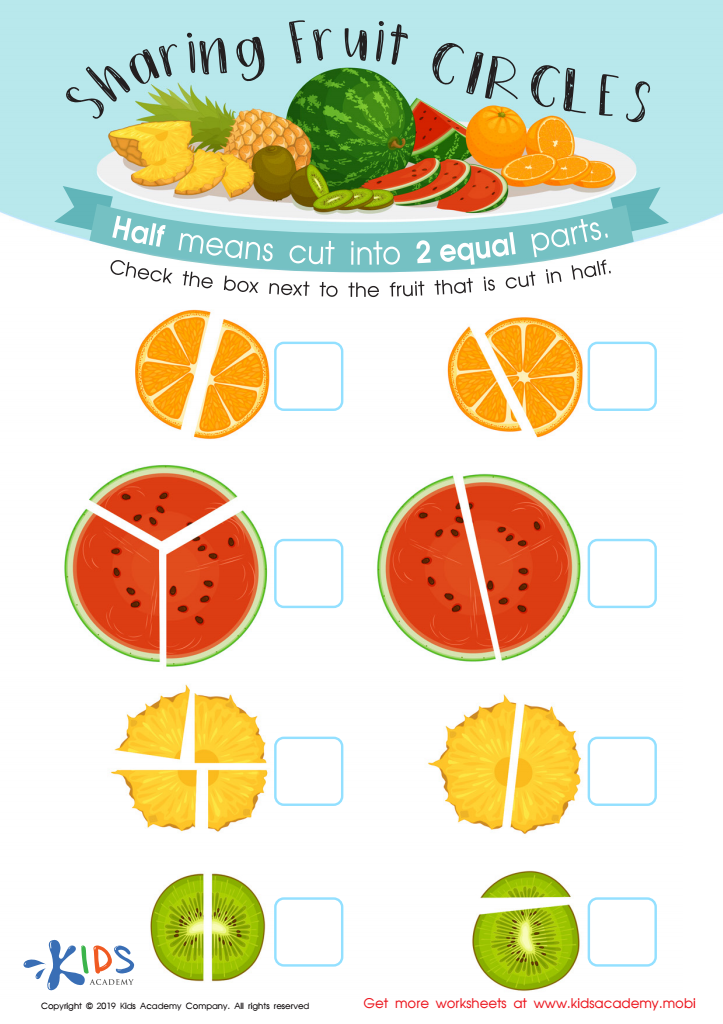
Sharing Fruit Circles Worksheet
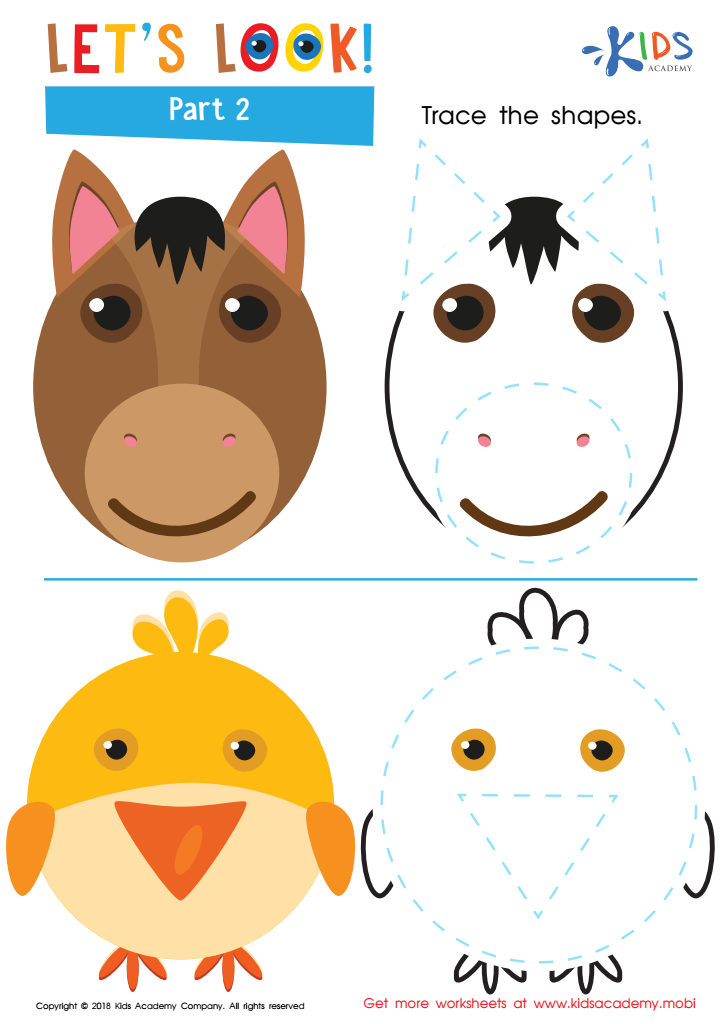
Let's Look! Part 2 Worksheet
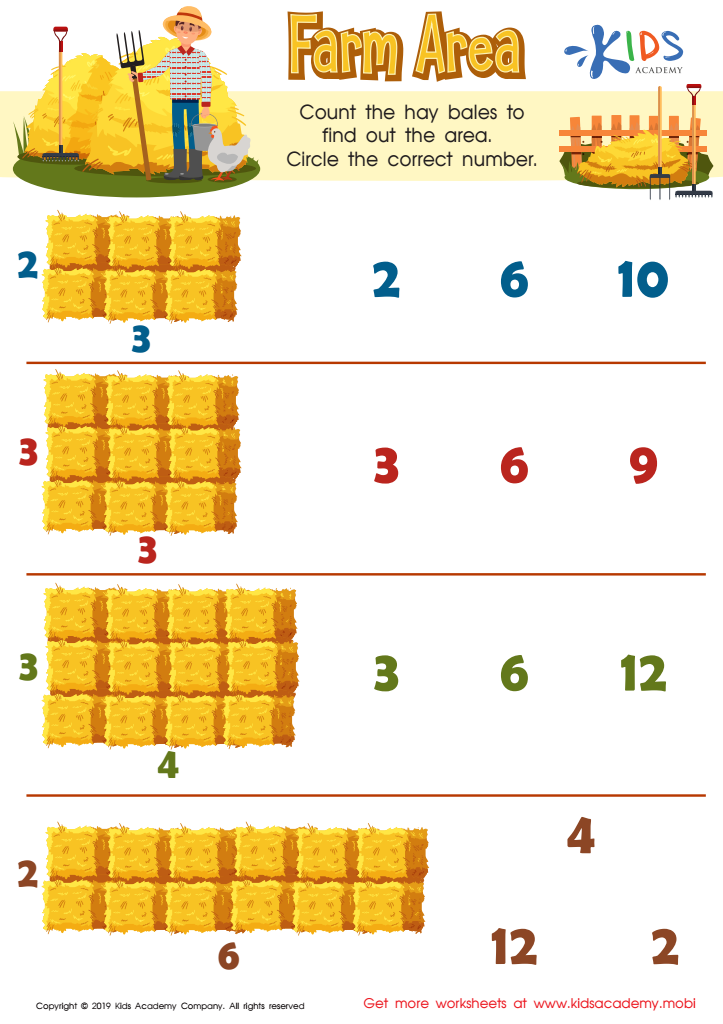
Farm Area Worksheet
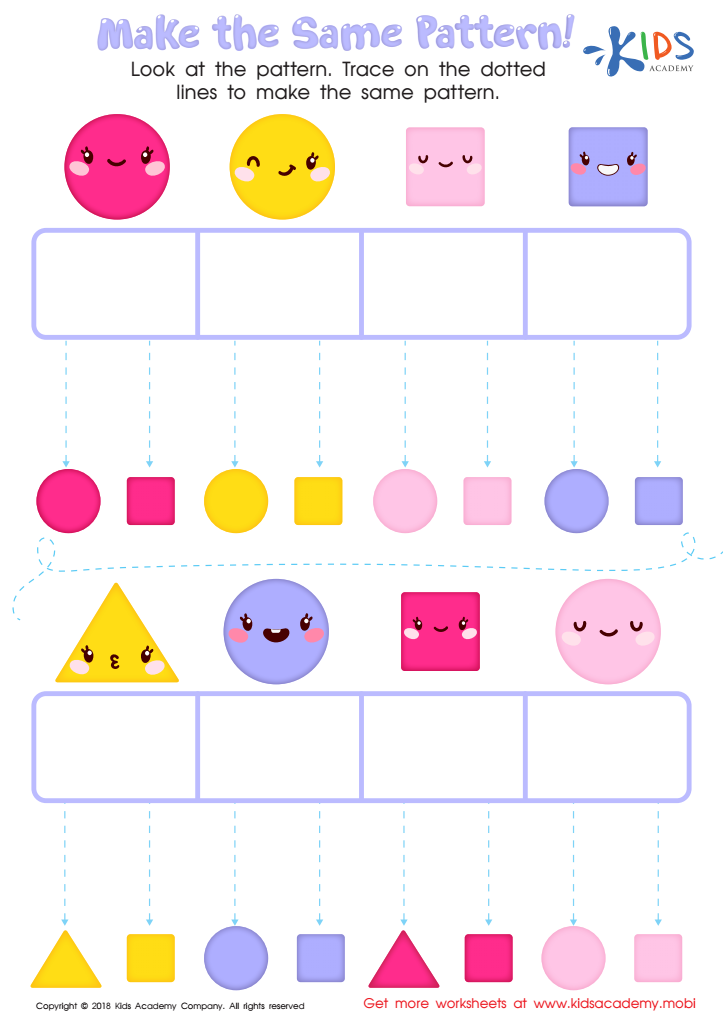
Make the Same Pattern Worksheet
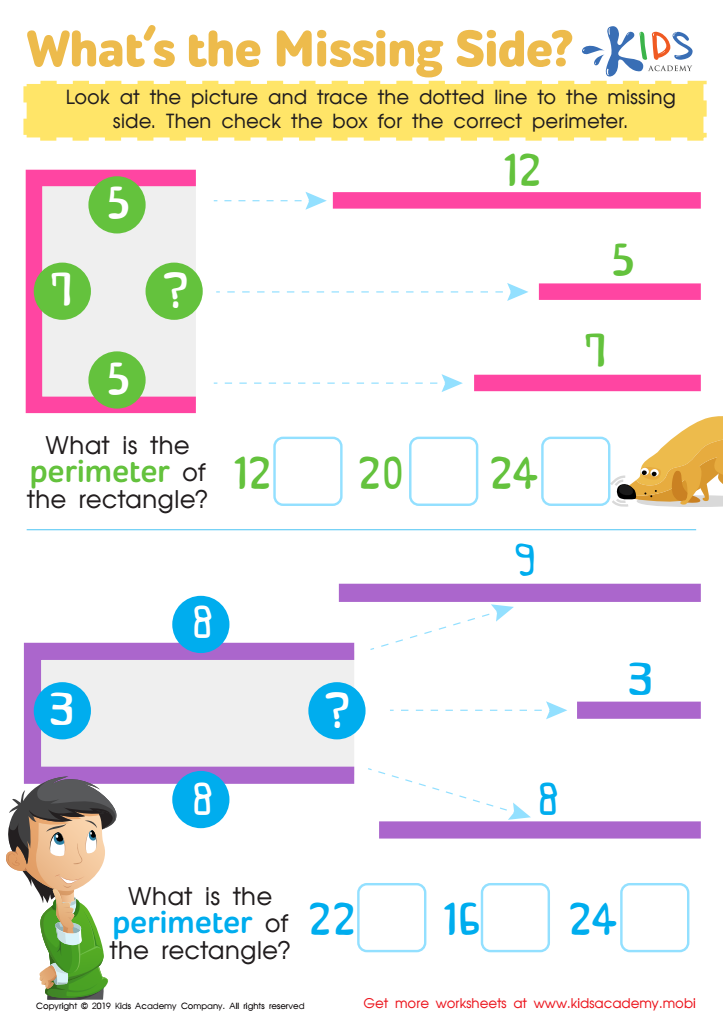
What's the Missing Side Worksheet
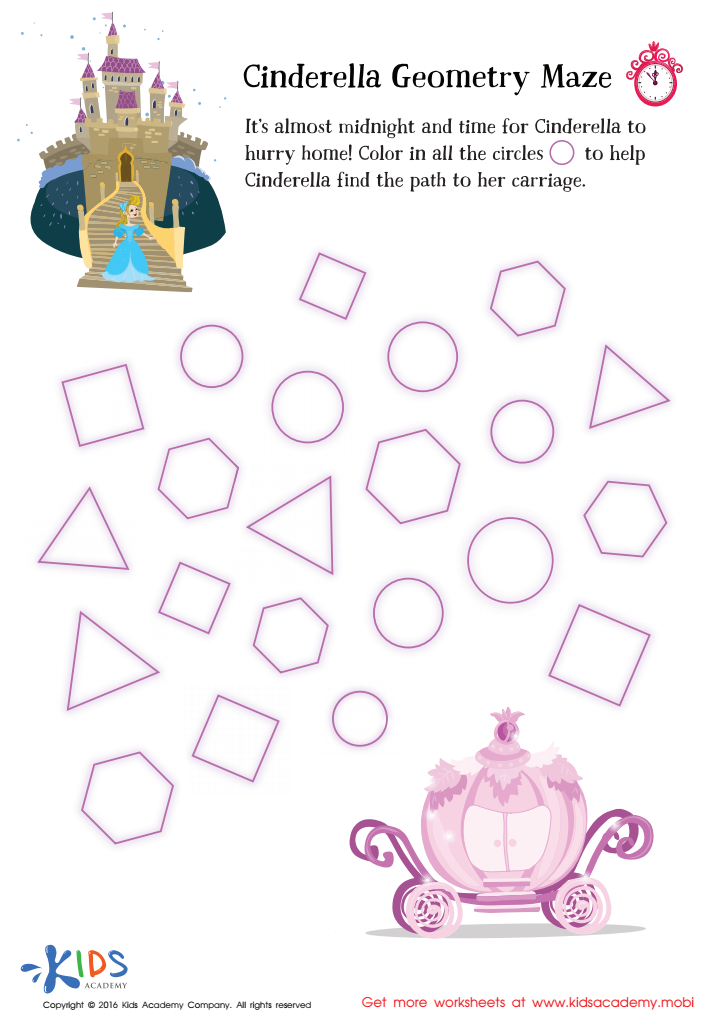
Cinderella Geometry Maze Worksheet
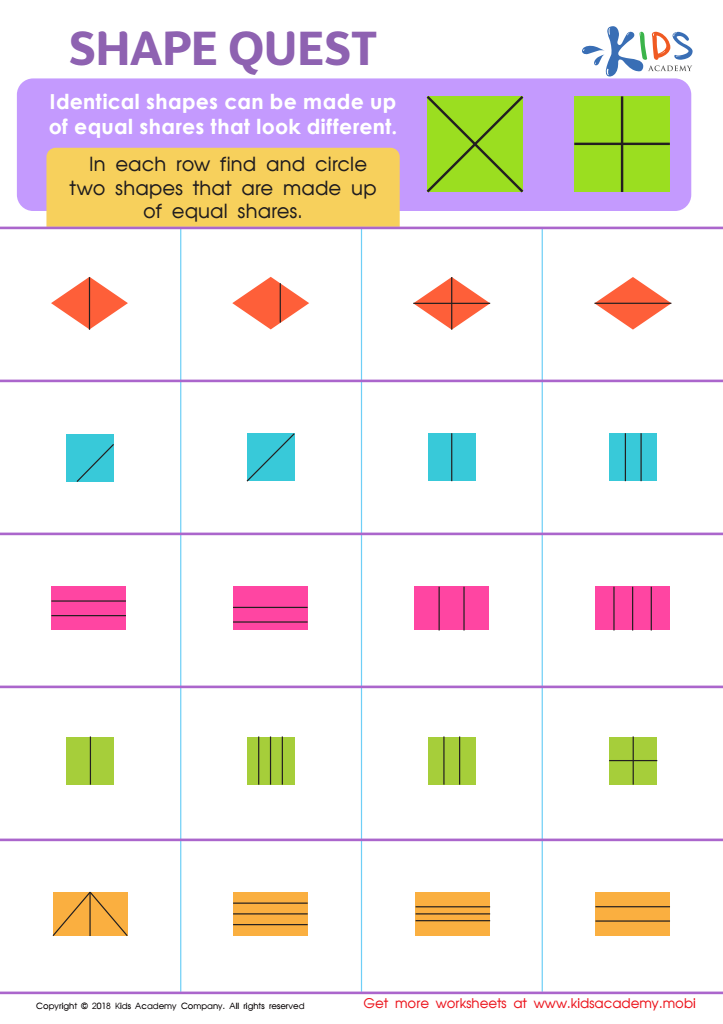
Shape Quest Worksheet
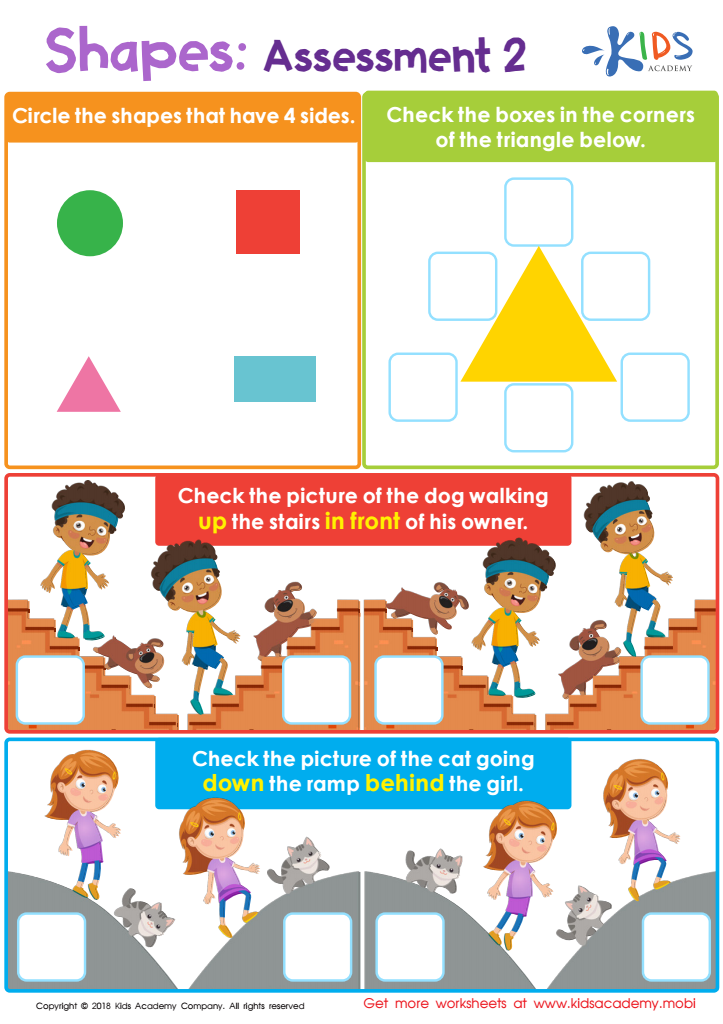
Shapes: Assessment 2 Worksheet

Learning to Draw Crescents And Triangles Worksheet
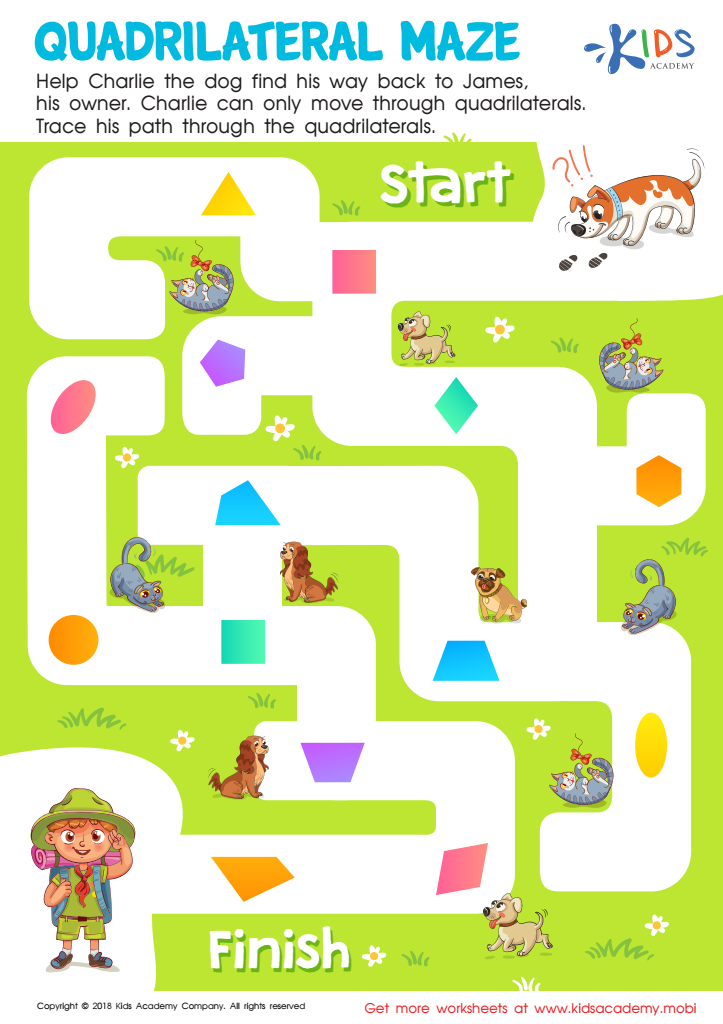
Quadrilateral Maze Worksheet
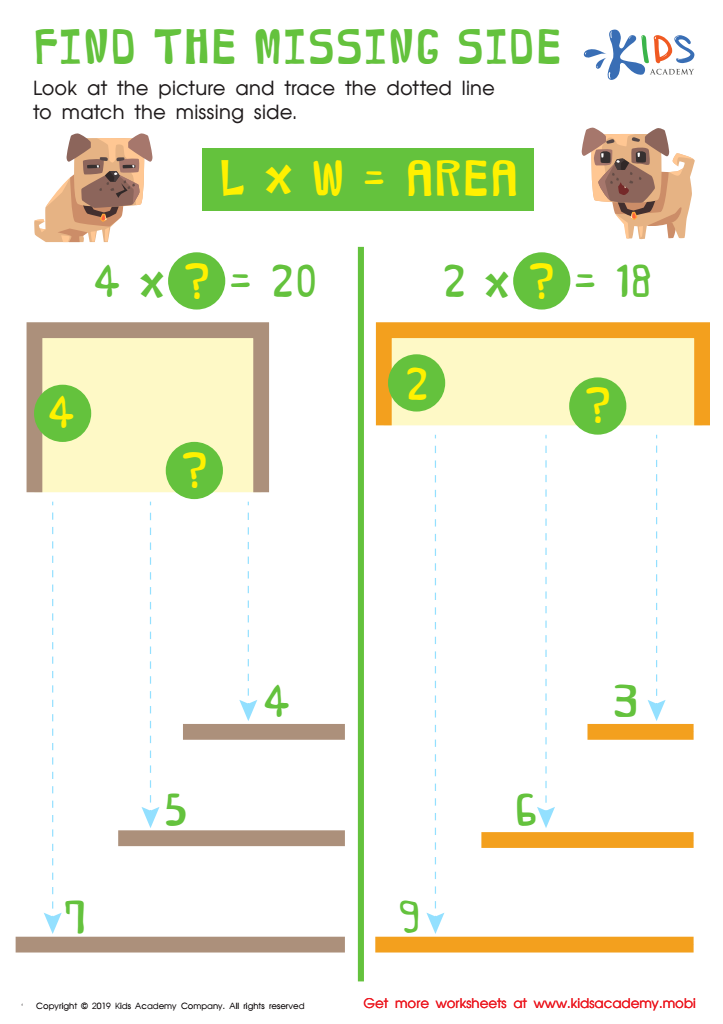
Find the Missing Side Worksheet
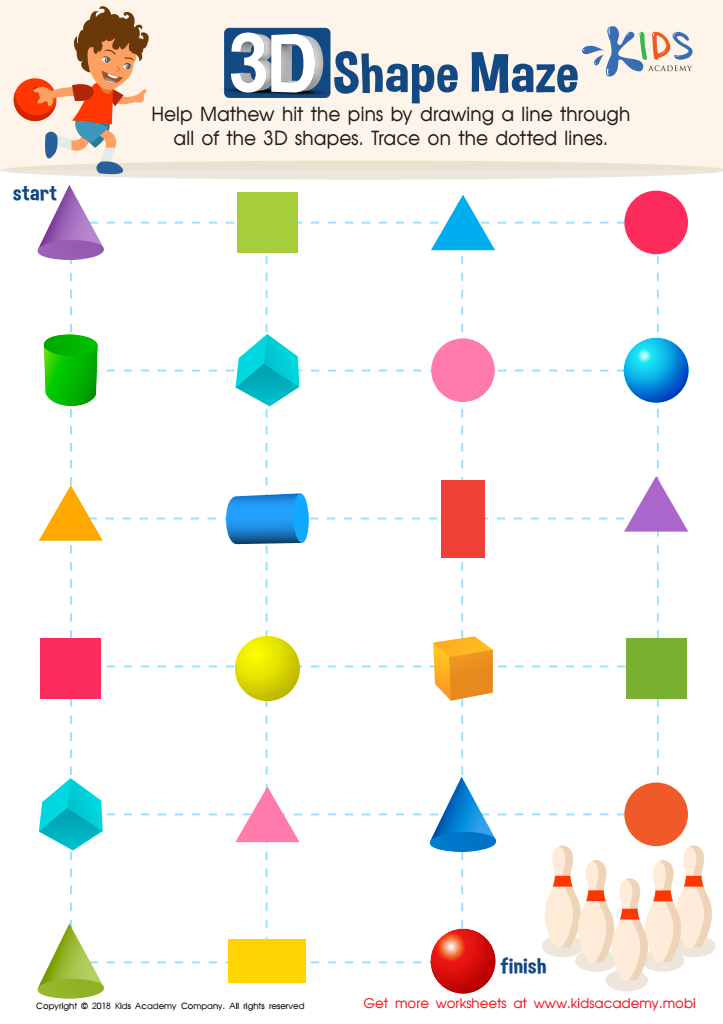
Shapes Maze Geometry Worksheet
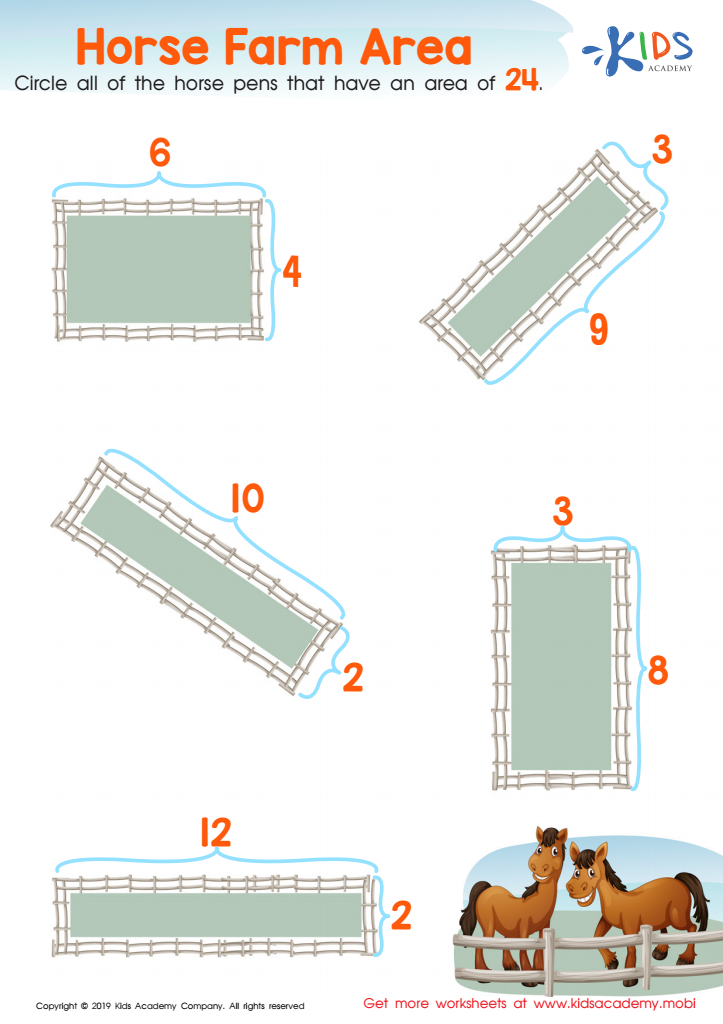
Horse Farm Area Worksheet
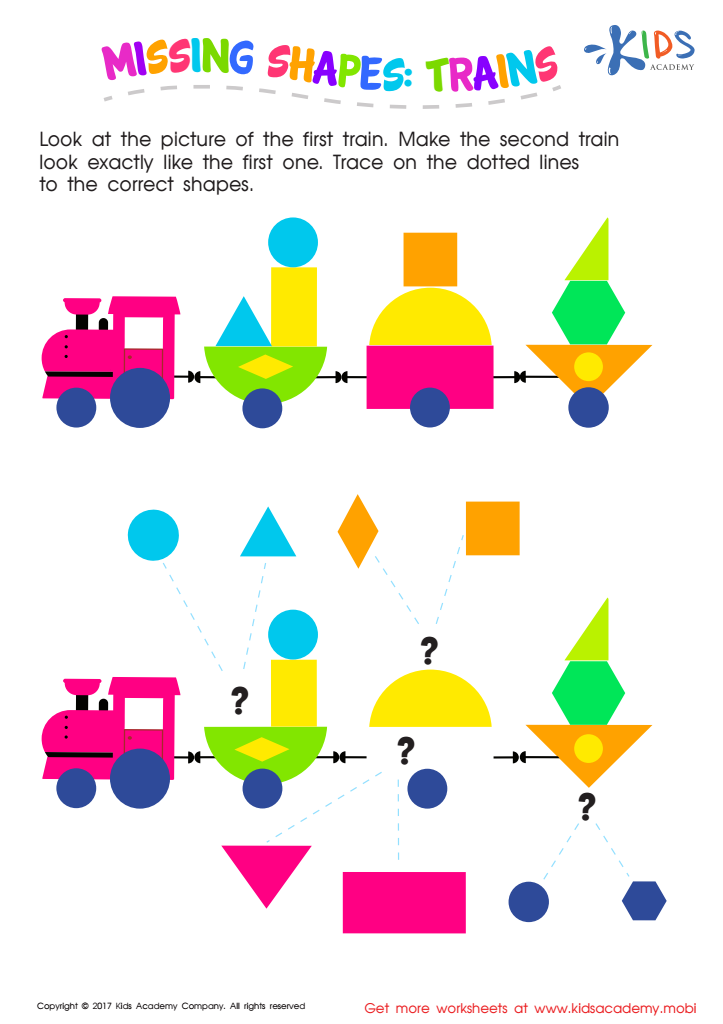
Missing Shapes: Trains Worksheet
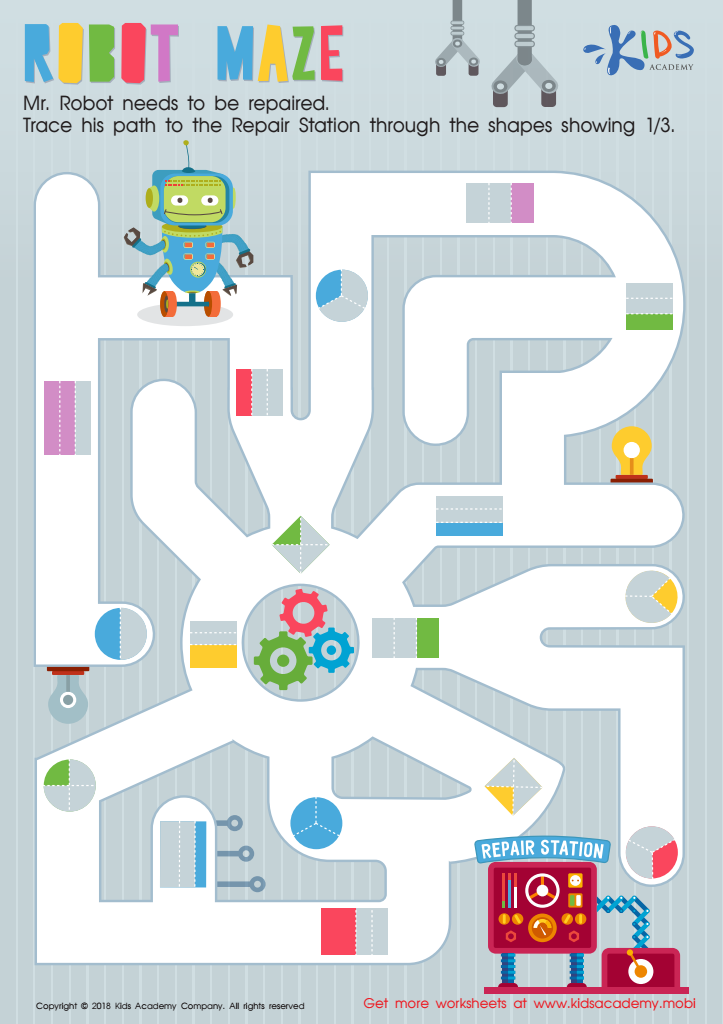
Robot Maze Worksheet








Problem-solving skills in geometry are essential for young children (ages 3-8) as they build a strong foundation for future academic success and everyday life challenges. Early exposure to geometry helps children recognize shapes, patterns, and spatial relationships, which are key components of early mathematics. As children engage with these concepts, they develop critical thinking and reasoning abilities, which are indispensable in solving complex problems.
For parents and teachers, nurturing problem-solving skills in geometry means facilitating an environment where exploration and questioning are encouraged. Hands-on activities, such as building with blocks, drawing, or solving simple puzzles, stimulate cognitive development in exciting, interactive ways. This early engagement in geometry not only enhances mathematical understanding but also supports language development as children learn to describe their thoughts and processes.
Furthermore, problem-solving in geometry fosters creativity and persistence. Children learn that problems can have multiple solutions and that effort and practice can lead to improvement. These experiences lay the groundwork for a growth mindset, an essential attitude for lifelong learning.
By prioritizing problem-solving skills in geometry, parents and teachers equip children with the tools to navigate academic endeavors and everyday tasks with confidence and creativity. These foundational skills help children become adept learners, capable of thinking critically and solving problems efficiently, far beyond the realm of mathematics.








